
Introduction
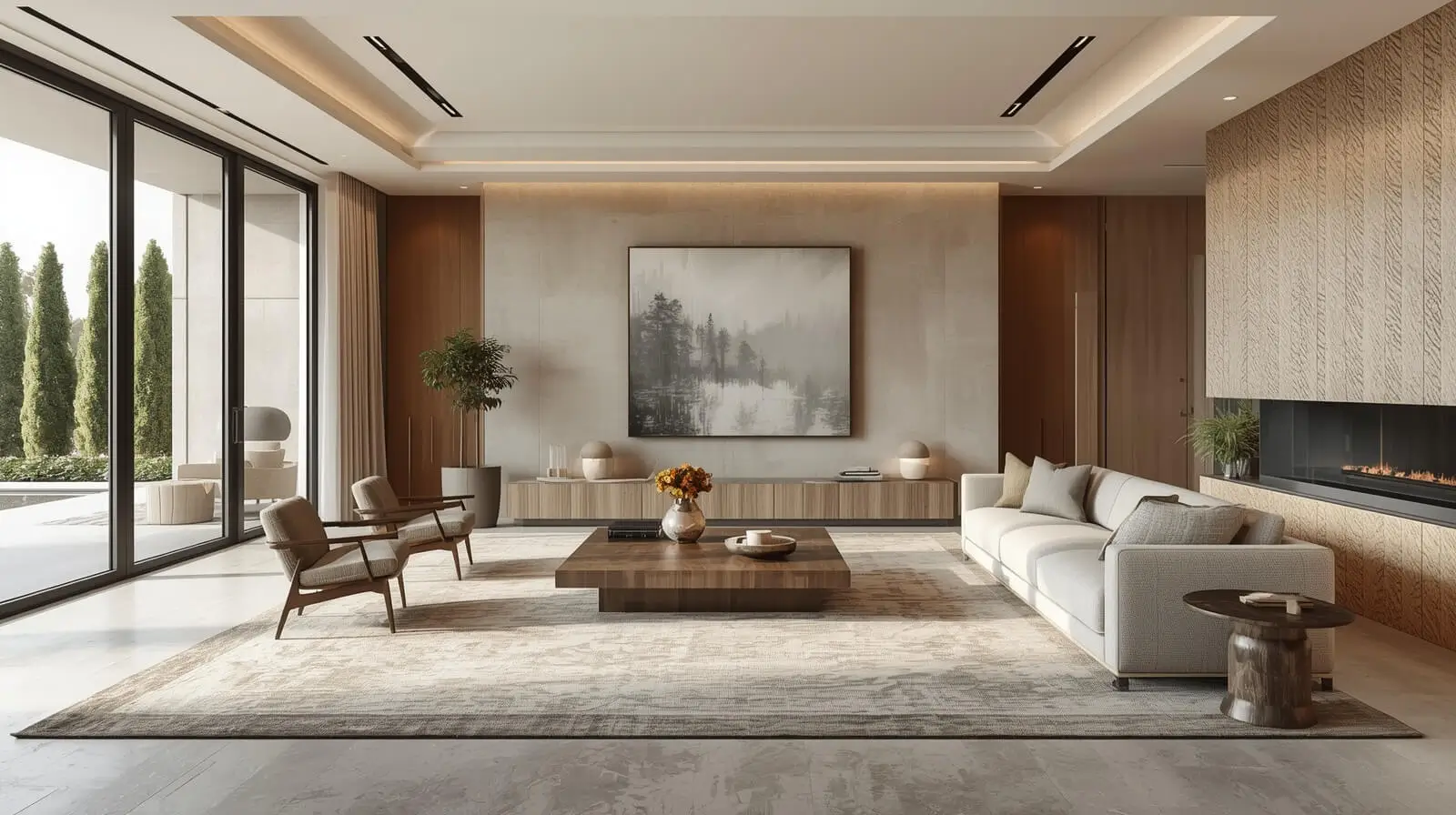
Scale in interior design is one of those principles that quietly decides whether a space feels comfortable, elegant, or awkward—often before we can explain why. It refers to how the size of furniture, décor, and architectural elements relate to the room itself and to each other. When scale is handled well, a space feels balanced and intentional; when it’s ignored, even expensive interiors can feel off.
After years of working with residential and styled interiors, one truth stands out: scale is not about following formulas, but about understanding visual weight, human proportion, and spatial rhythm. A perfectly styled room doesn’t rely on trends—it relies on scale that suits the space and the people living in it.
Whether you’re decorating a compact apartment or a large open-plan home, mastering scale in interior design allows you to make confident choices that feel natural, cohesive, and timeless.
Understanding Scale in Interior Design
Scale in interior design describes the relationship between objects and the space they occupy. It ensures furniture and décor neither overwhelm nor underwhelm a room. Good scale creates comfort by matching visual size with function and human use.
Scale vs Proportion in Interior Design
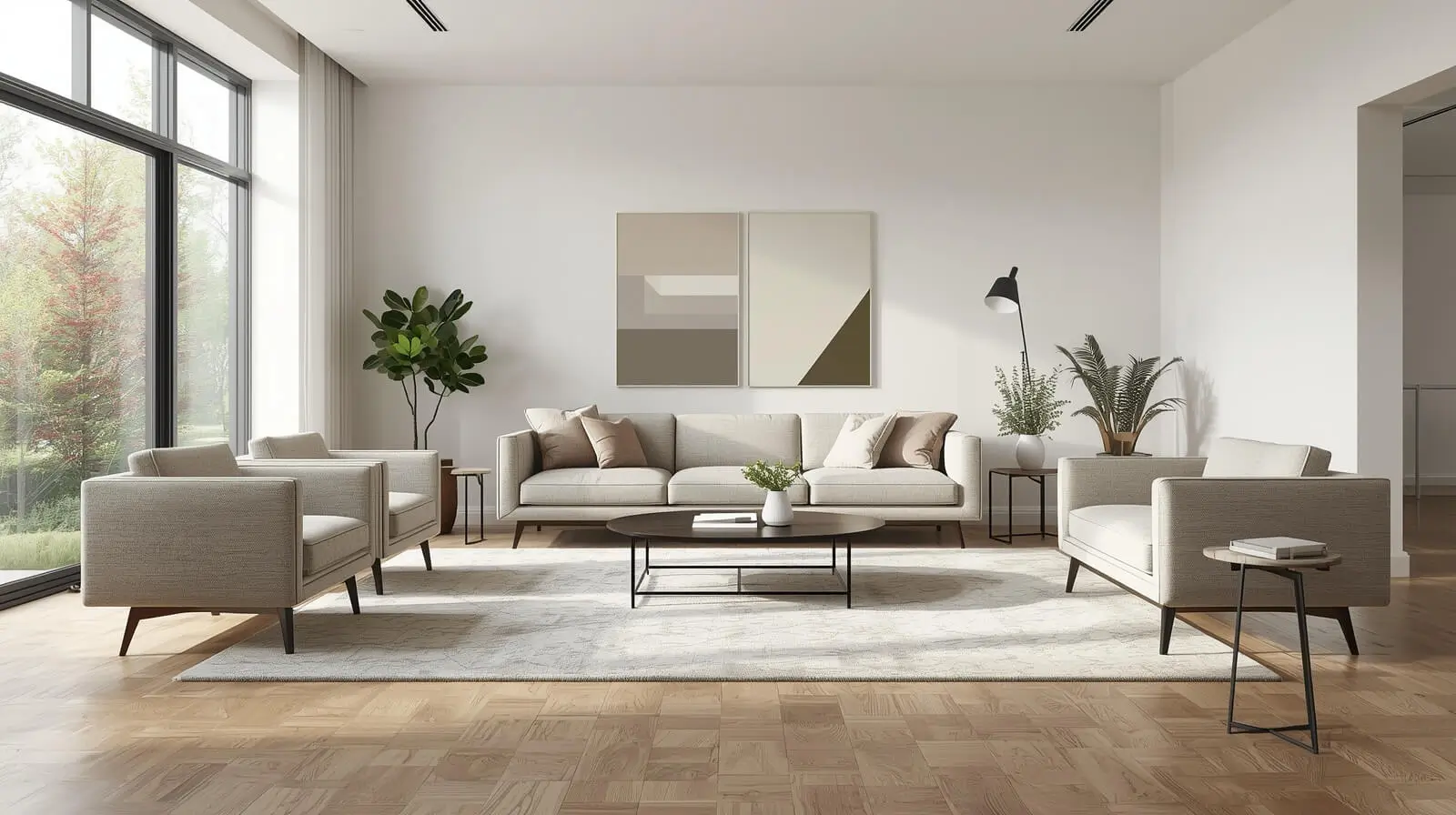
While scale focuses on size relative to the room, proportion looks at how elements relate to one another. Together, they create harmony—scale sets the stage, proportion fine-tunes the composition.
Human Scale in Interior Design
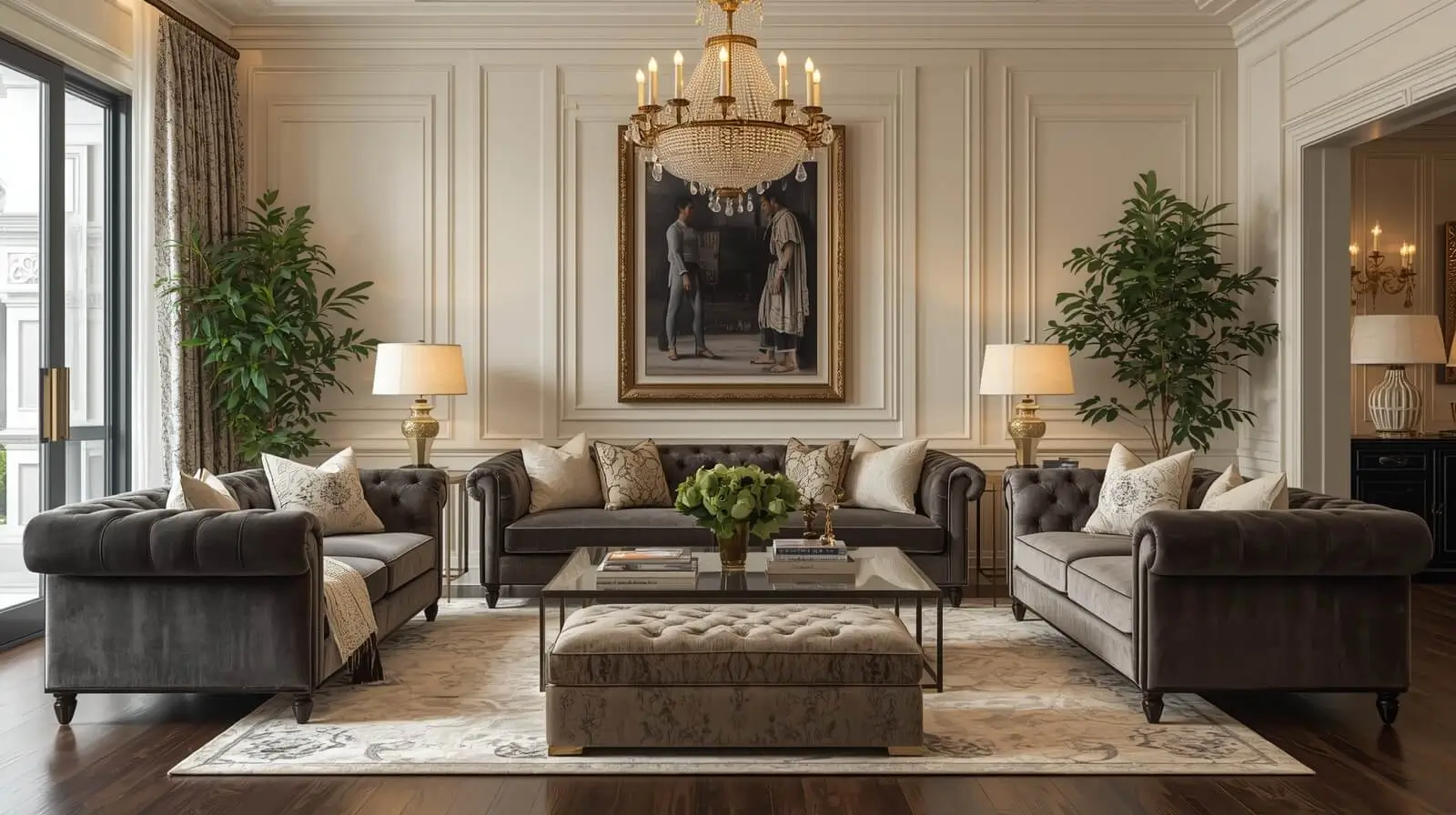
Human scale considers how furniture fits the body and daily use. Seating height, table depth, and circulation space all rely on human proportions to ensure comfort and functionality.
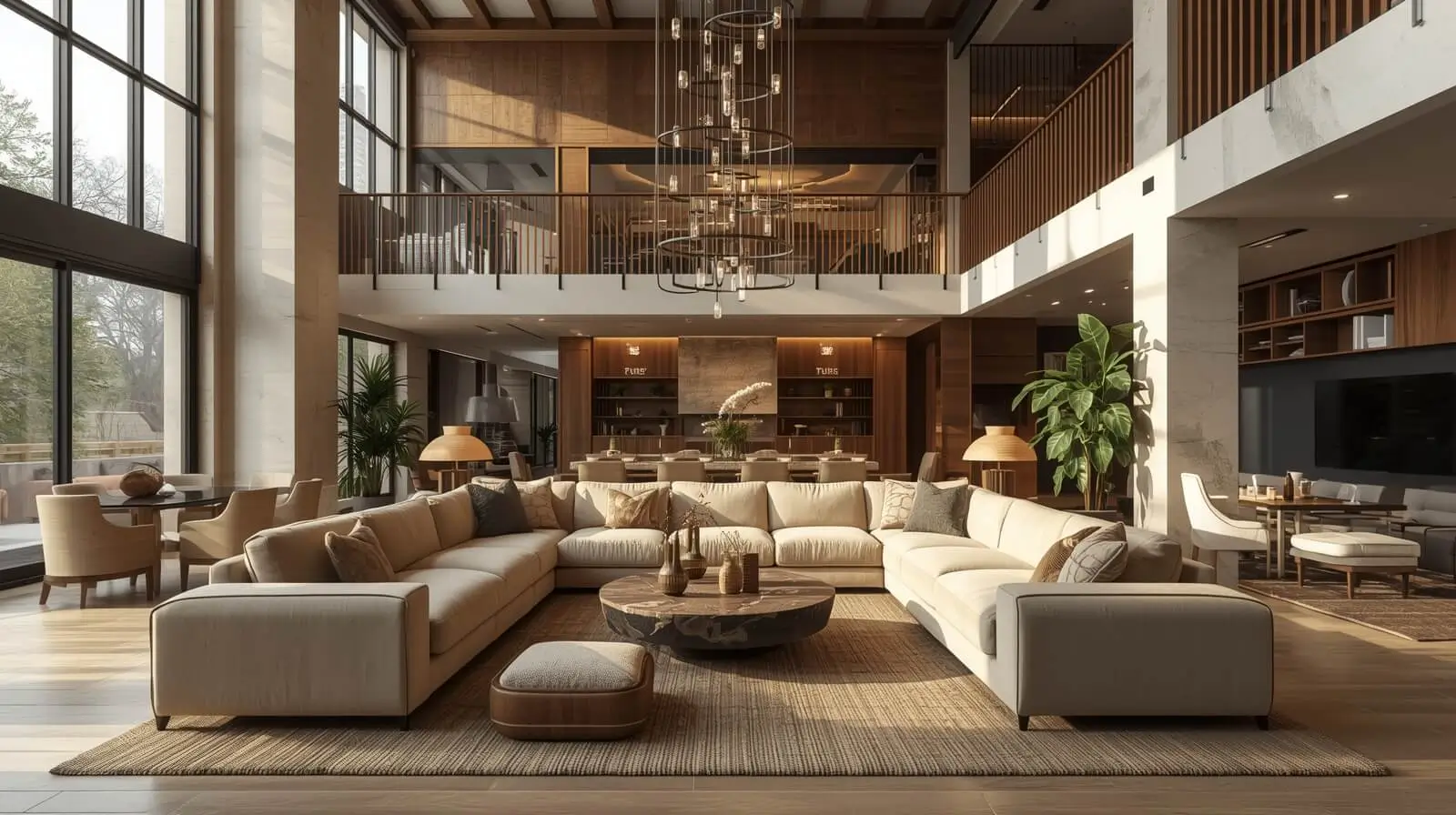
Large-Scale Furniture in Interior Design
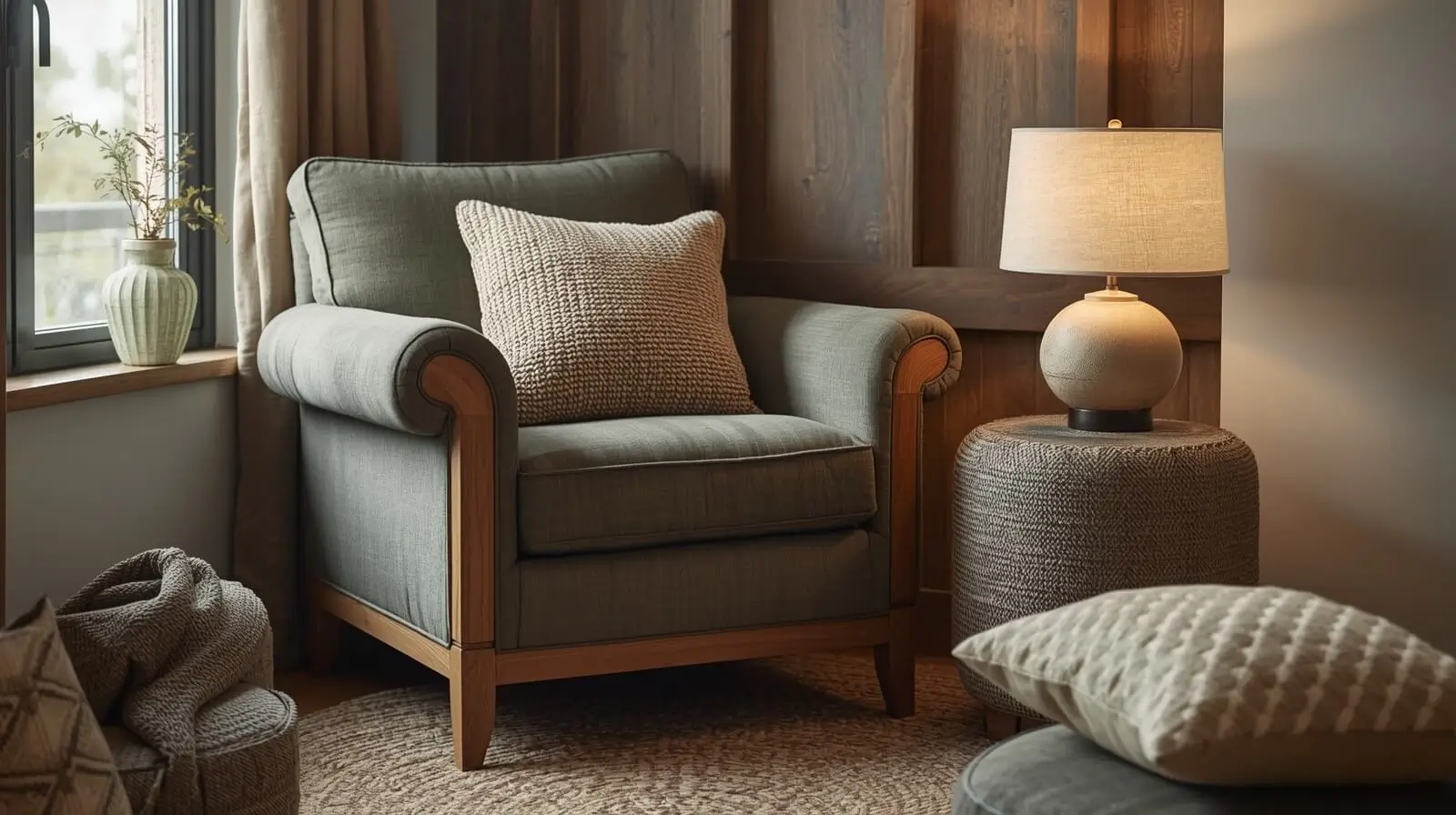
Large-scale furniture anchors spacious rooms and prevents them from feeling empty. Oversized sofas, statement beds, or broad dining tables bring visual weight and confidence.
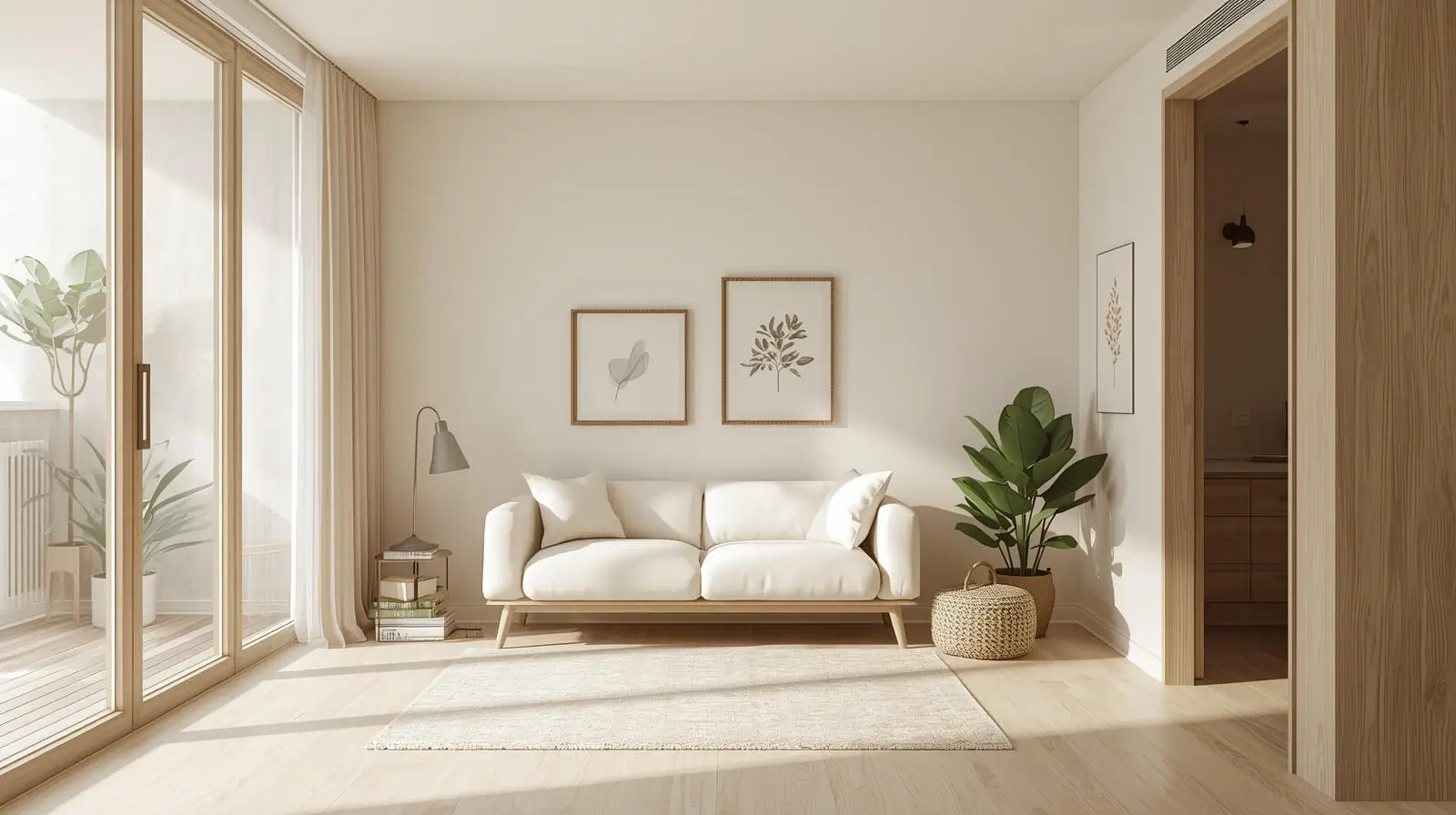
Small-Scale Furniture in Interior Design
In compact spaces, smaller-scale furniture maintains openness and flow. Slim profiles, raised legs, and multifunctional pieces help preserve visual breathing room.
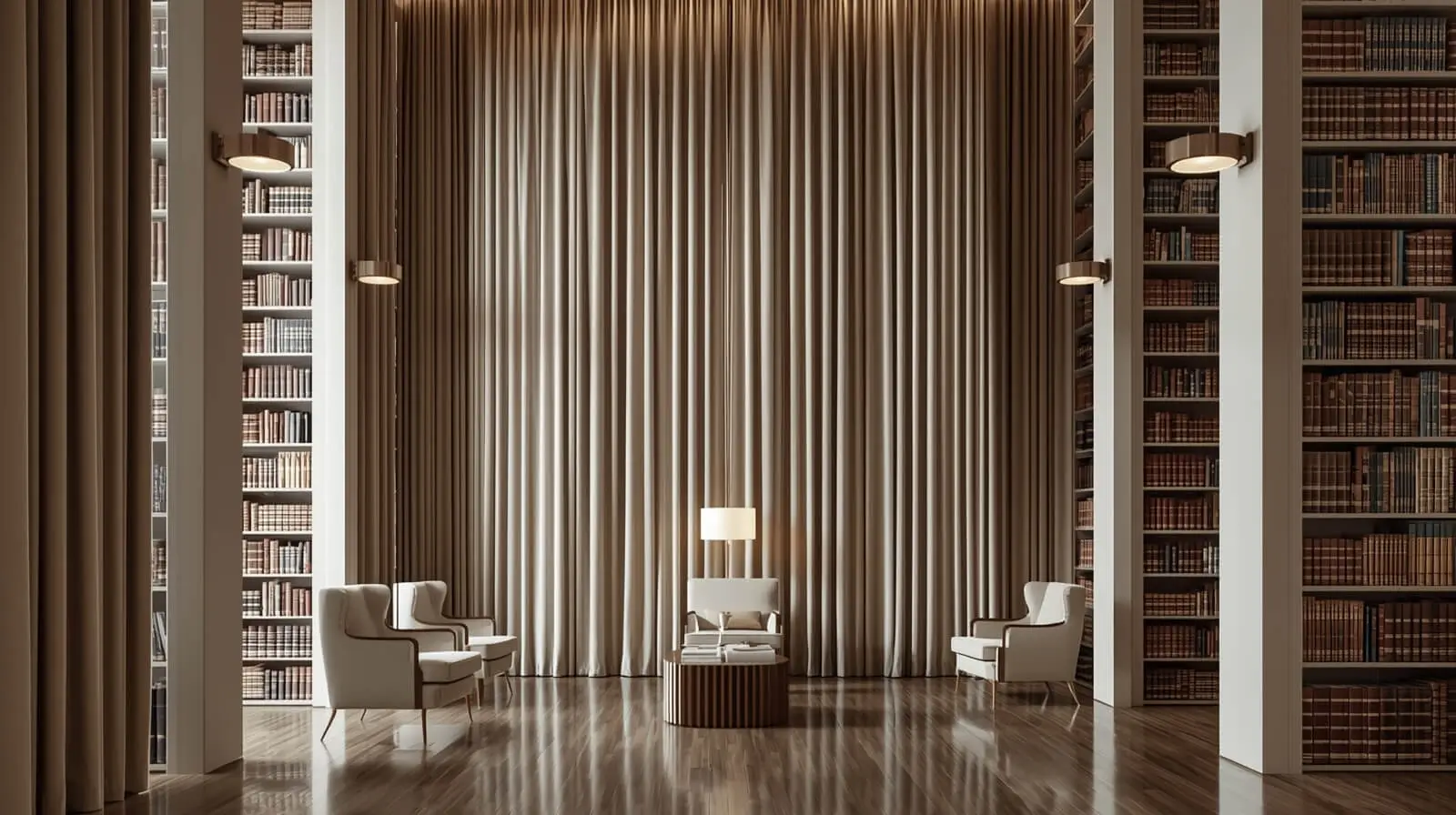
Vertical Scale in Interior Design
Vertical scale draws the eye upward and emphasizes height. Tall shelving, floor-to-ceiling curtains, and elongated lighting fixtures enhance spatial presence.
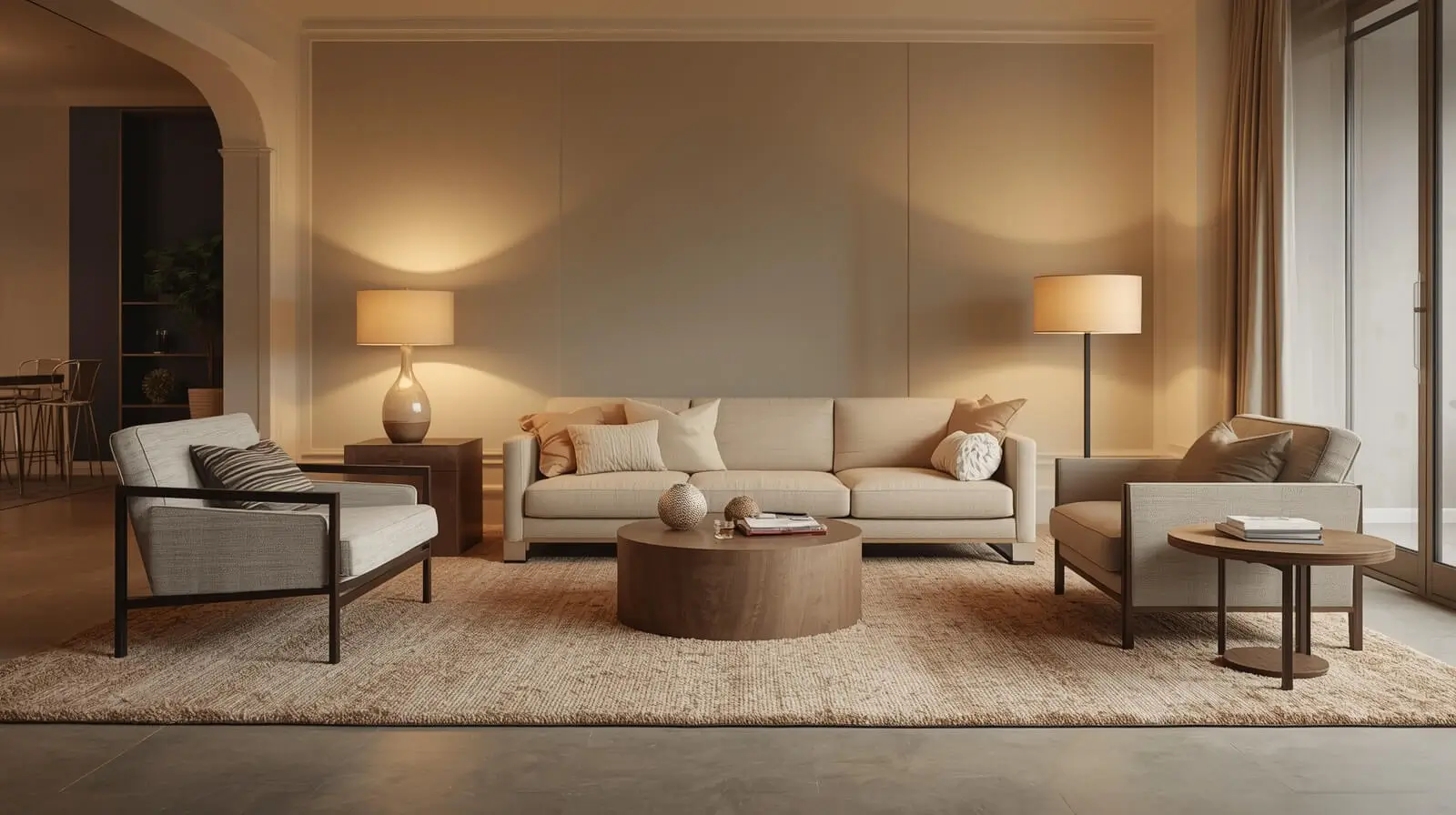
Horizontal Scale in Interior Design
Horizontal scale emphasizes width and grounding. Low furniture, wide rugs, and extended seating arrangements create calm and stability.
Scale in Living Room Interior Design
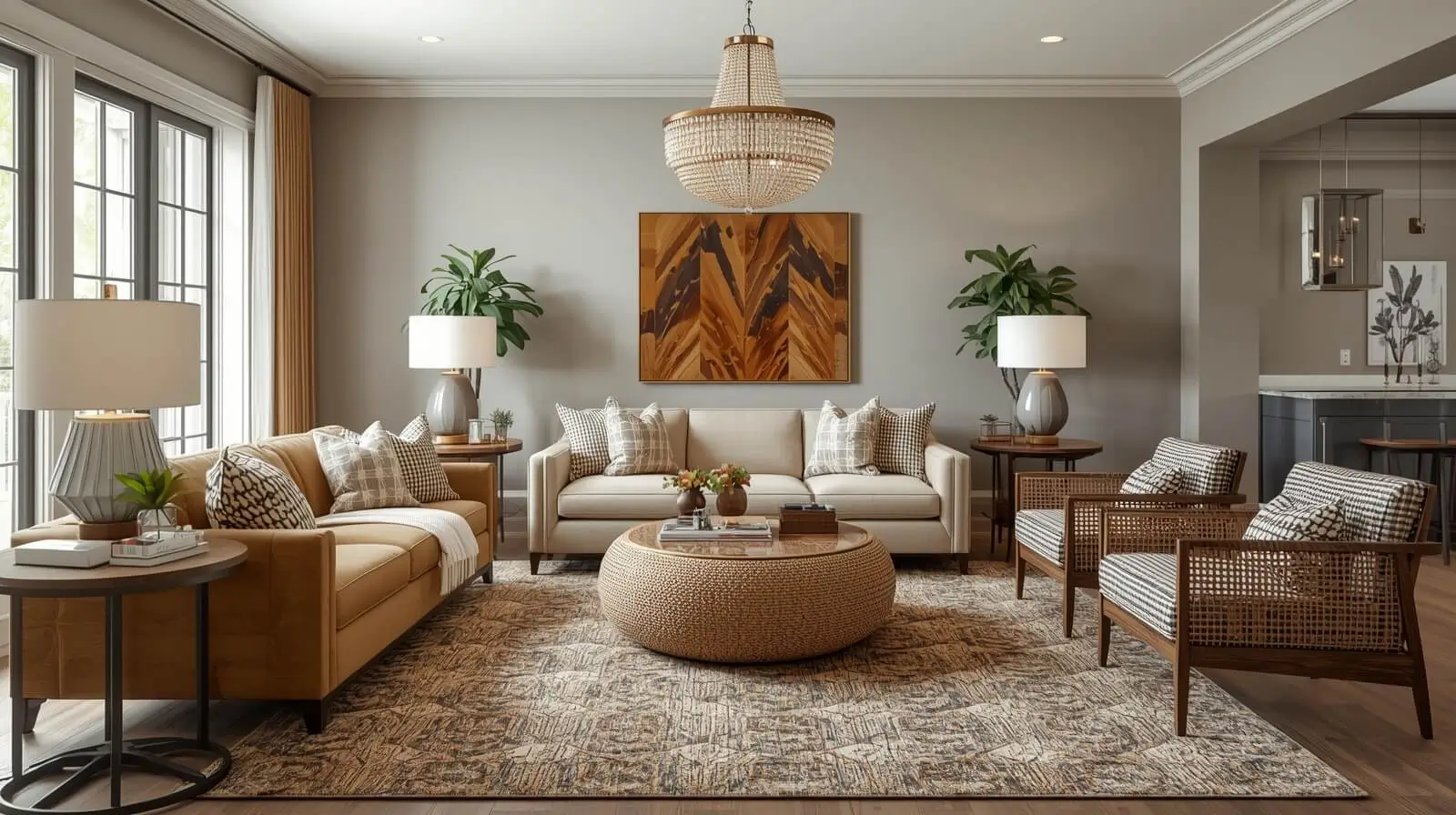
Living rooms rely heavily on scale to support conversation and comfort. Furniture should relate to room size while allowing clear pathways and visual balance.
Scale in Bedroom Interior Design
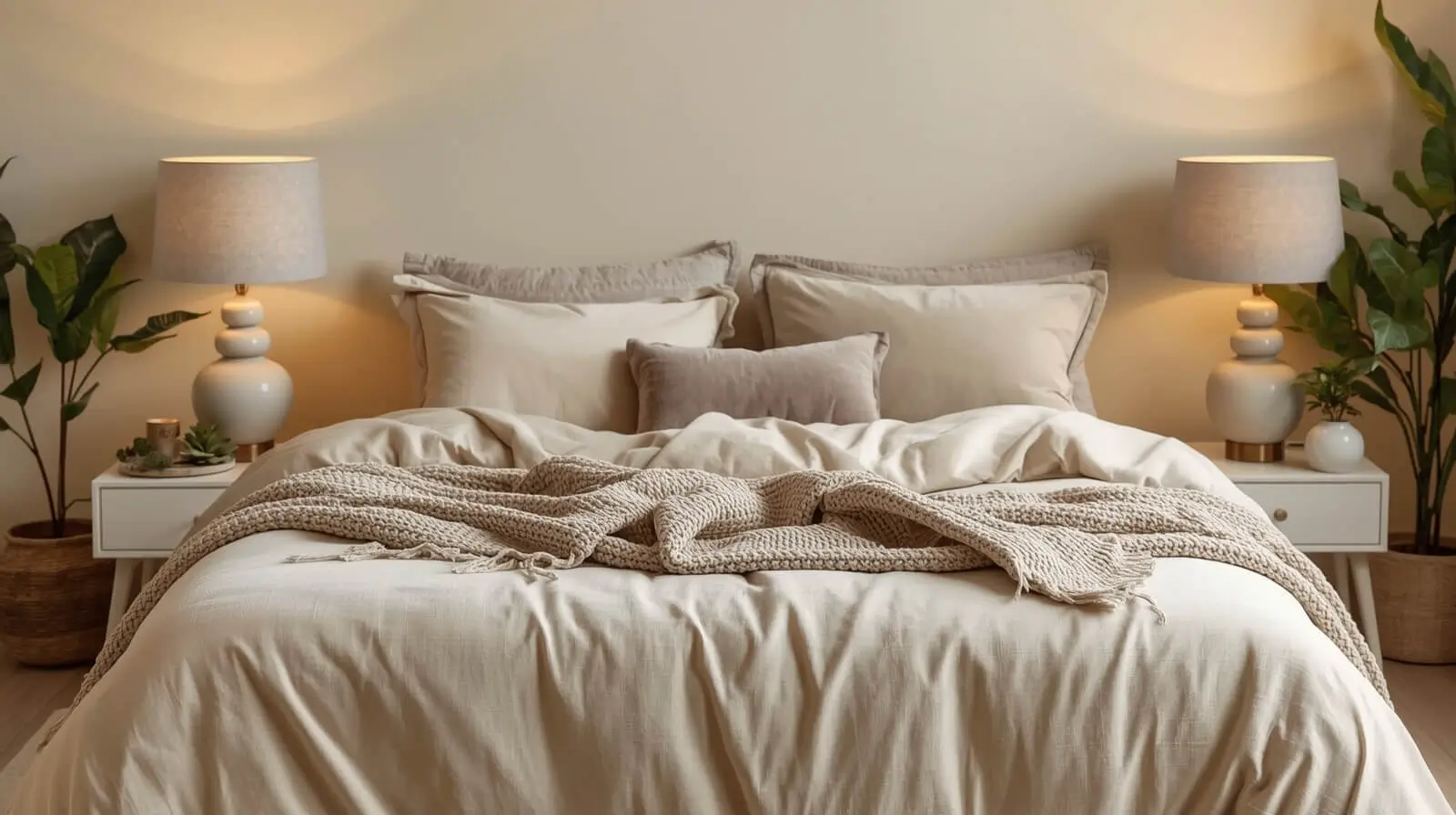
In bedrooms, scale impacts restfulness. Bed size, headboard height, and side tables should suit the room without crowding it.
Scale in Dining Room Interior Design
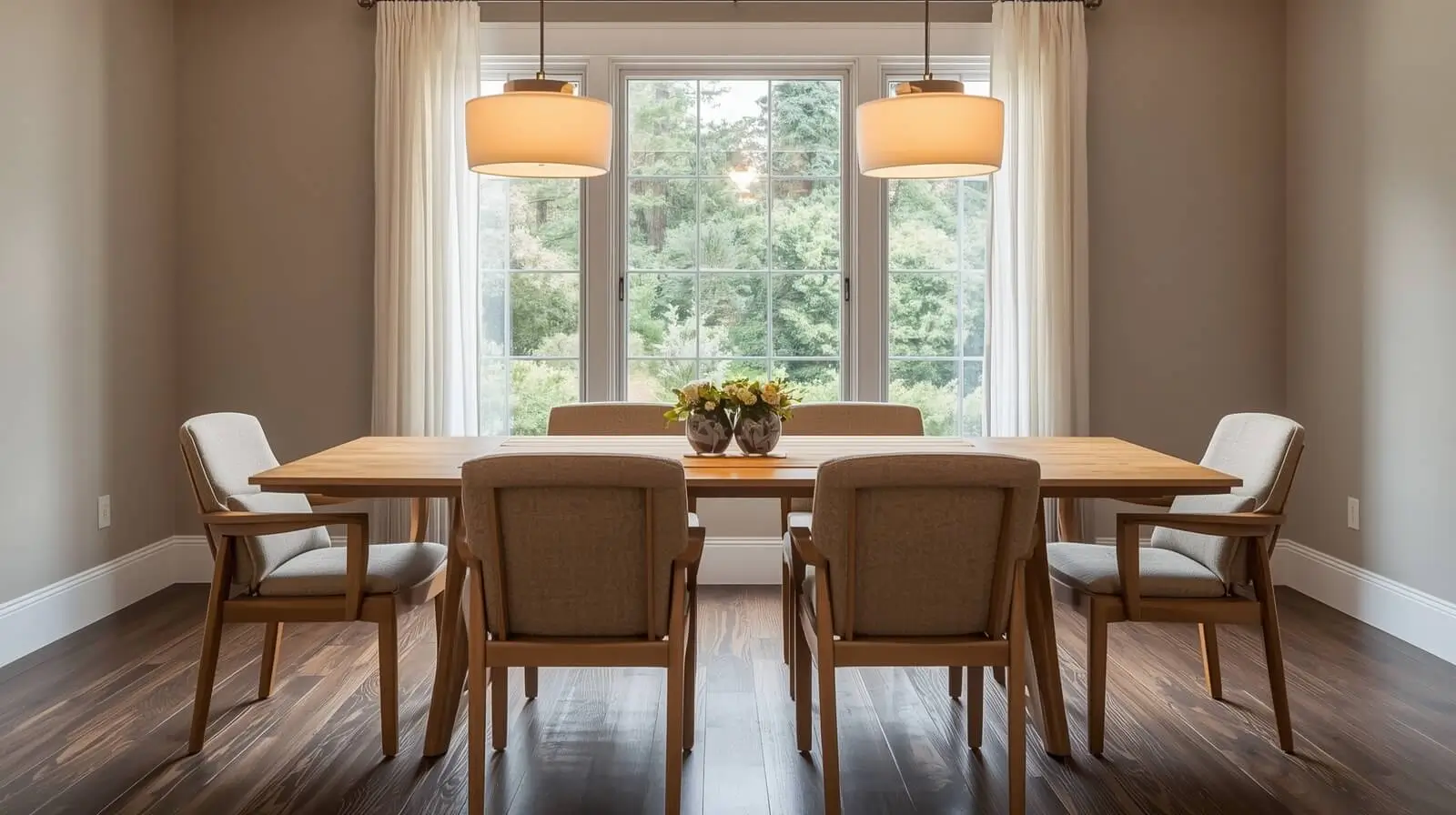
Dining rooms require scale that supports movement and gathering. Table size should align with room dimensions and seating capacity.
Architectural Scale in Interior Design
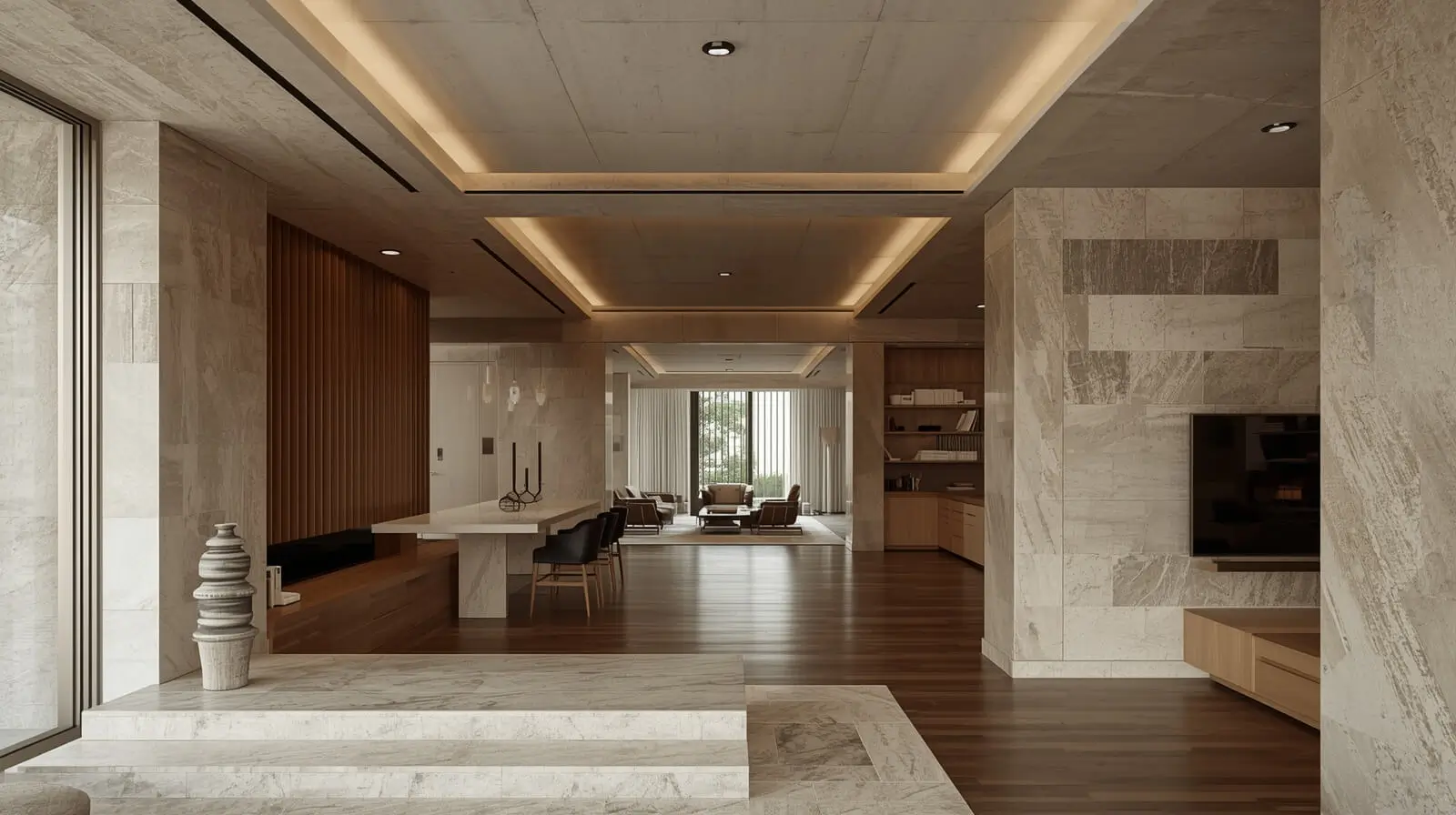
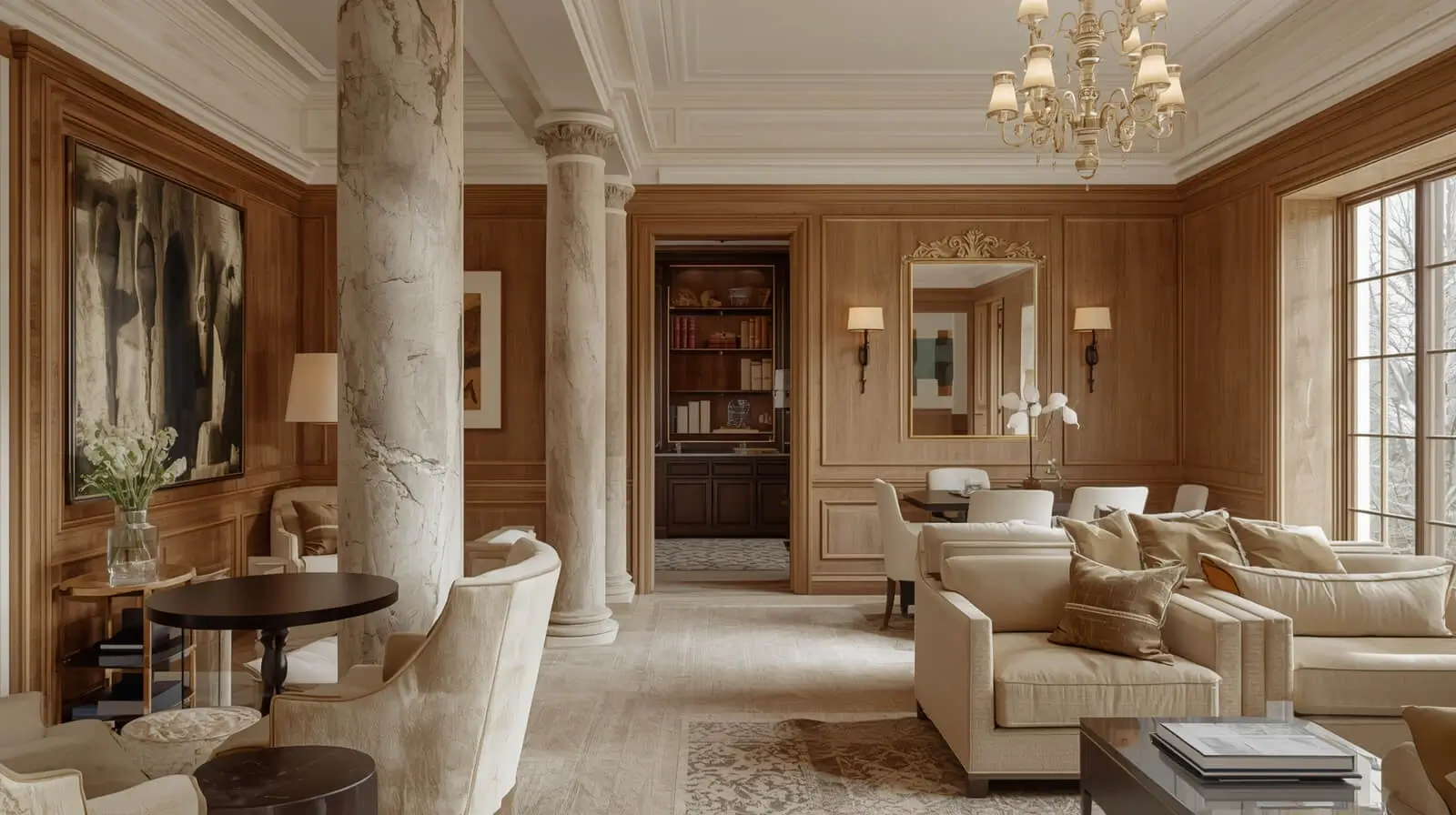
Architectural features like columns, fireplaces, and ceiling beams must match the room’s volume. When scaled correctly, they enhance structure without overpowering it.
Decorative Scale in Interior Design
Décor items should complement furniture scale. Oversized art can anchor a wall, while small accents add detail without clutter.
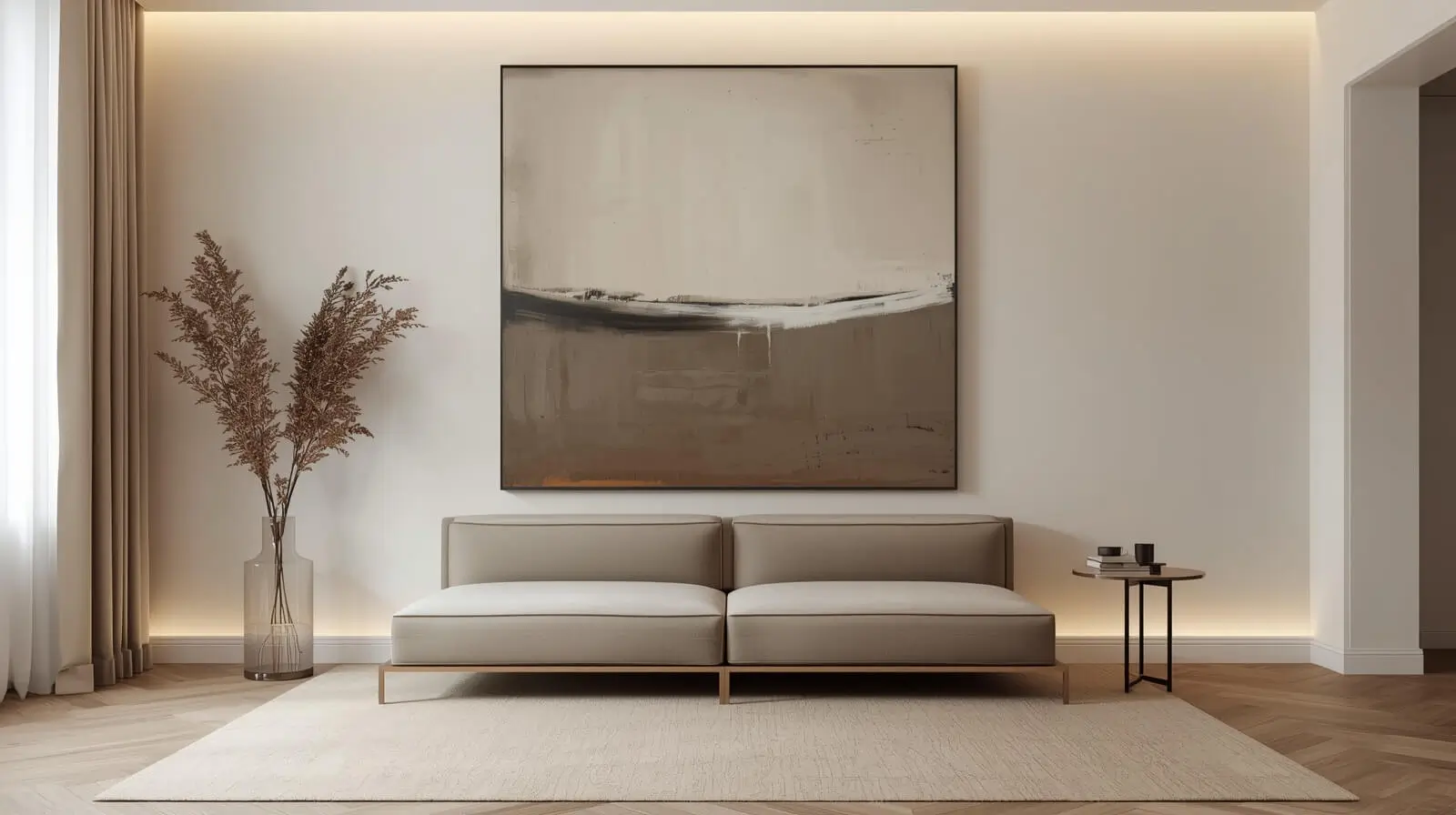
Visual Weight and Scale in Interior Design
Scale isn’t only physical—it’s visual. Dark colors, dense materials, and bold shapes appear heavier and must be balanced thoughtfully.
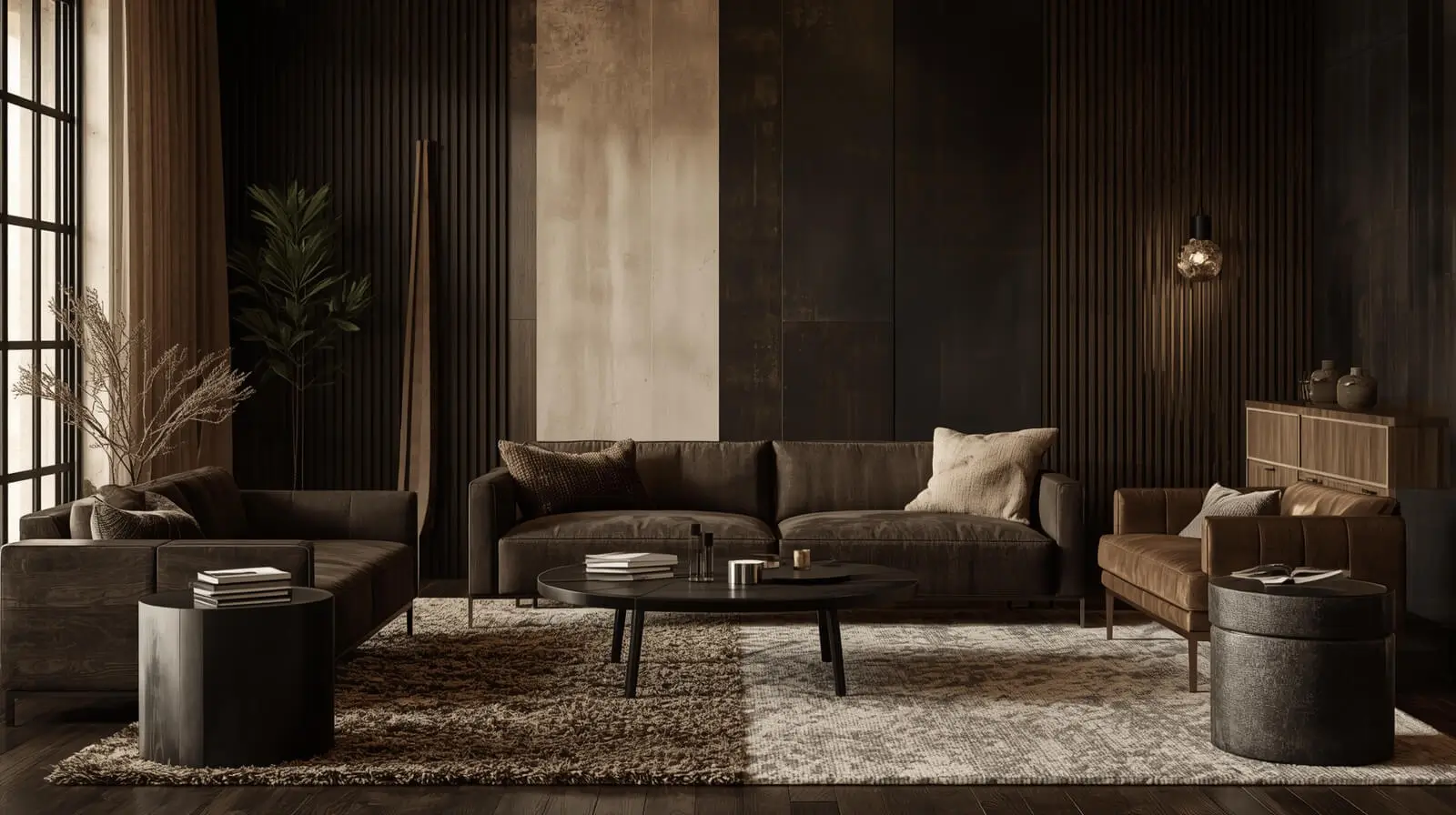
Scale and Balance in Interior Design
Proper scale supports balance, whether symmetrical or asymmetrical. It helps distribute visual weight evenly across a space.
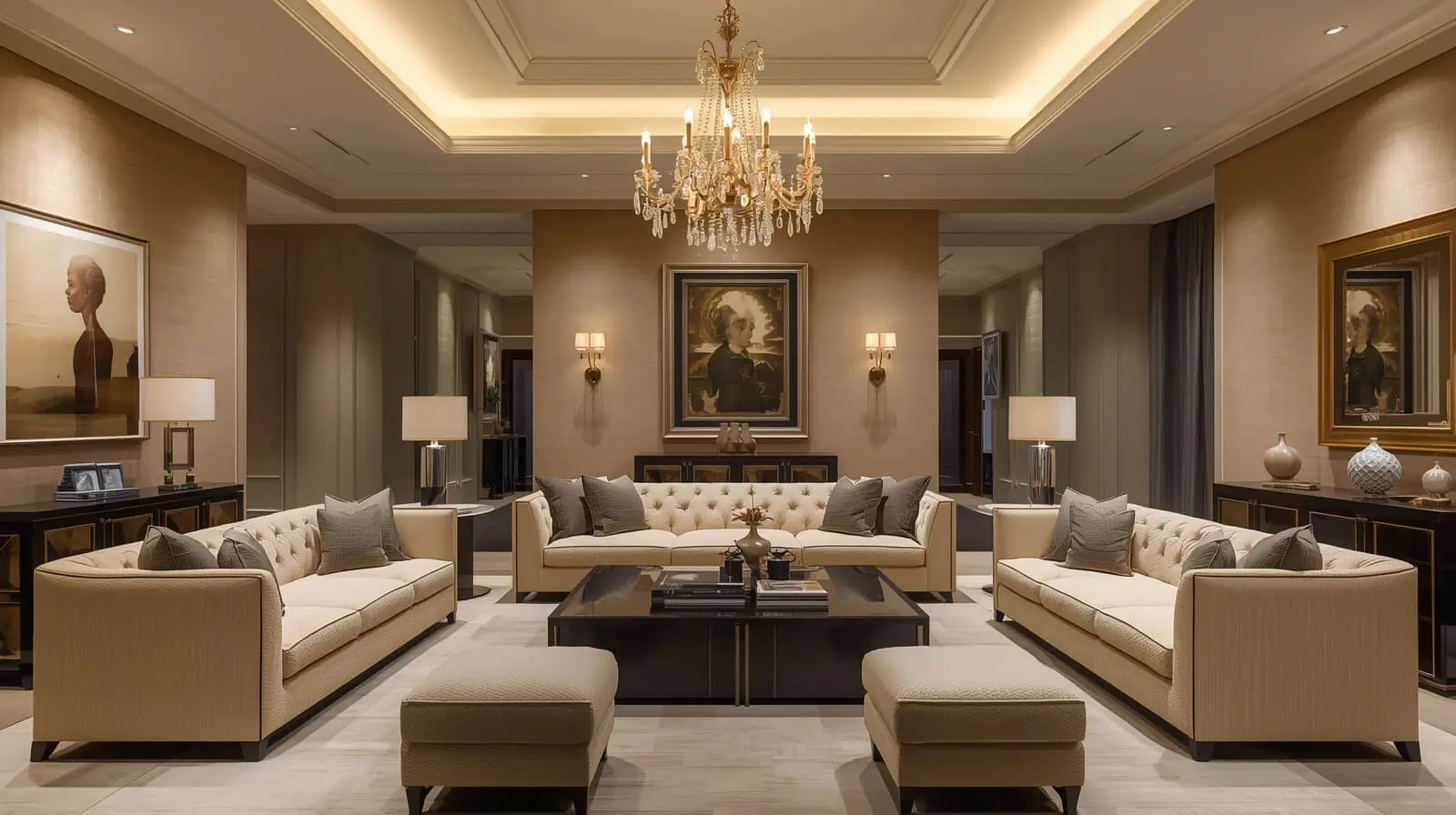
Common Scale Mistakes in Interior Design
Using furniture that’s too small or too large disrupts flow and comfort. Ignoring ceiling height or wall length often leads to imbalance.
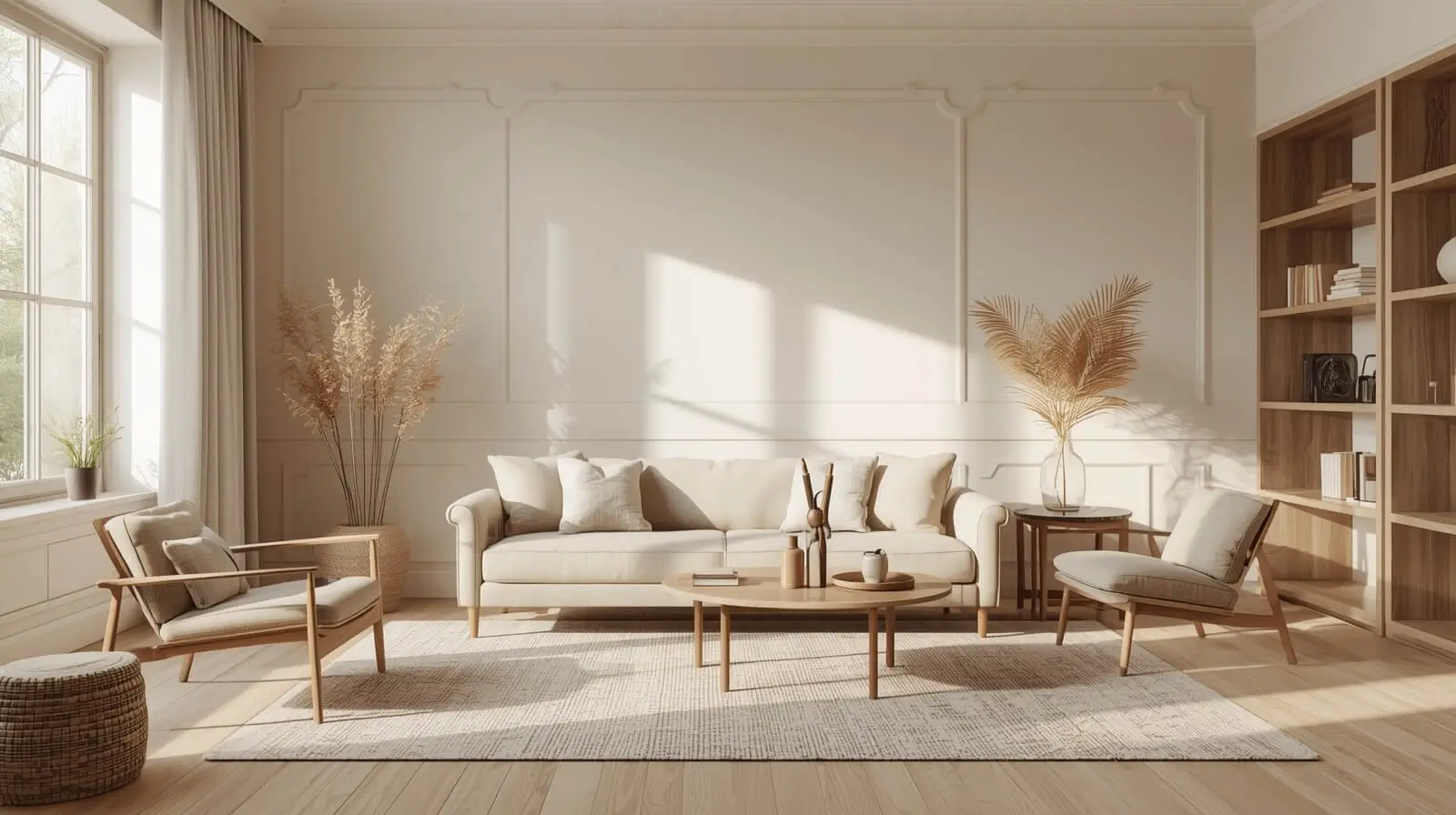
Mastering Scale for Timeless Interior Design
When scale is understood, interiors age gracefully. Spaces feel intentional, adaptable, and emotionally comfortable—regardless of style trends.
Conclusion
Scale in interior design is what quietly turns rooms into places people genuinely enjoy living in. It shapes how a space feels the moment you walk in—comfortable or awkward, intentional or unfinished. When scale is thoughtfully considered, furniture fits the room instead of fighting it, circulation feels natural, and visual balance supports everyday life rather than complicating it.
From experience, the most successful interiors aren’t built around trends or isolated pieces; they’re built around proportion, human use, and spatial awareness. Scale helps you make smarter decisions—choosing a sofa that anchors a living room instead of shrinking it, selecting lighting that complements ceiling height, or styling décor that enhances rather than clutters. These choices work because they respect both the space and the people using it.
This approach benefits anyone who wants their home to feel calm, functional, and visually resolved—whether you’re furnishing a first apartment, refreshing a family home, or refining a long-loved space. Moving forward, the goal isn’t perfection but awareness. When you evaluate size, spacing, and visual weight before buying or rearranging, you gain clarity and confidence. That’s when interior design stops feeling overwhelming and starts feeling intuitive.
Learn more: 12+ Timeless Secrets of Modern Victorian Interior Design
Frequently Asked Questions
- Why does scale matter more than style in interior design?
Style sets the aesthetic direction, but scale determines whether that style works in real life. A beautifully styled room can still feel uncomfortable if the furniture is too large, too small, or poorly spaced. Scale ensures the style feels livable and balanced.
- How can I tell if furniture is the wrong scale for my room?
Common signs include rooms feeling cramped, empty, or visually chaotic. If pathways feel tight, seating looks lost, or décor feels disconnected, scale is often the issue rather than color or style.
- Can small rooms use large-scale pieces successfully?
Yes, when done intentionally. A single larger piece—like a well-proportioned sofa or bed—can actually make a small room feel more grounded and cohesive, as long as surrounding elements are kept lighter and simpler.
- Is scale only about measurements?
Measurements help, but scale is also visual and emotional. Color, material, shape, and placement all affect how large or heavy something feels, even if the dimensions are technically correct.
- How does ceiling height affect scale decisions?
Ceiling height influences everything from furniture height to lighting and wall décor. Taller ceilings can handle vertical emphasis and larger elements, while lower ceilings benefit from horizontal lines and lower-profile furnishings.
- What’s the biggest scale mistake people make when decorating?
Buying items individually without considering how they relate to the room as a whole. Scale works best when decisions are made in context—furniture, architecture, and movement considered together.
- How can I improve scale without replacing all my furniture?
Rearranging layouts, adjusting spacing, changing rug sizes, or rebalancing décor can dramatically improve scale. Often, it’s not about buying more—it’s about placing better.


One Response