
Introduction
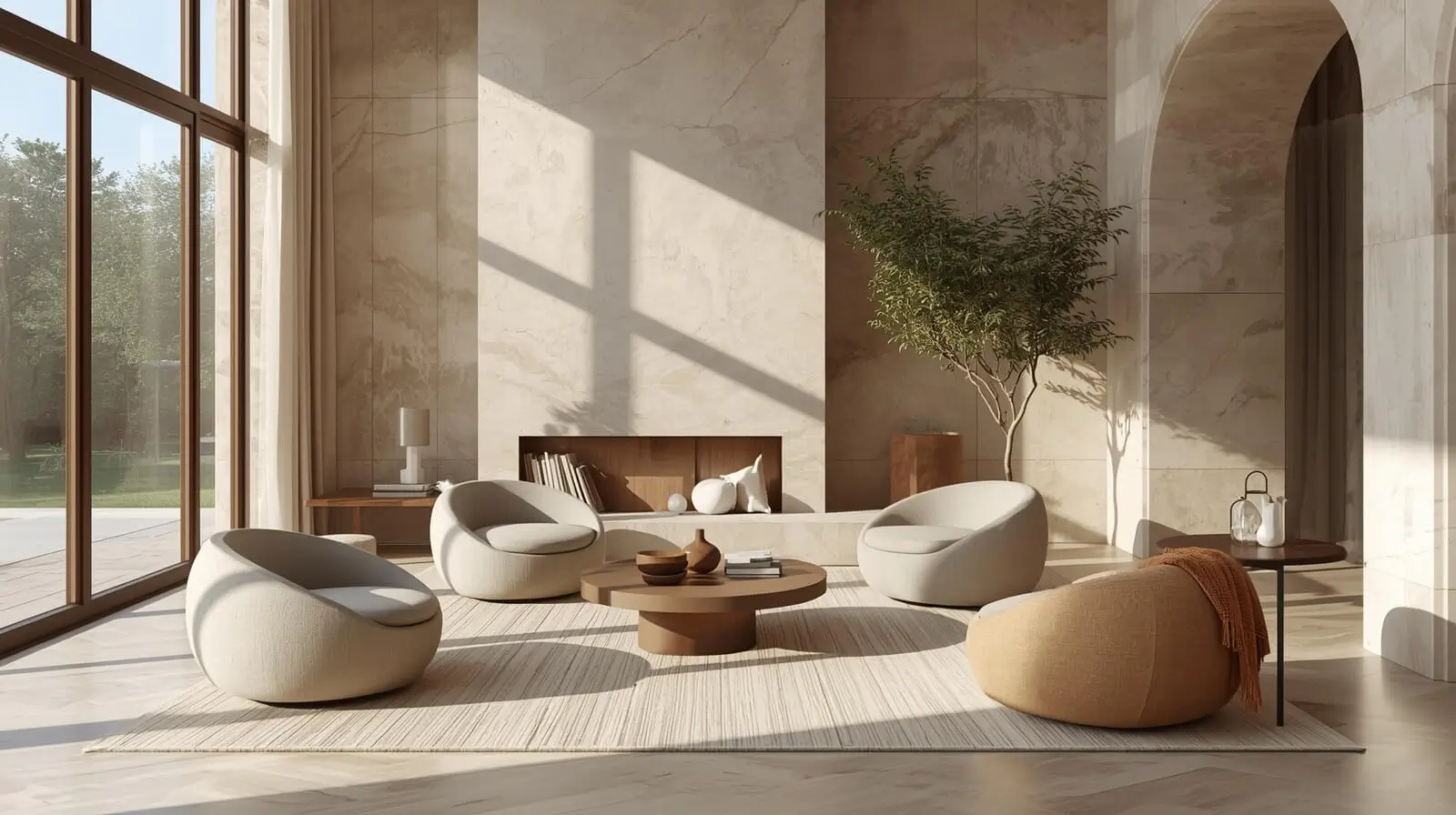
Shape in interior design is one of the most powerful visual tools designers use to define how a space feels, flows, and functions. It refers to the two-dimensional outlines we perceive—through furniture silhouettes, architectural details, décor, and layouts—that collectively shape our experience of a room. Whether sharp and geometric or soft and organic, shapes quietly guide the eye and set the emotional tone of an interior.
From years of design practice, one truth stands out: spaces rarely feel “off” because of color alone. More often, imbalance comes from poor use of shape—too many rigid forms, not enough contrast, or shapes that fight the room’s architecture. When used intentionally, shape creates clarity, rhythm, and harmony, even before color or texture enters the picture.
For both beginners and seasoned designers, mastering shape in interior design is about learning how visual forms interact with space, light, and movement—and how those interactions influence comfort, elegance, and visual interest.
Definition of Shape in Interior Design
Shape in interior design refers to the visible outline of objects and elements within a space. These outlines define how we visually read furniture, walls, décor, and layouts.
Understanding shape helps designers control balance and visual order, ensuring that a room feels cohesive rather than chaotic.
Shape vs Form in Interior Design
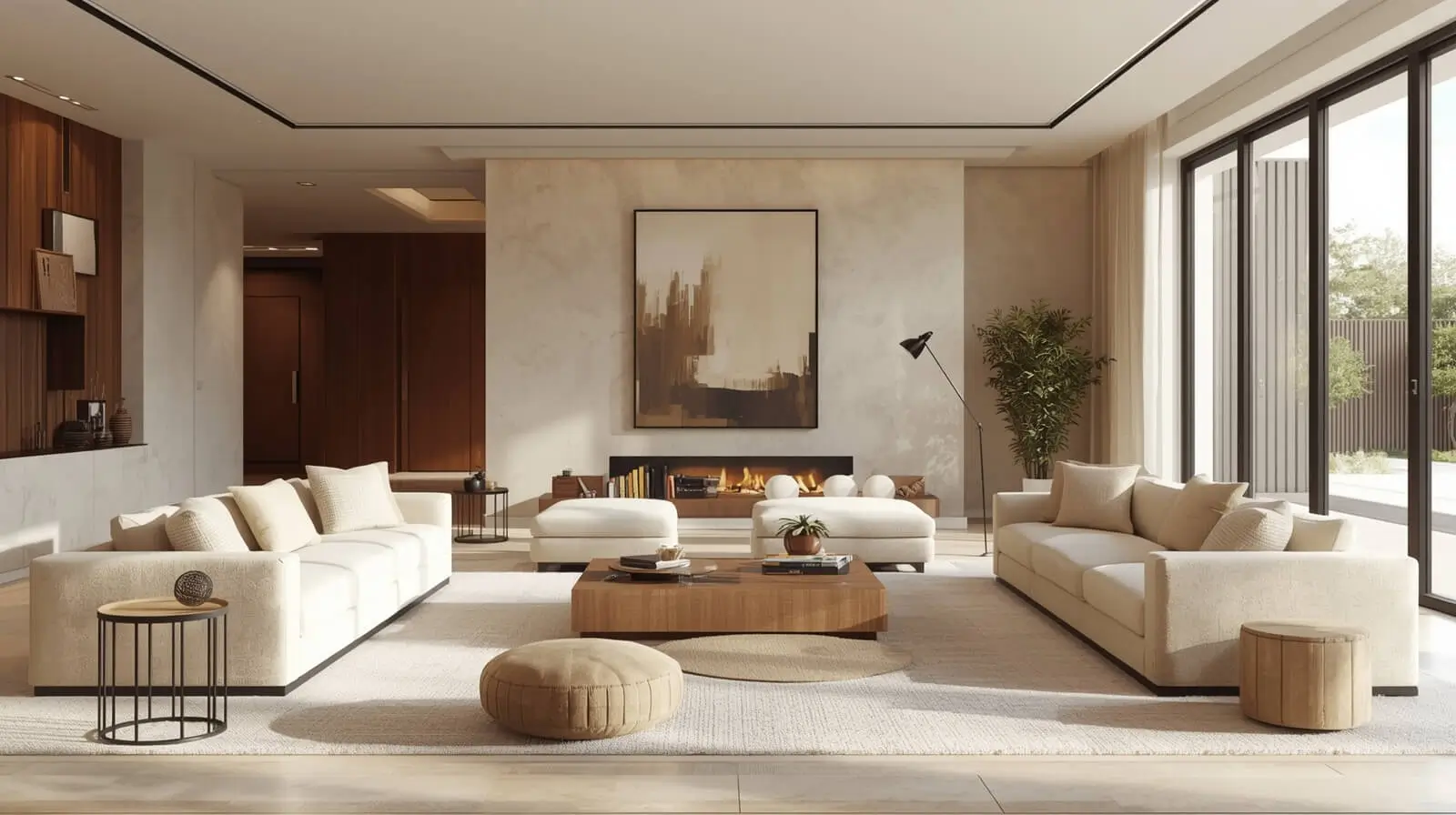
While shape is two-dimensional, form adds depth and volume. Shape is what you see at first glance; form is how an object occupies space.
Successful interiors rely on both, but shape sets the visual rhythm before form is fully perceived.
Geometric Shape in Interior Design
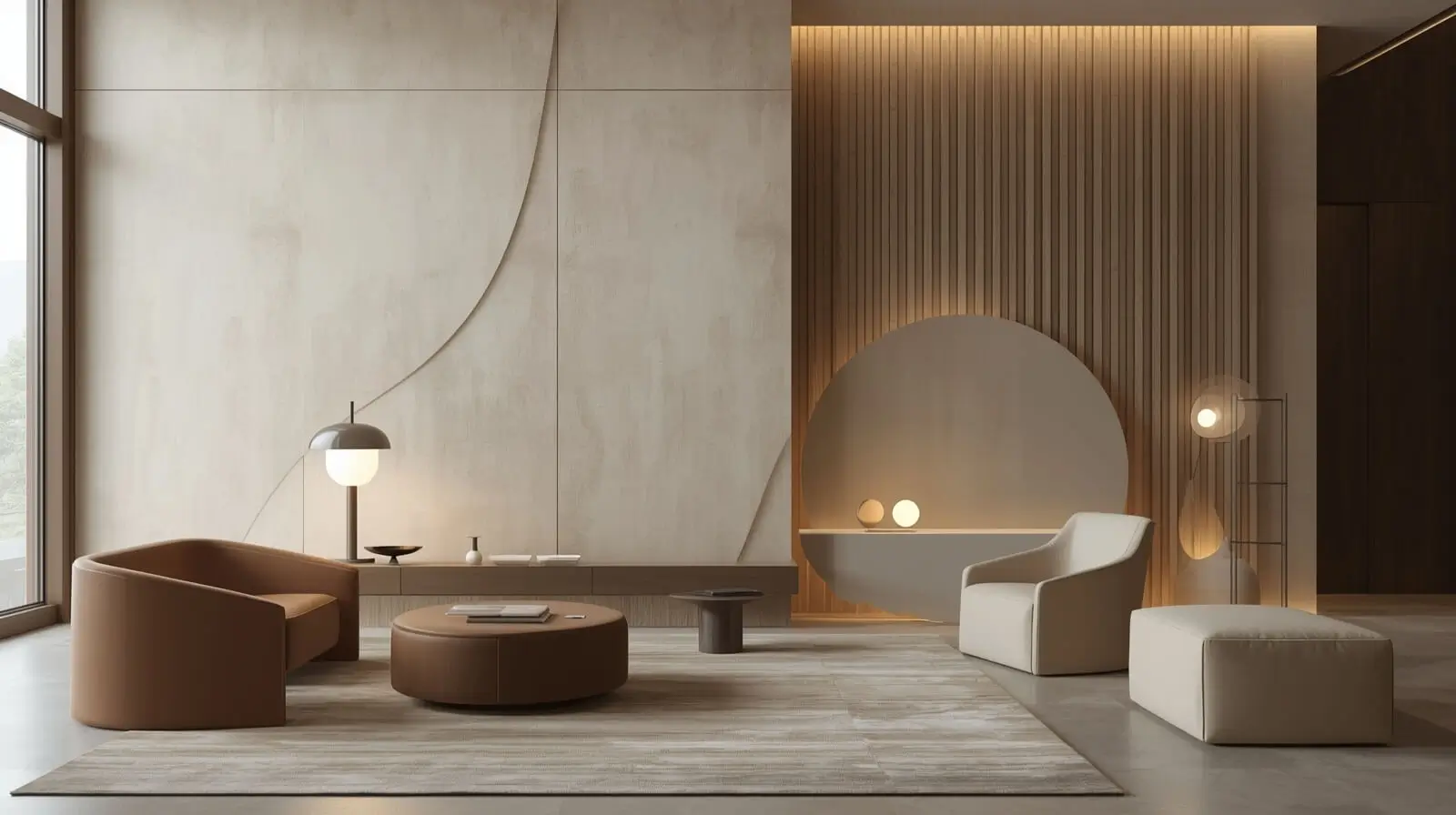
Geometric shape in interior design includes squares, rectangles, circles, and polygons. These shapes feel structured, intentional, and often modern.
They work exceptionally well in contemporary, minimalist, and urban interiors where clarity and order are essential.
Organic Shape in Interior Design
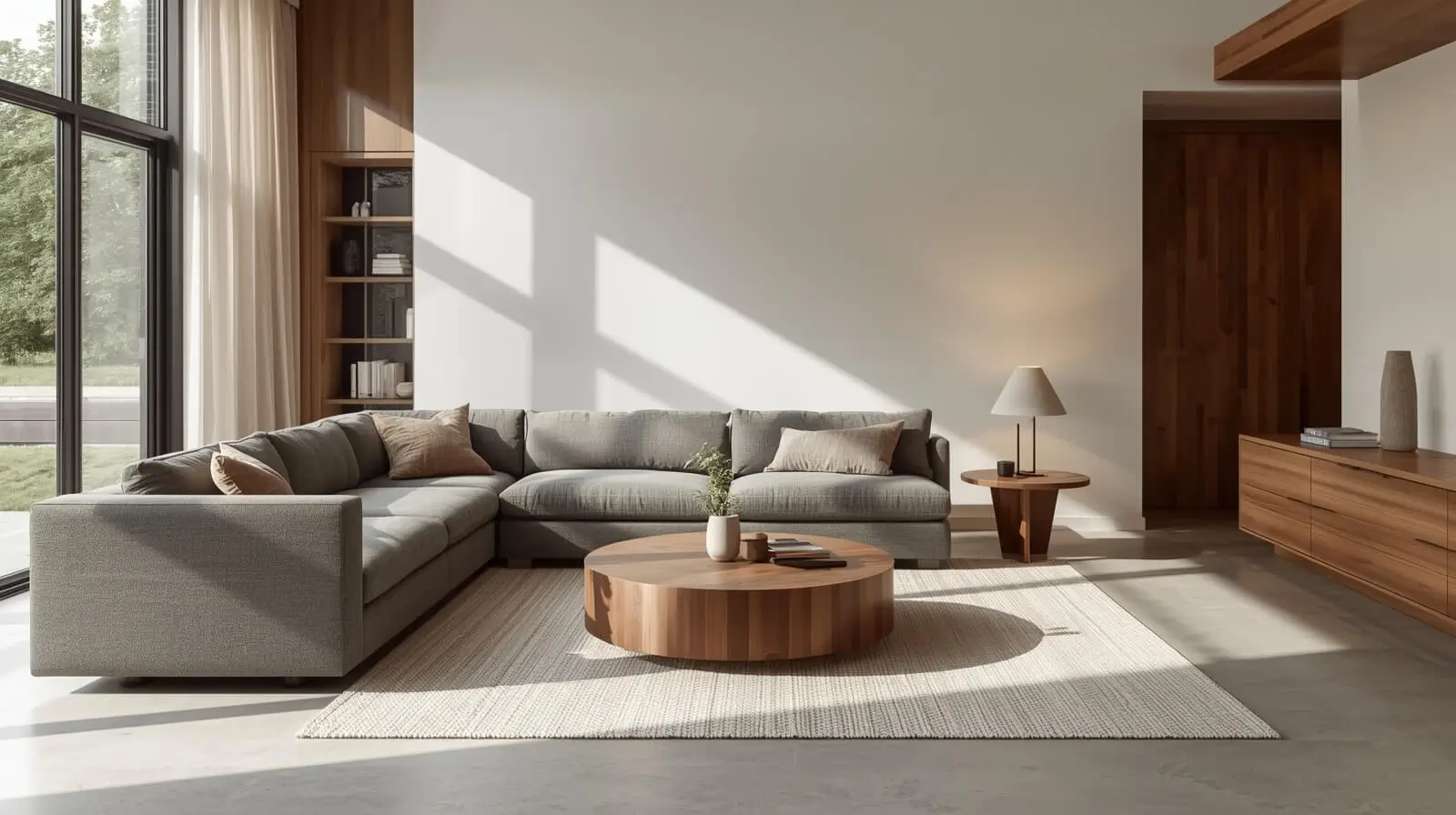
Organic shapes are inspired by nature—curves, asymmetry, and fluid outlines. They soften interiors and make spaces feel more welcoming.
Designers often use organic shapes to counterbalance rigid architecture.
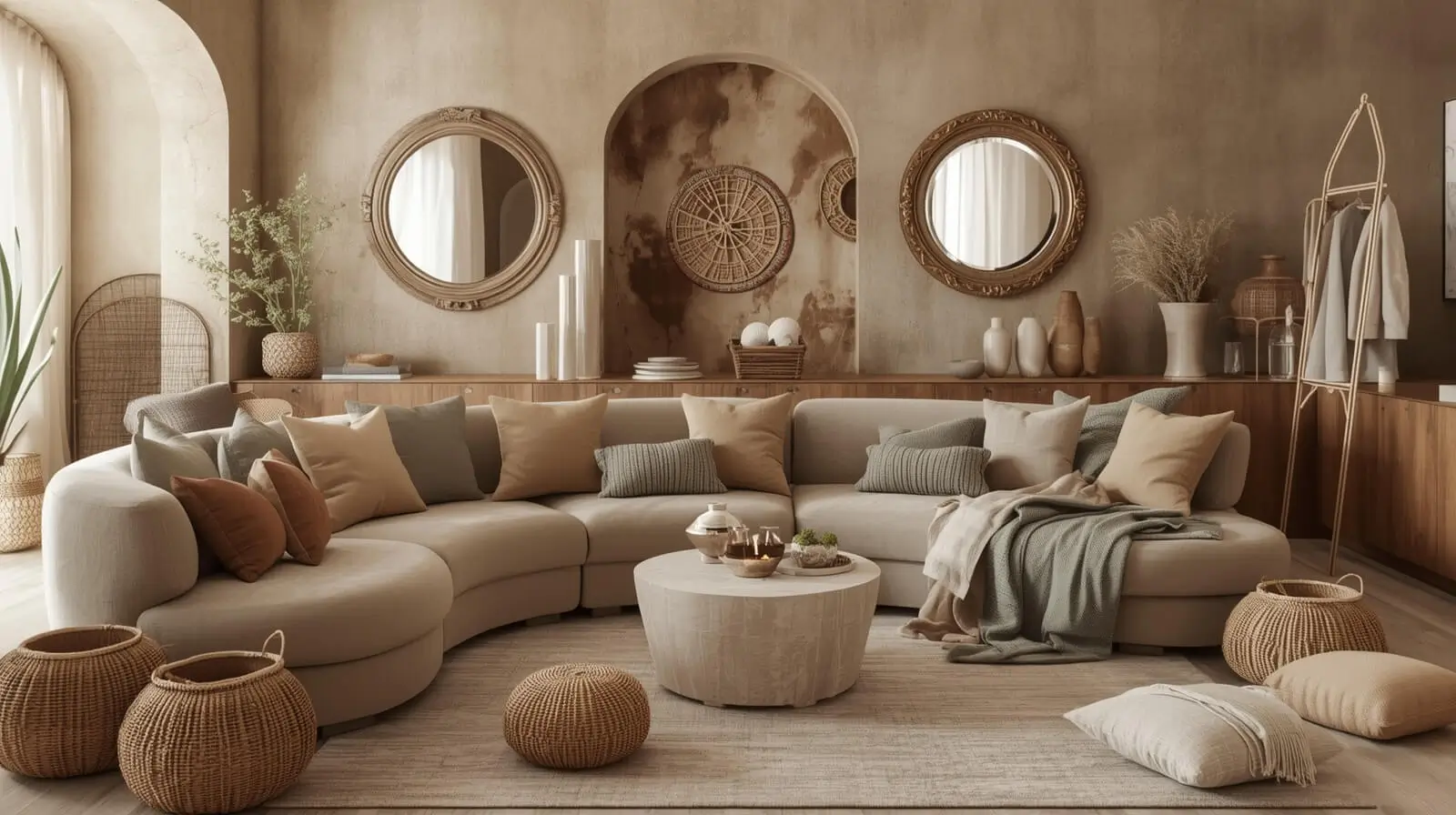
Shapes in Furniture Design
Furniture is the most dominant carrier of shape in interior design. Sofas, tables, and chairs establish the visual language of a room.
Mixing shapes thoughtfully prevents monotony and enhances comfort and flow.
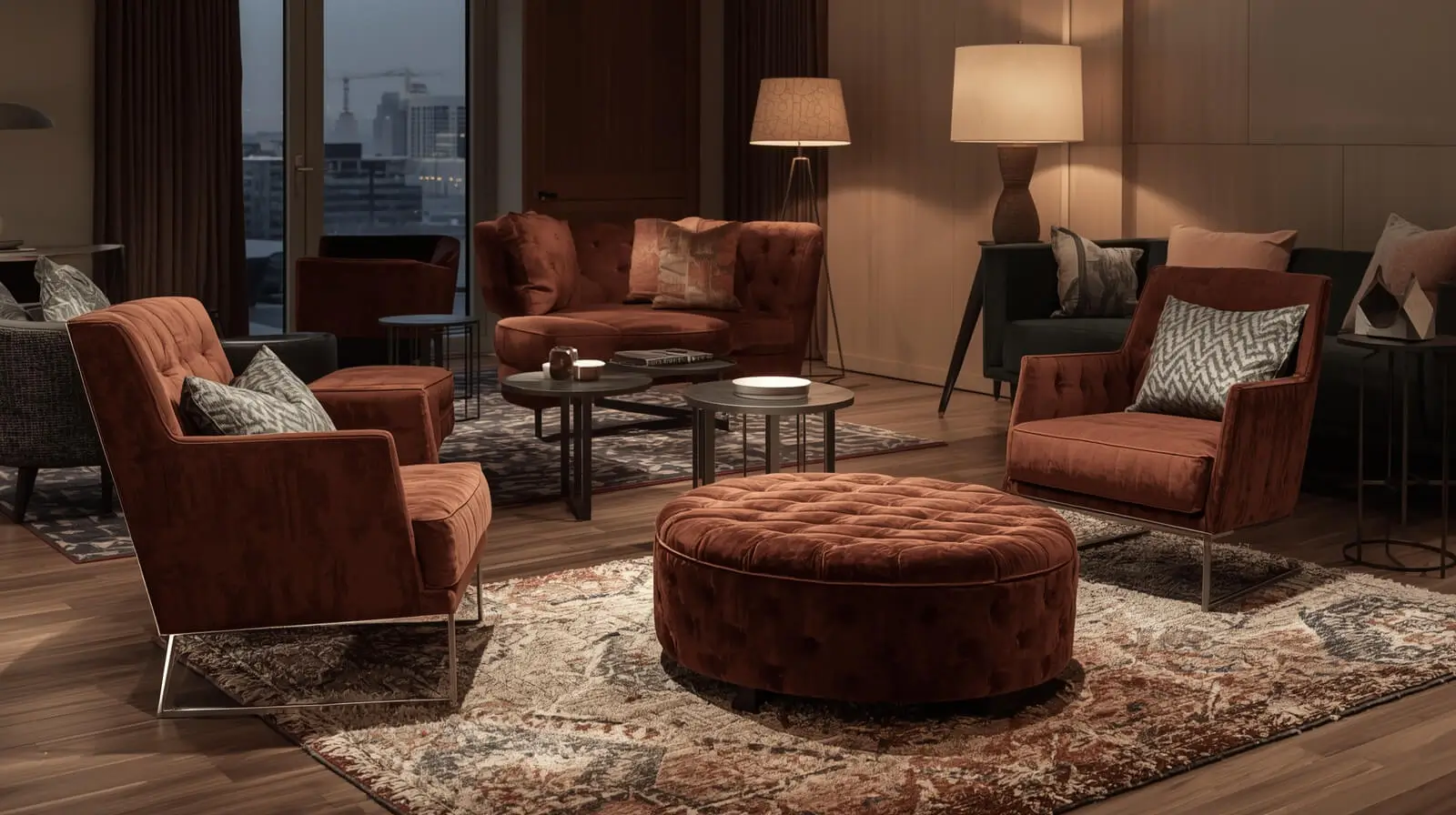
Architectural Shapes and Space Definition
Walls, arches, ceilings, and openings create foundational shapes that define space. These elements guide movement and sightlines.
Respecting architectural shape ensures furniture and décor feel integrated, not forced.
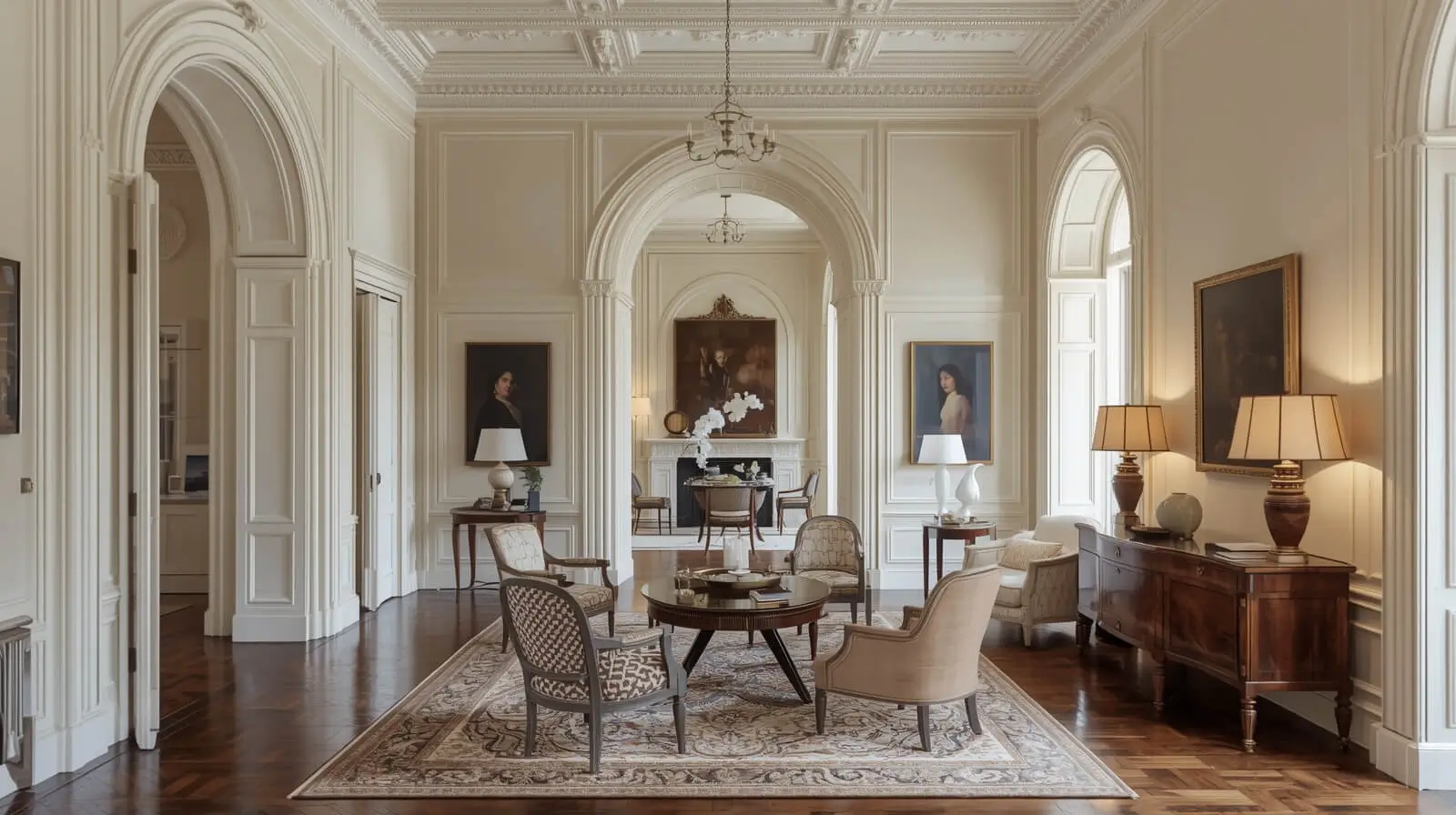
Shape and Visual Balance in Interior Design
Balance comes from distributing shapes evenly across a space. Too many heavy shapes on one side create visual tension.
Designers use symmetry or intentional asymmetry to maintain harmony.
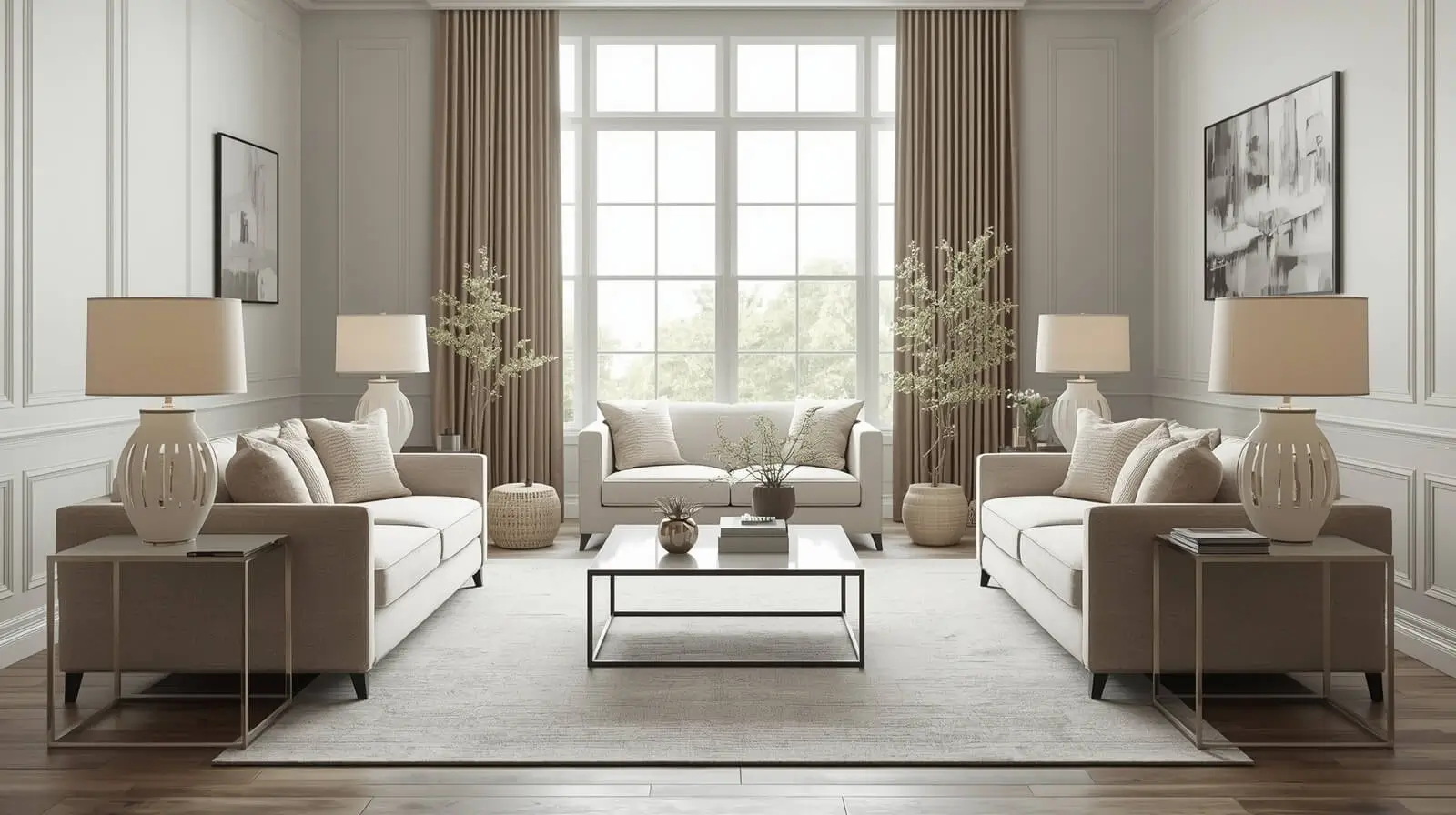
Shape and Movement in Space
Shape directs how the eye moves through a room. Curves encourage flow, while angular shapes create pauses and structure.
Strategic shape placement improves both aesthetics and usability.
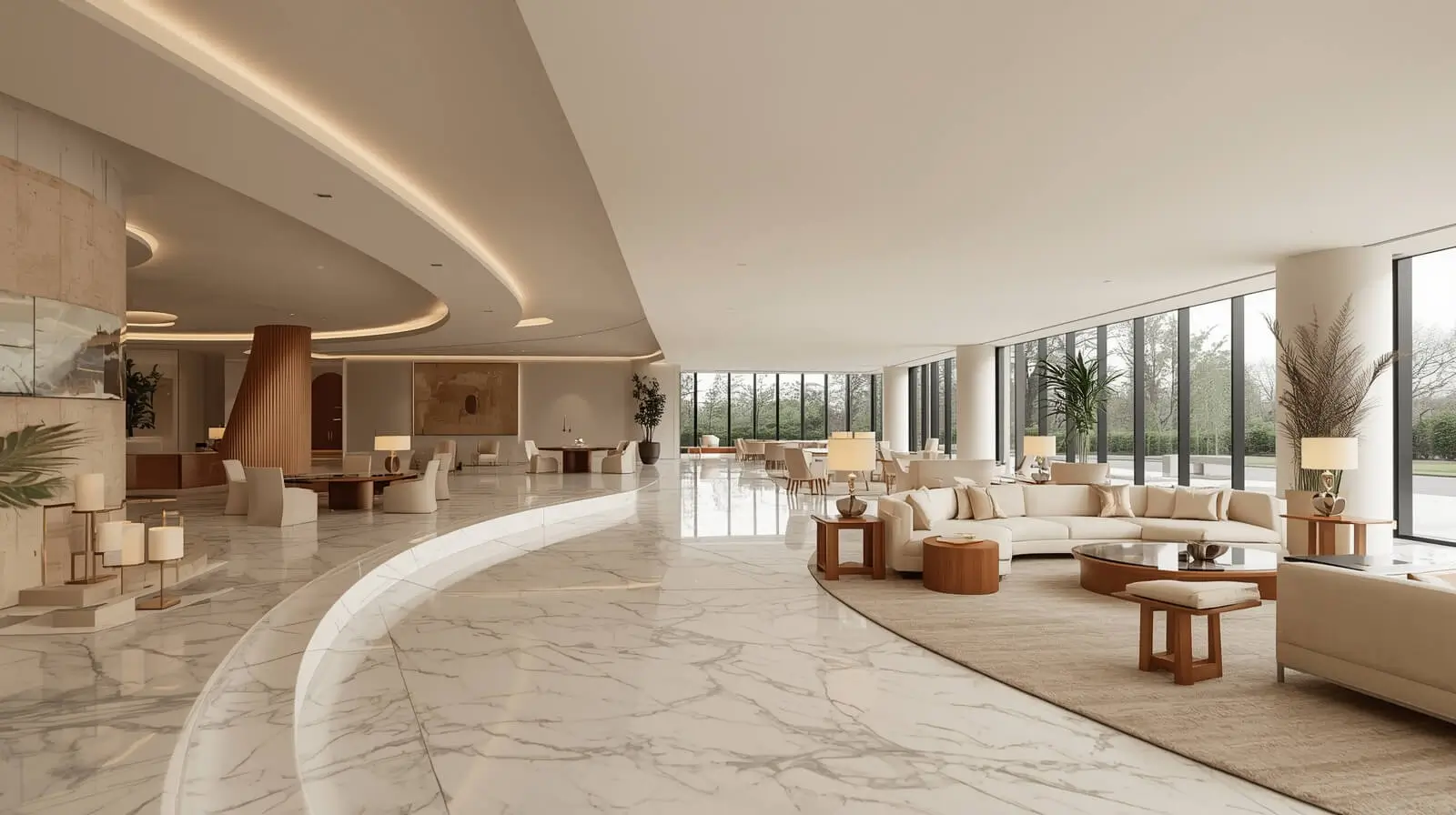
Geometric Shapes in Modern Interior Design
Modern interiors rely heavily on strong geometric shapes for clarity and sophistication. Clean outlines reinforce simplicity.
These shapes work best when paired with restrained materials and lighting.
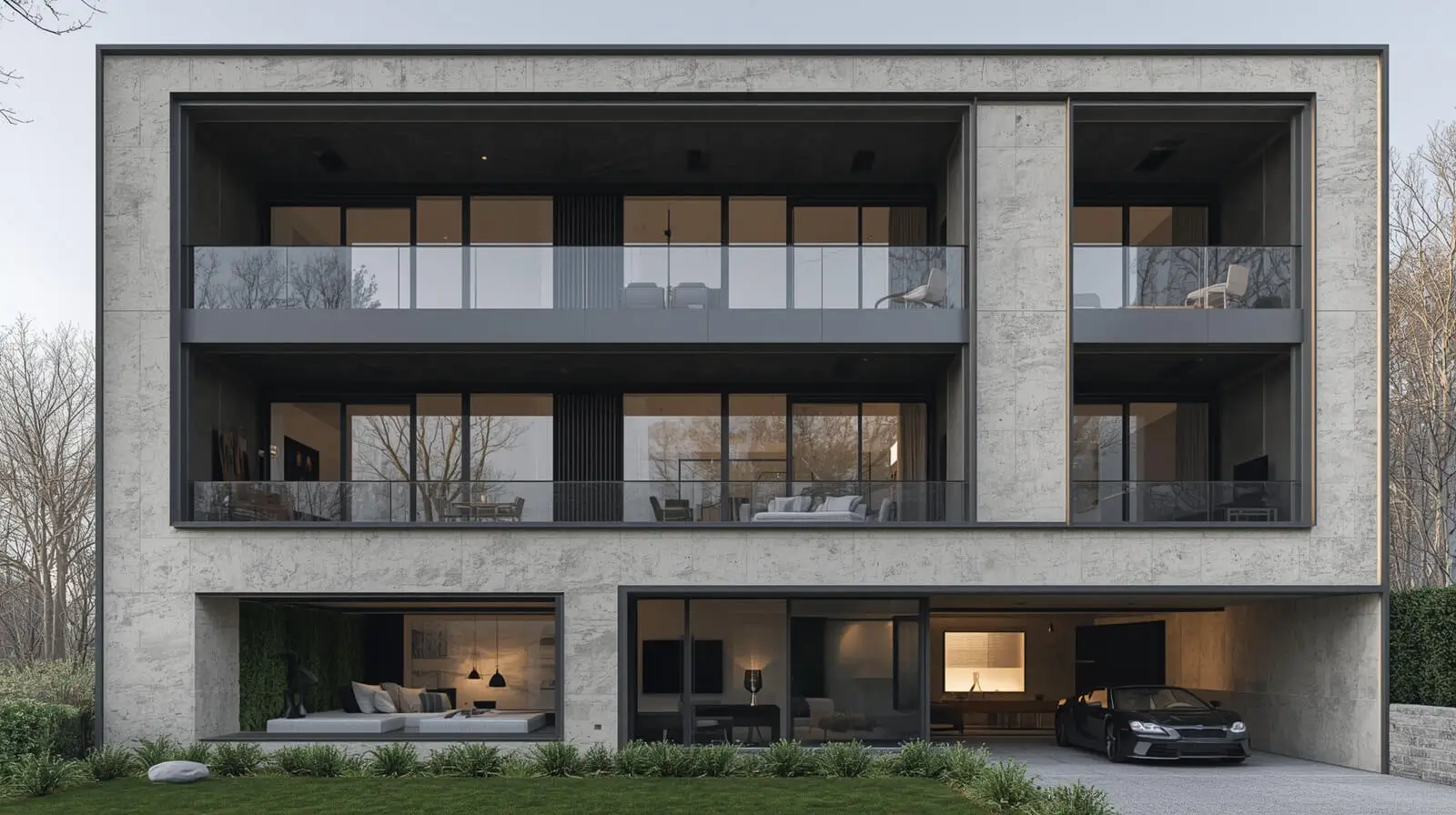
Shape and Spatial Perception
Shape affects how large or small a space feels. Horizontal shapes widen rooms, while vertical shapes add height.
Designers manipulate shape to visually correct awkward proportions.
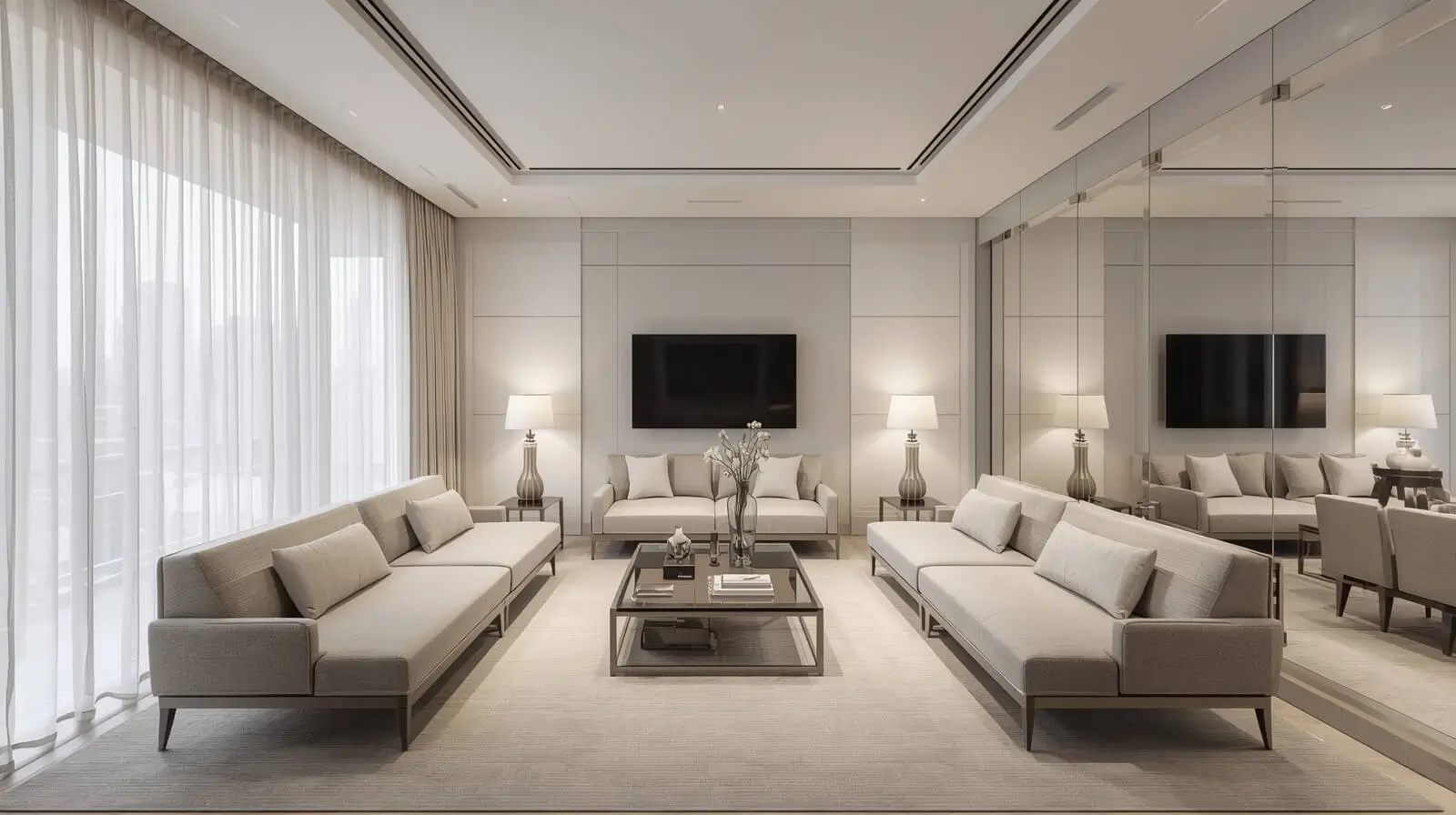
Repetition of Shape for Cohesion
Repeating similar shapes creates unity across a space. This repetition ties different elements together subtly.
It’s a quiet technique that makes interiors feel intentional and polished.
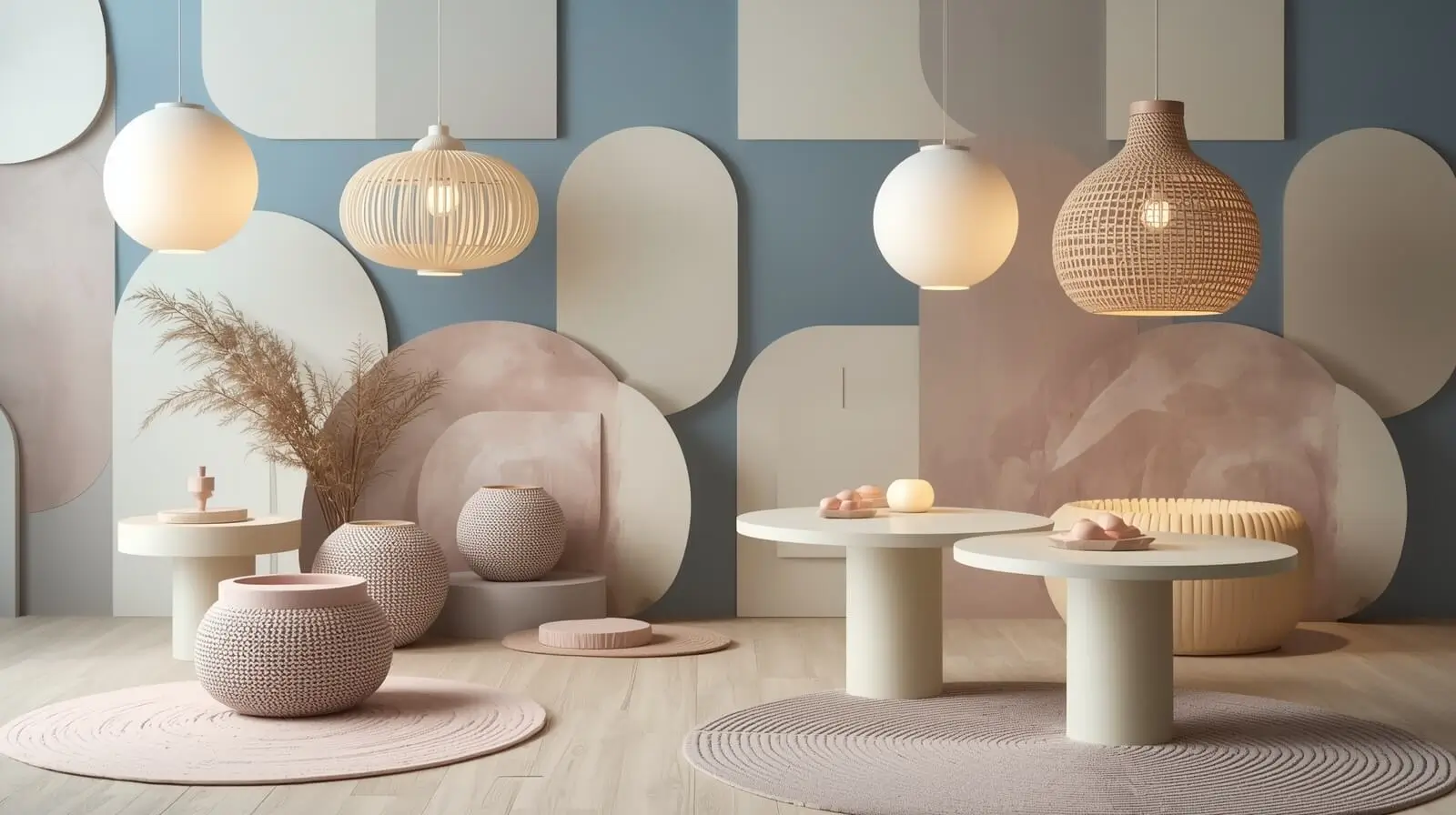
Contrast of Shapes in Interior Design
Contrast keeps spaces visually engaging. Pairing sharp shapes with soft ones creates dynamic tension.
This balance prevents interiors from feeling flat or predictable.
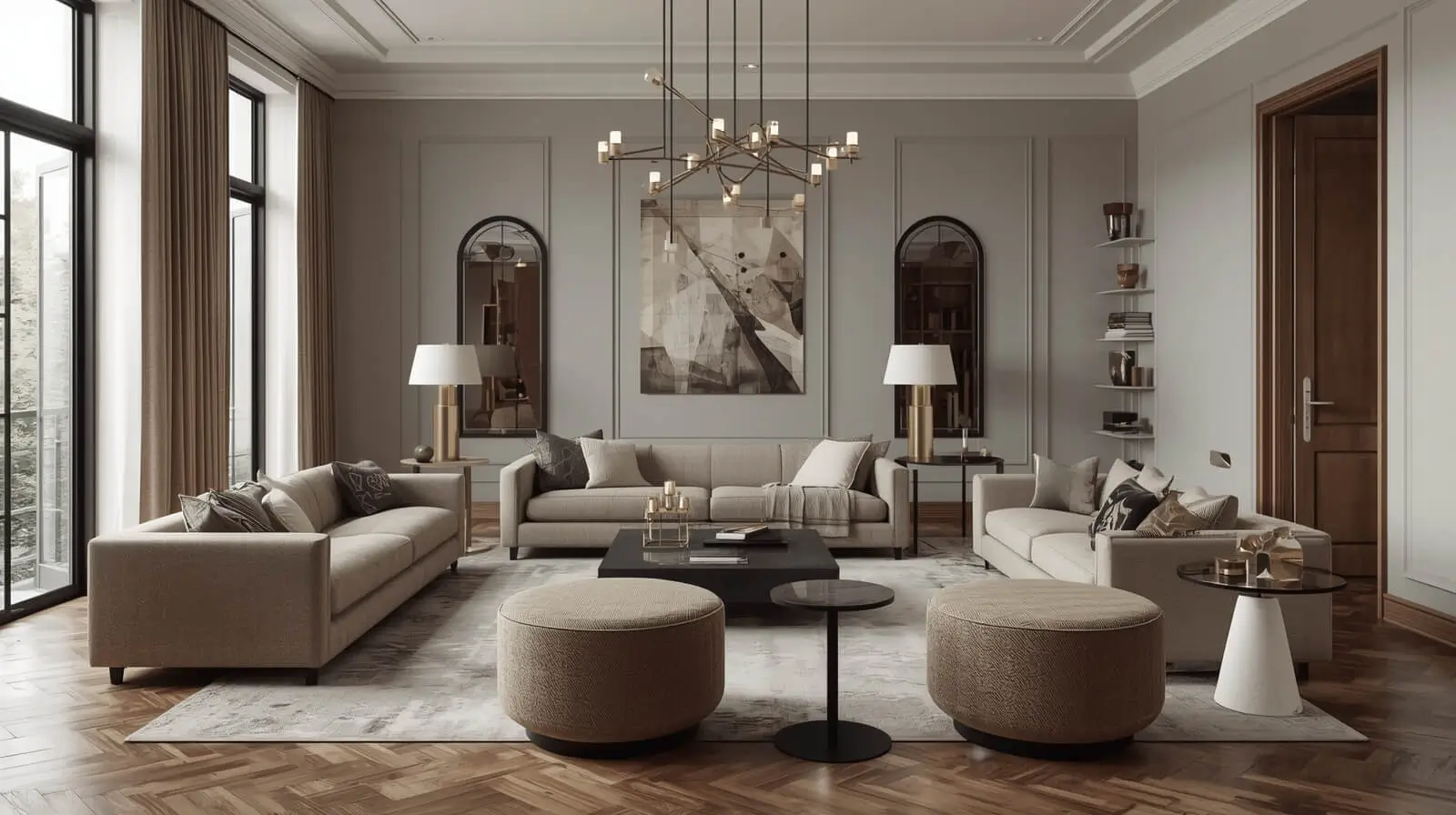
Shape in Decorative Accessories
Accessories introduce secondary shapes that enrich the design without overwhelming it.
Vases, mirrors, and artwork subtly reinforce the room’s visual theme.
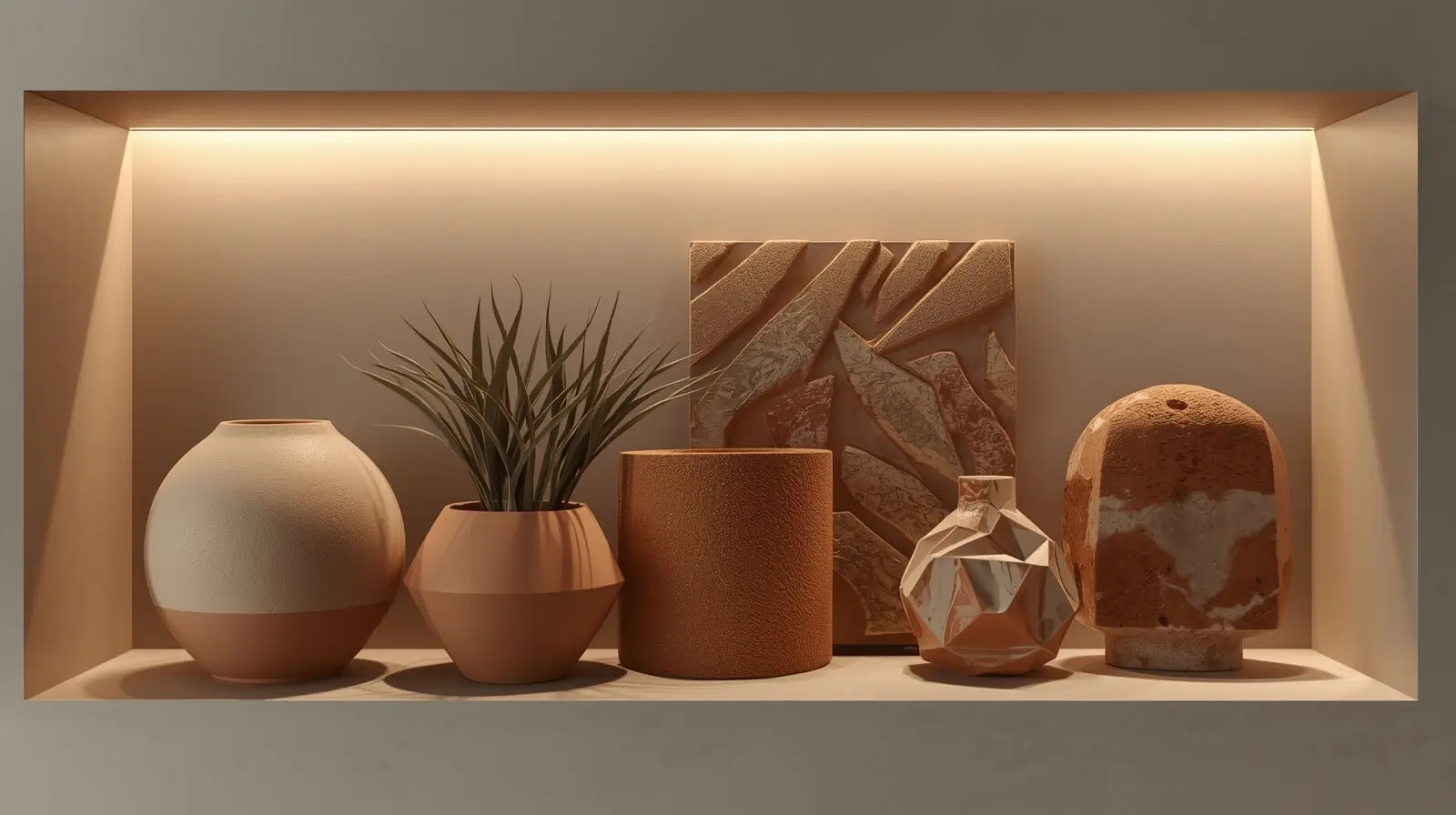
Shape and Interior Design Style Identity
Every design style has a dominant shape language—modern favors geometry, traditional leans structured, organic styles embrace curves.
Recognizing this helps maintain stylistic consistency.
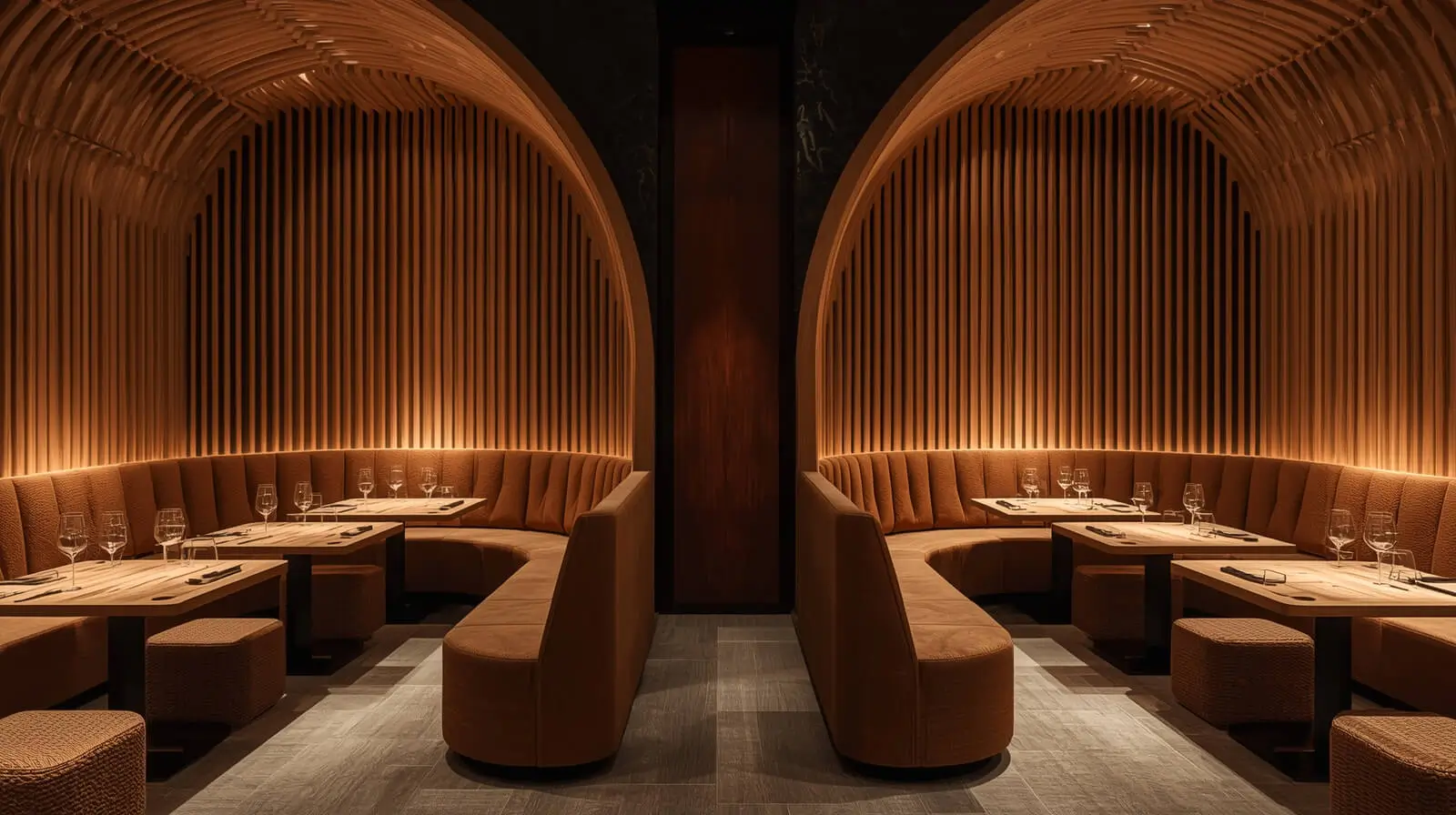
Shape in Open-Plan Interior Design
In open layouts, shape replaces walls as the primary space divider. Furniture outlines define zones.
This approach maintains openness while preserving functionality.
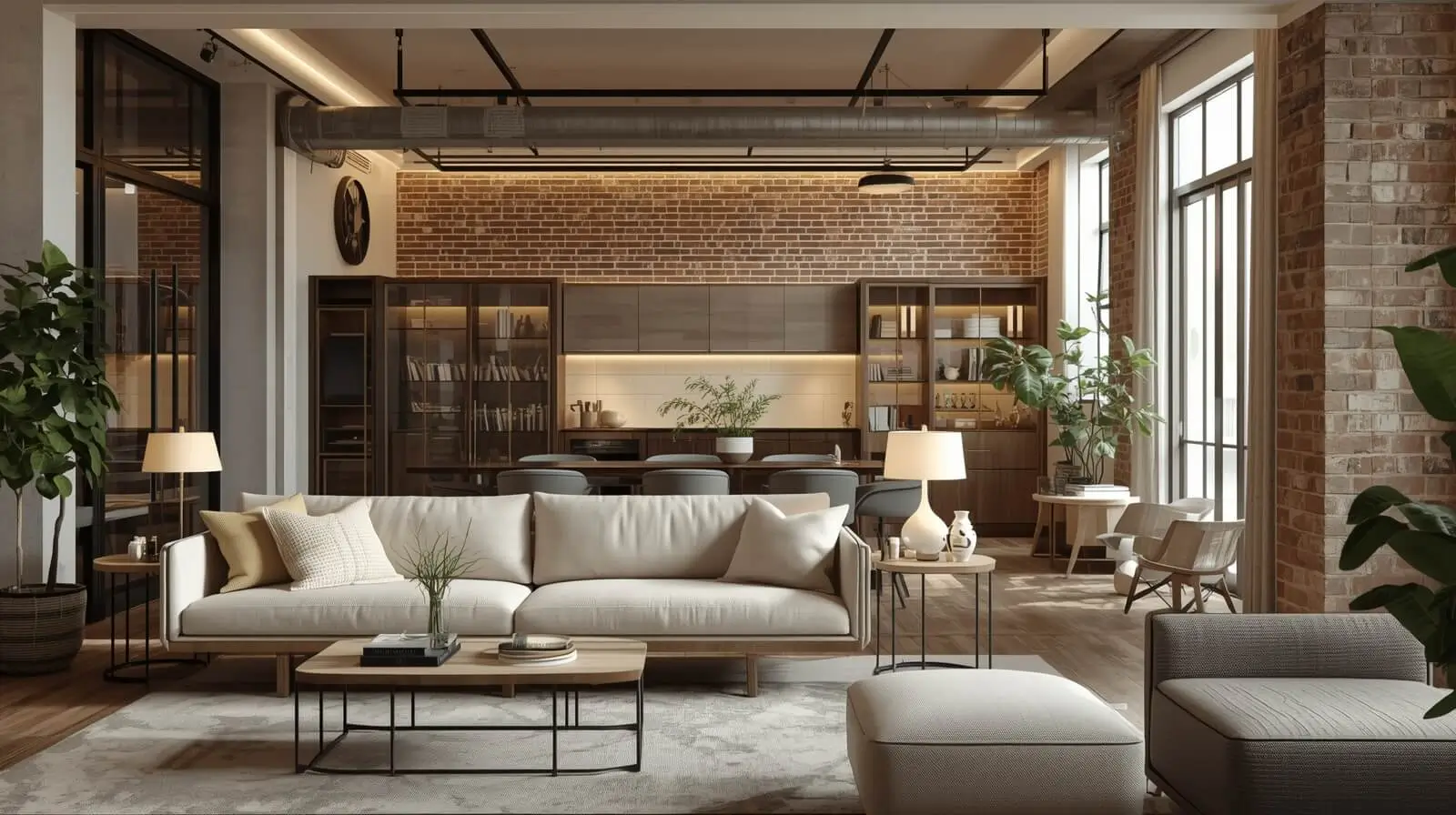
How Designers Use Shape Intentionally
Professional designers start with shape before color or décor. Shape establishes structure and emotional tone early.
This method ensures every layer that follows feels effortless and cohesive.
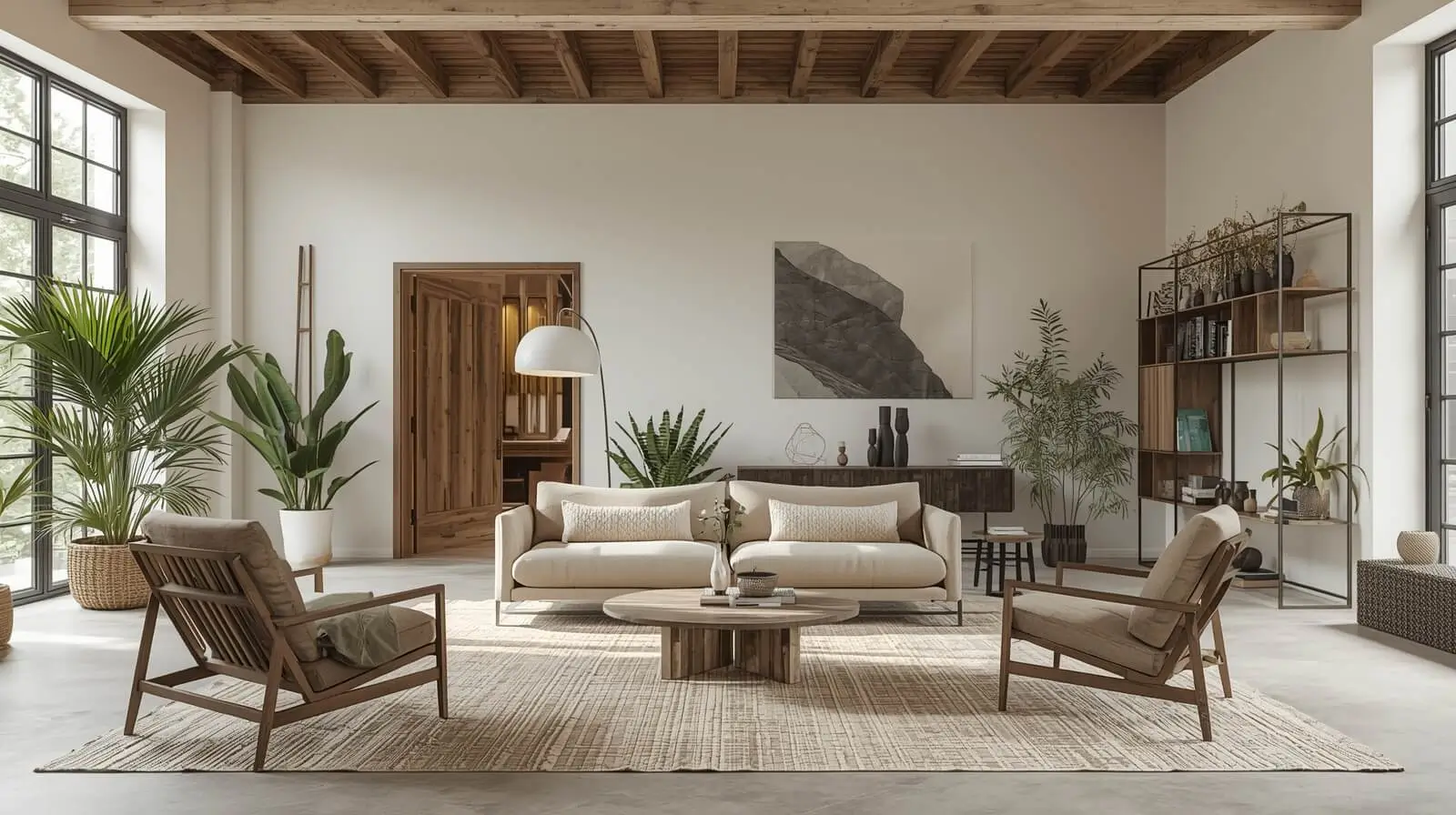
Conclusion: Bringing Shape Into Everyday Design Decisions
Understanding shape in interior design changes the way you see and experience space. It shifts design from decoration to intention—where every outline, silhouette, and visual boundary serves a purpose. Shape is what quietly organizes a room before color, texture, or accessories ever come into play. When it’s handled well, spaces feel balanced, intuitive, and emotionally comfortable without needing explanation.
This approach works because shape speaks directly to how we move, rest, and focus within a space. Clean geometric outlines bring clarity and order; softer, organic shapes restore calm and approachability. When these are thoughtfully combined, interiors become easier to live in—not just nicer to look at. That’s why designers rely on shape early in the process: it solves problems before they appear.
This way of thinking benefits homeowners, renters, and professionals alike. Whether you’re choosing a sofa, planning an open layout, or refining an entire home, paying attention to shape helps you make confident decisions that age well over time. Start by observing the dominant shapes already present in your space, then support or soften them intentionally. With that awareness, design choices become clearer, more personal, and far more effective.
Learn more : 10+ Futuristic Interior Design Ideas That Feel Calm, Smart & Timeless
Frequently Asked Questions
- Why is shape considered a foundational element in interior design?
Shape establishes visual structure. Before color or materials register, the eye reads outlines and proportions. When shapes are well-balanced, a room feels stable and coherent, even with minimal decoration.
- How do I know if a room has too many competing shapes?
If a space feels visually noisy or uncomfortable without a clear reason, conflicting shapes are often the cause. Look for too many sharp angles or too many curves without contrast. Simplifying or repeating key shapes usually restores balance.
- Can shape influence how large or small a room feels?
Yes—very directly. Horizontal shapes can make rooms feel wider, vertical shapes can enhance height, and rounded shapes reduce visual tension in tight spaces. Designers use this intentionally to correct proportions.
- Is it better to stick to one type of shape throughout a space?
Consistency matters, but uniformity can feel flat. A dominant shape should lead the design, supported by contrasting forms that add interest without overwhelming the space.
- How can beginners start using shape more intentionally?
Start with furniture. Pay attention to silhouettes rather than colors. Choose pieces that complement the room’s architecture, then layer in accessories that echo or soften those shapes.
- Does shape matter as much in small homes or apartments?
It matters even more. In compact spaces, clear shapes improve flow and prevent visual clutter. Thoughtful shape selection can make small interiors feel more open, calm, and functional.
- How do professional designers decide which shapes to prioritize?
Designers consider how the space will be used, how people move through it, and what emotional response is desired. Shape becomes a tool to support lifestyle, not just aesthetics.

One Response