
Introduction
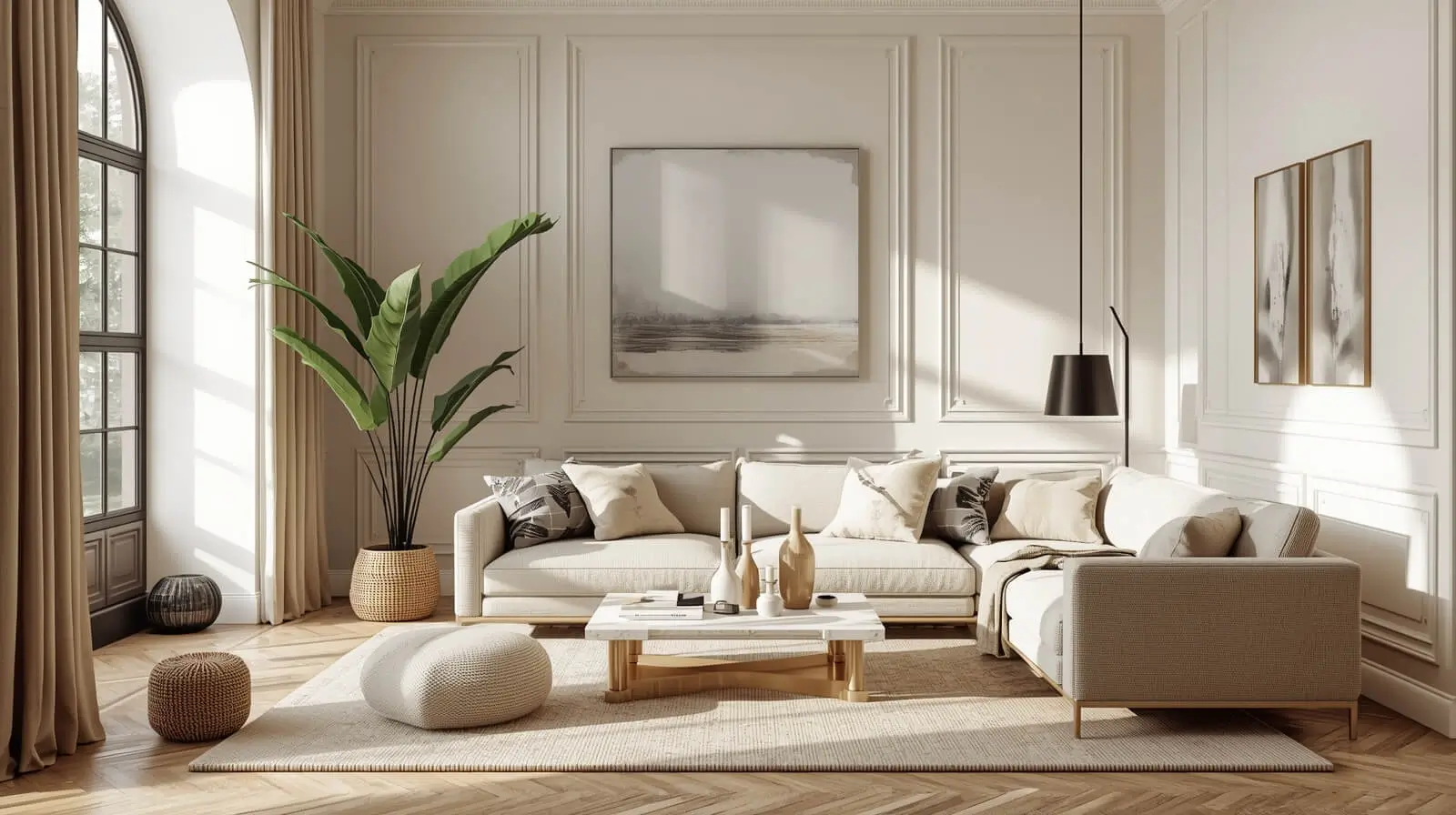
Space in interior design is the foundation that determines how a room feels, functions, and flows. Long before colors, furniture, or décor are added, space defines movement, comfort, balance, and emotional response within an interior. Whether designing a compact apartment or a large residence, understanding space allows designers to create environments that feel intentional rather than accidental.
From years of hands-on design work, one truth remains consistent: spaces that are planned thoughtfully always feel calmer, more usable, and visually balanced. Space is not just about empty areas—it’s about how solids and voids interact, how proportions relate to the human body, and how people intuitively move through a room.
In modern interiors, spatial awareness has become even more important. Open plans, multi-functional rooms, and lifestyle-driven layouts require designers to think beyond aesthetics and focus on how space supports daily living, psychological comfort, and long-term flexibility.
Physical Space in Interior Design
Physical space refers to the measurable dimensions of a room—length, width, and height—and how those dimensions are organized. It determines circulation paths, furniture placement, and usability without visual or physical congestion.
Positive and Negative Space in Interior Design
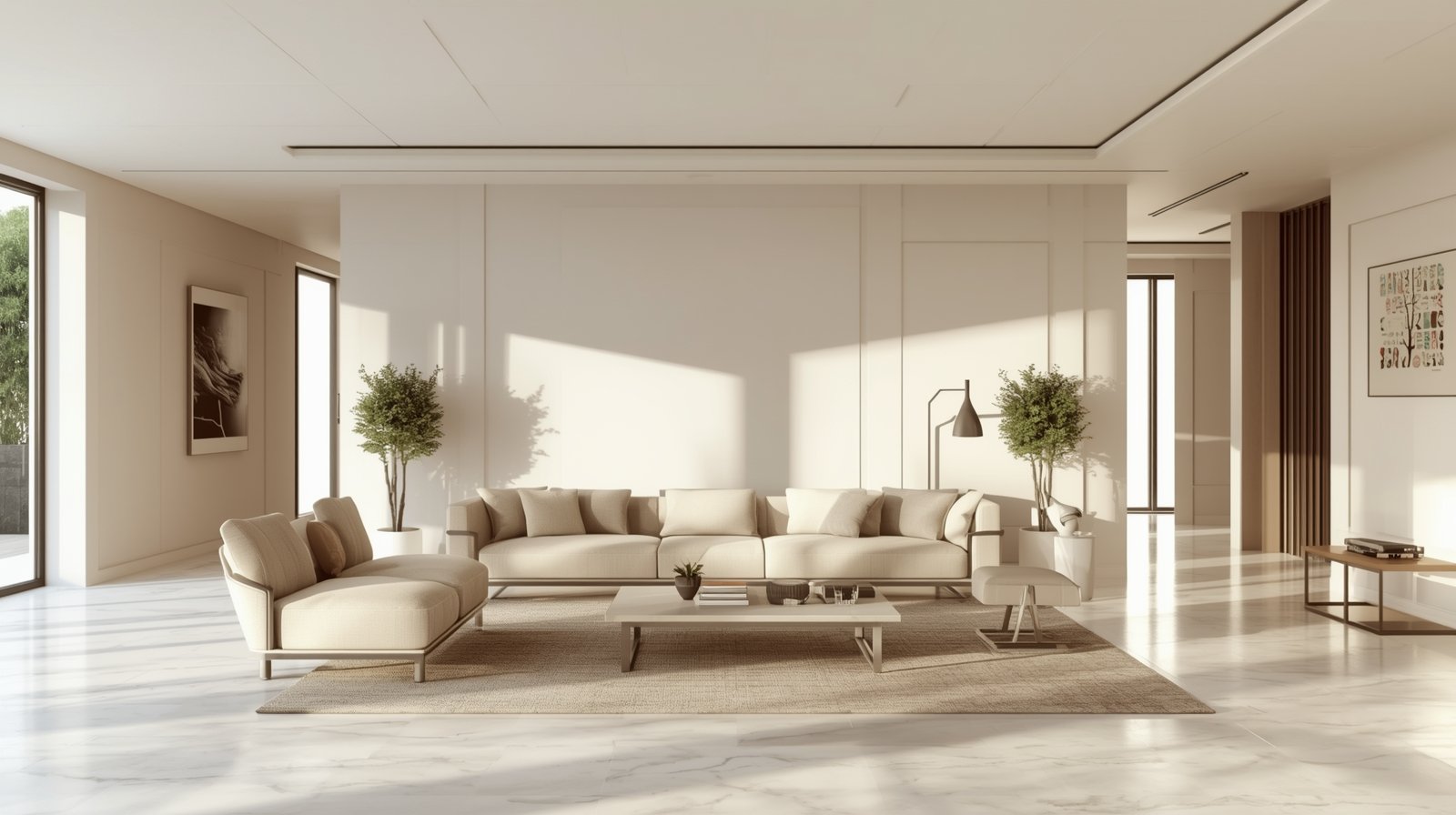
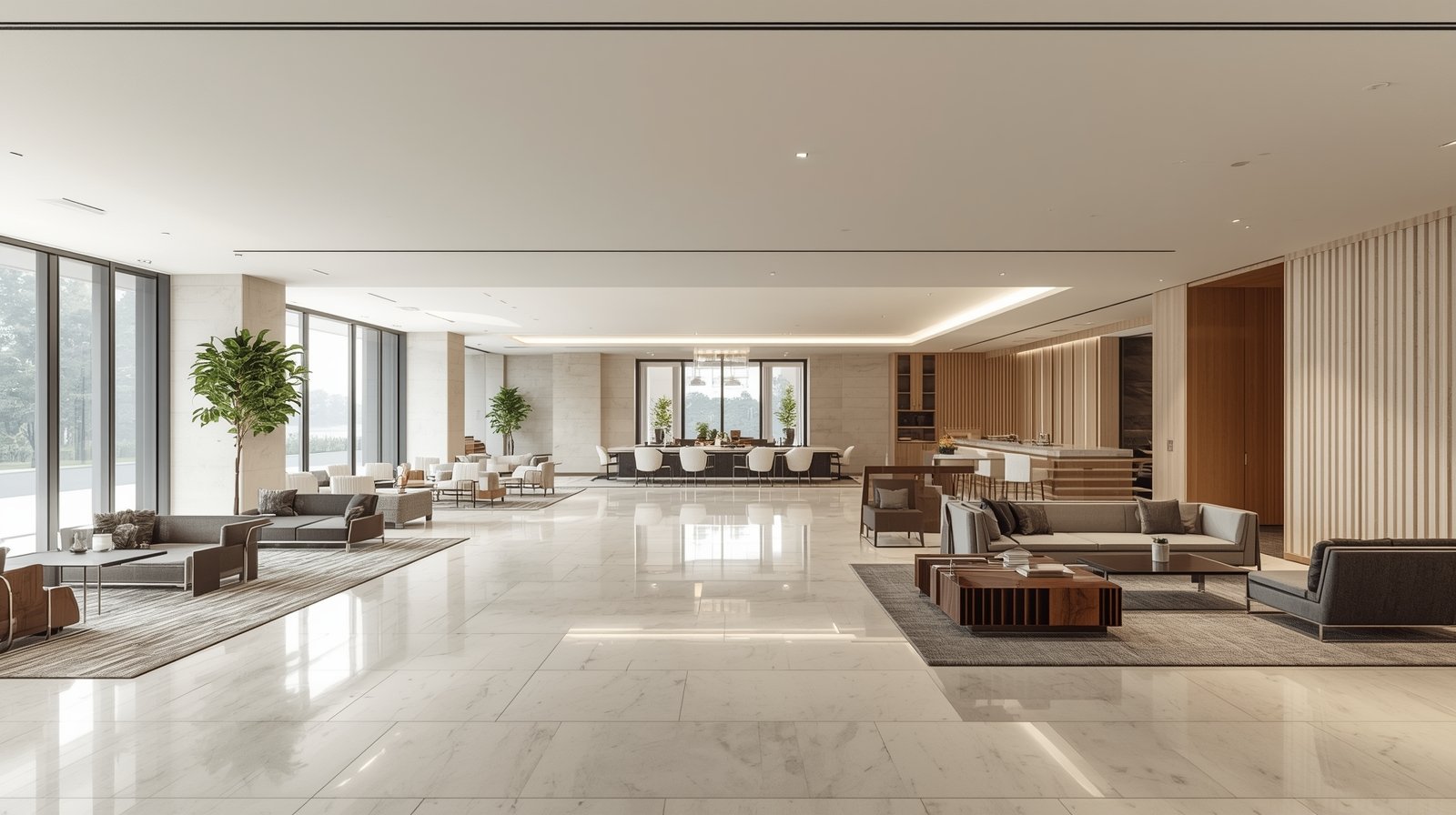
Positive space is occupied by furniture and architectural elements, while negative space allows the room to breathe. A well-designed interior uses negative space intentionally to enhance clarity and visual comfort.
Space Planning in Interior Design
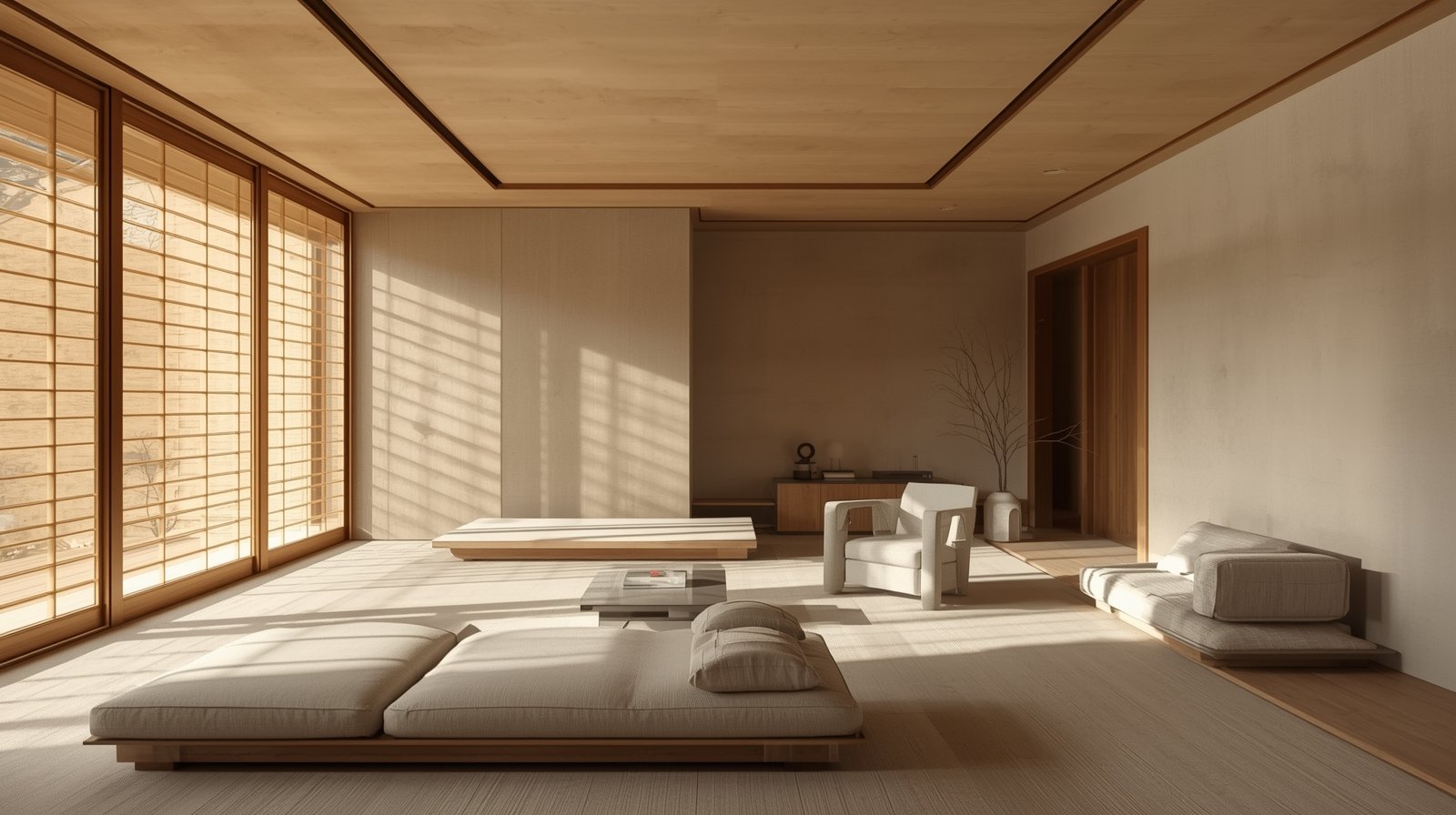
Space planning organizes furniture, functions, and circulation before decoration begins. It ensures each area supports its intended use without obstruction or wasted square footage.
Spatial Flow Between Rooms
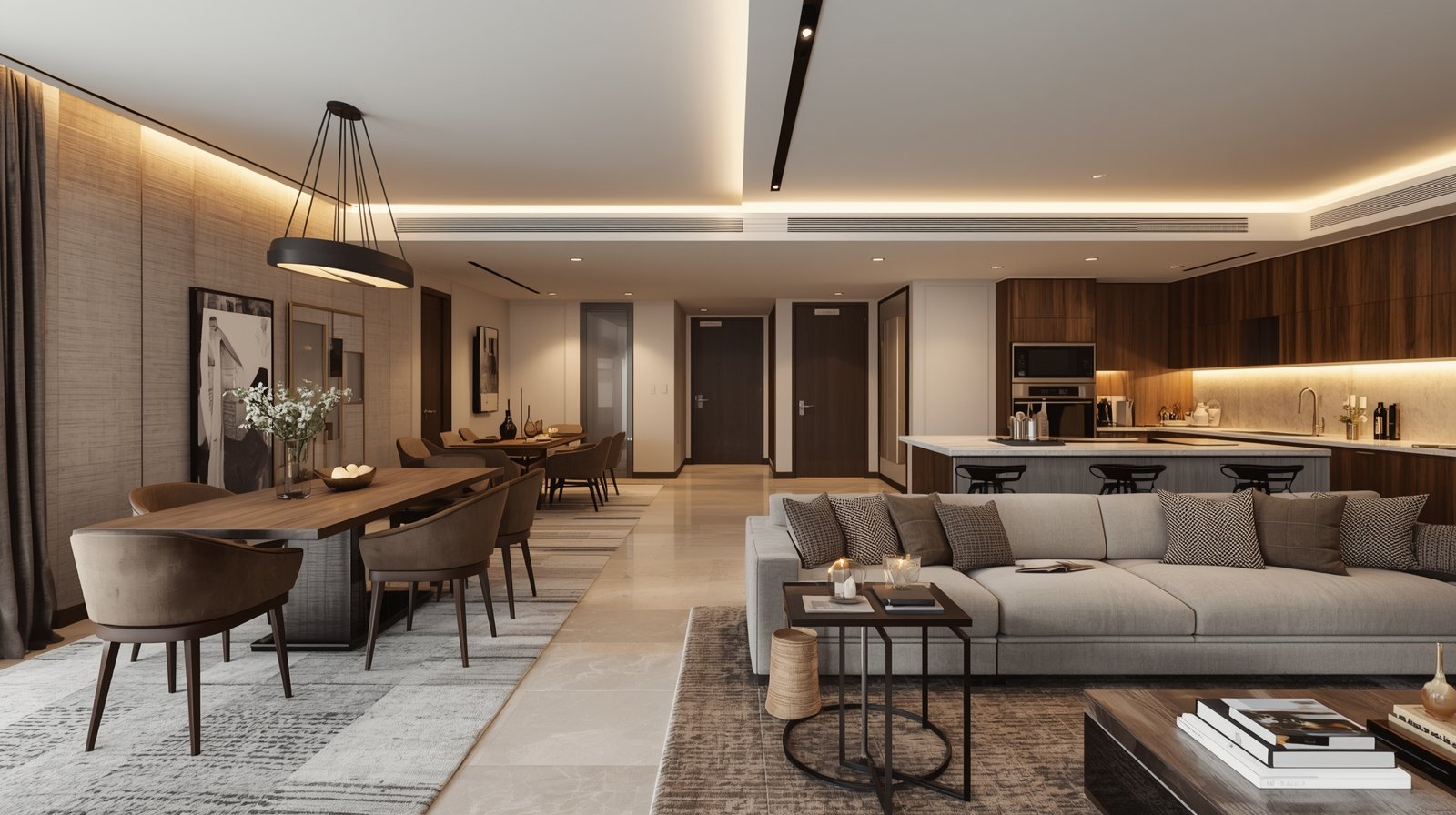
Flow describes how smoothly people move from one space to another. Good spatial flow reduces visual barriers and aligns room transitions with natural movement patterns.
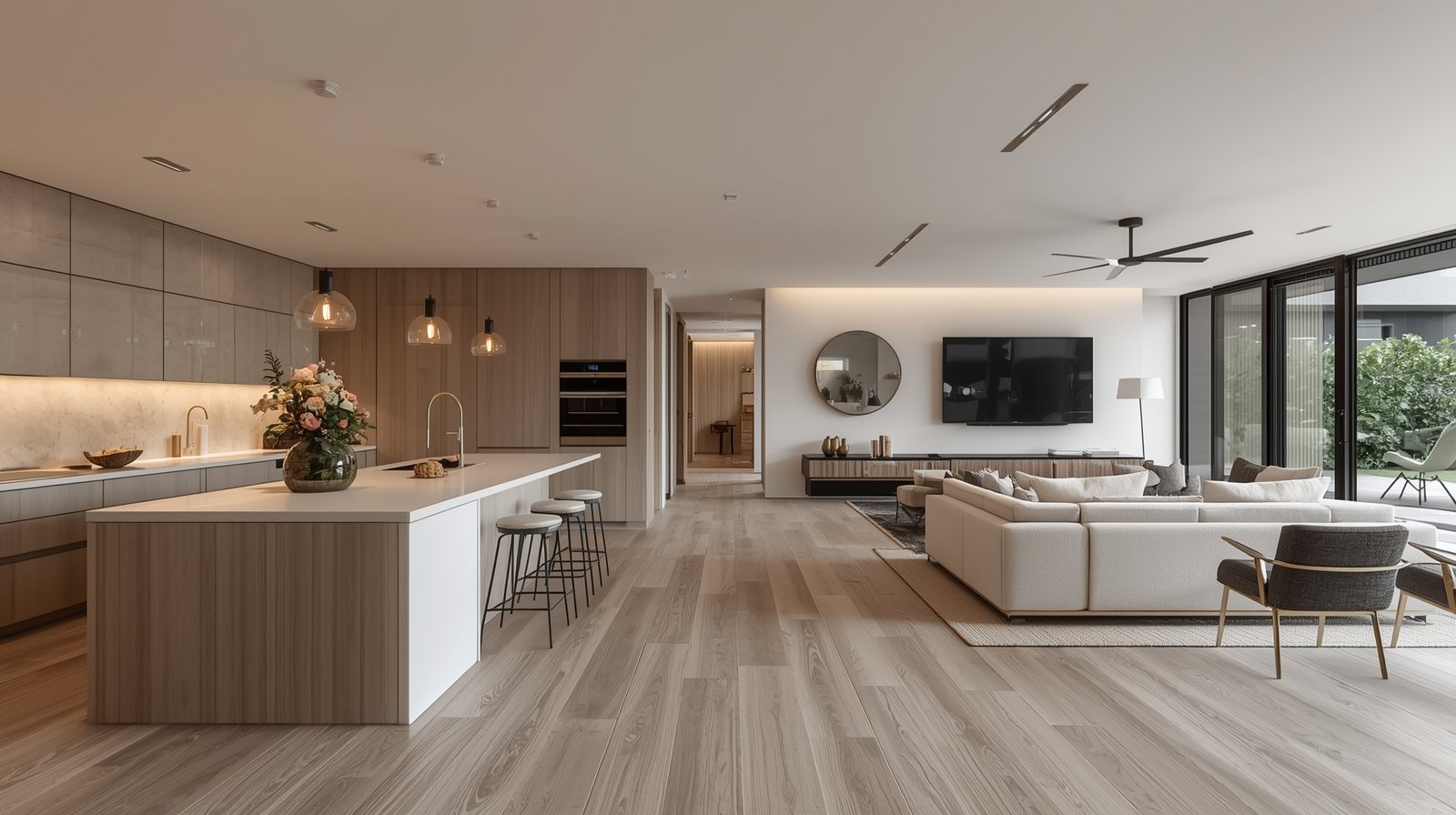
Open Space Concepts in Interior Design
Open spaces remove unnecessary partitions to create flexibility and openness. When designed well, open layouts feel expansive without losing structure or purpose.
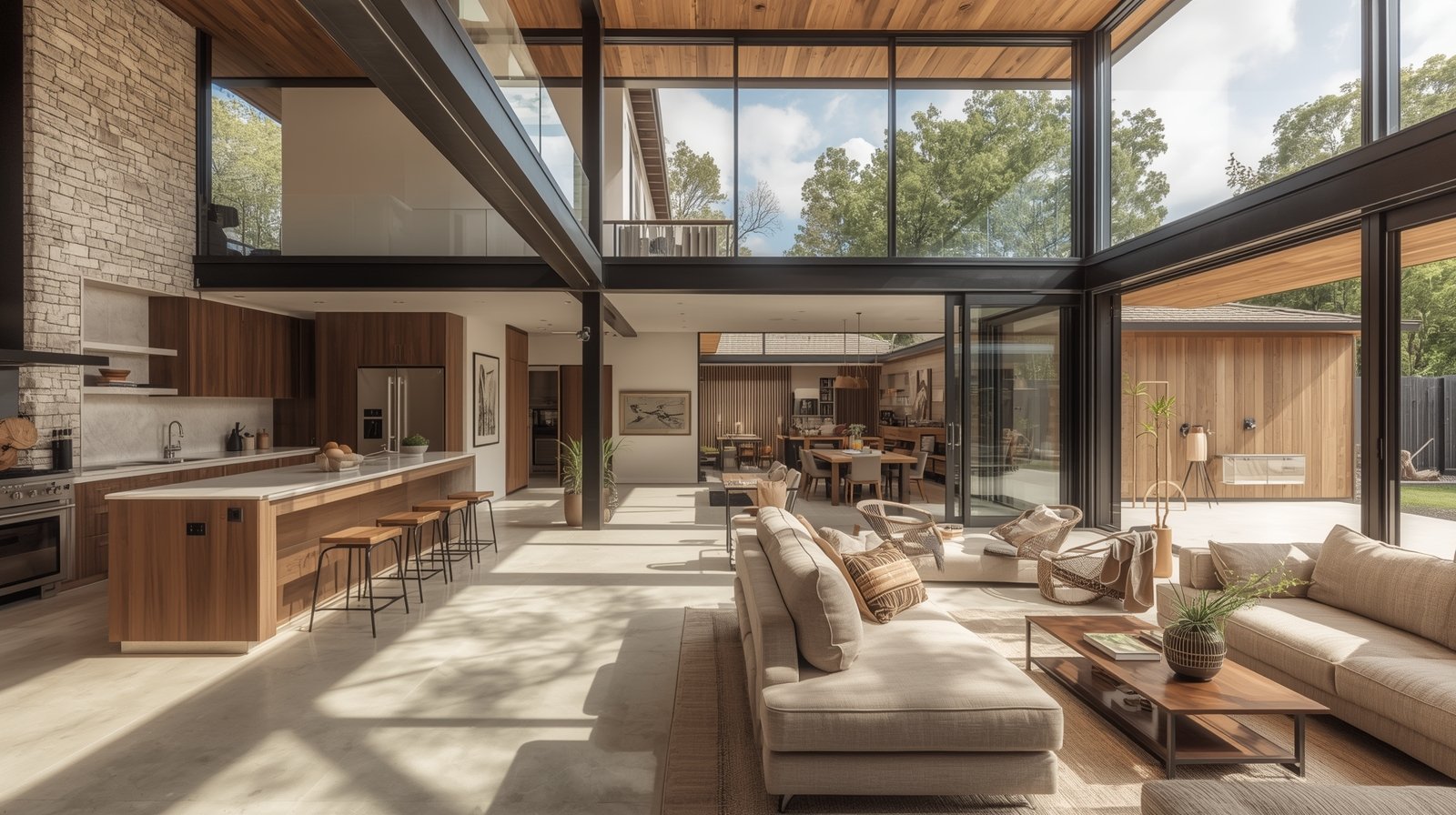
Defined Spaces Within Open Layouts
Even open interiors require subtle boundaries. Area rugs, lighting, and furniture orientation help define functional zones without physical walls.
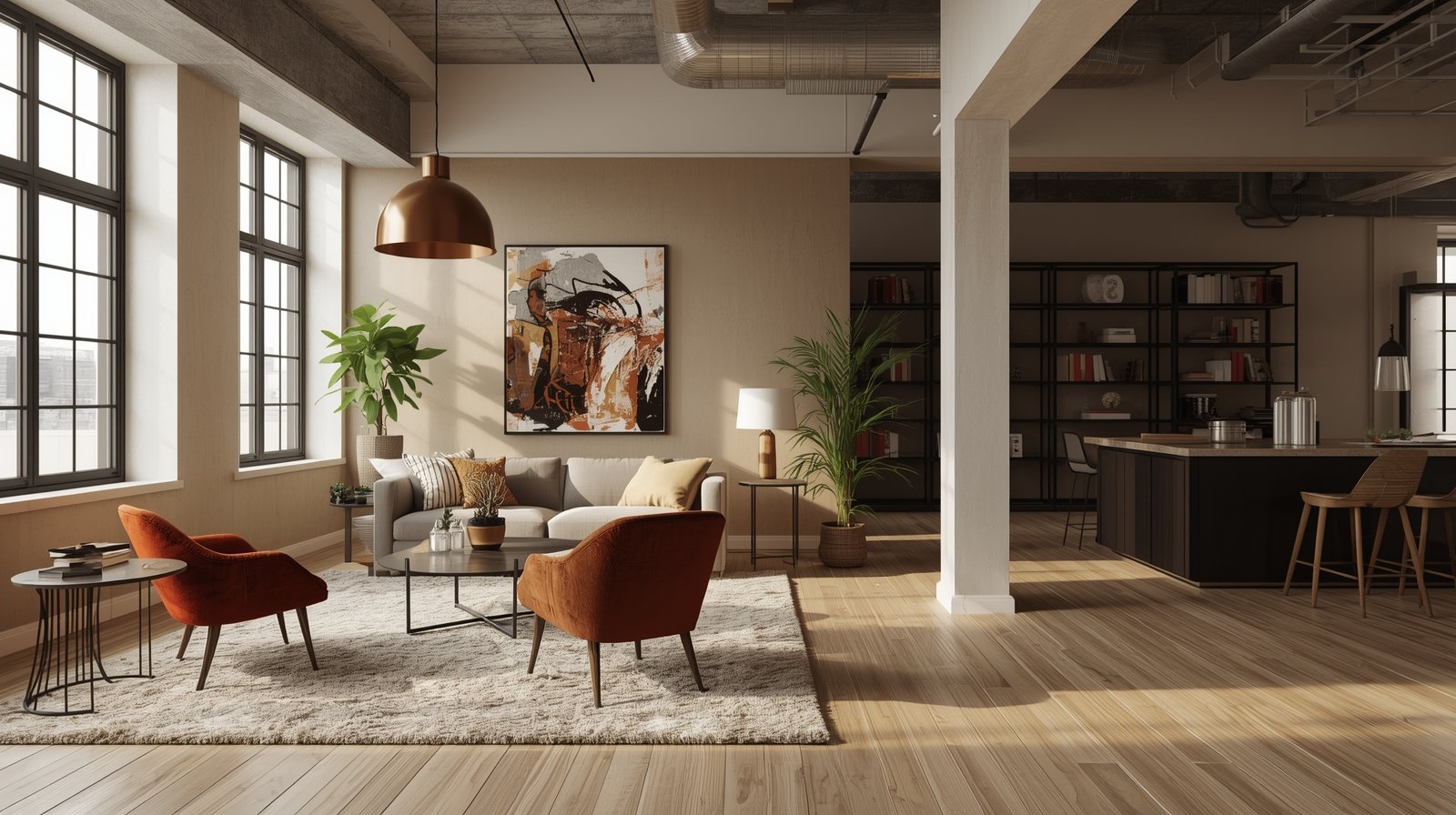
Proportion and Space in Interior Design
Proportion relates objects to the space they occupy. Correct proportions prevent rooms from feeling cramped or sparse and create visual harmony.
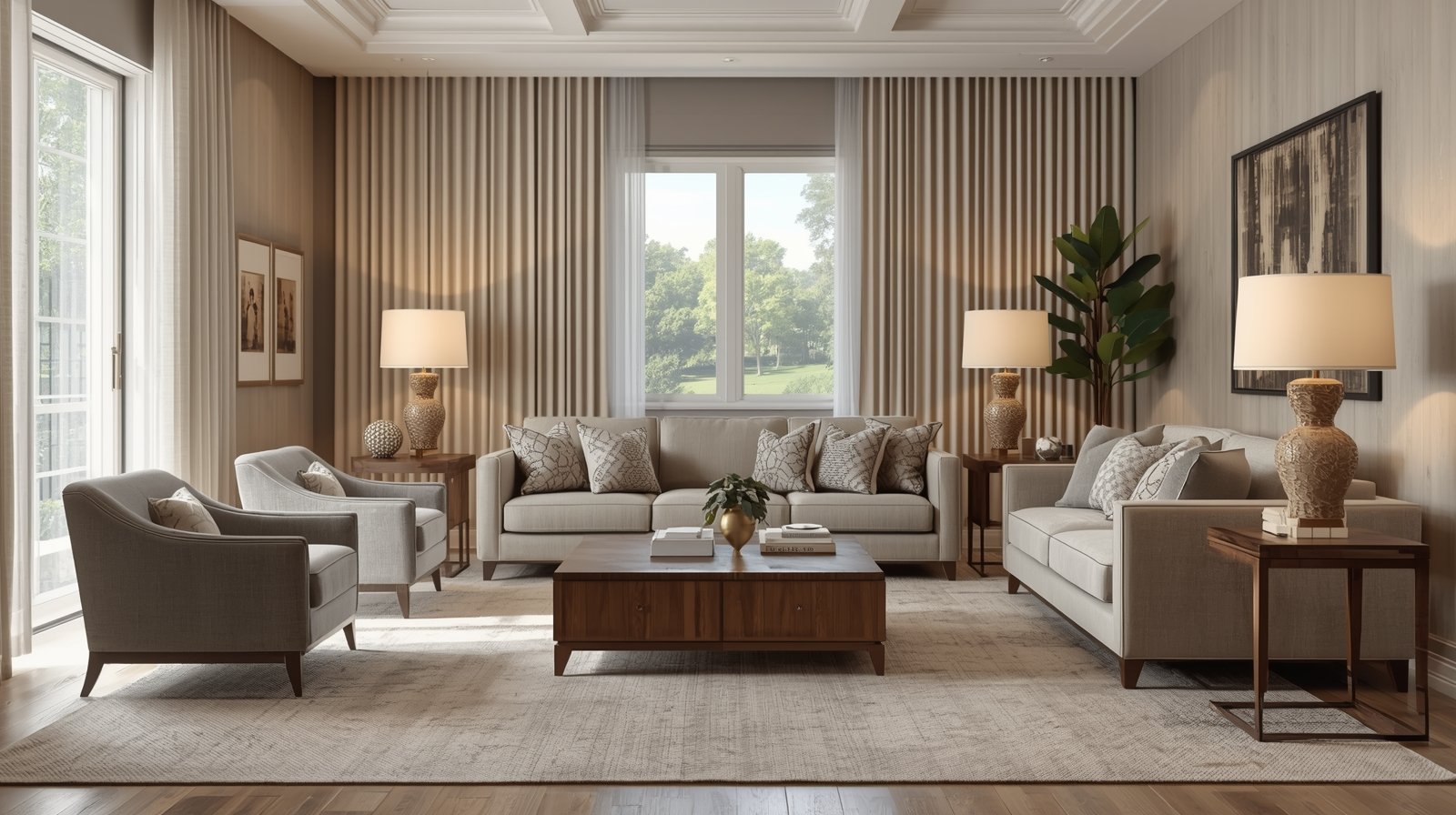
Scale and Human-Centered Space
Scale considers how space relates to the human body. Human-centered interiors feel comfortable because furniture, ceiling heights, and circulation align with natural movement.
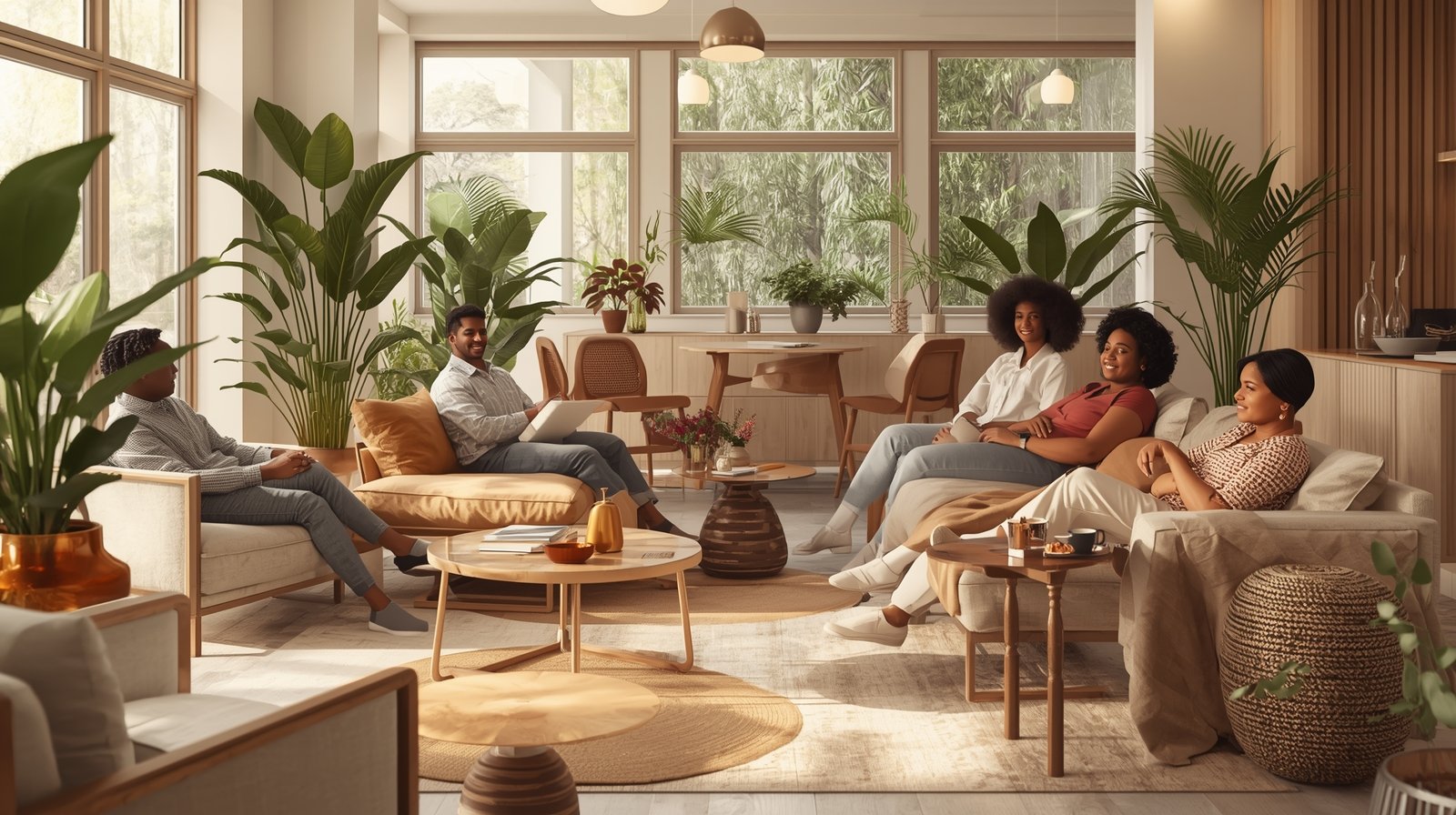
Vertical Space and Ceiling Height
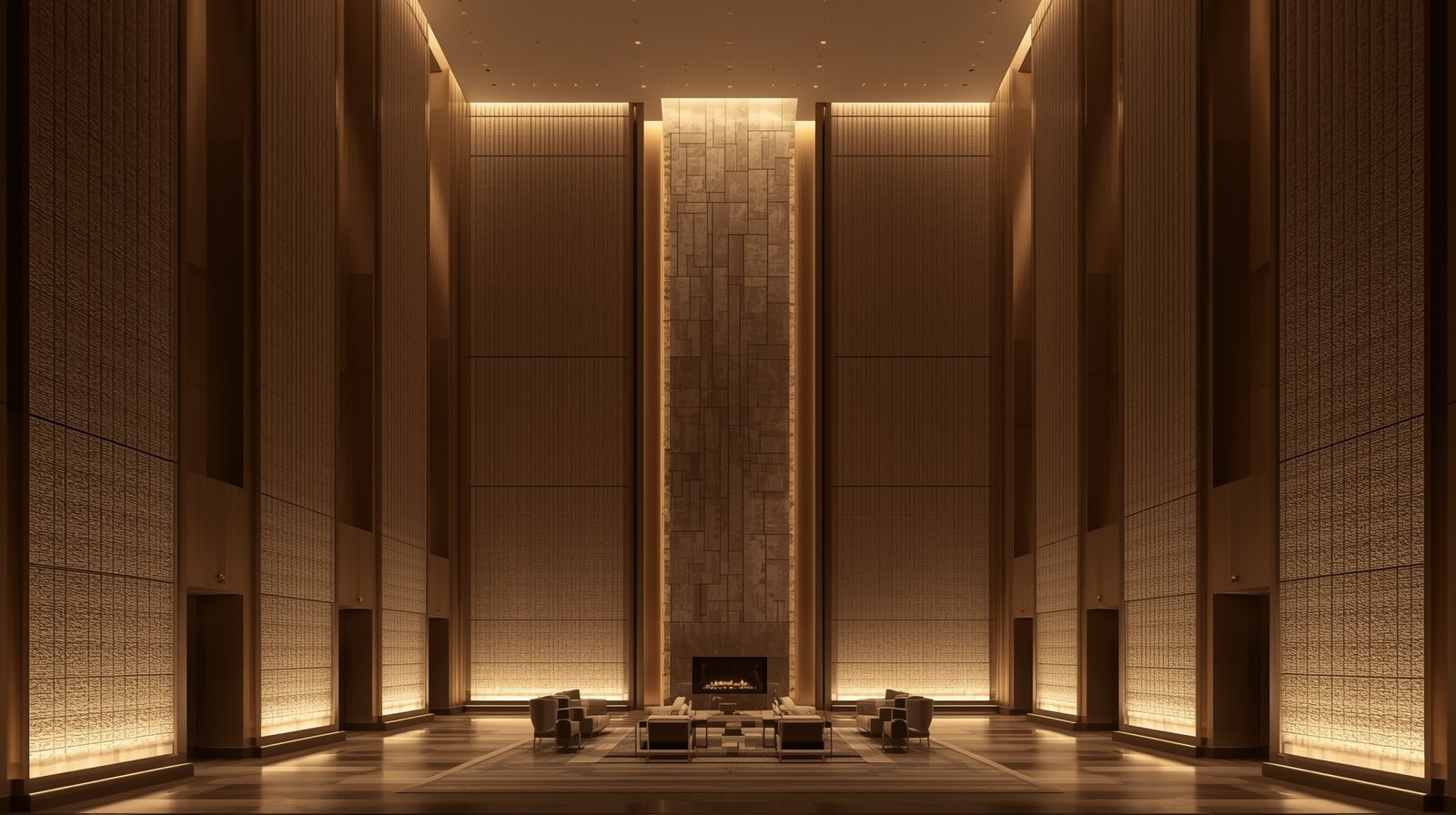
Vertical space affects how expansive or intimate a room feels. Designers use ceiling treatments, lighting, and tall elements to enhance vertical perception.
Spatial Balance and Visual Weight
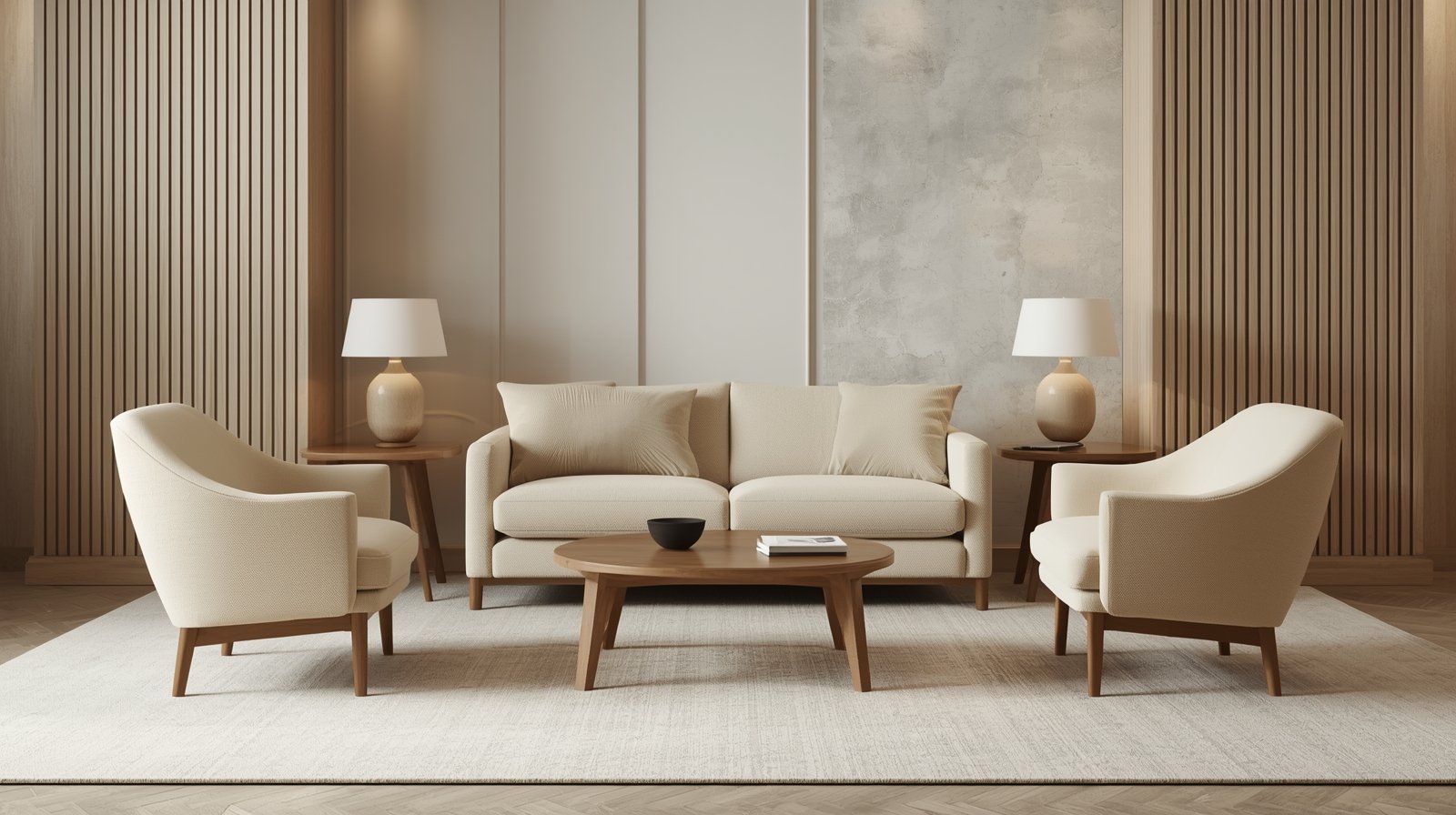
Balanced spaces distribute visual weight evenly. Heavy elements are countered with lighter forms to prevent a room from feeling one-sided or unstable.
Shapes and Forms in Spatial Design
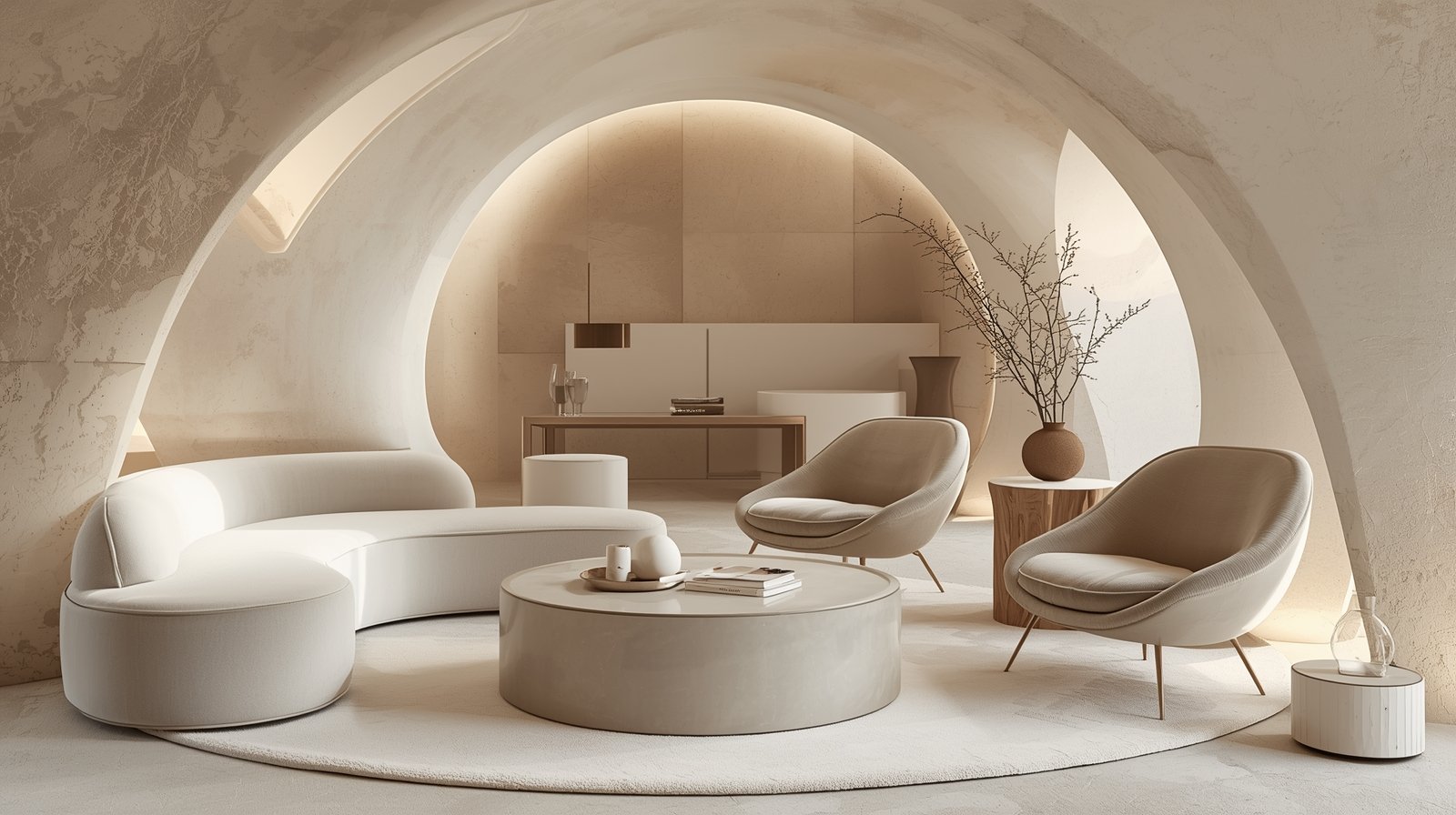
Shapes influence how space is perceived. Curved forms soften interiors, while angular shapes bring structure and clarity.
Texture as a Spatial Tool
Texture adds depth and dimension, preventing flat or lifeless spaces. It subtly defines spatial zones without altering layout.
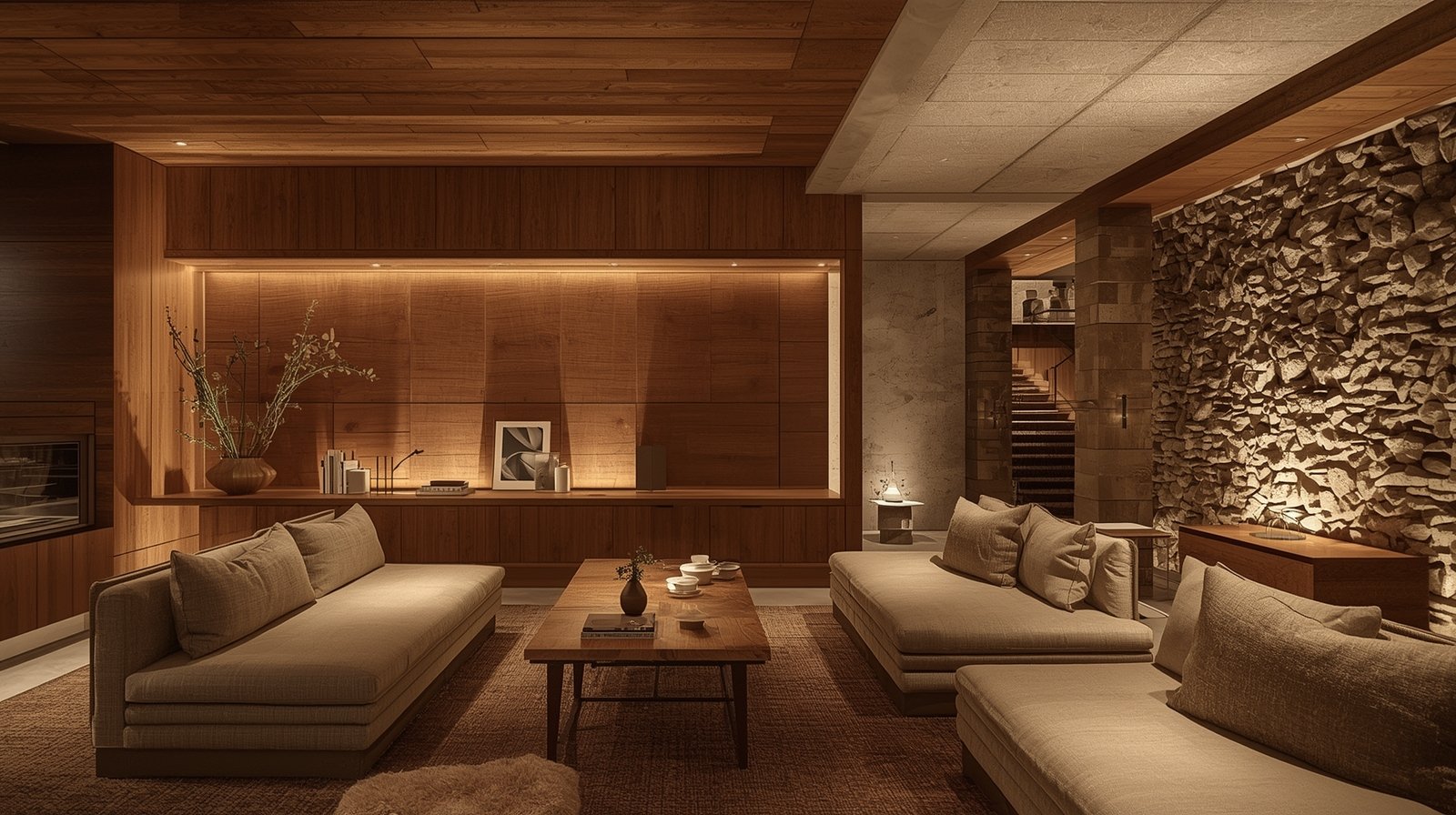
Psychological Impact of Space
Space directly affects mood and behavior. Open, well-lit spaces promote calm and clarity, while cluttered layouts increase stress.
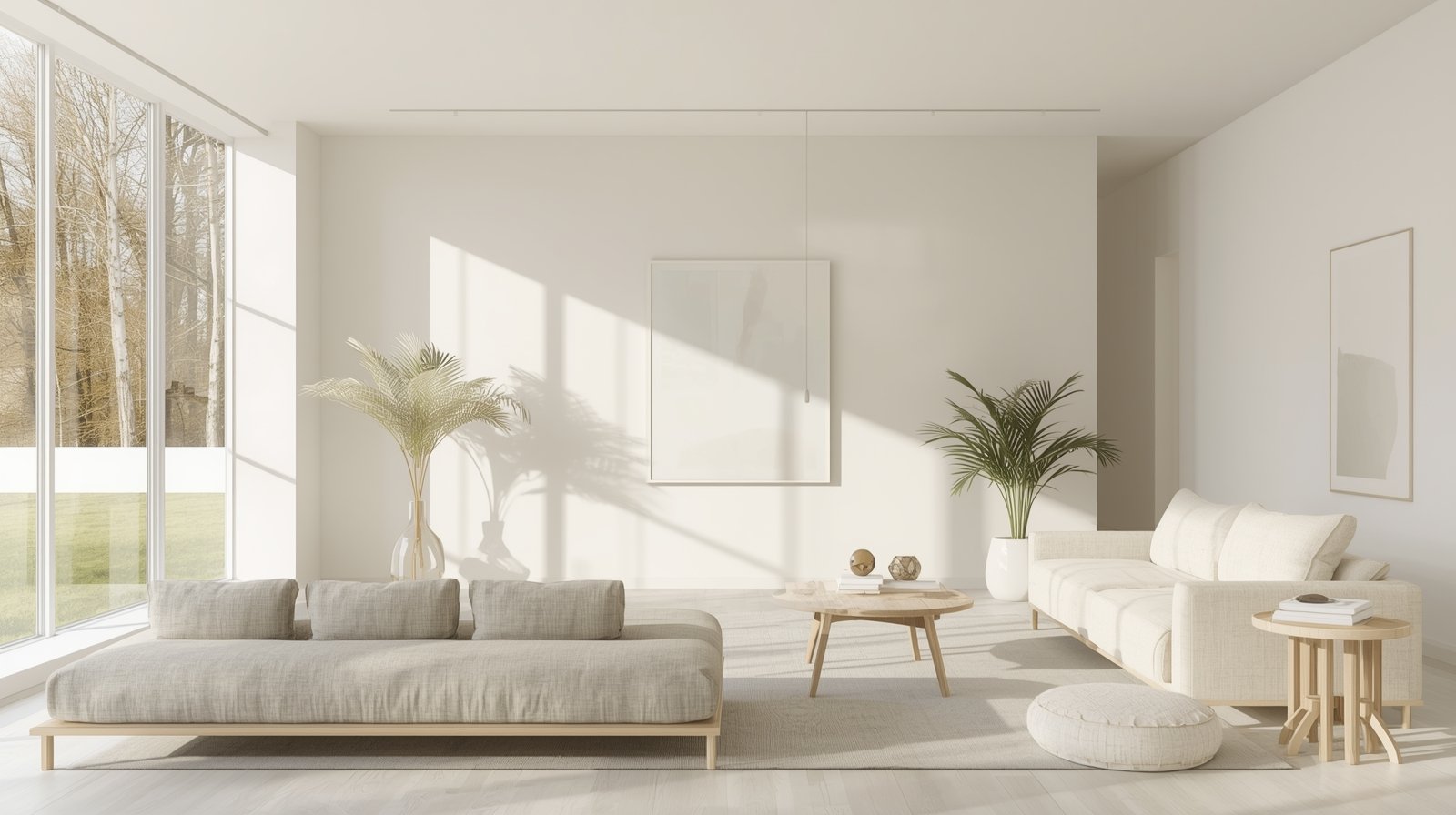
Personal Space and Comfort
Designing for personal space ensures rooms feel comfortable rather than crowded. This includes seating distances, pathways, and furniture spacing.
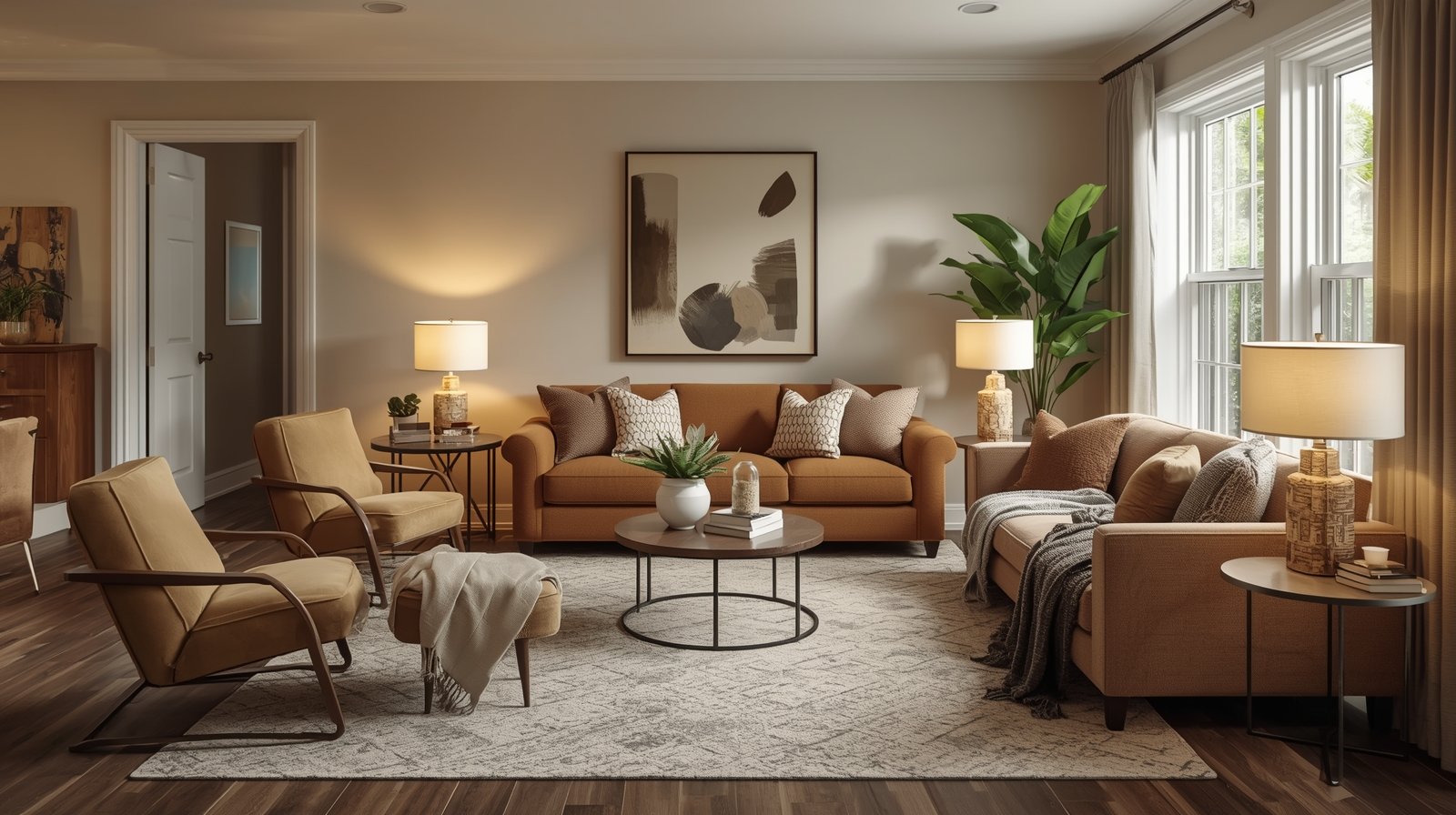
Multi-Functional Space Design
Modern interiors often serve multiple purposes. Smart spatial planning allows one area to adapt without visual chaos.
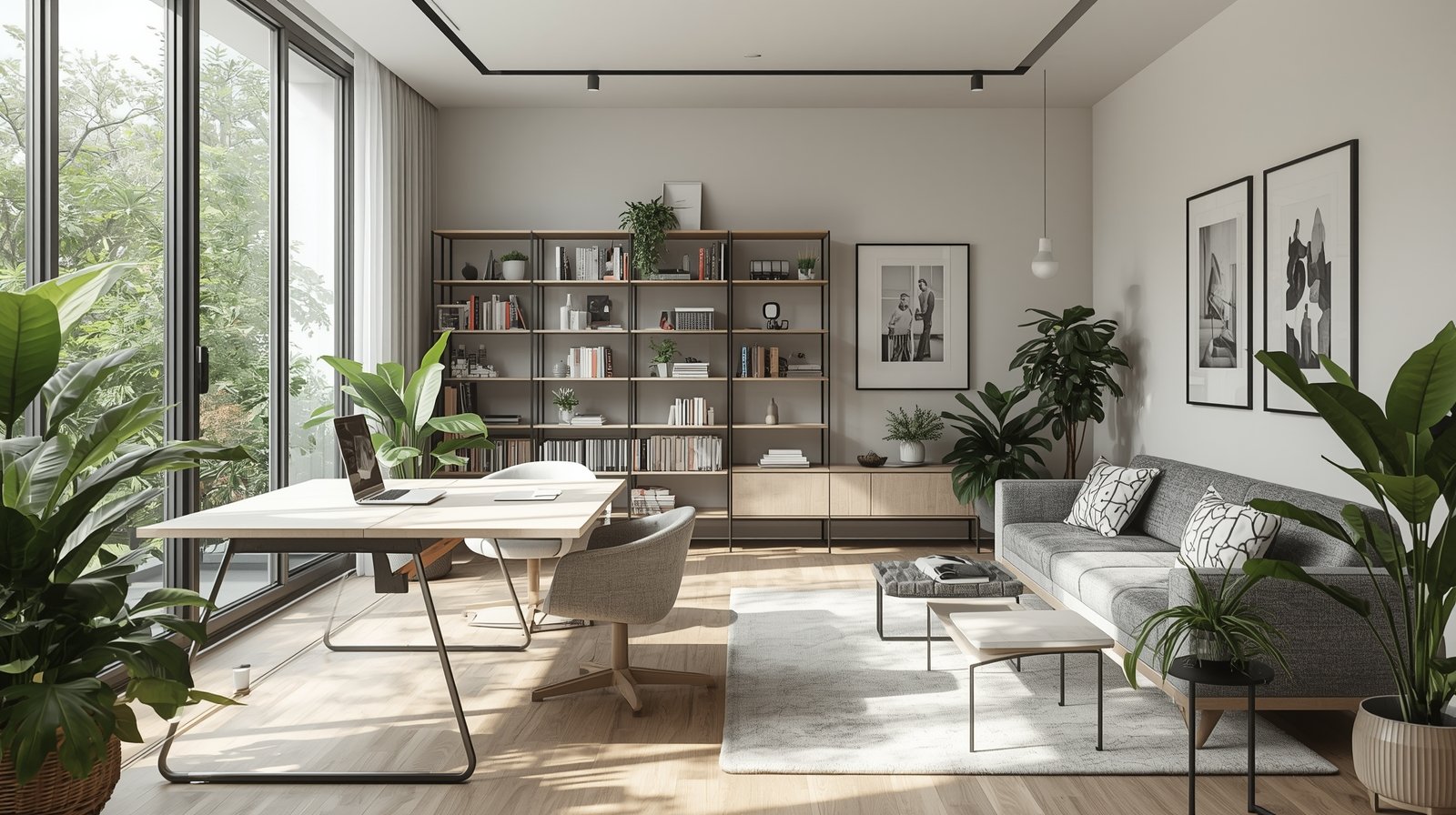
Space and Light Relationship
Light enhances spatial perception. Natural and layered artificial lighting make spaces feel larger, clearer, and more inviting.
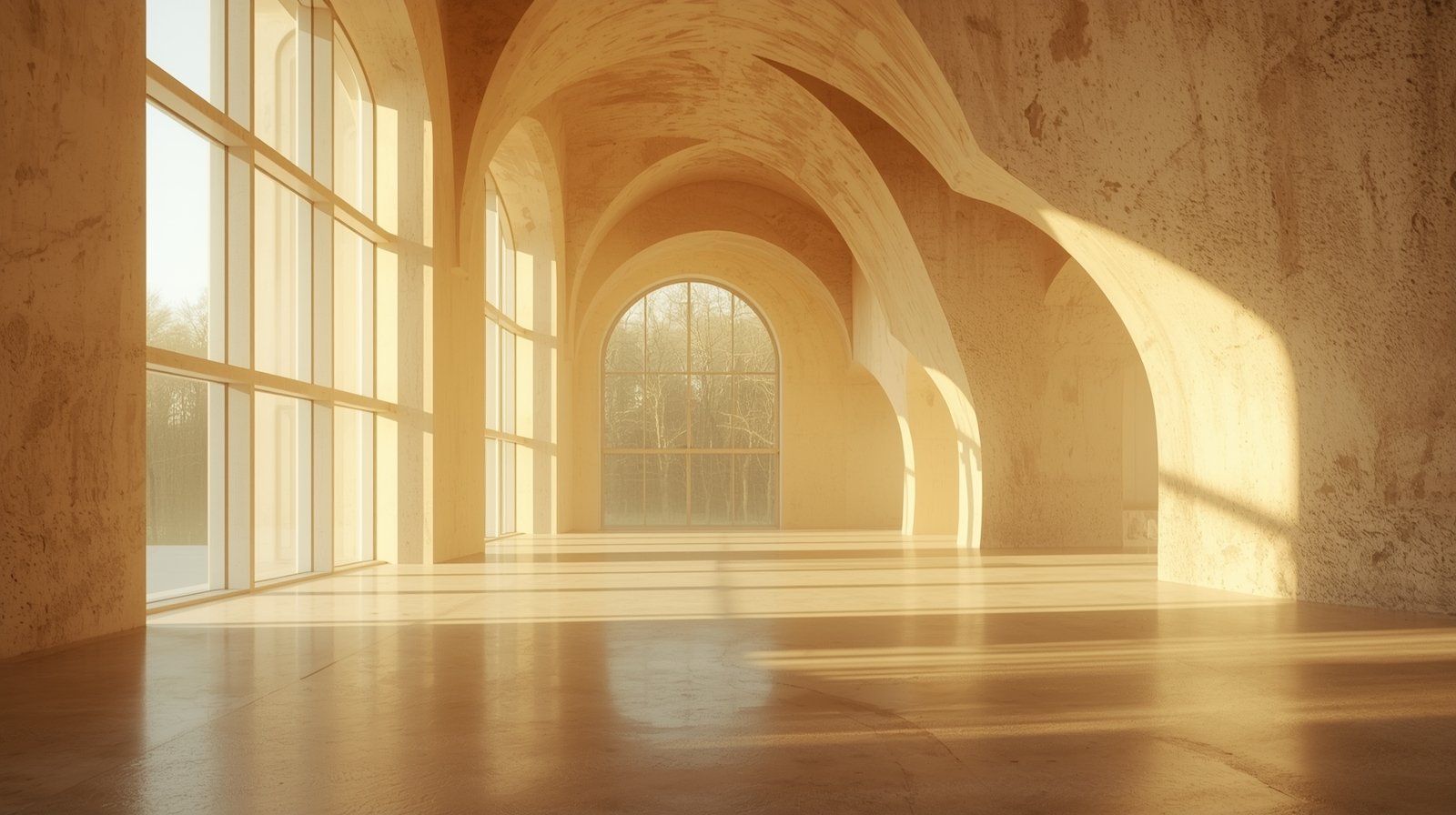
Circulation Space and Movement
Circulation space ensures easy movement through a room. Clear paths improve functionality and overall comfort.
Conclusion
Space in interior design is not an abstract idea—it is the structure that supports beauty, comfort, and functionality. When space is planned intentionally, every design decision becomes clearer and more effective. From circulation and proportion to psychological comfort, spatial awareness transforms interiors from visually appealing to deeply livable.
The most successful interiors respect space rather than fill it unnecessarily. By prioritizing balance, flow, and human-centered proportions, designers create rooms that feel calm, adaptable, and timeless. Thoughtful space planning always outperforms decoration alone.
Whether designing a single room or an entire home, start with space first. When space works, everything else naturally falls into place.
Learn more: 10+ Stunning Mid Century Modern Interior Design Ideas
Frequently Asked Questions
- What is space in interior design?
Space in interior design refers to how room dimensions, layout, and empty areas are organized to support function, comfort, and visual balance.
- Why is space planning important in interior design?
Space planning ensures efficient use of a room, clear movement paths, and proper furniture placement before decorative elements are added.
- How does space affect mood in interiors?
Open, balanced spaces reduce stress and improve comfort, while cluttered or poorly planned spaces can feel overwhelming and uncomfortable.
- What is the difference between positive and negative space?
Positive space is occupied by objects and furniture, while negative space provides breathing room and visual clarity within an interior.
- How can small spaces feel larger through design?
Using light colors, clear circulation paths, minimal furniture, and layered lighting helps enhance spatial perception.
- What role does proportion play in spatial design?
Proportion ensures furniture and elements relate harmoniously to room size, preventing overcrowding or emptiness.
- Can one space serve multiple functions effectively?
Yes, with thoughtful spatial planning, a single space can adapt to multiple uses without losing comfort or visual order.

One Response