Introduction
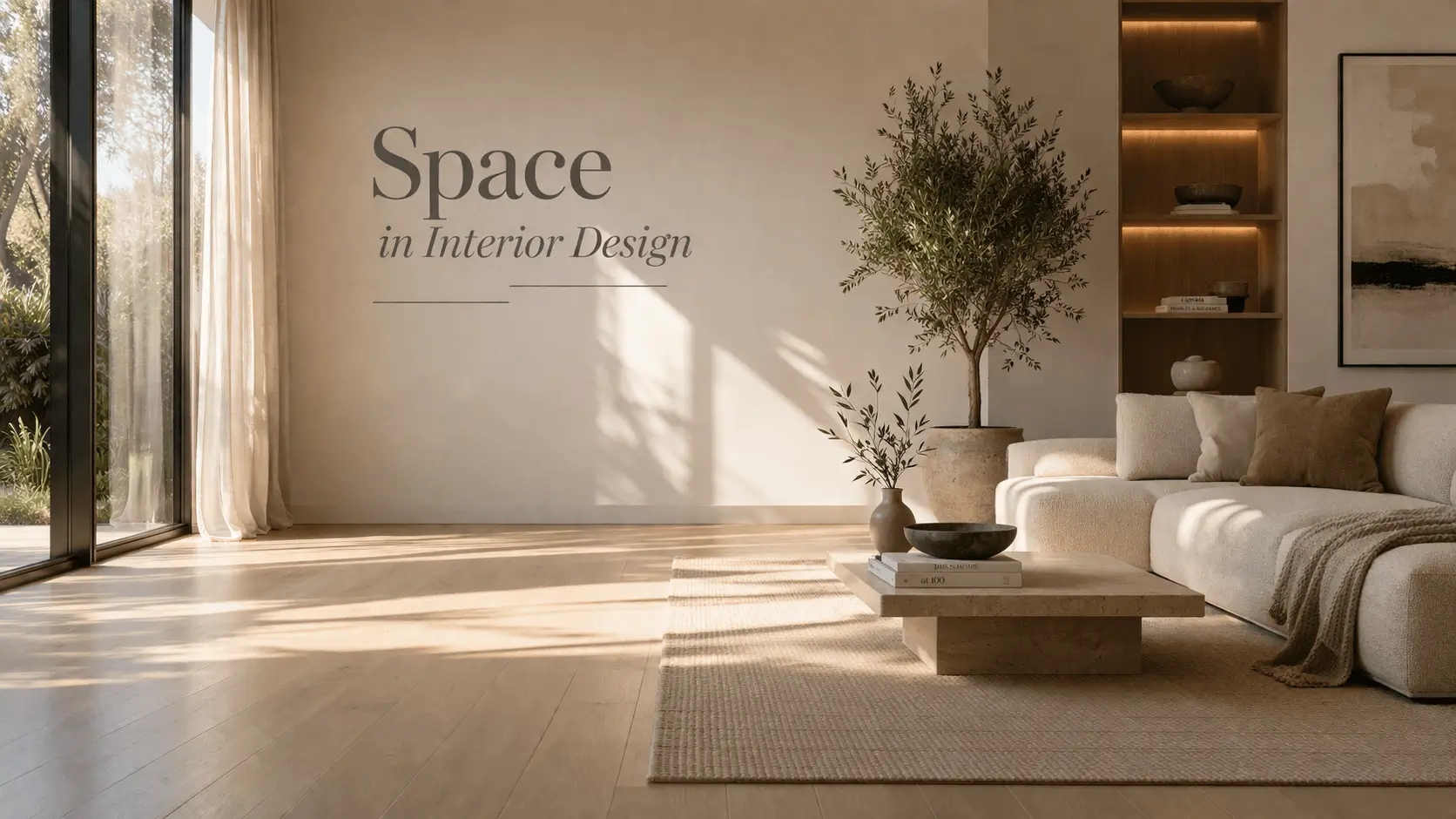
Space in interior design definition refers to the fundamental concept of how areas within a room are organized, perceived, and experienced. It is not just about empty areas or filled zones—it is about balance, movement, proportion, and how people interact with their surroundings. Every successful interior begins with understanding space as both a physical and psychological element.
From years of practical design observation, the most effective interiors are not always the most decorated—they are the most well-spaced. Whether designing a compact apartment or a luxury villa, controlling space determines comfort, functionality, and visual harmony. When space is used intentionally, even minimal elements can create a powerful, inviting environment.
Positive and Negative Space in Interior Design Definition
Positive space includes furniture and décor elements, while negative space refers to the empty areas around them. A well-balanced interior uses both to avoid clutter and visual fatigue. Designers intentionally leave breathing room to enhance focus and comfort.
Space Planning in Interior Design Definition
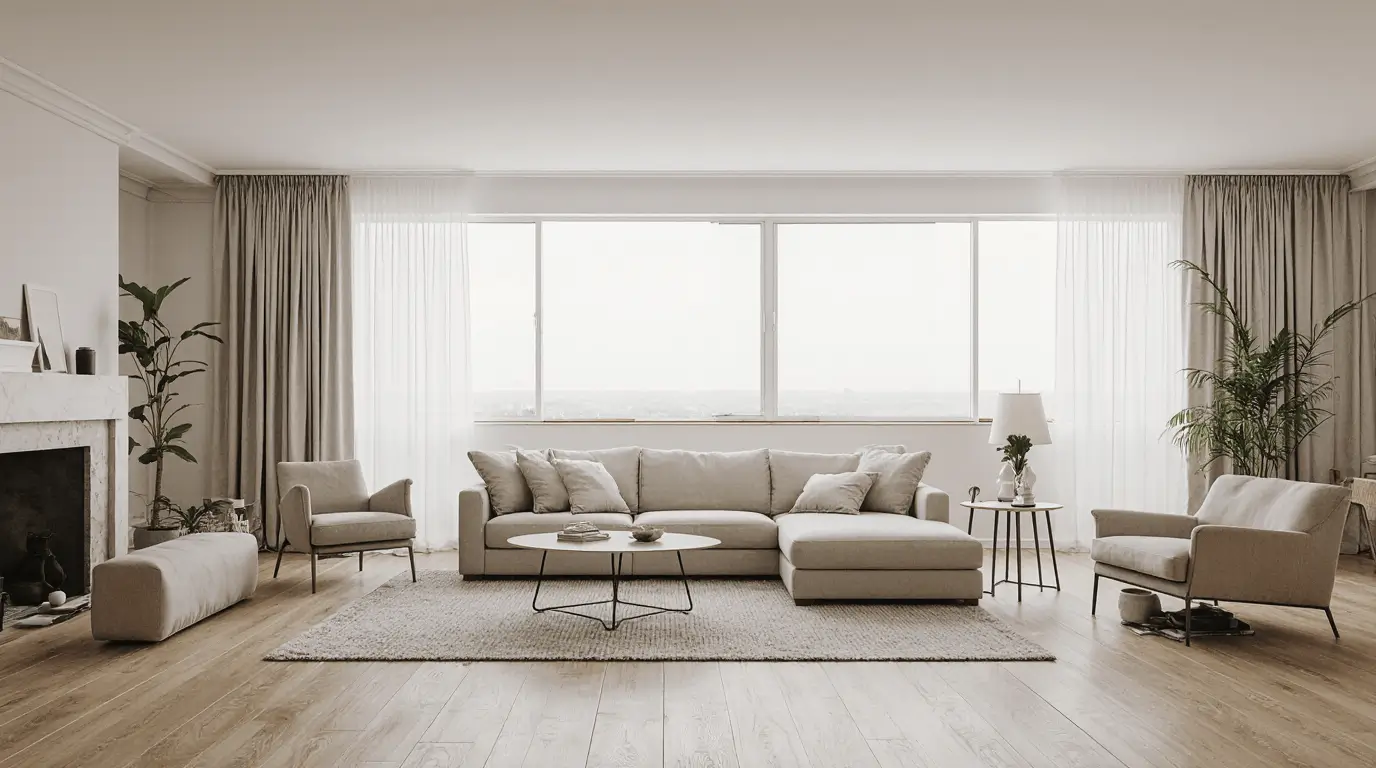
Space planning involves arranging furniture and pathways for functionality and flow. It ensures that movement feels natural and that every area serves a purpose without overcrowding.
Psychological Space in Interior Design Definition
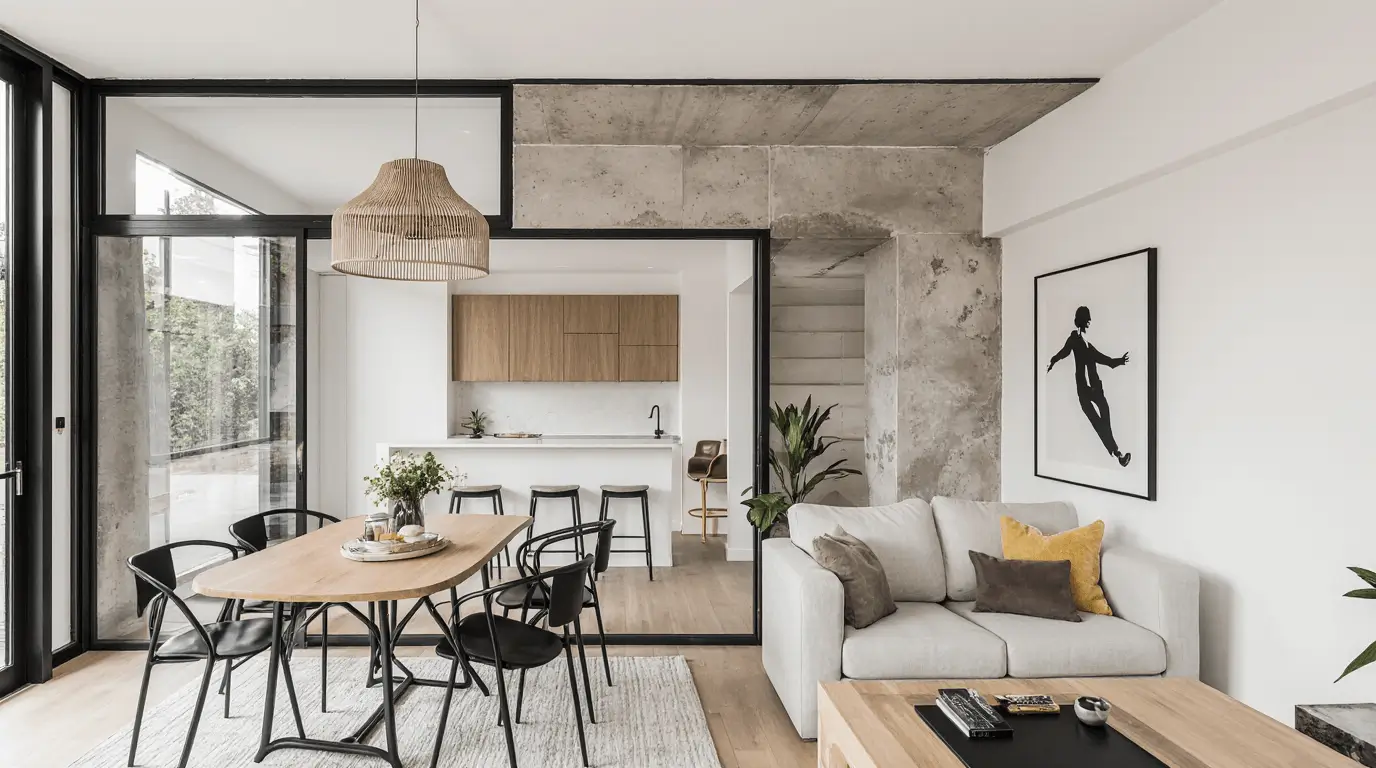
Space affects how people feel—open layouts create freedom, while compact spaces feel cozy or intimate. Designers use spacing to influence emotions and behavior.
Small Space Optimization in Interior Design Definition
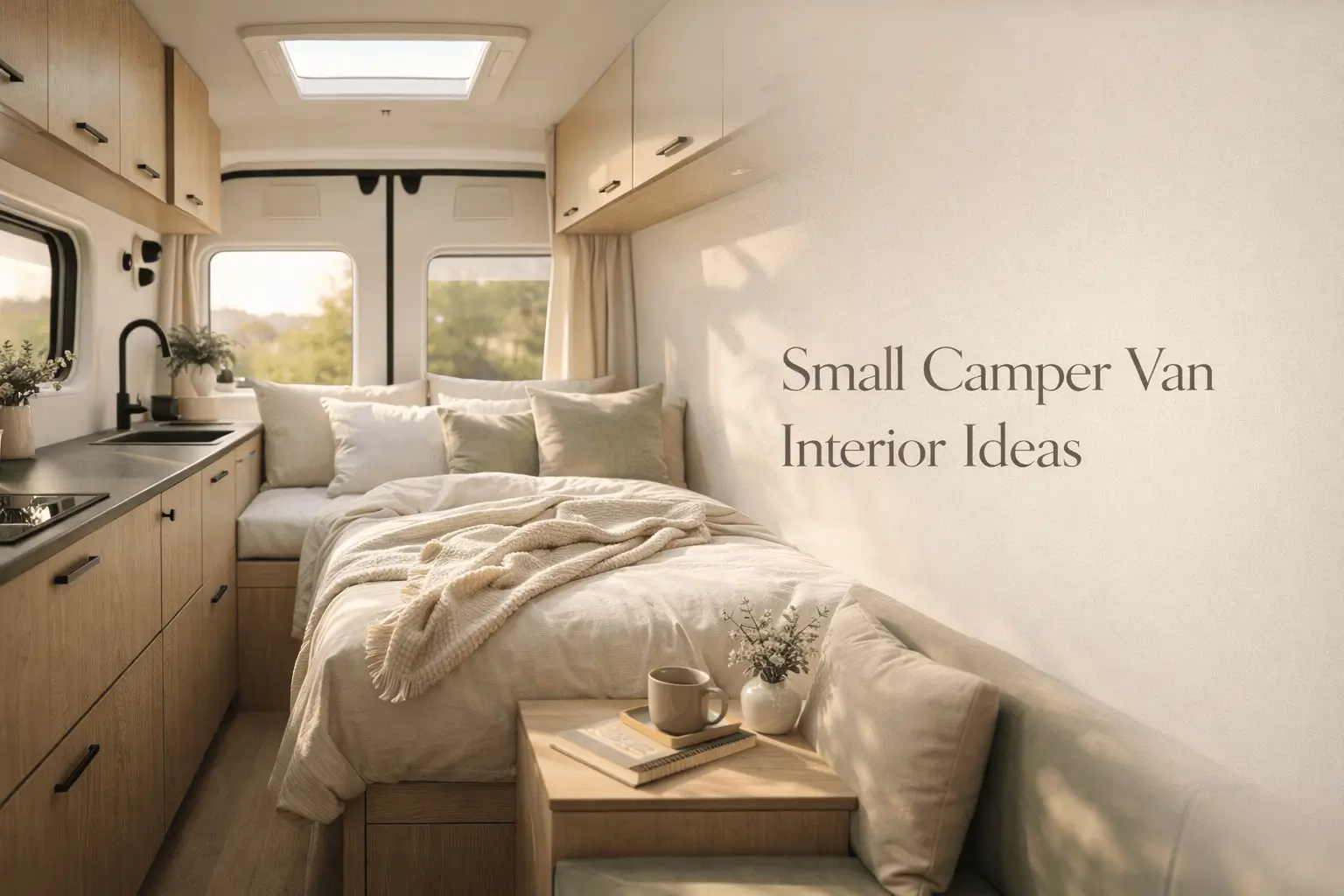
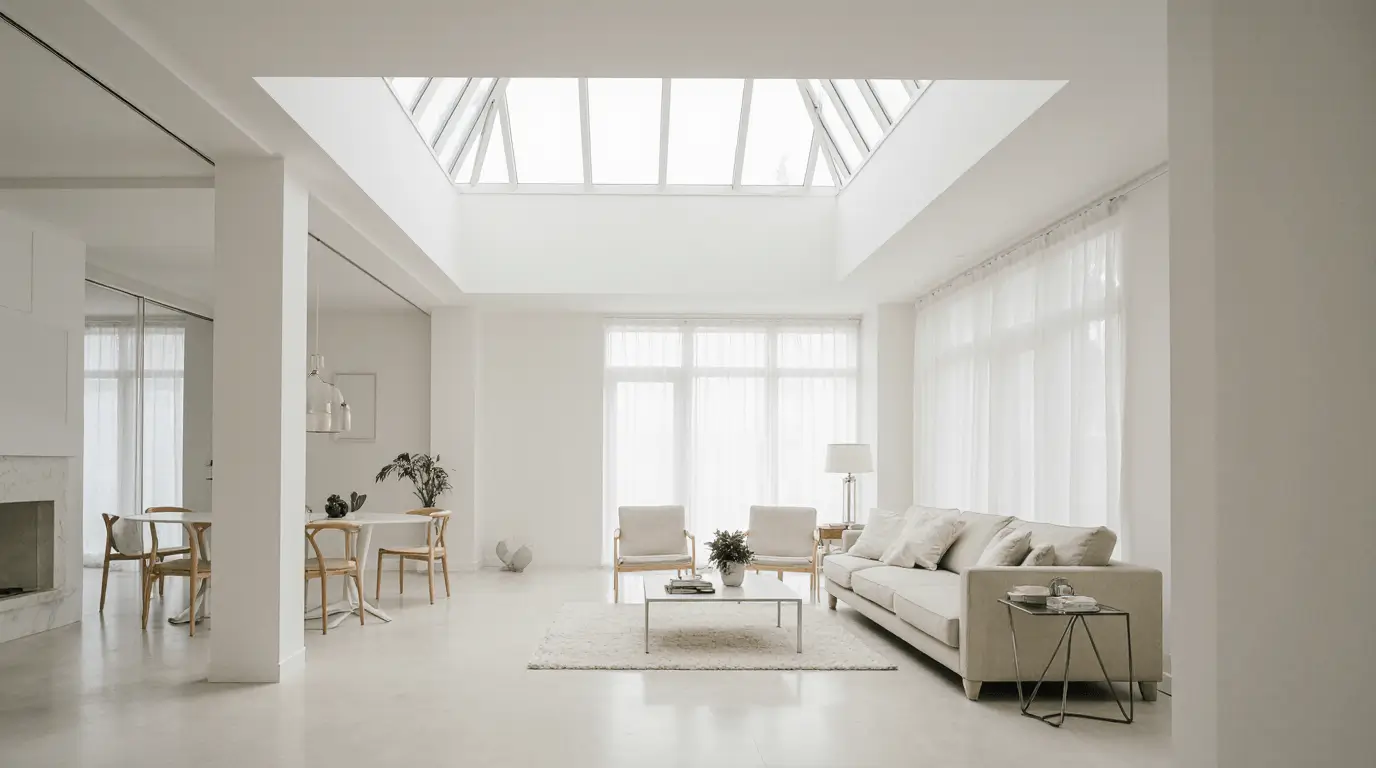
In smaller interiors, efficient use of space is critical. Multi-functional furniture and vertical storage maximize usability without compromising aesthetics.
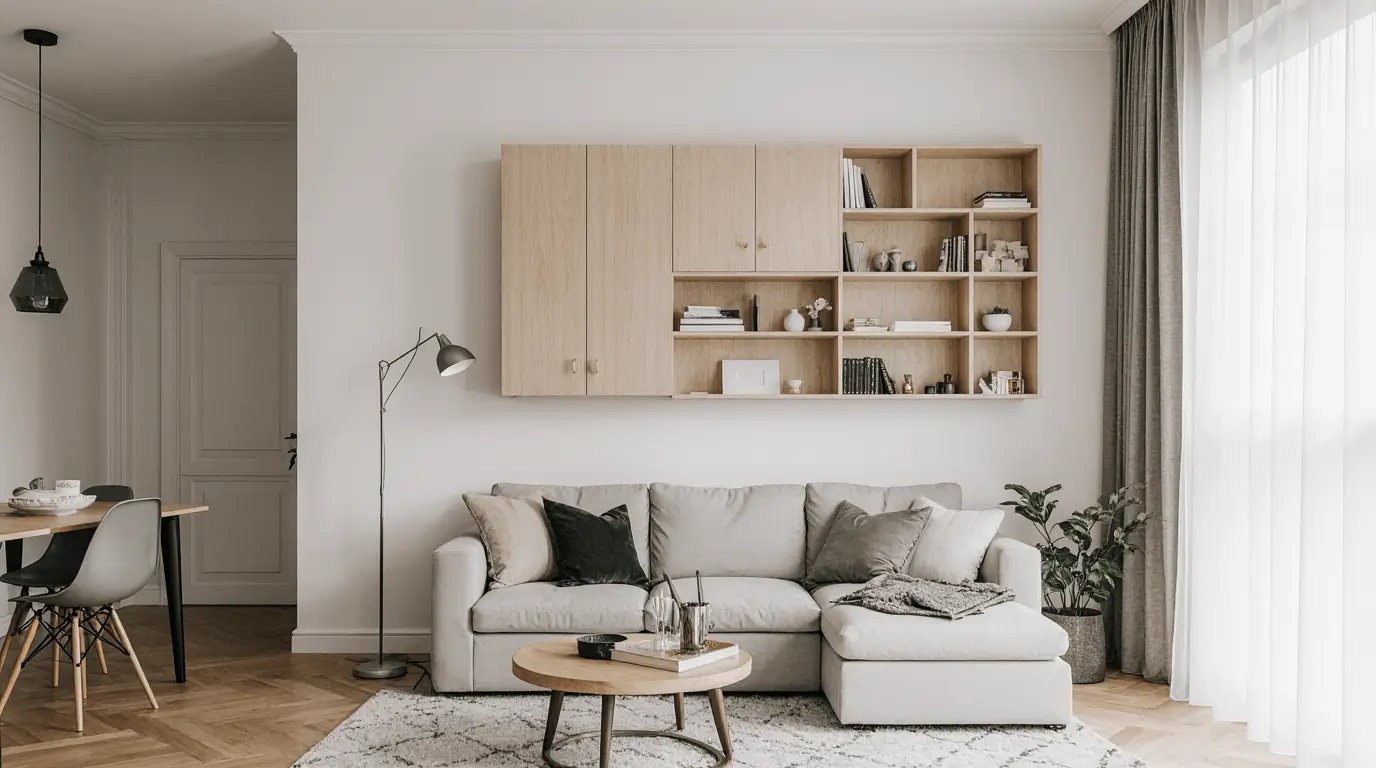
Open Space Concept in Interior Design Definition
Open space removes unnecessary barriers, creating seamless transitions between areas like living, dining, and kitchen zones. It enhances light flow and connectivity.
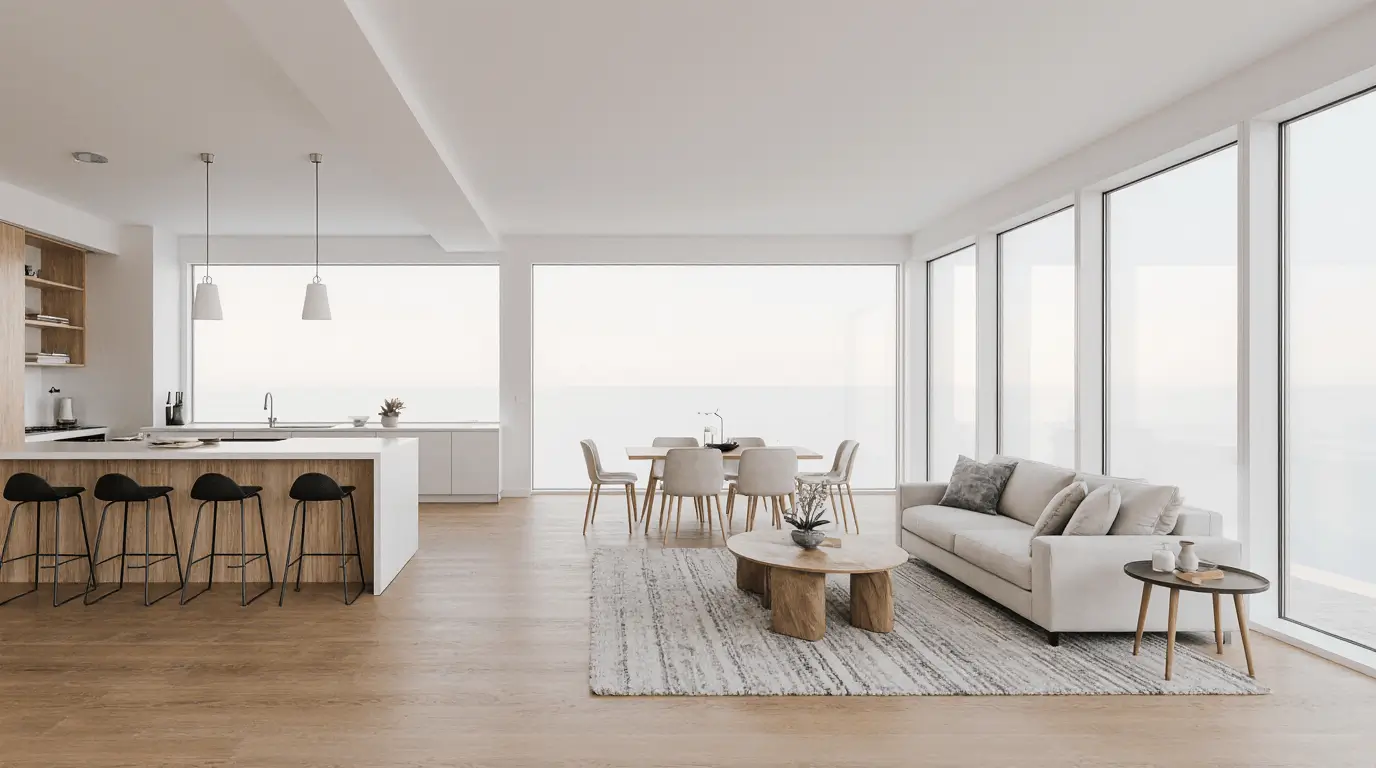
Spatial Balance in Interior Design Definition
Balance ensures that no part of a room feels too heavy or too empty. It involves distributing visual weight evenly across the space.
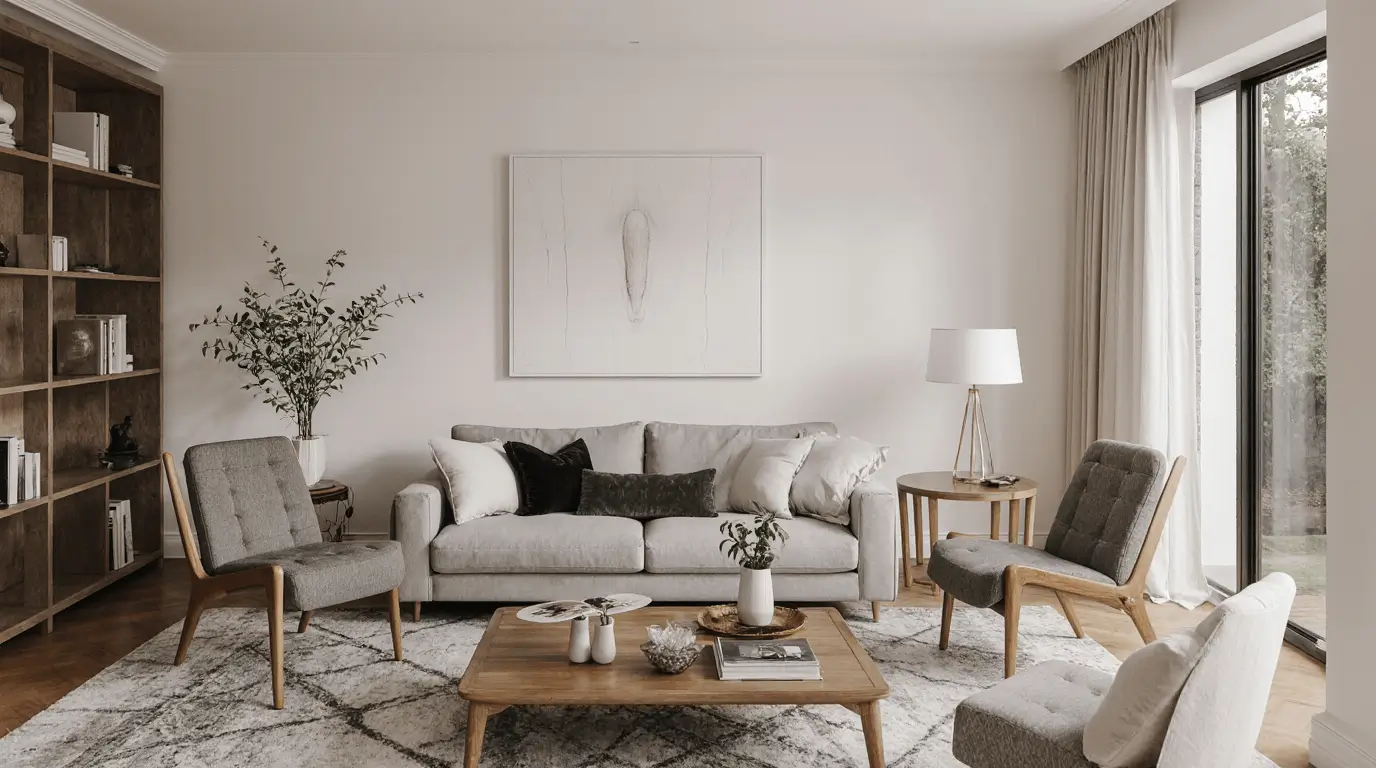
Vertical Space in Interior Design Definition
Vertical space refers to the height of a room and how it is utilized. Tall shelves, curtains, and vertical lines draw the eye upward, making rooms feel larger.
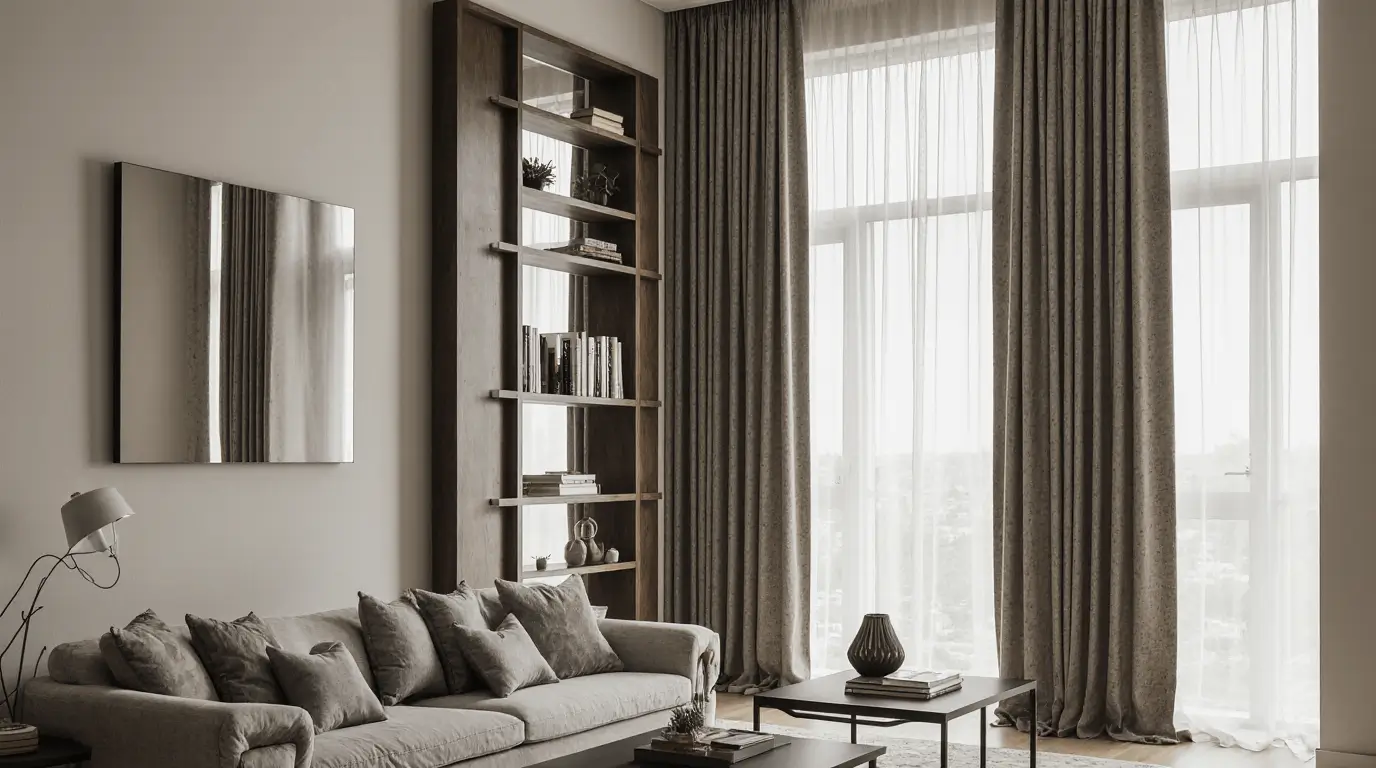
Horizontal Space in Interior Design Definition
Horizontal space emphasizes width and flow across a room. It creates stability and calmness, often seen in low-profile furniture and wide layouts.
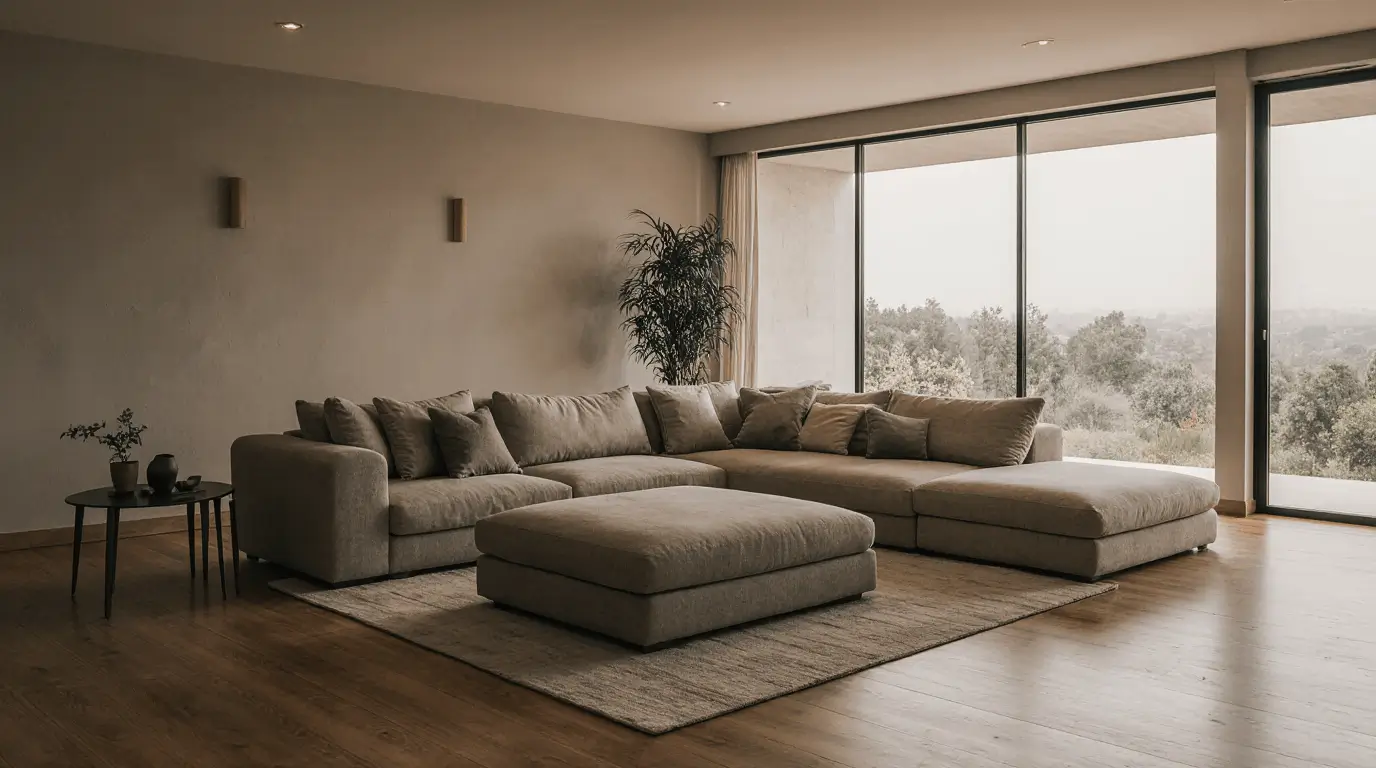
Functional Space in Interior Design Definition
Functional space focuses on usability—each area must serve a clear purpose. Good design ensures that beauty never compromises practicality.
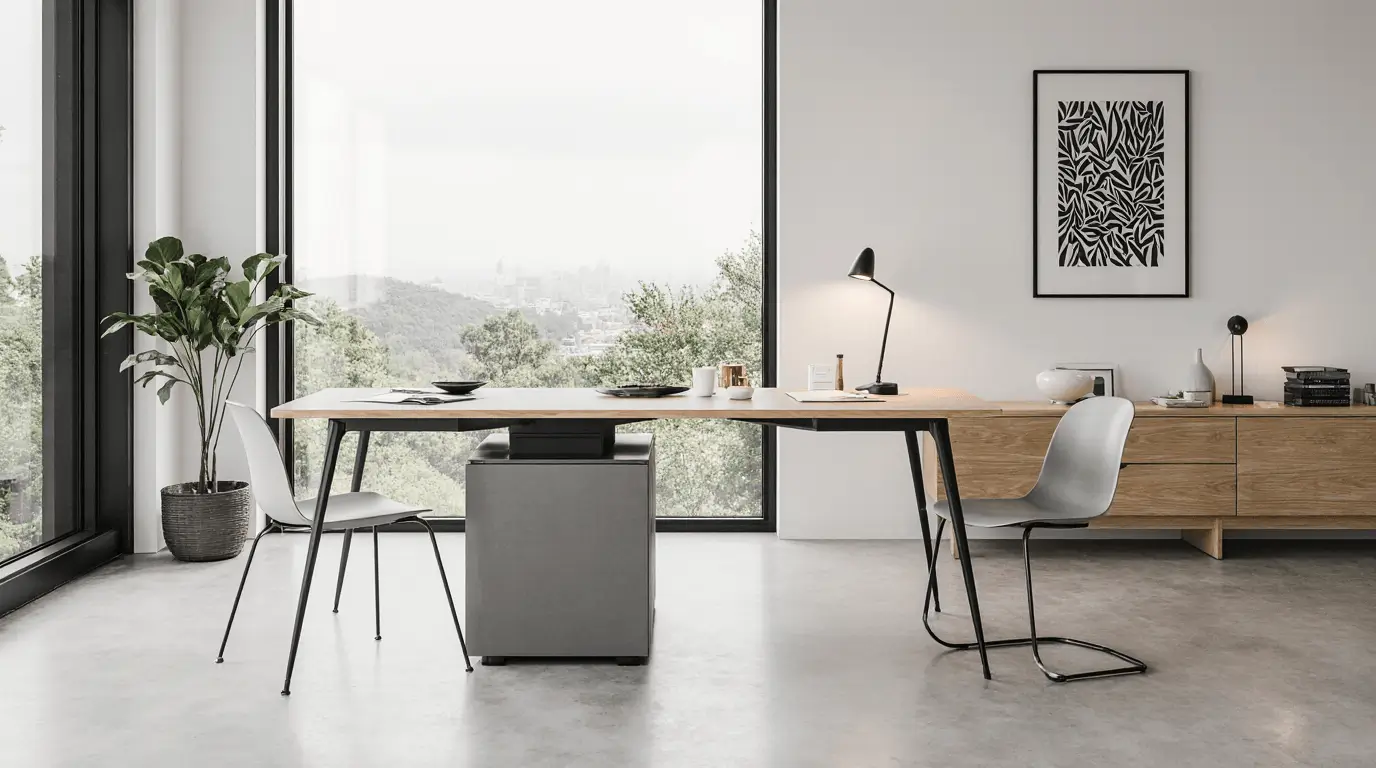
Circulation Space in Interior Design Definition
Circulation space refers to pathways within a room that allow easy movement. Poor circulation leads to discomfort and inefficiency.
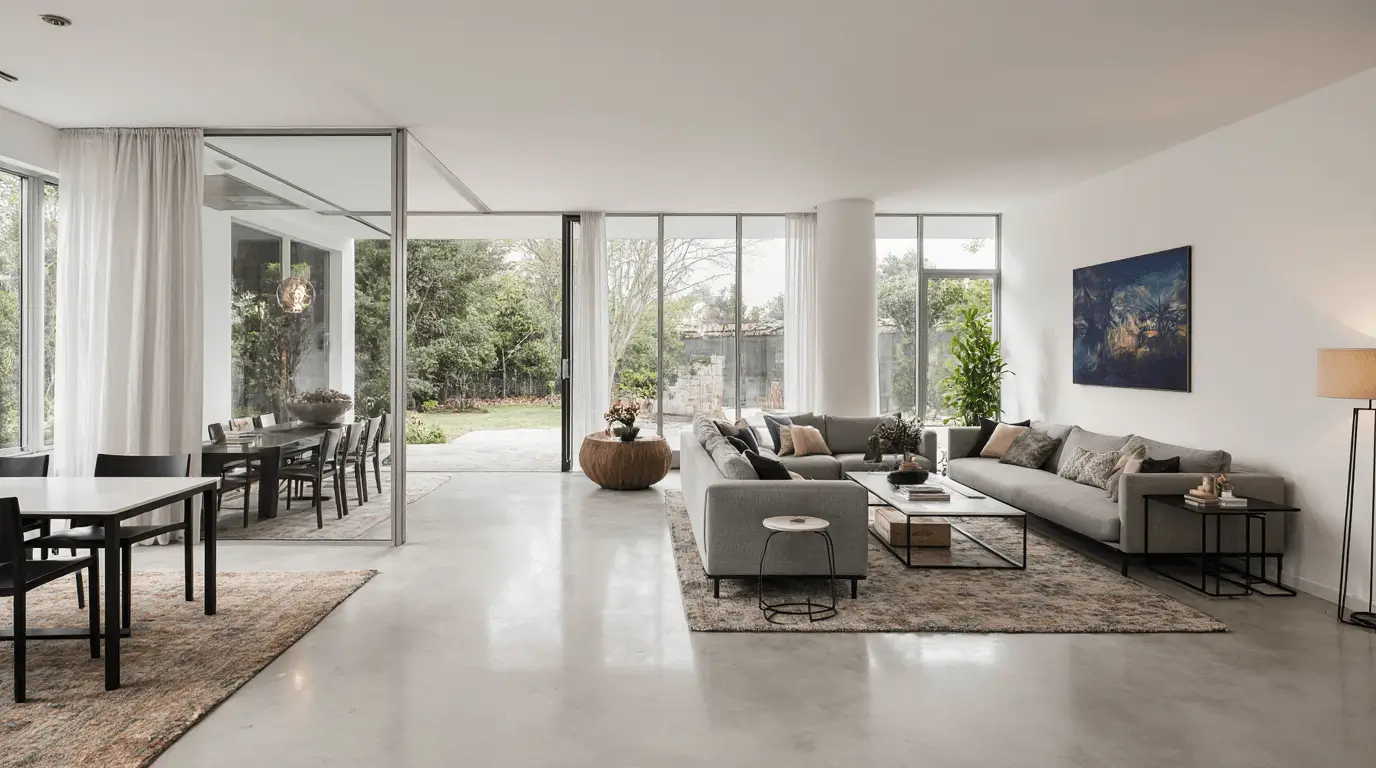
Illusion of Space in Interior Design Definition
Designers often create the illusion of larger space using mirrors, light colors, and strategic layouts. This technique is especially useful in small interiors.
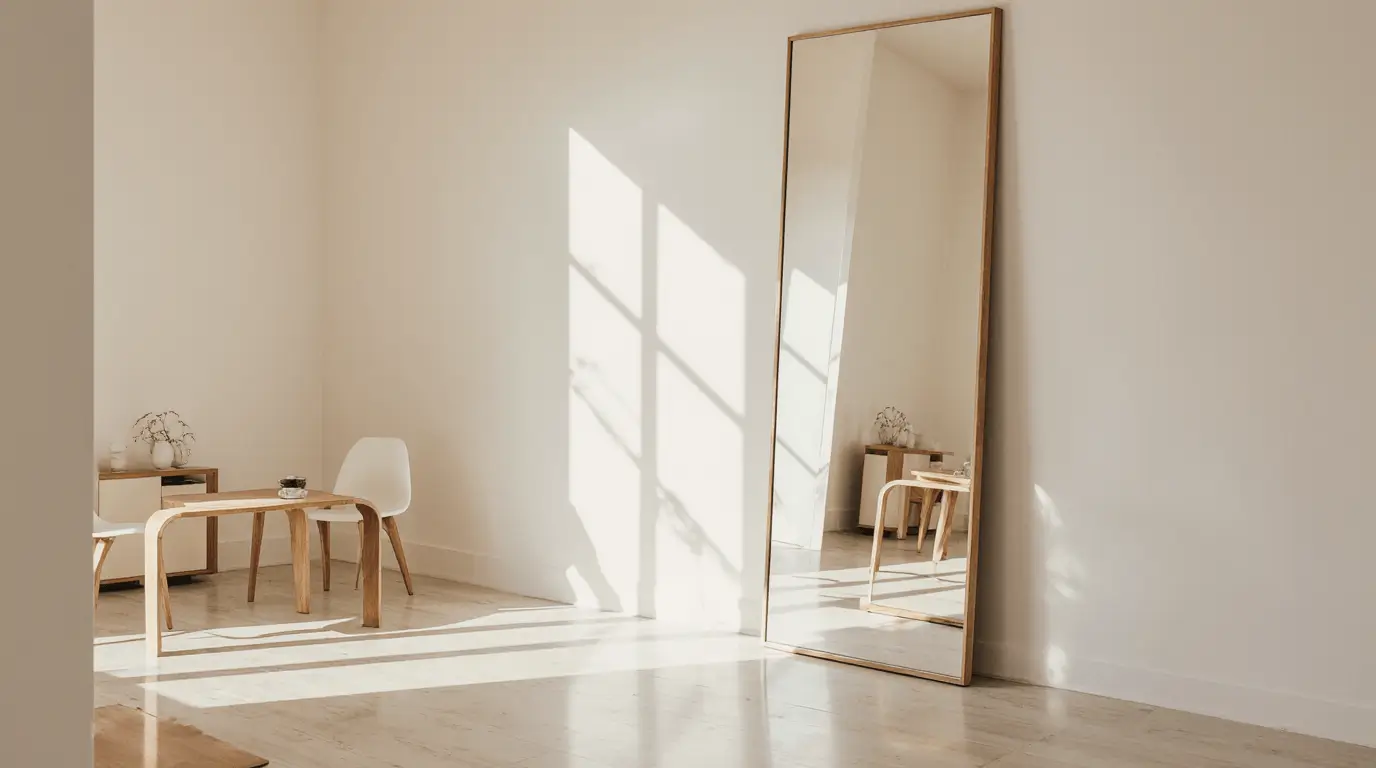
Space and Light Relationship in Interior Design Definition
Lighting directly influences how space is perceived. Natural and artificial light can make spaces feel larger, warmer, or more intimate.
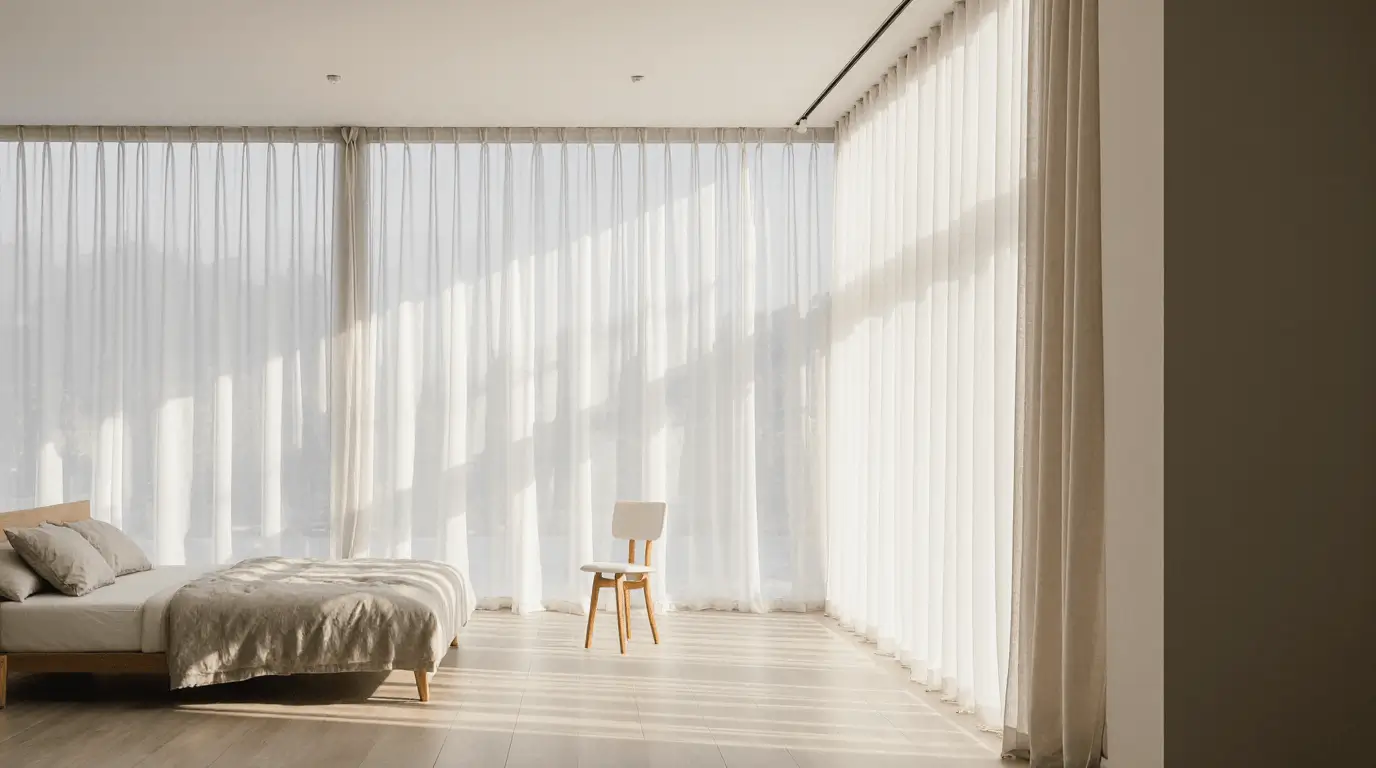
Space Zoning in Interior Design Definition
Zoning divides a room into functional areas without physical walls. Rugs, lighting, and furniture placement help define each zone.
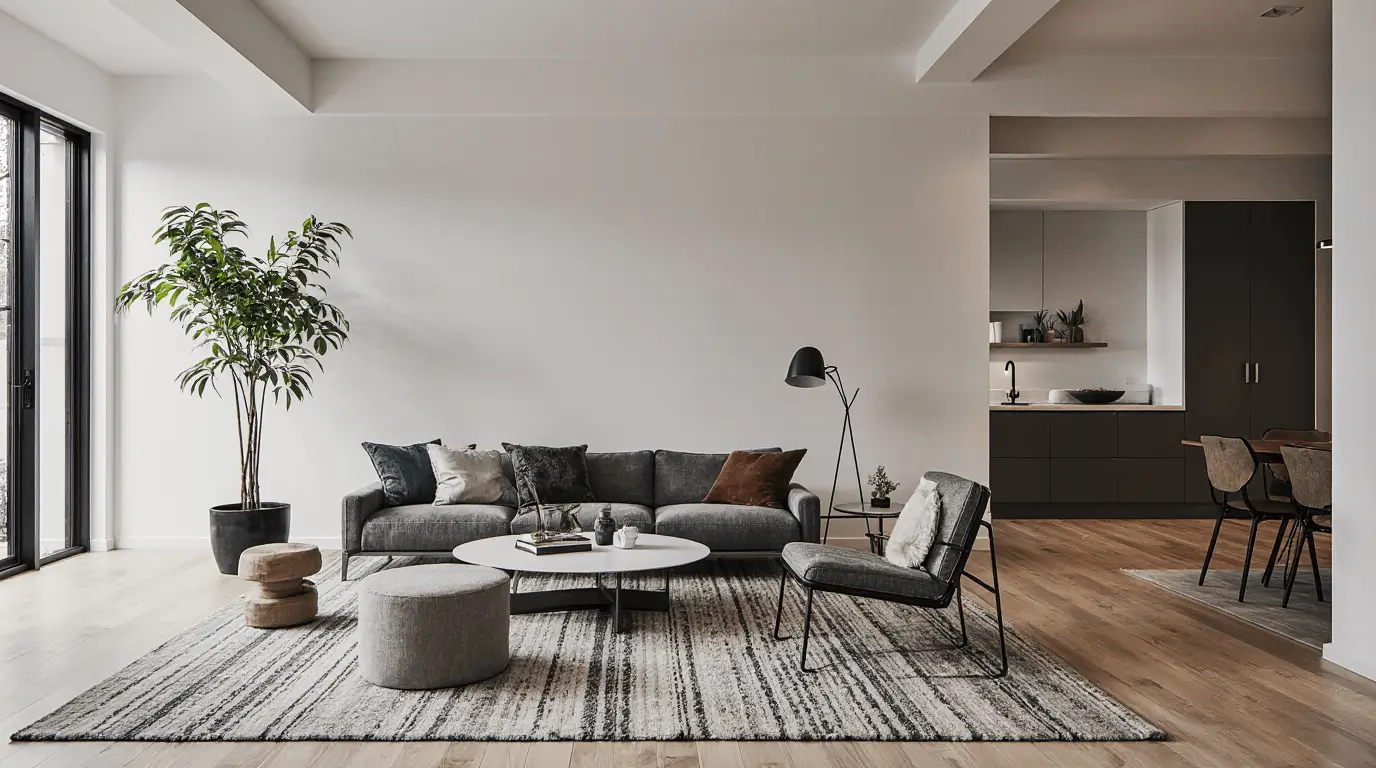
Minimal Space Philosophy in Interior Design Definition
Minimalism focuses on reducing clutter and emphasizing essential elements. It celebrates simplicity and intentional use of space.
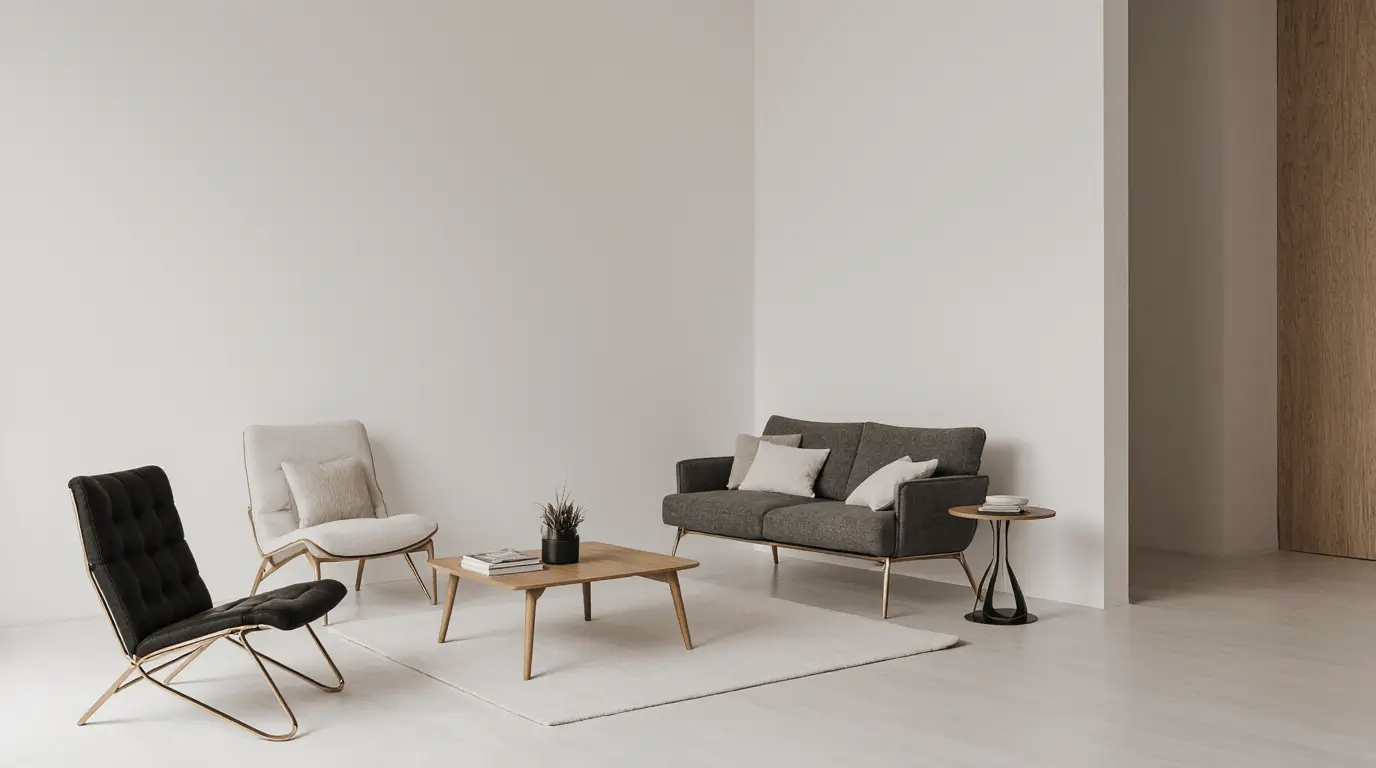
Spatial Proportion in Interior Design Definition
Proportion ensures that furniture and décor match the size of the room. Oversized or undersized elements disrupt harmony.
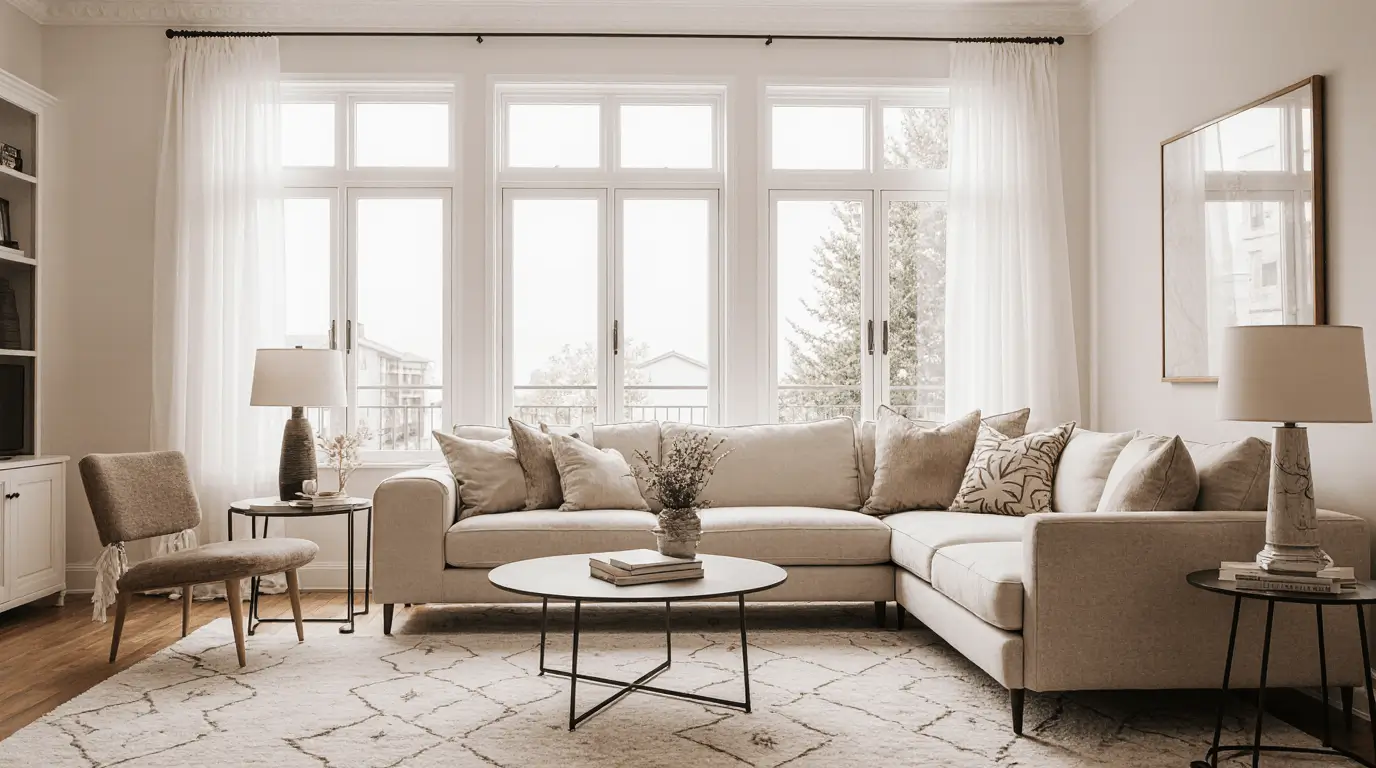
Dynamic vs Static Space in Interior Design Definition
Dynamic spaces encourage movement and interaction, while static spaces are calm and stable. A good interior balances both.
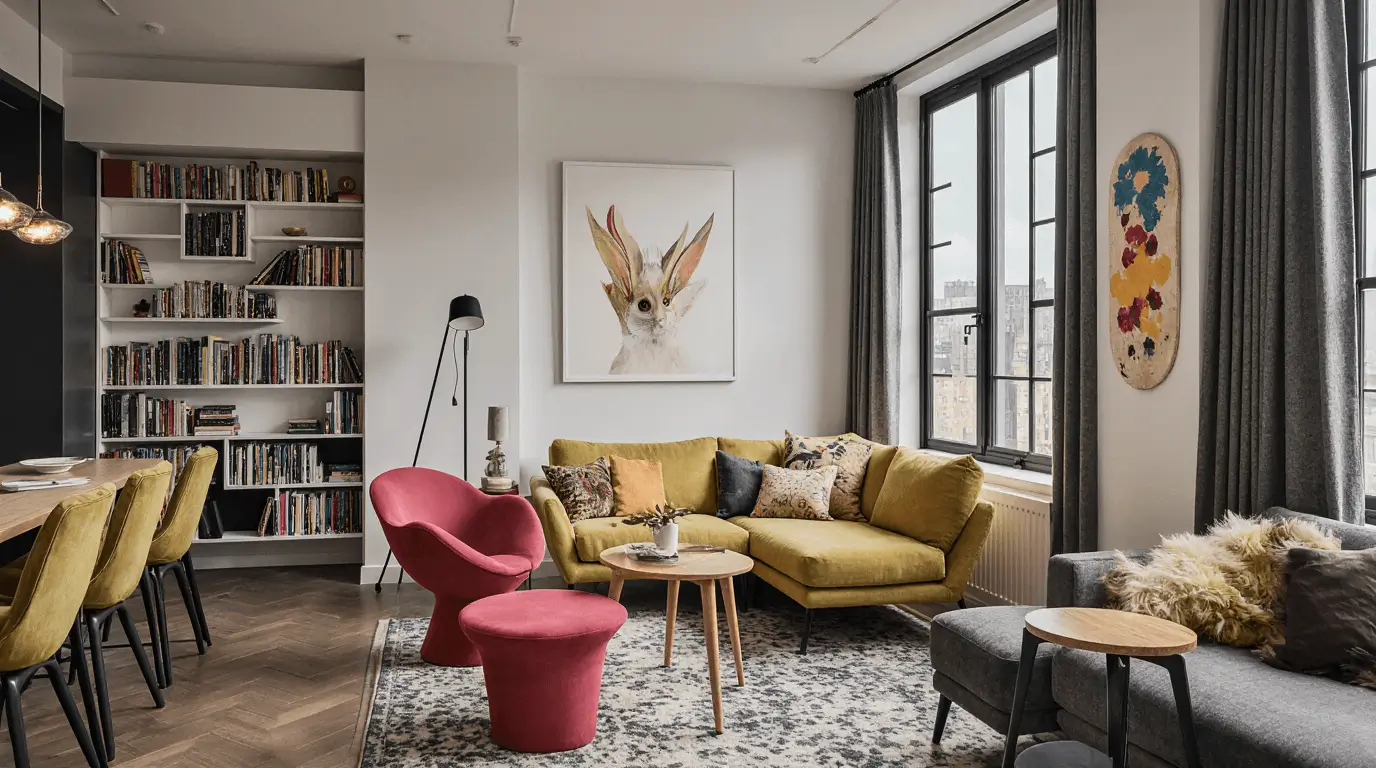
Space as a Design Foundation in Interior Design Definition
Space is the foundation upon which all other design elements—color, texture, form—are built. Without proper spatial planning, even beautiful elements fail.
Conclusion
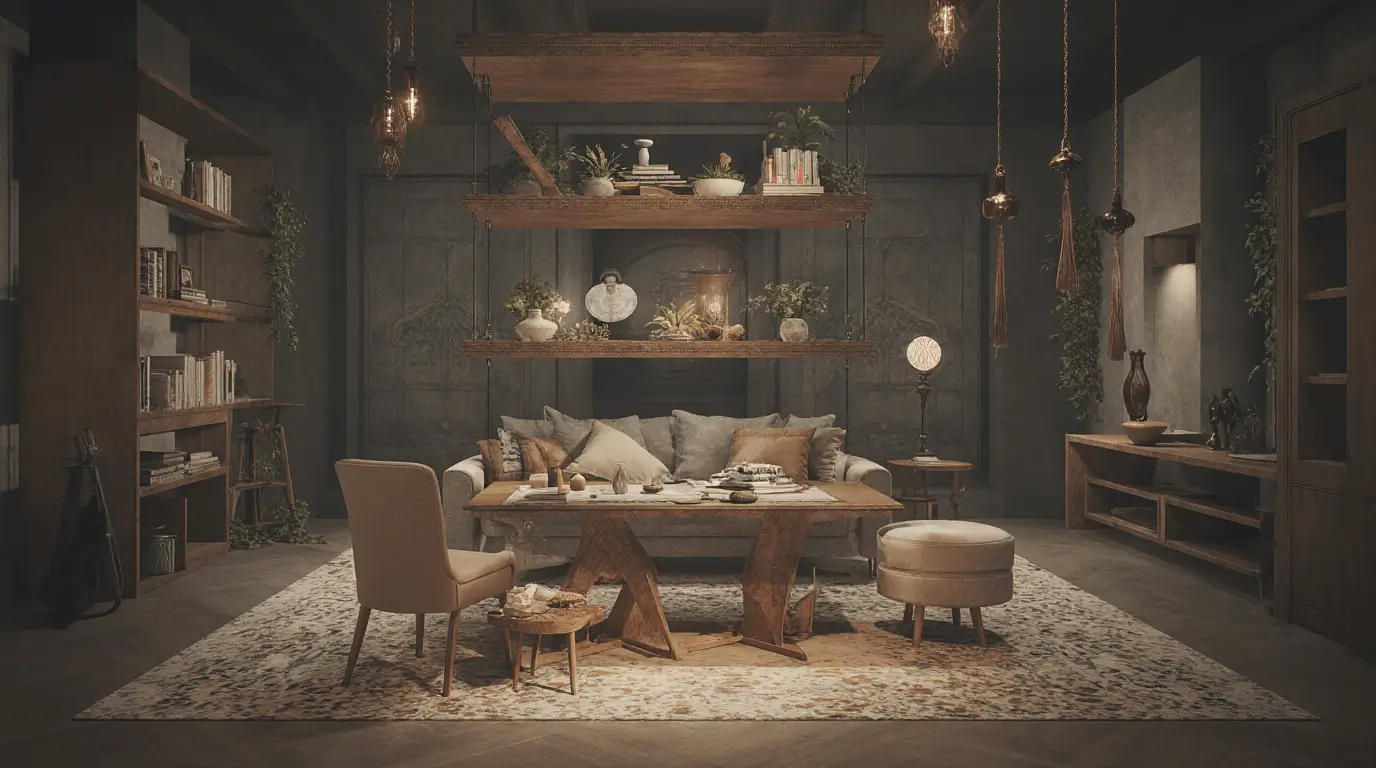
Understanding the space in interior design definition ultimately changes how you see and shape any environment. It moves design beyond decoration and into intentional living—where every corner, pathway, and empty area has a purpose. In practice, the most successful interiors are not the ones filled with the most items, but the ones where space is thoughtfully managed to support comfort, movement, and clarity.
From experience, when space is handled well, everything else becomes easier. Furniture placement feels natural, lighting enhances rather than competes, and the room begins to “work” for the people using it. This approach benefits everyone—from homeowners trying to make small rooms feel larger, to designers creating high-end spaces that feel effortless and refined.
The real takeaway is simple: start by respecting space before adding elements into it. Observe how people move, where light falls, and how different areas are used throughout the day. When you design with space first, you create interiors that are not only visually appealing but also deeply functional and emotionally comfortable. That’s where good design quietly becomes great design.
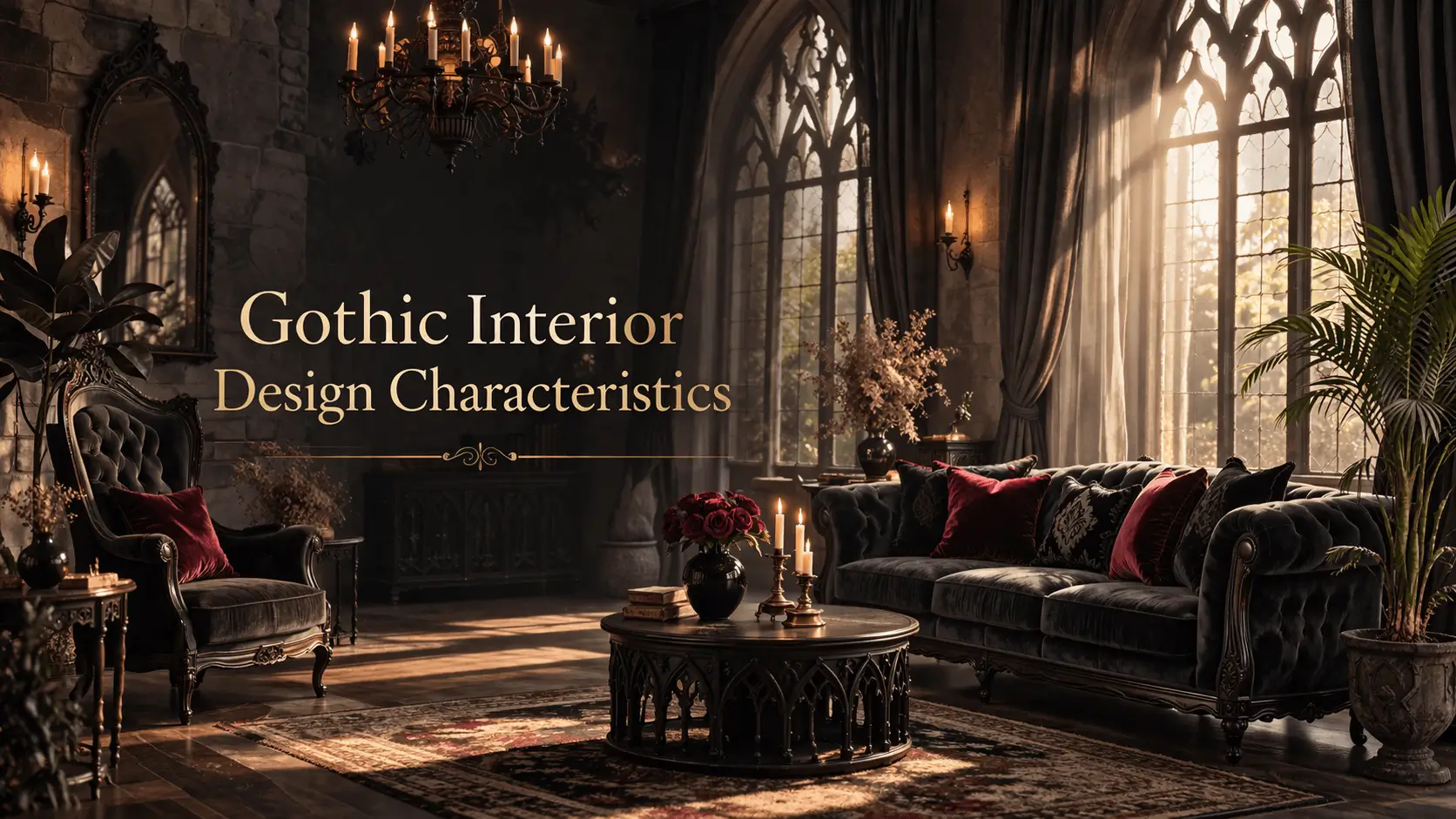
Learn more : Gothic Interior Design Characteristics That Elevate
FAQs
- What is the simplest way to understand space in interior design?
Think of space as the foundation of a room—it includes both the areas you fill with furniture and the empty areas you leave open. Good design comes from balancing these two so the room feels neither crowded nor empty. - Why is space more important than decoration?
Decoration enhances a space, but space determines how it functions. If spacing is poor, even beautiful furniture will feel uncomfortable or out of place. When space is planned well, even simple interiors can feel refined and inviting. - How can I make a small room feel bigger using space principles?
Focus on reducing clutter, using multi-functional furniture, and keeping pathways clear. Light colors, mirrors, and vertical elements also help create a sense of openness without physically increasing the size. - What is the difference between space planning and space in design?
Space is the concept—how areas exist and feel within a room. Space planning is the practical process of organizing furniture and layout to make that space functional and comfortable. - How does space affect mood in a room?
Open, airy spaces tend to feel calming and freeing, while tighter, enclosed spaces feel cozy or intimate. Designers use spacing intentionally to create the emotional tone of a room. - Can too much empty space be a problem?
Yes, excessive empty space can make a room feel incomplete or cold. The goal is balance—enough openness to breathe, but enough elements to create warmth and purpose. - What is one common mistake people make with space in interiors?
A frequent mistake is overfilling rooms with furniture or décor. This blocks movement and overwhelms the space. Leaving intentional gaps often improves both function and visual appeal.