
Introduction
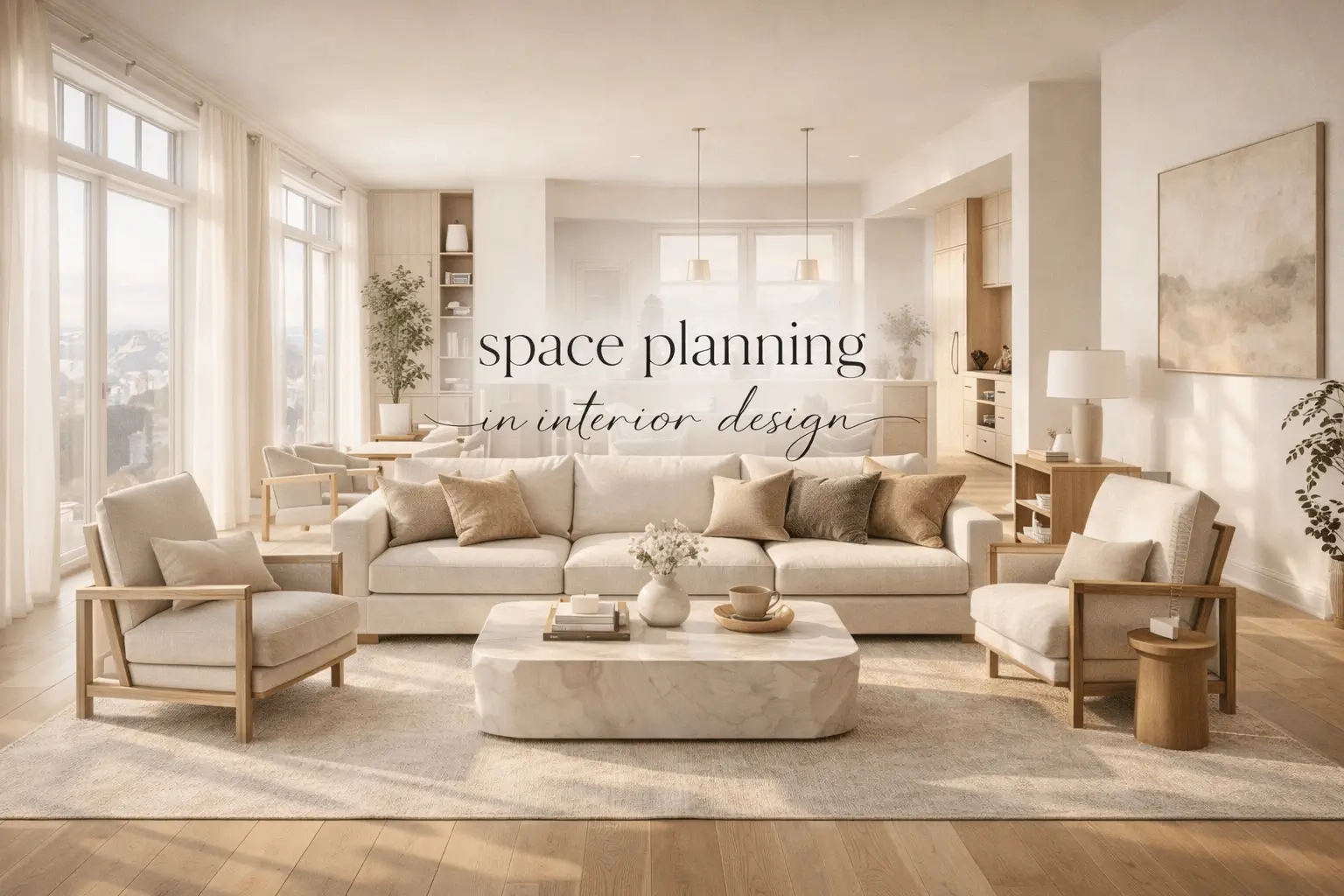
Space planning in interior design is the strategic process of organizing interior environments to ensure they are functional, efficient, and aesthetically harmonious. It goes far beyond furniture placement; it defines how people move, interact, work, and live within a space. Whether designing a compact apartment or a large commercial environment, space planning determines how well the interior truly performs.
In my professional experience, even the most beautiful materials and furniture selections cannot compensate for poor layout decisions. Thoughtful space planning creates flow, supports daily routines, maximizes usable square footage, and ensures comfort. It balances human behavior, architectural constraints, and design intention into one cohesive framework.
Below are essential keyword-driven clusters that explore the depth, principles, and practical applications of space planning in interior design.
What Is Space Planning in Interior Design?
Space planning in interior design is the process of analyzing available square footage and arranging elements to optimize function and flow. It includes circulation paths, furniture layout, zoning, and spatial hierarchy.
It ensures that a space feels intuitive, not cramped or underutilized.
Interior Design and Space Planning Integration
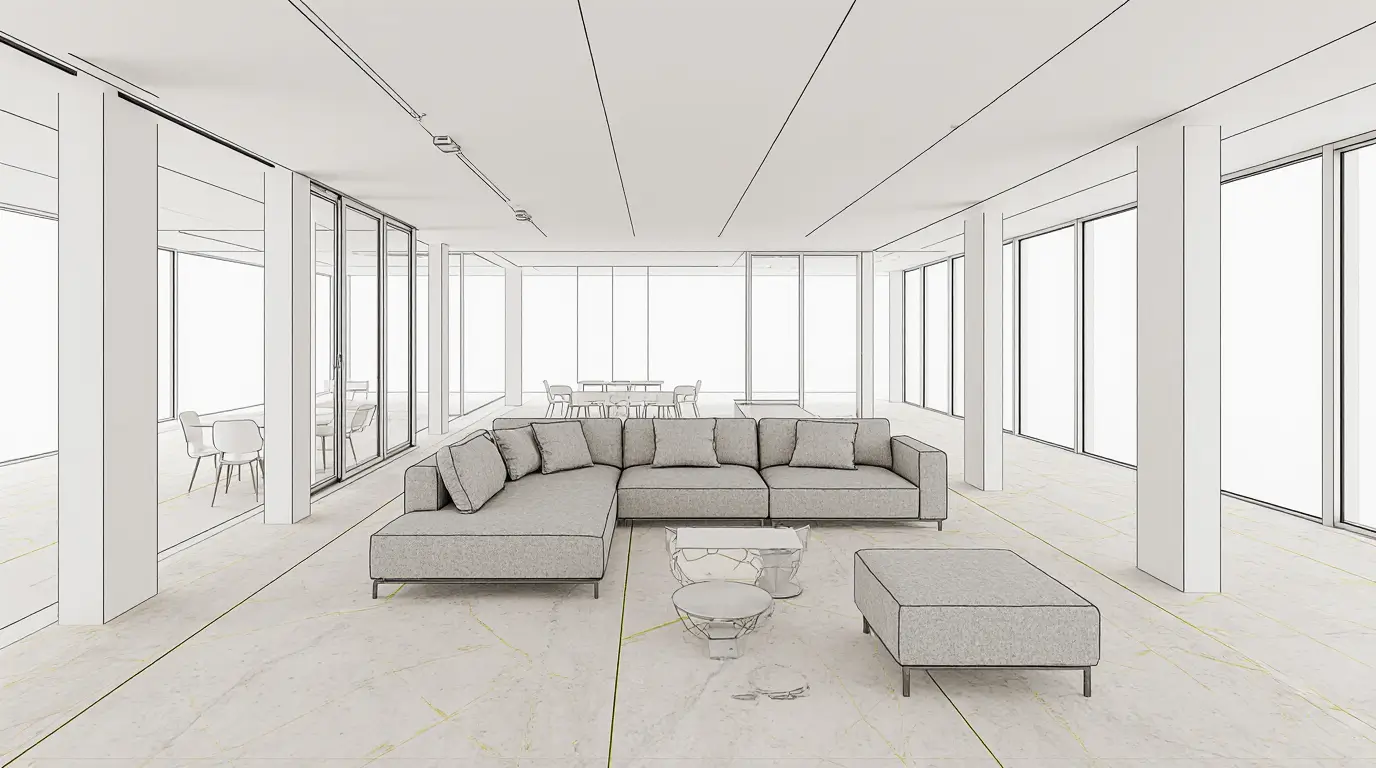
Interior design and space planning work together from the earliest stages of a project. Before finishes and décor are selected, the structural layout must support the intended lifestyle or function.
This integration ensures both beauty and performance coexist seamlessly.

Space Planning Basics in Interior Design
The fundamentals include circulation clearance, furniture scale, proportion, ergonomics, and zoning. These basics create comfort and prevent overcrowding.
Mastering these principles allows designers to transform even challenging floor plans into efficient layouts.
Principles of Space Planning in Interior Design
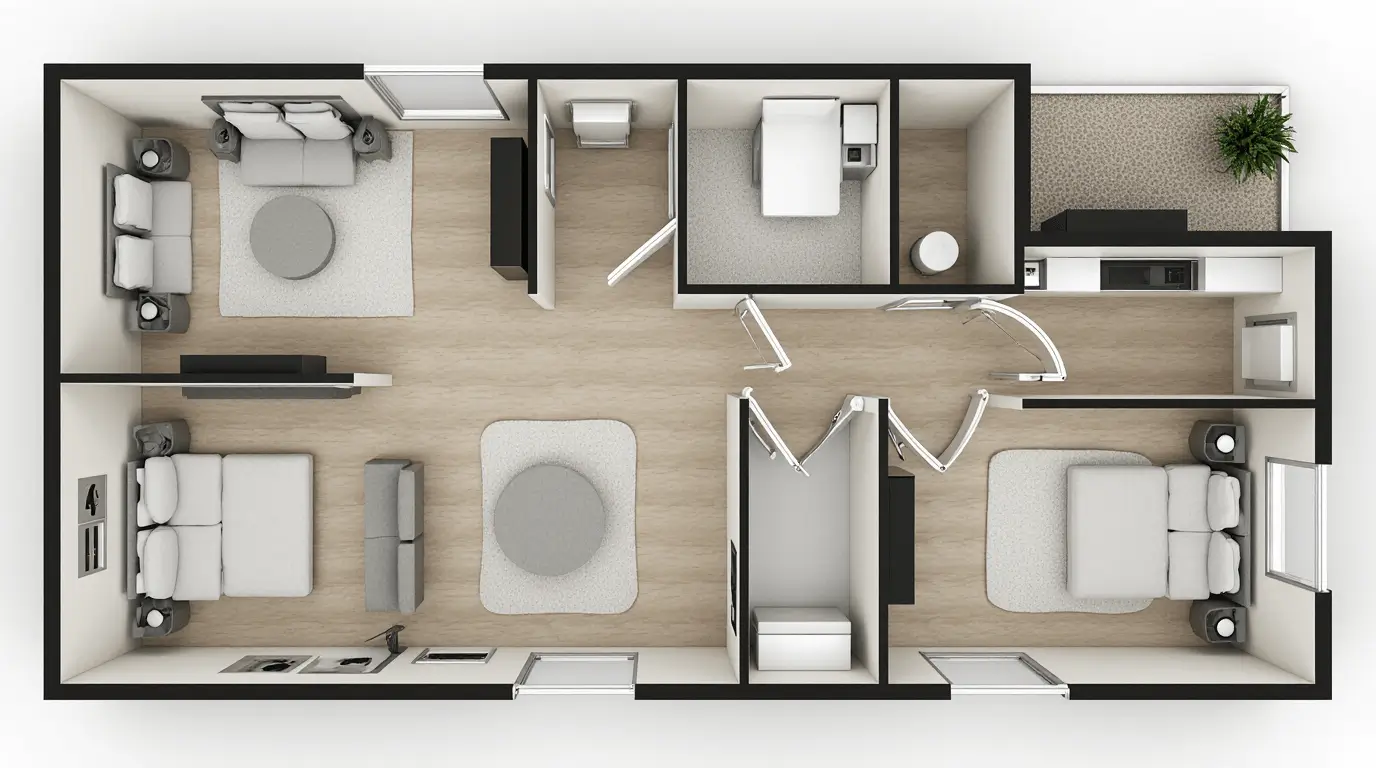
Core principles include balance, alignment, rhythm, focal points, and functional adjacency. Kitchens connect to dining areas; bedrooms maintain privacy; work zones avoid distraction.
When these principles are respected, interiors feel natural and effortless.
Types of Space Planning in Interior Design
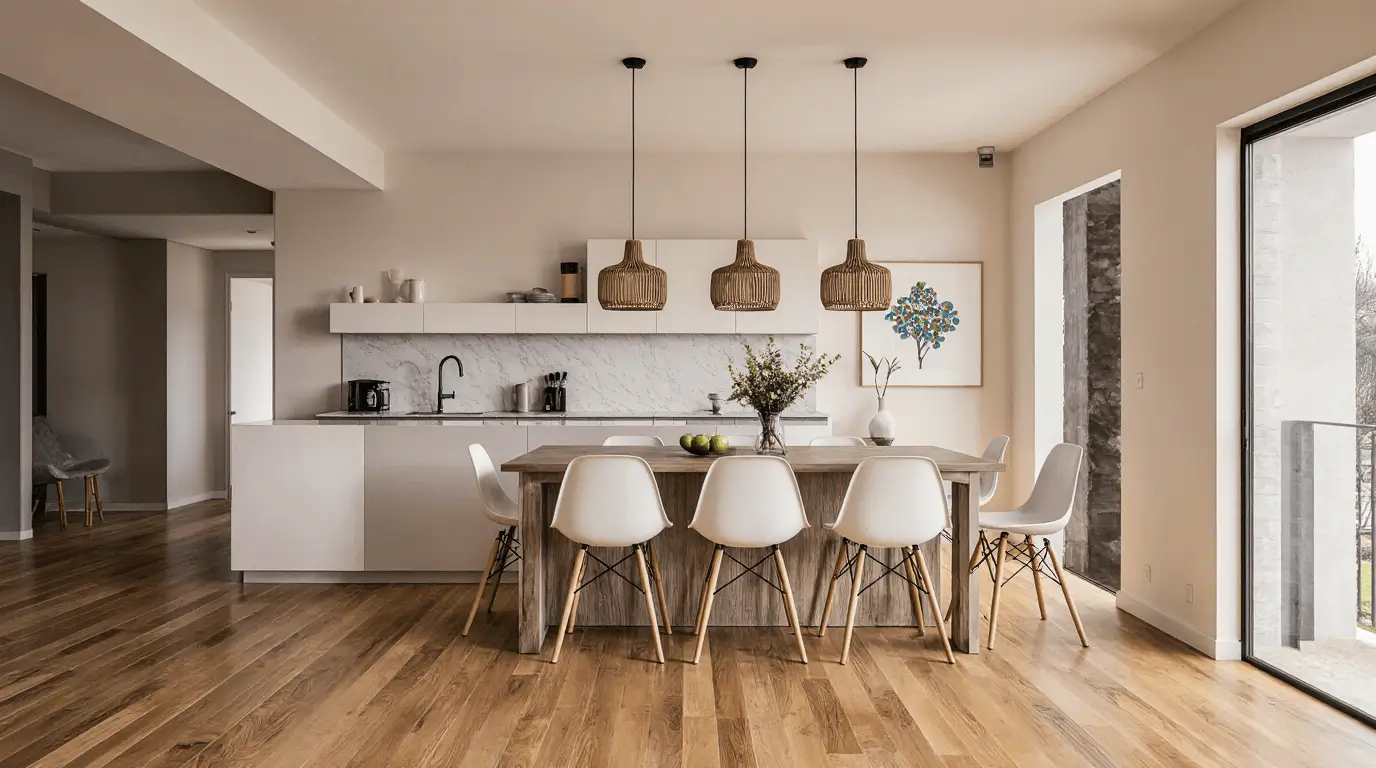
Different approaches include open-plan layouts, cellular layouts, zoned layouts, and multifunctional planning.
Each type responds to architectural constraints, user behavior, and project goals.
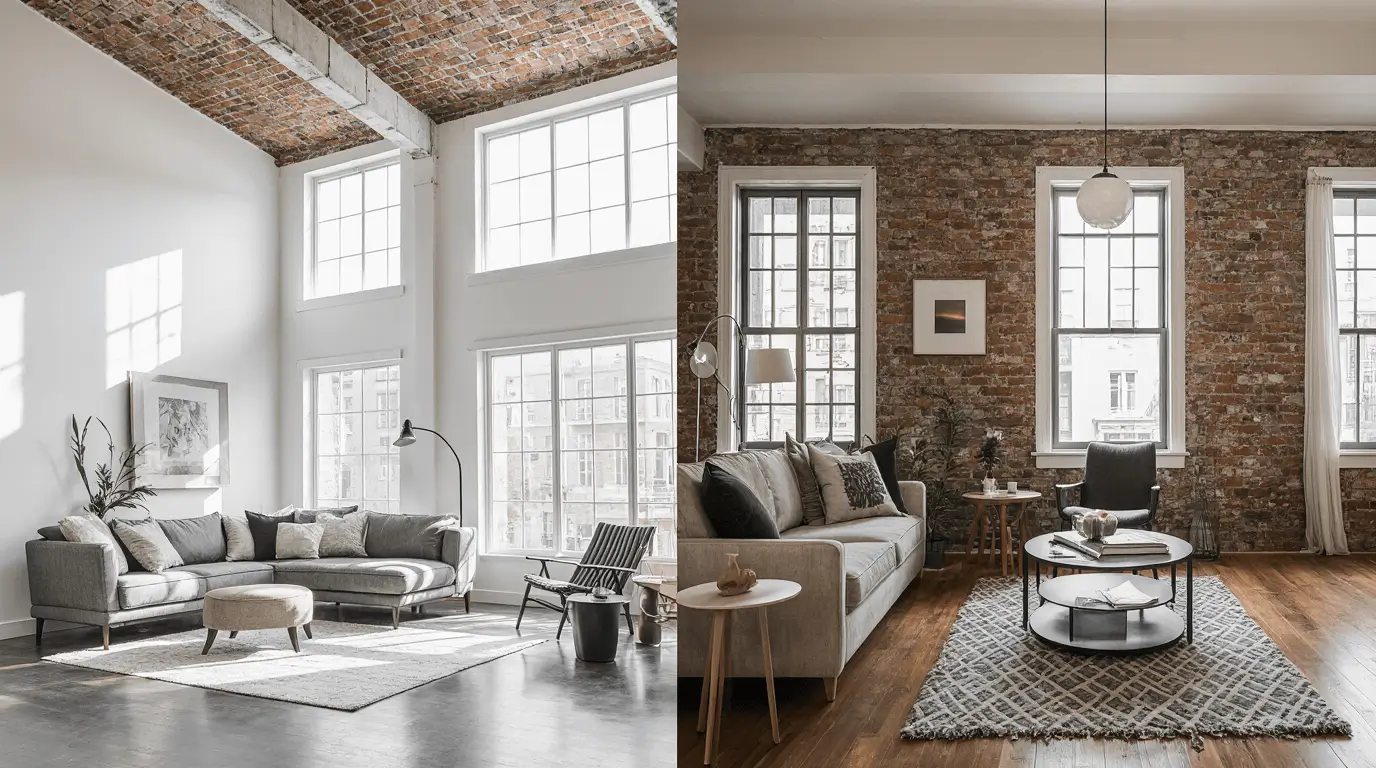
Space Planning for Small Interiors
Compact spaces demand precision. Every centimeter must serve a purpose without compromising comfort.
Built-ins, multi-functional furniture, and vertical storage are key solutions.
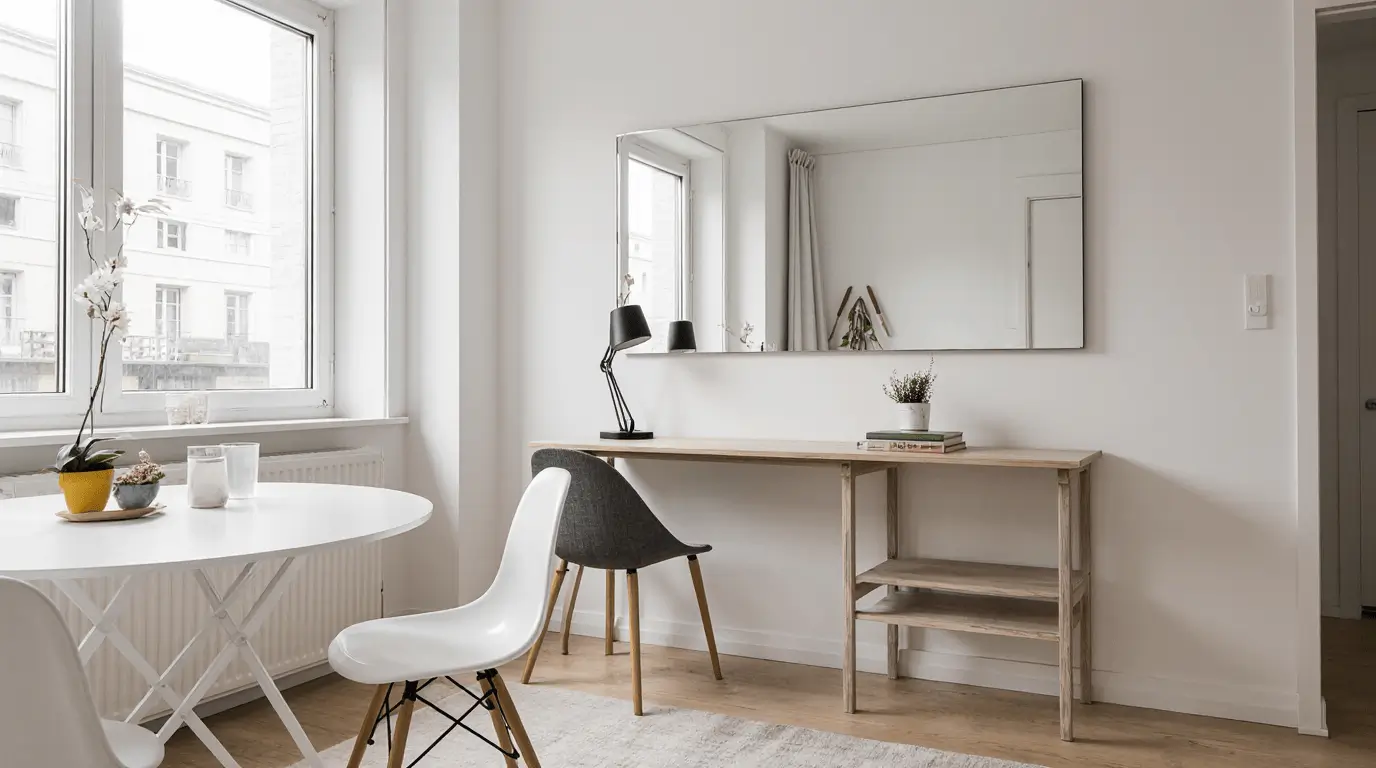
Space Planning in Residential Interior Design
Homes require planning that supports daily living—sleeping, cooking, entertaining, relaxation.
A well-planned home improves lifestyle quality and reduces friction in everyday routines.
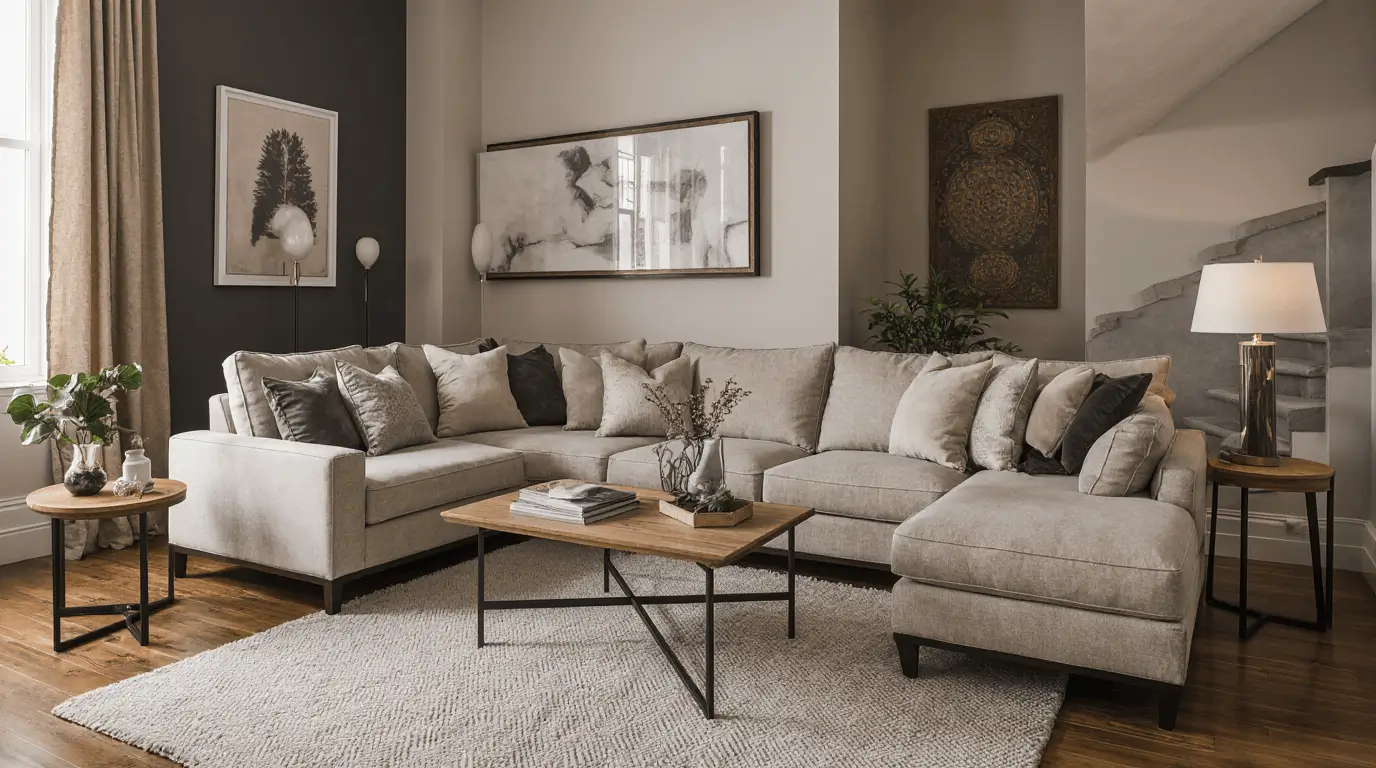
Space Planning in Commercial Interior Design
Commercial environments prioritize workflow efficiency, safety, and user experience.
Office layouts, retail pathways, and hospitality seating arrangements depend heavily on strategic spatial organization.
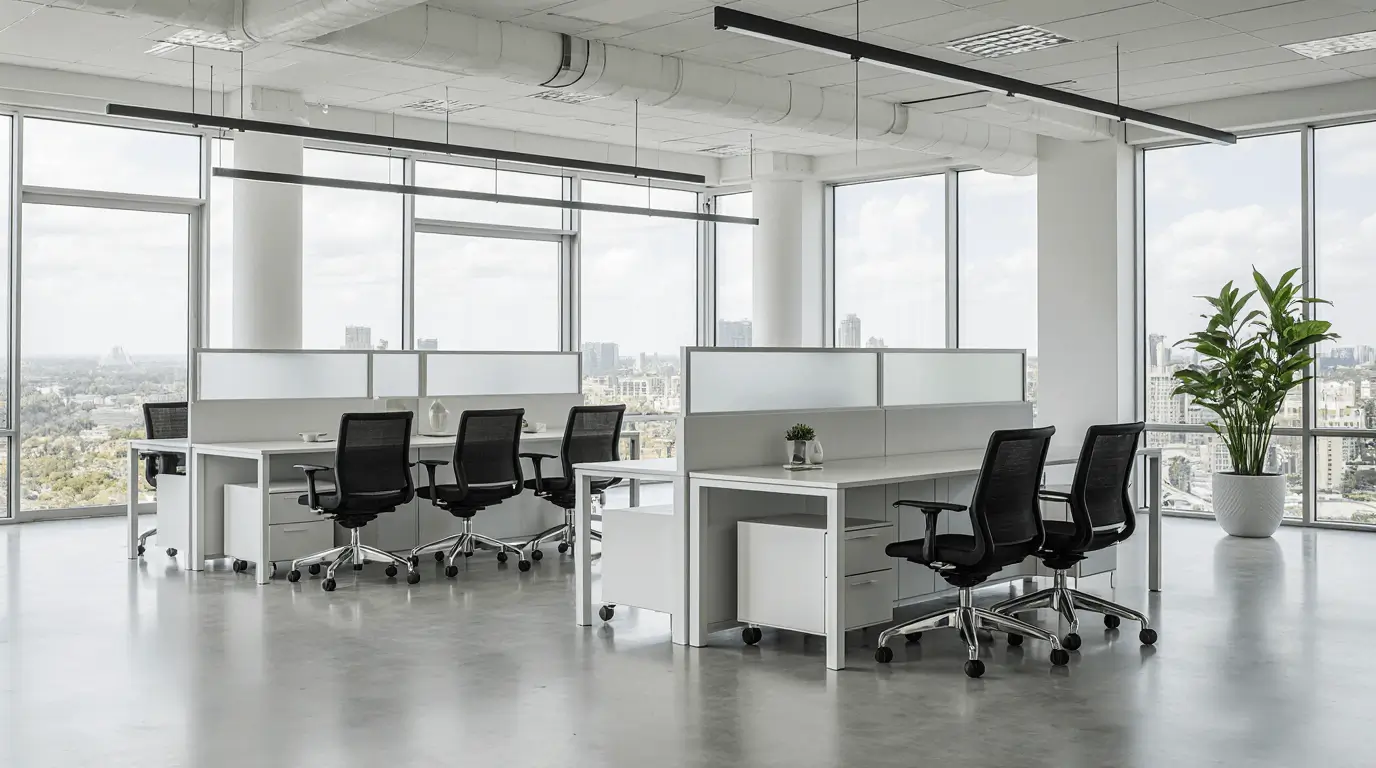
Interior Design Spatial Zoning
Zoning divides interiors into functional areas without always using walls.
Rugs, lighting changes, ceiling treatments, or furniture orientation subtly define zones.
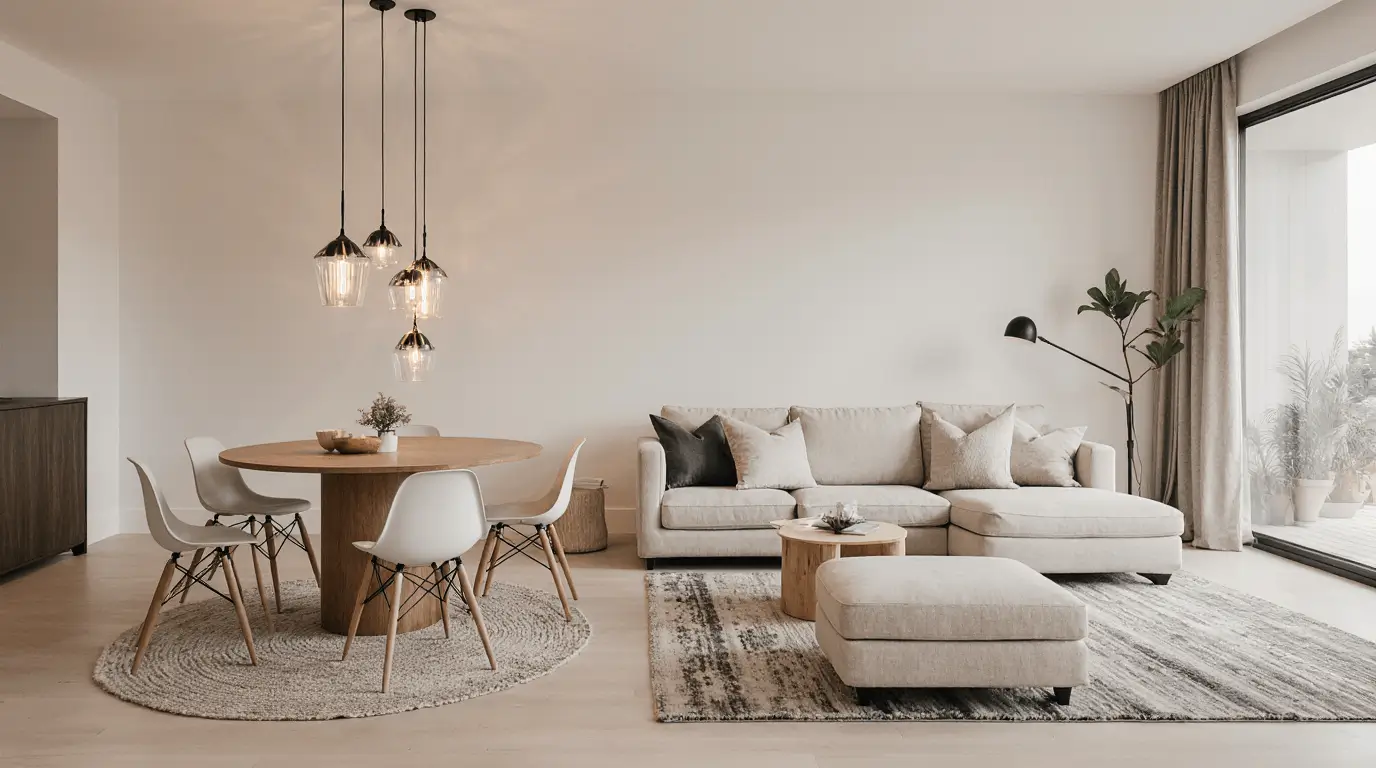
Circulation Planning in Interior Design
Circulation refers to movement pathways through a space. Clear routes prevent congestion and improve comfort.
Proper clearance around furniture ensures intuitive navigation.
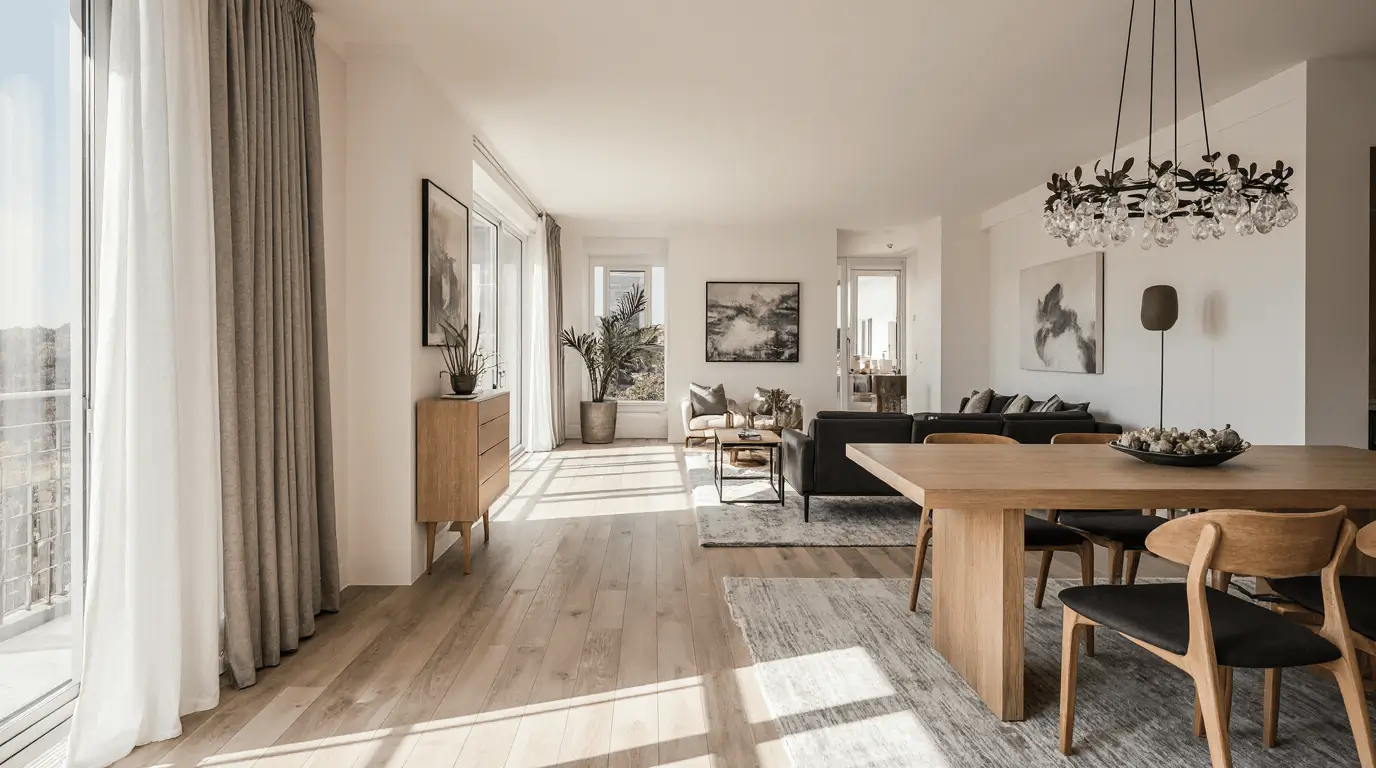
Space Planning Examples in Interior Design
Practical examples include L-shaped living layouts, galley kitchen optimization, and bedroom layouts with proper bed clearance.
Seeing real-world solutions clarifies how theory translates into livable environments.
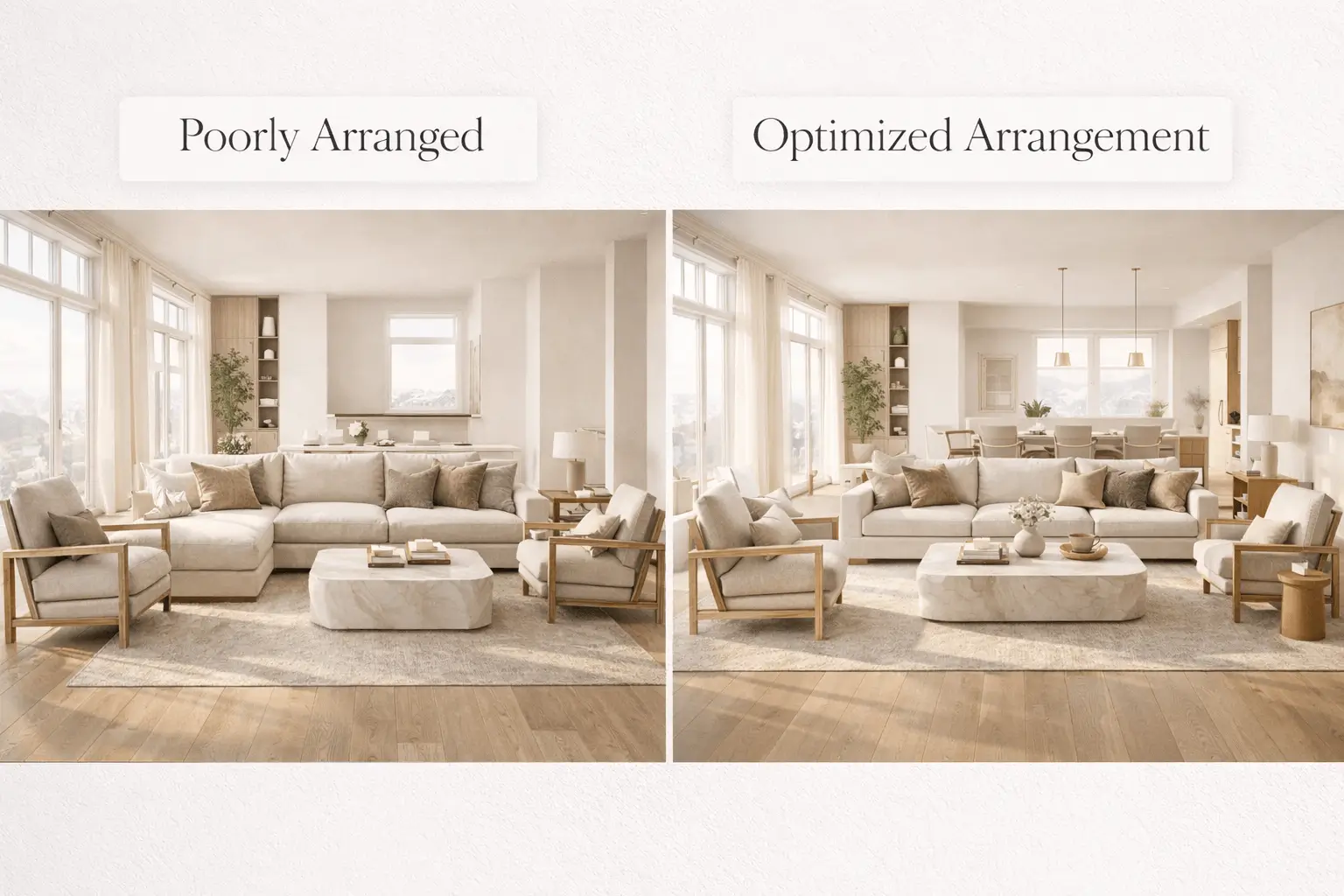
Furniture Layout Strategy in Space Planning
Furniture placement anchors the entire layout. Scale, proportion, and relationship between pieces determine comfort.
The right arrangement fosters conversation and usability.
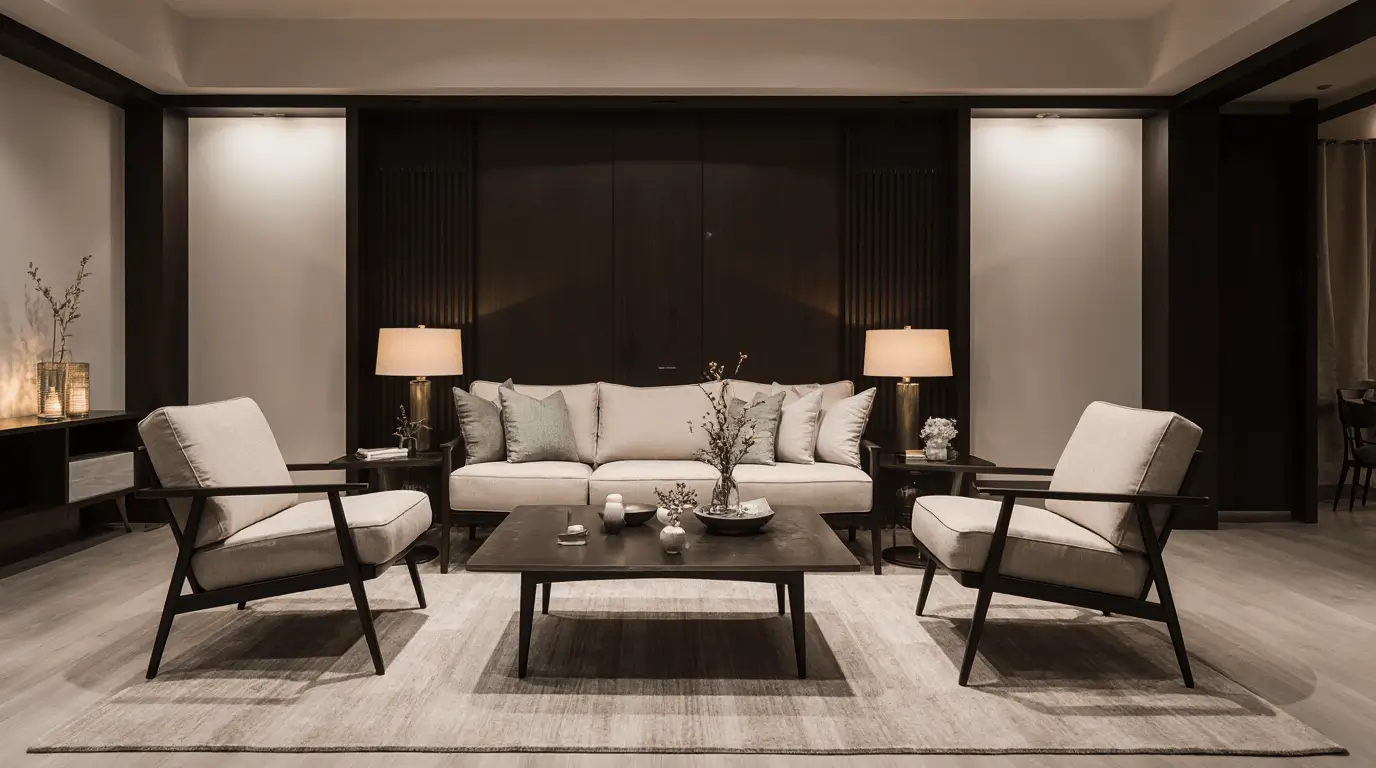
Ergonomics in Space Planning
Ergonomic planning considers human dimensions—desk heights, seating comfort, counter heights.
When ergonomics are respected, interiors feel effortless and supportive.
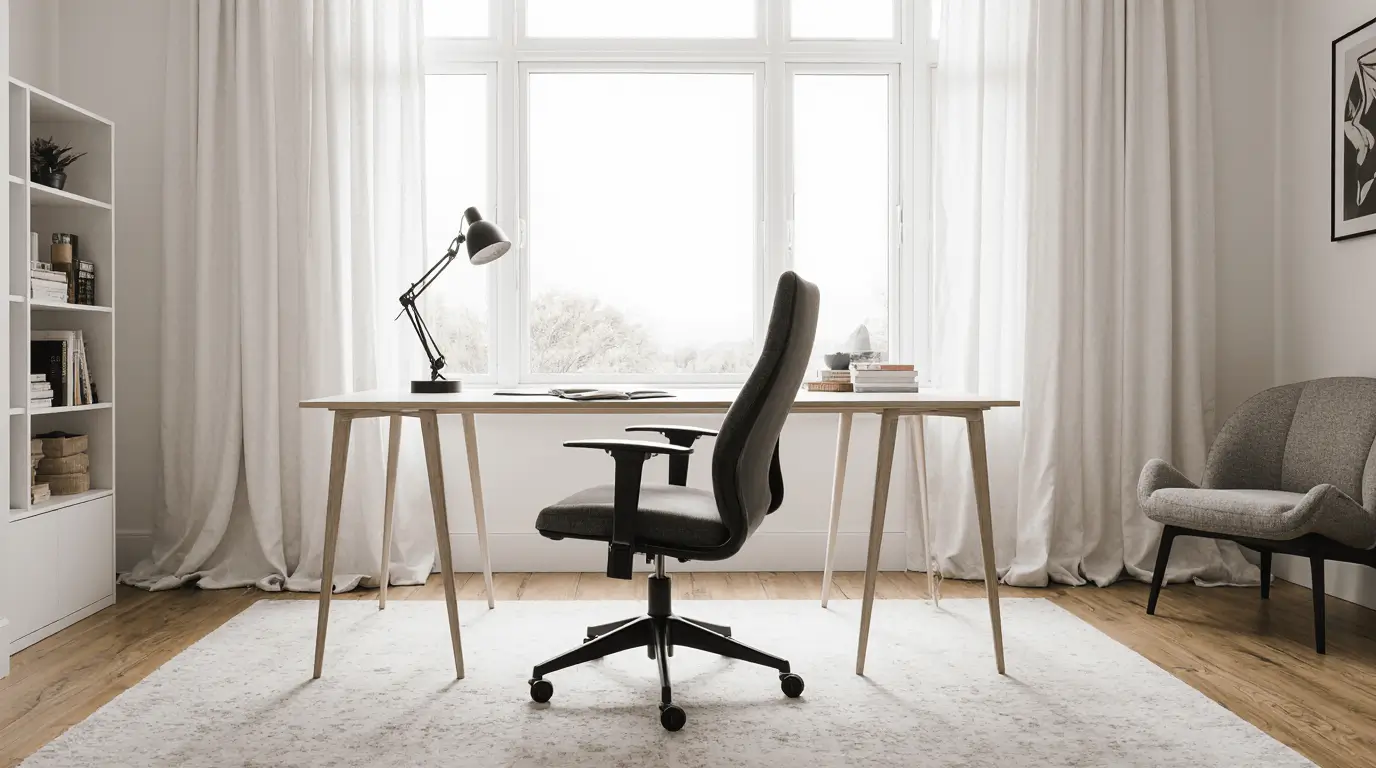
Multifunctional Space Planning
Modern interiors often require flexible spaces that serve multiple purposes.
Sliding partitions, modular furniture, and adaptable layouts make interiors future-ready.
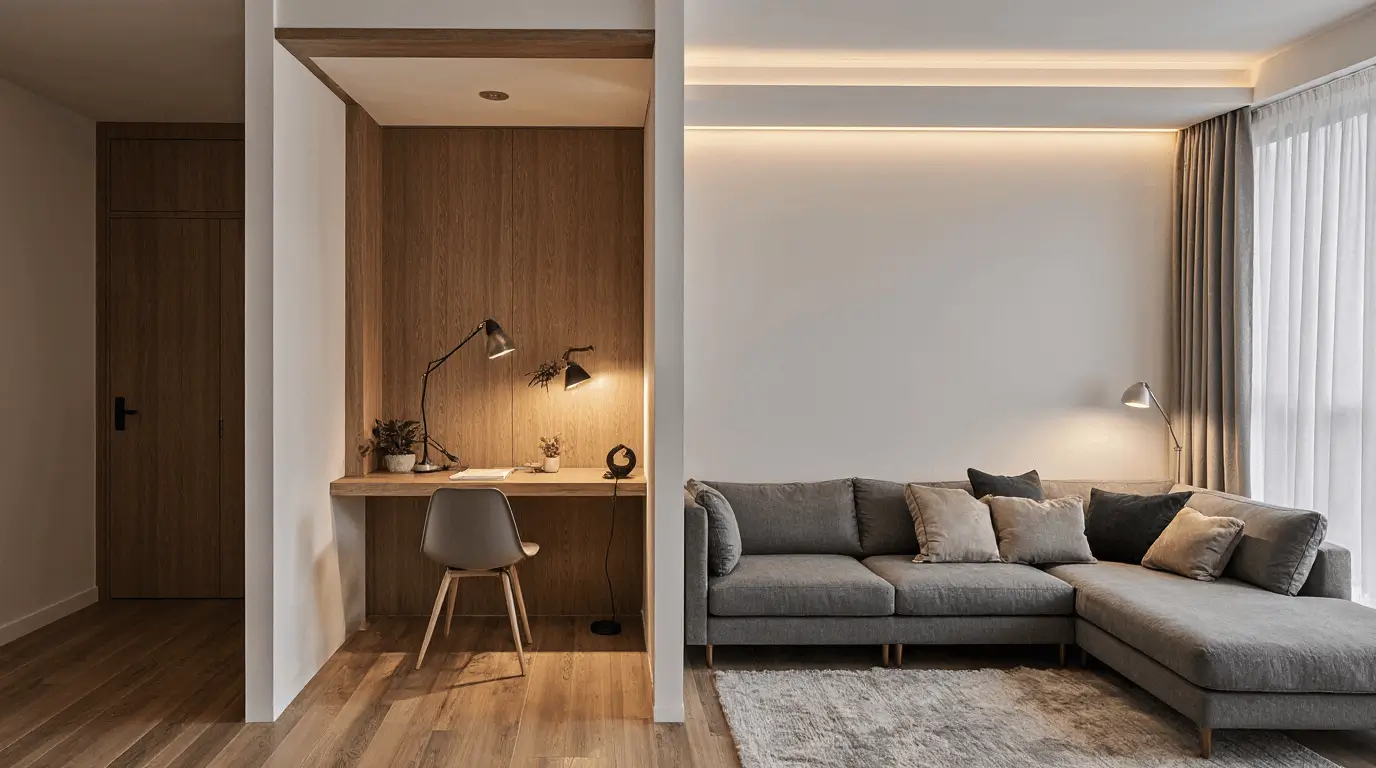
Lighting Considerations in Space Planning
Lighting reinforces spatial hierarchy. Task lighting defines work zones; ambient lighting creates atmosphere.
Thoughtful lighting enhances both functionality and emotional comfort.
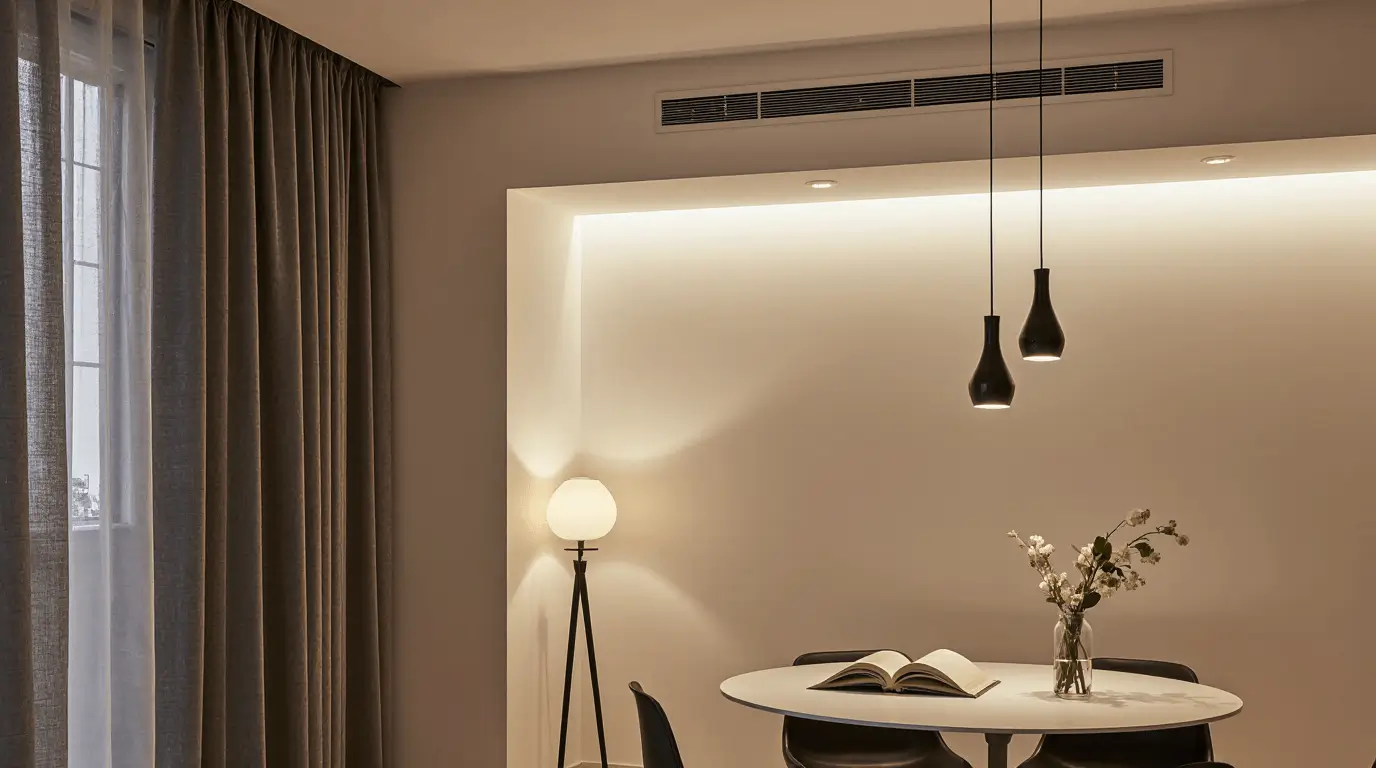
Space Planning and Interior Architecture Coordination
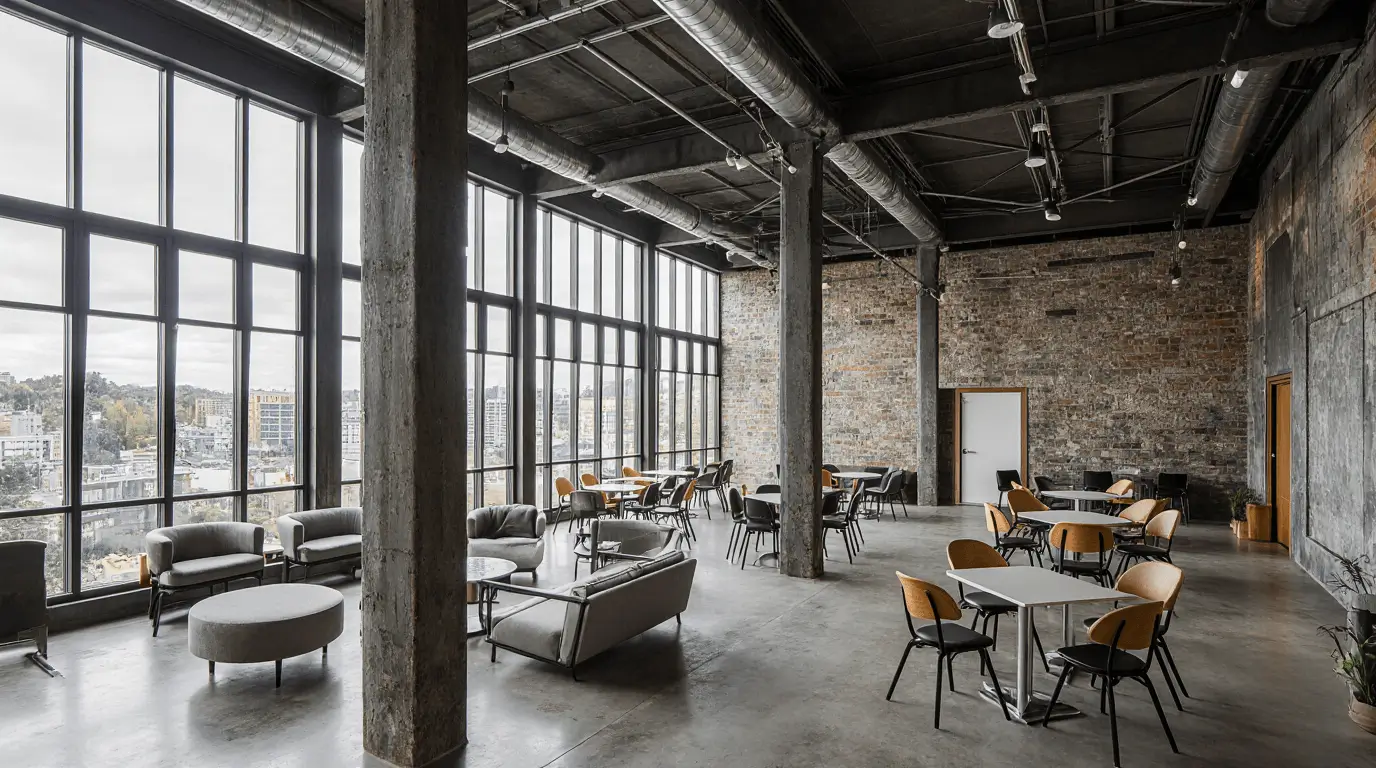
Space planning aligns closely with interior architecture elements like structural columns, windows, and ceiling heights.
Designers must respect these constraints while maximizing efficiency.
Conclusion
Mastering space planning in interior design is about more than arranging furniture—it’s the backbone of functional, livable, and visually harmonious interiors. Thoughtful planning transforms square footage into spaces that anticipate human behavior, support daily routines, and balance aesthetics with practicality. From small apartments to large commercial projects, applying principles like circulation, zoning, proportion, and ergonomics ensures that every corner serves a purpose while maintaining comfort and flow.
Experienced designers know that the best interiors begin with a plan: understanding how people move, interact, and inhabit spaces allows choices in furniture, lighting, and finishes to enhance rather than constrain. Whether you’re a homeowner, an interior professional, or someone exploring design solutions, prioritizing space planning enables you to make confident decisions, maximize functionality, and create environments that genuinely feel effortless and inviting. In short, great design starts with understanding the space—and how it works for the people living in it.
Learn more : Mountain Home Interior Design Ideas and Guide
Frequently Asked Questions
- Why is space planning essential before choosing furniture or finishes?
Space planning establishes the functional framework for a room. By understanding circulation, clearance, and zoning first, you ensure that furniture and finishes complement the space rather than create congestion or imbalance. This approach saves time, money, and design frustration. - How can small spaces benefit from professional space planning?
In compact interiors, every inch counts. Space planning identifies multifunctional solutions, vertical storage options, and strategic layouts that maximize usability without sacrificing style or comfort. Proper planning can make even a tiny apartment feel spacious and organized. - What role does ergonomics play in interior space planning?
Ergonomics ensures that furniture and spatial arrangements align with human proportions and natural movement. Incorporating ergonomic principles prevents discomfort, enhances daily usability, and supports long-term wellbeing in both residential and commercial settings. - Can space planning improve flow in open-concept interiors?
Absolutely. Through careful zoning, circulation planning, and thoughtful furniture placement, open-concept layouts can feel cohesive rather than chaotic. Distinct functional areas are subtly defined while maintaining openness and visual harmony. - How does space planning influence lighting decisions?
Lighting complements spatial design by emphasizing zones, highlighting focal points, and creating atmosphere. Integrating lighting planning alongside furniture and layout decisions ensures spaces are both practical and mood-enhancing. - Who benefits most from applying space planning principles?
Homeowners, renters, and designers all gain. Anyone looking to optimize comfort, functionality, or workflow benefits from understanding space planning principles, especially when balancing aesthetics with real-life needs. - Where should someone start if they want to plan their space effectively?
Begin by analyzing how you use the space daily—consider circulation paths, key activities, and priorities. Then map out furniture and functional zones, factoring in ergonomics, lighting, and flexibility. Starting with a clear plan makes subsequent design decisions confident and intentional.

One Response