
Introduction
Starbucks interior design is more than a recognizable aesthetic—it is a carefully engineered experience built around comfort, community, and brand storytelling. Every material, lighting choice, seating arrangement, and layout decision is intentionally designed to shape how customers feel the moment they walk inside.
Having studied commercial café environments and retail design strategy for years, I can confidently say that Starbucks has mastered experiential design. From flagship urban stores to neighborhood cafés, the design approach balances global consistency with local character—creating spaces that feel both familiar and unique.
Below, we break down the most important design clusters that define Starbucks interior design and explain why they work so effectively.
Modern Starbucks Interior Design Philosophy
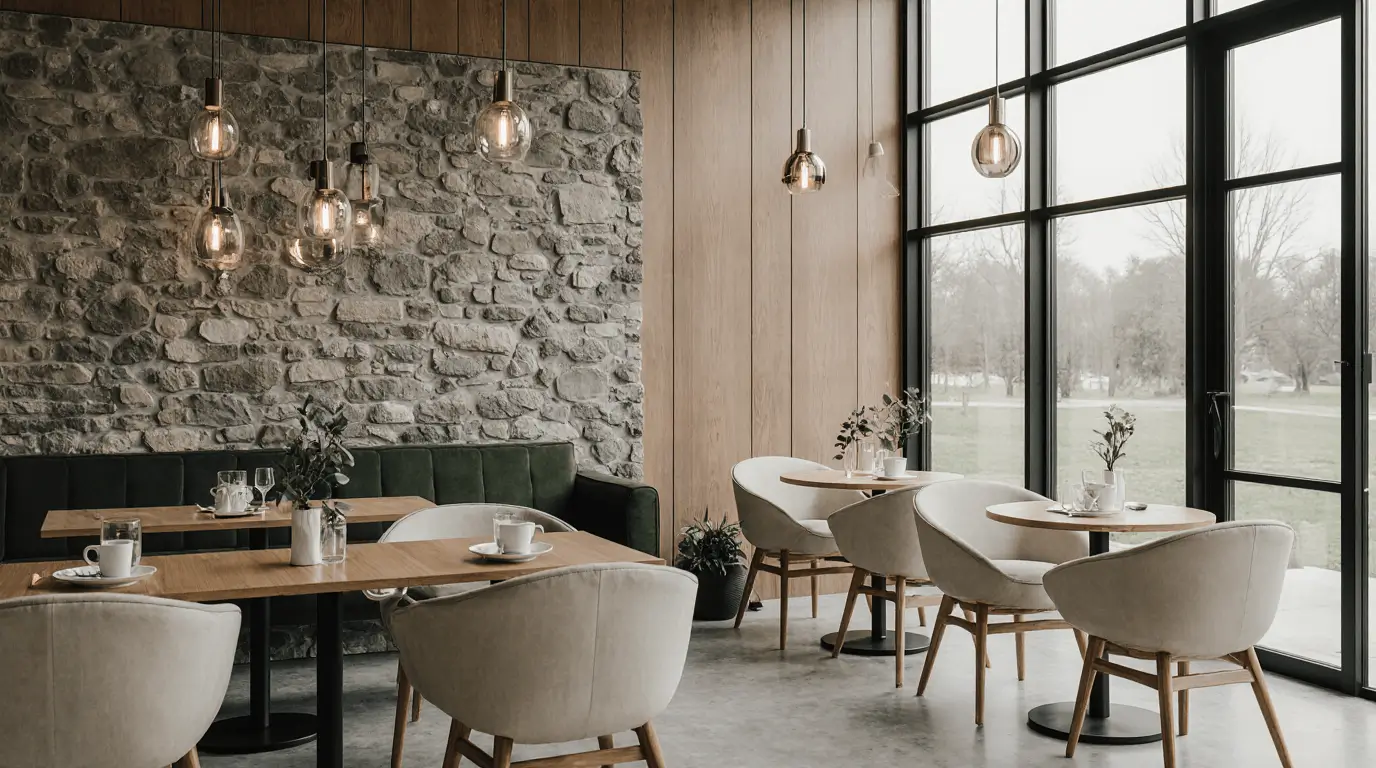
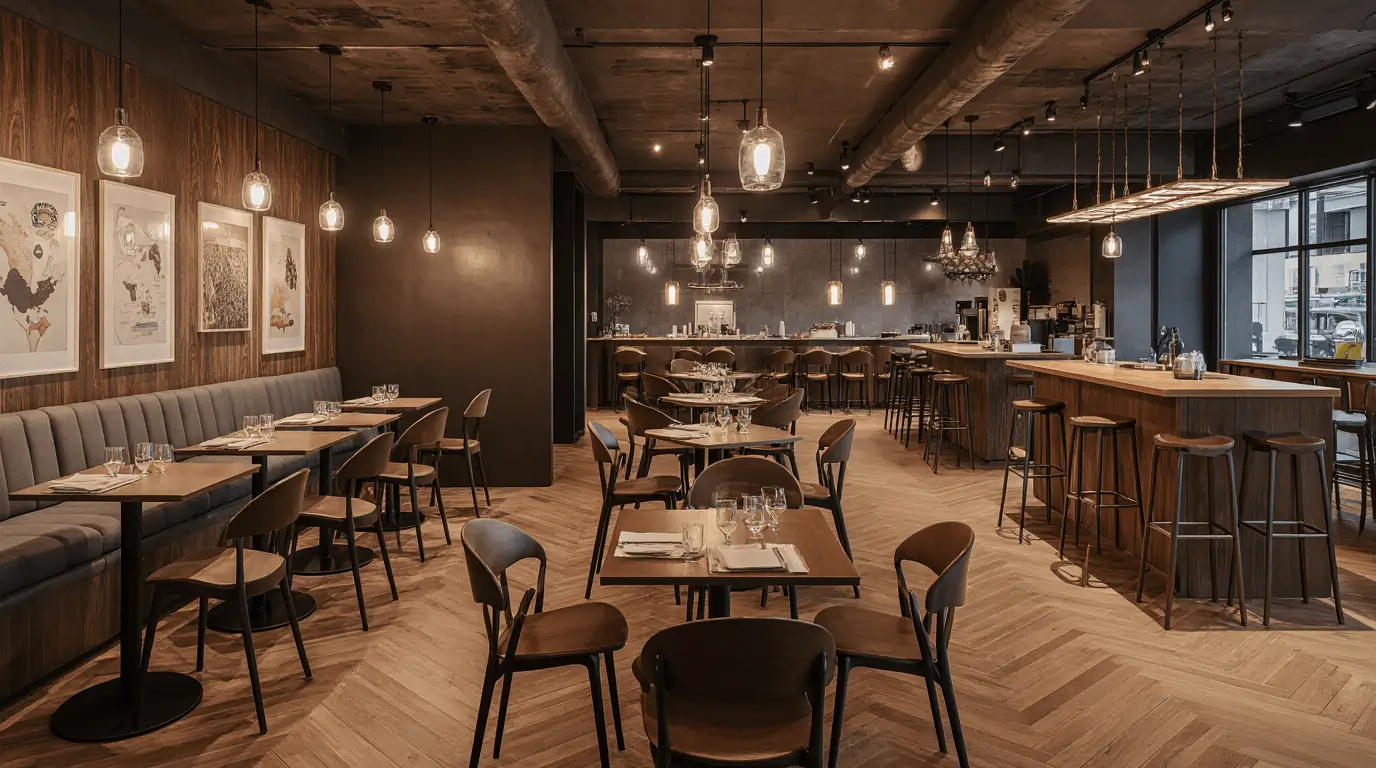
Modern Starbucks interior design embraces clean lines, warm textures, and layered lighting. It merges contemporary minimalism with cozy residential comfort to encourage longer stays.
This design philosophy focuses on emotional comfort—neutral palettes, tactile surfaces, and subtle branding that never overwhelms.
Starbucks Coffee Shop Layout Strategy
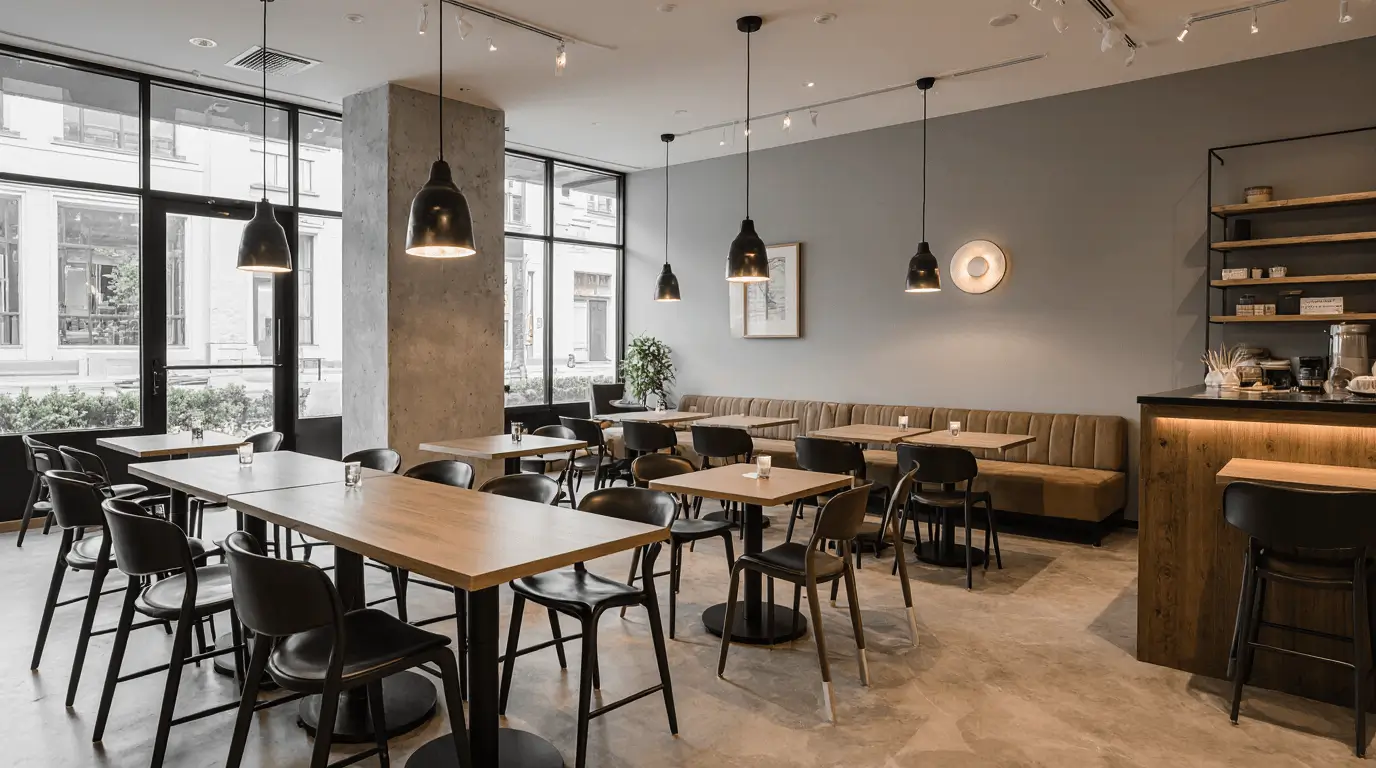
Starbucks coffee shop layout prioritizes intuitive flow. Customers move seamlessly from entrance to ordering counter, pickup zone, and seating without congestion.
Clear zoning—order, wait, sit—reduces friction and enhances efficiency during peak hours.
Starbucks Store Interior Design Materials
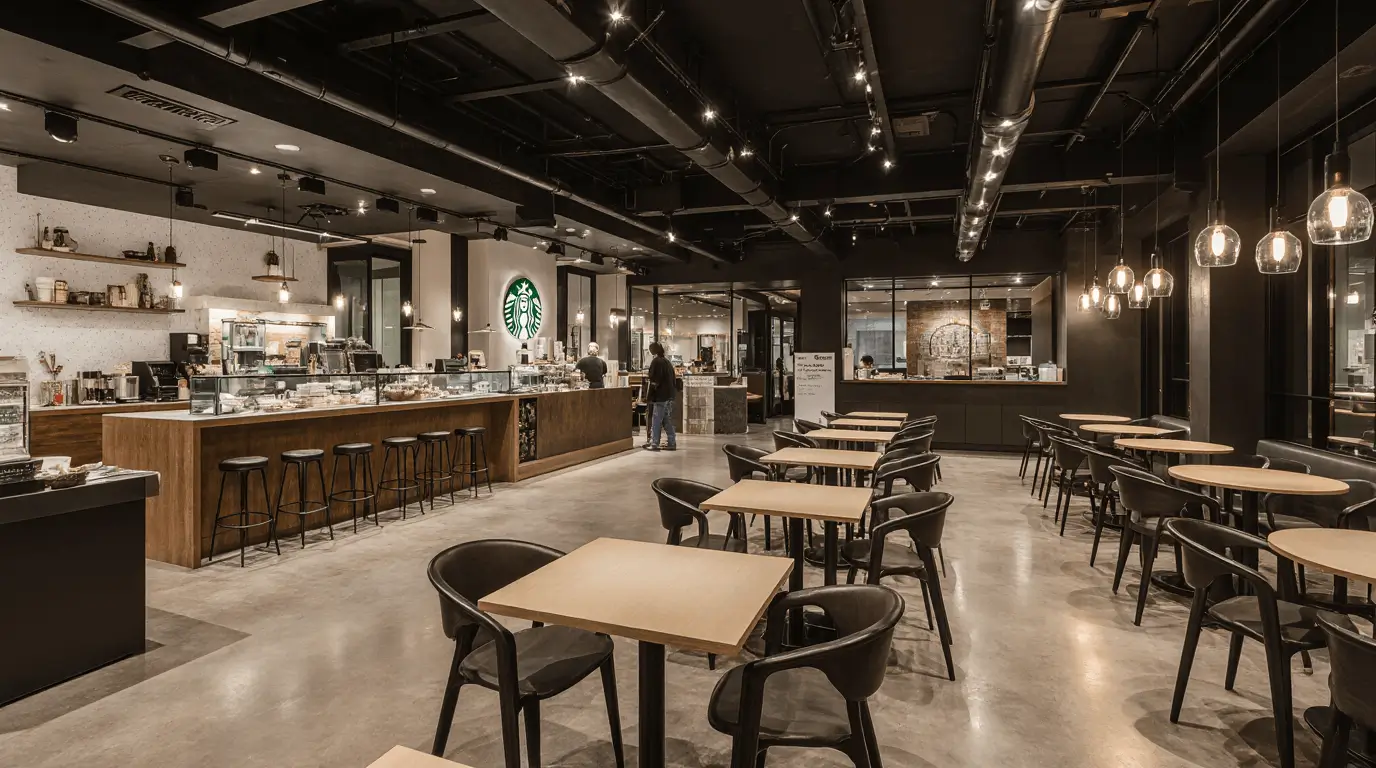
Natural materials dominate Starbucks store interior design. Wood, stone, brick, and metal create an authentic, grounded environment.
These textures soften the commercial setting and make the space feel handcrafted rather than corporate.
Starbucks Interior Design Concept: The Third Place
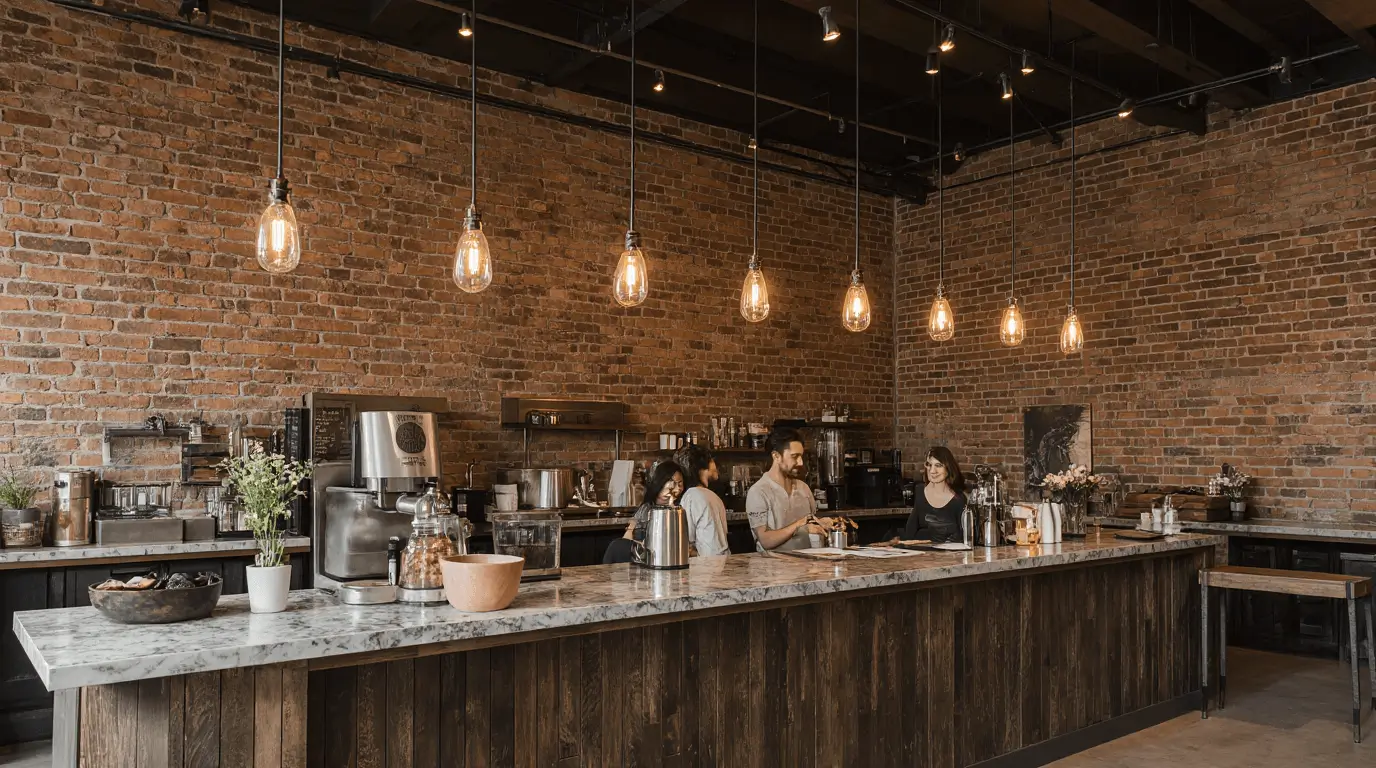
The core Starbucks interior design concept is the “Third Place”—a space between home and work.
Comfortable seating, ambient music, and inviting lighting foster a sense of belonging and community.
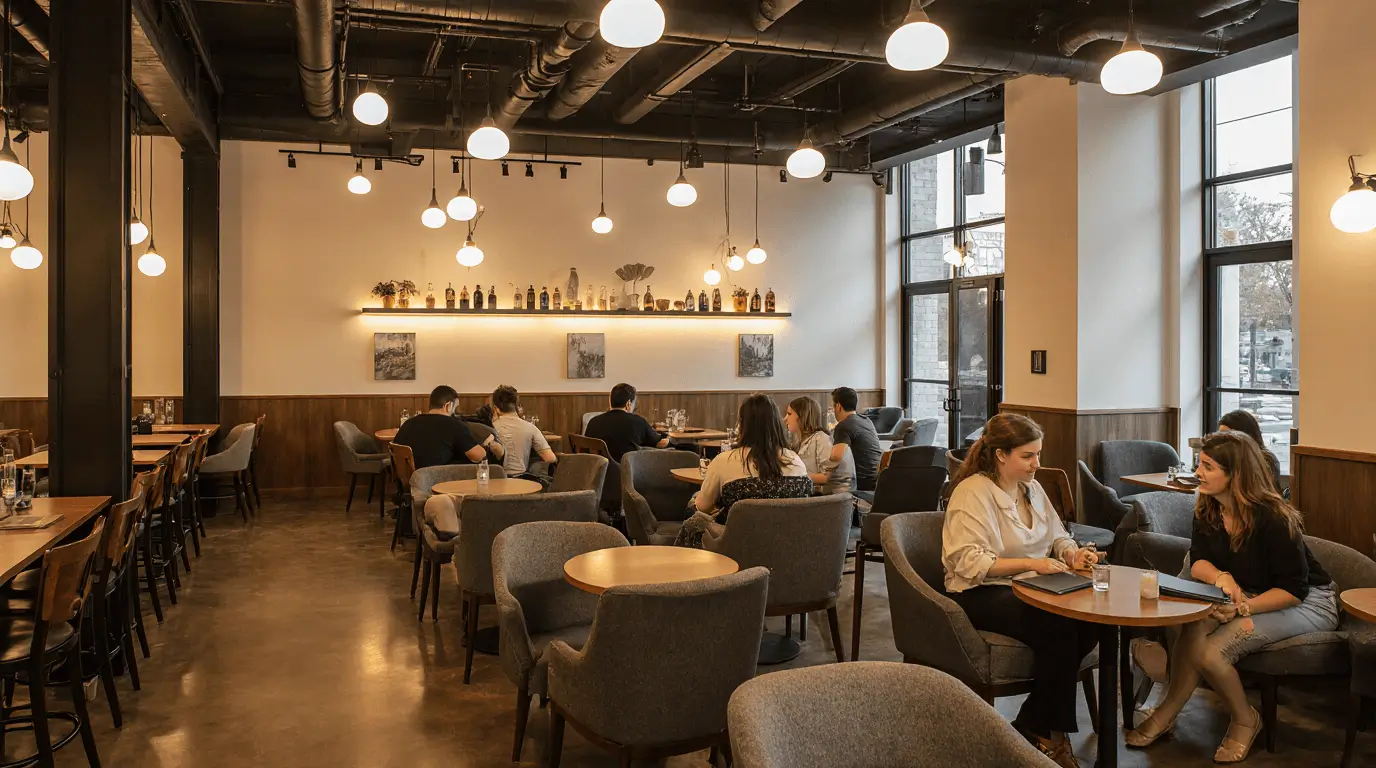
Starbucks Floor Plan & Spatial Zoning
A typical Starbucks floor plan divides space into active and passive zones. High-energy ordering areas contrast with quieter seating corners.
This zoning ensures both social interaction and focused productivity.
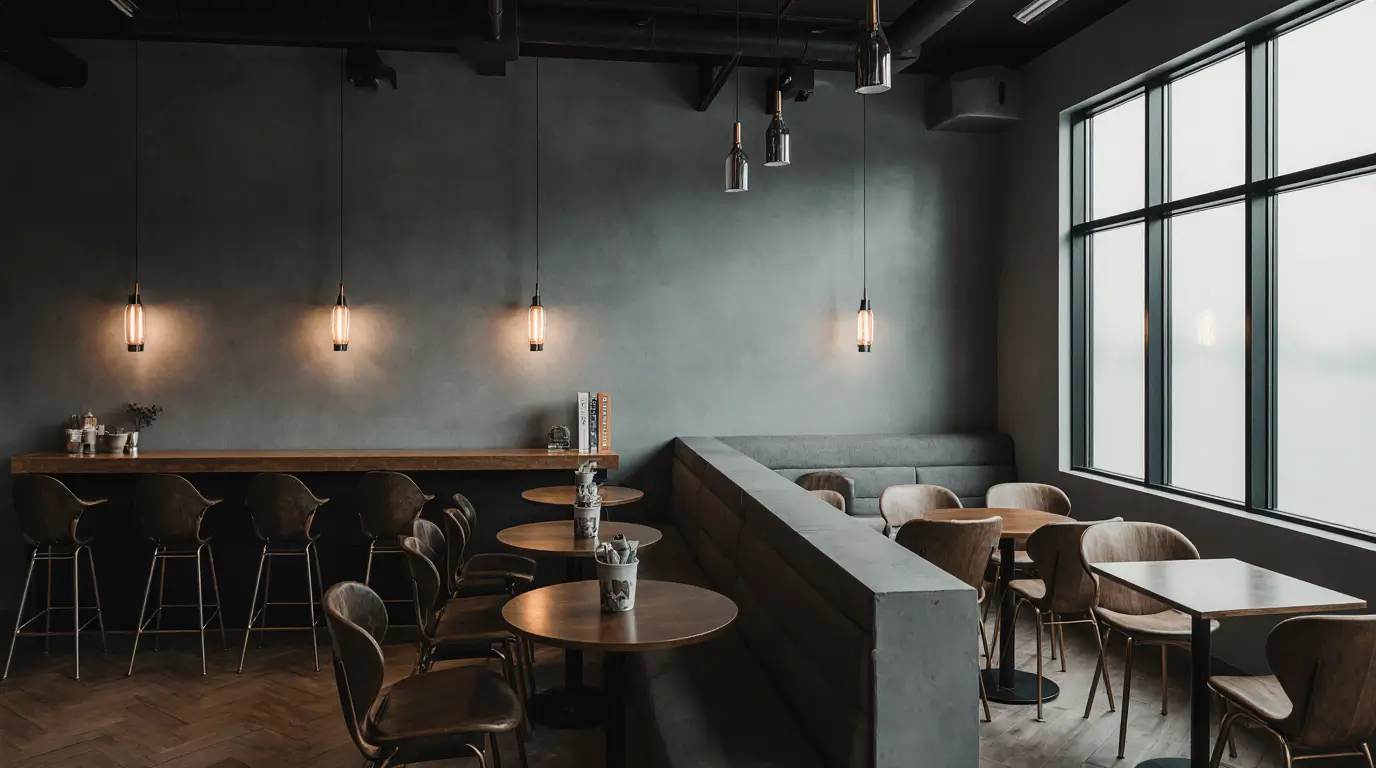
Starbucks Building Design & Exterior Integration
Starbucks building design often integrates local architecture and materials. Urban stores may feature glass façades, while suburban stores embrace brick and stone.
Exterior transparency invites customers inside and strengthens street presence.
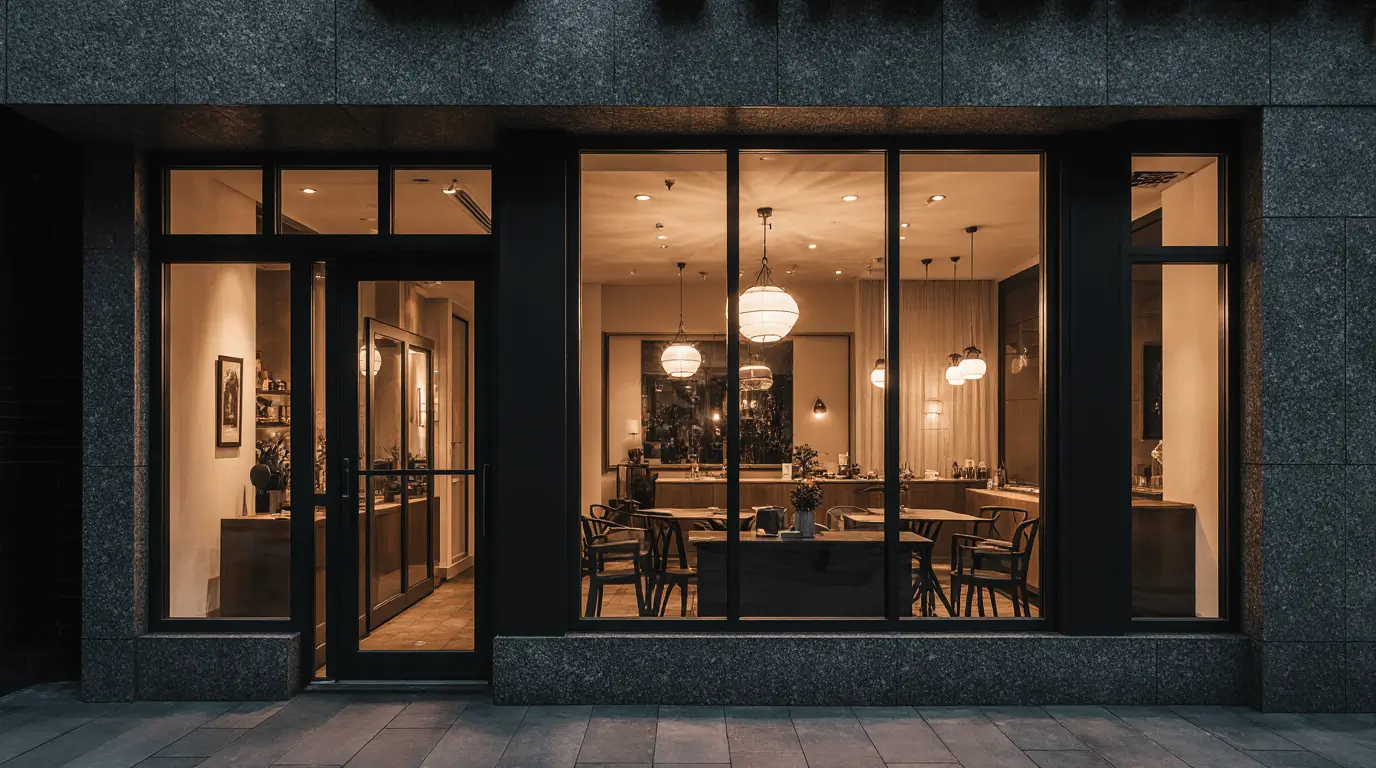
Starbucks Coffee Interior Design Lighting Strategy
Lighting in Starbucks coffee interior design uses layered illumination—ambient, task, and accent lighting.
Warm-toned lights create comfort, while focused lights enhance visibility at the counter.
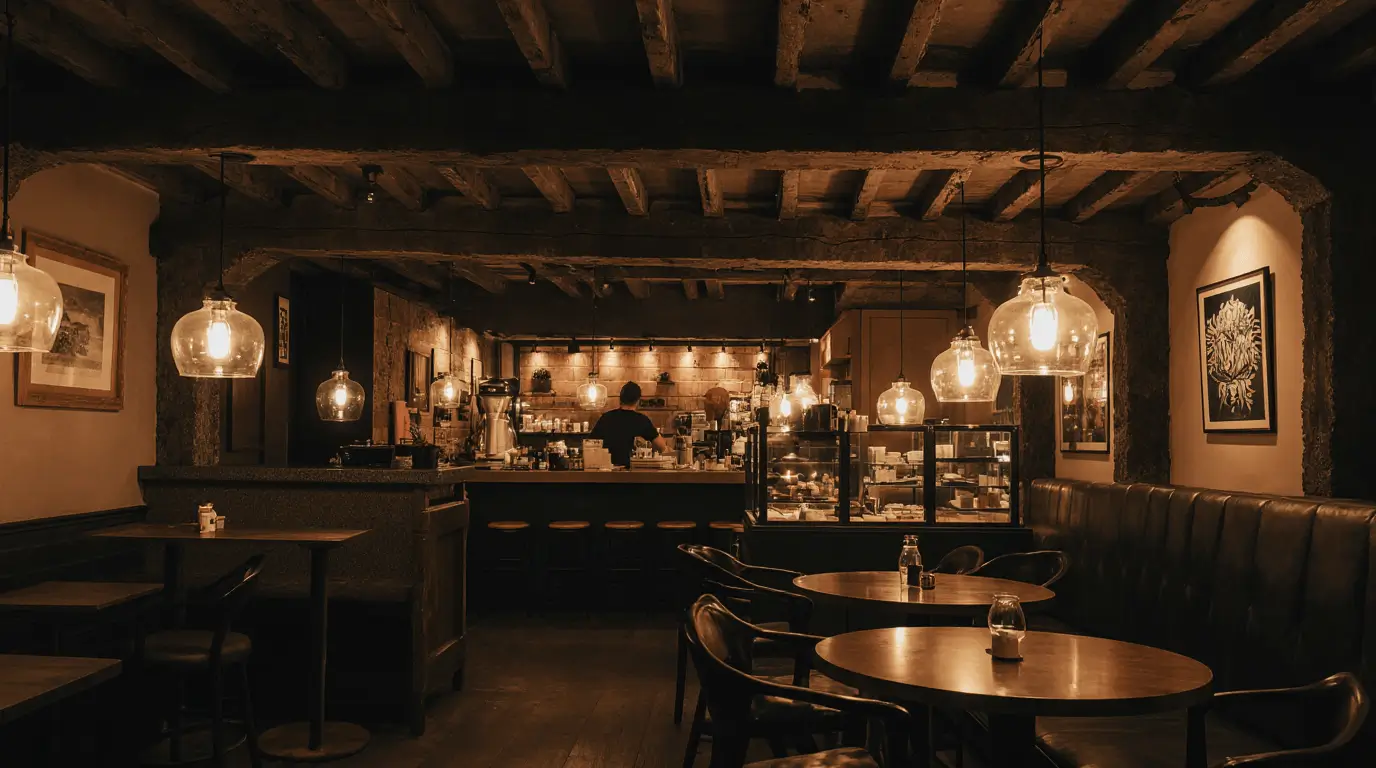
Starbucks Store Layout & Seating Mix
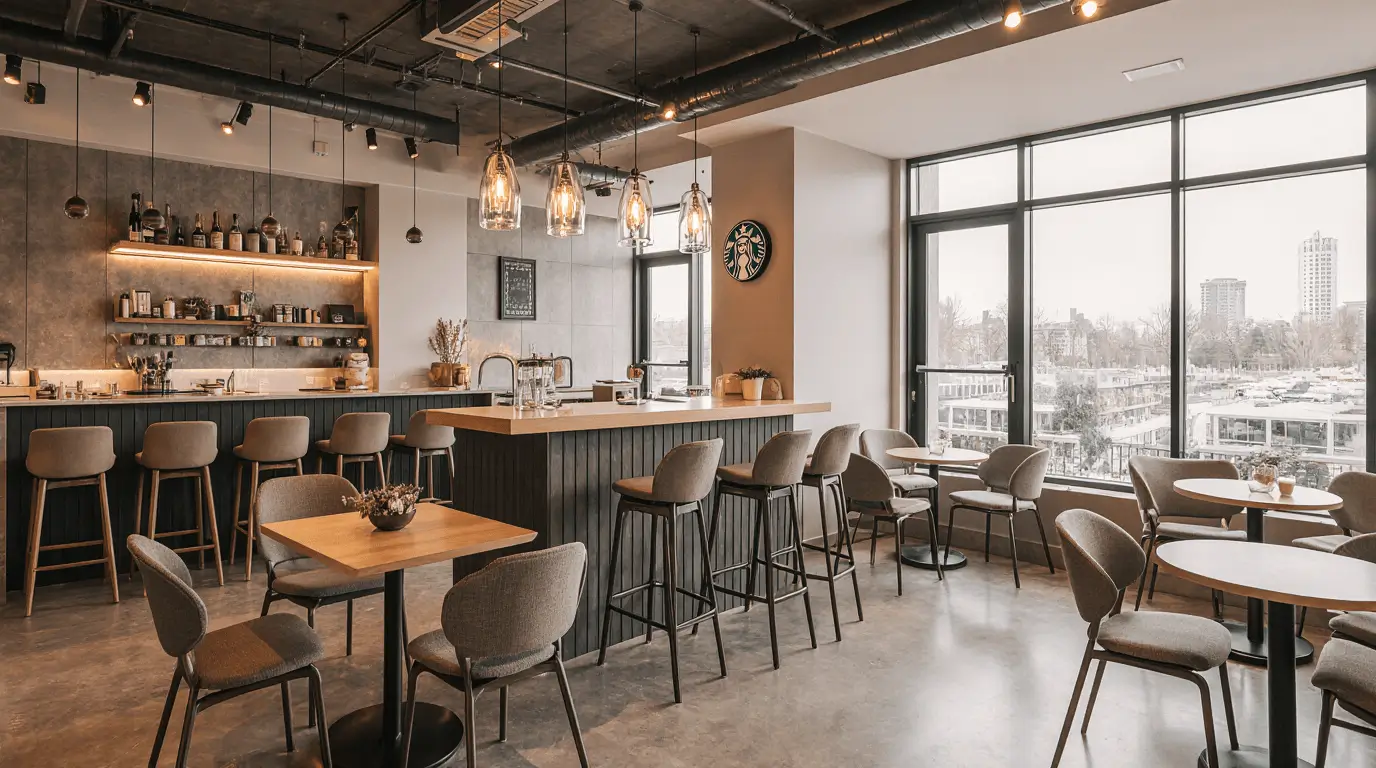
Starbucks store layout includes diverse seating: communal tables, bar seating, lounge chairs, and two-top tables.
This seating mix accommodates solo workers, couples, and group meetings simultaneously.
Starbucks Interior Branding Elements
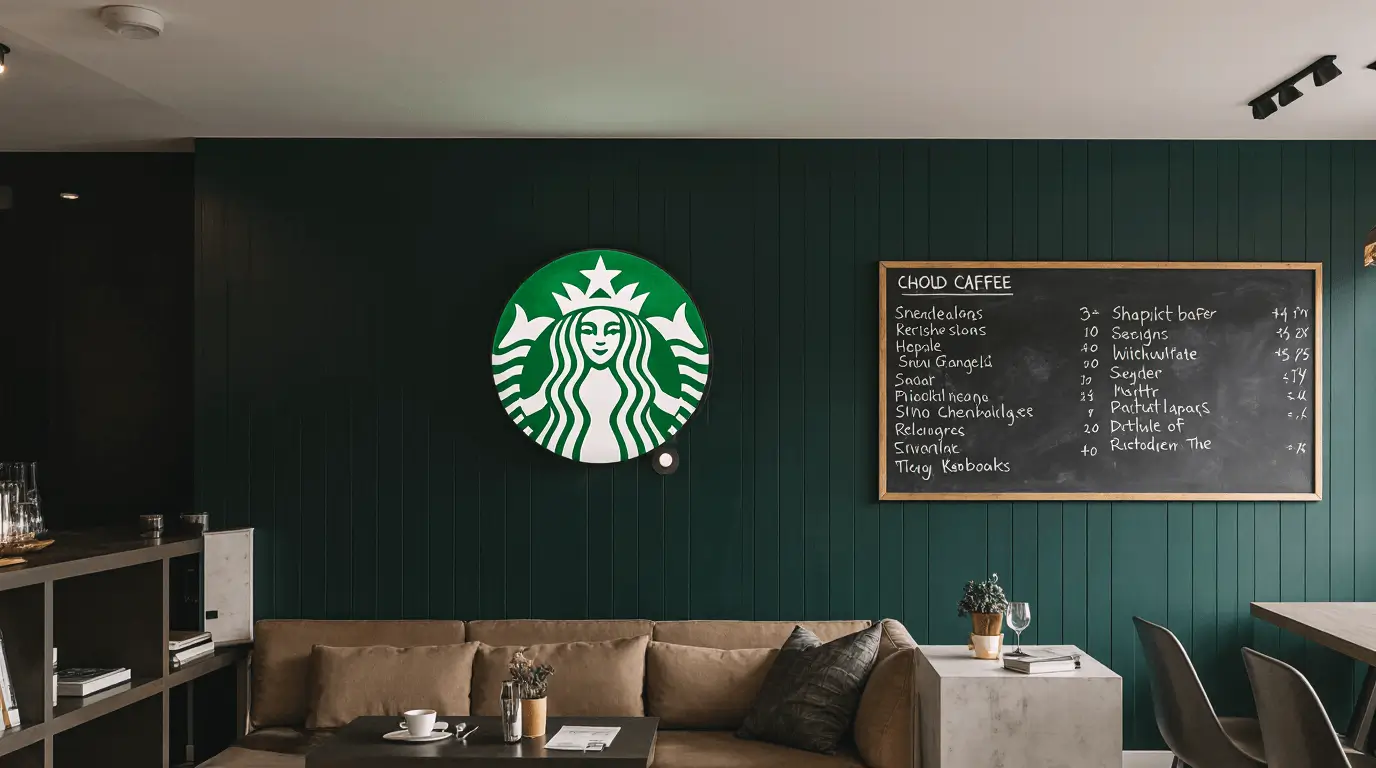
Subtle branding defines Starbucks interior. Instead of loud signage, the brand appears through color accents, menu boards, and logo placement.
The green palette is used sparingly to maintain sophistication.
Starbucks Coffee Shop Interior Design Color Palette
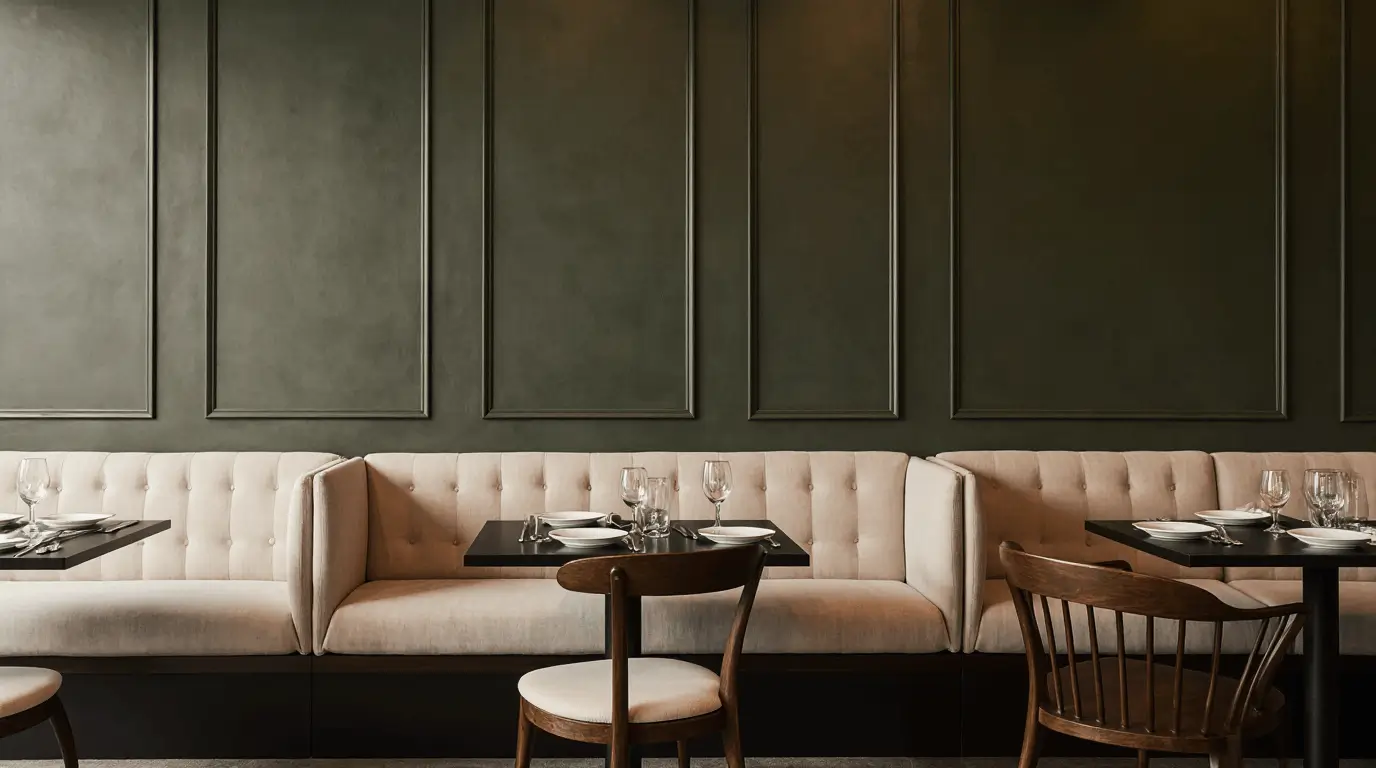
The Starbucks coffee shop interior design palette leans toward earth tones—browns, deep greens, charcoal, and cream.
These tones promote warmth, trust, and relaxation.
Starbucks Store Design & Sustainability
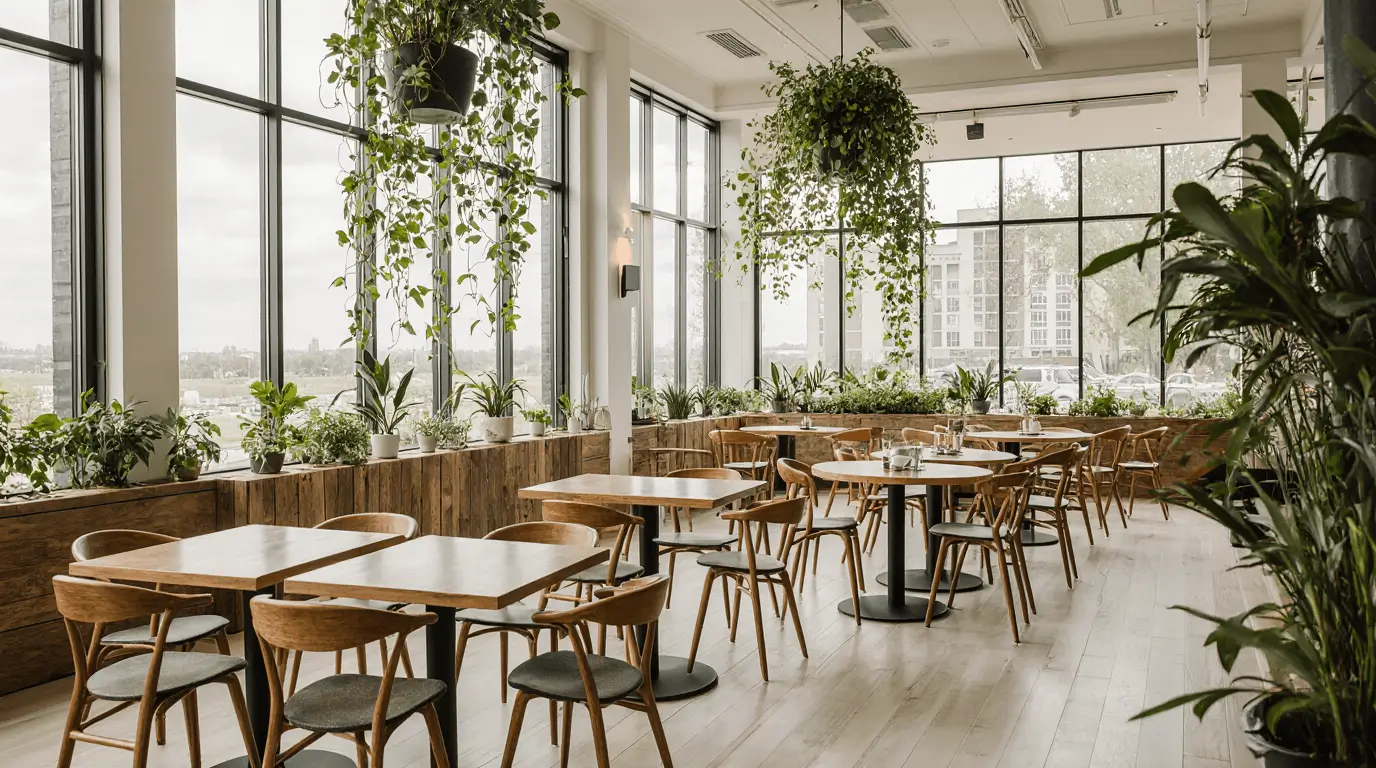
Starbucks store design increasingly emphasizes sustainability—recycled materials, energy-efficient lighting, and responsibly sourced wood.
Sustainable choices enhance brand credibility and modern appeal.
Starbucks New Store Design Evolution
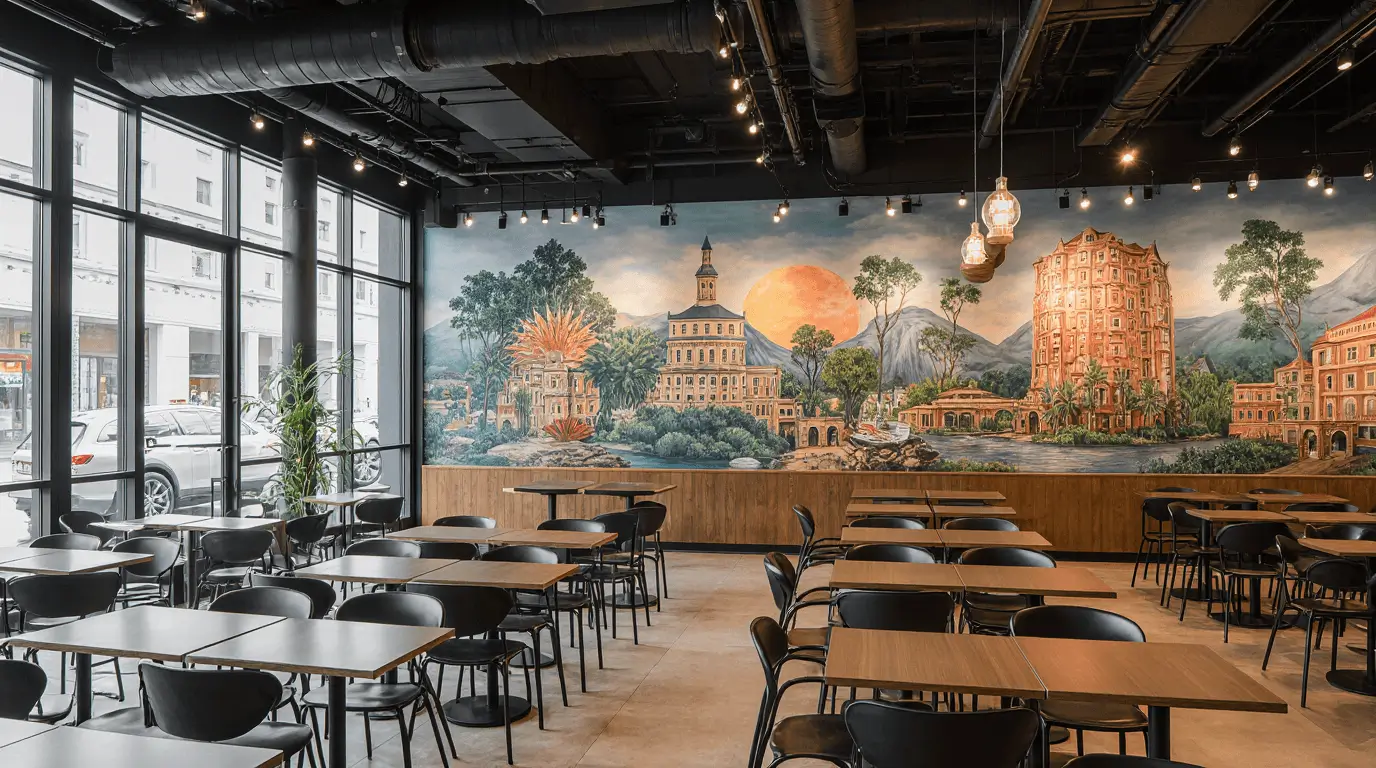
New store designs reflect local culture. Murals, regional materials, and art installations personalize each location.
This localized adaptation prevents the brand from feeling generic.
Starbucks Coffee Shop Layout for Productivity
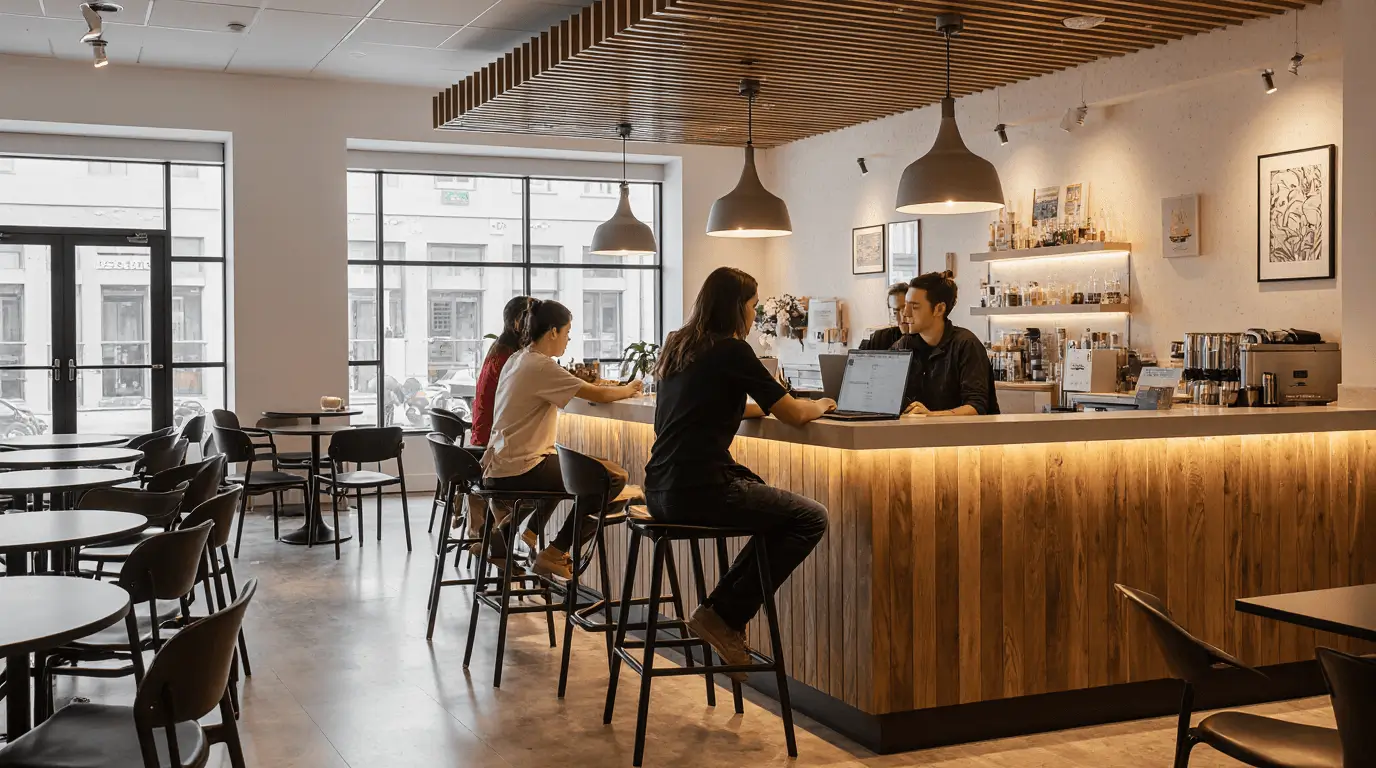
Many customers use Starbucks as a workspace. Therefore, outlets, Wi-Fi zones, and counter-height seating are integrated thoughtfully.
Comfortable yet upright seating encourages productivity without excessive lounging.
Starbucks Graphic & Visual Design Integration
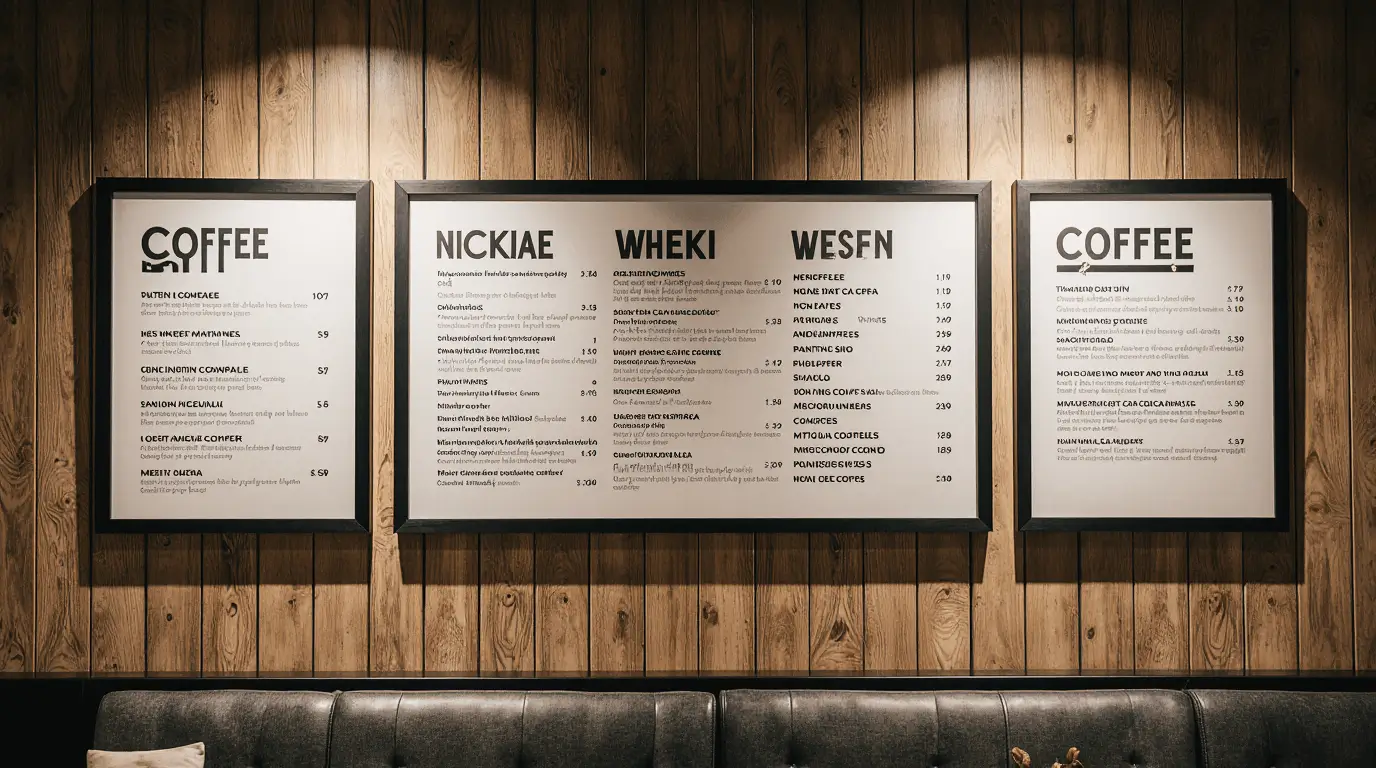
Graphic elements—menu boards, typography, and artwork—blend into the architectural backdrop.
The design feels curated rather than overly commercial.
Starbucks Workplace & Barista Station Design
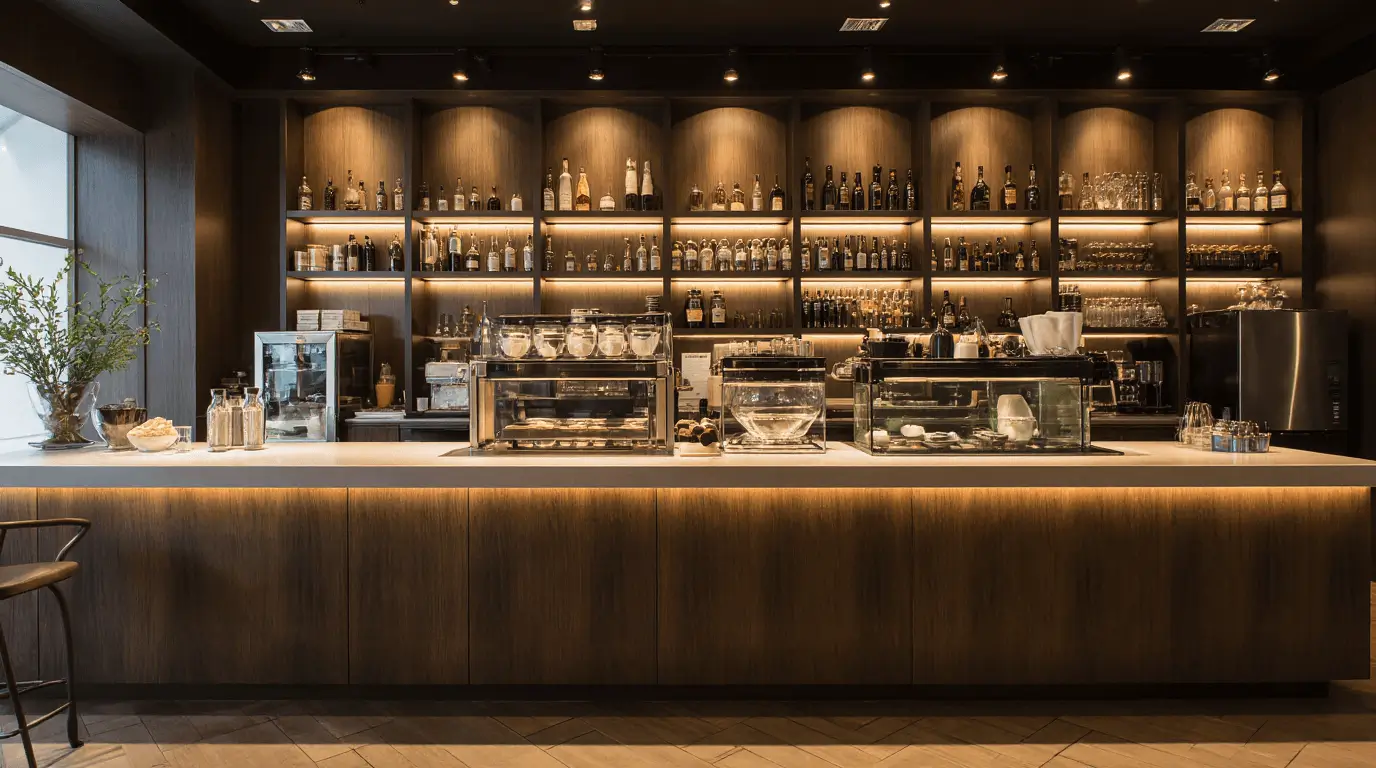
The barista station is designed for efficiency and visibility. Equipment placement supports workflow while maintaining visual order.
Customers can watch drinks being crafted, reinforcing transparency and craftsmanship.
Starbucks Interior Design Consistency Worldwide
While adapted locally, Starbucks interior design maintains global consistency—material warmth, welcoming lighting, and balanced layouts.
This harmony ensures customers instantly recognize the brand anywhere in the world.
Final Thoughts: Why Starbucks Interior Design Continues to Set the Standard
At its core, starbucks interior design works because it understands human behavior. It anticipates how people move, where they pause, how long they stay, and what makes them feel comfortable enough to return. The layered lighting, warm materials, thoughtful layouts, and subtle branding are not decorative afterthoughts—they are strategic tools that shape experience.
From a professional design perspective, the brilliance lies in balance. Each store feels familiar yet locally grounded. The spaces are efficient yet relaxed. The environment supports both productivity and social interaction without compromising either. That equilibrium is what keeps customers engaged for 10 minutes or two hours.
For café owners, retail designers, and even homeowners inspired by hospitality spaces, the takeaway is clear: successful interiors are built on intention. Prioritize flow before furniture. Choose materials that tell a story. Design lighting to influence mood, not just visibility. And most importantly, create a space that supports how people actually live and gather.
When applied thoughtfully, the principles behind Starbucks interior design can elevate any commercial or lifestyle space—turning it from a place people visit into a place they value.
Learn more : 12+ Timeless Asian Zen Interior Design Ideas for Ultimate Calm
Frequently Asked Questions
- What makes Starbucks interior design different from other coffee shops?
The difference lies in strategic consistency combined with local adaptation. While many cafés focus purely on aesthetics, Starbucks designs around experience—movement flow, emotional comfort, seating diversity, and long-term brand recognition. Every element serves a purpose beyond decoration.
- Why does Starbucks use so many natural materials?
Natural materials like wood, stone, and brick create warmth and authenticity. They soften the commercial environment and make the space feel grounded and inviting. From a psychological standpoint, organic textures help customers relax and stay longer.
- How does the layout influence customer behavior?
The layout reduces friction. Clear ordering zones, visible pickup areas, and distinct seating sections guide movement intuitively. This minimizes confusion during busy hours while still allowing quiet corners for focused work or conversation.
- Is the “Third Place” concept still relevant today?
Absolutely. The need for spaces between home and work has only grown stronger. Remote workers, students, and freelancers rely on environments that offer comfort, Wi-Fi access, and subtle social energy. Starbucks interior design supports that hybrid lifestyle effectively.
- How can small café owners apply these design principles?
Start with zoning and lighting. Define clear service and seating areas, and use layered warm lighting to create depth. Incorporate natural materials—even in small amounts—to build authenticity. Focus on comfort without overcrowding the space.
- Why doesn’t Starbucks rely heavily on bold branding inside stores?
Because subtle branding feels more sophisticated and less intrusive. By embedding brand identity through color accents, typography, and spatial experience rather than oversized logos, the environment feels curated instead of commercial.
- Does Starbucks interior design change by location?
Yes, but strategically. Core elements—material warmth, lighting tone, and seating diversity—remain consistent. However, local artwork, architectural context, and cultural references personalize each store, preventing the brand from feeling generic.

One Response