
Introduction
Student housing interior design focuses on creating living environments that balance comfort, functionality, and community for students. Unlike traditional residential interiors, these spaces must support studying, social interaction, relaxation, and personal growth within compact layouts. Thoughtful planning ensures that student rooms, shared lounges, and study areas remain efficient while still feeling welcoming and inspiring.
Designing interiors for student residences also requires understanding the lifestyle of modern students. Flexible furniture, durable materials, smart storage, and collaborative spaces play a major role in shaping successful housing environments. When executed well, student housing interior design improves productivity, strengthens community engagement, and enhances the overall living experience for students.
The following design clusters explore practical strategies, layout concepts, and interior ideas that help create well-balanced, modern student living environments.
Student Housing Interior Design for Compact Living
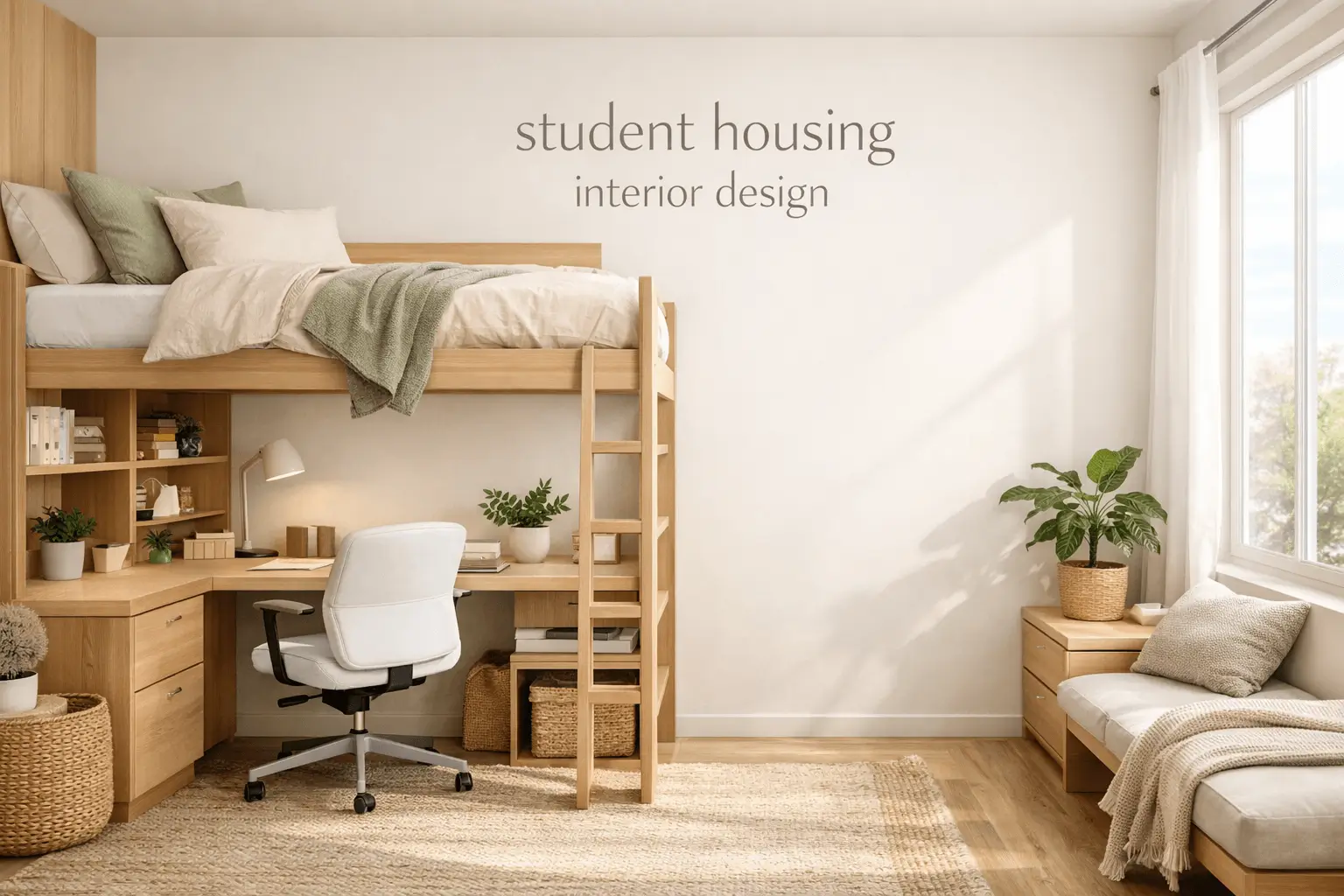
Student residences often work with limited square footage, making compact design solutions essential. Smart layouts prioritize multifunctional furniture, vertical storage, and flexible study areas to maximize usability without overwhelming the room.
Compact planning ensures that students have enough space to study, rest, and store personal belongings while maintaining visual openness.
Modern Student Housing Interior Design Concepts
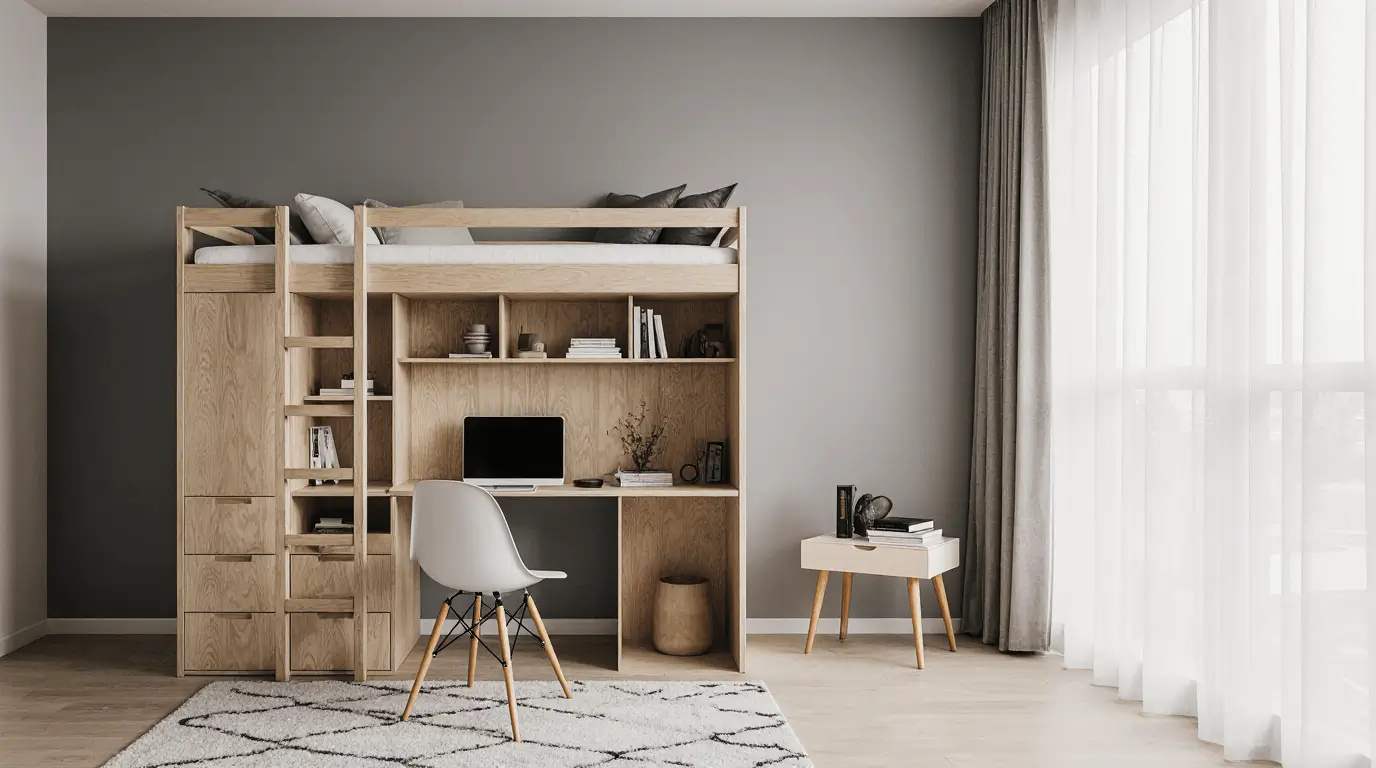
Modern student housing focuses on clean lines, functional layouts, and adaptable spaces. Interiors often combine contemporary furniture, simple color palettes, and technology-friendly environments.
This design approach supports modern lifestyles while keeping spaces visually calm and practical for both studying and relaxing.
Student Housing Interior Design for Shared Living Spaces
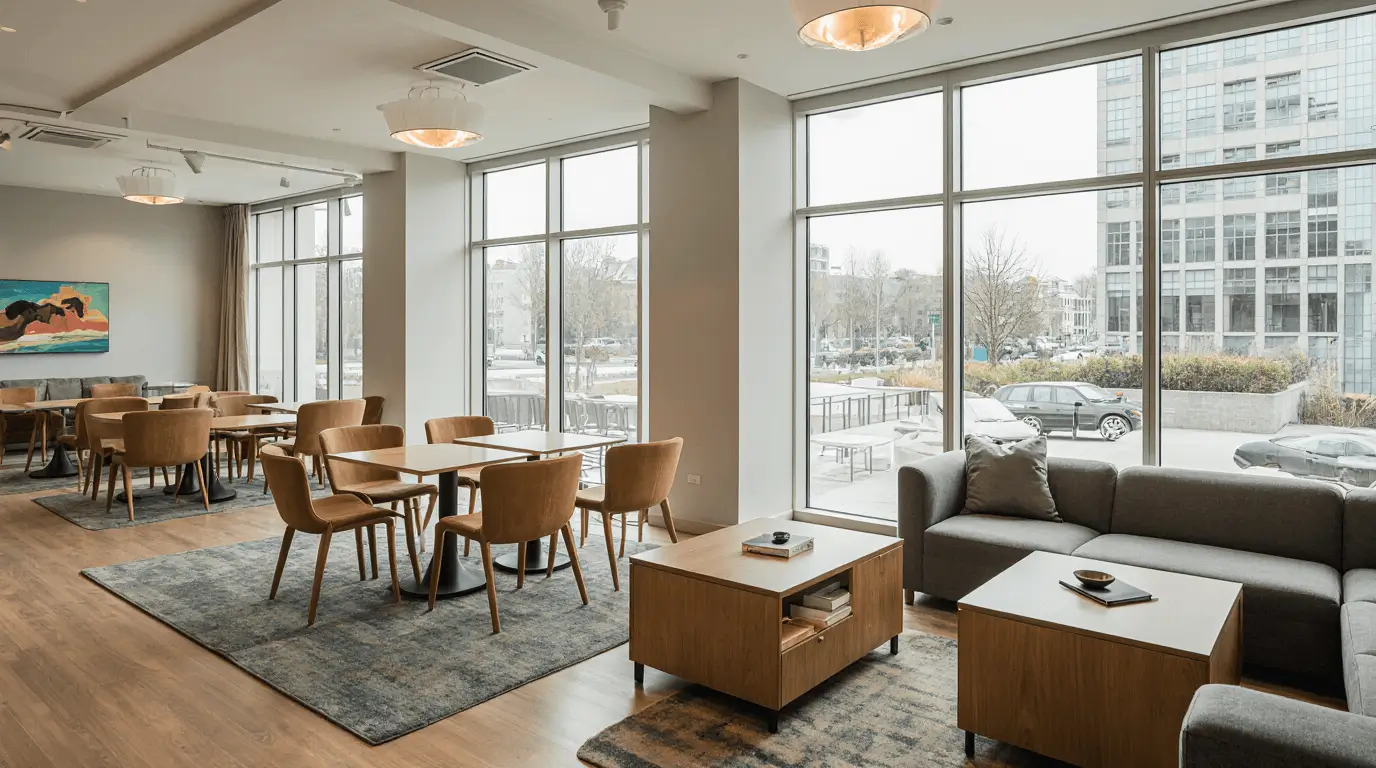
Shared living spaces are central to student communities. Lounges, kitchens, and collaborative study zones encourage social interaction and group learning.
Successful shared interiors combine durable materials, comfortable seating, and flexible furniture arrangements that support both casual conversation and academic collaboration.
Student Housing Interior Design Ideas for Study-Focused Rooms
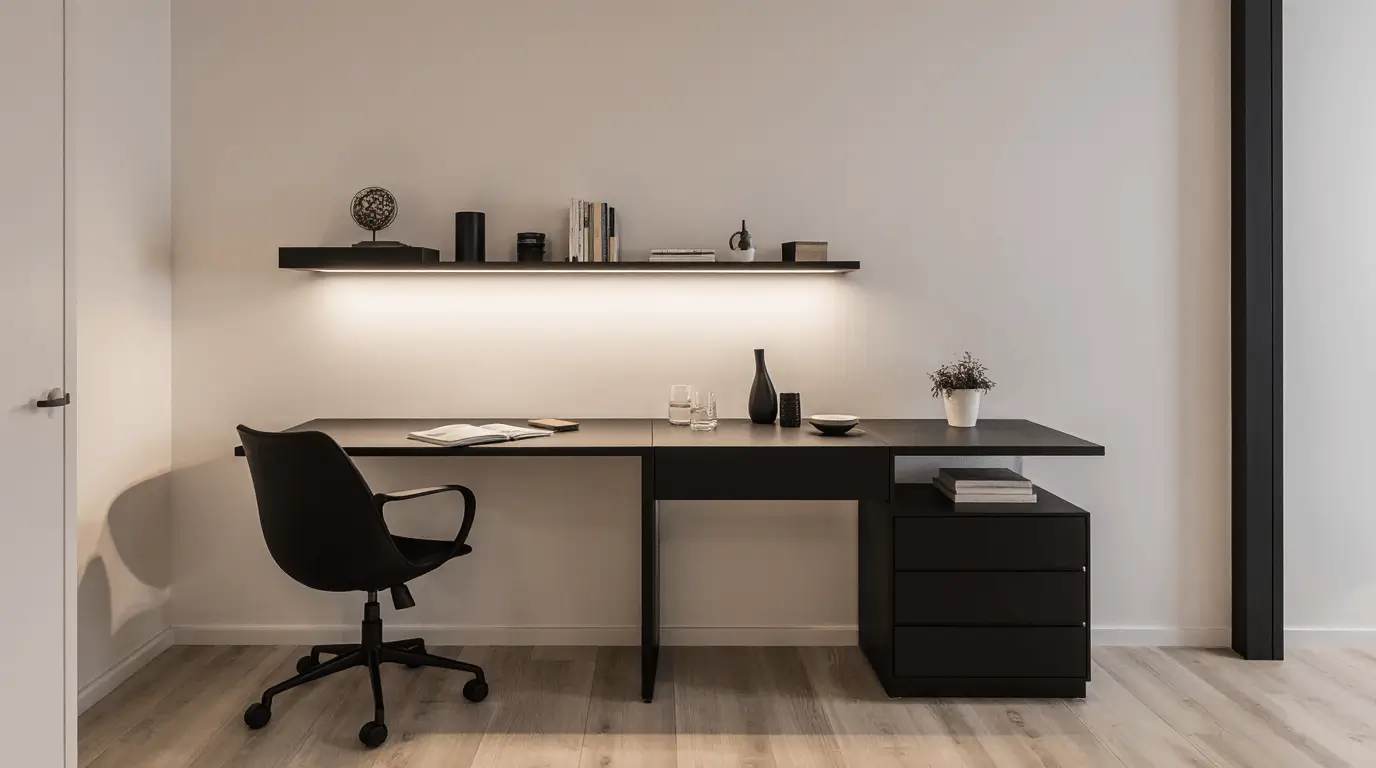
Student rooms must support focused study without feeling overly institutional. Comfortable desk setups, proper lighting, and clutter-free organization help students remain productive.
Designers often integrate ergonomic seating, acoustic panels, and task lighting to create environments that support long study sessions.
Student Housing Interior Design with Smart Storage Solutions
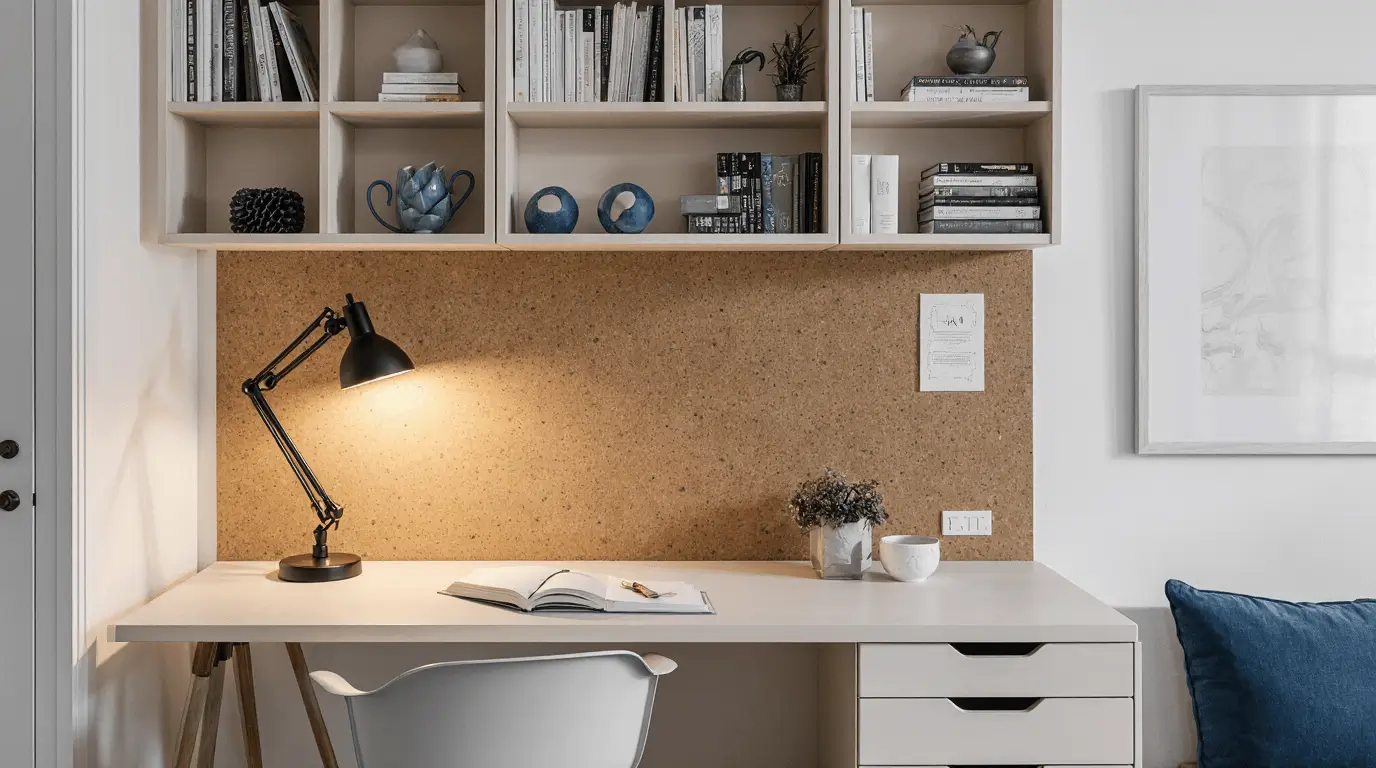
Storage is one of the most important elements in student housing. Built-in wardrobes, under-bed drawers, and wall-mounted shelves allow students to store belongings efficiently without overcrowding the room.
Well-designed storage helps maintain a tidy environment, which improves comfort and focus.
Student Housing Interior Design Plans for Efficient Layouts
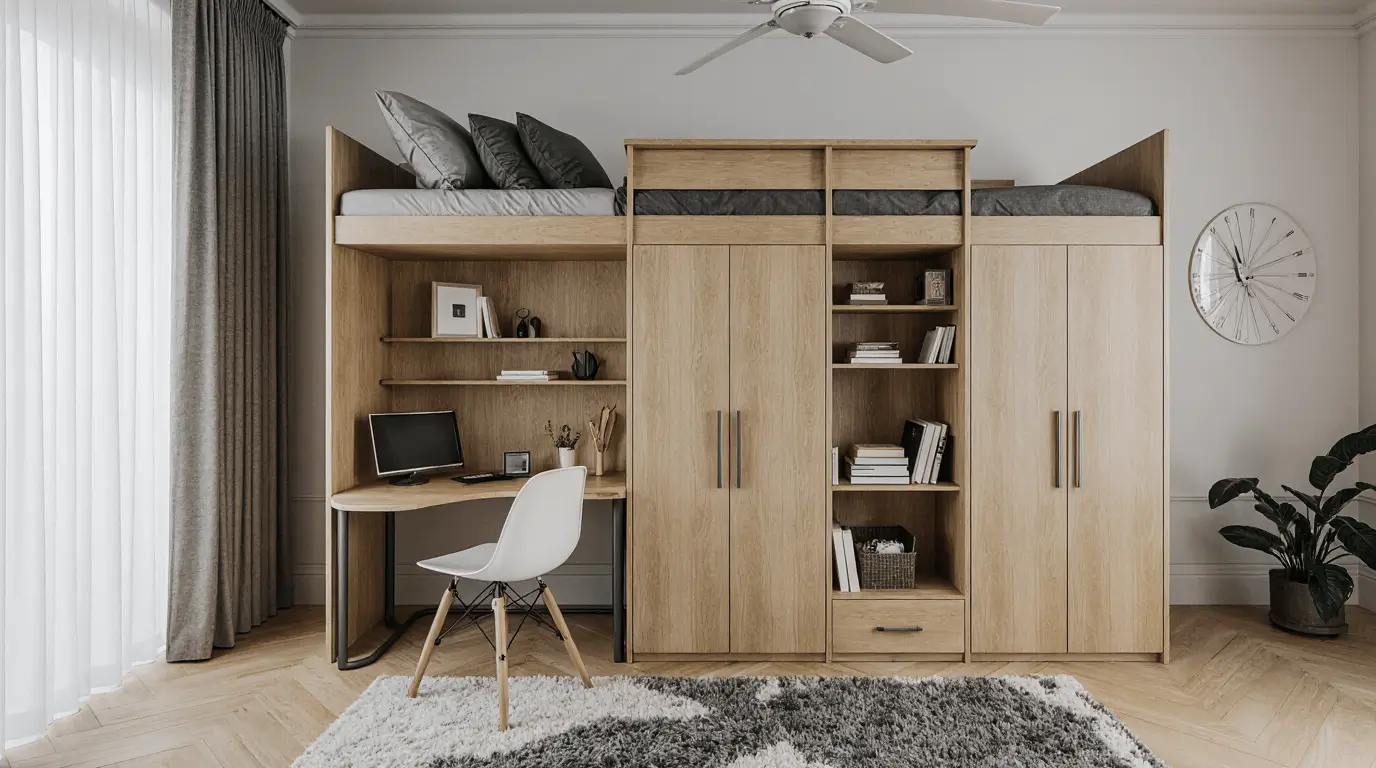
Interior design plans for student residences prioritize circulation, zoning, and efficient furniture placement. A well-planned room allows clear movement between sleeping, studying, and storage areas.
Carefully arranged layouts improve usability while maintaining an open and balanced interior atmosphere.
Student Housing Interior Design with Flexible Furniture
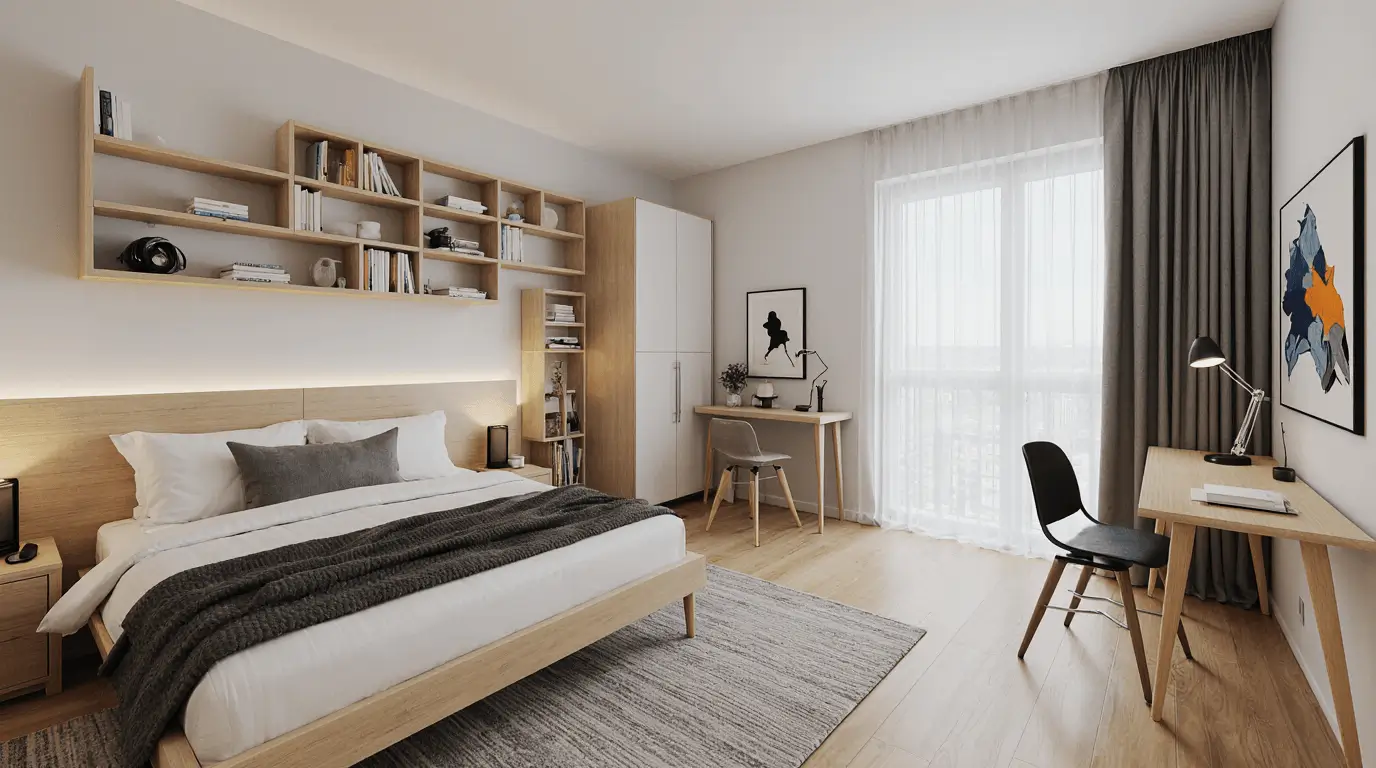
Flexible furniture allows student spaces to adapt to different needs throughout the day. Foldable desks, modular seating, and convertible beds help transform small rooms into multifunctional environments.
These adaptable elements improve usability without requiring additional square footage.
Student Housing Interior Design Inspired by Residence Architecture
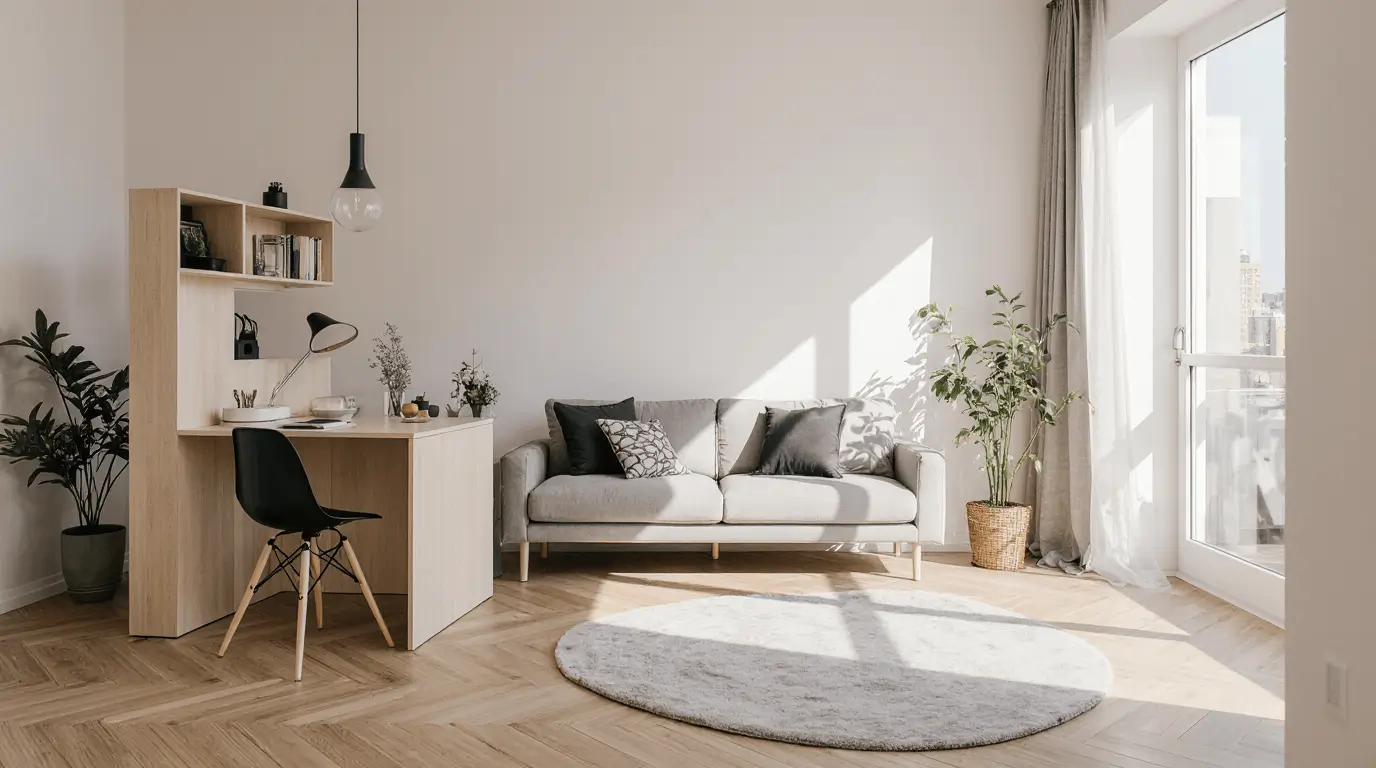
Interior spaces often reflect the architectural language of the building. Materials, lighting strategies, and spatial flow connect interior design with the broader architectural concept.
This integration creates cohesive living environments where interiors feel naturally connected to the building structure.
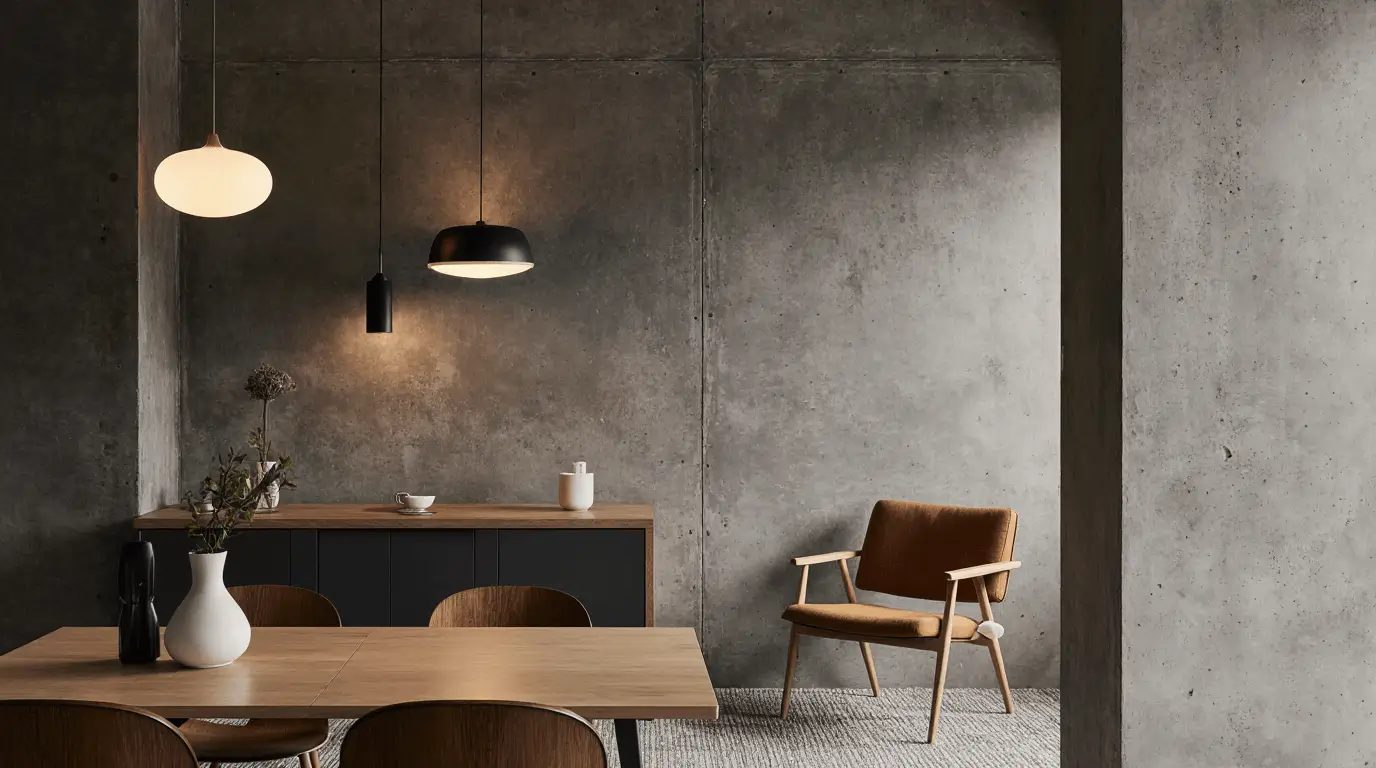
Student Housing Interior Design for Community Building
Community-centered interiors help students form connections and feel part of a shared environment. Lounge seating, collaborative workspaces, and open kitchens create welcoming gathering points.
These spaces foster interaction while still maintaining comfortable areas for relaxation.
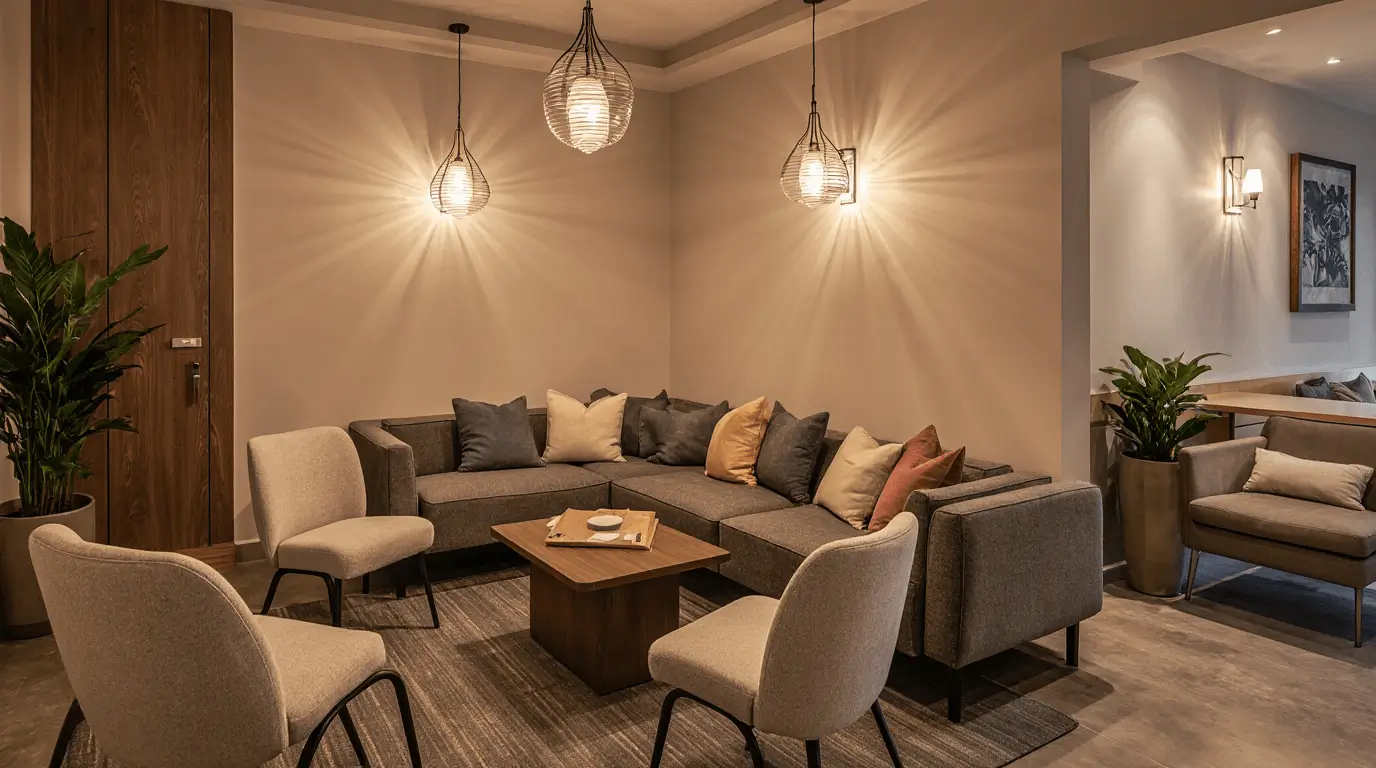
Student Housing Interior Design with Natural Materials
Natural materials such as wood, linen, and stone bring warmth and authenticity to student living spaces. These materials also create a calming atmosphere that balances the busy academic lifestyle.
Combining durability with aesthetic warmth ensures interiors remain welcoming over time.
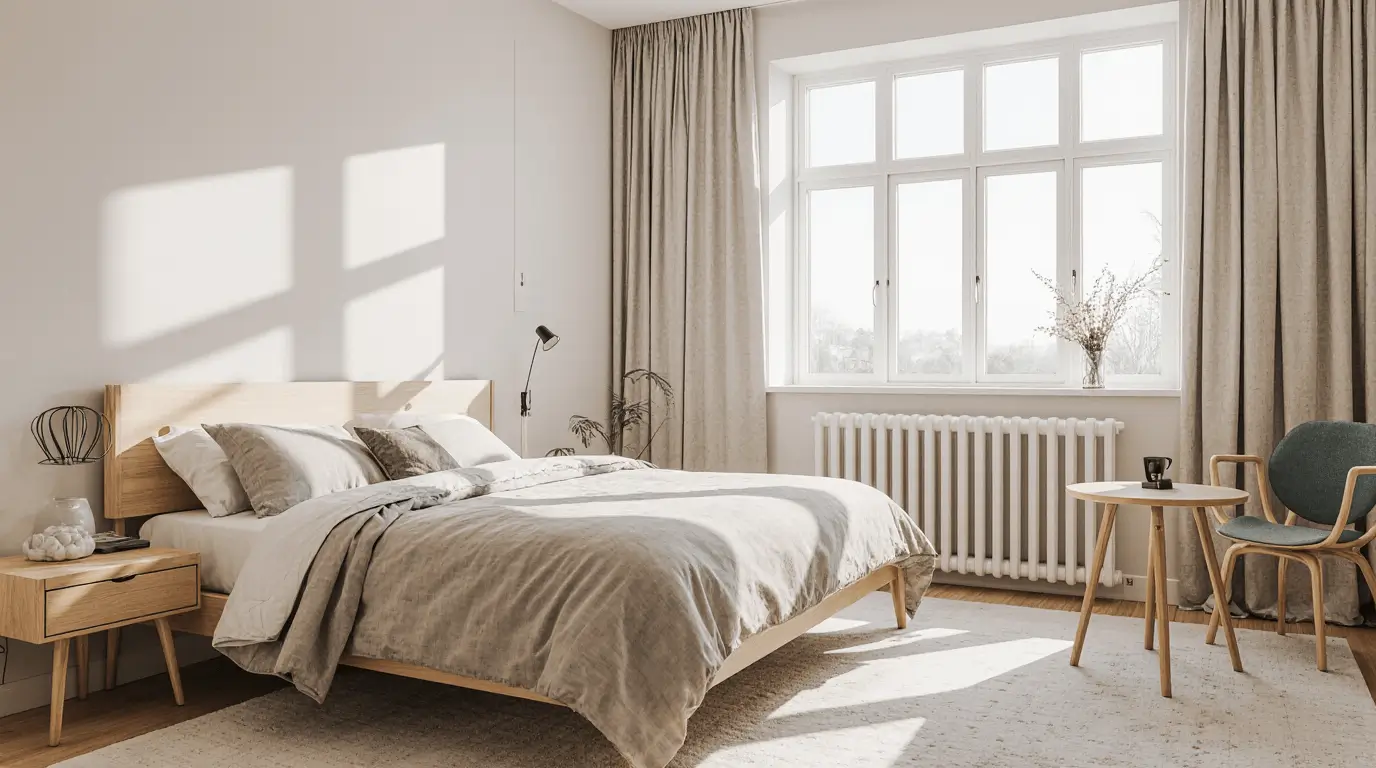
Student Housing Interior Design for Wellness and Comfort
Wellness-focused interiors prioritize natural light, comfortable furniture, and calming color palettes. These elements help students maintain balance between academic work and relaxation.
A healthy interior environment can significantly influence mood, concentration, and overall wellbeing.
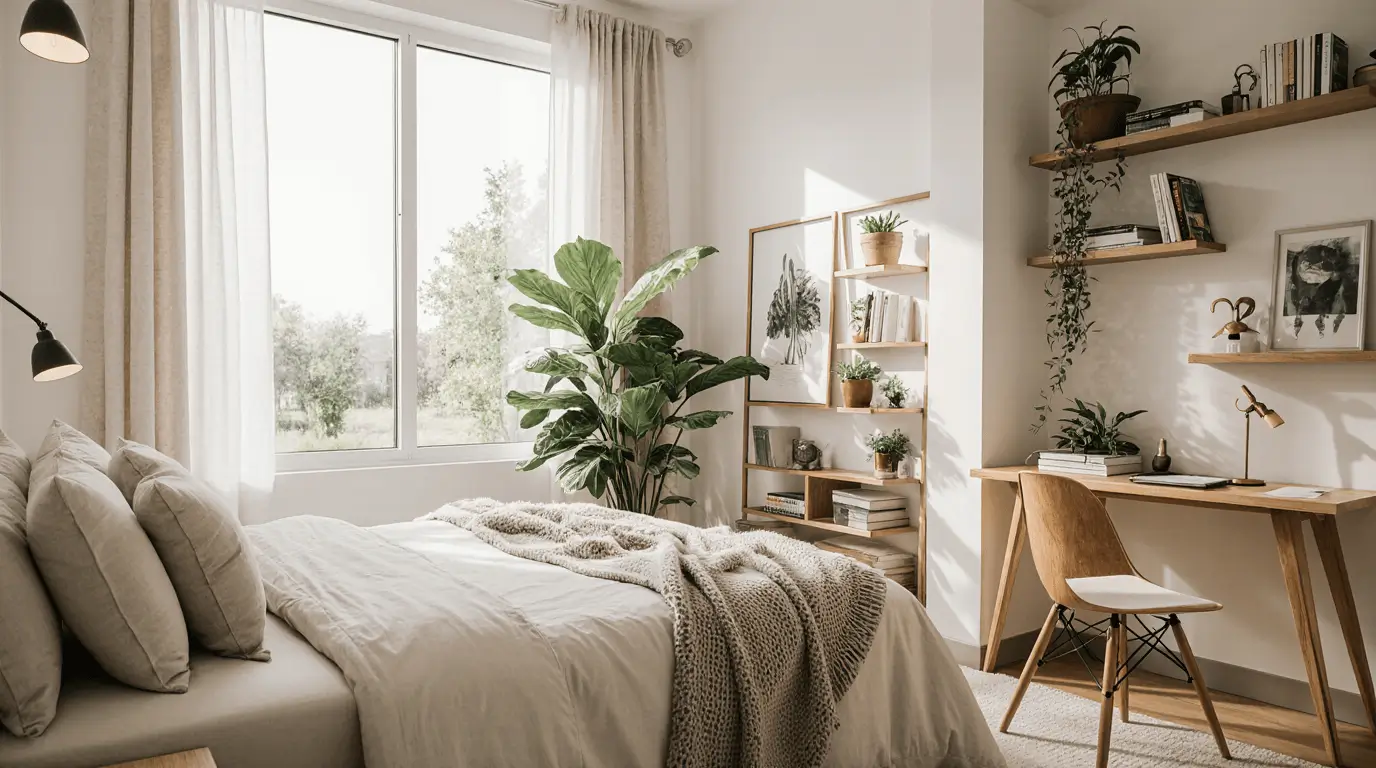
Student Housing Interior Design Ideas for Small Dorm Rooms
Small dorm rooms benefit from visual simplicity and smart organization. Light colors, mirrors, and compact furniture help create the illusion of more space.
Keeping the design minimal yet functional ensures the room remains comfortable without feeling cramped.
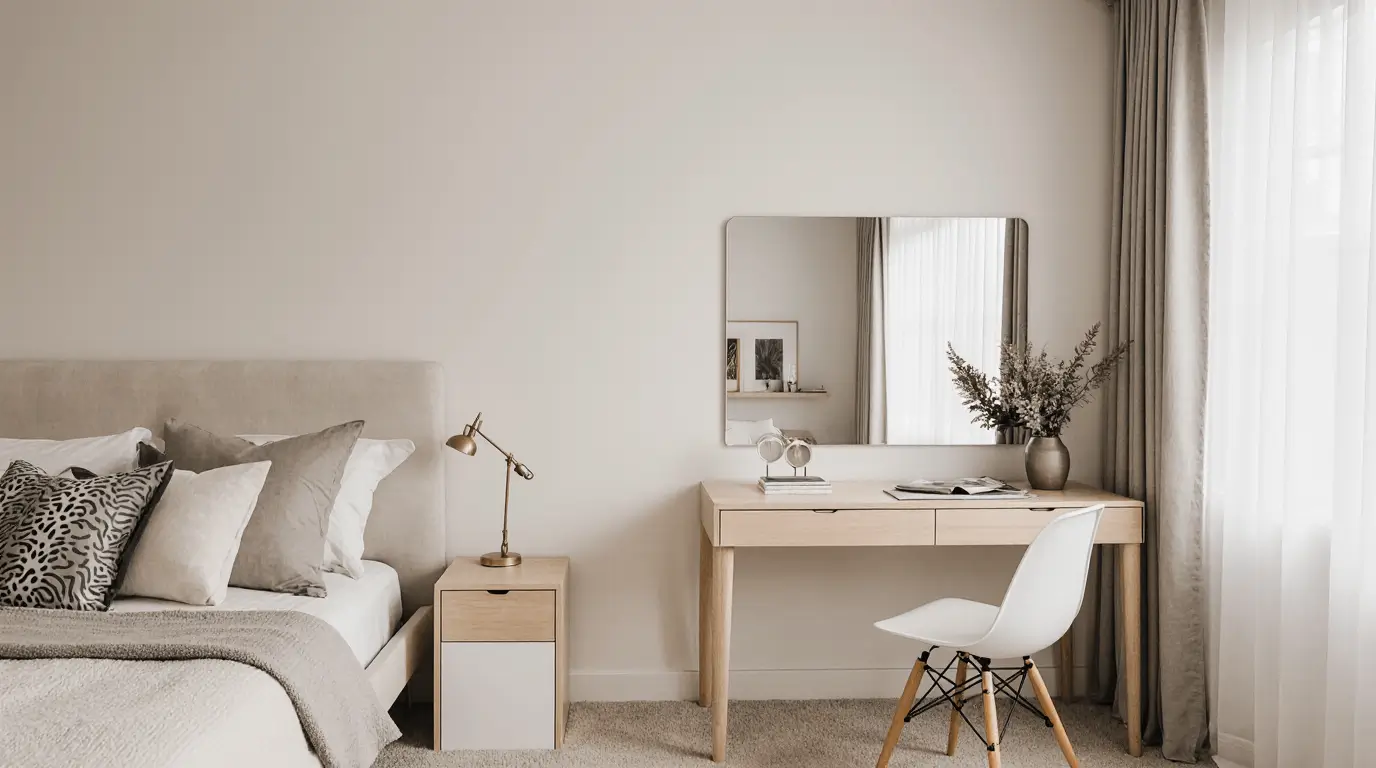
Student Housing Interior Design with Sustainable Principles
Sustainability plays an increasing role in modern student housing projects. Eco-friendly materials, energy-efficient lighting, and durable furnishings reduce environmental impact.
Designers also incorporate natural ventilation and daylight strategies to create healthier interior spaces.
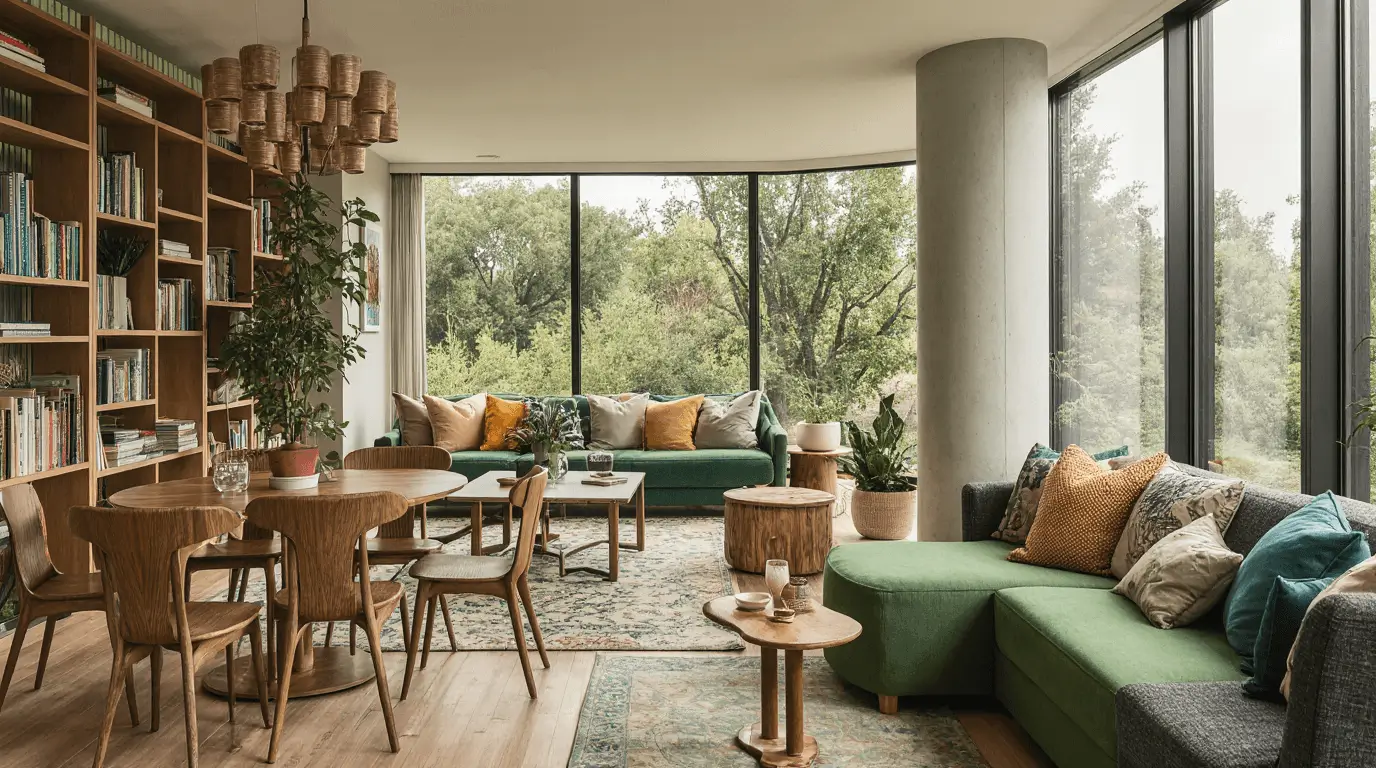
Student Housing Interior Design for Collaborative Study Areas
Group study rooms support teamwork and academic collaboration. Flexible tables, writable walls, and comfortable seating encourage idea sharing and group discussions.
Acoustic treatments also help maintain focus in shared study environments.
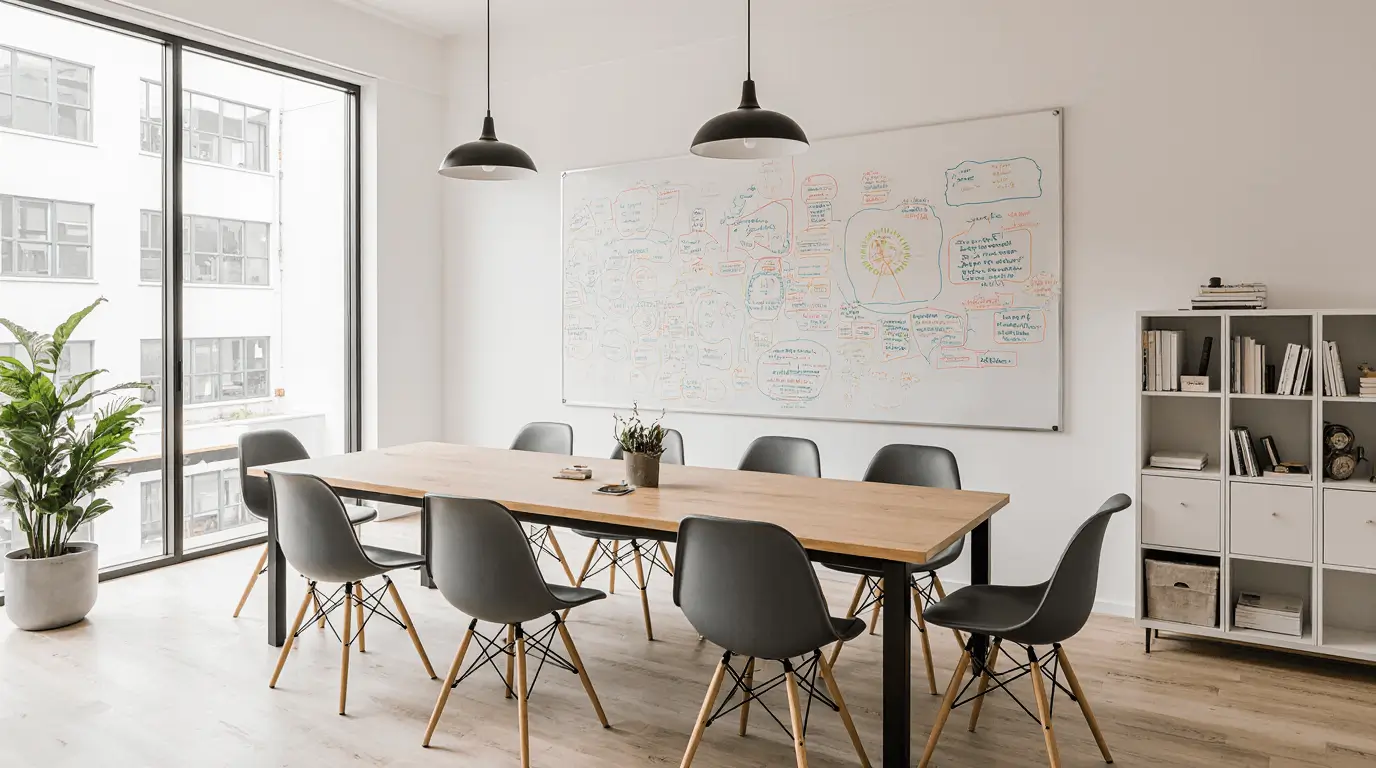
Student Housing Interior Design for Long-Term Durability
Student housing interiors must withstand frequent use. Durable materials, scratch-resistant surfaces, and easy-to-clean finishes ensure longevity without sacrificing aesthetics.
A balance between durability and visual warmth helps maintain appealing living spaces for years.
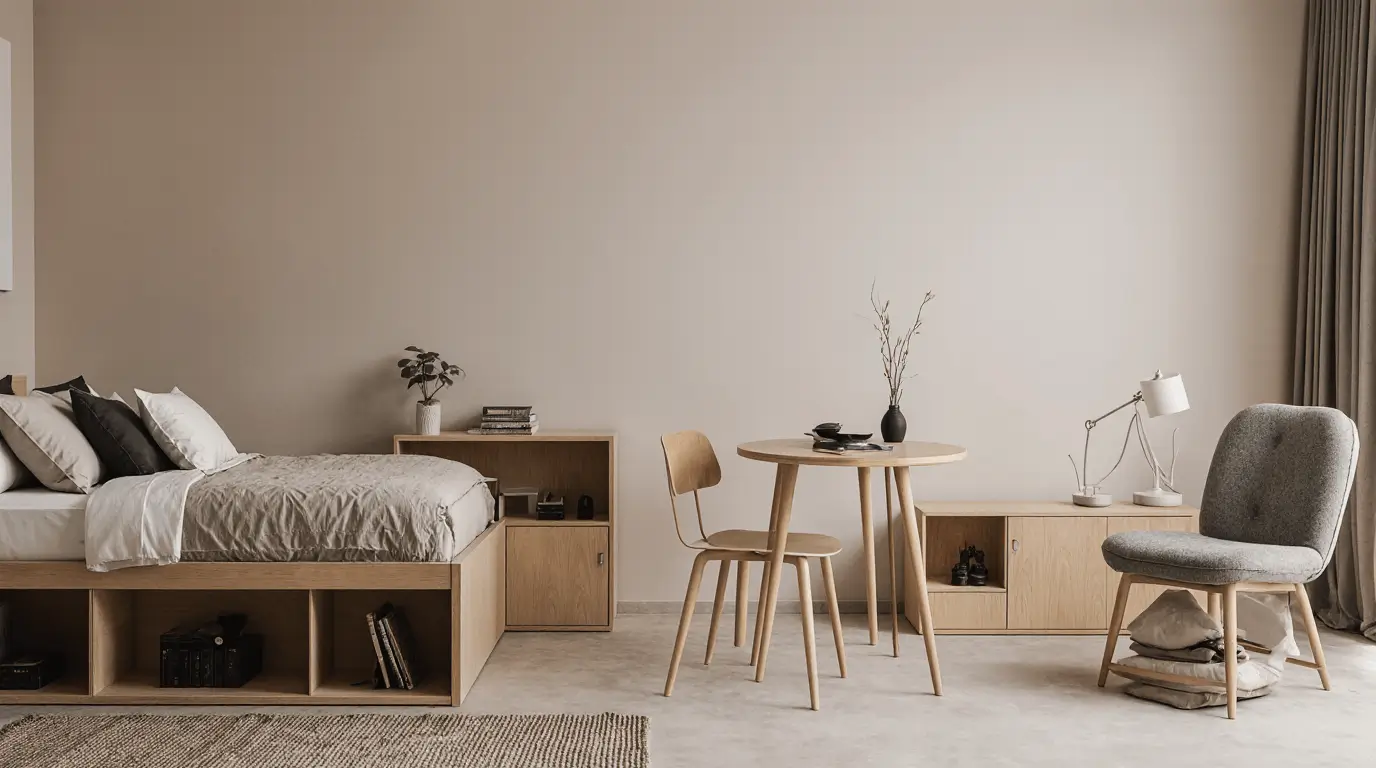
Student Housing Interior Design that Balances Privacy and Community
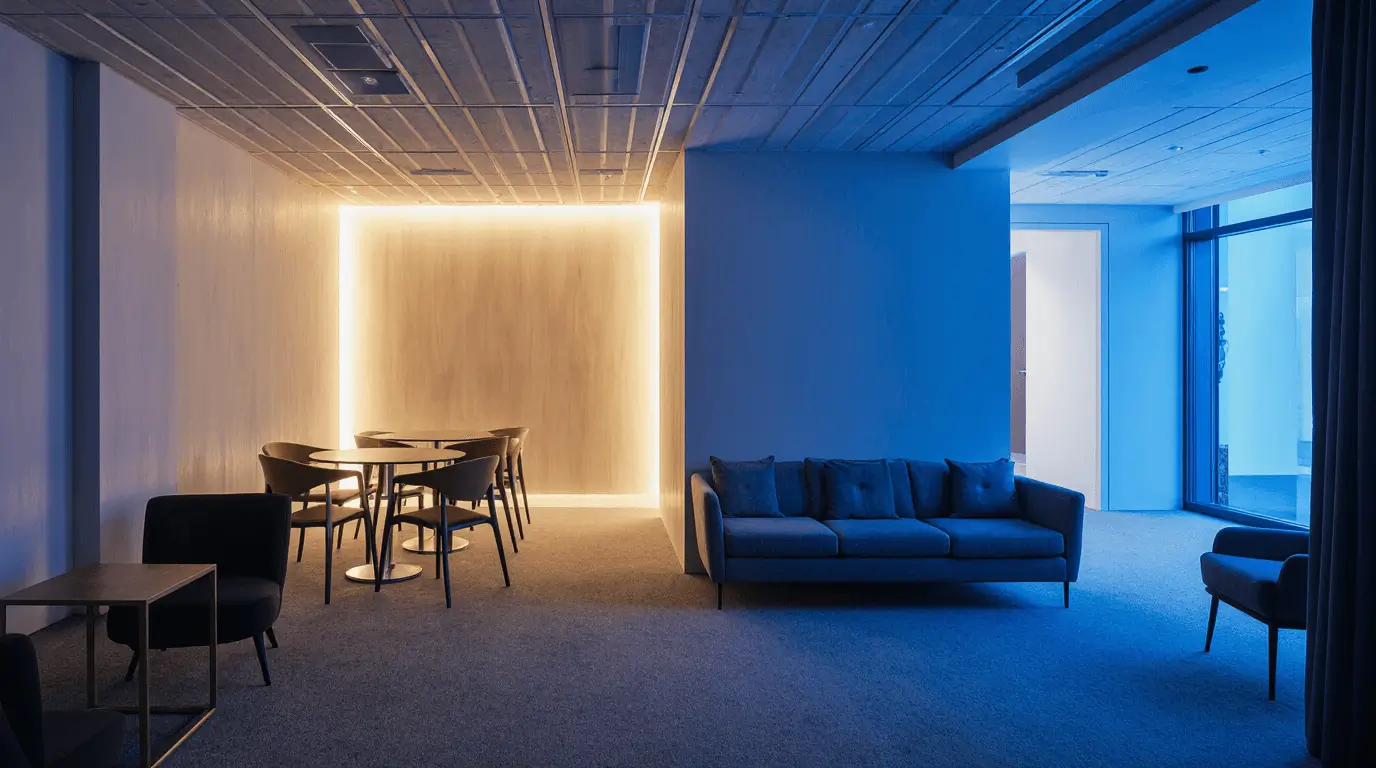
Successful student residences balance private personal rooms with inviting shared spaces. Students need quiet areas for rest and study, while also having opportunities to connect with peers.
Interior zoning helps create this balance, ensuring both privacy and community within the same housing environment.
Conclusion
Thoughtful student housing interior design shapes far more than the look of a dormitory—it influences how students study, socialize, rest, and grow during a formative period of life. The most successful student residences balance efficiency with comfort, combining compact layouts, adaptable furniture, durable materials, and welcoming shared spaces. When these elements work together, the result is an environment that feels organized, supportive, and inspiring rather than temporary or institutional.
From a practical design perspective, the strongest interiors begin with understanding real student behavior. Students need places to focus, recharge, collaborate, and maintain a sense of personal ownership within limited square footage. Smart storage, well-planned study zones, natural light, and flexible furniture solutions help create spaces that adapt to changing schedules and daily routines.
Equally important is the balance between privacy and community. Individual rooms allow students to retreat and concentrate, while thoughtfully designed lounges, kitchens, and collaborative study areas encourage connection. These shared environments help build a sense of belonging, which is often just as important as academic support.
For architects, interior designers, housing planners, and universities, investing in carefully planned student housing interiors leads to long-term benefits. Well-designed environments improve student wellbeing, encourage productivity, and help residential communities thrive. Even small design choices—better lighting, ergonomic furniture, or smarter storage—can significantly improve how students experience their living space.
Ultimately, effective student housing interior design is about creating environments that support real life. When interiors are planned with empathy, functionality, and durability in mind, student residences become places where learning, independence, and community naturally flourish.
Learn more : Modern Renaissance Interior Design: Elegance Meets Contemporary Living
Frequently Asked Questions
- What are the most important elements of successful student housing interior design?
The most important elements include efficient layouts, multifunctional furniture, durable materials, and well-designed study areas. Because student rooms are often compact, smart storage and flexible furniture play a critical role in maintaining comfort and organization. Access to natural light and welcoming shared spaces also greatly improves the overall living experience.
- How can small dorm rooms feel more spacious and comfortable?
Small dorm rooms benefit from simple design strategies. Light color palettes, vertical storage, wall-mounted desks, and lofted beds help maximize usable space. Keeping furniture minimal and organized prevents visual clutter, allowing the room to feel open while still supporting daily student activities.
- Why are shared spaces important in student residences?
Shared spaces help students build connections and support collaborative learning. Lounges, group study rooms, and communal kitchens encourage social interaction and teamwork. When designed thoughtfully, these areas strengthen the residential community and create a more supportive living environment.
- What types of furniture work best in student housing interiors?
Furniture in student housing should be durable, adaptable, and space-efficient. Modular seating, foldable desks, loft beds, and built-in storage solutions allow rooms to serve multiple functions throughout the day. Ergonomic chairs and well-designed study desks are particularly important for long hours of academic work.
- How can student housing interiors support student wellbeing?
Wellness-focused interiors prioritize natural light, comfortable furnishings, calming color palettes, and quiet study areas. Incorporating plants, soft lighting, and acoustic treatments can also create a more relaxing atmosphere. These elements help students maintain balance between academic responsibilities and personal wellbeing.
- What materials are best suited for student housing interiors?
Student housing requires materials that are both durable and visually appealing. Scratch-resistant laminates, engineered wood, performance fabrics, and easy-to-clean surfaces are commonly used. Natural materials such as wood accents or linen textiles can add warmth without compromising durability.
- How does good interior design improve the overall student housing experience?
Good interior design helps students feel comfortable, focused, and connected within their living environment. A well-planned residence supports academic productivity, encourages social interaction, and reduces everyday stress caused by clutter or poorly designed spaces. Over time, these improvements contribute to a healthier and more enjoyable student lifestyle.


One Response