
Introduction
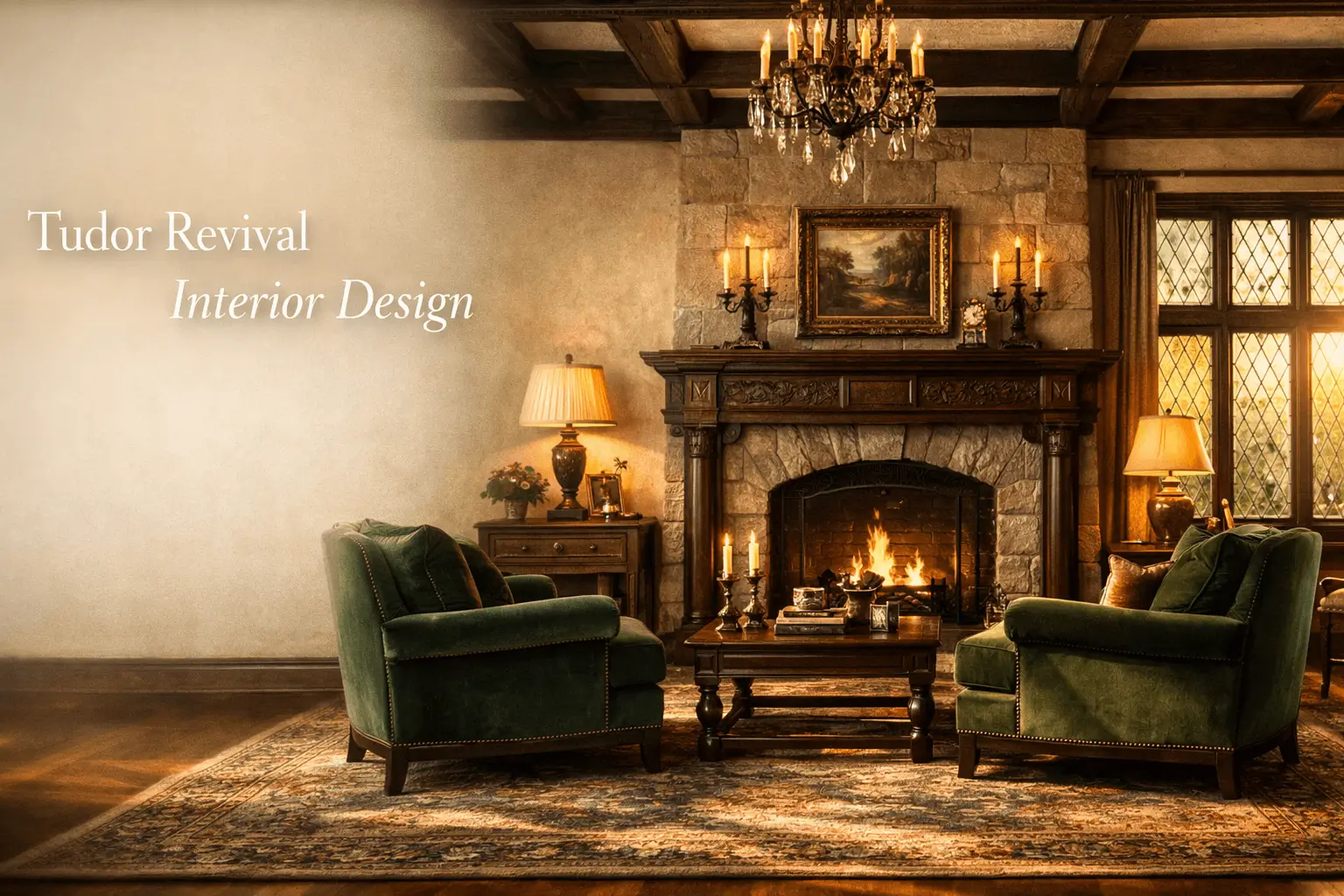
Tudor Revival interior design captures the romance and craftsmanship of late medieval England while adapting it for 20th-century and contemporary living. Rooted in historic Tudor architecture yet shaped by early 1900s revival homes, this style is defined by rich woodwork, textured plaster walls, leaded glass, and a sense of intimate grandeur.
Having worked with both historic properties and modern reinterpretations, I’ve found that Tudor Revival interior design succeeds when it balances authenticity with comfort. It’s not about creating a dark museum-like space. It’s about layering materials, honoring craftsmanship, and shaping rooms that feel grounded, warm, and storied.
Below, you’ll find essential design clusters that define and refine this iconic style.
Tudor Revival Interior Design Foundations
Tudor Revival interior design is built on architectural character: exposed beams, arched doorways, heavy millwork, and textured wall finishes. The structure itself becomes the decoration.
Rather than relying on minimalism, this style celebrates depth, shadow, and material honesty.
Tudor Revival Interior Design Color Palette
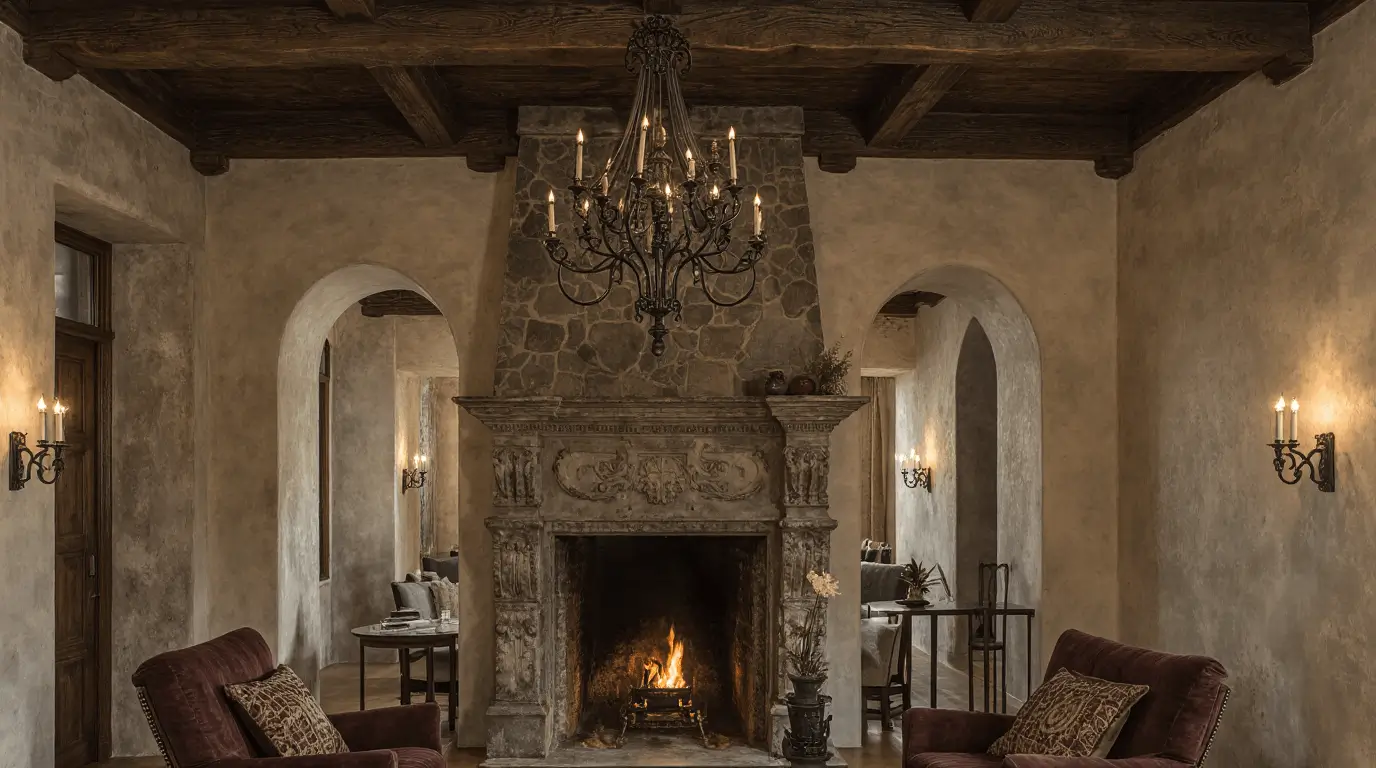
Earth-driven tones anchor the aesthetic—deep browns, forest green, oxblood red, muted gold, and warm cream. These hues reflect the natural dyes and materials associated with historic English interiors.
The palette should feel moody but never flat; layering is key.
Tudor Revival Interior Design Wood Paneling & Millwork
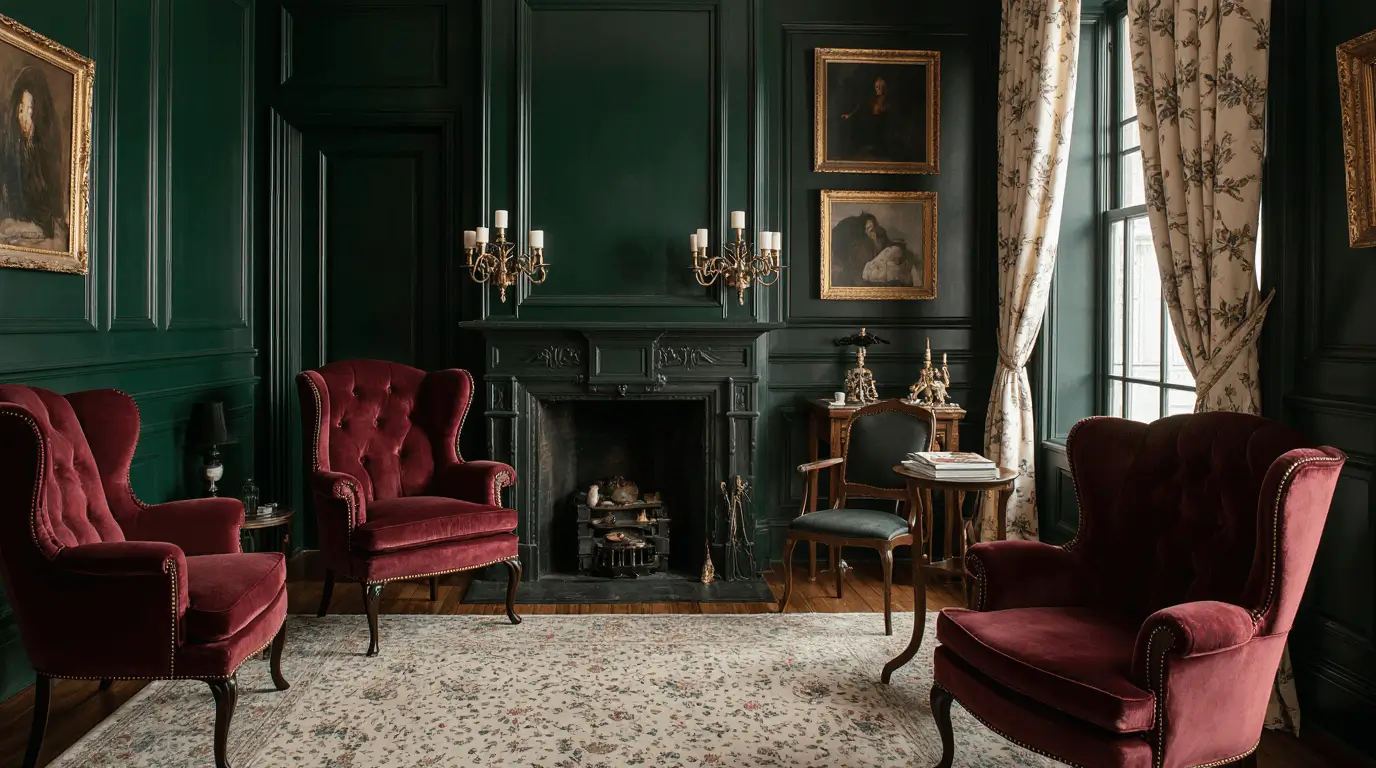
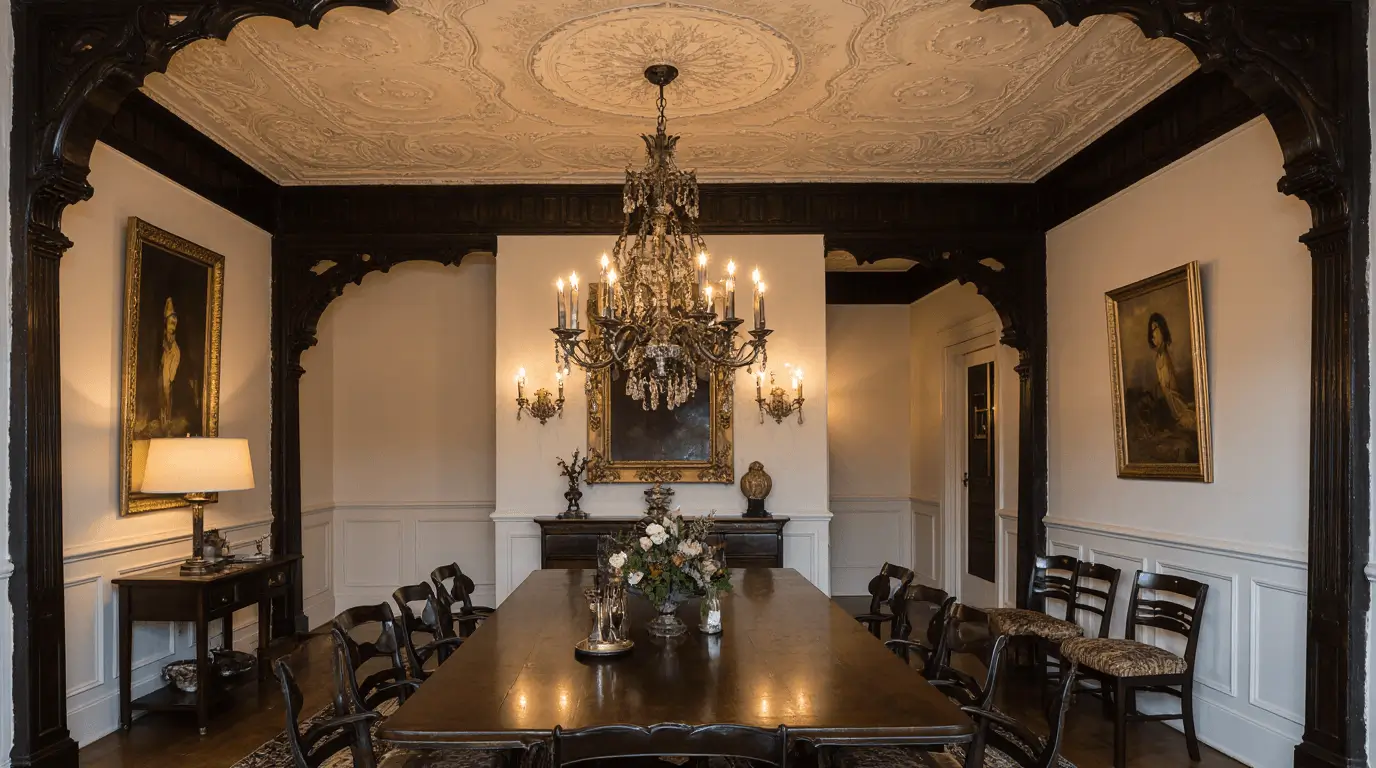
Rich wood paneling defines the soul of Tudor interiors. Oak wainscoting, carved detailing, and built-in cabinetry create architectural depth.
Authentic finishes avoid high gloss—opt for hand-rubbed stains and visible grain.
Tudor Revival Interior Design Ceiling Beams
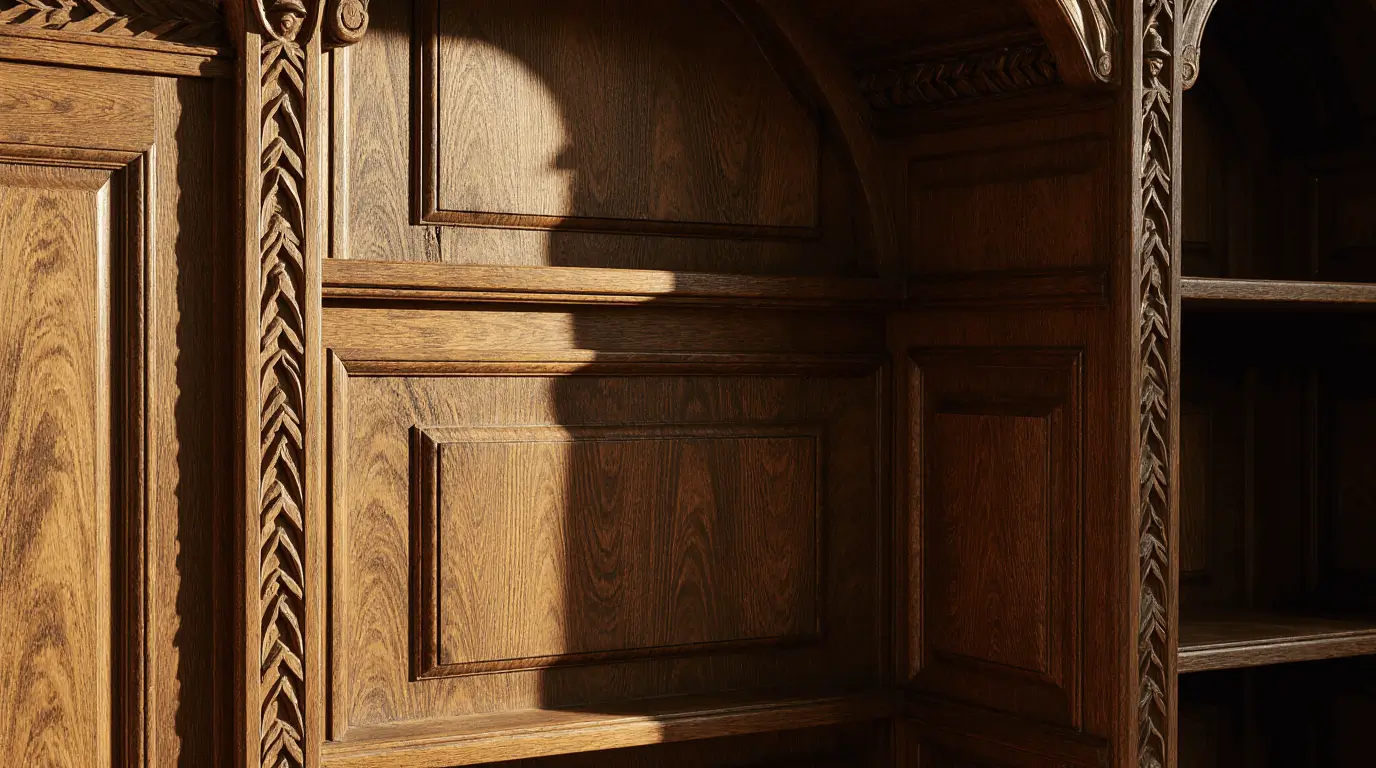
Exposed timber beams add structure and drama. In true Tudor Revival homes, beams are often dark-stained and visually substantial.
In modern adaptations, faux beams can maintain scale without overwhelming the room.
Tudor Revival Interior Design Fireplaces
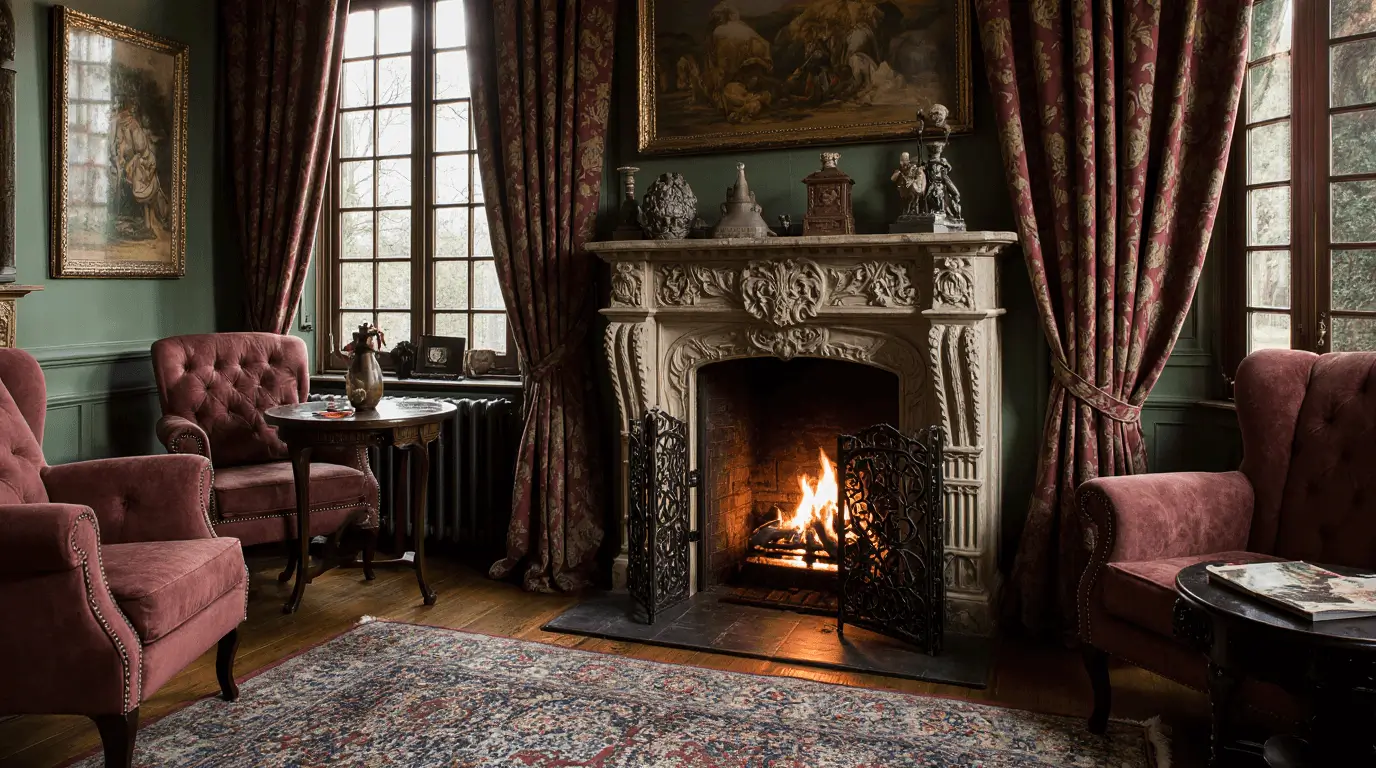
A substantial fireplace anchors the room—typically stone or brick with a carved wood mantel. It serves as both focal point and gathering element.
Proportion matters; fireplaces should feel grounded and architectural.
Tudor Revival Living Room Interiors
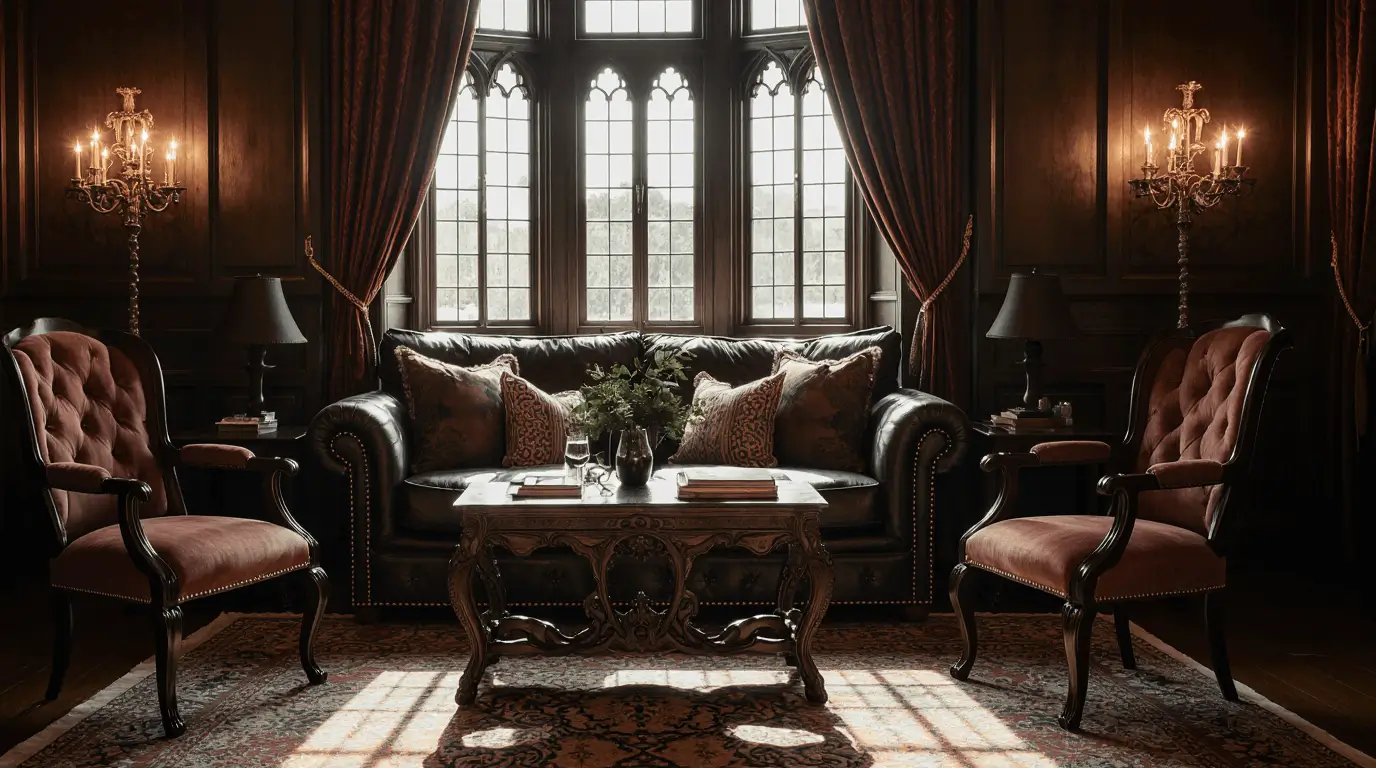
Living spaces feel intimate and layered rather than open and sparse. Upholstery tends toward velvet, leather, and tapestry fabrics.
Furniture arrangements center around conversation and warmth.
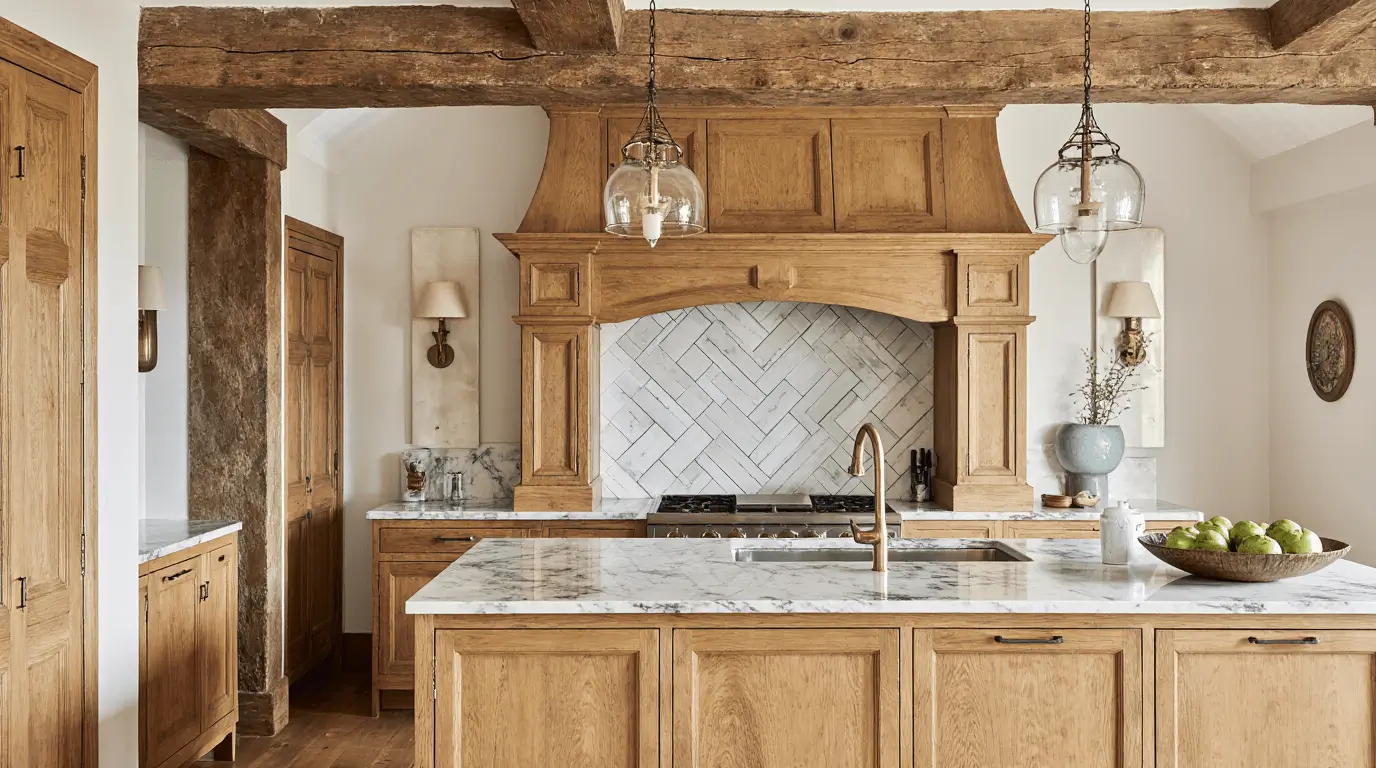
Tudor Revival Kitchen Design
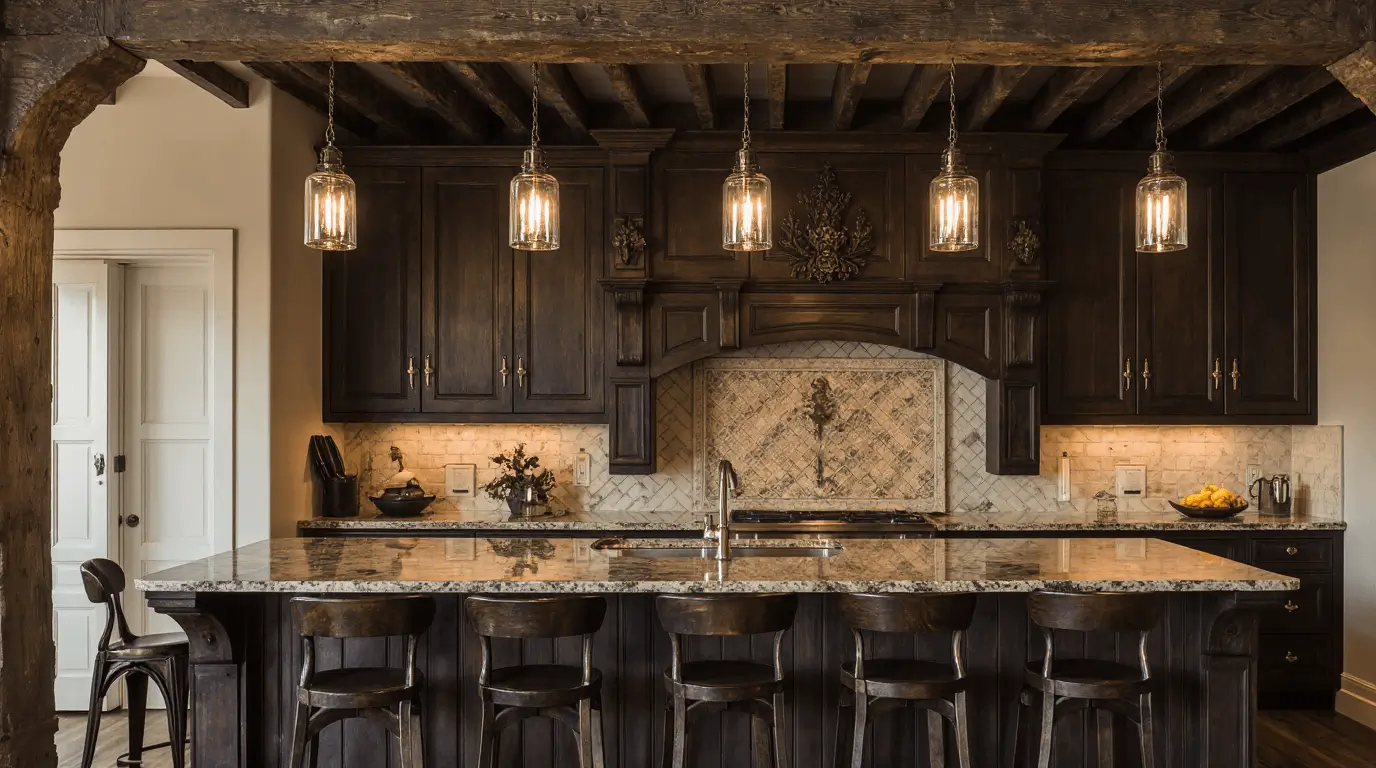
A Tudor Revival kitchen emphasizes wood cabinetry, paneled doors, aged brass hardware, and stone or butcher-block countertops.
Avoid ultra-modern gloss finishes—opt instead for timeless detailing and craftsmanship.
Modern Tudor Kitchen Adaptations
In contemporary homes, modern Tudor kitchens blend traditional cabinetry with updated appliances and lighter finishes.
Keeping beams, arches, or iron accents maintains character while increasing functionality.
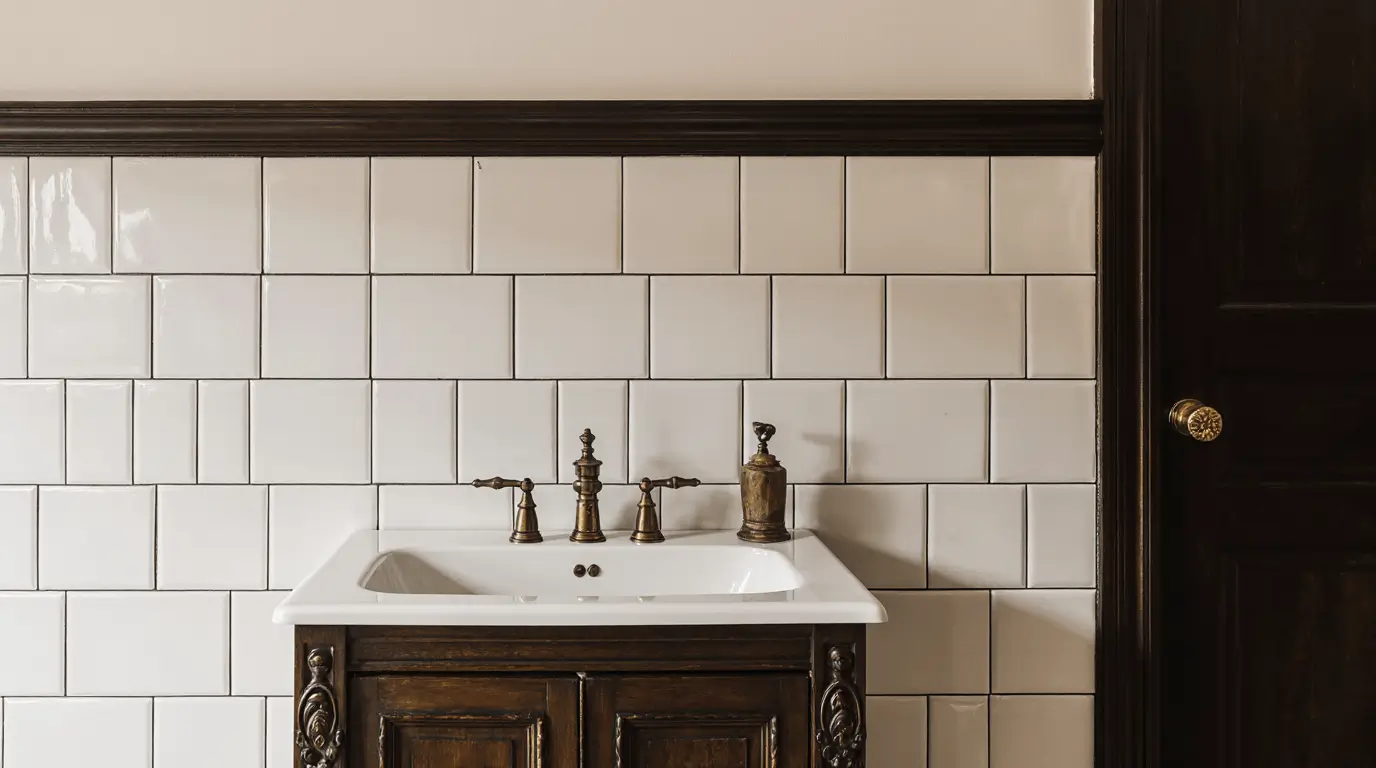
Tudor Revival Bathroom Design
Bathrooms reflect vintage character through pedestal sinks, subway tile, brass fixtures, and dark wood vanities.
Avoid overly sleek minimalism; texture and warmth are essential.
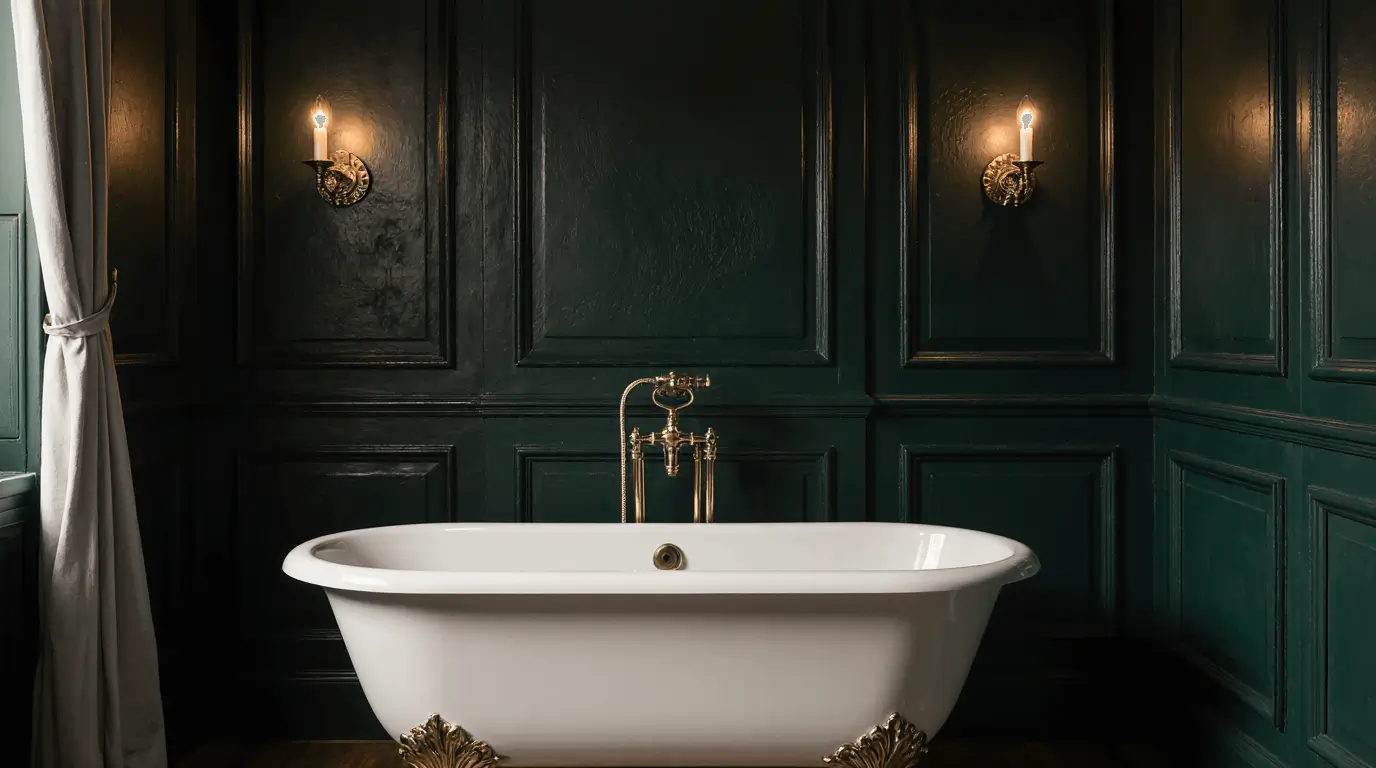
Modern Tudor Bathroom Concepts
A modern Tudor bathroom balances moody tones with contemporary comfort—think freestanding tubs against textured plaster walls.
Matte black or aged brass hardware works beautifully.
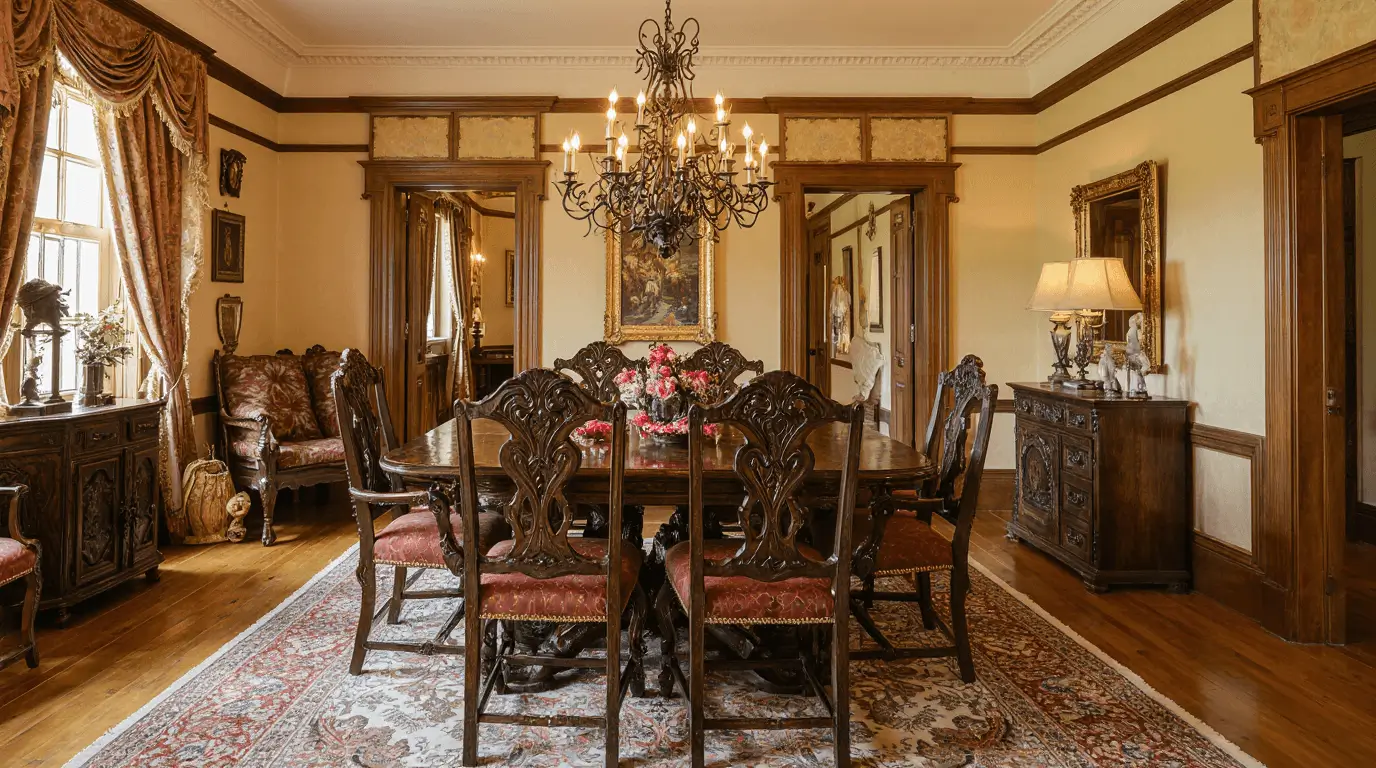
Tudor Revival Furniture Styles
Furniture is substantial and often carved—trestle tables, high-back chairs, and ornate cabinetry reflect historic English influence.
Scale should feel grounded rather than delicate.
Historic Tudor House Interior Details
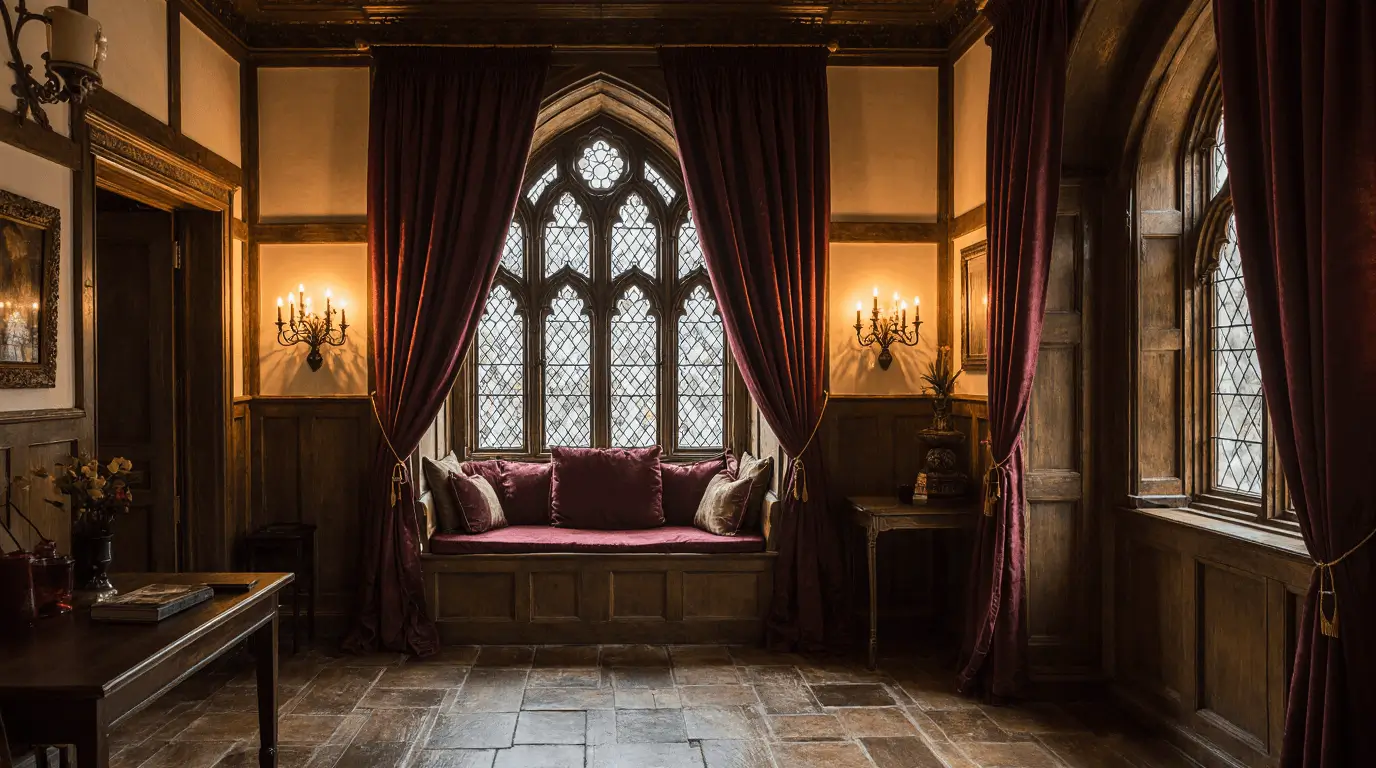
Historic Tudor house interiors often include leaded glass windows, stone floors, heavy drapery, and built-in seating niches.
These architectural nuances define authenticity.
Tudor Revival House Plans & Layouts
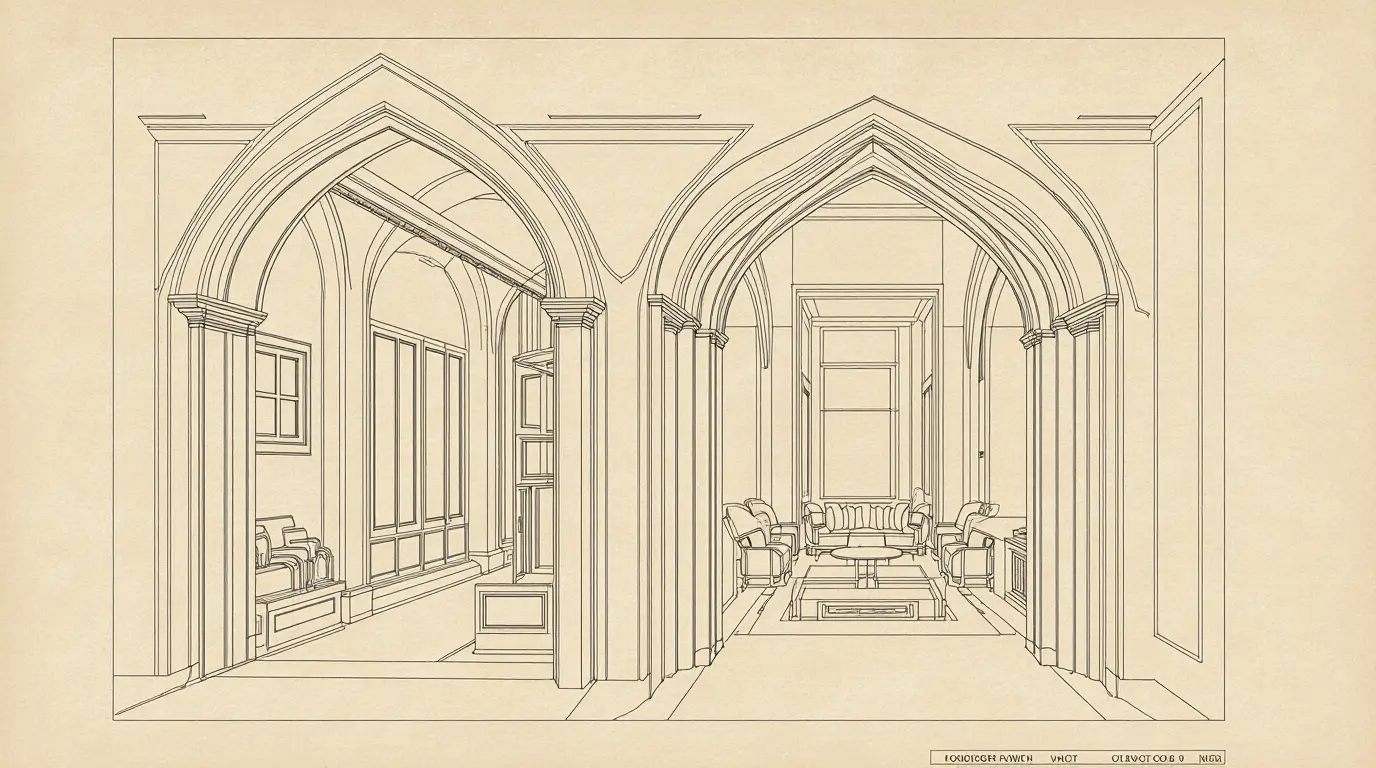
Traditional Tudor Revival homes favor defined rooms rather than open floor plans. Arched transitions and cozy nooks create intimacy.
Modern interpretations may open walls but should preserve architectural framing.
Brick Tudor Revival Exteriors Influencing Interiors
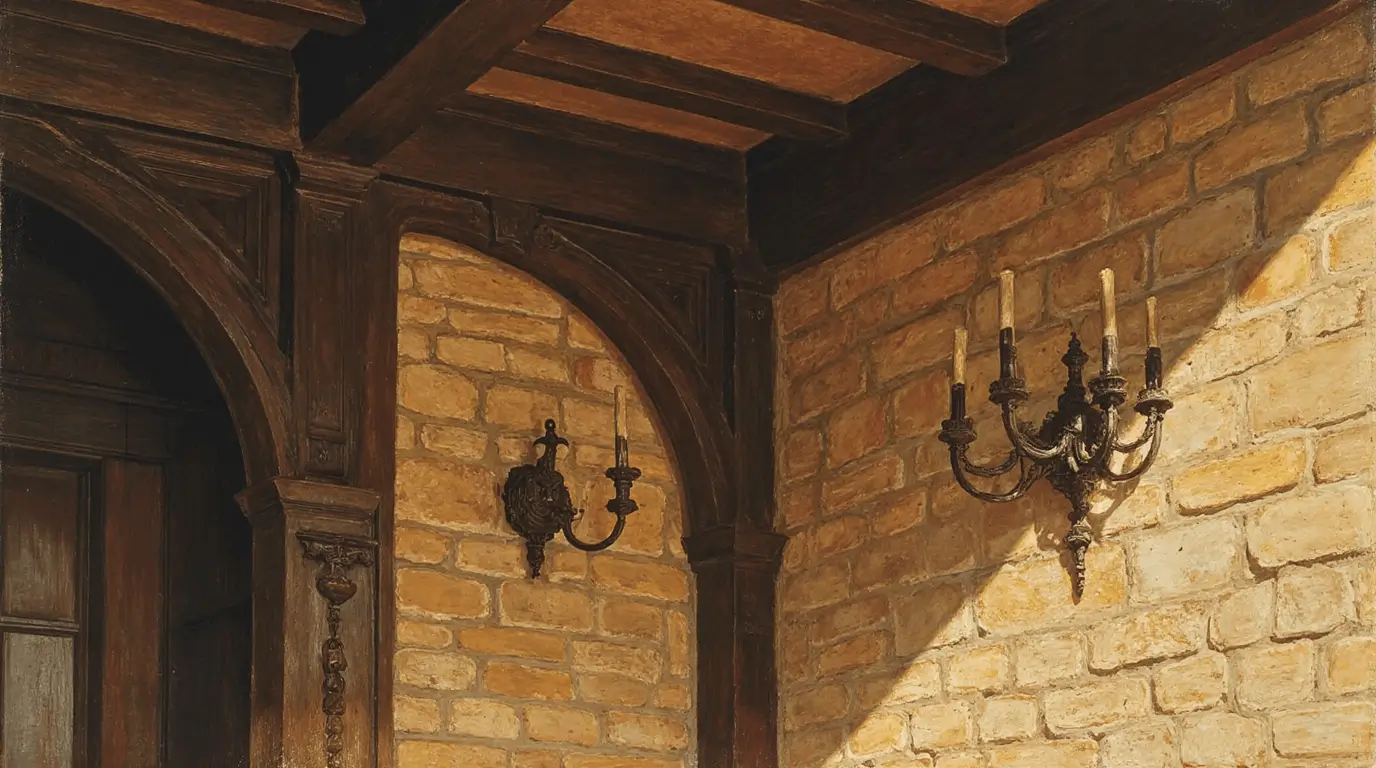
Brick exteriors often influence interior material choices—exposed brick walls, warm tones, and rustic textures carry indoors.
Interior cohesion strengthens authenticity.
Tudor Revival Cottage Interiors
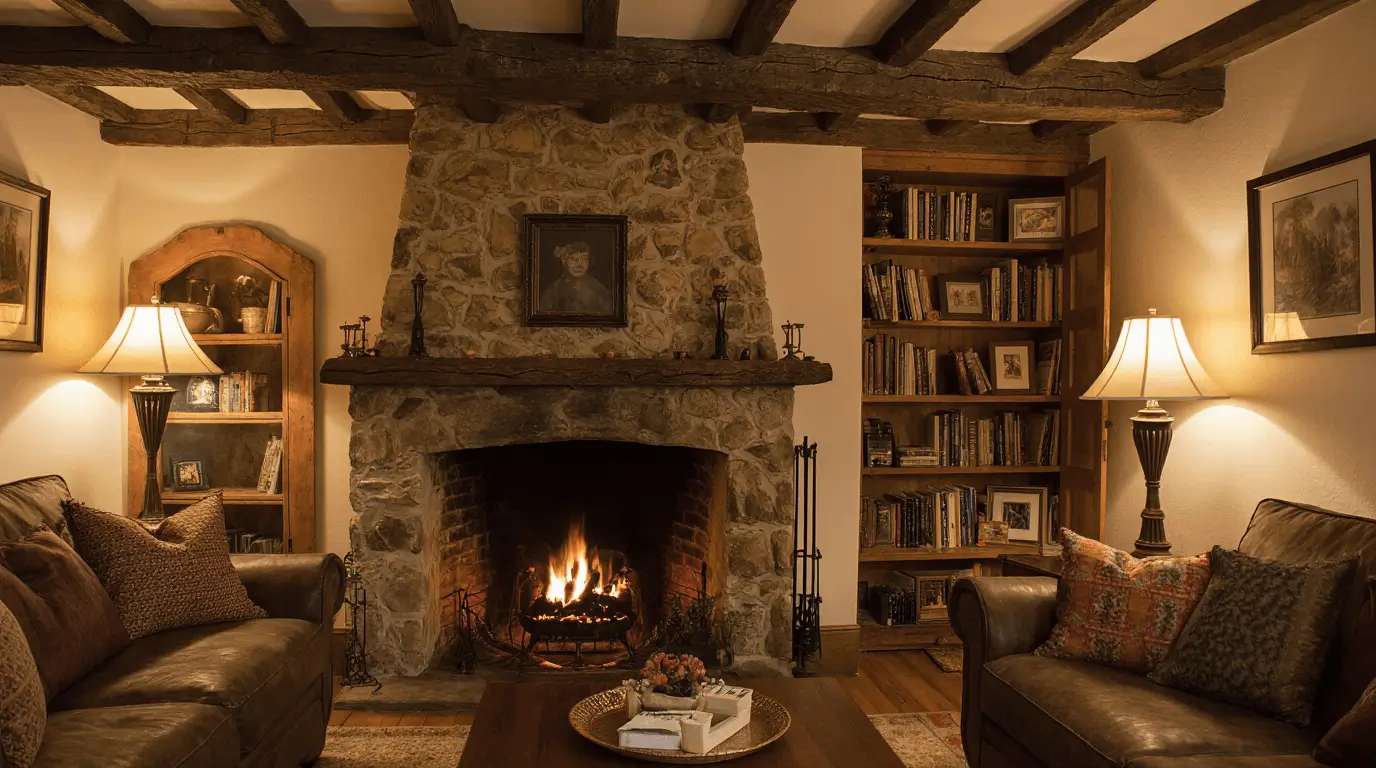
Smaller Tudor cottages lean toward charm and coziness. Lower ceilings, compact fireplaces, and built-in cabinetry define the aesthetic.
Light layering prevents heaviness in smaller spaces.
Tudor Revival Interior Decorating Principles
Decorating within Tudor Revival interior design means restraint with purpose. Iron accents, heraldic motifs, antique textiles, and handmade ceramics enhance authenticity.
Avoid clutter—each element should reinforce craftsmanship and history.
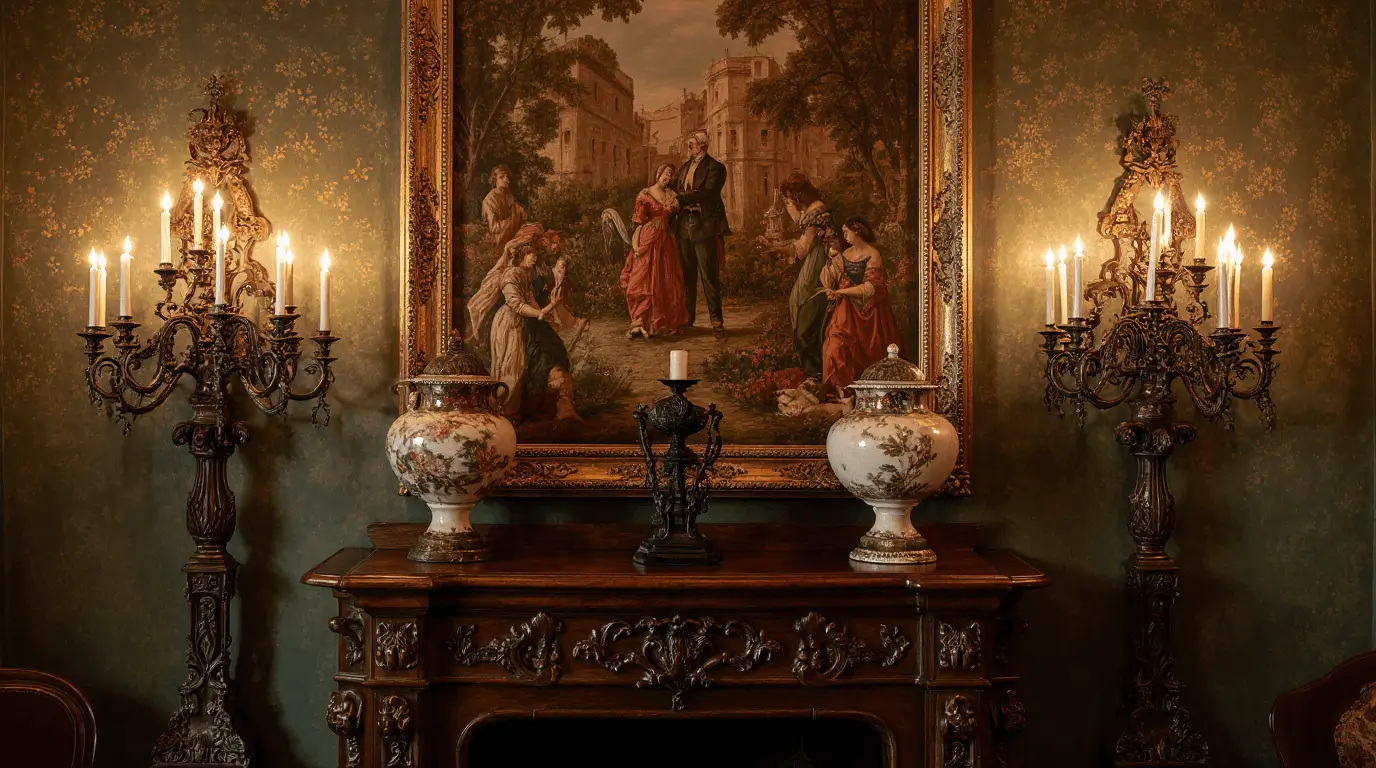
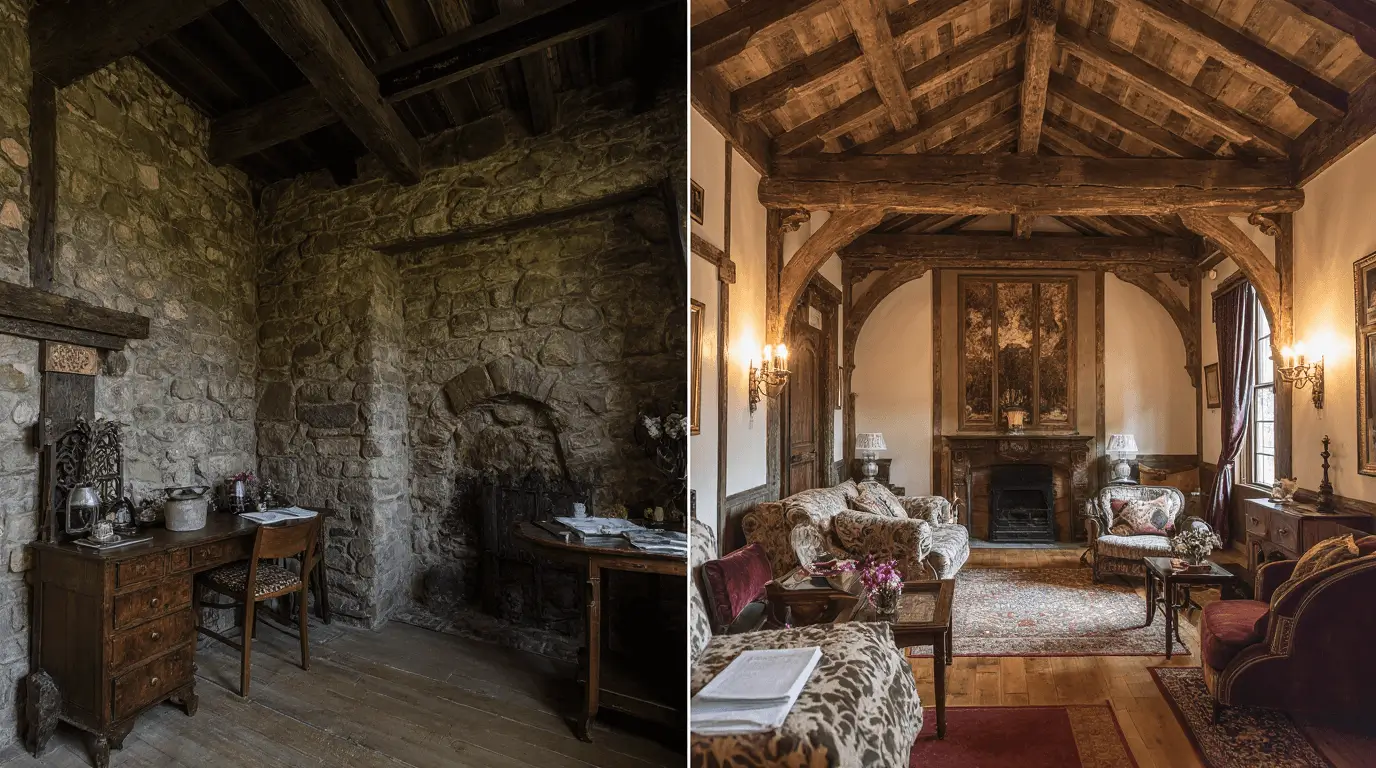
Tudor vs Tudor Revival Interior Differences
Original Tudor interiors (1485–1603) were simpler and more rustic, while Tudor Revival interiors reinterpret the era through early 20th-century romanticism.
Revival spaces tend to be more refined, layered, and structurally deliberate.
Conclusion: Designing with Depth, Craft, and Character
Tudor Revival interior design endures because it speaks to something fundamental: our desire for warmth, permanence, and architectural integrity. At its best, this style is not about copying the past—it’s about translating historic craftsmanship into spaces that feel grounded and deeply livable. The exposed beams, carved millwork, stone fireplaces, and layered textiles all work together to create emotional weight and visual richness.
In practice, what makes Tudor Revival interiors successful is proportion and restraint. Dark wood is balanced with soft plaster walls. Heavy furniture is offset by warm lighting. Rich color palettes are layered rather than overwhelming. When thoughtfully executed, the result is a home that feels intimate rather than dark, substantial rather than crowded.
From my experience working with both historic homes and modern interpretations, this design approach benefits homeowners who value character over trend and permanence over novelty. It’s especially well-suited to those who appreciate craftsmanship, architectural storytelling, and rooms designed for conversation and comfort.
If you’re moving forward with Tudor Revival interior design, start with structure—beams, paneling, fireplaces—then layer in color, textiles, and furniture that reinforce the architectural framework. Whether you’re restoring a historic property or incorporating Tudor elements into a newer home, clarity comes from understanding why each detail exists. When every choice supports material depth and proportion, the space naturally feels cohesive and timeless.
Learn more : Costa Rica Interior Design: Tropical Homes with Natural Harmony
Frequently Asked Questions
- Is Tudor Revival interior design too dark for modern living?
Not when handled correctly. While the style embraces deep woods and rich tones, it relies heavily on warm layered lighting, textured plaster, and balanced color placement. Incorporating lighter wall finishes, reflective surfaces, and strategic lighting prevents heaviness while preserving character.
- Can Tudor Revival design work in a newer home without historic architecture?
Yes. Even without original beams or stonework, you can introduce architectural elements such as paneled walls, arched openings, or substantial trim. The key is maintaining proper scale and material authenticity so additions feel intentional rather than decorative.
- How do I keep Tudor interiors from feeling outdated?
Focus on quality materials rather than ornate excess. Simplify patterns, streamline furniture silhouettes slightly, and integrate modern comforts discreetly. The goal is timelessness through craftsmanship—not theatrical historic replication.
- What flooring works best in Tudor Revival interiors?
Natural materials are ideal—wide-plank hardwood, stone, or slate. These surfaces reinforce the architectural weight of the style. Avoid overly glossy finishes; matte or hand-scraped textures feel more authentic and grounded.
- Are open floor plans compatible with Tudor Revival style?
Traditional Tudor homes favored defined rooms, but open layouts can still work. Use beams, archways, and changes in ceiling height to create visual separation. Even within open spaces, a sense of intimacy should be preserved.
- What type of furniture complements Tudor Revival interiors?
Substantial pieces with visible craftsmanship—carved wood tables, upholstered seating in velvet or leather, and sturdy cabinetry—work best. Furniture should feel anchored and proportional to the room’s architectural elements.
- Is Tudor Revival interior design expensive to achieve?
It can be investment-focused due to quality materials and millwork, but it doesn’t have to be excessive. Prioritize architectural features first, then layer in furnishings over time. Even selective upgrades—like paneled walls or a statement fireplace—can dramatically elevate authenticity.

One Response