
Introduction
Vacation rental interior design is more than styling a beautiful space — it’s about crafting an experience that guests instantly connect with and remember long after checkout. Unlike primary residences, short-term rentals must balance aesthetics, durability, storytelling, and profitability in one cohesive design strategy.
From working with multiple vacation properties over the years, one thing becomes clear: the most successful rentals are intentionally designed. They photograph well, feel comfortable within minutes of arrival, and function effortlessly for different types of guests. Below is a comprehensive, experience-driven guide that breaks vacation rental interior design into actionable clusters you can apply immediately.
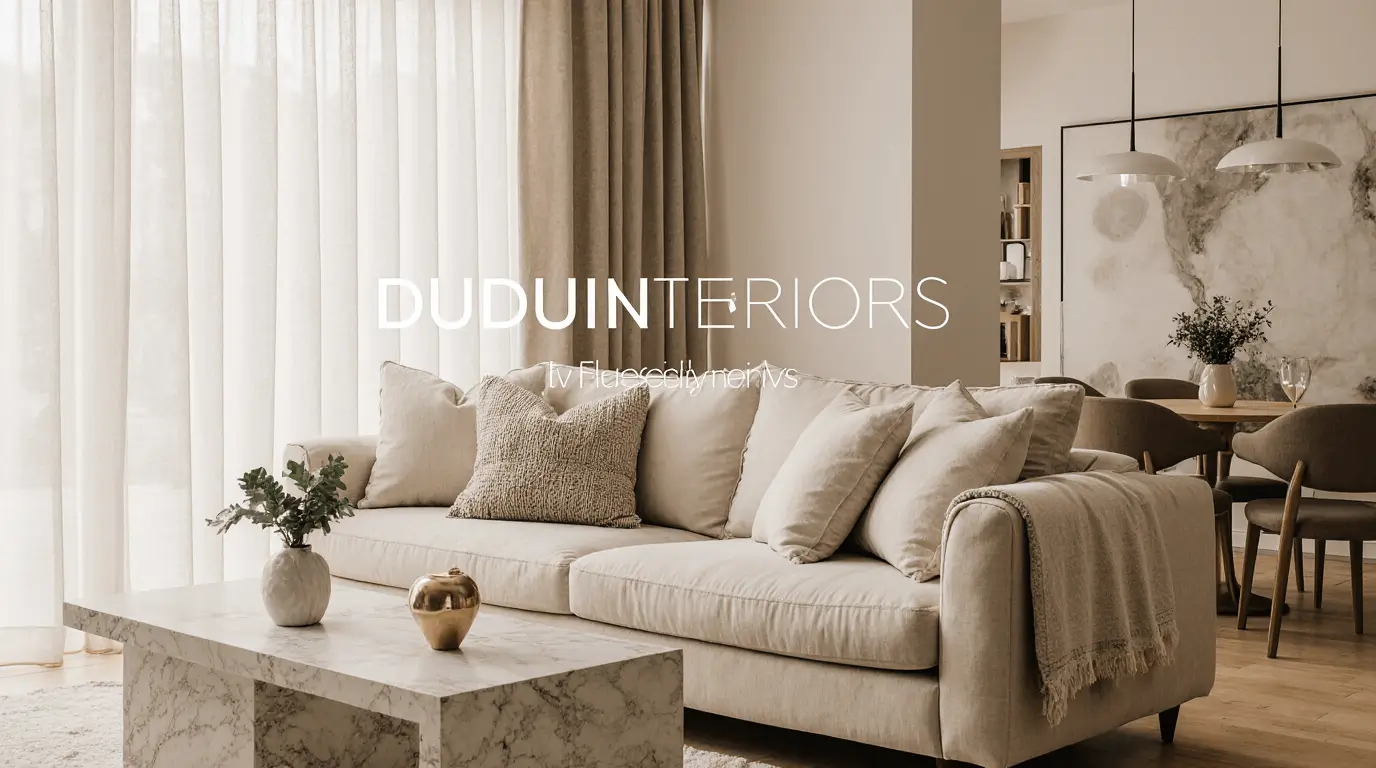
Luxury Vacation Rental Interior Design
Luxury vacation rental interior design focuses on elevated materials, layered lighting, and curated details that feel hotel-worthy yet personal. Think tactile fabrics, statement lighting, and cohesive color palettes.
Guests paying premium rates expect visual impact and comfort to coexist seamlessly.
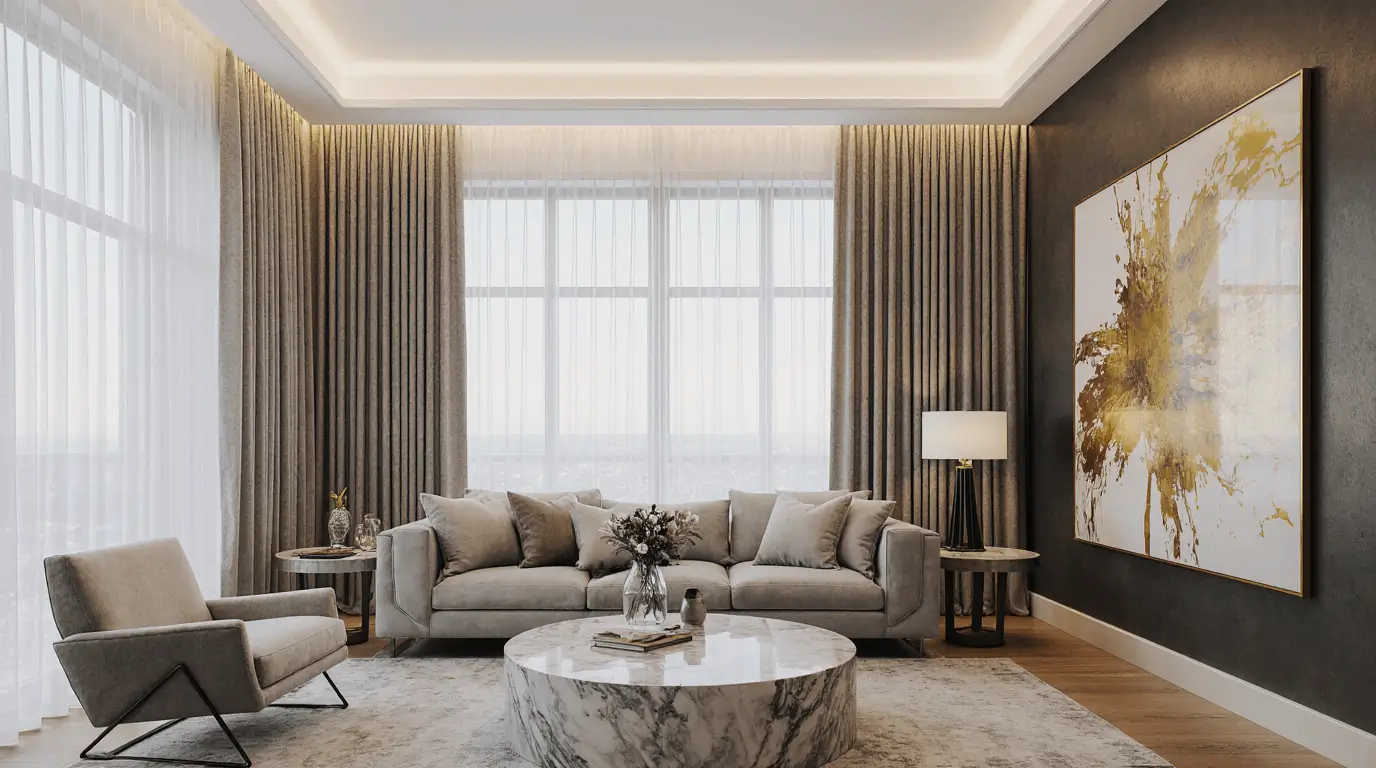
Modern Vacation Rental Interior Design
Modern vacation rental interior design emphasizes clean lines, uncluttered layouts, and intentional furniture placement. Simplicity allows the space to photograph beautifully while feeling calm and spacious.
Neutral bases paired with bold accent pieces create visual interest without overwhelming guests.
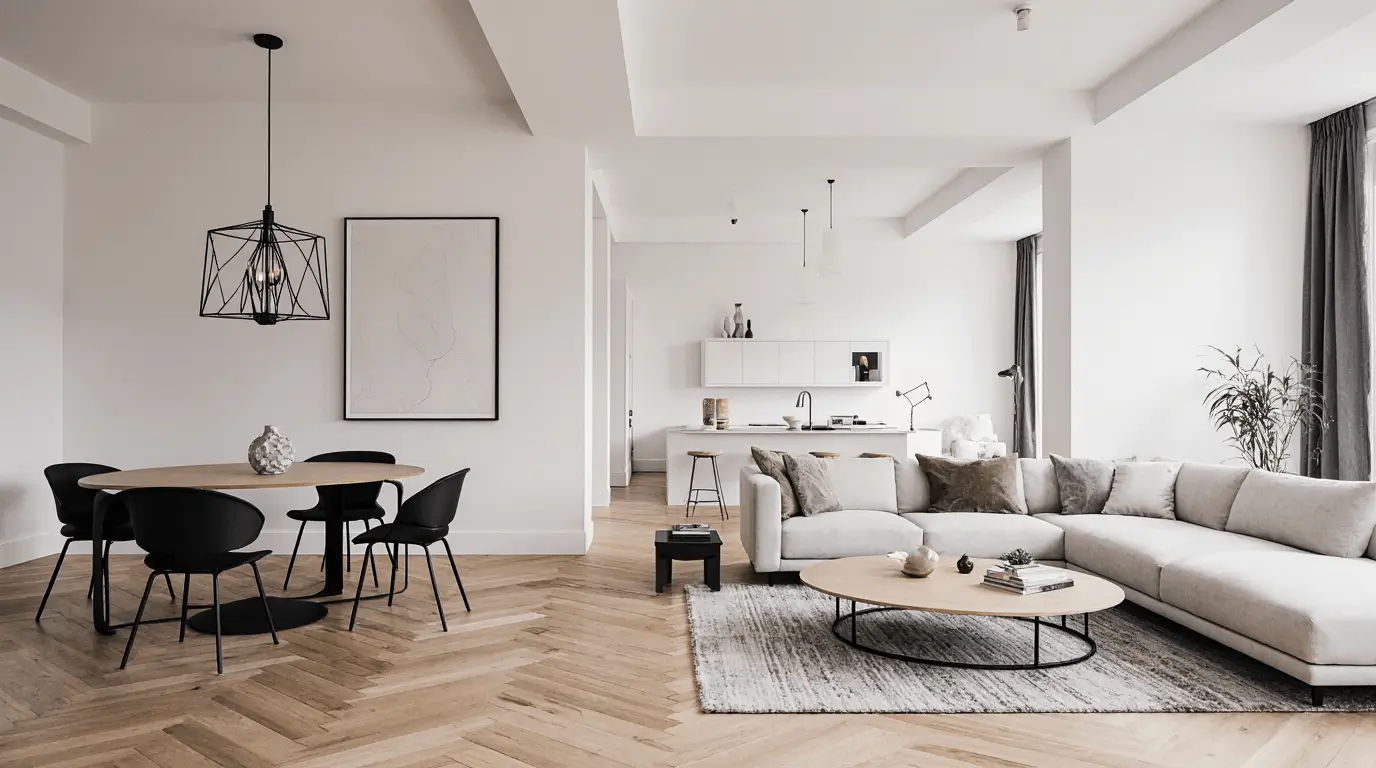
Coastal Vacation Rental Interior Design
Coastal vacation rental interior design blends soft blues, sandy neutrals, and natural textures like rattan and linen. It evokes relaxation without feeling overly themed.
Subtle nautical cues outperform literal décor in creating an upscale coastal retreat.
Budget-Friendly Vacation Rental Interior Design
Effective vacation rental interior design doesn’t require extravagant spending. Strategic paint updates, cohesive textiles, and quality lighting dramatically improve perceived value.
Focus investment on high-visibility areas like living rooms and bedrooms.
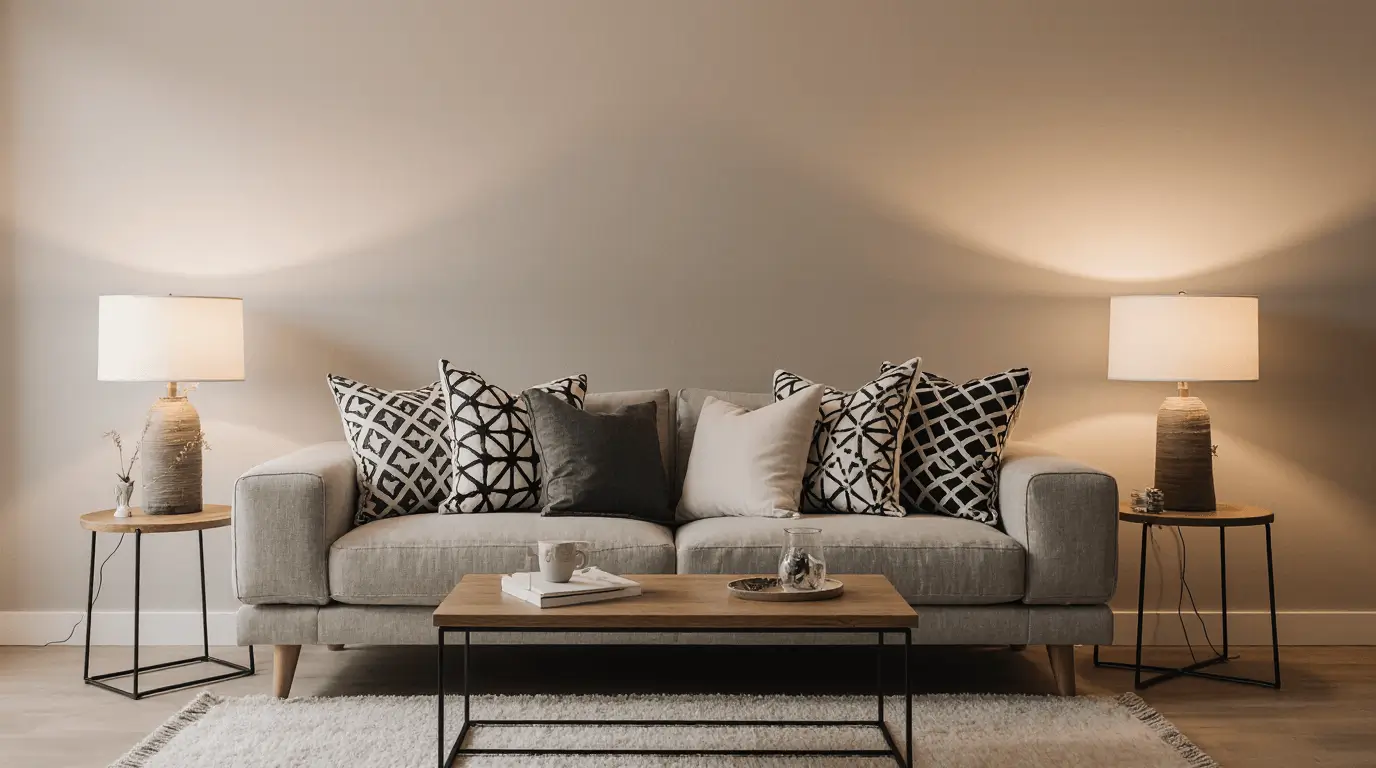
Small Space Vacation Rental Interior Design
Compact properties benefit from multipurpose furniture and visual expansion techniques. Mirrors, light color palettes, and vertical storage maximize function without clutter.
Every square foot must earn its place.
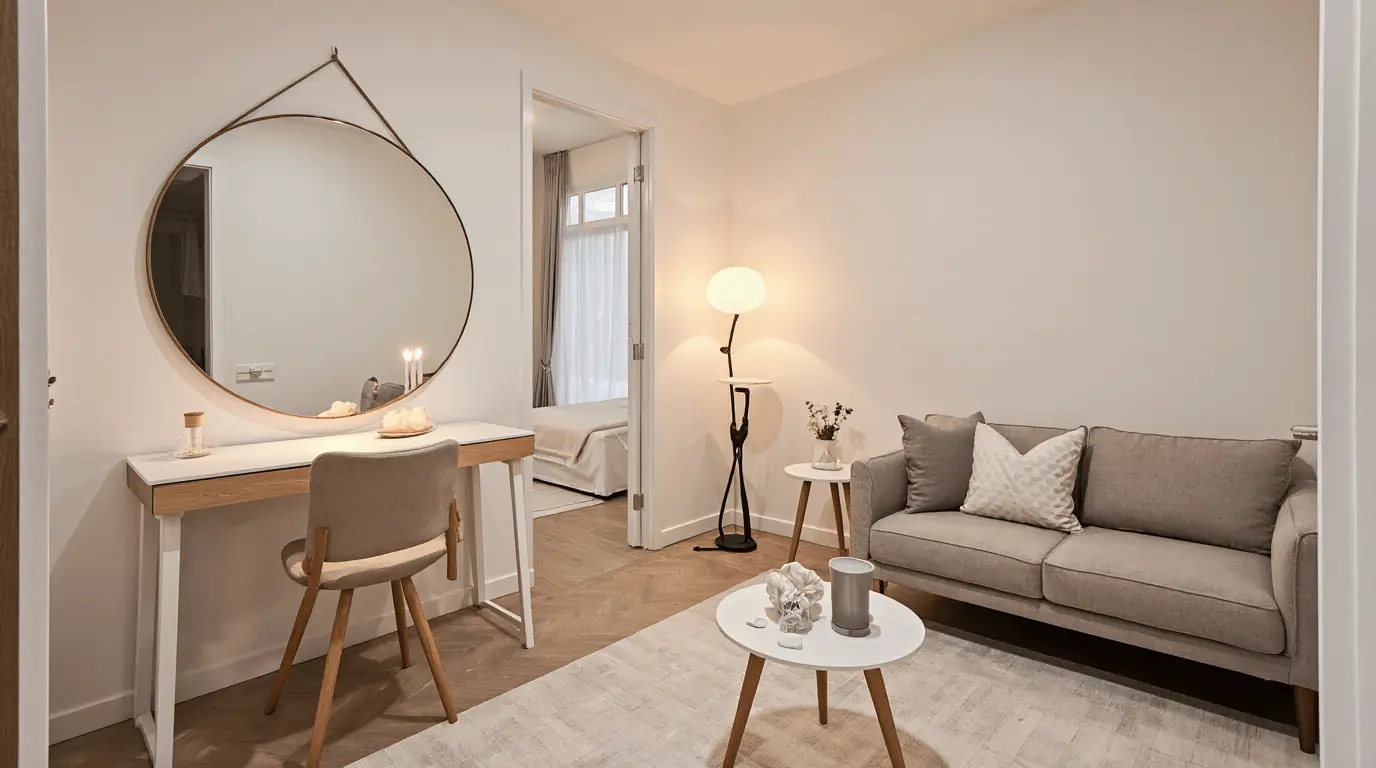
Short-Term Rental Interior Design Strategy
Short-term rental interior design prioritizes durability, easy maintenance, and guest-proof materials. Performance fabrics and scratch-resistant surfaces preserve long-term profitability.
The goal is beauty that withstands turnover.
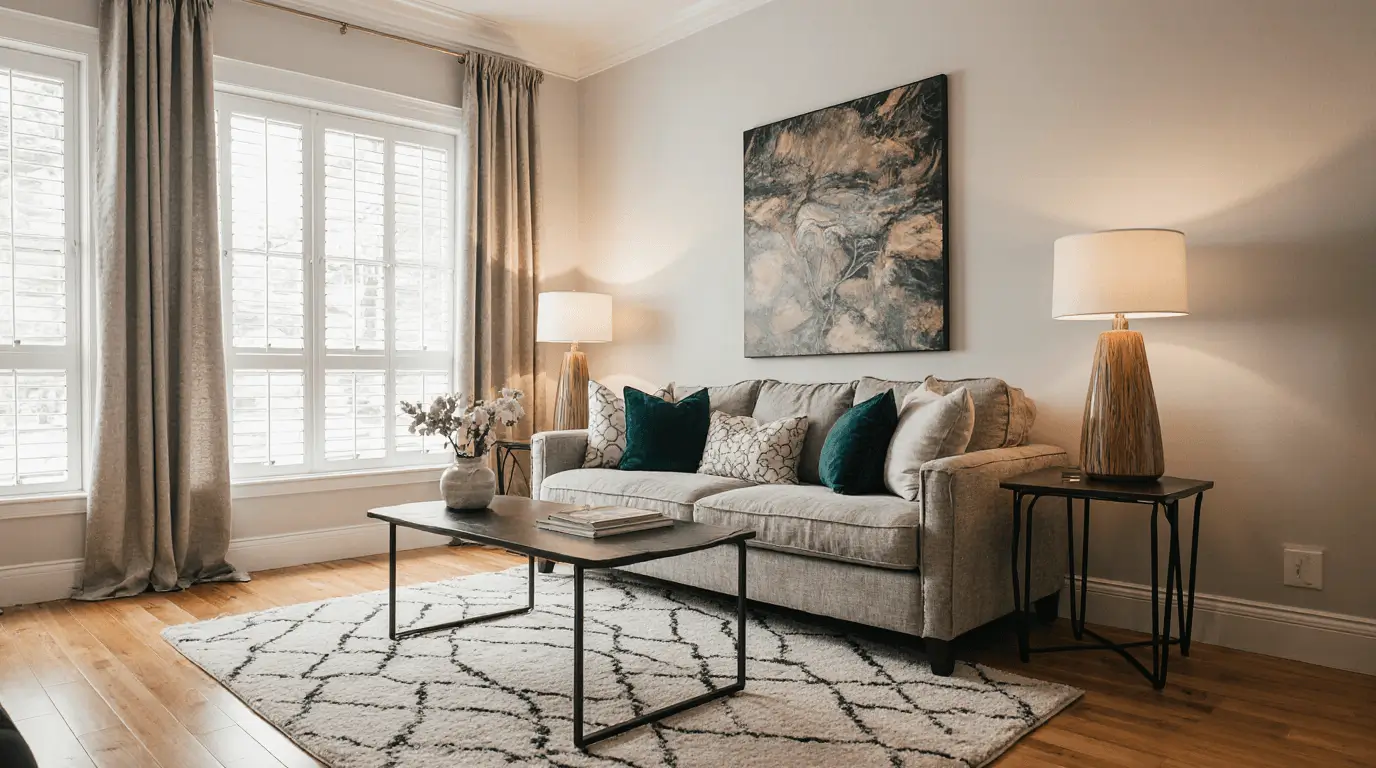
Vacation Home Interior Design for Families
Family-focused vacation rental interior design includes flexible sleeping arrangements, rounded furniture edges, and durable finishes.
Comfort and safety increase positive reviews.
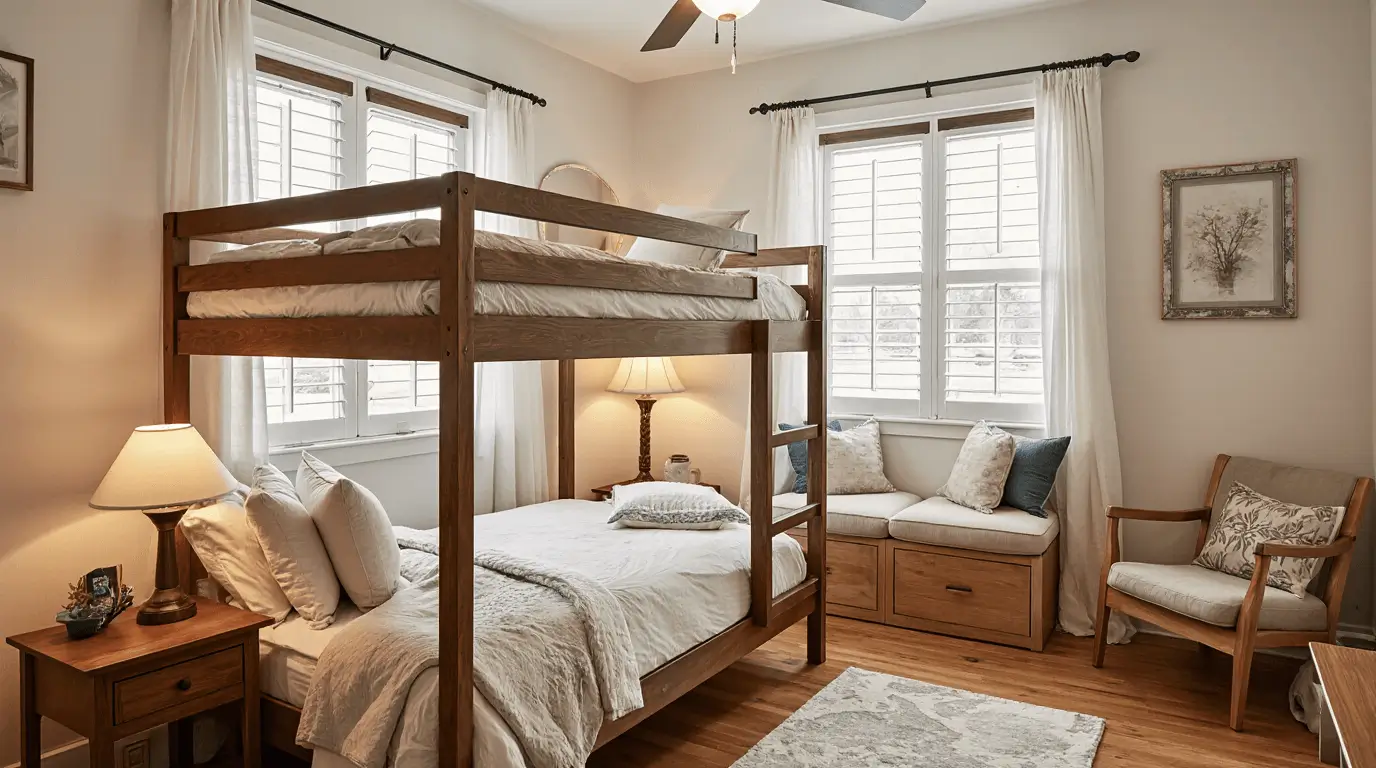
Instagram-Worthy Vacation Rental Interior Design
Highly shareable vacation rental interior design incorporates statement walls, unique furniture pieces, and photogenic corners.
Guests love documenting beautiful environments — design accordingly.
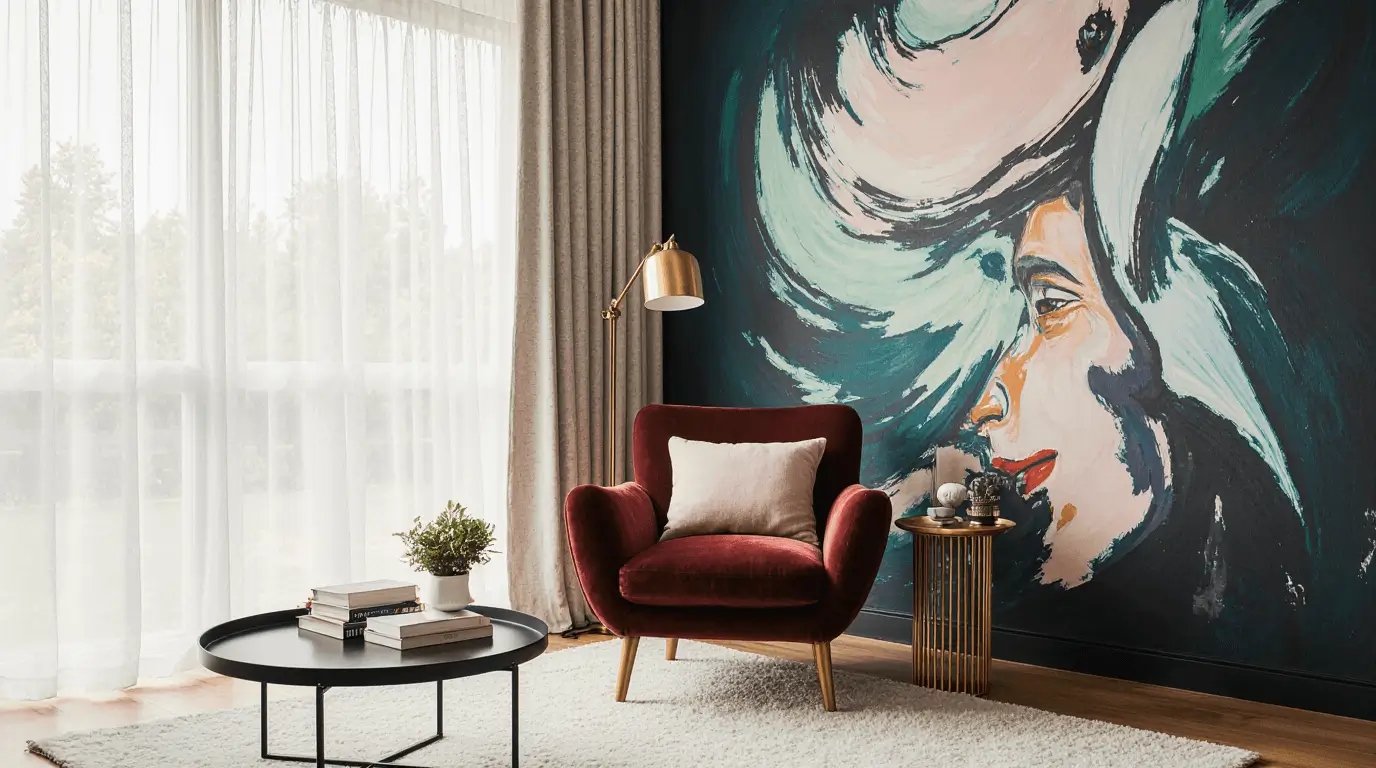
Scandinavian-Inspired Vacation Rental Interior Design
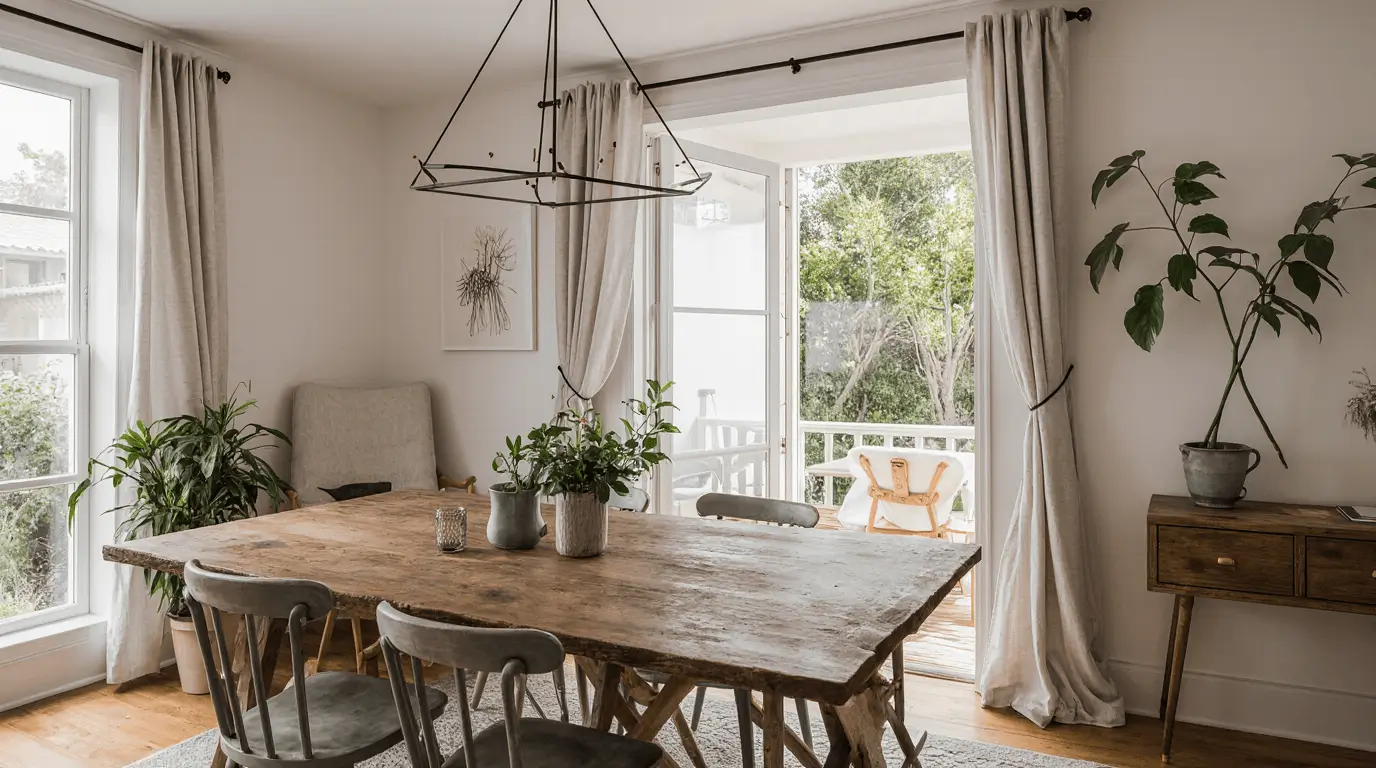
Scandinavian vacation rental interior design uses light woods, crisp whites, and functional simplicity to create warmth without clutter.
Texture layering prevents minimalism from feeling cold.
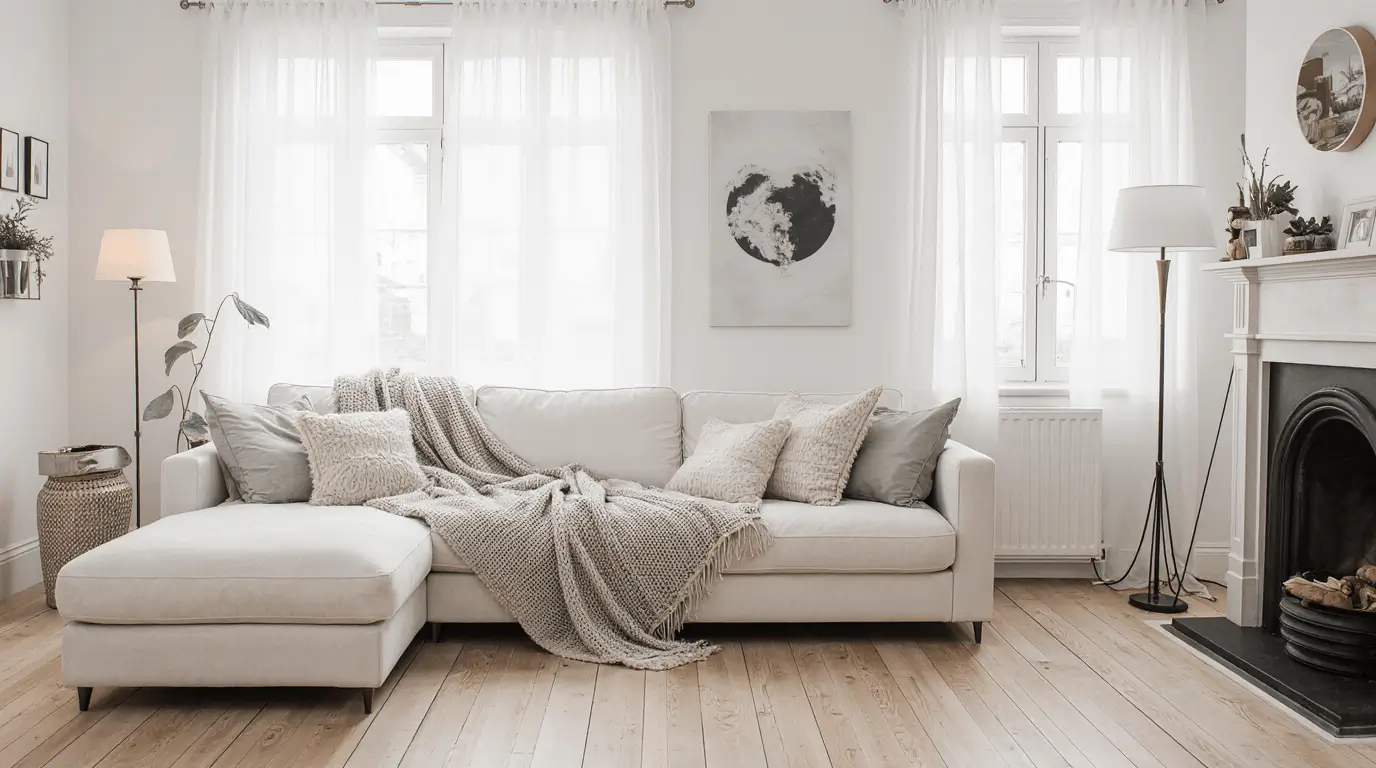
Rustic Vacation Rental Interior Design
Rustic vacation rental interior design embraces natural materials like reclaimed wood and stone while maintaining modern comfort.
The key is balance — authentic texture without excessive heaviness.
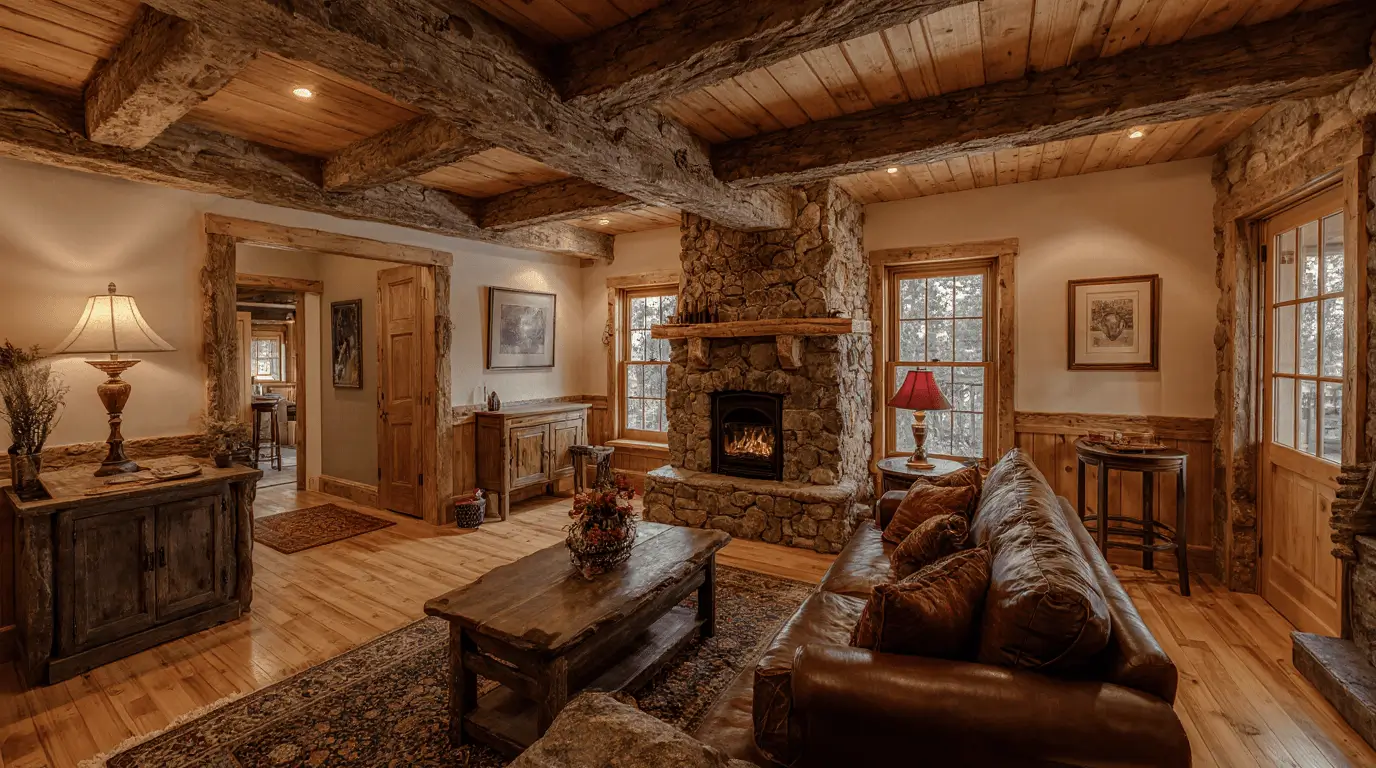
High-ROI Vacation Rental Interior Design
Design decisions directly impact booking rates and nightly pricing. Neutral foundations with standout focal points provide wide appeal while differentiating the property.
Smart staging boosts both visual appeal and revenue potential.
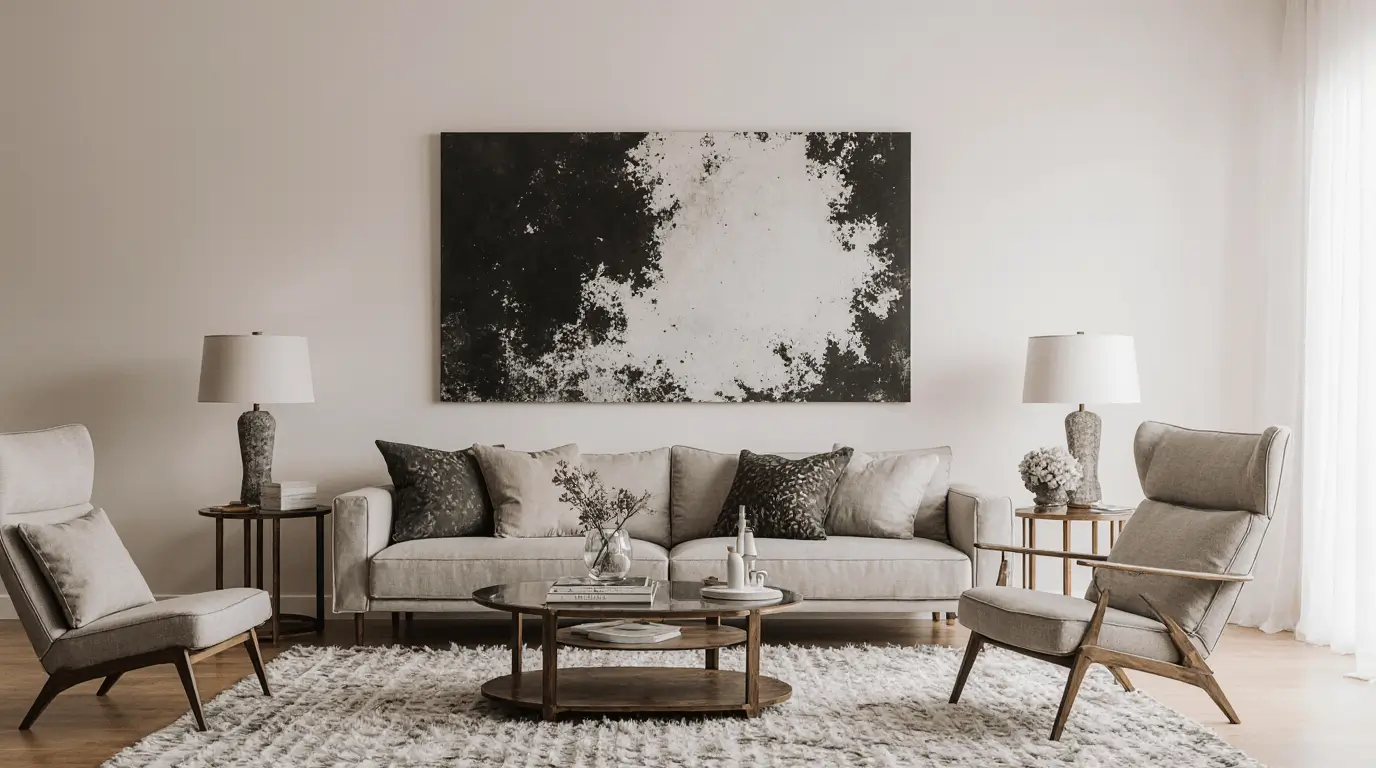
Vacation Rental Bedroom Interior Design
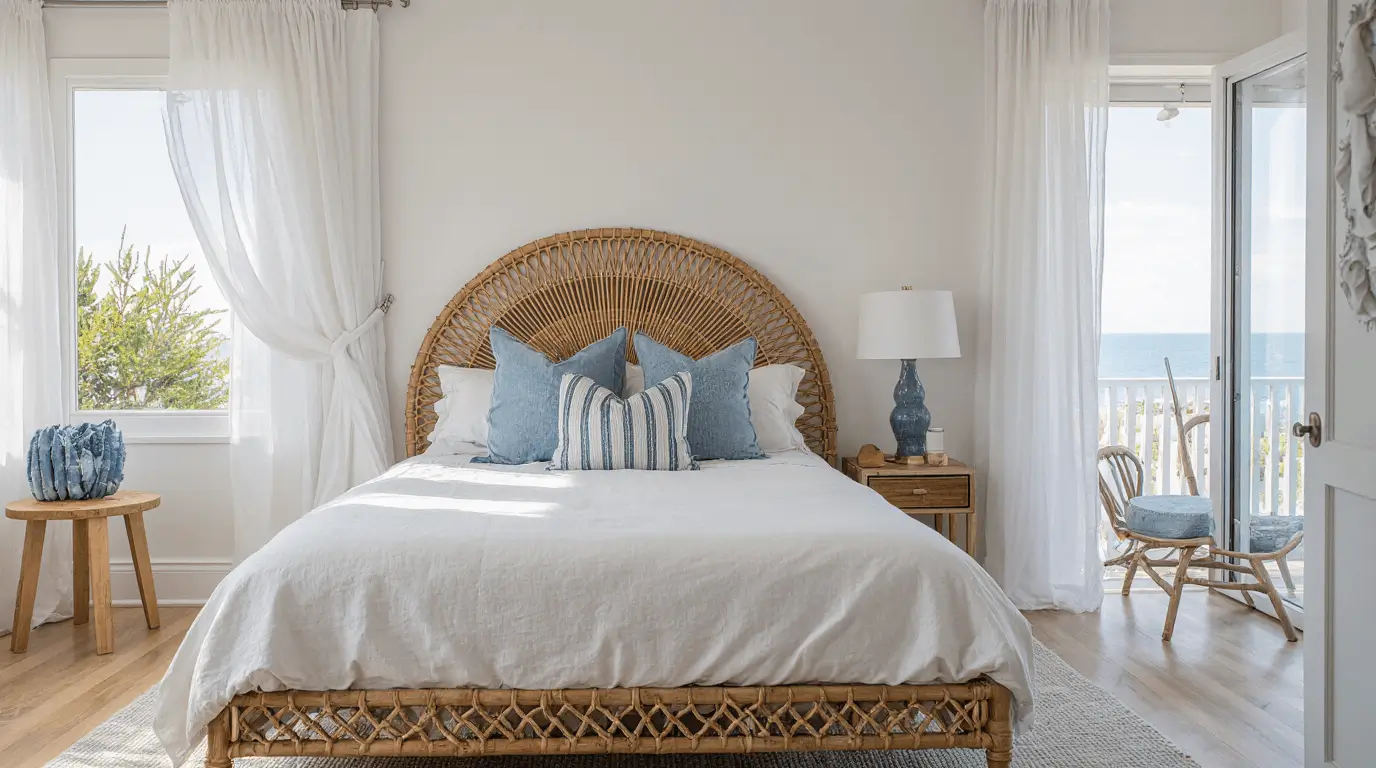
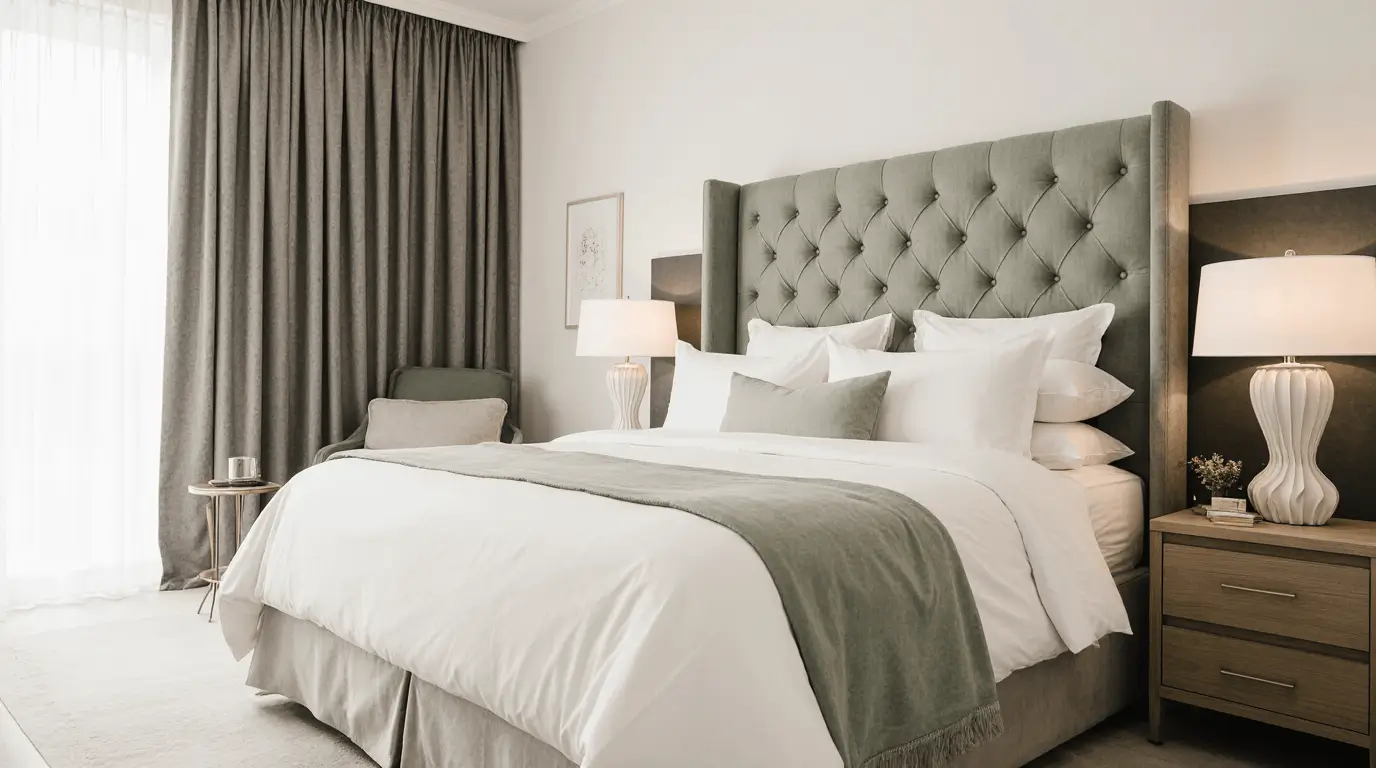
Bedrooms in vacation rental interior design must prioritize sleep quality: blackout curtains, premium mattresses, layered bedding, and calming colors.
Guests forgive minor flaws — but never poor sleep.
Vacation Rental Kitchen Interior Design
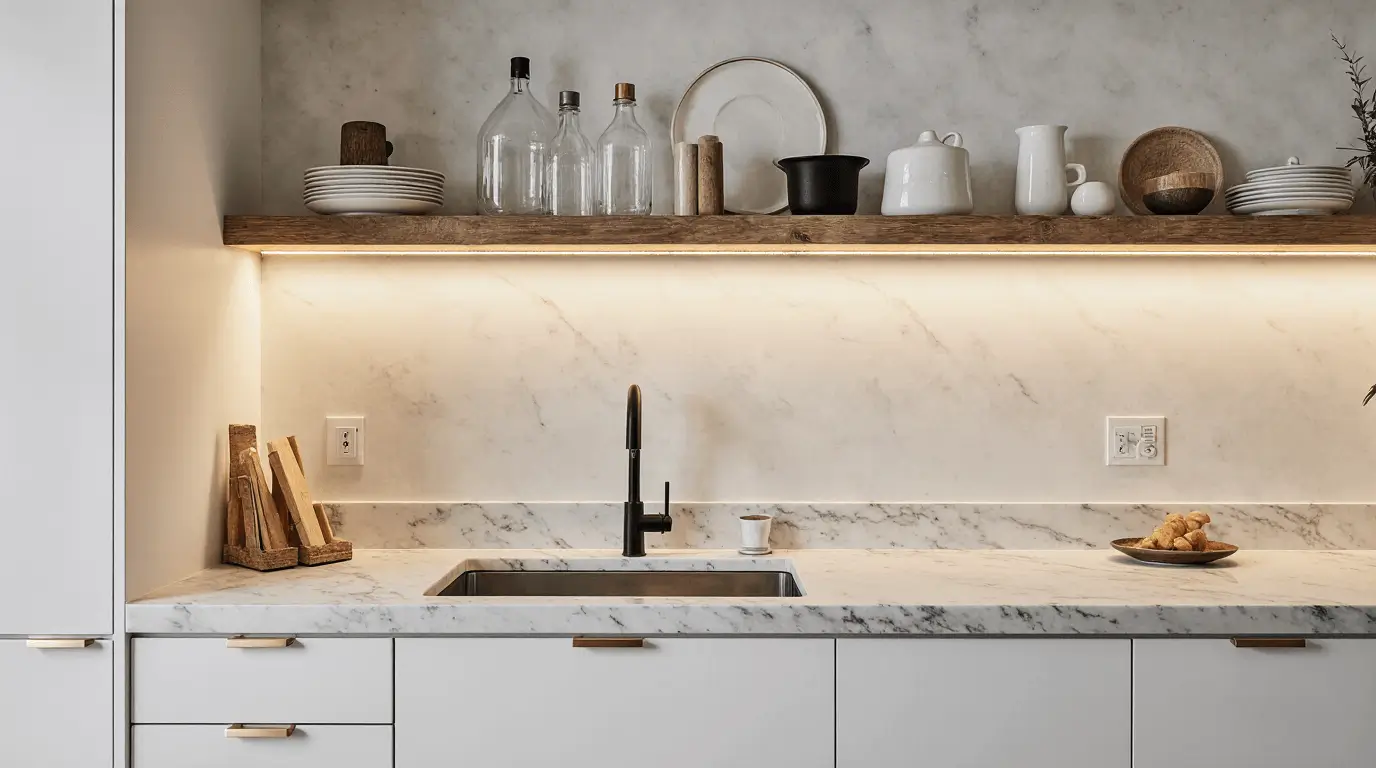
Kitchens should feel intuitive and well-equipped. Clean countertops, durable quartz surfaces, and warm under-cabinet lighting elevate the cooking experience.
Open shelving must remain styled yet minimal.
Luxury Airbnb Interior Design Approach
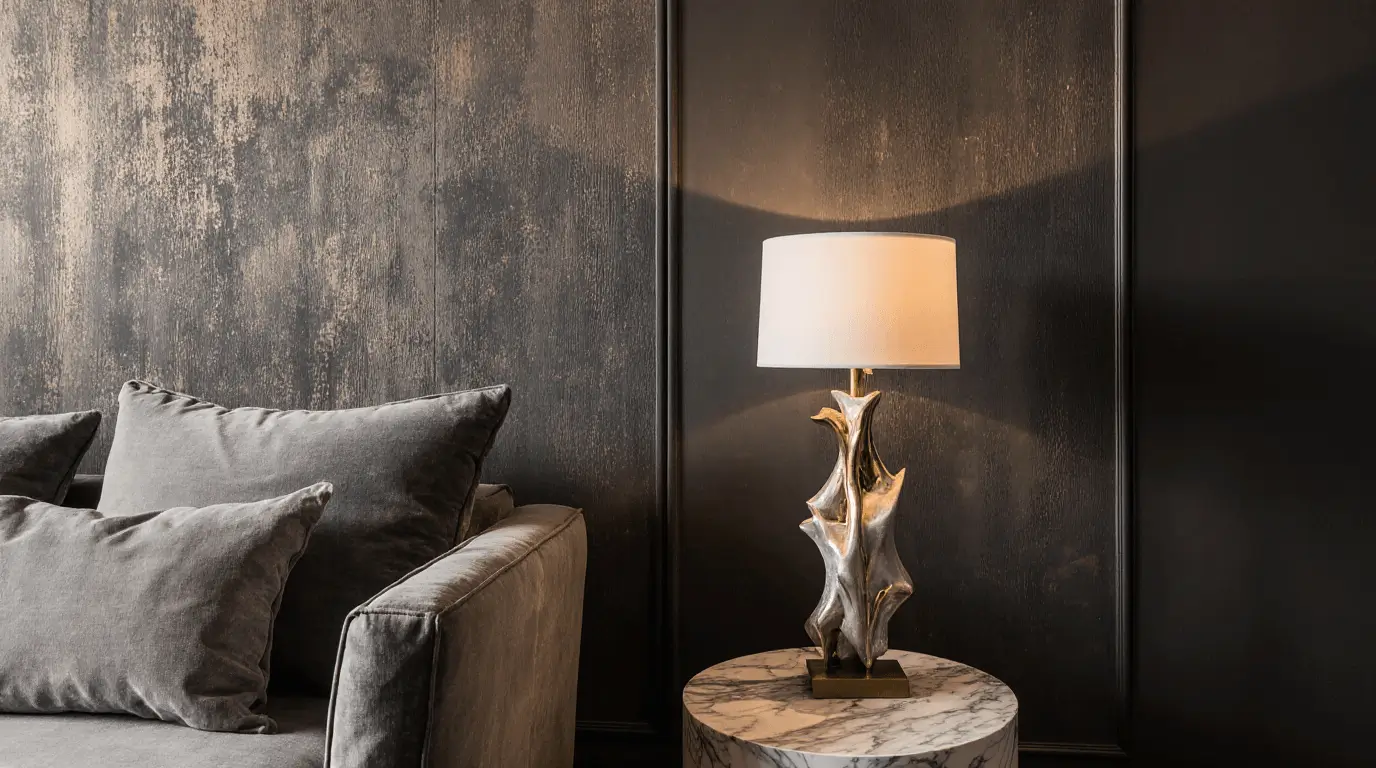
Luxury Airbnb interior design blends boutique hotel sensibility with residential warmth. Layered textures, curated artwork, and refined color stories enhance perceived exclusivity.
Guests seek both comfort and distinction.
Themed Vacation Rental Interior Design
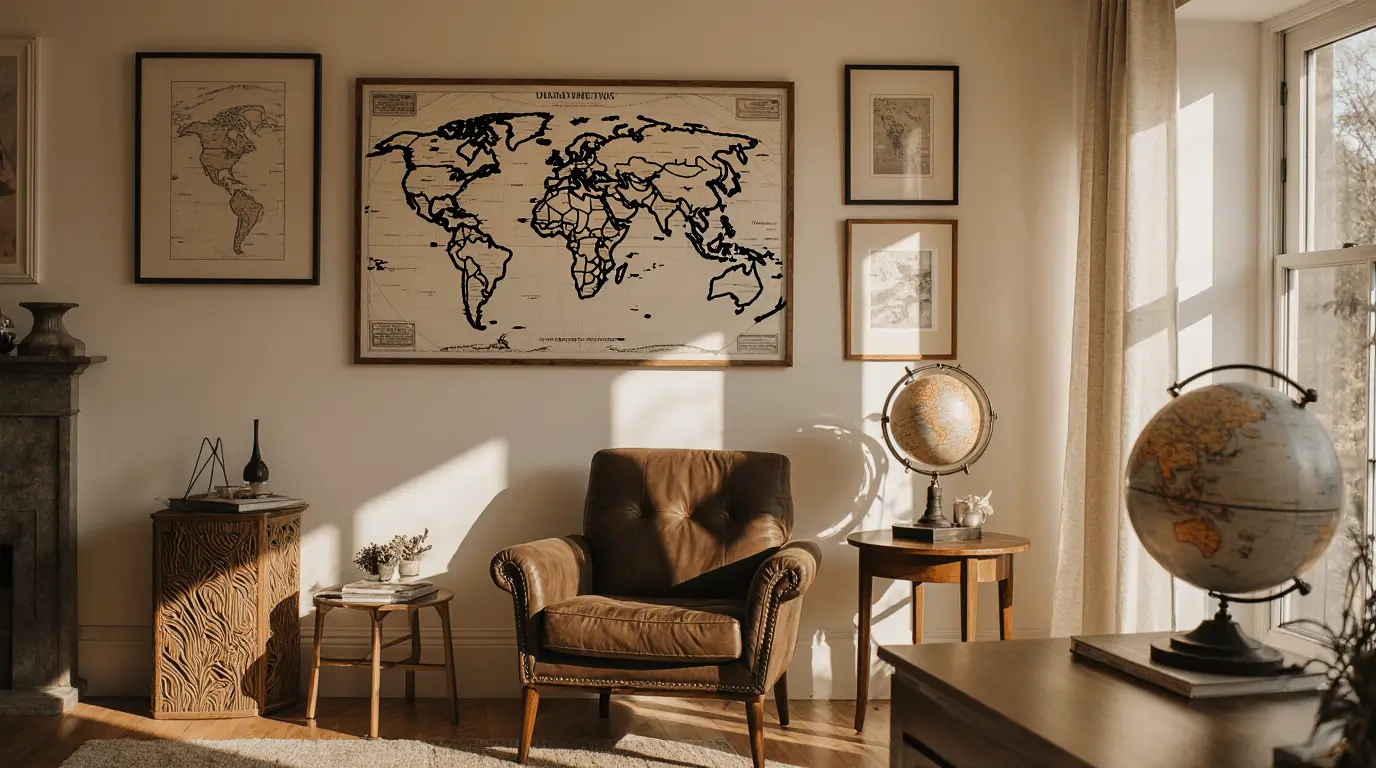
Themed vacation rental interior design works best when subtly executed. Instead of literal décor, interpret themes through color palettes and textures.
Immersive yet sophisticated design improves memorability.
Sustainable Vacation Rental Interior Design
Sustainability enhances both guest perception and operational longevity. Opt for eco-friendly paints, reclaimed wood, organic textiles, and energy-efficient lighting.
Responsible design resonates with modern travelers.
Conclusion: Designing With Intention, Designing for Impact
At its best, vacation rental interior design is a strategic blend of hospitality thinking and residential warmth. It’s not about chasing trends or over-styling a space — it’s about understanding how guests move, rest, gather, and remember. The most successful rentals feel effortless because every decision has already been thoughtfully made: the lighting is layered, the seating invites conversation, the bedroom promotes deep sleep, and the materials withstand real-life use.
In my experience, properties that perform consistently well share three traits: clarity of concept, consistency in execution, and comfort at every touchpoint. A well-designed vacation rental doesn’t just look good in photos; it feels good within minutes of arrival. Guests intuitively understand where to place their luggage, how to adjust the lighting, and where to relax. That intuitive flow is not accidental — it’s designed.
This approach benefits hosts who want stronger reviews, higher occupancy, and a property that stands out in a competitive market. It also supports long-term sustainability by reducing maintenance issues and costly redesigns. When you invest in intentional design — whether modest or luxurious — you create a space that works harder for you while offering genuine value to your guests.
Moving forward, focus on cohesion, durability, and emotional impact. Start with one room, refine the details, and evaluate the experience from a guest’s perspective. When vacation rental interior design is approached as a guest-centered strategy rather than a decorating exercise, the results are measurable, memorable, and enduring.
Learn more : 12+ Stunning Dental Office Interior Design Ideas to Inspire
Frequently Asked Questions
- How is vacation rental interior design different from designing a primary residence?
A primary residence is tailored to one household’s preferences, while a vacation rental must appeal to a broad range of guests. That means prioritizing durability, neutral foundations, intuitive layouts, and universal comfort. The design must balance personality with accessibility so it photographs well and functions effortlessly for different lifestyles.
- What areas of the property should I prioritize first?
Focus on high-impact spaces: the living room, primary bedroom, and kitchen. These areas influence booking decisions and guest reviews the most. Quality bedding, comfortable seating, and well-planned lighting often provide a stronger return than decorative accessories alone.
- How can I make my rental stand out without overspending?
Clarity of concept matters more than budget. Choose a cohesive color palette, upgrade lighting fixtures, use layered textiles, and incorporate one memorable focal point — such as statement artwork or a distinctive headboard. Thoughtful styling and consistency elevate a space more than expensive but disconnected pieces.
- What materials work best for high-turnover properties?
Opt for performance fabrics, washable slipcovers, durable flooring like luxury vinyl or sealed hardwood, and quartz or stone countertops. These materials maintain their appearance under frequent use while reducing long-term maintenance costs. Beauty and resilience should always coexist in short-term rentals.
- Should I follow trends or stick to timeless design?
A timeless base with subtle trend-forward accents is the safest approach. Neutral walls, classic furniture silhouettes, and quality materials provide longevity, while smaller décor elements can be updated seasonally. This balance keeps the property feeling fresh without requiring frequent renovations.
- How important is lighting in a vacation rental?
Lighting is one of the most underestimated elements. Layered lighting — combining ambient, task, and accent sources — enhances mood, improves photography, and makes the space feel welcoming at all times of day. Warm, adjustable lighting helps guests relax and feel at home immediately.
- Can thoughtful design really impact reviews and revenue?
Absolutely. Guests often describe how a space “felt” in their reviews — cozy, luxurious, calm, inspiring. Those emotional responses stem directly from design choices. When comfort, function, and aesthetic clarity align, guests are more likely to leave positive feedback, return for future stays, and recommend the property to others.

One Response