
Introduction
Urban interior design reflects the rhythm, density, and creative pulse of city living. At its core, urban interior design blends modern comfort with industrial character, cultural layering, and efficient spatial planning. It’s a design language shaped by apartments, lofts, townhouses, and compact city homes where functionality and personality must coexist.
Having worked across metropolitan apartments and high-rise residences, I’ve found that urban spaces demand intelligent material choices, layered lighting, and curated décor. Unlike purely minimalist or strictly industrial spaces, urban interiors feel lived-in, expressive, and slightly raw—yet polished. They celebrate concrete, steel, exposed brick, and contemporary furniture while maintaining warmth and human scale.
Below are the essential clusters that define and elevate urban interior design in today’s contemporary homes.
Urban Interior Design Foundations
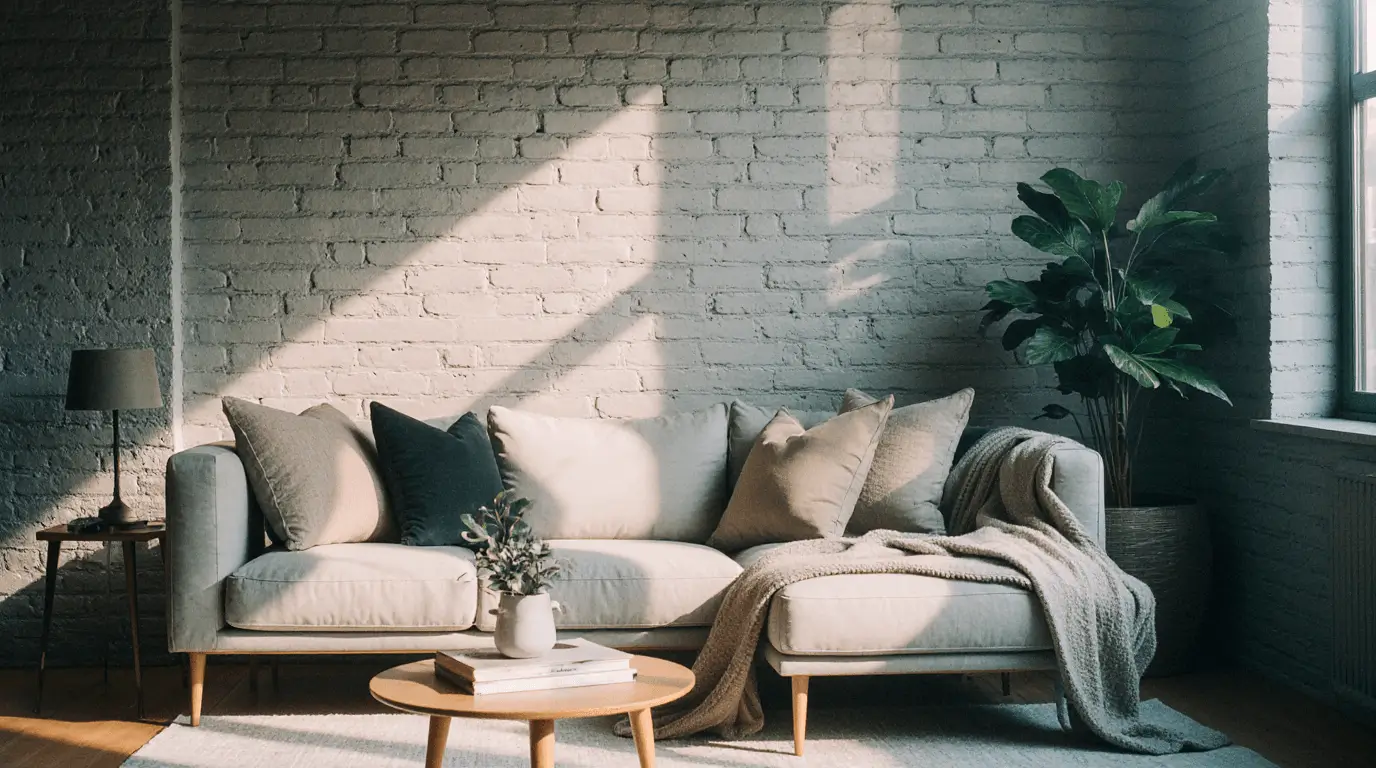
Urban interior design is rooted in architectural honesty. Exposed structural elements, open layouts, and practical zoning define its framework. It embraces city architecture rather than concealing it.
Design choices work best when they highlight texture—brick, metal, reclaimed wood—balanced with soft textiles to prevent visual harshness.
Contemporary Urban Interior Design
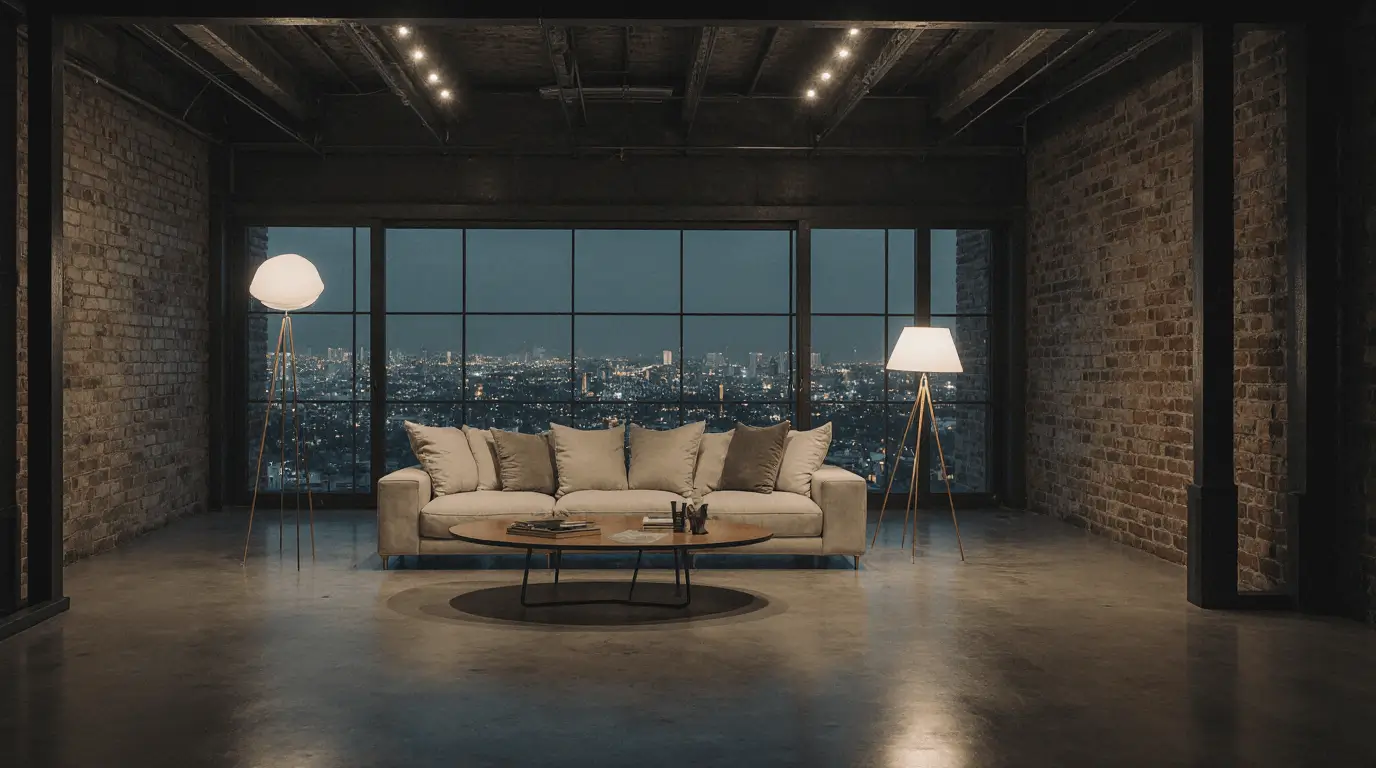
Contemporary urban interior design leans into clean lines and curated simplicity. It integrates modern furniture silhouettes with subtle industrial undertones.
This approach feels current without becoming sterile, using neutral palettes accented with bold art or sculptural décor.
Industrial Urban Interior Design
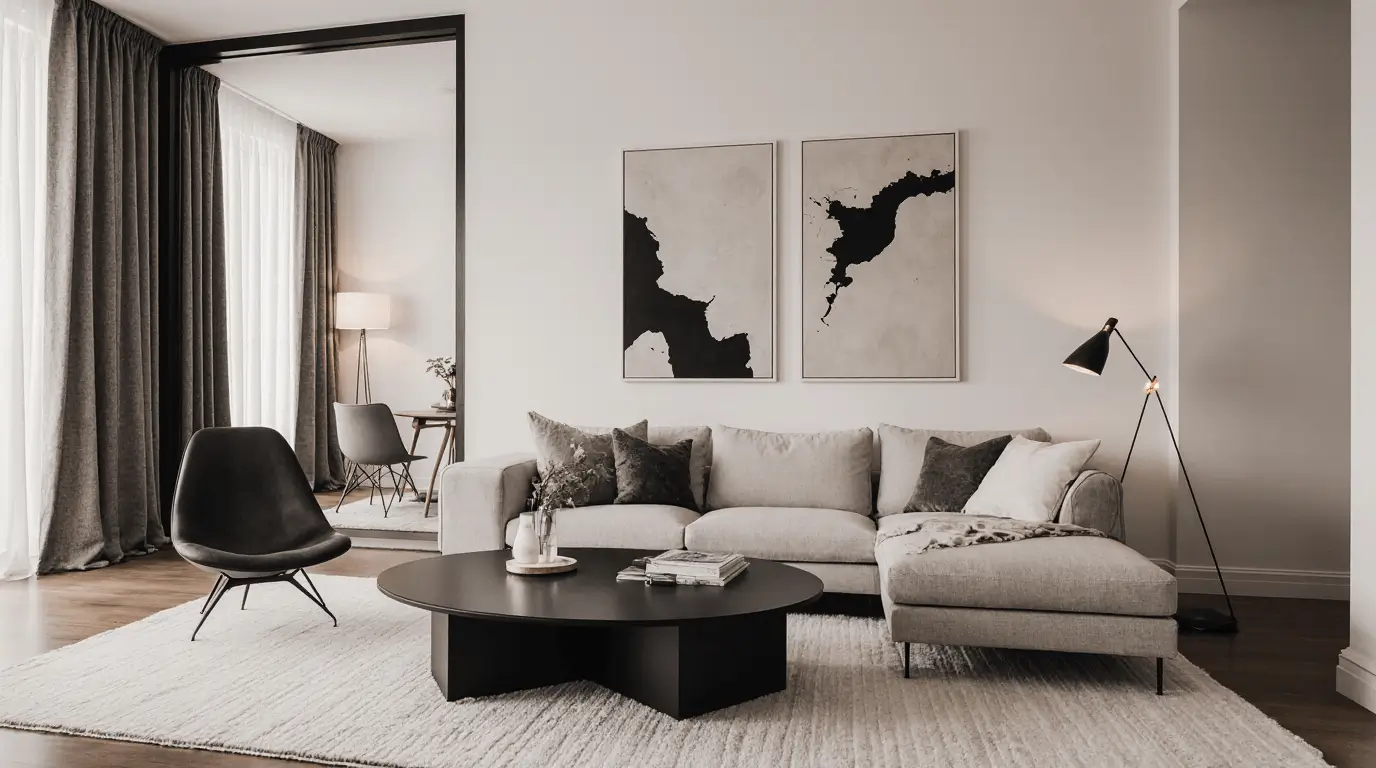
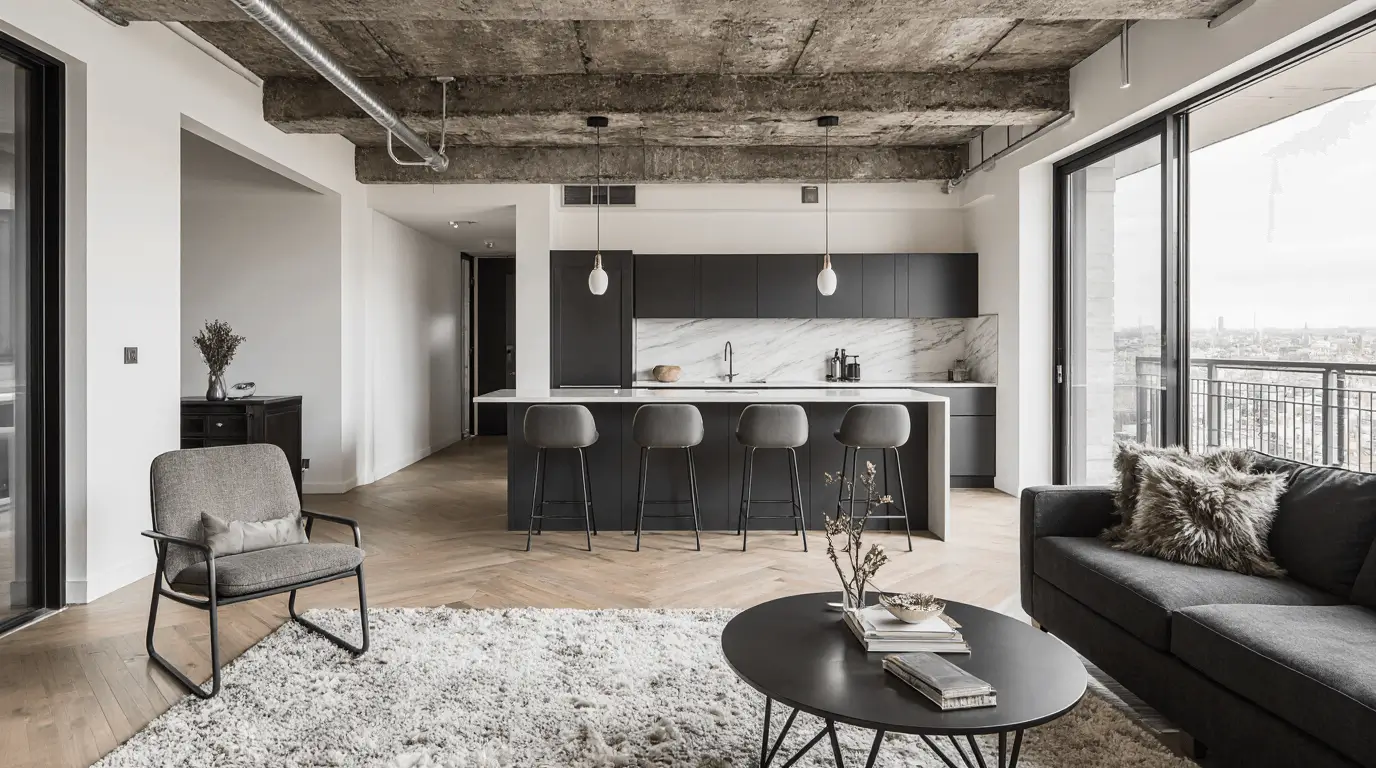
Industrial urban interior design embraces raw finishes—metal ductwork, concrete ceilings, factory-style lighting. It reflects warehouse conversions and city loft aesthetics.
The key is balance: pair rugged surfaces with refined furnishings to maintain livability.
Minimalist Urban Interior Design
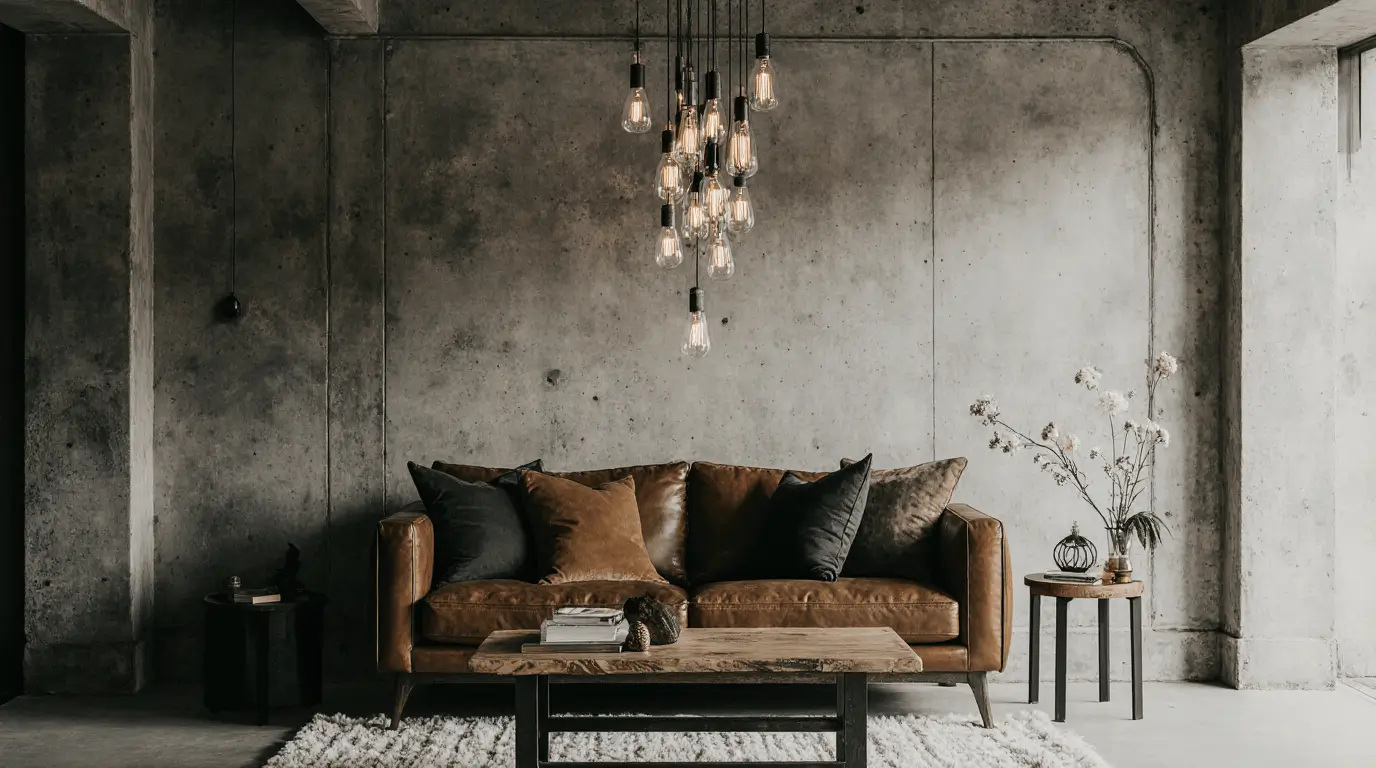
Minimalist urban interior design simplifies without losing character. It removes excess décor while preserving texture and architectural interest.
In smaller city apartments, this approach enhances openness and mental clarity.
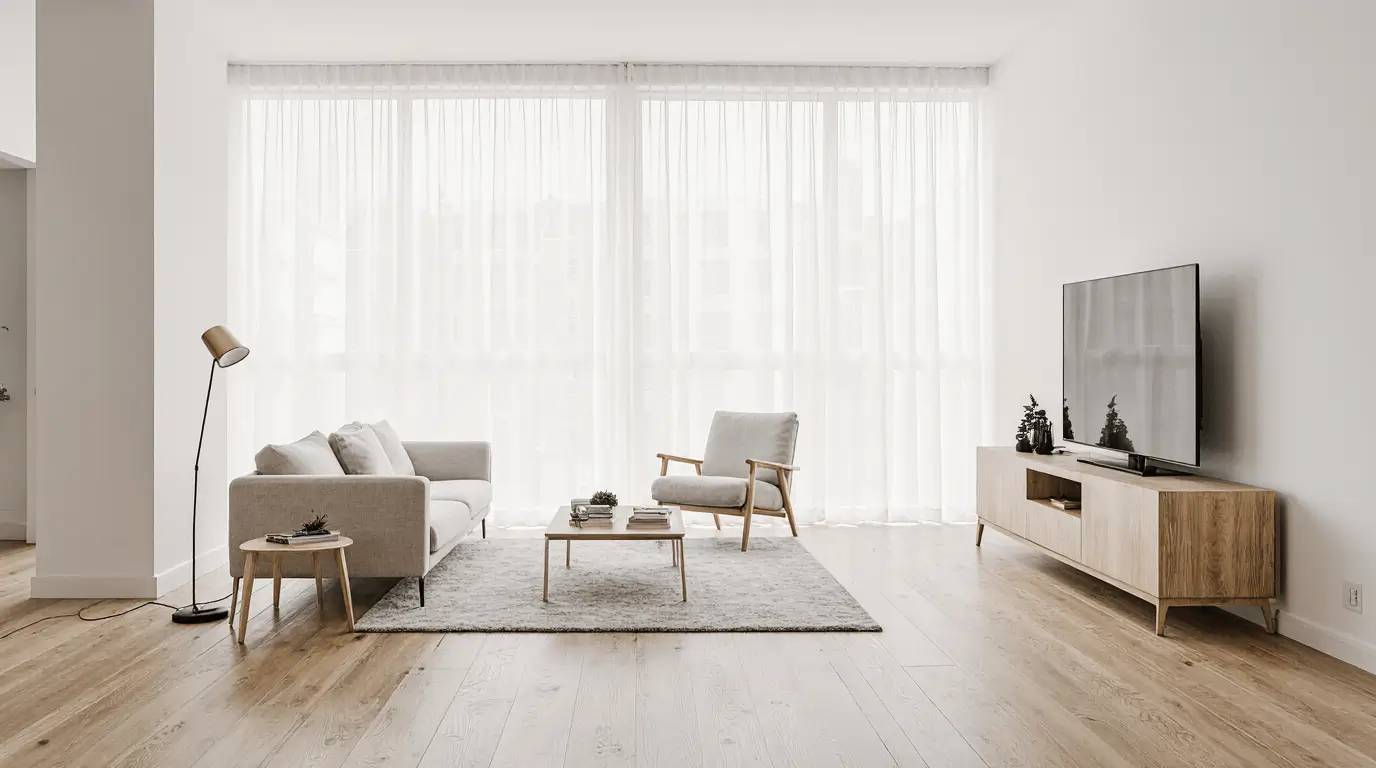
Modern Urban Interior Design Style
Modern urban interior design emphasizes geometry, clean architecture, and streamlined materials. Glass, steel, and smooth finishes dominate.
It works particularly well in high-rise apartments with panoramic views.
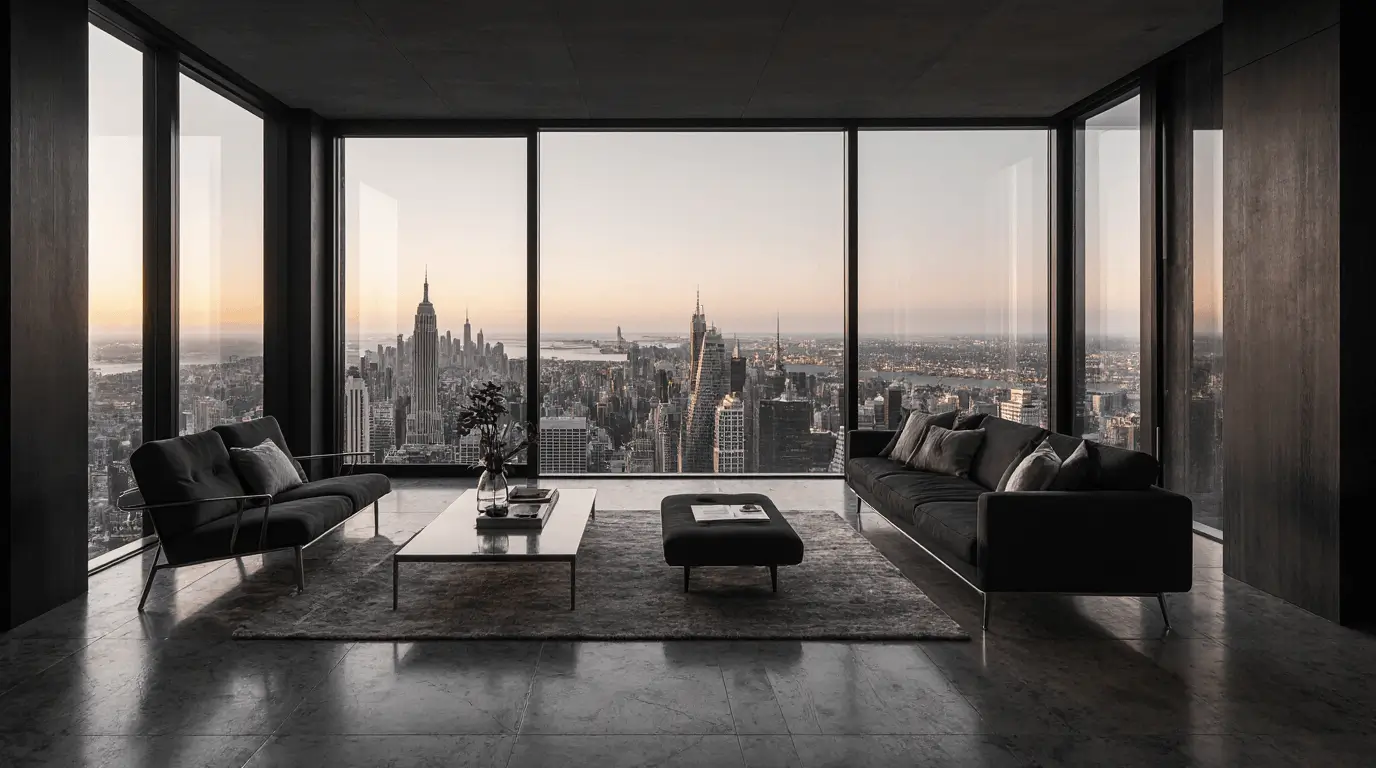
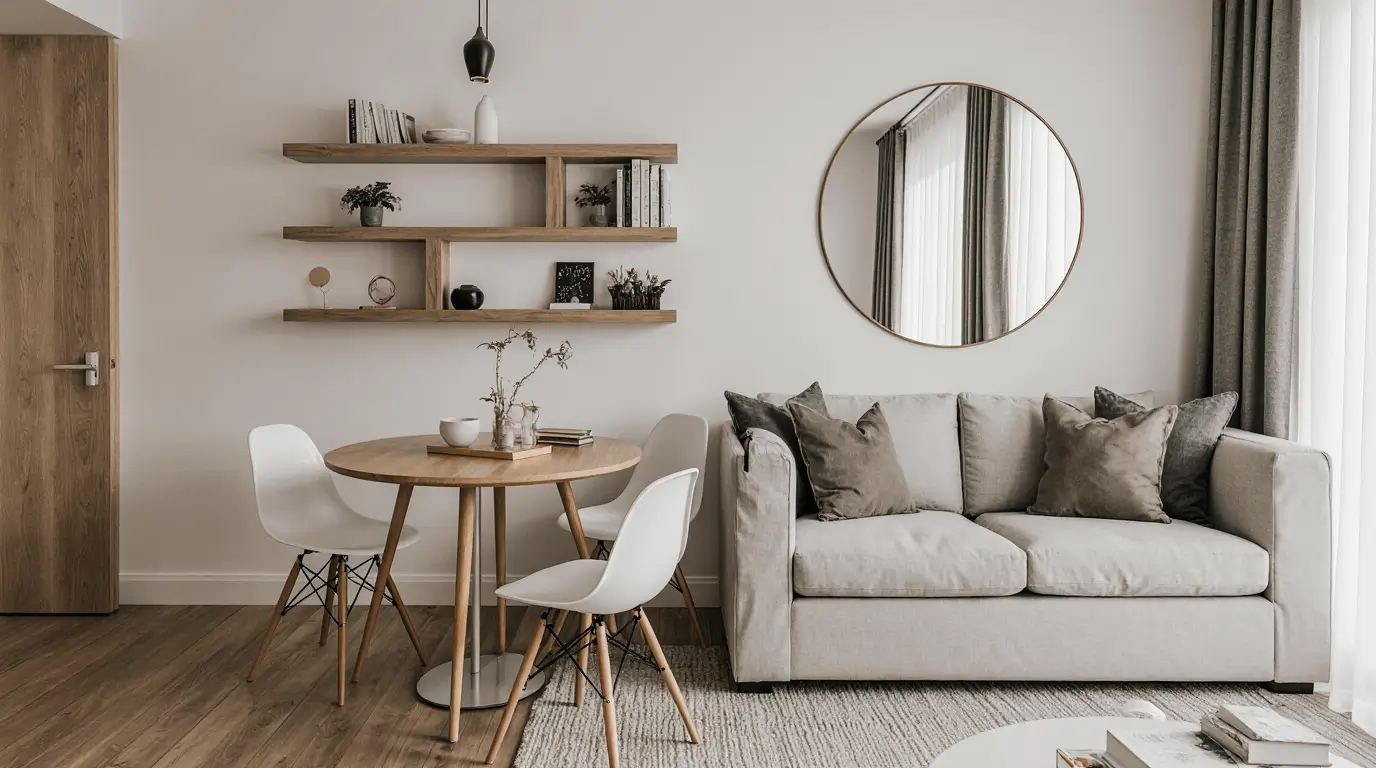
Urban Interior Design for Small Spaces
Urban interior design often addresses compact living. Smart storage, multifunctional furniture, and vertical shelving are essential.
Built-ins and reflective surfaces visually expand tight floor plans.
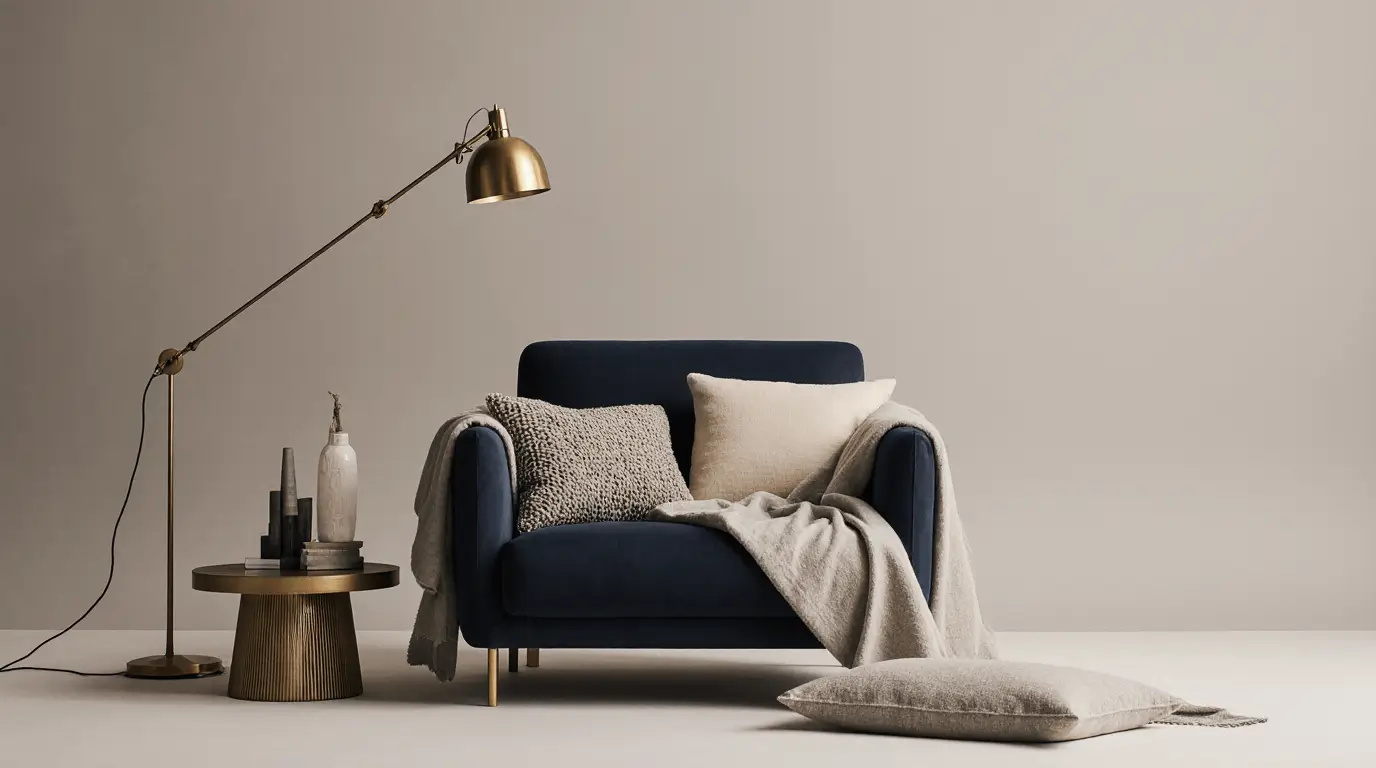
Urban Interior Design Color Palettes
Neutral foundations—gray, taupe, beige—form the base of urban interiors. Accents like charcoal, rust, forest green, or deep navy add depth.
Layered tones prevent the space from feeling flat or overly industrial.
Textures in Urban Interior Design
Texture defines successful urban spaces. Concrete, brick, glass, metal, and wood must be balanced with fabric, rugs, and soft furnishings.
The contrast between rough and refined materials creates visual intrigue.
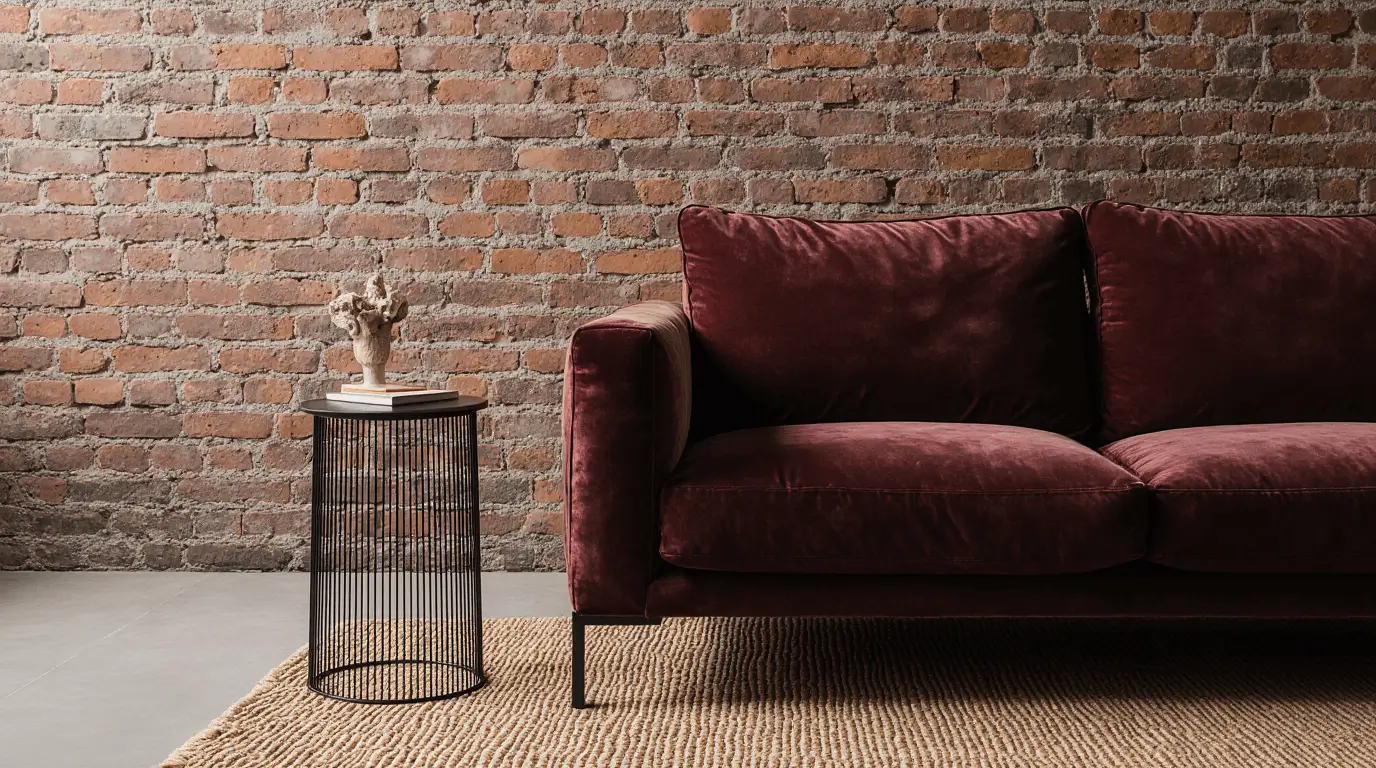
Lighting in Urban Interior Design
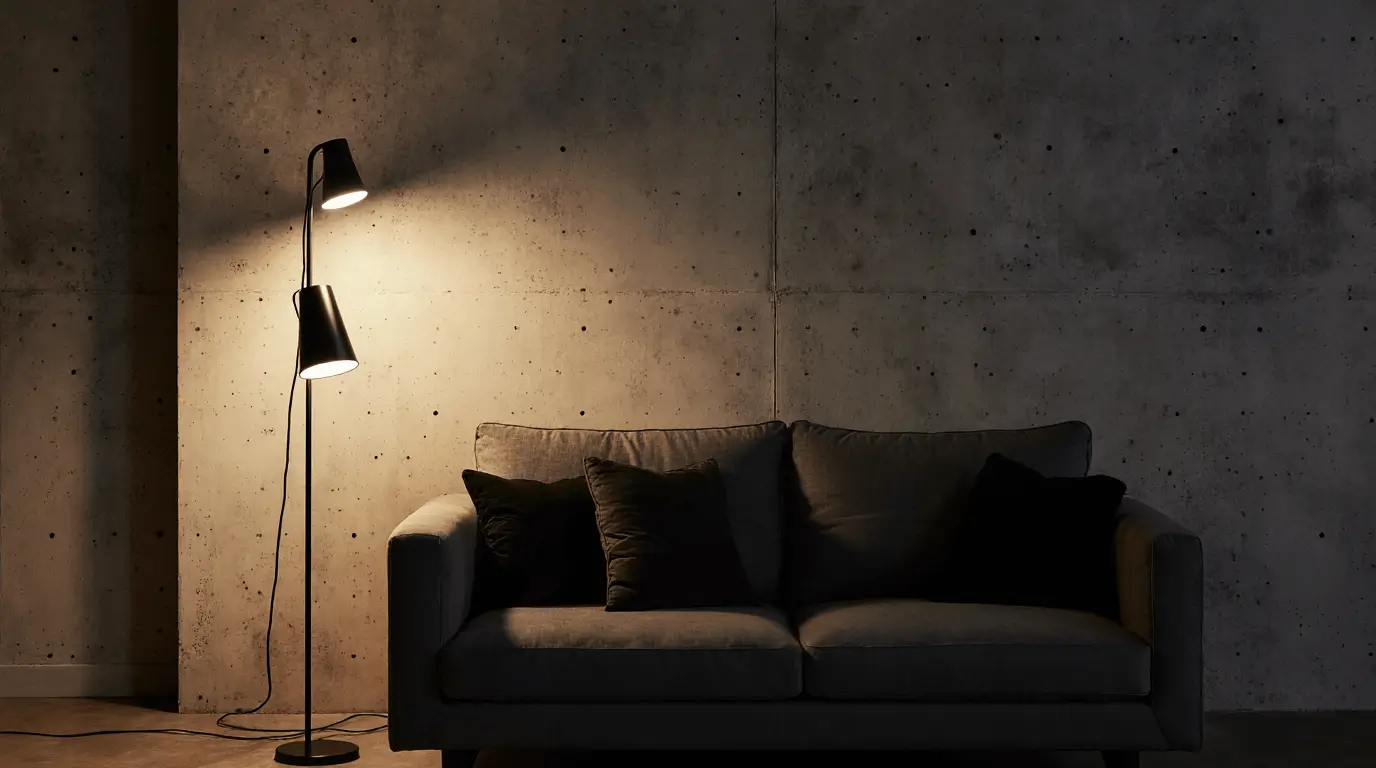
Lighting shapes the mood of urban interiors. Layered lighting—ambient, task, and accent—creates warmth in otherwise industrial settings.
Pendant lights, track lighting, and floor lamps provide depth and dimension.
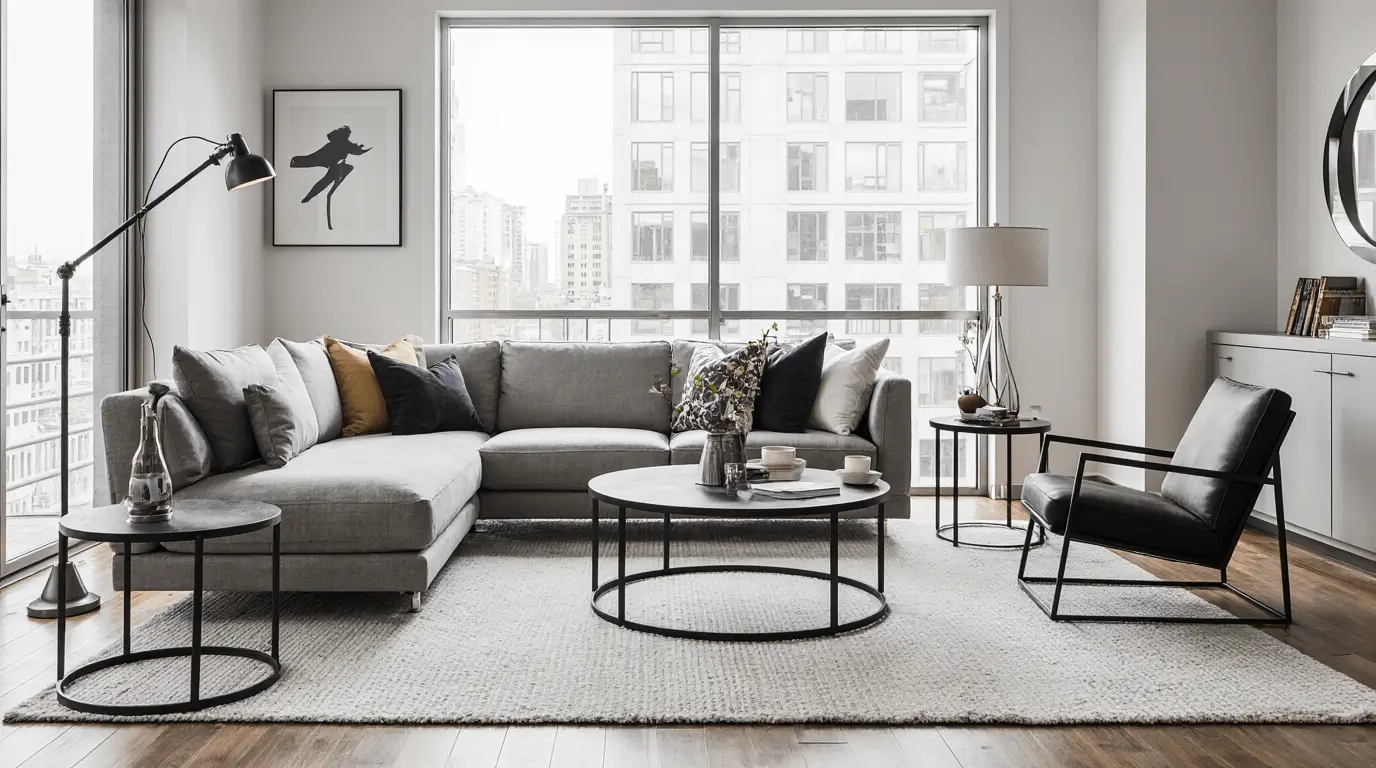
Urban Interior Design Furniture Selection
Furniture in urban interior design should feel substantial yet uncluttered. Low-profile sofas, metal-framed chairs, and wood tables are common.
Quality matters more than quantity; curated pieces prevent overcrowding.
Urban Industrial Chic Interiors
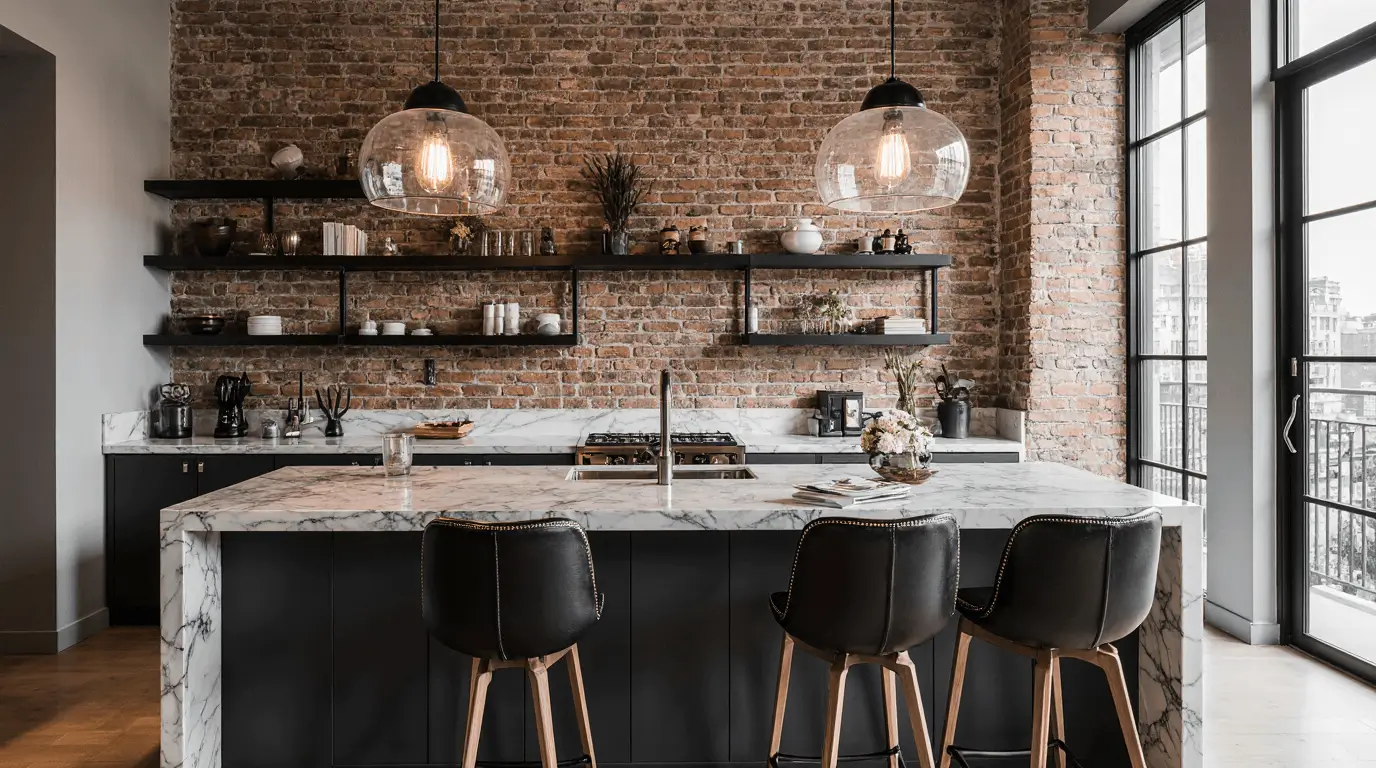
Urban industrial chic softens industrial design with refined finishes. Think leather, marble, and warm woods layered over steel and brick.
It’s polished yet authentic—ideal for stylish metropolitan homes.
Urban Interior Design and Open Layouts
Open-plan living defines many urban homes. Seamless transitions between kitchen, dining, and lounge areas create flow.
Zoning with rugs, lighting, and furniture placement maintains order.
Contemporary Rustic Urban Interiors
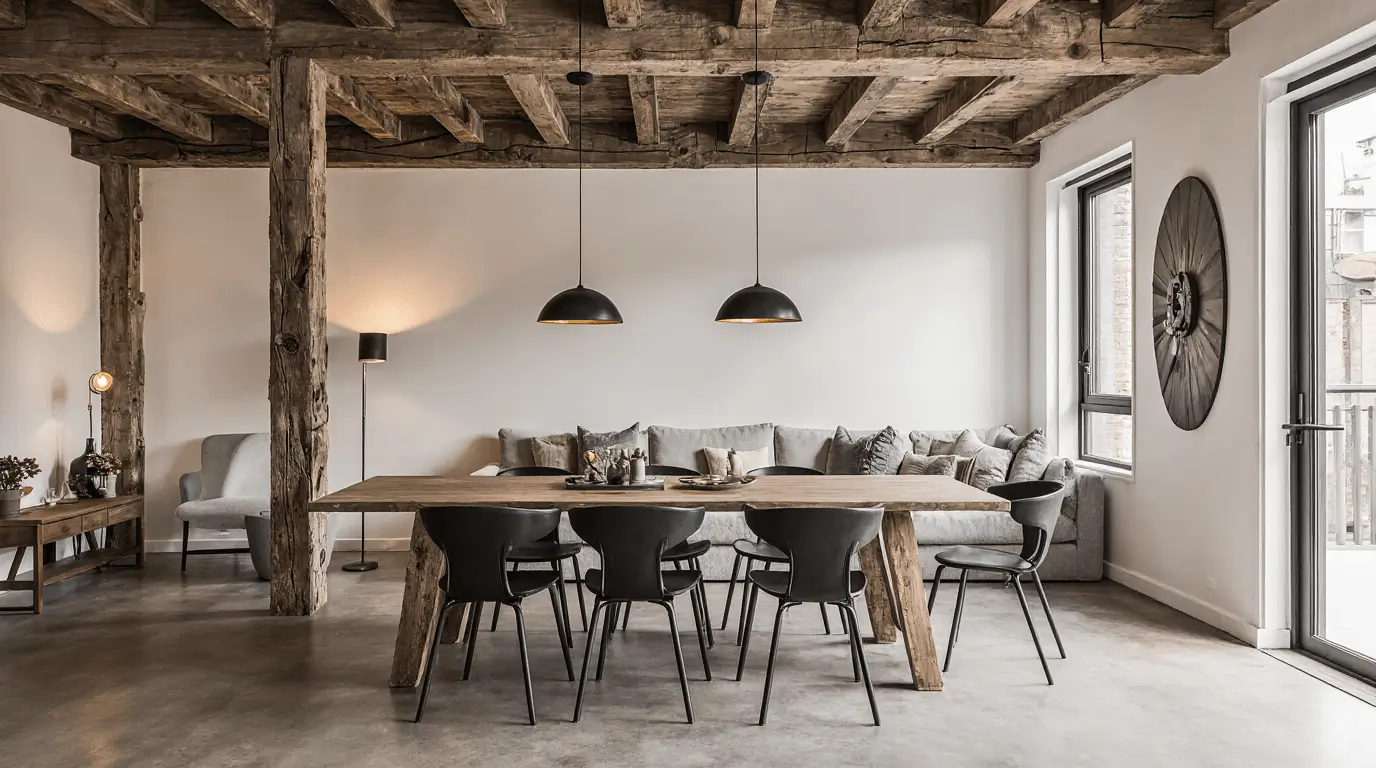
Contemporary rustic urban interior design blends reclaimed wood and organic elements with sleek urban forms.
This contrast softens city hardness and adds warmth.
Urban Interior Design Materials
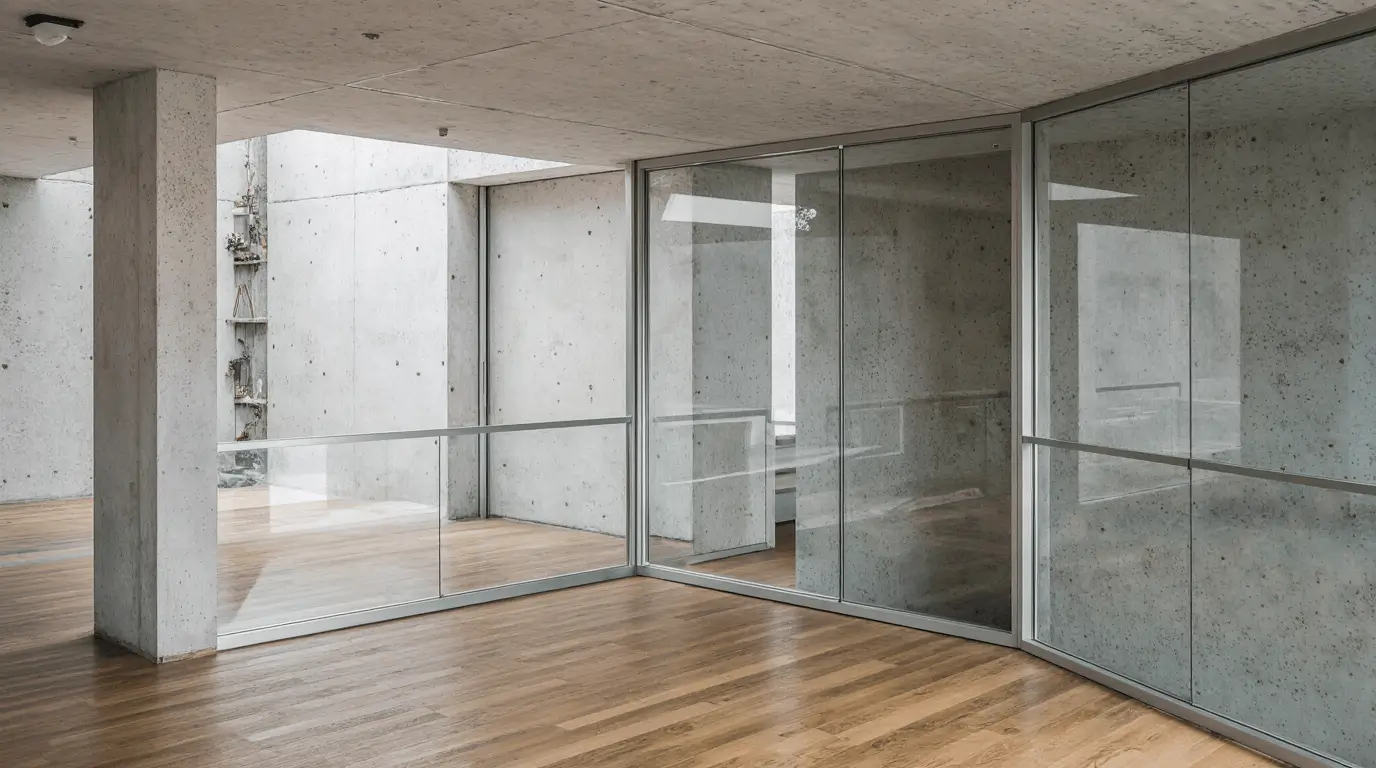
Concrete, steel, glass, brick, and natural wood are core materials. Layering these authentically creates credibility.
Avoid synthetic imitations; real materials age beautifully and elevate the design.
Urban Interior Design Décor Styling
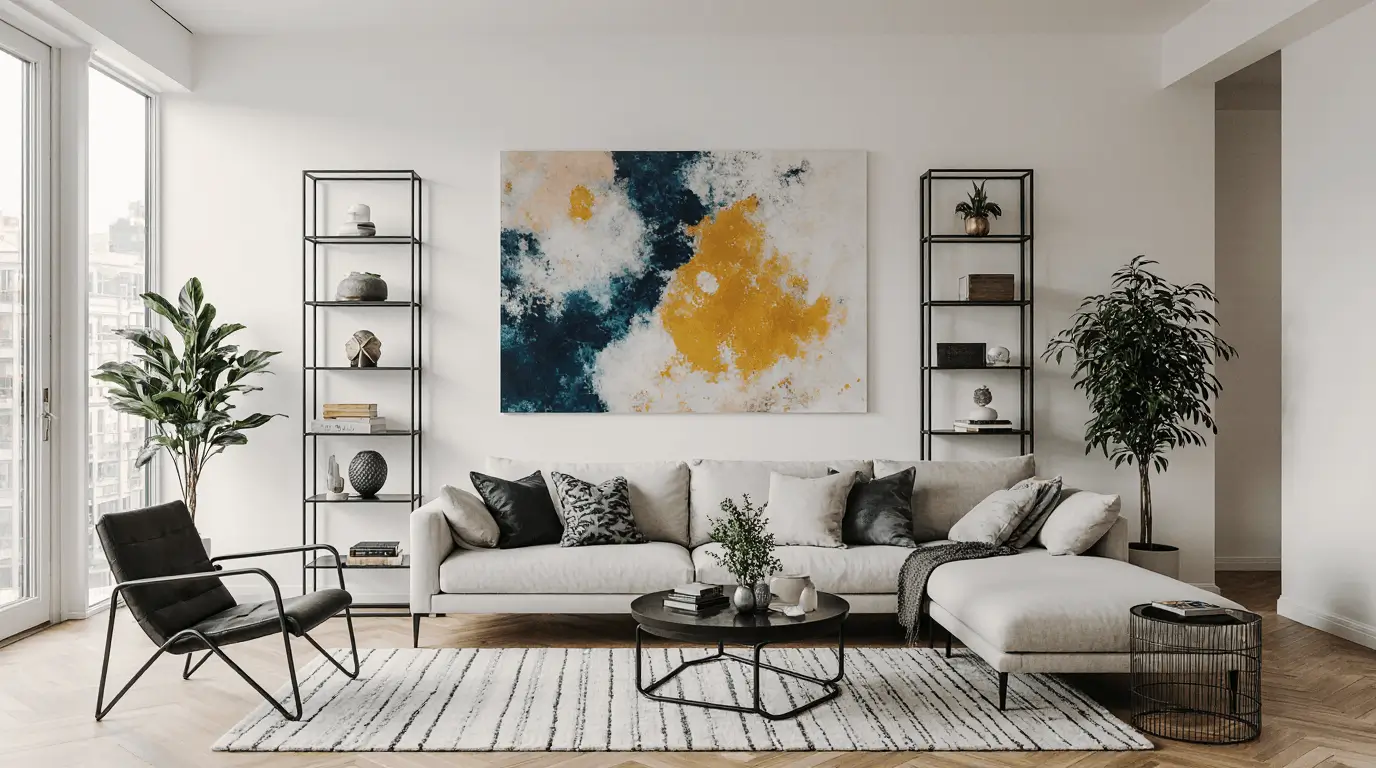
Artwork, sculptural objects, and statement lighting personalize urban spaces. Oversized art and gallery walls reflect cultural energy.
Plants soften edges and introduce life into industrial backdrops.
Sustainable Urban Interior Design
Sustainability is increasingly central to urban interior design. Reclaimed wood, energy-efficient lighting, and durable furnishings reduce environmental impact.
City living benefits from mindful material sourcing and longevity-focused choices.
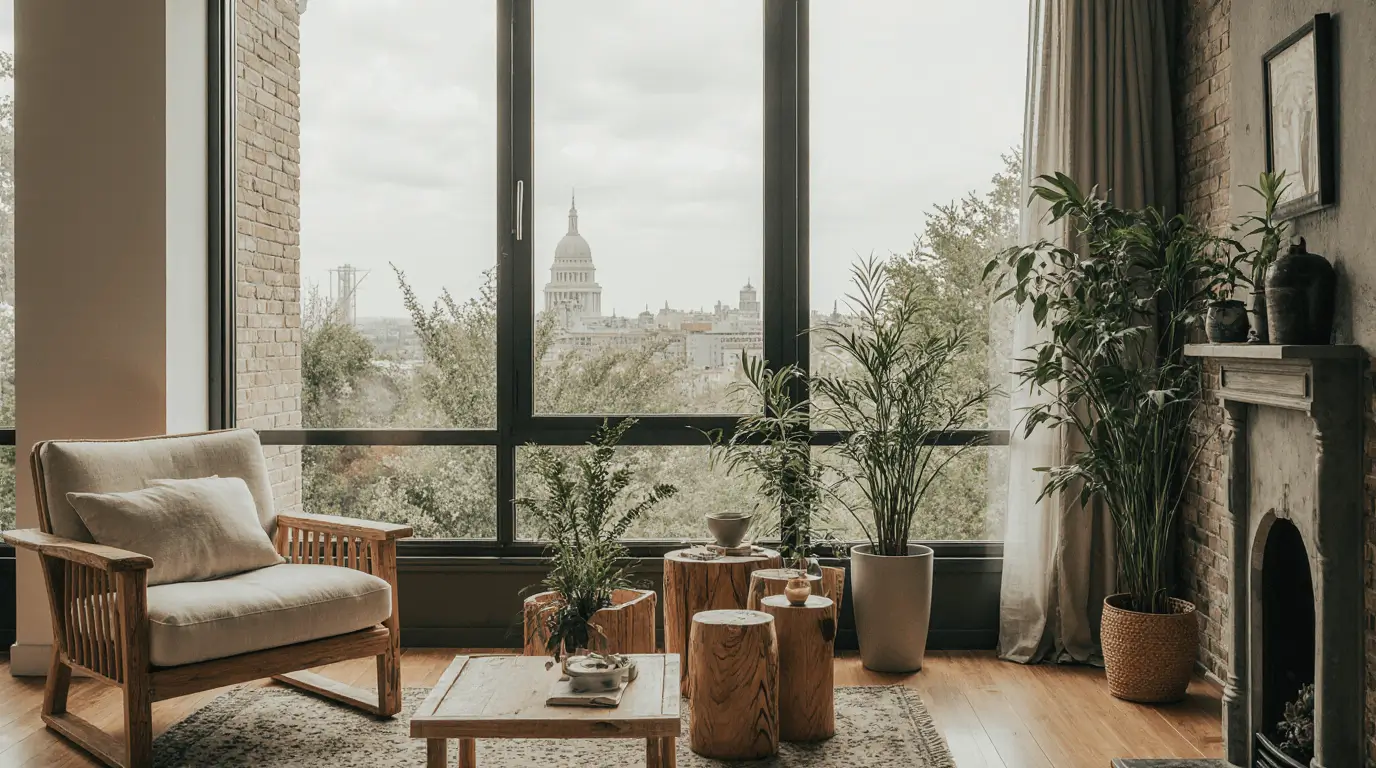
Urban Interior Design in High-Rise Apartments
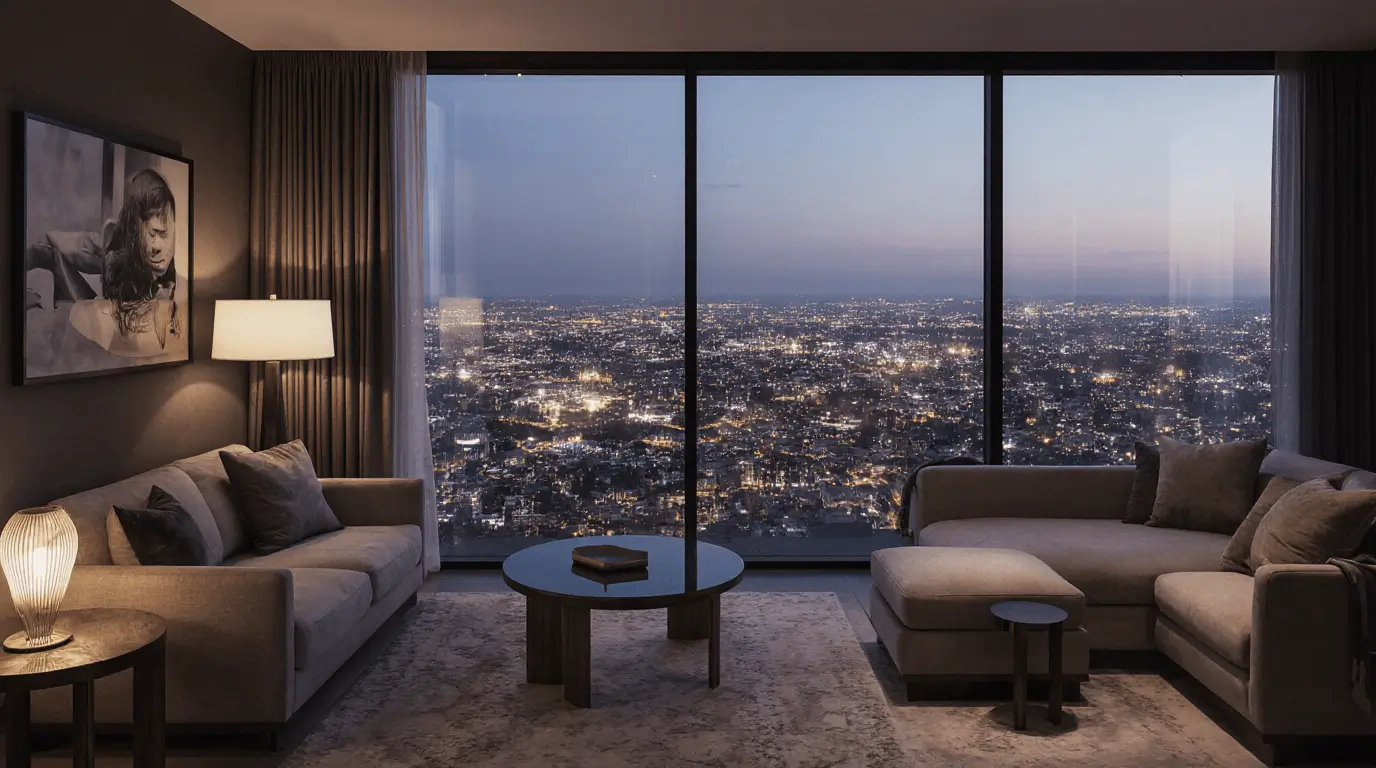
High-rise urban interior design emphasizes views, natural light, and sleek finishes. Window treatments should enhance—not block—cityscapes.
Furniture placement should frame the skyline as a living artwork.
Conclusion: Designing with the Energy of the City in Mind
Urban interior design succeeds because it responds directly to how people actually live in cities. Space is often limited, architecture is bold, and daily life moves quickly. The most effective interiors acknowledge these realities instead of fighting them. They work with exposed structures, natural light patterns, compact layouts, and city views to create homes that feel intentional rather than improvised.
In my experience, the strongest urban spaces are never overdesigned. They balance raw materials with warmth, structure with softness, and efficiency with personality. A concrete wall feels inviting when paired with layered lighting and tactile fabrics. A compact apartment feels expansive when furniture is scaled correctly and circulation is respected. These decisions aren’t decorative—they’re strategic.
Urban interior design benefits professionals, creatives, families in city apartments, and anyone who values both aesthetics and function. It offers clarity in small spaces and character in modern high-rises. If you’re moving forward, start with the bones of your space. Understand the architecture, refine the layout, and introduce materials and lighting deliberately. When each element serves a purpose, the result is a home that feels grounded, expressive, and completely aligned with city life.
Learn more : 12+ Powerful Memory Care Interior Design Secrets
Frequently Asked Questions About Urban Interior Design
- How is urban interior design different from purely industrial style?
Industrial interiors focus heavily on raw, utilitarian materials and warehouse aesthetics. Urban interior design often incorporates those elements but tempers them with contemporary furnishings, softer textures, and curated décor. The result feels more livable and layered rather than strictly industrial.
- Can urban interior design work in a small apartment?
Absolutely. In fact, it often performs best in compact city spaces. Thoughtful zoning, multifunctional furniture, and vertical storage solutions enhance efficiency while maintaining style. The key is editing carefully and prioritizing scale-appropriate pieces.
- What color schemes work best in urban interiors?
Neutral foundations—such as gray, beige, and warm white—provide flexibility. These can be elevated with deeper tones like charcoal, rust, navy, or forest green. Layering tones within the same color family prevents the space from feeling flat while preserving cohesion.
- Does urban interior design always require exposed brick or concrete?
Not at all. While authentic architectural features add character, you can achieve the aesthetic through material contrast, clean-lined furniture, matte finishes, and strategic lighting. The philosophy matters more than any single material.
- How do you keep an urban space from feeling cold or harsh?
Balance is essential. Introduce textiles such as rugs, throws, and upholstered furniture. Use warm lighting temperatures instead of stark white bulbs. Incorporate natural wood and plants to soften harder surfaces and create visual comfort.
- Is urban interior design suitable for families?
Yes, when planned intentionally. Durable materials, stain-resistant fabrics, and smart storage solutions make it practical for family living. The style can evolve with lifestyle needs without losing its core identity.
- What is the first step when designing an urban-inspired home?
Begin with observation. Assess natural light, architectural details, ceiling height, and circulation flow. From there, define a clear material palette and lighting strategy before purchasing furniture. When the foundation is strong, every design decision becomes easier and more cohesive.



One Response