
Introduction
The beauty of harlem renaissance interior design lies in its ability to blend artistic expression, cultural pride, intellectual sophistication, and layered luxury into one unforgettable space. Rooted in the creative explosion of the 1920s and 1930s in Harlem, this design style draws inspiration from jazz culture, African heritage, literary salons, Art Deco glamour, and the bold visual identity shaped during the Harlem Renaissance movement.
Today, designers are reinterpreting this historic aesthetic through contemporary interiors that celebrate craftsmanship, storytelling, and emotional warmth. From rich velvet textures and geometric lighting to archival artwork and soulful color palettes, modern interpretations of Harlem Renaissance décor create spaces that feel both elevated and deeply personal. Whether designing a living room, library, apartment, or creative studio, the philosophy centers on identity, artistry, and intentional layering.
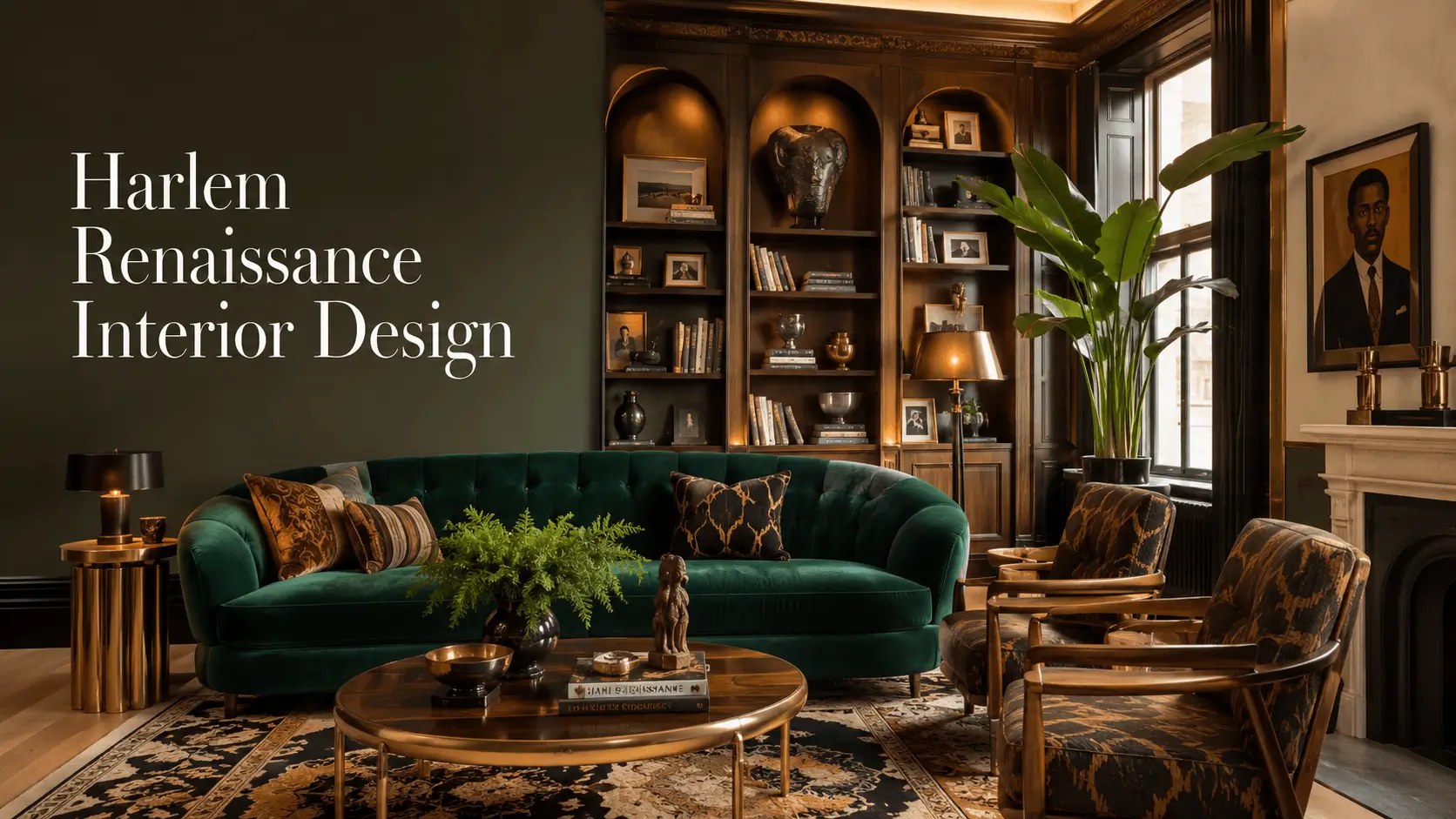
Harlem Renaissance Interior Design Living Room Elegance
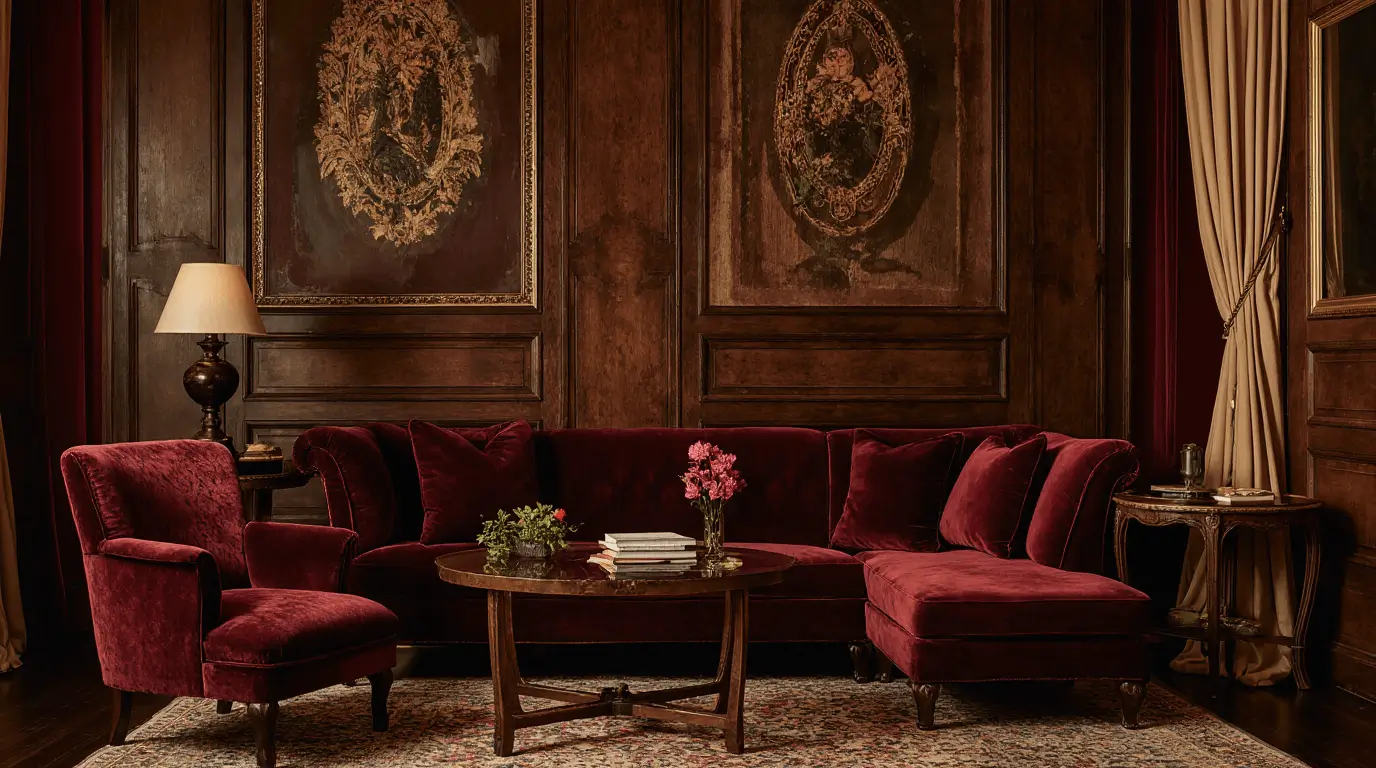
A Harlem Renaissance-inspired living room often combines dramatic contrast, sculptural furniture, and curated artistic elements. Jewel tones, dark woods, brass accents, and vintage-inspired upholstery create an atmosphere that feels intellectual yet welcoming.
The most successful spaces balance historical richness with modern restraint. Instead of overcrowding a room, designers layer meaningful décor pieces that evoke music, literature, and visual arts from the era.
Modern Harlem Renaissance Interior Design
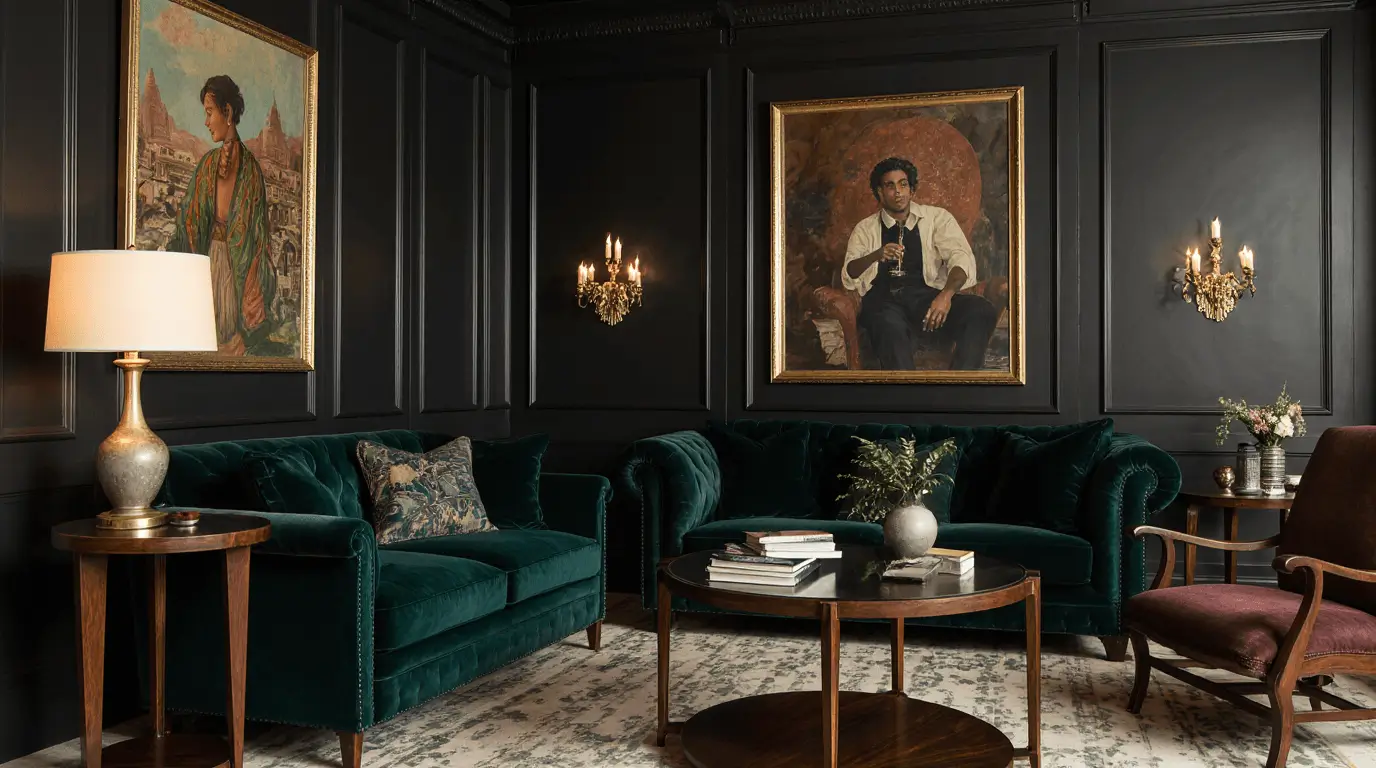
Modern interpretations soften traditional heaviness while preserving the artistic soul of the movement. Clean architectural lines paired with historical artwork create a refined contemporary atmosphere rooted in cultural storytelling.
Neutral foundations mixed with bold accents help modern spaces feel current without losing their emotional depth. Matte black fixtures, sculptural furniture, and curated gallery walls work exceptionally well.
Harlem Renaissance Decor With Art Deco Influence
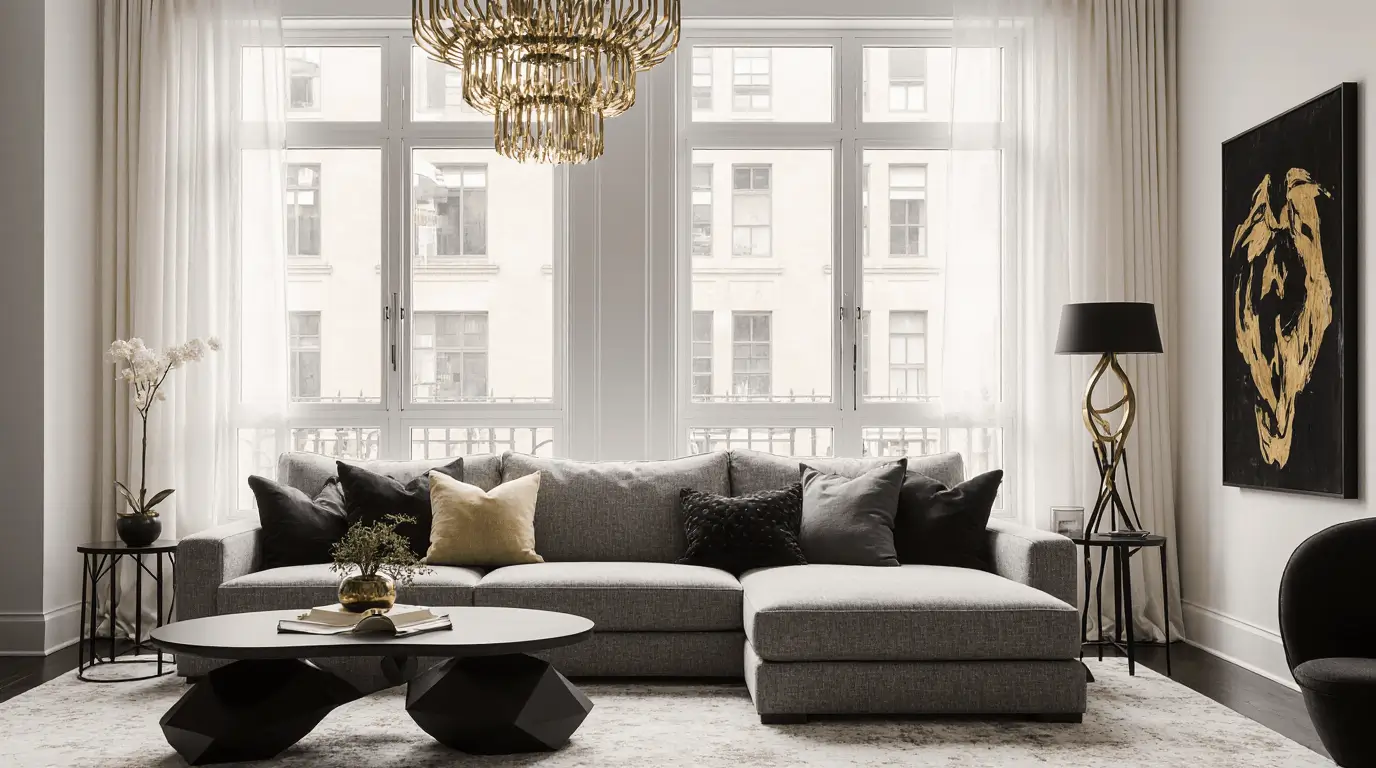
The Harlem Renaissance flourished during the rise of Art Deco, making geometric forms and glamorous detailing natural companions. Mirrored surfaces, brass finishes, curved silhouettes, and luxurious fabrics define this fusion.
This approach works especially well in dining rooms, cocktail lounges, and formal entertaining spaces where dramatic visual impact matters most.
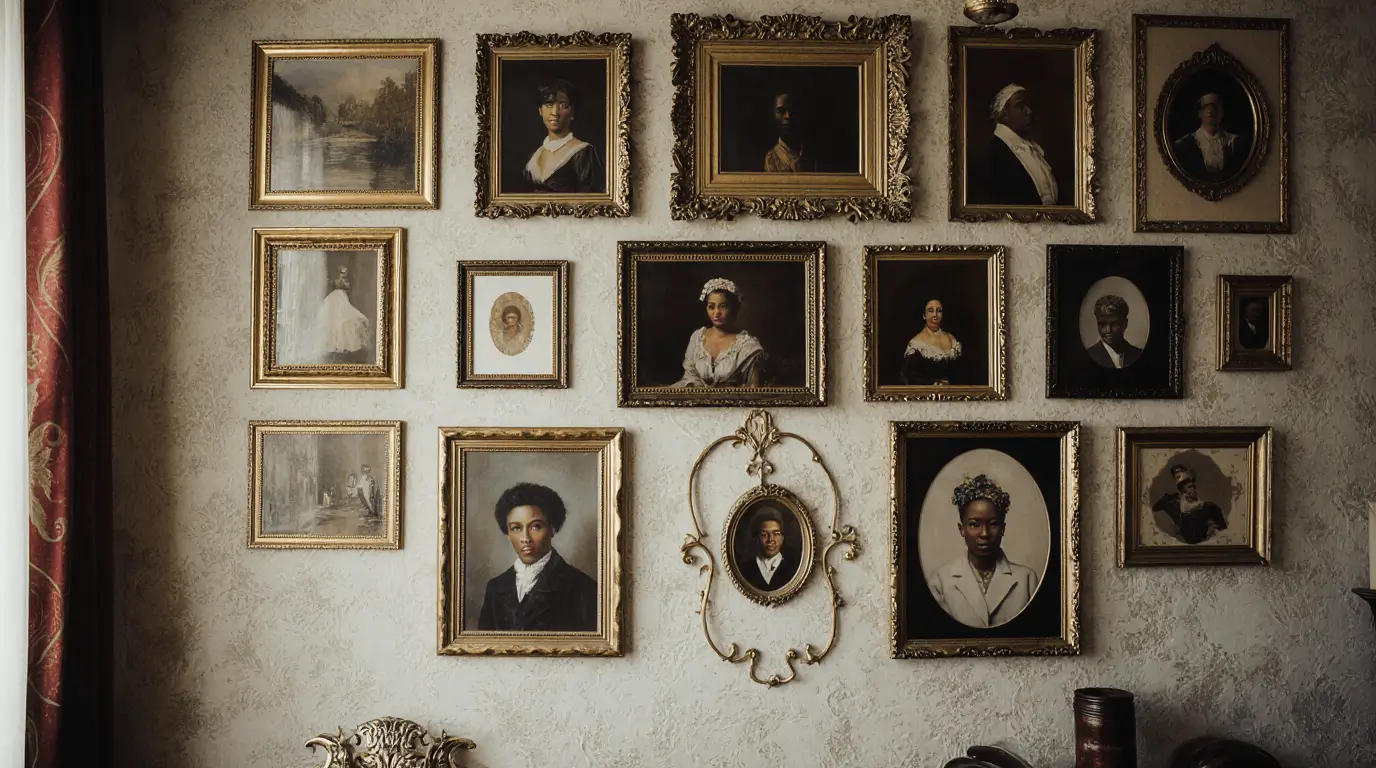
Harlem Renaissance Decorations Through Layered Artwork
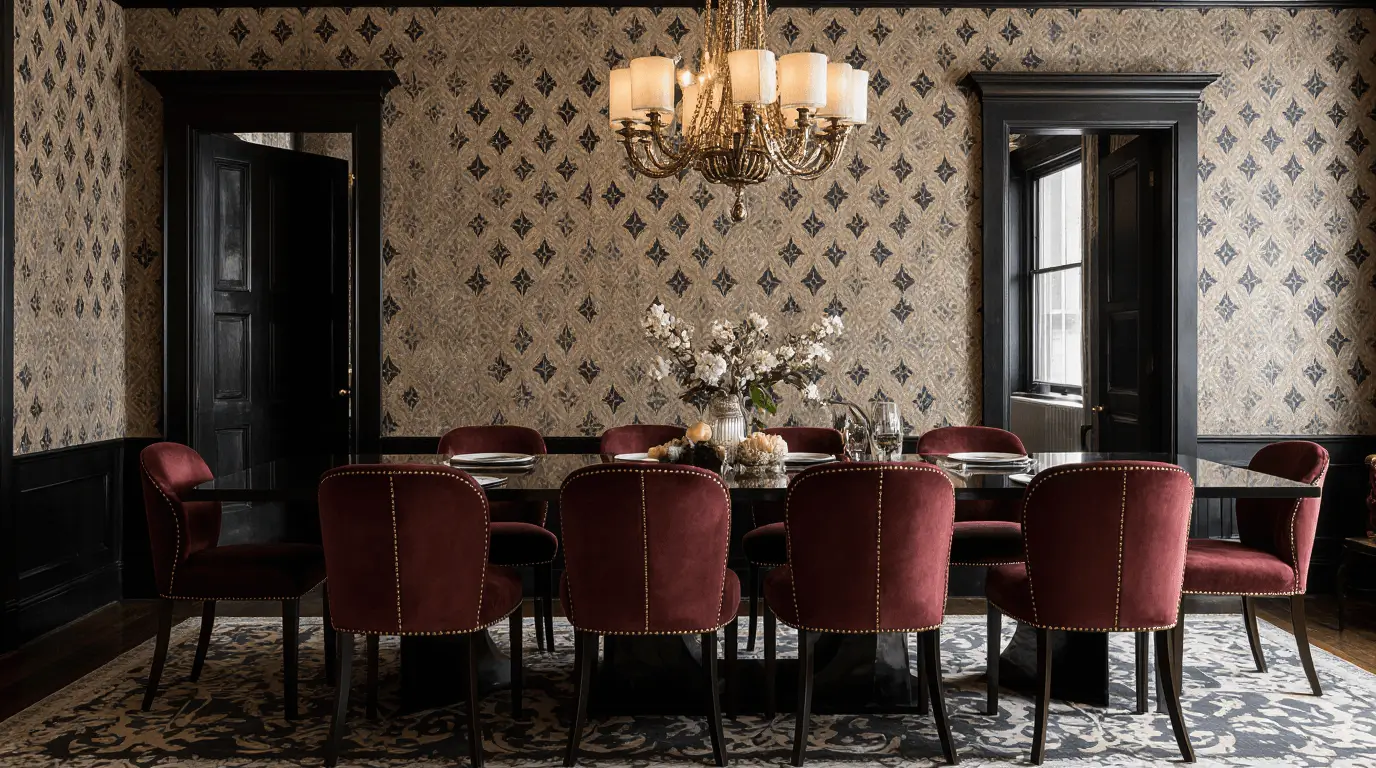
Artwork is central to this design philosophy. Portraits, abstract compositions, African diasporic imagery, vintage photography, and literary references help establish authenticity and narrative depth.
Layering framed art in salon-style arrangements creates the intellectual and creative atmosphere associated with Harlem cultural spaces.
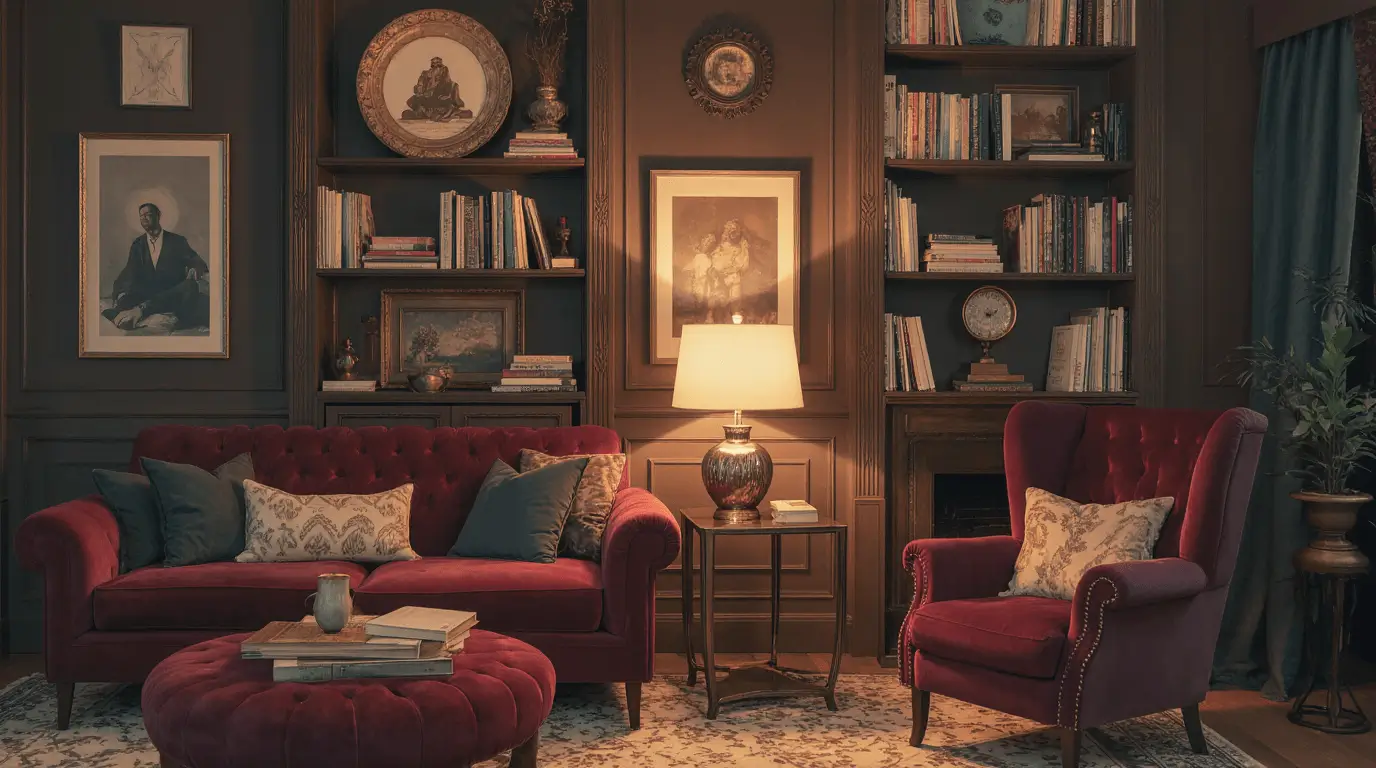
Harlem Renaissance Interior Design Ideas for Small Apartments
Smaller interiors benefit from focused statement pieces rather than excessive ornamentation. A single velvet chair, dramatic lamp, or curated bookshelf can instantly evoke Harlem Renaissance sophistication.
Warm lighting and rich materials prevent compact spaces from feeling sterile while maintaining visual elegance.
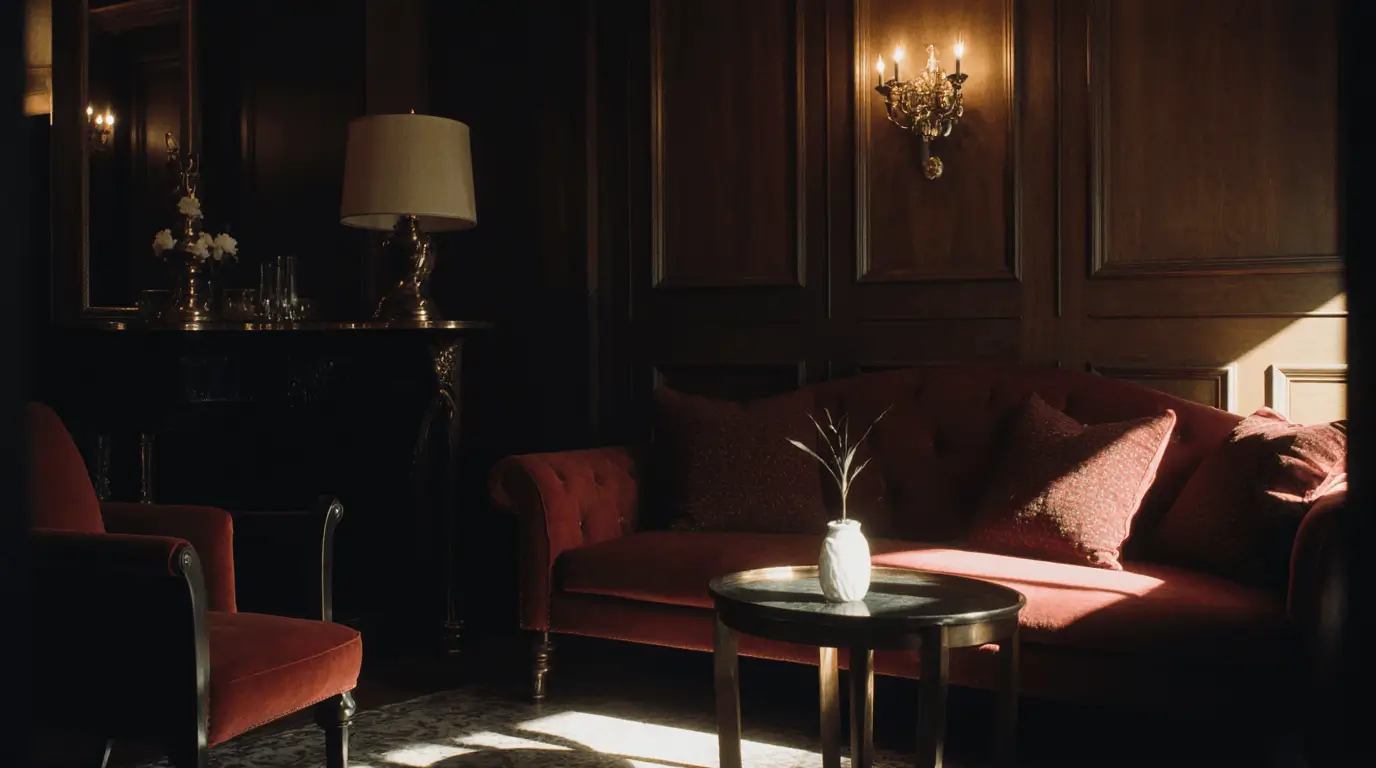
Harlem Renaissance Decorating Ideas With Jazz Lounge Energy
Music deeply influenced the Harlem Renaissance aesthetic. Interiors inspired by jazz clubs feature intimate lighting, curved furniture, dark woods, and luxurious fabrics designed to create emotional atmosphere.
These spaces feel cinematic and immersive, encouraging conversation, creativity, and relaxation.
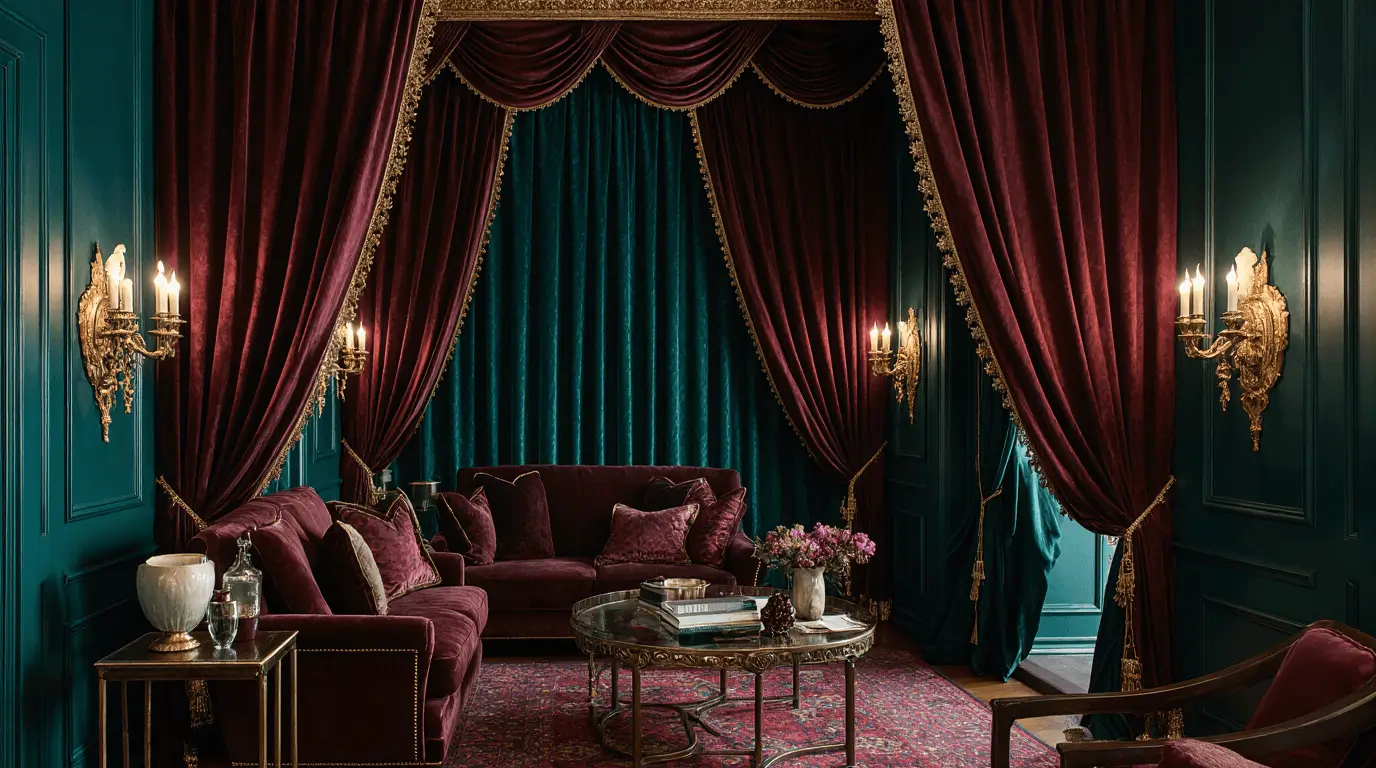
Harlem Renaissance Interior Design With Rich Color Palettes
Deep emerald, sapphire blue, burgundy, charcoal, amber, and gold are foundational colors within this style. These tones create emotional warmth and visual sophistication.
When balanced with cream or warm neutrals, darker palettes feel luxurious rather than overwhelming.
Black Design Architecture and Cultural Identity
The Harlem Renaissance helped establish new visibility for Black artists, intellectuals, and designers. Contemporary interiors inspired by this movement often celebrate African diasporic craftsmanship and architectural heritage.
This creates spaces that feel historically grounded while expressing modern cultural confidence.
Harlem Renaissance Architects and Historic Influence
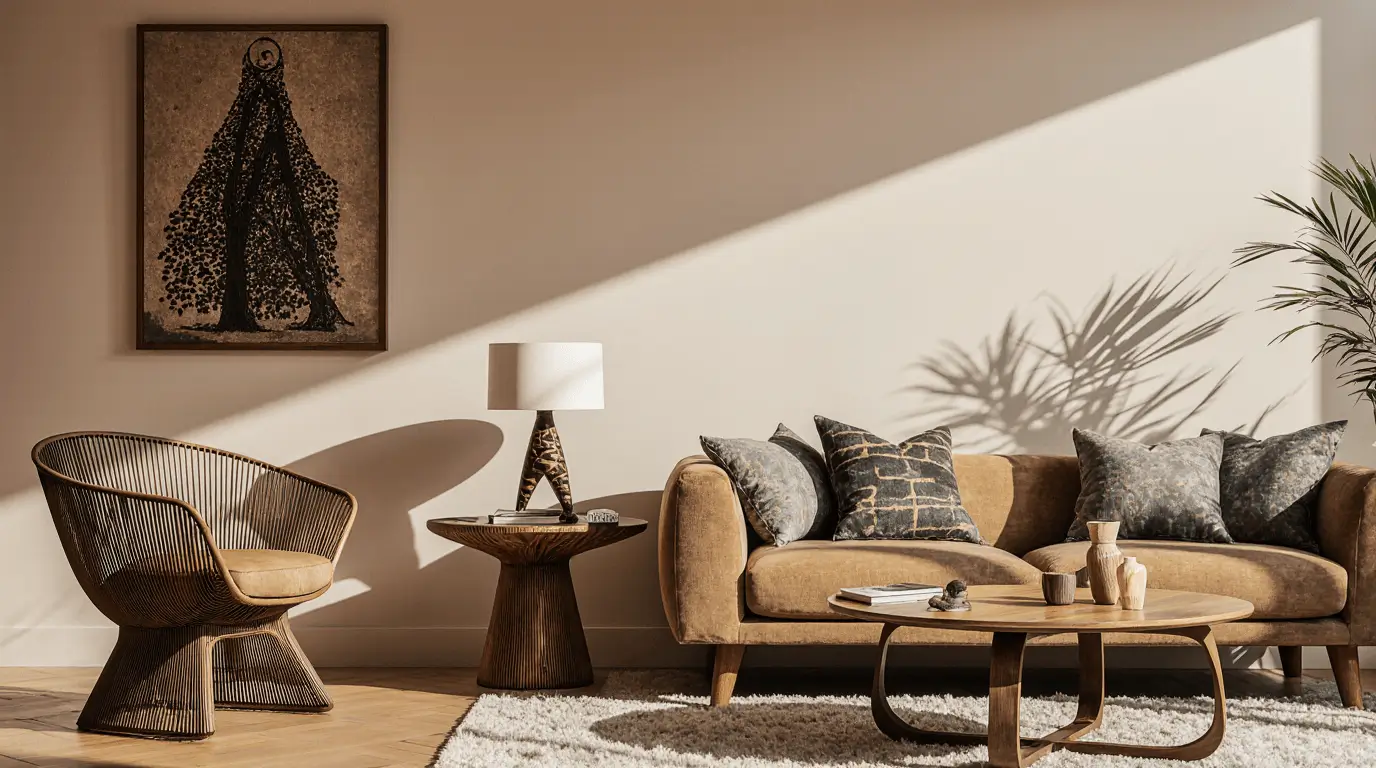
Designers often draw inspiration from historic Harlem brownstones, jazz clubs, libraries, and cultural salons associated with influential Harlem Renaissance architects and creatives.
Architectural details like arched openings, crown molding, parquet floors, and decorative ceilings help preserve historical authenticity.
Toile Print in Harlem Renaissance Interiors
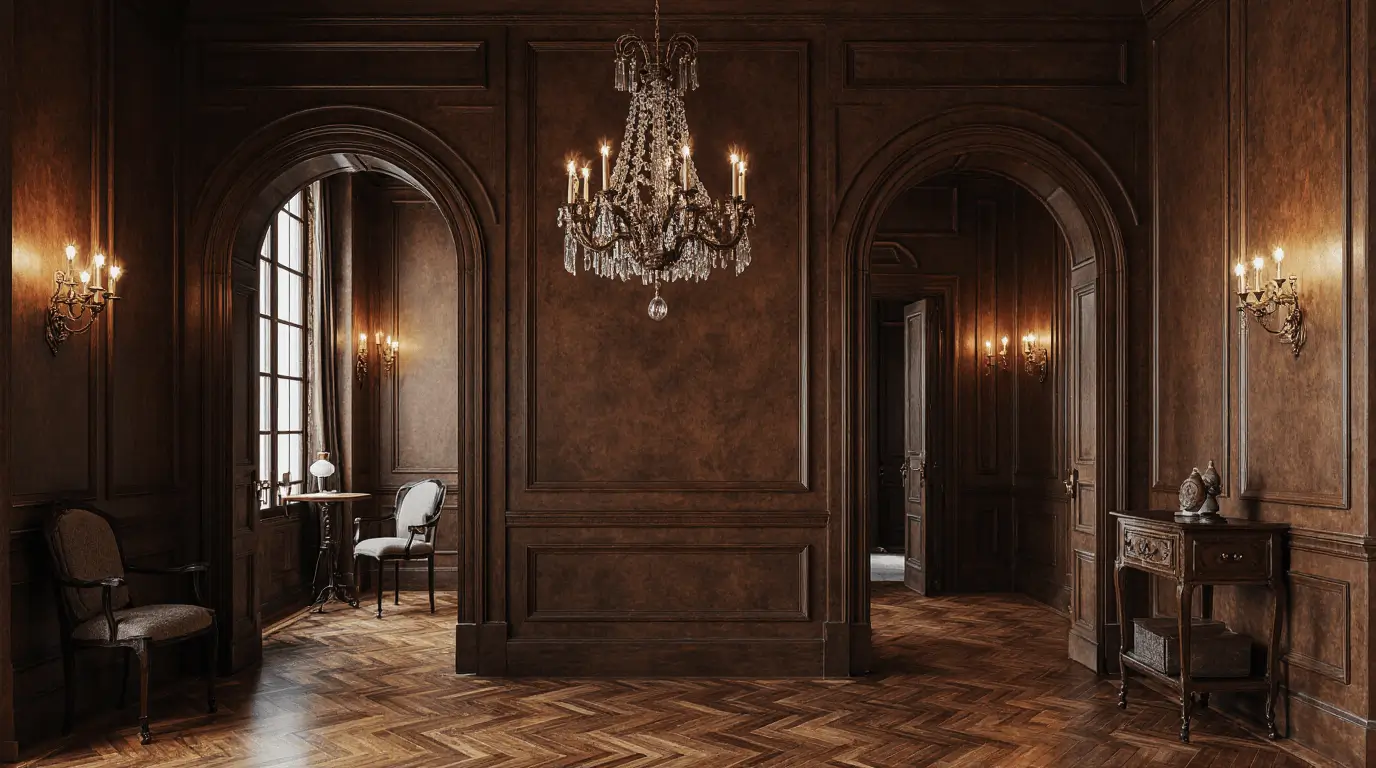
Toile print can add historical softness when used thoughtfully alongside richer textures and darker furnishings. Black-and-cream or sepia-toned toile patterns work especially well in transitional Harlem-inspired interiors.
This creates a layered blend of European decorative tradition and Harlem cultural refinement.
Harlem Renaissance Interior Design for Creative Studios
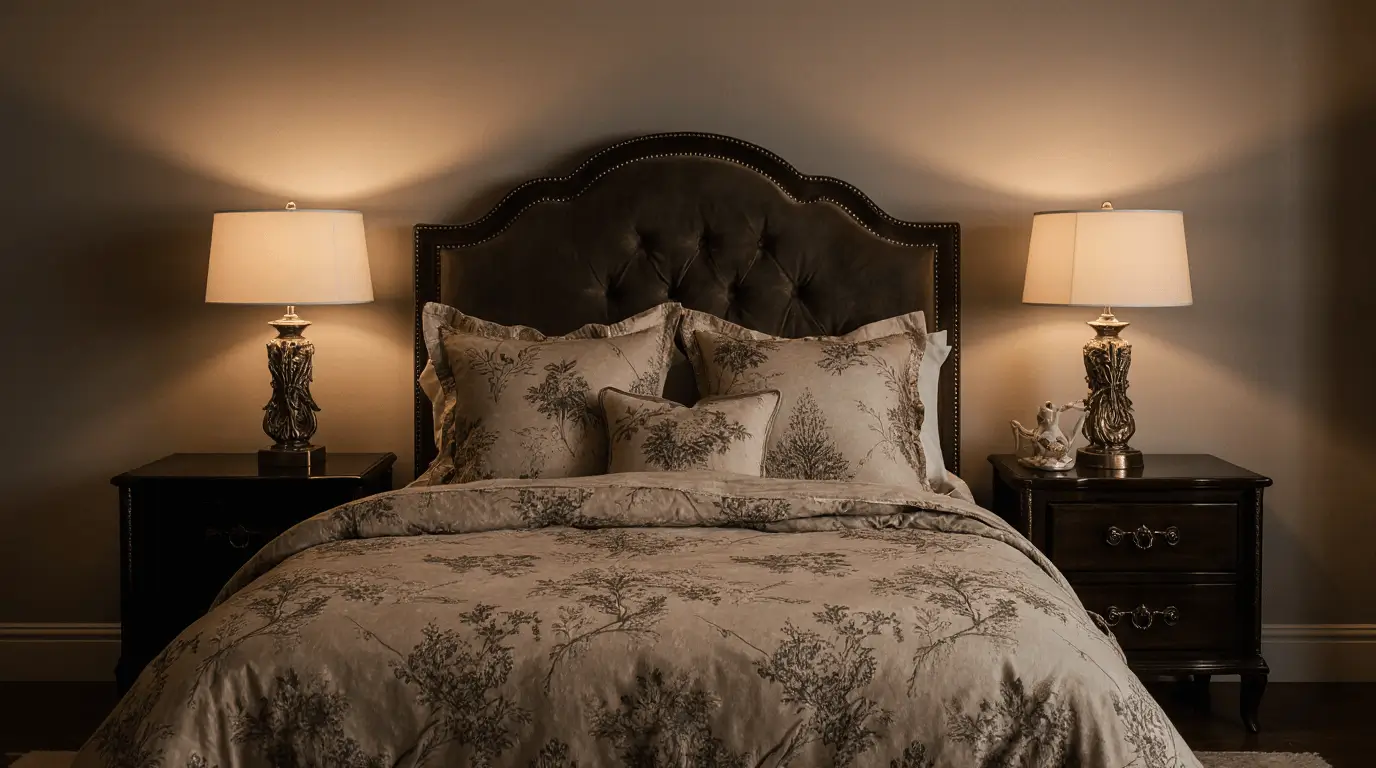
Creative studios inspired by the Harlem Renaissance emphasize books, music, artwork, and personal expression. The goal is to build an environment that encourages artistic thinking and emotional inspiration.
Open shelving, vintage desks, statement lighting, and collected objects create intellectual depth.
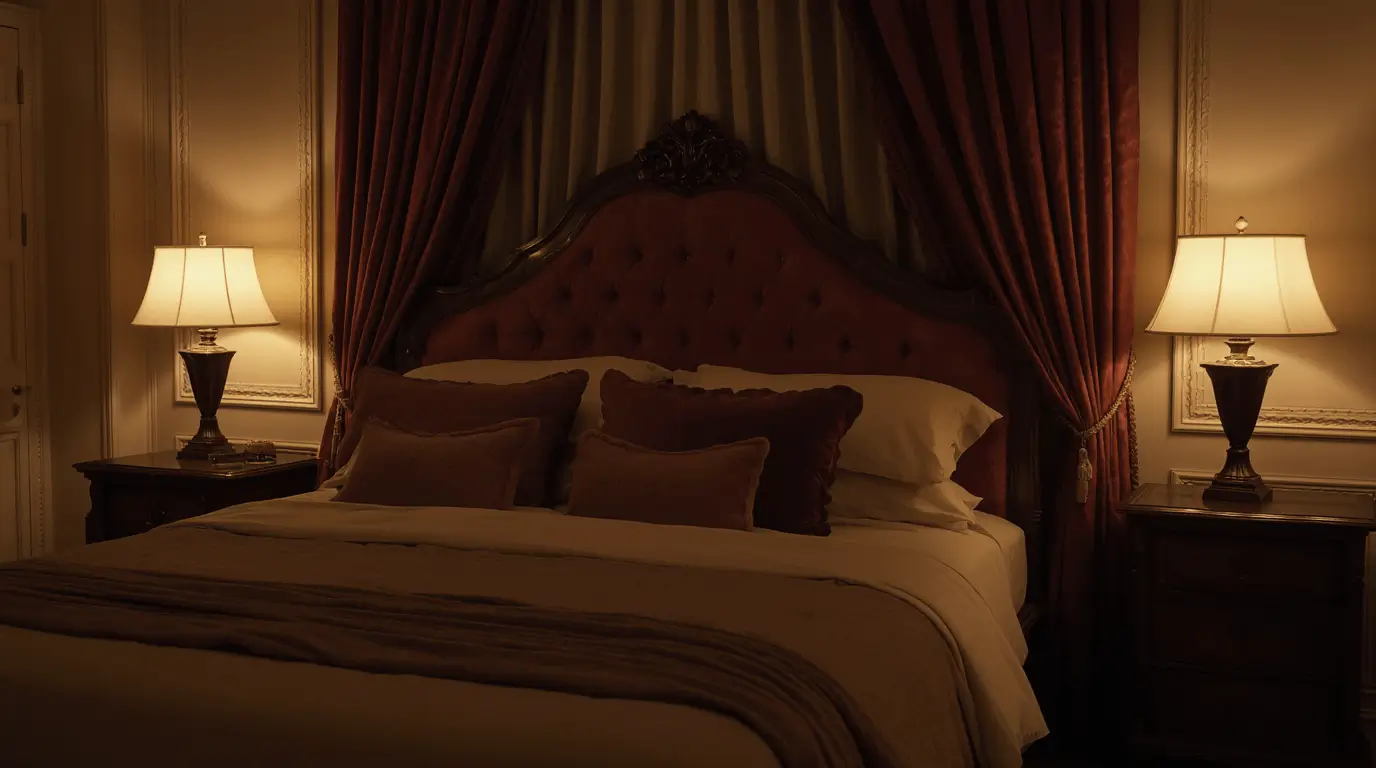
Harlem Renaissance Bedroom Design
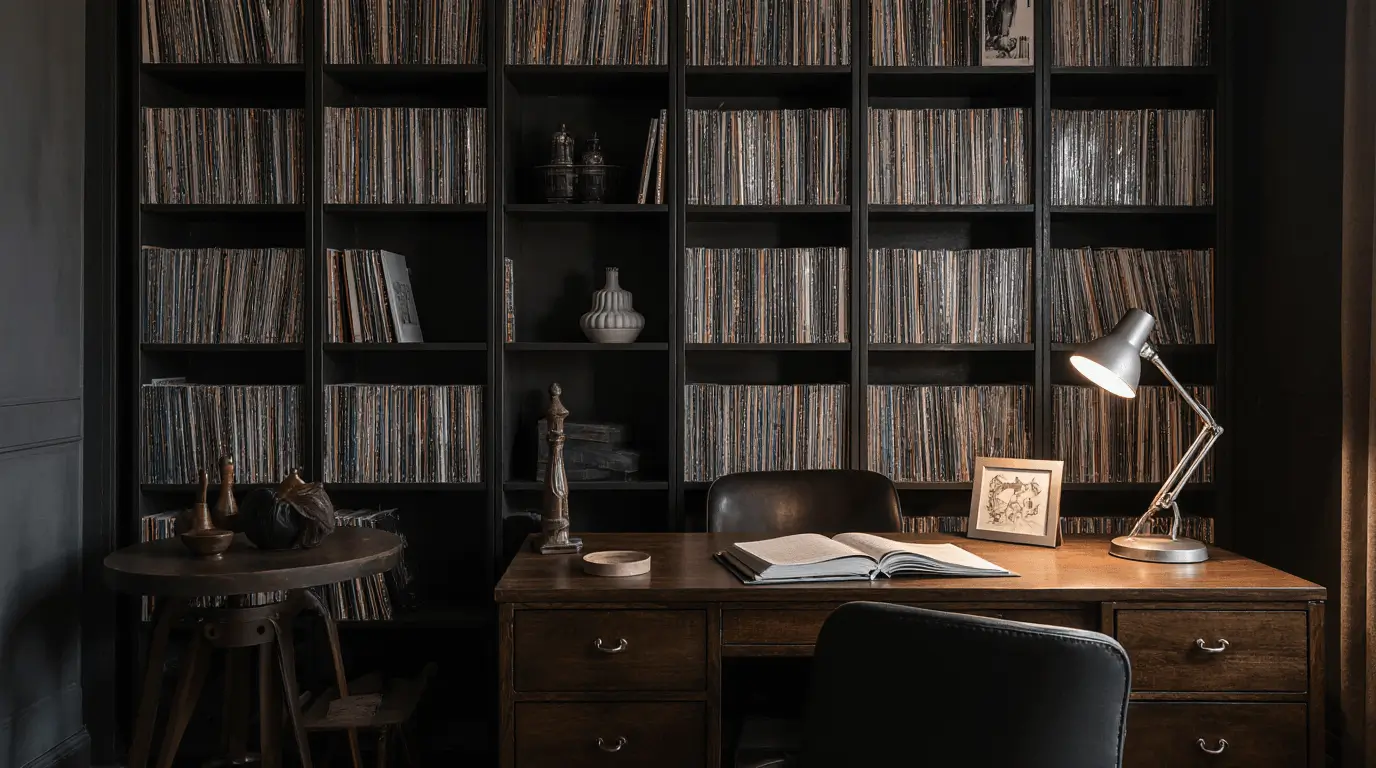
Bedrooms within this style prioritize intimacy, texture, and emotional warmth. Upholstered headboards, layered bedding, velvet curtains, and soft lighting create a luxurious retreat.
Muted jewel tones paired with antique-inspired furniture help establish timeless elegance.
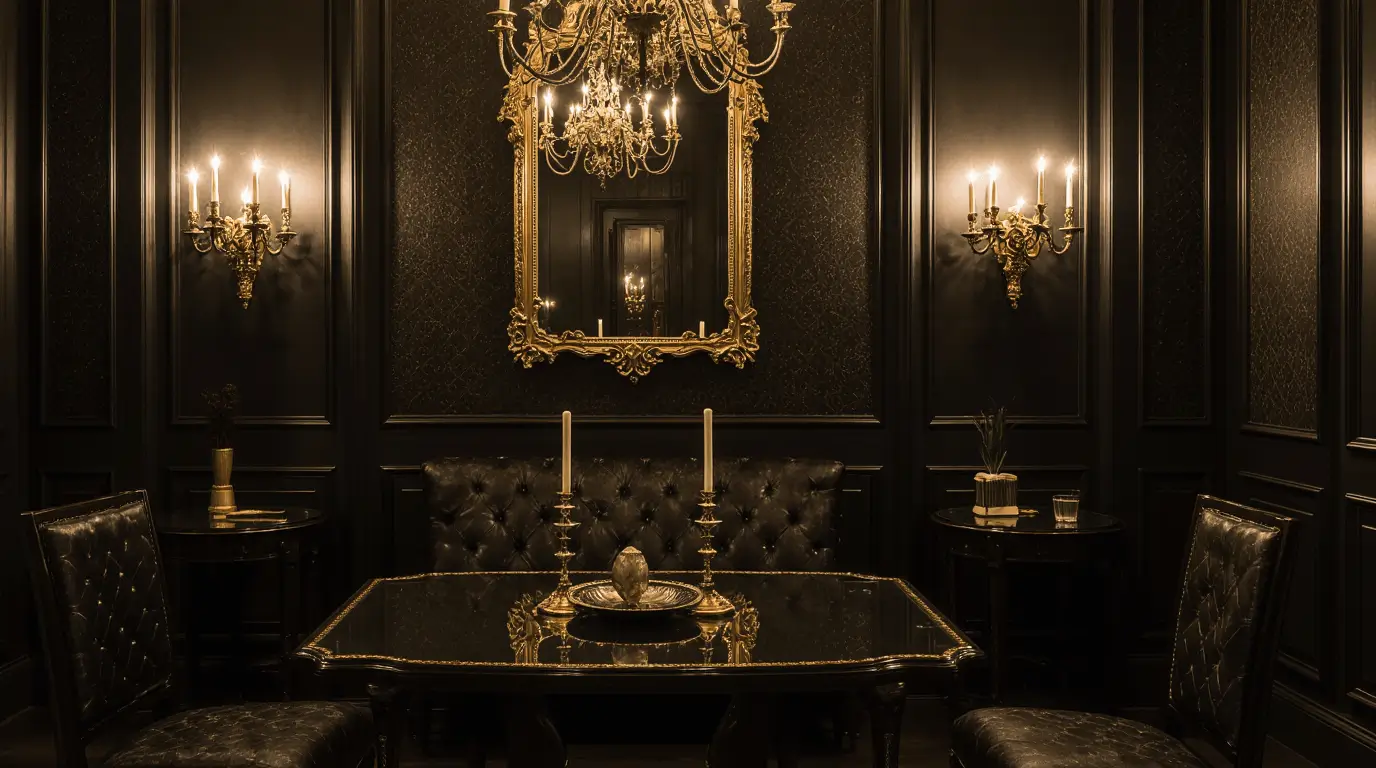
Harlem Renaissance Decorating Ideas With Metallic Accents
Brass, bronze, and antique gold finishes elevate Harlem-inspired interiors without appearing overly ornate. Metallic details reflect ambient light beautifully against darker palettes.
Thoughtful placement of mirrors and sculptural lighting adds glamour while maintaining artistic sophistication.
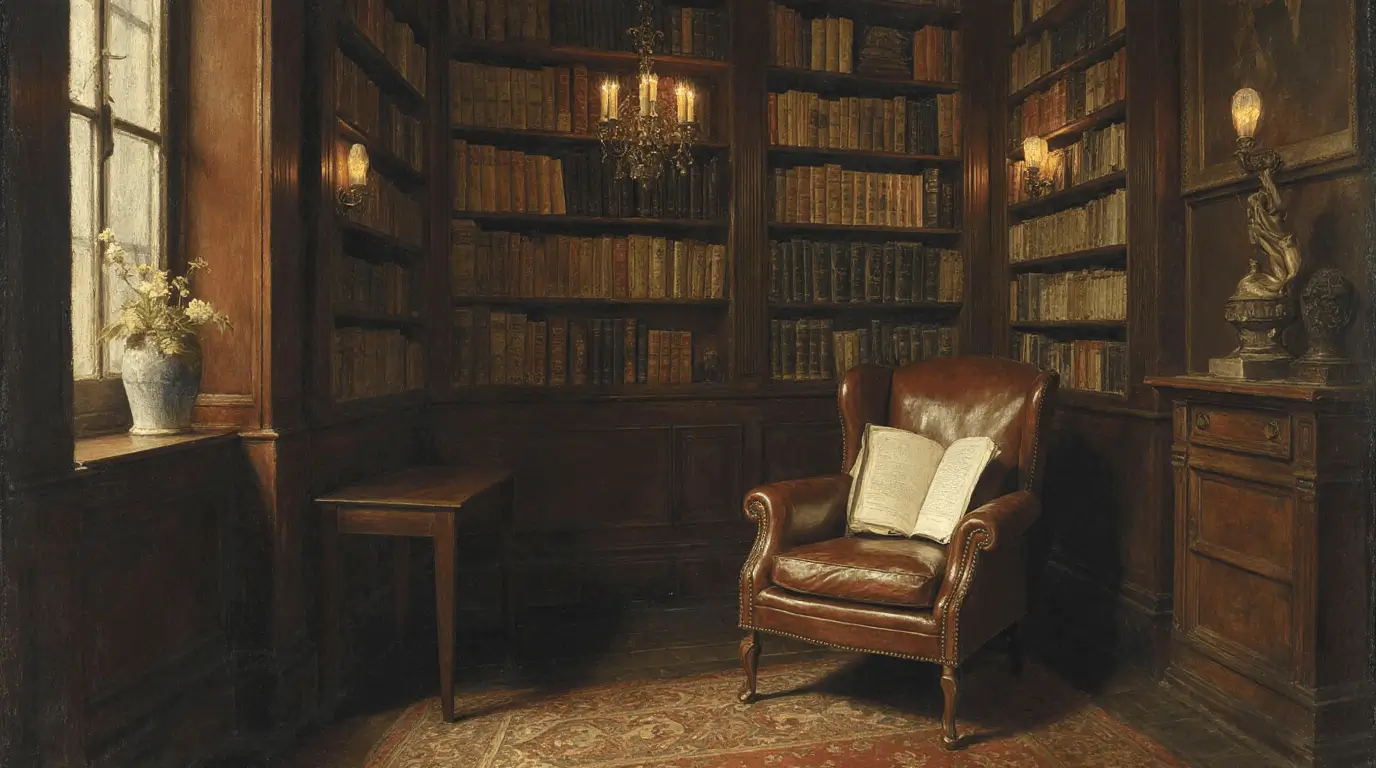
Harlem Renaissance Interior Design and Literary Influence
The literary brilliance of the Harlem Renaissance can influence interiors through curated libraries, poetry collections, writing corners, and intellectual gathering spaces.
Bookshelves styled with art objects, candles, and vintage photography help create spaces that feel deeply personal and cultured.
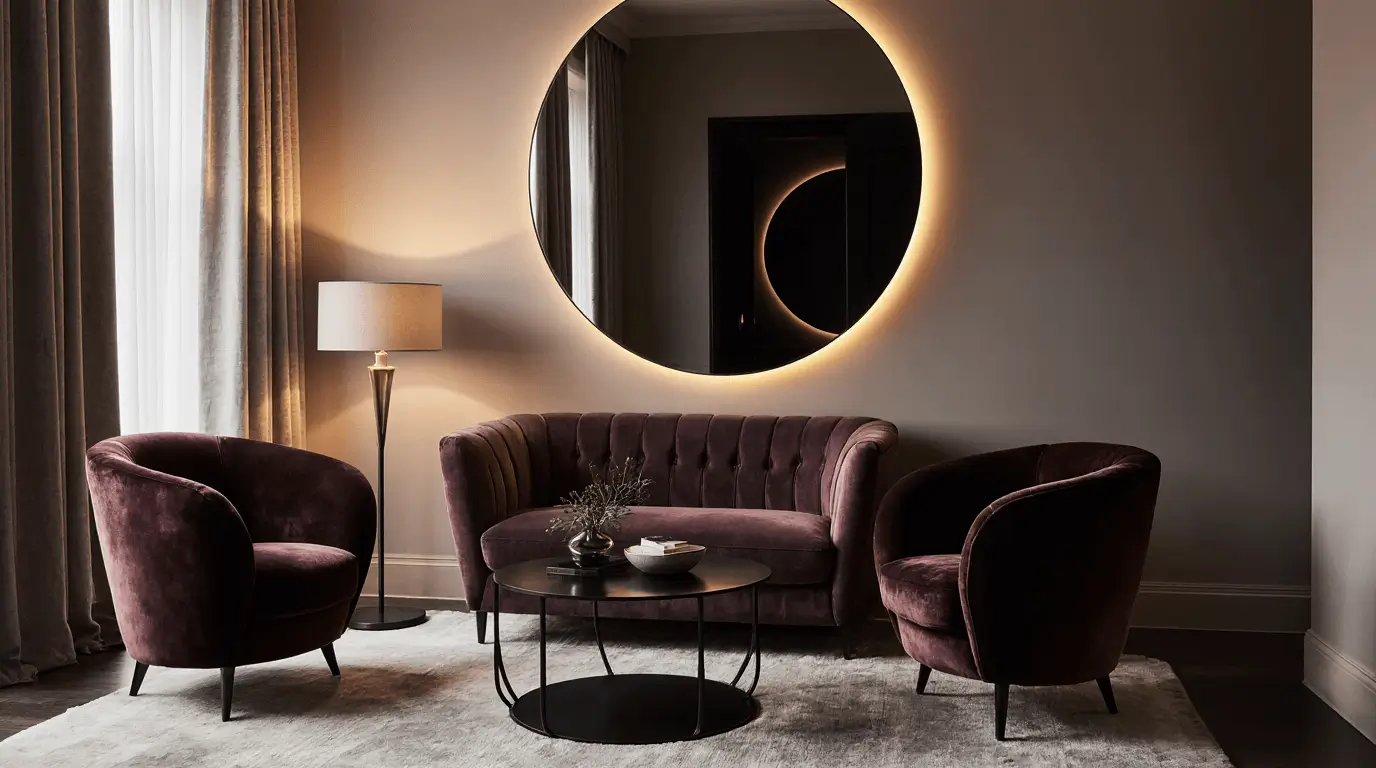
Harlem Renaissance Decor With Sculptural Furniture
Curved silhouettes and sculptural furniture soften darker palettes while adding movement to a room. Rounded armchairs, arched mirrors, and statement coffee tables reflect the artistic spirit of the era.
These forms create balance between glamour and comfort.
Harlem Renaissance Interior Design Through Textural Layering
Texture is essential in creating visual richness. Velvet, leather, wood, silk, linen, and brushed metals combine to produce interiors that feel immersive and emotionally resonant.
Layered textures prevent darker spaces from feeling flat while enhancing warmth and depth.
Harlem Renaissance Interior Design With Statement Lighting
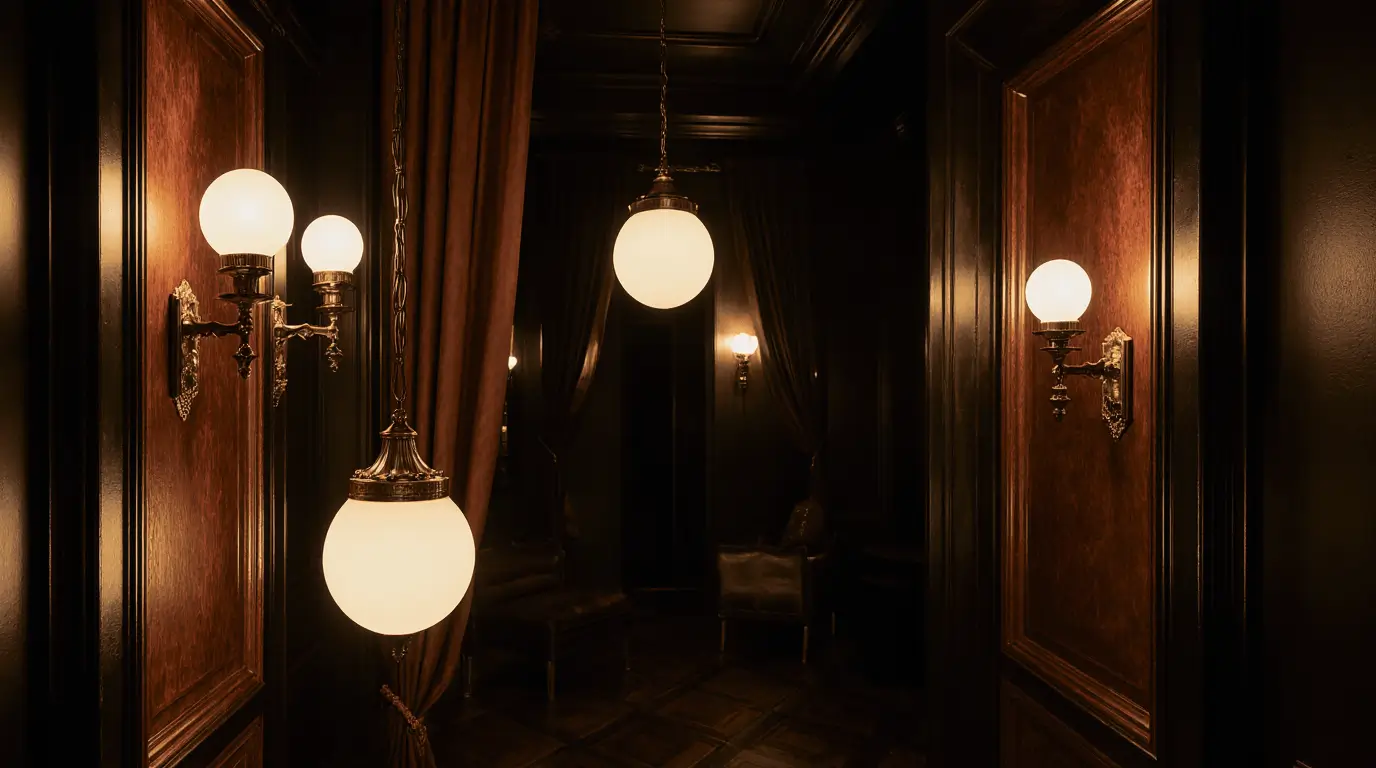
Lighting shapes the emotional atmosphere of Harlem-inspired interiors more than almost any other design element. Warm ambient fixtures, sculptural chandeliers, and globe lamps create cinematic depth.
Layered lighting allows rooms to feel intimate, artistic, and inviting throughout the day.
Conclusion
Harlem renaissance interior design continues to resonate because it offers far more than visual beauty—it creates interiors with emotional depth, cultural intelligence, and timeless personality. By blending artistic expression, historical influence, luxurious textures, and intentional storytelling, this design approach transforms ordinary rooms into spaces that feel soulful and memorable. Every layered textile, curated artwork, sculptural silhouette, and warm lighting choice contributes to an atmosphere rooted in creativity and identity.
One of the strongest aspects of this style is its adaptability. Some homeowners embrace dramatic Art Deco glamour with rich jewel tones and brass finishes, while others prefer a quieter modern interpretation with minimalist architecture and carefully selected cultural accents. In both cases, the foundation remains the same: thoughtful design that values meaning as much as aesthetics. That balance is what allows Harlem Renaissance-inspired interiors to feel sophisticated without becoming overly formal or historically rigid.
This approach works especially well for people who want their homes to feel curated, expressive, and emotionally connected rather than trend-driven. Whether designing a living room, studio apartment, reading nook, or full-scale renovation, the key is layering history, artistry, texture, and warmth with intention. Spaces inspired by the Harlem Renaissance succeed because they celebrate individuality while maintaining elegance and cohesion.
As interior design continues moving toward more personal and story-centered spaces, Harlem Renaissance influences remain remarkably relevant. The style encourages homeowners to design with confidence, honor craftsmanship, and create environments that reflect culture, creativity, and lived experience in a deeply authentic way.
Learn more : Christian Interior Design Ideas for Elegant Faith Filled Homes
Frequently Asked Questions
- What defines Harlem Renaissance interior design?
Harlem Renaissance interior design is characterized by artistic layering, rich textures, cultural storytelling, Art Deco influence, and sophisticated color palettes. It often incorporates jazz-era inspiration, vintage artwork, sculptural furniture, dark woods, brass accents, and meaningful decorative elements that reflect creativity and heritage.
- Can Harlem Renaissance interiors work in modern homes?
Yes. Modern Harlem Renaissance interiors often blend contemporary architecture with historical and artistic influences. Clean-lined furniture, minimalist layouts, and modern lighting can be combined with vintage-inspired artwork, velvet textures, and layered décor to create a balanced and updated interpretation.
- Which colors work best in Harlem Renaissance-inspired spaces?
Deep jewel tones such as emerald green, sapphire blue, burgundy, charcoal, amber, and gold are commonly used because they create warmth and sophistication. These colors are often balanced with cream, soft beige, or muted neutrals to maintain visual harmony.
- Is Harlem Renaissance décor only suitable for large spaces?
Not at all. Smaller apartments and compact rooms can successfully incorporate Harlem Renaissance décor through carefully chosen statement pieces. A dramatic lamp, velvet chair, curated bookshelf, or gallery wall can create the same artistic atmosphere without overwhelming the space.
- How can I make a room feel authentic without looking overly vintage?
The most effective approach is combining historical inspiration with contemporary restraint. Instead of fully recreating a 1920s interior, use selective references such as brass accents, jazz-inspired artwork, sculptural lighting, or rich textiles alongside modern furniture and simplified layouts.
- What materials are commonly used in Harlem Renaissance interior design?
Velvet, walnut wood, brass, leather, silk, linen, marble, and textured fabrics are frequently used because they create visual richness and depth. Layering these materials helps establish the luxurious yet intellectual atmosphere associated with the style.
- Why is artwork so important in Harlem Renaissance interiors?
Artwork acts as both decoration and storytelling. The Harlem Renaissance was deeply connected to literature, music, visual arts, and cultural expression, so curated art collections help bring emotional authenticity and intellectual character into the space. Portraits, abstract works, photography, and African diasporic art are especially impactful choices.



One Response