
Introduction
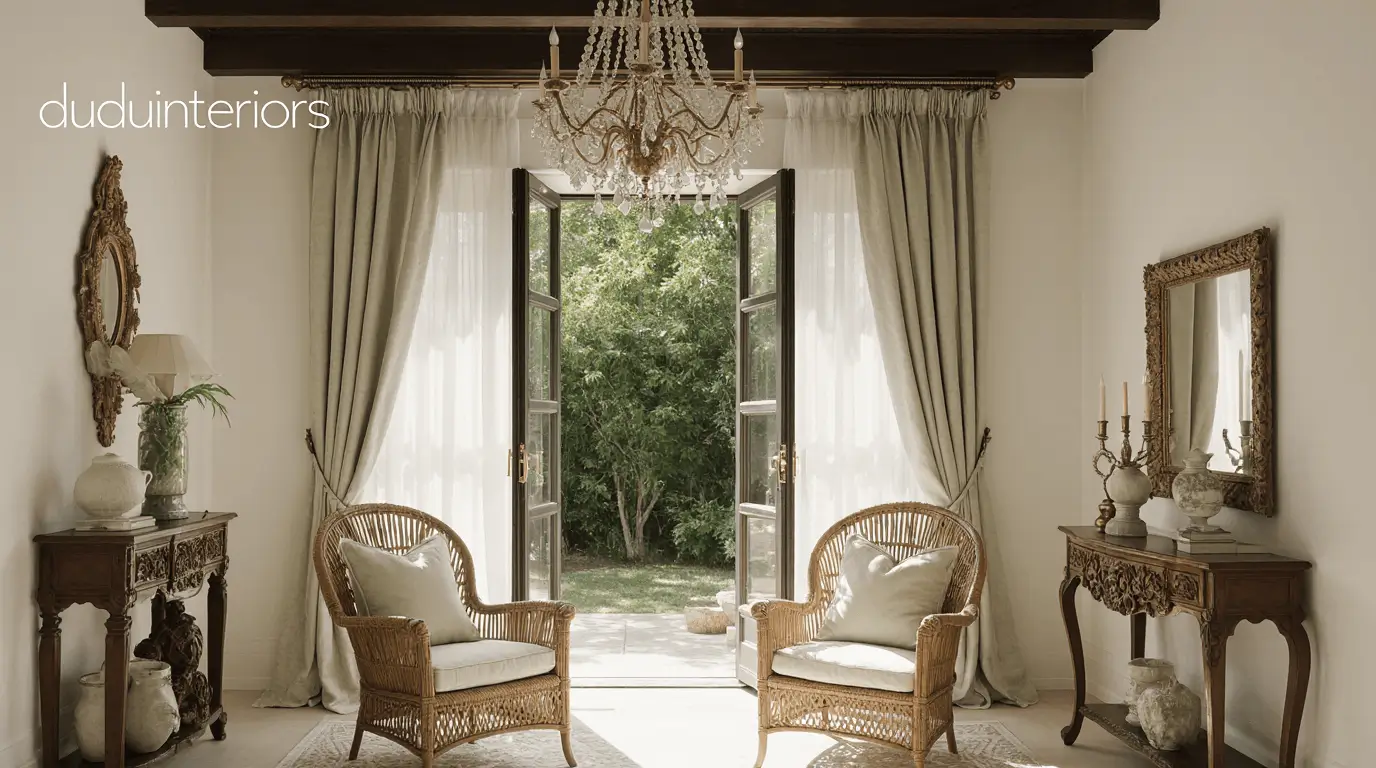
French colonial interior design is where European refinement meets relaxed, climate-responsive living. Rooted in 17th–19th century colonial French architecture and shaped by regions such as the Caribbean, Vietnam, and parts of Africa, this style blends symmetry, craftsmanship, and natural materials with breezy openness. The result is interiors that feel elegant yet effortlessly livable.
From my experience working on heritage-inspired homes, what makes this design language truly enduring is its balance: ornate yet restrained, structured yet airy, luxurious yet grounded in nature. It honors history while adapting beautifully to modern comfort—making it ideal for today’s homeowners seeking timeless character.
French Colonial interiors combine timeless elegance, natural materials, and thoughtful design principles. If you want a simpler overview of the style, key elements, and practical ideas for applying it at home, explore this French Colonial interior design guide.
French Colonial Interior Design Foundations
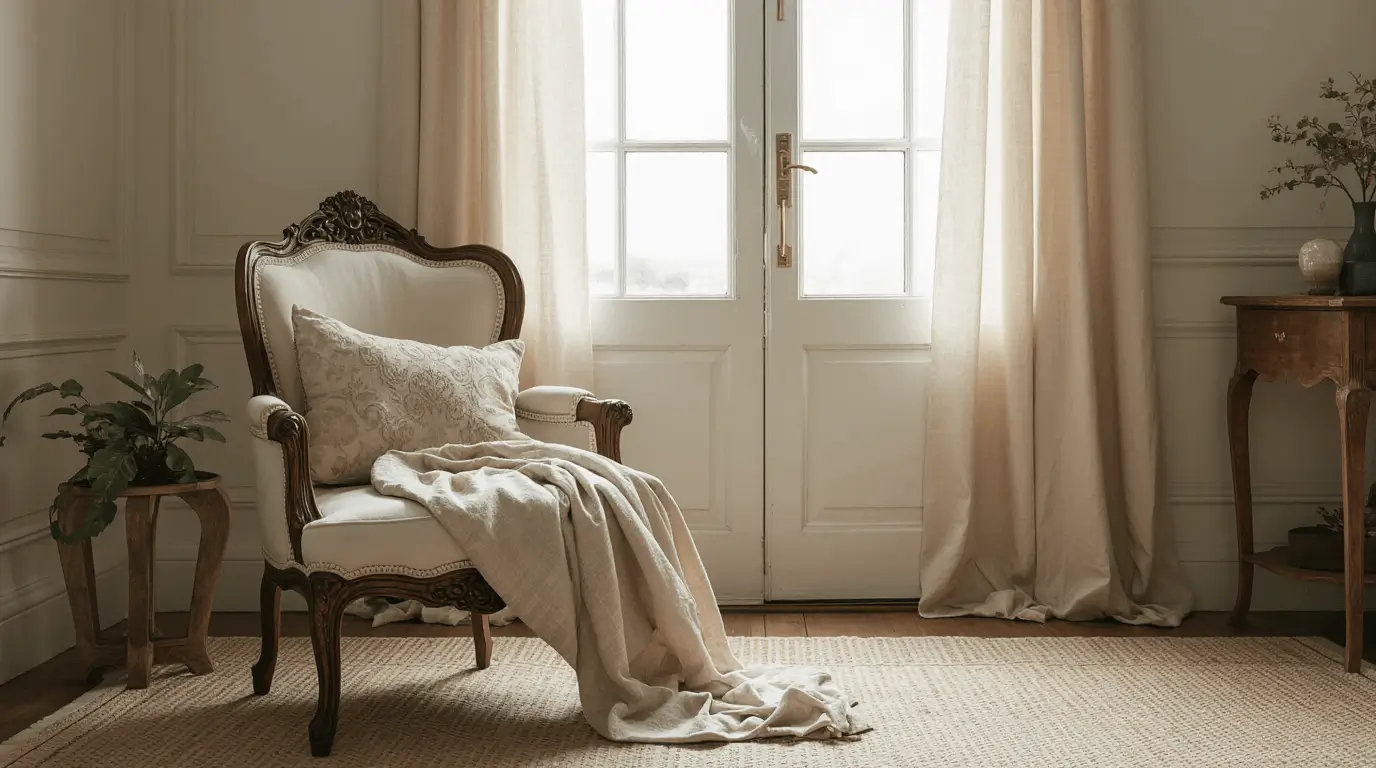
French colonial interior design is defined by symmetry, tall ceilings, shuttered windows, and a mix of European antiques with tropical materials. The aesthetic feels collected rather than decorated.
French Colonial Interior Design Color Palette
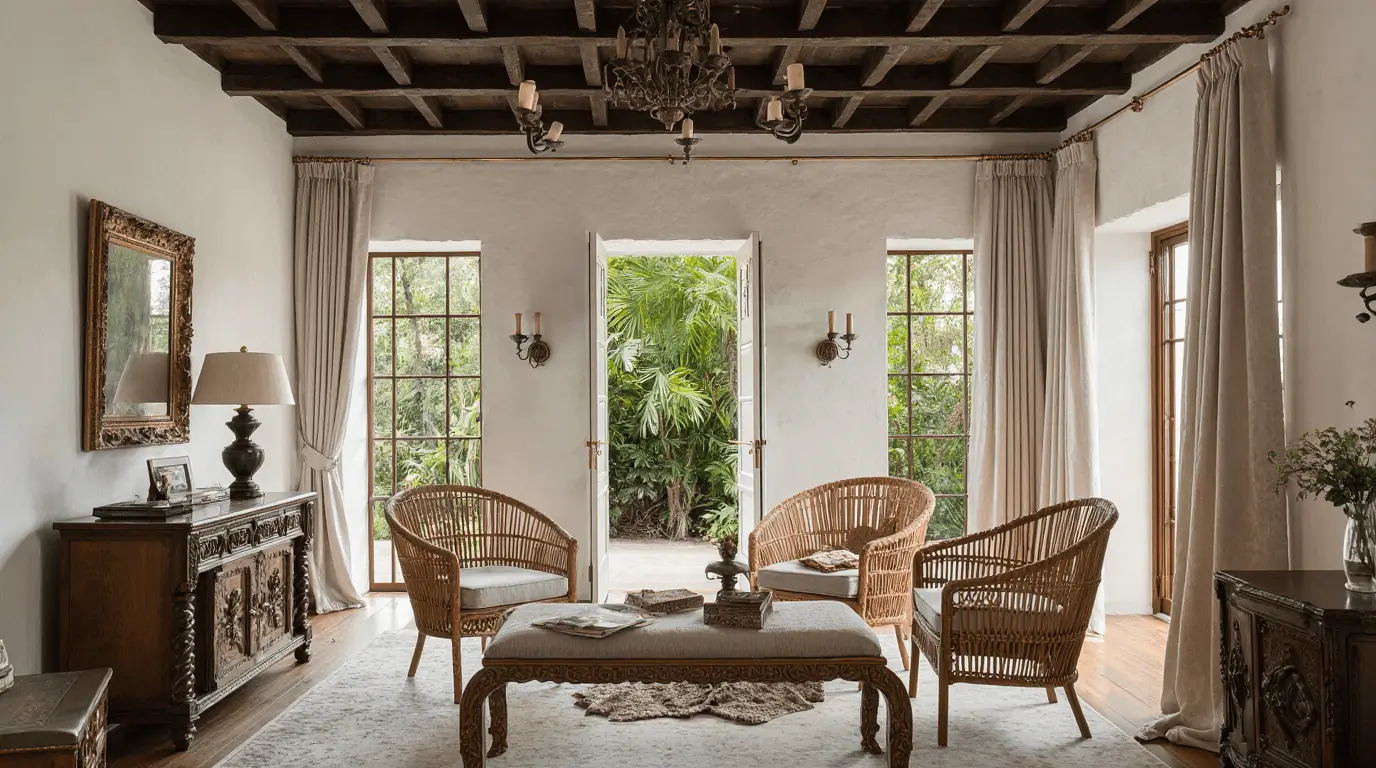
Soft whites, muted creams, pale sage, dusty blues, and warm wood tones form the base palette. These hues reflect heat while maintaining refined European character.
French Colonial Interior Design Materials
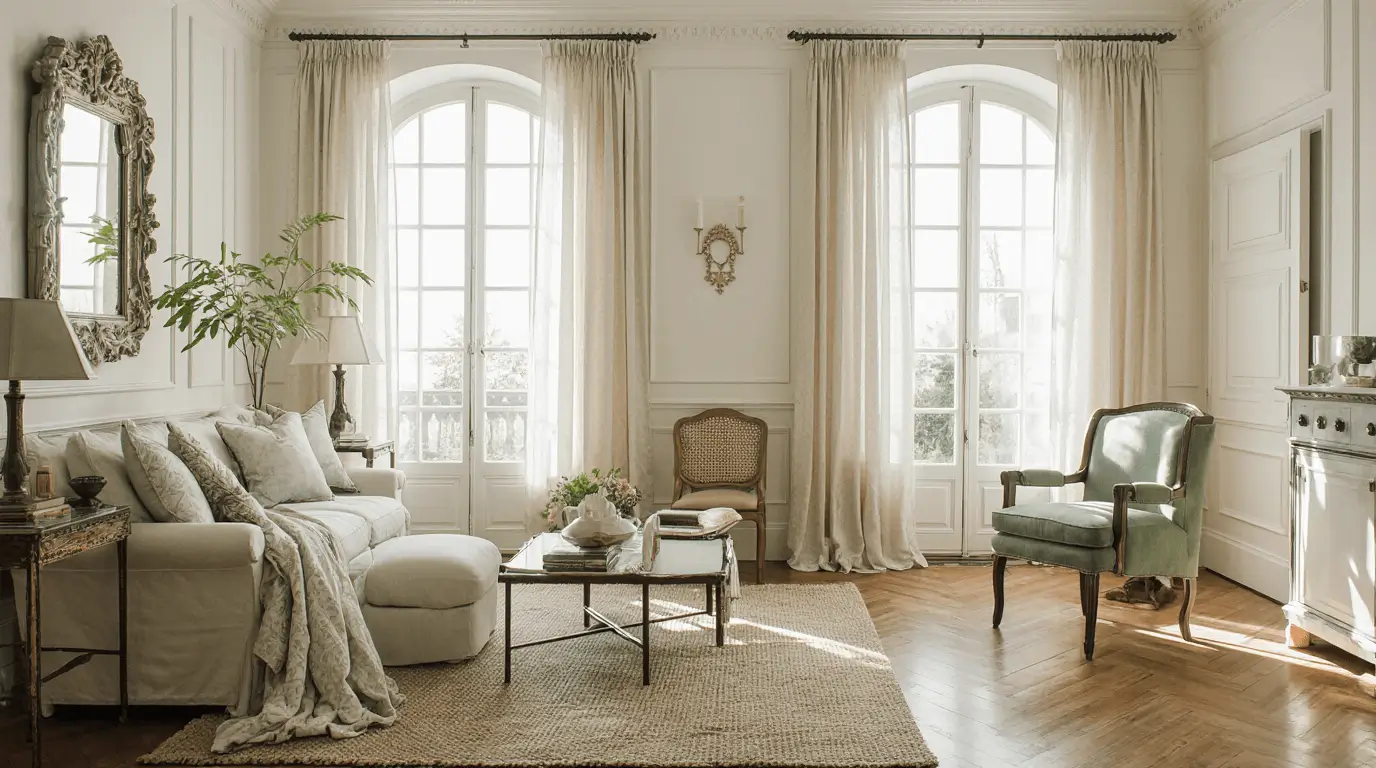
Teak, mahogany, rattan, bamboo, linen, and stone are essential. These materials respond to humid climates while adding organic warmth and tactile richness.
French Colonial Living Room Design
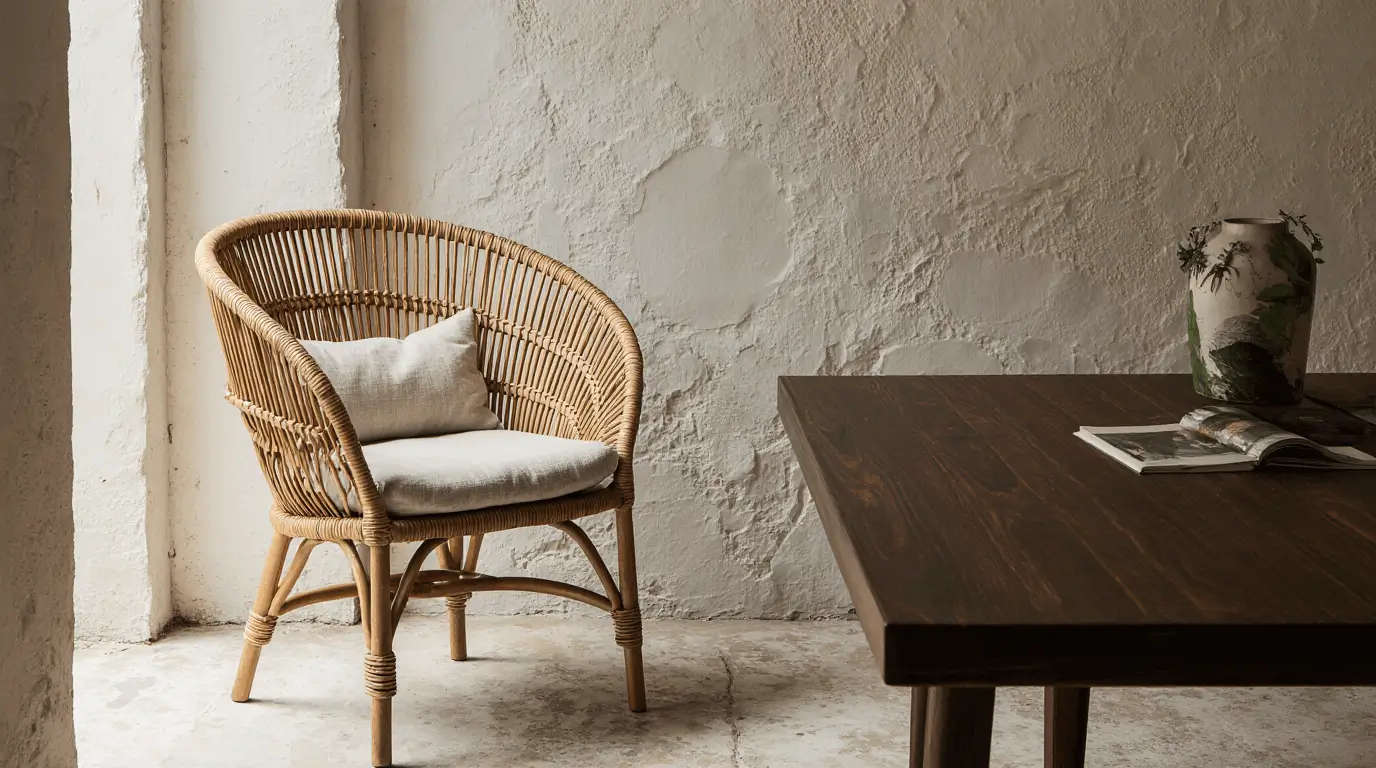
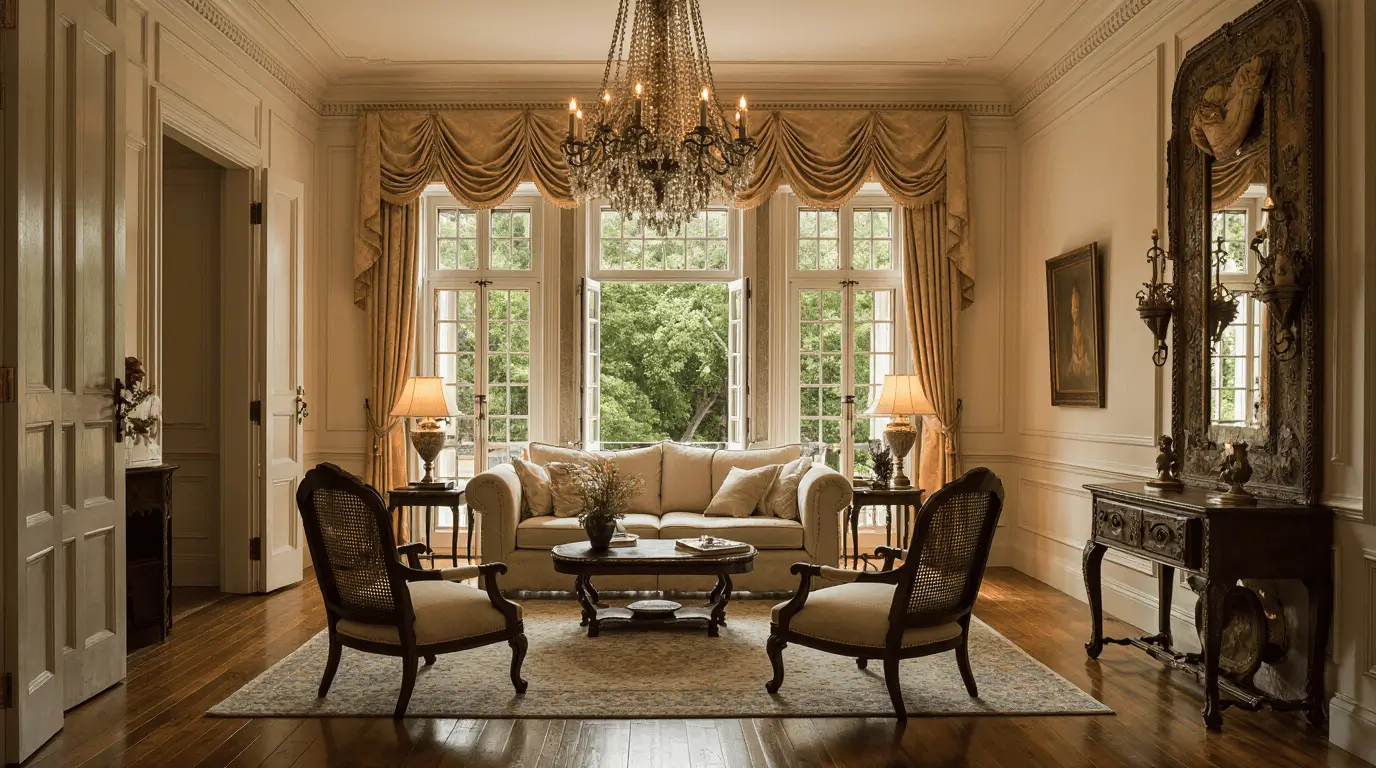
A French colonial living room often centers around symmetry—paired armchairs, balanced artwork, and a statement chandelier. Furniture feels refined yet breathable.
French Colonial Bedroom Elegance
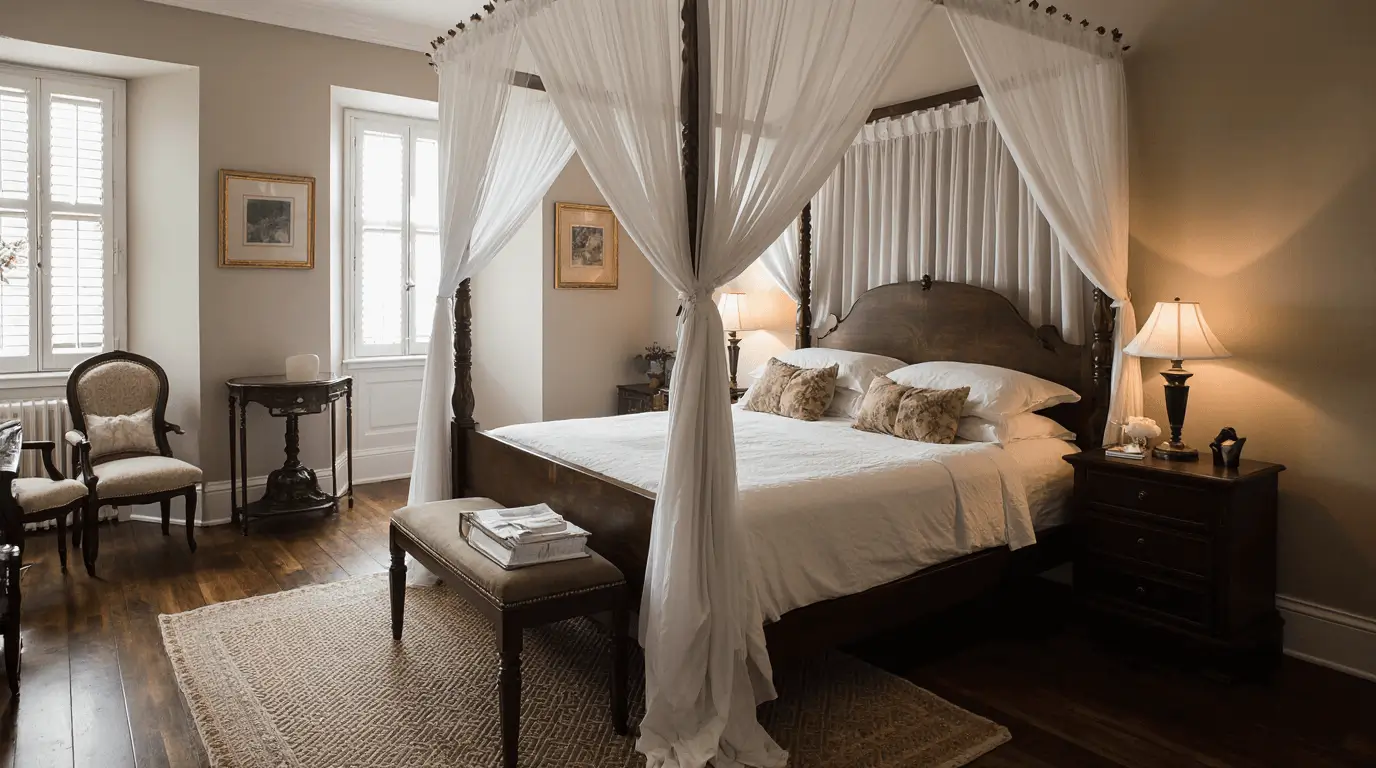
A French colonial bedroom typically features a four-poster bed, mosquito net canopy, crisp white linens, and antique side tables. The mood is romantic and serene.
French Colonial Kitchen Design
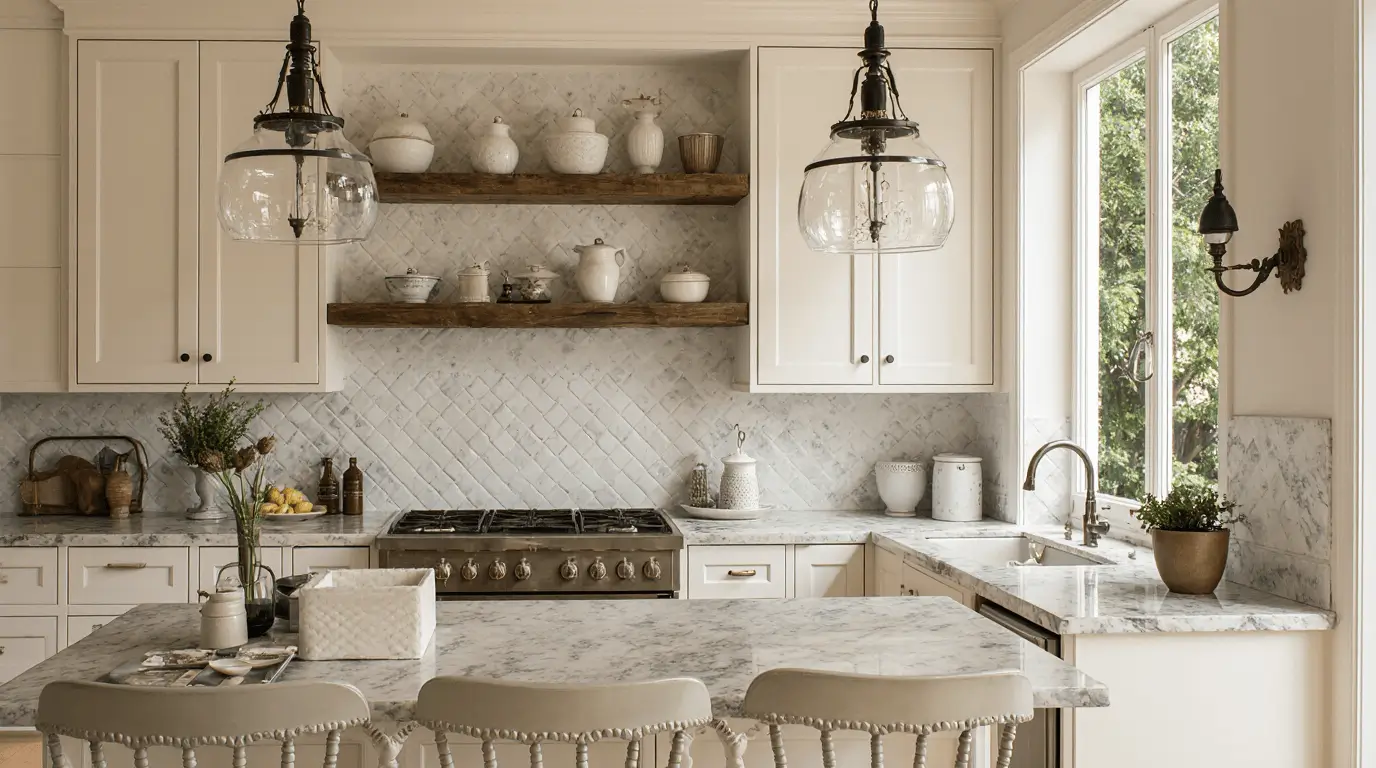
In a French colonial kitchen, you’ll find stone countertops, shaker-style cabinetry, vintage brass hardware, and open shelving. The space feels functional yet old-world refined.
French Colonial House Interior Layout
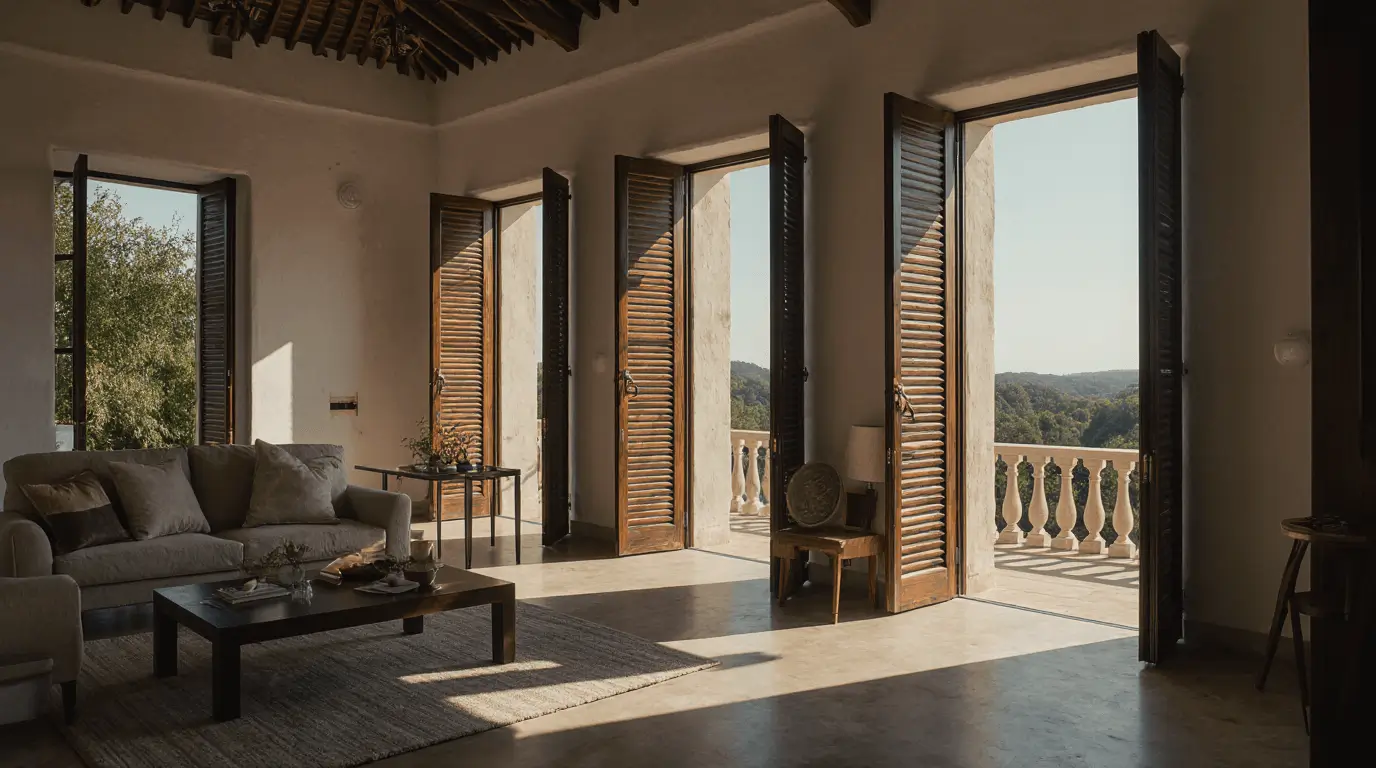
Layouts emphasize cross-ventilation, tall windows, and connected indoor-outdoor flow. Verandas and French doors are signature architectural elements.
French Colonial Style Furniture
Furniture combines European curves with tropical craftsmanship—cabriole legs alongside woven cane panels. Pieces are elegant but never heavy.
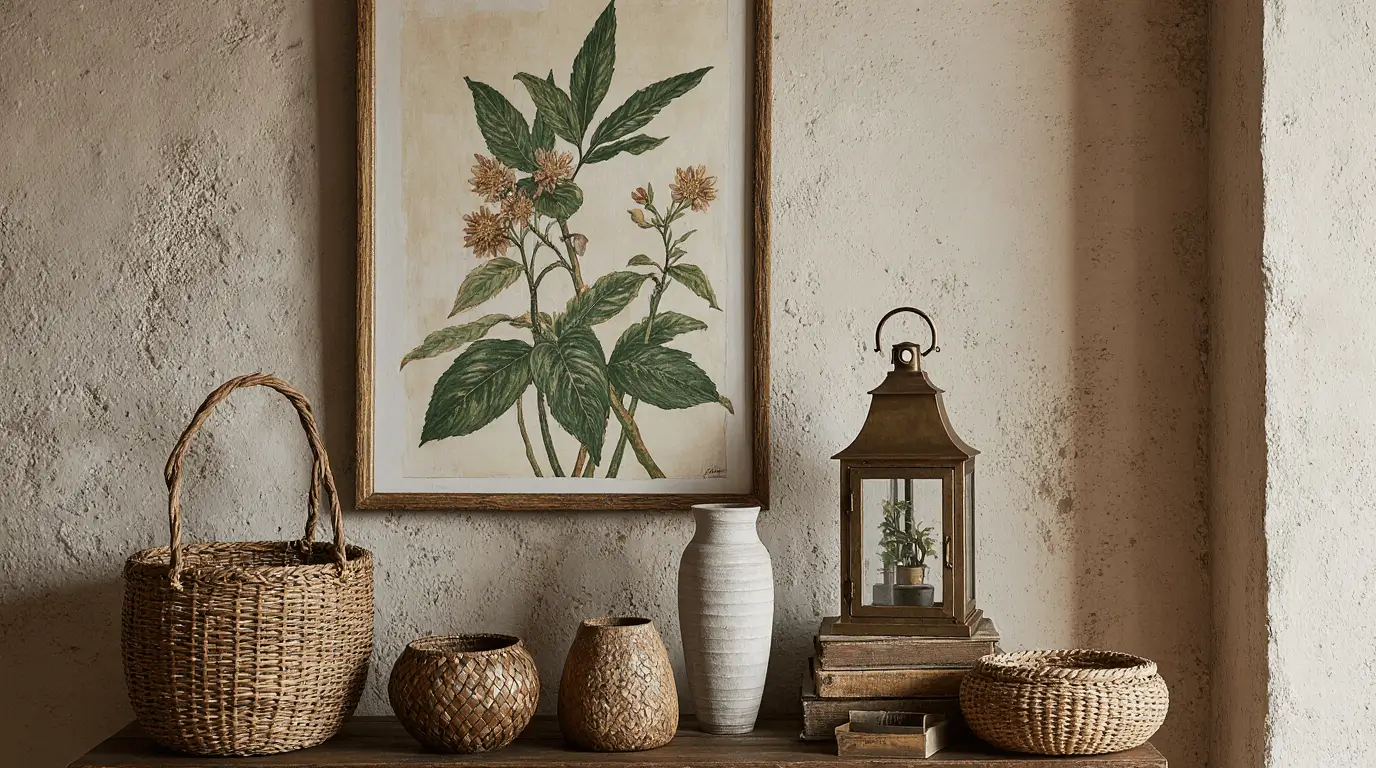
French Colonial Décor Accents
Decor includes vintage maps, botanical prints, ceramic urns, woven baskets, and aged brass lighting. Accessories feel curated over time.
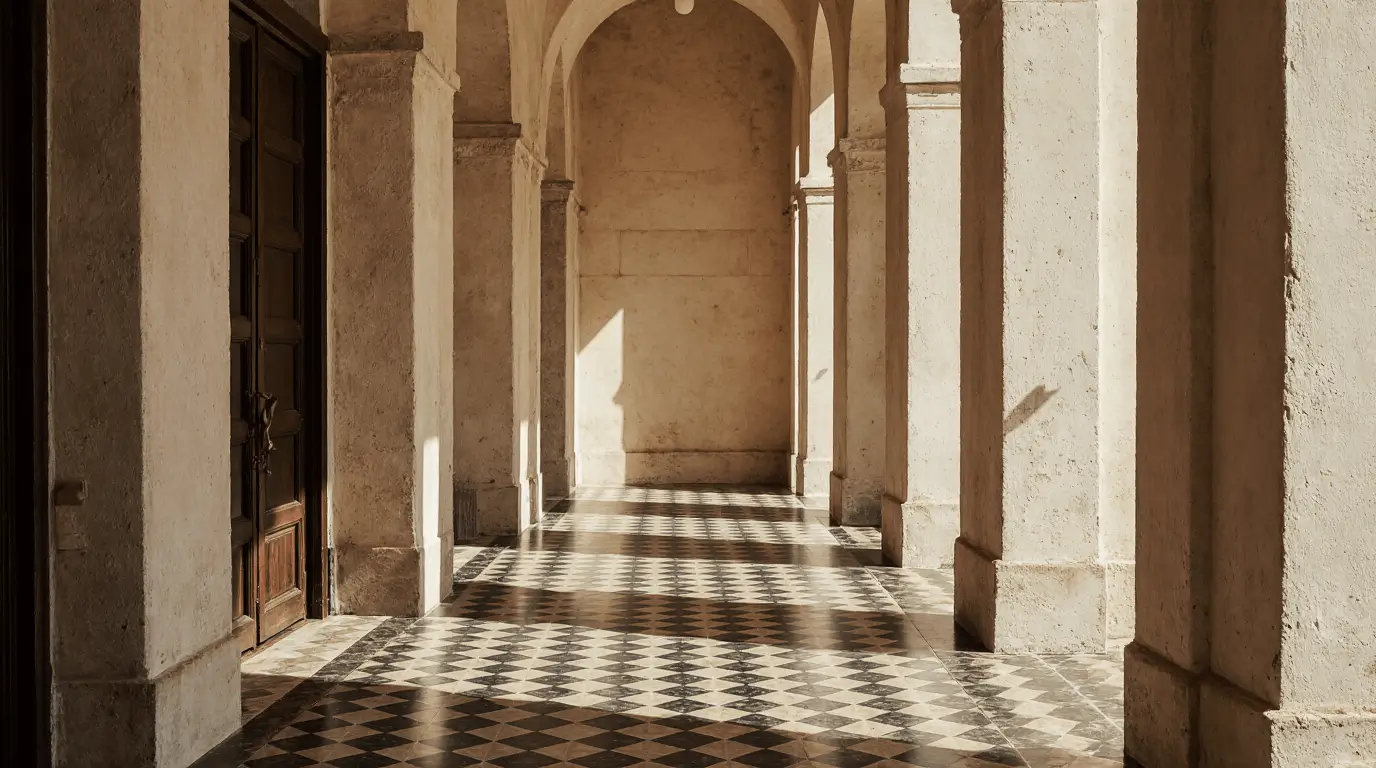
French Colonial Flooring Choices
Dark hardwood, limestone, patterned encaustic tiles, or natural stone flooring anchor the space with authenticity and durability.
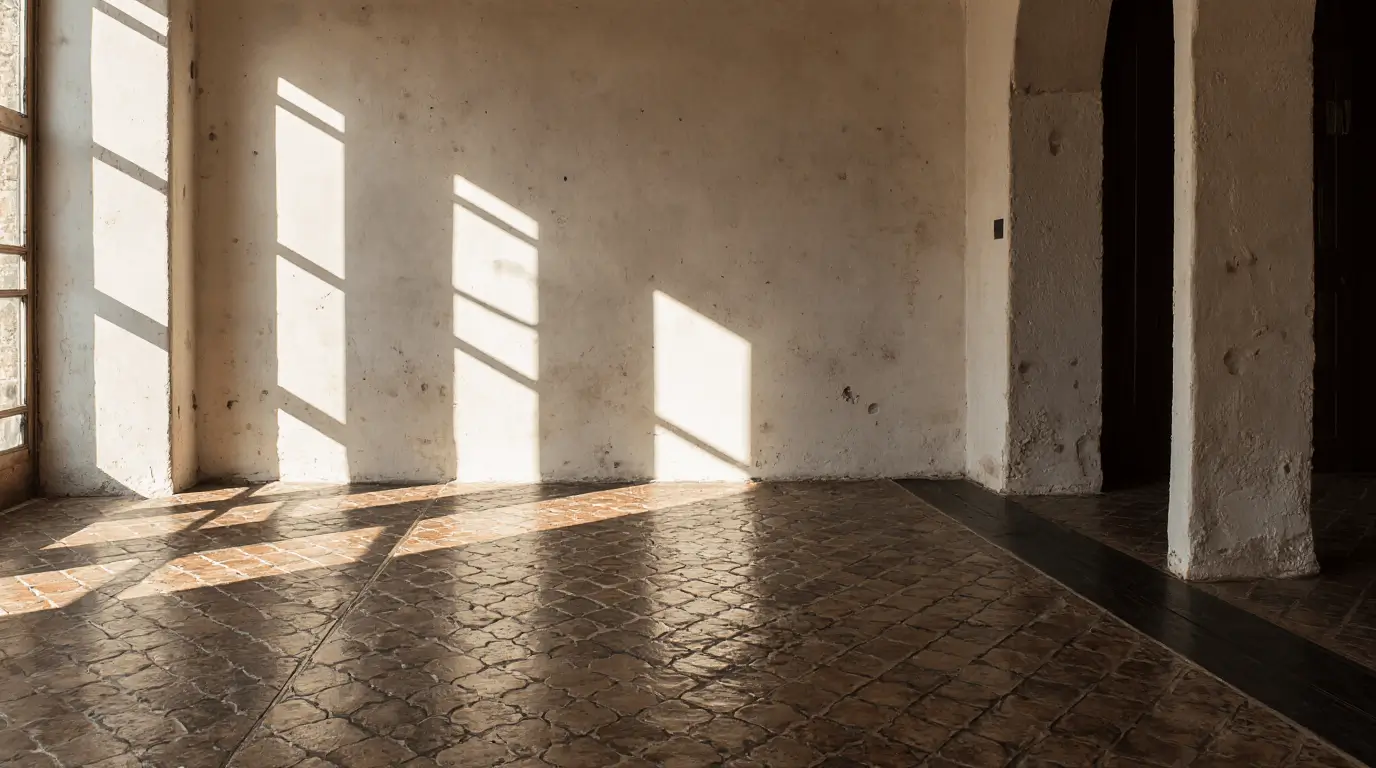
French Colonial Lighting Design
Lighting combines European chandeliers with lantern-style fixtures. Warm, diffused light enhances the romantic yet relaxed mood.
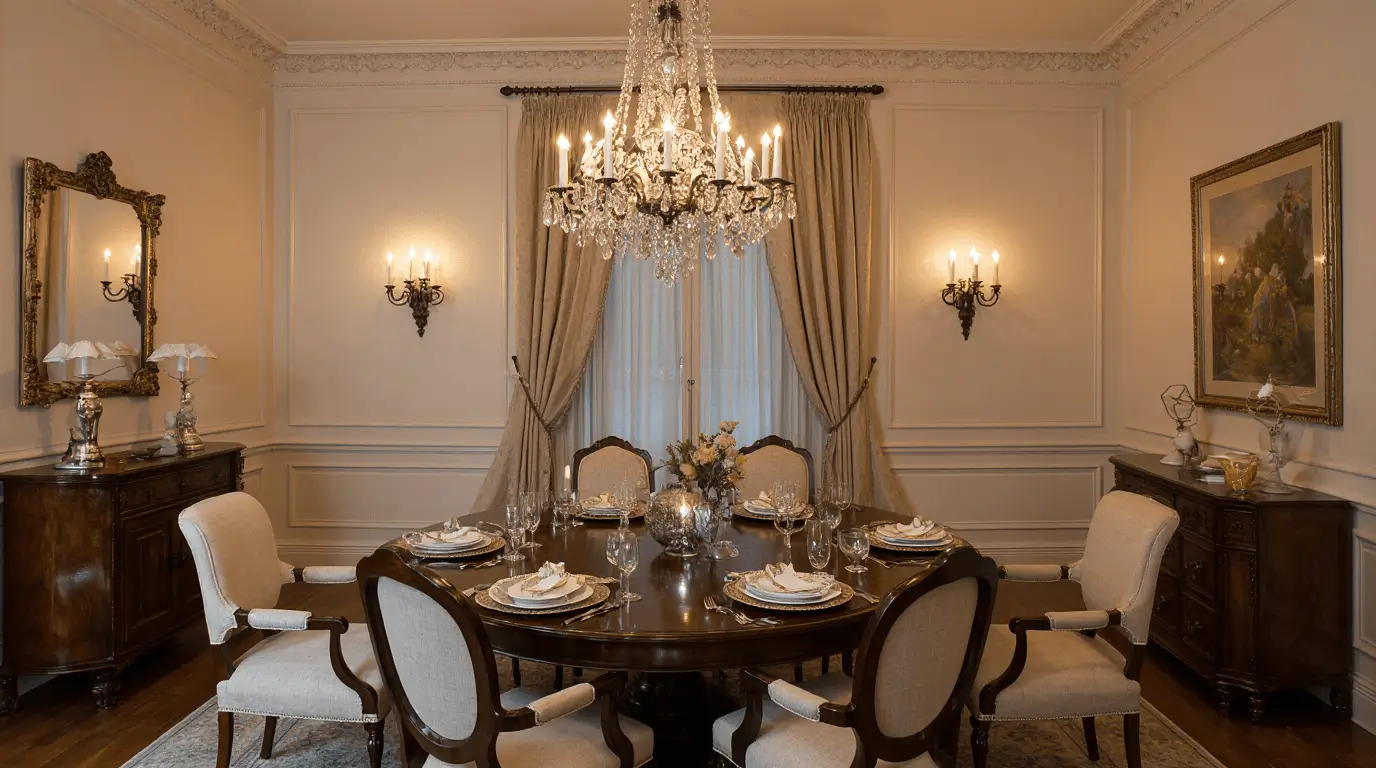
French Colonial Veranda & Indoor-Outdoor Living
The veranda is central to French colonial homes. It extends living spaces outward, embracing breezes and garden views.
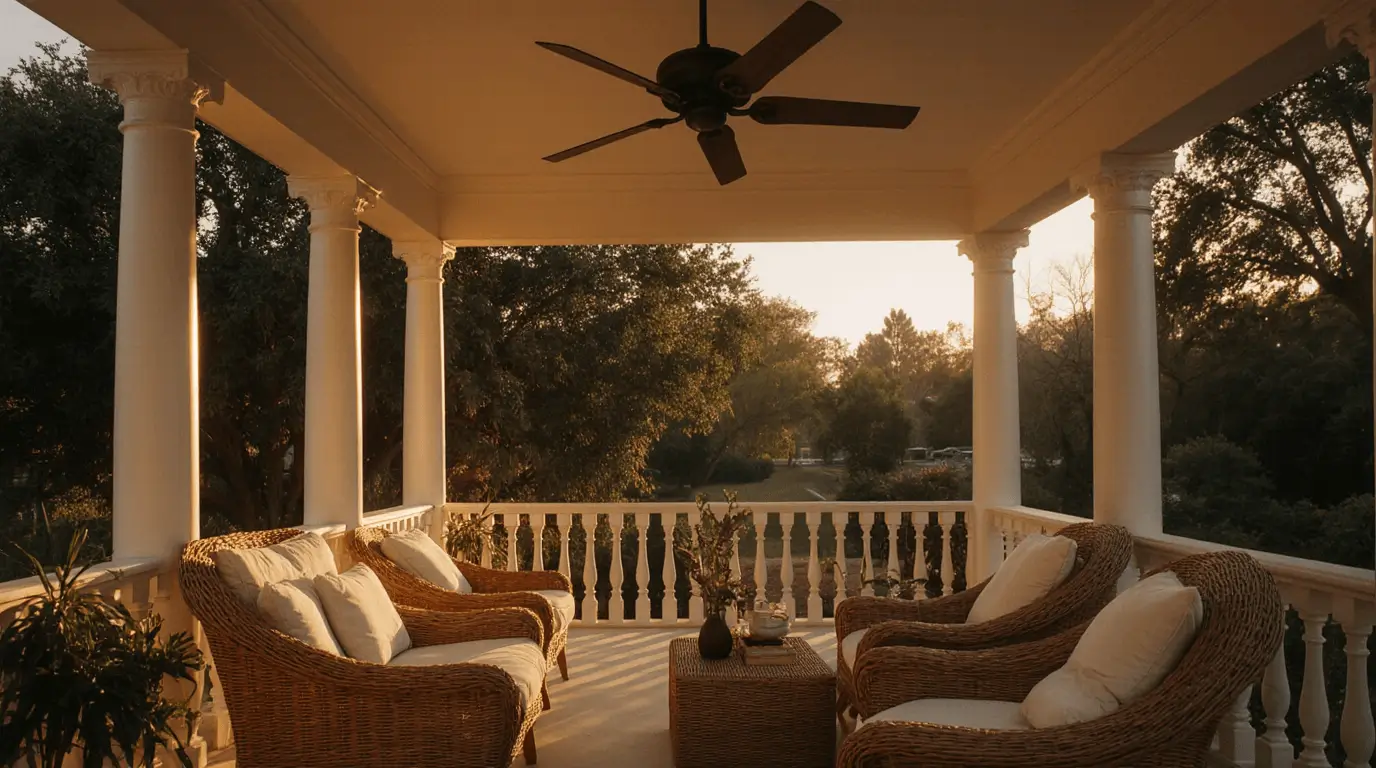
French Colonial Interior Style vs French Country
While French country interior design leans rustic and pastoral, French colonial interiors incorporate tropical materials and architectural openness. The distinction lies in climate influence and material selection.
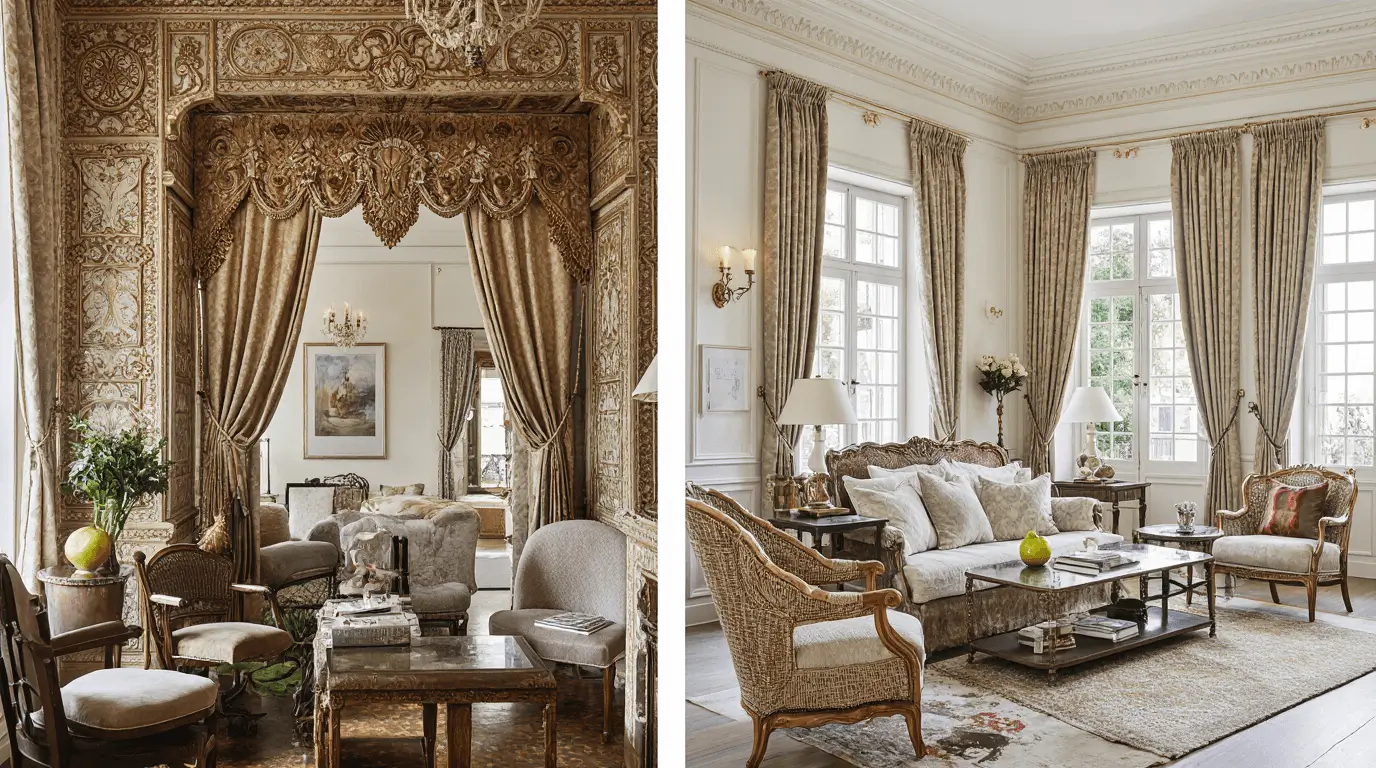
Contemporary French Colonial Interior Design
Modern adaptations simplify ornamentation while preserving symmetry and natural materials. Clean lines meet historical references.
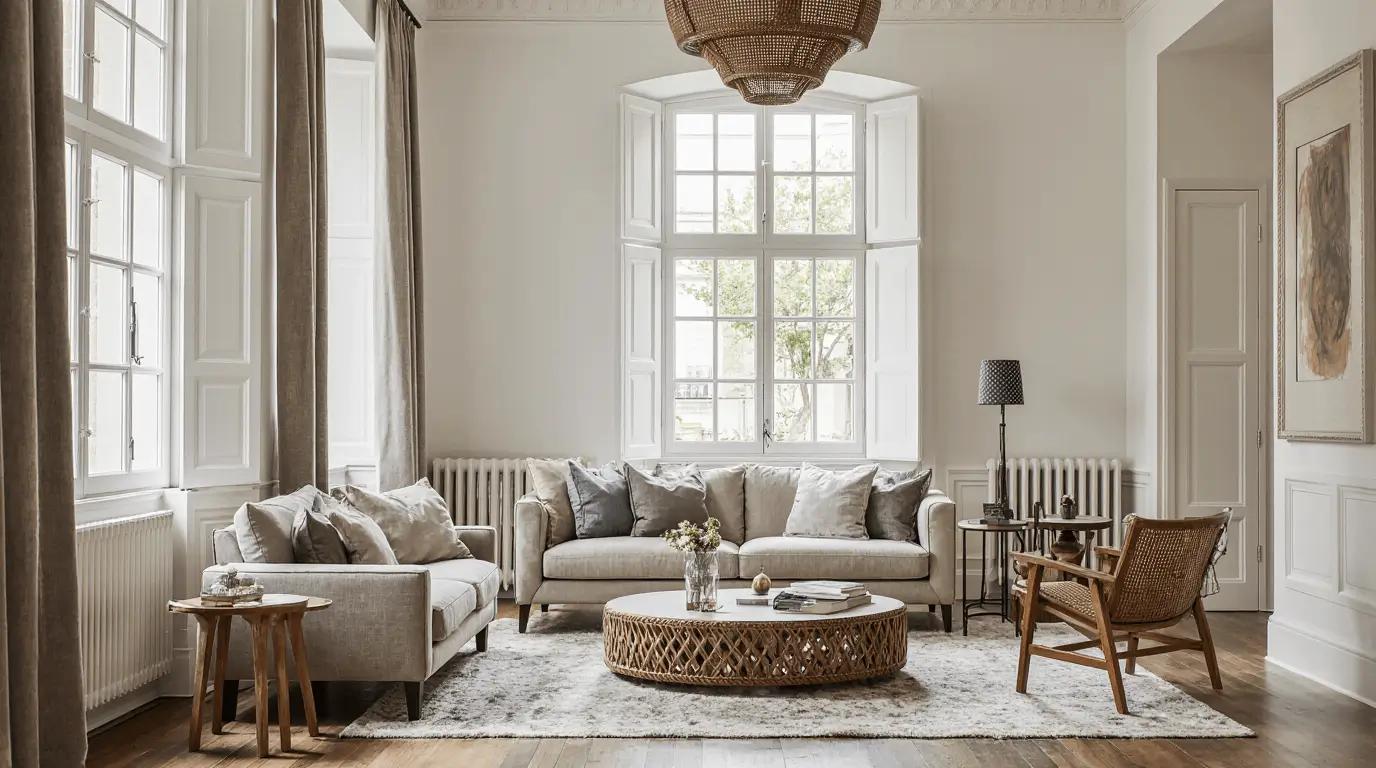
French Colonial Style Homes Today
Today’s French colonial style homes reinterpret historic charm through energy-efficient windows, sustainable woods, and modern comforts while maintaining timeless proportions.
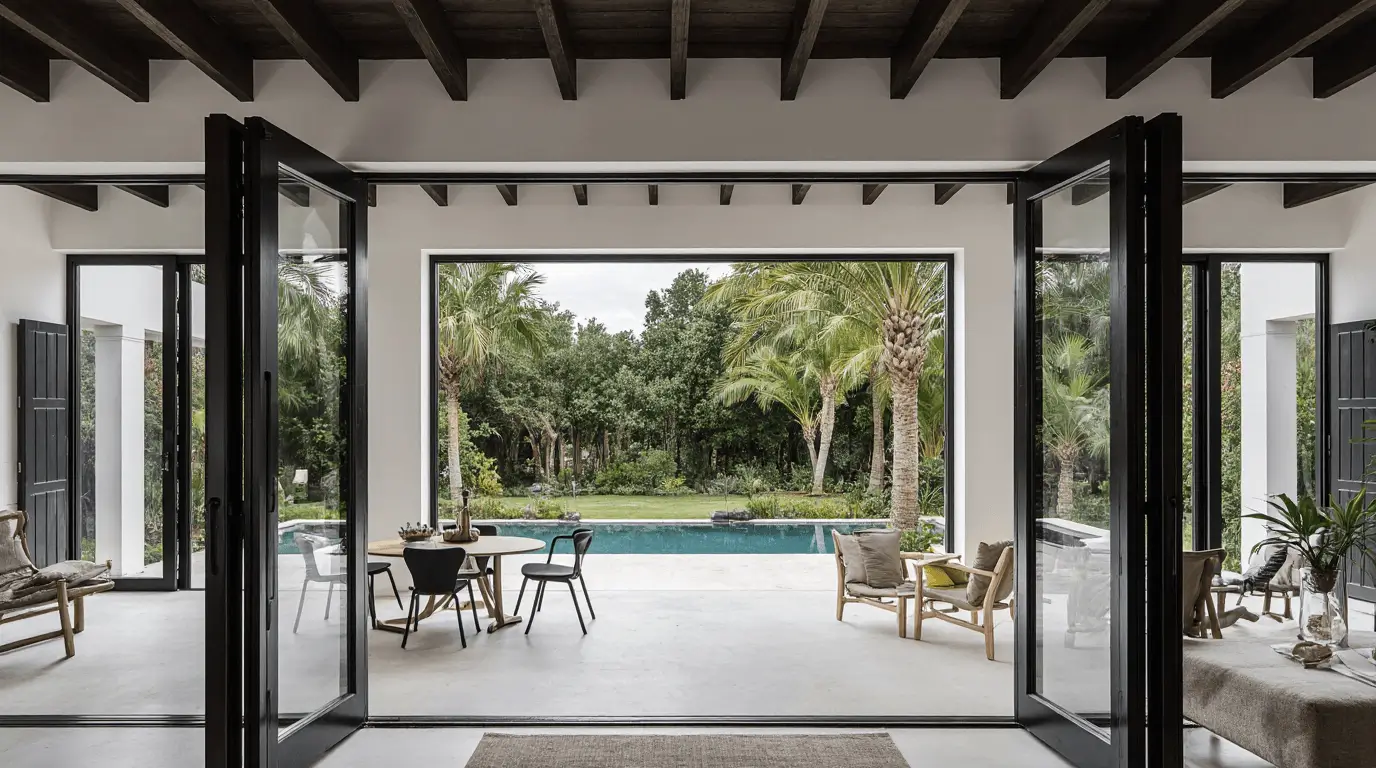
Decorating in French Colonial Interior Style
When decorating in French colonial style, prioritize quality over quantity. Invest in statement antiques, layered textiles, and breathable layouts rather than over-accessorizing.
Conclusion: Designing with History, Breathing with Ease
At its best, french colonial interior design is not about recreating a period look—it’s about embracing a philosophy of living. It teaches us that elegance does not require excess, that comfort can coexist with craftsmanship, and that architecture should respond to climate as much as aesthetics.
What makes this approach work so beautifully in real life is its balance. The symmetry and European detailing provide structure and sophistication, while natural materials and open layouts bring softness and breathability. In my experience, homeowners who gravitate toward this style often want spaces that feel grounded, gracious, and enduring—homes that age well and grow more character-rich over time.
This design language particularly benefits those who appreciate heritage without rigidity. It suits warm climates effortlessly, but it also adapts well to temperate regions when layered thoughtfully with texture and warmth. Whether you’re renovating a historic property or building new with old-world influence, the key is intention: invest in quality materials, respect proportion, allow light to flow, and curate rather than clutter.
If you move forward with clarity—prioritizing authenticity, natural finishes, and architectural harmony—you’ll create interiors that feel timeless rather than trendy. French colonial interiors don’t demand attention; they earn it quietly, through balance, restraint, and enduring beauty.
Learn more : 12+ Stunning Interior Design Delray Beach Secrets
Frequently Asked Questions
- Is French colonial interior design suitable for modern homes?
Absolutely. It adapts beautifully to contemporary builds when the core principles—symmetry, natural materials, tall openings, and restrained elegance—are preserved. You don’t need ornate detailing; even simplified architectural lines paired with rattan, linen, and warm wood can capture the essence authentically.
- How is it different from French country style?
While both share French heritage, French colonial interiors are influenced by tropical climates. They emphasize airflow, lighter wall finishes, darker woods, and woven materials. French country leans more rustic and pastoral, often featuring heavier woods and farmhouse detailing.
- What are the most important elements to prioritize?
Start with architecture and materials. High ceilings, generous windows, French doors, and natural woods create the foundation. Furniture and décor should support—not overpower—the structure. If the bones are right, the styling becomes effortless.
- Can this style work in smaller spaces?
Yes, but scale matters. Choose fewer, well-proportioned pieces rather than overcrowding the room. Light wall colors, mirrors, and airy window treatments help maintain the openness that defines the style.
- What types of materials best capture authenticity?
Teak, mahogany, rattan, bamboo, linen, limestone, and aged brass are excellent choices. These materials reflect both European craftsmanship and tropical practicality, which is central to the style’s identity.
- Is French colonial design formal or casual?
It’s refined but relaxed. The structure and symmetry create elegance, while natural textures and breathable layouts soften the mood. The result feels polished without being stiff—comfortable enough for everyday living.
- How can I introduce this style without a full renovation?
Begin with materials and lighting. Add cane-back chairs, linen upholstery, antique-inspired lighting, and botanical artwork. Replace heavy drapery with sheer fabrics and incorporate darker wood accents. Even small changes can shift the atmosphere toward a more timeless, colonial-inspired feel.



One Response