
Introduction
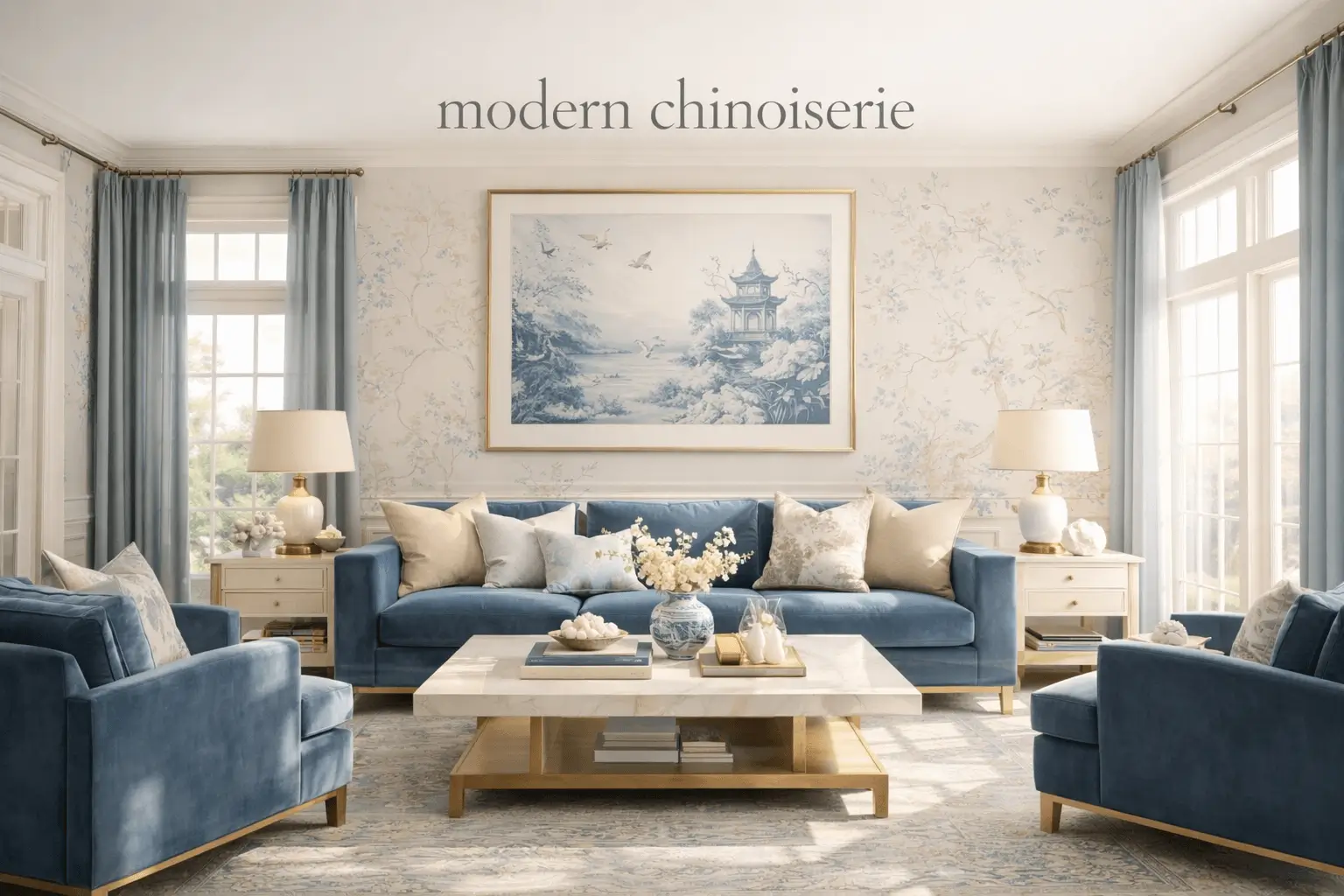
Modern chinoiserie interior design is the art of blending the rich, ornate motifs of traditional Chinese-inspired décor with the clean lines, neutral palettes, and functional elegance of contemporary interiors. This style transforms spaces into visually striking environments that are both timeless and current, balancing bold patterns with subtle sophistication.
For both beginners and seasoned interior designers, modern chinoiserie offers a way to introduce cultural depth without overwhelming a room. By carefully selecting furniture, wallpapers, and decorative objects, you can create a space that feels luxurious, curated, and harmonious. The key lies in marrying historical motifs—like lacquered finishes, intricate screens, and oriental patterns—with modern textures, lighting, and layout principles.
Drawing on years of experience in high-end residential design, I’ve seen modern chinoiserie elevate living rooms, bedrooms, and even kitchens into refined, inviting spaces. Every choice, from color palette to furniture placement, contributes to a cohesive narrative that balances heritage with modern comfort. Below, we explore 15 essential clusters that define this style and inspire practical implementation.
Modern Chinoiserie Living Rooms
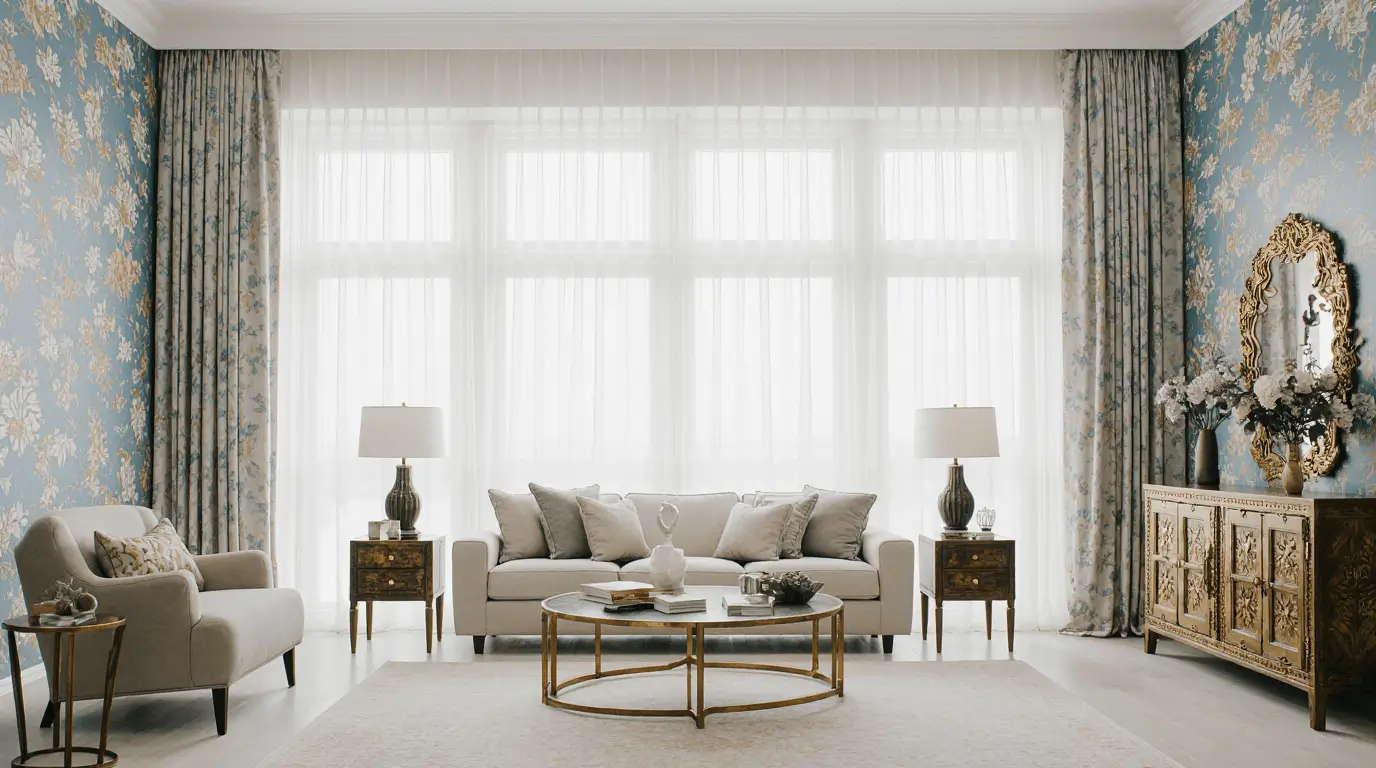
The living room is the perfect canvas for modern chinoiserie. Use patterned wallpaper, lacquered cabinets, and a mix of antique-inspired and contemporary furniture to create a striking yet comfortable space. Balancing bold prints with neutral upholstery ensures the room remains inviting.
Modern Chinoiserie Bedrooms
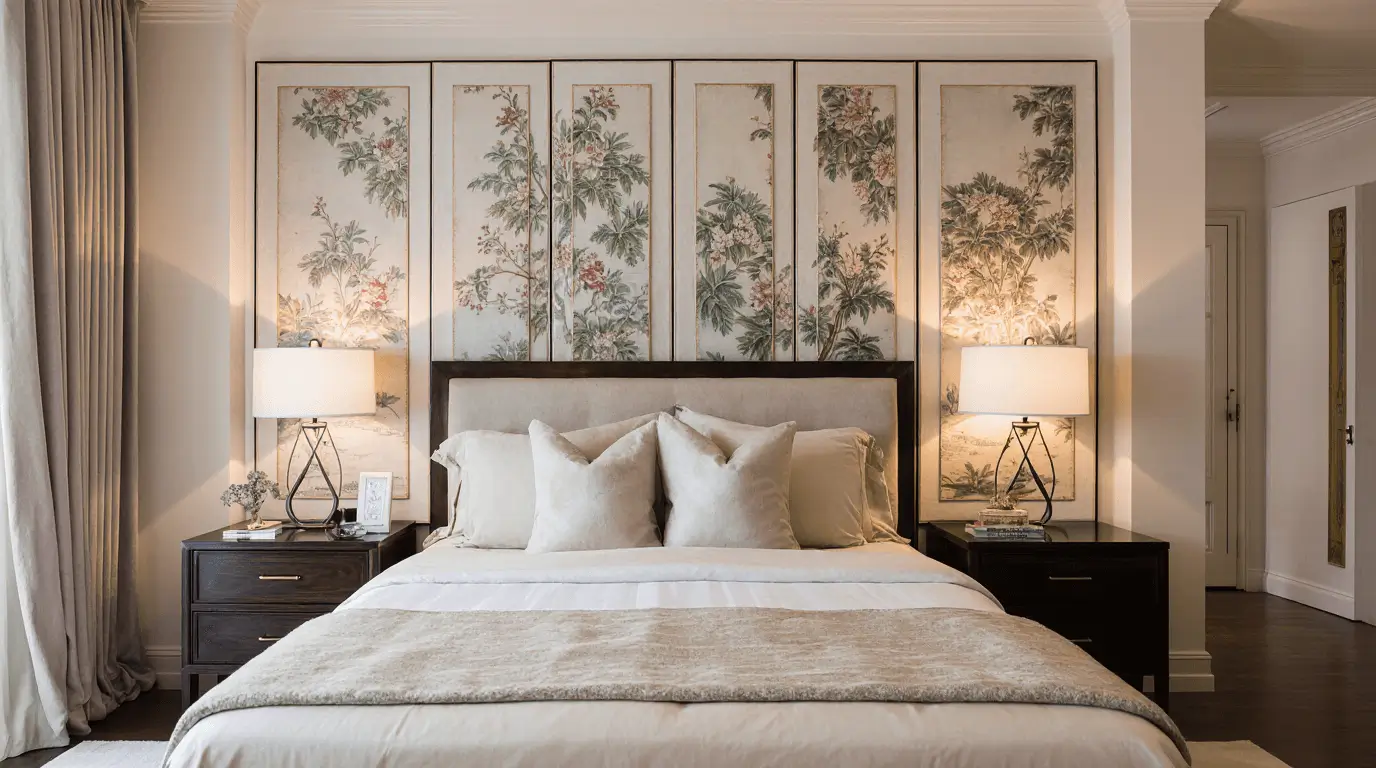
Bedrooms benefit from subtle chinoiserie elements, like silk bedding, hand-painted screens, or floral motifs. Integrating modern furniture with traditional accents creates a serene sanctuary that feels curated without clutter.
Chinoiserie Wallpaper Ideas
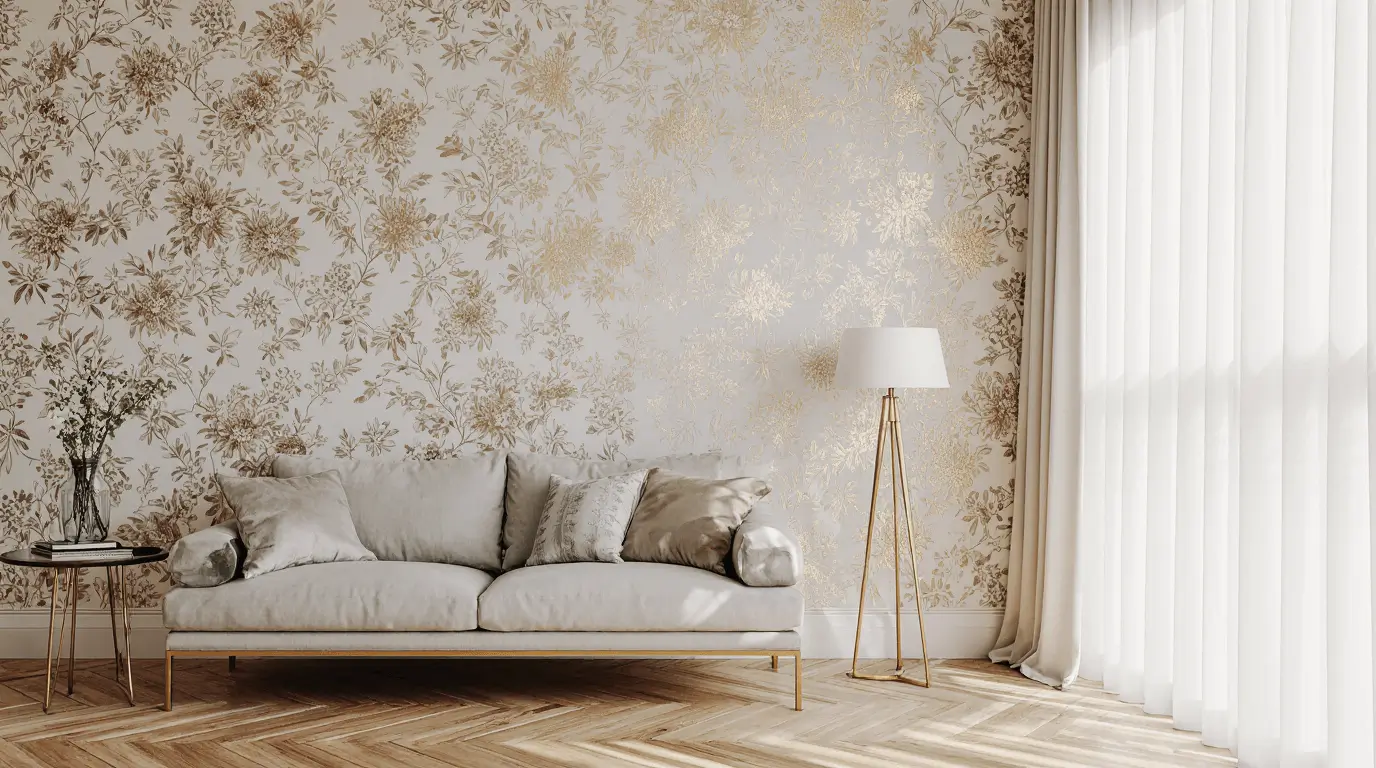
Wallpaper is a hallmark of chinoiserie design. Modern interpretations feature stylized floral, bird, or pagoda motifs in muted palettes, giving depth to a room while complementing contemporary furniture.
Incorporating Chinoiserie in Modern Kitchens
Chinoiserie can extend to kitchens through patterned tiles, lacquered cabinets, or decorative porcelain. Keeping appliances and countertops modern ensures functionality while adding cultural flair.
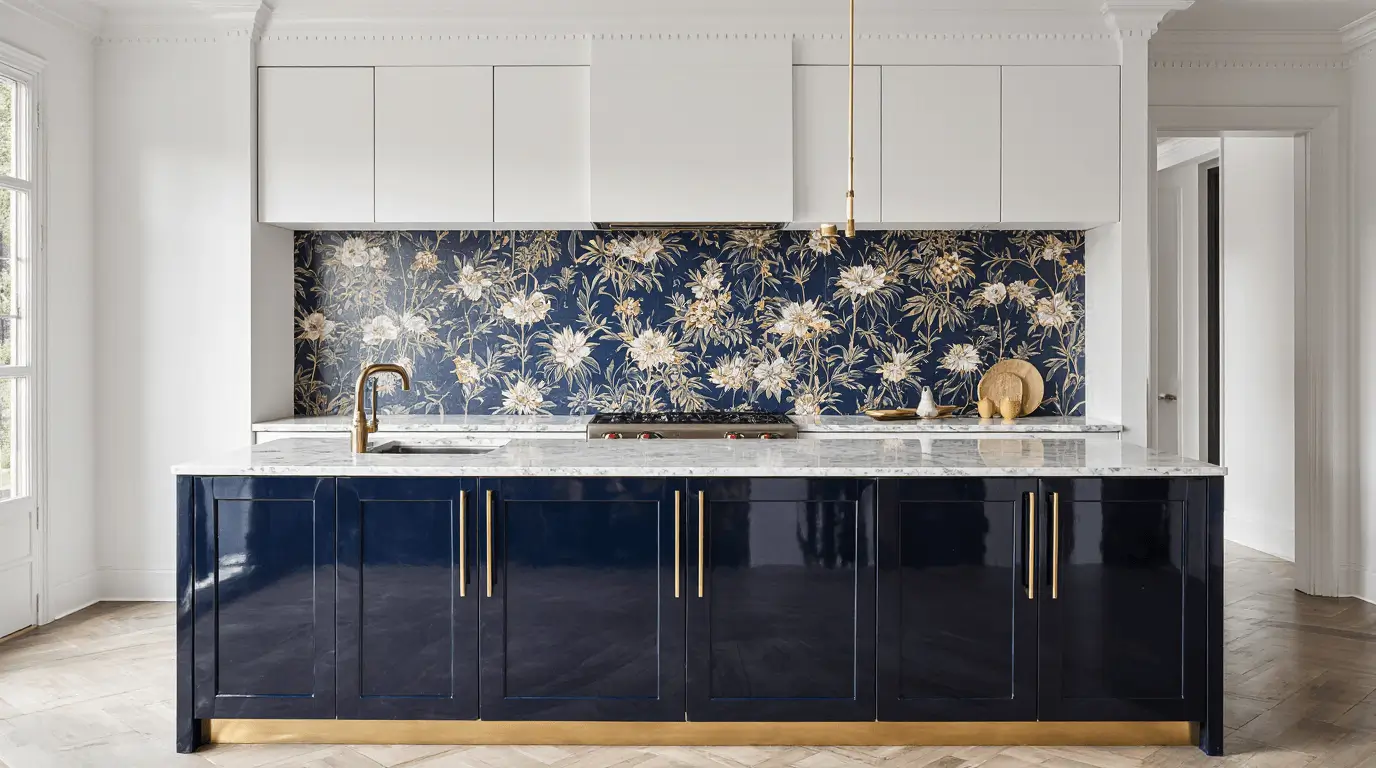
Chinoiserie Living Room Furniture
Furniture selection is critical. Opt for contemporary silhouettes with subtle chinoiserie detailing, such as carved wood frames, inlaid patterns, or lacquer finishes. This creates a dialogue between past and present.
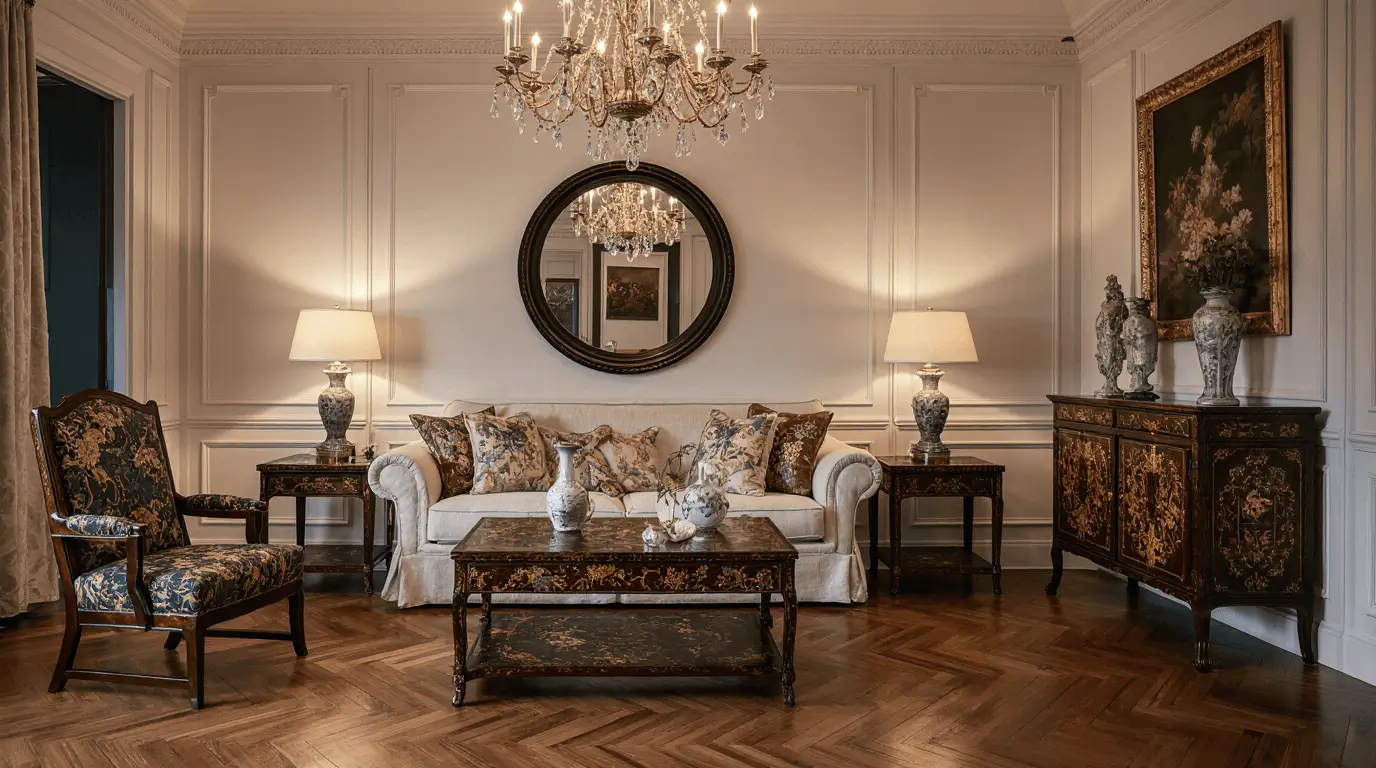
Chinoiserie Decorative Accessories
Small accessories—vases, lamps, cushions, and screens—allow for chinoiserie accents without overwhelming the space. Mixing textures and materials adds dimension and sophistication.
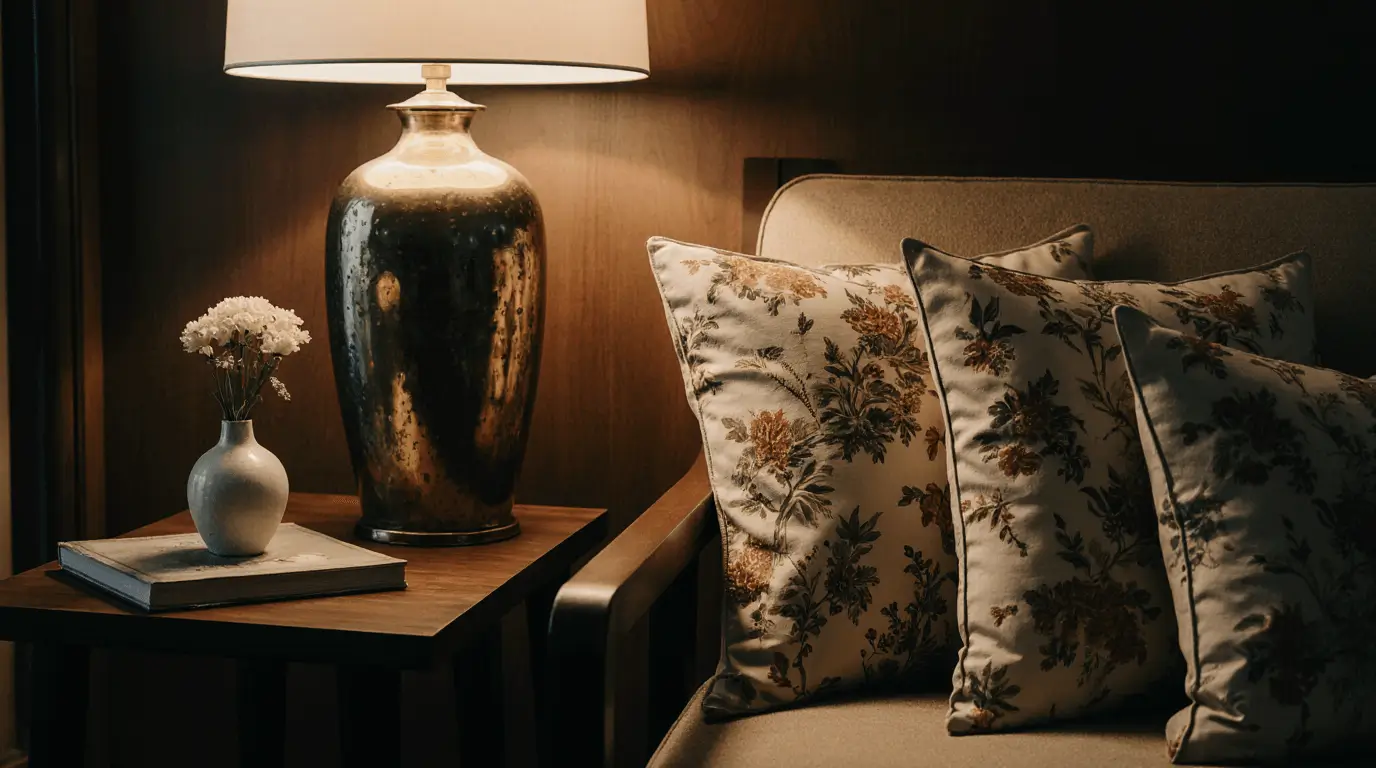
Modern Chinoiserie Color Palettes
Color is essential. Soft blues, muted golds, jade greens, and creamy neutrals paired with darker accent tones create an elegant and modern chinoiserie environment without appearing dated.
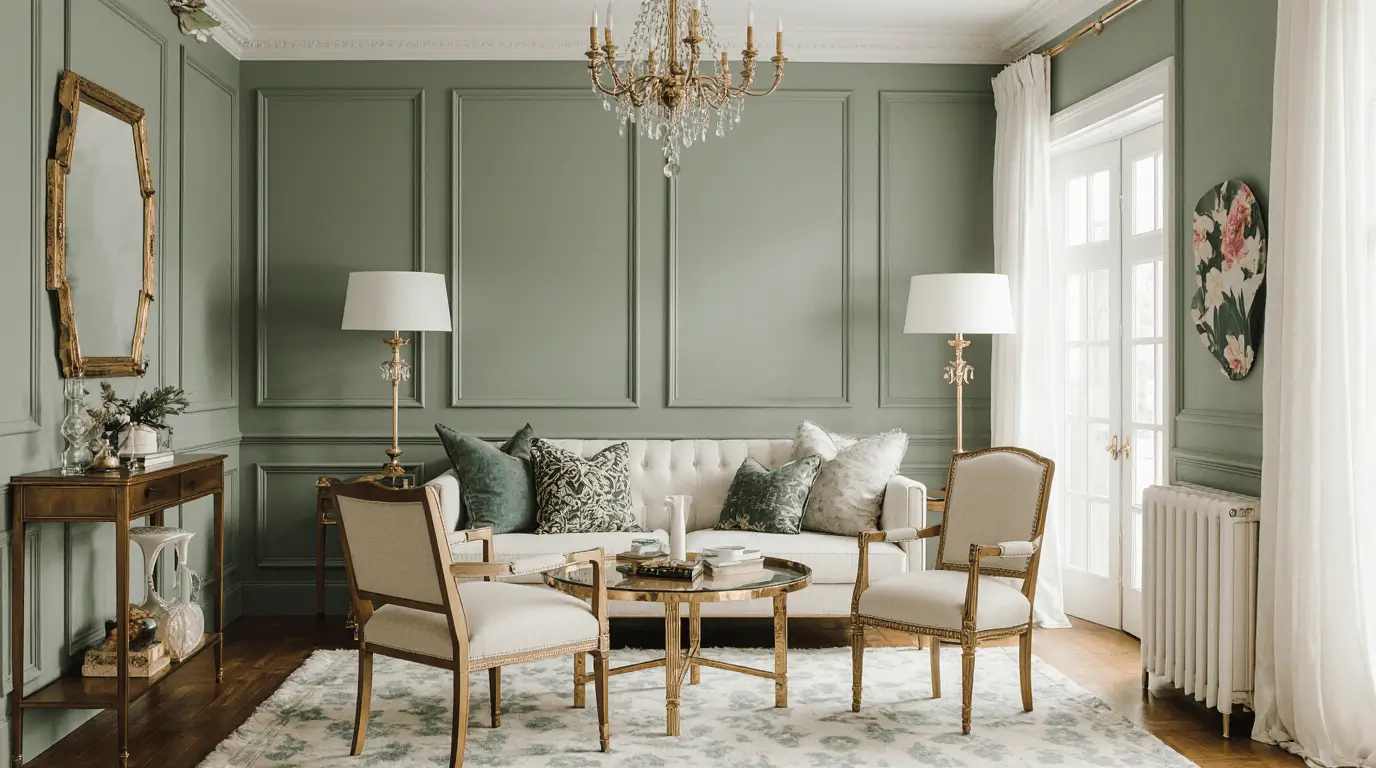
Chinoiserie Pattern Mixing
Mixing patterns, from florals to geometric lattices, adds visual interest. The key is moderation—pair intricate prints with solid neutrals to maintain harmony in modern interiors.
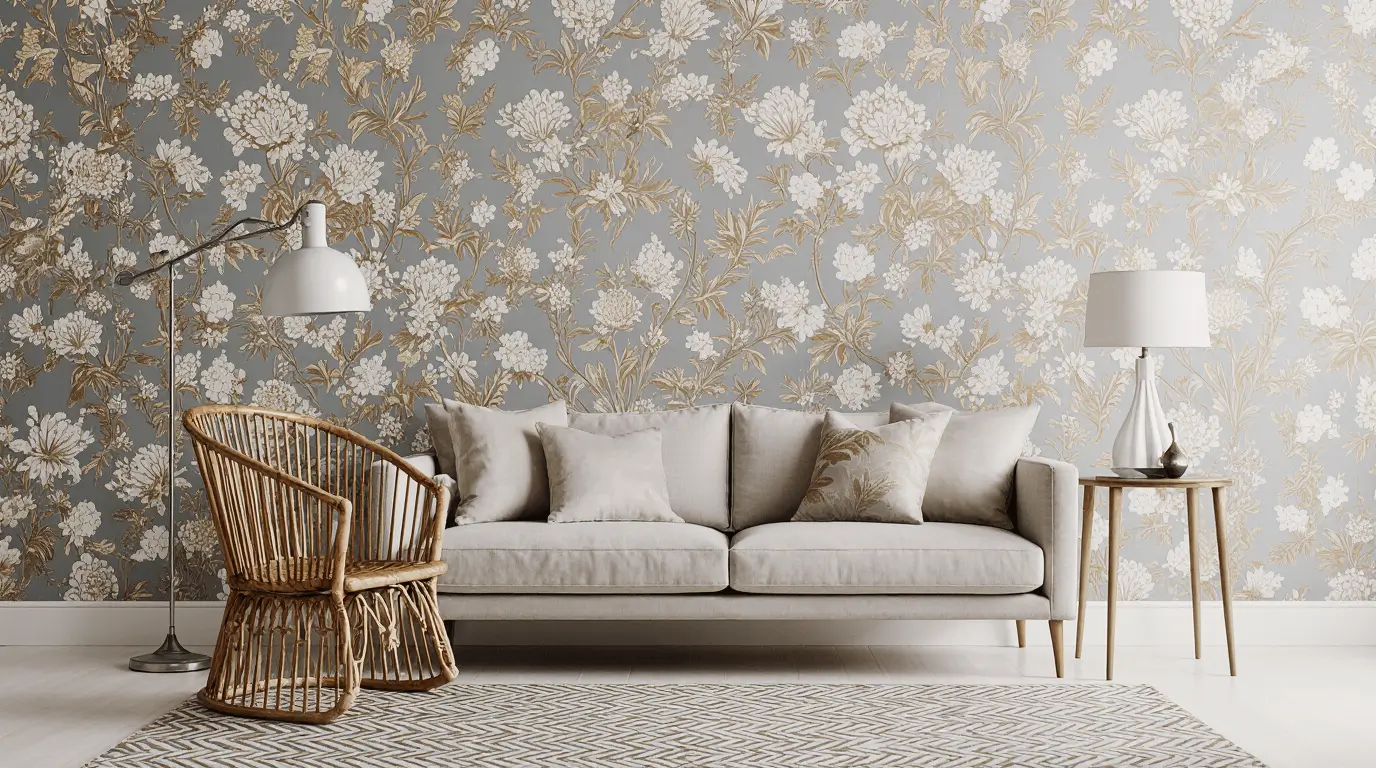
Modern Chinoiserie Lighting
Lighting enhances the style. Lantern-inspired pendant lights, lacquered sconces, or brass chandeliers can complement modern furniture, creating depth and a warm ambiance.
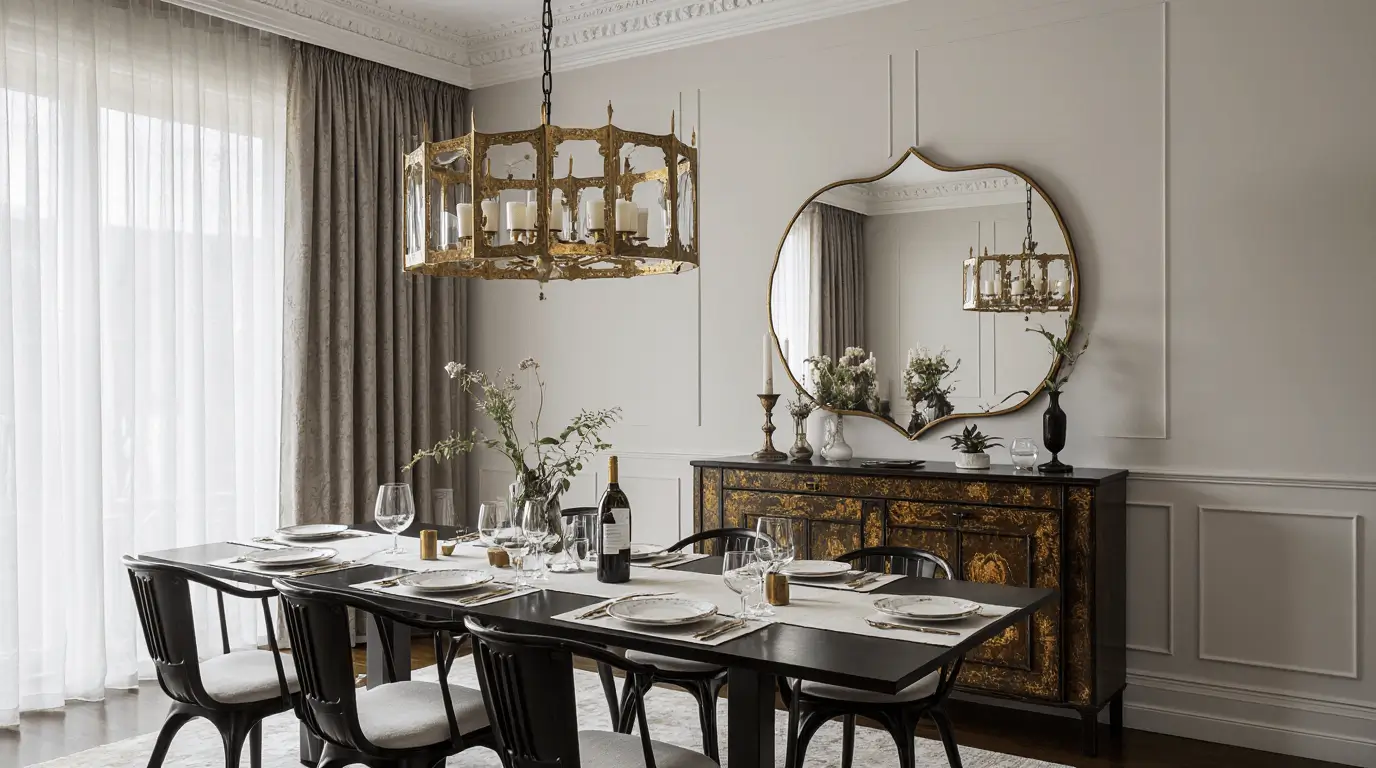
Chinoiserie-Inspired Textiles
Textiles are versatile tools—embroidered pillows, silk curtains, and patterned rugs infuse a space with chinoiserie flair while maintaining comfort and modern simplicity.
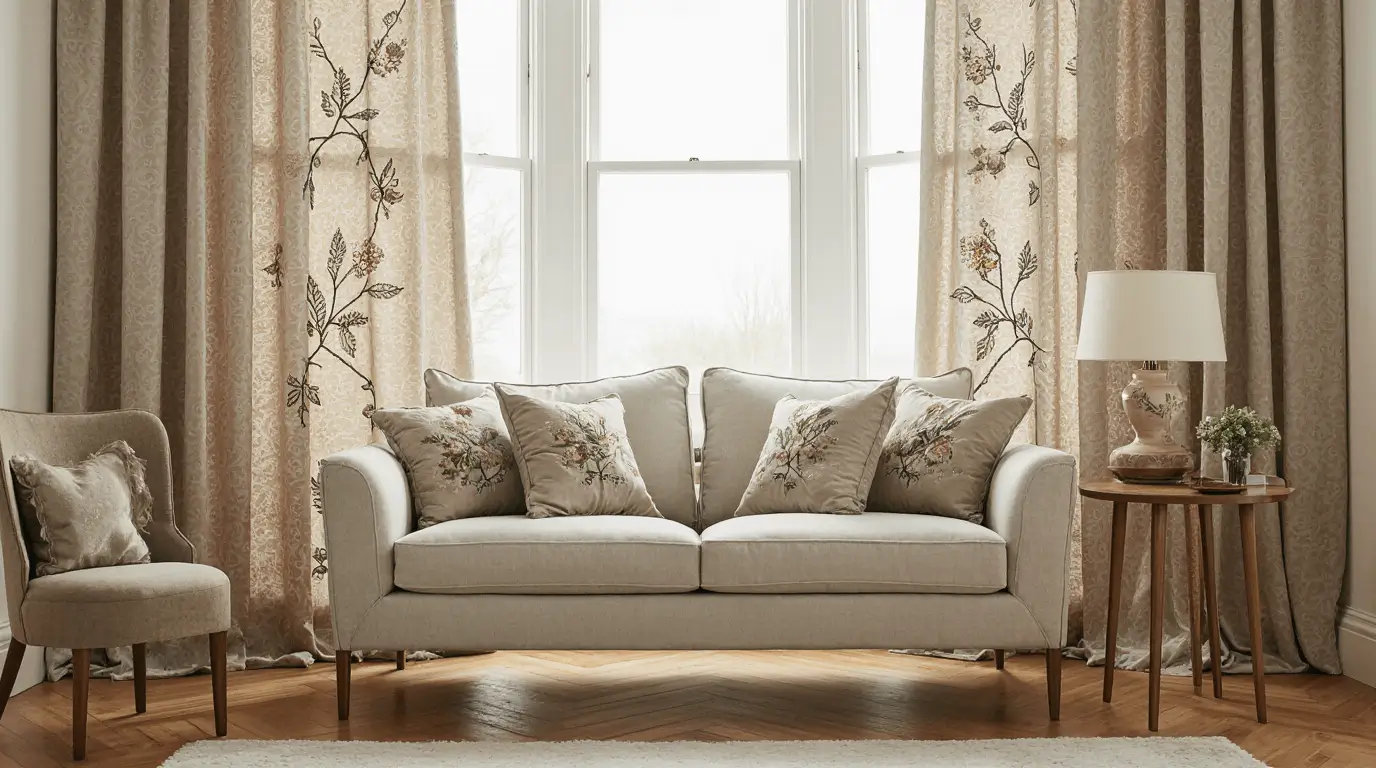
Chinoiserie Screens and Room Dividers
Screens and room dividers offer functional décor while introducing ornate Chinese-inspired patterns. Modern interpretations favor clean lines with selective decorative detail.
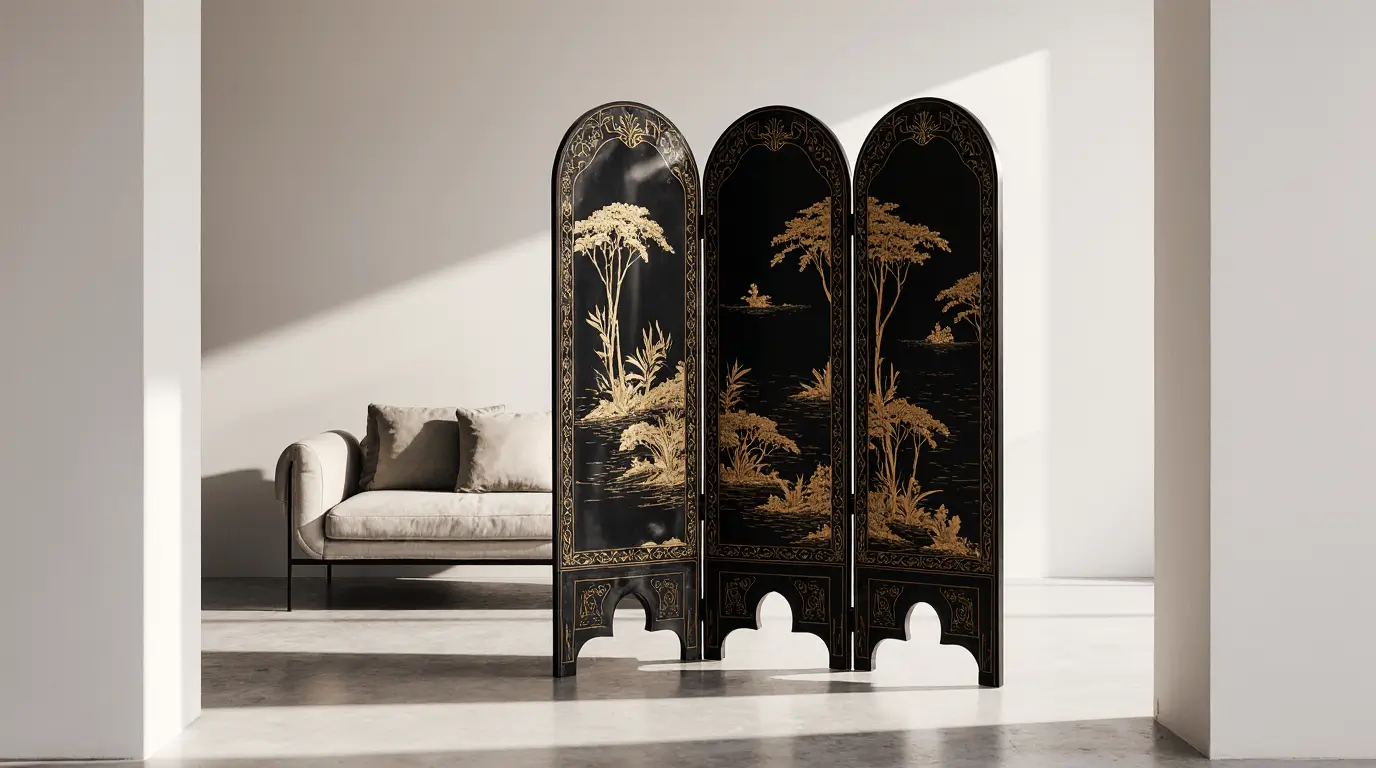
Chinoiserie Wall Art
Art can convey the essence of chinoiserie. Framed prints, panels, or wall murals featuring oriental motifs integrate seamlessly into modern interiors.
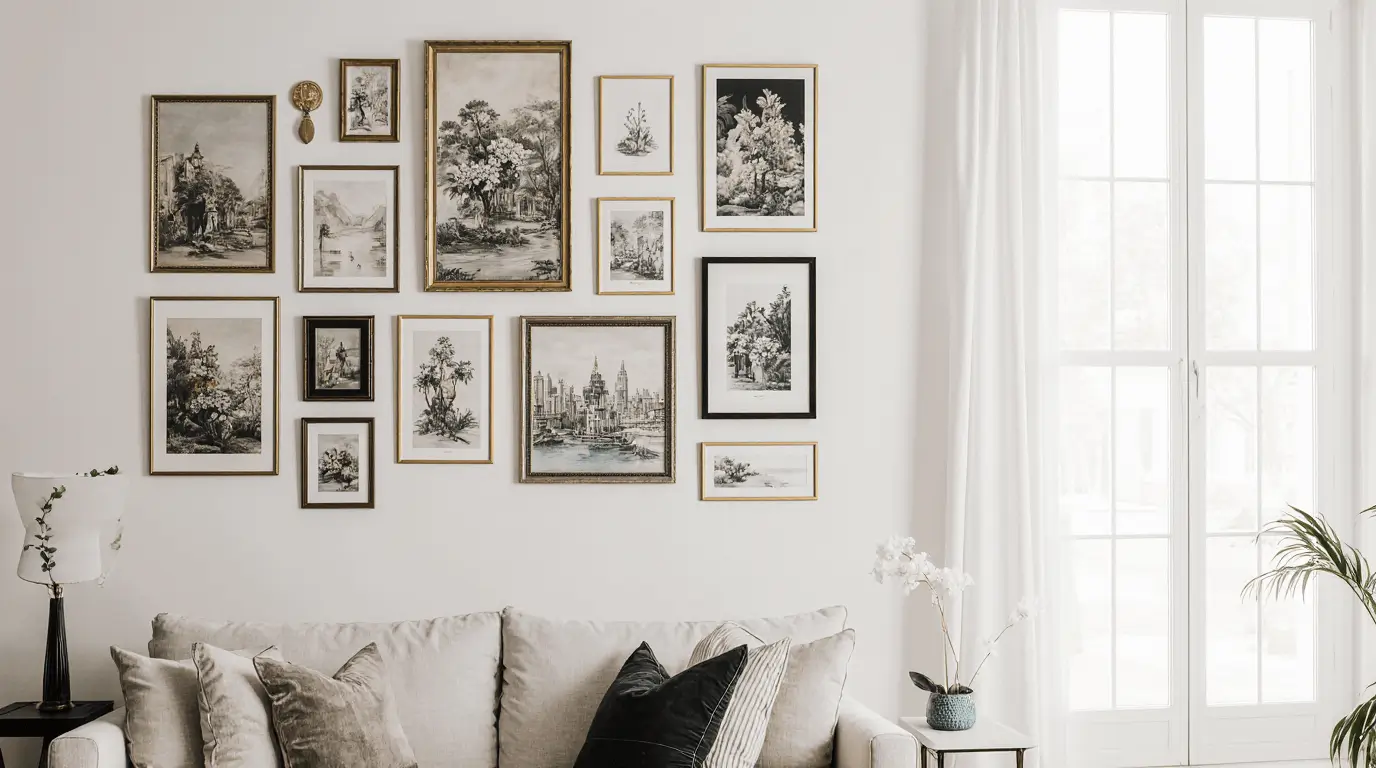
Integrating Nature in Chinoiserie Design
Plants, bamboo accents, or floral arrangements complement chinoiserie patterns and bring freshness. Using natural elements reinforces harmony and serenity in modern spaces.
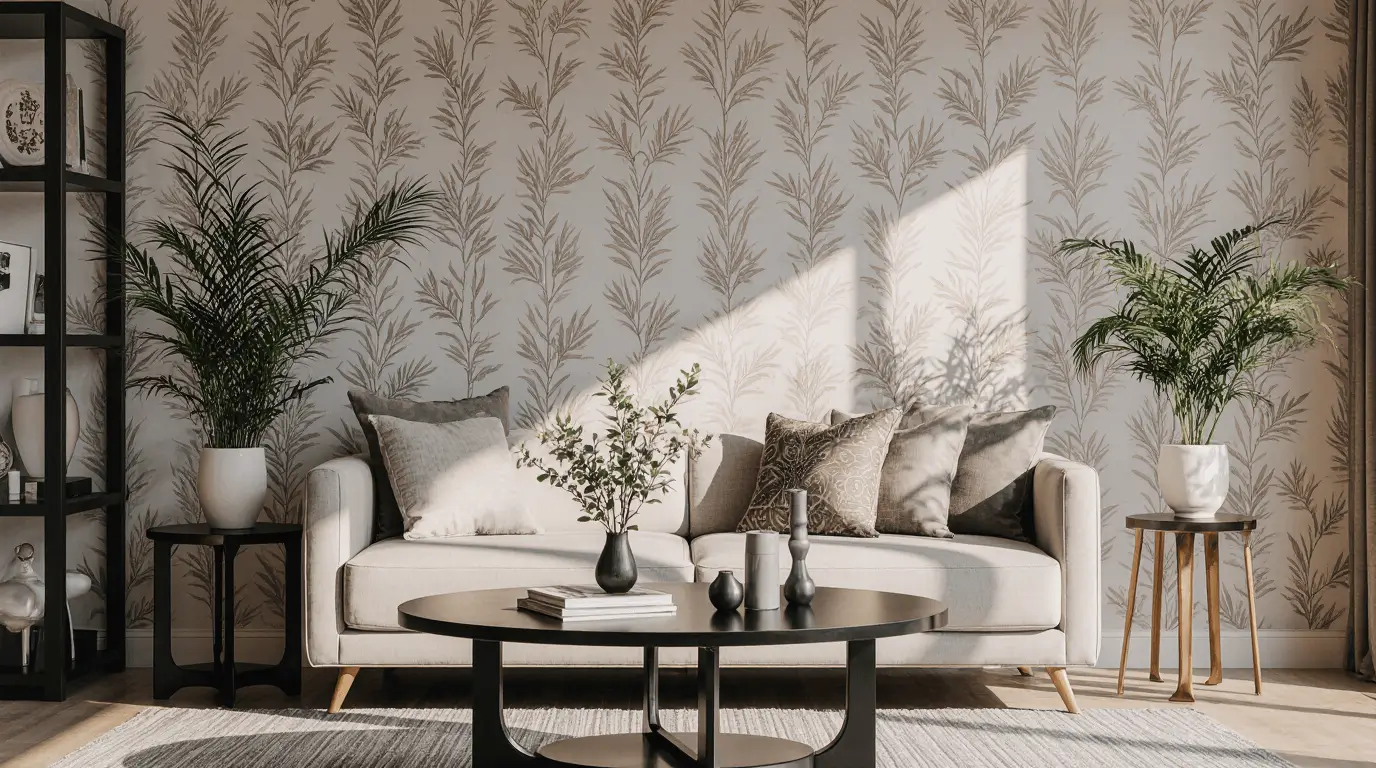
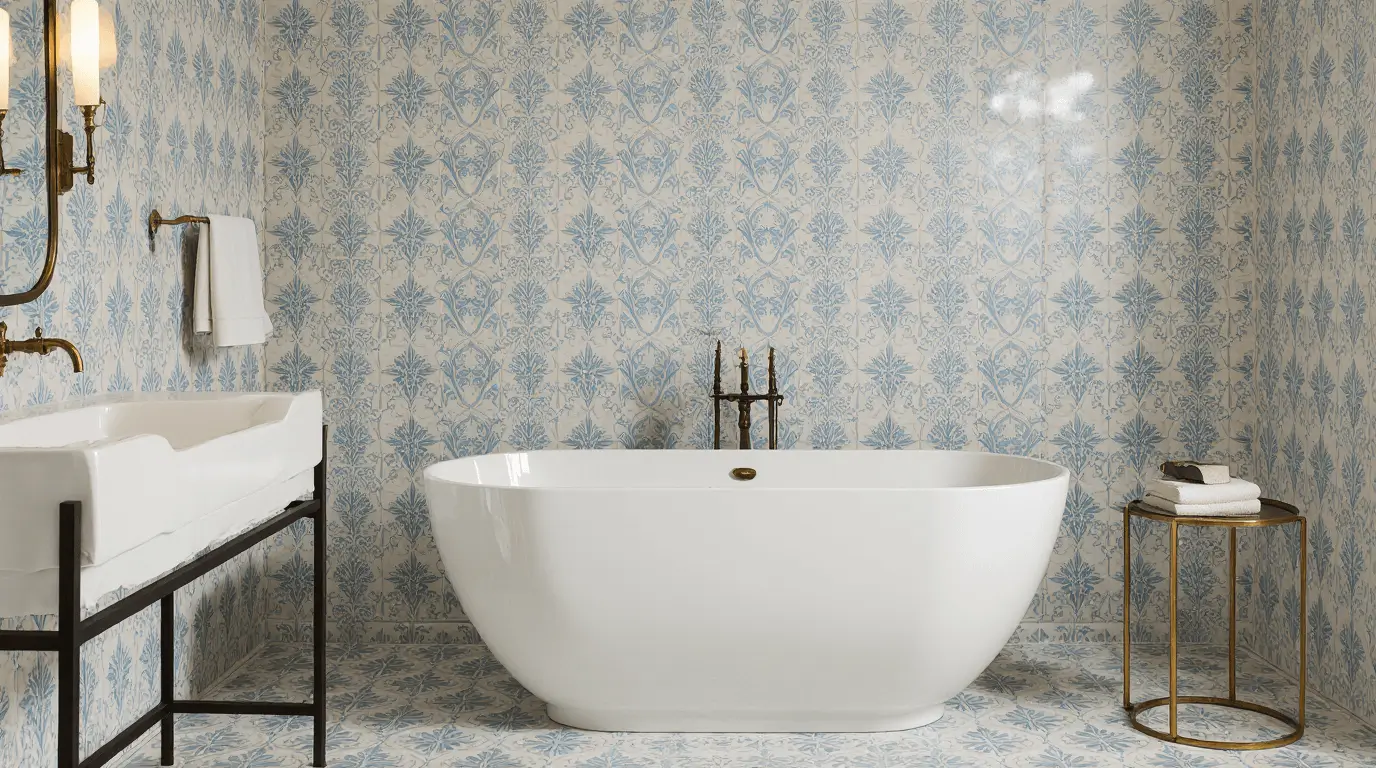
Modern Chinoiserie Bathrooms
Bathrooms can showcase subtle chinoiserie motifs through tiles, wallpaper, or decorative mirrors. Combining with sleek modern fixtures maintains contemporary elegance.
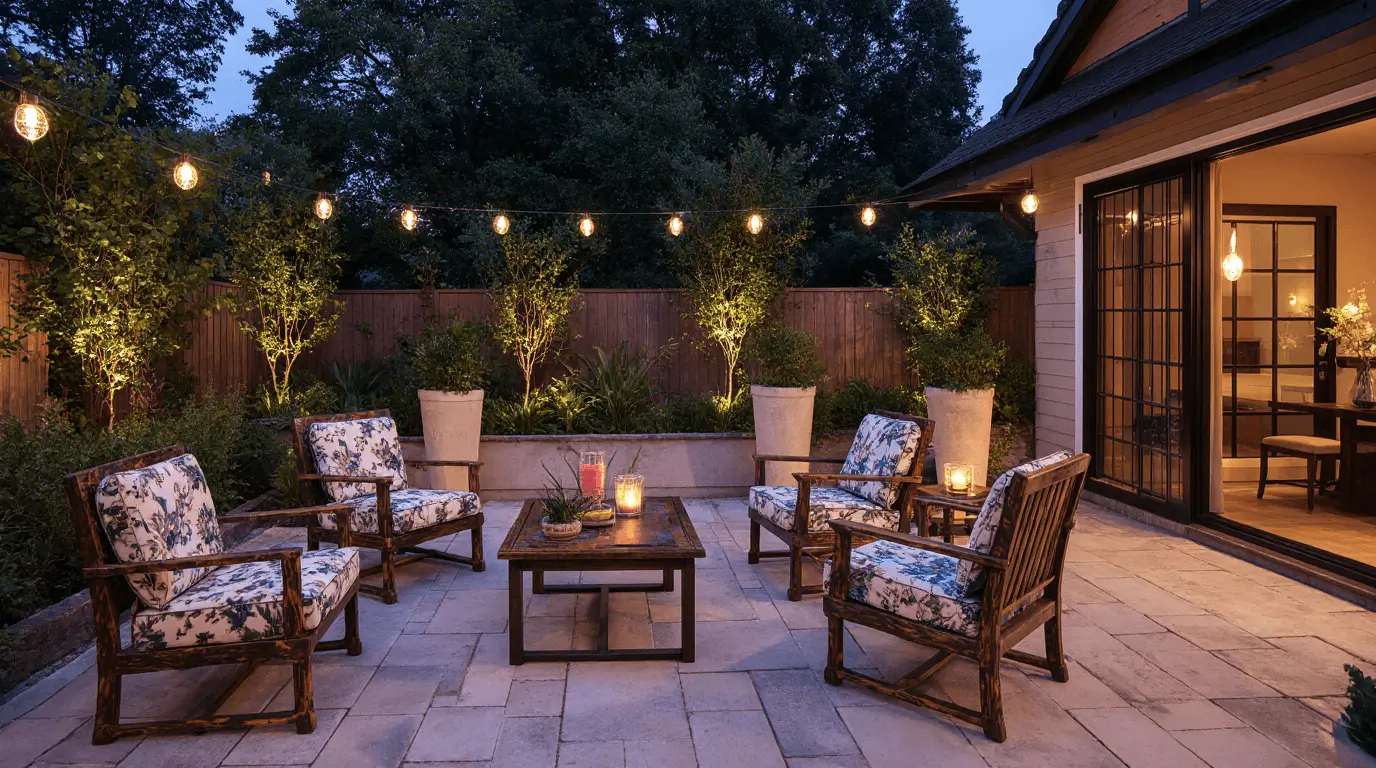
Modern Chinoiserie Outdoor Spaces
Outdoor areas benefit from chinoiserie accents in furniture, screens, or planters. Pairing these with modern landscaping creates a cohesive indoor-outdoor flow.
Conclusion
Modern chinoiserie interior design demonstrates how traditional motifs and cultural richness can harmoniously coexist with contemporary elegance. By thoughtfully blending lacquered finishes, delicate oriental patterns, and classic decorative elements with clean lines, neutral palettes, and functional layouts, you create spaces that feel curated, timeless, and deeply personal.
This approach works because it balances visual interest with comfort: bold patterns and textures draw the eye, while modern furniture and subtle color schemes keep rooms livable and inviting. It benefits homeowners, interior decorators, and design enthusiasts who want to infuse their spaces with character and sophistication without overwhelming them with historical replication.
Moving forward, success in modern chinoiserie comes from selective integration. Begin with one focal element—like wallpaper, a statement piece of furniture, or a decorative screen—and build around it gradually, layering textures, lighting, and natural accents. This ensures each room tells a cohesive story, reflecting both heritage and contemporary lifestyle. With careful planning, anyone can craft interiors that are visually striking, harmonious, and genuinely reflective of personal style.
Learn more : Interior Design Maryland: Styles, Homes & Ideas
Frequently Asked Questions
- How do I start incorporating modern chinoiserie in my home without it feeling too busy?
Begin with a single statement element, such as a patterned wallpaper, decorative screen, or accent furniture. Pair it with neutral tones and minimal modern furnishings to balance the visual complexity. Gradually add smaller decorative accessories like vases, cushions, or lamps, ensuring each piece complements the existing palette and textures. - Can modern chinoiserie work in small spaces?
Absolutely. In compact rooms, focus on subtle patterns and smaller-scale furniture or décor accents. Light wall colors, reflective surfaces, and well-placed lighting prevent the space from feeling cramped, while still allowing the signature elegance of chinoiserie motifs to shine. - Which rooms benefit most from this design style?
Living rooms and bedrooms are natural starting points, as they allow for wallpaper, screens, and statement furniture. Kitchens and bathrooms can also incorporate chinoiserie through tiles, cabinetry, or decorative accents, while outdoor patios or terraces can adopt subtle furniture or planter motifs for a cohesive indoor-outdoor flow. - How can I mix modern and traditional elements without clashing?
Balance is key. Pair ornate chinoiserie patterns with clean-lined, contemporary furniture. Use muted or neutral color palettes to unify contrasting styles. Introducing natural materials, like wood or stone, and consistent lighting schemes also helps harmonize traditional and modern elements seamlessly. - Are there specific colors that define modern chinoiserie interiors?
Soft blues, muted golds, jade greens, and creamy neutrals are hallmarks, often paired with darker accents like deep navy or black lacquer. These shades provide sophistication and depth while allowing both traditional motifs and contemporary furniture to coexist harmoniously. - What makes modern chinoiserie a long-lasting design choice?
Its strength lies in adaptability. The style honors heritage without rigid replication, allowing for gradual updates and personalization. By combining timeless patterns with contemporary furniture and functional layouts, interiors remain relevant, elegant, and deeply inviting over time. - How can I ensure my space feels cohesive rather than decorative for decoration’s sake?
Focus on storytelling through selective layering. Choose one or two central motifs or textures per room, maintain a consistent color palette, and harmonize lighting, furniture, and décor. This approach creates rooms that feel intentional, balanced, and curated rather than cluttered or inconsistent.



One Response