
Introduction
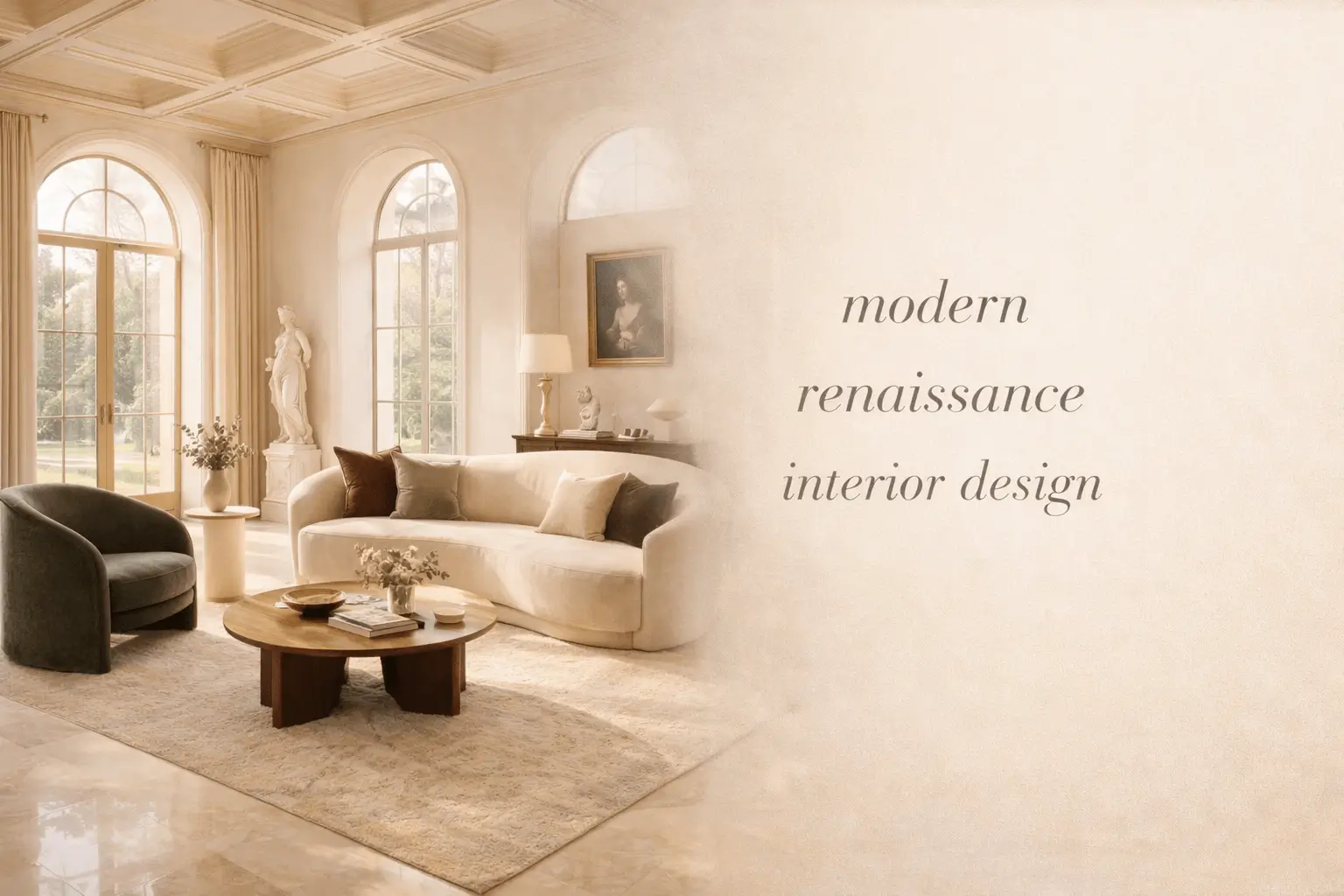
Modern renaissance interior design reimagines the elegance and artistry of the Renaissance era for contemporary homes. Inspired by the symmetry, craftsmanship, and cultural richness of historical Italian interiors, this design approach blends classical architecture with modern comfort, creating spaces that feel both luxurious and livable.
Historically, Renaissance interiors celebrated balance, proportion, and artistry. Today, designers reinterpret these principles using modern materials, simplified layouts, and curated decorative elements. Instead of recreating museum-like rooms, modern renaissance interior design focuses on capturing the spirit of the era—ornate details, refined textures, and architectural depth—while maintaining functionality for everyday life.
Designers who work with this style often draw inspiration from classical Italian palazzos, historic European villas, and Renaissance architecture. The result is a sophisticated interior aesthetic where sculptural furniture, layered textiles, and architectural features coexist with contemporary lighting, technology, and open layouts.
Explore the complete Modern Renaissance interior design hub for a curated collection of ideas, guides, and visual inspirations that help you understand this timeless style in a practical way.
Modern Renaissance Interior Design Foundations
Modern renaissance interior design begins with strong architectural structure. Arches, columns, decorative moldings, and symmetrical layouts establish the classical framework that defines the style.
Rather than overwhelming the room with ornamentation, modern interpretations focus on carefully selected architectural elements that provide depth and historical character.
Modern Renaissance Interior Design Color Palette
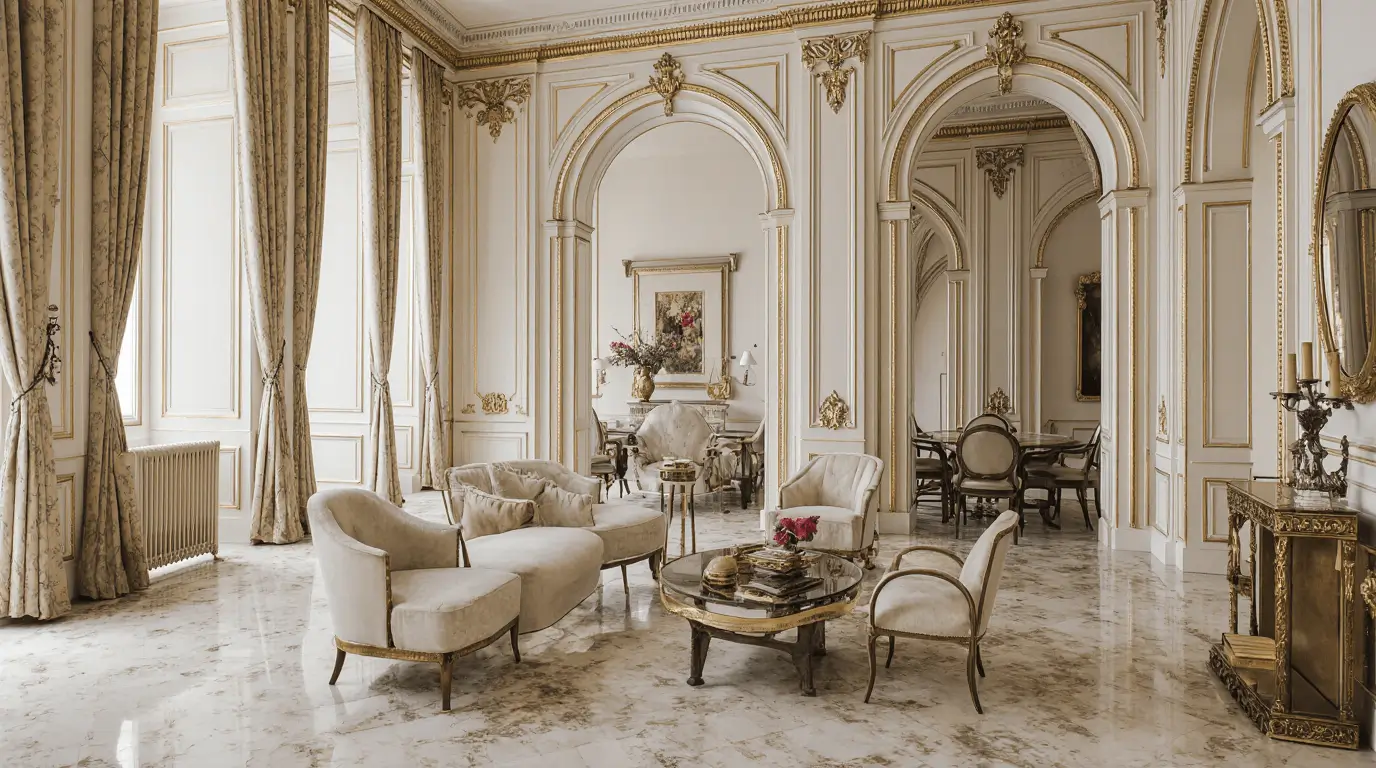
Color in modern renaissance interior design is rooted in historical pigments but adapted for modern interiors. Rich jewel tones such as deep burgundy, olive green, warm ochre, and muted gold are often balanced with creamy neutrals and stone-inspired hues.
These colors evoke classical European interiors while maintaining a calm, refined atmosphere suitable for modern homes.
Italian Renaissance Interior Design Influence
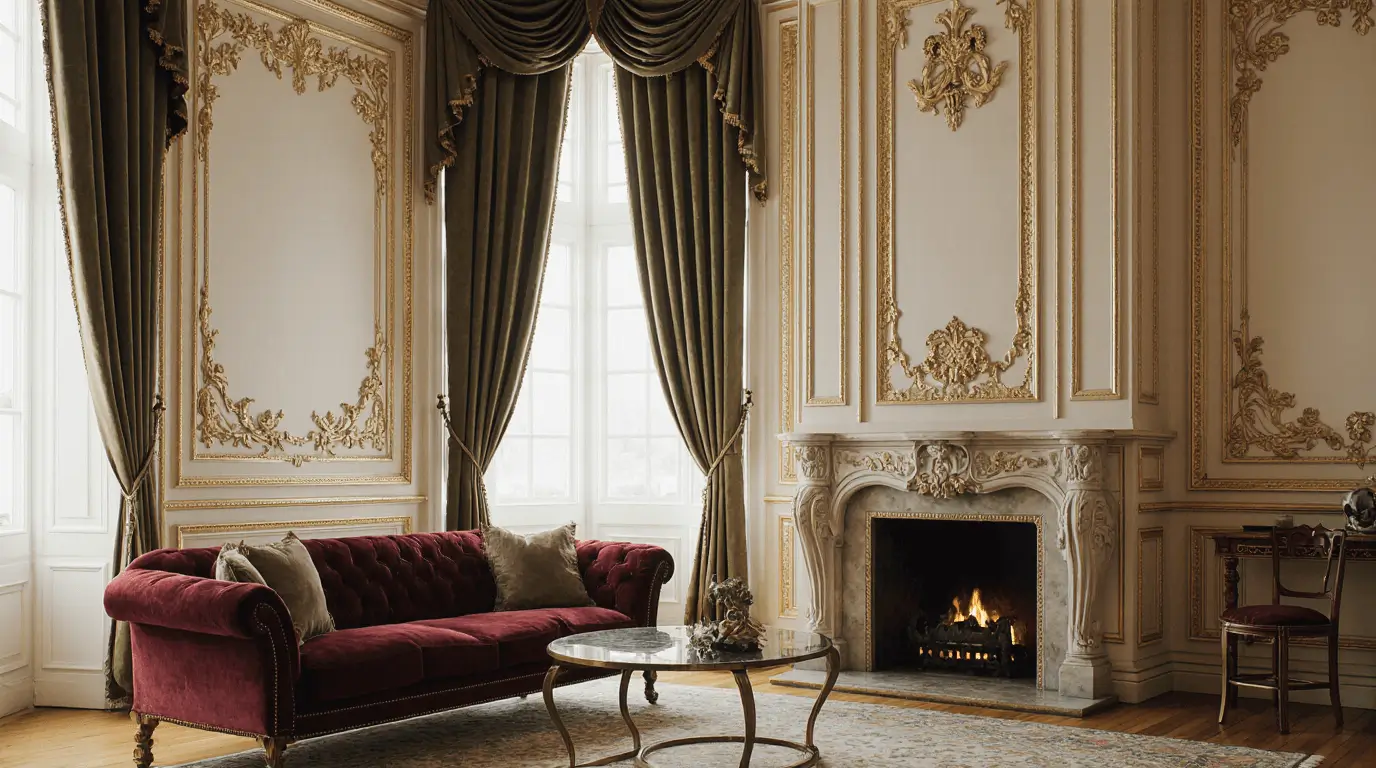
Italian renaissance interior design heavily influences modern interpretations of the style. Historic palaces in Florence and Rome emphasized grand proportions, frescoed ceilings, and detailed woodwork.
Modern homes translate this inspiration through decorative wall panels, sculptural furnishings, and statement ceilings that celebrate artistry without overwhelming the space.
Renaissance Interior Architecture in Modern Homes
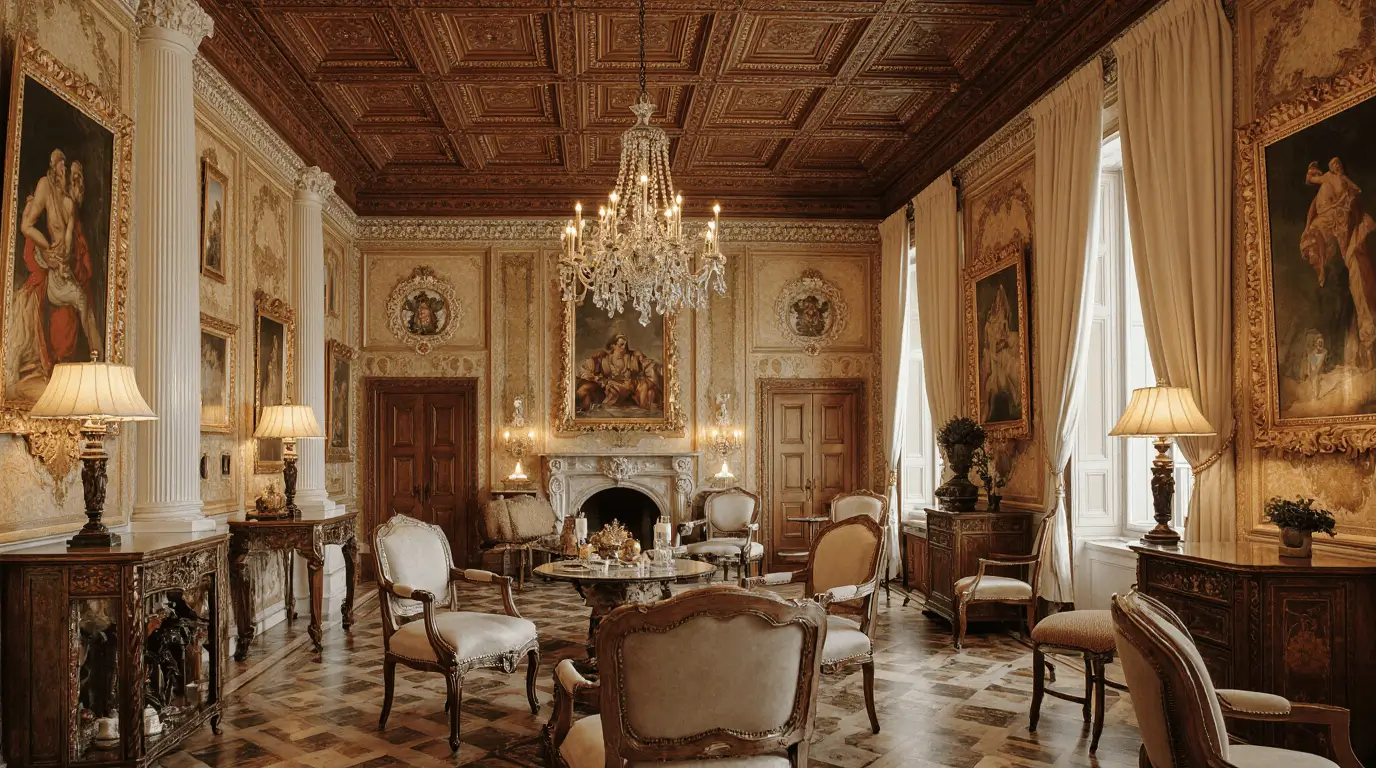
Renaissance interior architecture emphasized geometry, symmetry, and harmony. These architectural principles remain central to modern renaissance interior design.
Today, designers incorporate balanced layouts, arches, ceiling coffers, and layered wall treatments to create visual structure and timeless elegance.
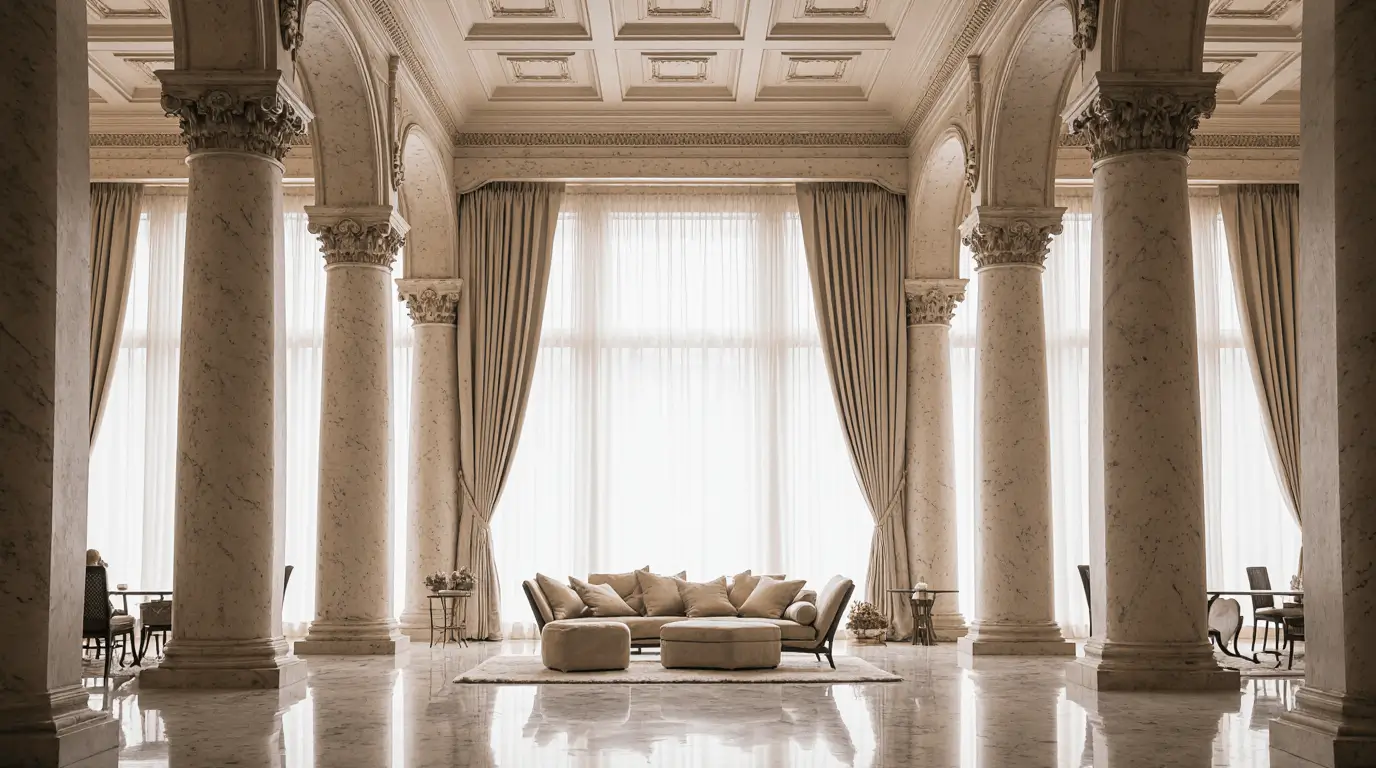
Renaissance House Interior Layout
Traditional renaissance house interiors were designed with formal rooms arranged around central halls or courtyards. Modern adaptations maintain this sense of spatial hierarchy while allowing more open and fluid movement.
Large living rooms, elegant dining spaces, and gallery-style hallways help recreate the refined atmosphere of historical residences.
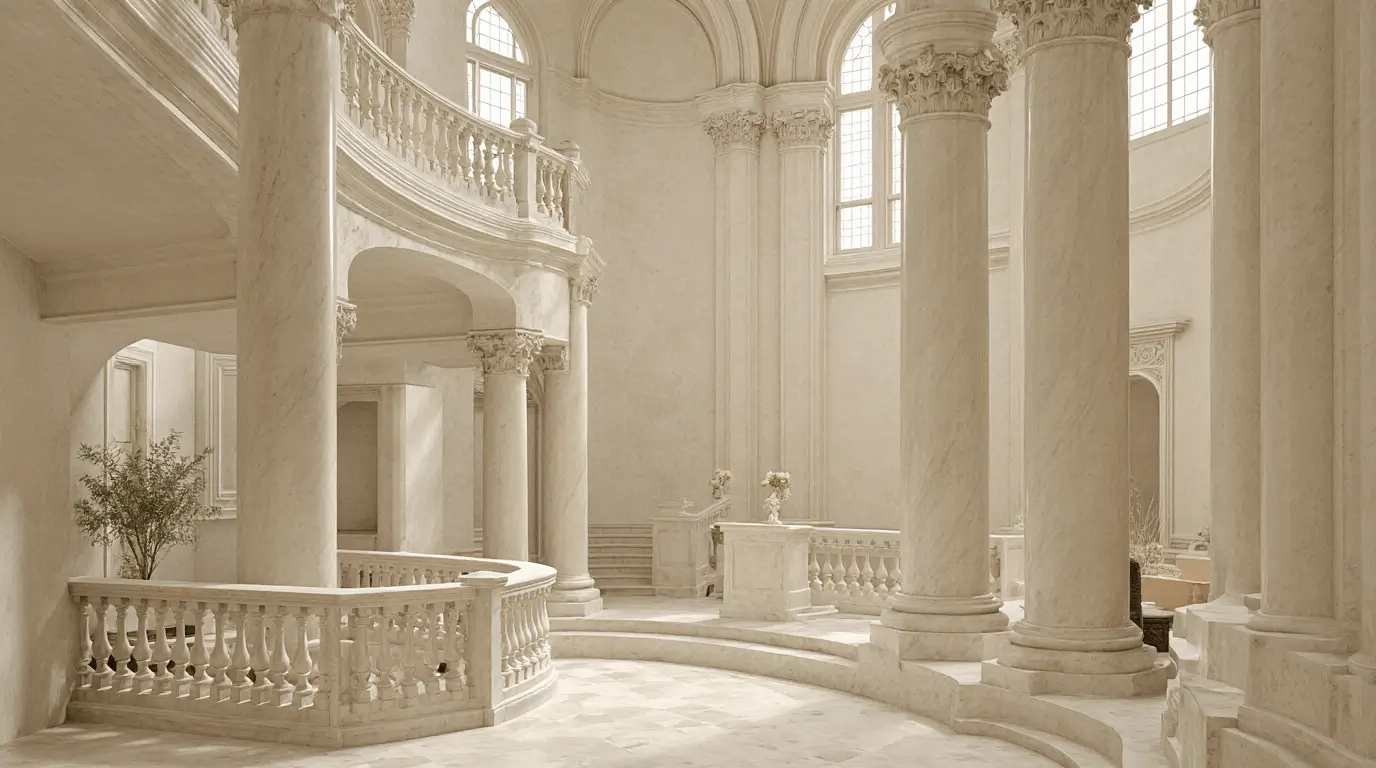
Modern Renaissance Decor Elements
Decorative elements are where modern renaissance decor truly shines. Sculptures, antique-inspired mirrors, tapestries, and carved wood pieces add depth and storytelling to interiors.
The key is restraint—each piece should feel curated and meaningful rather than overly ornate.
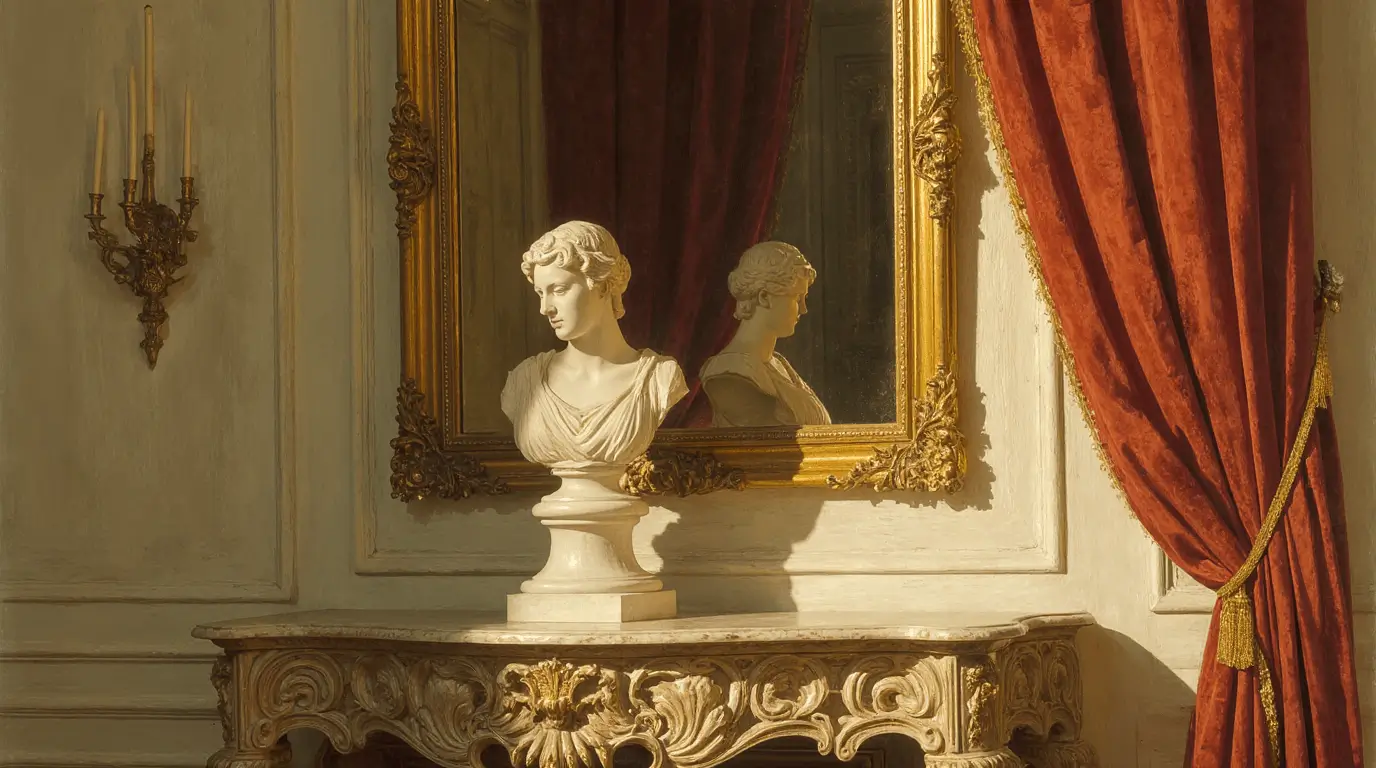
Renaissance Style Interior Furniture
Furniture in renaissance style interiors typically features solid craftsmanship, sculptural silhouettes, and rich materials like walnut, oak, and velvet upholstery.
Modern interpretations simplify the shapes while retaining classical proportions and decorative accents such as carved legs or ornate headboards.
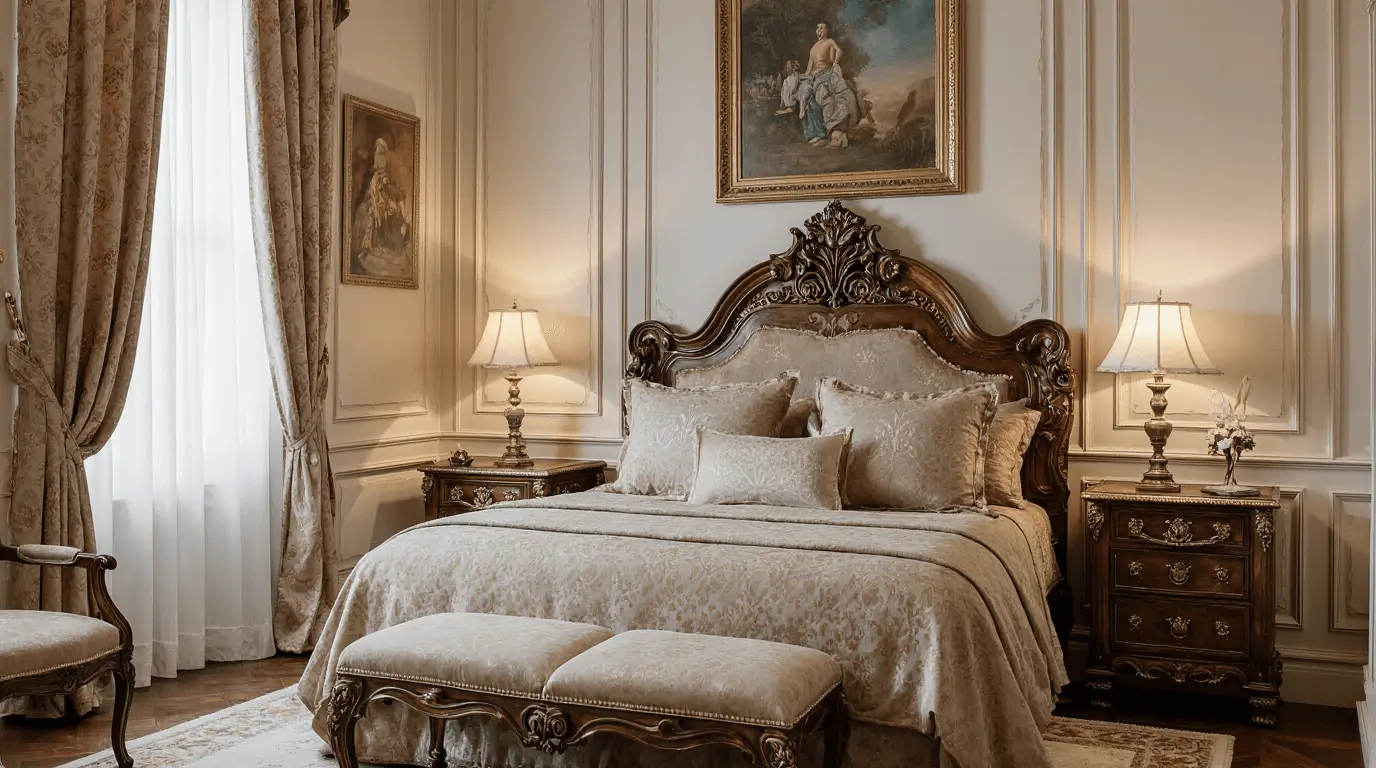
Italian Renaissance Interiors and Material Choices
Authentic Italian renaissance interiors relied heavily on natural materials—marble, stone, hardwood, and plaster. These materials created durable and visually striking interiors.
Modern renaissance interior design maintains this tradition by prioritizing tactile finishes and artisanal craftsmanship.
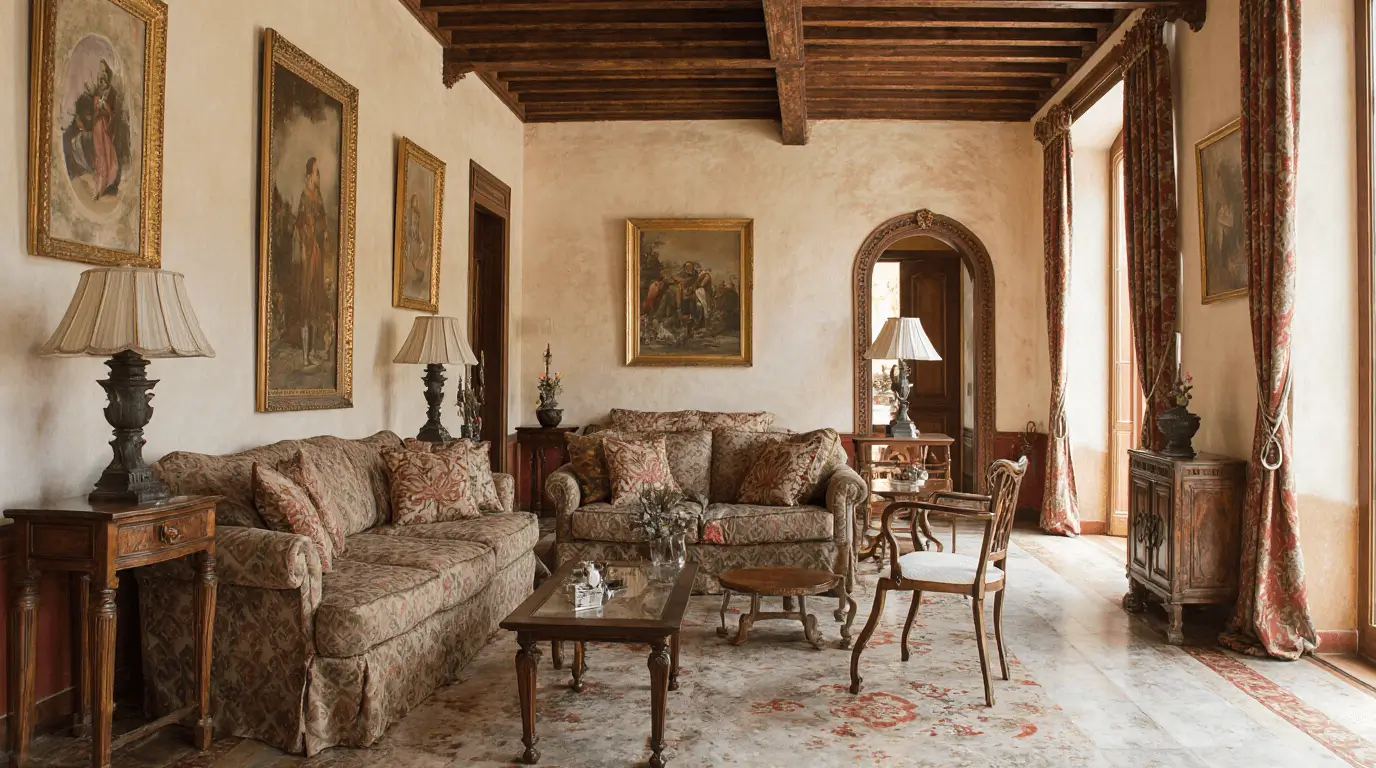
Modern Renaissance Ceiling Design
Ceilings play a defining role in renaissance interiors. Decorative coffers, painted panels, and architectural beams historically added grandeur to rooms.
In modern renaissance interior design, ceilings become subtle focal points using geometric moldings, muted fresco patterns, or elegant plaster detailing.
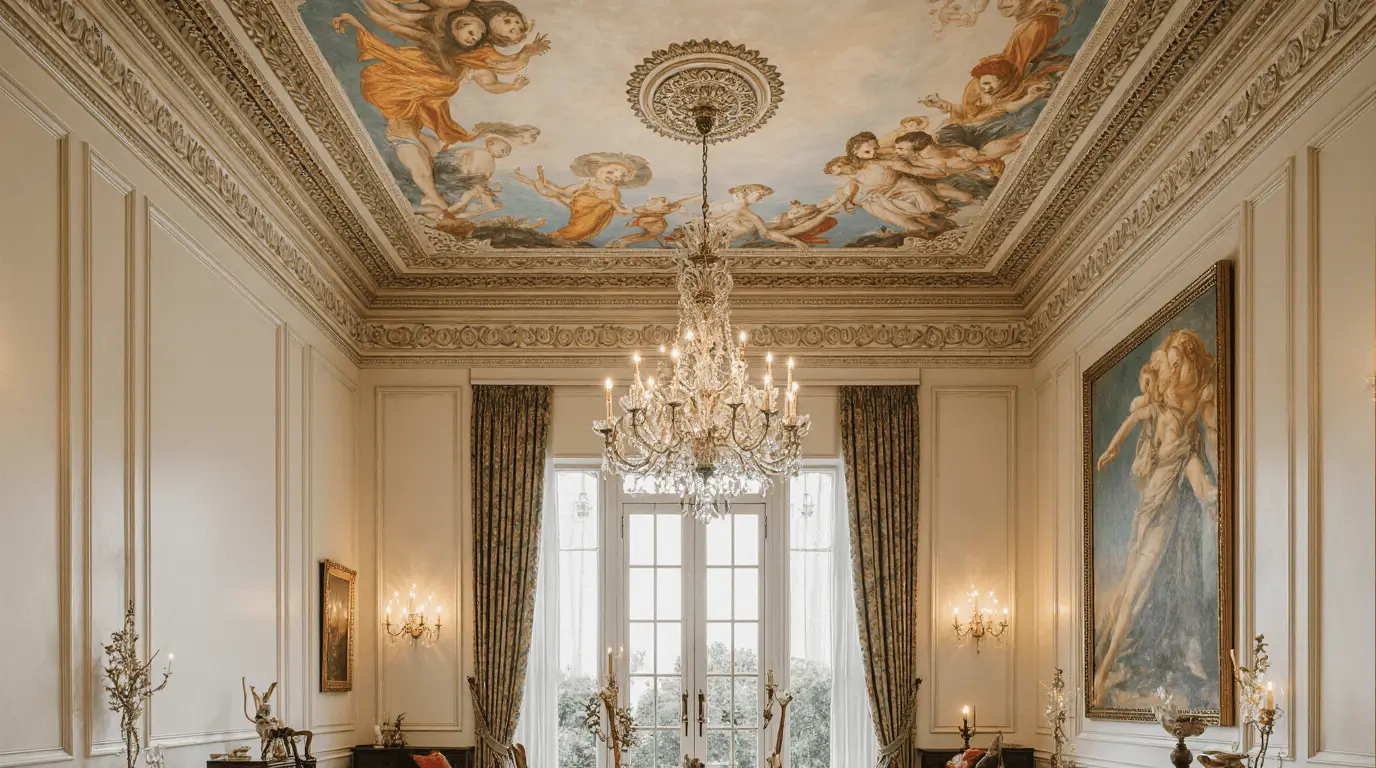
Renaissance Style Wall Treatments
Walls in renaissance interiors were often adorned with frescoes, tapestries, or intricate paneling. These features added texture and narrative depth.
Contemporary versions use decorative plaster panels, mural-style artwork, and textured finishes to achieve a similar visual richness.
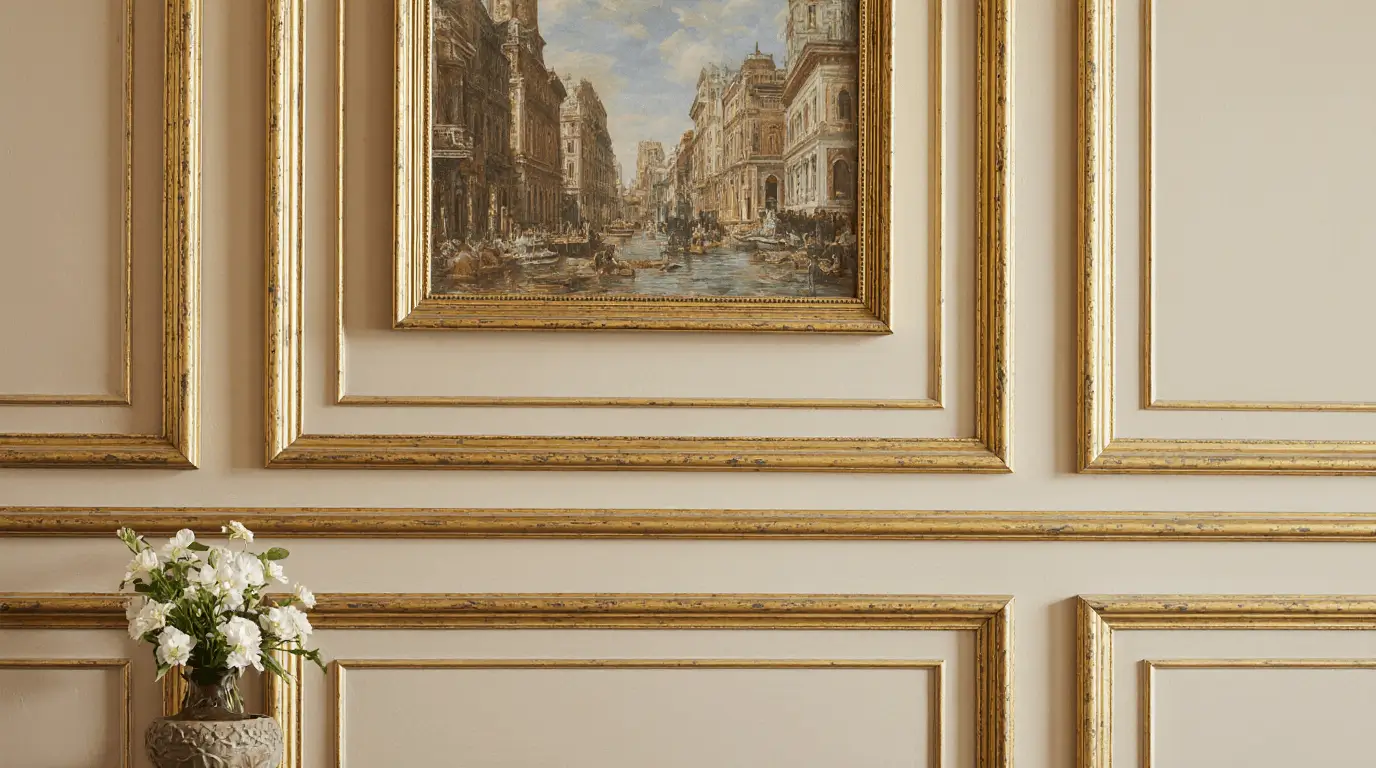
Baroque Influence on Modern Renaissance Interior Design
The transition from Renaissance to Baroque introduced more dramatic curves, ornate detailing, and theatrical lighting. Modern renaissance interior design occasionally borrows these elements to add visual intensity.
When used thoughtfully, baroque-inspired furniture or lighting can elevate the sophistication of the space.
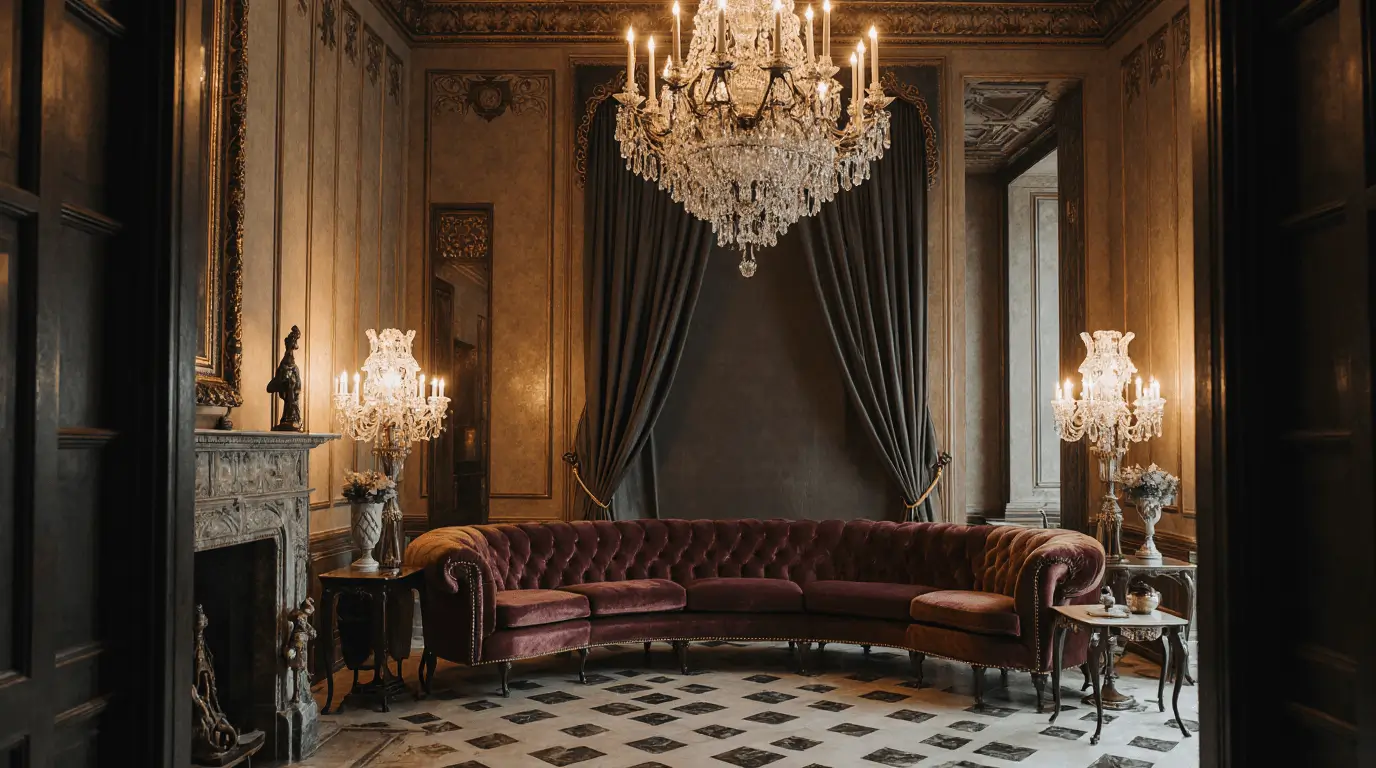
Rococo Accents in Renaissance Revival Interiors
Rococo interior elements introduce lighter ornamentation, delicate curves, and decorative elegance. These accents can soften the structured nature of renaissance design.
Subtle rococo-inspired mirrors, lighting fixtures, or decorative trim can create a refined balance between classical structure and artistic detail.
Lighting in Modern Renaissance Interior Design
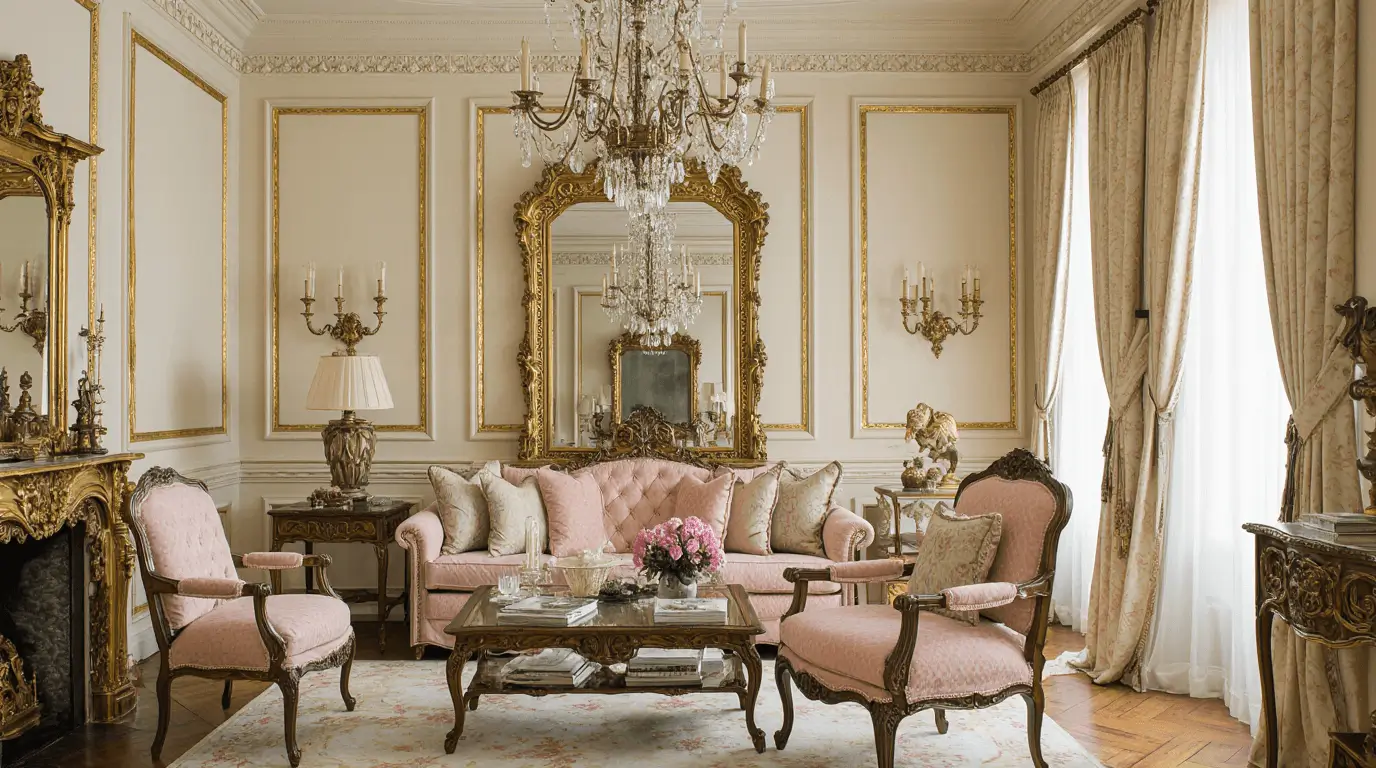
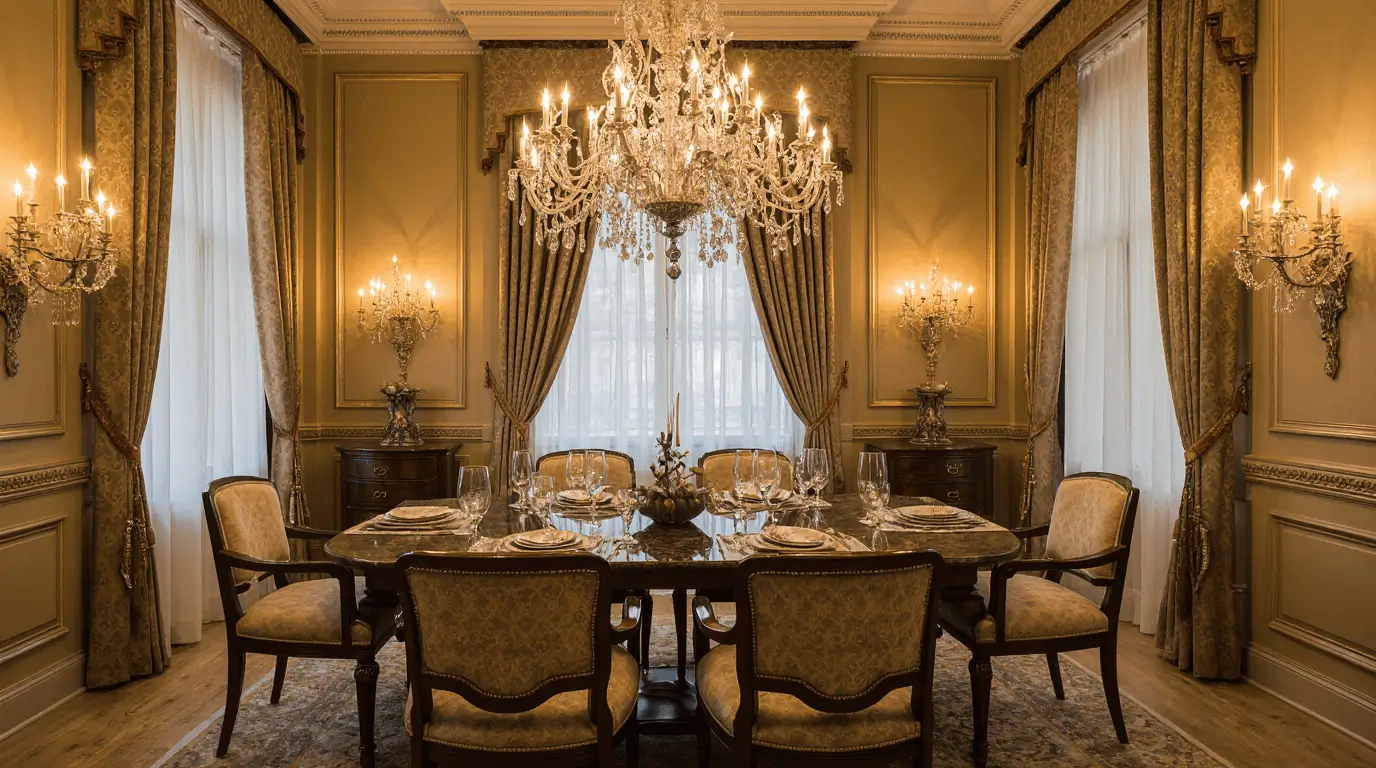
Lighting defines the atmosphere in renaissance-inspired interiors. Layered lighting—from chandeliers to wall sconces and table lamps—creates a warm, dramatic ambiance.
Contemporary lighting designs reinterpret classical chandeliers with modern materials and simplified silhouettes.
Renaissance Inspired Art and Sculpture
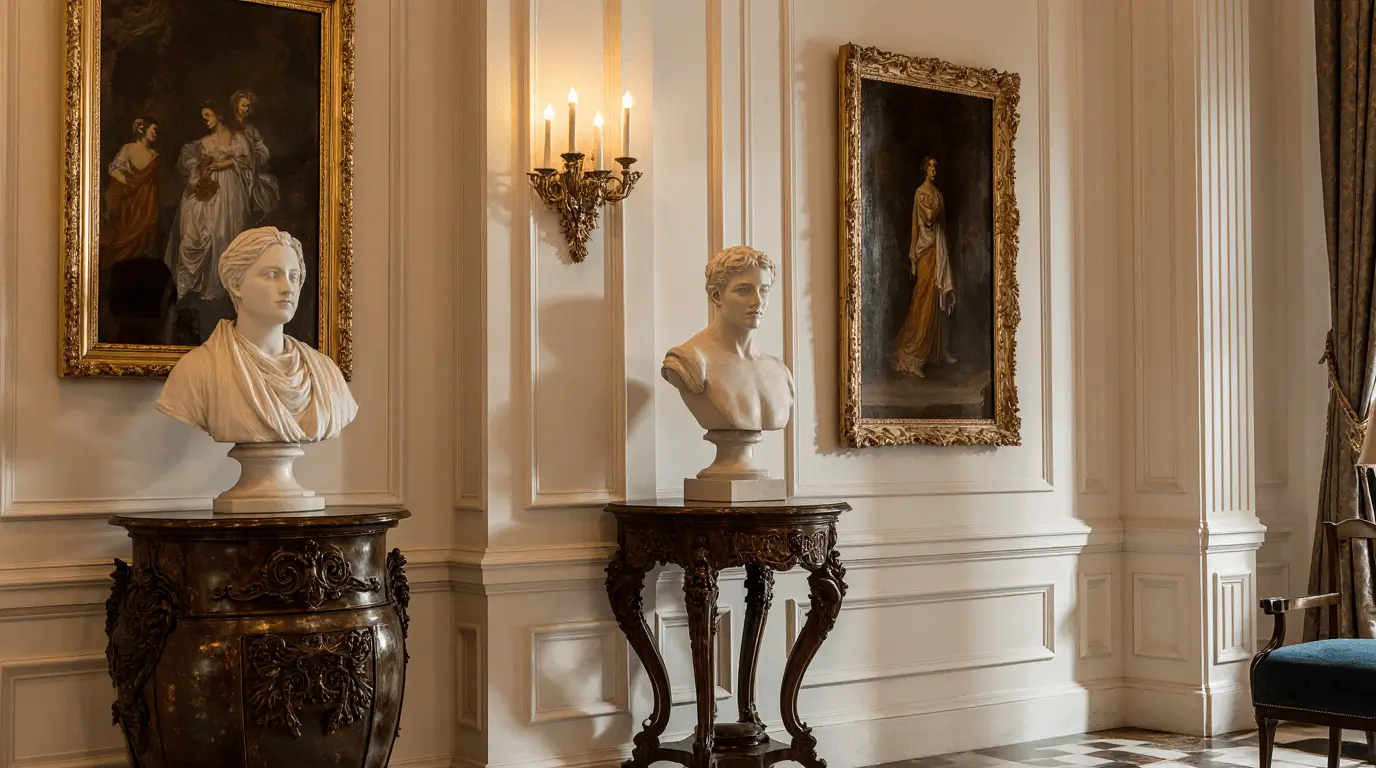
Art was central to Renaissance culture, and it remains a defining element in modern renaissance interior design. Classical paintings, bust sculptures, and framed fresco-style artworks enrich the visual narrative of the space.
Carefully chosen pieces bring historical depth without making the interior feel like a gallery.
Modern Renaissance Luxury Living Rooms
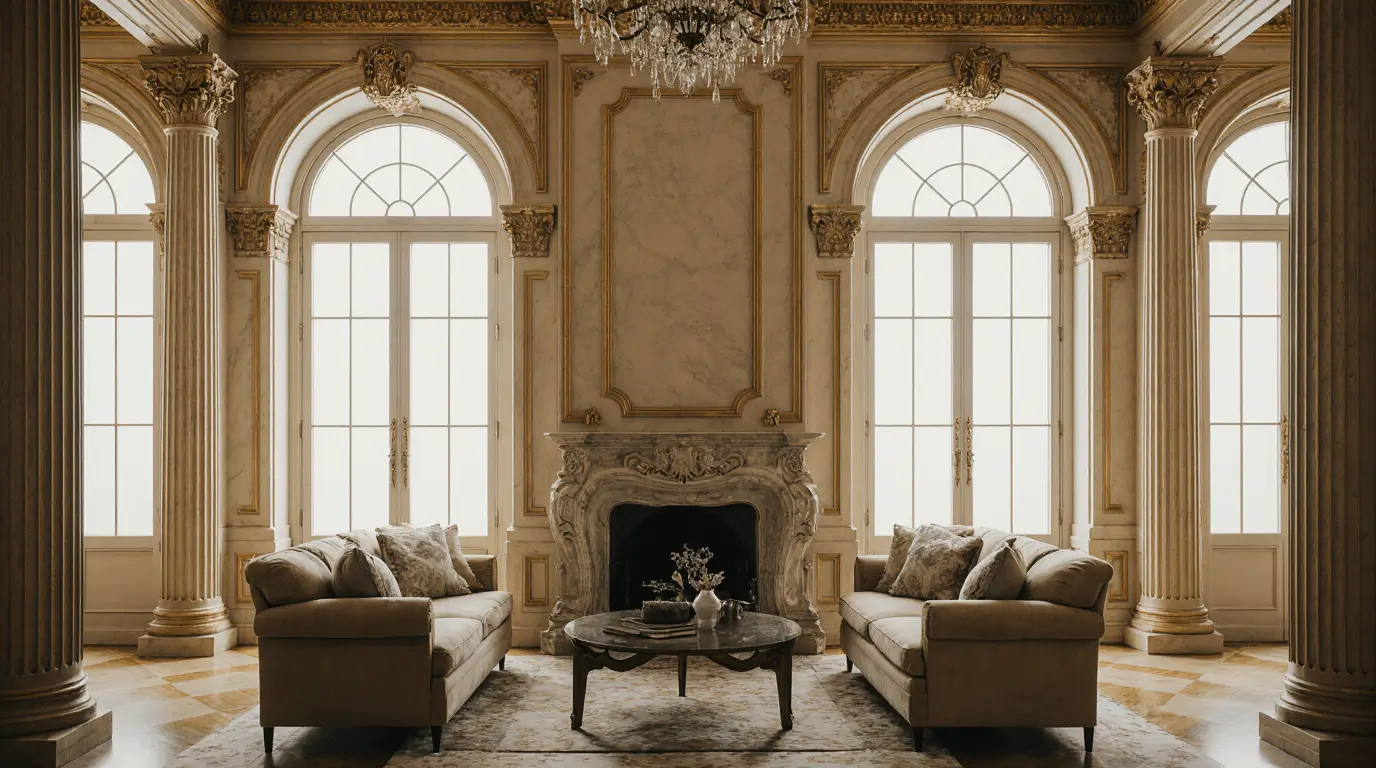
Living rooms in modern renaissance interiors combine grandeur with comfort. Large seating arrangements, statement fireplaces, and architectural symmetry create a welcoming yet luxurious atmosphere.
This balance between elegance and practicality is what makes the style suitable for modern lifestyles.
Modern Renaissance Bedrooms
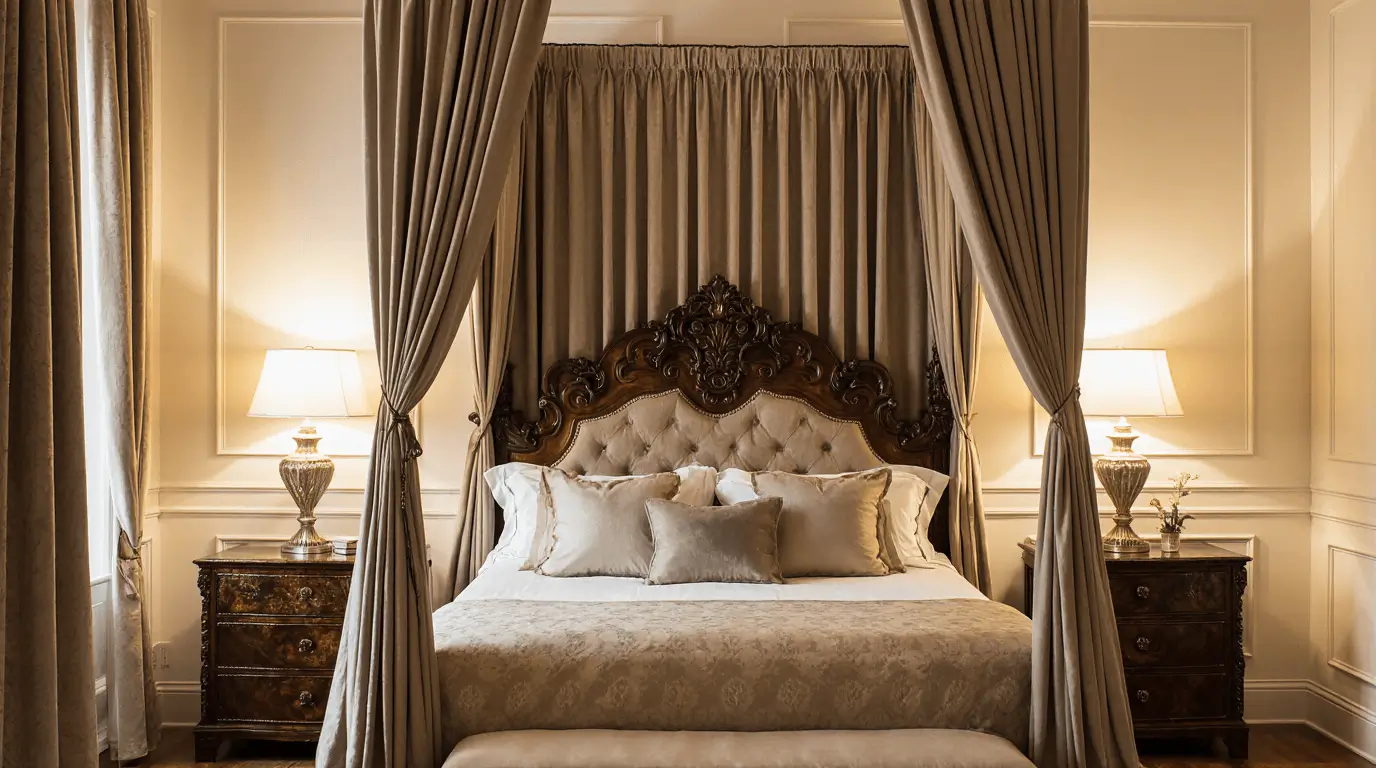
Bedrooms inspired by renaissance interiors focus on richness, texture, and serenity. Upholstered beds, elegant drapery, and layered lighting create a refined sanctuary.
Neutral palettes with subtle jewel-tone accents help maintain the sophisticated atmosphere associated with classical European interiors.
Conclusion: Bringing Timeless Renaissance Elegance Into Modern Living
Modern renaissance interior design succeeds because it bridges two powerful ideas: historical craftsmanship and contemporary comfort. Rather than recreating historical interiors exactly as they once were, this design approach thoughtfully adapts Renaissance principles—symmetry, proportion, artistry, and rich materials—into spaces that support modern lifestyles.
In practice, the style works best when architectural structure leads the design. Arched openings, balanced layouts, sculptural furniture, and layered materials provide the timeless framework that defines Renaissance-inspired interiors. When these elements are paired with contemporary lighting, simplified color palettes, and carefully curated décor, the result is an environment that feels both sophisticated and welcoming.
From an expert design perspective, the strength of modern renaissance interior design lies in restraint and intention. Instead of filling a room with ornate details, the focus shifts toward craftsmanship, meaningful materials, and visual harmony. A marble fireplace, a coffered ceiling, or a carefully placed sculpture can elevate a room without overwhelming it. This balance allows the historical influence to shine while keeping the space livable and relevant.
This approach is particularly well suited for homeowners who appreciate architecture, art, and timeless European elegance but still want interiors that feel comfortable and practical. Whether incorporated through a few classical accents or through full architectural renovation, Renaissance-inspired design can transform a home into a refined yet deeply personal environment.
Ultimately, modern renaissance interior design reminds us that great interiors are built on enduring principles. When classical beauty is interpreted through a modern lens, the result is a home that feels cultured, layered, and timeless—designed not just to impress, but to be lived in and appreciated every day.
Learn more : Spokane Interior Design: Styles, Ideas, and Home Tips
Frequently Asked Questions
- What defines modern renaissance interior design?
Modern renaissance interior design combines classical Renaissance architectural elements with contemporary furnishings and materials. The style focuses on symmetry, elegant proportions, sculptural décor, and refined materials such as marble, wood, and plaster while keeping layouts practical for modern living.
- How is modern renaissance design different from traditional renaissance interiors?
Traditional Renaissance interiors were highly ornate and formal, often designed for palaces or grand estates. Modern interpretations simplify these details by using cleaner lines, neutral palettes, and fewer decorative elements while maintaining the historical influence through architecture, materials, and carefully selected statement pieces.
- Can modern renaissance interior design work in smaller homes?
Yes, the style can be adapted for smaller spaces by focusing on key features rather than large-scale architectural changes. Elements like decorative molding, classical artwork, elegant lighting, and sculptural furniture can introduce Renaissance character without requiring large rooms or dramatic structural features.
- What colors are typically used in modern renaissance interiors?
The palette usually combines warm neutrals with rich accent tones inspired by historical pigments. Colors such as burgundy, olive green, muted gold, deep brown, and stone-inspired creams create a layered and sophisticated atmosphere while maintaining balance and elegance.
- What materials are most important in this design style?
Natural materials play a central role. Marble, limestone, hardwood, plaster walls, and velvet or linen textiles are commonly used because they reflect the craftsmanship associated with Renaissance interiors while providing durability and texture.
- Can baroque or rococo elements be included in modern renaissance interiors?
Yes, subtle influences from Baroque or Rococo design can enhance the richness of the space. Decorative chandeliers, curved furniture silhouettes, or ornate mirrors can add drama and refinement when used thoughtfully alongside the more structured Renaissance elements.
- Where should someone start when designing a modern renaissance interior?
A practical starting point is the architectural framework of the room. Focus first on symmetry, wall treatments, and ceiling details. Once the structure feels balanced, introduce layered materials, statement lighting, and art pieces that reflect classical European aesthetics. Building the design gradually ensures the final space feels cohesive rather than overly decorative.



One Response