
Introduction
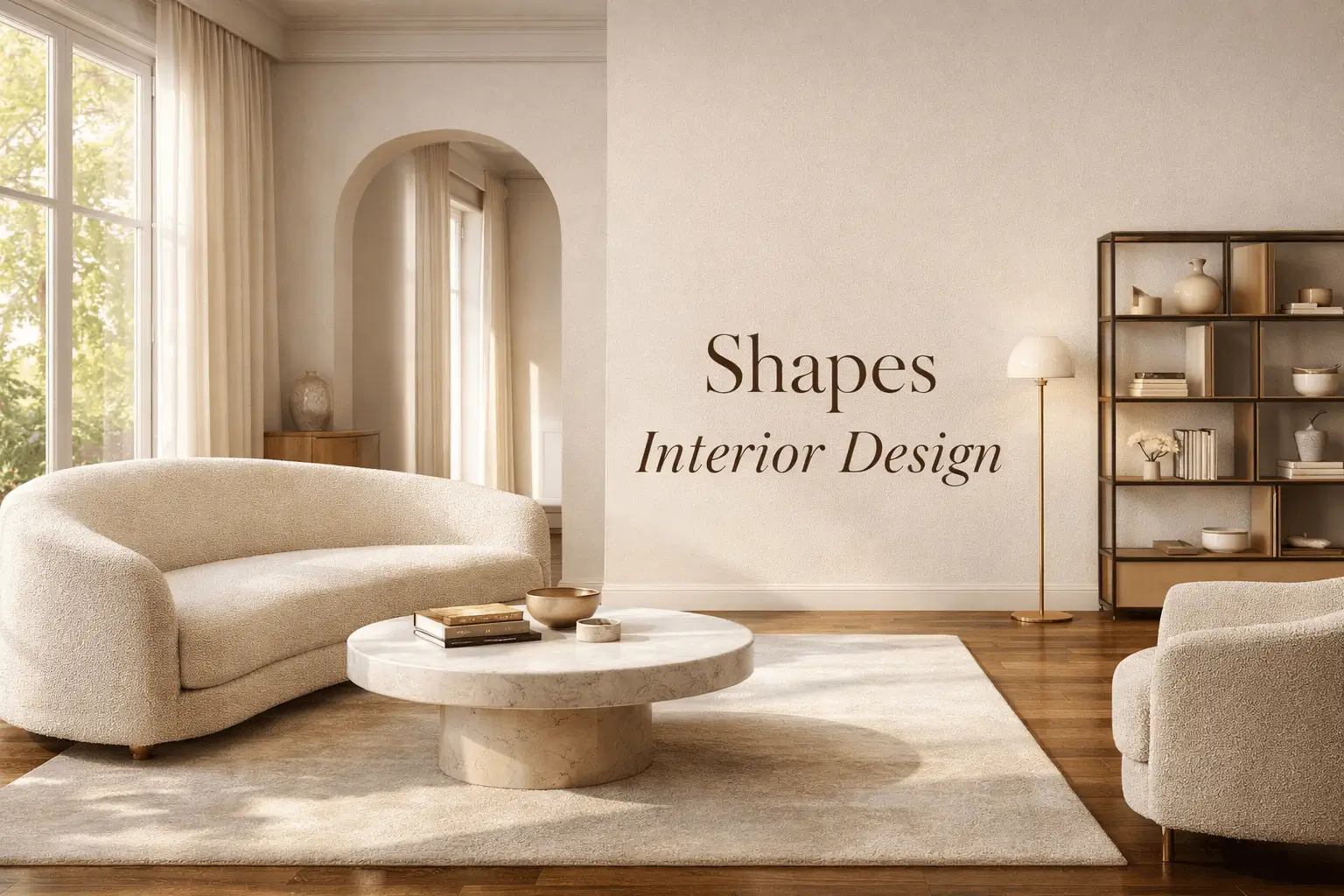
Shapes interior design is one of the most powerful yet often overlooked foundations of creating visually balanced, emotionally engaging spaces. At its core, it’s about how lines, forms, and silhouettes interact to guide the eye, influence mood, and define spatial identity. Whether you’re designing a minimalist apartment or a richly layered home, understanding shape helps you control harmony, contrast, and flow.
From my experience working with both modern and traditional interiors, the difference between a “nice” room and a truly memorable one often comes down to how shapes are used. Clean geometric forms create structure and clarity, while organic shapes soften and humanize a space. When applied intentionally, shapes interior design becomes the invisible language that ties everything together—from furniture to lighting to architectural elements.
Geometric Shapes Interior Design Foundations
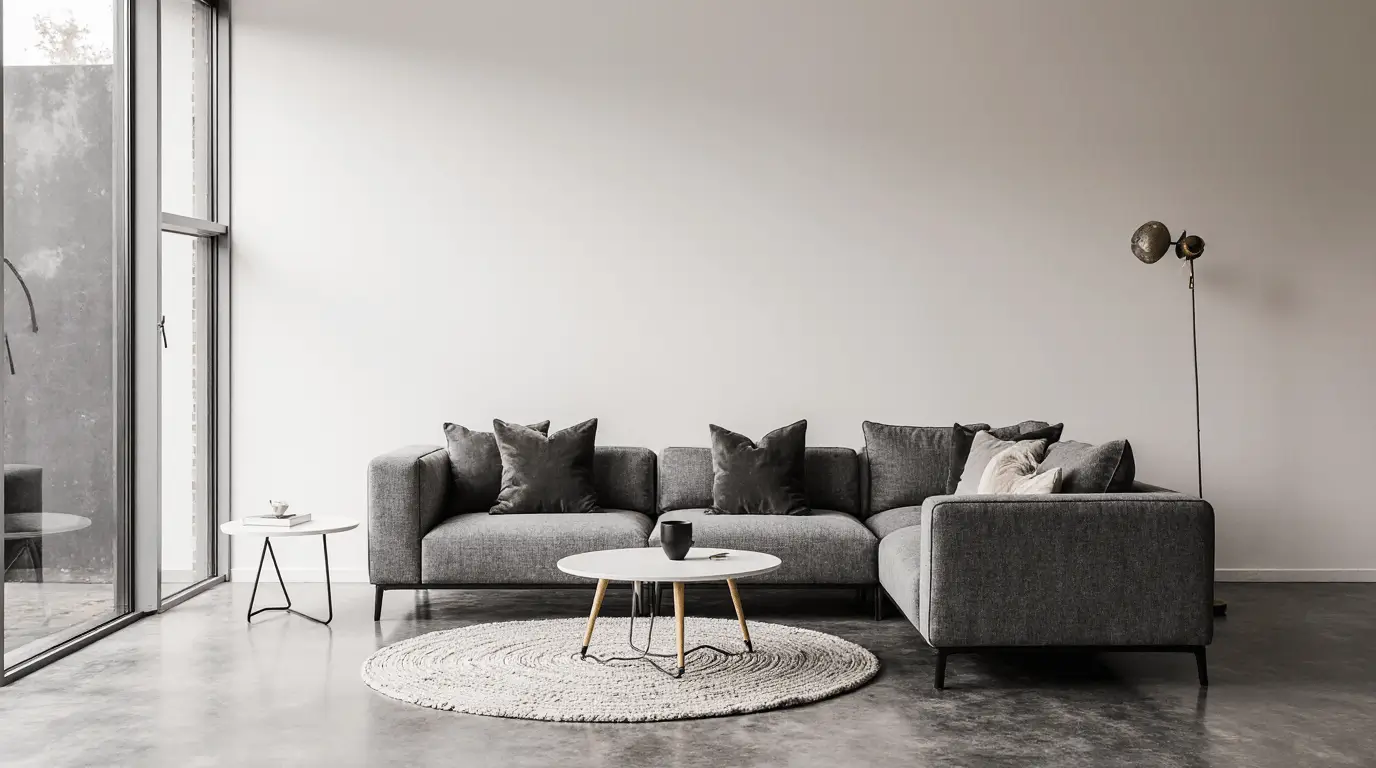
Geometric shapes interior design relies on clean lines—squares, rectangles, and circles—to establish order and precision. These shapes are ideal for modern and contemporary spaces where clarity and structure matter.
They create a sense of stability and visual discipline, especially when repeated across furniture and architecture.
Organic Shapes Interior Design Flow
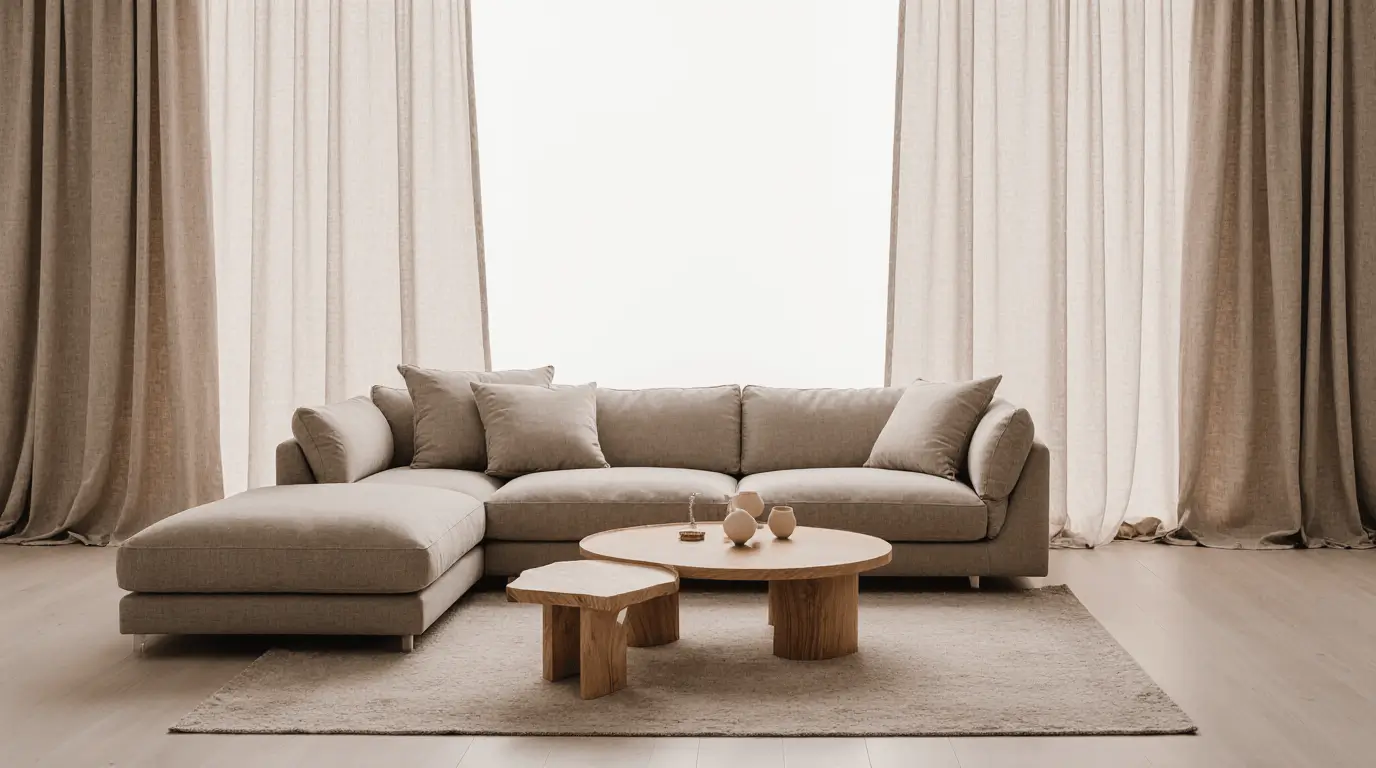
Organic shapes interior design introduces curves, irregular lines, and natural silhouettes inspired by nature. These shapes soften rigid spaces and create a more relaxed, inviting atmosphere.
They are especially effective in balancing sharp architectural features.
Shapes Interior Design and Space Planning
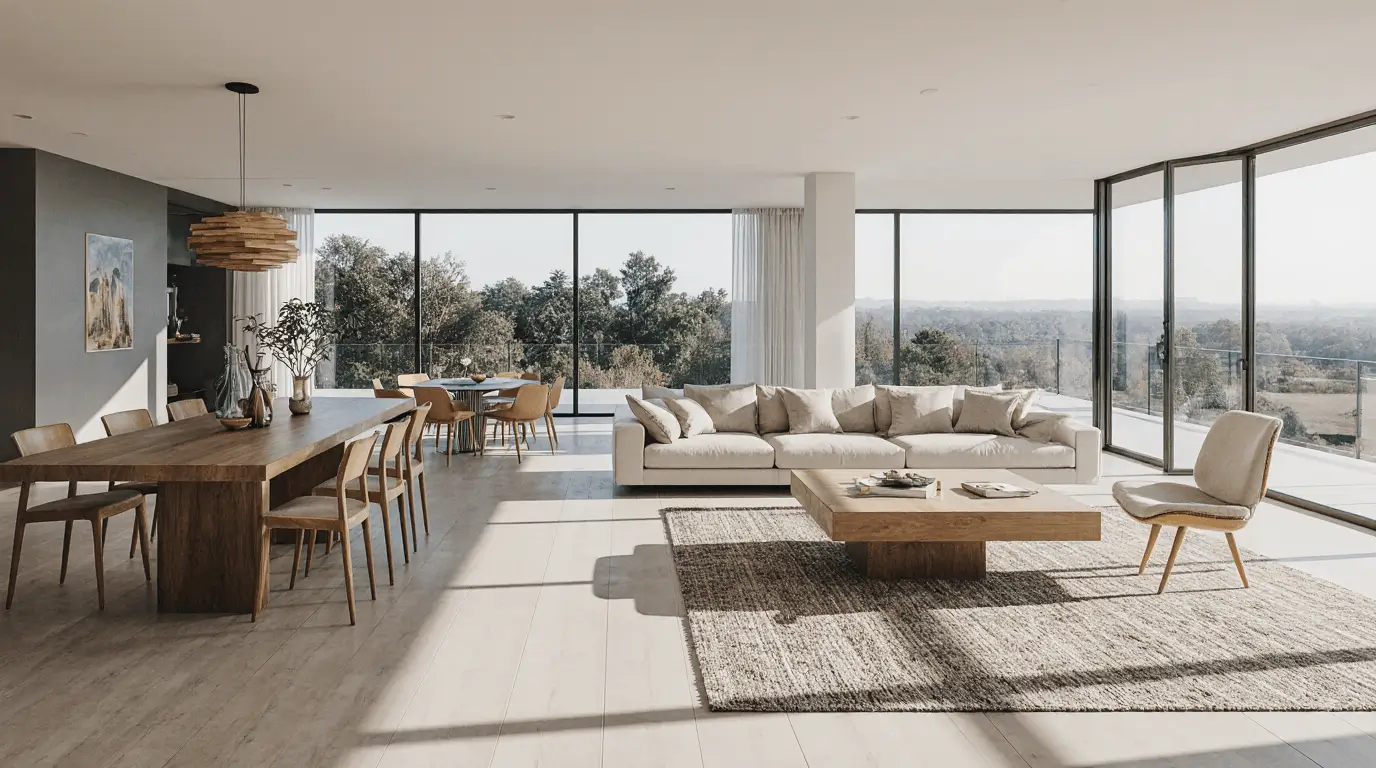
Shapes play a critical role in defining how a space is used and experienced. Large rectangular layouts feel open and functional, while circular arrangements encourage conversation and intimacy.
Strategic placement of shapes improves flow and usability.
Shapes and Forms in Interior Design Harmony
Combining different shapes creates visual harmony when done thoughtfully. Mixing straight lines with curves prevents monotony while maintaining balance.
The key is proportion—too many conflicting shapes can overwhelm the space.
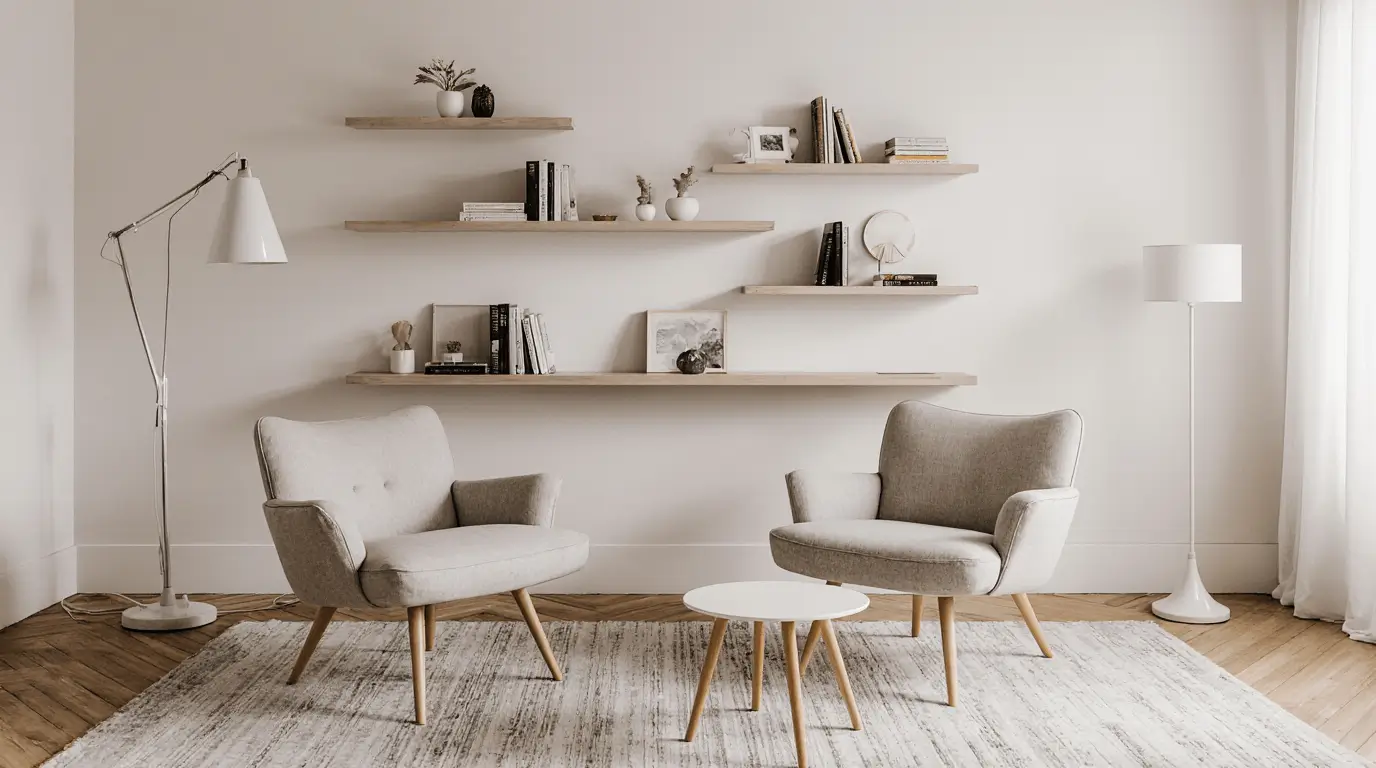
Shape Contrast in Interior Design
Contrast in shapes adds visual interest and depth. Pairing angular furniture with rounded décor elements creates a dynamic, layered look.
This technique keeps interiors from feeling flat or predictable.
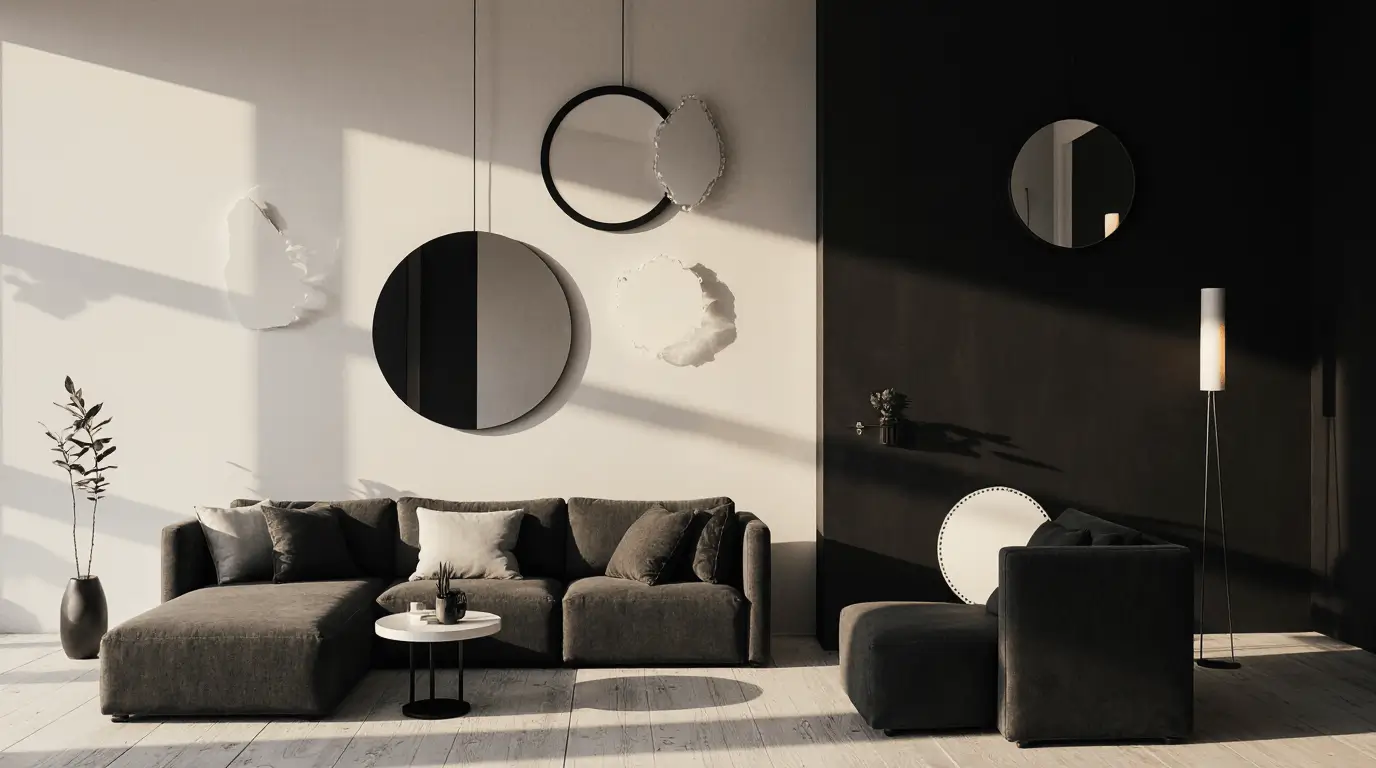
Repetition of Shapes Interior Design
Repeating shapes throughout a room builds cohesion and rhythm. For example, circular motifs in lighting, rugs, and décor can unify the design.
Repetition creates a subtle sense of order without being obvious.
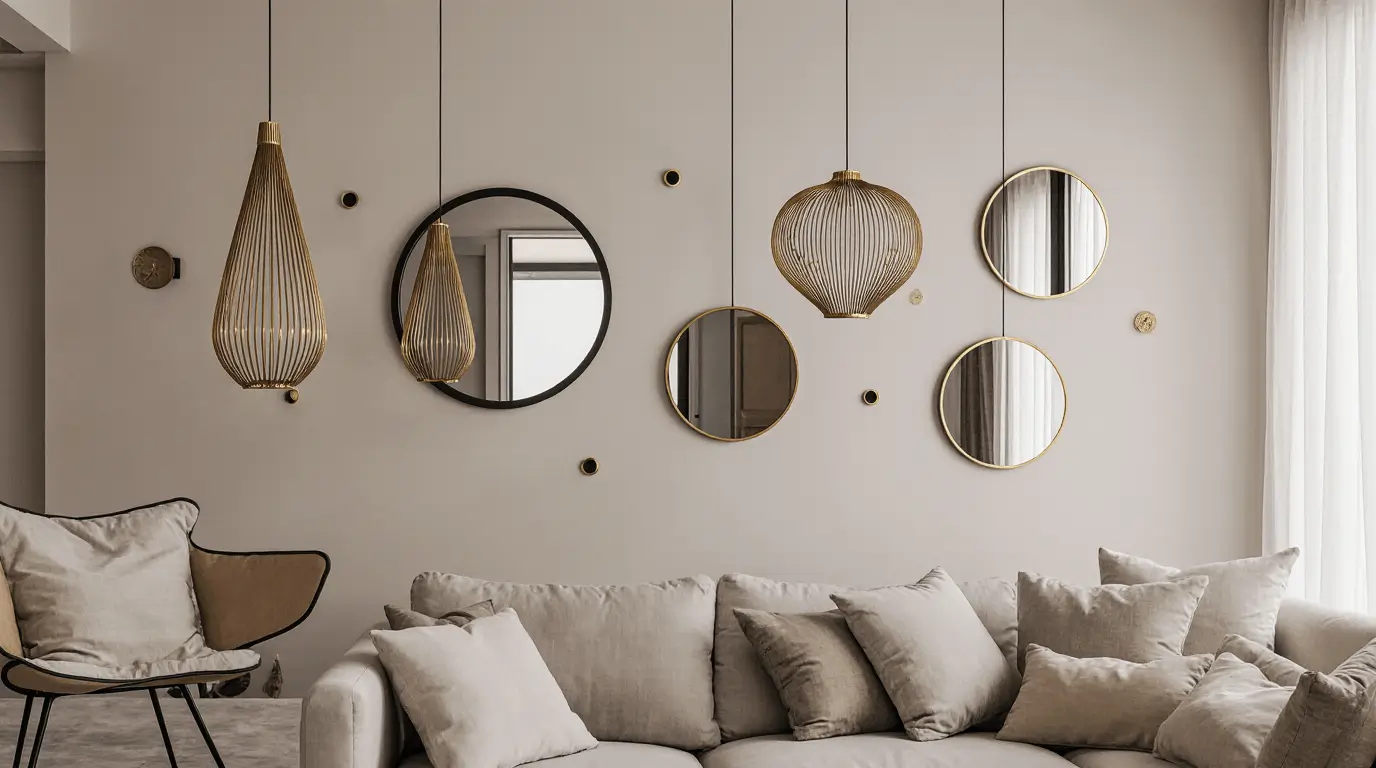
Scale and Proportion in Shapes Interior Design
The size of shapes affects how a space feels. Oversized forms create bold statements, while smaller shapes add detail and intricacy.
Balancing scale ensures the room feels neither crowded nor empty.
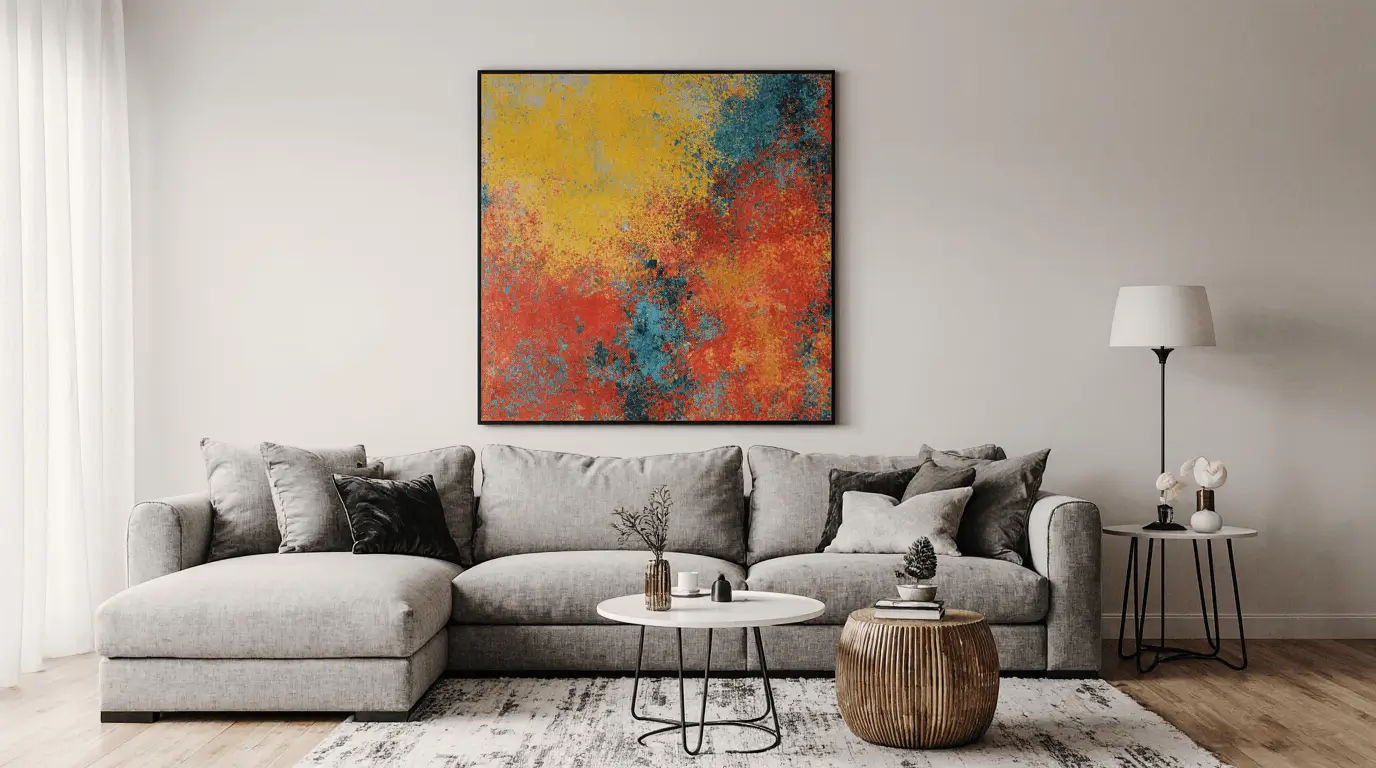
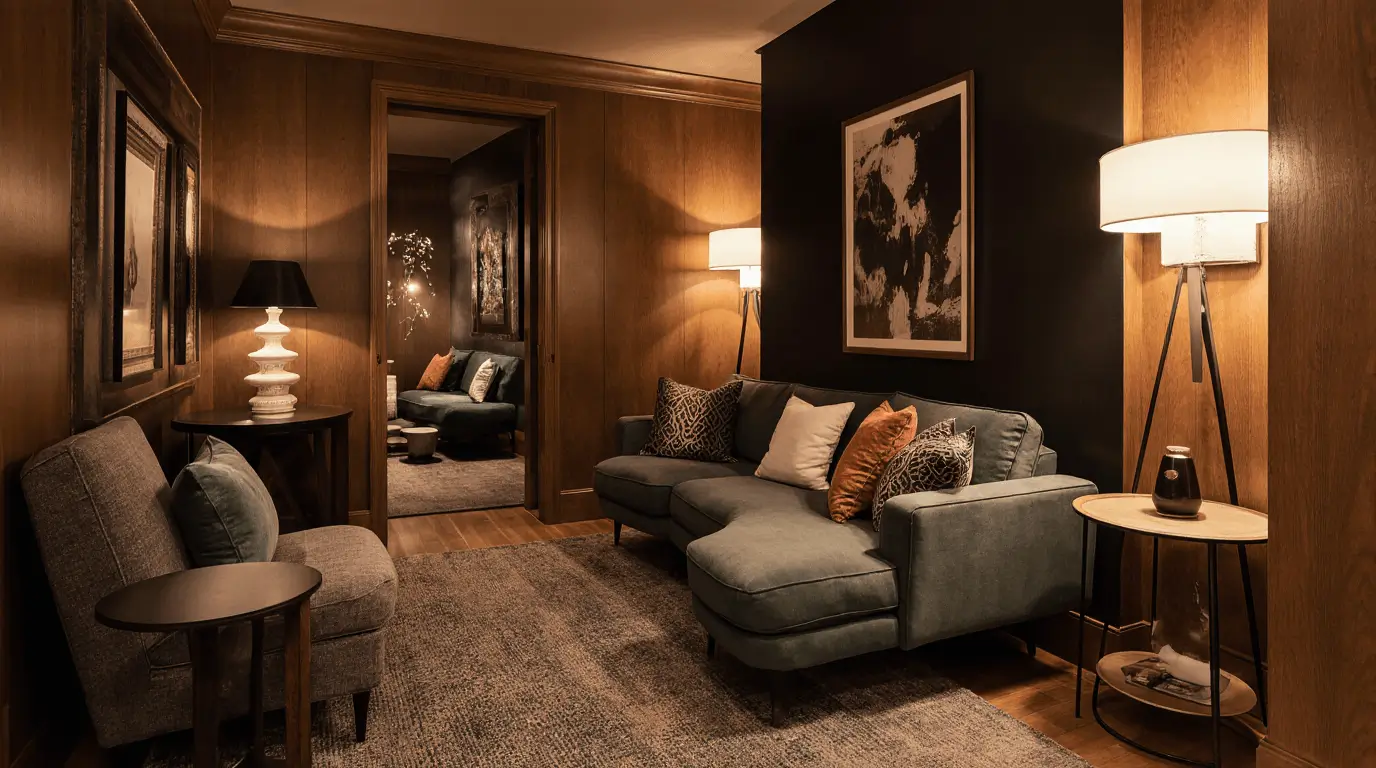
Furniture Shapes Interior Design Impact
Furniture is one of the most direct ways to introduce shapes into a space. Angular furniture feels structured, while curved pieces feel relaxed and inviting.
Choosing the right shapes influences both comfort and visual tone.
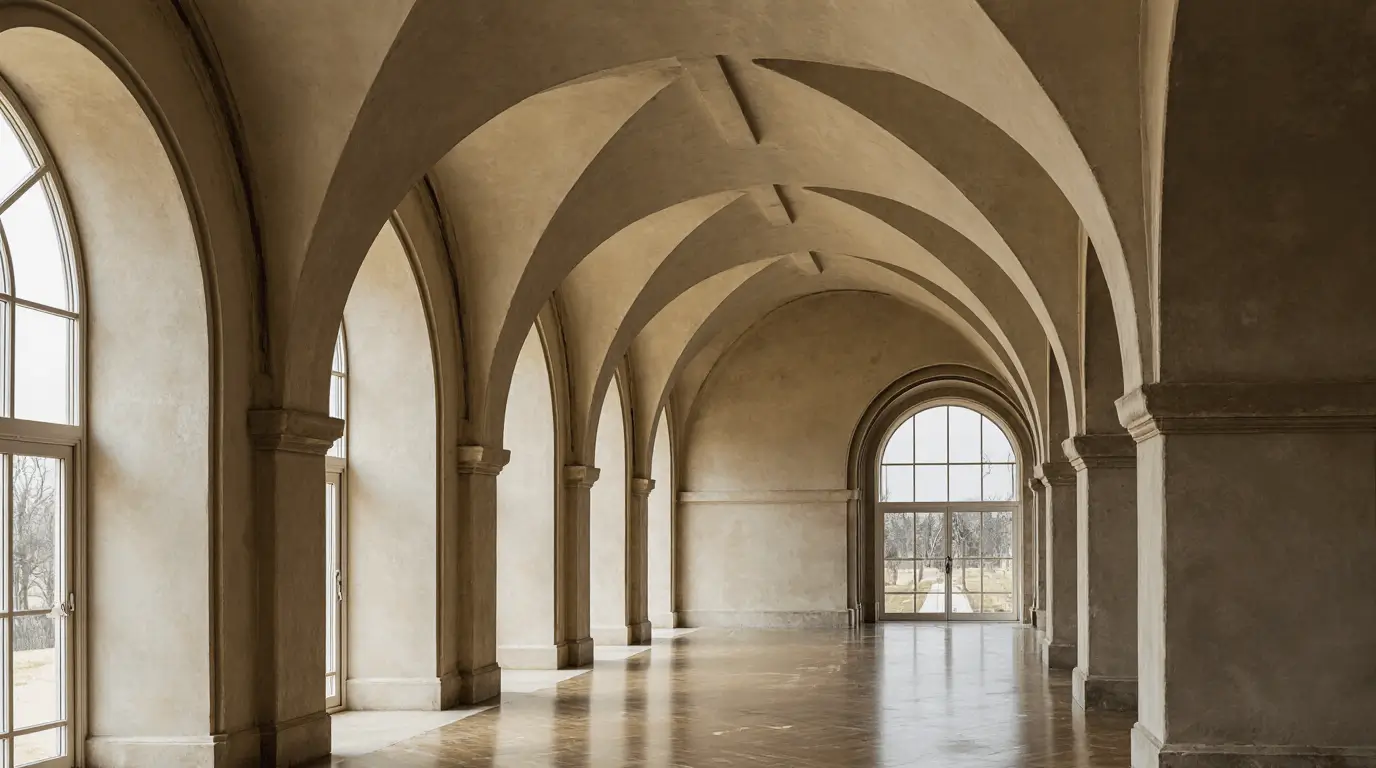
Architectural Shapes in Interior Design
Architectural elements like arches, columns, and windows define the foundational shapes of a space. These features set the tone before décor is even added.
Enhancing or contrasting these shapes elevates the overall design.
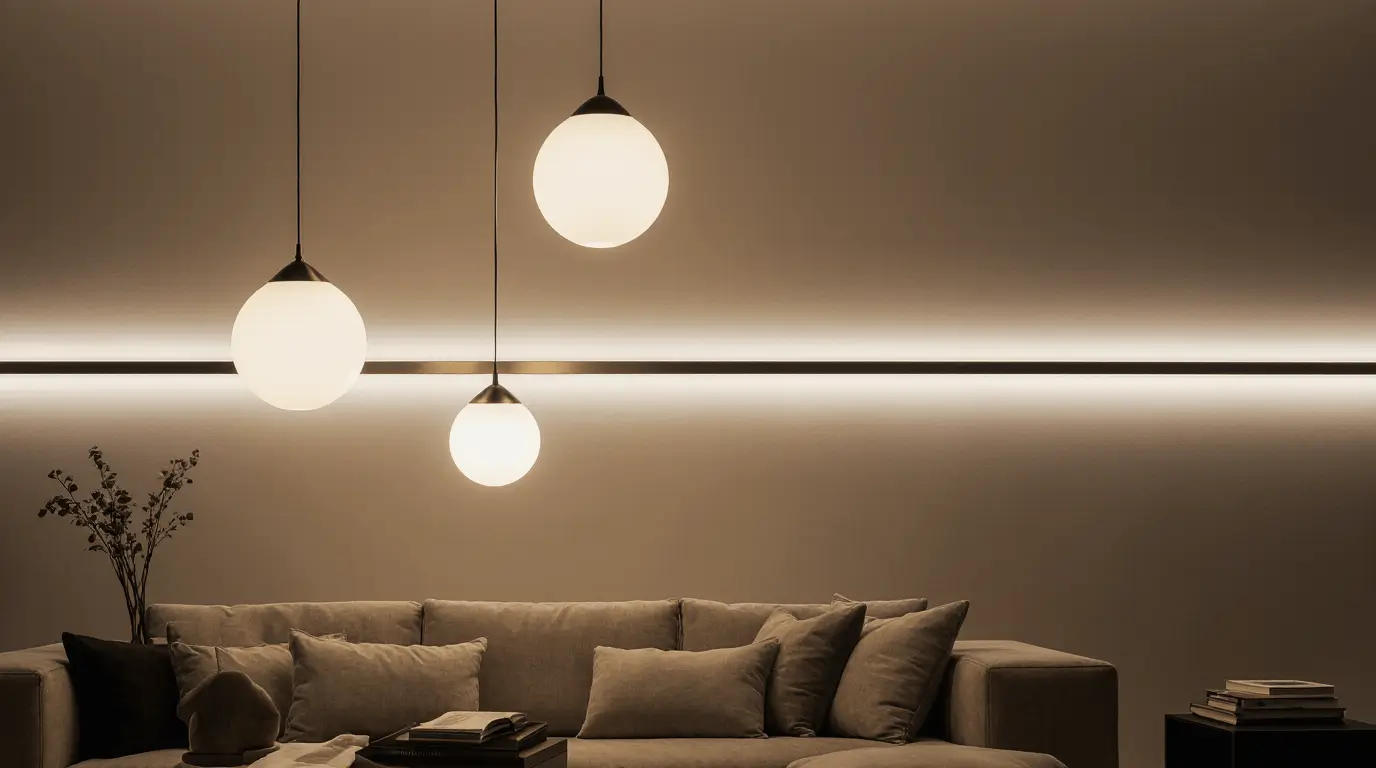
Lighting Shapes Interior Design Influence
Lighting fixtures introduce sculptural shapes that double as functional art. From linear pendants to spherical chandeliers, they shape both light and visual identity.
Well-chosen lighting enhances the room’s geometry.
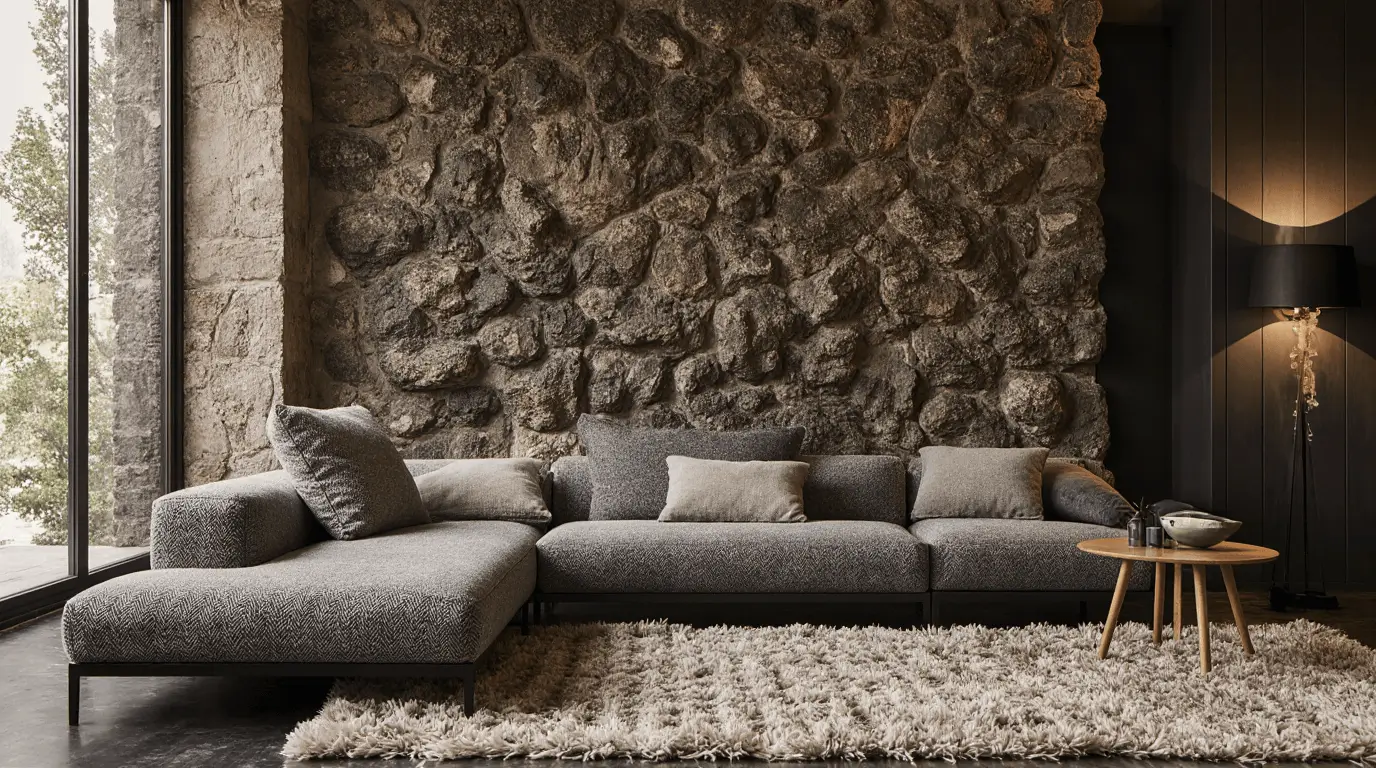
Texture and Shape Interaction in Interior Design
Textures enhance the perception of shape. A curved velvet sofa feels softer than a leather one, even if the form is identical.
Combining texture with shape adds depth and sensory richness.
Patterns and Shapes Interior Design Connection
Patterns are essentially repeated shapes. Geometric patterns add structure, while organic patterns feel more fluid and artistic.
They reinforce the visual theme of a space.
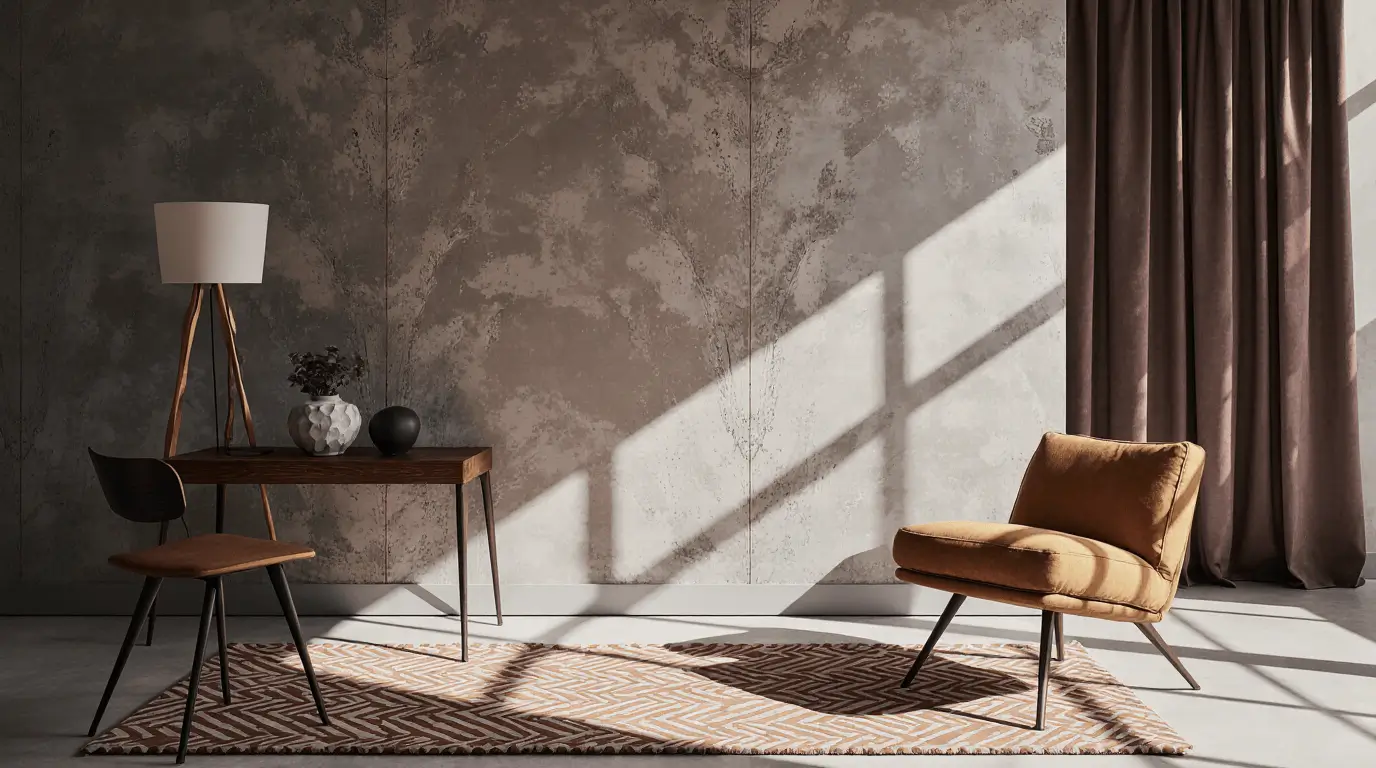
Symmetry vs Asymmetry in Shapes Interior Design
Symmetrical layouts create order and calm, while asymmetrical arrangements feel dynamic and creative.
Both approaches can be effective depending on the desired mood.
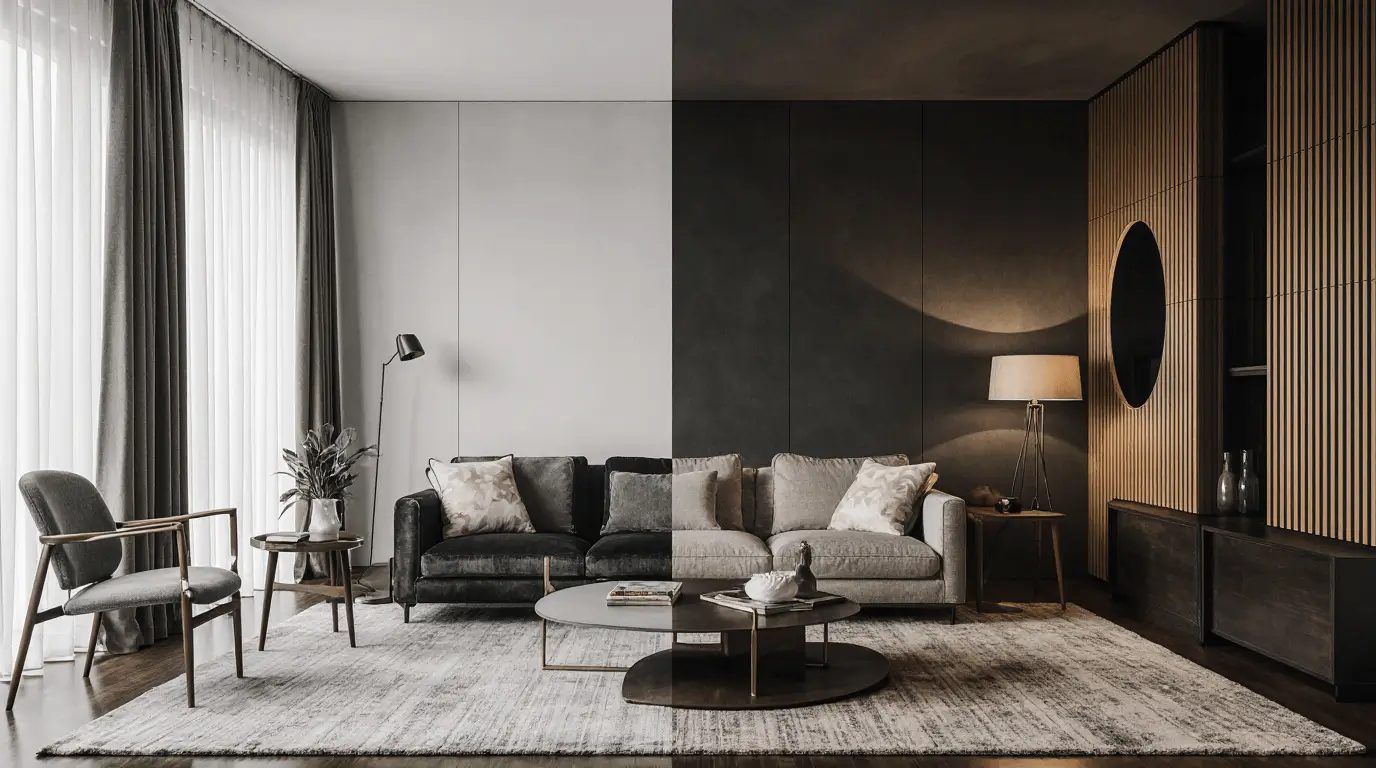
Minimalist Shapes Interior Design Approach
Minimalism relies heavily on simple, clean shapes. Straight lines and basic forms create uncluttered, calming environments.
Every shape serves a purpose, reducing visual noise.
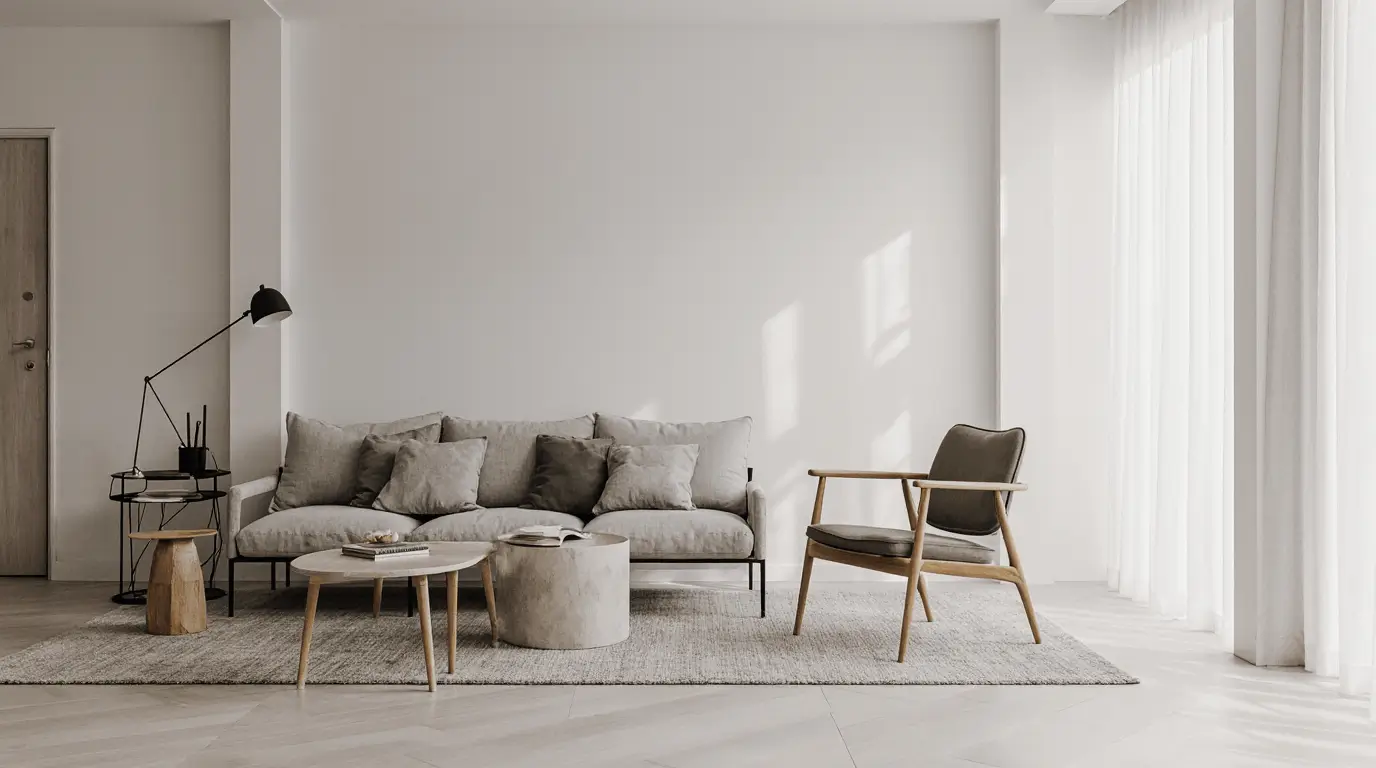
Maximalist Shapes Interior Design Expression
Maximalist interiors embrace a mix of shapes, layering bold forms and playful silhouettes.
This approach creates energy and personality through diversity.
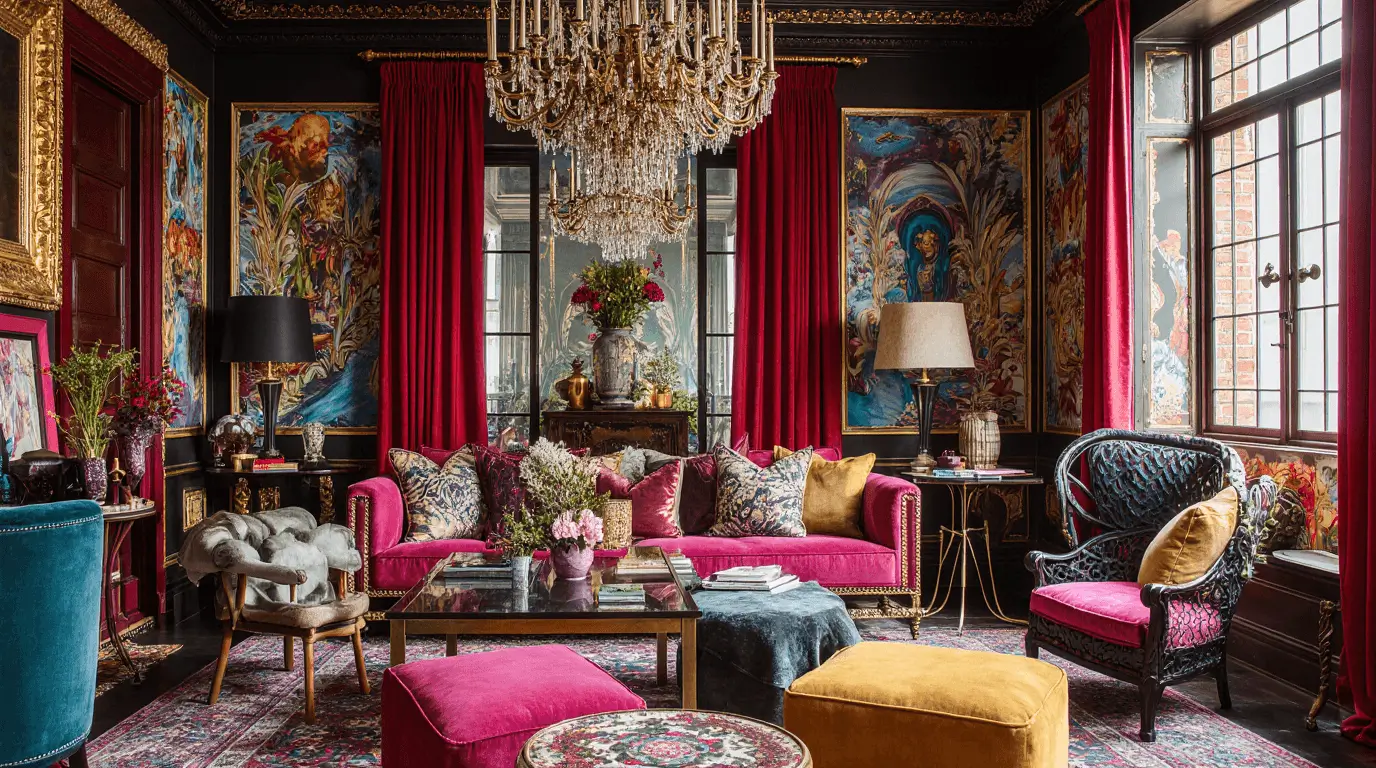
Shapes Interior Design in Small Spaces
In compact areas, shapes can influence perceived size. Vertical lines elongate, while rounded furniture improves flow and reduces visual clutter.
Smart shape choices make small spaces feel larger.
Emotional Impact of Shapes Interior Design
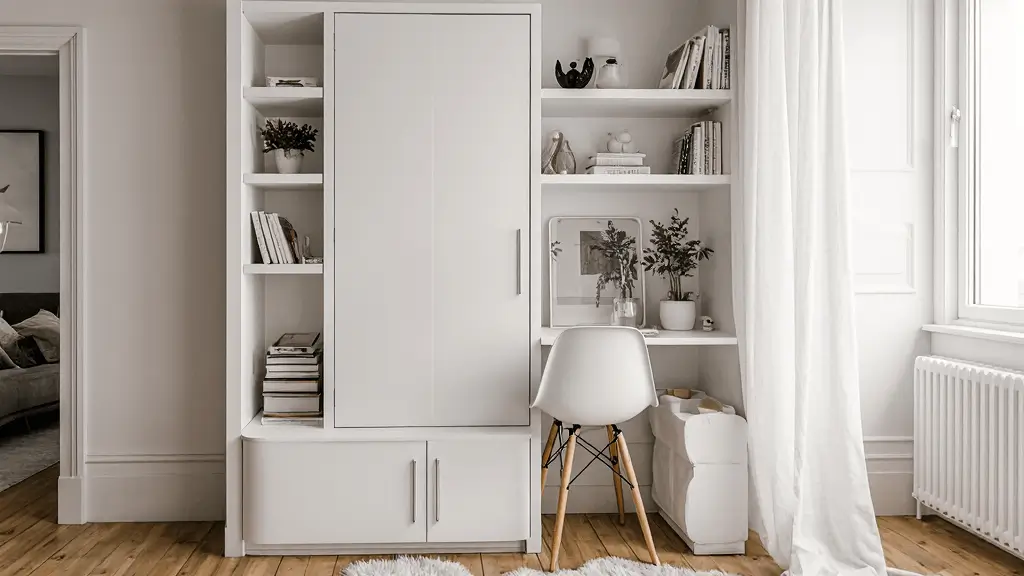
Shapes subtly influence how a space feels. Sharp angles evoke energy and focus, while curves promote relaxation and comfort.
Designing with emotional intent leads to more meaningful interiors.
Conclusion: Bringing Shapes Interior Design Into Real Life
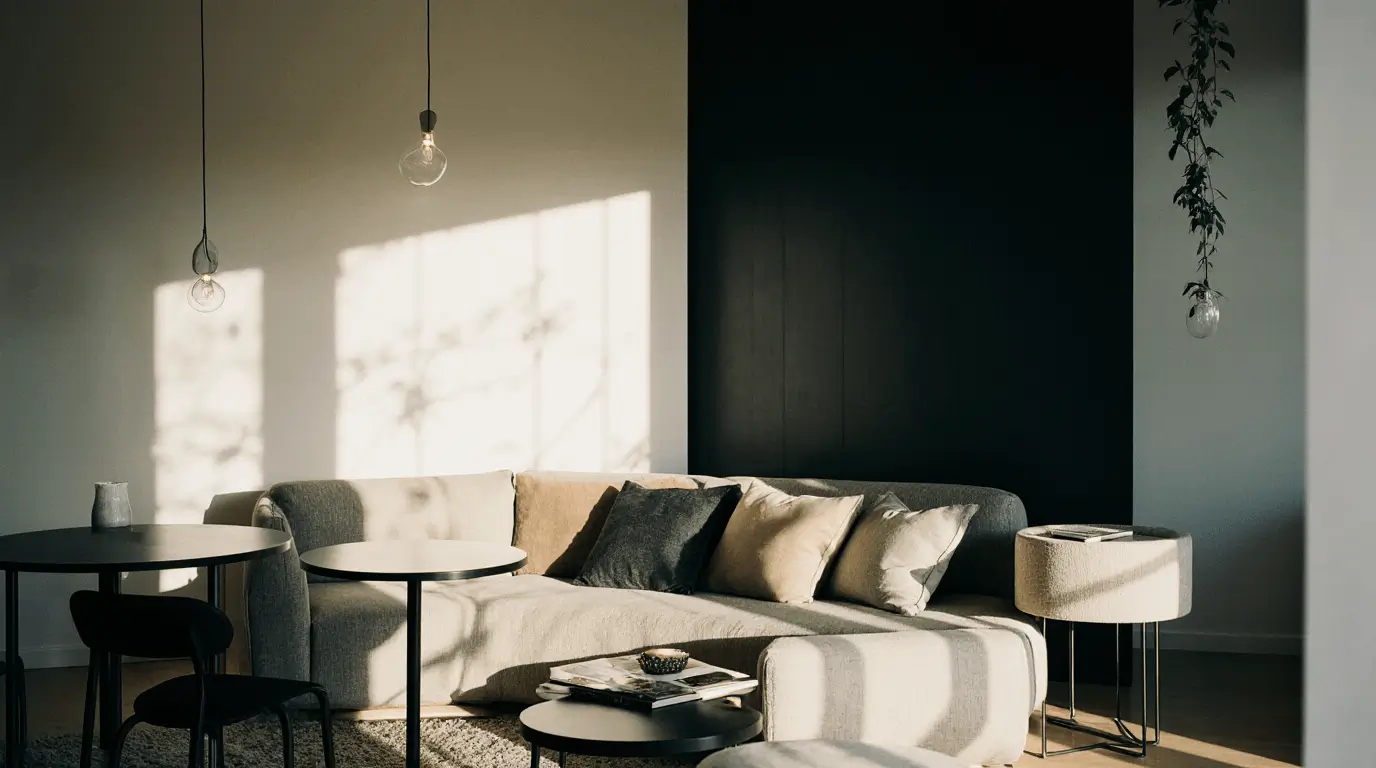
Shapes interior design is not just a visual technique—it’s a practical framework for creating spaces that feel balanced, intentional, and emotionally aligned with how you live. When you begin to notice how lines, curves, and forms interact, you gain a new level of control over both aesthetics and function. This is where design shifts from decoration to purposeful composition.
In real-world application, the most successful interiors are those that thoughtfully combine structure with softness. Clean geometric shapes provide clarity and organization, while organic forms introduce comfort and movement. Whether you’re refreshing a single room or designing an entire home, paying attention to shapes helps you make smarter decisions about furniture, layout, and styling—without second-guessing every choice.
This approach benefits anyone who wants a space that feels cohesive without being rigid, expressive without being chaotic. By starting with shapes, you simplify the design process and create a strong visual foundation that naturally supports everything else—color, texture, and lighting. Once you understand this, designing becomes less overwhelming and far more intuitive.
Learn more : Funky Interior Design Styles: Bold, Eclectic & Inspiring Home Ideas
FAQs About Shapes Interior Design
- Why are shapes so important in interior design?
Shapes define the visual structure of a space. They guide how the eye moves, influence how a room feels, and help create balance. Without intentional use of shapes, even well-decorated spaces can feel disconnected or incomplete.
- What’s the difference between geometric and organic shapes in interiors?
Geometric shapes are structured and precise—like squares, rectangles, and circles—often used in modern designs. Organic shapes are more fluid and irregular, inspired by nature, and they add softness and a relaxed feel to a space.
- How can I use shapes to make a small room feel bigger?
Focus on clean lines, simple forms, and rounded furniture to improve flow. Vertical shapes can make ceilings feel higher, while avoiding bulky or overly complex forms helps reduce visual clutter.
- Is it okay to mix different shapes in one room?
Yes—and it’s often recommended. Mixing shapes creates visual interest and depth. The key is to balance them thoughtfully, ensuring one type doesn’t overpower the others and that proportions remain consistent.
- How do shapes affect the mood of a space?
Sharp, angular shapes tend to feel energetic and structured, making them ideal for workspaces. Curved and soft shapes feel calming and inviting, which works well in living rooms and bedrooms.
- What are common mistakes when using shapes in interior design?
A common mistake is overusing one type of shape, which can make a room feel flat or repetitive. Another is ignoring scale—using shapes that are too large or too small for the space can disrupt balance.
- Where should beginners start with shapes interior design?
Start with furniture and layout. Choose a dominant shape style—either more geometric or more organic—and build around it. Then layer in complementary shapes through décor, lighting, and accessories to create a cohesive look.



One Response