
Introduction
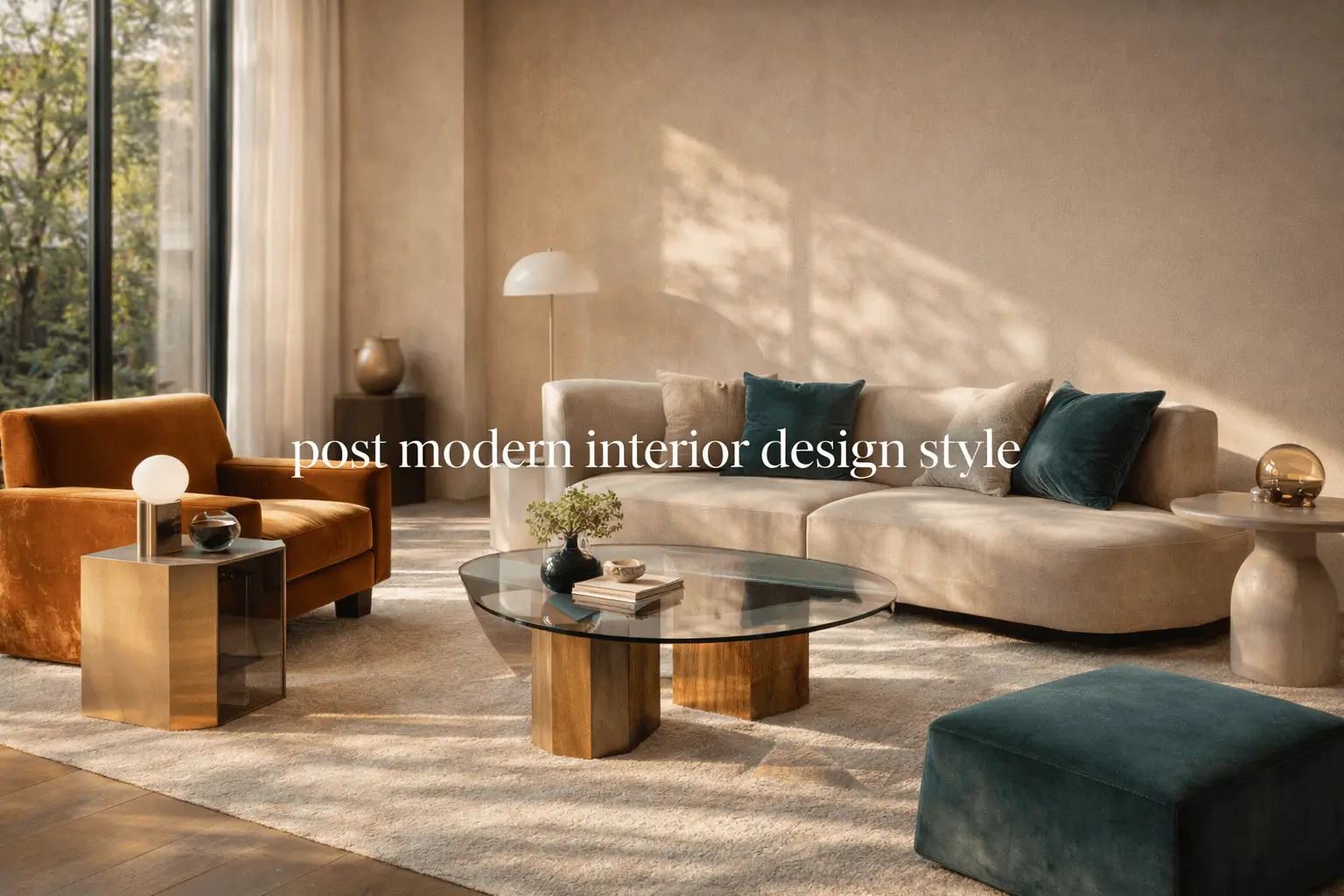
Post modern interior design style is a dynamic, rule-breaking approach that challenges traditional design norms while embracing creativity, contradiction, and personality. Unlike rigid modernism, it invites color, humor, eclecticism, and unexpected combinations into a space—making interiors feel expressive rather than formulaic.
From my experience working with diverse interiors, post modern interior design style stands out because it prioritizes individuality over perfection. It blends historical references with contemporary elements, mixes materials fearlessly, and turns everyday spaces into visual statements. Whether subtle or bold, this style thrives on contrast, storytelling, and artistic freedom.
Post Modern Interior Design Style Fundamentals
Post modern interior design style rejects minimalism’s strict rules and instead embraces complexity, irony, and layered meaning. It often combines different eras, textures, and forms in one cohesive space.
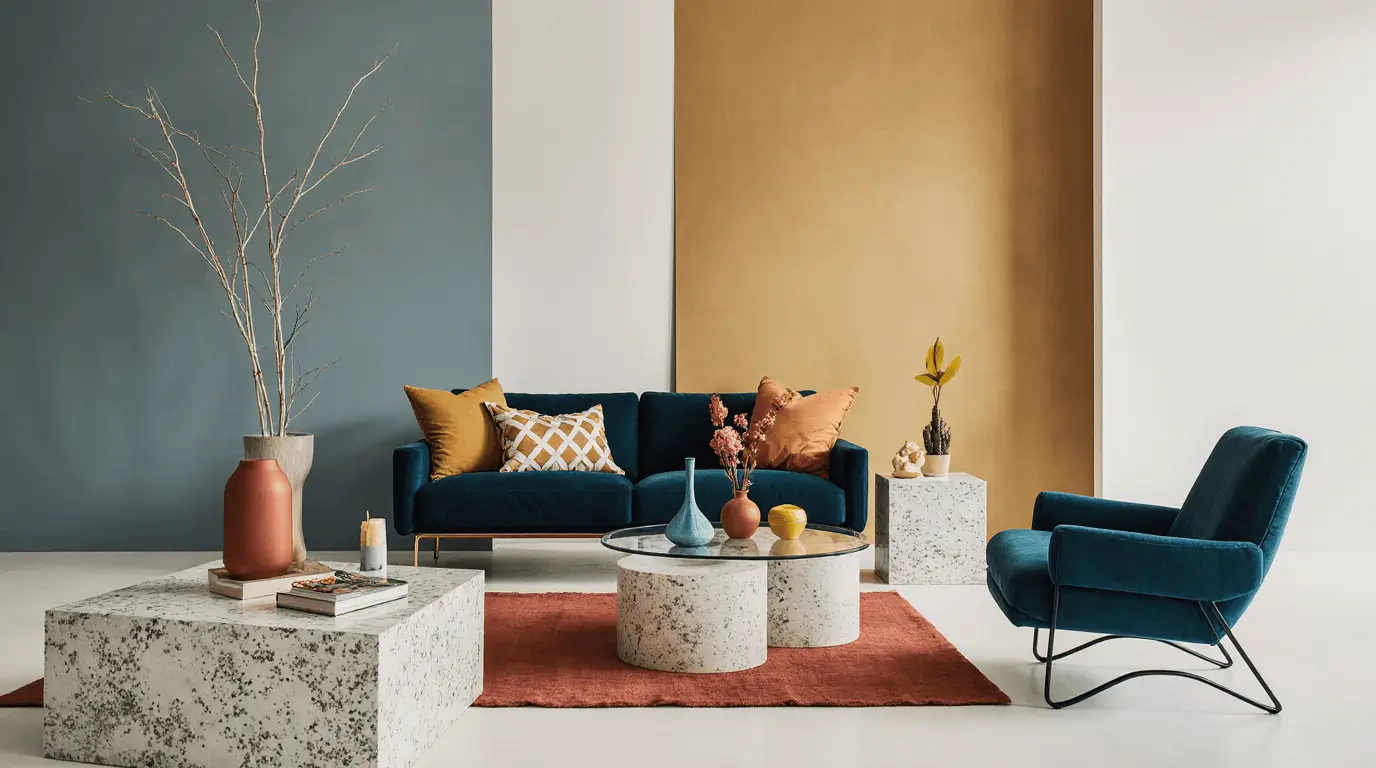
Post Modern Interior Design Style Color Philosophy
Color plays a central role, often featuring bold, saturated hues paired with unexpected pastels or neutrals. Contrast is key, creating visual excitement rather than harmony alone.
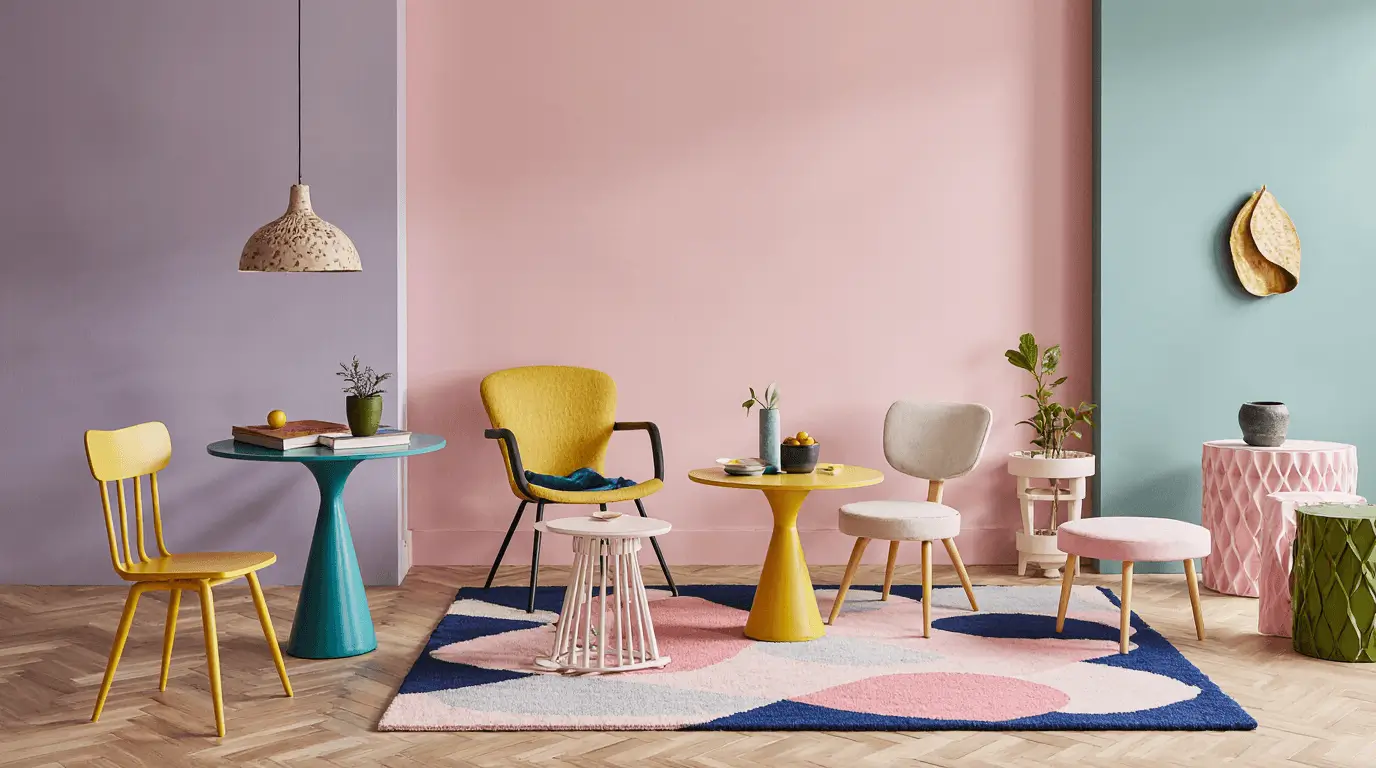
Post Modern Interior Design Style Furniture Characteristics
Furniture in this style is sculptural, unconventional, and often asymmetrical. Pieces act as art, blending function with bold visual identity.
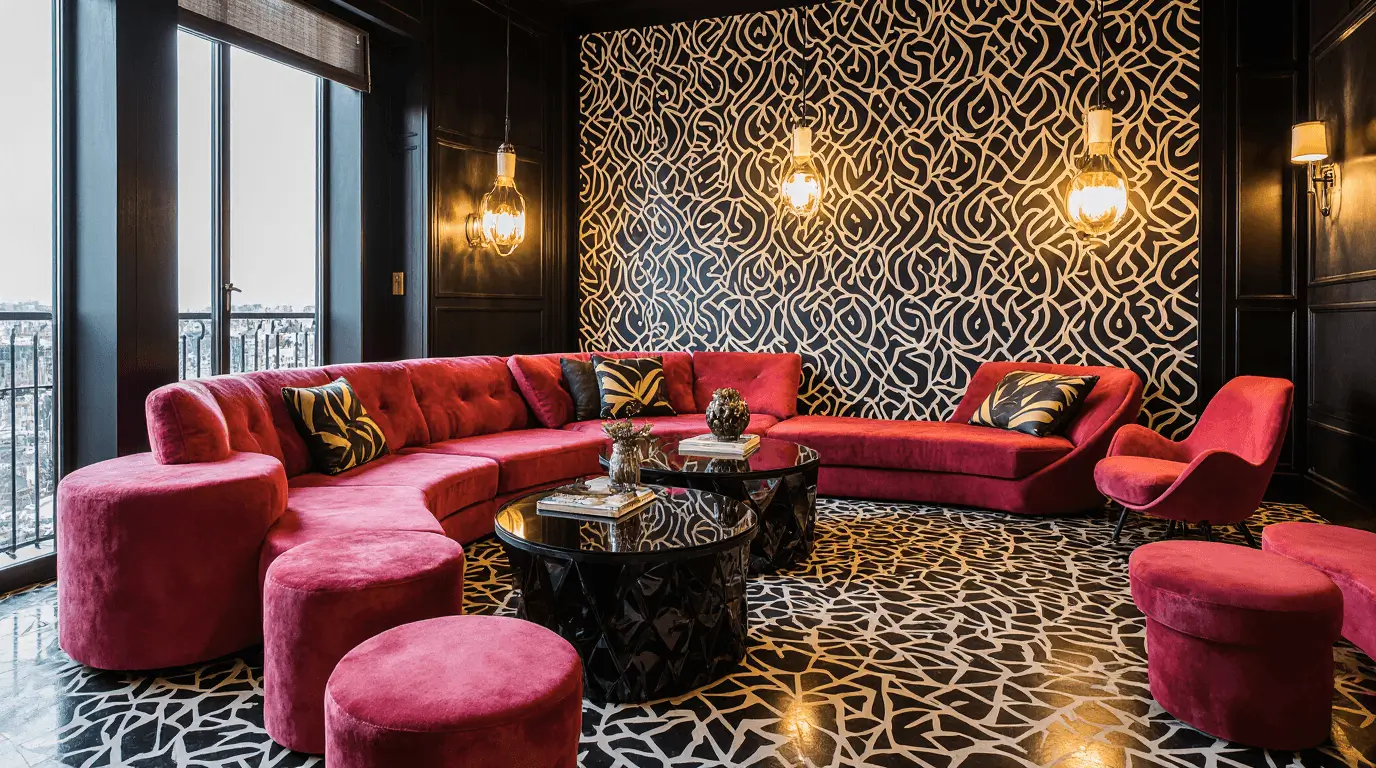
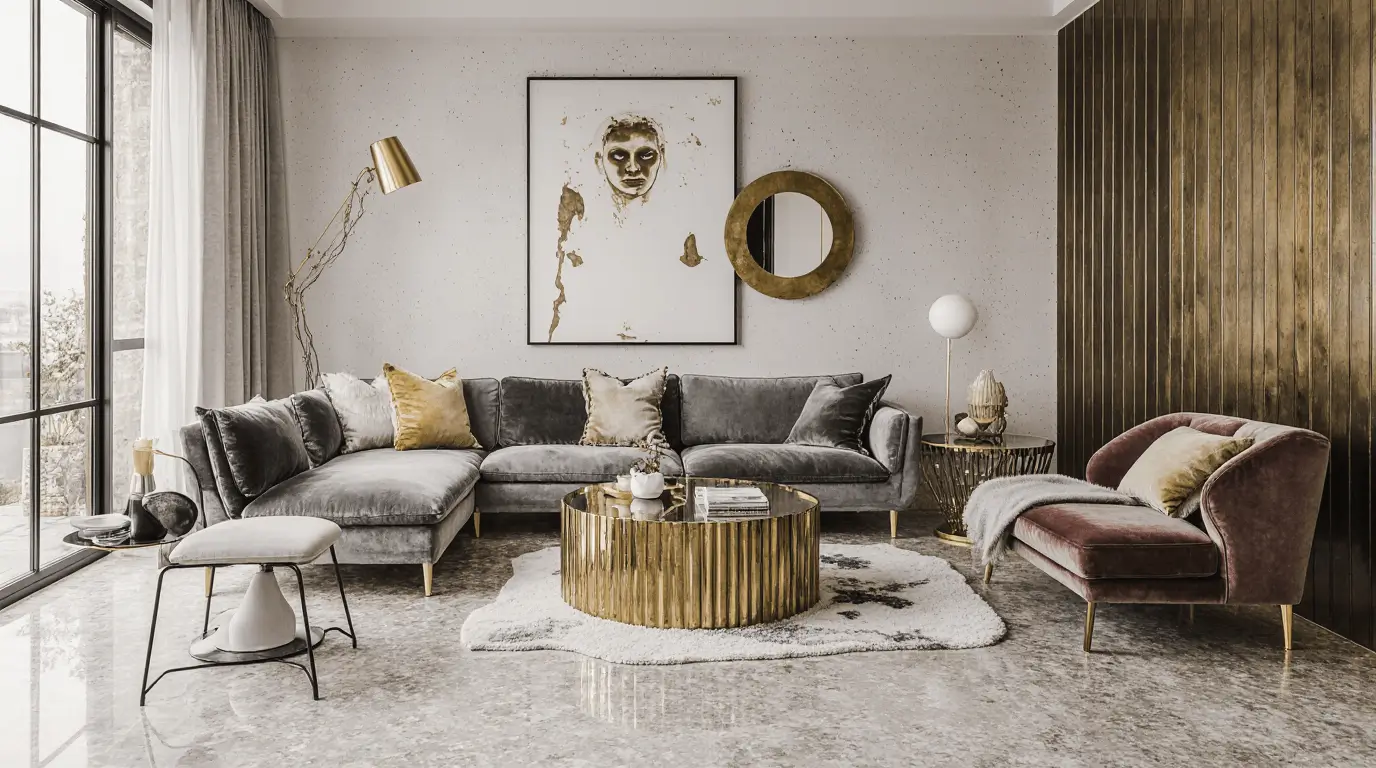
Post Modern Interior Design Style Materials and Textures
A mix of materials—plastic, metal, glass, wood, and laminate—creates contrast. Texture layering adds depth and visual intrigue.
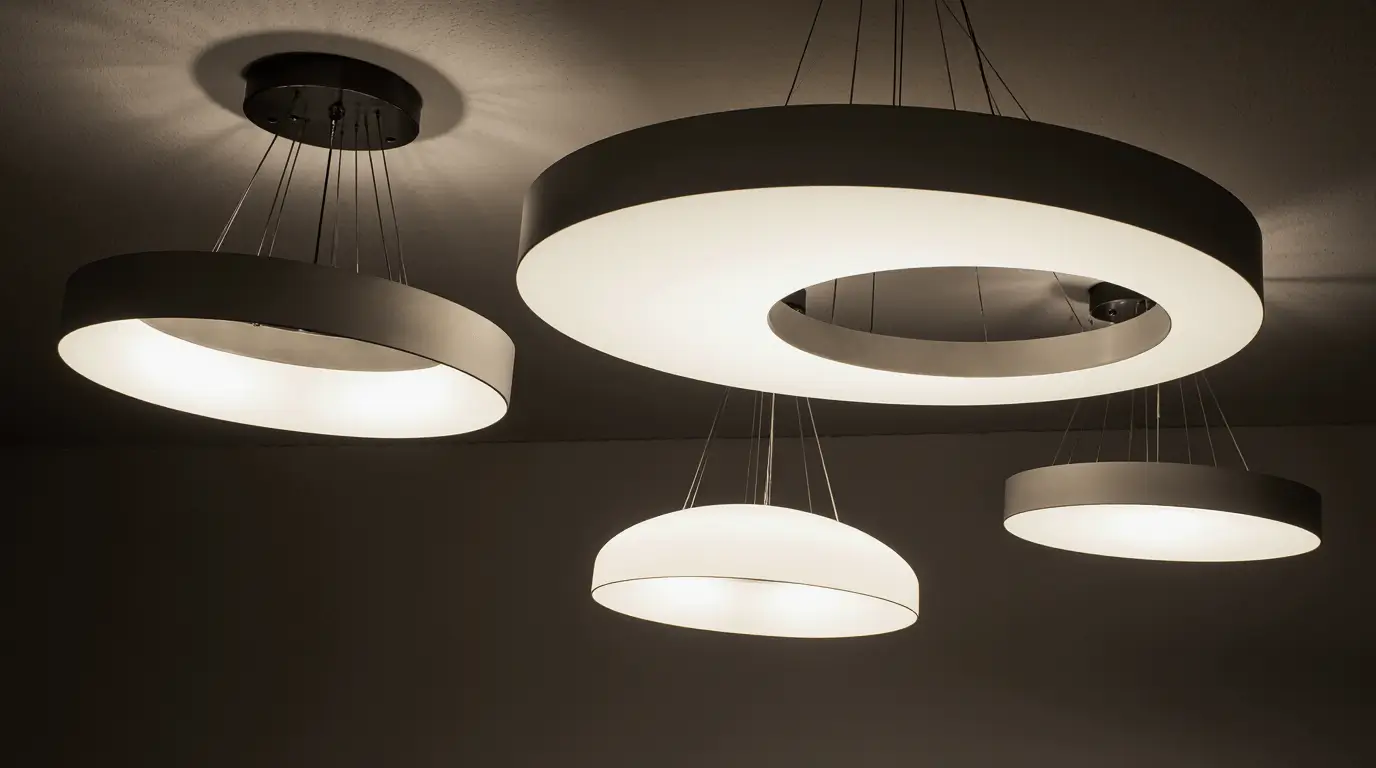
Post Modern Interior Design Style Lighting Concepts
Lighting becomes a statement piece, often sculptural or unconventional in form. It enhances mood while doubling as décor.
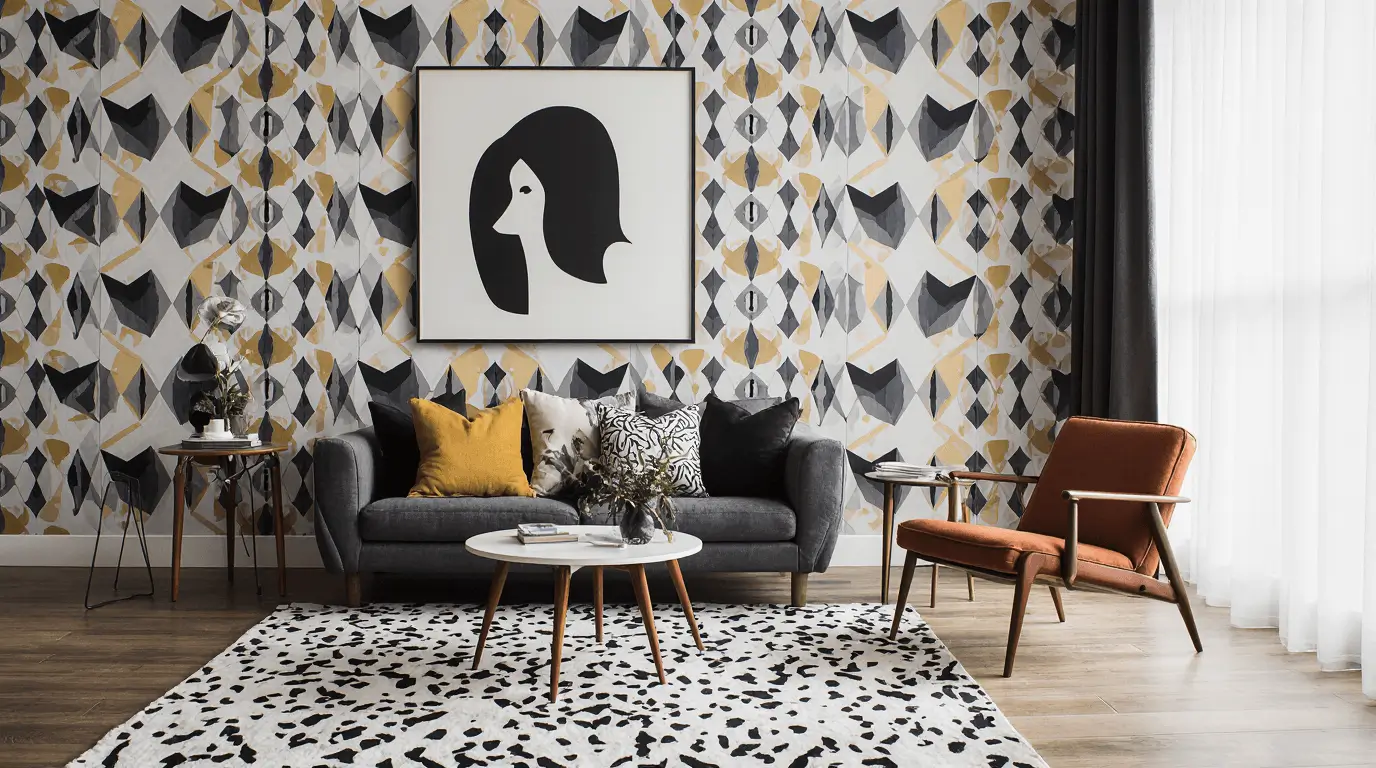
Post Modern Interior Design Style Patterns and Graphics
Patterns are bold, graphic, and often playful—think geometric shapes, grids, and abstract motifs layered throughout the space.
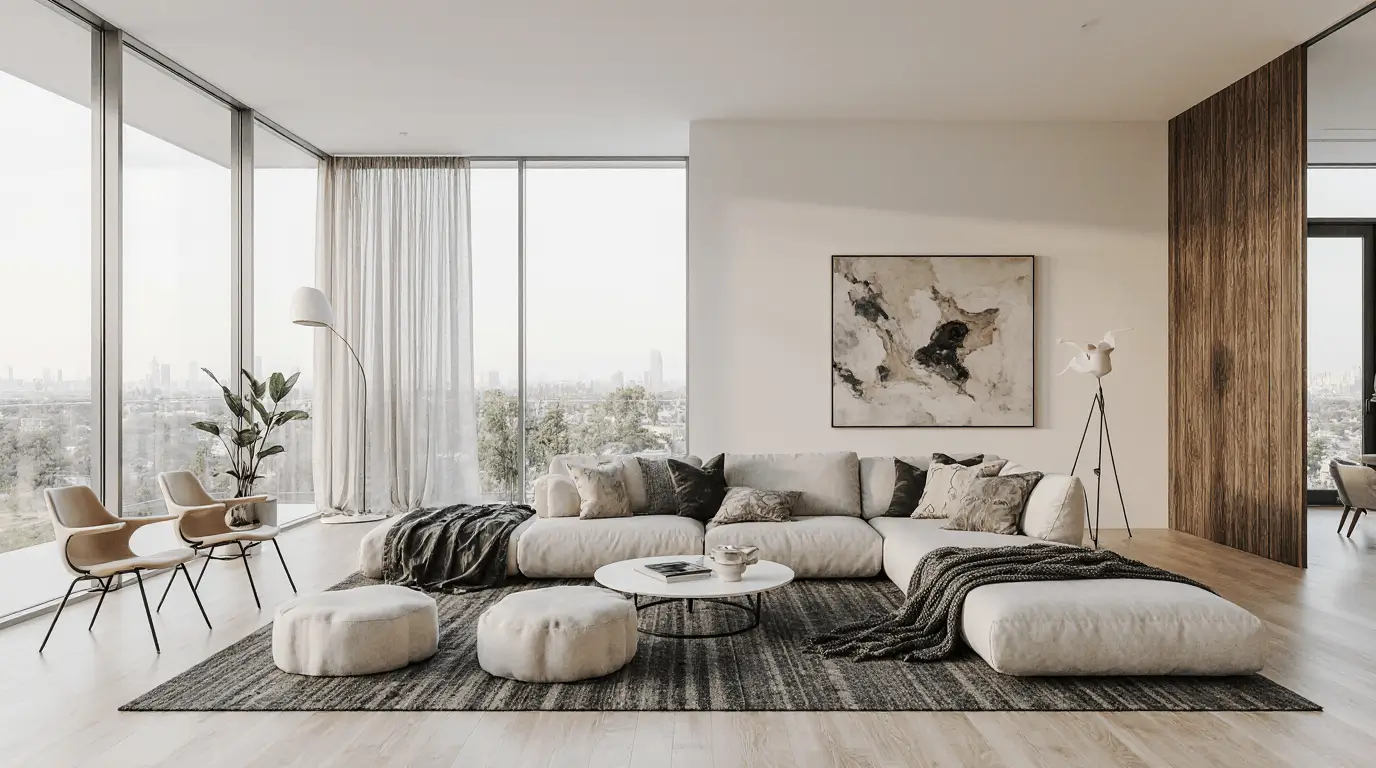
Post Modern Interior Design Style Spatial Composition
Spaces are intentionally layered and sometimes asymmetrical. Balance is achieved through contrast rather than symmetry.
Post Modern Interior Design Style Decorative Elements
Decor includes quirky, artistic pieces that reflect personality. Humor and irony are often subtly embedded in design choices.
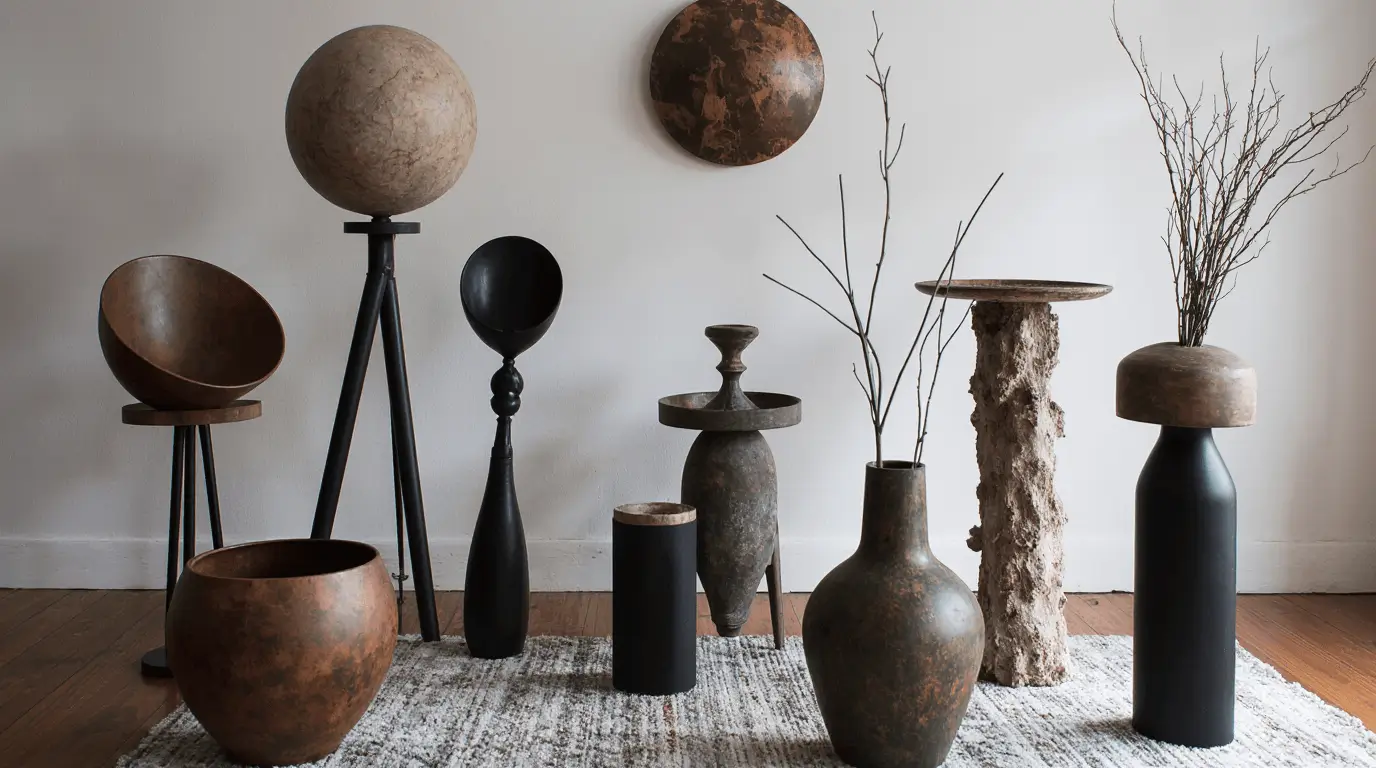
Post Modern Interior Design Style Wall Treatments
Walls are expressive, often featuring bold colors, graphic patterns, or mixed materials to create visual interest.
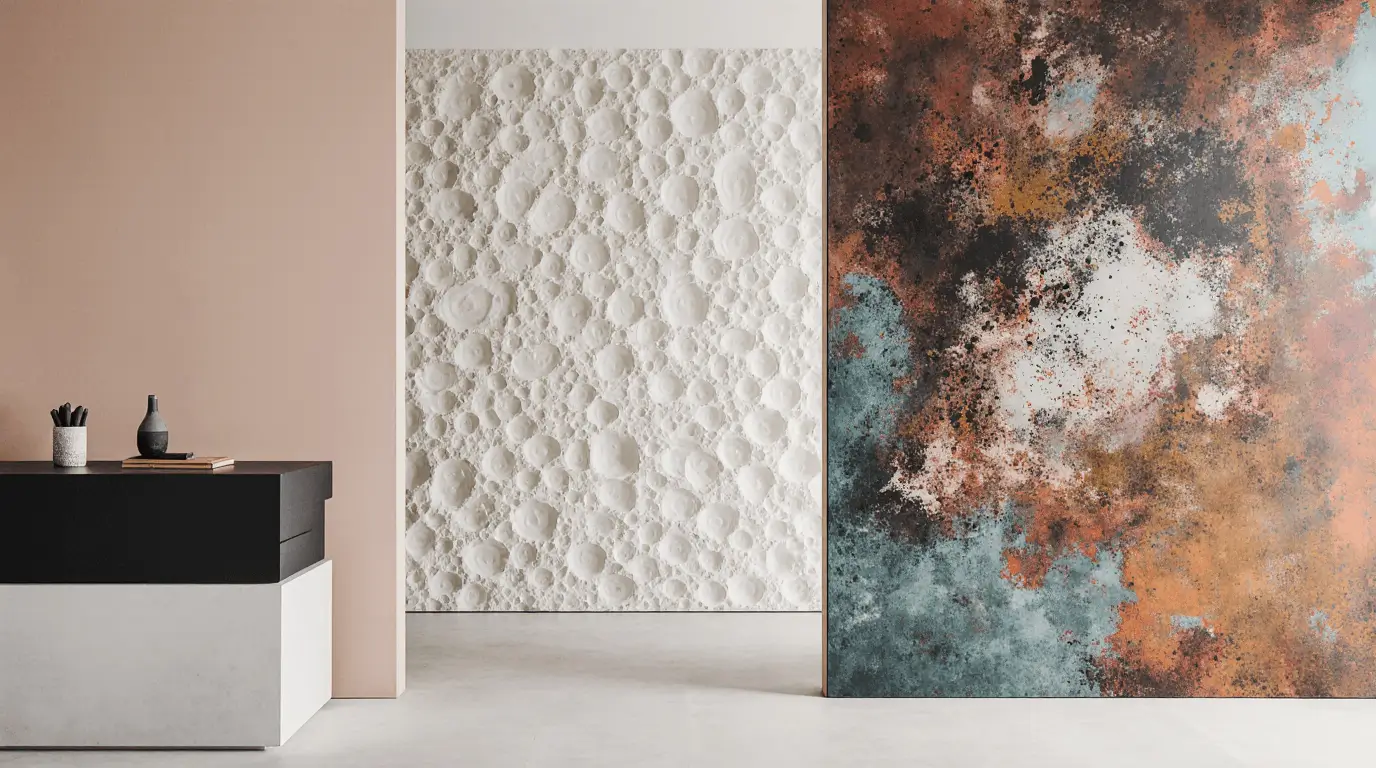
Post Modern Interior Design Style Flooring Choices
Flooring often incorporates patterns or unique materials like terrazzo or bold tiles to complement the overall design.
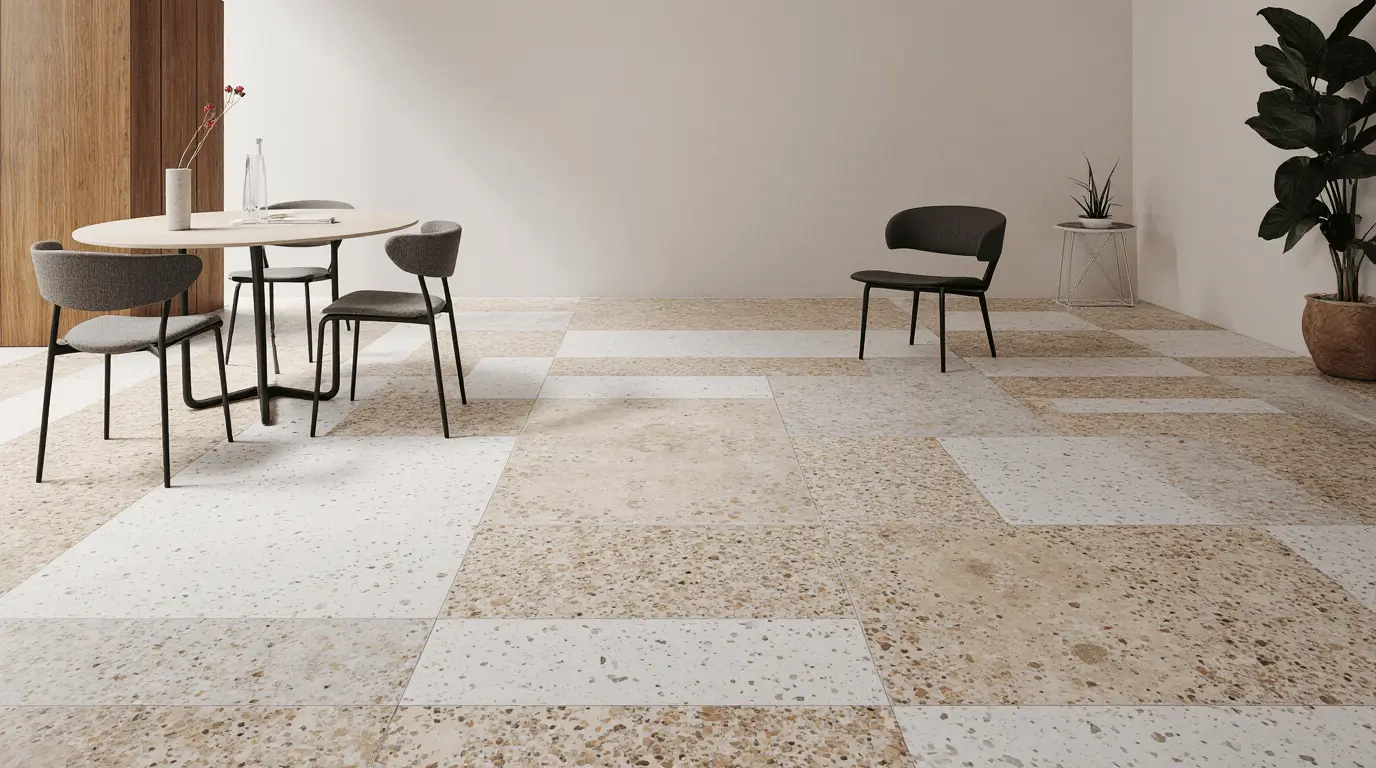
Post Modern Interior Design Style Art Integration
Art is central, not optional. Large-scale pieces or unconventional installations enhance the storytelling of the space.
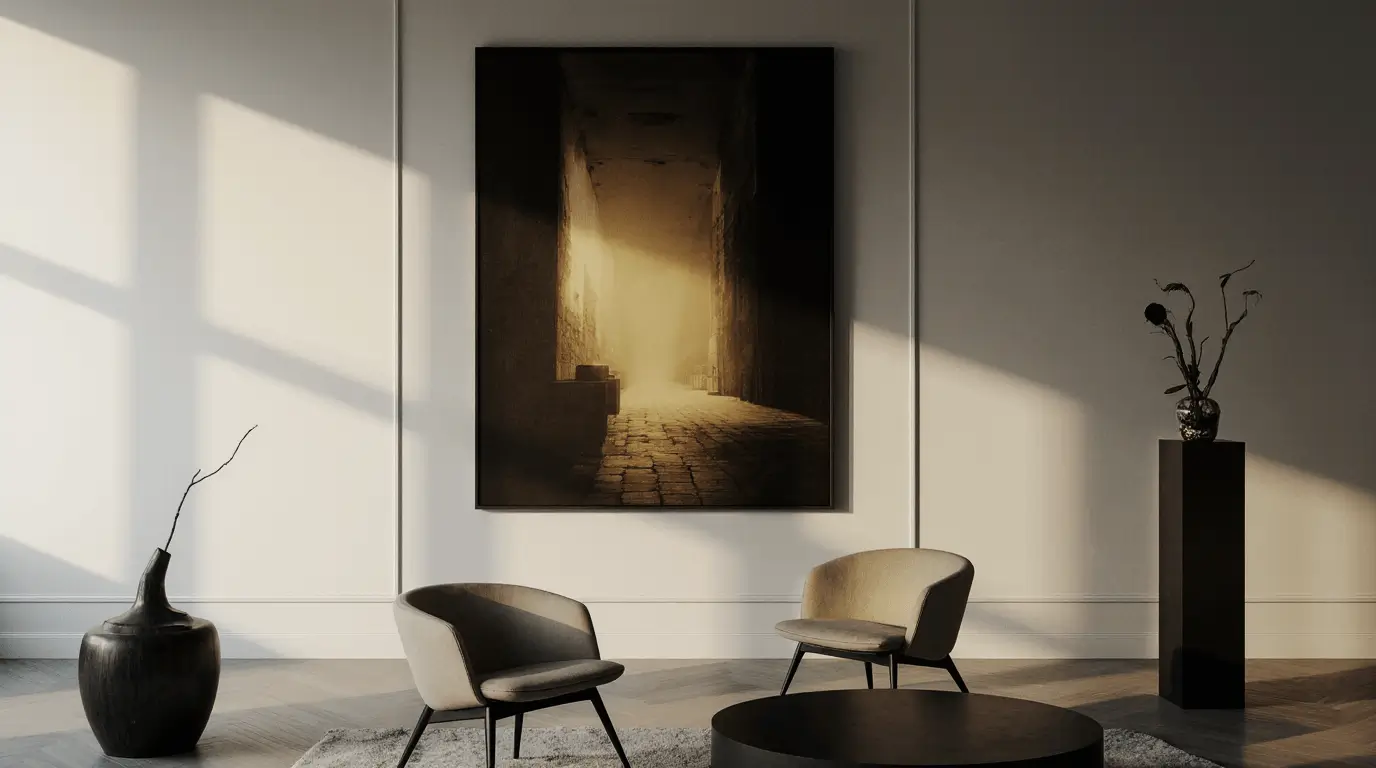
Post Modern Interior Design Style Mix of Eras
This style thrives on blending vintage and contemporary elements, creating a layered narrative across time periods.
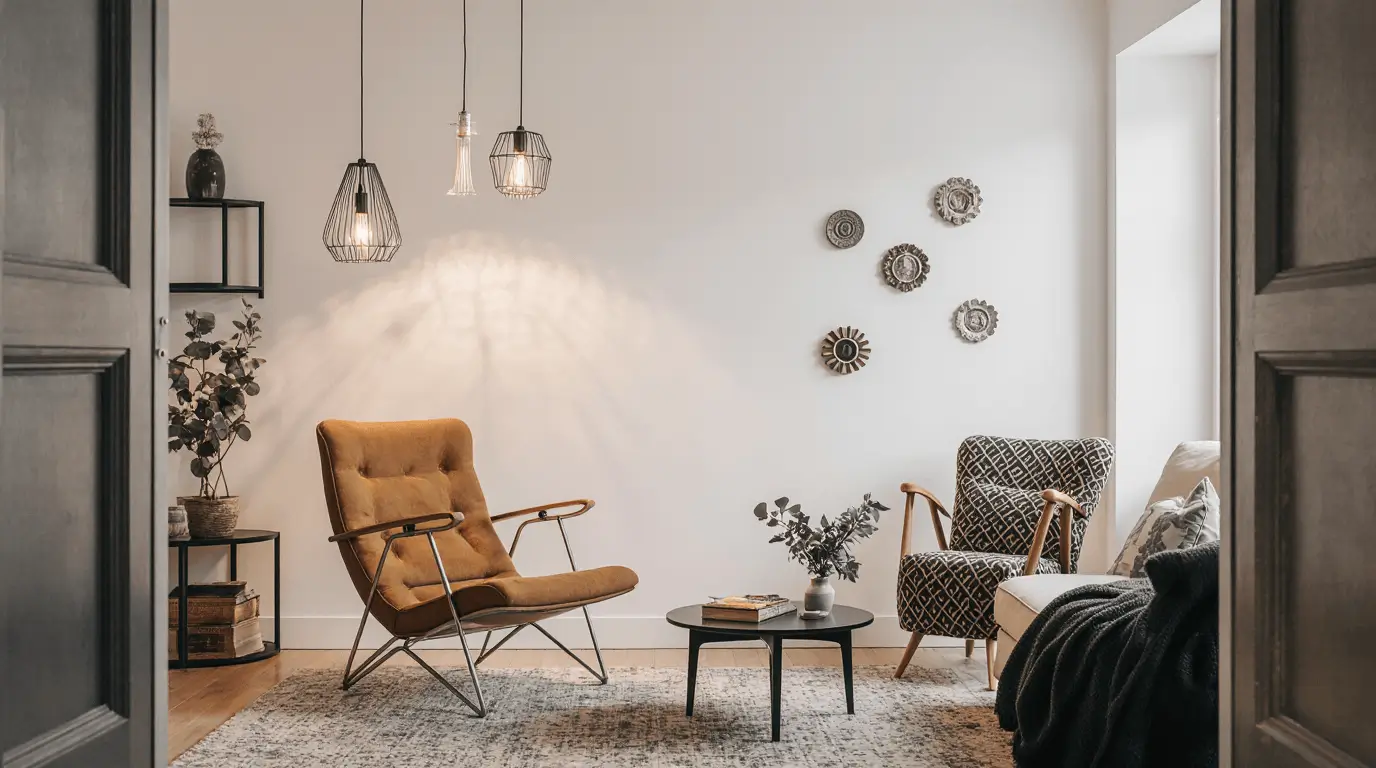
Post Modern Interior Design Style Function Meets Playfulness
Functionality is maintained, but with a playful twist. Everyday items are reimagined with artistic flair.
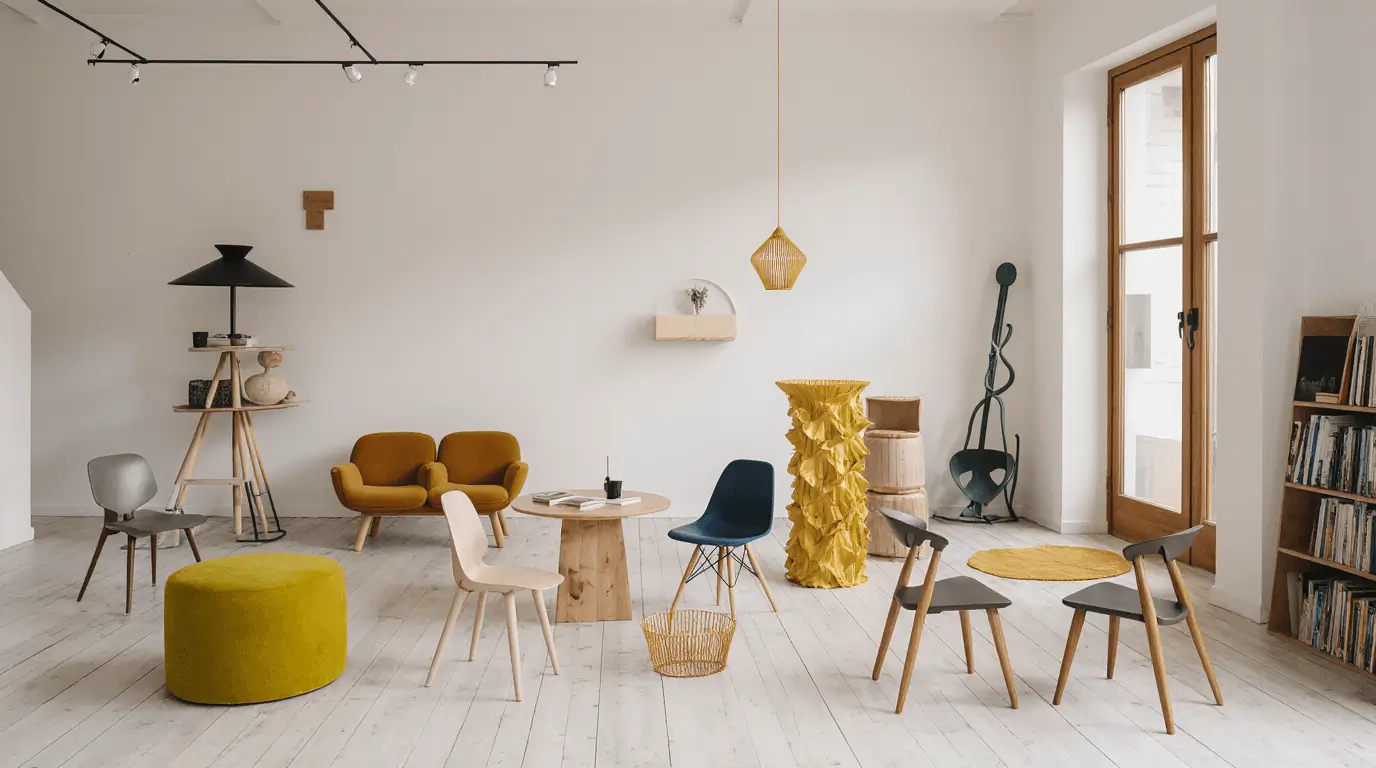
Post Modern Interior Design Style Minimalism vs Maximalism Balance
While visually rich, the design still maintains intentional curation. It’s not cluttered—it’s expressive and controlled.
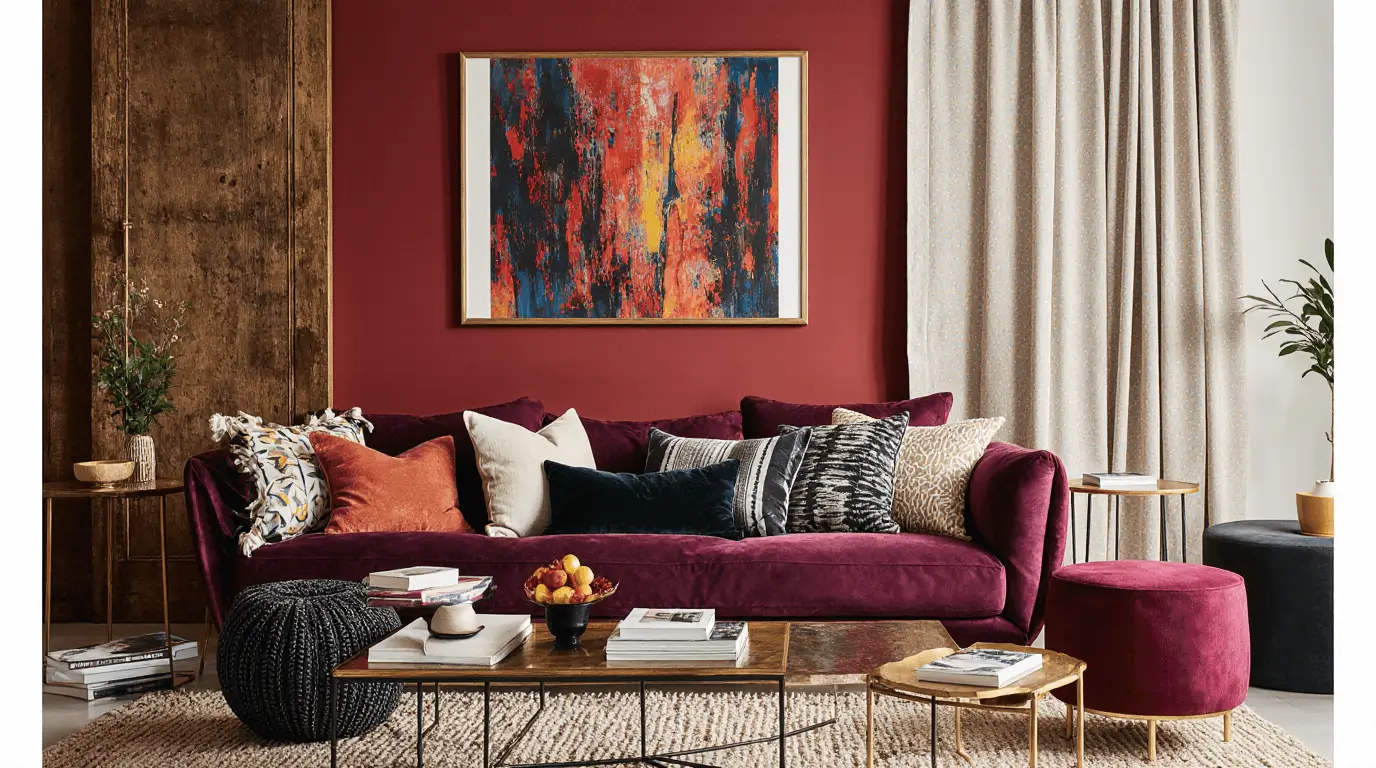
Post Modern Interior Design Style Personal Expression
Personal identity drives the design. No two spaces look the same, as individuality is the core principle.
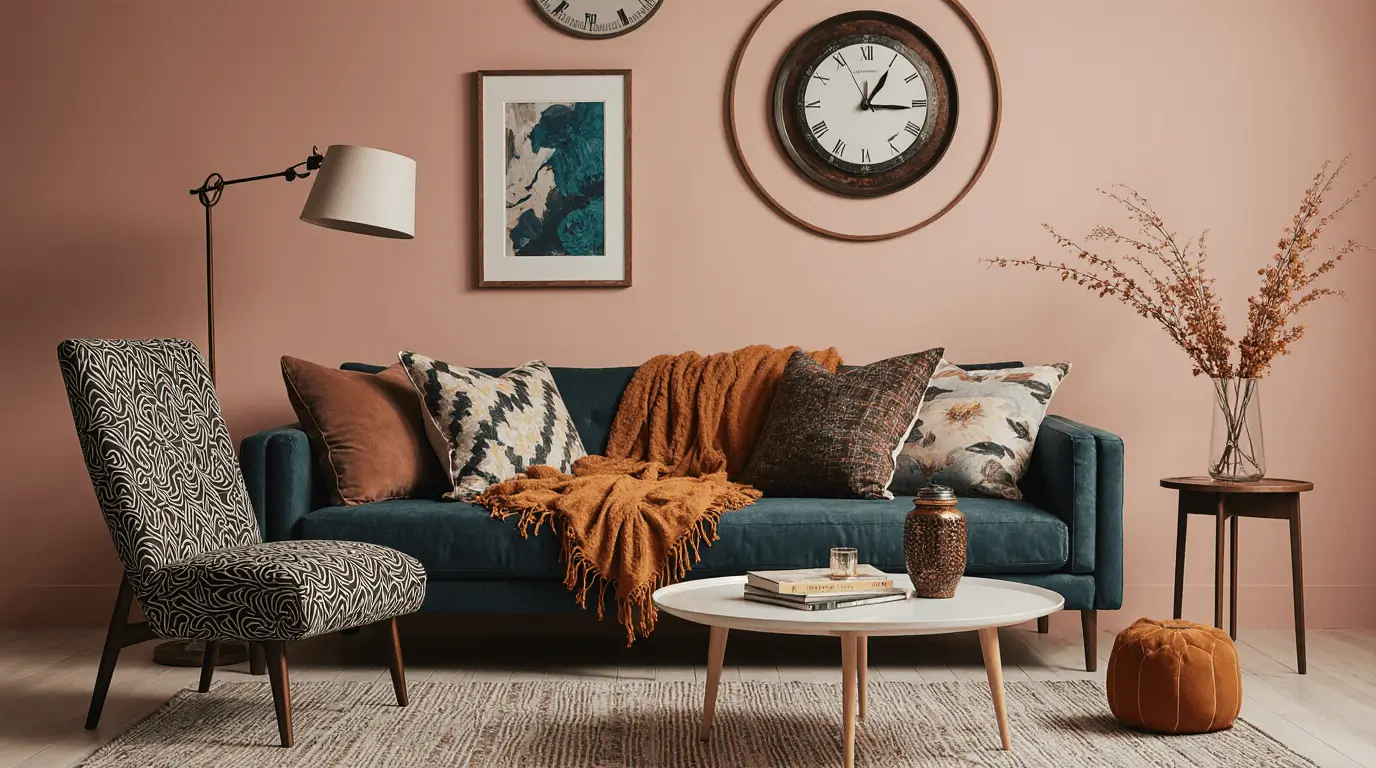
Post Modern Interior Design Style in Small Spaces
Even compact areas can embrace this style through bold accents, statement pieces, and layered textures.
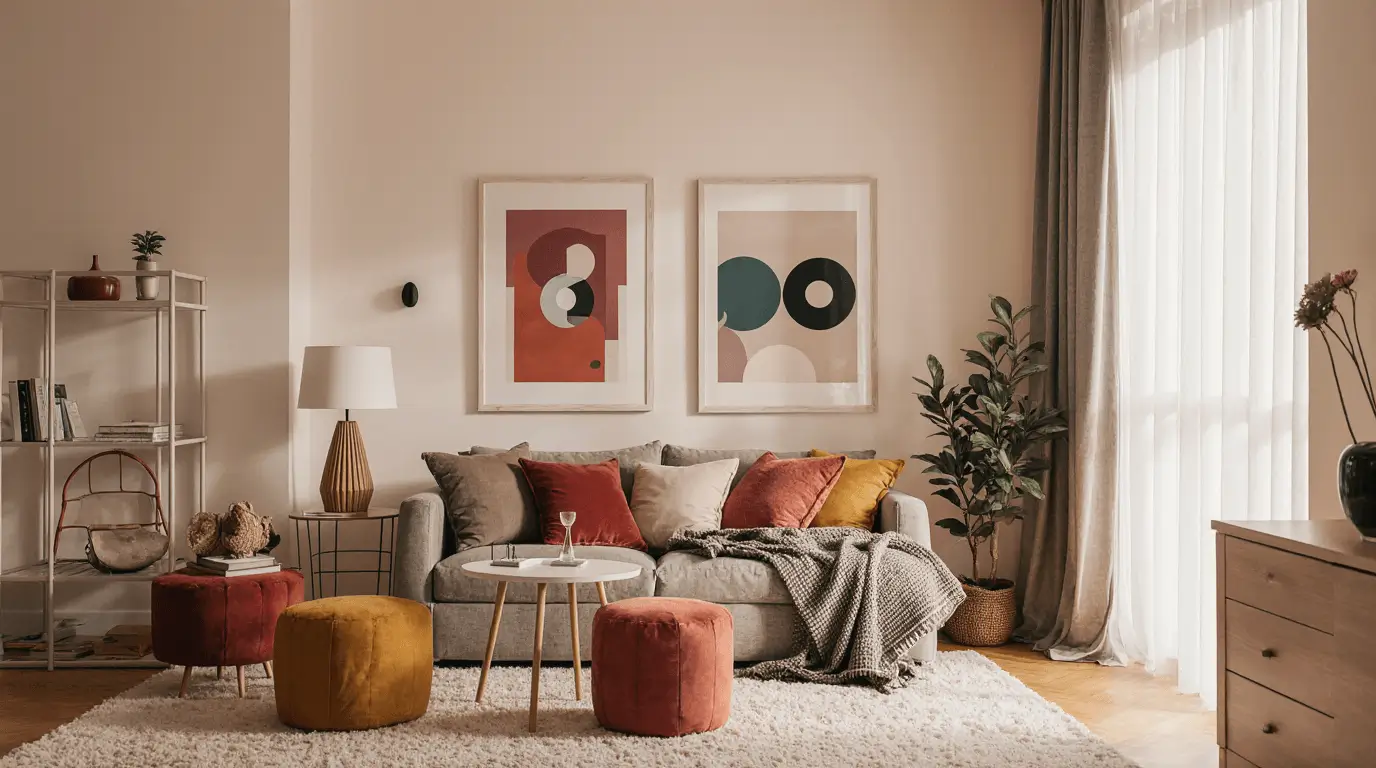
Post Modern Interior Design Style Evolution Today
Today’s interpretation blends postmodern boldness with contemporary comfort, making it more livable while retaining its artistic edge.
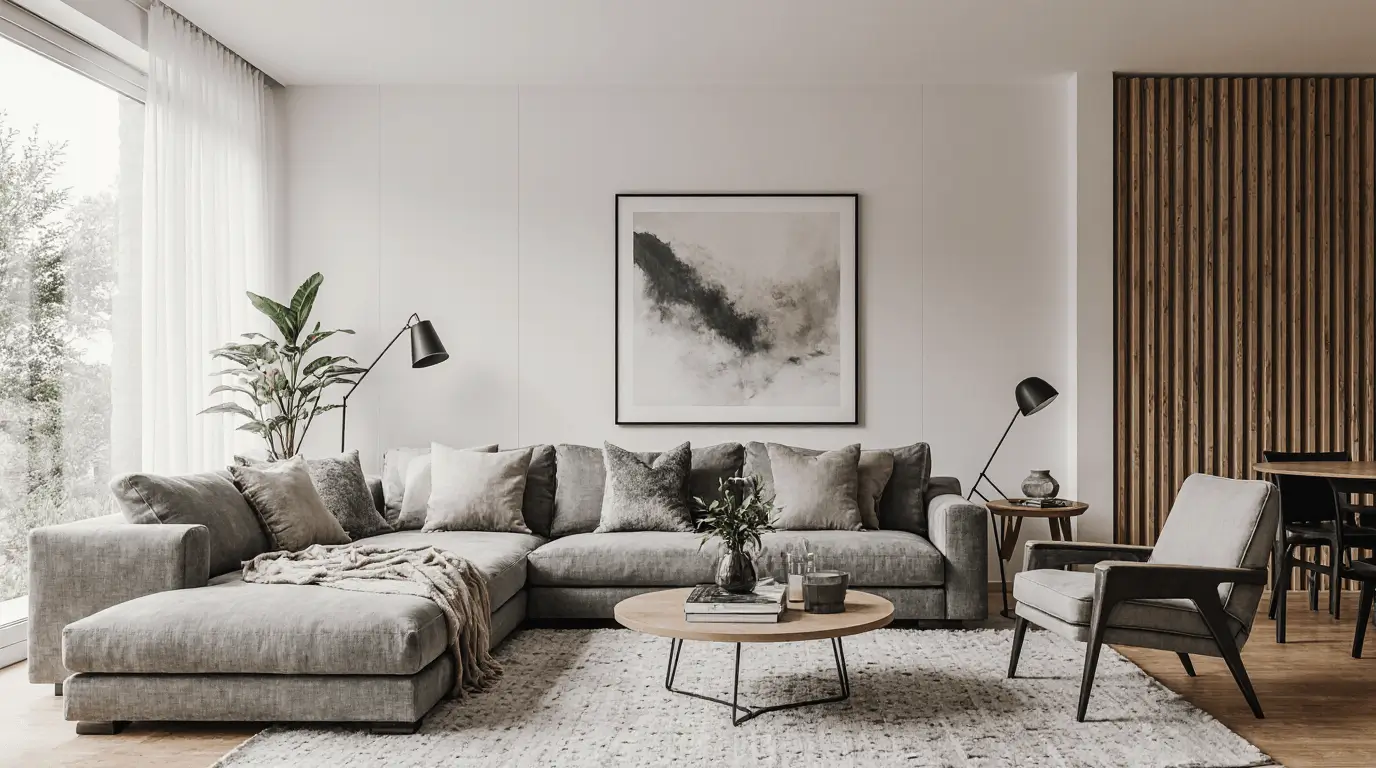
Conclusion: Designing with Confidence and Creative Freedom
Post modern interior design style offers something many other design approaches do not—permission to break the rules with intention. It invites you to move beyond rigid formulas and instead build a space that reflects how you live, think, and feel. When applied thoughtfully, this style transforms interiors into layered, expressive environments that feel both curated and personal.
In practice, what makes this approach work is not randomness, but contrast with purpose. The interplay of bold color, sculptural forms, mixed materials, and artistic elements creates visual energy while still maintaining function. From my experience, the most successful post modern spaces are those where every unexpected choice still feels deliberate—where creativity is balanced with clarity.
This style is especially valuable for those who want their home to feel distinctive rather than conventional. It suits creative personalities, collectors, and anyone drawn to spaces that tell a story rather than follow a template. Whether you introduce it through statement furniture, playful accents, or a full-scale transformation, the key is to start with confidence and edit with care.
Ultimately, post modern interior design style is not about excess—it’s about expression. When you understand its principles, you can design a space that feels visually exciting, emotionally engaging, and uniquely yours.
Learn more : Modern Asian House Interior Design: Elegant & Minimal Ideas
FAQs About Post Modern Interior Design Style
- What defines post modern interior design style compared to modern design?
Post modern interior design style embraces contrast, color, and complexity, while modern design focuses on simplicity and minimalism. Instead of “less is more,” post modern design leans toward “less is a bore,” encouraging expressive combinations and layered visual interest.
- Can post modern interior design style work in small spaces?
Yes, and often very effectively. In smaller spaces, incorporating bold accents—like a sculptural chair, graphic rug, or statement lighting—can create strong visual impact without overwhelming the room. The key is to balance standout pieces with intentional spacing.
- How do I avoid making the space feel chaotic?
Focus on controlled contrast rather than random mixing. Choose a few dominant colors, repeat certain shapes or materials, and ensure each bold element has a purpose. Editing is essential—every piece should contribute to the overall composition.
- Is post modern interior design style expensive to achieve?
Not necessarily. While some statement pieces can be high-end, the style itself encourages mixing different price points. Vintage finds, DIY elements, and repurposed décor often work beautifully within this approach, adding authenticity and character.
- What types of furniture work best in this style?
Look for pieces with unusual shapes, bold colors, or sculptural qualities. Furniture that doubles as art—such as asymmetrical sofas, geometric tables, or playful shelving—fits naturally within post modern interior design style.
- Can I combine post modern interior design style with other design styles?
Yes, blending styles is actually part of its essence. You can layer post modern elements into a contemporary or even traditional space. The goal is to create contrast while maintaining a cohesive visual narrative.
- Where should I start if I’m new to this style?
Begin with one or two statement elements—such as lighting, artwork, or a bold furniture piece—and build around them. This allows you to experiment with the style gradually while developing a clear sense of balance and direction.



One Response