
Introduction
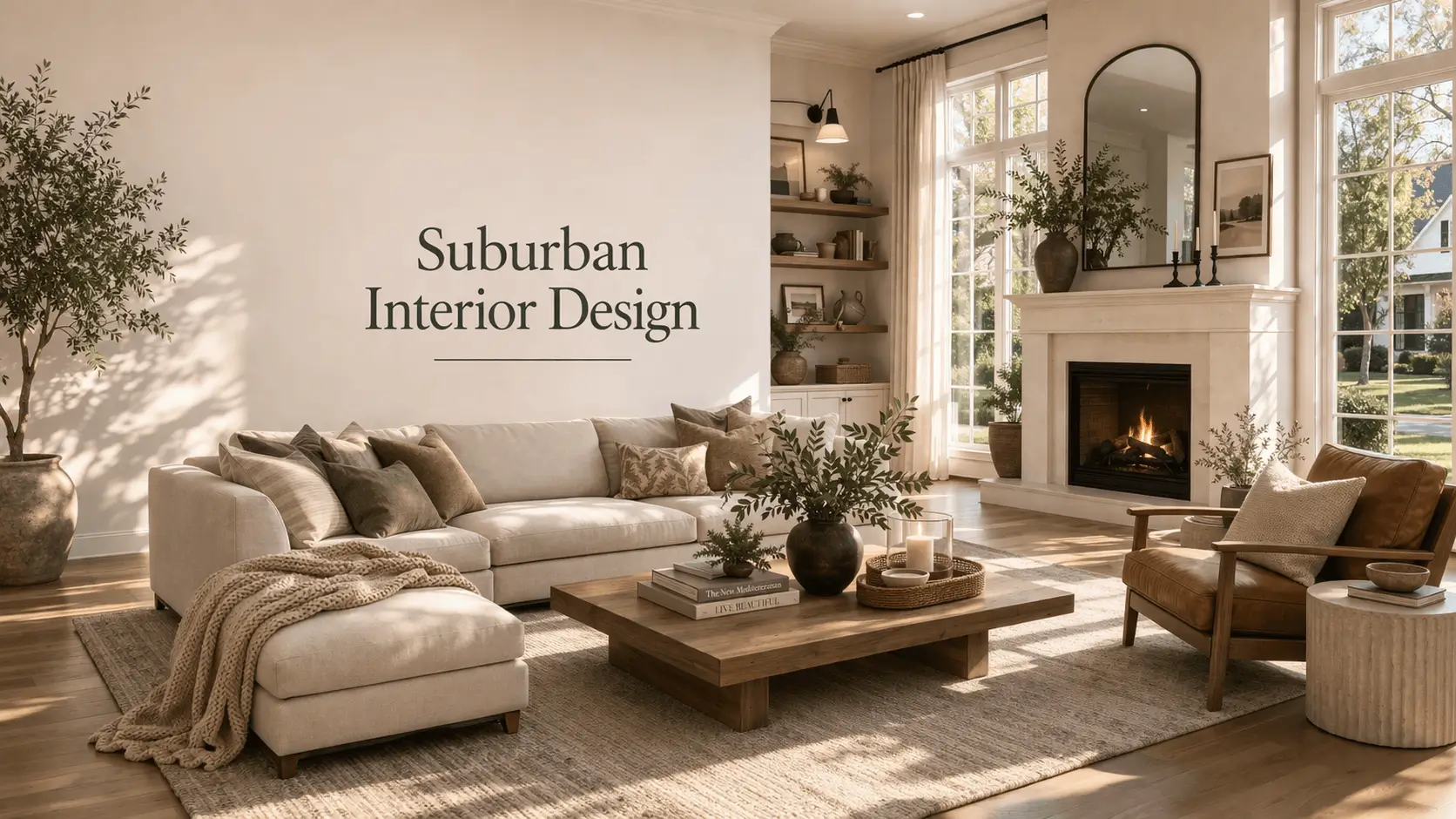
Suburban interior design is all about creating spaces that feel welcoming, functional, and effortlessly stylish—reflecting the rhythm of everyday life outside dense urban centers. It blends comfort with thoughtful aesthetics, often balancing modern influences with timeless elements that suit family living, larger floor plans, and a connection to outdoor surroundings.
From years of observing and designing suburban homes, one thing stands out: successful interiors are never overcomplicated. They prioritize livability first—durable materials, intuitive layouts, and layered comfort—while still embracing beauty through texture, light, and proportion. Whether you’re designing a new home or refreshing an existing space, suburban interiors thrive on harmony between practicality and personality.
Suburban Interior Design with Open-Concept Living
Open layouts define many suburban homes, allowing the kitchen, dining, and living areas to flow seamlessly. This design enhances social interaction while maximizing natural light across larger spaces.
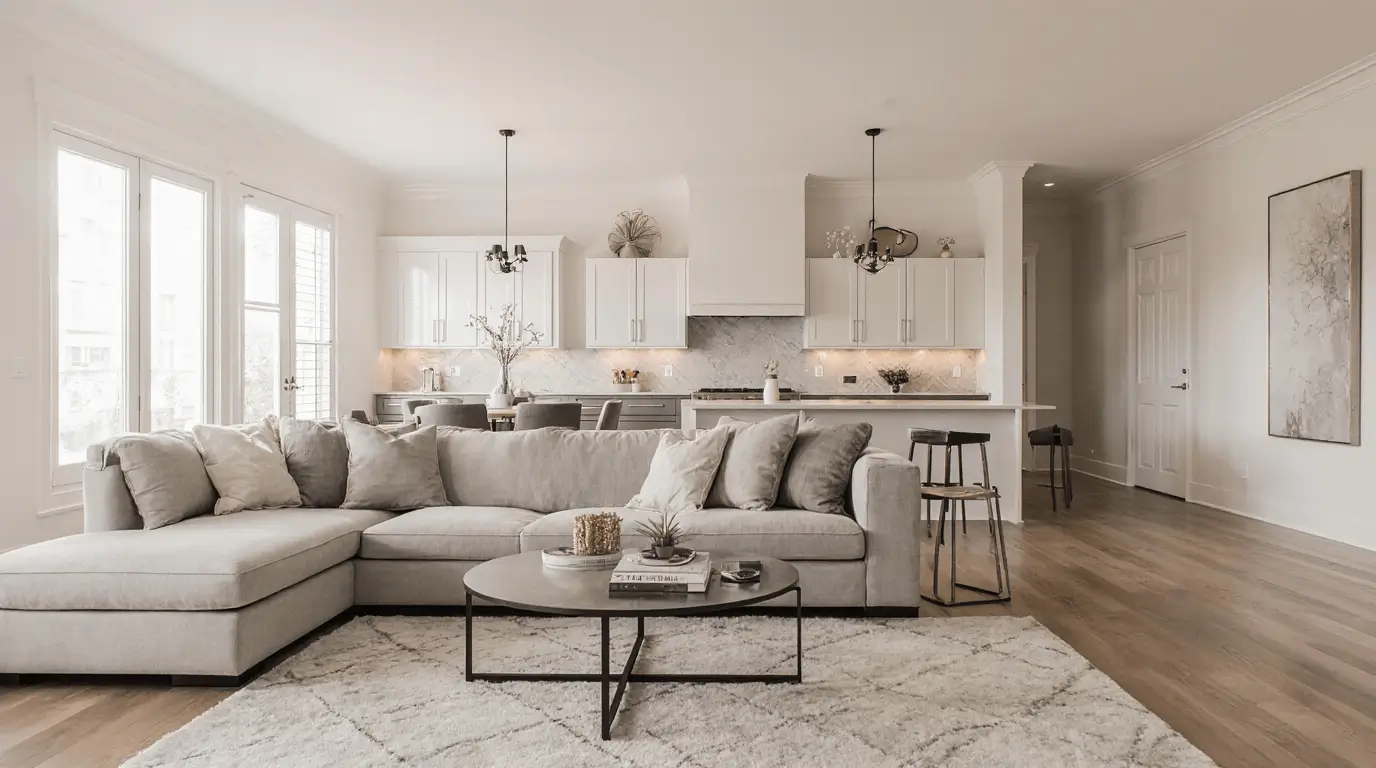
Suburban Interior Design with Neutral Color Palettes
Soft neutrals like warm whites, greige, taupe, and muted earth tones create a calming base. These shades allow flexibility for layering textures and seasonal accents without overwhelming the space.
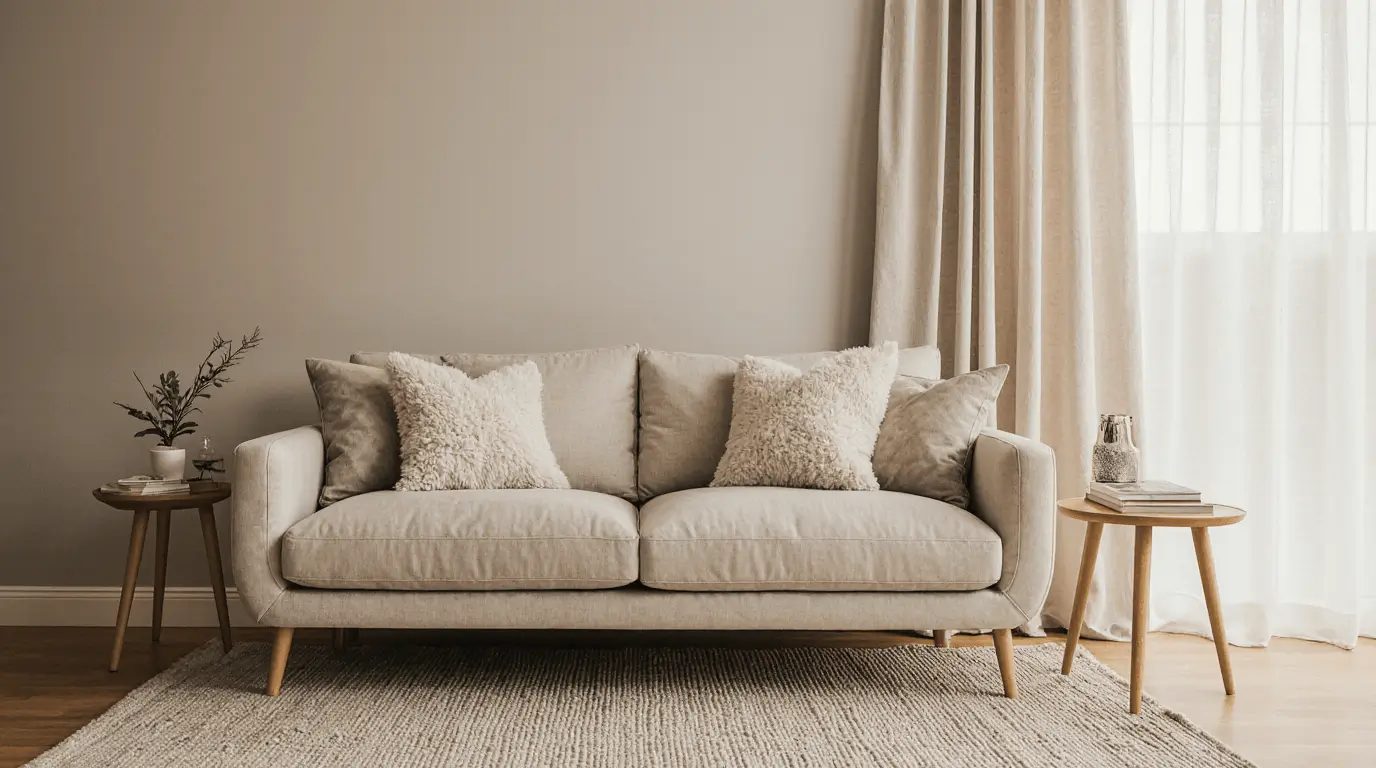
Suburban Interior Design with Functional Furniture
Furniture in suburban homes must balance aesthetics and practicality. Think deep sofas, extendable dining tables, and storage-integrated pieces designed for daily use.
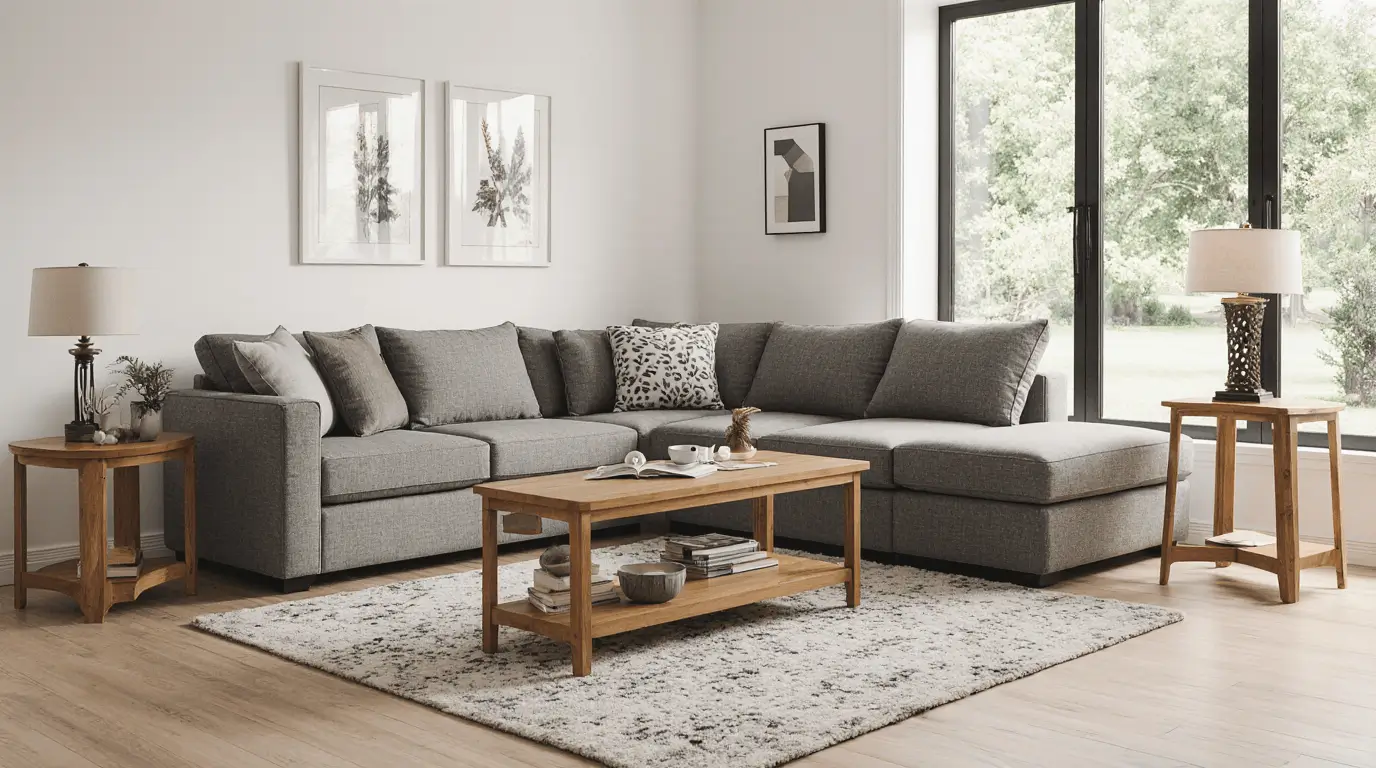
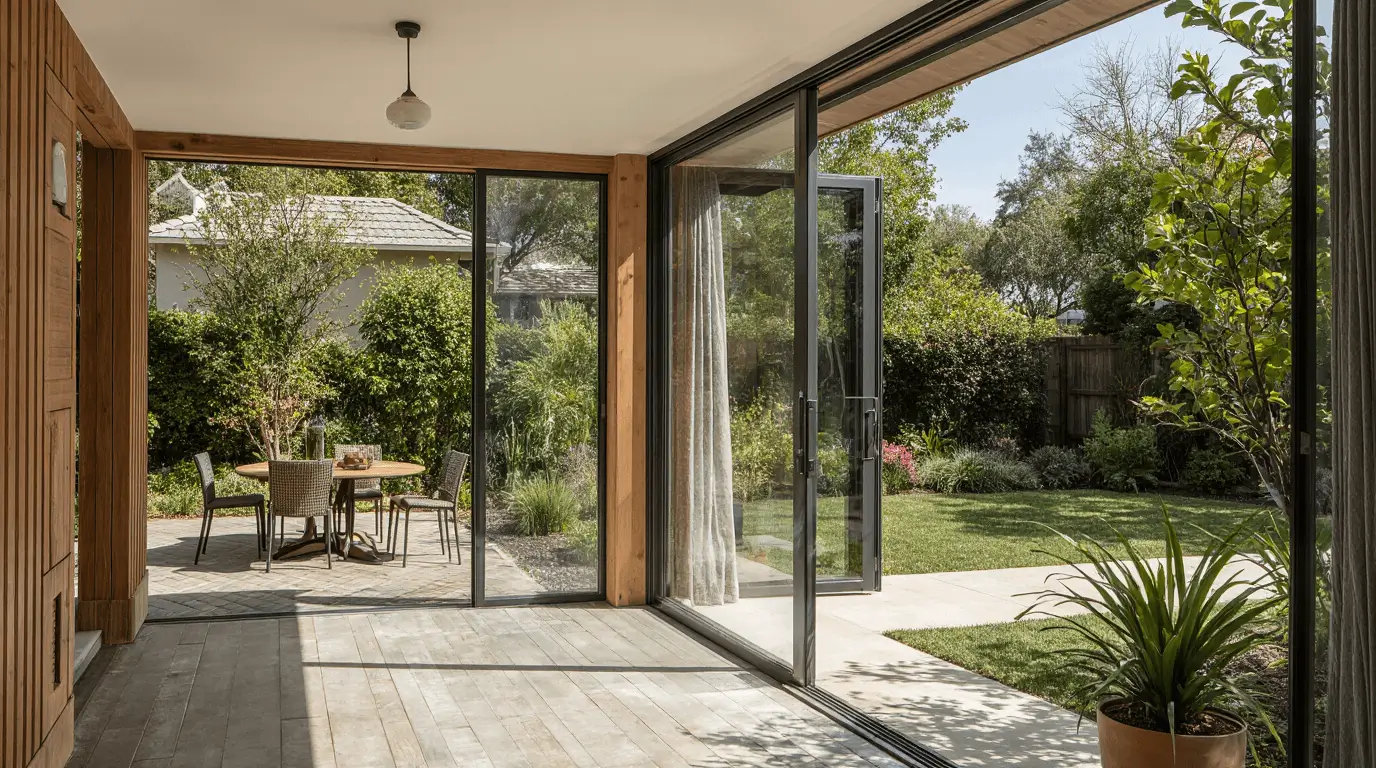
Suburban Interior Design with Indoor-Outdoor Connection
Large windows, sliding doors, and patios help blur the line between indoors and outdoors. This connection enhances light, ventilation, and overall well-being.
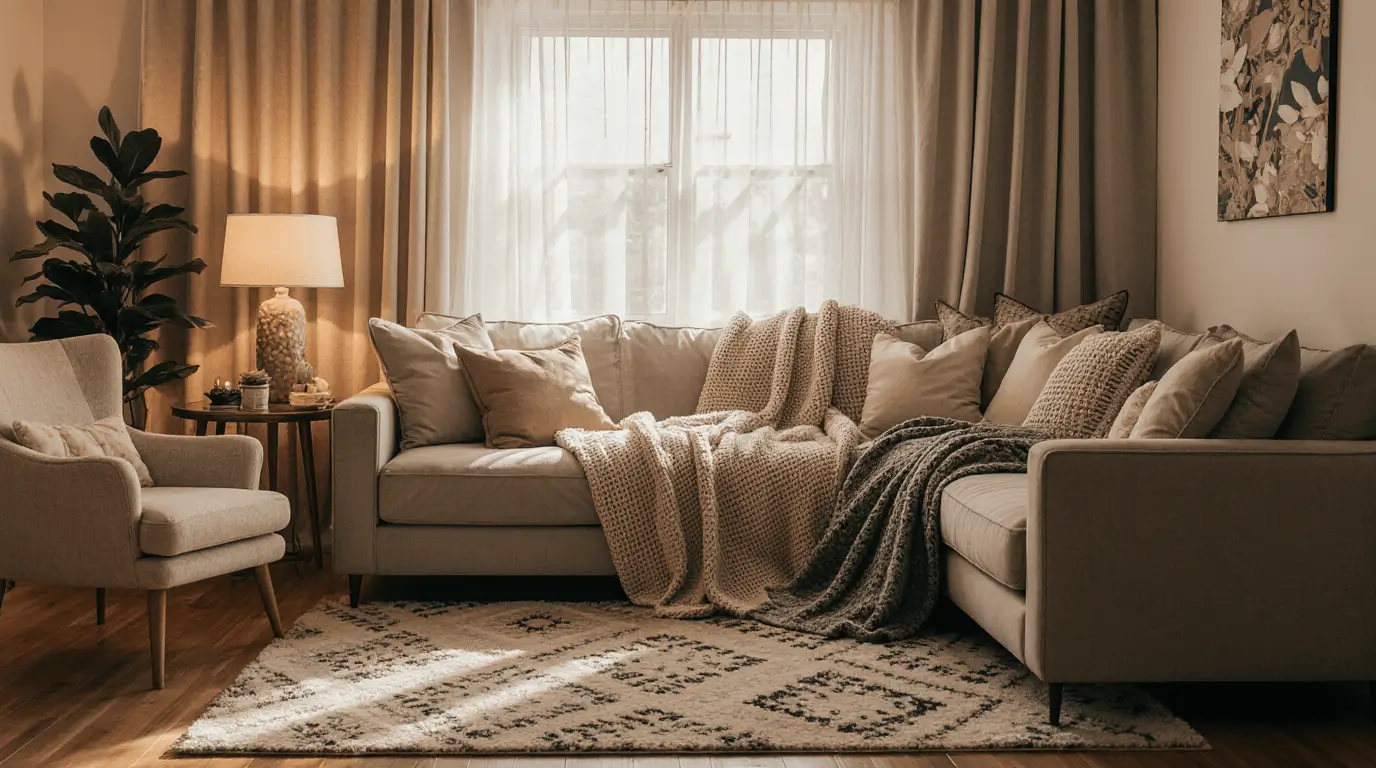
Suburban Interior Design with Cozy Layering
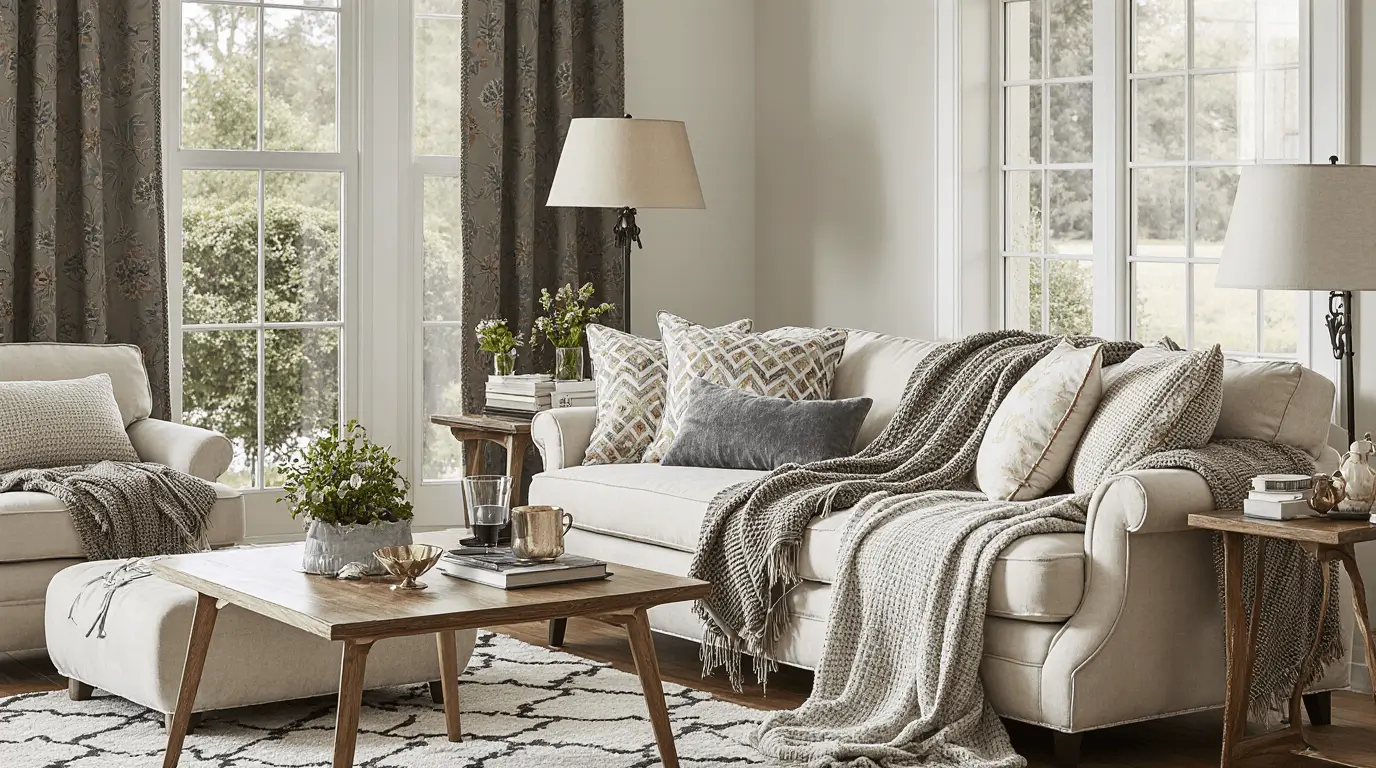
Layering textures—throws, rugs, cushions—adds depth and warmth. This is especially important in larger suburban rooms that might otherwise feel empty.
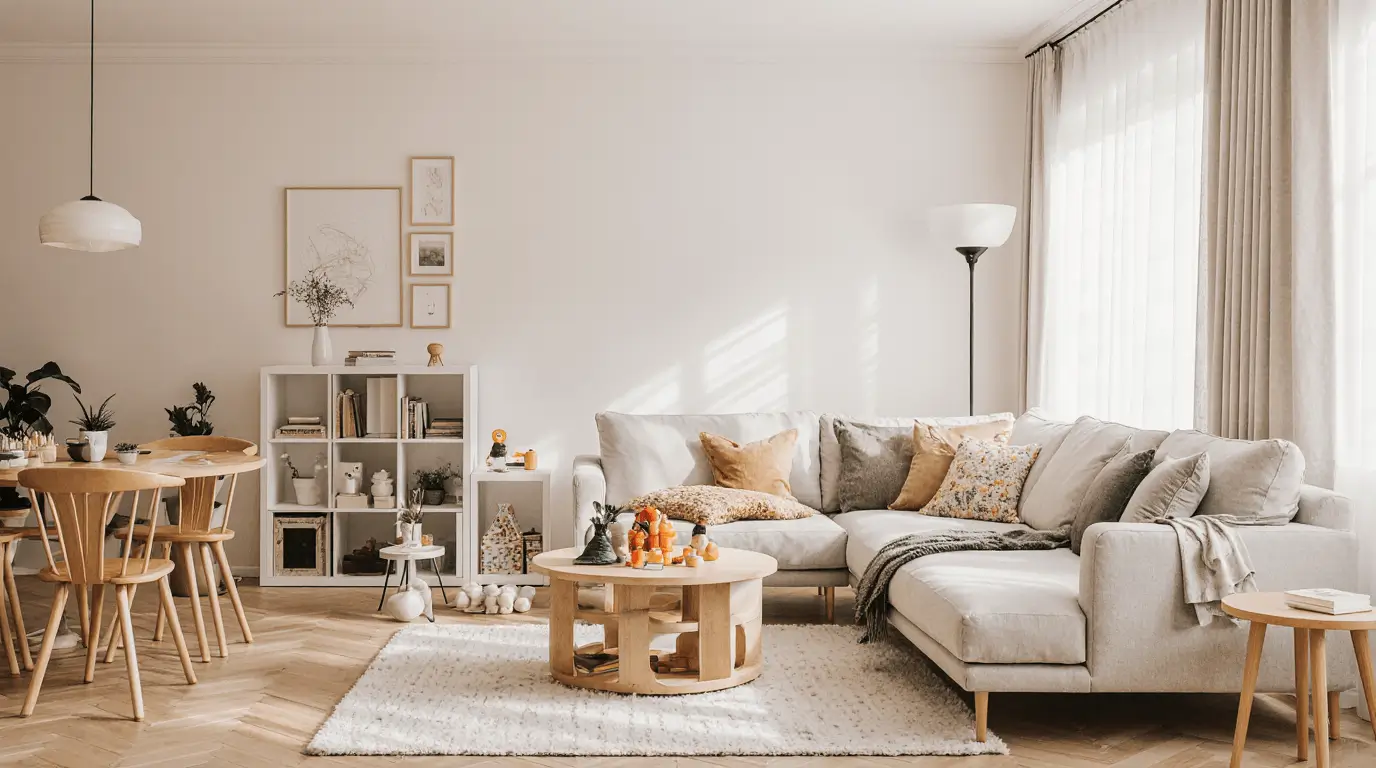
Suburban Interior Design with Family-Centered Layouts
Spaces are often designed around family needs, with clear zones for relaxation, dining, work, and play. Flow and accessibility are key priorities.
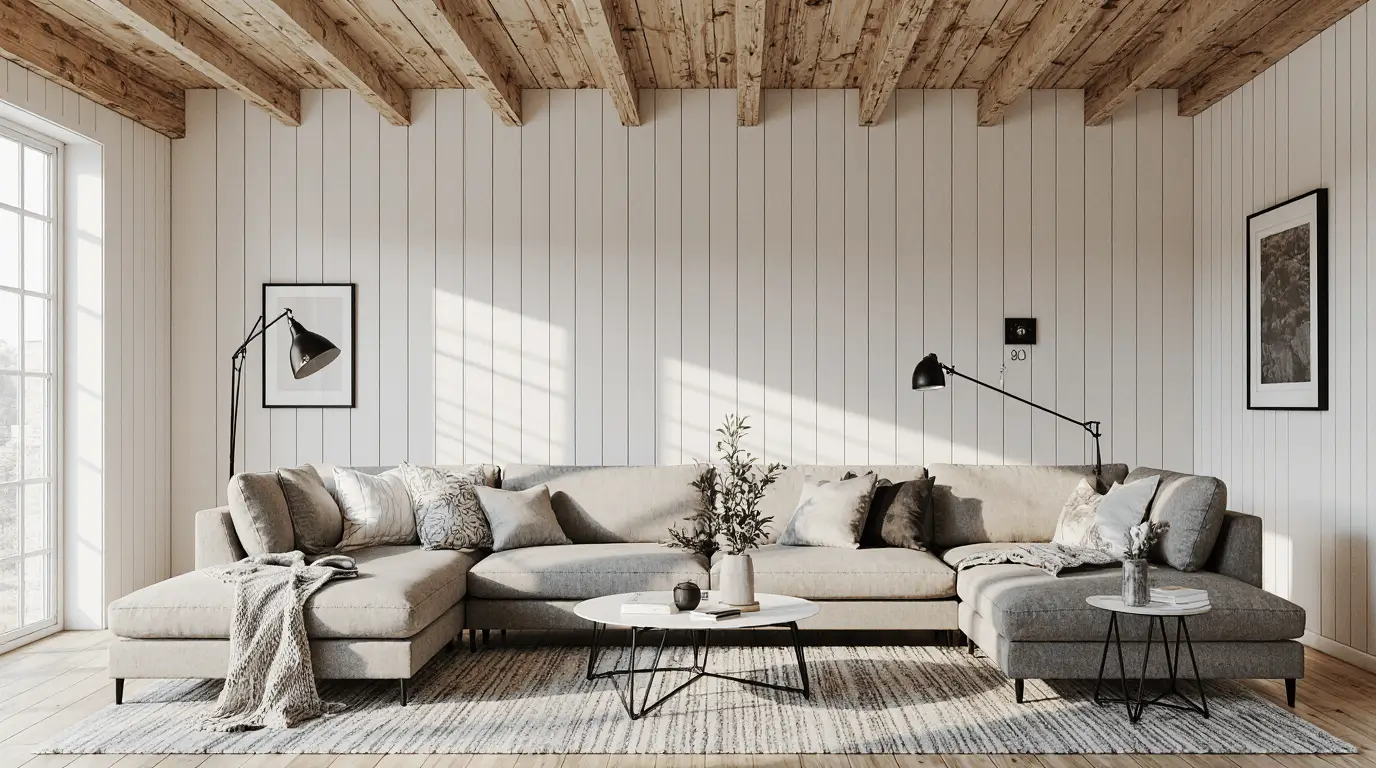
Suburban Interior Design with Modern Farmhouse Touches
A popular suburban style blends rustic charm with modern simplicity—featuring wood beams, shiplap walls, and black metal accents.
Suburban Interior Design with Smart Storage Solutions
Built-ins, cabinetry, and hidden storage help maintain a clutter-free environment, especially in homes with growing families.
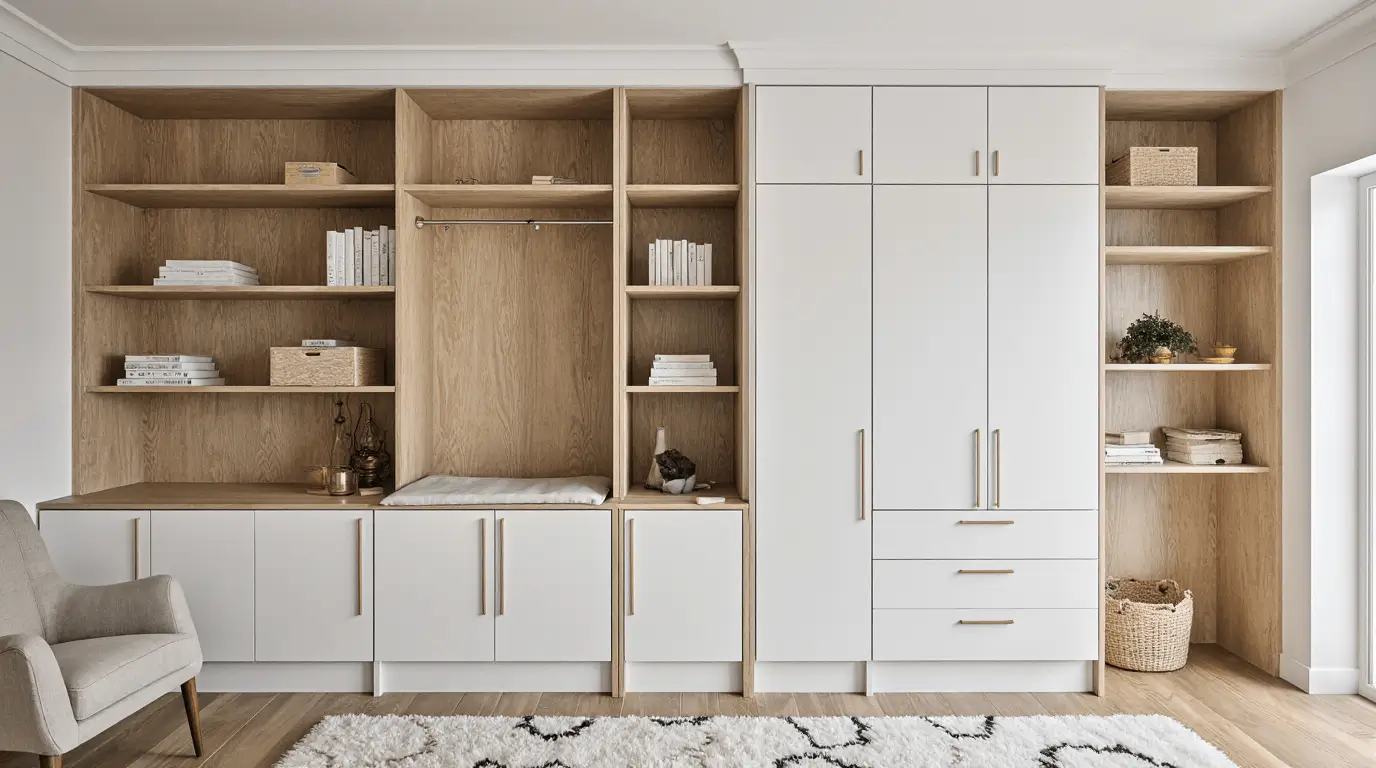
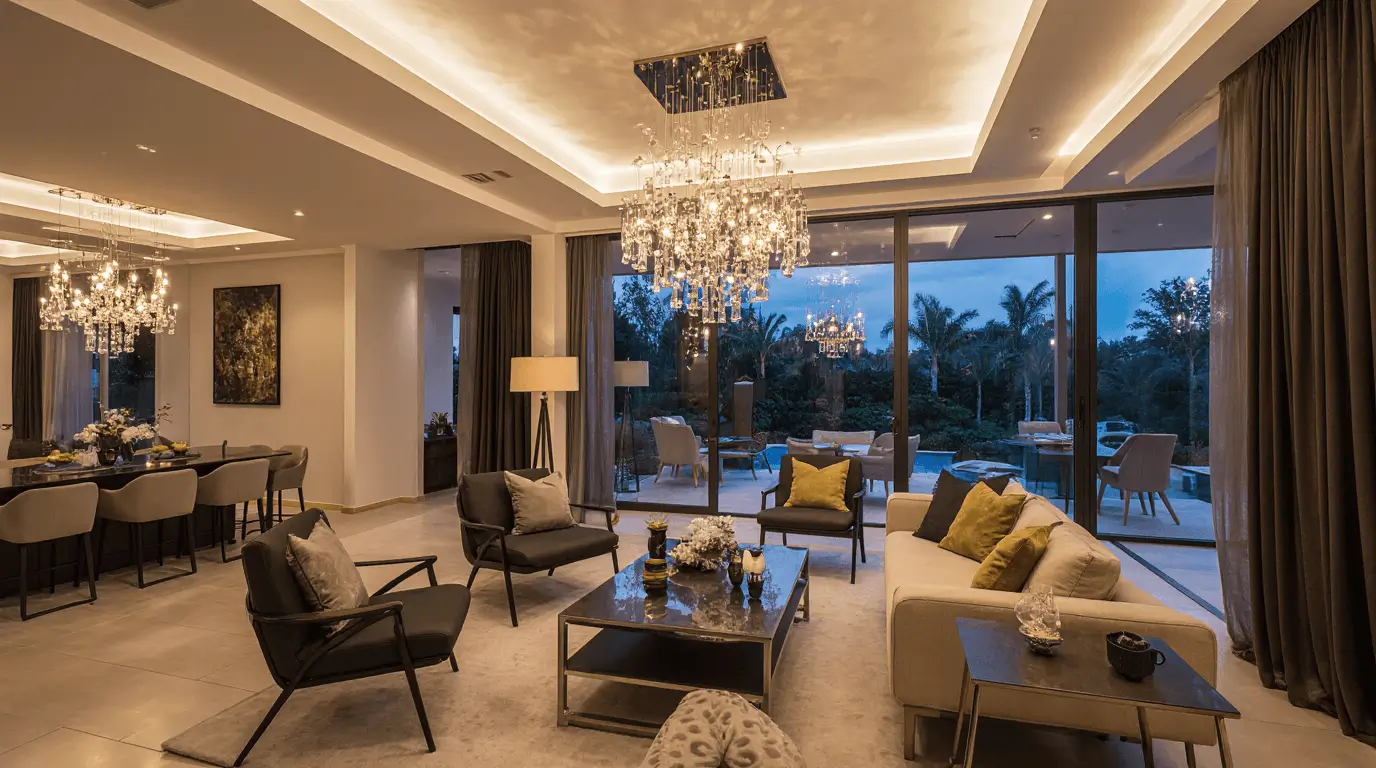
Suburban Interior Design with Statement Lighting
Lighting acts as both function and focal point—pendants, chandeliers, and layered lighting create ambiance and visual interest.
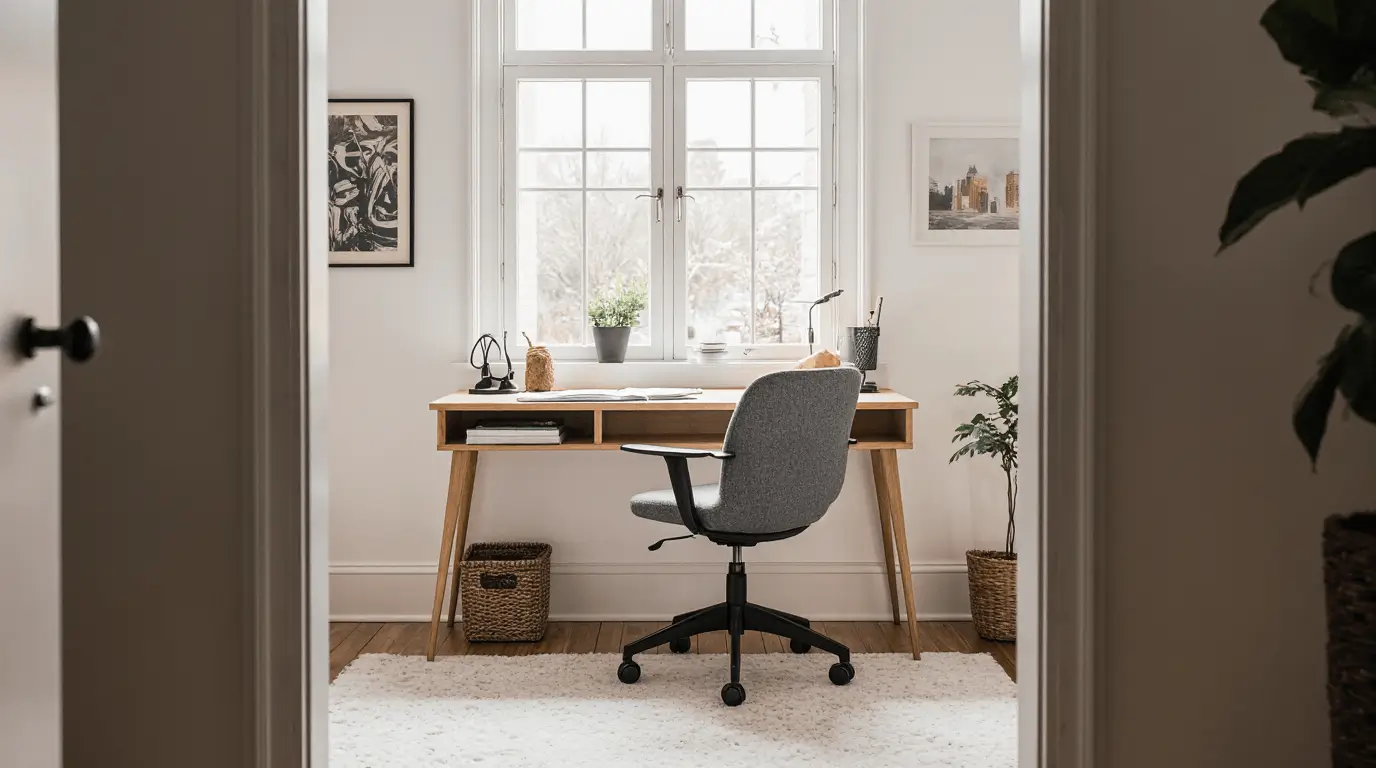
Suburban Interior Design with Flexible Workspaces
Home offices or adaptable work zones are essential in modern suburban homes, often integrated into bedrooms or living areas.
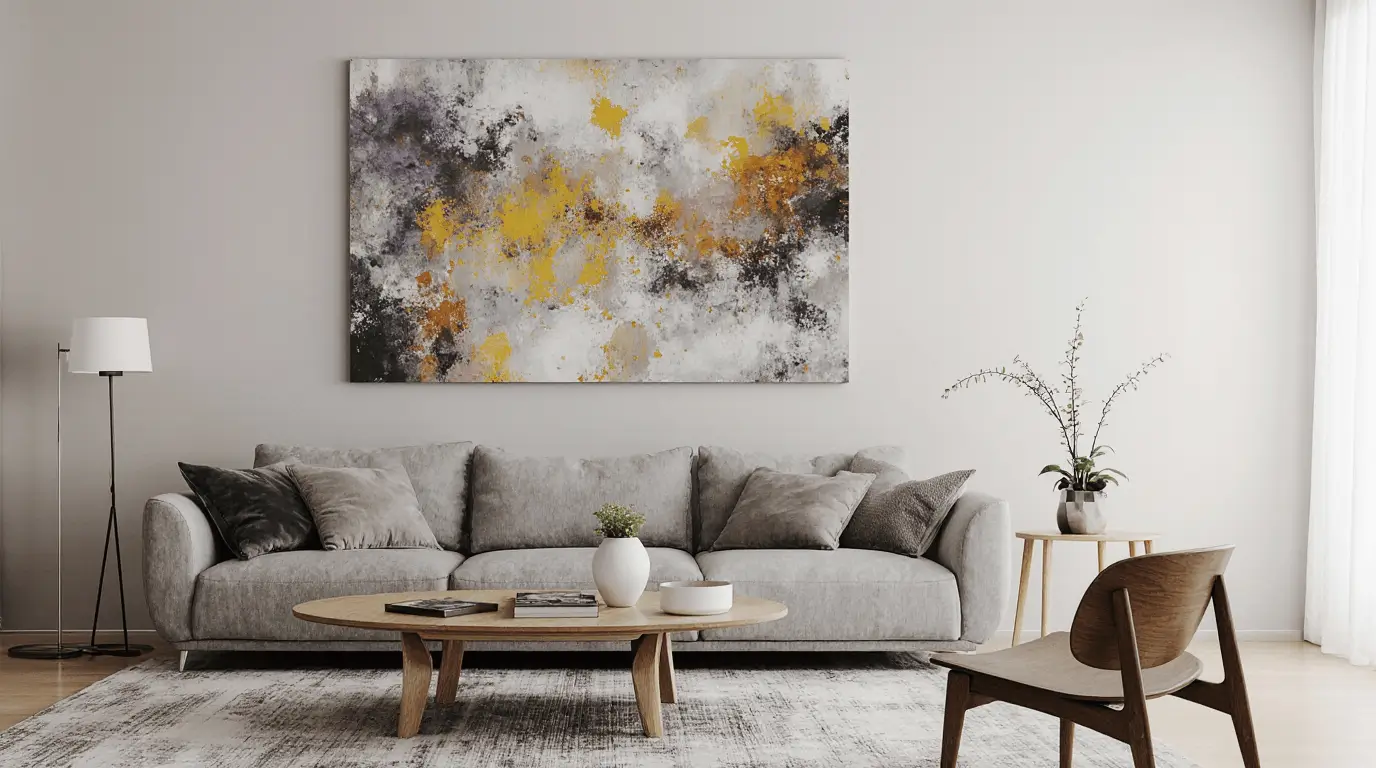
Suburban Interior Design with Contemporary Decor Accents
Clean lines, abstract art, and subtle geometric patterns bring a modern edge without overpowering the relaxed suburban feel.
Suburban Interior Design with Textural Contrast
Combining materials like wood, metal, glass, and fabric adds richness and sophistication to interiors without excessive decoration.
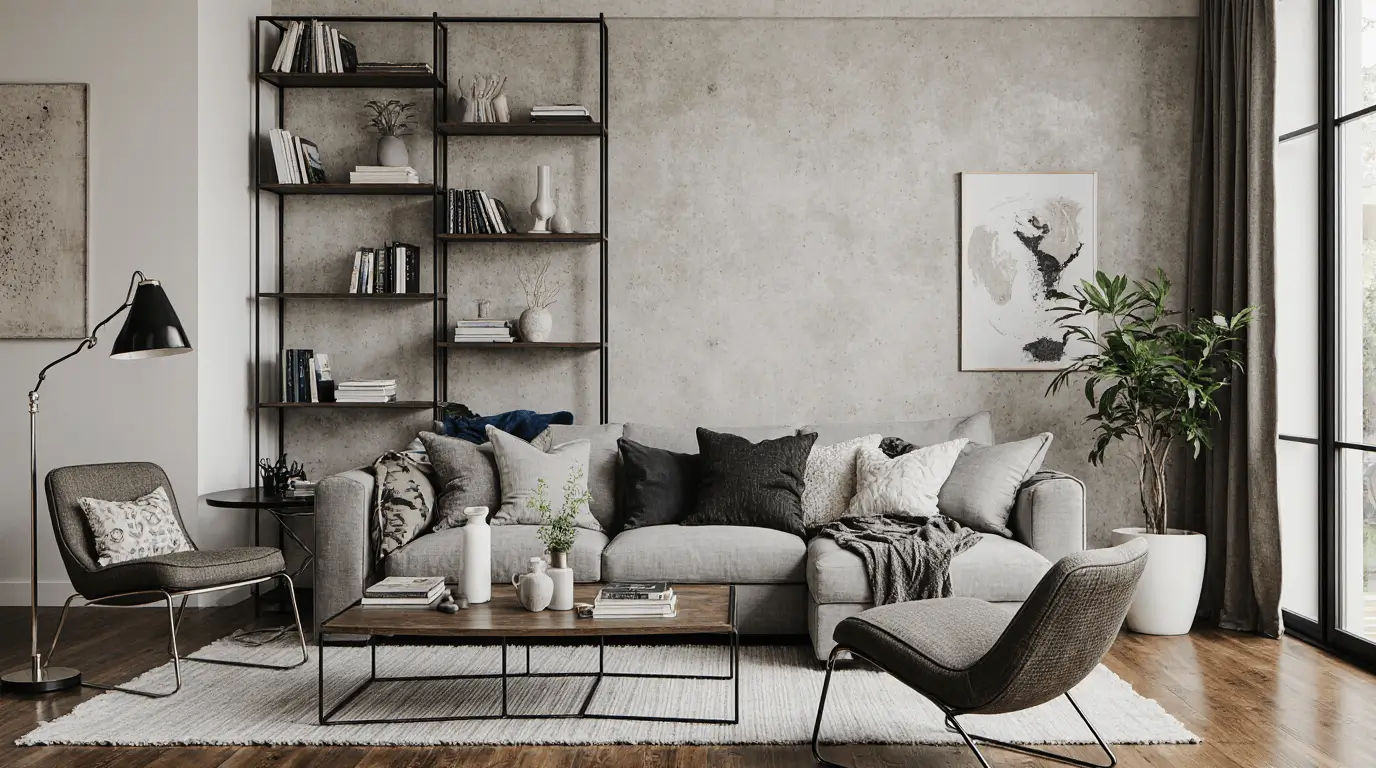
Suburban Interior Design with Personalized Details
Family photos, travel pieces, and curated decor make the space uniquely yours while maintaining a cohesive design.
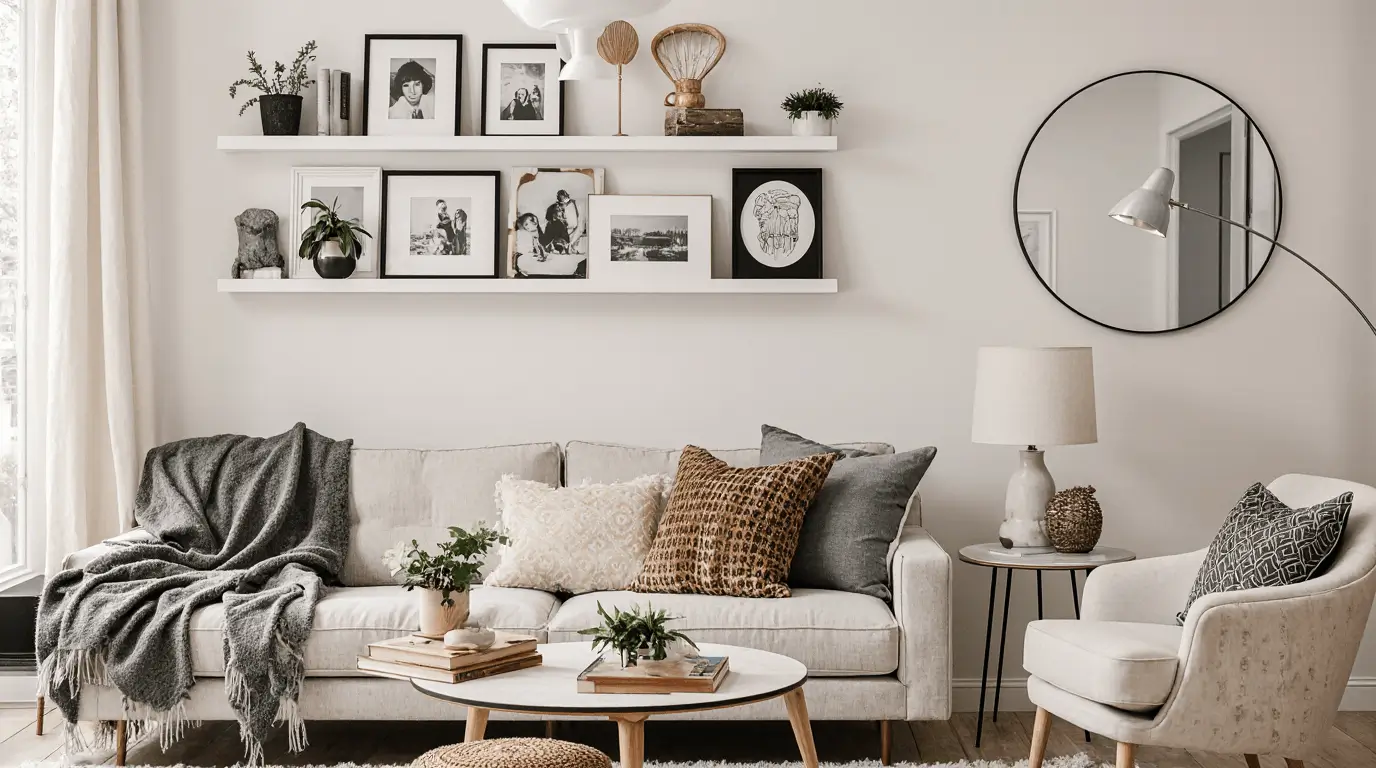
Suburban Interior Design with Large-Scale Furniture
Suburban homes can accommodate larger furniture pieces, which help fill space proportionally and enhance comfort.
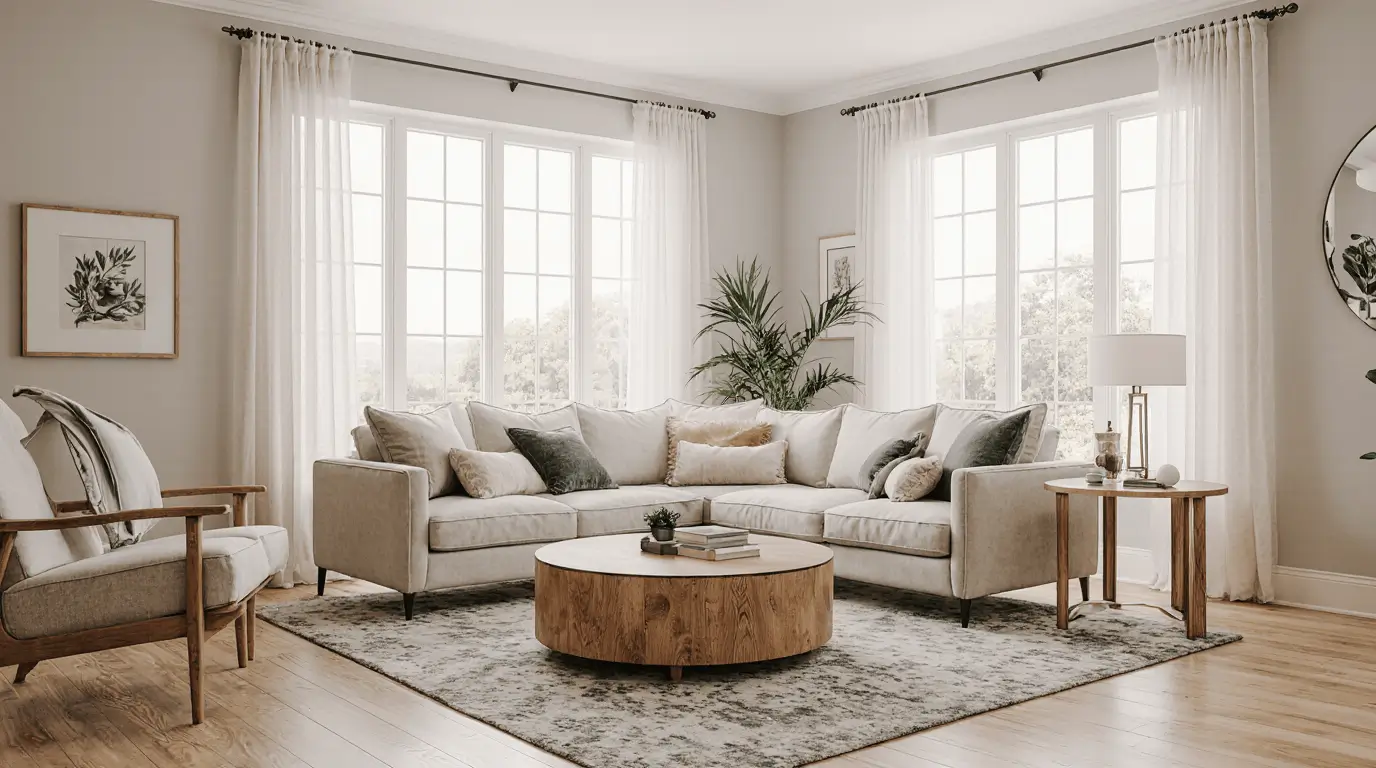
Suburban Interior Design with Soft Lighting Layers
Combining ambient, task, and accent lighting creates a warm and adaptable environment suitable for different times of day.
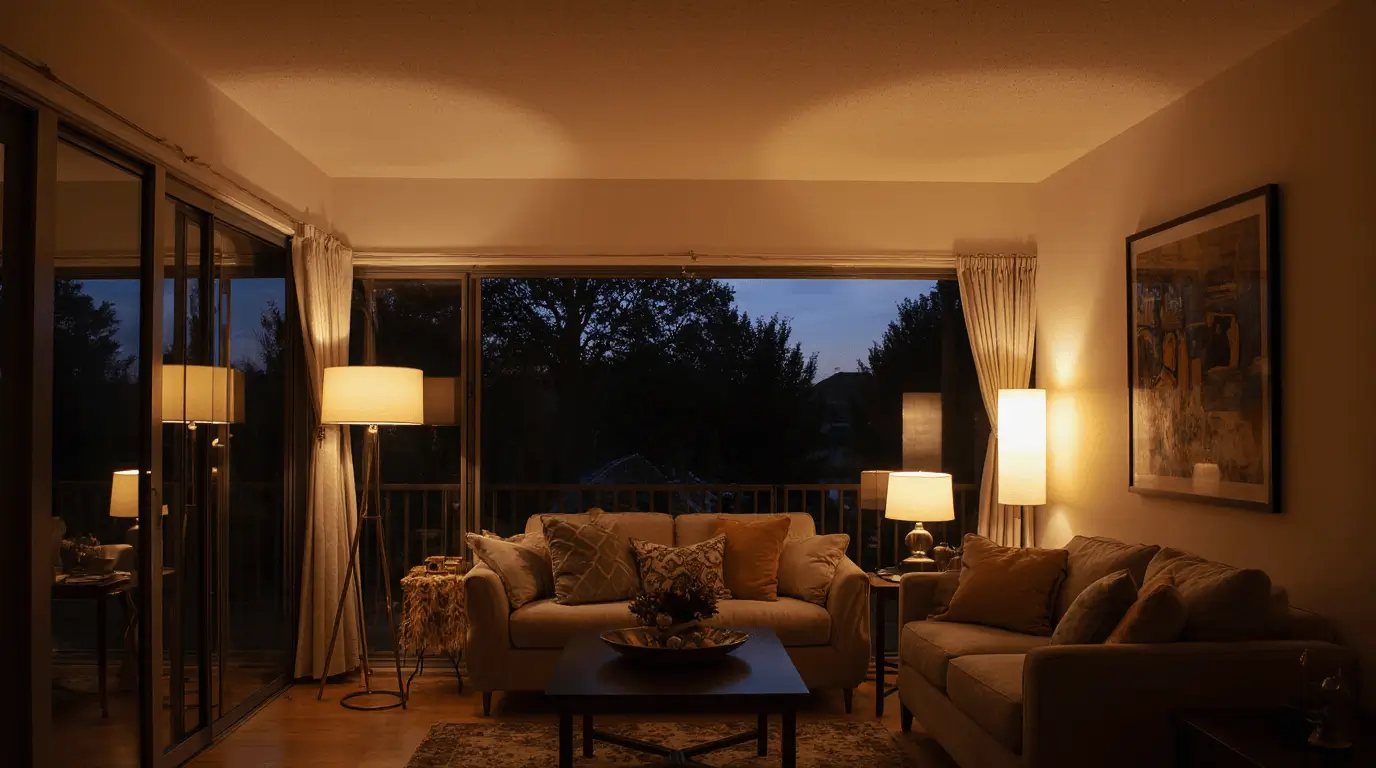
Suburban Interior Design with Minimal Clutter Aesthetic
While cozy, suburban interiors benefit from controlled minimalism—keeping surfaces clean while allowing key pieces to stand out.
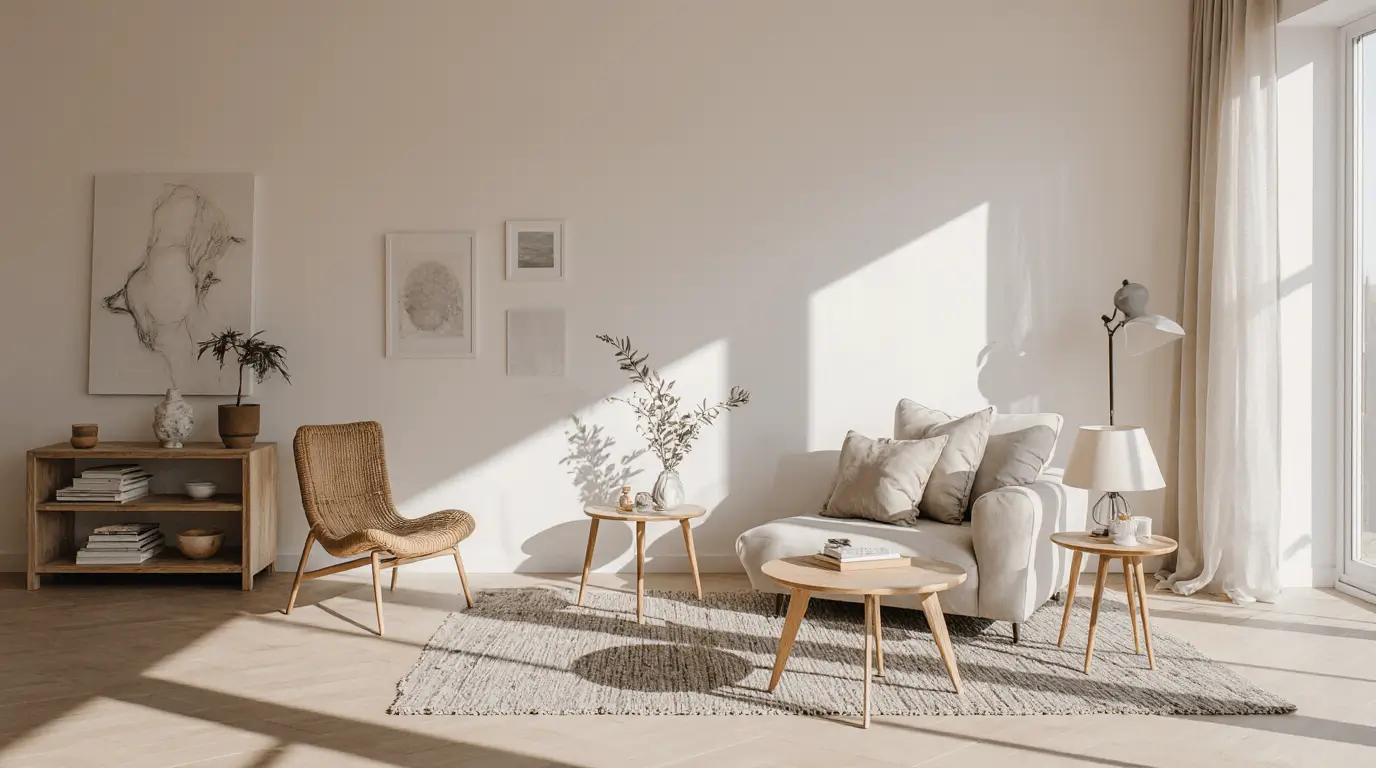
Suburban Interior Design with Seasonal Adaptability
Suburban homes often evolve with the seasons—lighter fabrics in summer, heavier textures in winter—keeping spaces fresh year-round.
Conclusion: Designing Suburban Spaces That Truly Work
Suburban interior design succeeds because it respects how people actually live. It isn’t driven by trends alone—it’s shaped by daily routines, shared spaces, and the need for both comfort and structure. When thoughtfully executed, it brings together openness, warmth, and function in a way that feels effortless yet intentional.
What makes this approach so effective is its balance. Spacious layouts are grounded with cozy layering, neutral palettes are elevated with texture, and practical furniture is refined through proportion and placement. These aren’t just aesthetic choices—they solve real challenges, from managing clutter to creating inviting environments that adapt to family life, work, and relaxation.
This design style is especially beneficial for households that value flexibility and longevity. Whether you’re furnishing a new home or refining an existing one, the goal is not perfection but alignment—choosing elements that support your lifestyle while maintaining visual harmony. Start with the essentials: layout, light, and comfort. Then layer in personality through materials, objects, and subtle contrast.
When you approach suburban interior design with clarity and intention, the result is a home that feels grounded, functional, and deeply personal—one that evolves with you while always feeling complete.
Learn more : Ancient Greece Interior Design: Elegant Timeless Ideas
FAQs: Suburban Interior Design
- What defines suburban interior design compared to urban styles?
Suburban interiors tend to prioritize space, comfort, and practicality. Unlike urban design, which often works within tighter constraints, suburban homes allow for larger furniture, open layouts, and a stronger connection to outdoor areas. The focus is on livability without sacrificing style. - How do I make a large suburban space feel cozy without cluttering it?
The key is layering rather than filling. Use rugs, textiles, lighting, and grouped furniture arrangements to create intimacy within larger rooms. Scale is crucial—well-proportioned pieces help anchor the space without making it feel overcrowded. - Are neutral color palettes necessary in suburban homes?
Not necessary, but highly effective. Neutrals provide a flexible foundation that works well with changing seasons, décor updates, and different lighting conditions. You can always introduce color through accents, art, and textiles. - What type of furniture works best for suburban interiors?
Look for pieces that combine comfort with durability—deep seating, sturdy dining tables, and multifunctional furniture. Suburban homes benefit from items that can handle daily use while maintaining a clean, cohesive look. - How can I incorporate modern elements without losing warmth?
Balance is everything. Pair sleek lines with soft materials like wood, linen, or wool. For example, a modern light fixture can coexist beautifully with a textured rug or upholstered seating, creating contrast without feeling cold. - What are the most common mistakes in suburban interior design?
Overfilling large spaces, ignoring scale, and relying too heavily on matching furniture sets are common pitfalls. Another mistake is neglecting lighting—without proper layering, even well-designed spaces can feel flat. - How do I start designing my suburban home from scratch?
Begin with layout and function. Identify how each space will be used, then choose foundational elements like flooring, wall color, and key furniture pieces. From there, build gradually—adding lighting, textiles, and décor to create depth and personality over time.



One Response