
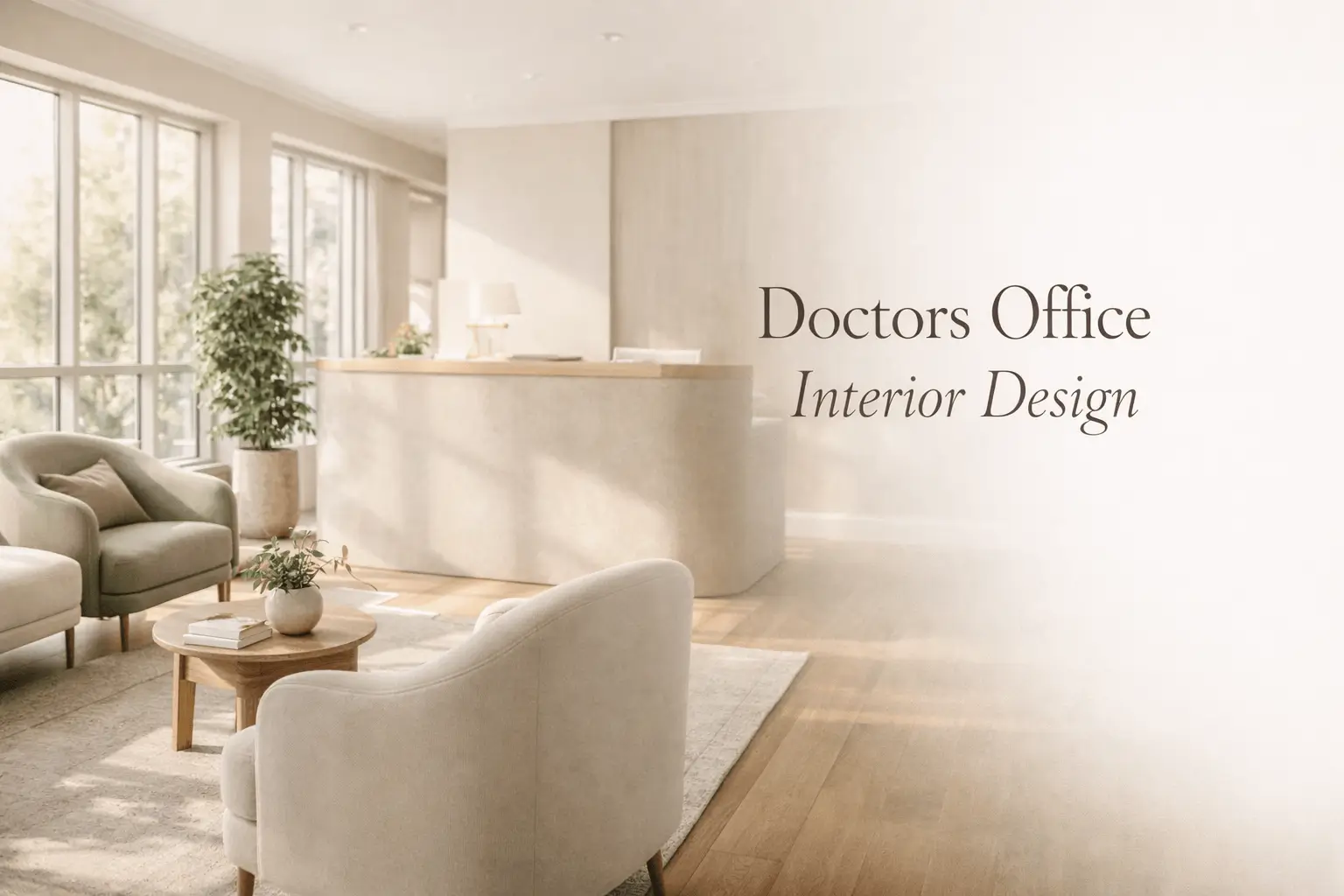
Introduction
Designing a healthcare space is fundamentally different from designing a home or retail environment. Doctors office interior design isn’t just about aesthetics—it directly shapes patient experience, emotional comfort, and even operational efficiency. From the moment someone walks in, the environment communicates professionalism, care, and trust.
In my experience working with healthcare interiors, the most successful spaces strike a careful balance: clinical enough to feel safe and hygienic, yet warm enough to reduce anxiety. Whether you’re planning a new clinic or refreshing an existing one, thoughtful design decisions—from layout to lighting—can transform how patients feel and how staff perform.
Below are carefully structured design clusters that together form a complete, modern approach to building an effective and welcoming medical space.
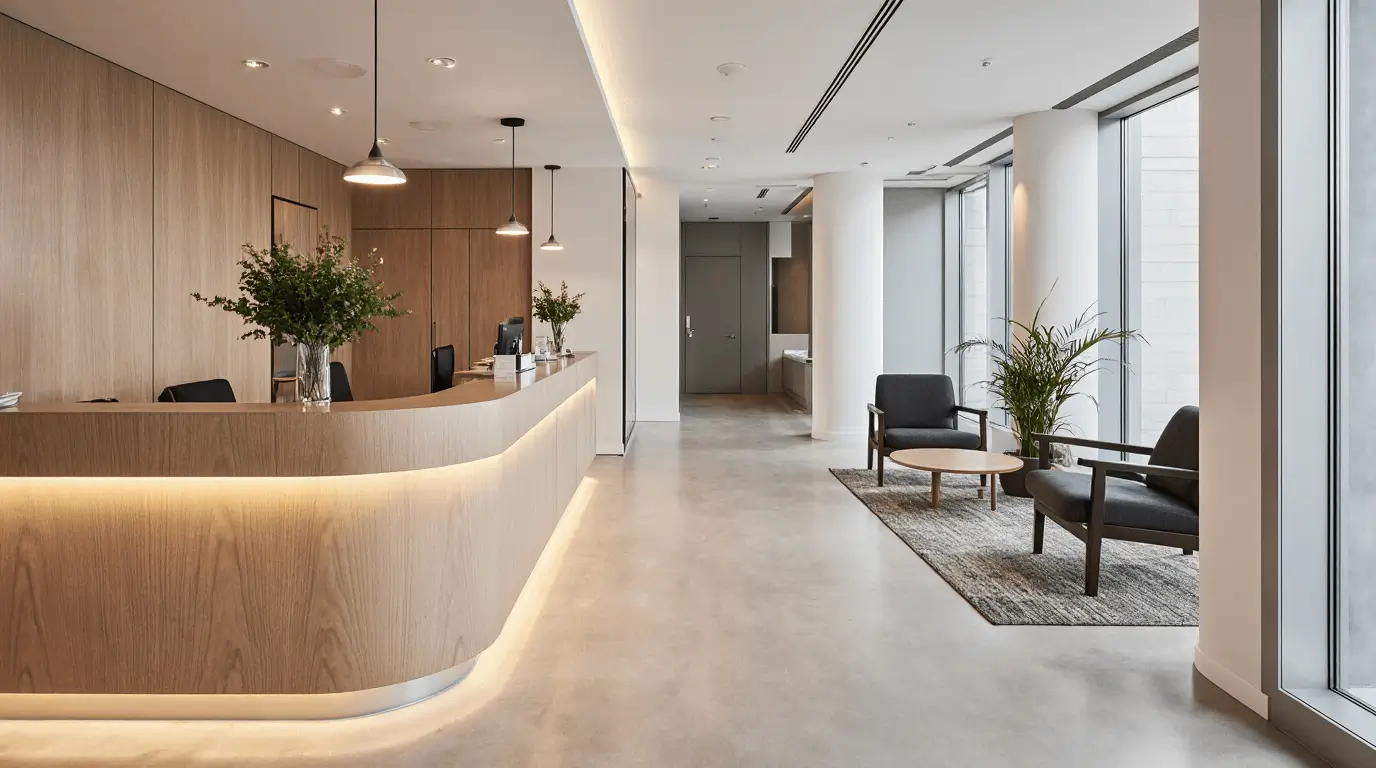
Doctors Office Interior Design for Reception Areas
The reception area sets the emotional tone of the entire visit. Clean lines, intuitive flow, and welcoming materials help reduce patient stress while improving check-in efficiency. A well-designed reception space should feel organized but not intimidating.
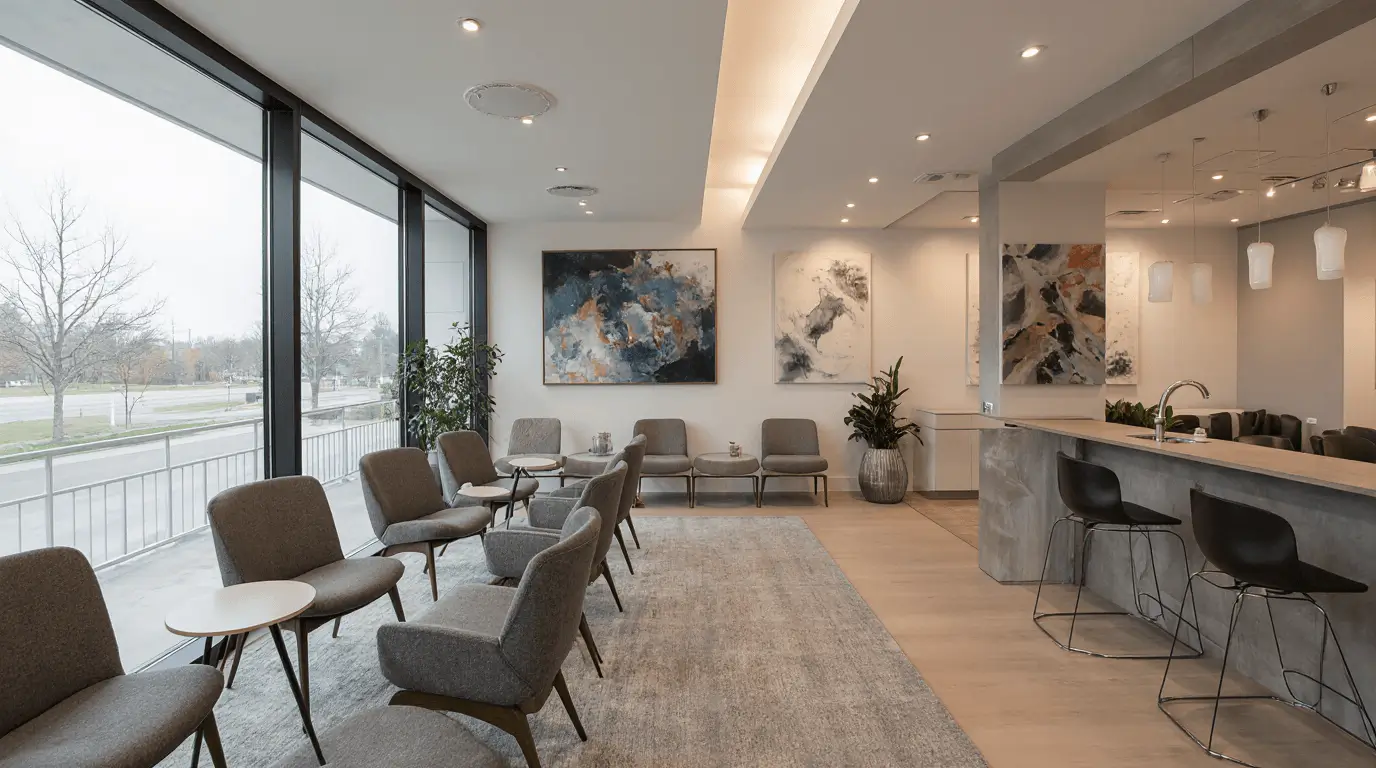
Doctors Office Interior Design for Waiting Rooms
Waiting rooms should feel more like lounges than holding areas. Comfortable seating, layered lighting, and calming visuals can significantly reduce perceived wait times and anxiety.
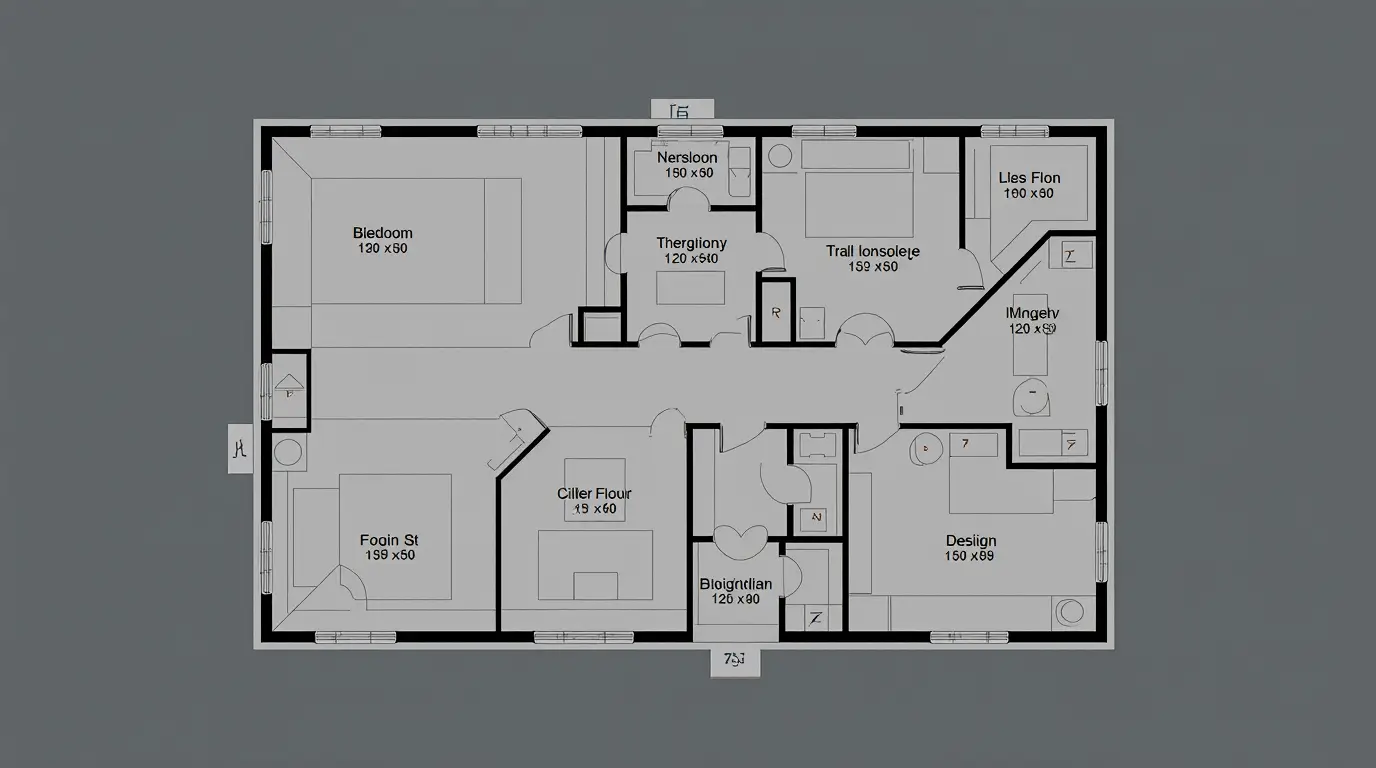
Doctors Office Interior Design Layout Planning
A smart layout improves workflow and privacy. Clear zoning between public, semi-private, and clinical areas ensures both efficiency and patient confidentiality.
Doctors Office Interior Design for Small Spaces
In smaller clinics, every inch matters. Use multi-functional furniture, light colors, and reflective surfaces to make the space feel open without sacrificing functionality.
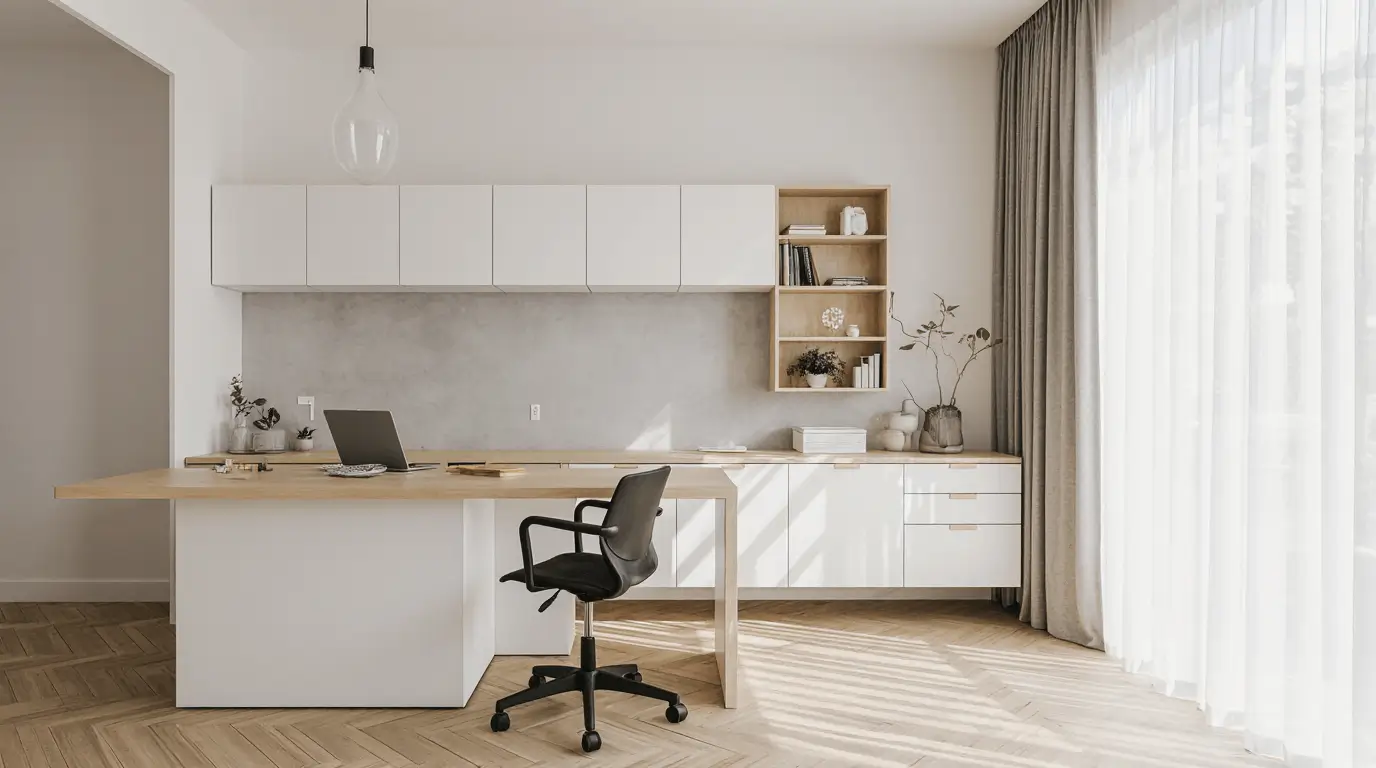
Doctors Office Interior Design with Modern Aesthetics
Modern design emphasizes simplicity, cleanliness, and subtle sophistication. This approach helps reinforce professionalism while keeping the space visually calm.
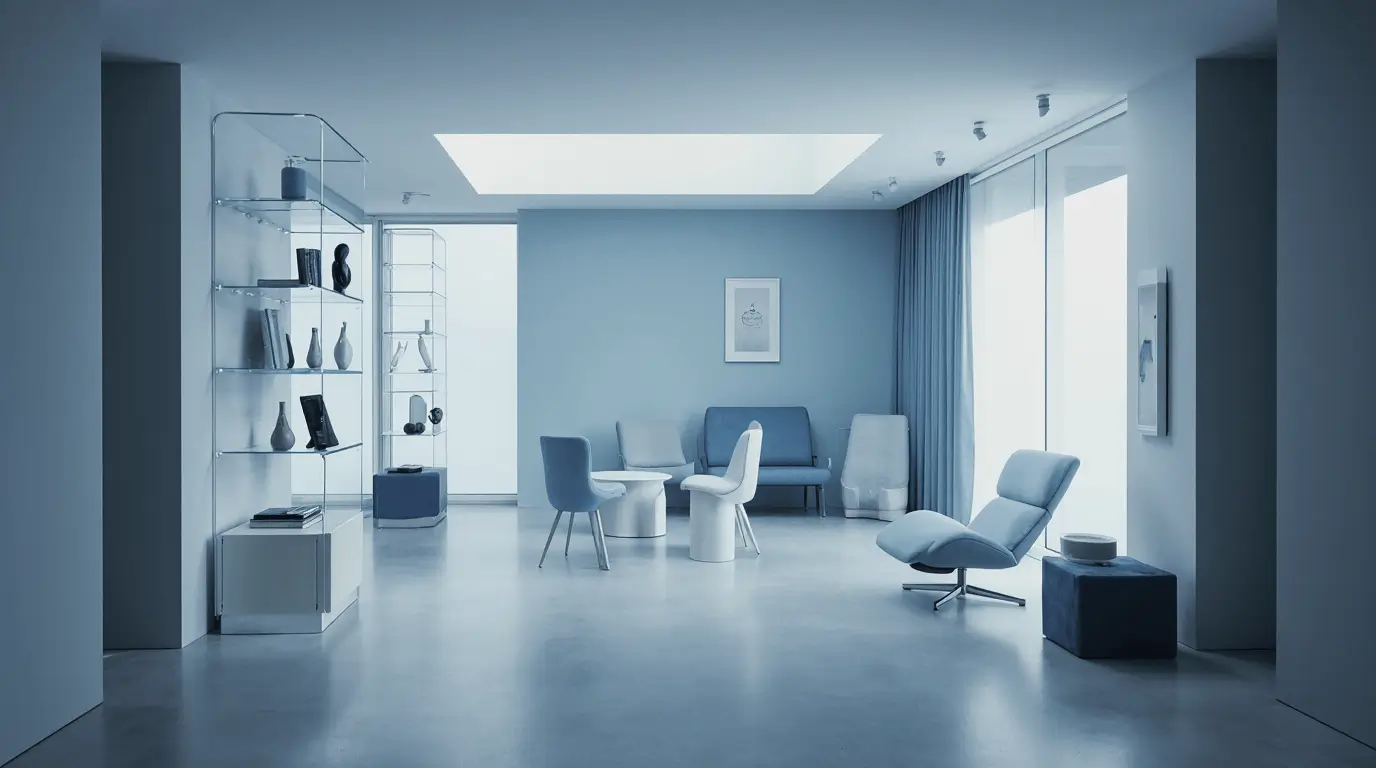
Doctors Office Interior Design for Front Desk Functionality
The front desk must balance aesthetics with practicality. It should allow for smooth communication while maintaining patient privacy and workflow efficiency.
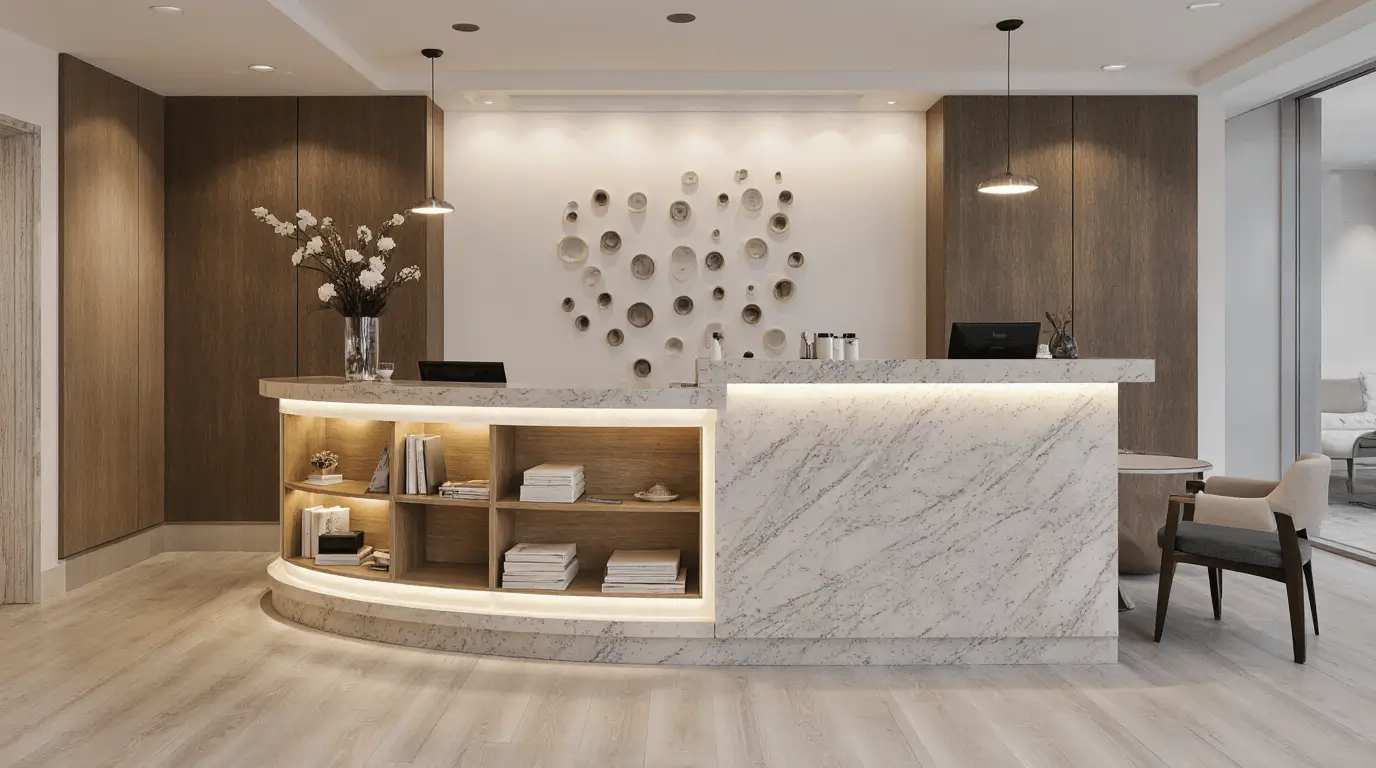
Doctors Office Interior Design with Calming Color Schemes
Color plays a psychological role in healthcare spaces. Soft blues, greens, and neutrals promote relaxation and trust, while avoiding overstimulation.
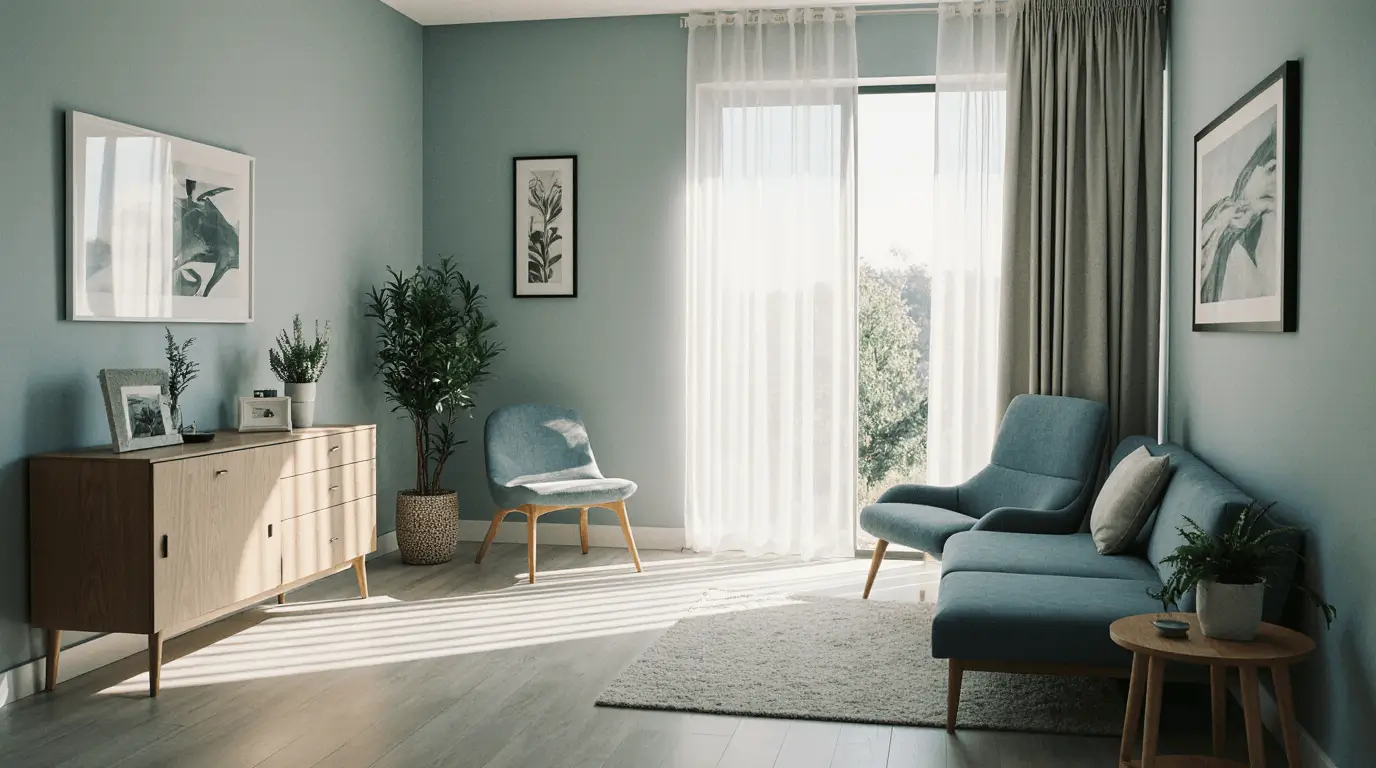
Doctors Office Interior Design Using Natural Elements
Incorporating nature—plants, wood textures, natural light—creates a healing environment and improves overall well-being.
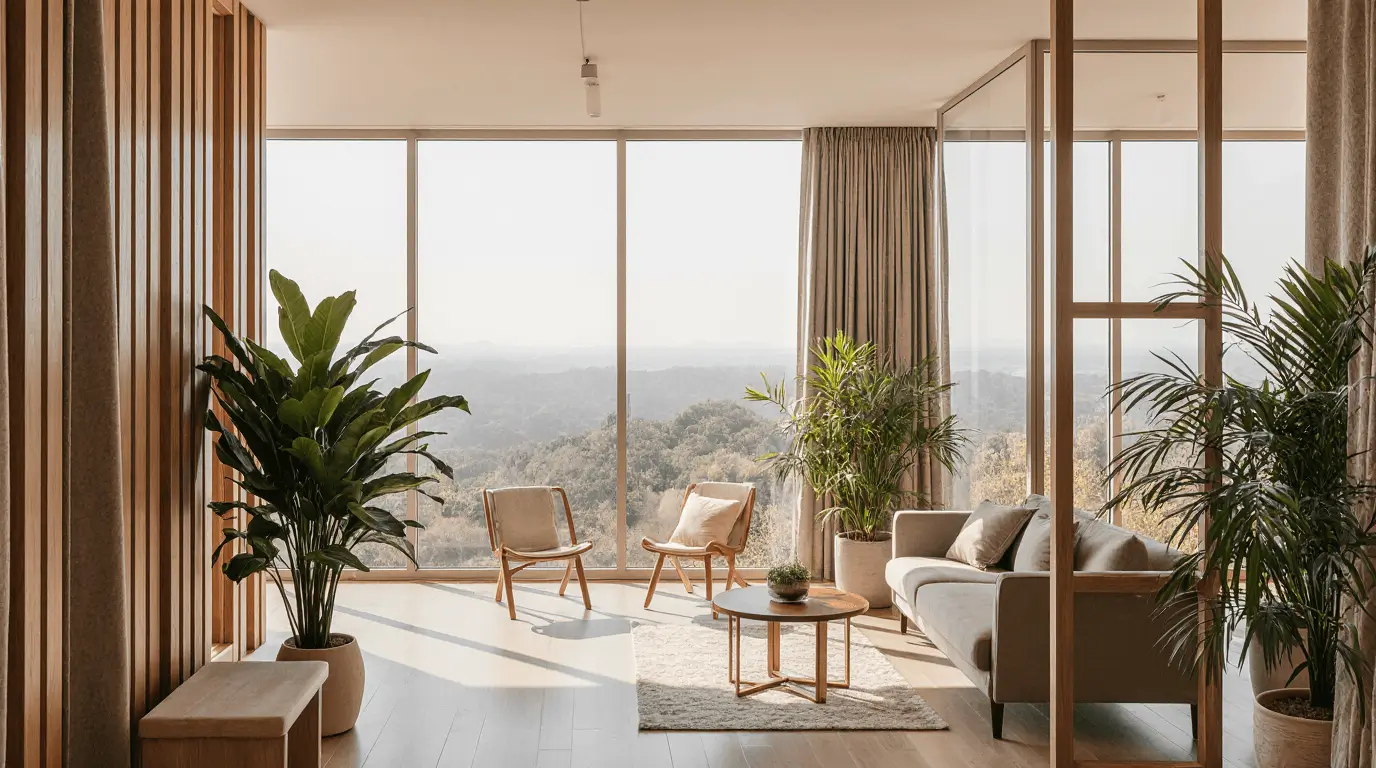
Doctors Office Interior Design for Patient Privacy
Privacy is essential in medical environments. Strategic partitions, soundproofing, and thoughtful spacing ensure patients feel secure.
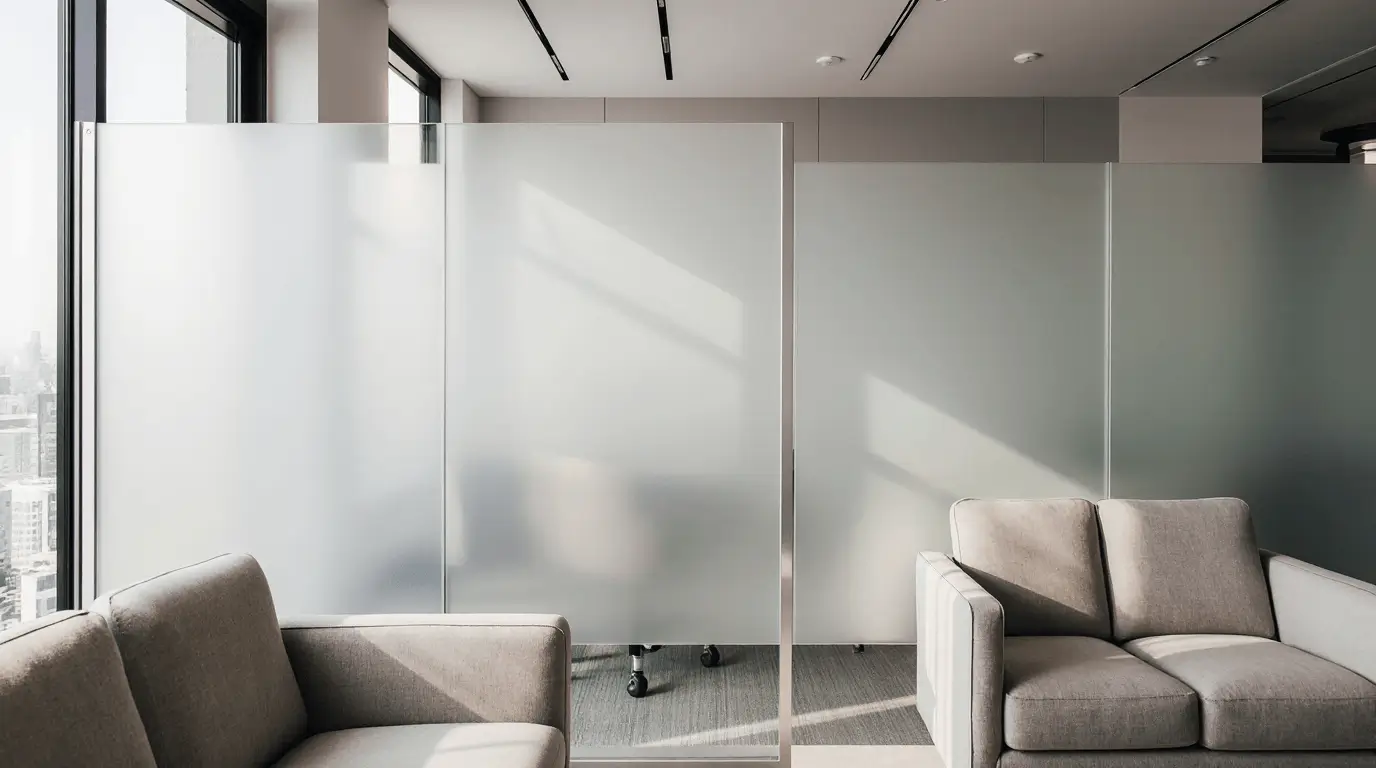
Doctors Office Interior Design with Smart Lighting
Lighting should be layered: bright and functional in clinical zones, softer and warmer in patient-facing areas to reduce stress.
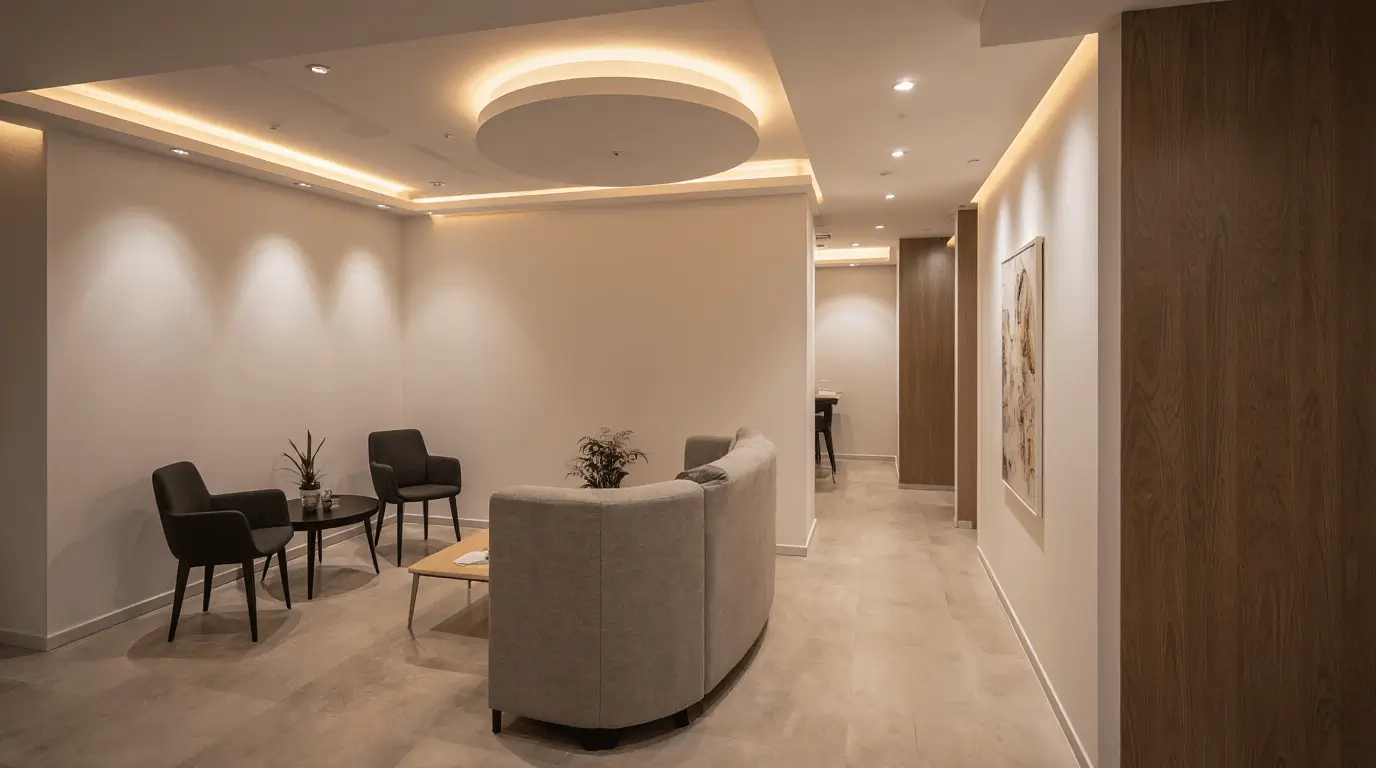
Doctors Office Interior Design for Wall Decor and Art
Art should be subtle and reassuring—nature scenes, abstract pieces, or soft imagery that creates a sense of calm without distraction.
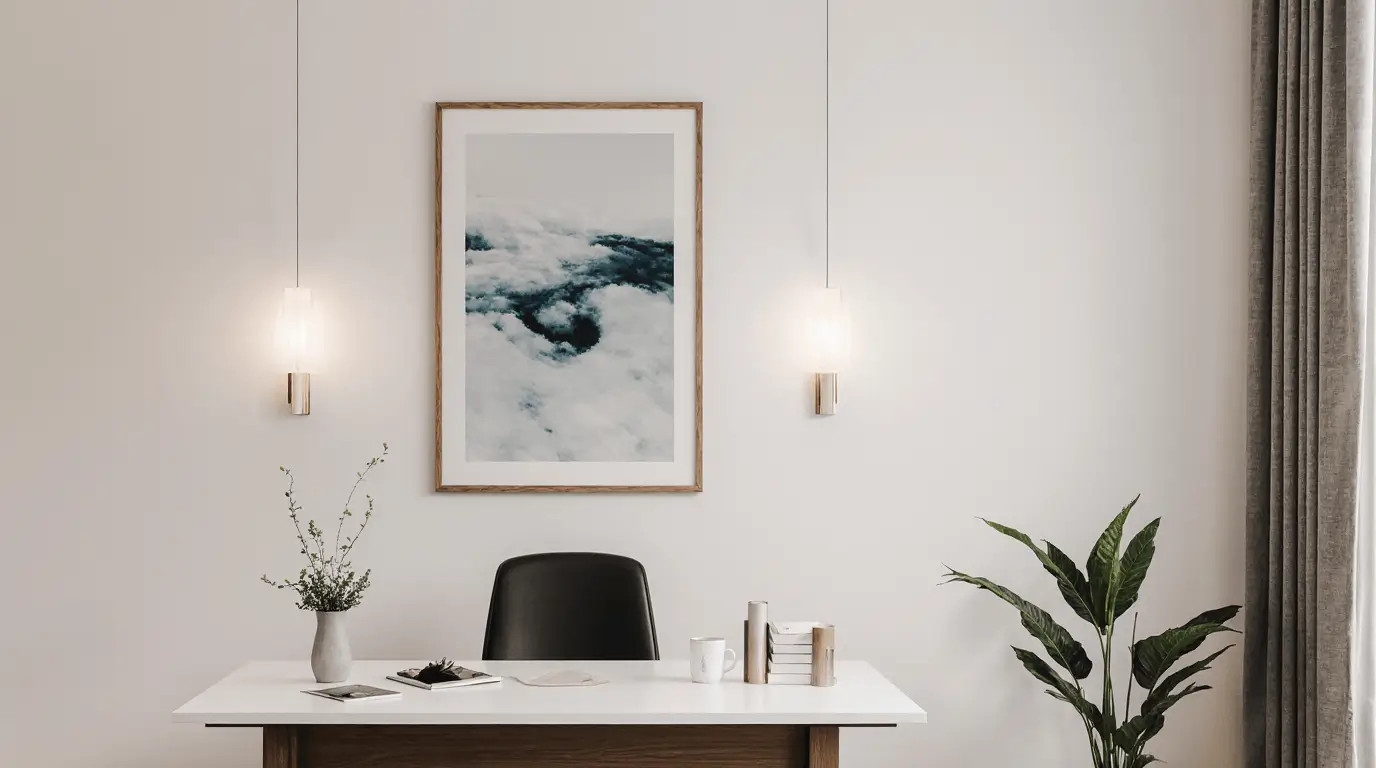
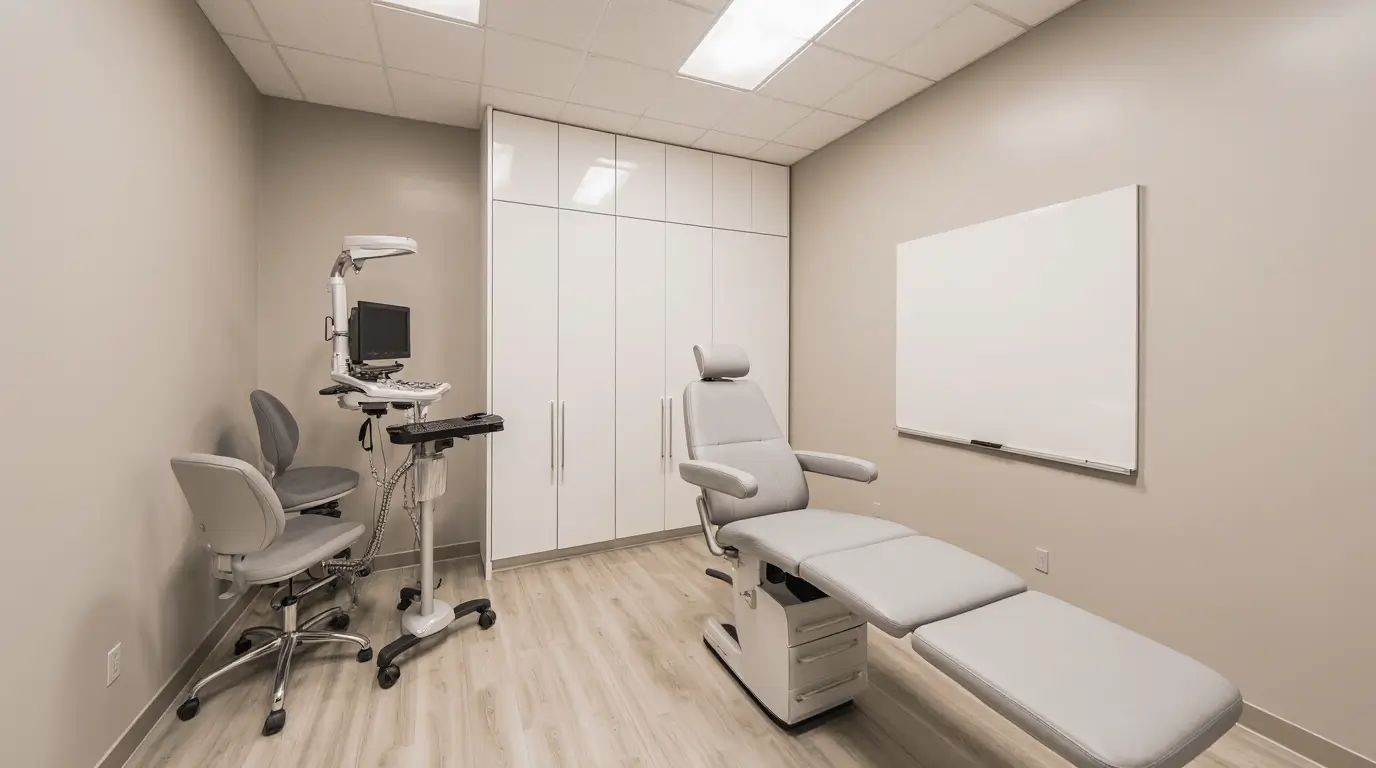
Doctors Office Interior Design for Examination Rooms
Exam rooms should be efficient, hygienic, and slightly softened with design elements that reduce clinical harshness.
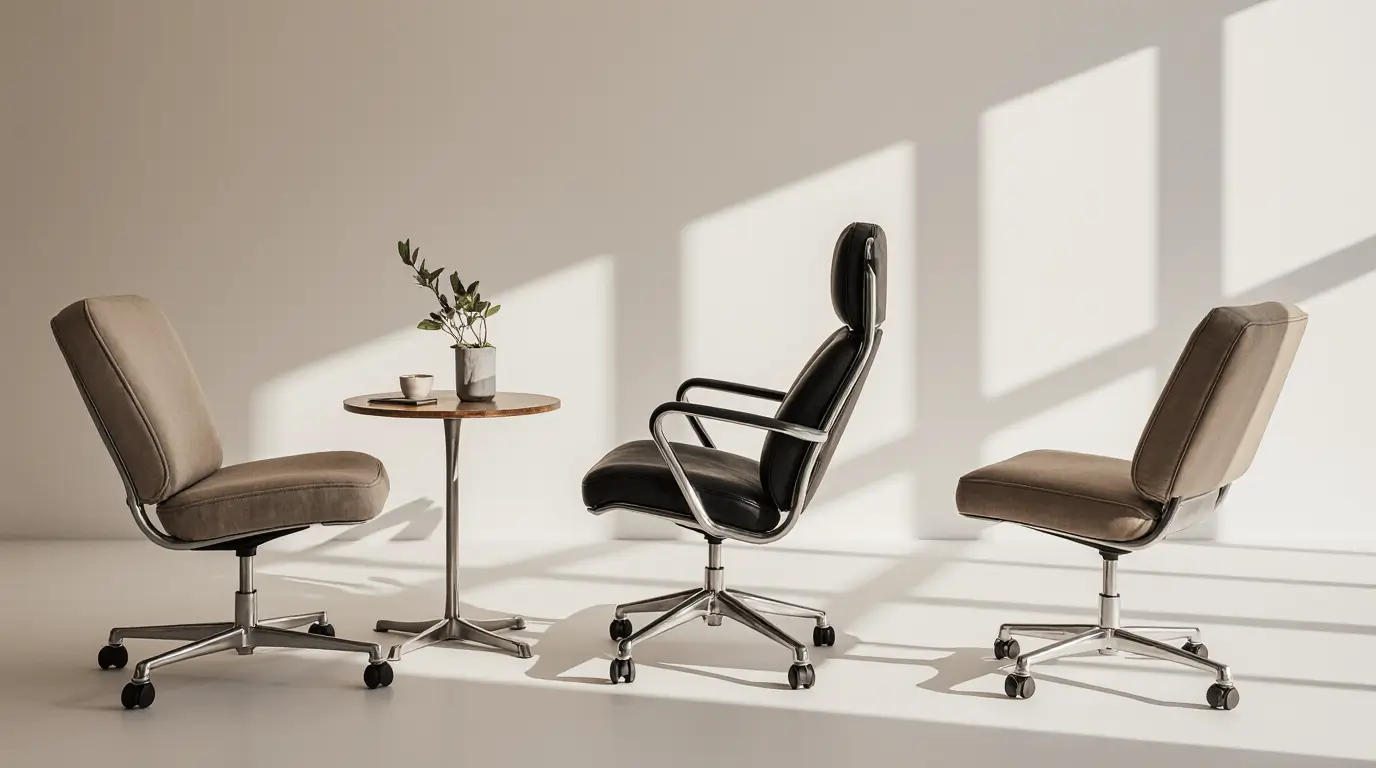
Doctors Office Interior Design with Comfortable Furniture
Furniture should support both patients and staff. Ergonomics, durability, and comfort are equally important in healthcare environments.
Doctors Office Interior Design for Branding and Identity
Subtle branding—through color, signage, or materials—creates consistency and builds patient trust without overwhelming the space.
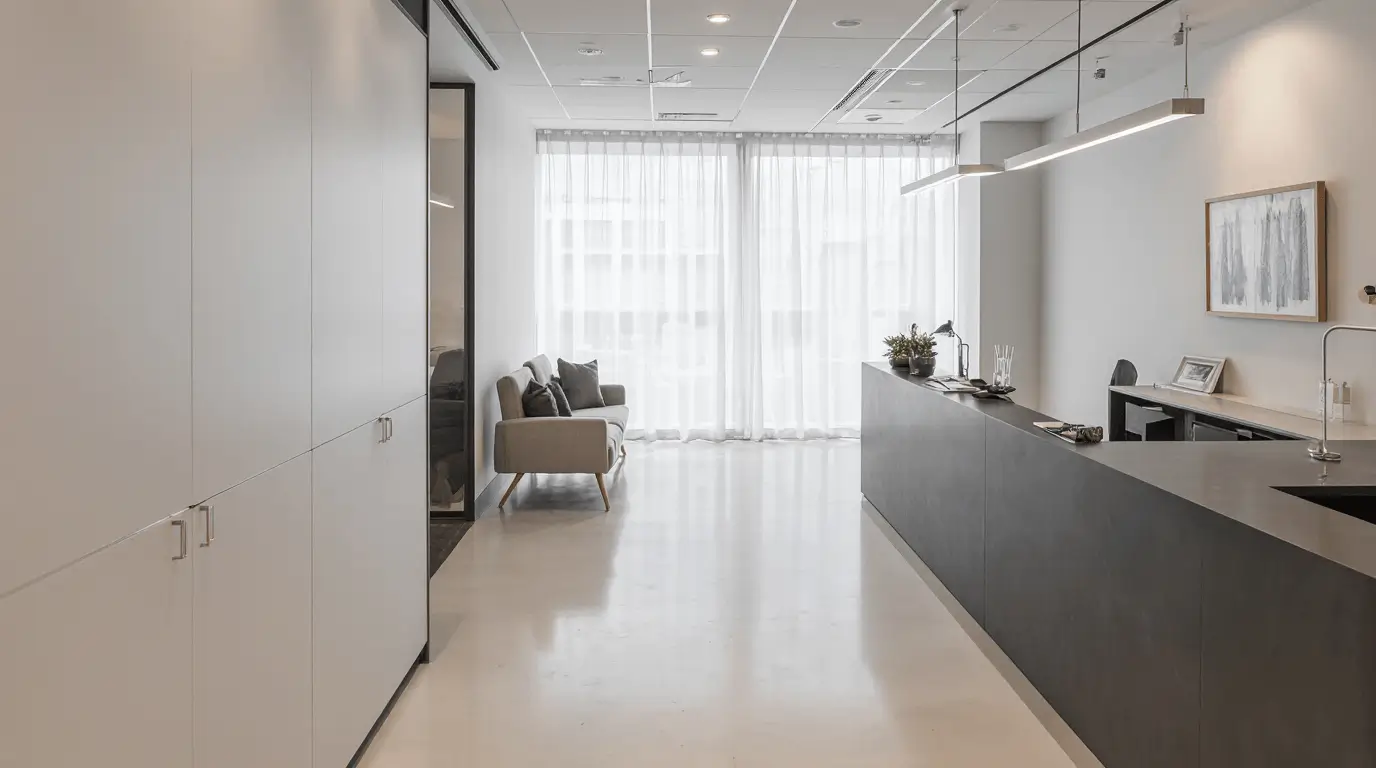
Doctors Office Interior Design with Hygienic Materials
Material selection is critical. Surfaces must be easy to clean, durable, and resistant to wear while still looking refined.
Doctors Office Interior Design for Efficient Workflow
Good design supports staff movement and reduces friction in daily operations. Logical placement of rooms and equipment saves time and energy.
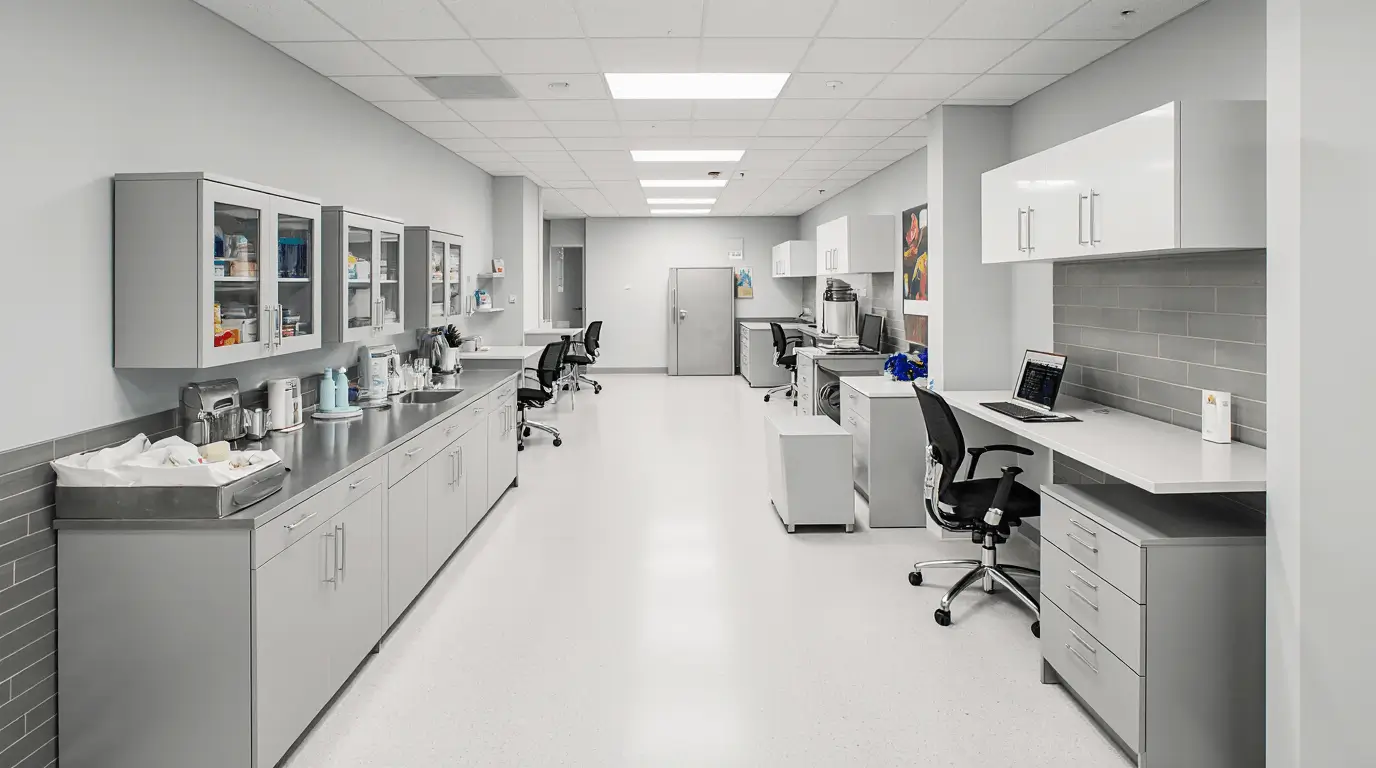
Doctors Office Interior Design for Patient Experience
Every detail—from scent to sound to lighting—contributes to how patients feel. The goal is to create a reassuring, human-centered environment.
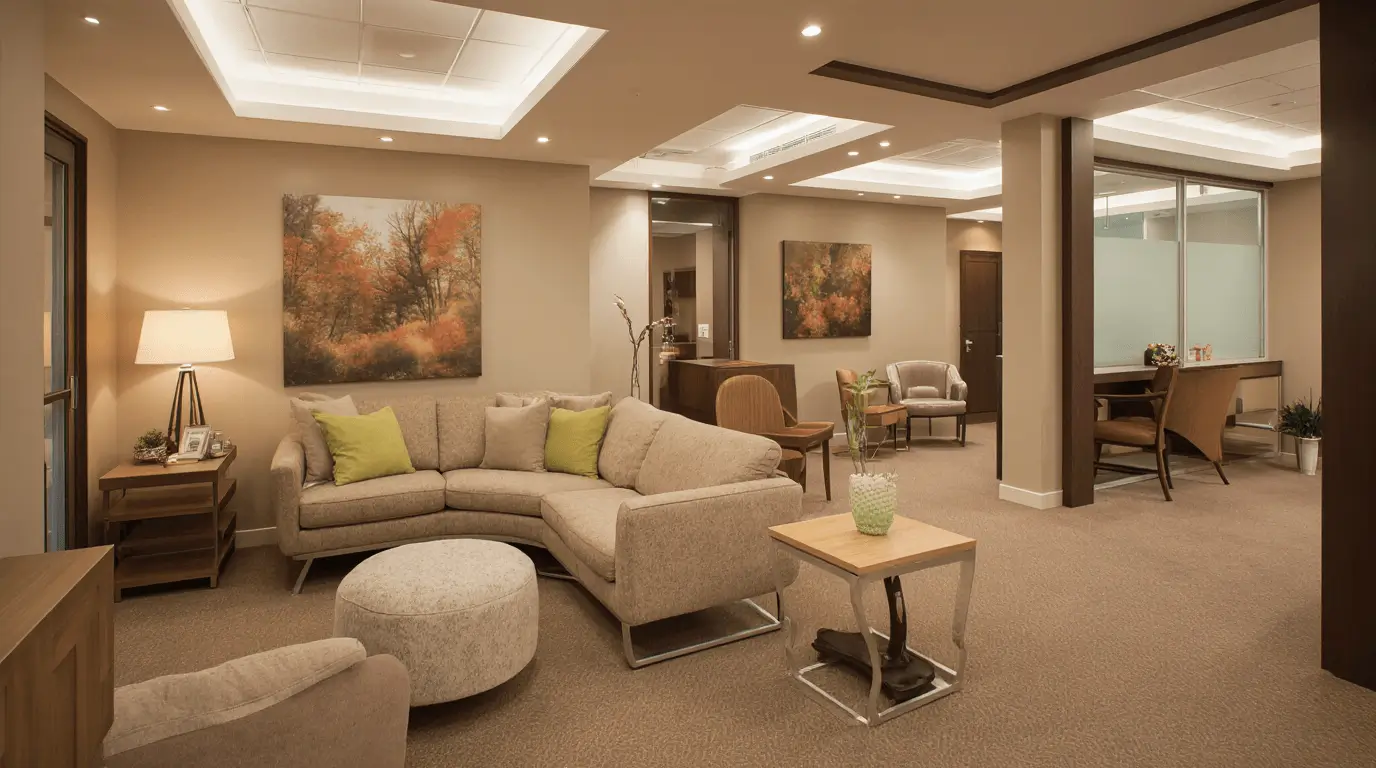
Doctors Office Interior Design with Flexible Spaces
Flexible rooms allow clinics to adapt over time. Multi-use spaces improve long-term functionality and scalability.
Conclusion
At its core, doctors office interior design is about more than creating a visually appealing space—it’s about shaping how people feel, behave, and trust the care they receive. When design is approached thoughtfully, it becomes a silent partner in healthcare: easing anxiety, improving workflow, and reinforcing professionalism without saying a word.
The most effective medical spaces don’t rely on trends or overly decorative elements. Instead, they focus on clarity, comfort, and intention. A well-planned layout reduces friction for staff, while calming colors, natural materials, and balanced lighting help patients feel at ease from the moment they walk in. These choices aren’t accidental—they’re grounded in real-world experience and an understanding of how environments influence human behavior.
This approach benefits everyone involved. Patients feel more relaxed and confident in their care, staff work more efficiently in a supportive environment, and the overall practice presents itself as organized, modern, and trustworthy. Whether you’re designing a new clinic or refining an existing one, the key is to prioritize function first, then layer in warmth and personality in a way that feels natural and cohesive.
If you move forward with that mindset—designing for people, not just spaces—you’ll create a medical environment that works seamlessly every day, for years to come.
Learn more : Period Property Interior Design: Elegant Timeless Ideas
FAQs
- What is the most important factor in doctors office interior design?
The most important factor is balance—creating a space that feels both clinically safe and emotionally comfortable. Patients need to trust the environment, while staff need efficiency and practicality. A design that supports both will always perform better in the long run.
- How can a medical office feel less intimidating for patients?
Small changes make a big difference. Soft lighting, neutral color palettes, comfortable seating, and natural elements like plants or wood textures help reduce stress. Avoid overly harsh lighting or sterile, cold finishes where possible.
- What colors work best in a doctor’s office?
Calming tones such as soft blues, greens, warm whites, and muted neutrals are ideal. These colors are known to promote relaxation and trust, which is especially important in healthcare environments.
- How do you design a small medical office effectively?
Focus on efficiency and openness. Use light colors, streamlined furniture, and smart storage solutions to avoid clutter. Keeping pathways clear and layouts simple helps the space feel larger and more functional.
- Why is layout planning so critical in a medical office?
A well-planned layout improves both patient experience and staff workflow. It reduces confusion, maintains privacy, and ensures that daily operations run smoothly without unnecessary movement or delays.
- What type of furniture is best for a doctor’s office?
Furniture should be durable, easy to clean, and ergonomically designed. At the same time, it should feel comfortable and welcoming—especially in waiting areas where patients may spend time.
- How can design improve patient trust and satisfaction?
Patients often judge the quality of care based on their surroundings. A clean, organized, and thoughtfully designed space signals professionalism and attention to detail, which naturally builds confidence and trust.





One Response