
Introduction
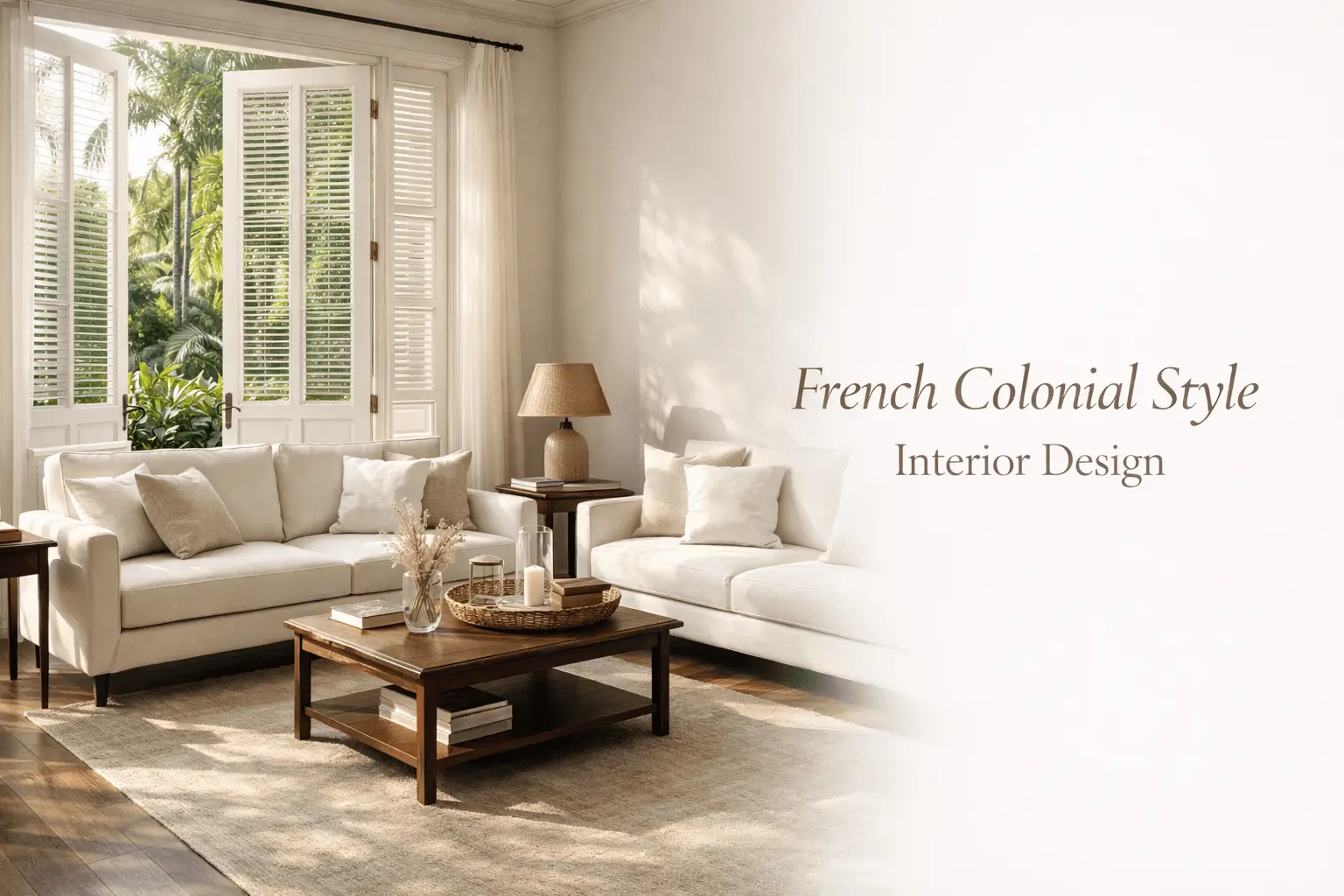
French colonial style interior design is one of those rare aesthetics that feels both refined and relaxed—layered with history, yet incredibly livable. Rooted in the blending of classic French elegance with tropical colonial influences, this style evolved across regions like Southeast Asia, the Caribbean, and parts of Africa, where European sensibilities met local materials and climates.
What makes french colonial style interior design so compelling is its balance. You’ll see symmetry and sophistication from French traditions paired with airy layouts, natural textures, and climate-adapted features like shutters, rattan, and linen. In my experience, this style works beautifully for anyone who wants a home that feels curated but not rigid—elevated, yet deeply comfortable.
Below are the essential design clusters that define this timeless interior approach.
French Colonial Style Interior Design Living Room Foundations
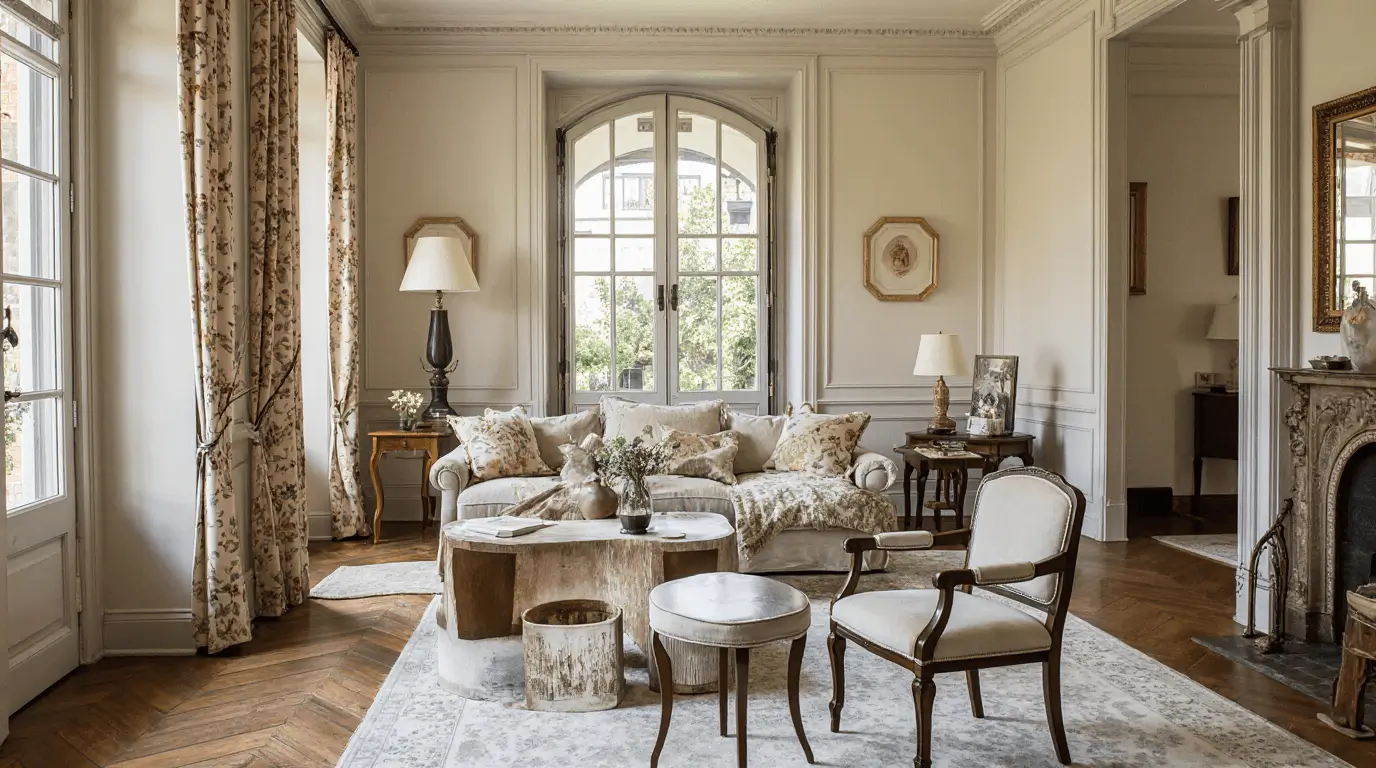
A french colonial living room centers around openness, symmetry, and breathable elegance. Furniture is arranged intentionally, often with a focal point like a fireplace or large window.
Natural materials soften the structure, creating a relaxed yet composed atmosphere.
French Colonial Style Interior Design Color Palette
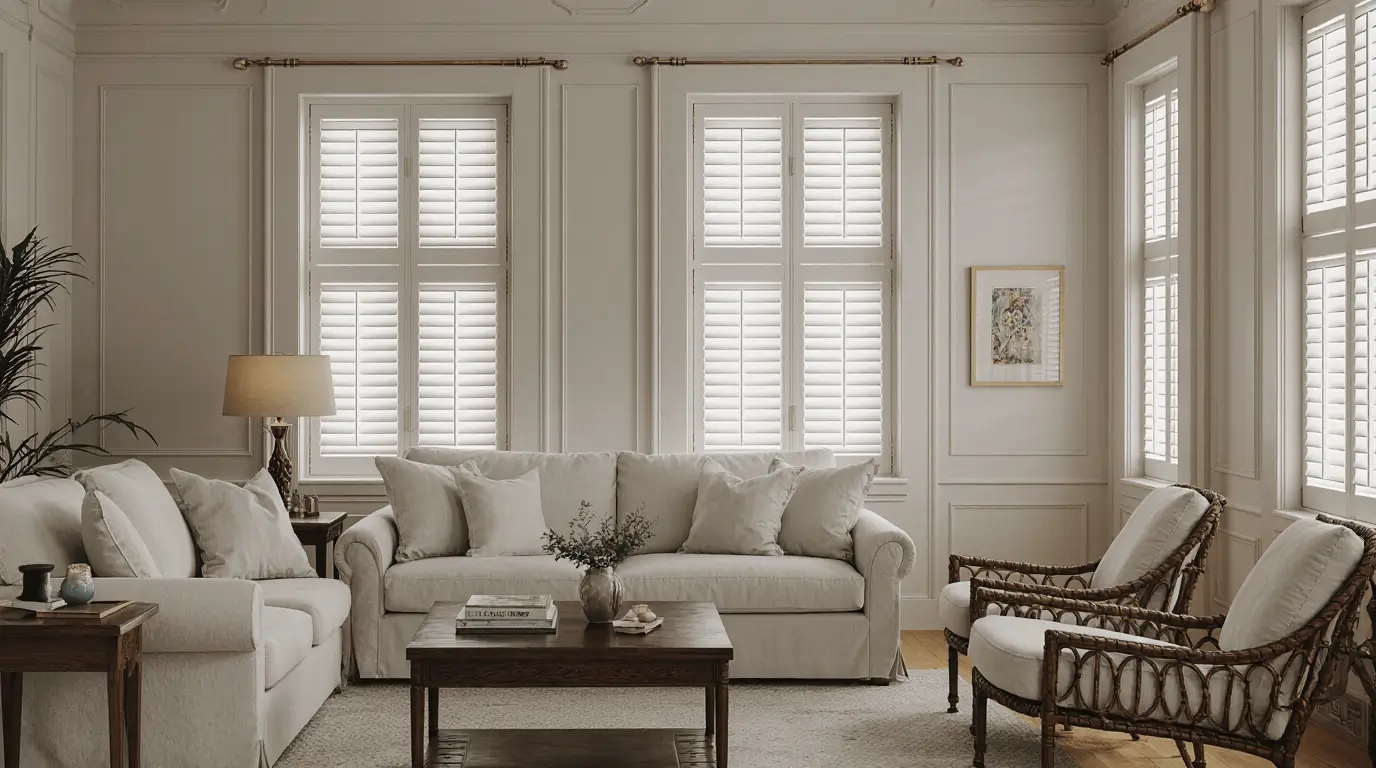
The palette is grounded in warm neutrals—creams, soft whites, muted beiges—layered with earthy browns and subtle tropical greens.
This restrained color scheme reflects both French sophistication and climate-conscious design.
French Colonial Style Interior Design Furniture Selection
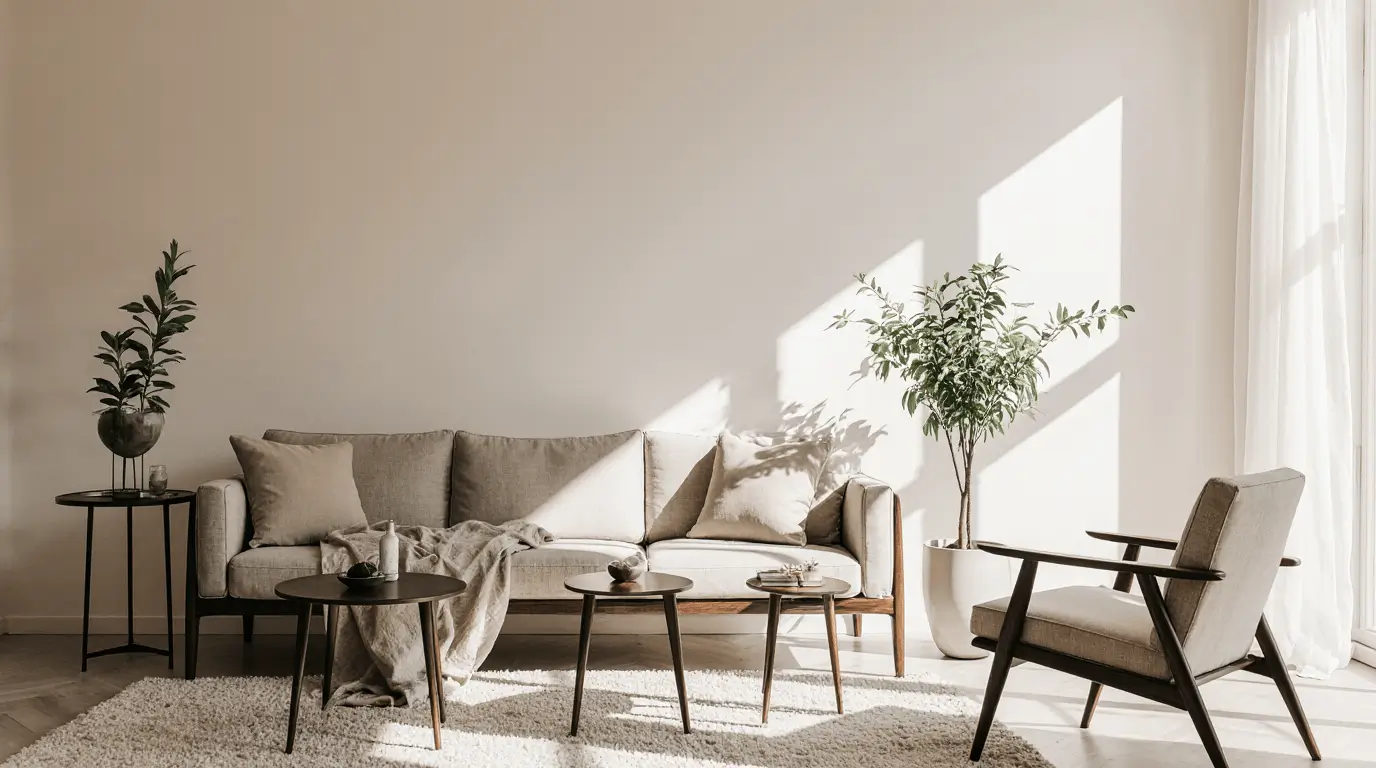
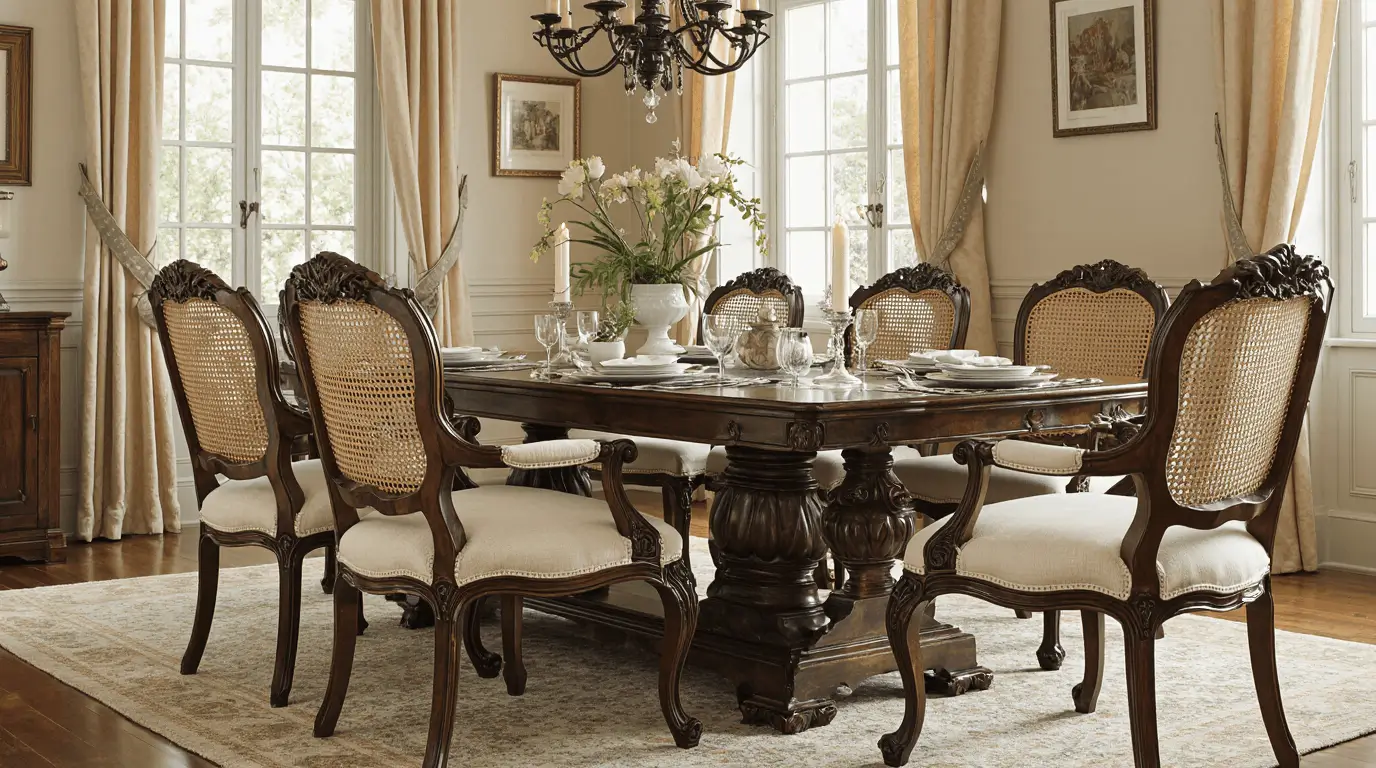
Furniture blends classic French silhouettes with colonial practicality—think carved wood chairs, cane-backed seating, and sturdy teak tables.
Pieces feel substantial but never heavy, often elevated on legs to maintain airflow and visual lightness.
French Colonial Style Interior Design Natural Materials
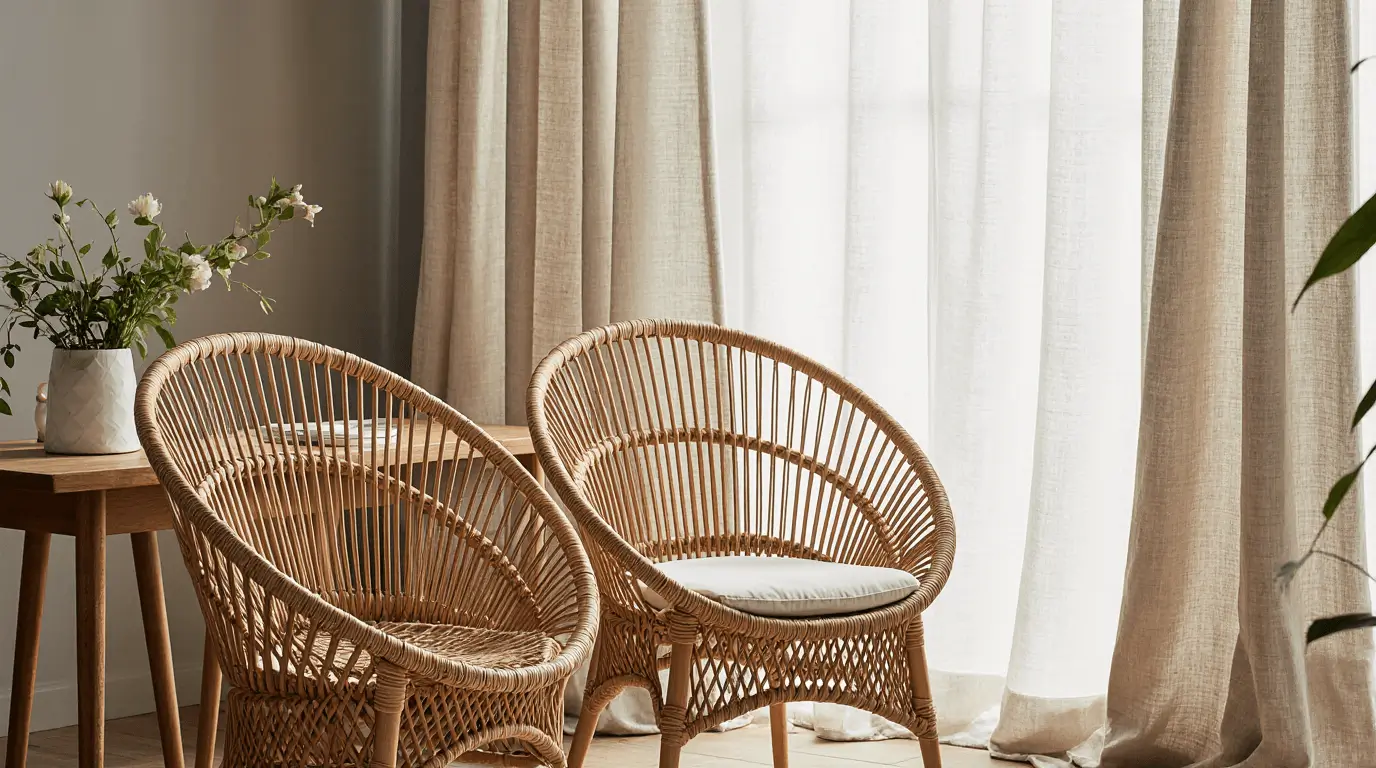
Materials like rattan, bamboo, teak, and linen define the tactile experience. These choices were historically driven by climate but now serve as a signature aesthetic.
They bring warmth, texture, and authenticity to the space.
French Colonial Style Interior Design Architecture Elements
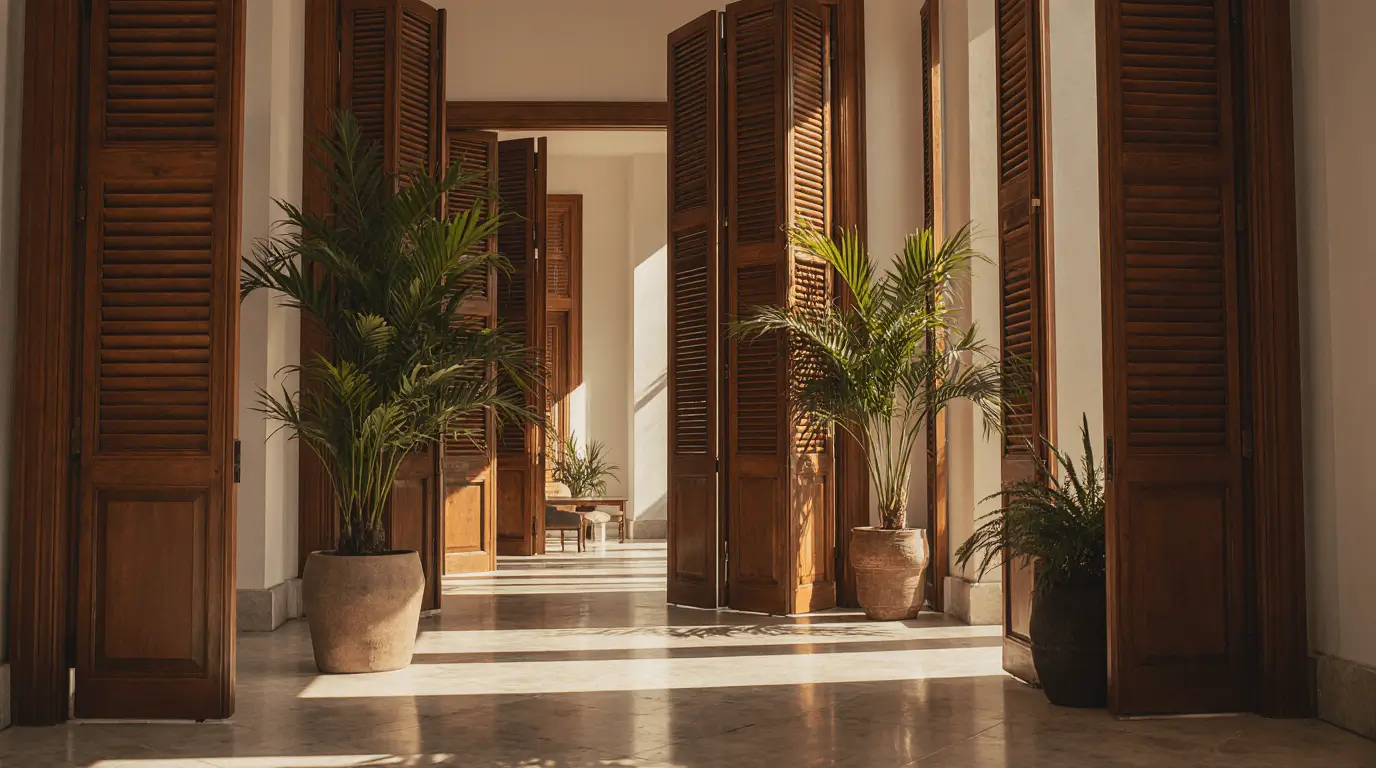
High ceilings, tall doors, and large shuttered windows are essential. These features promote airflow and create that signature airy openness.
Architectural symmetry ties back to French influence while remaining functional.
French Colonial Style Interior Design Flooring Choices
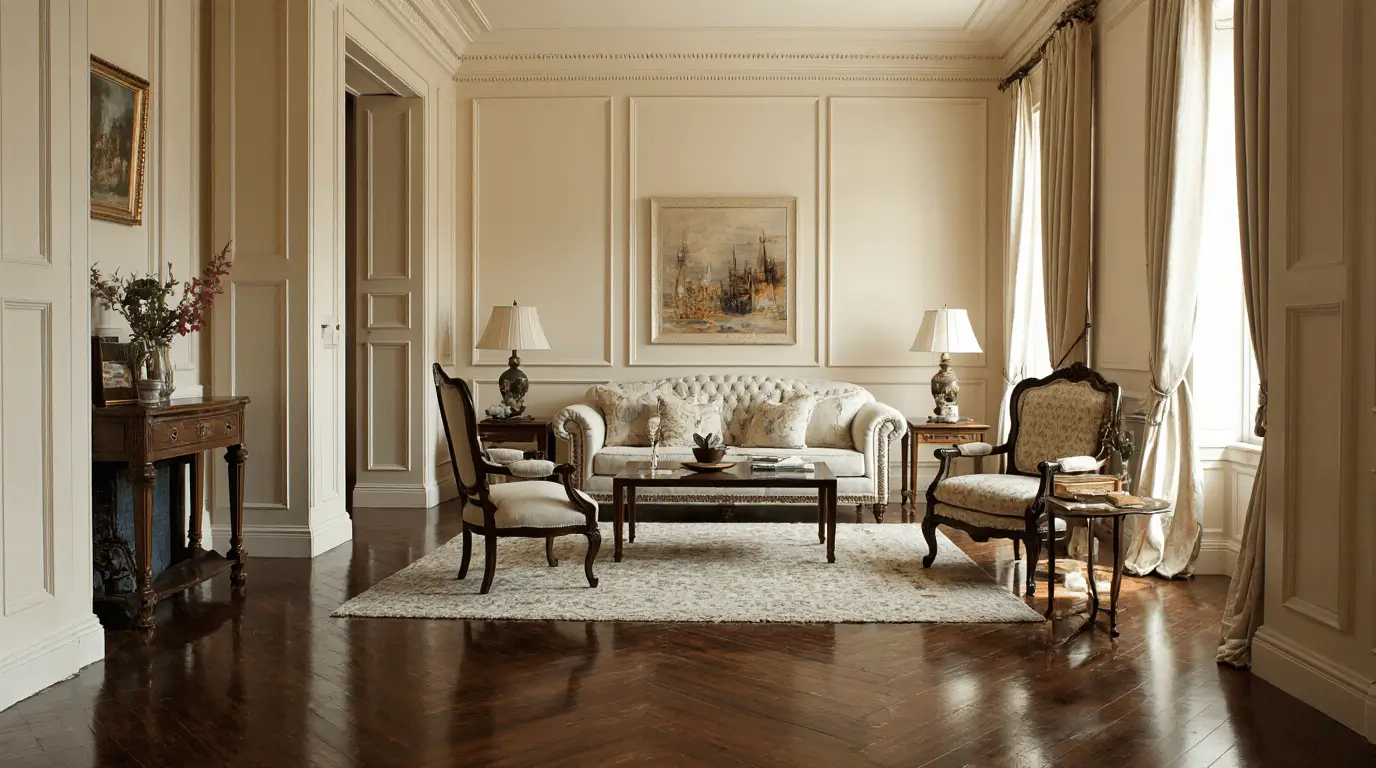
Dark hardwood floors or natural stone tiles ground the space. They contrast beautifully with lighter walls and furnishings.
This contrast adds depth while maintaining visual balance.
French Colonial Style Interior Design Lighting Approach
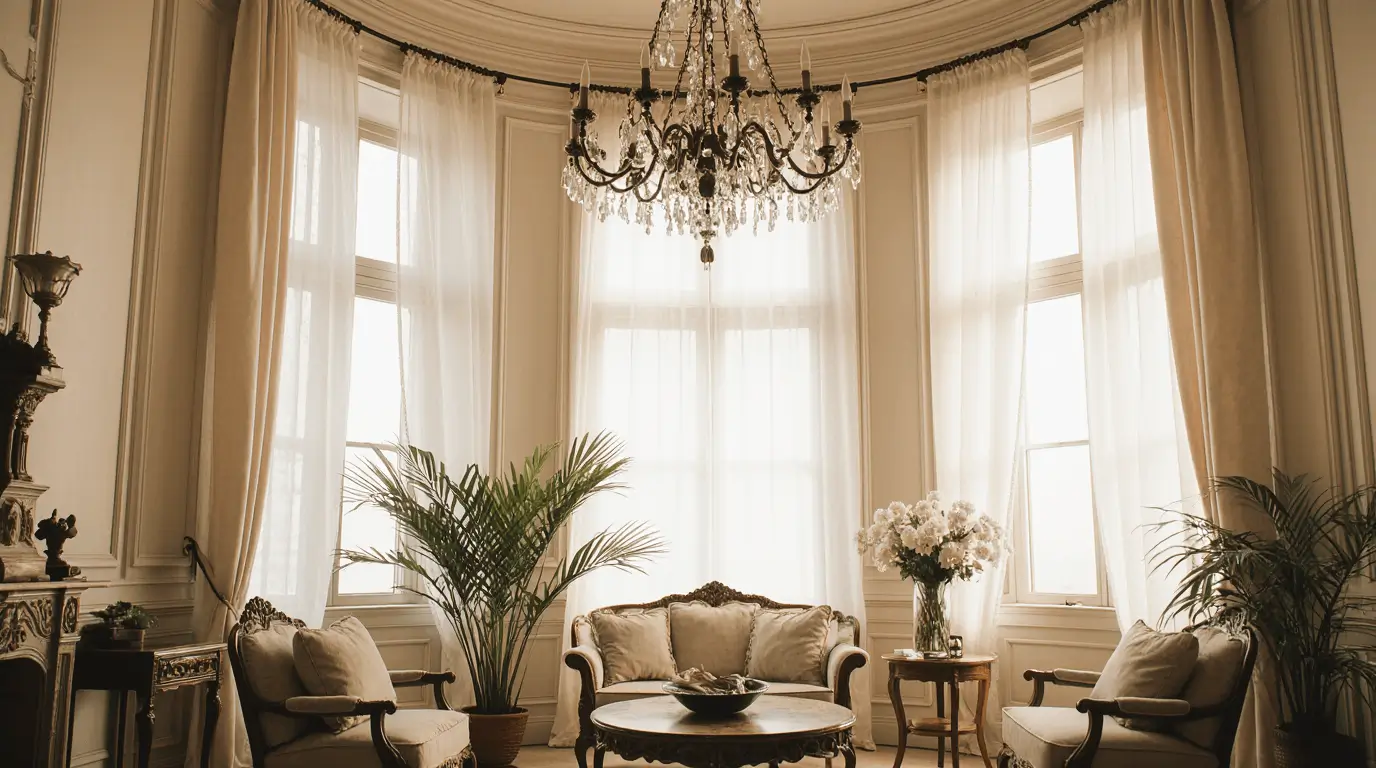
Lighting is soft and layered—natural daylight is the hero, complemented by warm ambient fixtures like chandeliers or lantern-style pendants.
Nothing feels harsh; everything is gently diffused.
French Colonial Style Interior Design Textiles and Fabrics
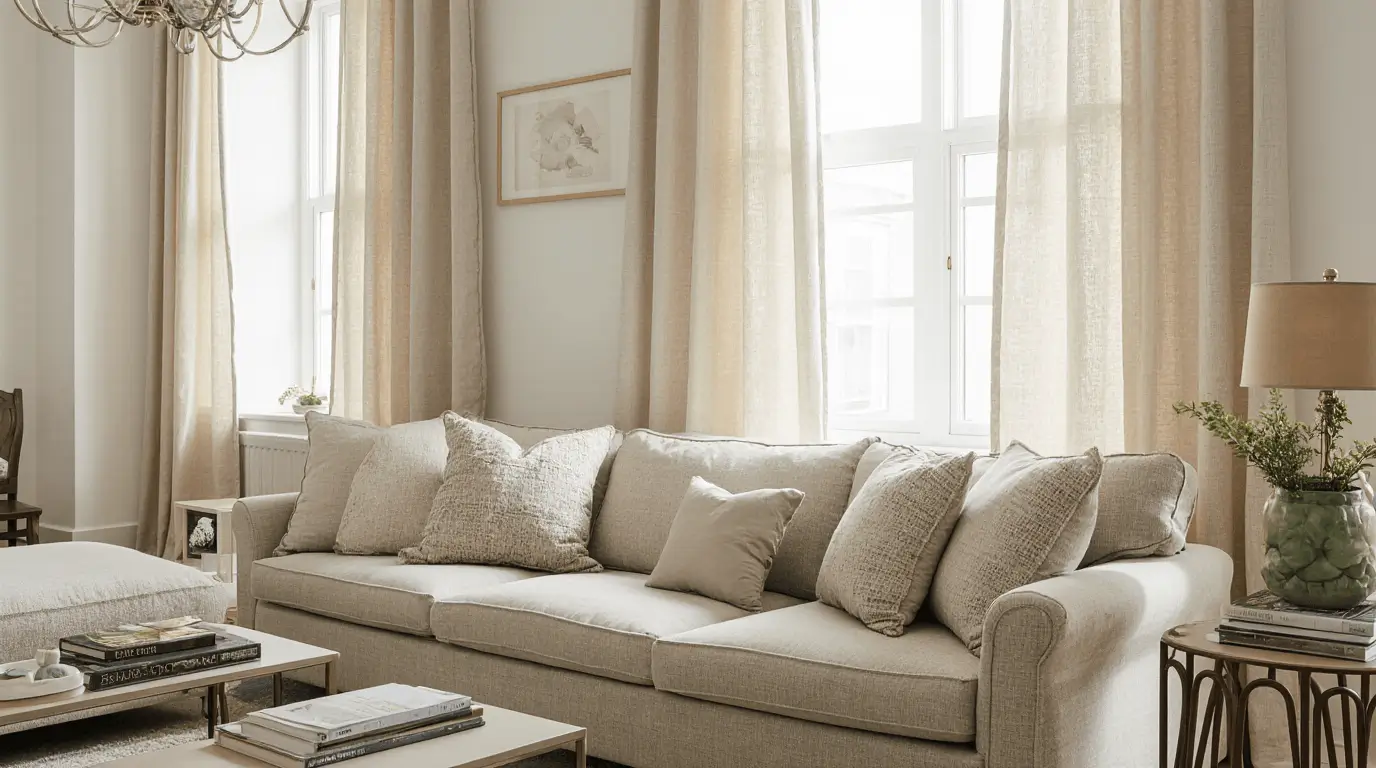
Lightweight fabrics like linen and cotton dominate. Upholstery is breathable, often in neutral tones with subtle patterns.
This keeps the space comfortable in warmer climates while maintaining elegance.
French Colonial Style Interior Design Tropical Influence
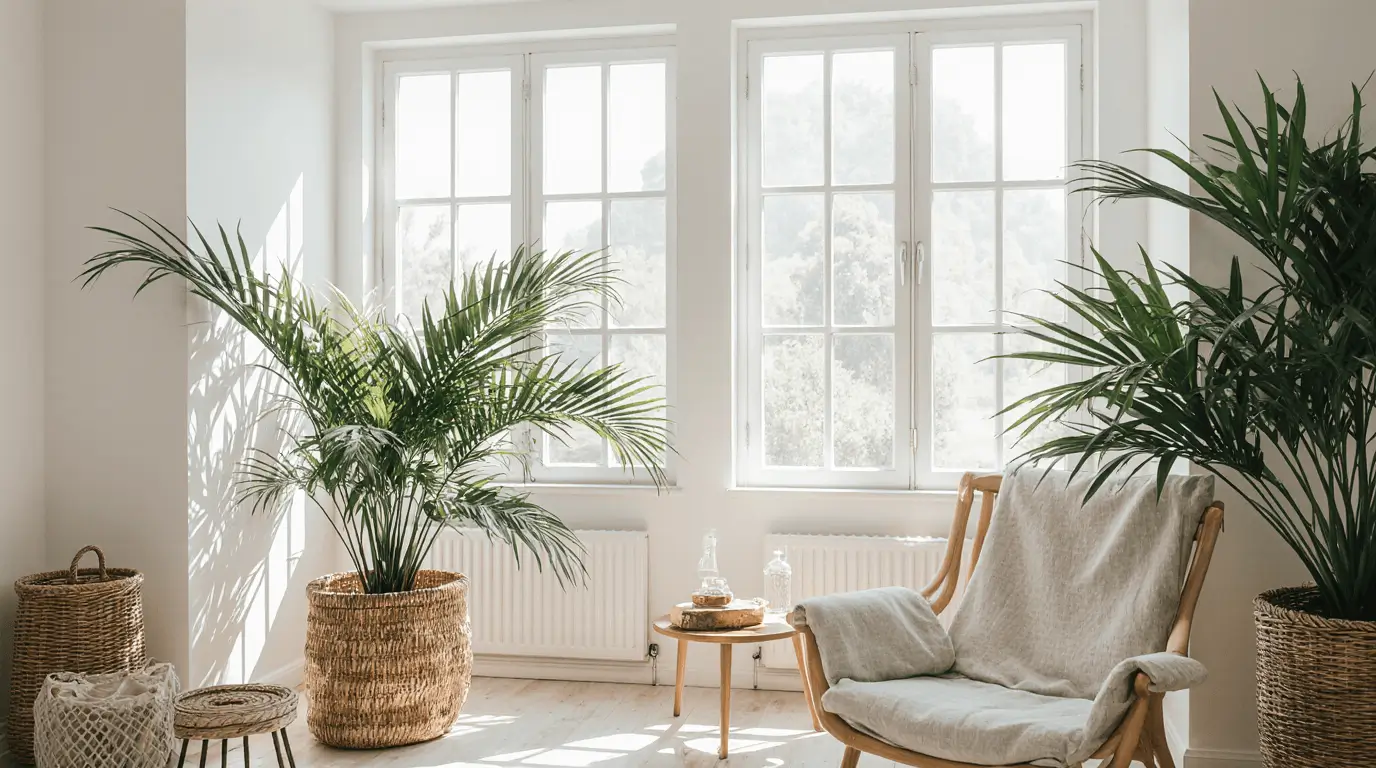
Palm leaves, indoor plants, and nature-inspired motifs subtly connect interiors to the outdoors.
This influence prevents the space from feeling overly formal or static.
French Colonial Style Interior Design Bedroom Styling
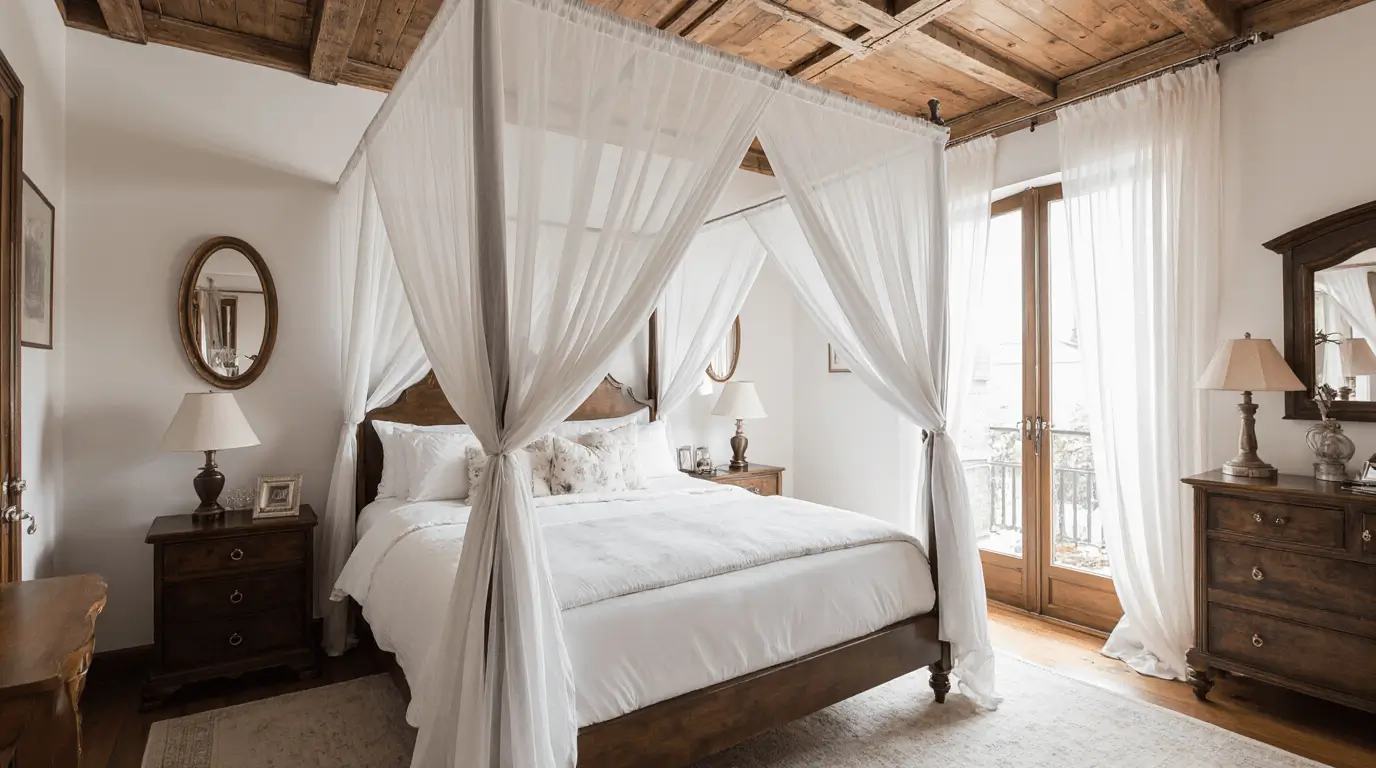
Bedrooms lean toward calm luxury—canopy beds, sheer drapes, and minimal ornamentation.
The goal is restful elegance rather than visual complexity.
French Colonial Style Interior Design Dining Spaces
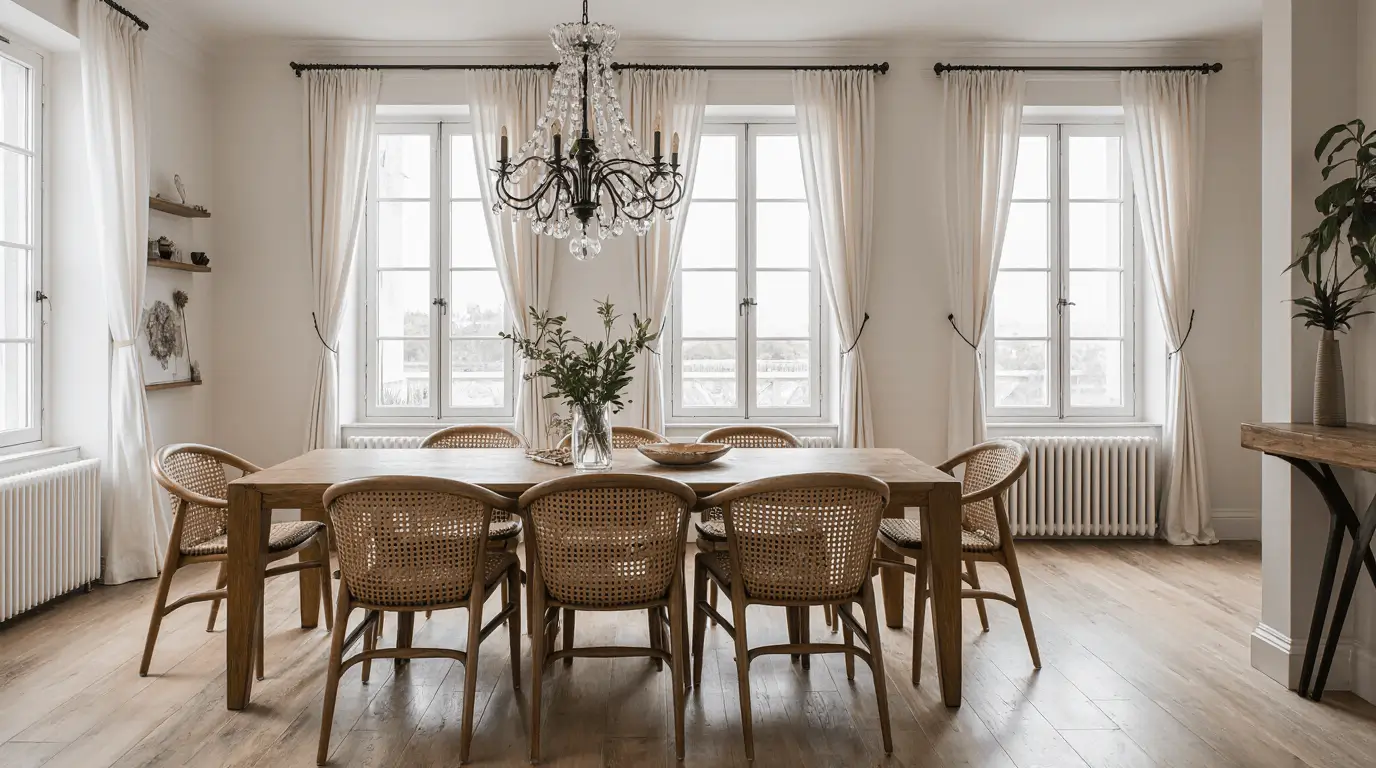
Dining areas often feature long wooden tables, simple yet elegant chairs, and open layouts.
They encourage gathering while maintaining a sense of understated refinement.
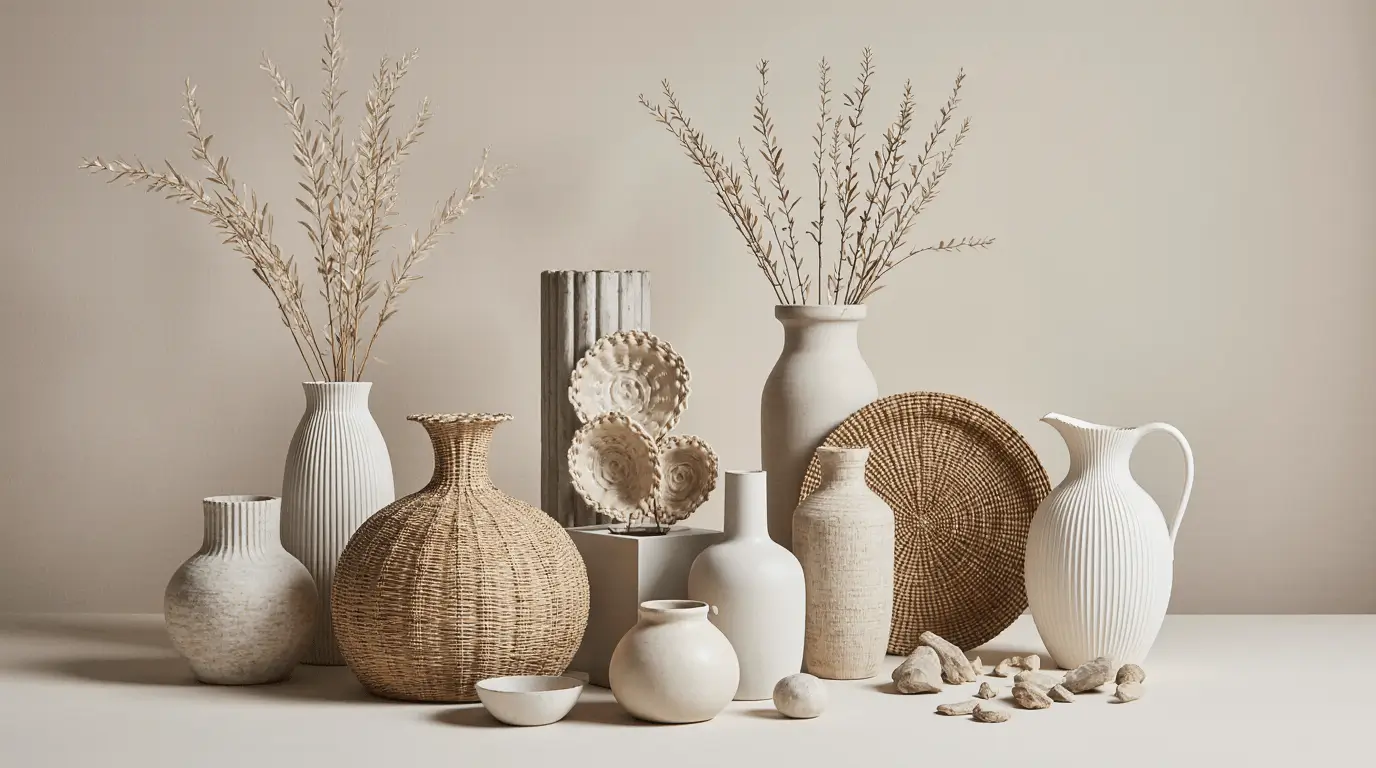
French Colonial Style Interior Design Decorative Accents
Décor is curated and minimal—ceramics, antique pieces, woven baskets, and subtle artwork.
Each item feels intentional rather than decorative clutter.
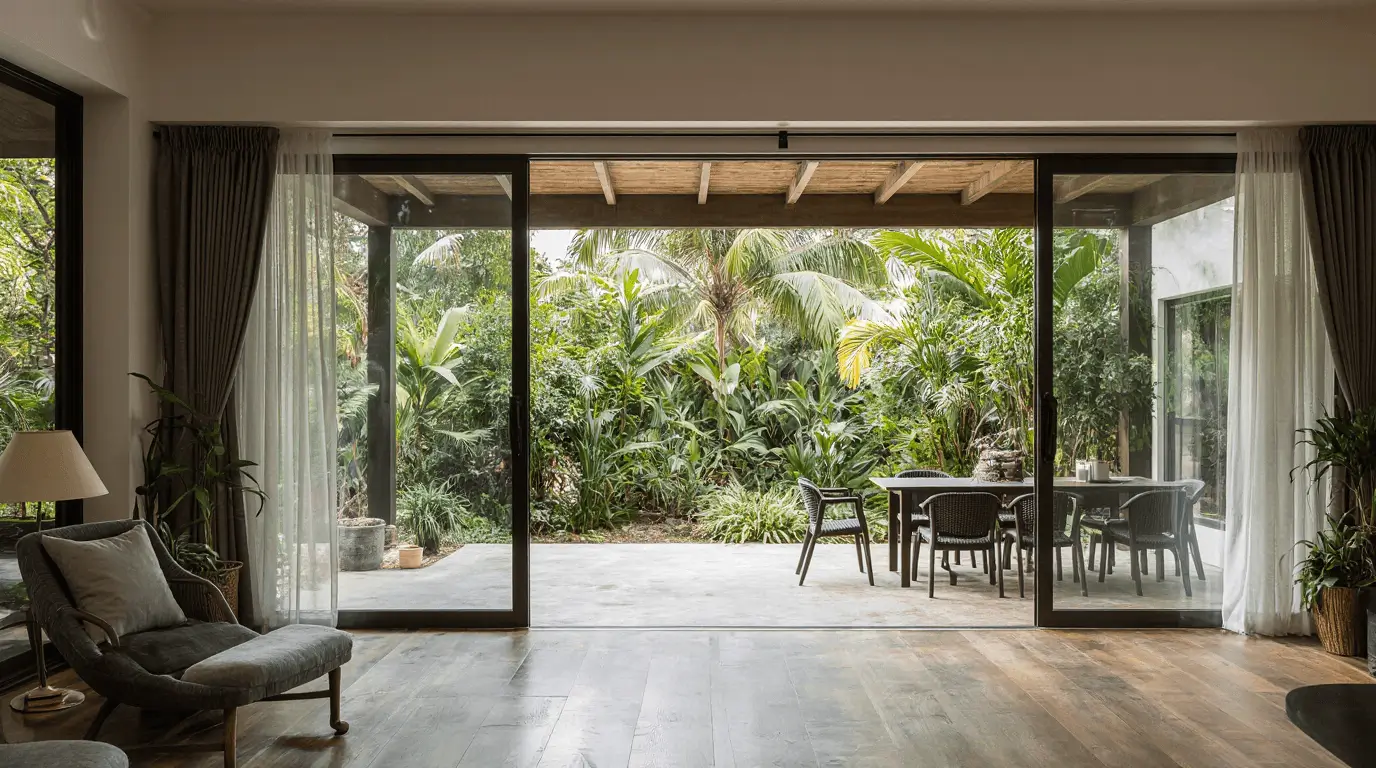
French Colonial Style Interior Design Indoor-Outdoor Flow
Spaces often blur the line between indoors and outdoors through verandas, open doors, and natural transitions.
This creates a lifestyle-oriented design rather than just visual appeal.
Modern French Colonial Interior Design Interpretation
Modern versions simplify the style—cleaner lines, fewer ornate details, and a more minimal approach while retaining core materials and openness.
It’s ideal for contemporary homes seeking warmth without heaviness.
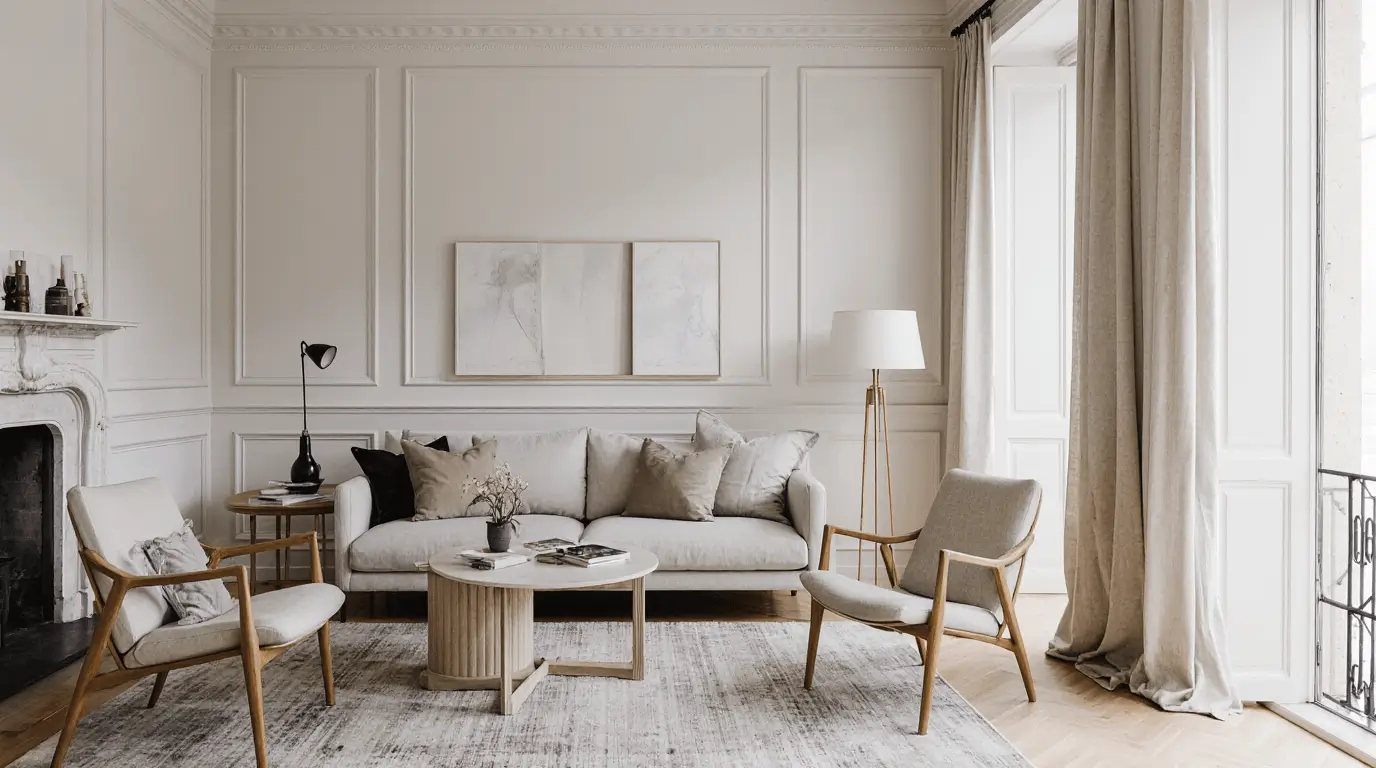
French Colonial Style Interior Design Wall Treatments
Walls are typically kept simple—plaster finishes, soft paint tones, or subtle paneling.
This restraint allows furniture and textures to stand out.

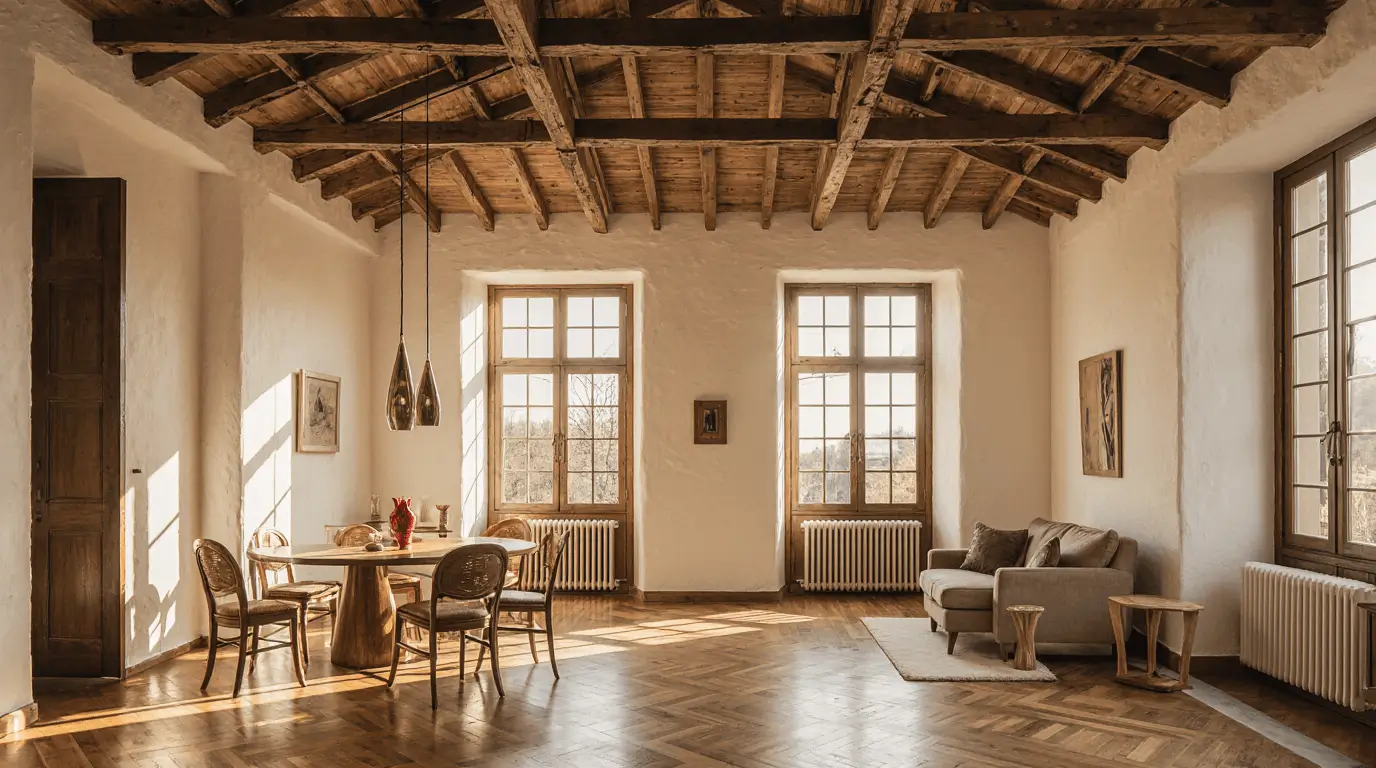
French Colonial Style Interior Design Ceiling Details
Ceilings often feature exposed wooden beams or remain high and clean to emphasize space.
This adds architectural interest without overwhelming the room.
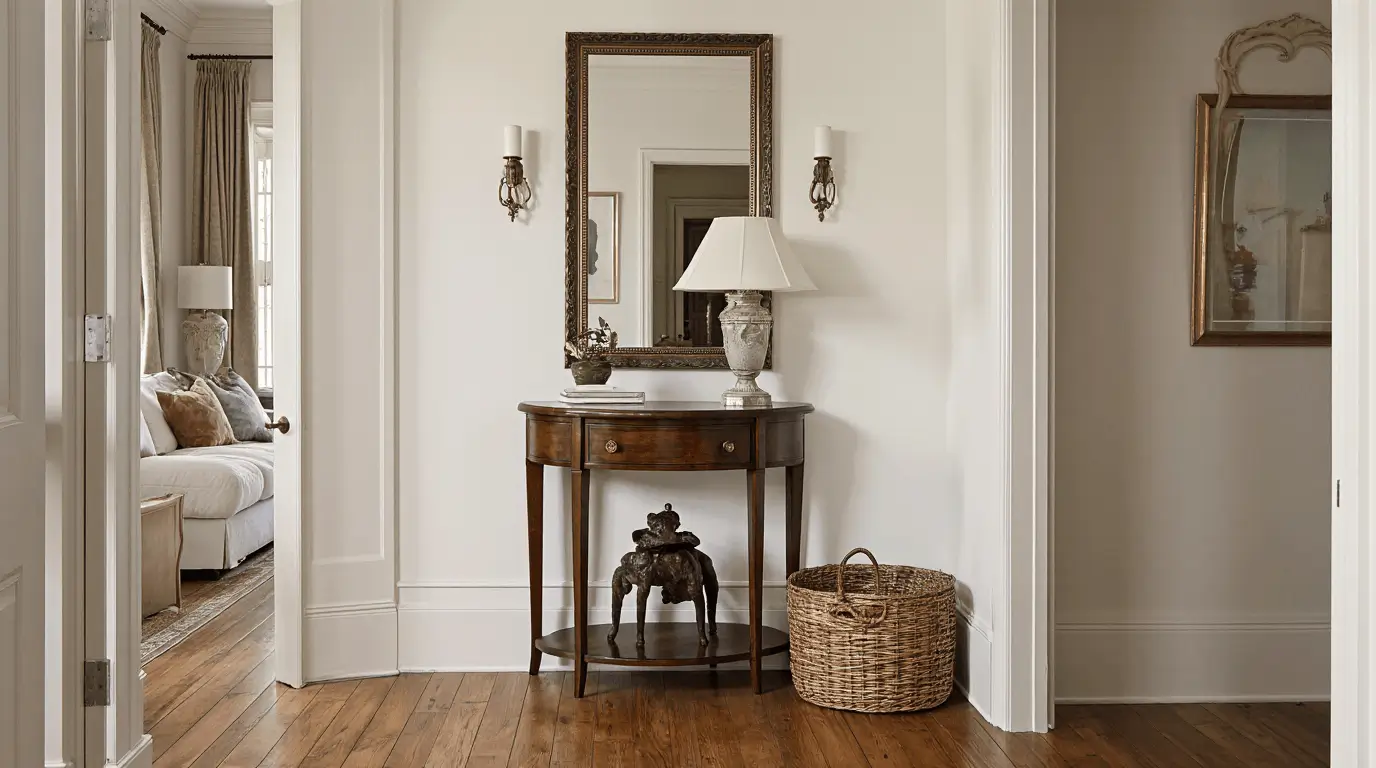
French Colonial Style Interior Design Entryway Design
Entryways are welcoming yet understated—often featuring wooden consoles, mirrors, and natural textures.
They set the tone for the entire home: elegant, breathable, and grounded.
French Colonial Style Interior Design Balance and Philosophy
At its core, this design style is about harmony—between elegance and ease, structure and softness, tradition and environment.
When done right, it doesn’t just look beautiful—it feels right to live in.
Conclusion
French colonial style interior design works because it isn’t trying to impress at first glance—it’s designed to feel right over time. The balance of structure and softness, elegance and ease, creates spaces that are not only visually refined but genuinely livable. In practice, it’s a style that adapts beautifully to modern life: open layouts that breathe, materials that age gracefully, and a palette that remains calm even as trends shift around it.
What I’ve found is that this approach resonates most with people who value quiet sophistication over statement-driven design. It suits homes where comfort matters just as much as appearance—where you want to relax, host, and live fully without feeling like the space is too precious or overly styled. The combination of natural materials, thoughtful proportions, and restrained detailing makes it surprisingly versatile, whether you’re working with a large home or a more compact space.
If you’re moving toward french colonial style interior design, start with the fundamentals: simplify your palette, invest in a few well-made natural pieces, and prioritize light and airflow. From there, layer in texture and subtle character rather than decoration for its own sake. When done with intention, the result isn’t just a cohesive interior—it’s a home that feels grounded, timeless, and effortlessly welcoming.
Learn more : Pink and Blue Interior Design: 15 Stylish Ideas
FAQs
- What defines french colonial style interior design compared to French country style?
While both share French roots, french colonial style interior design is more influenced by tropical climates and colonial history. It emphasizes airflow, lighter textiles, and natural materials like rattan and teak, whereas French country leans more rustic, decorative, and rooted in rural European tradition. - Can this style work in modern homes or apartments?
Yes, and often very well. The key is focusing on the principles rather than strict historical details—use neutral palettes, natural textures, and clean-lined furniture. Even in smaller spaces, the emphasis on openness and light can make rooms feel larger and more relaxed. - What materials are essential to achieve an authentic look?
Prioritize breathable, organic materials—linen, cotton, wood (especially teak or darker finishes), and woven elements like rattan or cane. These materials aren’t just aesthetic choices; they create the texture and warmth that define the style. - How do I avoid making the space feel too traditional or outdated?
Keep ornamentation minimal and avoid overloading with antique pieces. Mix classic elements with simpler, modern forms, and let the materials and layout do most of the work. A restrained approach keeps the space feeling current and intentional. - Is french colonial style interior design suitable for cooler climates?
It can be adapted easily. While the style originated in warm regions, you can incorporate cozier layers—like textured rugs or slightly heavier fabrics—while maintaining the overall lightness and balance that define the aesthetic. - What’s the biggest mistake people make with this style?
Over-decorating. This style relies on restraint and proportion. Adding too many accessories or overly ornate pieces can disrupt the calm, breathable feeling that makes it so appealing. - Where should I start if I’m redesigning my home in this style?
Start with the foundation: simplify your color palette, improve natural light where possible, and choose one or two key furniture pieces that reflect the style. Once the base feels right, layering becomes much easier and more cohesive.



One Response