
Introduction
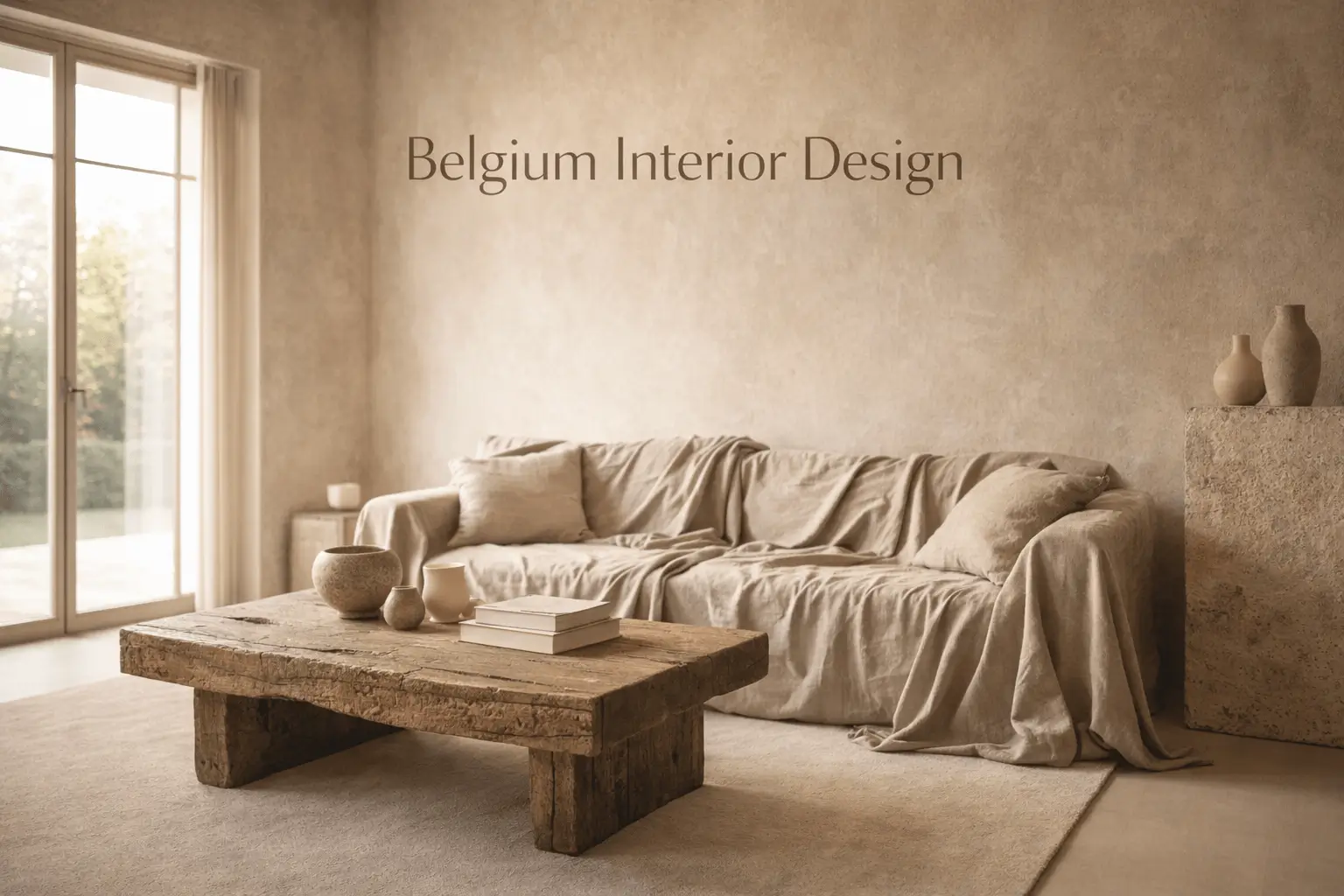
Belgium interior design has quietly become one of the most influential aesthetics in modern interiors—yet it rarely announces itself loudly. Instead, it leans into restraint, material honesty, and a lived-in elegance that feels both architectural and deeply human. Rooted in European heritage but shaped by contemporary minimalism, this design approach is less about decoration and more about atmosphere.
What makes Belgium interior design distinctive is its ability to blend opposites: rustic and refined, minimal yet warm, structured yet relaxed. Designers like Axel Vervoordt and Vincent Van Duysen have defined this language—favoring natural materials, muted palettes, and spaces that feel intentional rather than styled. It’s not about filling a room; it’s about creating quiet, meaningful environments that age beautifully.
Belgium Interior Design Style Foundations
Belgium interior design is built on simplicity, proportion, and authenticity. Spaces are curated rather than decorated, with every element serving a purpose. The focus remains on timelessness over trends, creating interiors that feel enduring and calm.
Belgian Minimalism Interior Design Approach
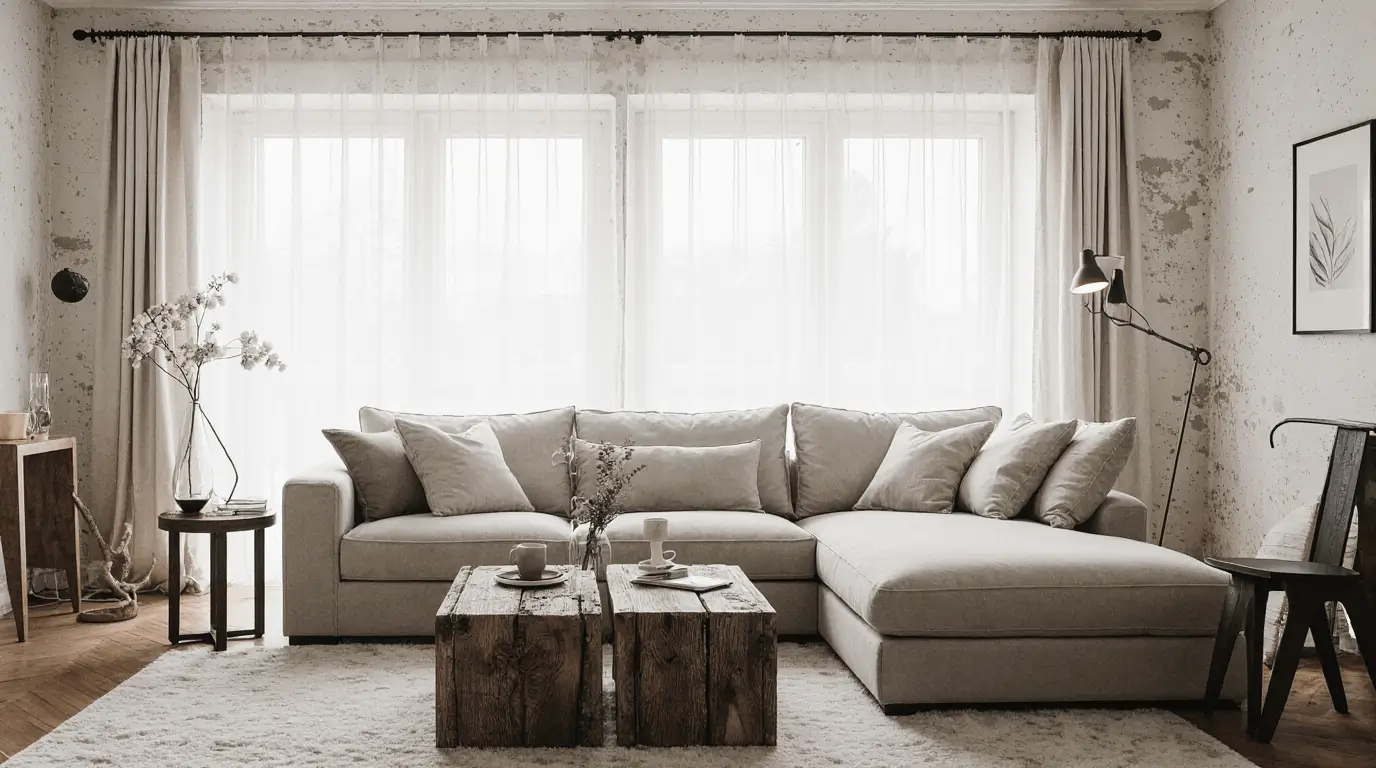
Unlike stark minimalism, Belgian minimalism feels soft and livable. It removes excess but retains warmth through texture, layering, and subtle imperfections that add depth and character.
Belgium Interior Design Color Palette
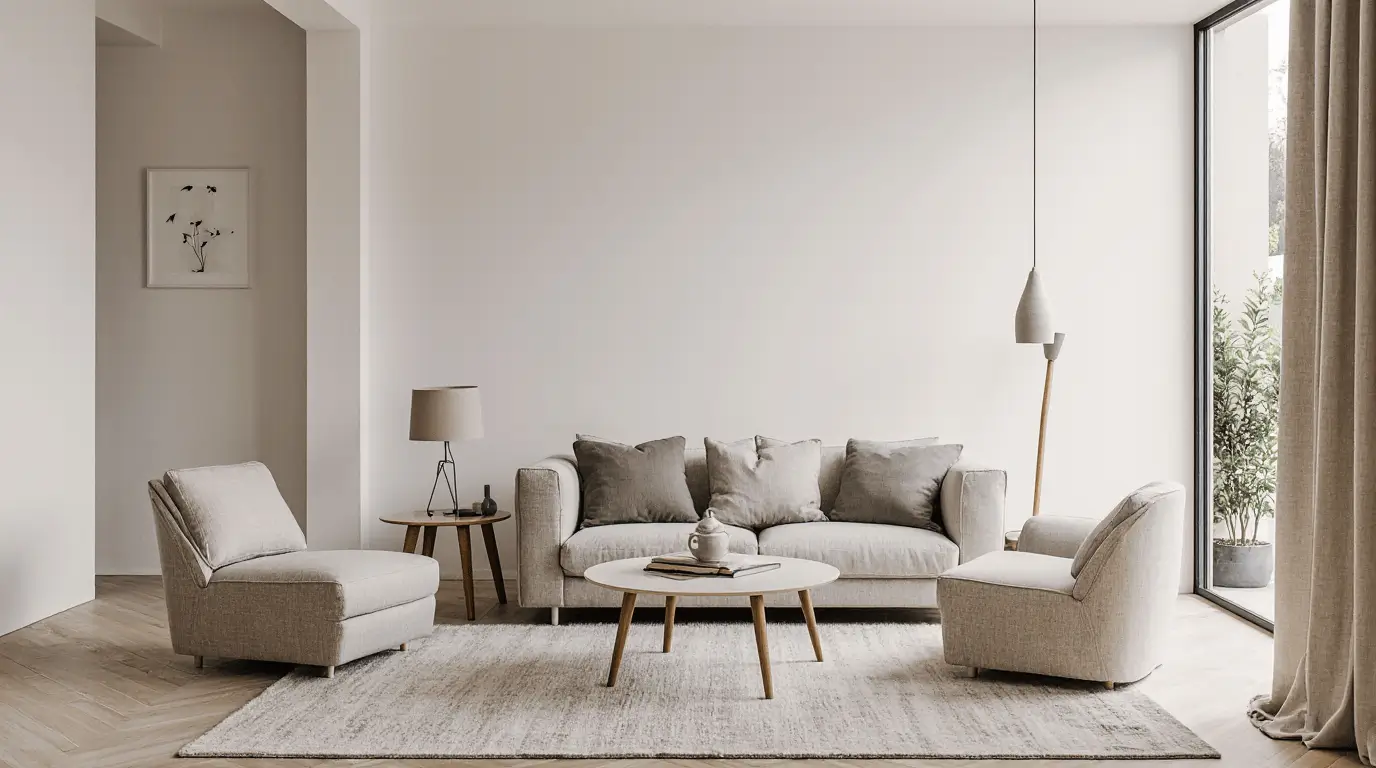
The palette is grounded in earthy neutrals—warm whites, greys, taupes, and muted browns. These tones create a cohesive backdrop that enhances natural light and highlights material textures.
Belgian Interior Design Materials and Textures
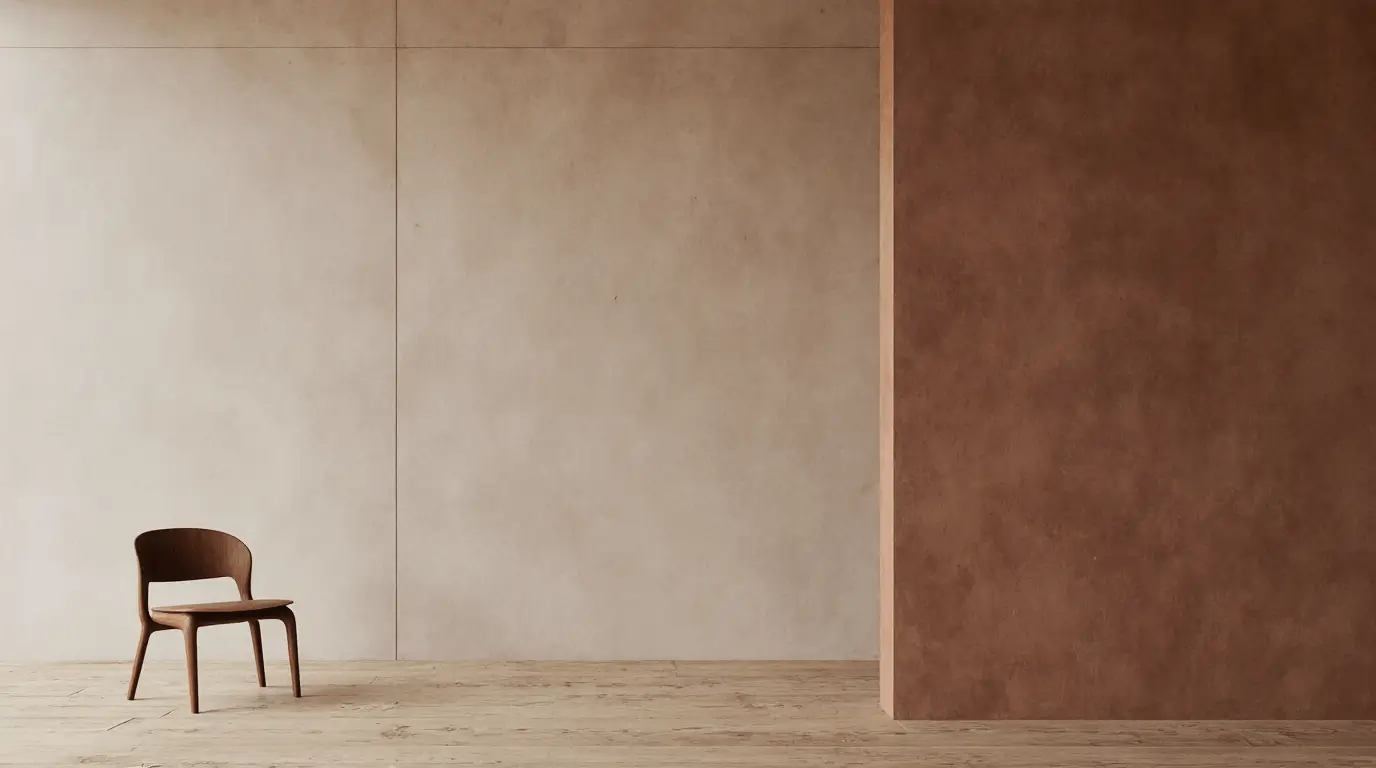
Materials define the space: raw wood, stone, linen, plaster, and metal. Surfaces are often matte and tactile, emphasizing authenticity rather than shine or polish.
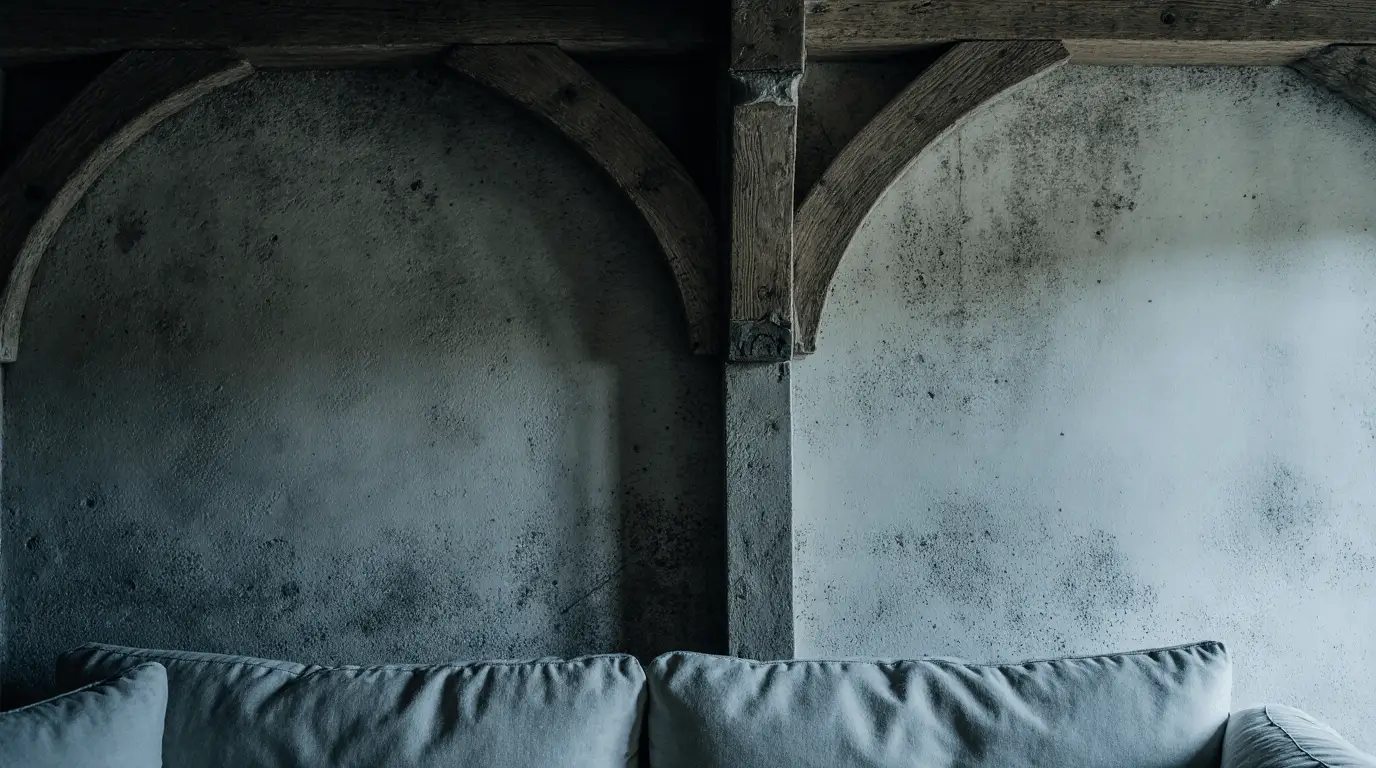
Belgium Interior Design Furniture Philosophy
Furniture is sculptural yet understated. Pieces are often low-profile, with clean lines and generous proportions that prioritize comfort without visual heaviness.
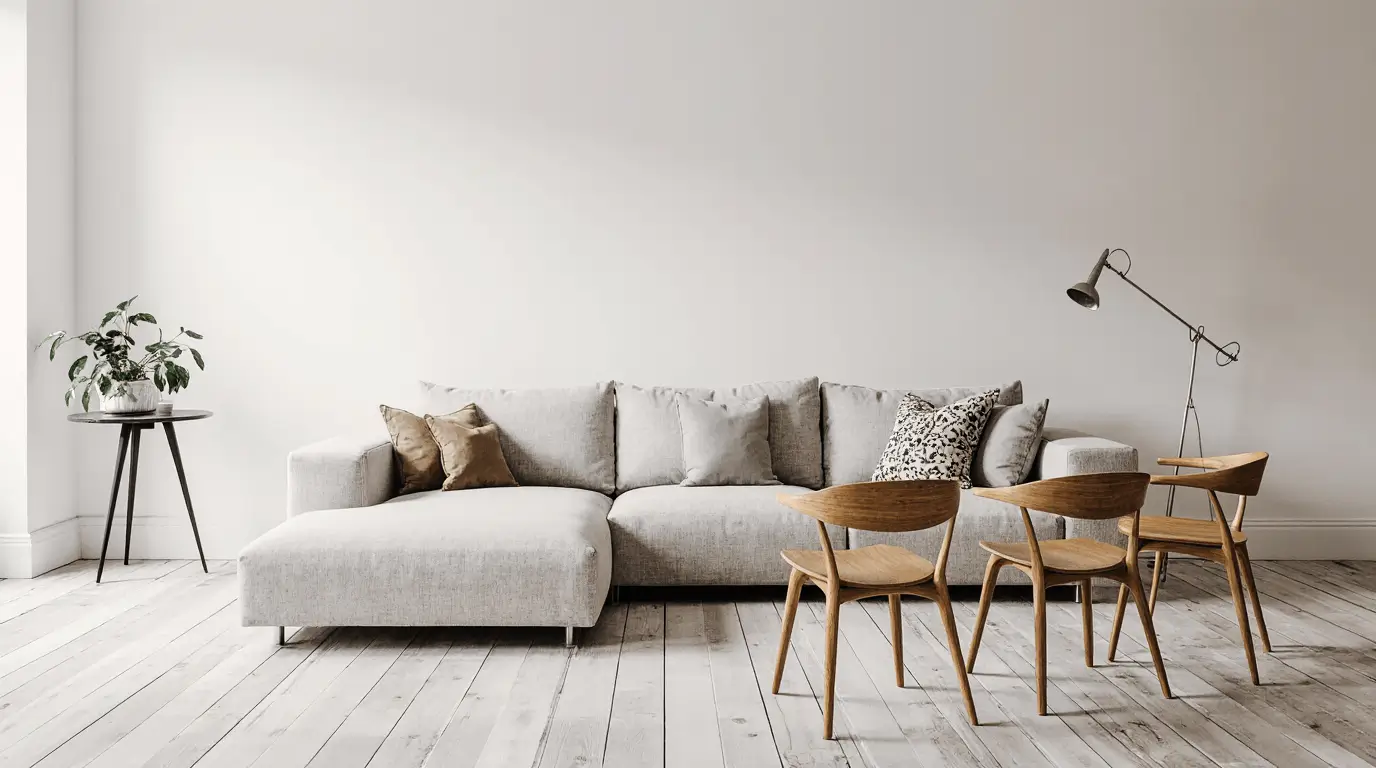
Axel Vervoordt Belgium Interior Design Influence
Axel Vervoordt is known for creating spaces that feel spiritual and timeless. His approach blends antiques with minimalism, focusing on harmony, silence, and emotional depth within interiors.
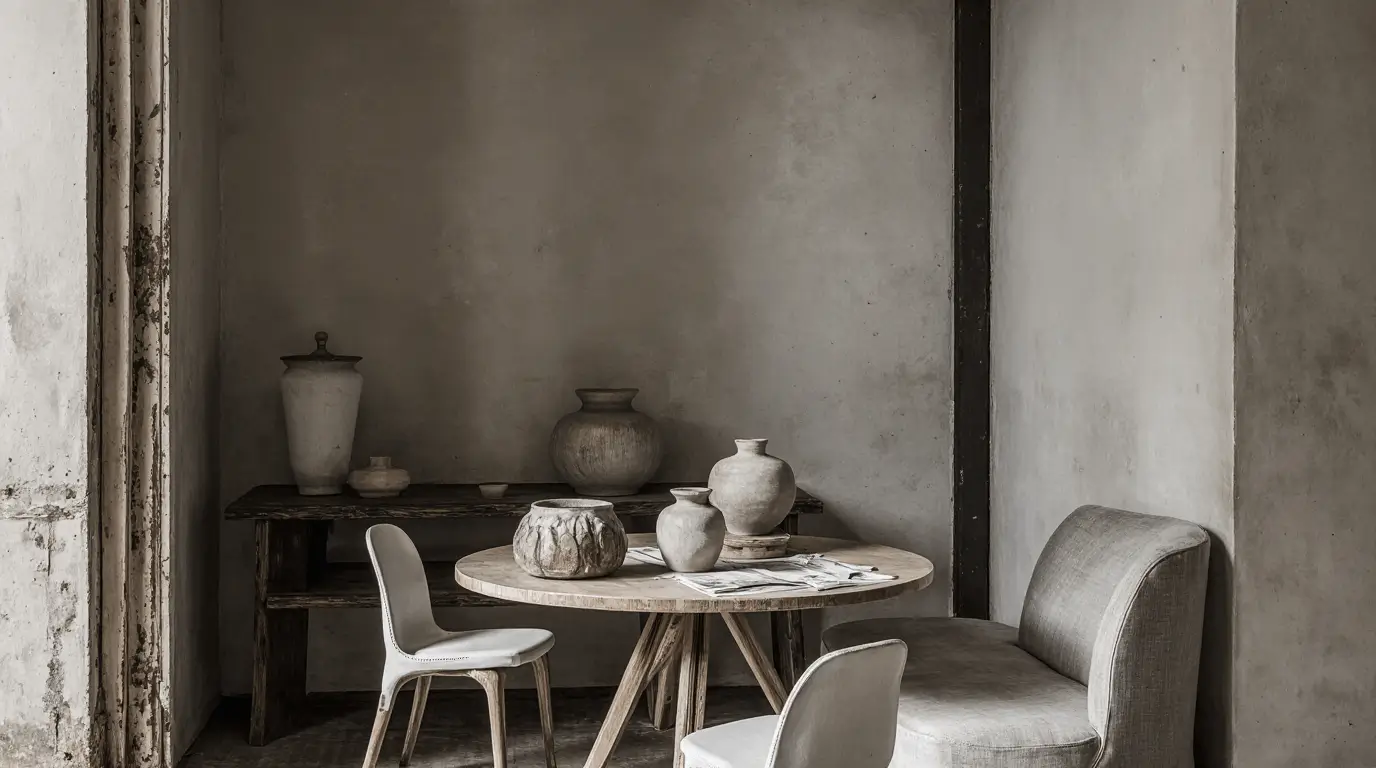
Vincent Van Duysen Belgium Interior Design Style
Vincent Van Duysen brings architectural precision to interiors. His work emphasizes clean lines, strong geometry, and a seamless connection between structure and furniture.
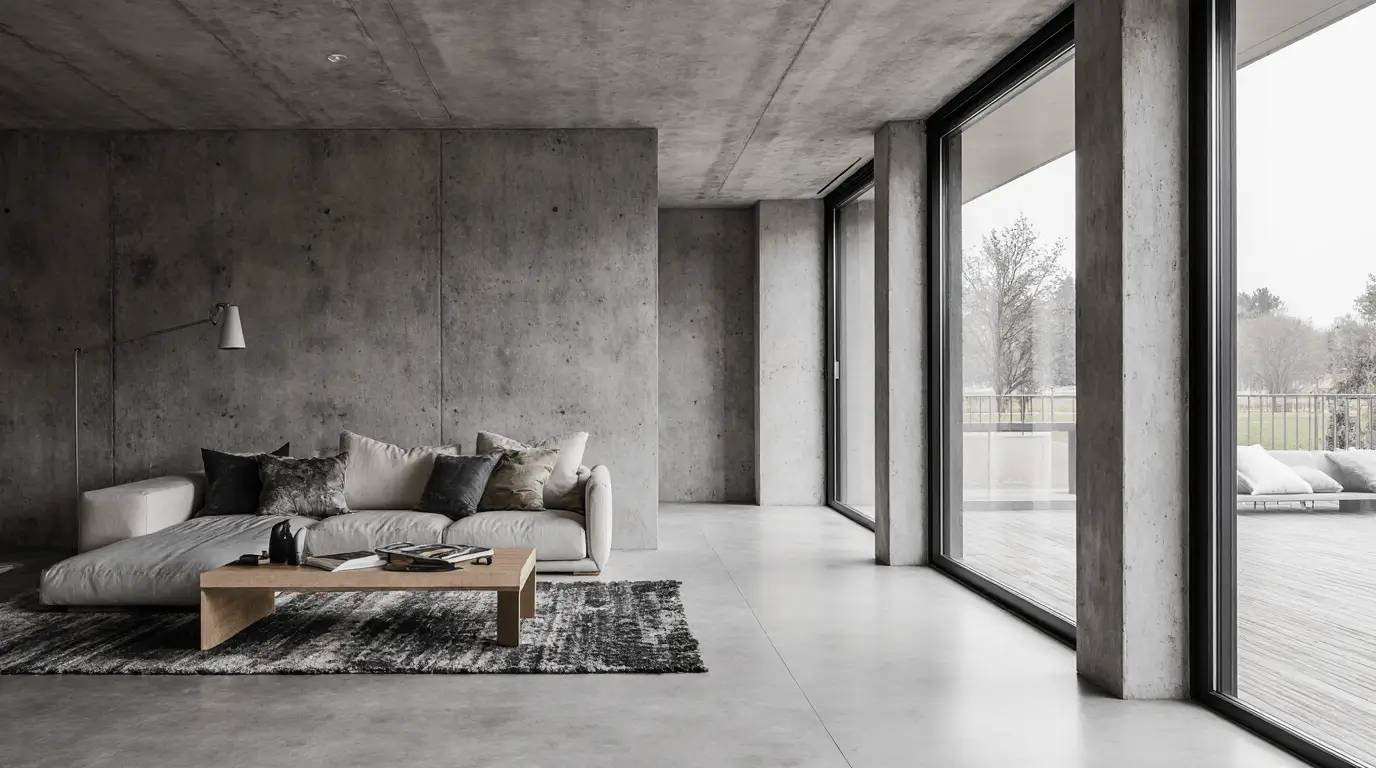
Belgian Style Home Decor Essentials
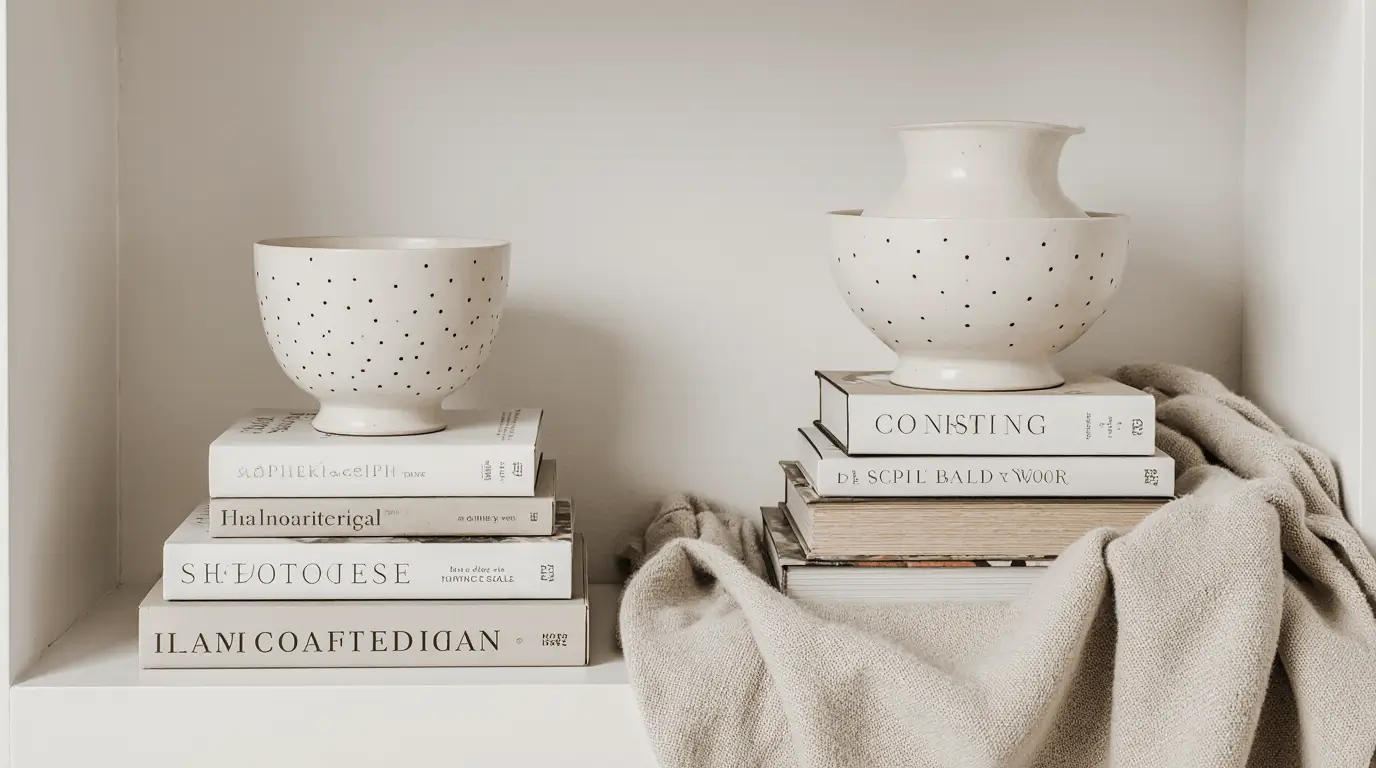
Decor is minimal but intentional—ceramics, books, textiles, and a few curated objects. Each piece adds meaning rather than clutter, reinforcing the calm aesthetic.
Belgium Interior Design Lighting Philosophy
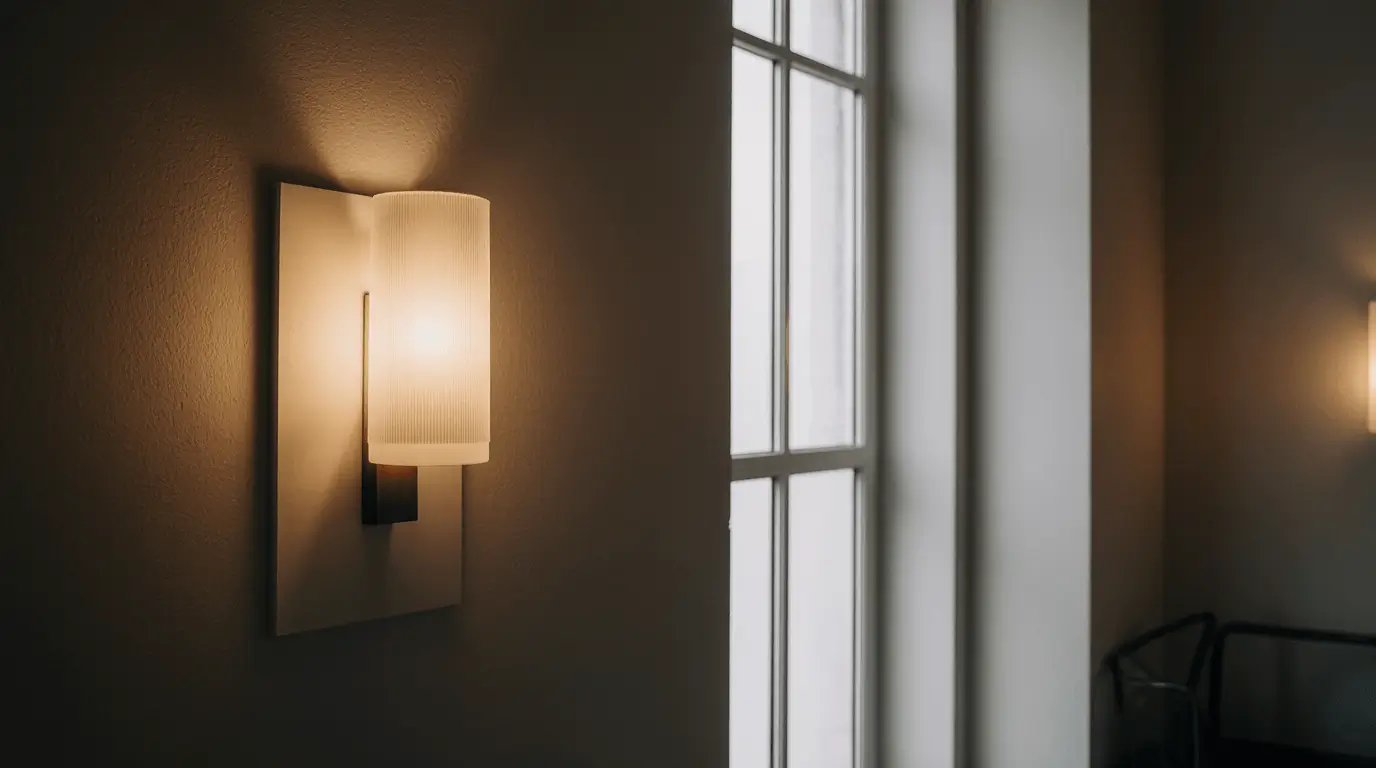
Lighting is soft, layered, and atmospheric. Natural light is maximized, while artificial lighting uses warm tones and indirect sources to enhance mood.
Belgium Interior Design Living Room Ideas
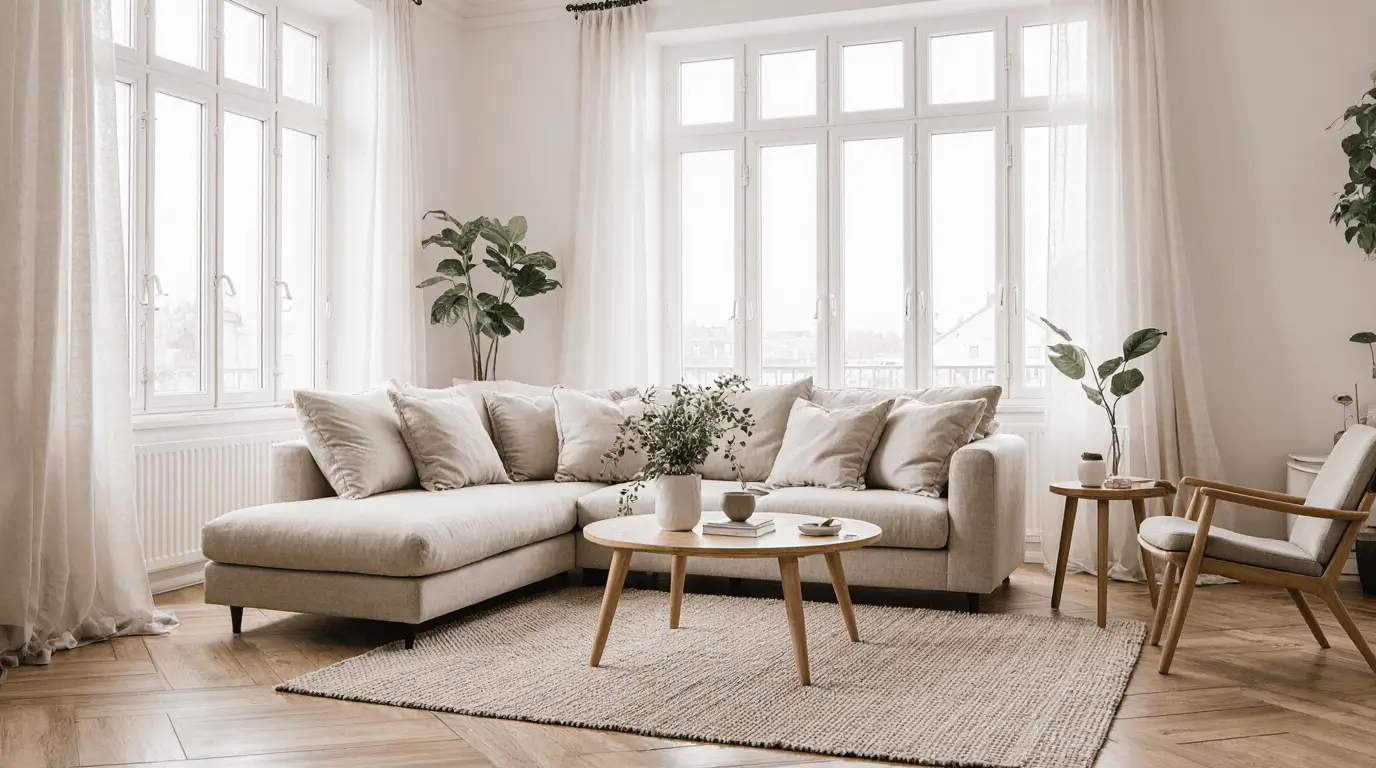
Living rooms focus on comfort and openness. Furniture is arranged to encourage relaxation, often centered around natural textures and neutral tones.
Belgium Interior Design Kitchen Concepts
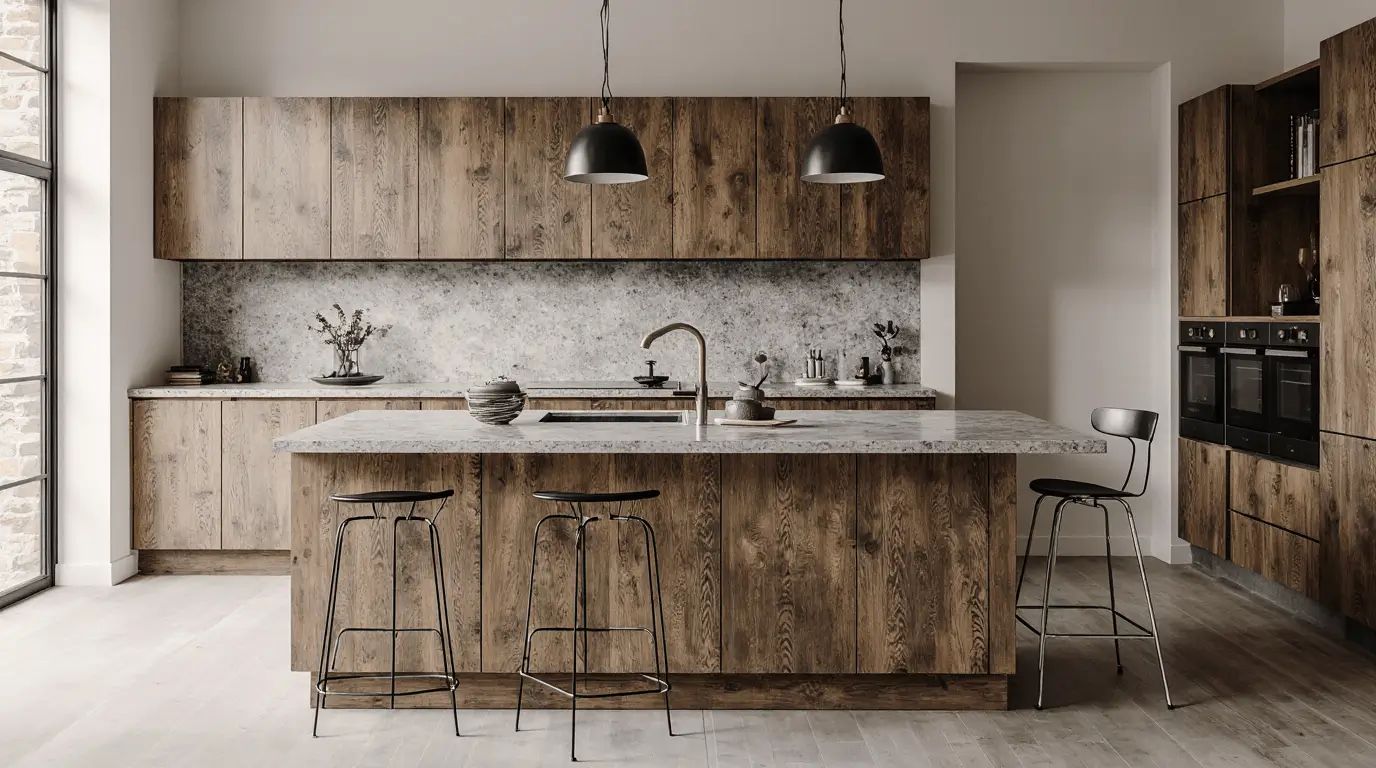
Kitchens are understated and functional, often featuring natural stone, wood cabinetry, and clean lines without excessive ornamentation.
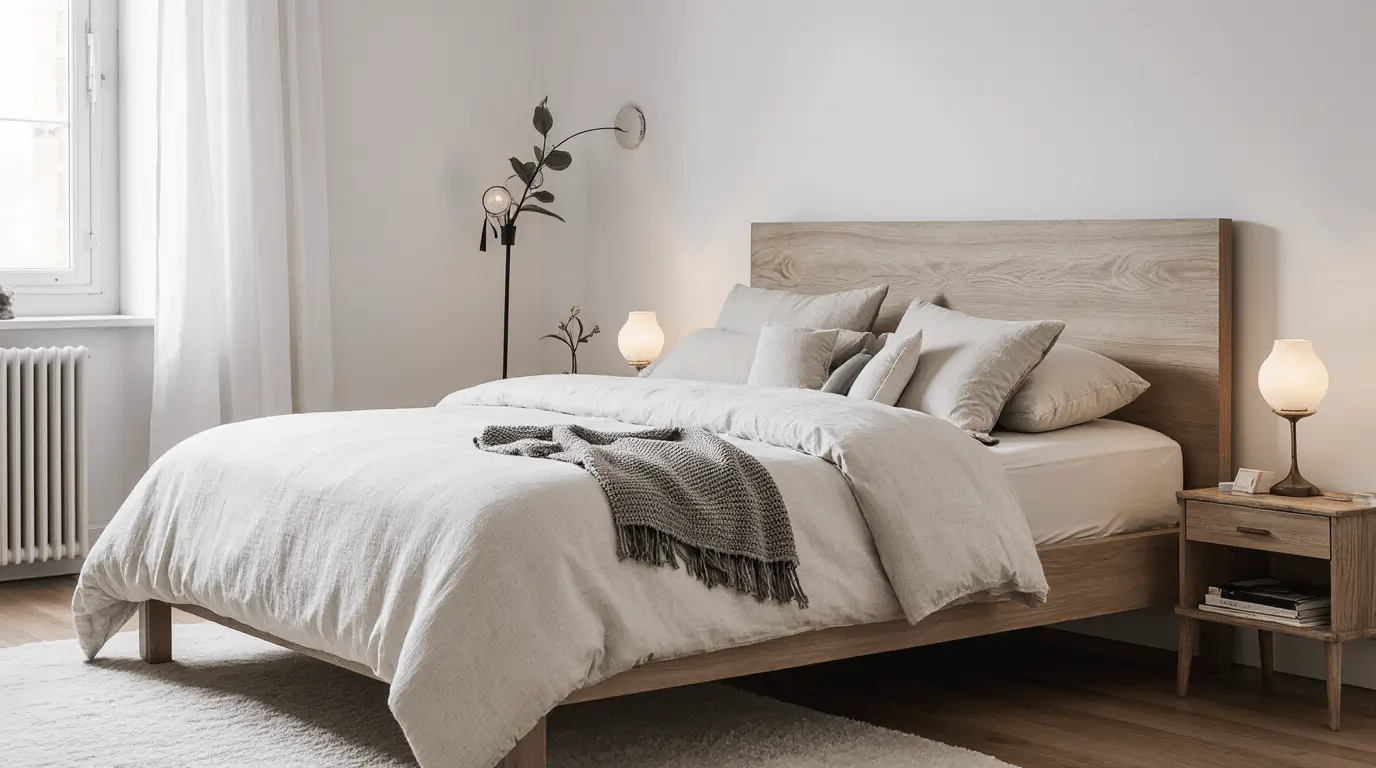
Belgium Interior Design Bedroom Aesthetic
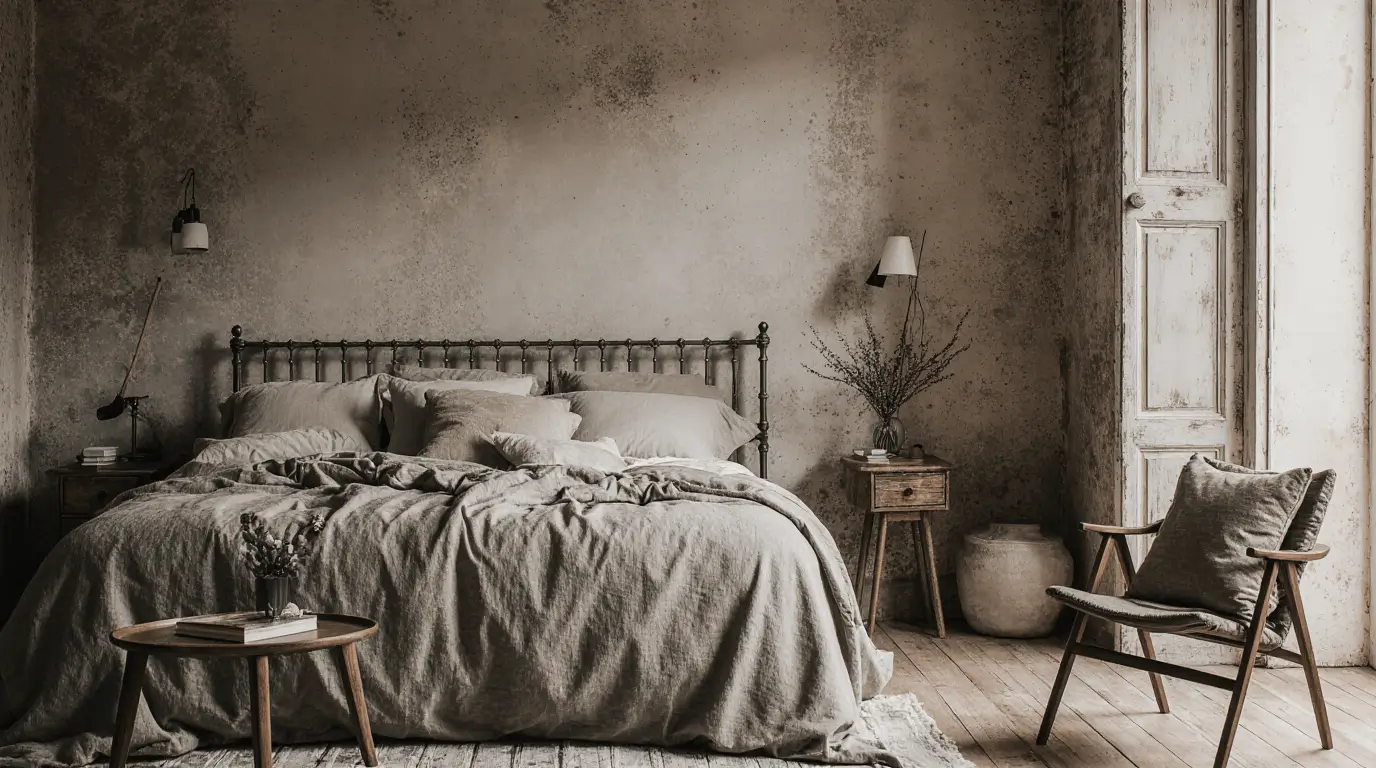
Bedrooms emphasize tranquility. Soft textiles, neutral tones, and minimal decor create a restful and grounded atmosphere.
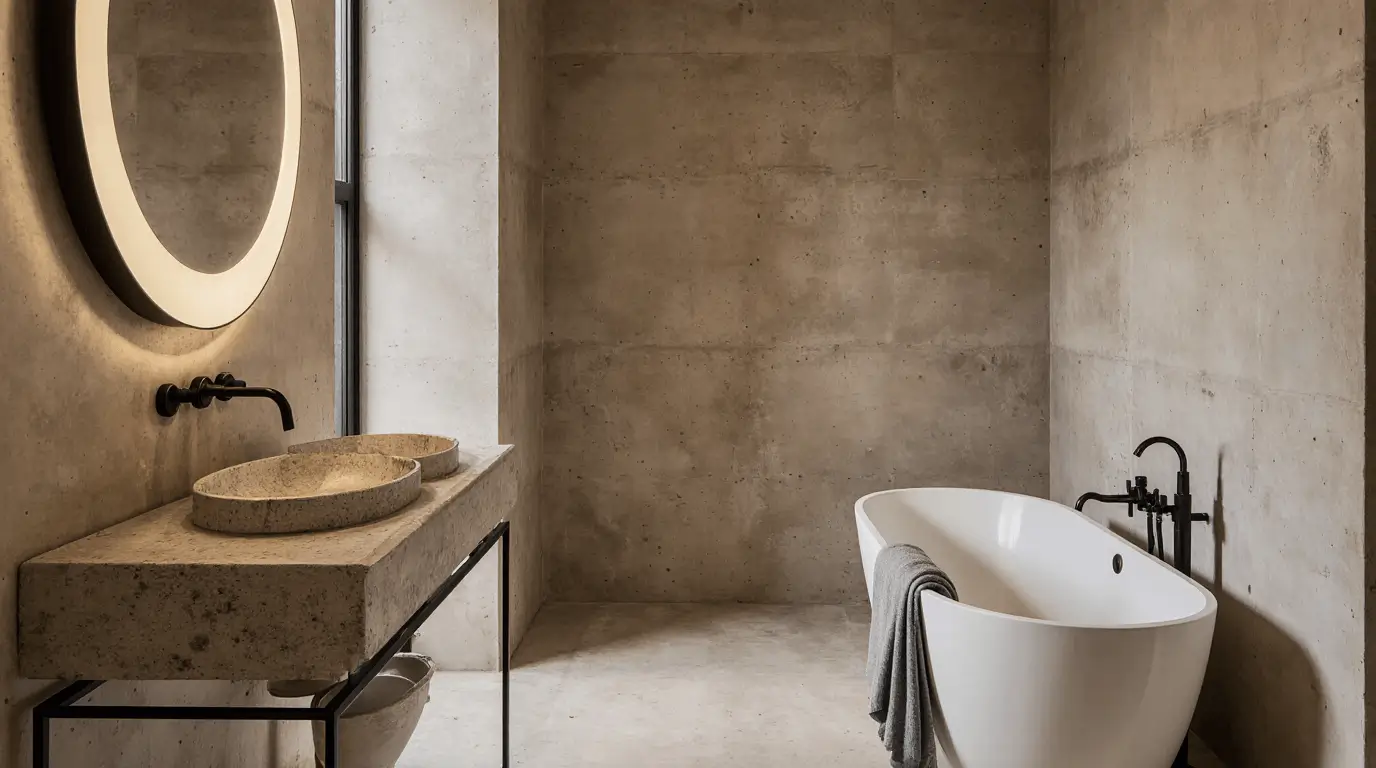
Belgian Interior Design Bathroom Style
Bathrooms reflect spa-like simplicity, using stone, plaster, and soft lighting to create a serene retreat.
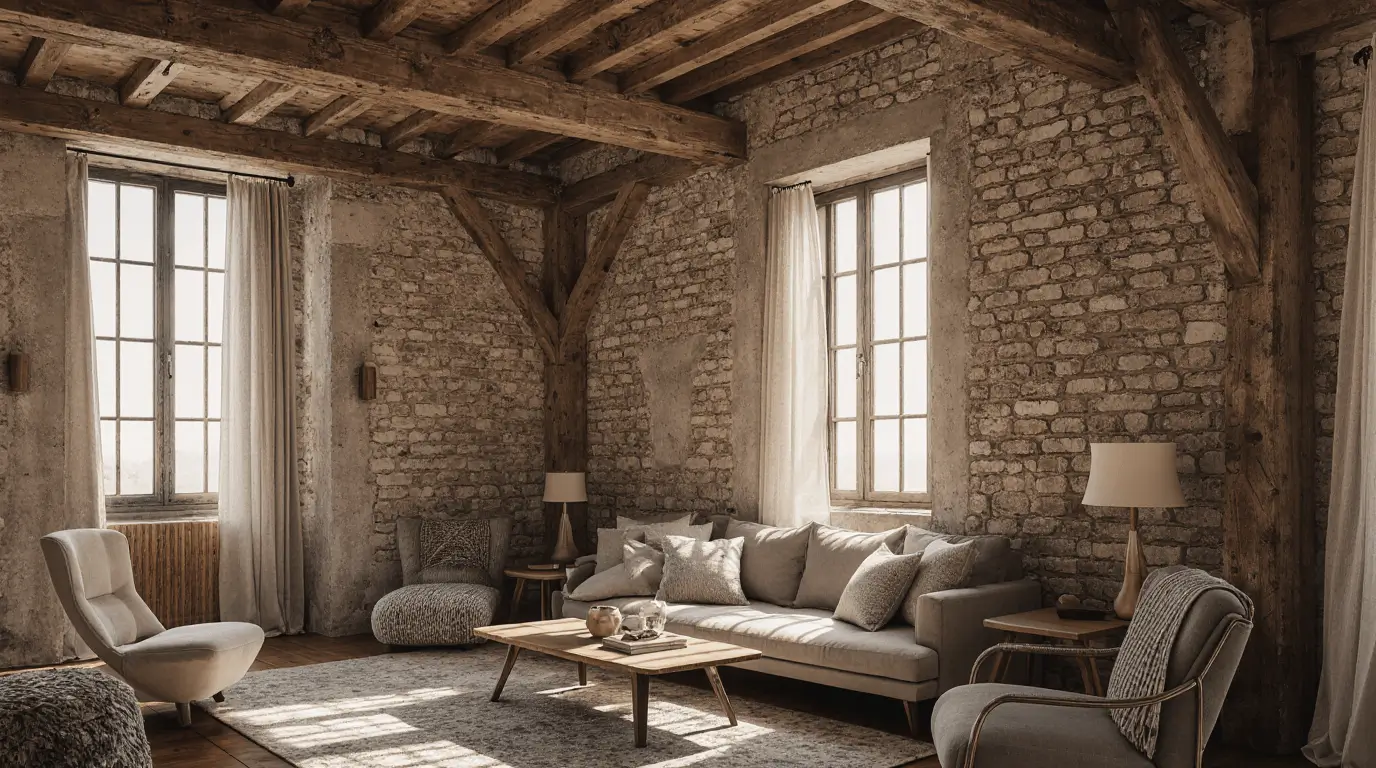
Belgium Interior Design Rustic Elements
Rustic features like exposed beams and aged wood bring warmth and history into modern spaces, balancing minimalism with character.
Belgium Interior Design Modern Fusion
Modern Belgian interiors combine traditional materials with contemporary forms, creating spaces that feel both current and timeless.
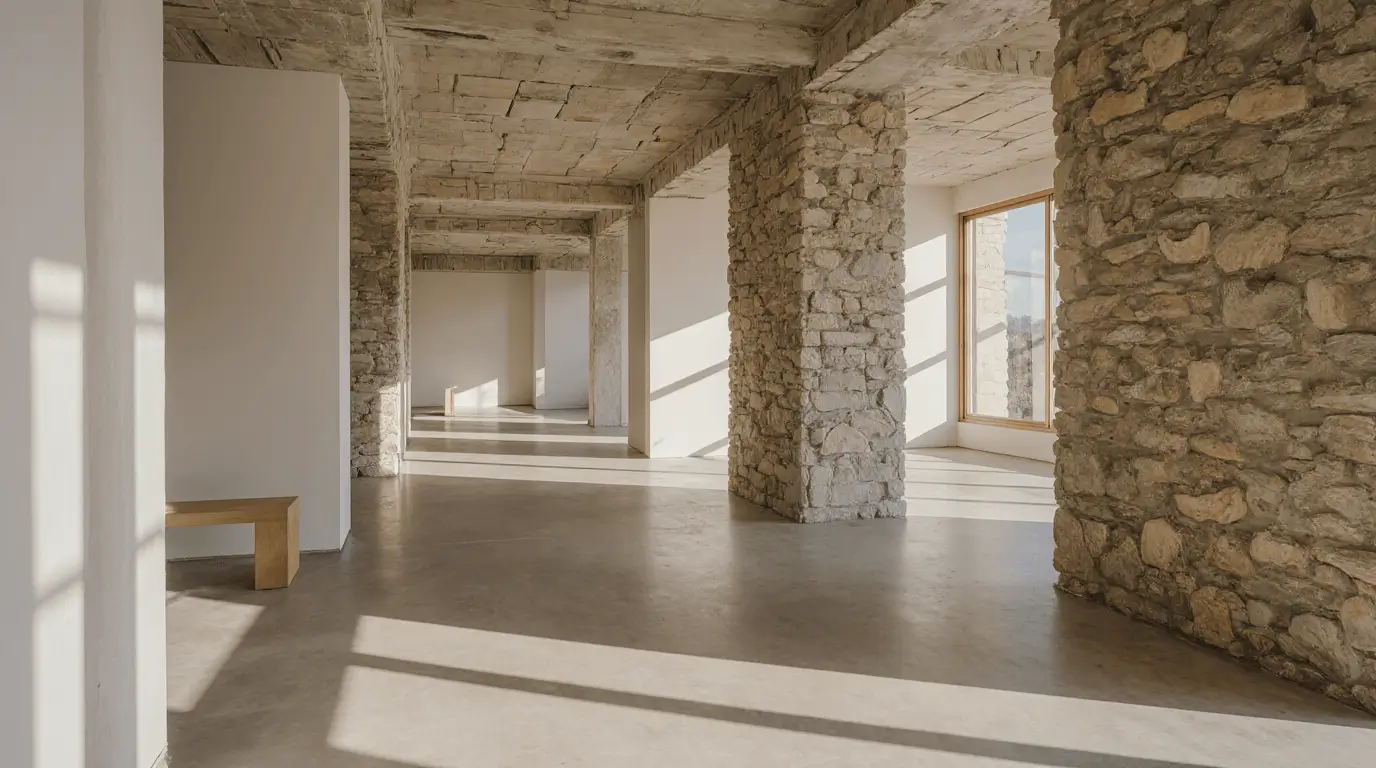
Belgium Interior Design Open Space Planning
Open layouts are common, emphasizing flow and connection. Spaces are defined subtly through furniture placement and material transitions.
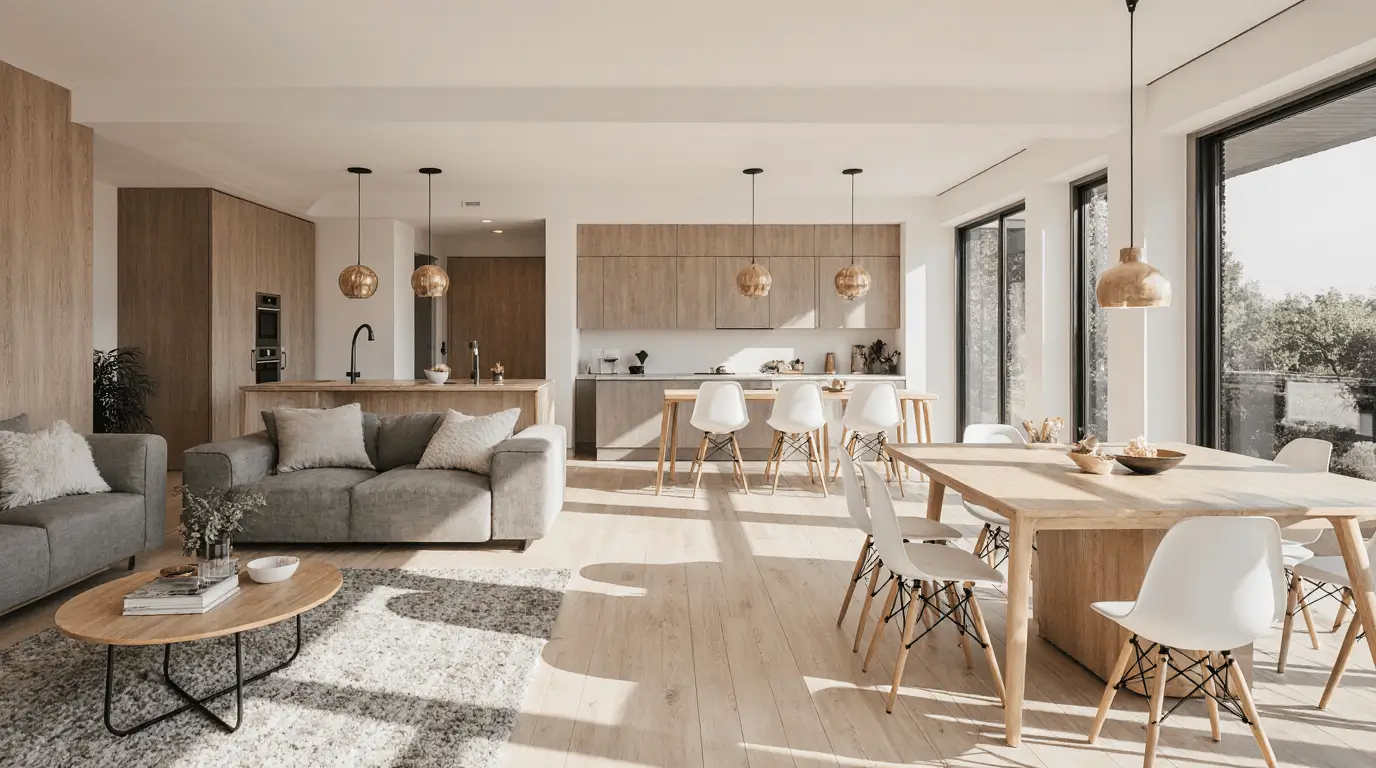
Belgium Interior Design Natural Elements Integration
Nature plays a central role—through materials, light, and subtle greenery. The goal is to create a quiet connection between indoor and outdoor environments.
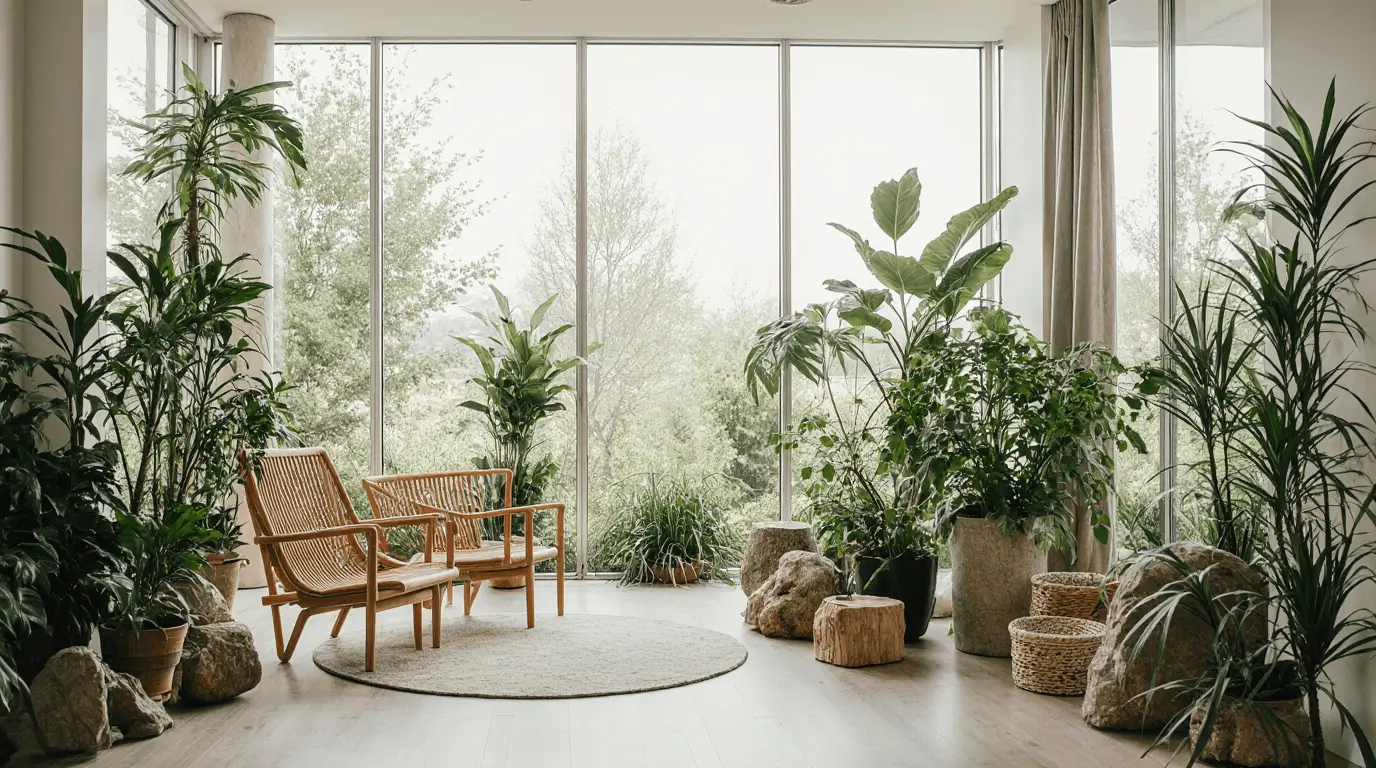
Belgium Interior Design Timeless Appeal
The ultimate strength of Belgium interior design lies in its longevity. These spaces are not built for trends—they evolve gracefully over time, becoming more beautiful with age.
Conclusion
Belgium interior design works because it respects both space and life. It doesn’t try to impress through excess—it creates an environment that feels grounded, intentional, and quietly refined. By focusing on natural materials, restrained palettes, and thoughtful proportions, it allows interiors to breathe and evolve over time rather than feel staged or temporary.
In practice, this approach is especially valuable for people who want a home that feels calm, cohesive, and effortlessly sophisticated without constant updating. It suits modern lifestyles where comfort, clarity, and longevity matter more than decoration for its own sake. Whether you’re designing a full home or simply refining a single room, adopting Belgian principles—simplifying your palette, investing in tactile materials, and editing rather than adding—will almost always lead to a more balanced and livable result.
The real strength of Belgium interior design lies in its quiet confidence. It teaches you to trust fewer, better choices. And once you begin working this way, your space doesn’t just look better—it starts to feel more aligned with how you actually want to live.
Learn more : Black and Gray Interior Design That Elevates Your Space
FAQs
- What makes Belgium interior design different from other minimalist styles?
Belgian interiors are softer and more lived-in than typical minimalism. Instead of sharp contrasts or stark emptiness, they rely on warmth, texture, and subtle layering. The result feels calm and refined rather than cold or overly strict. - Can I achieve a Belgian-style interior on a budget?
Yes, but the approach shifts slightly. Focus on simplifying your space first—remove clutter, stick to a neutral palette, and prioritize a few quality pieces. Even affordable linen textiles, matte finishes, and natural wood accents can capture the essence without high-end spending. - How do I choose the right color palette for this style?
Start with warm neutrals—off-whites, soft greys, taupes, and muted earth tones. The key is consistency rather than variety. Keep the palette tight and let texture, light, and material differences create visual interest instead of bold colors. - Is Belgium interior design suitable for small spaces?
It works exceptionally well in smaller spaces because of its emphasis on openness and restraint. Light colors, minimal furniture, and uncluttered layouts can make a room feel larger, calmer, and more functional. - What materials should I prioritize to get the authentic look?
Focus on materials that feel natural and slightly imperfect—linen, raw wood, stone, plaster, and aged metals. Avoid overly glossy or synthetic finishes. The tactile quality of materials is central to achieving the right atmosphere. - How can I avoid my space looking too plain or empty?
The balance comes from layering textures and proportions rather than adding more items. Combine soft fabrics with solid materials, vary heights and scales, and include a few carefully chosen objects that add personality without overwhelming the space. - Who is Belgium interior design best suited for?
It’s ideal for anyone who values calm, timeless spaces and prefers quality over quantity. If you’re drawn to interiors that feel effortless, grounded, and quietly luxurious rather than trend-driven, this style aligns naturally with that mindset.




One Response