
Introduction
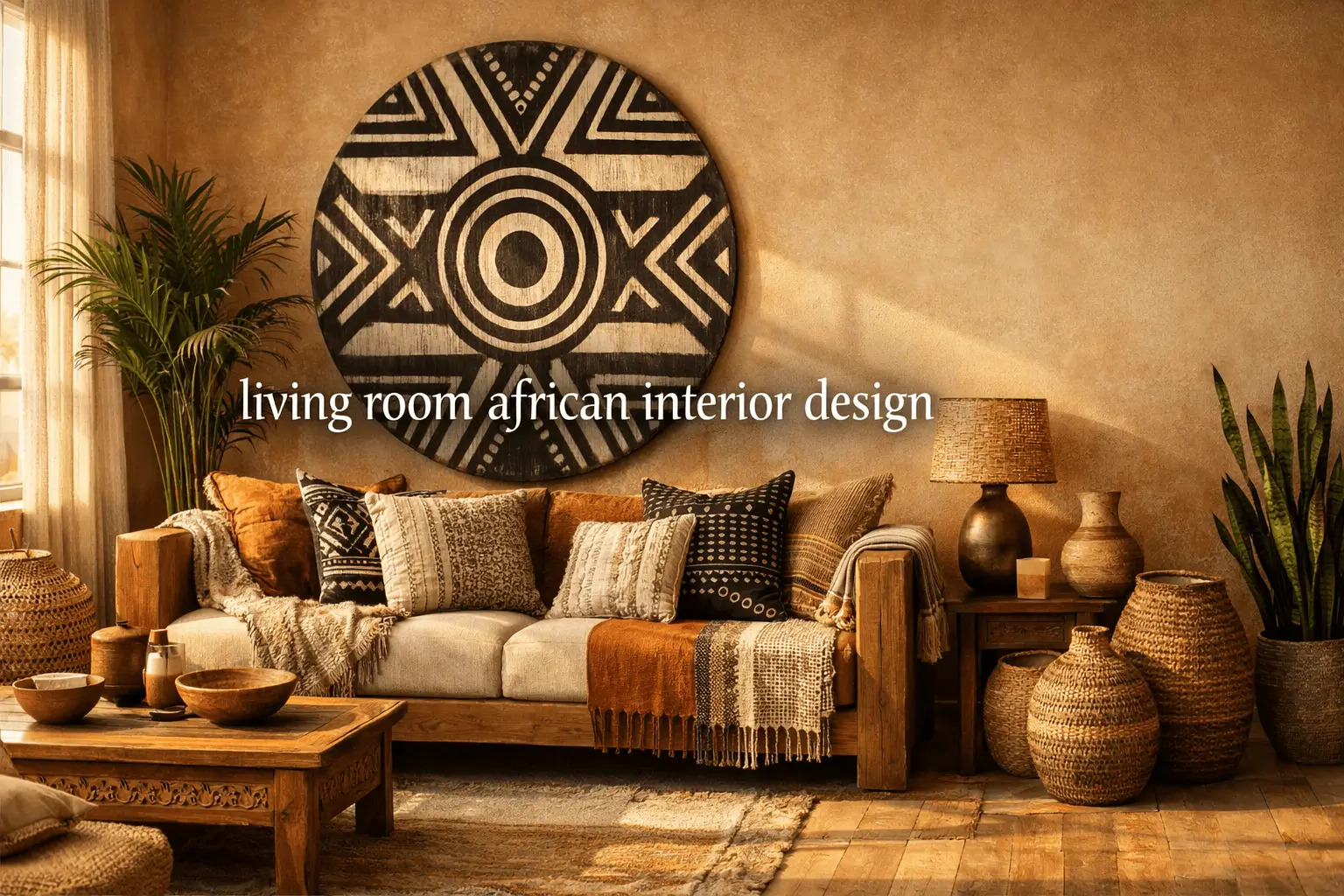
A well-designed living room African interior design blends culture, craftsmanship, and natural beauty into a space that feels both grounded and expressive. It’s not just about décor—it’s about storytelling through textures, patterns, and materials that reflect African heritage while fitting modern lifestyles.
From earthy palettes and handcrafted furniture to bold tribal patterns and contemporary Afrocentric aesthetics, this design style can be adapted for minimal, luxury, or vibrant interiors. Whether you prefer a traditional African-inspired space or a modern interpretation, the key lies in balance—honoring authenticity while creating a comfortable, livable environment.
What makes this style powerful is its versatility. You can go subtle with textures and tones or bold with statement pieces and patterns—either way, the result is warm, soulful, and visually rich.
Living Room African Interior Design with Earthy Color Palettes
Earth tones—like terracotta, ochre, deep browns, and warm beige—form the foundation of African interiors. These colors mimic natural landscapes and instantly create warmth.
They work beautifully as base colors, allowing patterns and textures to stand out without overwhelming the space.
Modern Living Room African Interior Design with Minimalist Touch
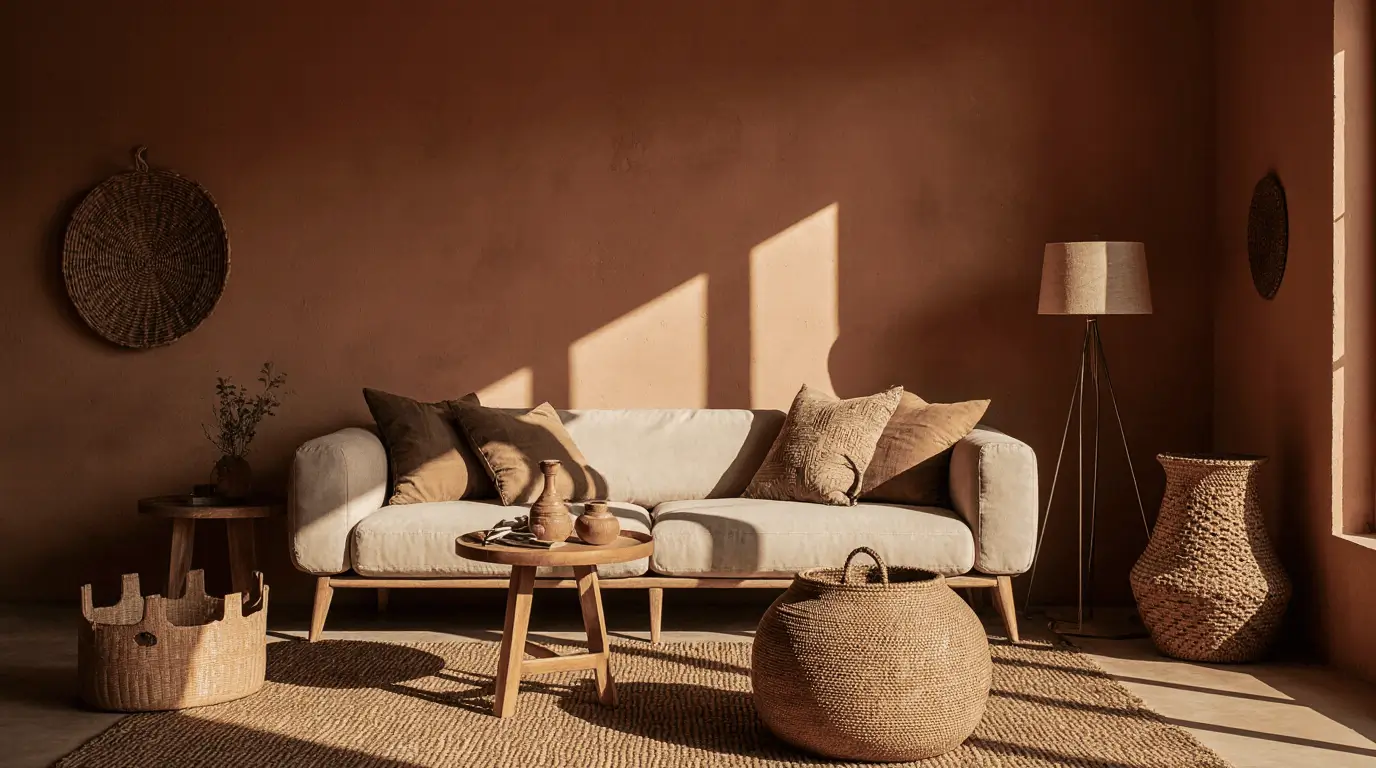
Modern African interiors strip back clutter while preserving cultural essence. Clean lines meet textured accents like woven baskets or carved wood.
This approach is ideal for urban homes wanting a refined yet cultural aesthetic.
Traditional Living Room African Interior Design Elements
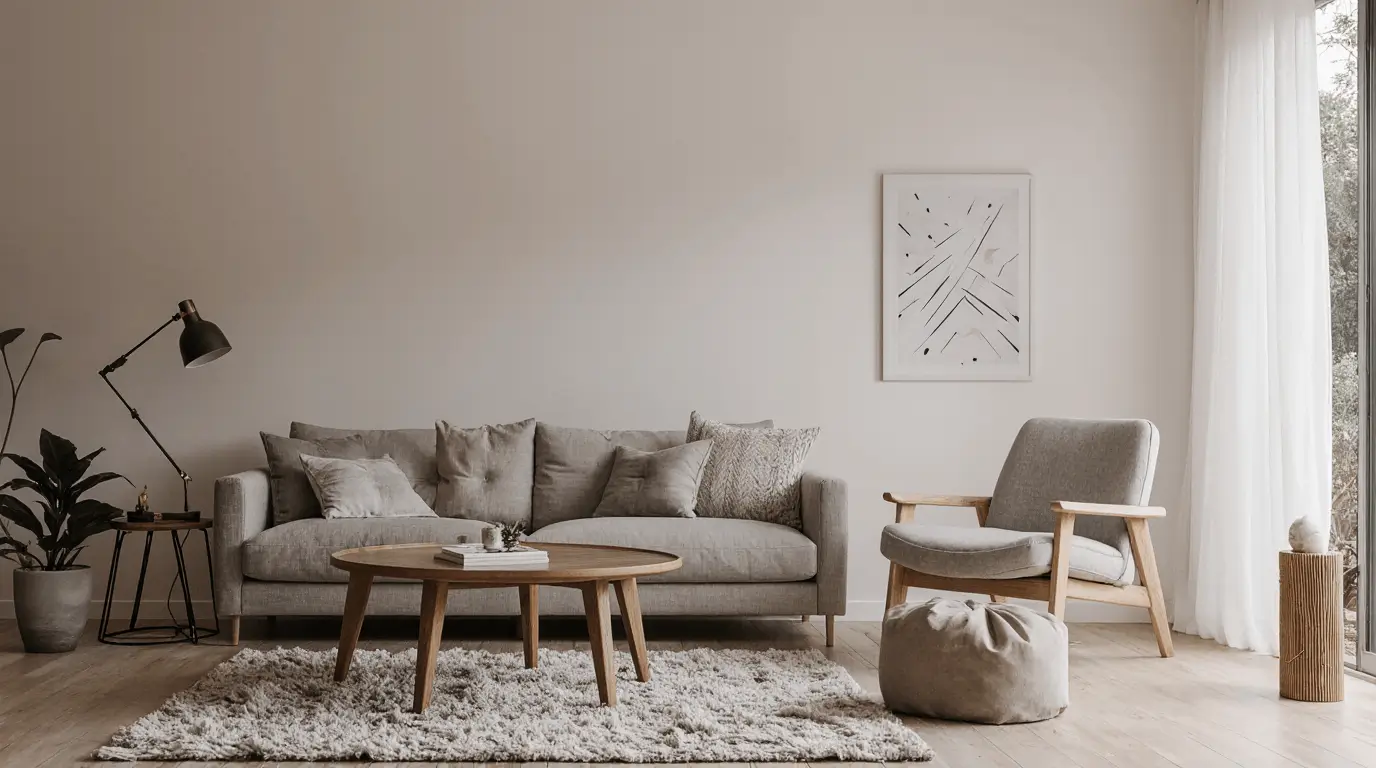
Traditional African design celebrates handcrafted items, tribal motifs, and heritage patterns. Think carved stools, mud cloth textiles, and symbolic artwork.
These elements bring authenticity and a deep sense of cultural identity.
African Inspired Living Room with Natural Materials
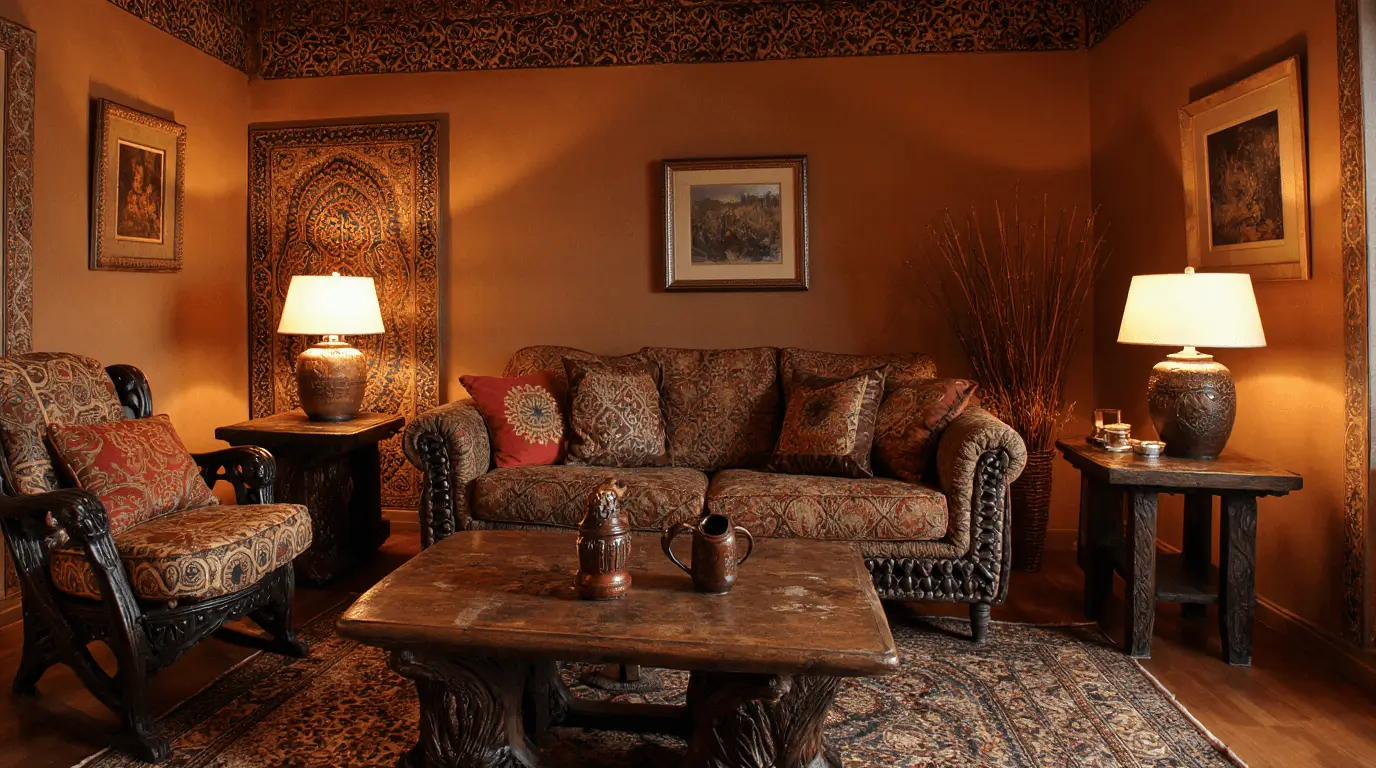
Natural materials like wood, rattan, jute, and clay are essential. They create a tactile, organic feel that connects the interior to nature.
These materials also age beautifully, adding character over time.
Luxury Living Room African Interior Design Style
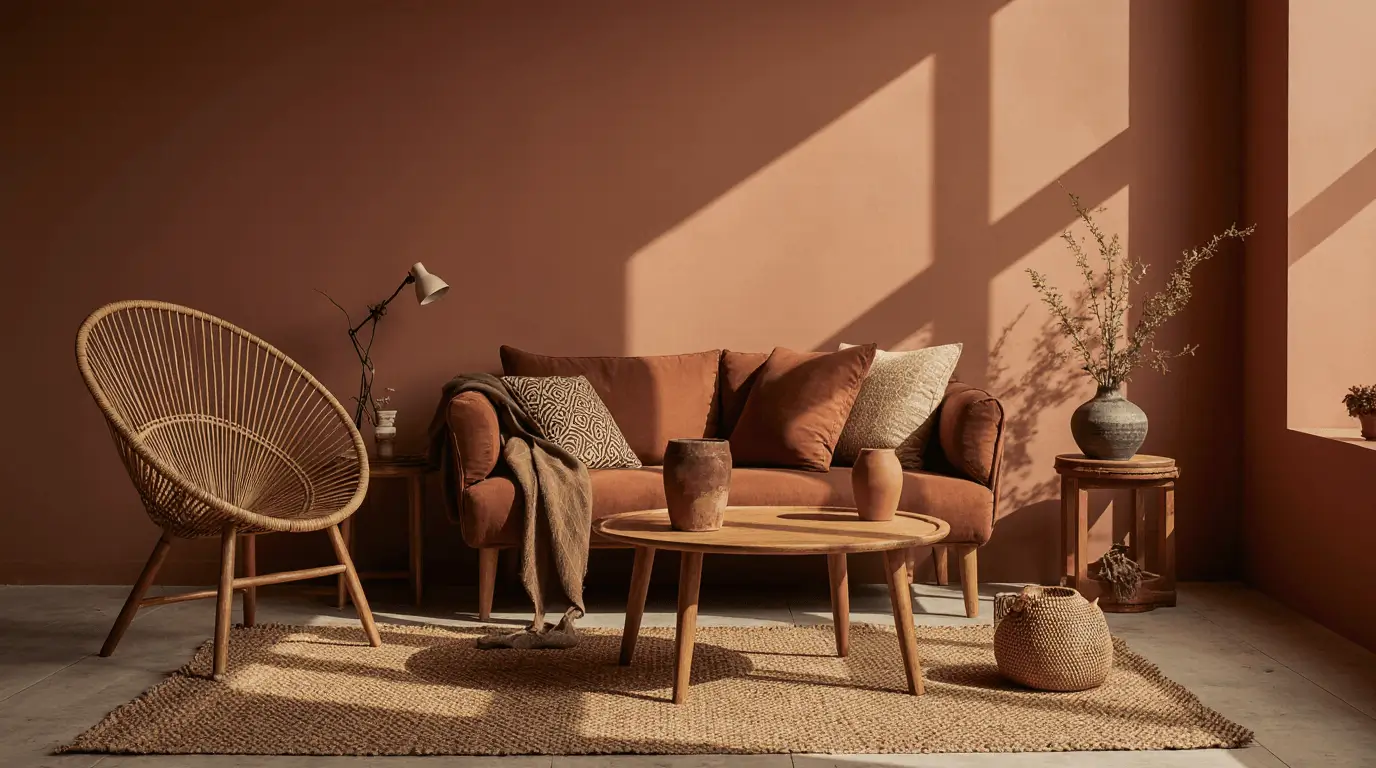
Luxury African interiors combine high-end finishes with cultural elements—like marble floors paired with bold African prints or gold accents.
It’s about elevating tradition with sophistication.
Afrocentric Living Room Design Concepts
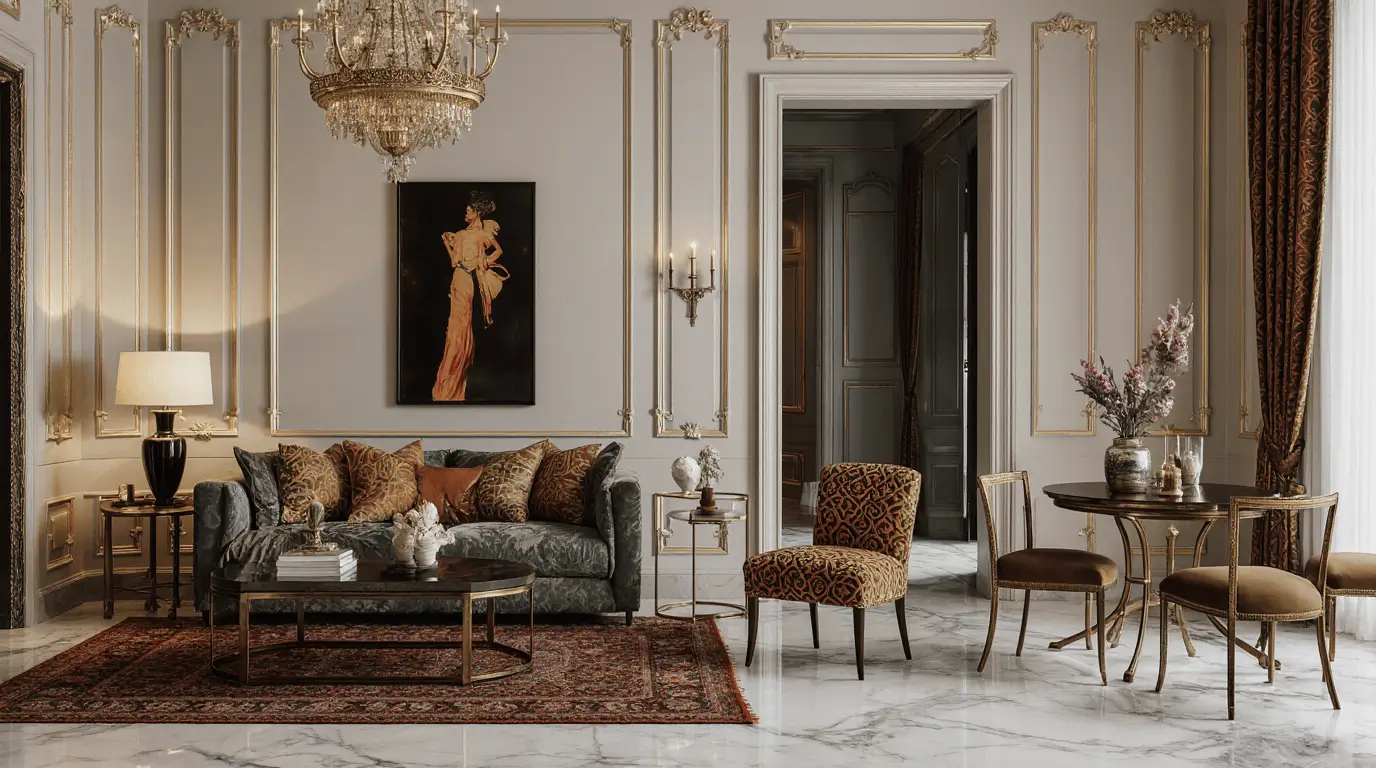
Afrocentric design focuses on identity and cultural pride, often using symbolic patterns, colors, and artifacts.
It’s expressive and meaningful, making the living room feel personal and rooted.
Contemporary African Living Room Interior Design
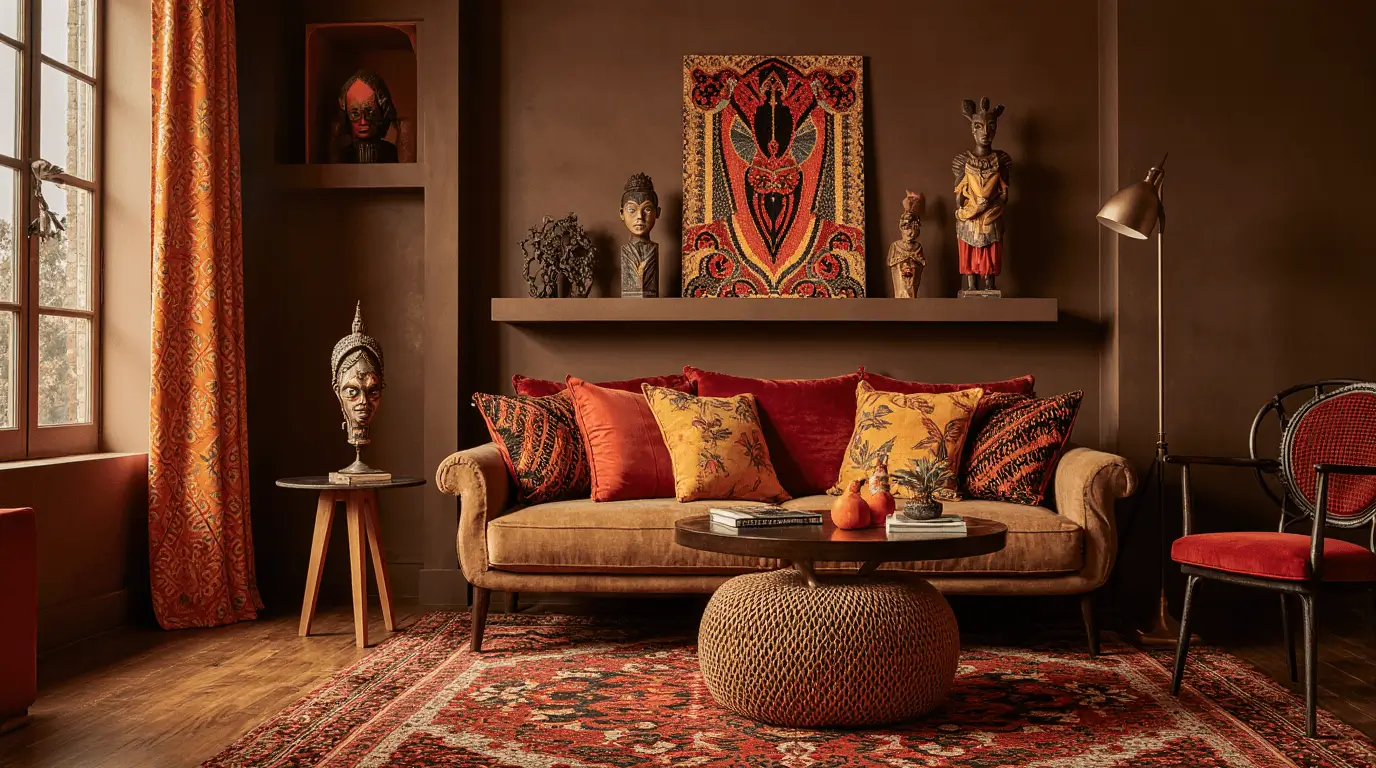
This style blends modern furniture with African accents—like geometric patterns or handcrafted décor.
It’s perfect for those who want a balanced mix of tradition and modernity.
African Themed Living Room Decor with Statement Art
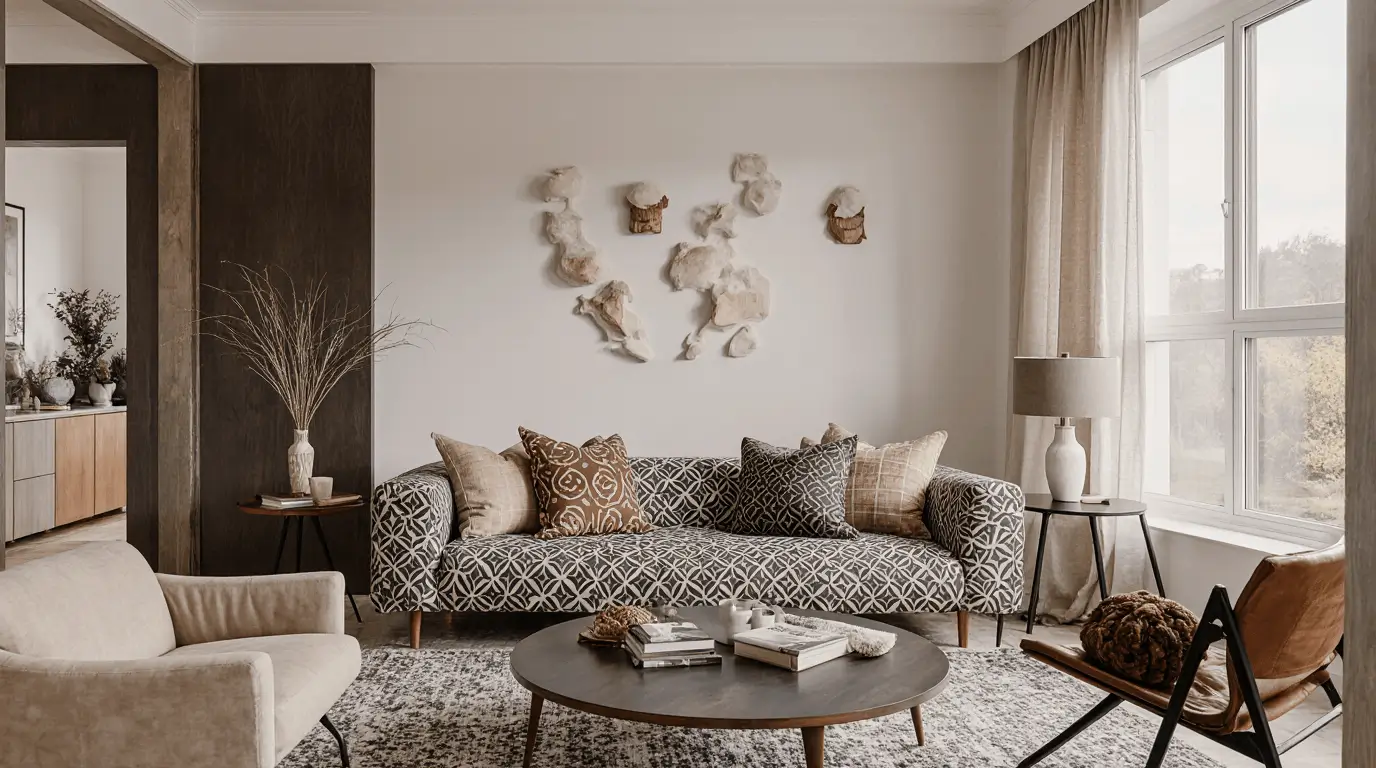
Artwork plays a central role—large tribal prints, portraits, or wildlife-inspired pieces can define the space.
A single bold piece can anchor the entire room.
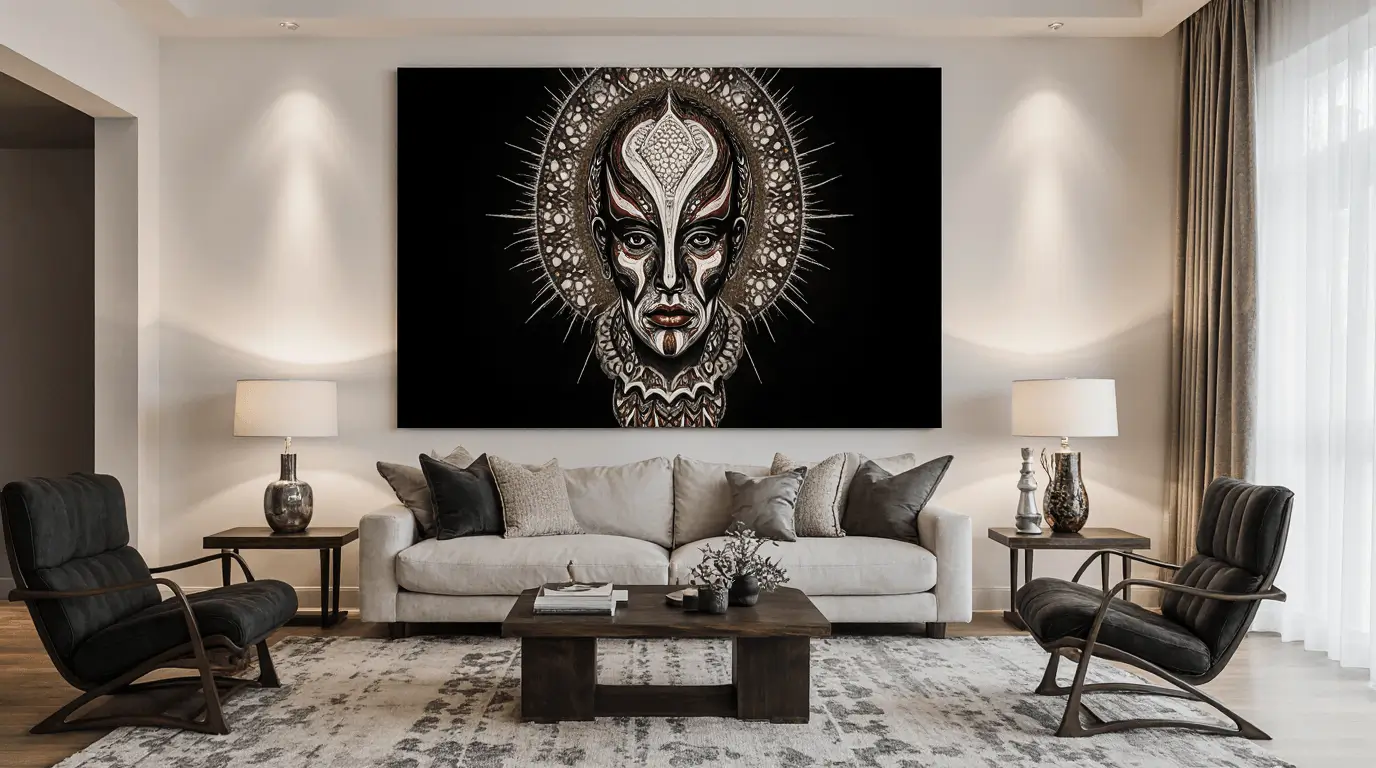
Colorful African Interior Design Living Room Ideas
Vibrant colors like red, yellow, and deep blue bring energy and personality. These are often used in textiles, cushions, and rugs.
The trick is balancing bold hues with neutral backgrounds.
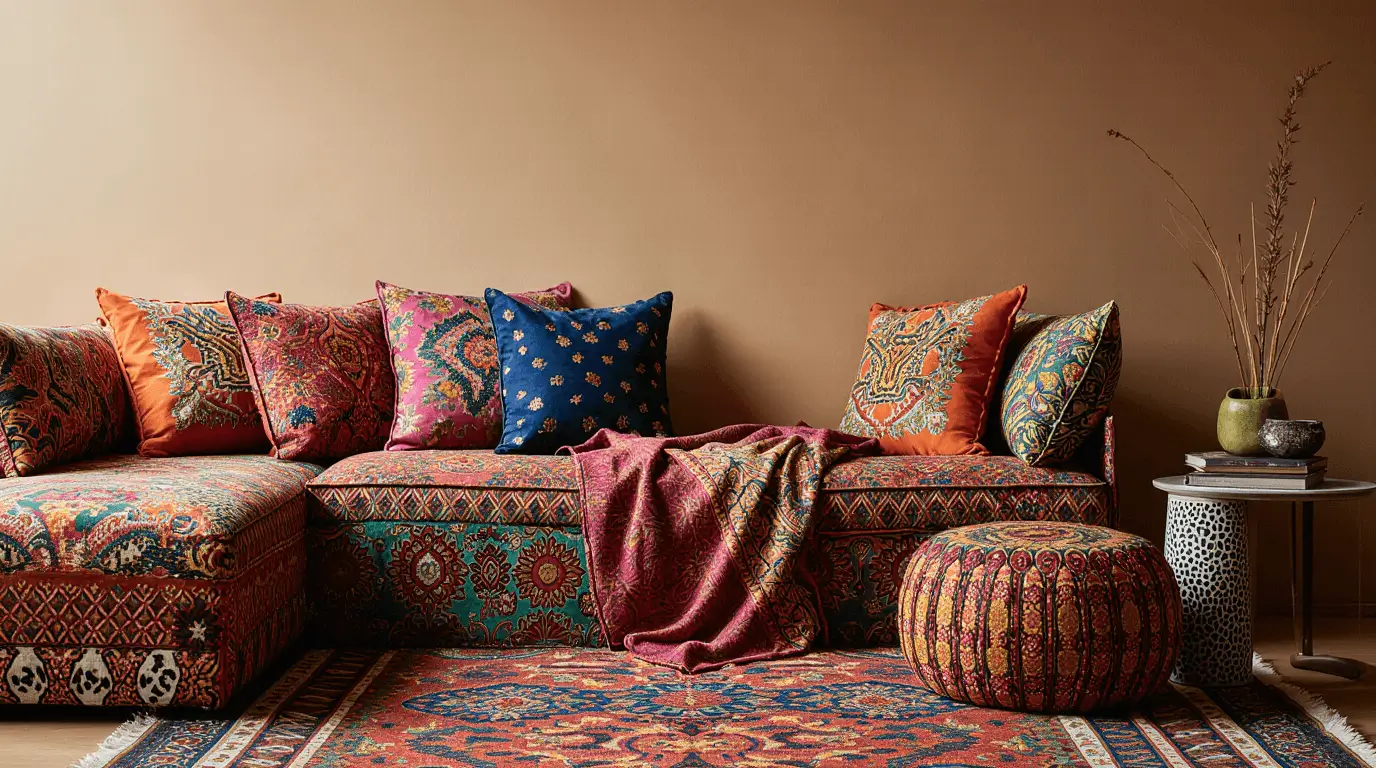
African Style Living Room with Textured Fabrics
Layering fabrics—like mud cloth, kente, and woven throws—adds depth and comfort.
Textures are essential in creating a cozy yet visually rich environment.
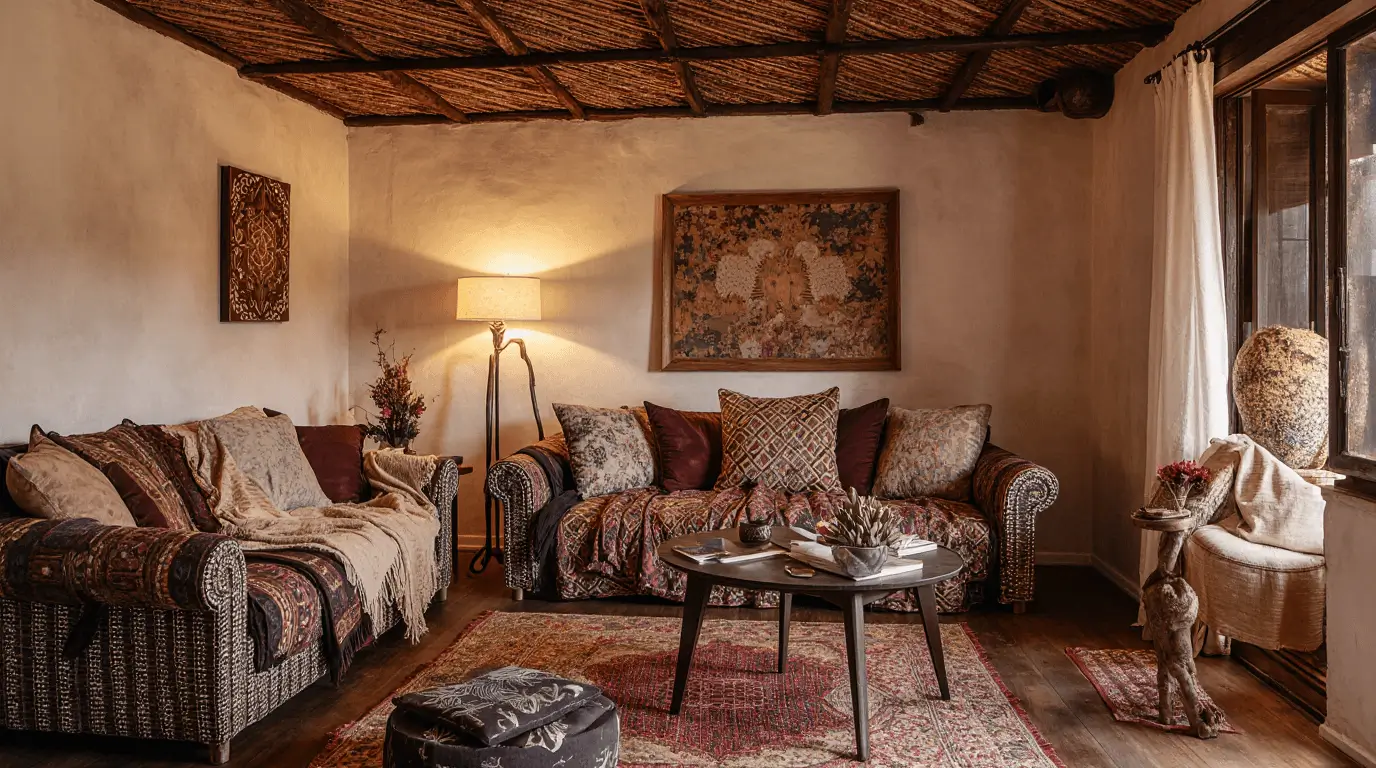
African Inspired Living Room with Wooden Accents
Wood is a defining feature—used in furniture, wall panels, or decorative carvings.
Dark woods add richness, while lighter tones create a relaxed feel.
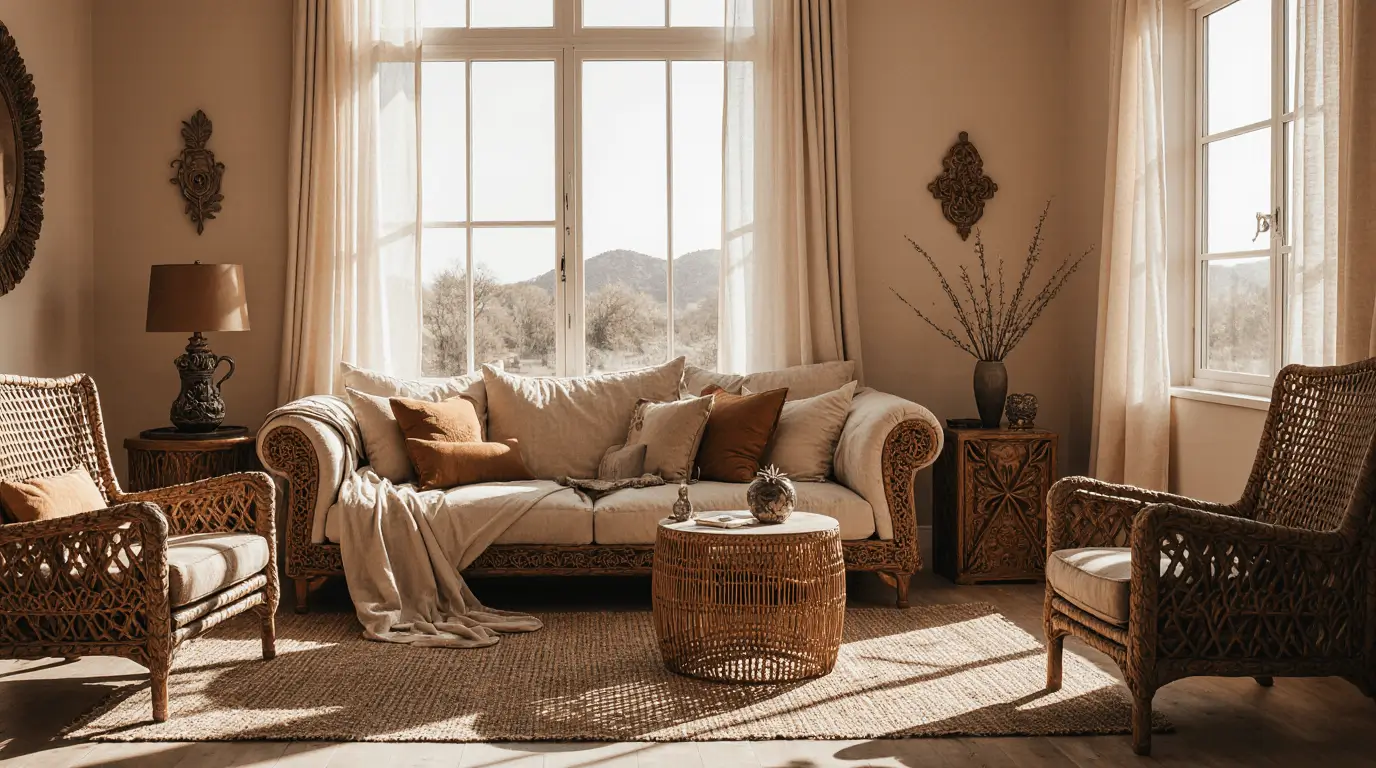
African Interior Decorating with Indoor Plants
Plants like palms and snake plants enhance the natural aesthetic and bring freshness indoors.
They soften the space and complement earthy materials beautifully.
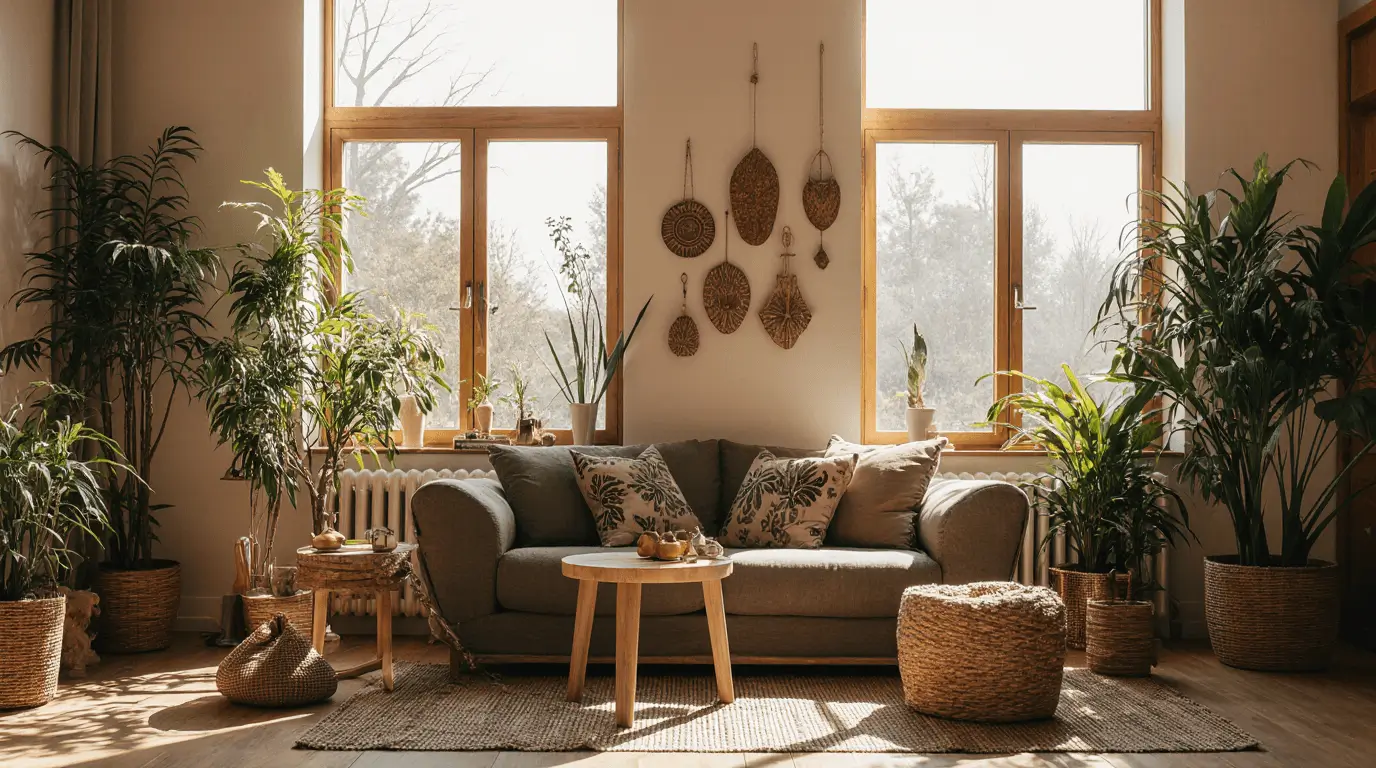
African Themed Living Room with Tribal Patterns
Tribal patterns add identity and movement to the space. They can be used in rugs, cushions, or wall décor.
These patterns should be used thoughtfully to avoid visual clutter.
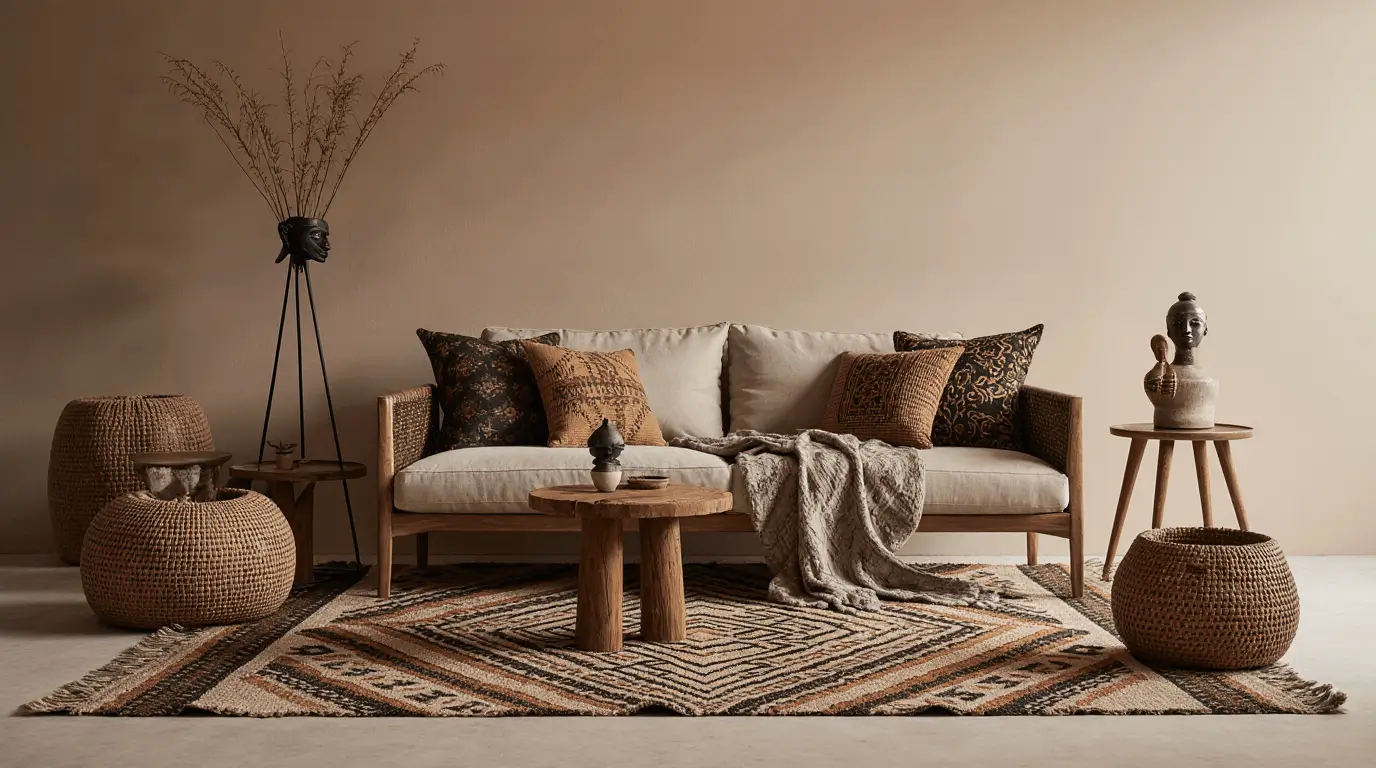
Modern African Style Living Room with Neutral Base
A neutral base—like white or beige walls—allows African décor elements to shine without overwhelming the space.
This approach keeps the room clean and visually balanced.
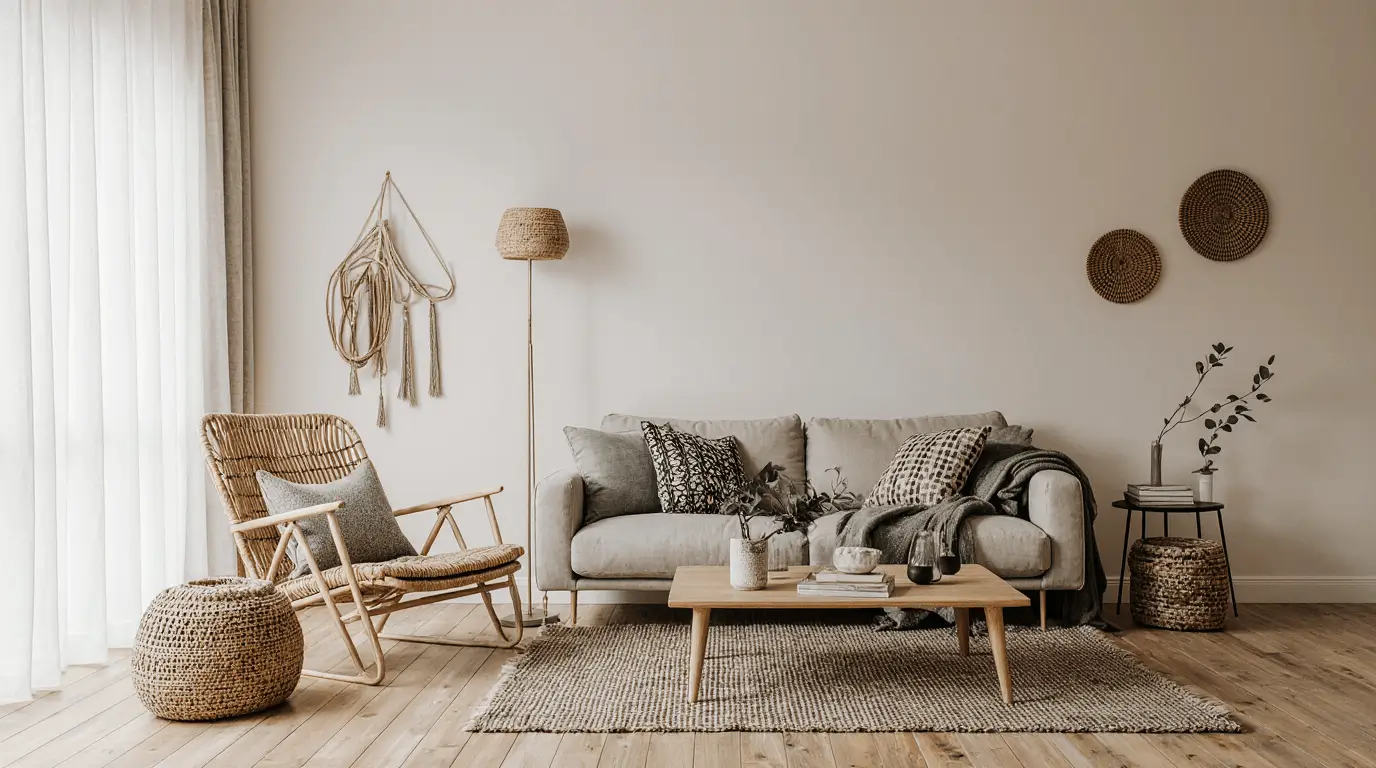
African Inspired Living Rooms with Cultural Accessories
Accessories like baskets, masks, and sculptures bring authenticity and storytelling into the design.
These small details often make the biggest impact.
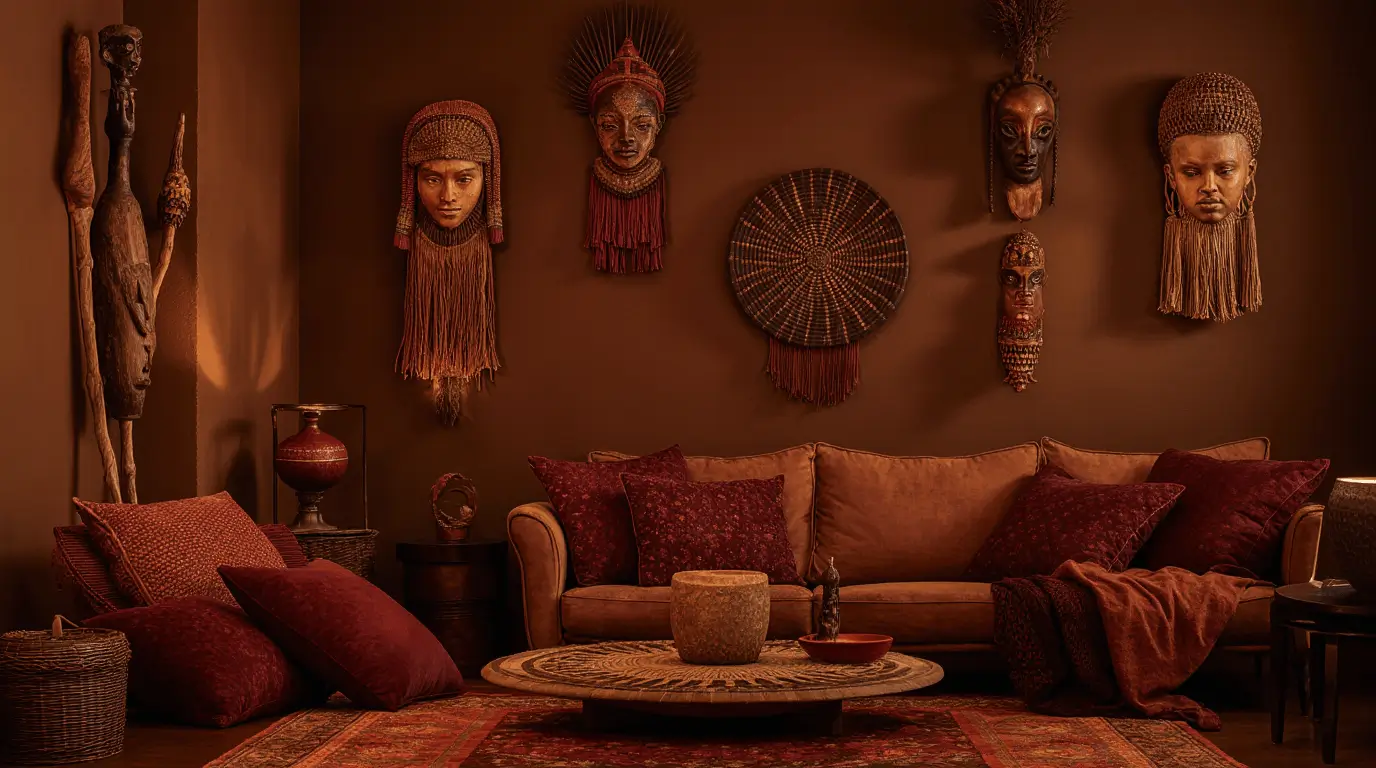
West African Style Living Room Design Influence
West African design often features bold prints, rich textiles, and vibrant cultural symbolism.
It creates a lively, expressive environment full of character.
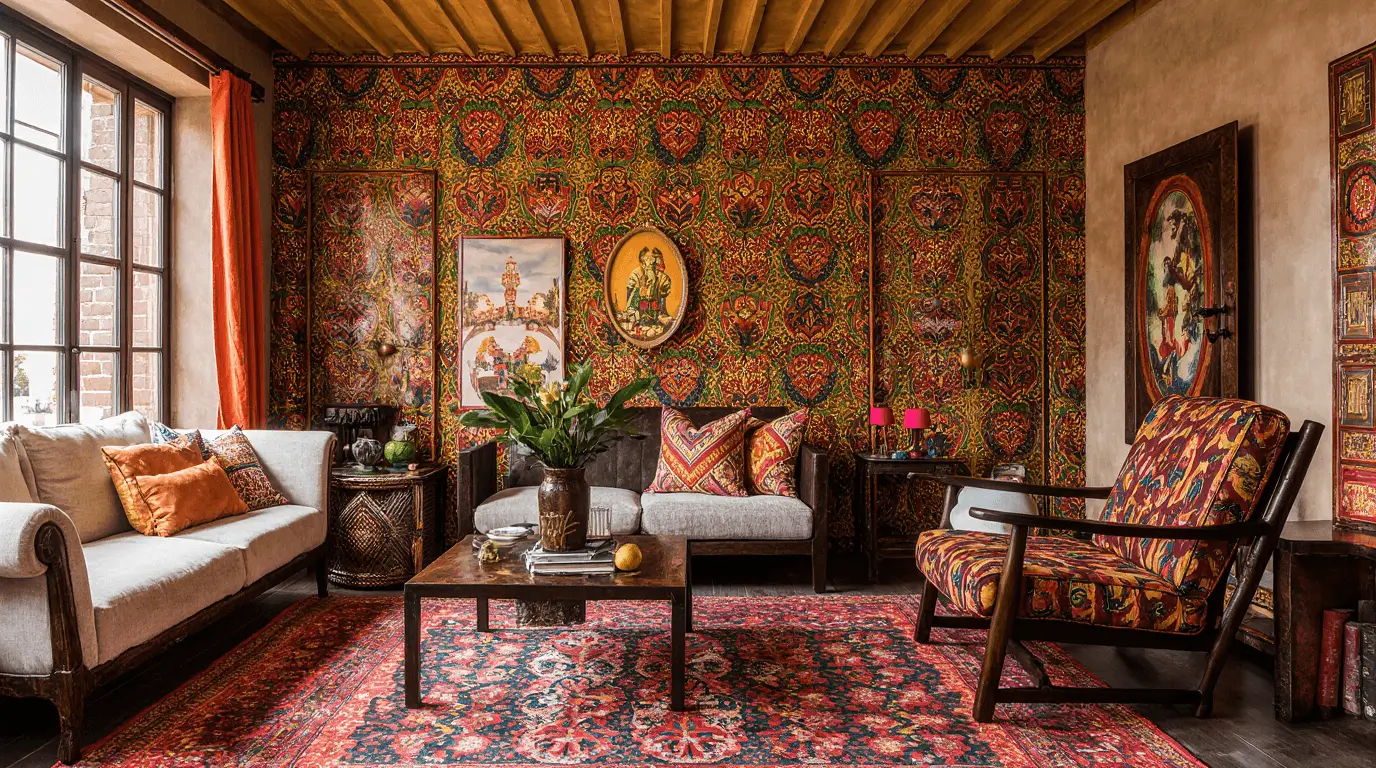
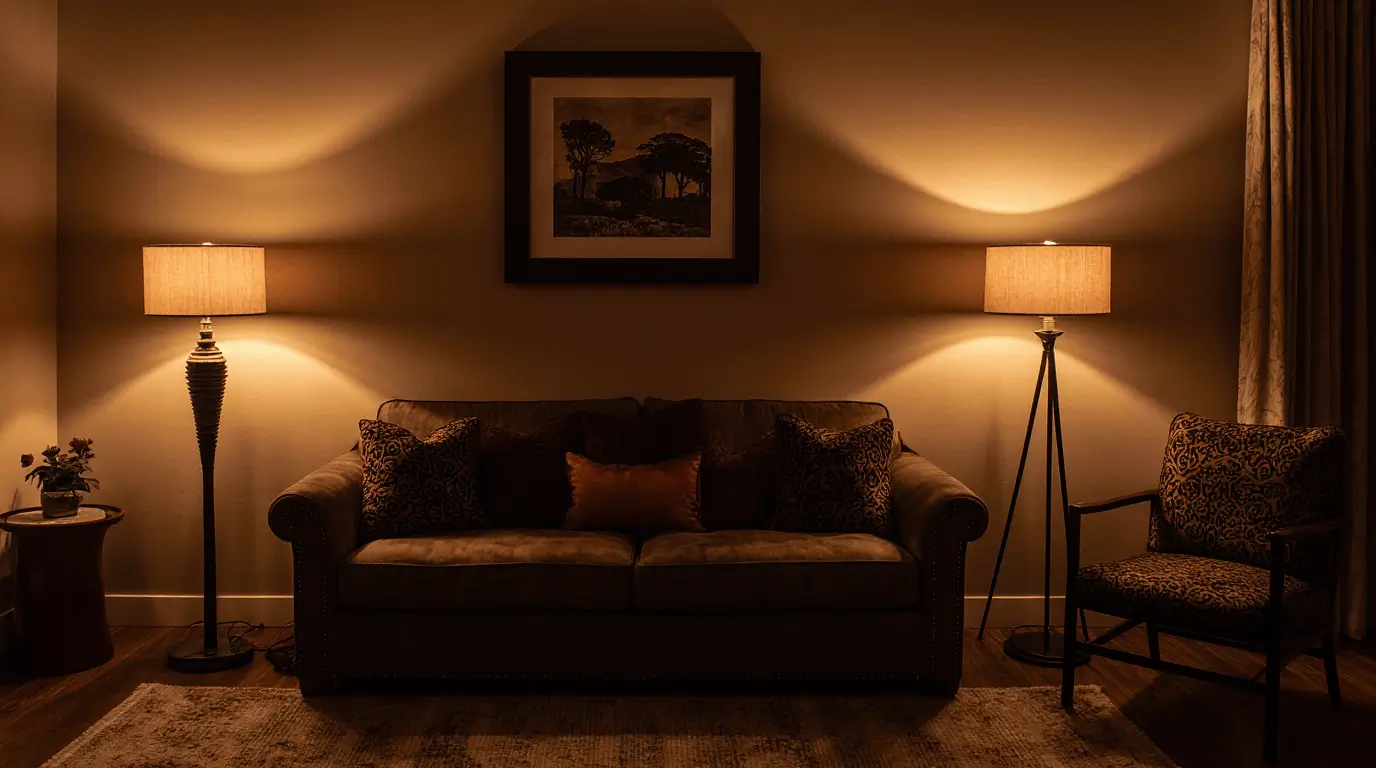
African Interior Design Living Room with Layered Lighting
Lighting is key—combine natural light, warm lamps, and ambient lighting to create depth.
Soft lighting enhances textures and creates a welcoming mood.
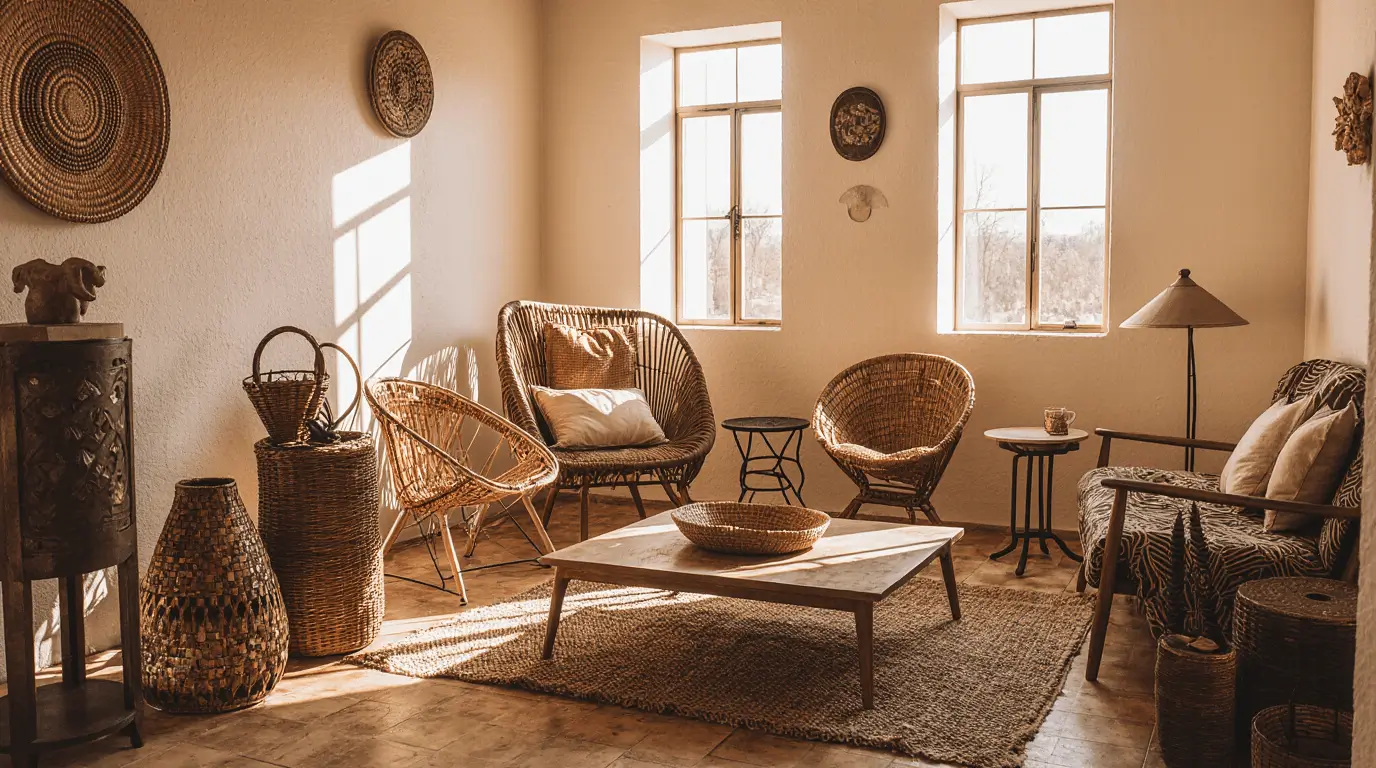
African Home Decorating Living Room with Handmade Pieces
Handmade décor—like woven baskets or carved furniture—adds uniqueness and authenticity.
These pieces tell stories and make the space feel truly one-of-a-kind.
Conclusion
A thoughtfully designed living room African interior design is more than a visual style—it’s an experience rooted in culture, craftsmanship, and intentional living. What consistently works across all variations—whether modern, traditional, or luxury—is the balance between natural materials, meaningful décor, and a grounded color palette. These elements create a space that feels warm, authentic, and deeply personal rather than overly styled.
In practice, the most successful interiors don’t try to replicate a single “look.” Instead, they layer textures, introduce handcrafted pieces, and use color with purpose. Even small changes—like adding woven baskets, switching to earthy tones, or incorporating tribal textiles—can shift the entire atmosphere of a room. This makes the style highly adaptable, whether you’re redesigning a full living room or simply refreshing your current space.
This approach works especially well for those who want their home to feel connected to nature and culture while still remaining modern and functional. If you focus on authenticity over excess, and quality over quantity, the result is a living room that feels calm, expressive, and timeless. Start with a neutral base, build in layers, and let each piece tell a story—that’s where this design truly comes alive.
Learn more : Urban Contemporary Interior Design That Elevates Spaces
FAQs
- What defines a living room African interior design style?
At its core, this style combines natural materials, earthy colors, and culturally inspired patterns or décor. It often includes handcrafted elements, textured fabrics, and symbolic art, creating a space that feels warm, organic, and meaningful rather than purely decorative. - Can I create an African-inspired living room in a modern home?
Yes, and it often works beautifully. You can keep your furniture modern and introduce African elements through textiles, artwork, lighting, and accessories. This blend creates a clean yet culturally rich environment without making the space feel heavy or traditional. - What colors work best for an African-style living room?
Earth tones are the foundation—think terracotta, warm browns, sand, olive green, and muted gold. You can layer in bold accents like deep red, mustard, or indigo through cushions, rugs, or art to add energy without overwhelming the space. - How do I avoid making the design look cluttered or overwhelming?
Focus on restraint and intention. Instead of adding many small decorative items, choose a few statement pieces—like a large artwork or a handcrafted chair. Let textures and materials do the work rather than overloading the room with patterns. - Are African interior design elements expensive to incorporate?
Not necessarily. While authentic handcrafted pieces can be an investment, you can start with affordable options like woven baskets, natural fiber rugs, or printed textiles. The key is choosing items that feel genuine rather than mass-produced imitations. - What role do textures play in African interior design?
Textures are essential—they bring depth, warmth, and visual interest. Materials like wood, rattan, linen, clay, and woven fibers create a layered look that makes the space feel inviting and lived-in rather than flat or sterile. - How can I make my living room feel authentic rather than themed?
Authenticity comes from thoughtful choices. Mix modern elements with cultural pieces, prioritize natural materials, and avoid overusing matching patterns. When each item has a purpose or story, the space feels curated rather than staged.



One Response