
Introduction
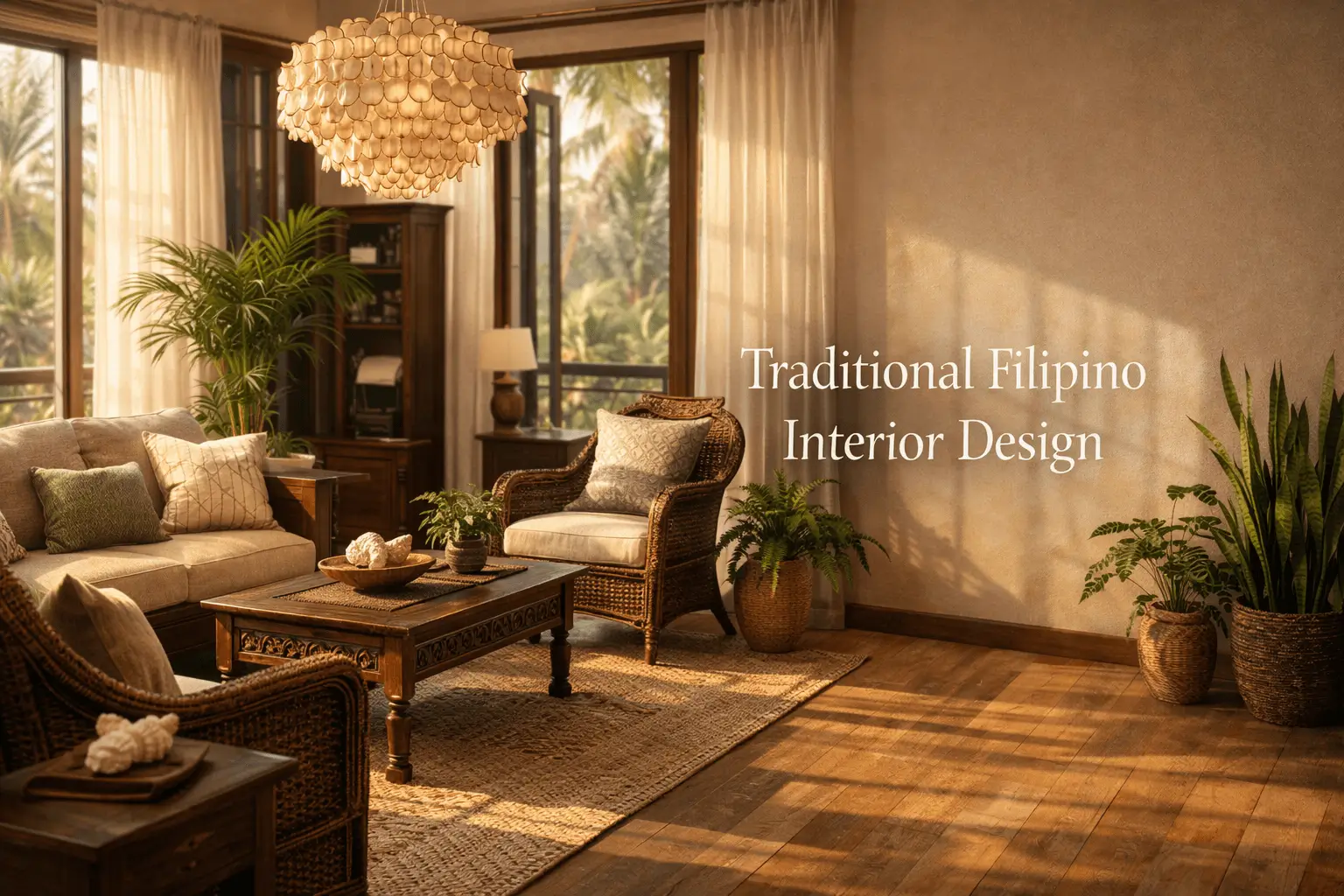
Traditional Filipino interior design is more than a visual style—it’s a reflection of heritage, climate, and craftsmanship shaped over generations. Rooted in indigenous materials and influenced by Spanish and Asian aesthetics, it blends warmth, functionality, and cultural storytelling into everyday living spaces. From woven textures to handcrafted woodwork, every detail serves both purpose and identity.
In my experience working with tropical and heritage-inspired interiors, what makes this style truly stand out is its balance. It doesn’t try to overwhelm with decoration. Instead, it leans into natural airflow, earthy palettes, and meaningful pieces that feel lived-in rather than staged. Whether you’re designing a full home or adding subtle touches, traditional Filipino interior design offers a timeless, soulful approach that works beautifully even in modern settings.
Traditional Filipino Interior Design with Natural Materials
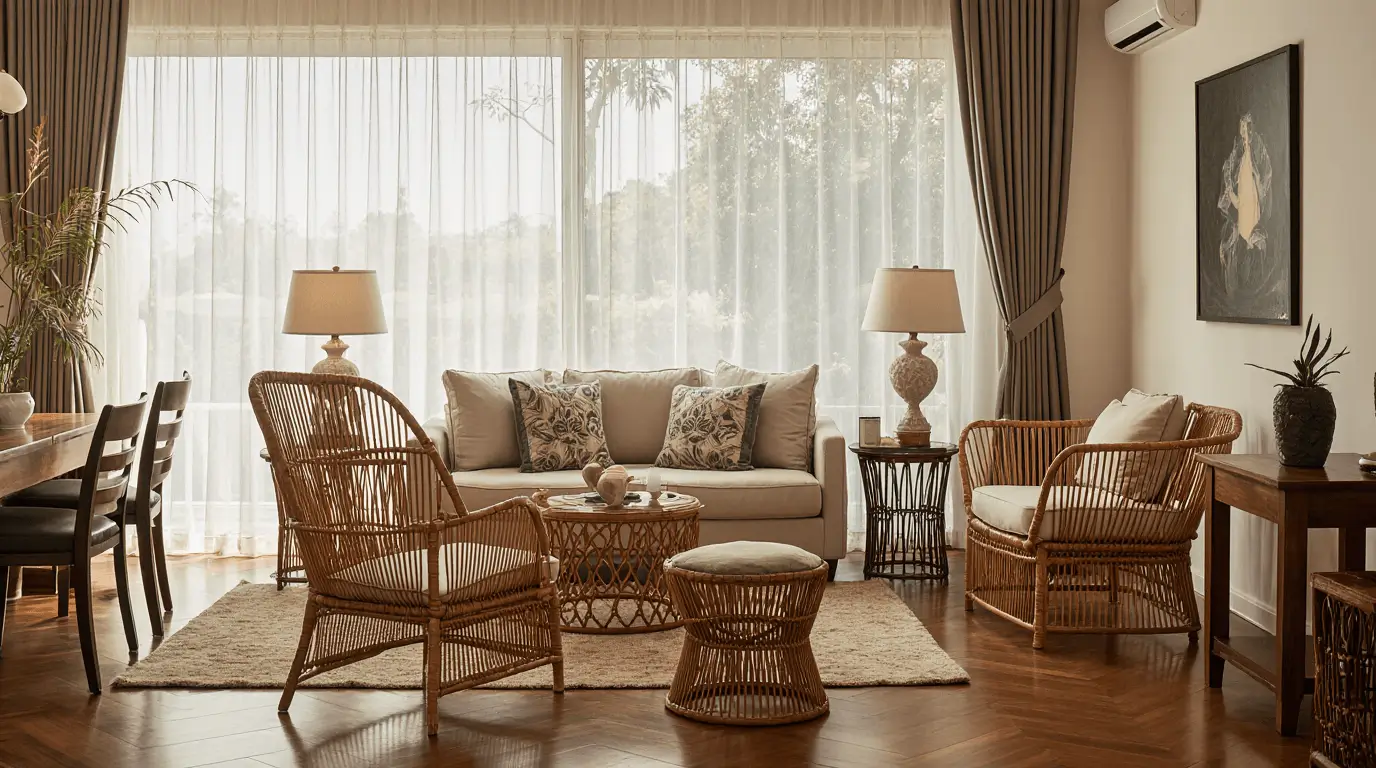
Natural materials are the backbone of this design style. Bamboo, rattan, capiz shells, and hardwoods create a breathable, organic environment suited for tropical climates. These materials not only look beautiful but also age gracefully, adding character over time.
Traditional Filipino Interior Design with Capiz Shell Accents
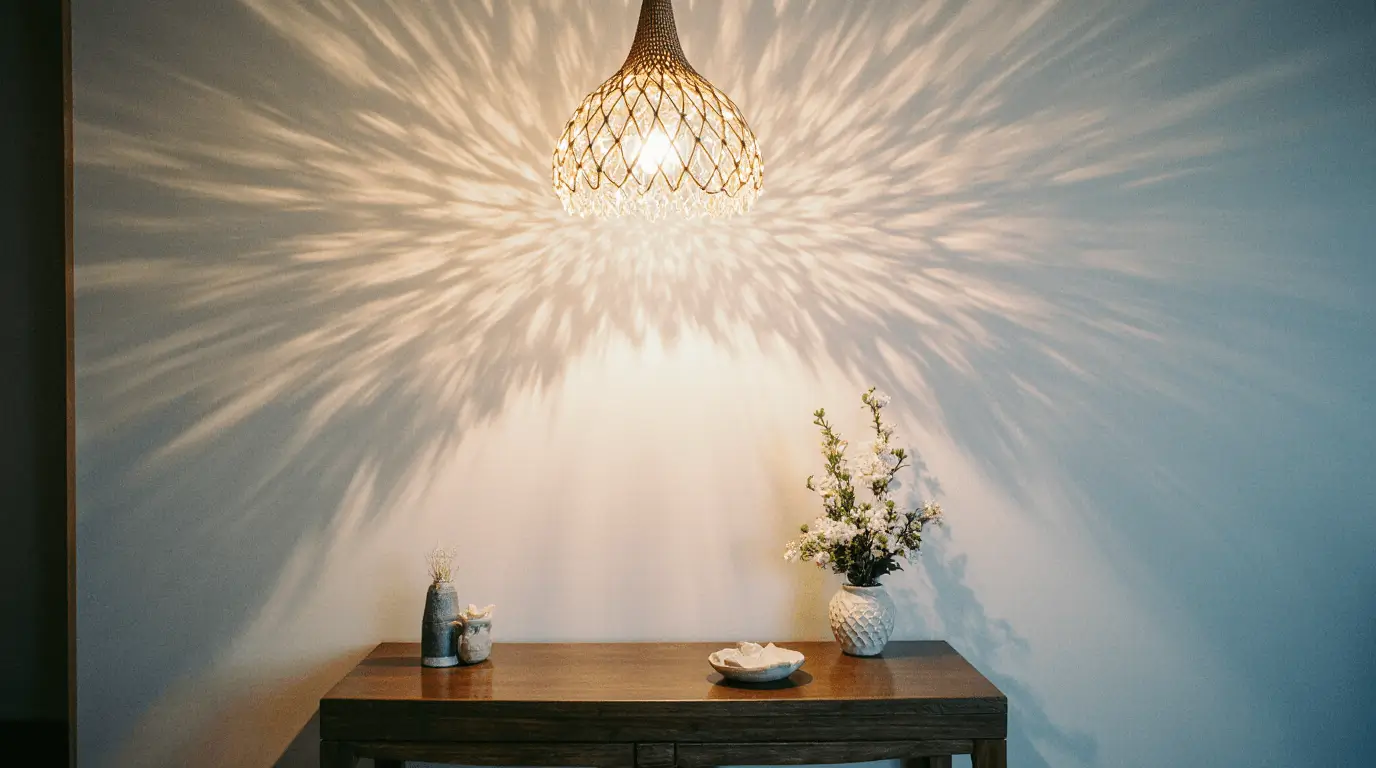
Capiz shells are iconic in Filipino décor, often used in lighting, windows, and decorative panels. Their translucent quality softens light, creating a warm and calming glow that enhances the atmosphere.
Traditional Filipino Interior Design with Dark Wood Furniture
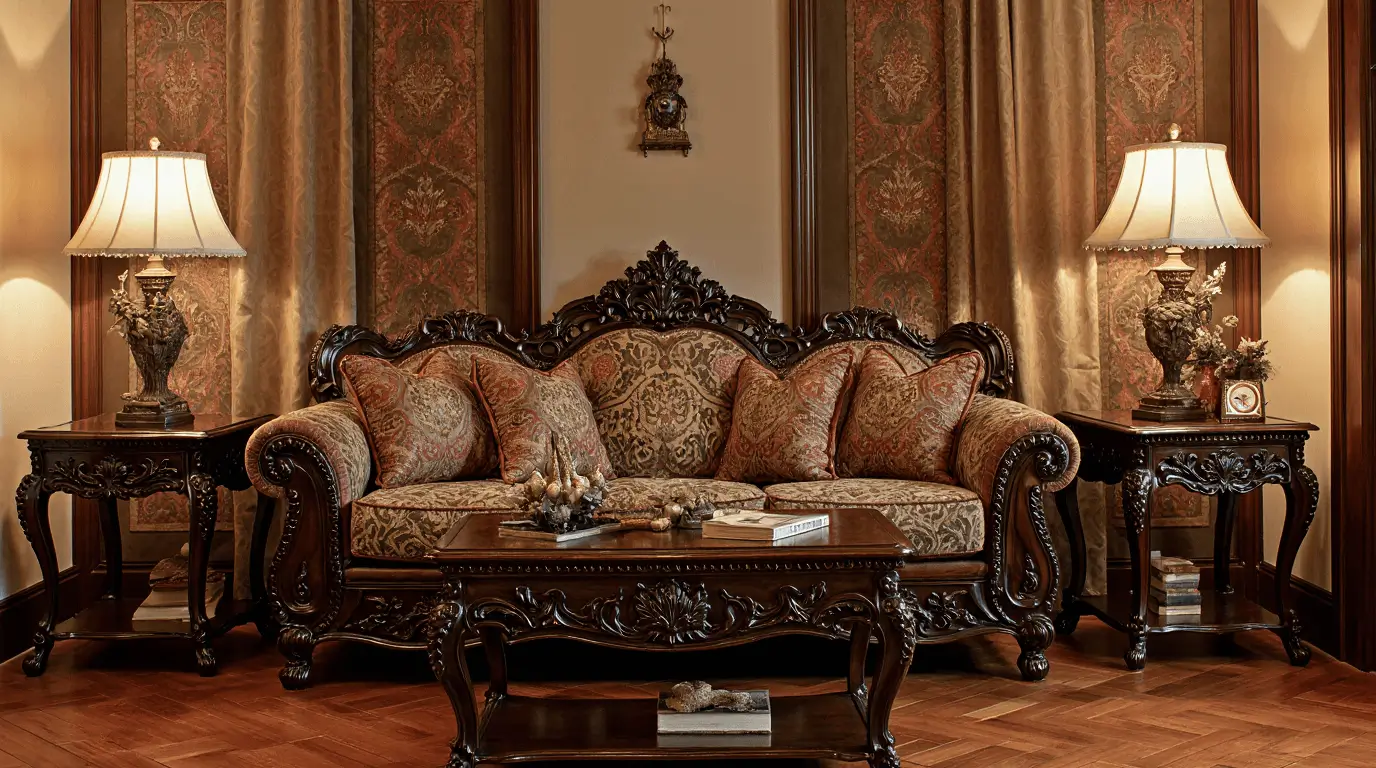
Solid hardwood furniture, often in narra or molave, anchors the space with richness and durability. These pieces are typically handcrafted, featuring intricate carvings that reflect cultural motifs.
Traditional Filipino Interior Design with Open Ventilation Layout
Homes are designed to maximize airflow, using large windows, high ceilings, and open layouts. This not only keeps interiors cool but also creates a seamless connection between indoor and outdoor spaces.
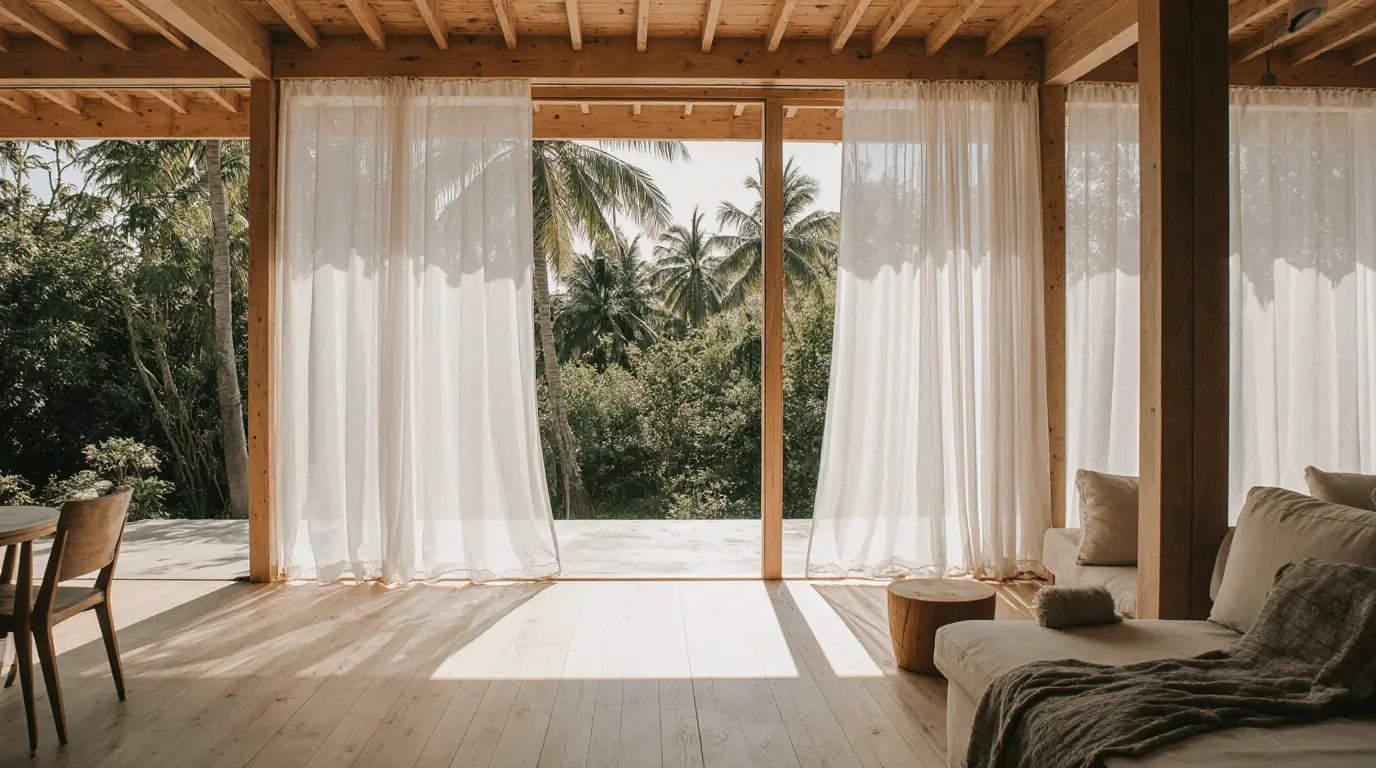
Traditional Filipino Interior Design with Earthy Color Palette
Warm neutrals like beige, brown, cream, and muted greens dominate the palette. These colors reflect the natural environment and create a calming, grounded atmosphere.
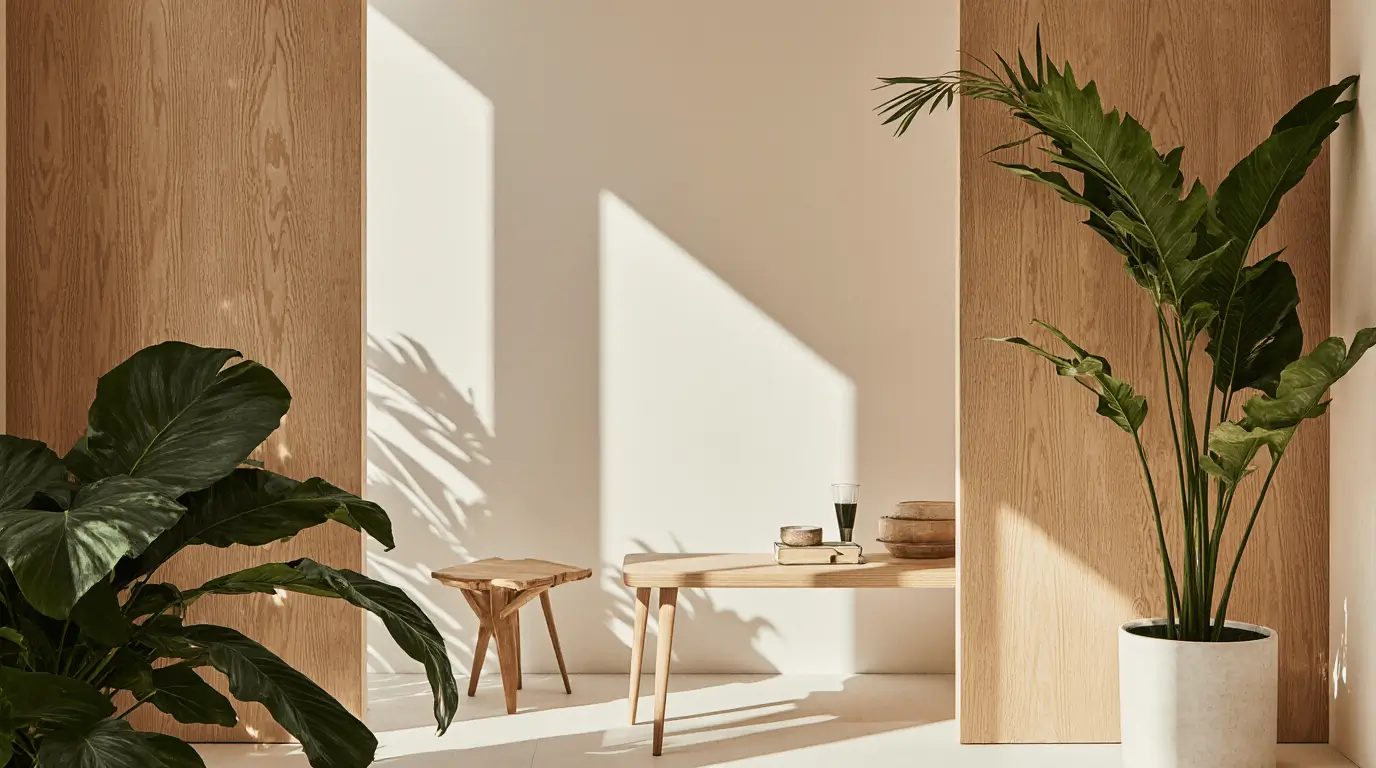
Traditional Filipino Interior Design with Woven Textiles
Handwoven fabrics such as banig and abaca add texture and cultural authenticity. These textiles are often used in rugs, cushions, and wall décor.
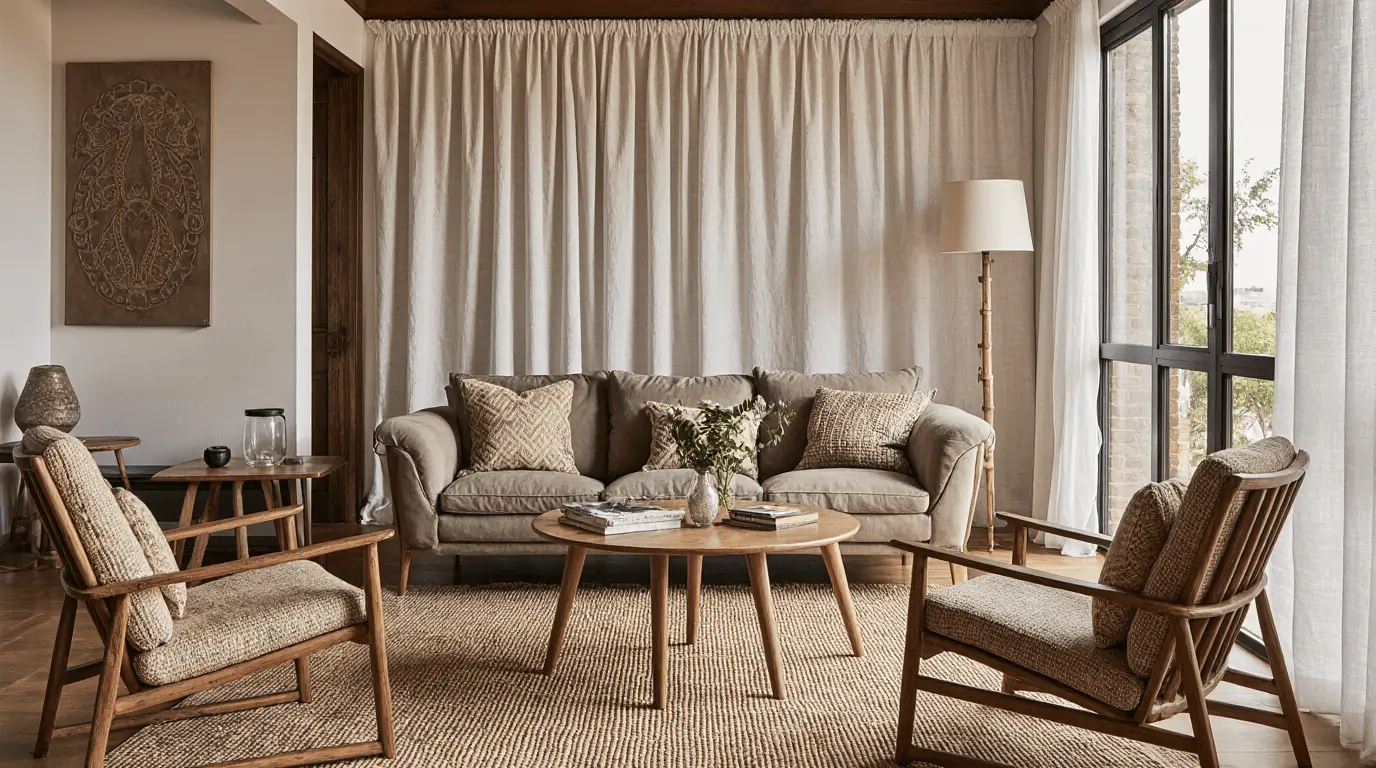
Traditional Filipino Interior Design with Antique Décor Pieces
Vintage trunks, heirloom furniture, and antique accessories bring depth and storytelling into the space. These elements connect modern living with historical roots.
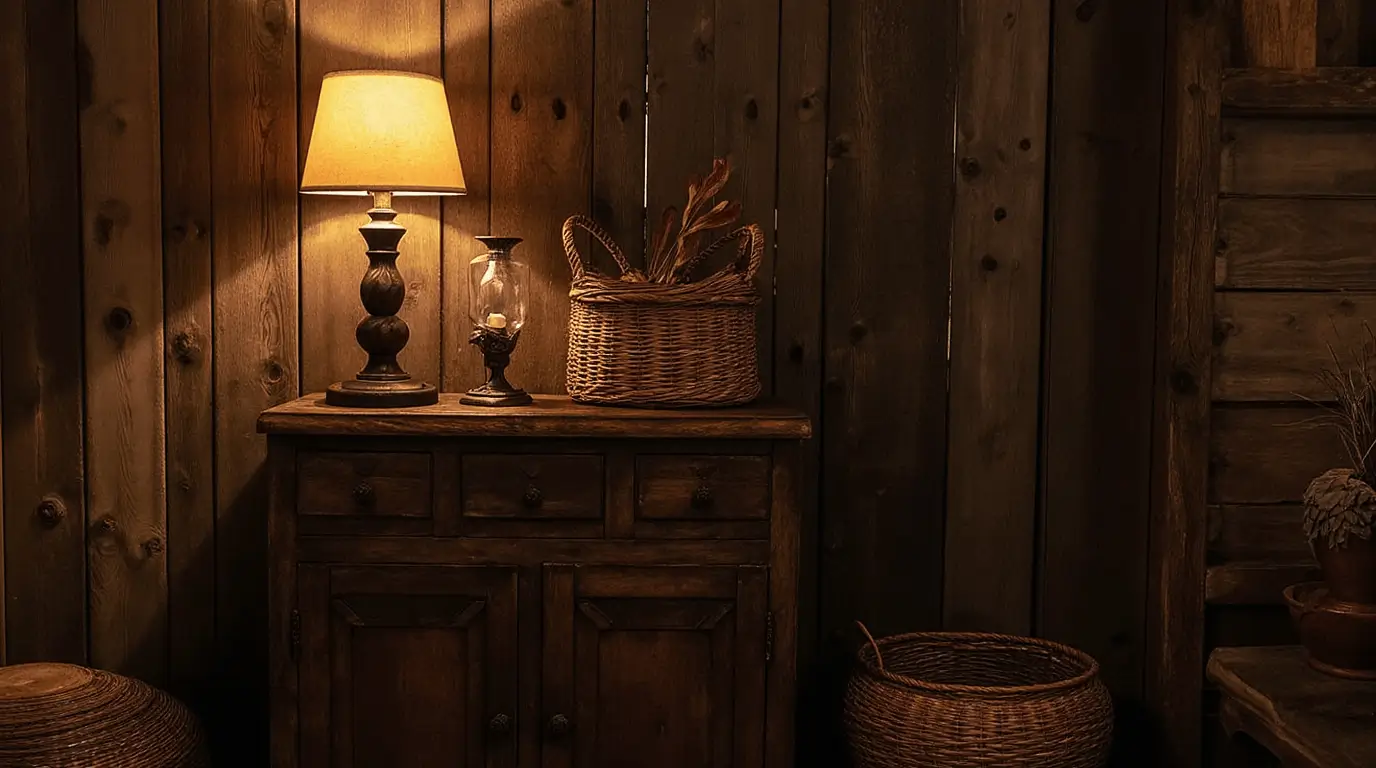
Traditional Filipino Interior Design with Tropical Greenery
Indoor plants play a key role, enhancing freshness and reinforcing the connection to nature. Palms, ferns, and local tropical plants are commonly used.
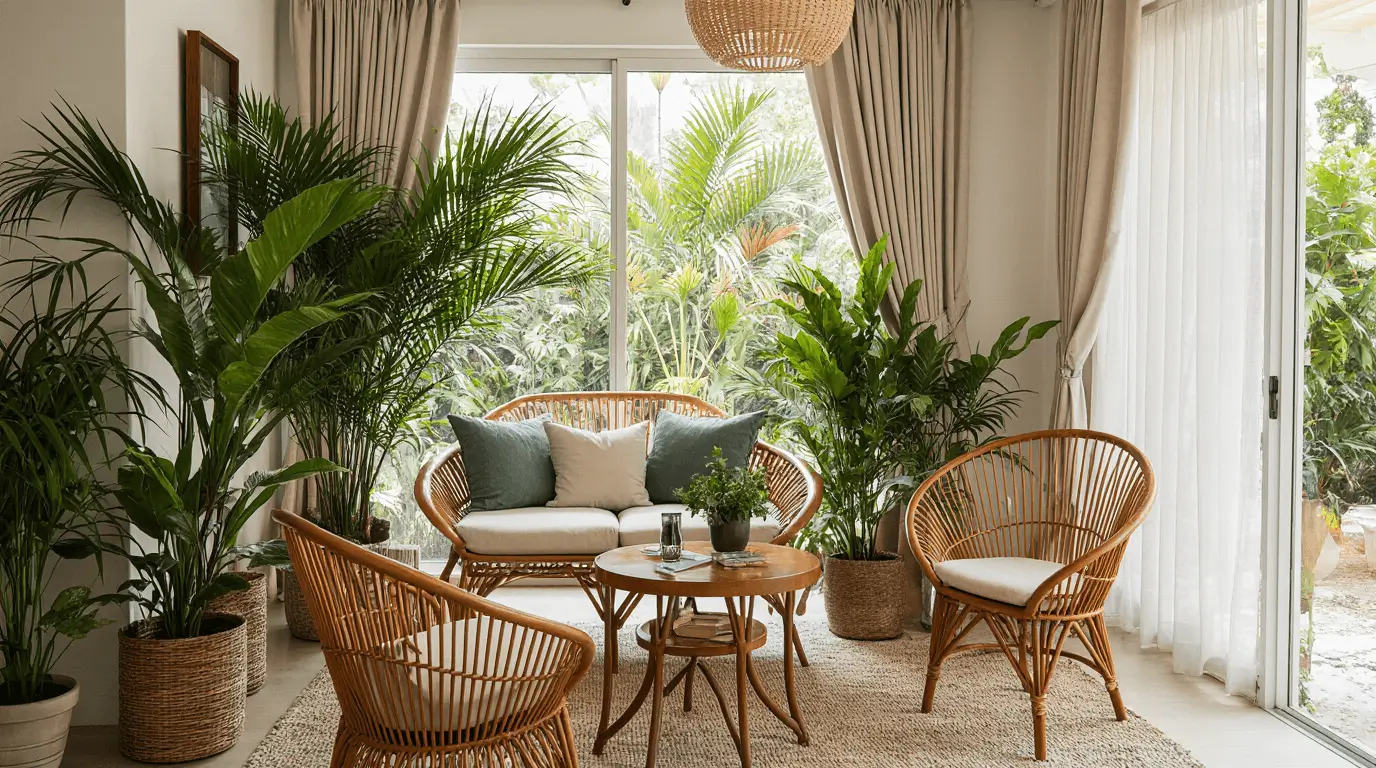
Traditional Filipino Interior Design with Elevated Flooring Concept
Inspired by the traditional bahay kubo, raised flooring helps with ventilation and protection from heat and flooding. It also adds architectural uniqueness.
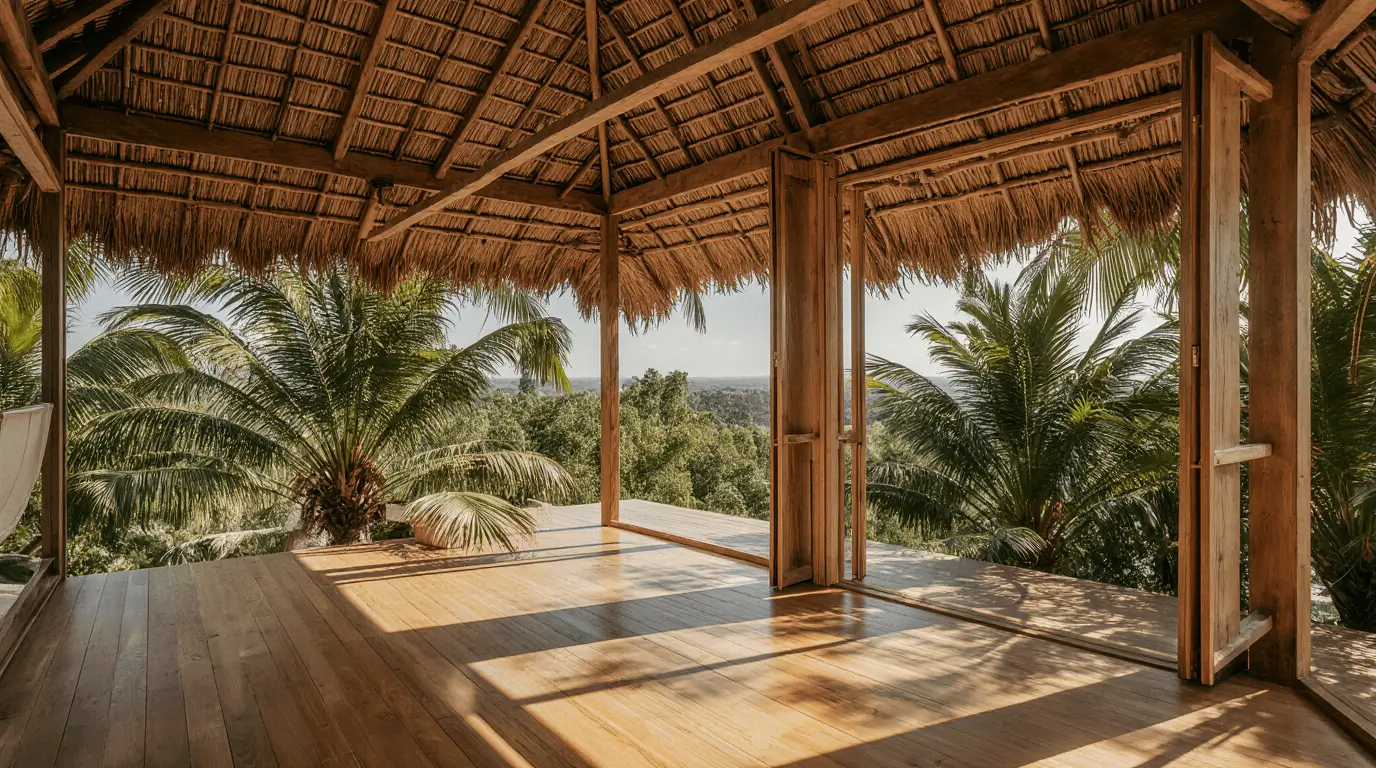
Traditional Filipino Interior Design with Handcrafted Details
Artisan craftsmanship is central—whether in carved wood panels, woven baskets, or handmade décor. These details make each space unique and personal.
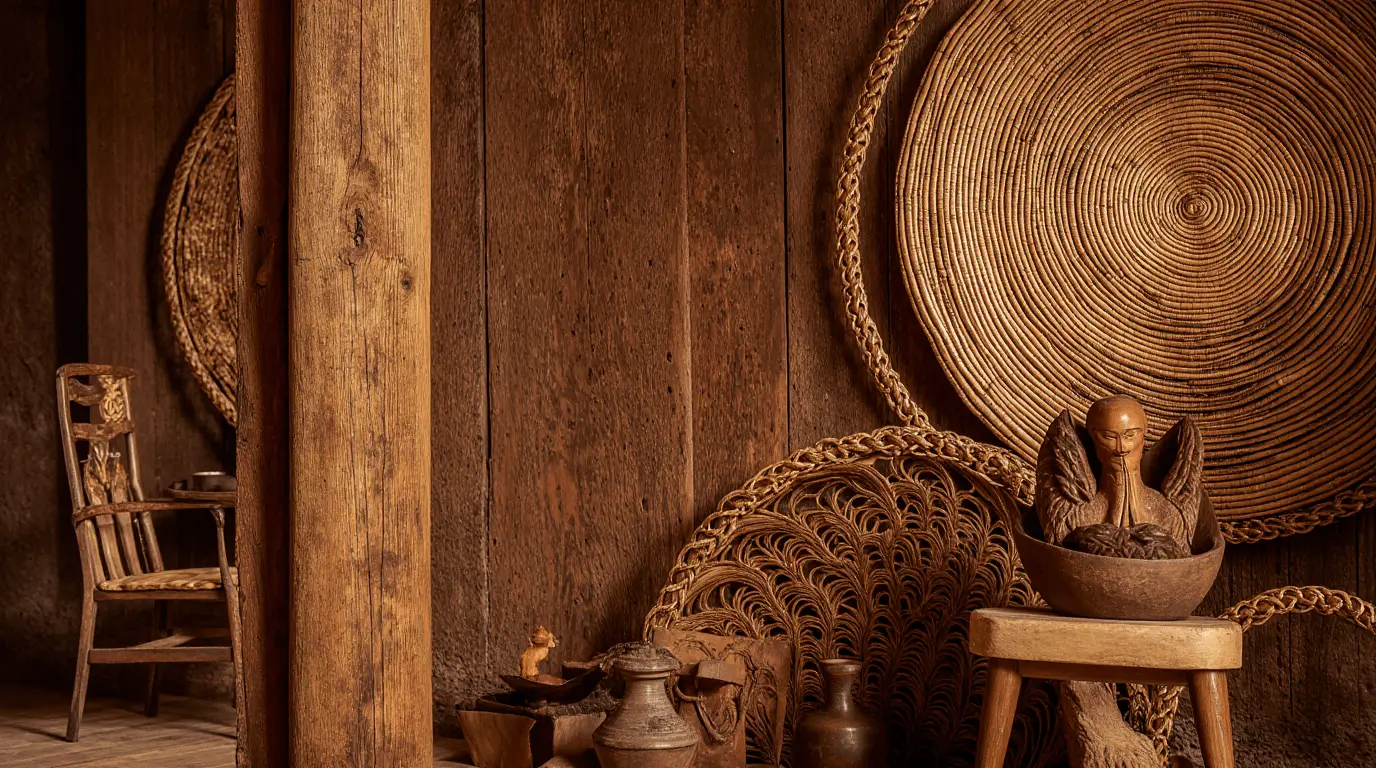
Traditional Filipino Interior Design with Sliding Windows and Panels
Sliding capiz or wooden panels are commonly used to control light and airflow while maintaining privacy. They add a dynamic, functional design element.
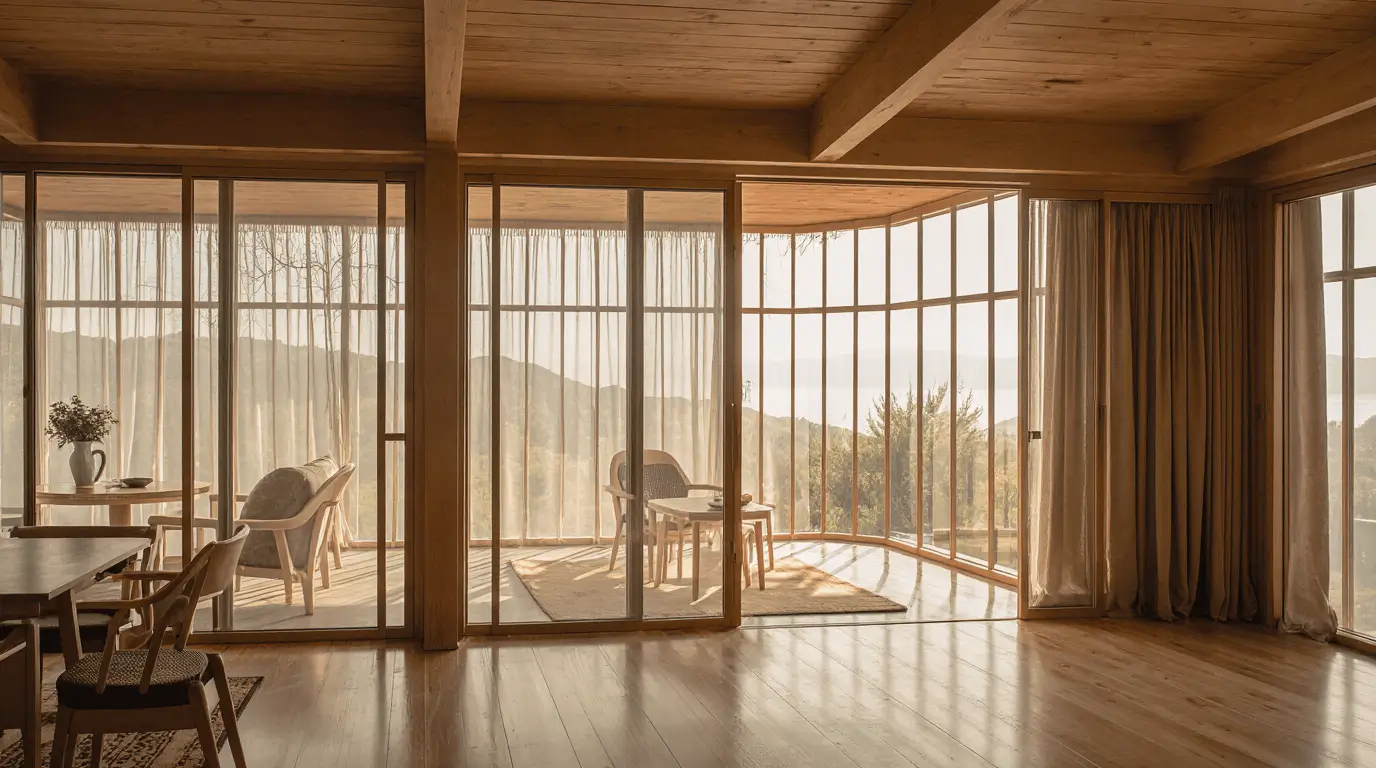
Traditional Filipino Interior Design with Minimalist Styling
Despite its rich heritage, the style avoids clutter. Each piece has purpose, allowing materials and craftsmanship to take center stage.
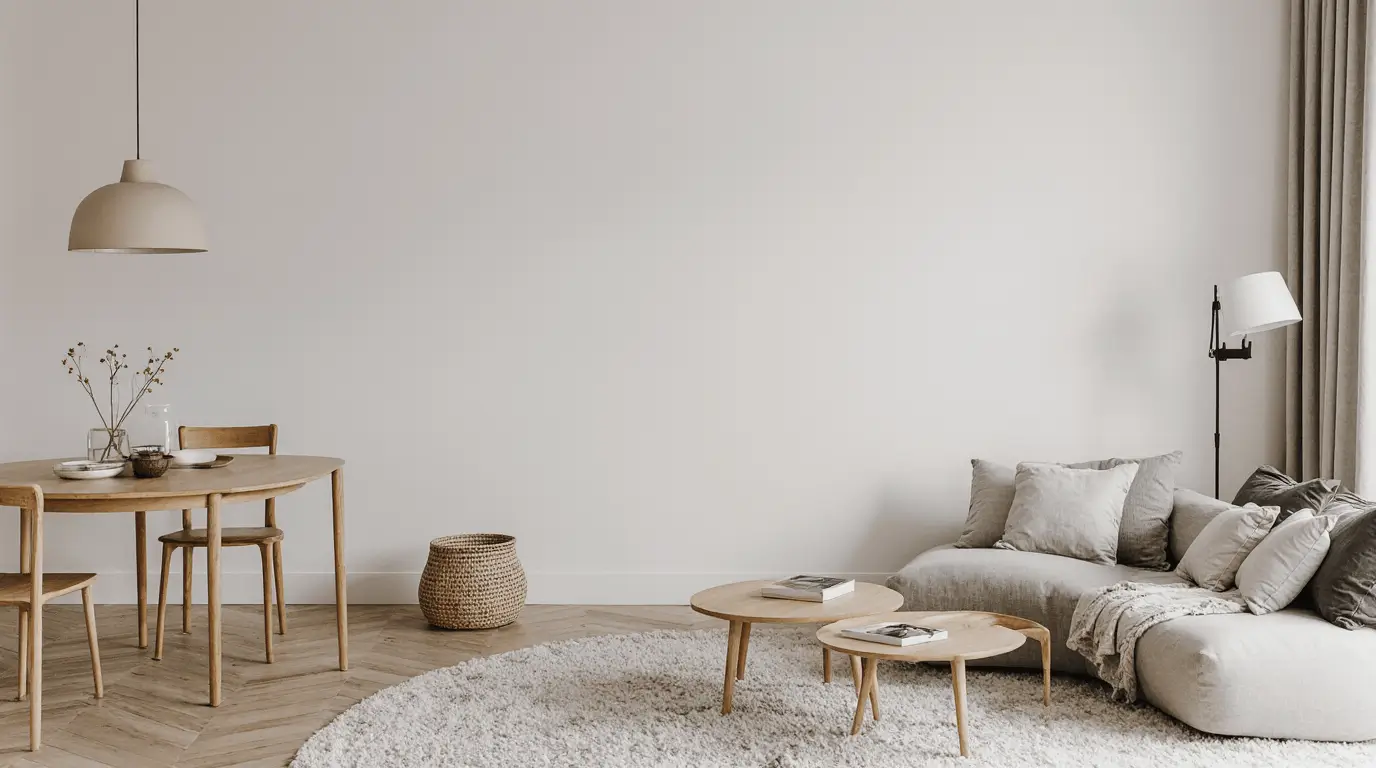
Traditional Filipino Interior Design with Cultural Artwork
Local artwork, including tribal patterns and indigenous crafts, adds personality and cultural depth. These pieces often become focal points.
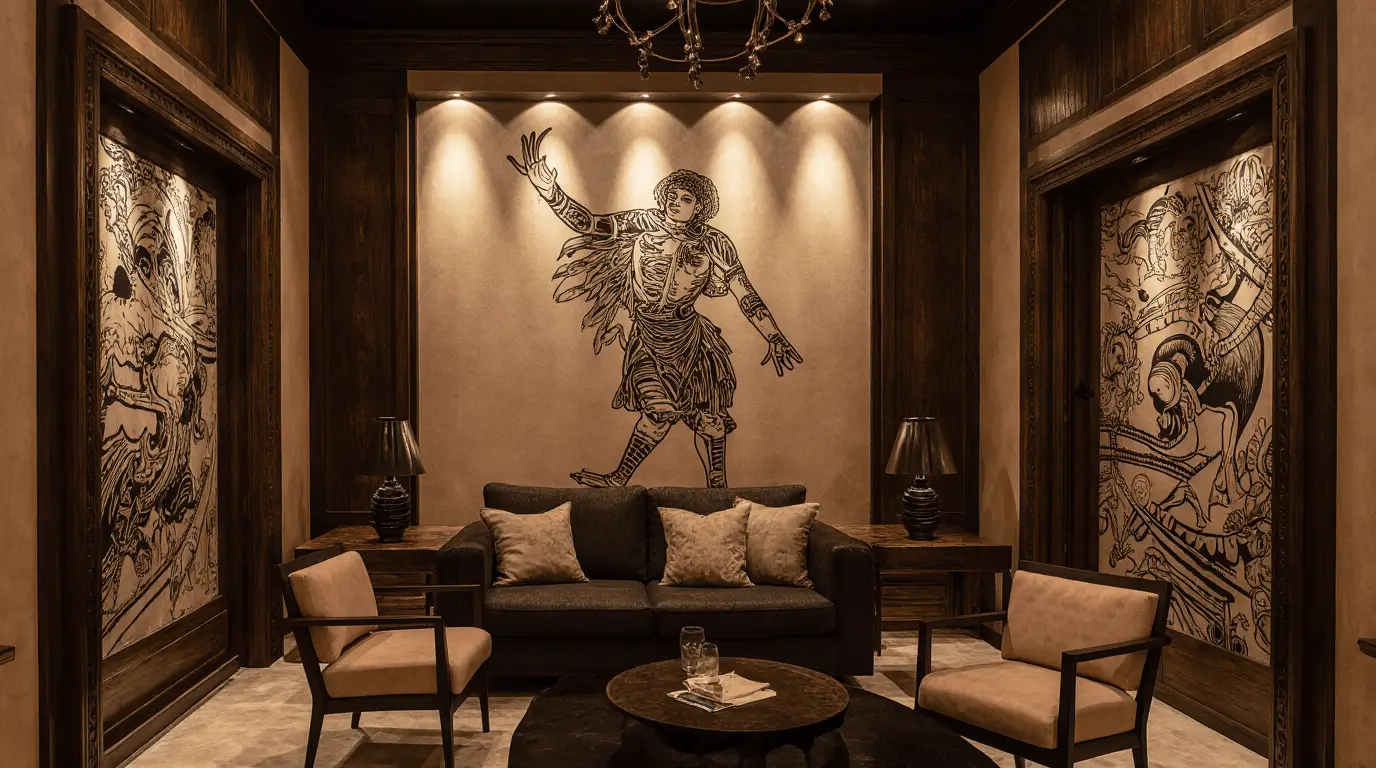
Traditional Filipino Interior Design with Coastal Influence
Given the Philippines’ geography, coastal elements like light fabrics, sea-inspired colors, and breezy layouts are often integrated.
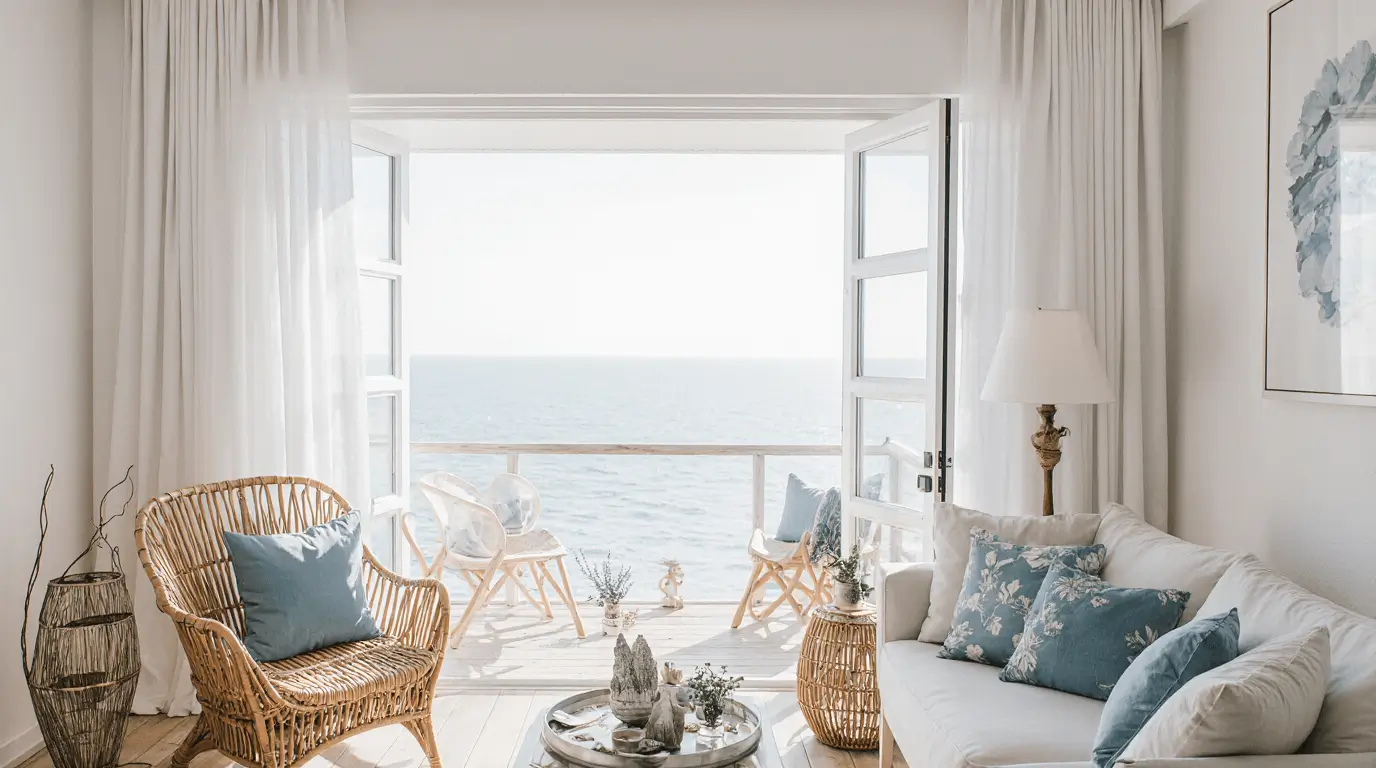
Traditional Filipino Interior Design with Modern Fusion
Modern Filipino interiors often blend traditional elements with contemporary design. Clean lines meet natural textures, creating a refined yet rooted aesthetic.
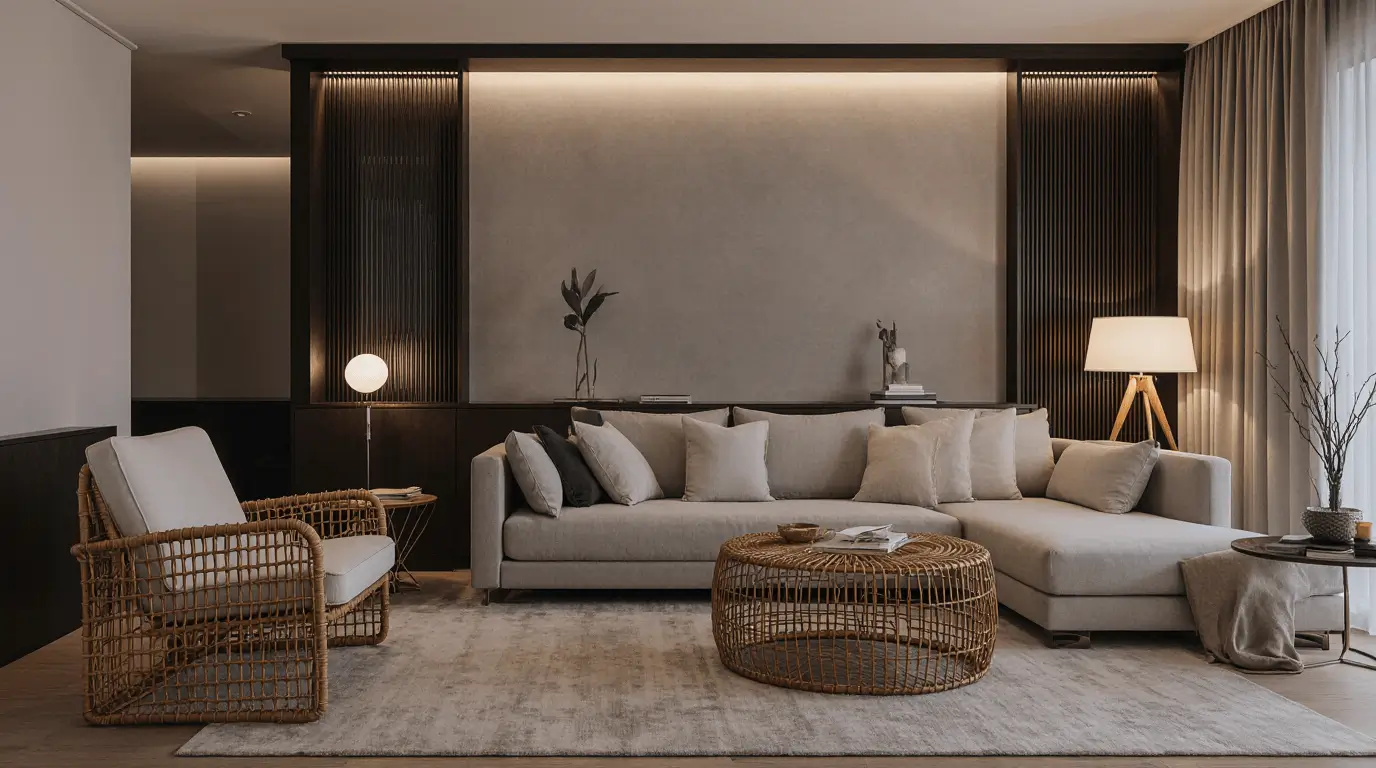
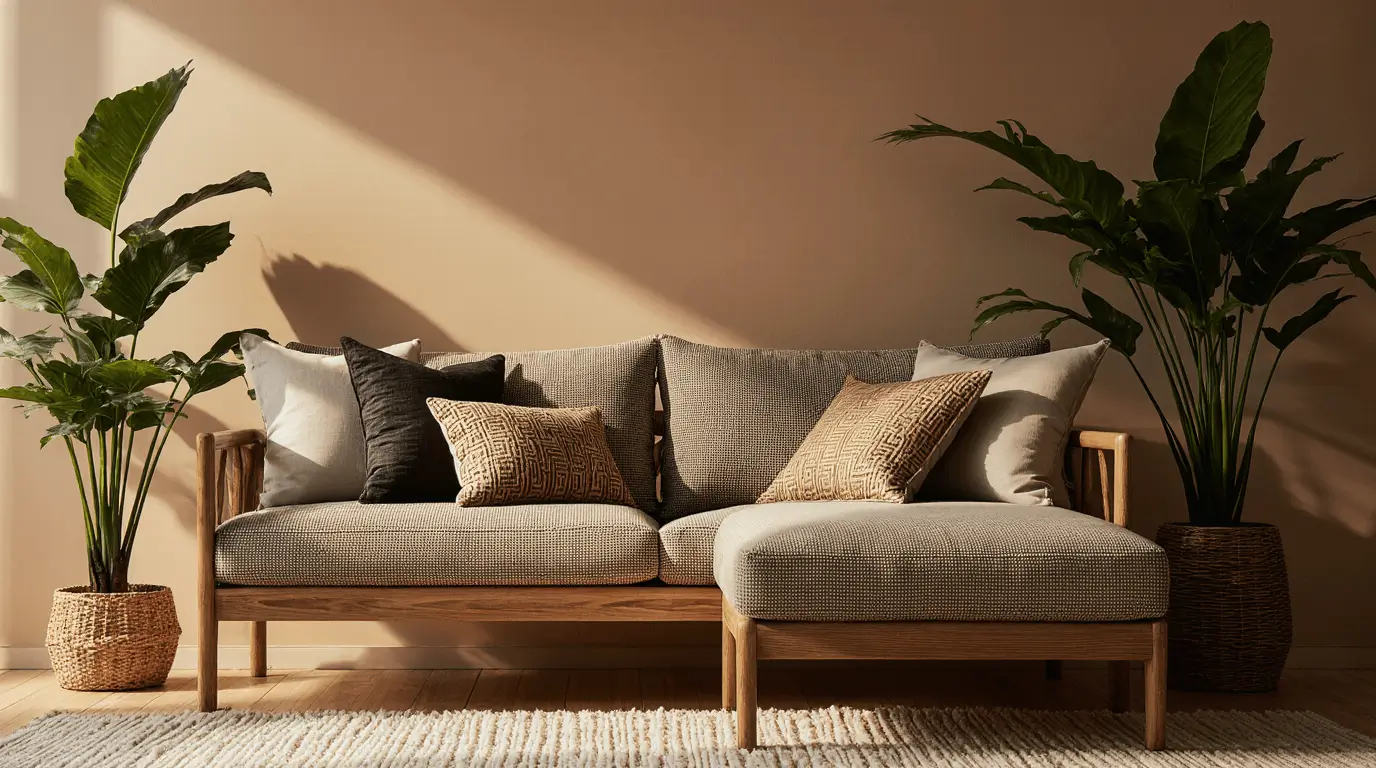
Traditional Filipino Interior Design for Living Rooms
The living room is often the heart of the home, designed for gathering and comfort. It combines sturdy furniture, soft textiles, and inviting layouts.
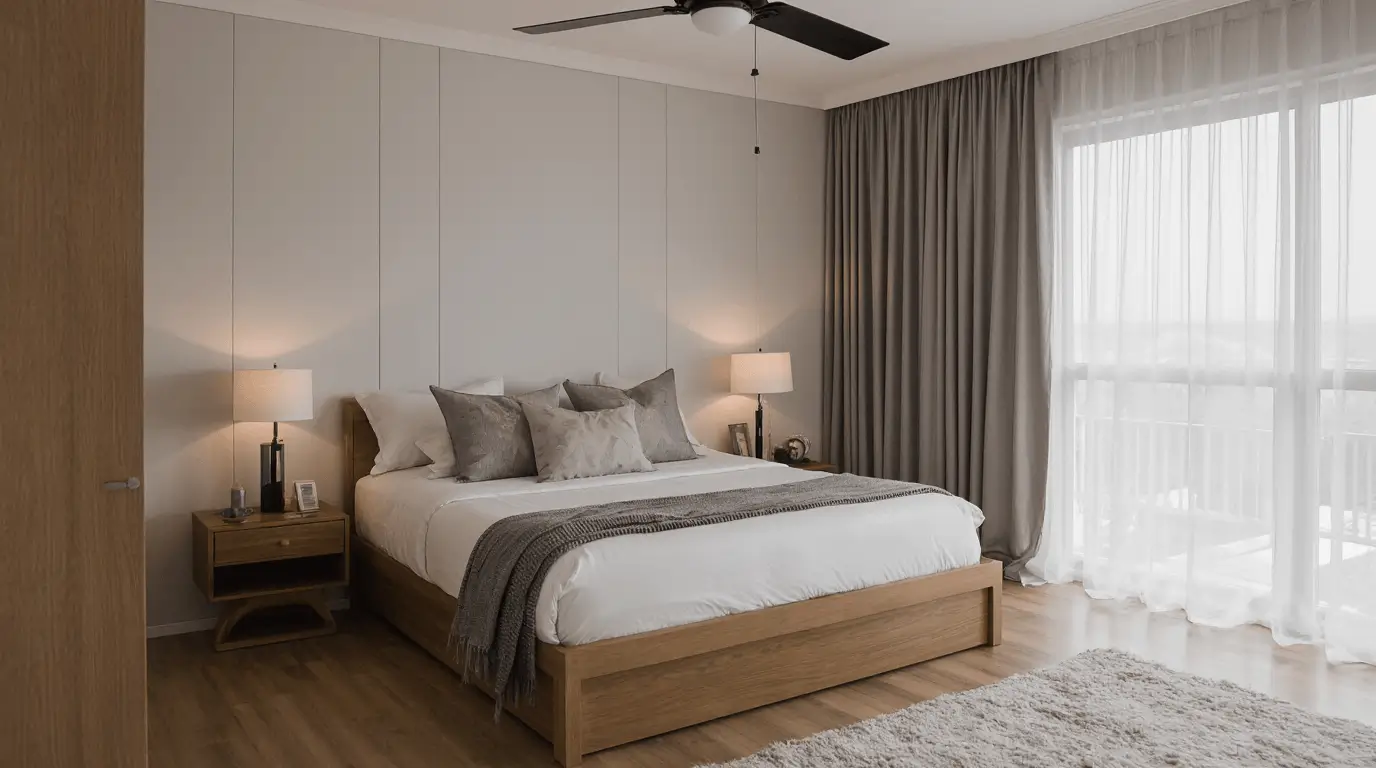
Traditional Filipino Interior Design for Bedrooms
Bedrooms emphasize relaxation, using light fabrics, natural textures, and simple layouts to create a peaceful retreat.
Conclusion
Traditional Filipino interior design endures because it is deeply rooted in both place and purpose. It responds naturally to climate, celebrates craftsmanship, and prioritizes comfort in a way that feels intuitive rather than forced. From breathable layouts to tactile materials like wood, rattan, and woven fibers, every element works together to create a home that feels calm, grounded, and genuinely lived-in.
In practice, this design approach benefits anyone seeking warmth and authenticity over fleeting trends. You don’t need to recreate a full heritage home to embrace it—often, a few thoughtful choices like incorporating natural textures, improving airflow, or introducing handcrafted accents can shift the entire feel of a space. When applied with intention, traditional Filipino interior design offers a timeless foundation that adapts beautifully to modern living while preserving cultural depth.
Learn more : Living Room African Interior Design: Warm Modern Style
FAQs
- Can traditional Filipino interior design work in modern homes or apartments?
Yes, it adapts very well. You can integrate elements like rattan furniture, capiz lighting, or earthy tones into a modern layout without overwhelming the space. The key is balance—mix clean lines with natural textures. - What are the most essential materials to achieve this style?
Focus on bamboo, rattan, hardwood, and woven textiles like abaca or banig. These materials define the look and also contribute to the airy, tropical feel that makes the design so effective. - How can I make my space feel more “Filipino” without major renovations?
Start small—add woven rugs, wooden décor, indoor plants, or capiz accents. Improving natural light and decluttering the space also goes a long way in capturing the essence of the style. - Is traditional Filipino interior design suitable for small spaces?
Absolutely. Its emphasis on simplicity, airflow, and minimal clutter actually makes it ideal for smaller homes. Light colors, multifunctional furniture, and open layouts help maximize space. - What colors work best in this design style?
Earthy and neutral tones dominate—think warm browns, soft beiges, muted greens, and off-whites. These colors reflect nature and help create a calm, cohesive environment. - How do I balance traditional and modern elements without clashing?
Use traditional materials as accents rather than filling the entire space. For example, pair a modern sofa with rattan chairs or add a carved wooden piece as a focal point. Let one style lead while the other supports. - Why is ventilation such an important part of this design?
Because it’s rooted in tropical living. Proper airflow keeps spaces cool and comfortable without relying heavily on artificial cooling. Large windows, open layouts, and breathable materials all contribute to this function.



One Response