
Introduction
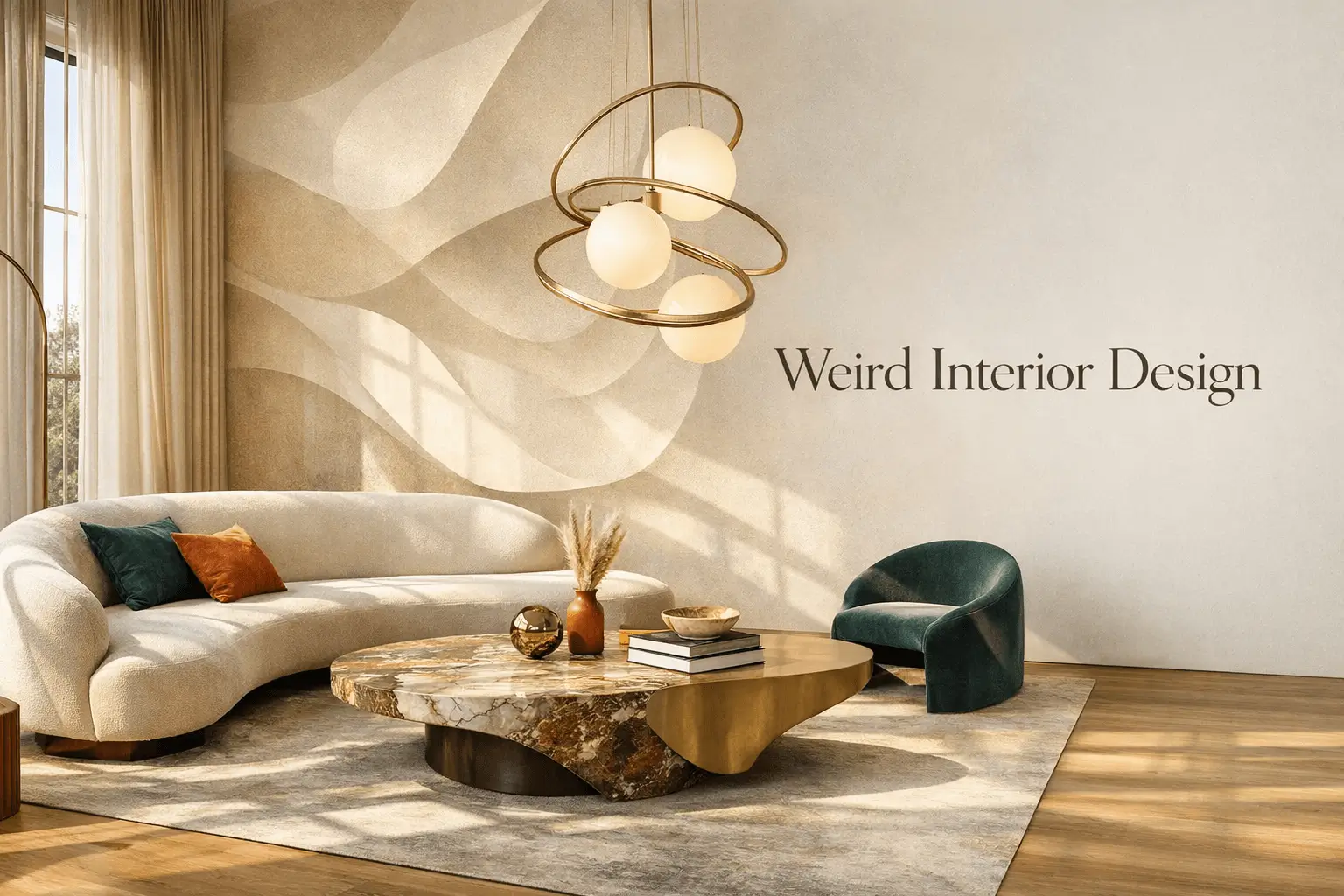
Weird interior design is not about chaos—it’s about intentional deviation from the ordinary. It challenges traditional rules of balance, symmetry, and predictability to create spaces that feel surprising, expressive, and deeply personal. In modern homes, this approach is gaining traction because it allows homeowners to move beyond safe trends and experiment with identity-driven interiors.
From my experience observing both high-end and experimental residential spaces, the most memorable interiors are rarely “perfect”—they’re distinctive. Weird interior design works when it blends contrast, unexpected materials, and unusual layouts in a way that still feels livable. The goal isn’t to shock for the sake of it, but to create a space that sparks curiosity while maintaining a sense of purpose.
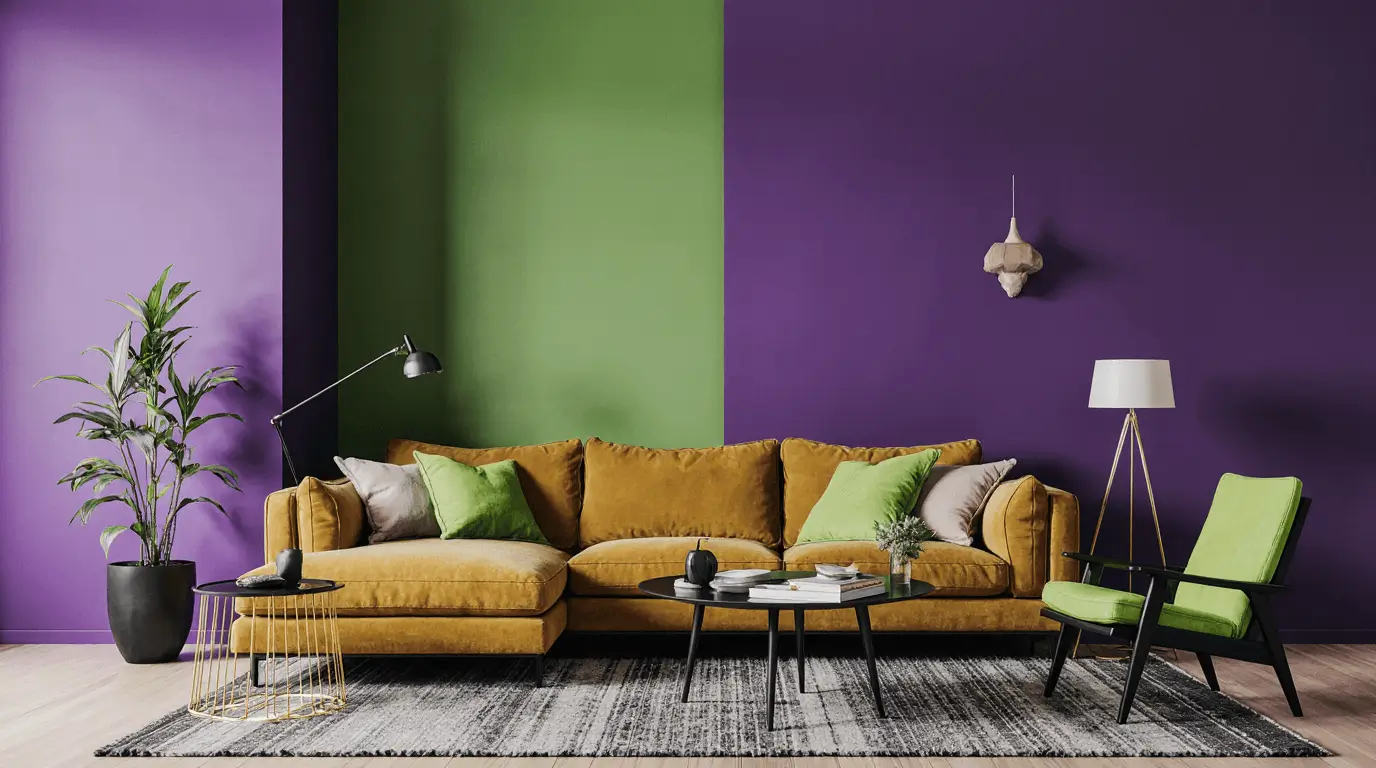
Weird Interior Design Ideas with Unexpected Color Combinations
Unusual color pairings—like mustard yellow with deep violet or neon green with charcoal—can instantly shift the mood of a space. These combinations break traditional harmony rules but create strong visual identity when balanced correctly.
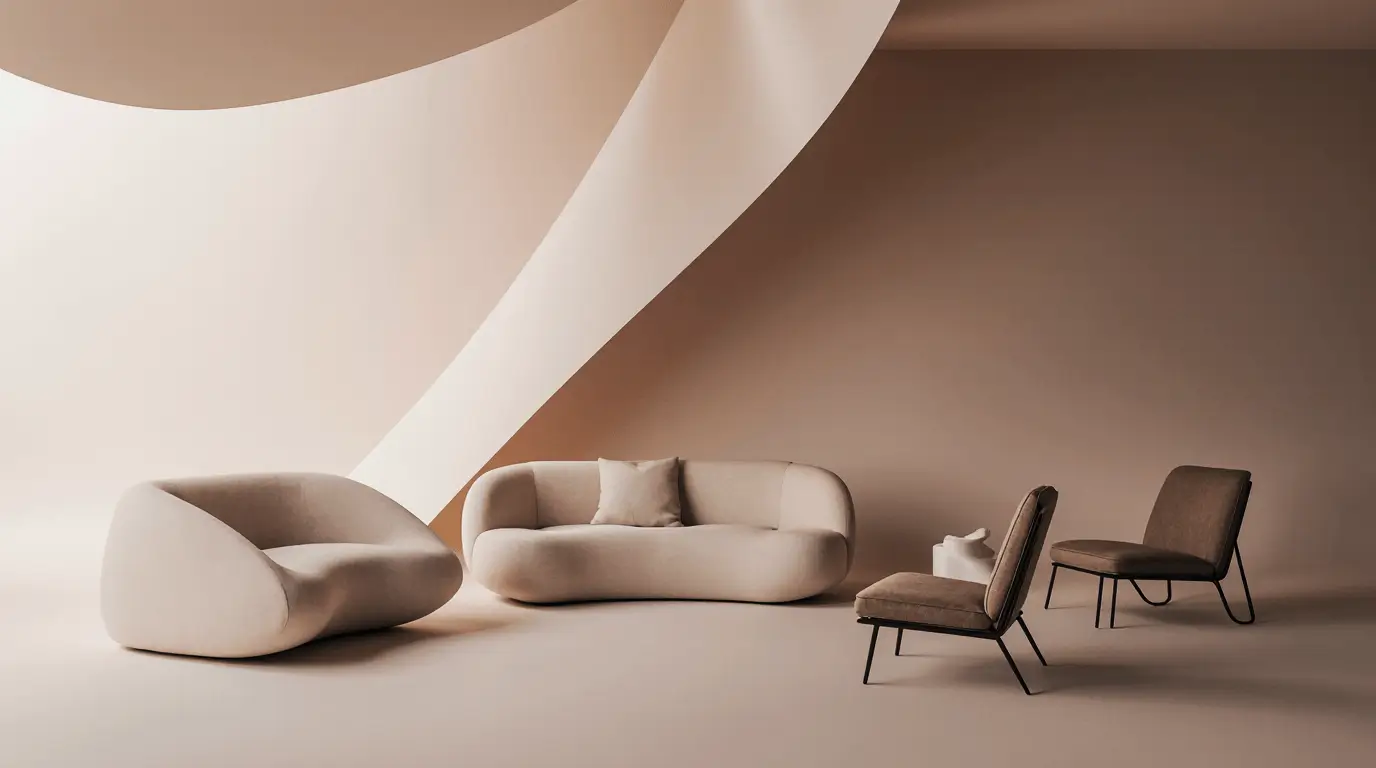
Weird Interior Design Using Distorted Furniture Forms
Furniture that bends, curves, or appears asymmetrical introduces a sculptural element. These pieces act as both functional items and art, redefining how space is perceived.
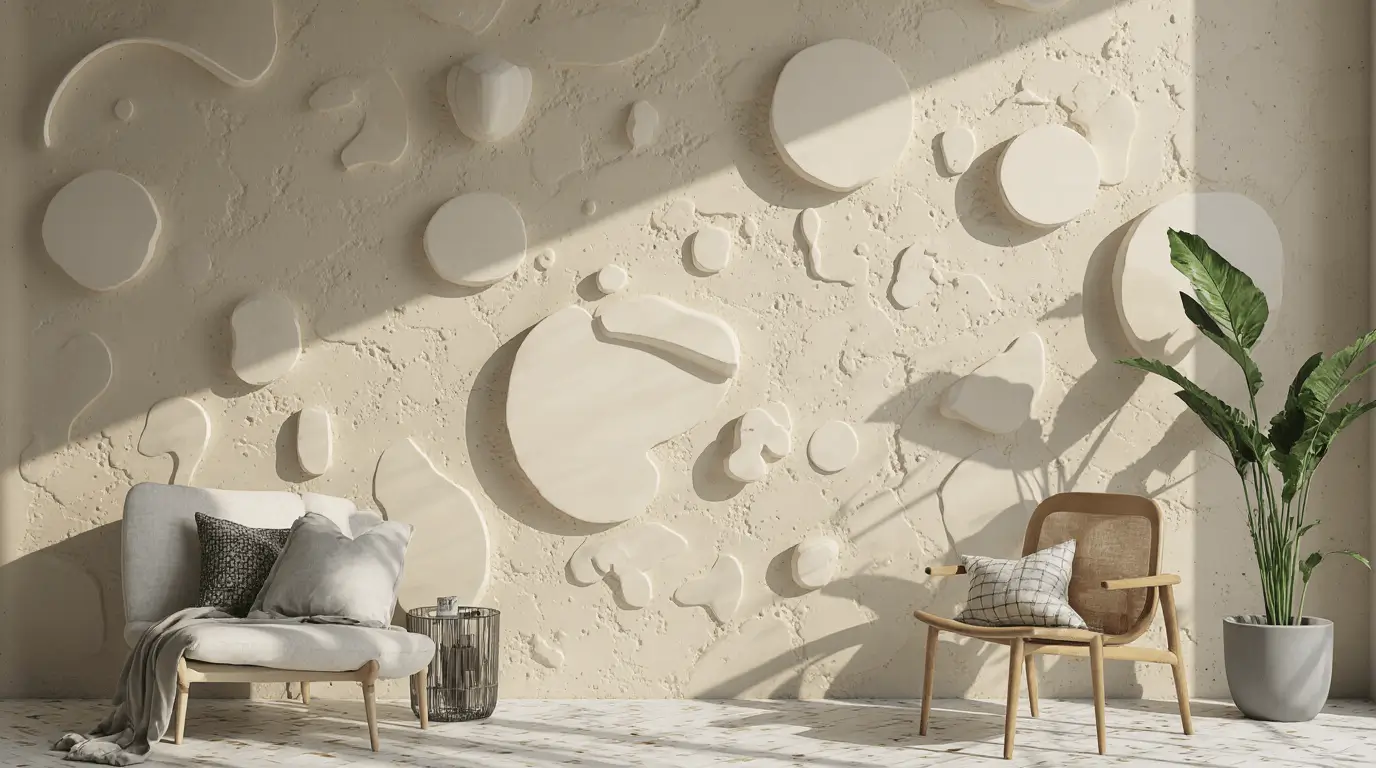
Weird Interior Design with Surreal Wall Treatments
Walls can become storytelling surfaces with abstract murals, optical illusions, or textured installations. This approach transforms flat surfaces into immersive experiences.
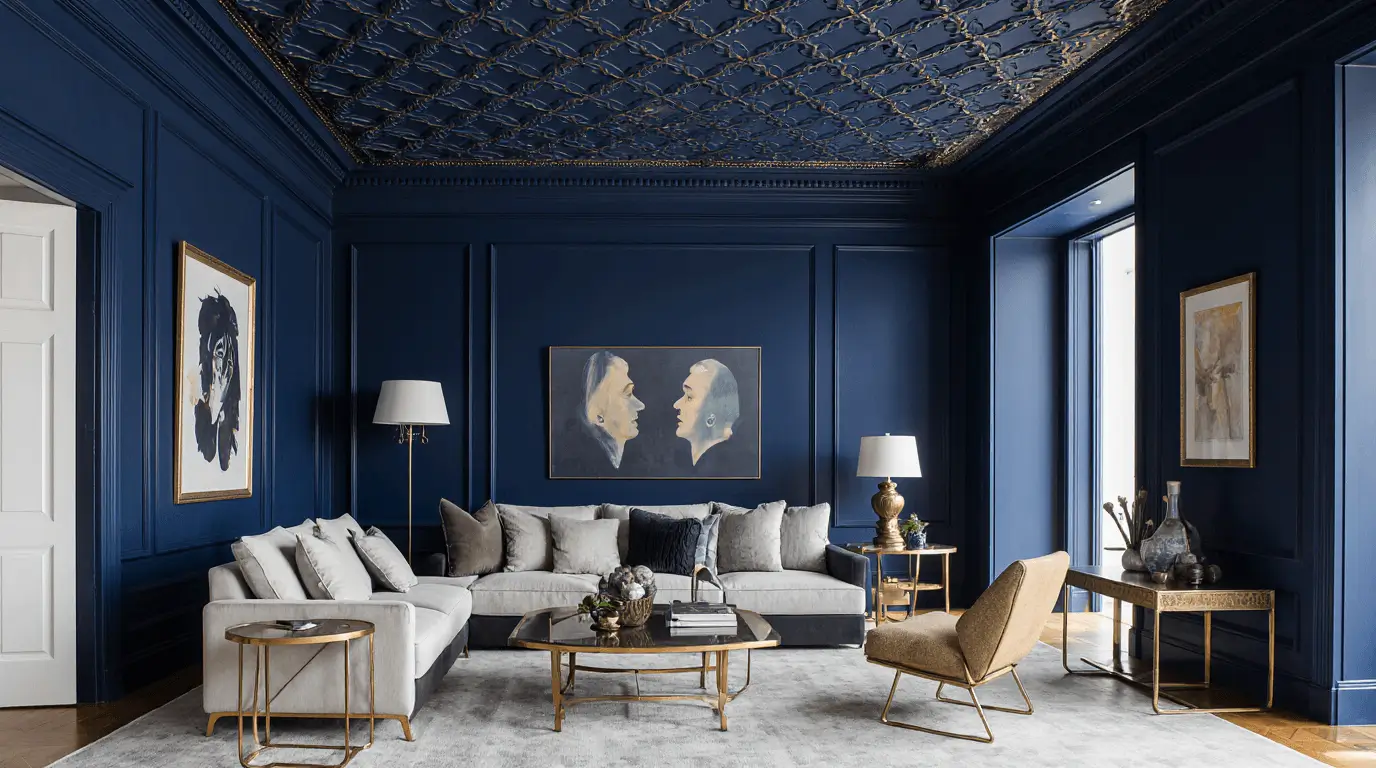
Weird Interior Design Featuring Ceiling as a Focal Point
Instead of neutral ceilings, weird interiors often highlight them with bold colors, patterns, or installations. This flips the visual hierarchy of the room.
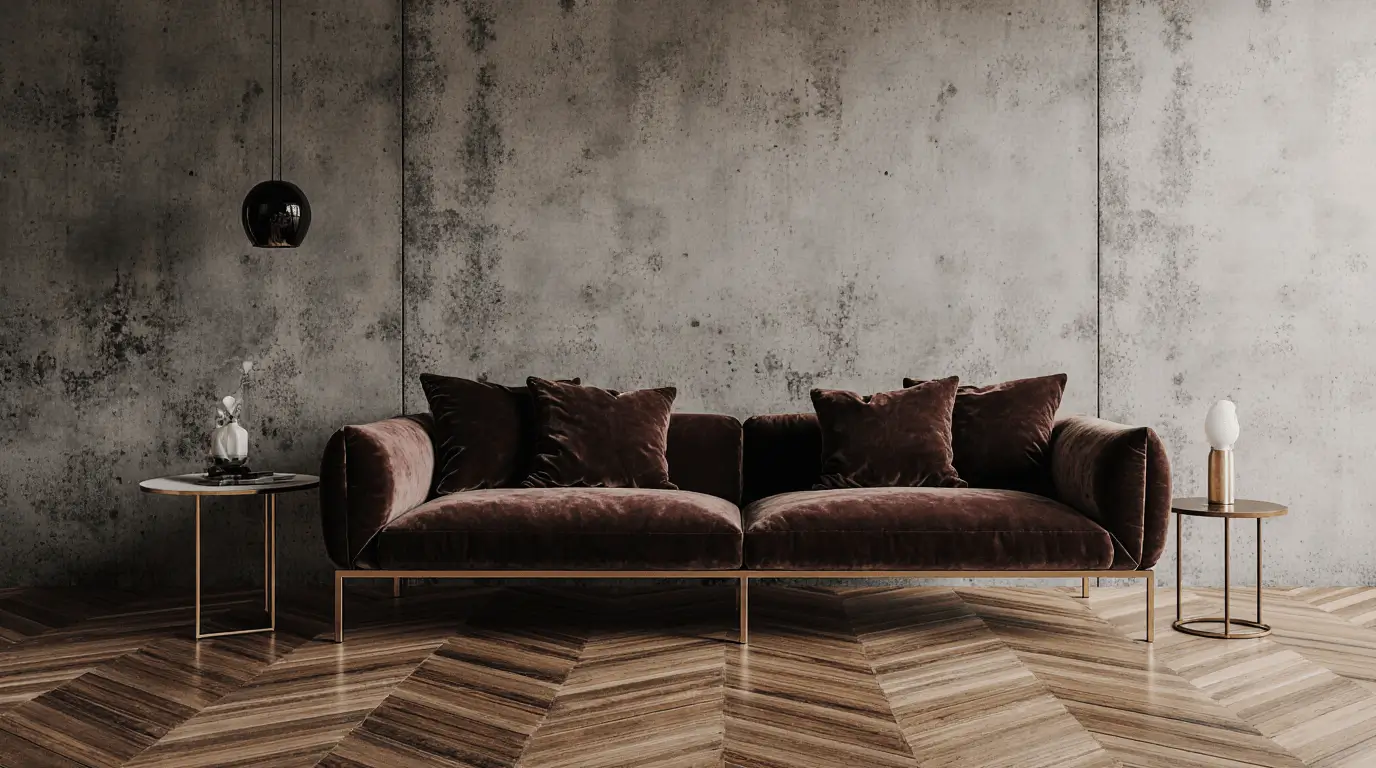
Weird Interior Design with Mixed Material Contrasts
Combining raw and refined materials—like concrete with velvet or metal with wood—creates tension and depth. The contrast makes the space feel layered and unique.
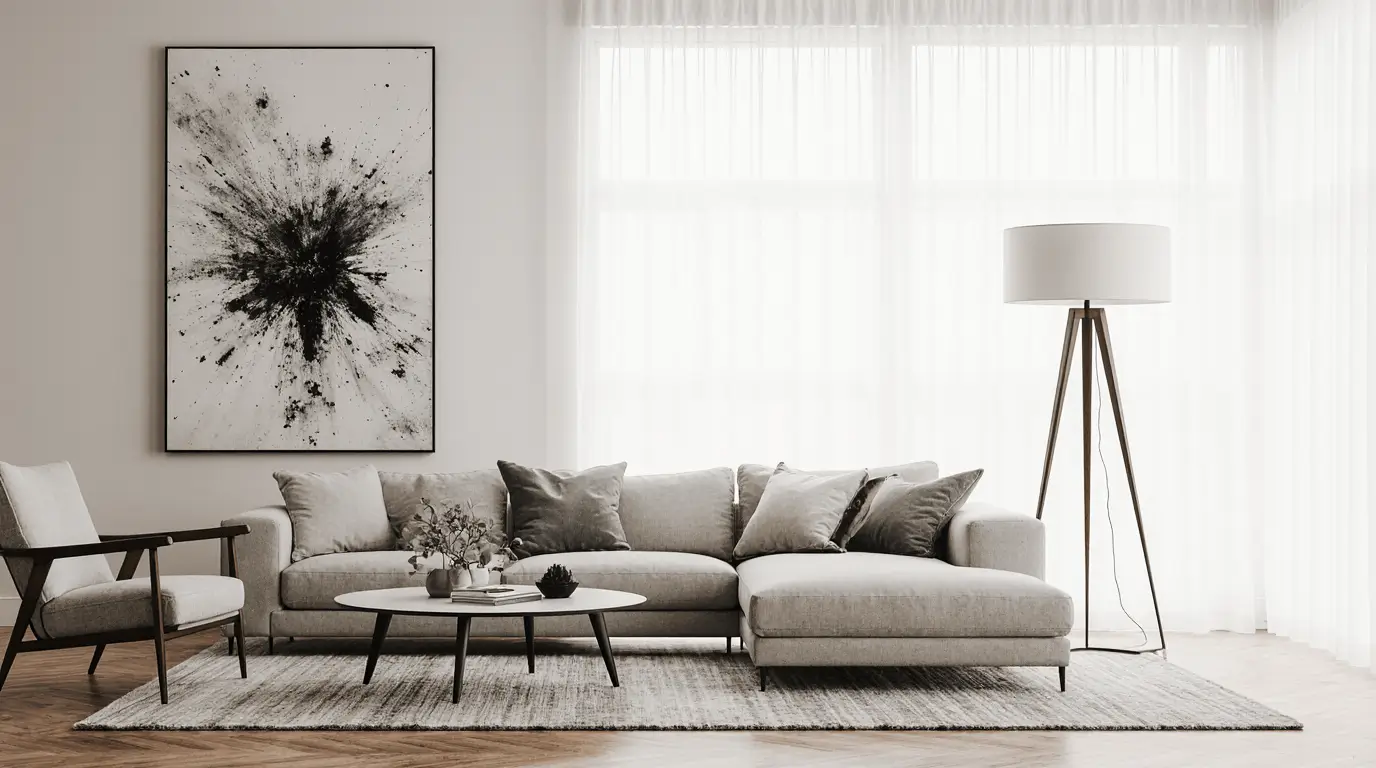
Weird Interior Design Using Oversized Decor Elements
Exaggerated scale—like giant lamps or oversized artwork—creates visual drama. It makes the space feel playful while commanding attention.
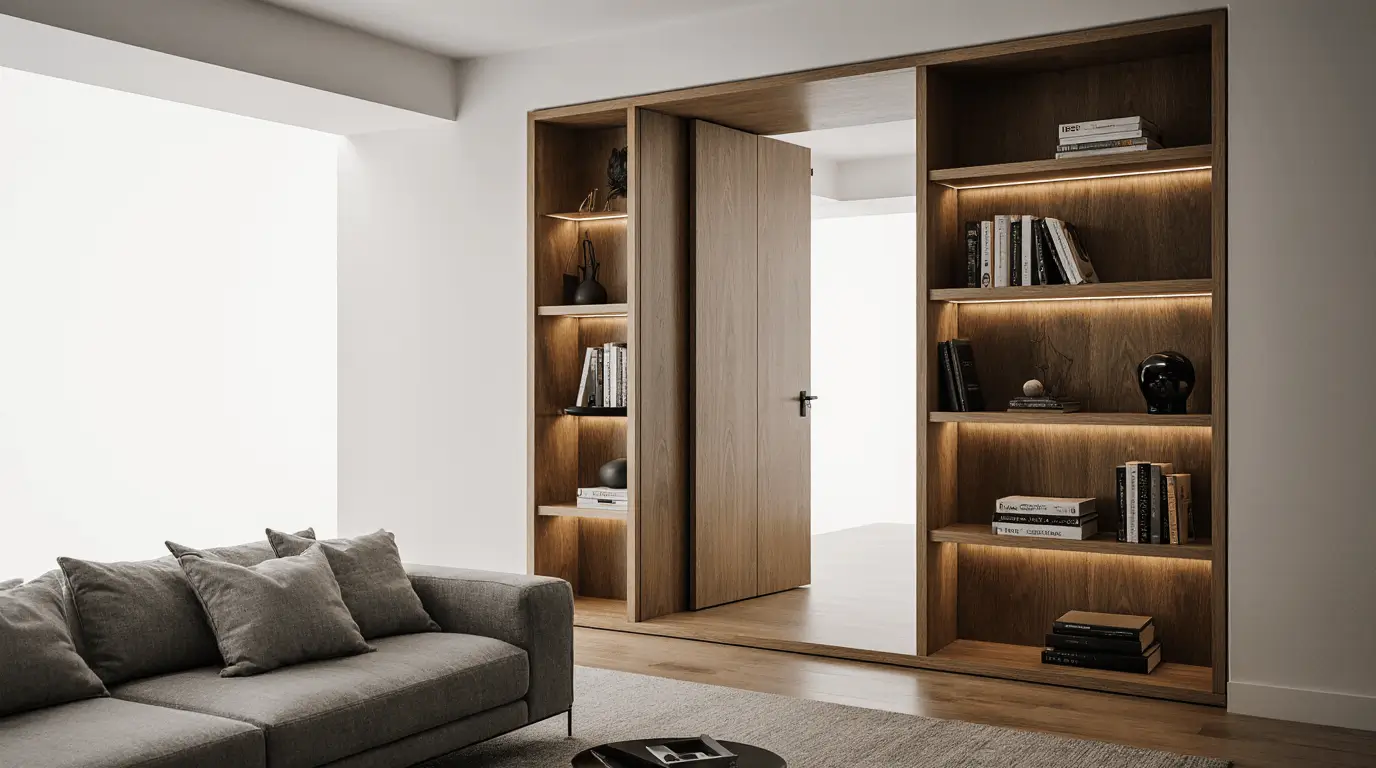
Weird Interior Design with Hidden or Secret Features
Hidden doors, concealed storage, or secret rooms add intrigue and functionality. These elements create a sense of discovery within the home.
Weird Interior Design Incorporating Unexpected Themes
Themes like underwater, futuristic, or fantasy-inspired interiors push boundaries. When executed subtly, they create immersive yet livable spaces.
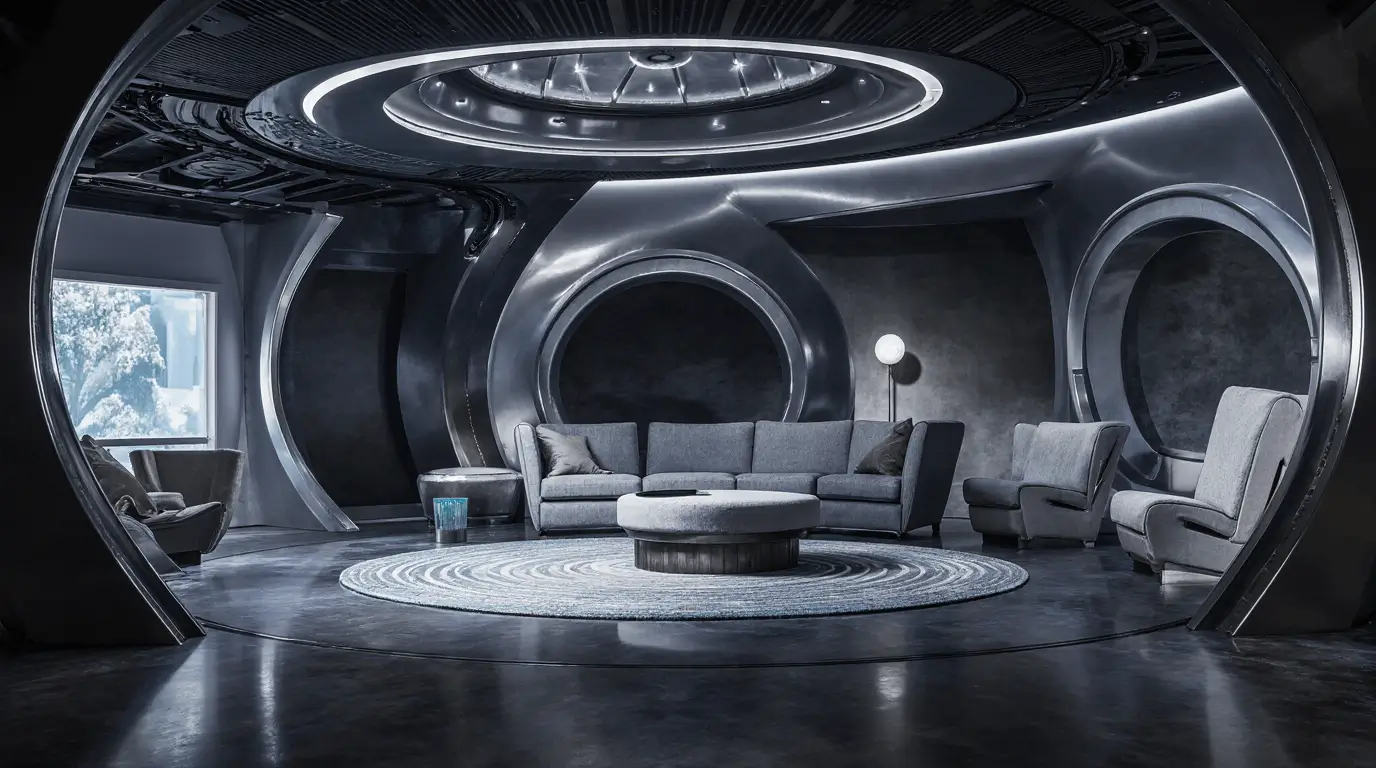
Weird Interior Design with Layered Lighting Effects
Layered lighting—neon strips, spotlights, and ambient glows—creates depth and mood shifts. Lighting becomes a design feature rather than just functional.
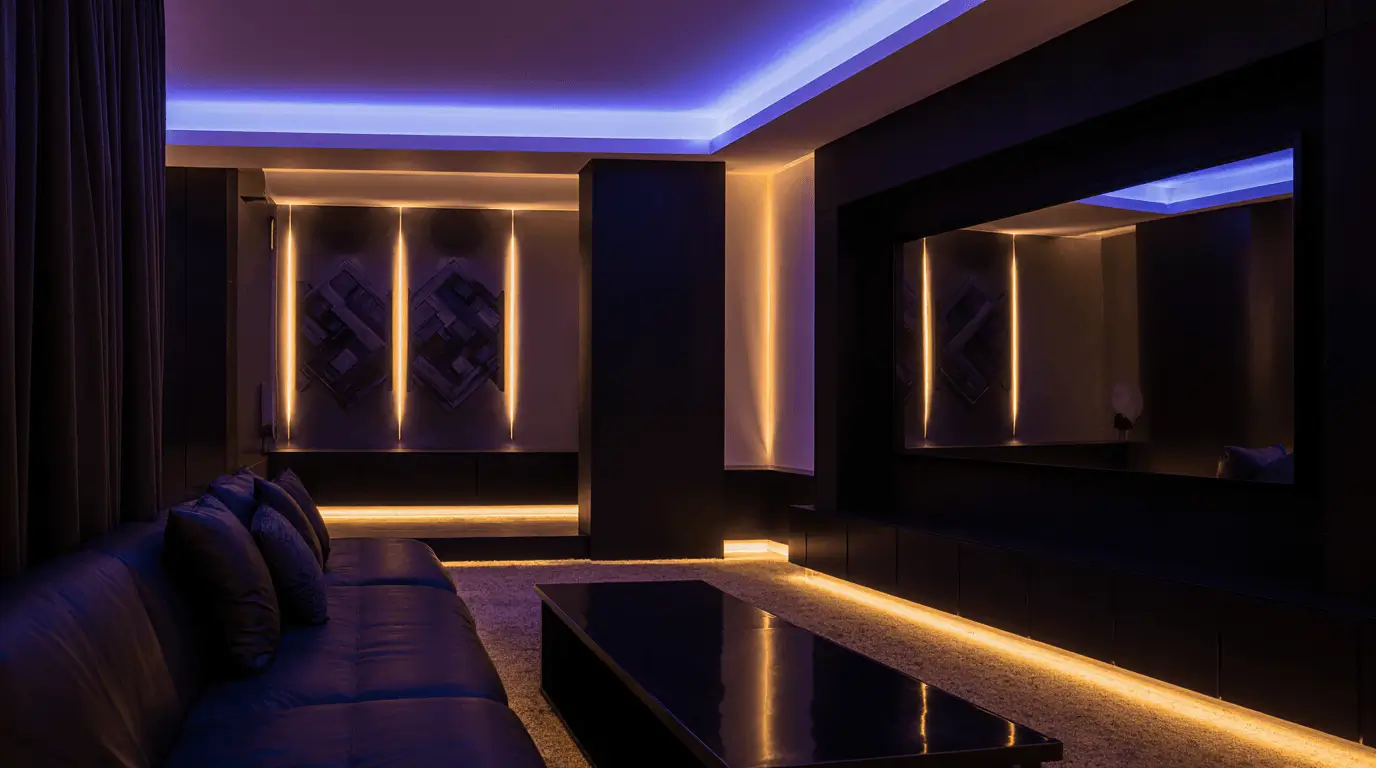
Weird Interior Design Using Transparent or Floating Elements
Floating stairs, glass furniture, or suspended shelves create a sense of lightness and illusion. These elements challenge the idea of solidity.
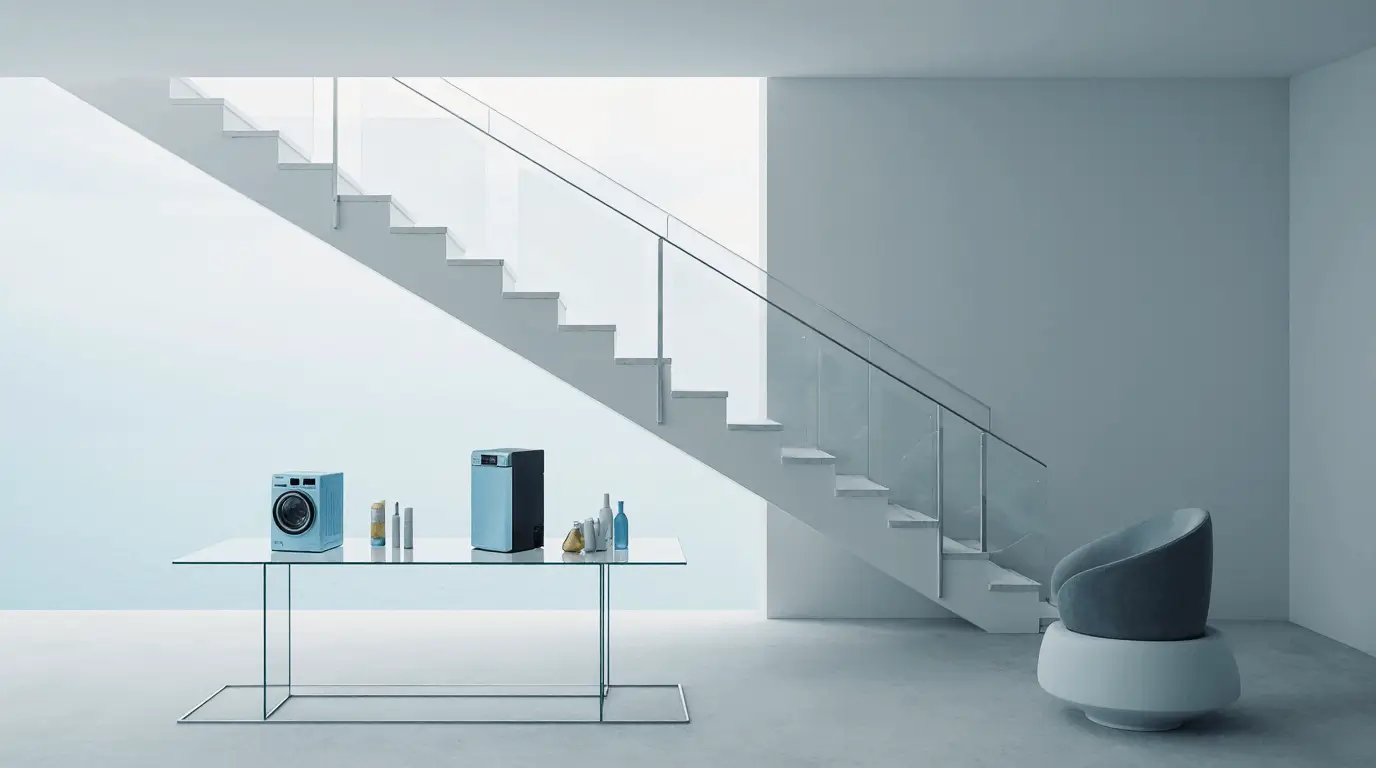
Weird Interior Design with Eclectic Object Pairings
Pairing unrelated objects—like antique pieces with futuristic decor—creates a curated yet unconventional look. The contrast tells a story.
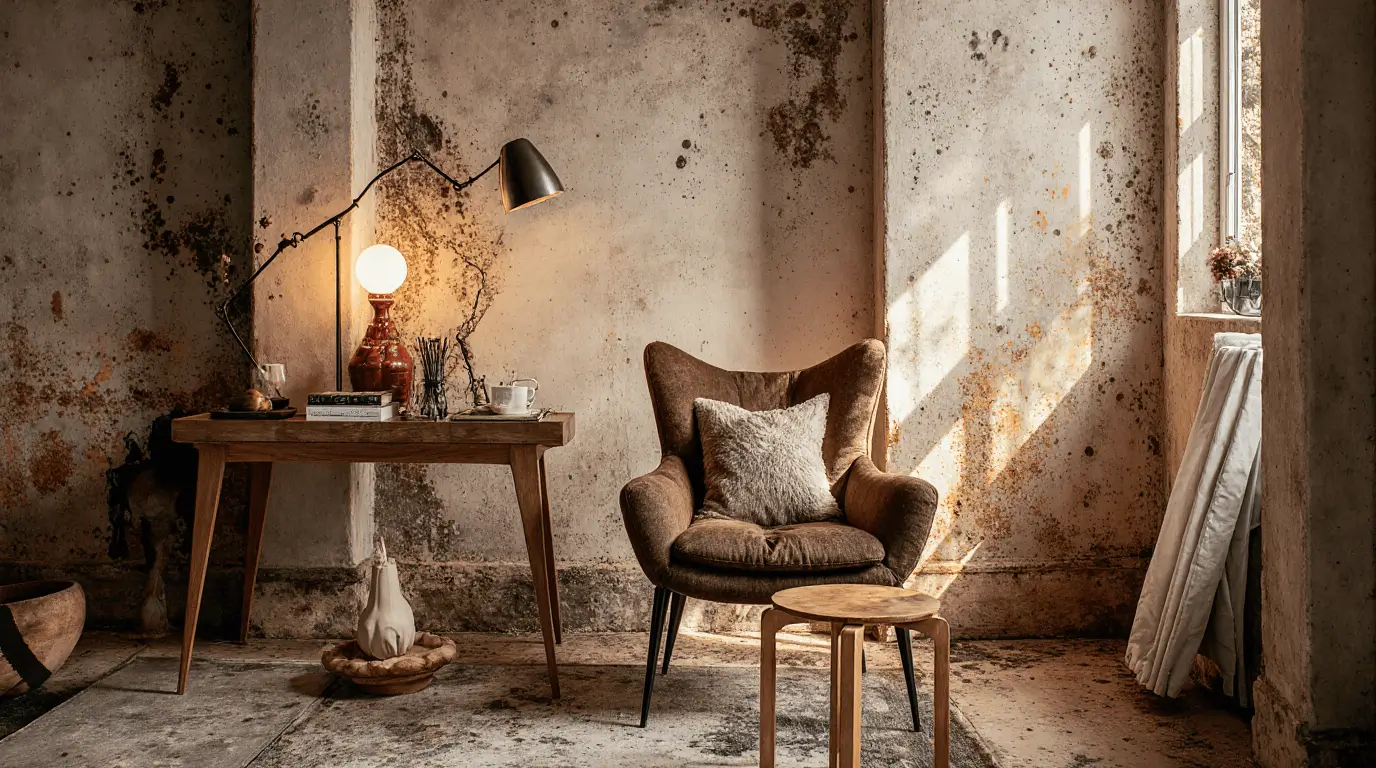
Weird Interior Design Featuring Unusual Layouts
Breaking traditional layouts—like off-center furniture or unconventional zoning—creates dynamic movement within the space.
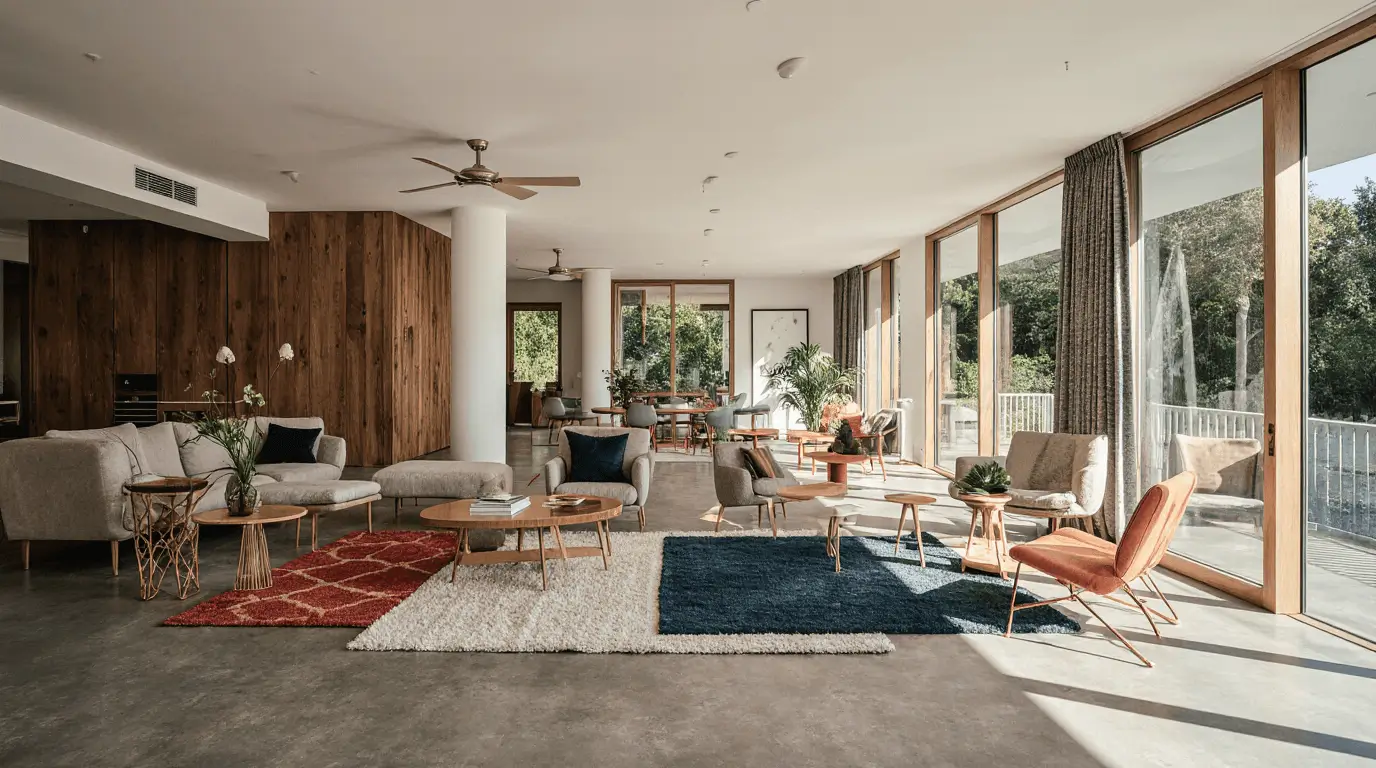
Weird Interior Design with Textural Overload
Layering multiple textures—fur, metal, glass, and fabric—adds richness. When done thoughtfully, it avoids clutter and enhances sensory experience.
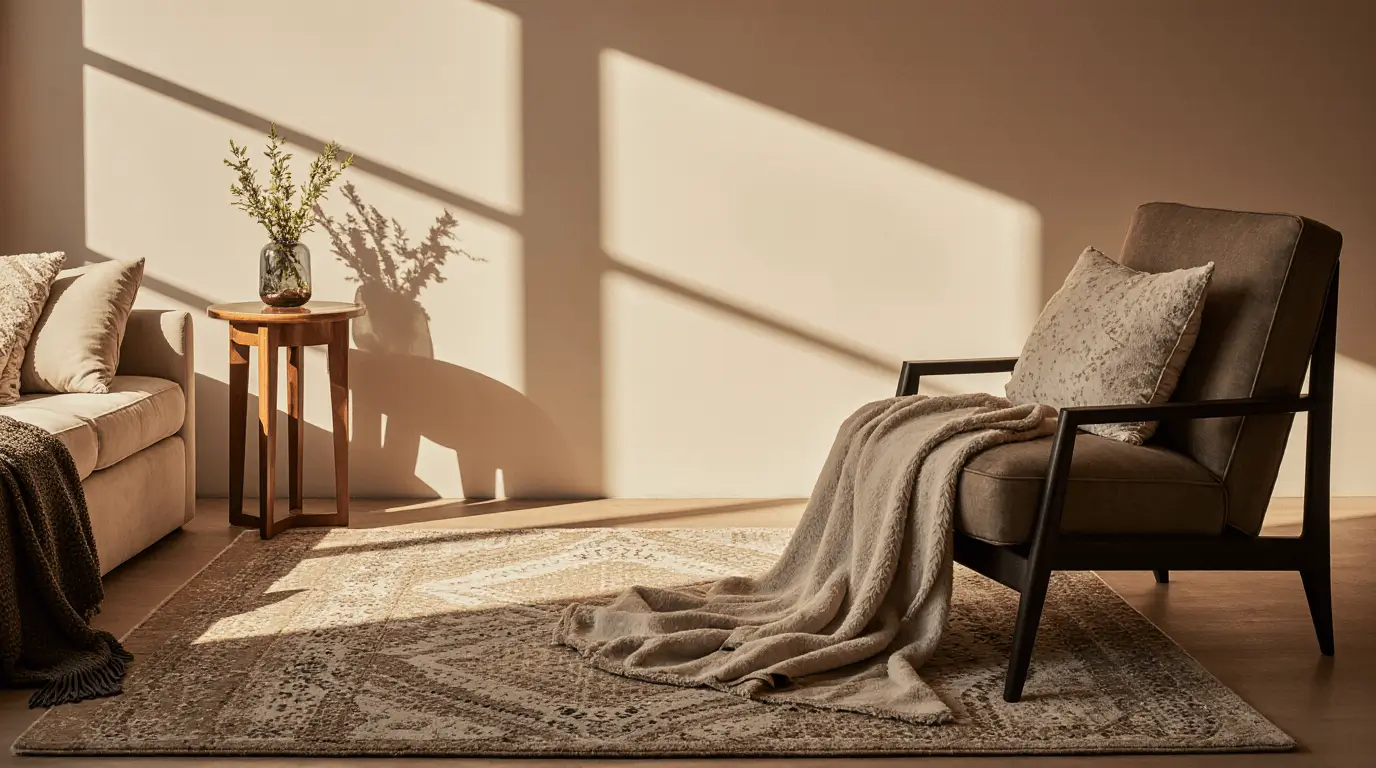
Weird Interior Design Using Artistic Installations
Art installations—like hanging sculptures or kinetic pieces—transform interiors into gallery-like spaces.
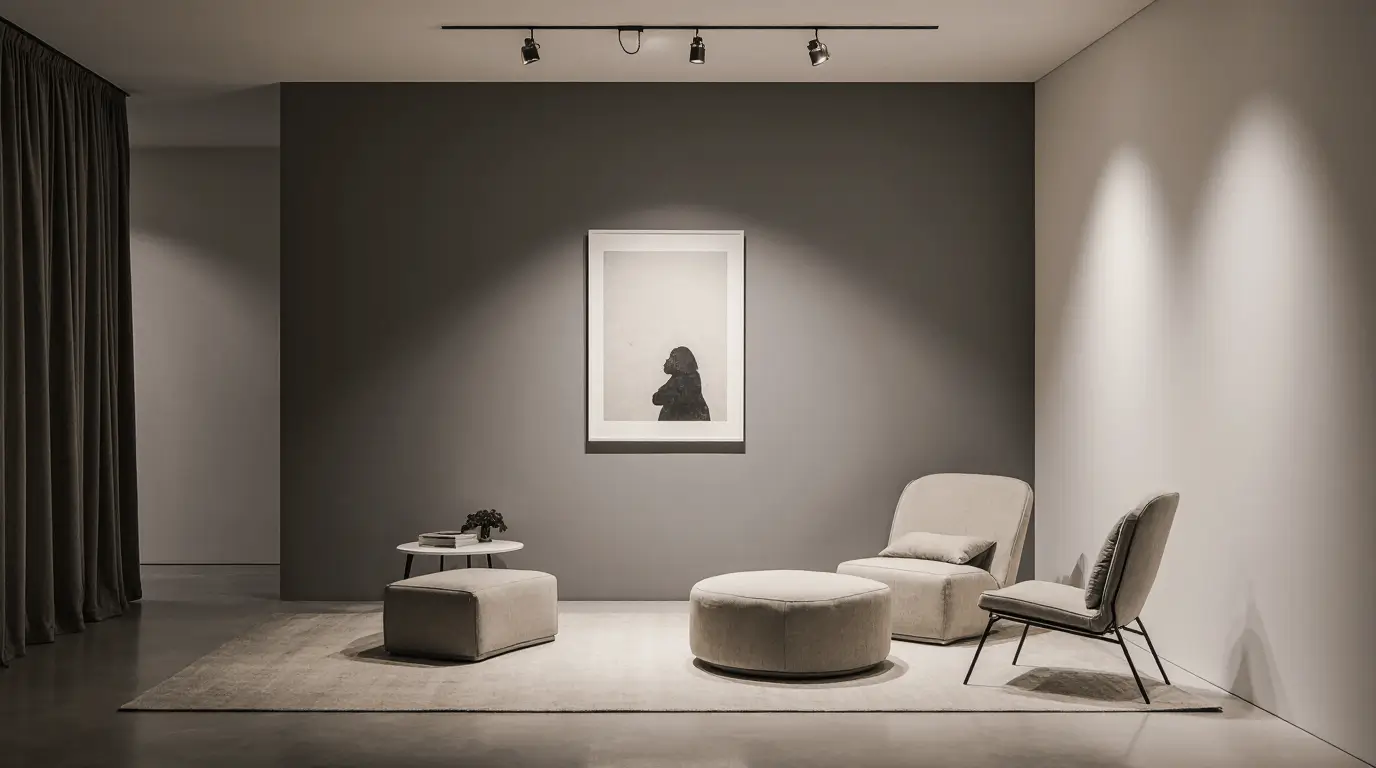
Weird Interior Design with Bold Pattern Clashing
Combining stripes, florals, and geometric patterns can feel chaotic but works when anchored with neutral tones.
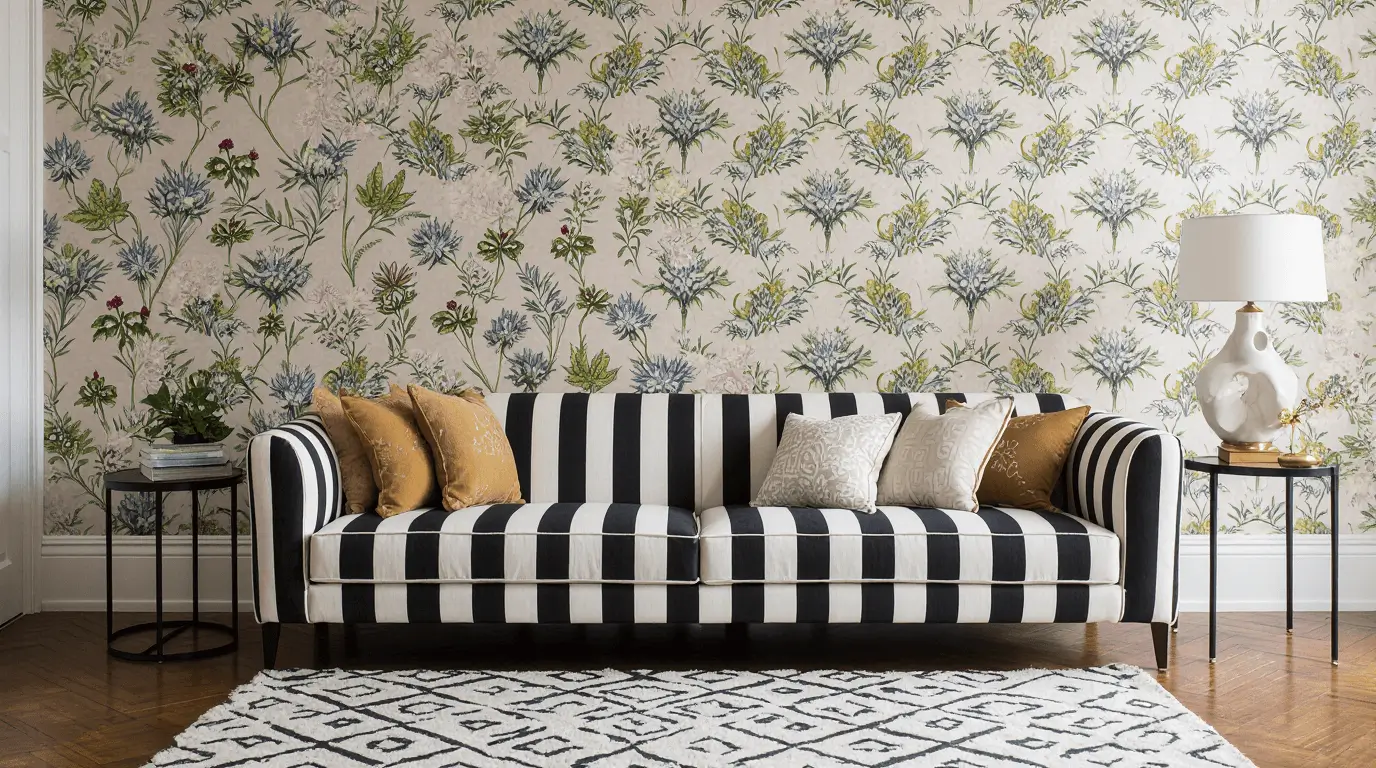
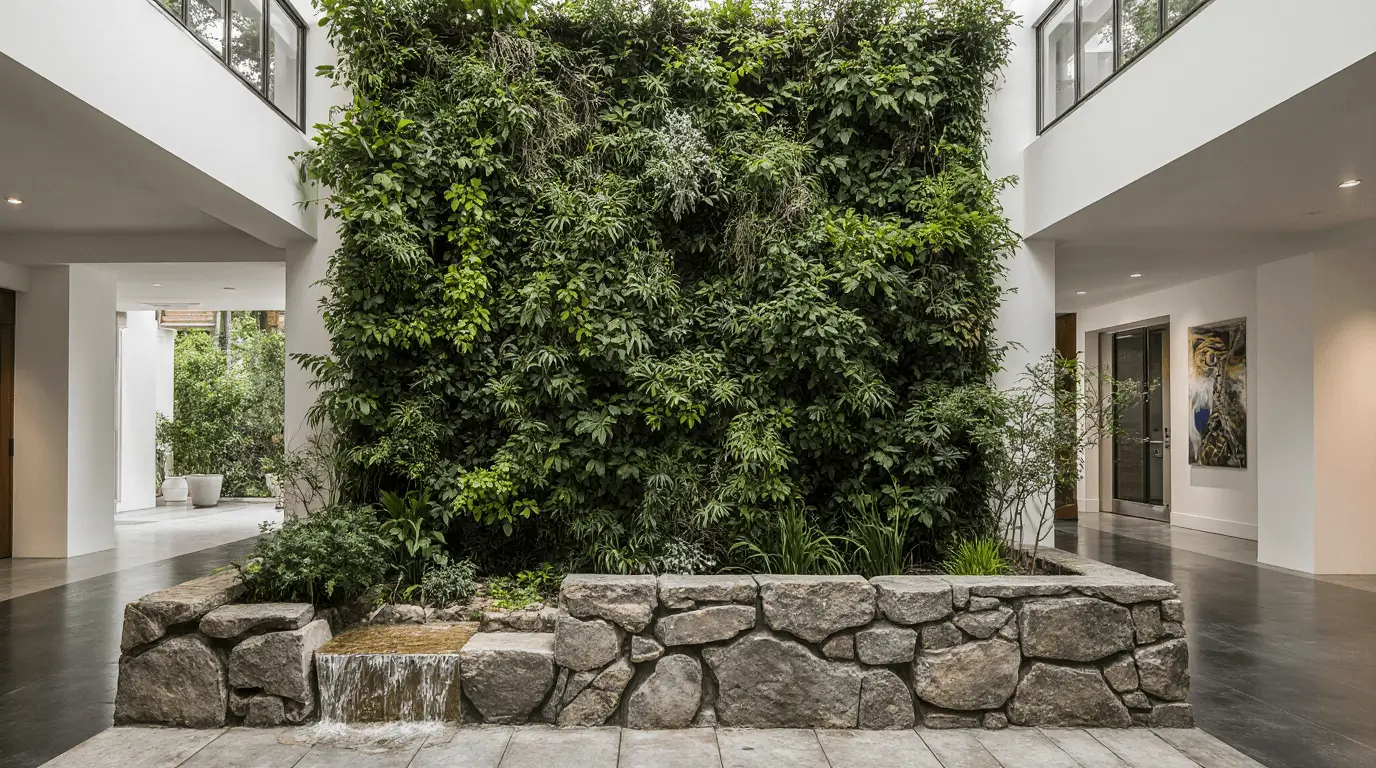
Weird Interior Design Incorporating Nature in Unusual Ways
Bringing nature indoors in unconventional ways—like vertical forests or indoor water features—creates a surreal connection to the environment.
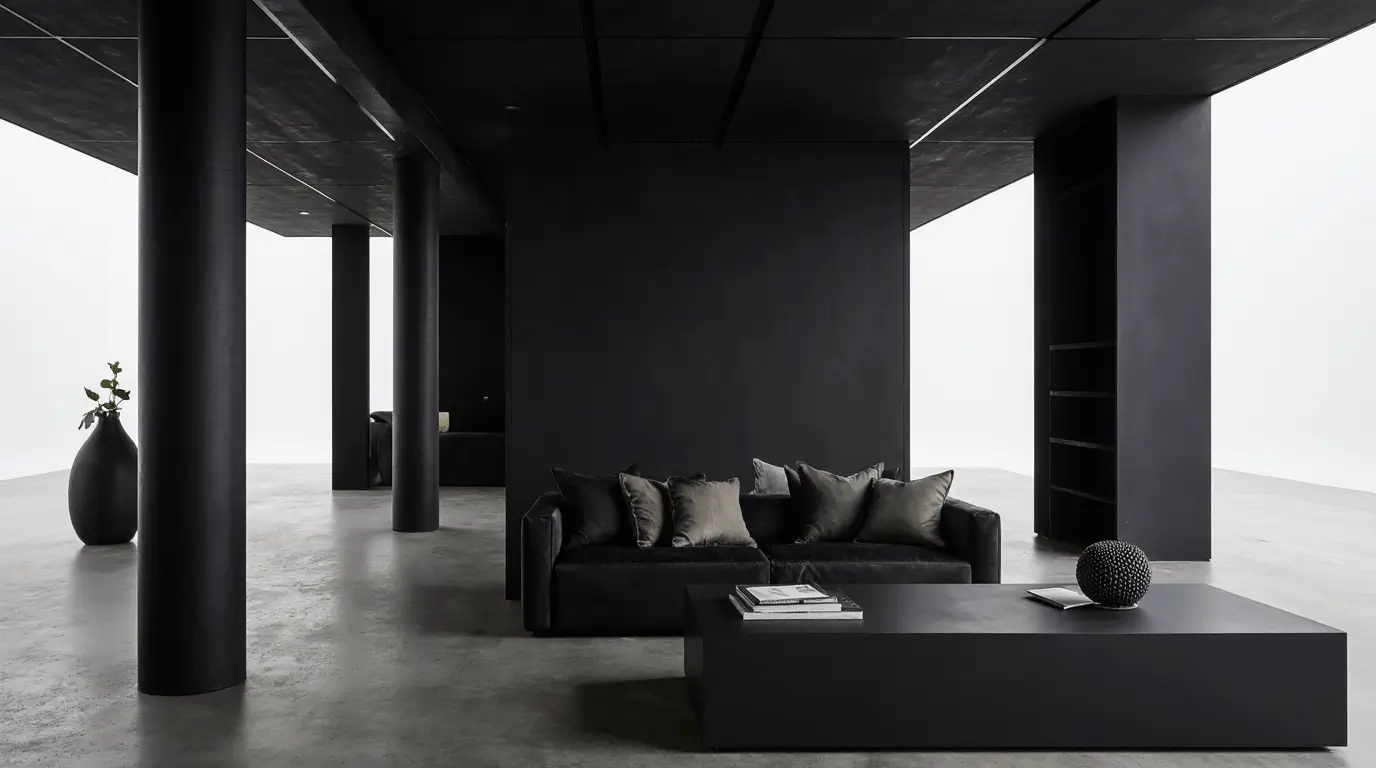
Weird Interior Design with Monochrome Extremes
Using a single color in extreme ways—like all-black or all-white interiors—creates a striking, almost surreal environment.
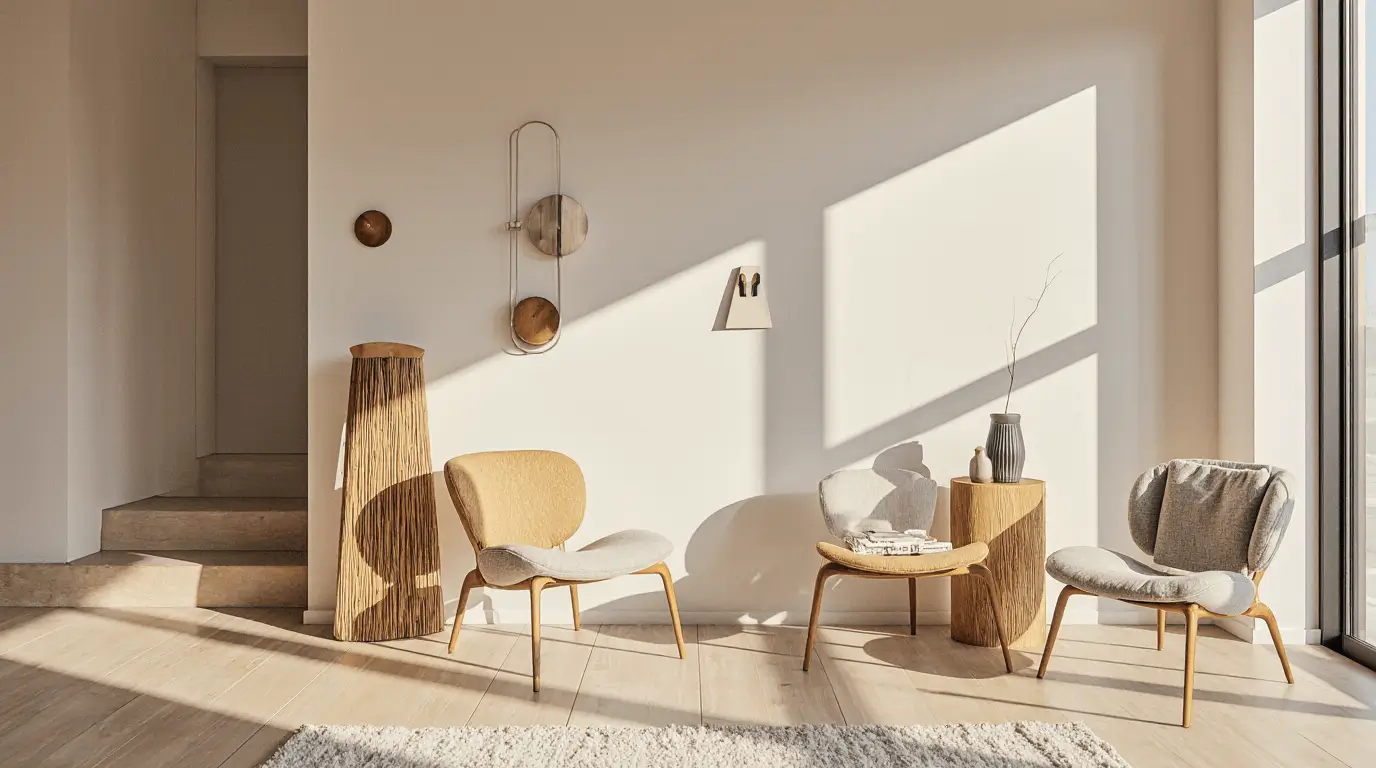
Weird Interior Design with Playful, Quirky Details
Small unexpected elements—like unusual handles, quirky decor, or humorous accents—add personality without overwhelming the space.
Conclusion
Weird interior design, when done thoughtfully, is less about breaking rules and more about redefining them with intention. The most successful unconventional spaces aren’t random—they’re carefully curated environments where contrast, scale, texture, and creativity work together to create something memorable yet livable. What makes these interiors powerful is their ability to reflect personality while still supporting comfort, function, and everyday use.
From experience, the key is restraint within boldness. You don’t need to redesign your entire home to embrace weird interior design. A single unexpected element—a distorted chair, a surreal wall, or an unusual color pairing—can shift the entire atmosphere of a space. The approach works best for those who want their home to feel distinctive rather than predictable, expressive rather than trend-driven.
Ultimately, weird interior design invites you to trust your instincts. It encourages experimentation while still respecting how a space is used and experienced. When you balance creativity with purpose, the result isn’t just visually striking—it’s deeply personal, engaging, and impossible to forget.
Learn more : Space in Interior Design Definition: Create Calm Flow
FAQs
- What makes weird interior design different from modern interior design?
Weird interior design prioritizes individuality and unexpected elements, while modern interior design focuses on simplicity, clean lines, and function. However, the two can overlap—many weird interiors are built on a modern base, then layered with unconventional features. - Can weird interior design still feel comfortable and livable?
Yes, and it should. The best unconventional interiors maintain comfort by balancing bold elements with functional layouts, proper lighting, and practical furniture. The goal is to surprise, not overwhelm. - How can I start incorporating weird interior design without overdoing it?
Start small. Introduce one standout feature—like an unusual light fixture, bold wall treatment, or sculptural furniture piece. Once you understand how it changes the space, you can gradually build around it. - Is weird interior design suitable for small spaces?
Absolutely. In smaller spaces, it can actually be more impactful. A single unexpected element—like a dramatic ceiling or floating furniture—can create depth and visual interest without requiring extra space. - Does weird interior design follow any rules at all?
It does, but they’re flexible. Principles like balance, proportion, and cohesion still matter. Even the most unconventional spaces feel intentional because there’s an underlying structure guiding the design choices. - What are common mistakes to avoid in weird interior design?
The biggest mistake is adding too many competing elements without cohesion. Another is ignoring functionality. Even the most artistic interior should still serve the needs of daily life. - Who is weird interior design best suited for?
It’s ideal for people who value creativity, self-expression, and originality. If you want your home to reflect your personality rather than follow trends, this approach offers the freedom to design on your own terms.

One Response