
Introduction
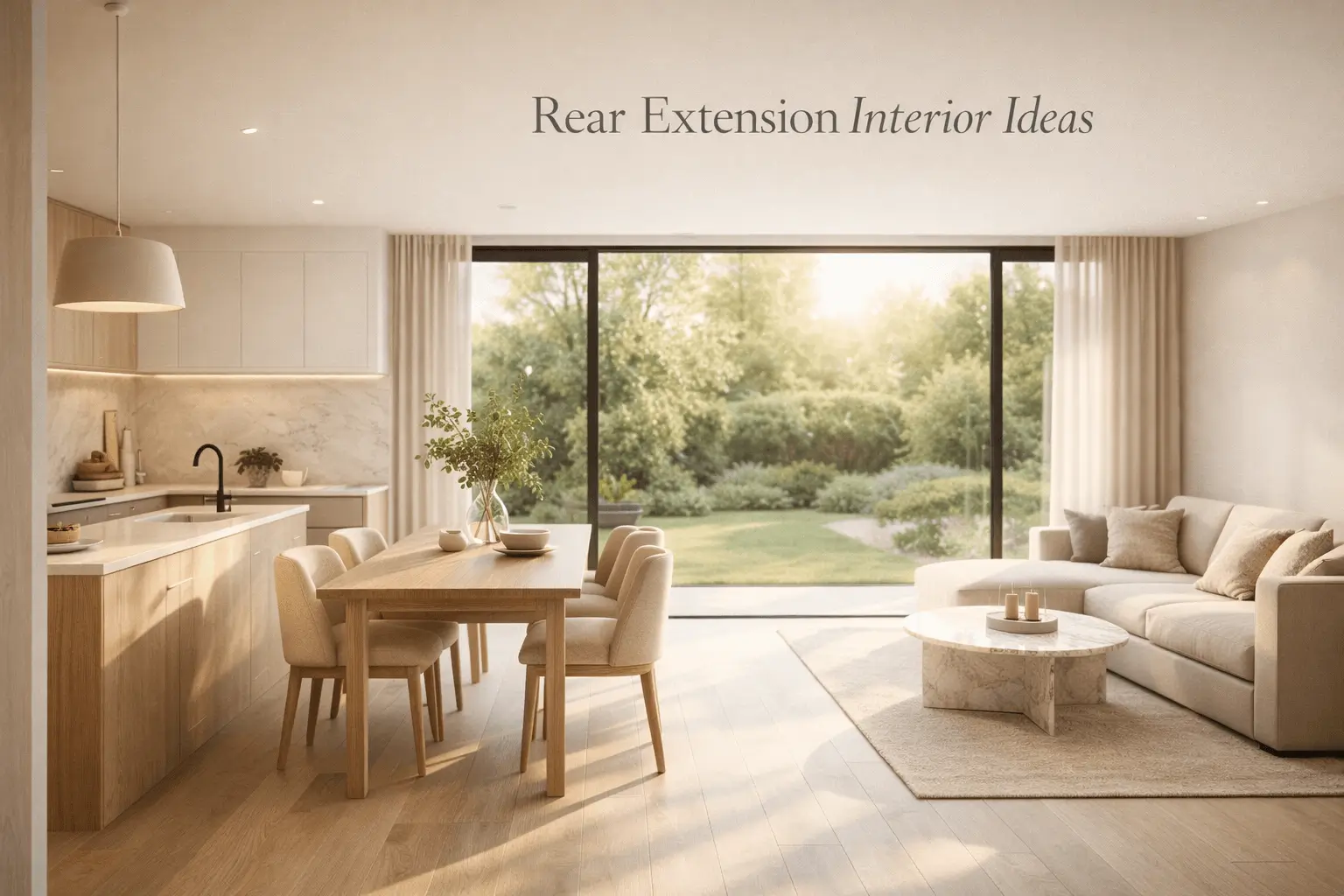
A well-designed rear extension interior can completely redefine how your home looks, feels, and functions. Whether you’re opening up a cramped layout or creating a modern kitchen-dining hub, rear extension interior ideas focus on maximizing light, space, and flow—especially in areas that naturally connect to the garden.
From years of observing successful home transformations, the most impactful rear extensions are those that blend architectural intent with interior harmony. It’s not just about adding square footage—it’s about designing a space that feels intentional, cohesive, and tailored to everyday living. Below are carefully curated clusters that explore practical and inspiring ways to elevate your rear extension interior.
Rear Extension Interior Ideas for Open-Plan Living
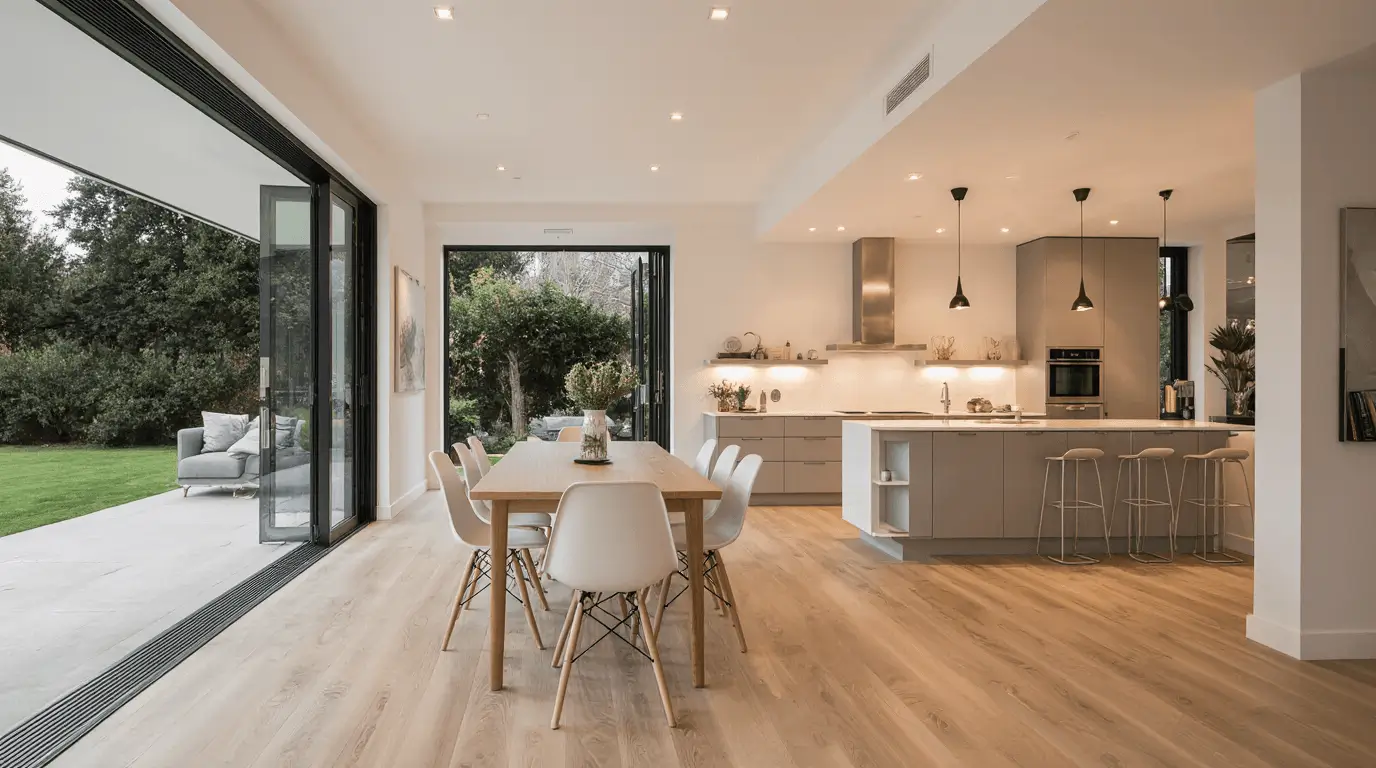
Open-plan layouts remain one of the most effective ways to transform rear extensions. By removing barriers between kitchen, dining, and living zones, the space becomes more social and fluid.
This approach works particularly well in homes where natural light can flow uninterrupted from the rear garden.
Modern Rear Extension Interior Ideas with Clean Lines
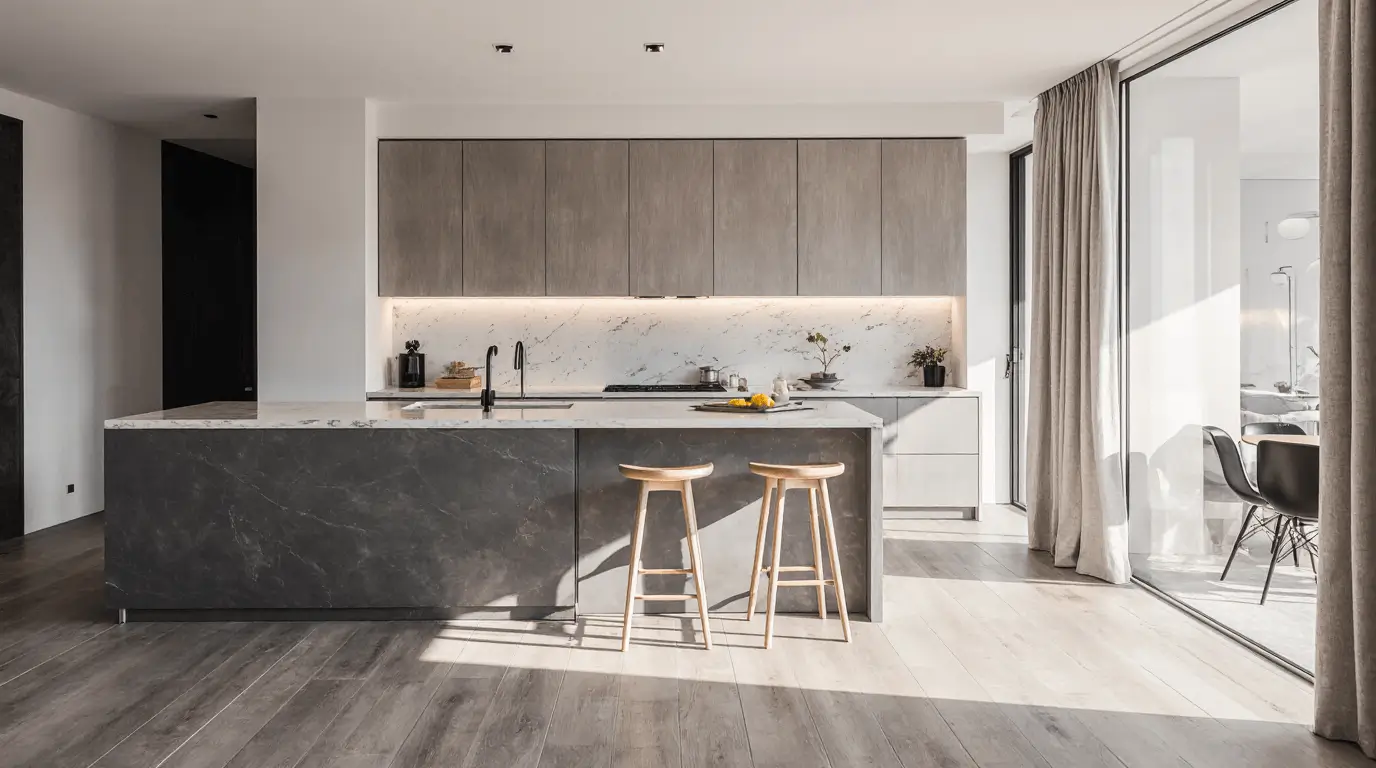
A modern rear extension interior emphasizes simplicity, geometry, and uncluttered surfaces. Think handleless cabinetry, integrated appliances, and sharp architectural lines.
This creates a sleek, calm environment that feels both functional and visually striking.
Small Rear Extension Interior Ideas That Maximize Space
Even compact extensions can feel spacious with the right design strategies. Built-in storage, light color palettes, and multi-functional furniture help optimize every inch.
Strategic layout planning ensures no space is wasted.
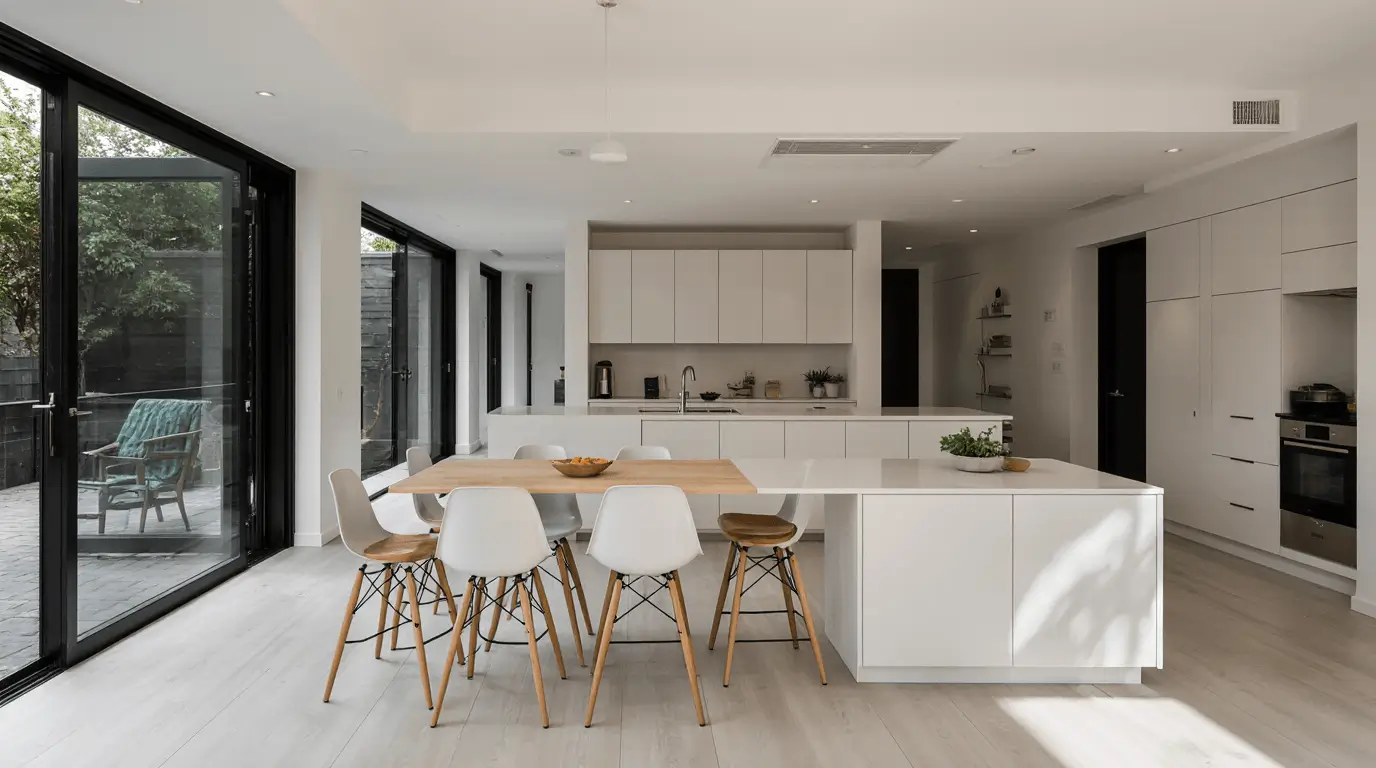
Rear Extension Interior Ideas with Kitchen-Diner Layouts
Combining kitchen and dining areas is one of the most popular extension goals. A kitchen-diner layout enhances usability and encourages family interaction.
Island units or breakfast bars often become the focal point of the space.
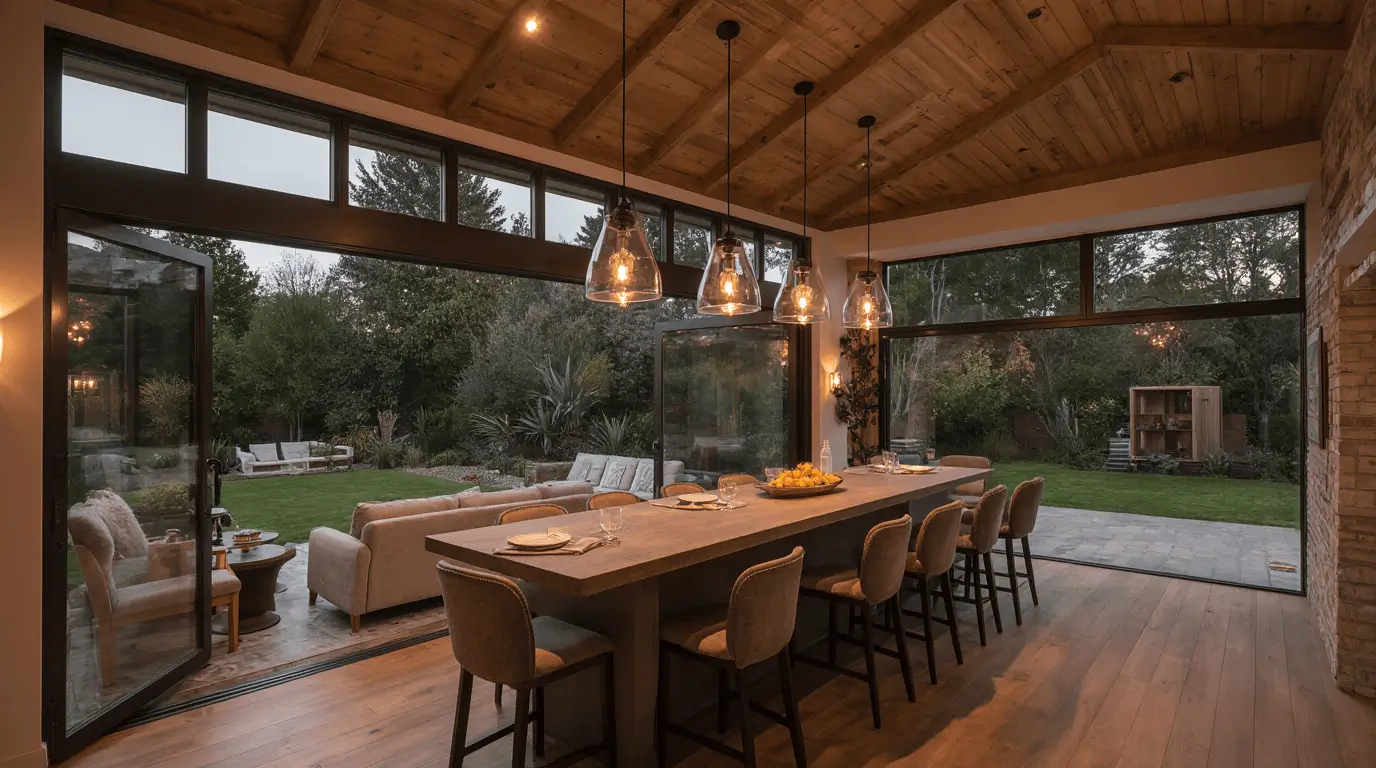
Contemporary Rear Extension Interior Ideas with Glass Features
Glass walls, bi-fold doors, and skylights are transformative elements in rear extensions. They blur indoor-outdoor boundaries and flood interiors with natural light.
This design choice enhances both aesthetics and wellbeing.
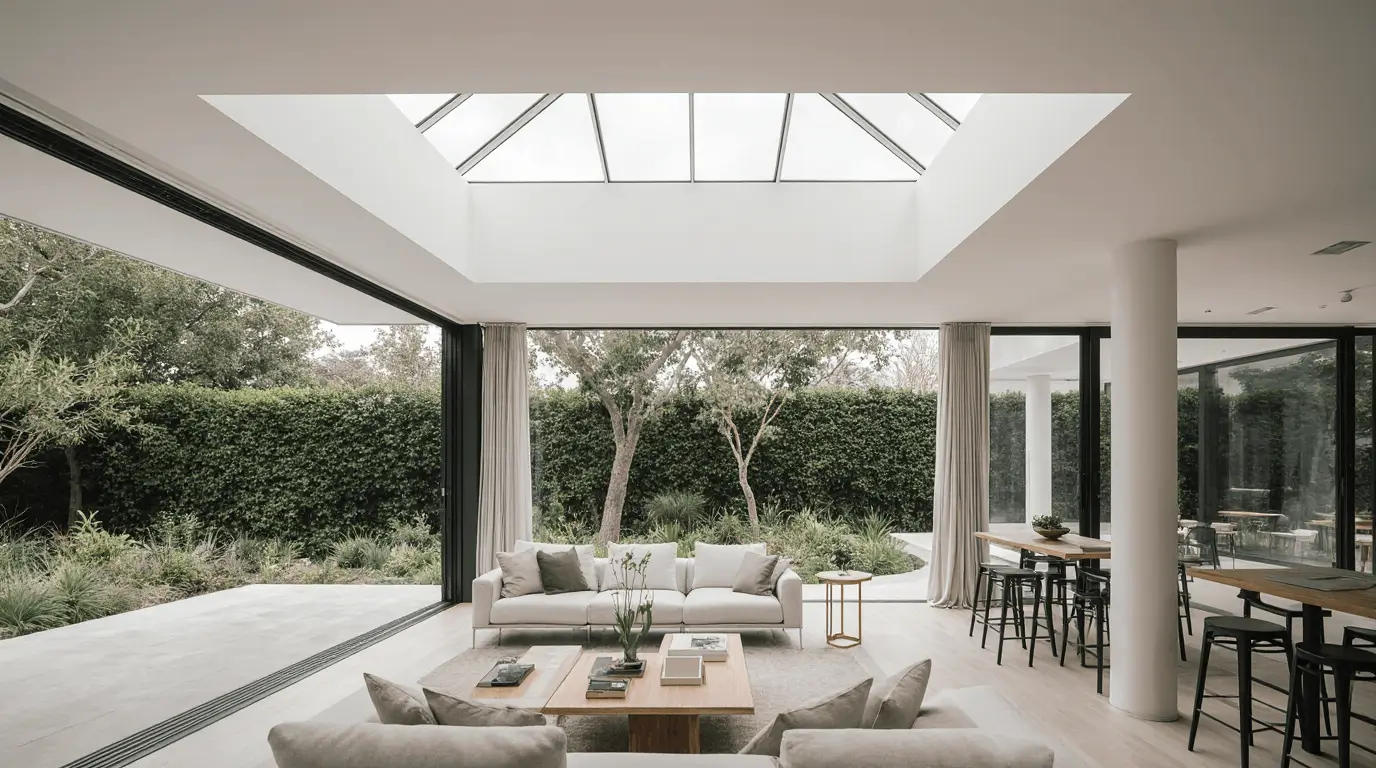
Rear Extension Interior Ideas for Terraced Houses
Terraced homes benefit greatly from rear extensions, especially where natural light is limited. Thoughtful layouts and vertical glazing can dramatically improve brightness.
Slimline designs ensure the extension complements the original structure.
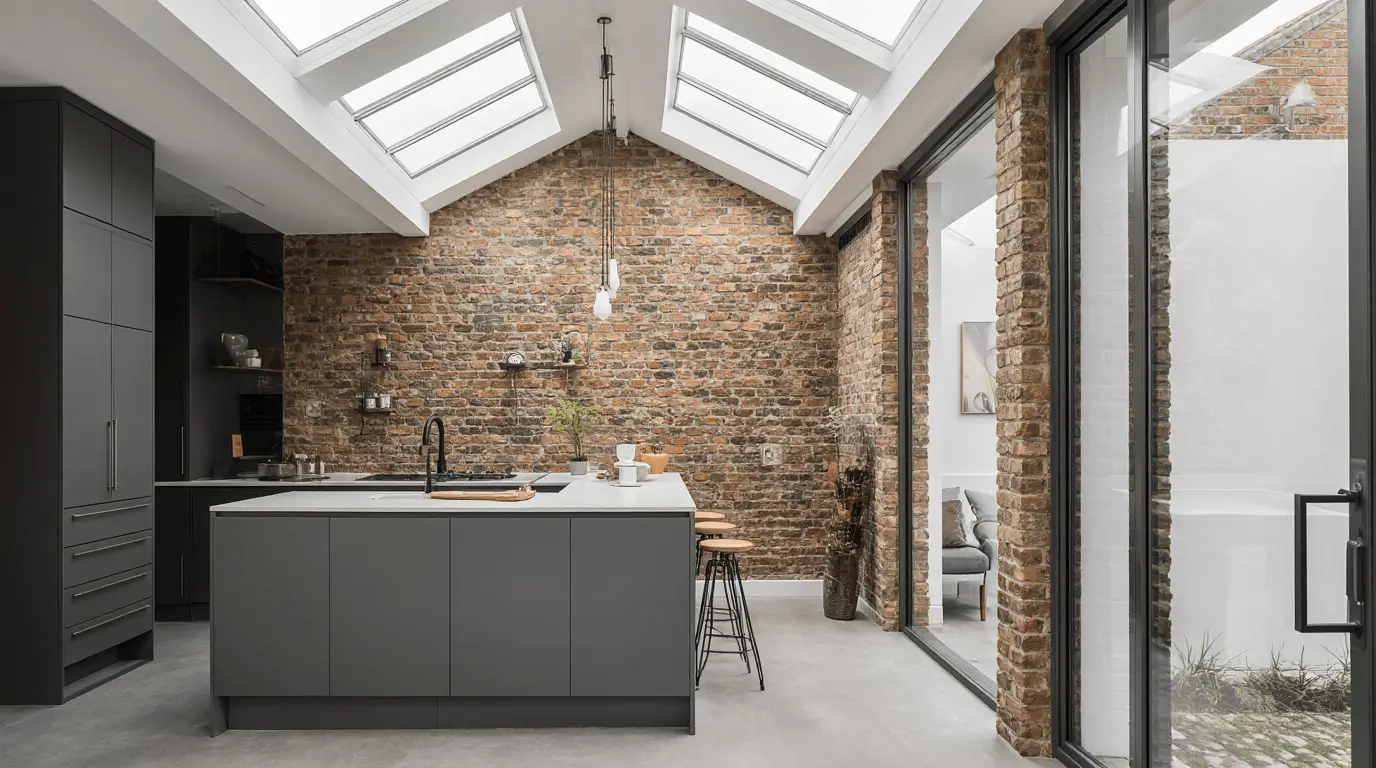
Rear Extension Interior Ideas with Zoning Techniques
Zoning helps define different functional areas within an open space. Rugs, lighting, and furniture placement subtly separate kitchen, dining, and lounging zones.
This maintains openness while improving usability.
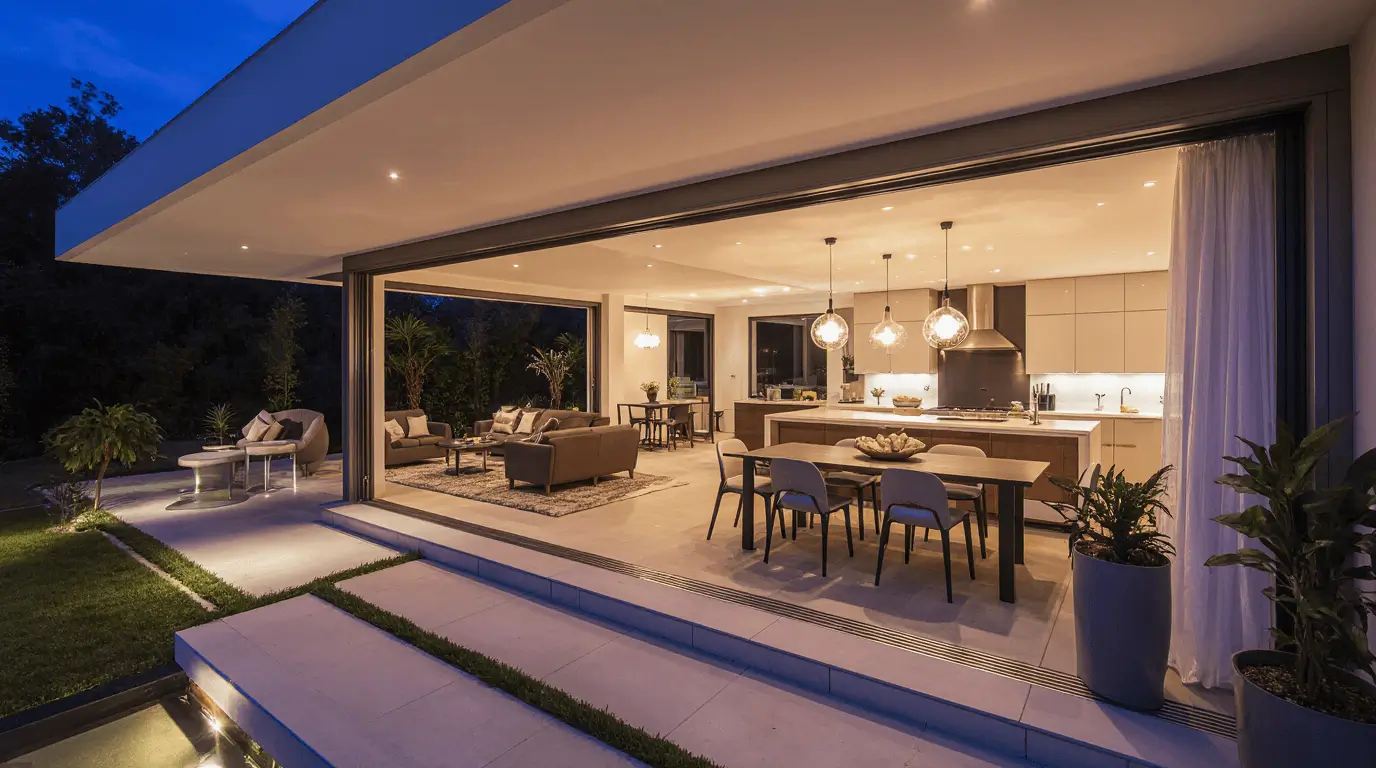
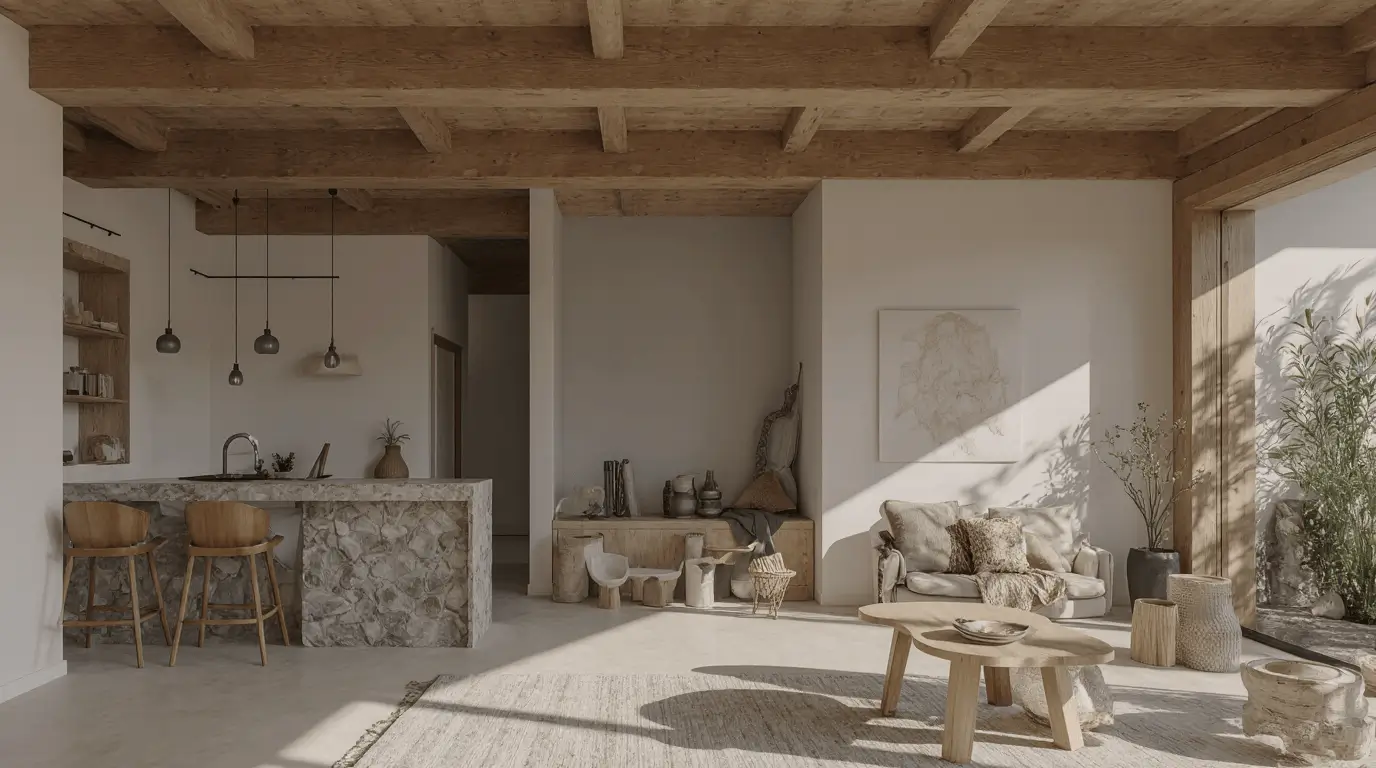
Rear Extension Interior Ideas Using Natural Materials
Natural materials like wood, stone, and linen bring warmth and texture to rear extensions. They soften modern structures and create a timeless aesthetic.
These materials also age beautifully, adding character over time.
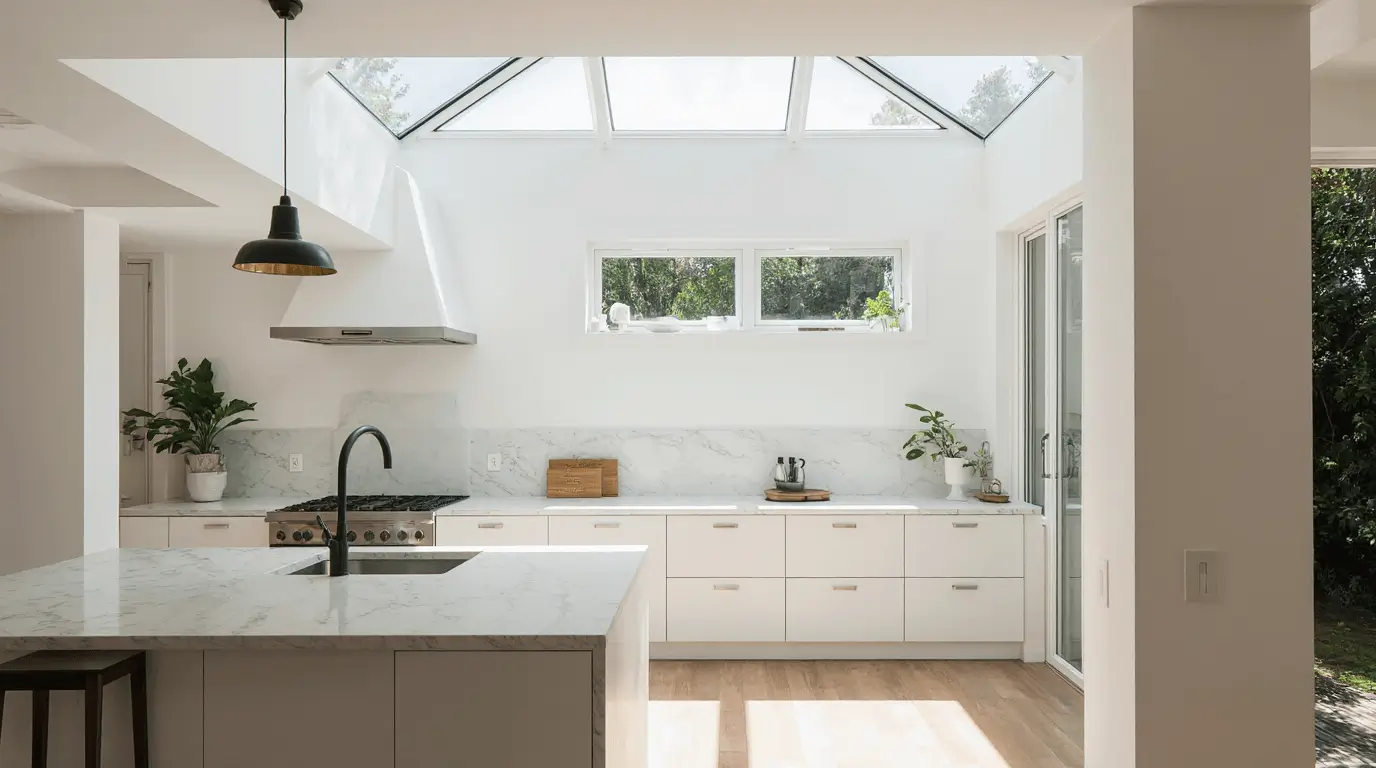
Rear Extension Interior Ideas with Skylights and Roof Lanterns
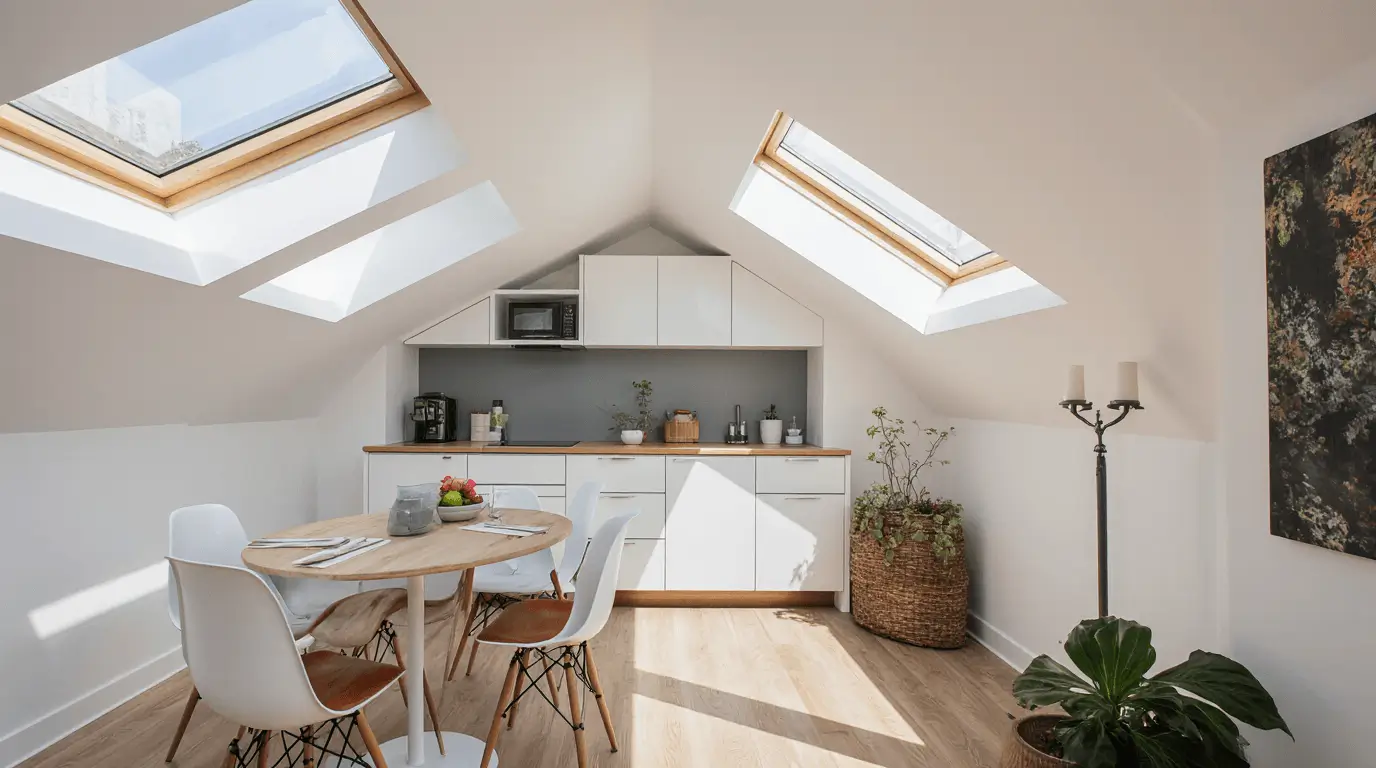
Adding overhead glazing is one of the most effective ways to brighten a rear extension. Skylights and roof lanterns draw light deep into the interior.
They also create visual interest and a sense of vertical space.
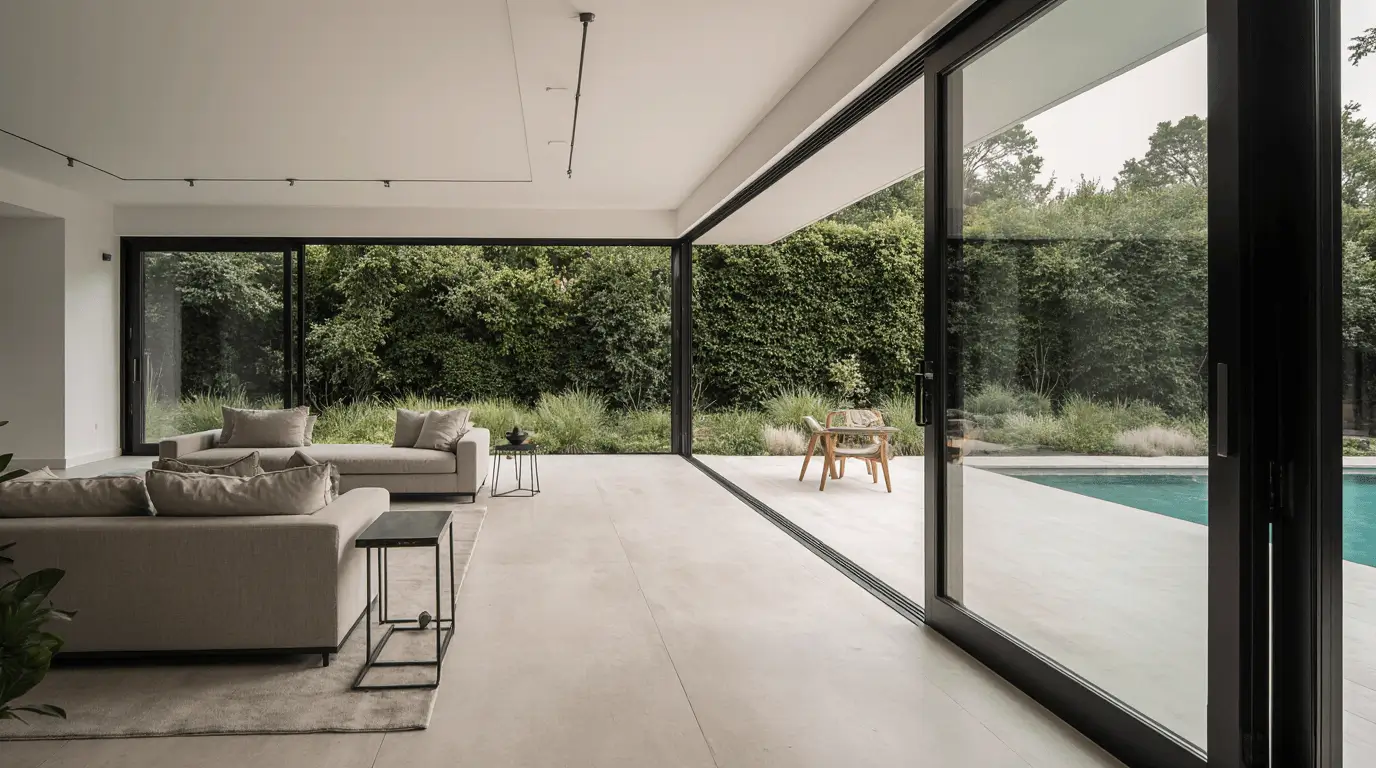
Rear Extension Interior Ideas for Seamless Indoor-Outdoor Flow
A strong connection to the garden enhances the experience of a rear extension. Large doors and consistent flooring create a continuous visual line.
This makes the interior feel larger and more connected to nature.
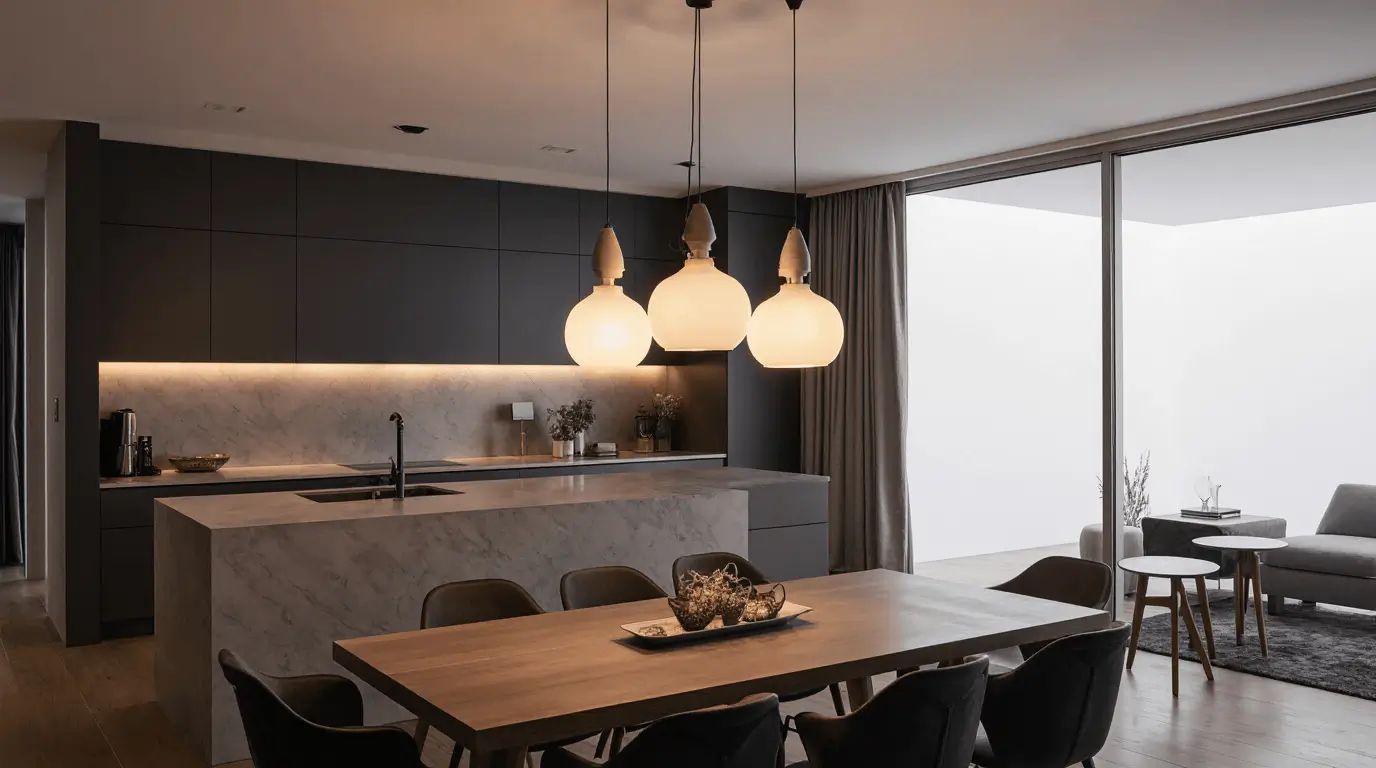
Rear Extension Interior Ideas with Statement Lighting
Lighting can define the personality of your extension. Statement pendants, layered lighting, and dimmable options add both function and drama.
Well-planned lighting transforms the atmosphere from day to night.
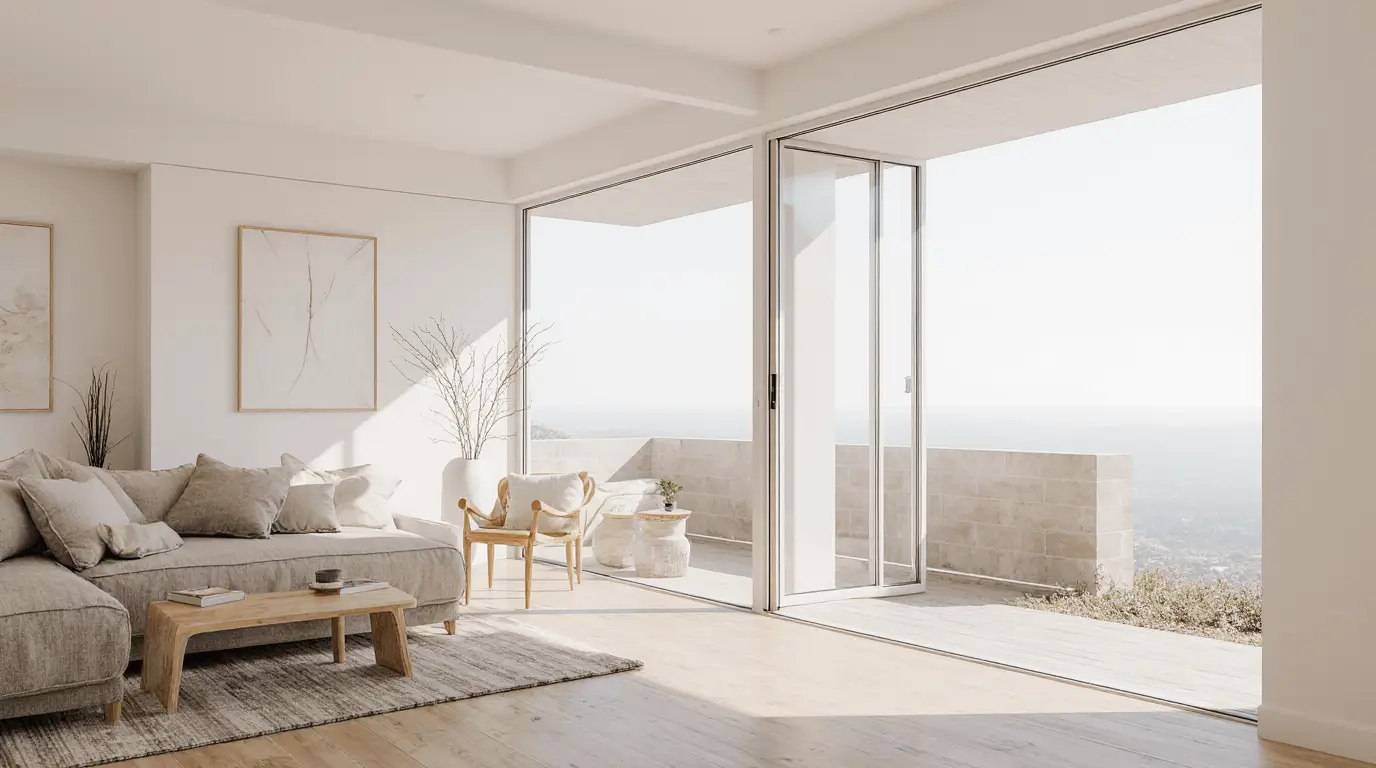
Rear Extension Interior Ideas with Neutral Color Palettes
Neutral tones create a calm, timeless backdrop that enhances natural light. Shades of white, beige, and soft gray keep the space feeling open and elegant.
Accents can be added through textures rather than bold colors.
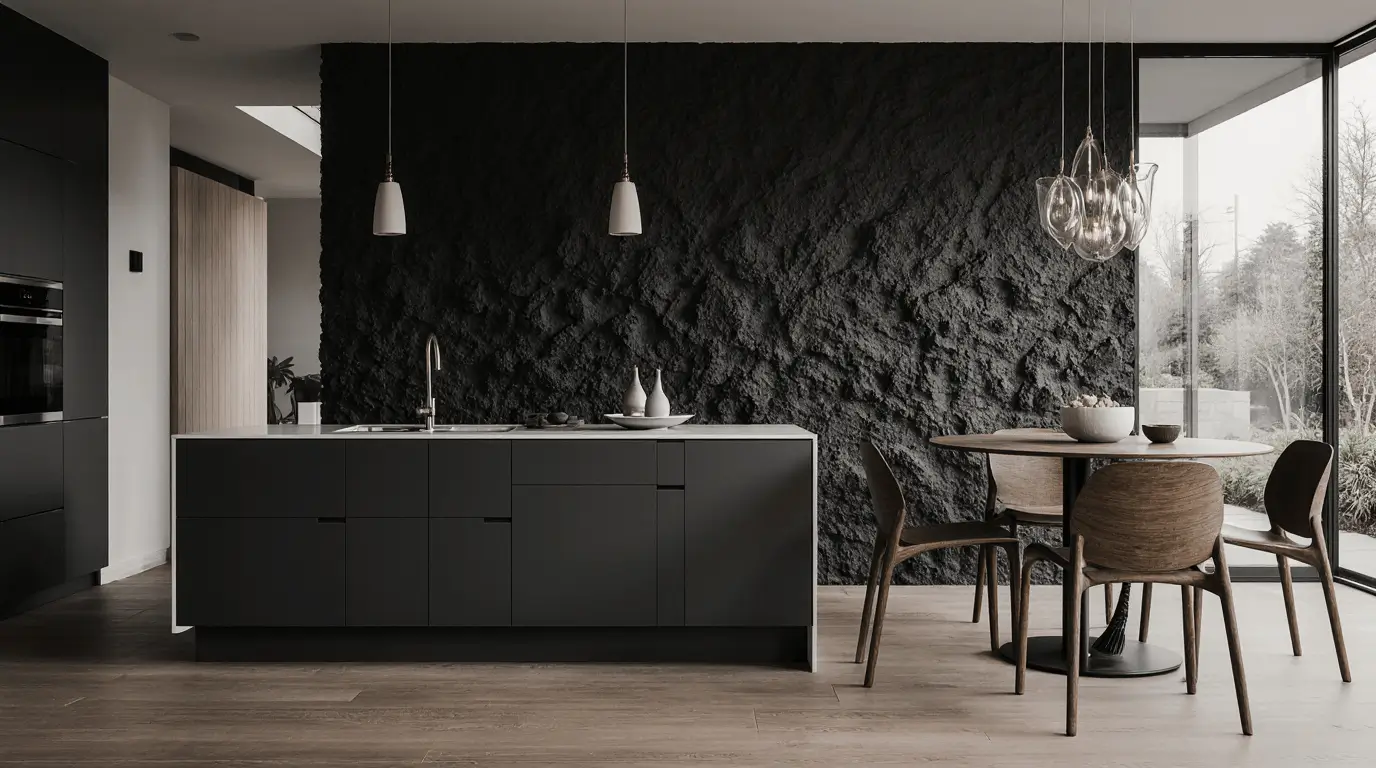
Rear Extension Interior Ideas with Bold Feature Walls
Adding a feature wall introduces personality without overwhelming the space. Materials like exposed brick, textured plaster, or dark paint can create contrast.
This technique anchors the design and adds depth.
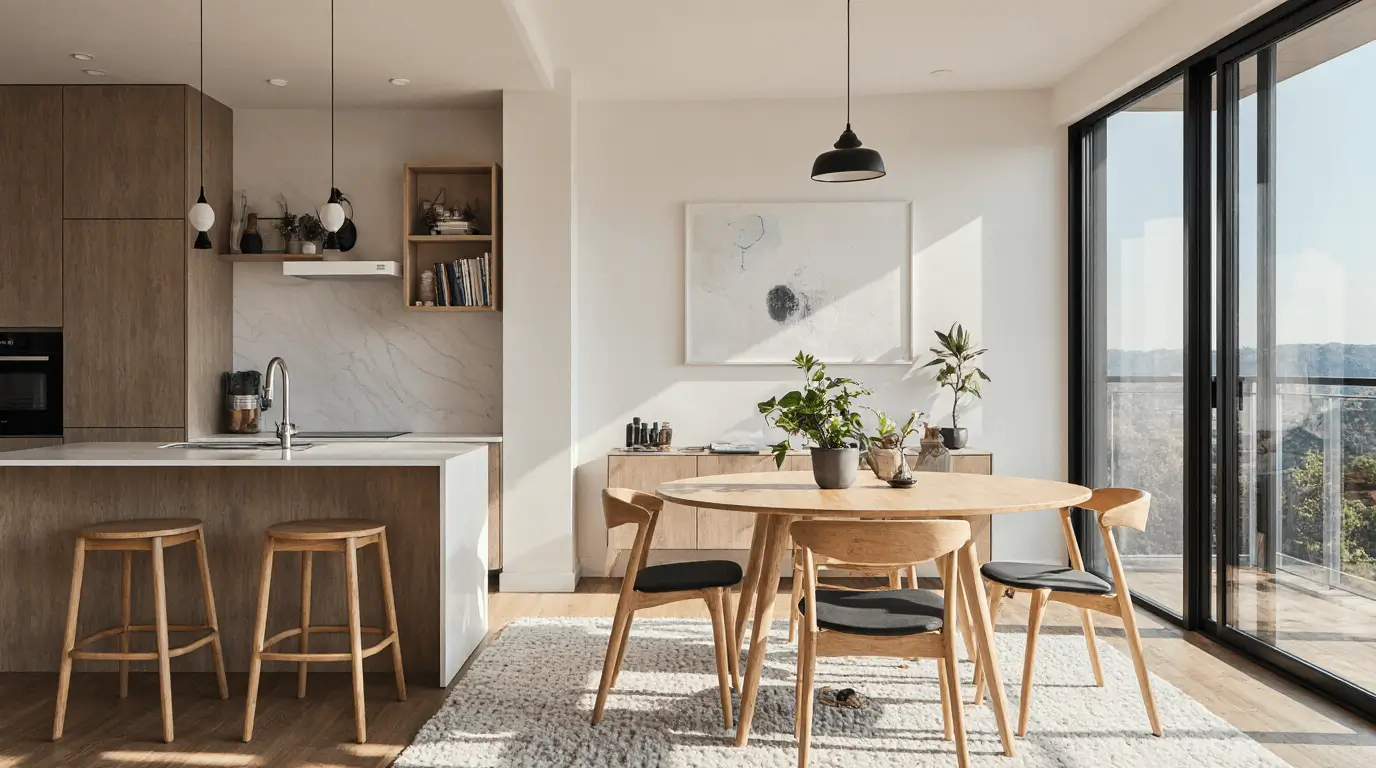
Rear Extension Interior Ideas with Multi-Functional Furniture
Flexibility is key in modern homes. Furniture that adapts—such as extendable tables or hidden storage—makes the space more practical.
This is especially useful in smaller or multi-use extensions.
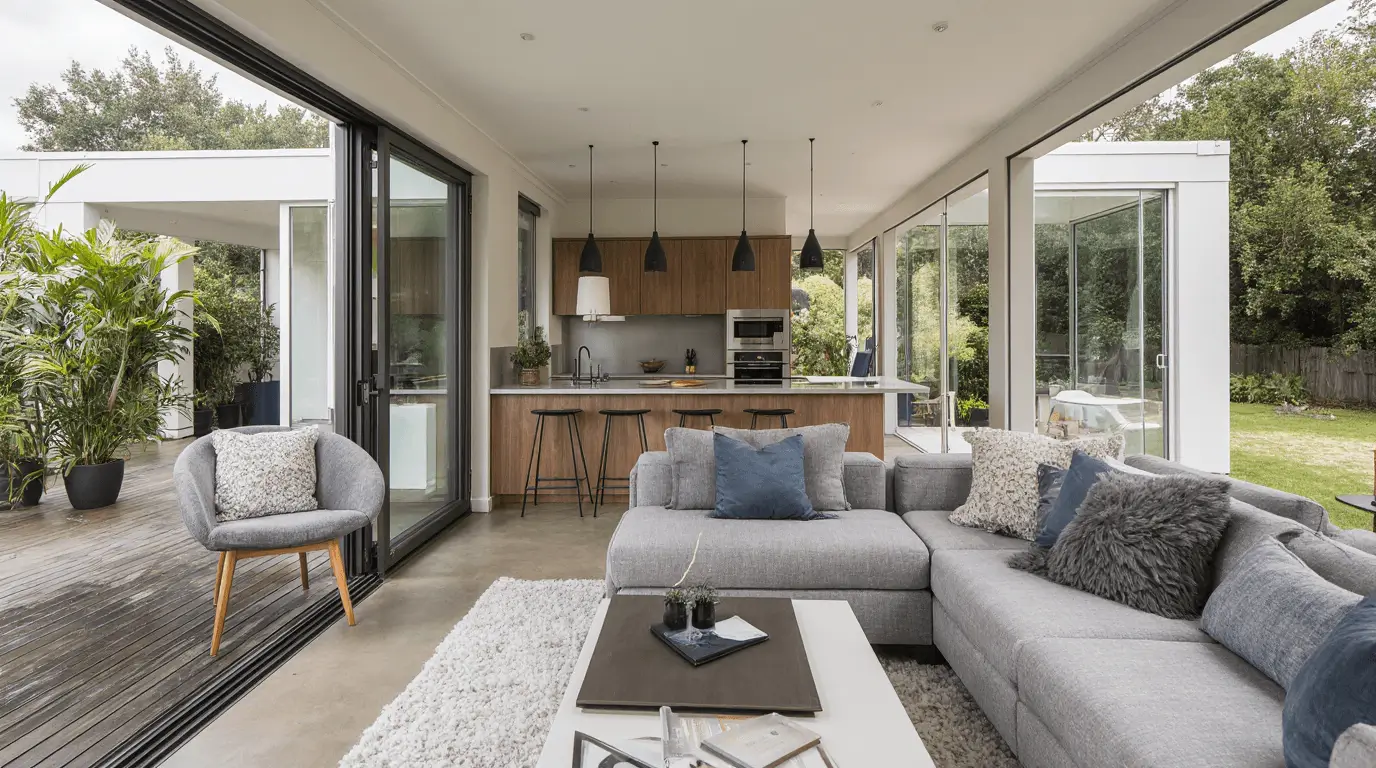
Rear Extension Interior Ideas for Family-Friendly Spaces
Designing with family life in mind ensures the extension remains functional long-term. Durable materials, open sightlines, and safe layouts are essential.
Spaces that encourage gathering naturally become the heart of the home.
Rear Extension Interior Ideas with Minimalist Design Philosophy
Minimalism focuses on clarity, simplicity, and intentional design. Clean surfaces and limited décor create a peaceful, uncluttered environment.
This approach works especially well in modern rear extensions.
Rear Extension Interior Ideas with Layered Textures
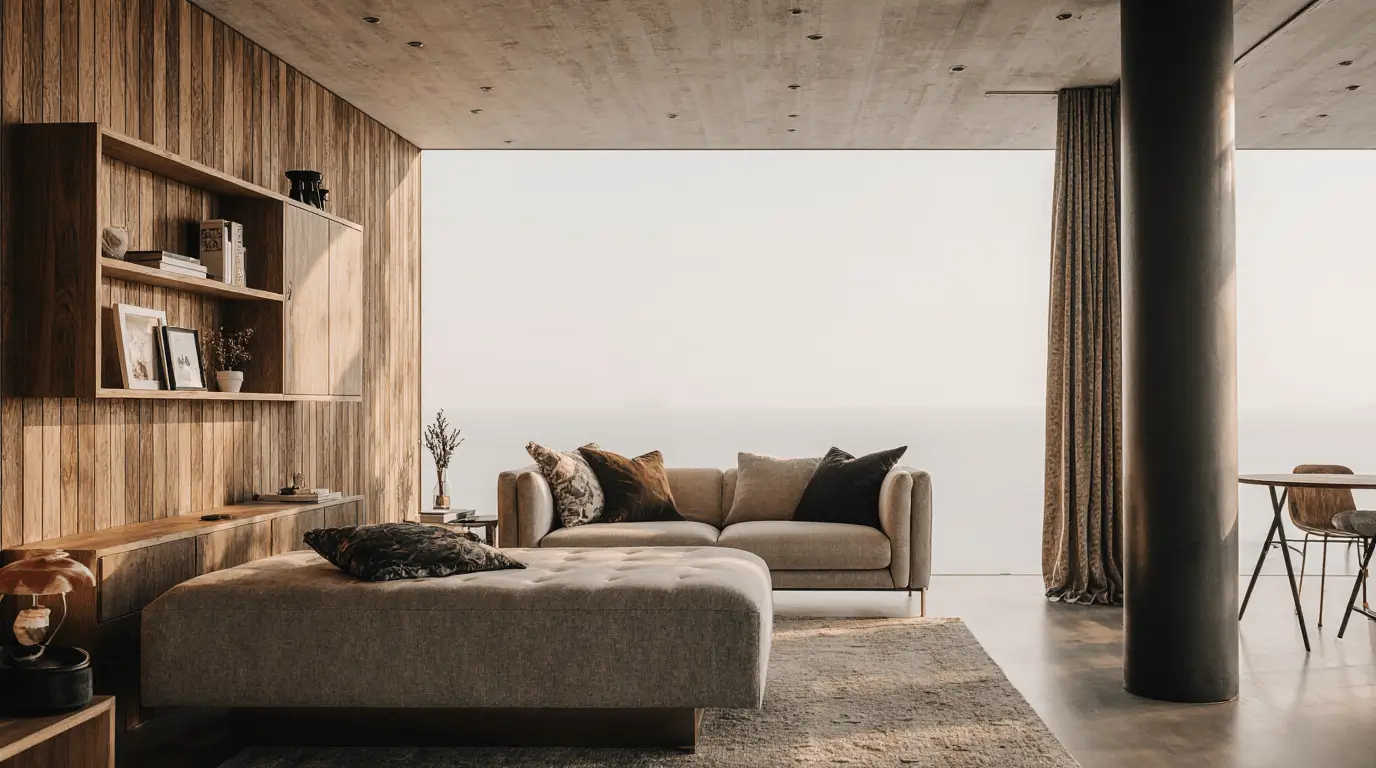
Combining textures—such as wood, metal, fabric, and stone—adds depth and richness to the interior.
Layering textures keeps neutral spaces from feeling flat or sterile.
Conclusion
Thoughtfully executed rear extension interior ideas have the power to transform not just the layout of a home, but the way it’s experienced on a daily basis. The most successful designs are those that go beyond aesthetics—where light, flow, material choices, and functionality work together seamlessly. Whether it’s opening up a kitchen into a social hub, introducing natural textures for warmth, or using glazing to connect with the outdoors, each decision plays a role in shaping a space that feels both purposeful and personal.
From practical experience, homeowners benefit most when they approach a rear extension with clarity about how they want to live, not just how they want the space to look. Prioritizing natural light, adaptable layouts, and long-term usability ensures the extension remains relevant as needs evolve. When done well, a rear extension becomes the heart of the home—supporting everyday routines while elevating comfort and connection.
Moving forward, the key is to balance inspiration with intention. Use these ideas as a foundation, but tailor them to your home’s structure, your lifestyle, and your priorities. With the right planning and a clear design direction, a rear extension interior can feel like a natural, effortless continuation of your home—only better.
Learn more : Small Campervan Interior Ideas That Transform Tiny Spaces
FAQs
- What are the most important elements to focus on in a rear extension interior?
The most impactful elements are natural light, layout flow, and material consistency. Prioritize large openings like glass doors or skylights, ensure the layout supports how you live day-to-day, and choose finishes that connect visually with the rest of your home. - How can I make a small rear extension feel bigger?
Use light color palettes, reflective surfaces, and built-in storage to reduce visual clutter. Keeping sightlines open and incorporating vertical elements like skylights can also create a greater sense of space. - Is open-plan always the best choice for rear extensions?
Open-plan works well in many cases, but it’s not always ideal for every household. If you need privacy or noise control, consider subtle zoning techniques or partial dividers that maintain openness without sacrificing functionality. - What type of flooring works best in a rear extension?
Continuous flooring—such as engineered wood, polished concrete, or large-format tiles—helps unify the space and enhance flow. If extending toward the garden, matching indoor and outdoor flooring can create a seamless transition. - How do I balance modern design with a traditional home?
Focus on contrast with harmony. Keep the extension clean and contemporary, but echo materials or tones from the original structure—like matching brickwork or using complementary colors—to create a cohesive feel. - Are skylights or roof lanterns worth adding?
Yes, in most cases they are one of the best investments. They bring in overhead light that standard windows can’t provide, making the space feel brighter, taller, and more inviting throughout the day. - What mistakes should I avoid when planning a rear extension interior?
Common pitfalls include poor layout planning, insufficient storage, and underestimating lighting needs. Avoid designing purely for looks—ensure the space functions well for your daily routine and future needs.

One Response