
Introduction
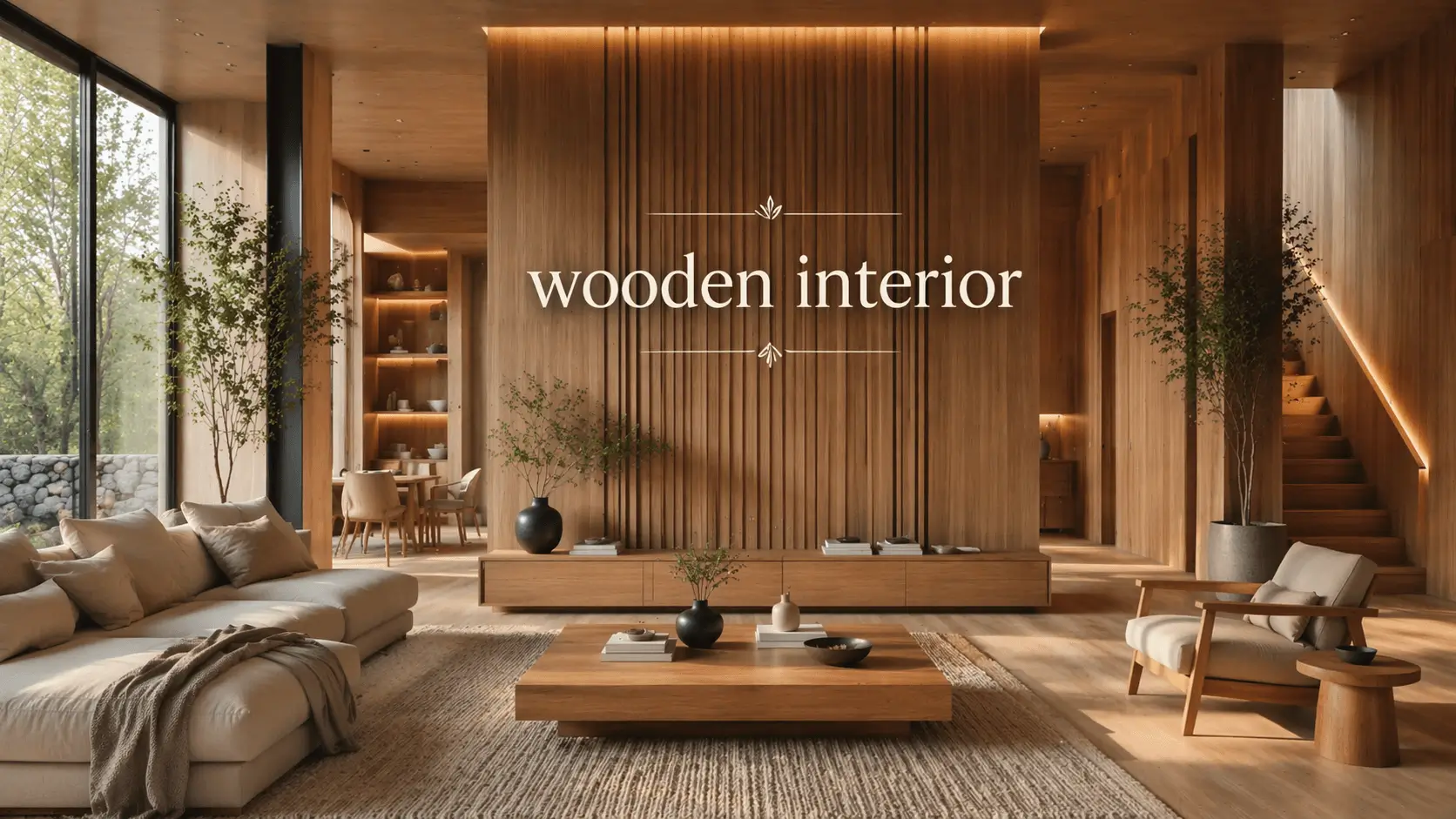
Wooden interior design has long been a cornerstone of timeless, functional, and emotionally warm living spaces. From classic handcrafted doors to sleek modern paneling, wood introduces texture, depth, and a natural connection that few materials can replicate. Whether used subtly as accents or boldly as the dominant material, wooden interiors bring balance between aesthetics and practicality.
In my experience working with residential and modern spaces, the appeal of a wooden interior lies in its adaptability. It works equally well in rustic homes, contemporary apartments, and luxury environments. The key is understanding how to combine wood tones, finishes, and lighting to create a cohesive, inviting atmosphere without overwhelming the space.
Wooden Interior Design Fundamentals
A well-planned wooden interior begins with selecting the right wood type, tone, and finish. Light woods create openness, while darker woods add richness and depth. Balance is essential to avoid visual heaviness.
Modern Wooden Interior Spaces
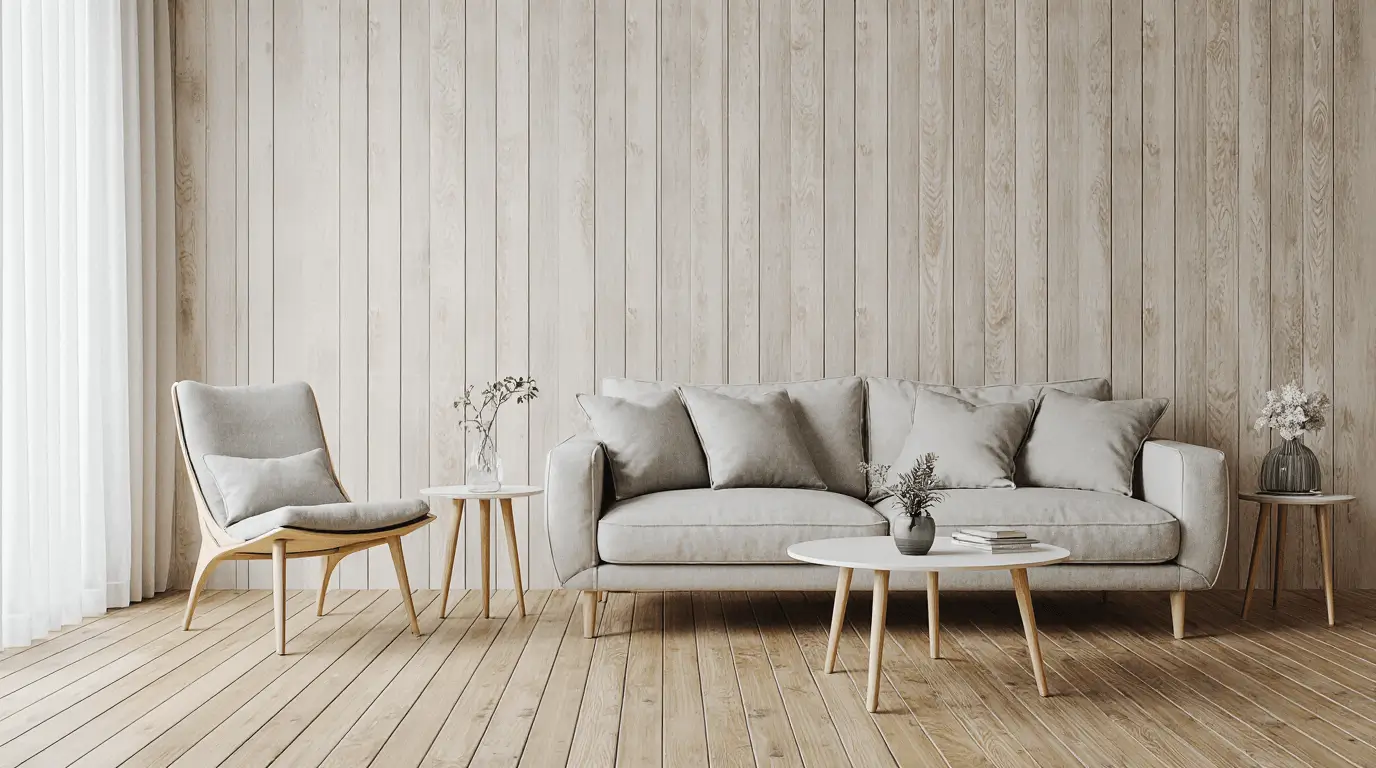
Modern wooden interior design blends clean lines with natural textures. It focuses on simplicity, functional layouts, and subtle grain patterns that enhance rather than dominate.
Wooden Interior Walls
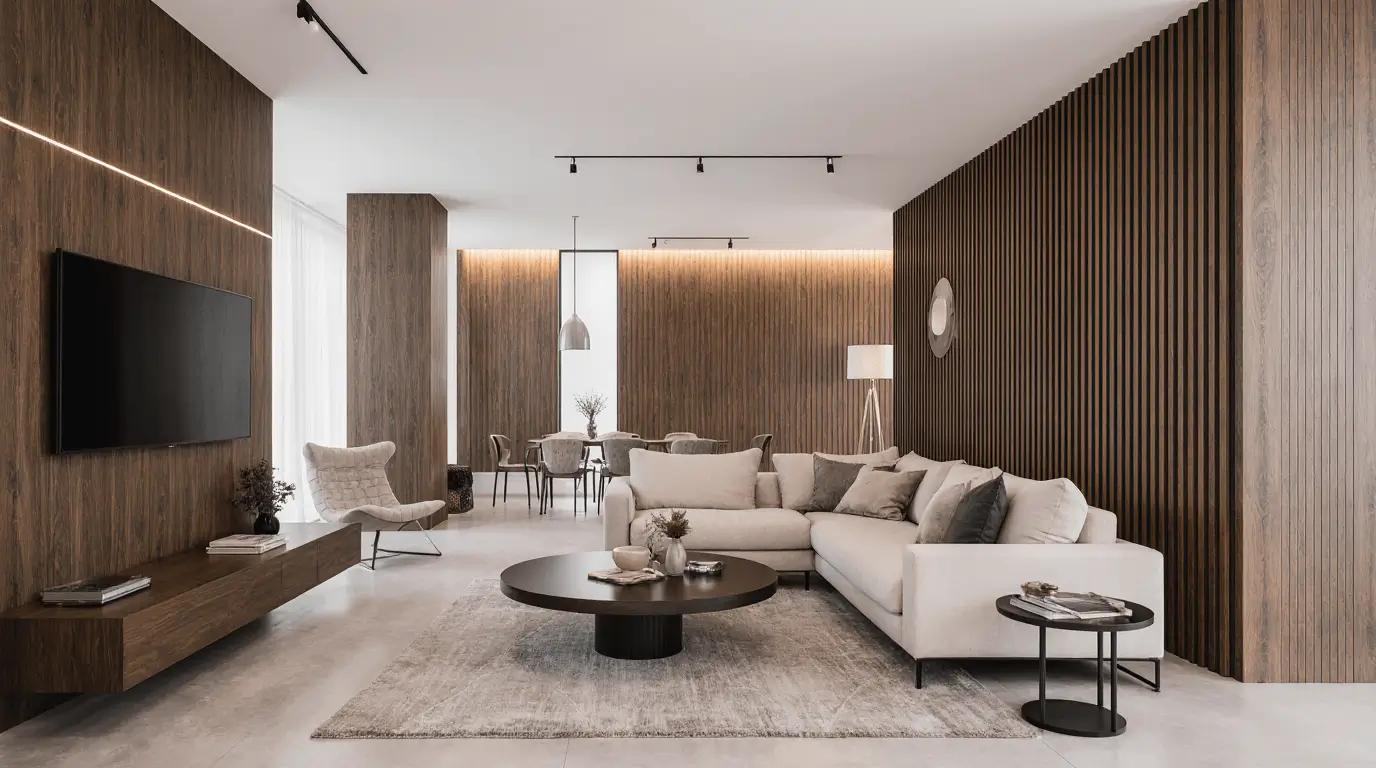
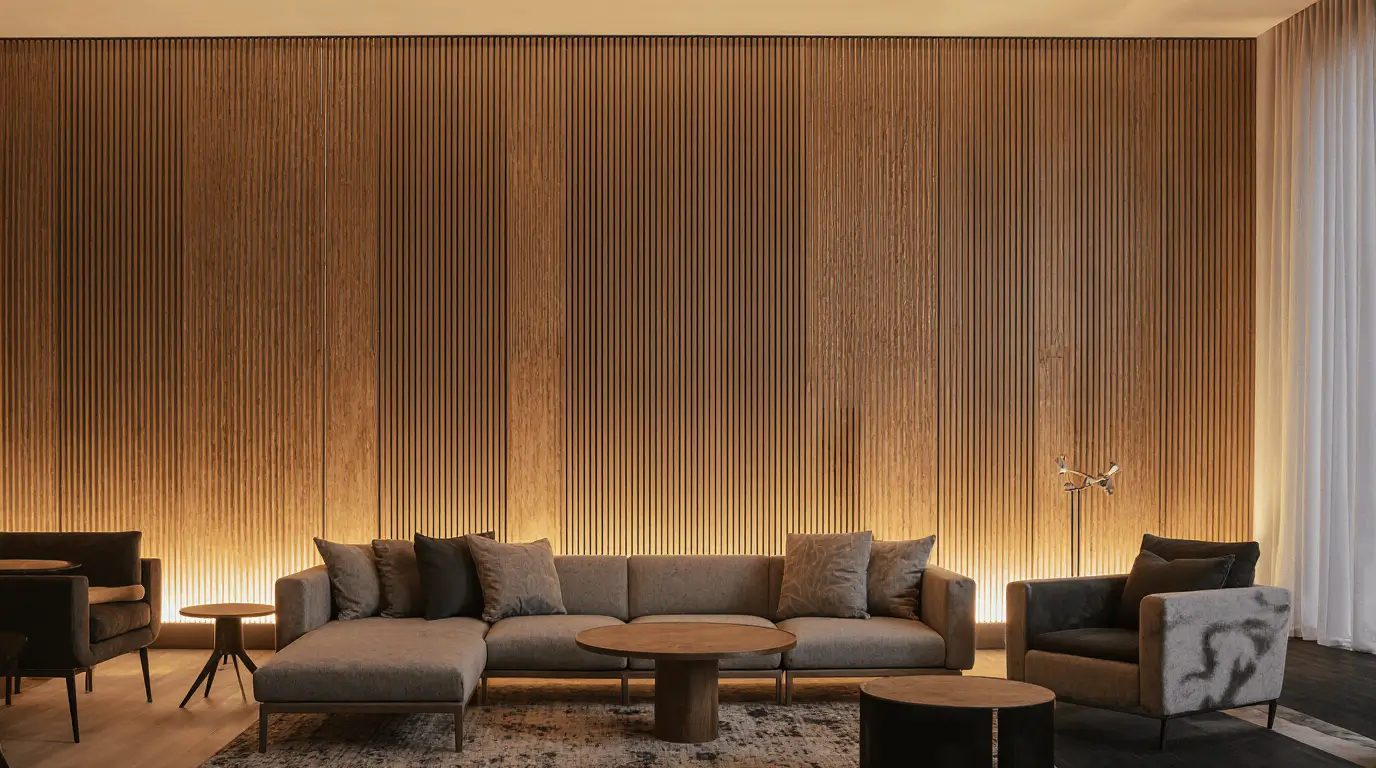
Wooden interior walls act as statement features that add depth and character. Vertical slats, reclaimed wood panels, or smooth finishes can transform plain walls into focal points.
Wooden Interior Doors
Wooden interior doors are both functional and aesthetic. Solid wood doors provide durability and sound insulation, while paneled designs add architectural interest.
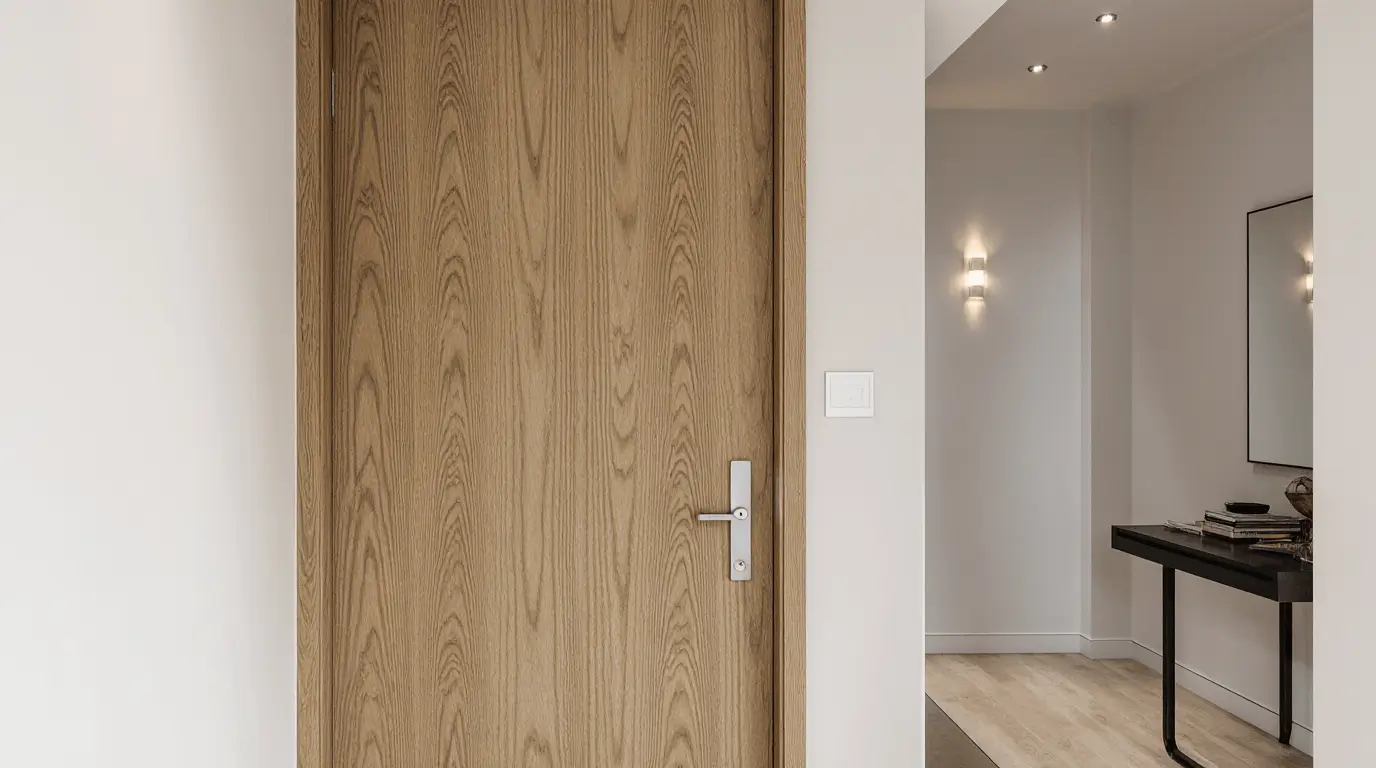
Wooden Interior Design for Living Rooms
Living rooms benefit greatly from wooden interior elements like flooring, ceilings, and furniture. Wood creates warmth and encourages a welcoming environment for social interaction.
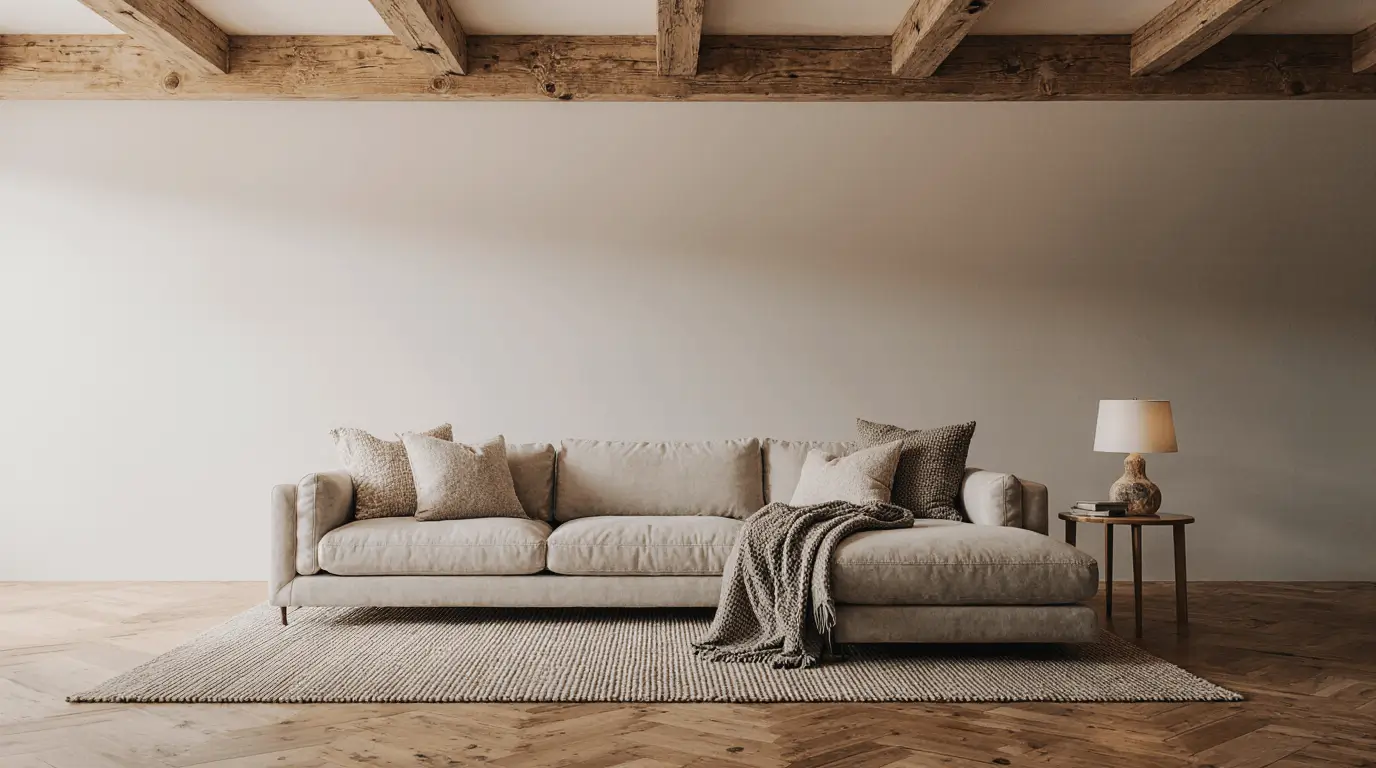
Wooden Interior House Concepts
A full wooden interior house design requires careful coordination of materials to maintain harmony. Consistency in tones and textures ensures a seamless flow between rooms.
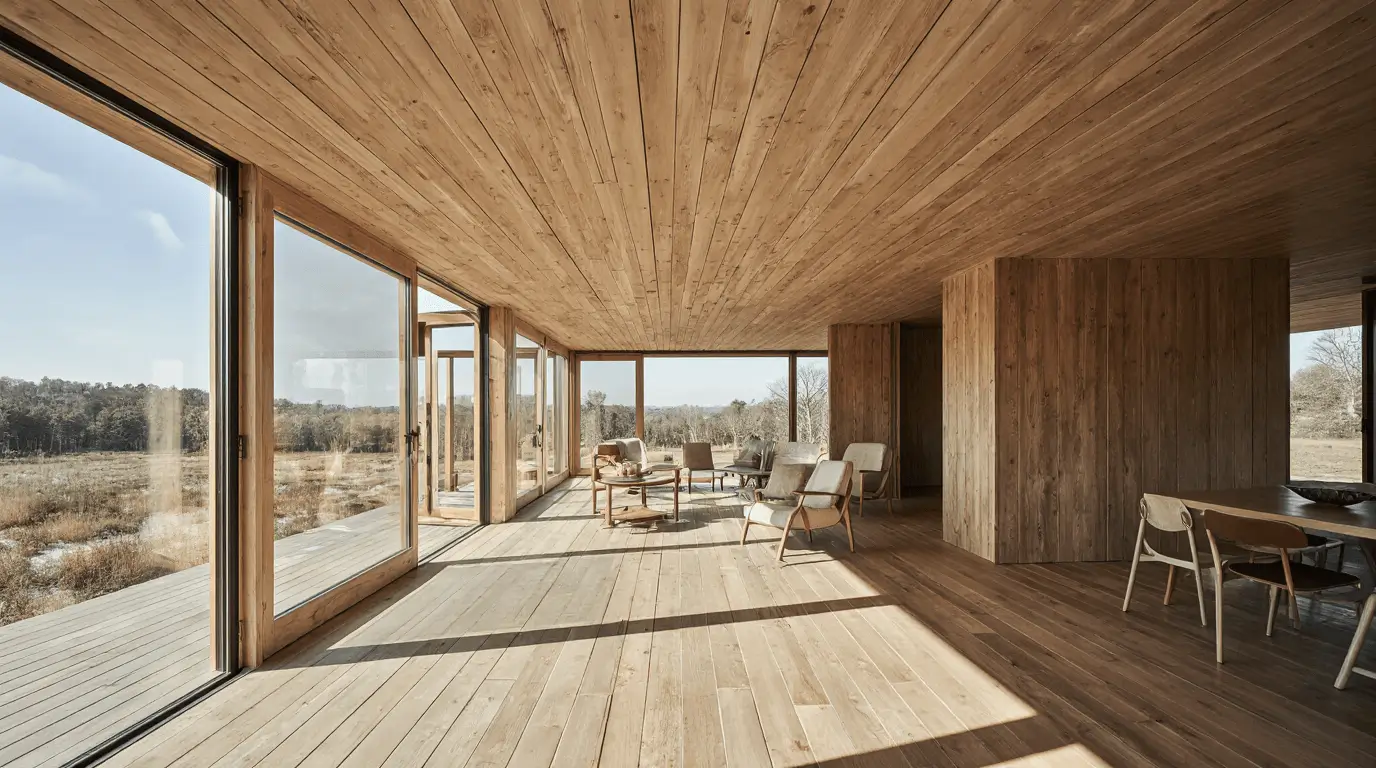
Wooden Interior Design with Natural Light
Wood interacts beautifully with natural light, enhancing its texture and warmth. Proper window placement and light direction elevate the overall aesthetic.
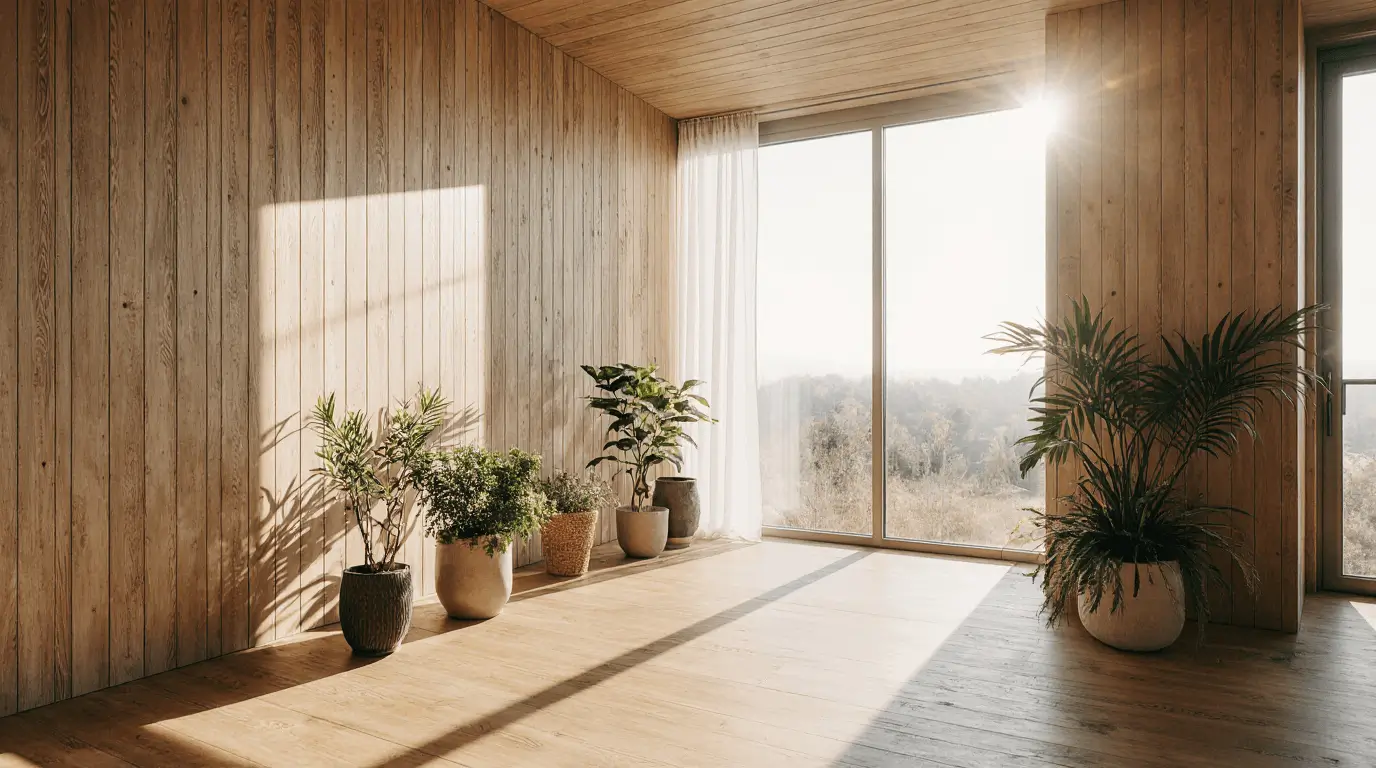
Wooden Interior Bedroom Elements
Bedrooms with wooden interiors feel calm and grounded. Headboards, flooring, and wardrobes in wood create a restful environment conducive to relaxation.
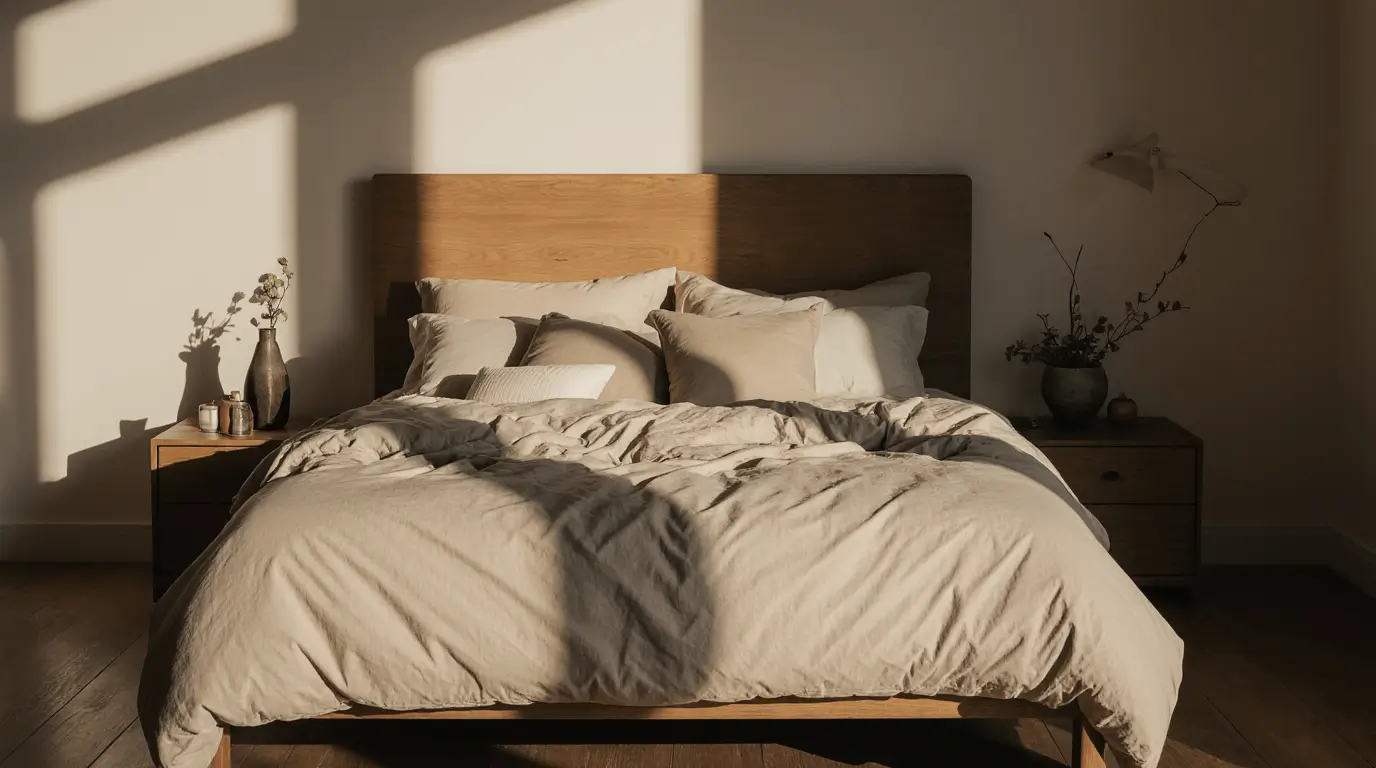
Wooden Interior Furniture Integration
Furniture plays a critical role in wooden interior design. Mixing wood types thoughtfully prevents monotony while maintaining cohesion.
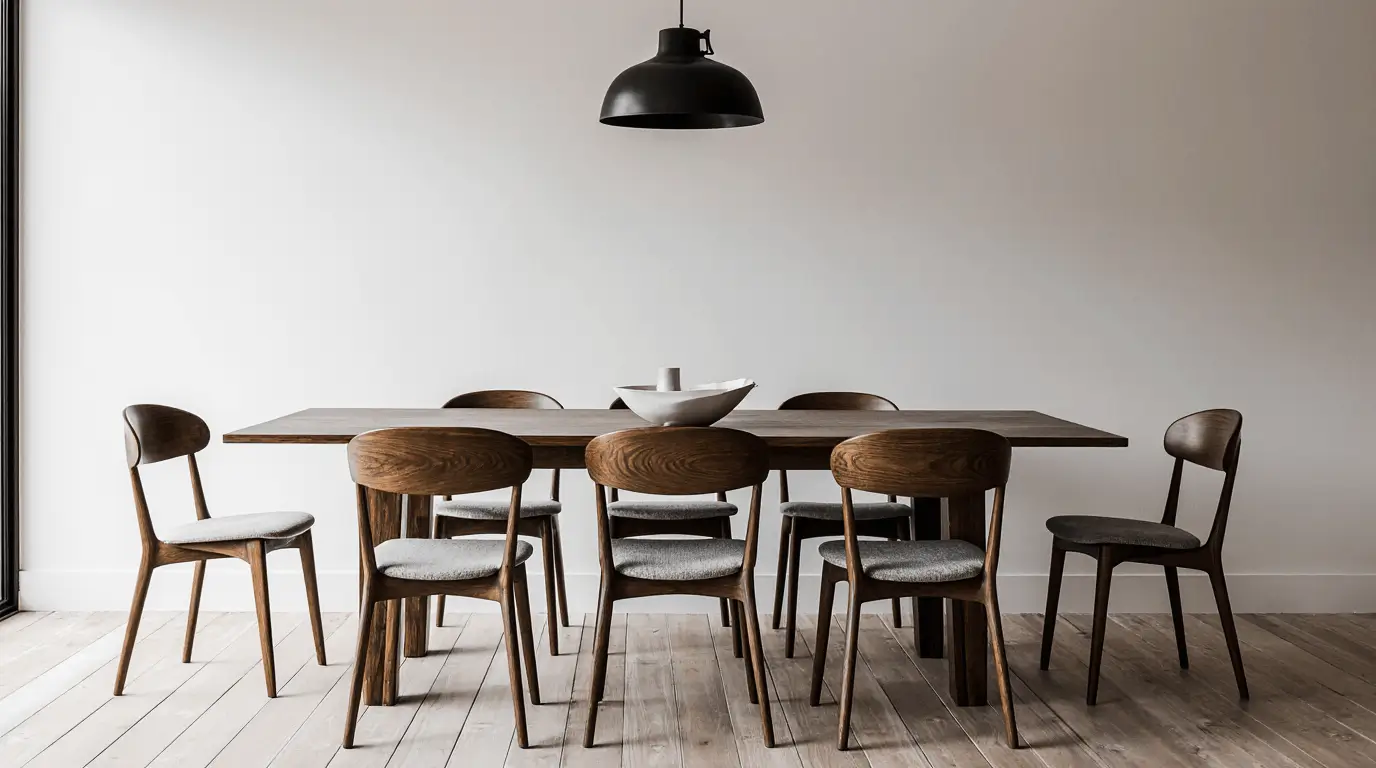
Wooden Interior Ceiling Designs
Wooden ceilings add architectural depth and sophistication. Beams, panels, or coffered designs can elevate even simple rooms.
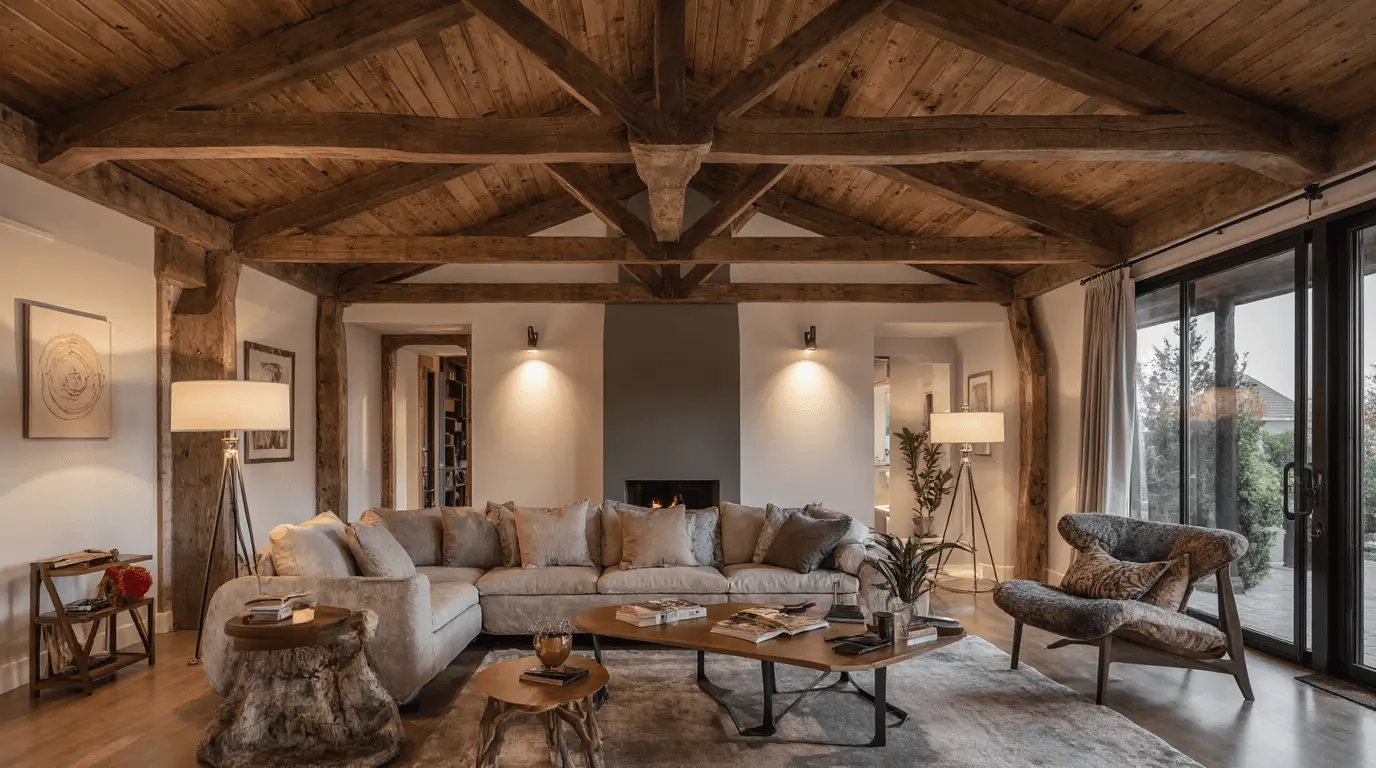
Wooden Interior Minimalist Approach
Minimalist wooden interiors focus on simplicity and function. Clean surfaces and limited materials allow the beauty of wood to stand out naturally.
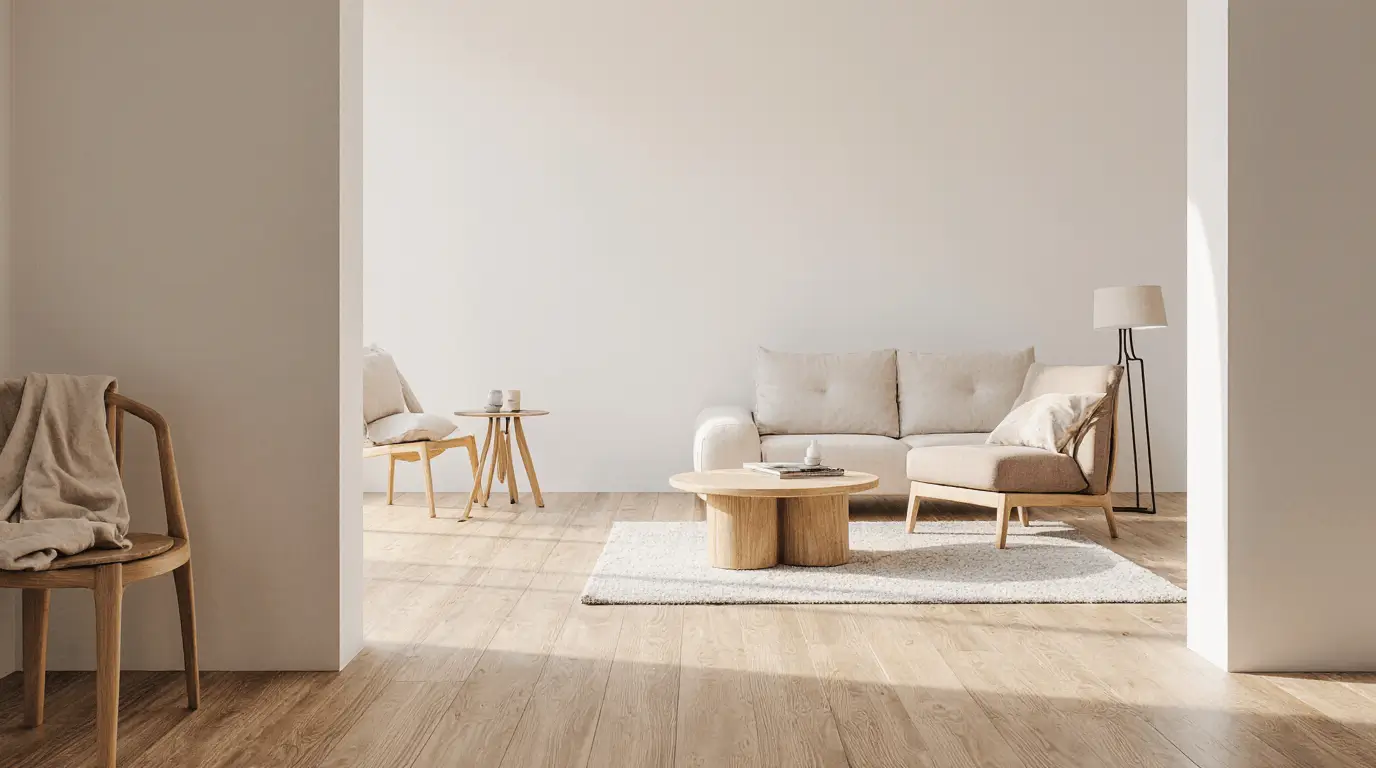
Wooden Interior Texture and Contrast
Combining wood with materials like metal, glass, or stone adds contrast and visual interest. This prevents the space from feeling flat or overly uniform.
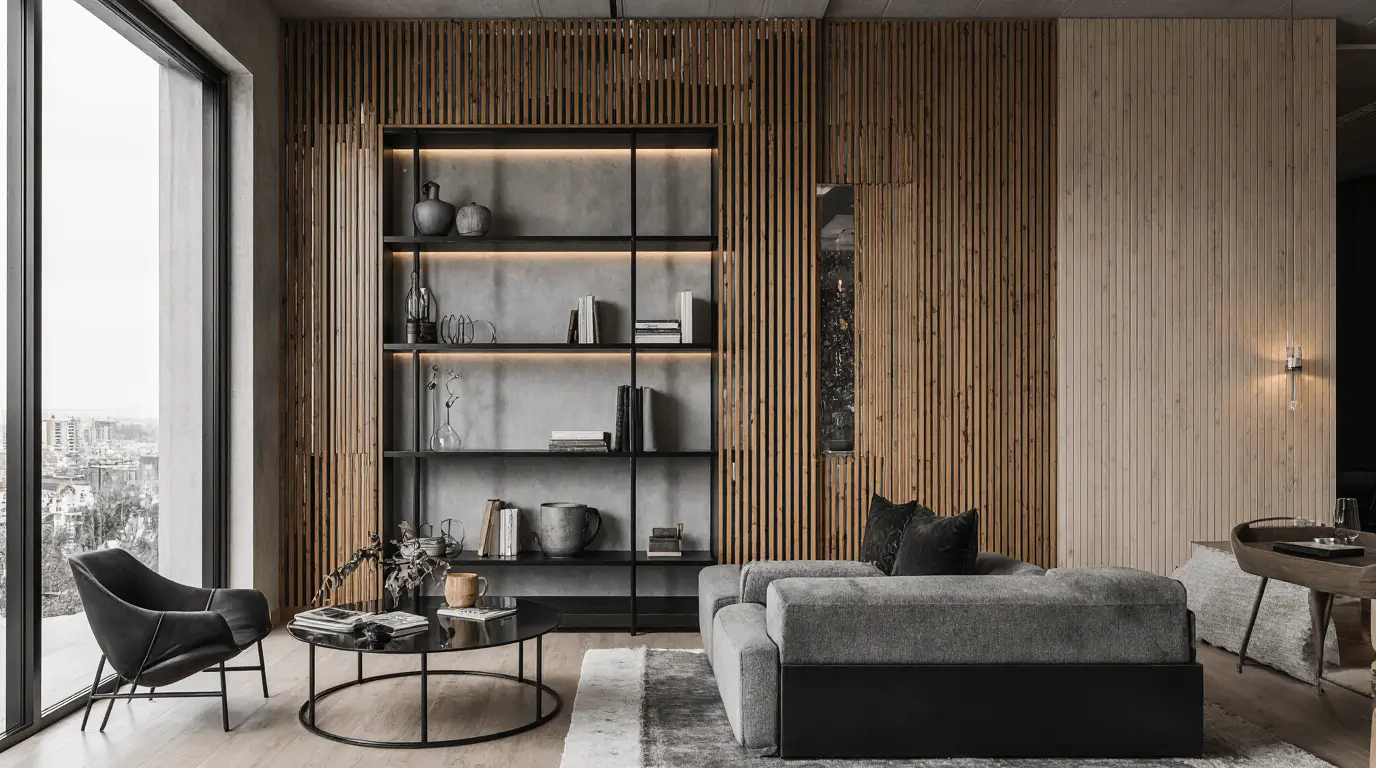
Wooden Interior Flooring Choices
Flooring is foundational in any wooden interior. Hardwood, engineered wood, or parquet patterns influence the entire design direction.
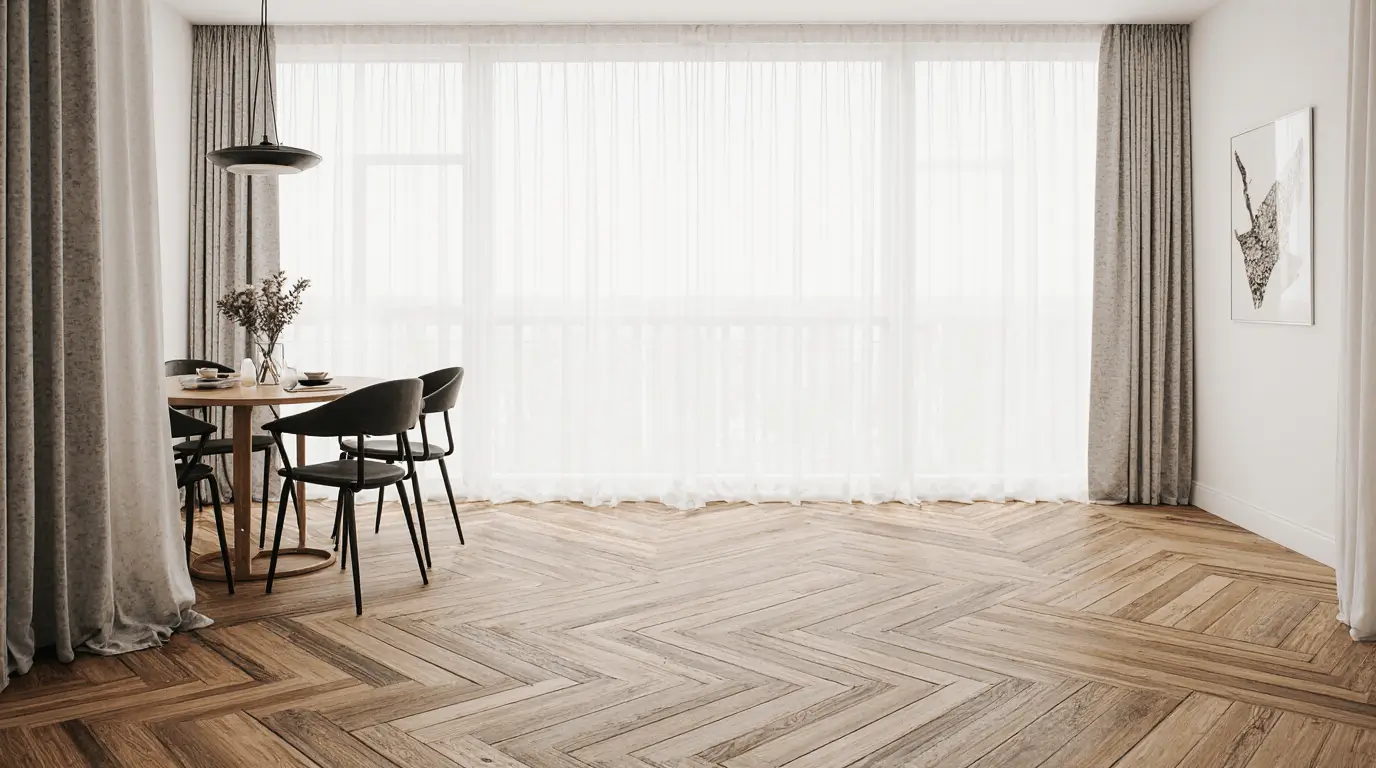
Wooden Interior Color Harmony
Color pairing is essential when working with wood. Neutral palettes, earthy tones, and soft contrasts enhance the natural beauty of wooden interiors.
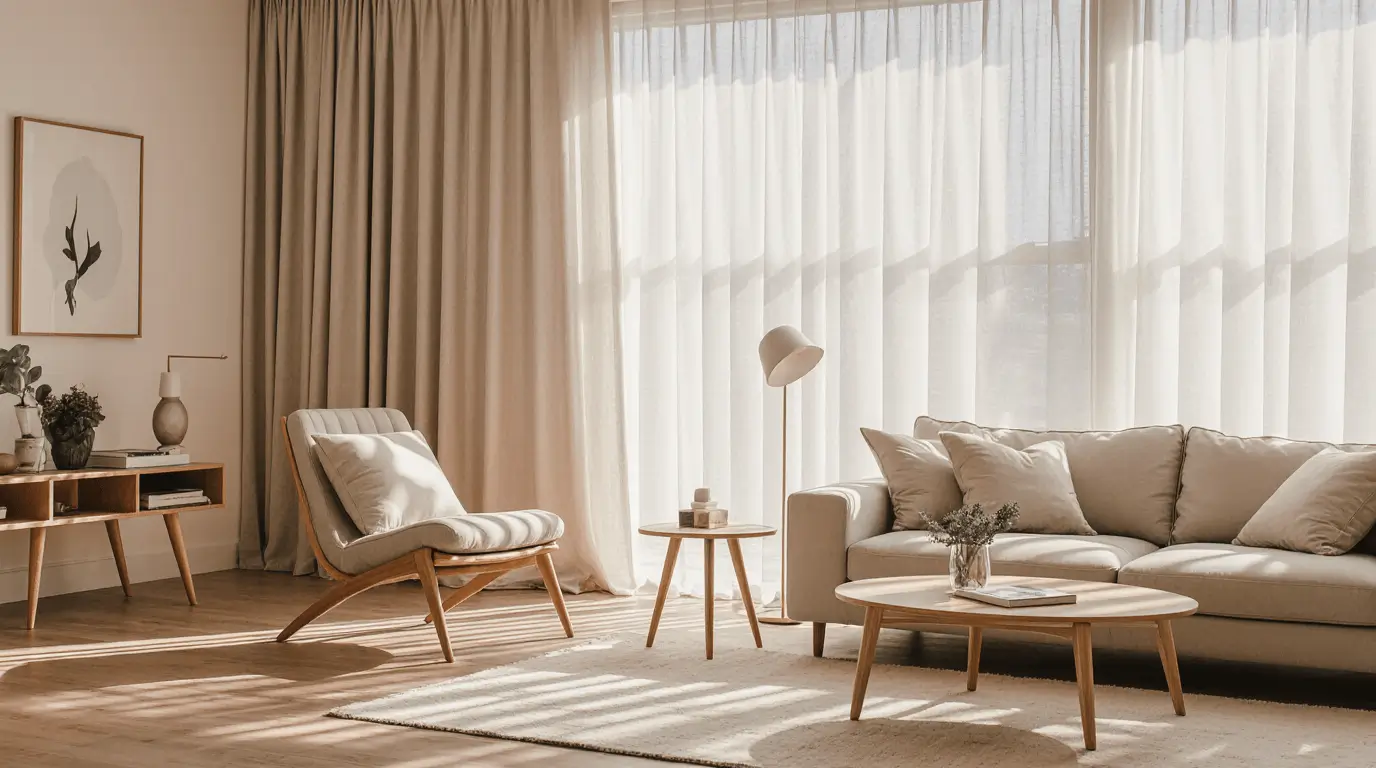
Wooden Interior Sustainable Design
Sustainable wooden interiors use responsibly sourced materials and eco-friendly finishes. This approach supports both design quality and environmental responsibility.
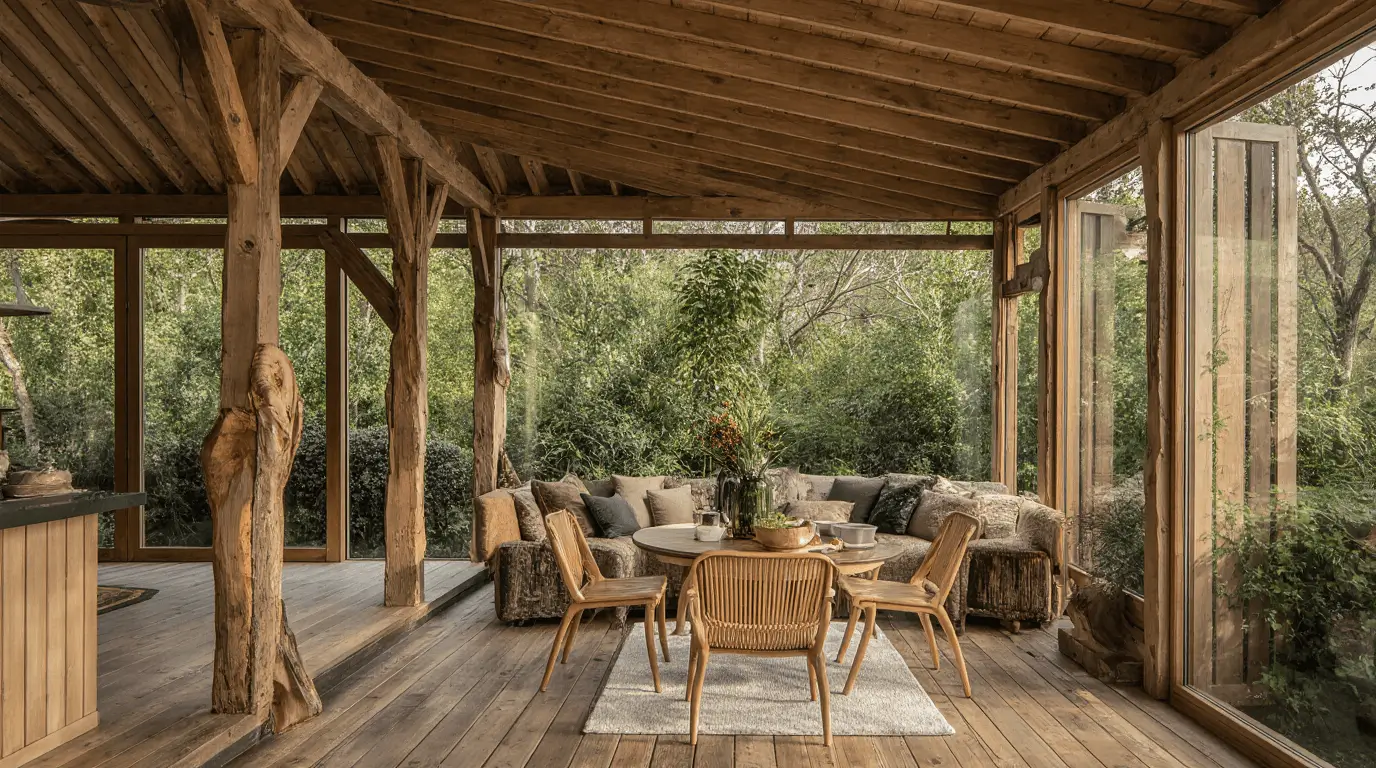
Wooden Interior Lighting Strategy
Lighting defines how wood appears in a space. Warm lighting enhances richness, while cool lighting highlights texture and grain.
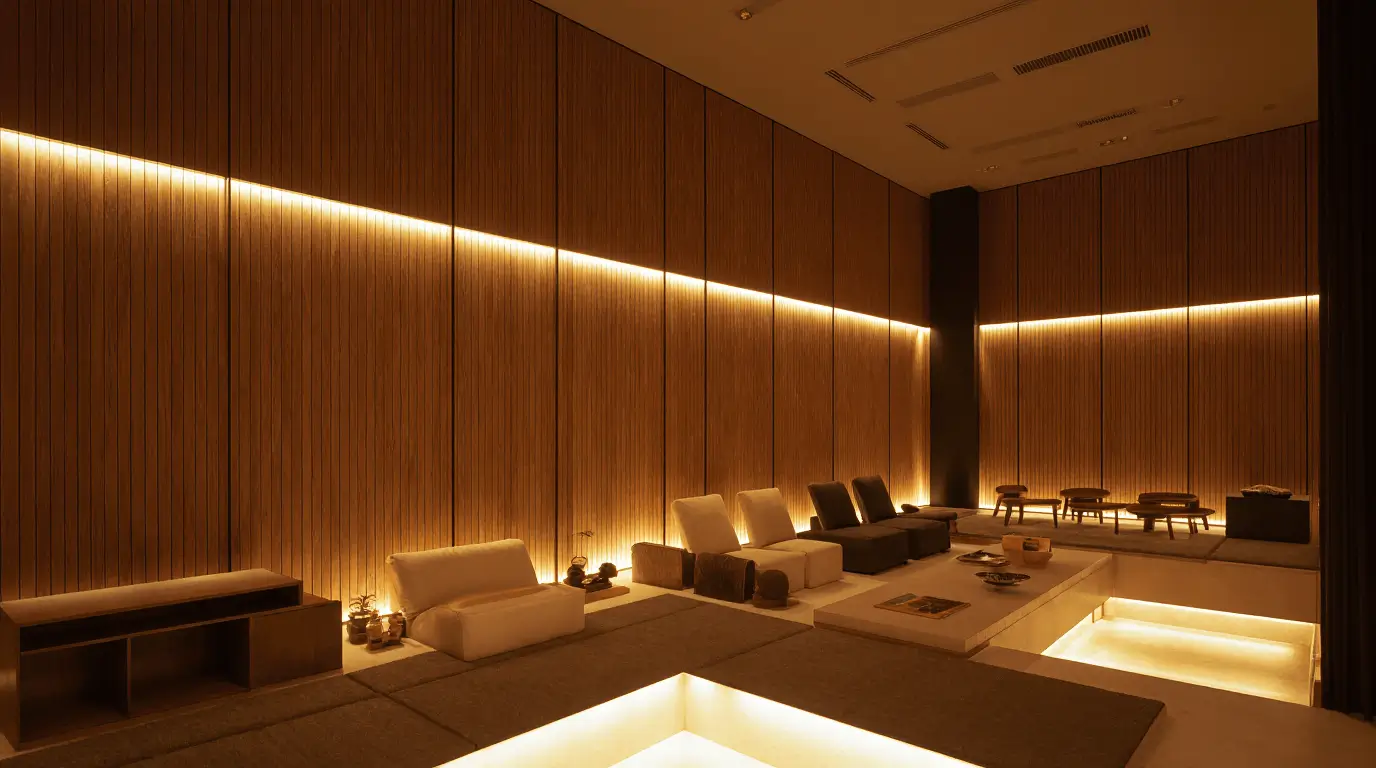
Wooden Interior Space Optimization
Using wood strategically can make spaces feel larger or more intimate. Vertical panels elongate walls, while horizontal patterns widen rooms visually.
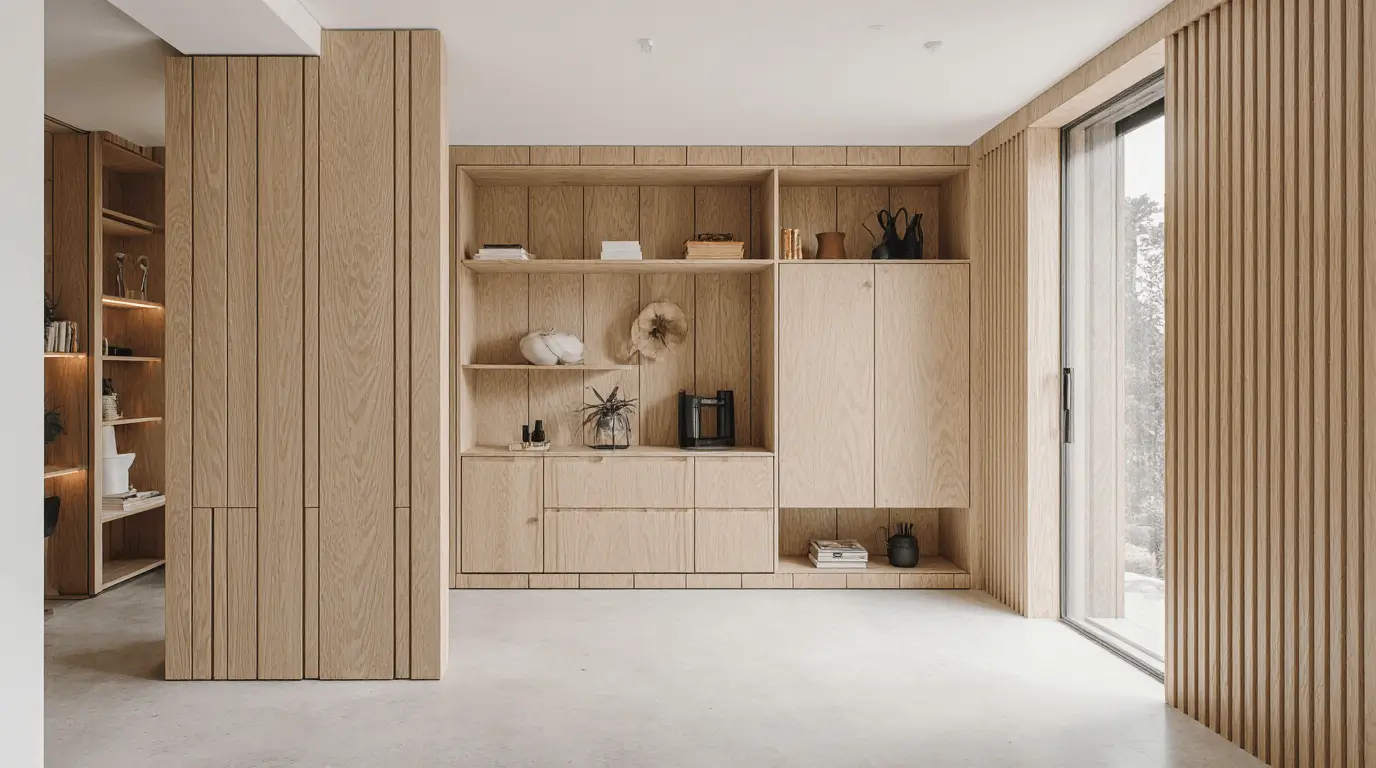
Wooden Interior Luxury Appeal
Luxury wooden interiors emphasize craftsmanship, rare wood types, and precision detailing. These spaces feel refined, timeless, and high-end.
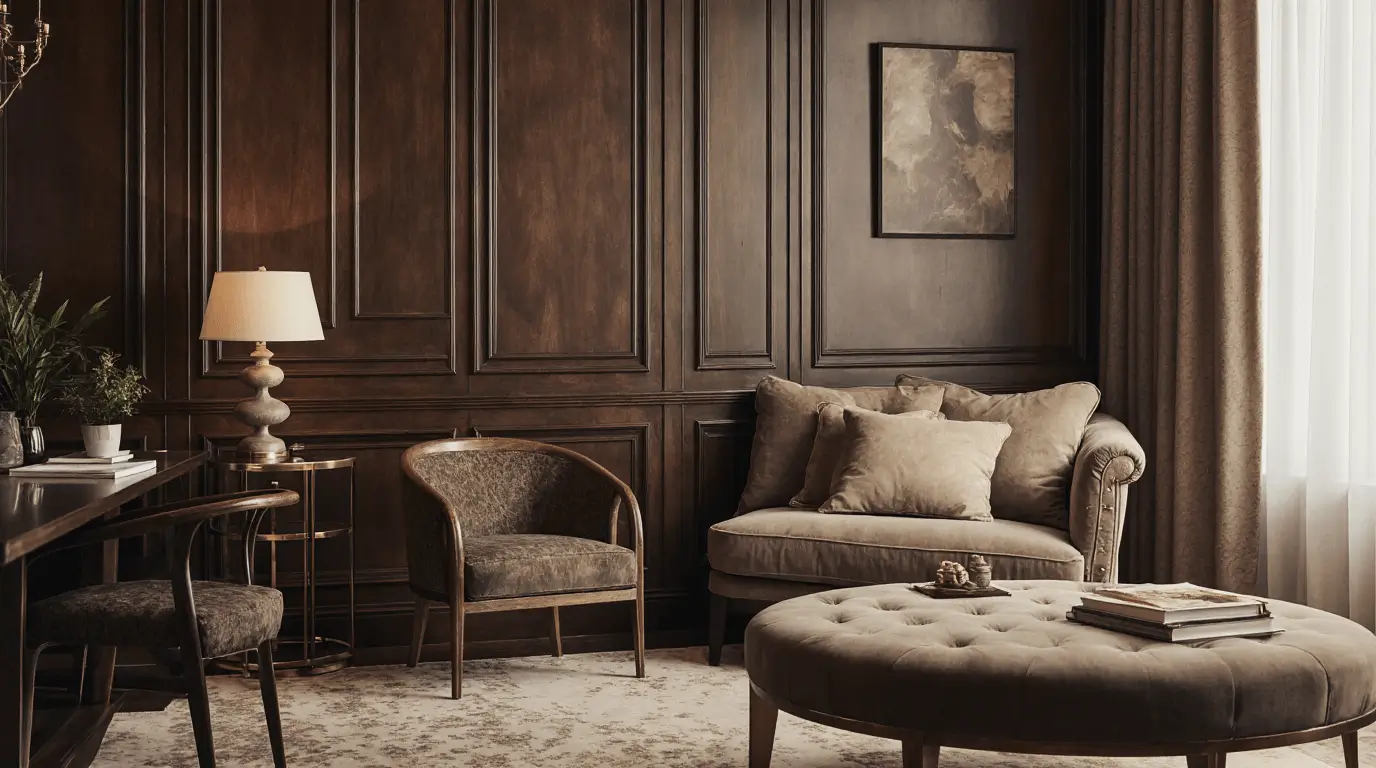
Conclusion
A well-executed wooden interior is more than a design choice—it’s a long-term investment in comfort, character, and livability. When thoughtfully applied, wood brings a natural balance that softens modern spaces while adding structure to more traditional ones. Its versatility allows it to adapt across styles, whether you prefer minimal, contemporary layouts or rich, layered interiors.
From practical experience, the most successful wooden interiors are those that prioritize balance—between light and dark tones, textures and finishes, and natural and artificial lighting. When these elements are aligned, the space feels intentional rather than overwhelming. This approach works especially well for homeowners who value warmth, durability, and timeless appeal over short-lived trends.
Moving forward, the key is to start with a clear vision: decide where wood will make the most impact—floors, walls, ceilings, or furniture—and build around it with complementary materials and lighting. With careful planning and attention to detail, a wooden interior can evolve beautifully over time, maintaining both its function and emotional appeal.
Learn more : Rear Extension Interior Ideas That Transform Your Space
FAQs
- Is a wooden interior suitable for small spaces?
Yes, when used correctly. Lighter wood tones, vertical paneling, and strategic lighting can make small spaces feel larger and more open rather than cramped. - How do I prevent a wooden interior from looking too dark or heavy?
Balance is key. Combine wood with neutral colors, natural light, and contrasting materials like glass or metal to keep the space visually light and breathable. - Which type of wood is best for interior design?
It depends on the purpose. Oak and walnut are popular for durability and aesthetics, while engineered wood works well for budget-friendly and stable applications. - Are wooden interiors high maintenance?
Not necessarily. With proper sealing and occasional care, most wooden surfaces are durable and easy to maintain, especially in indoor environments. - Can wooden interiors work with modern design styles?
Absolutely. Modern wooden interiors often use clean lines, smooth finishes, and subtle grain patterns to create a refined, contemporary look. - How important is lighting in a wooden interior?
Lighting is crucial. It enhances the wood’s natural grain and color, influencing whether the space feels warm and inviting or flat and dull. - Is a wooden interior environmentally friendly?
It can be, especially when using sustainably sourced or reclaimed wood. Choosing eco-friendly finishes further improves its environmental impact.



One Response