Introduction
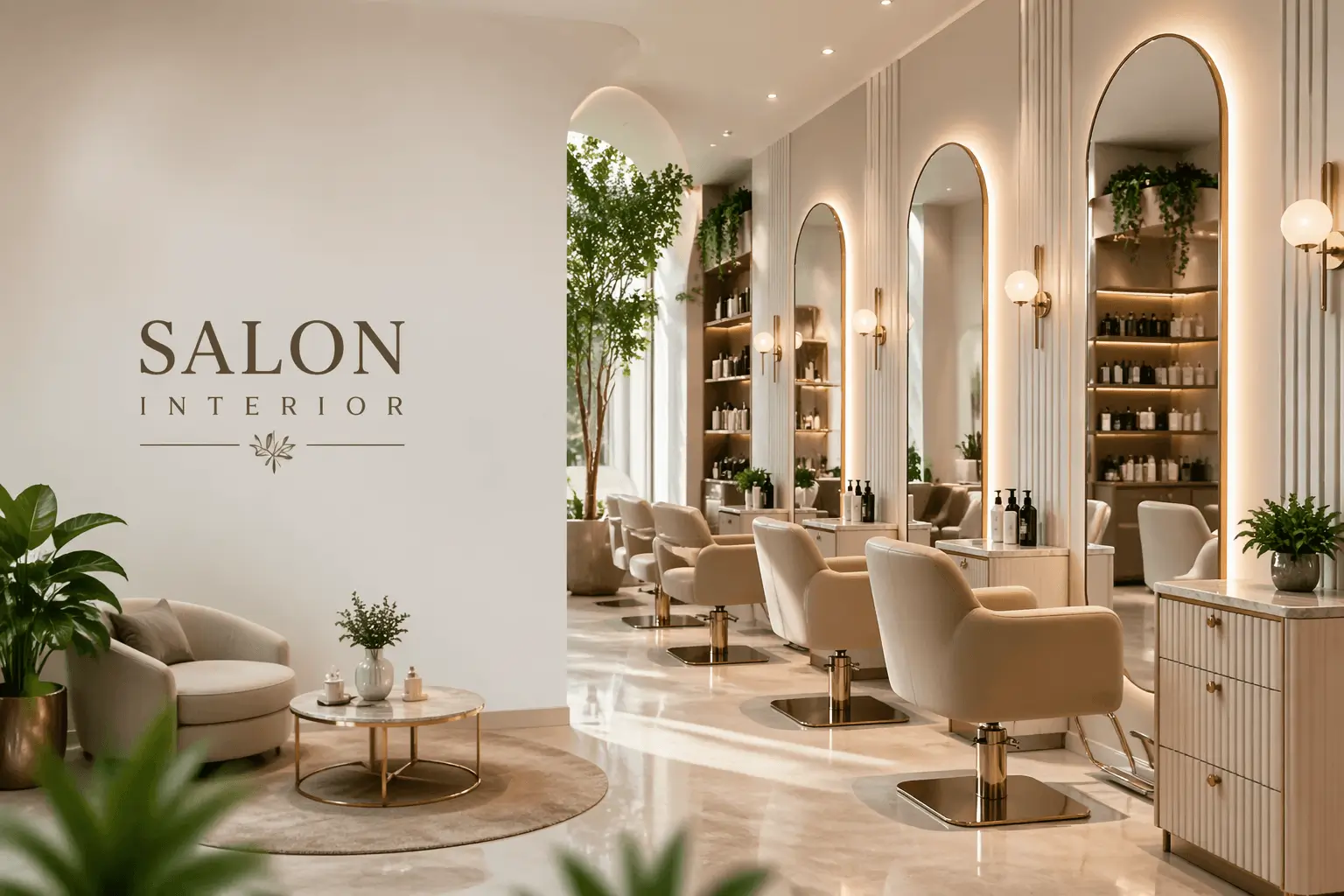
Designing a salon interior goes far beyond choosing stylish chairs and mirrors—it’s about creating an environment that enhances client comfort, reflects your brand identity, and supports seamless workflow. Whether you’re planning a luxury beauty studio or a compact neighborhood salon, the right interior decisions directly impact client experience and business success.
From years of observing high-performing salons, one thing is clear: the most memorable spaces balance aesthetics with functionality. Lighting, layout, materials, and ambiance must work together. A well-designed salon interior not only looks appealing but also improves efficiency, encourages repeat visits, and builds trust.
Salon Interior Design Fundamentals
A successful salon interior begins with thoughtful planning—understanding client flow, service zones, and staff movement. Every design choice should support both beauty and practicality.
Well-structured layouts reduce clutter and improve service speed, especially during peak hours.
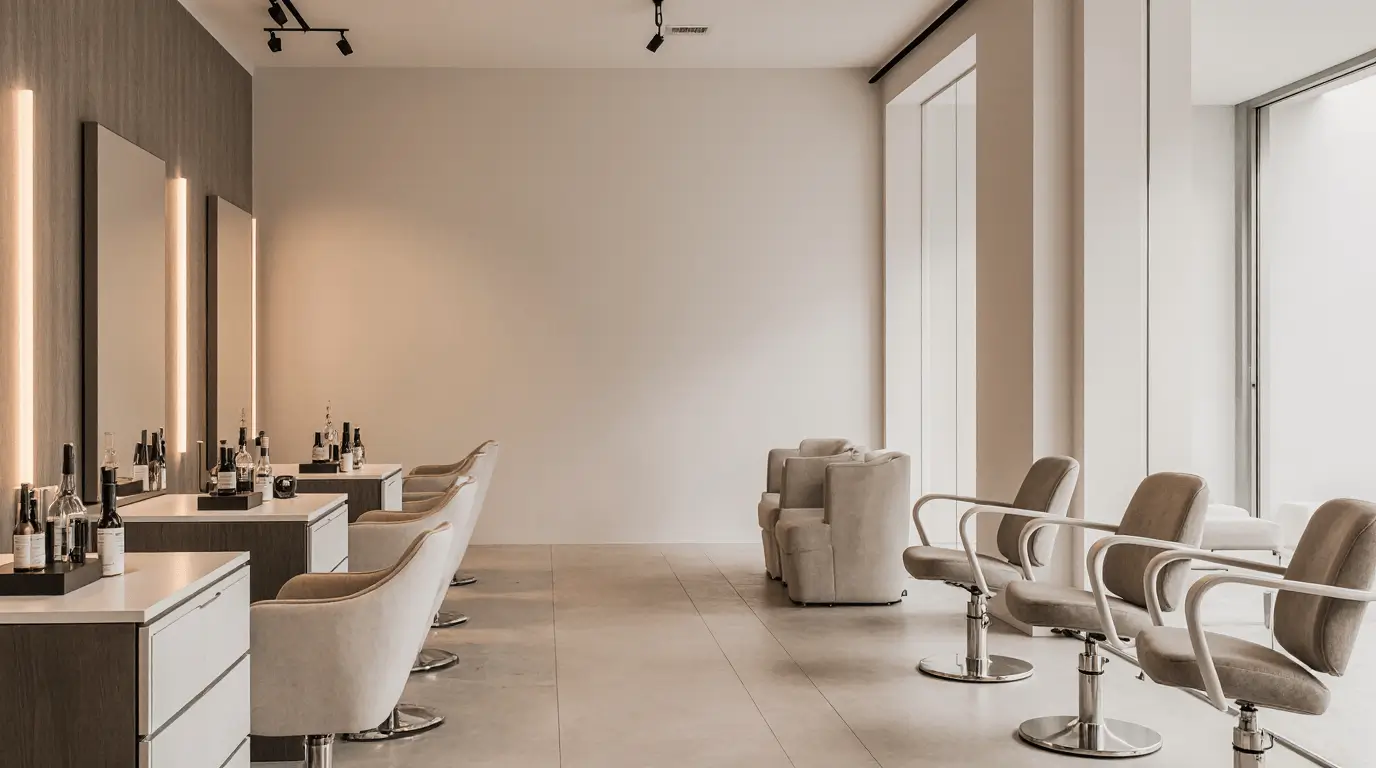
Modern Salon Interior Style
Modern salon interiors emphasize minimalism, sleek finishes, and clutter-free spaces. Clean lines and neutral tones create a professional yet calming environment.
This approach works especially well for urban salons aiming for a premium, contemporary feel.
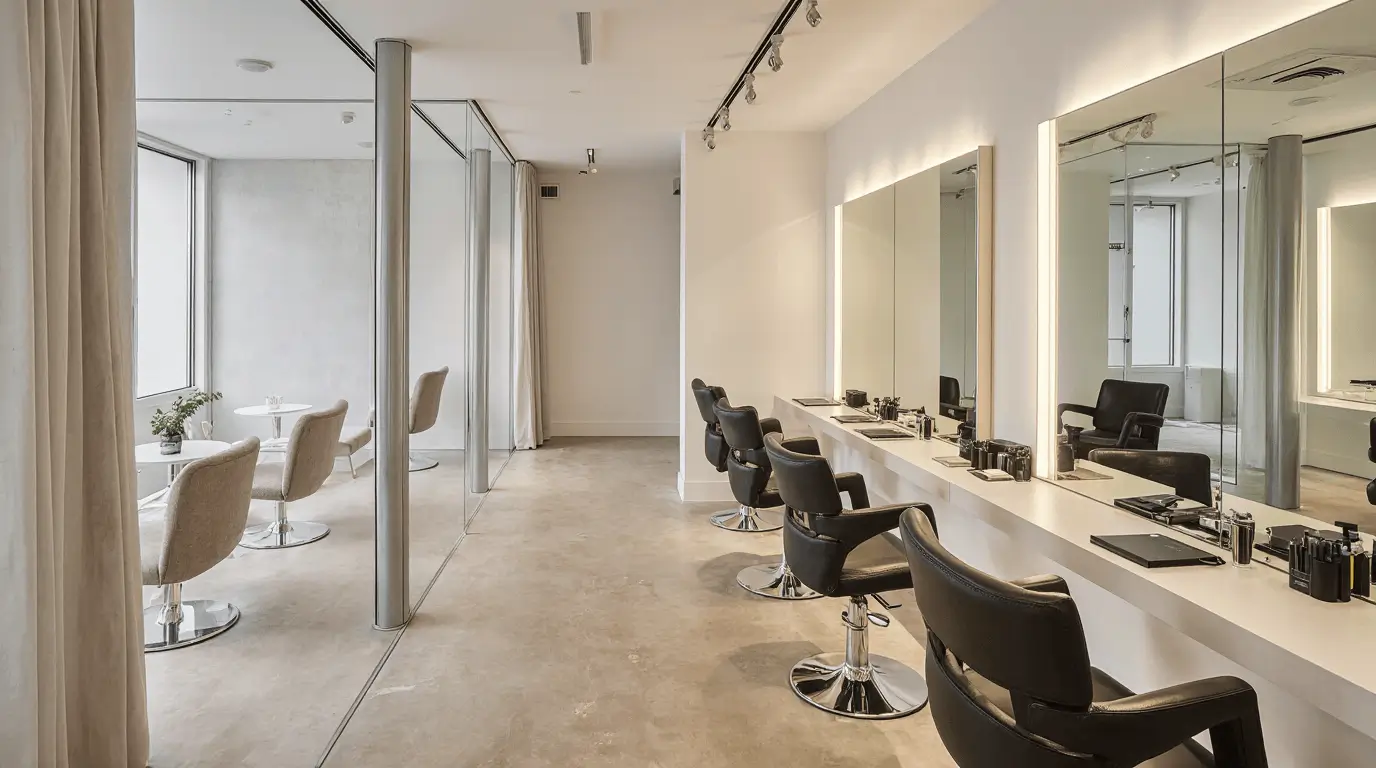
Small Salon Interior Optimization
A small salon interior requires smart space planning to avoid feeling cramped. Multi-functional furniture and vertical storage maximize usability.
Mirrors and light colors help visually expand the space.
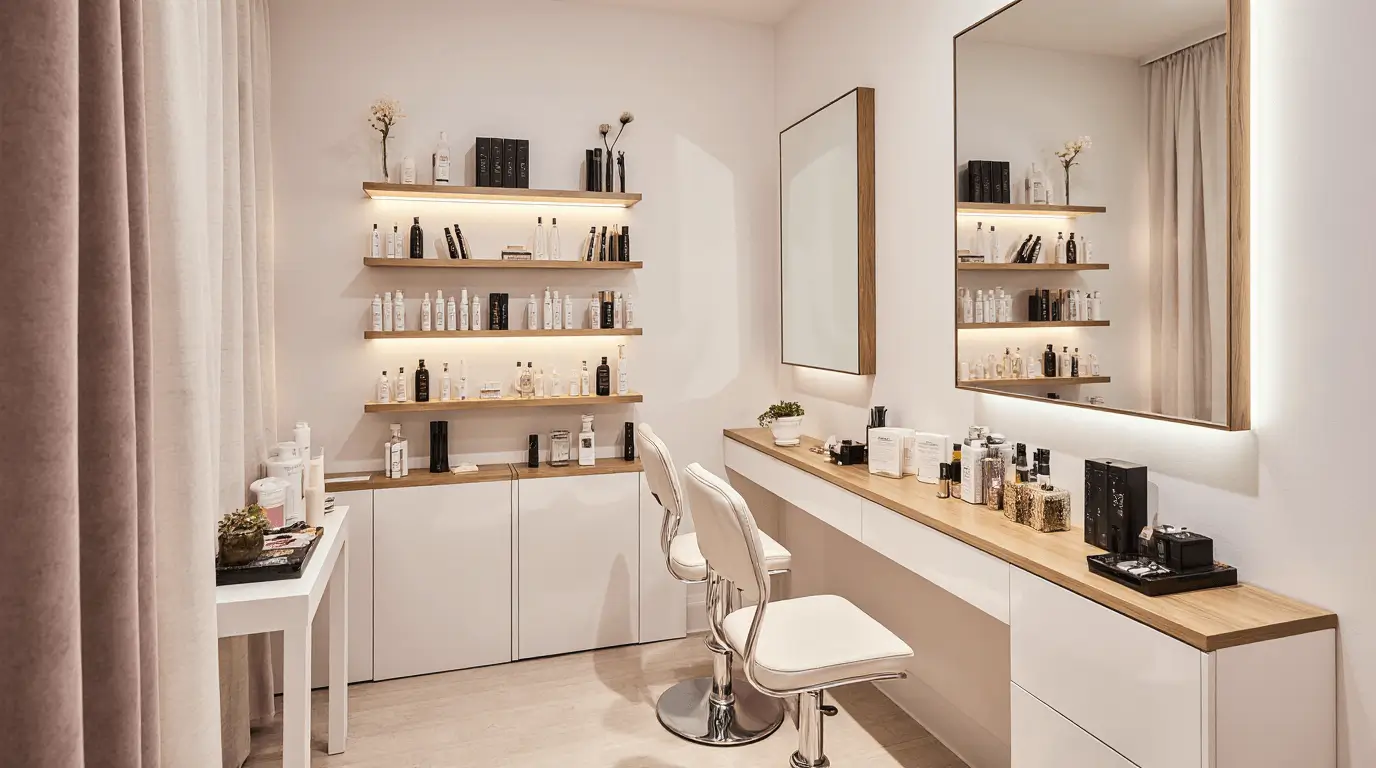
Luxury Salon Interior Design
Luxury salon interiors focus on high-end materials, rich textures, and refined detailing. Marble, velvet, and metallic accents elevate the space instantly.
Comfort and exclusivity are key to attracting premium clientele.
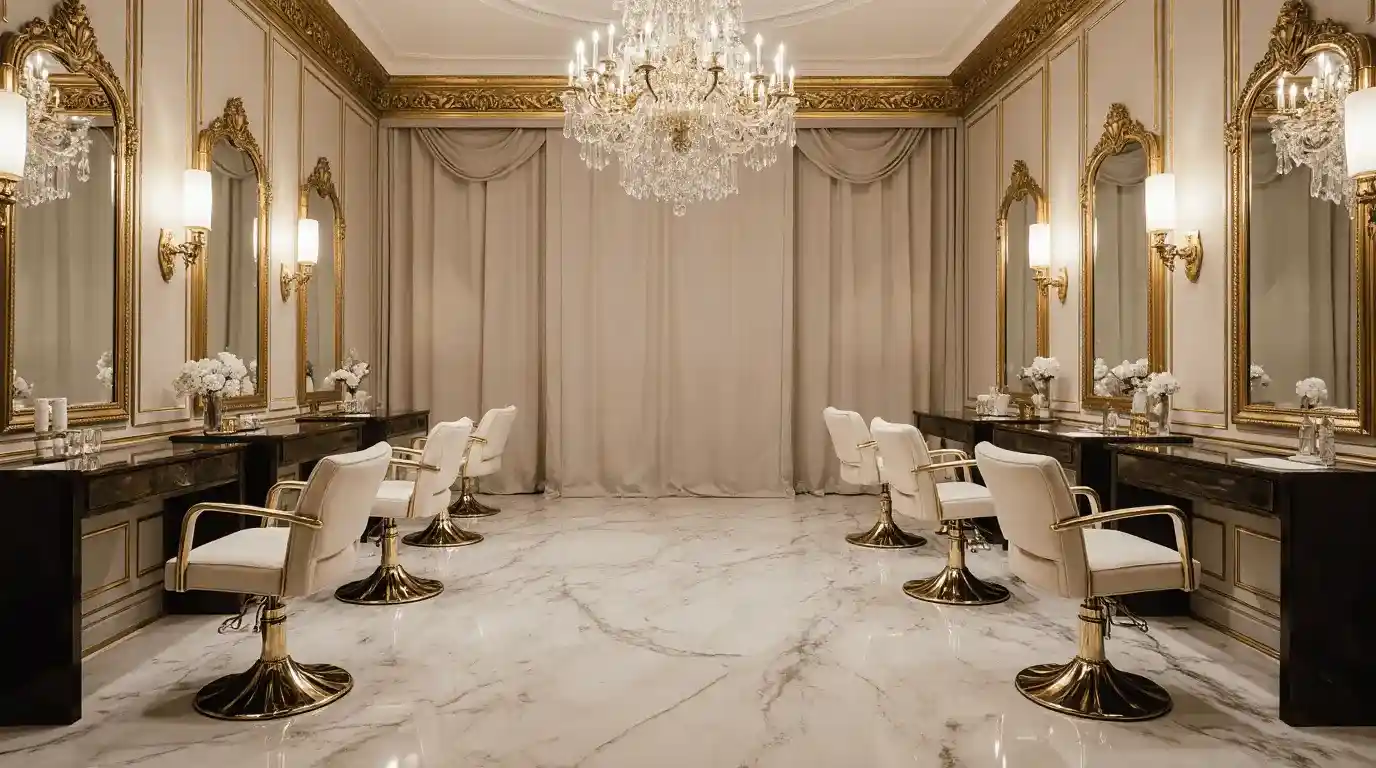
Low Budget Salon Interior Solutions
A stylish salon interior doesn’t require a huge budget. Strategic use of paint, lighting, and affordable décor can transform the space.
Focus on cleanliness, consistency, and creative DIY elements.
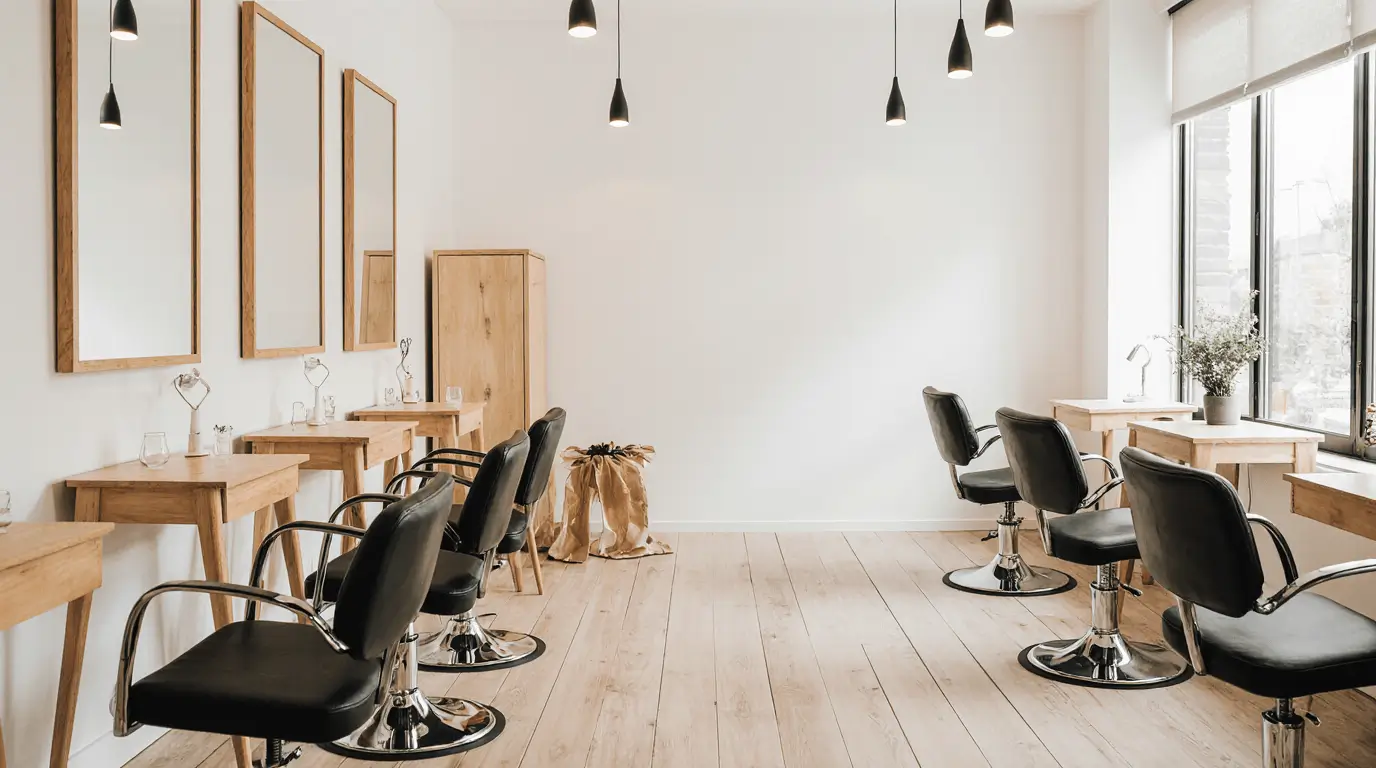
Hair Salon Interior Design Concepts
Hair salon interiors must prioritize functionality—proper spacing between chairs, accessible tools, and efficient washing stations.
Comfortable seating and good lighting enhance both stylist performance and client satisfaction.
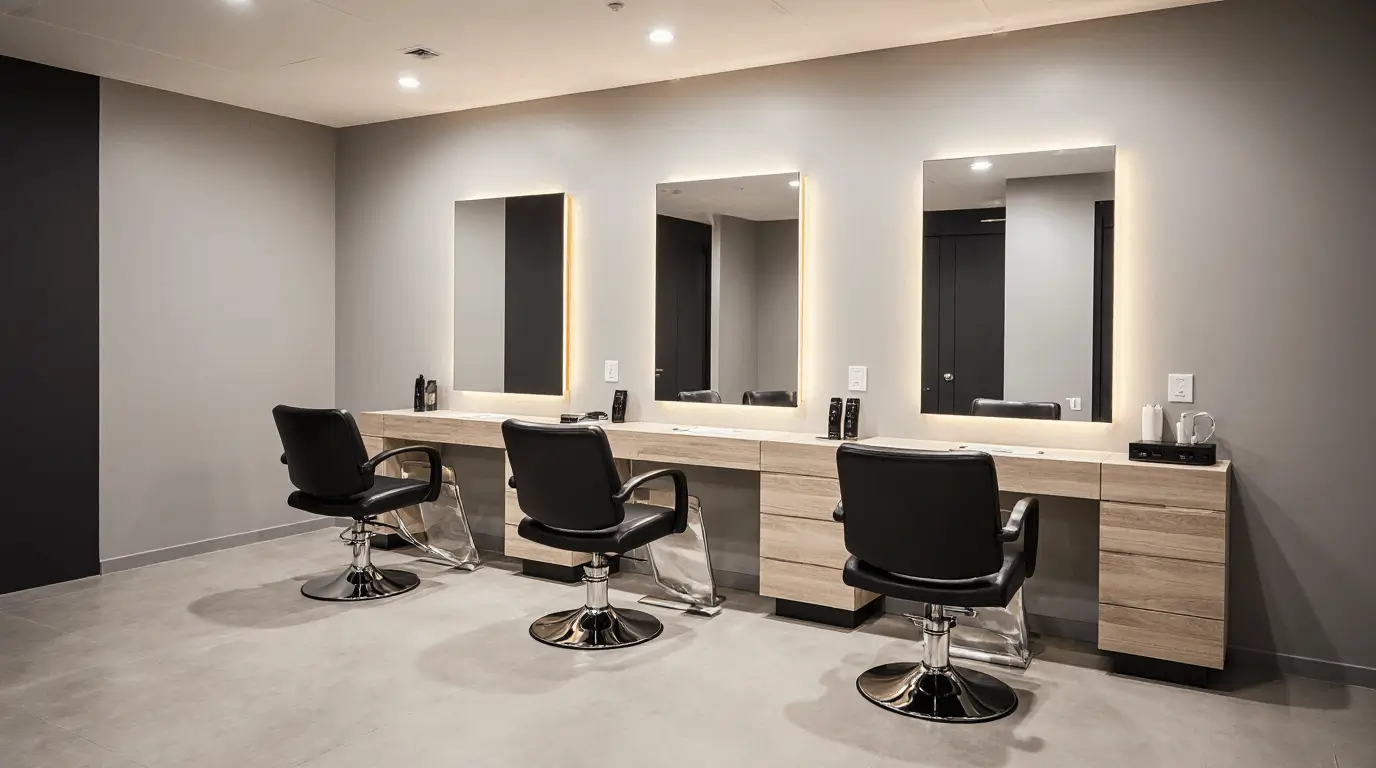
Beauty Salon Interior Ambiance
The ambiance of a beauty salon interior should feel relaxing and welcoming. Soft lighting, calming colors, and subtle fragrances enhance the experience.
Clients should feel instantly at ease upon entering.
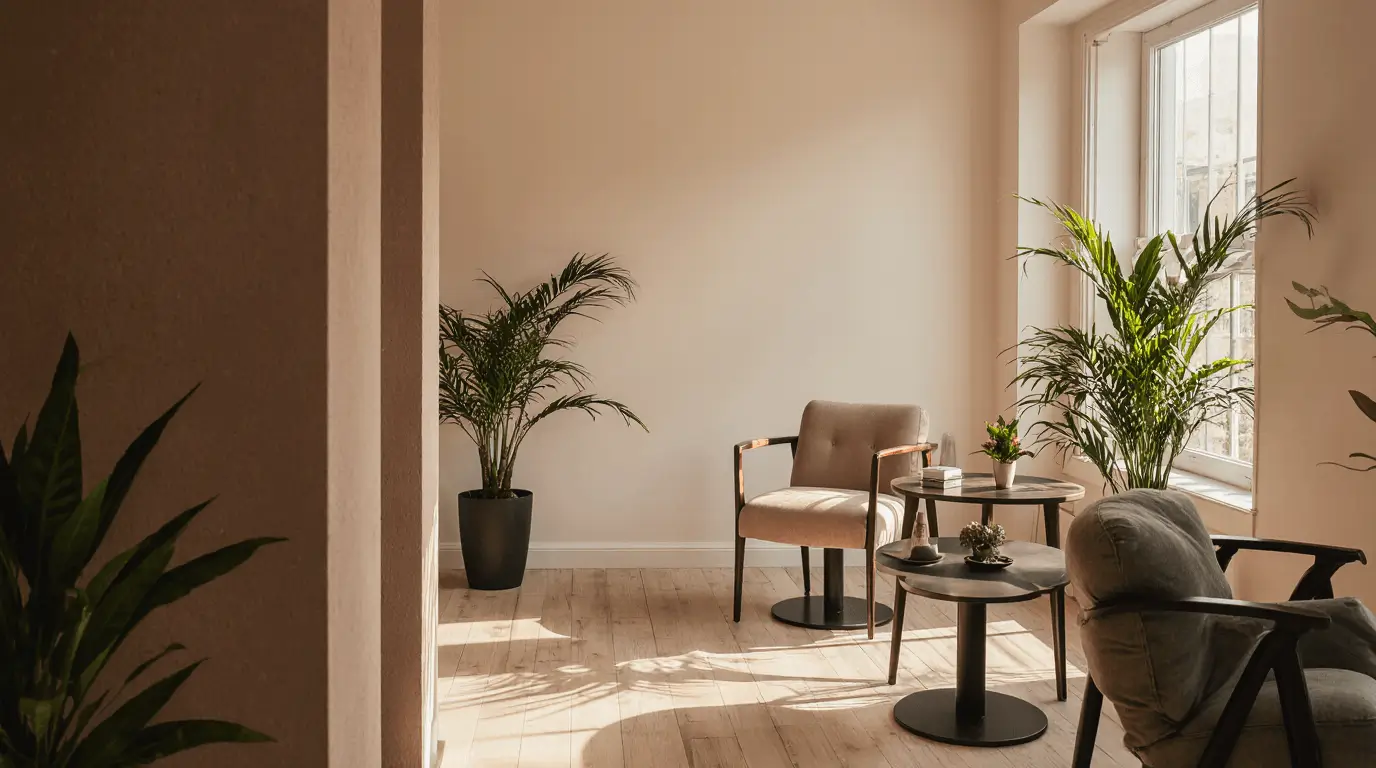
Salon Interior Lighting Design
Lighting is one of the most critical aspects of salon interiors. A mix of natural light, task lighting, and ambient lighting ensures accuracy and comfort.
Proper lighting also enhances the perceived quality of services.
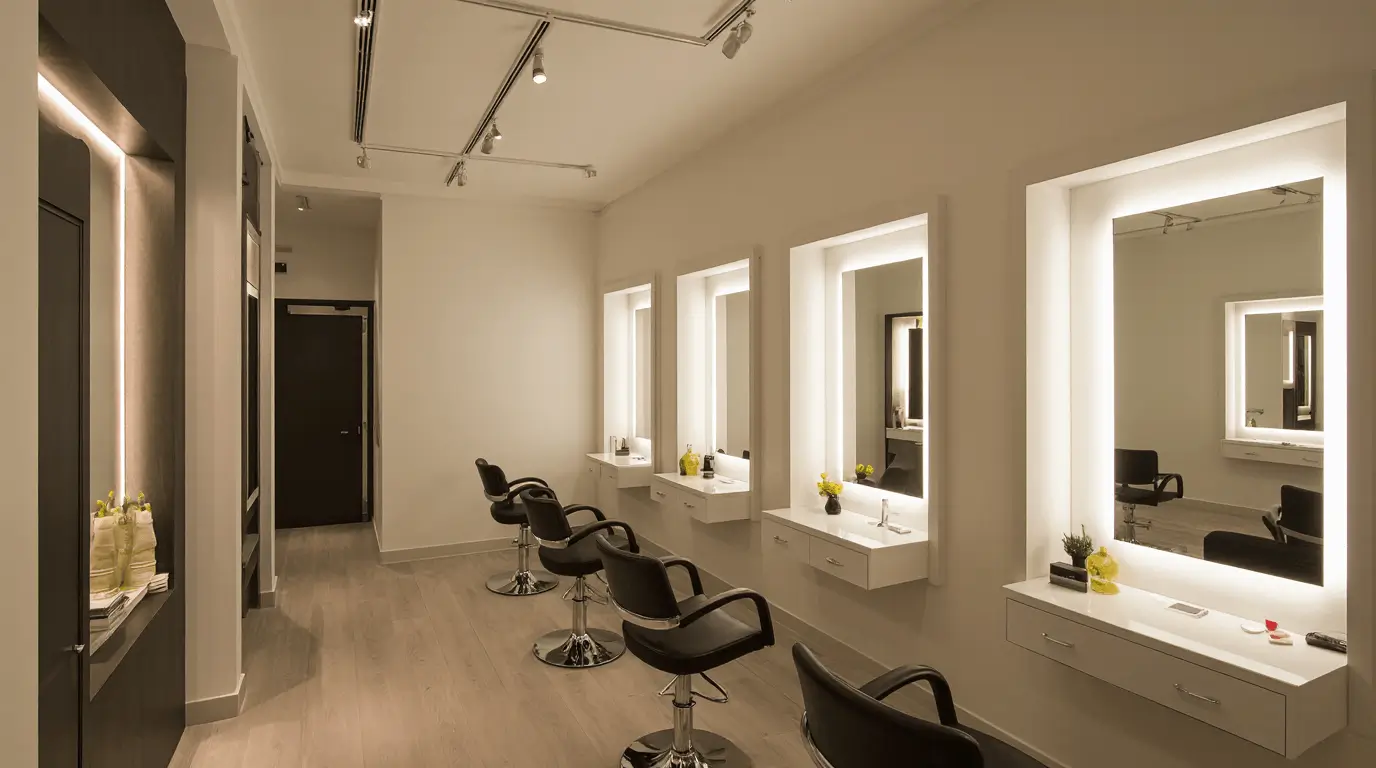
Salon Reception Area Design
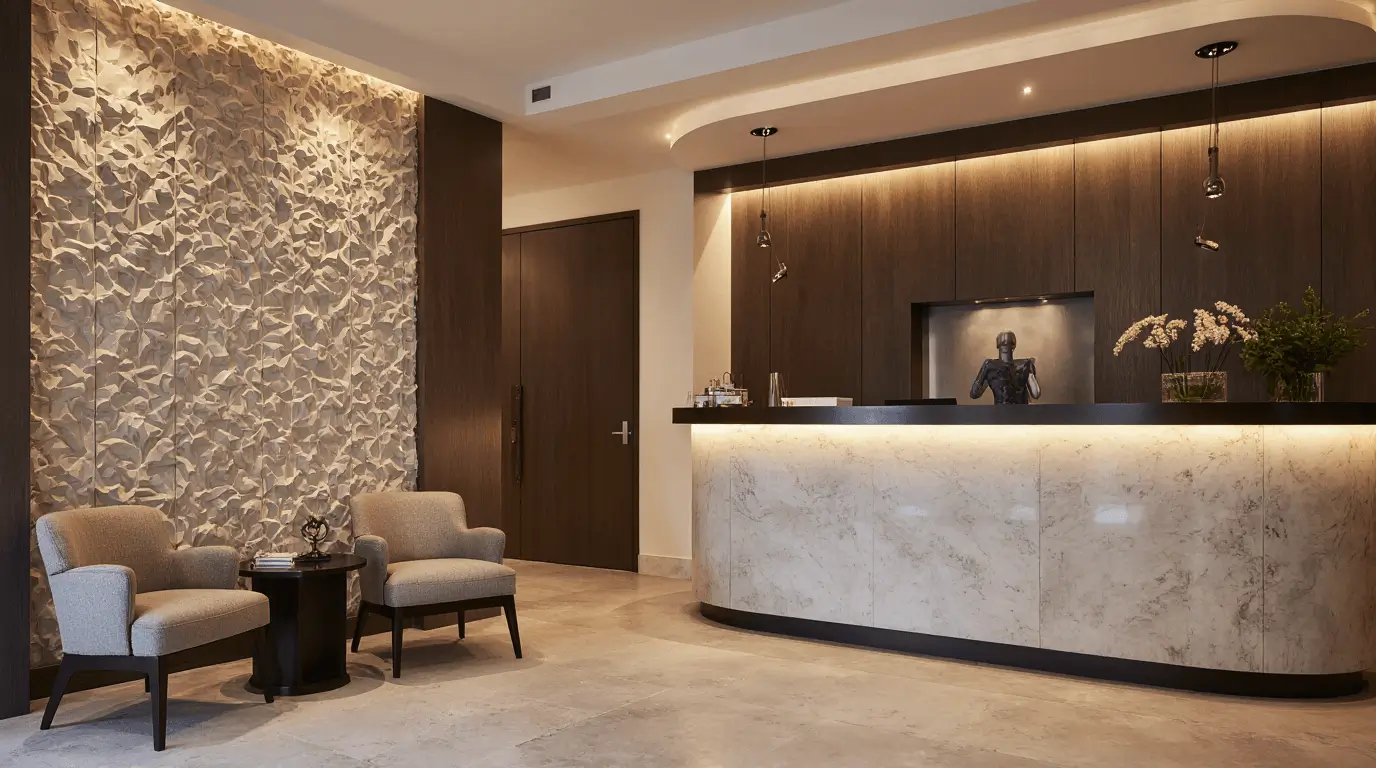
The reception sets the first impression of your salon interior. It should be inviting, organized, and aligned with your brand identity.
Comfortable seating and a clean desk area improve client perception.
Salon Interior Color Schemes
Color plays a powerful role in shaping the mood of a salon interior. Neutral palettes create calmness, while bold tones add personality.
Consistency in color enhances brand recognition.
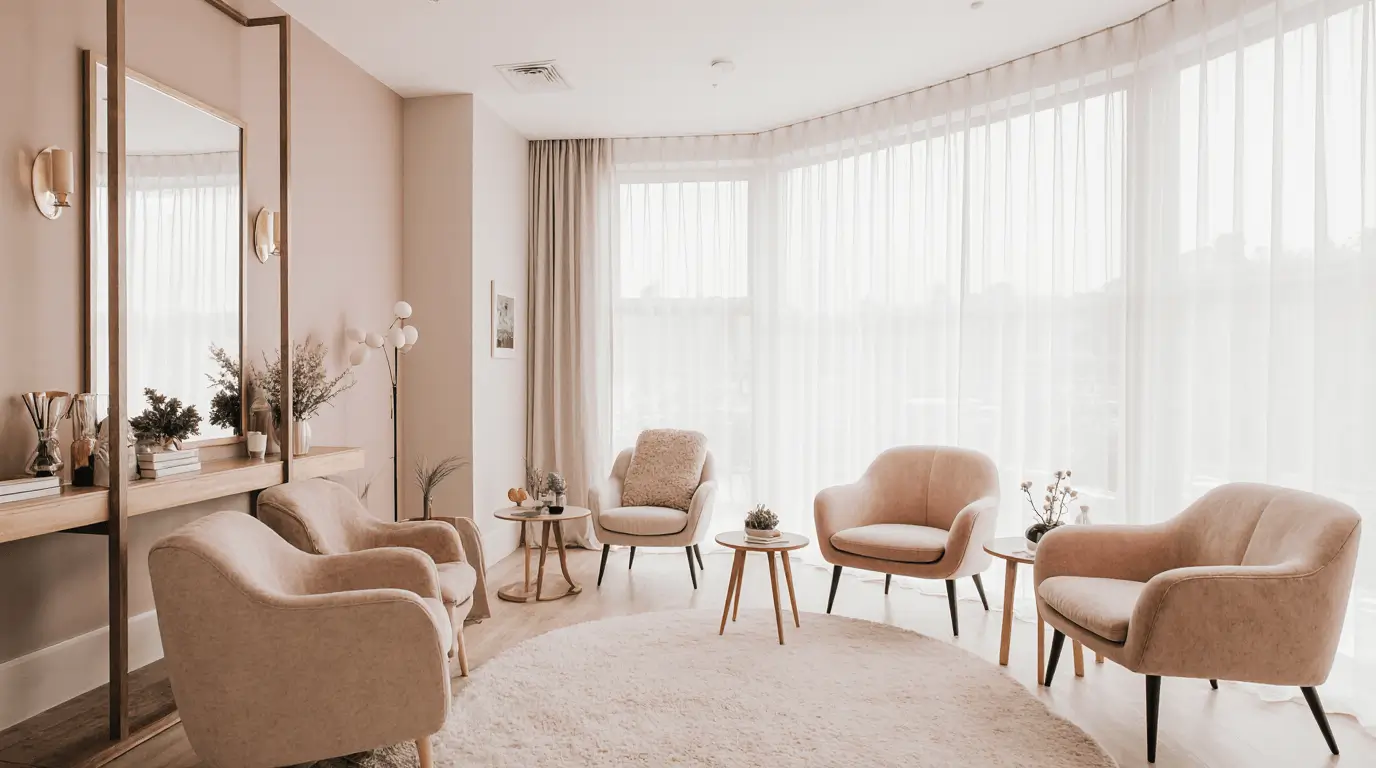
Small Home Salon Interior Ideas
Home-based salons require a balance between personal and professional spaces. Clean separation and minimal clutter are essential.
Smart design helps maintain a professional feel within a home environment.
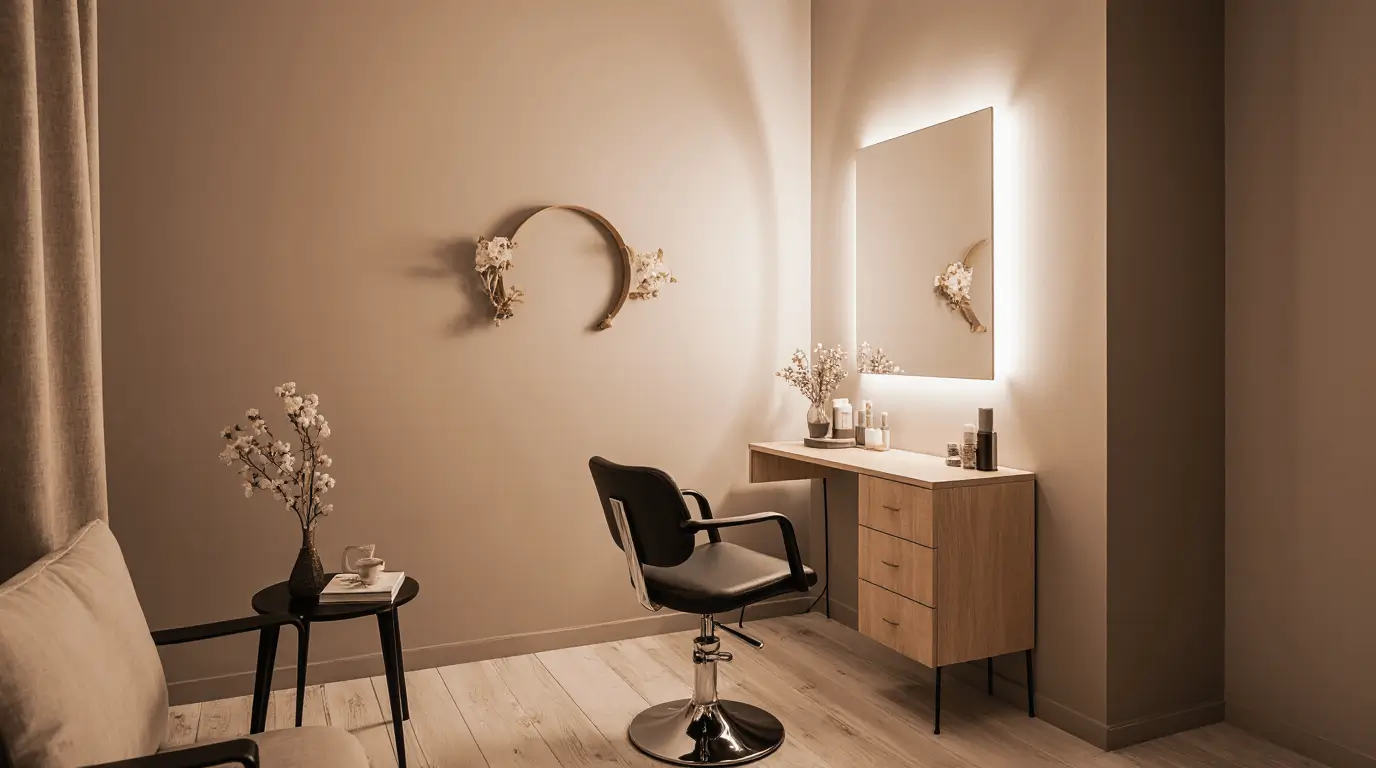
Salon Interior Furniture Selection
Furniture defines both comfort and style in a salon interior. Invest in ergonomic chairs, durable materials, and cohesive designs.
Good furniture improves client satisfaction and stylist efficiency.
Salon Interior Decor Elements
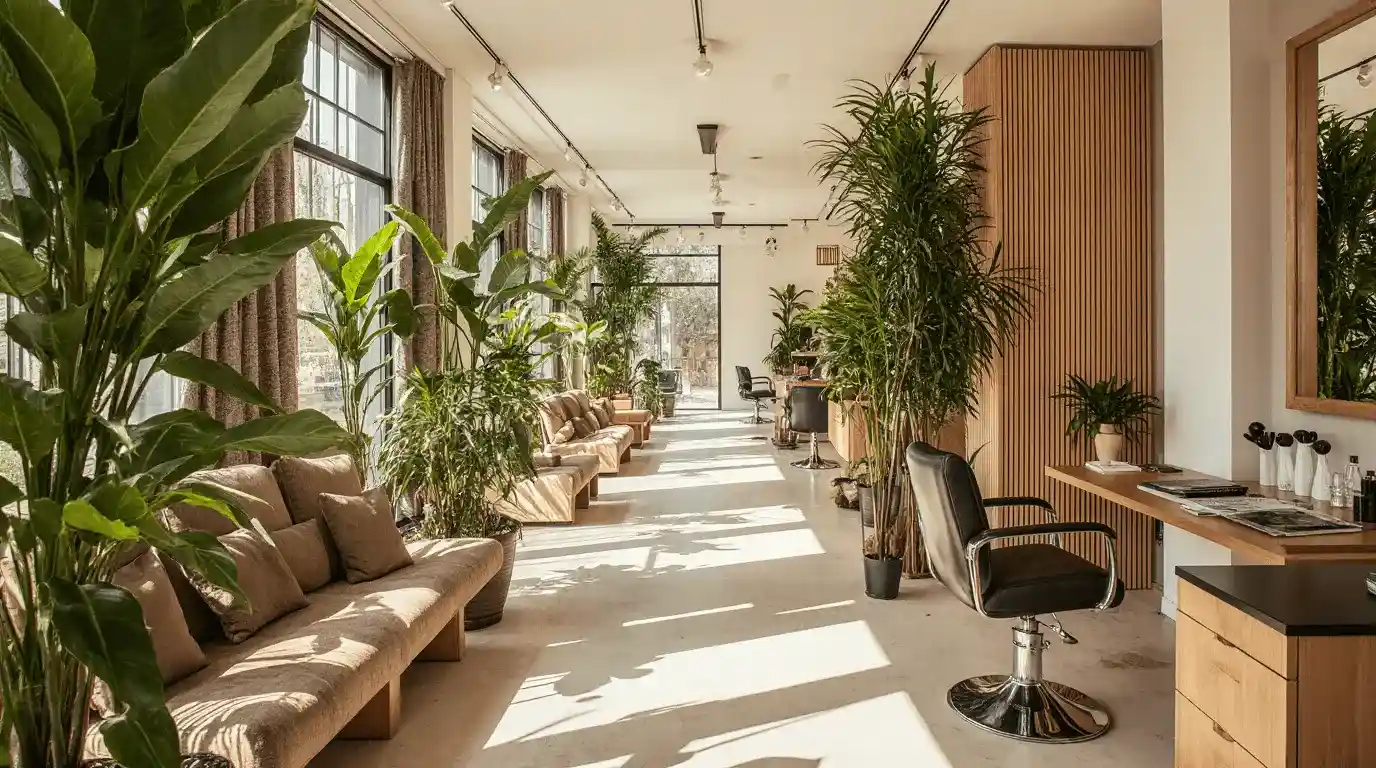
Decor elements like artwork, plants, and textures add personality to a salon interior. They should complement the overall theme without overwhelming the space.
Subtle detailing creates a memorable experience.
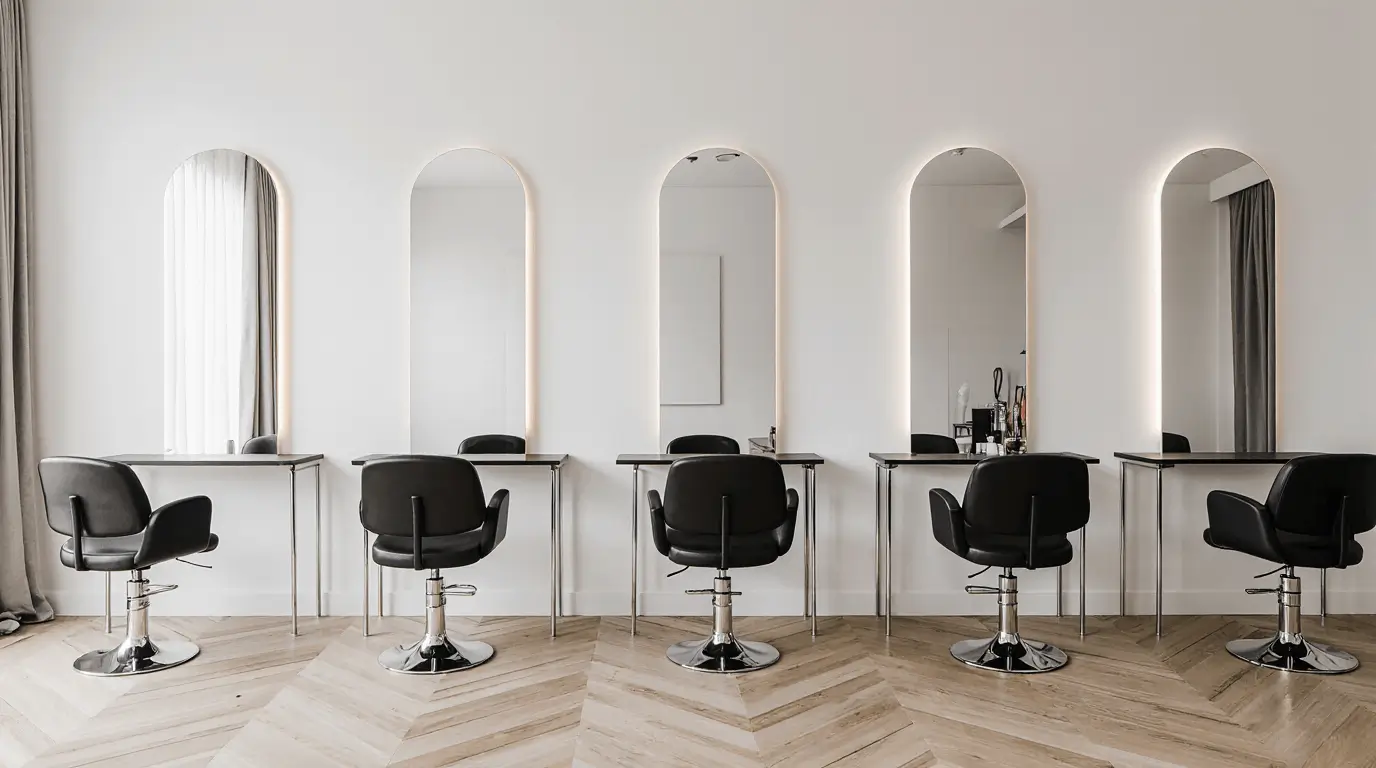
Salon Interior Zoning and Layout
Dividing the salon into clear zones—reception, styling, washing, and waiting—improves workflow.
A well-zoned salon interior prevents congestion and enhances service quality.
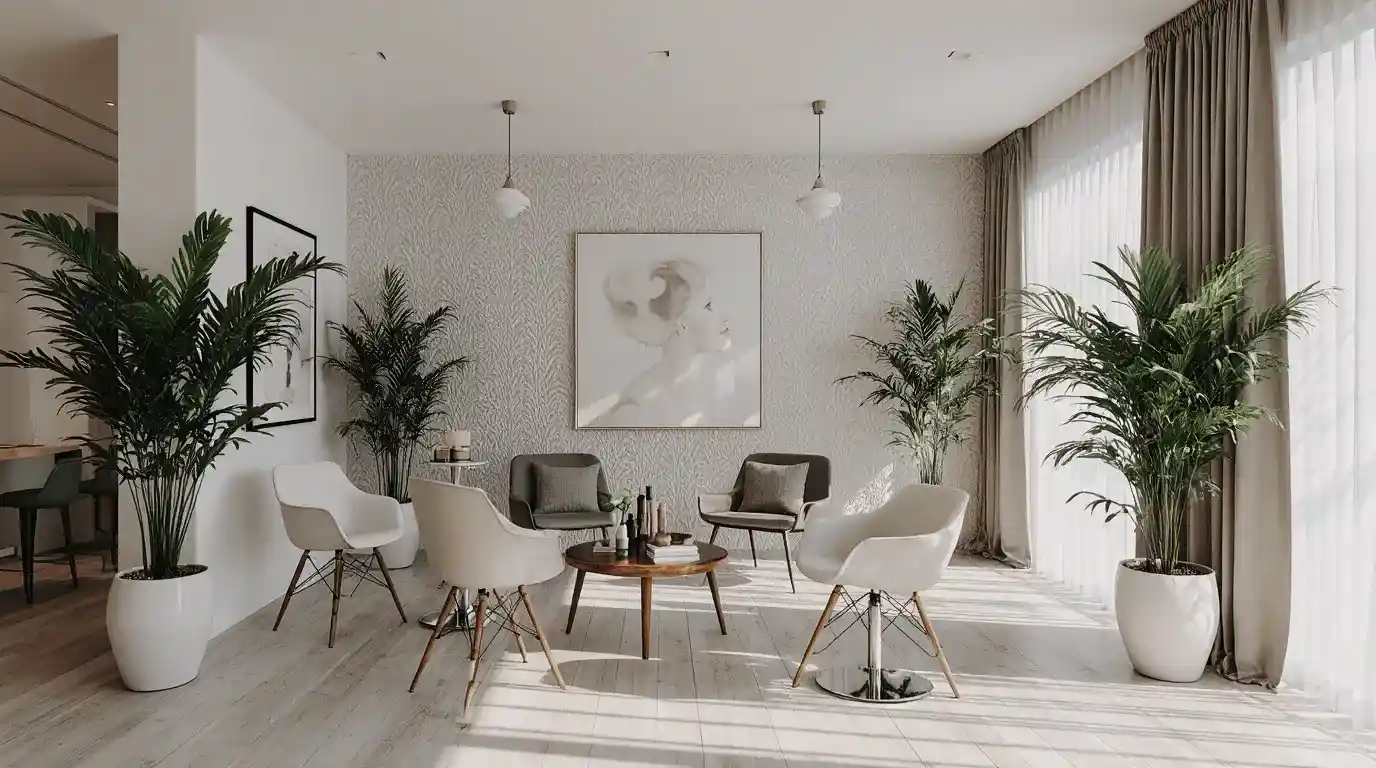
Minimalist Salon Interior Approach
A minimalist salon interior reduces distractions and highlights cleanliness and professionalism.
Less clutter means easier maintenance and a more refined client experience.
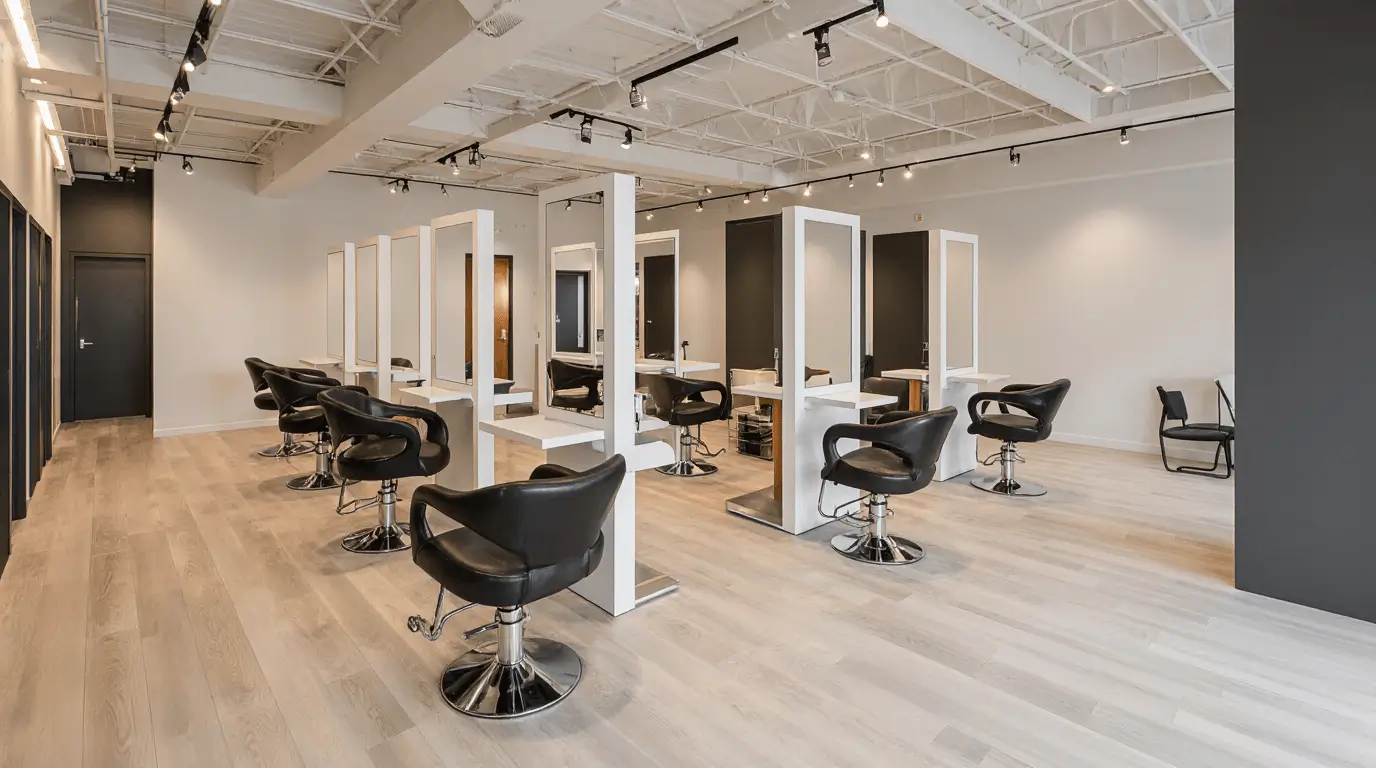
Trendy Salon Interior Ideas
Keeping up with trends ensures your salon interior feels fresh and relevant. Elements like neon signs, textured walls, or bold accents can modernize the space.
However, trends should be balanced with timeless design.
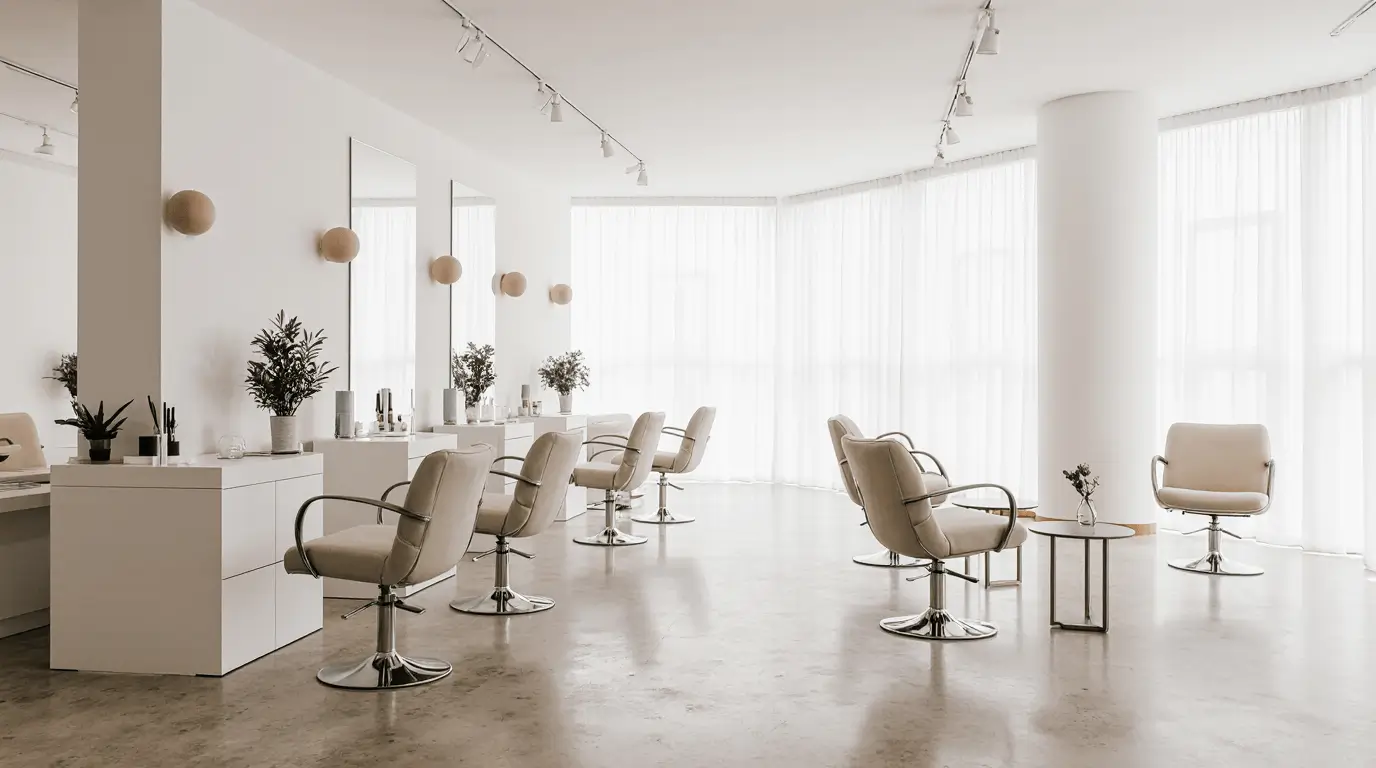
Salon Interior Branding Integration
Your salon interior should reflect your brand identity through colors, materials, and overall design language.
Consistency builds recognition and trust among clients.
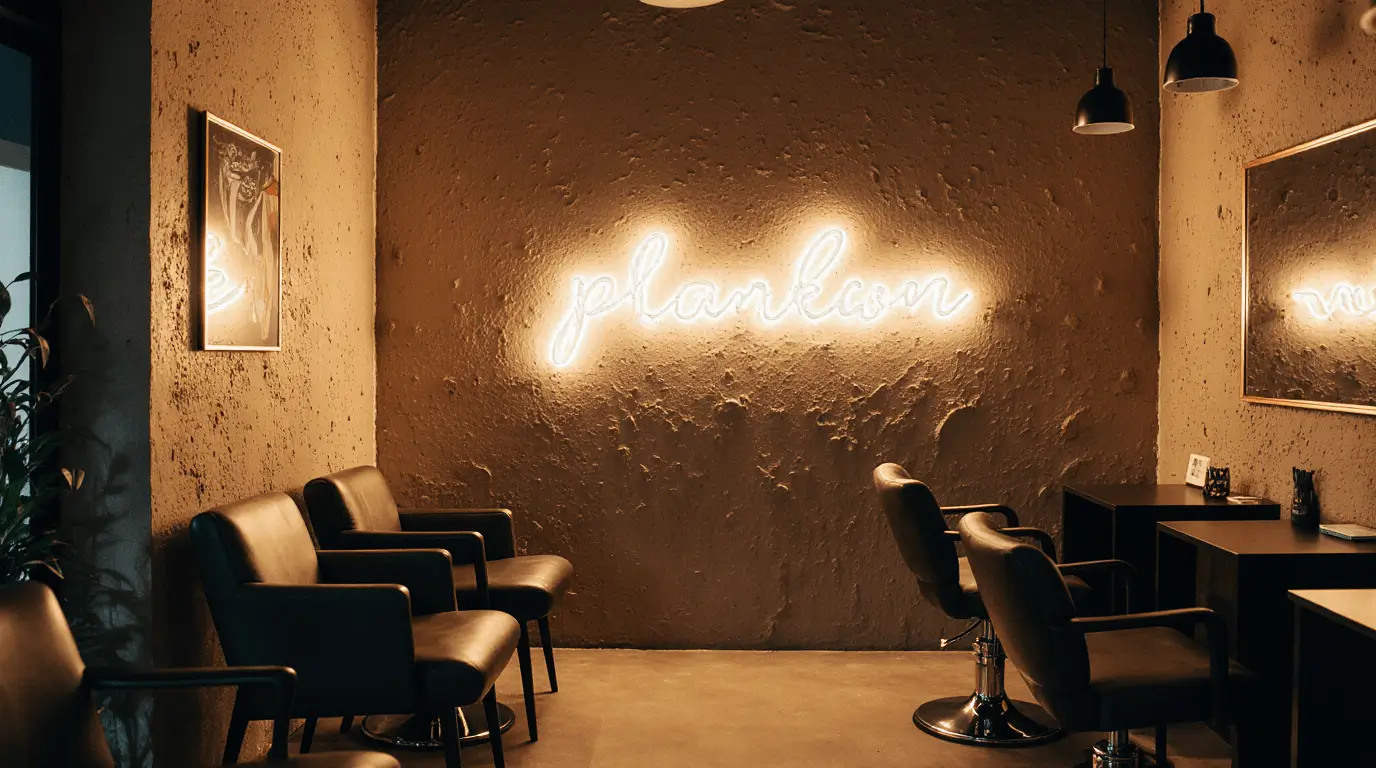
Eco-Friendly Salon Interior Design
Sustainable salon interiors use eco-friendly materials, energy-efficient lighting, and natural elements.
This approach appeals to environmentally conscious clients and reduces long-term costs.
Conclusion: Bringing Your Salon Interior Vision to Life
A well-executed salon interior is not just about aesthetics—it’s a strategic blend of design, comfort, and functionality that directly shapes client perception and business performance. When layout, lighting, materials, and branding work in harmony, the space begins to support your services rather than limit them. This is what separates average salons from truly memorable ones.
From practical experience, the most successful salon interiors are those that are designed with intention. Every detail—whether it’s the placement of mirrors, the choice of seating, or the flow between service zones—serves a purpose. Clients may not always notice these decisions consciously, but they feel the difference in comfort, ease, and overall experience.
This approach benefits both new salon owners starting from scratch and established businesses looking to refresh their space. By focusing on clarity, consistency, and user experience, you create an environment that builds trust and encourages loyalty. Moving forward, the key is to prioritize what truly enhances both your workflow and your client’s comfort—because when those align, your salon interior naturally becomes your strongest asset.
Frequently Asked Questions (FAQs)
- What is the most important element in a salon interior design?
The most critical element is the layout. A well-planned layout ensures smooth workflow, proper spacing between stations, and a comfortable client experience. Even the best décor cannot compensate for a poorly organized space.
- How can I make a small salon interior look bigger?
Use large mirrors, light color palettes, and minimal furniture. Keeping the space uncluttered and using vertical storage can significantly enhance the sense of openness without expanding the actual area.
- What type of lighting works best in a salon interior?
A combination of natural light, task lighting, and ambient lighting works best. Bright, neutral lighting around mirrors ensures accuracy for services, while softer lighting in waiting areas creates a relaxing atmosphere.
- How do I design a salon interior on a low budget?
Focus on essentials like cleanliness, lighting, and smart layout. Affordable upgrades such as fresh paint, simple décor, and well-chosen lighting fixtures can make a big impact without high costs.
- How can I make my salon interior feel more luxurious?
Incorporate high-quality materials like marble textures, metallic accents, and plush seating. Consistent color schemes and refined lighting also elevate the overall feel without necessarily increasing complexity.
- Should my salon interior match my brand identity?
Yes, consistency between your interior design and brand identity builds recognition and trust. Colors, materials, and overall style should reflect the type of experience you want your clients to associate with your salon.
- How often should a salon interior be updated or redesigned?
Minor updates like décor and lighting can be refreshed every 1–2 years, while a full redesign may be considered every 4–6 years. Regular updates help keep the space modern and aligned with evolving client expectations.