Introduction
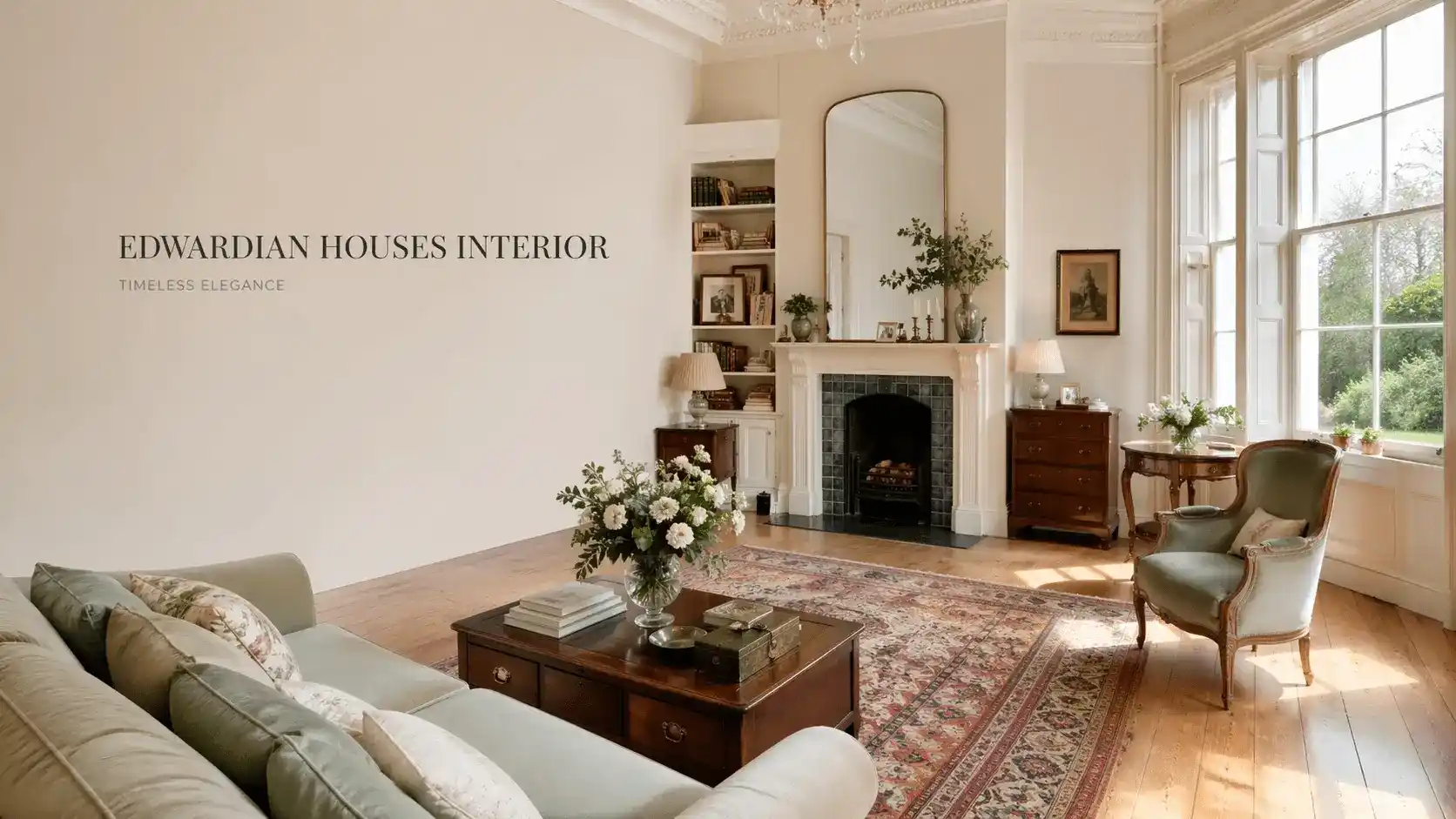
Edwardian houses interior design represents a graceful transition between the ornate richness of the Victorian era and the lighter, more functional approach of modern living. Characterized by airy spaces, refined detailing, and a subtle elegance, Edwardian interiors continue to inspire homeowners and designers seeking balance between beauty and practicality.
From my experience working with period homes and modern renovations, Edwardian interiors are among the most adaptable styles. Their generous proportions, large windows, and restrained ornamentation make them ideal for both traditional restoration and contemporary reinterpretation. Whether preserved or updated, these interiors offer a timeless foundation that feels both sophisticated and livable.
Edwardian Houses Interior: Key Architectural Features
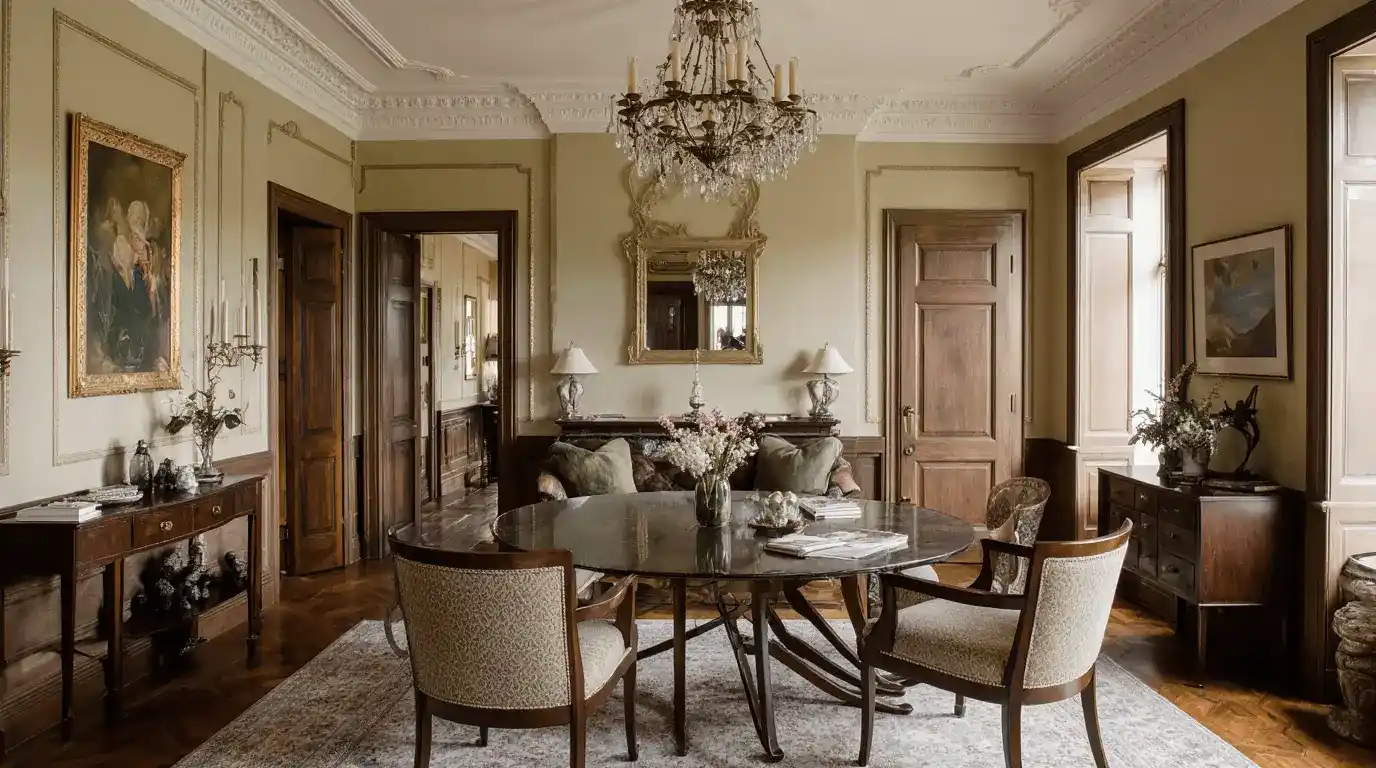
Edwardian houses interior spaces are defined by high ceilings, wide hallways, and large sash windows that flood rooms with natural light. Unlike earlier styles, layouts are more open and functional, improving flow between spaces.
Edwardian Houses Interior Design: Color Palette
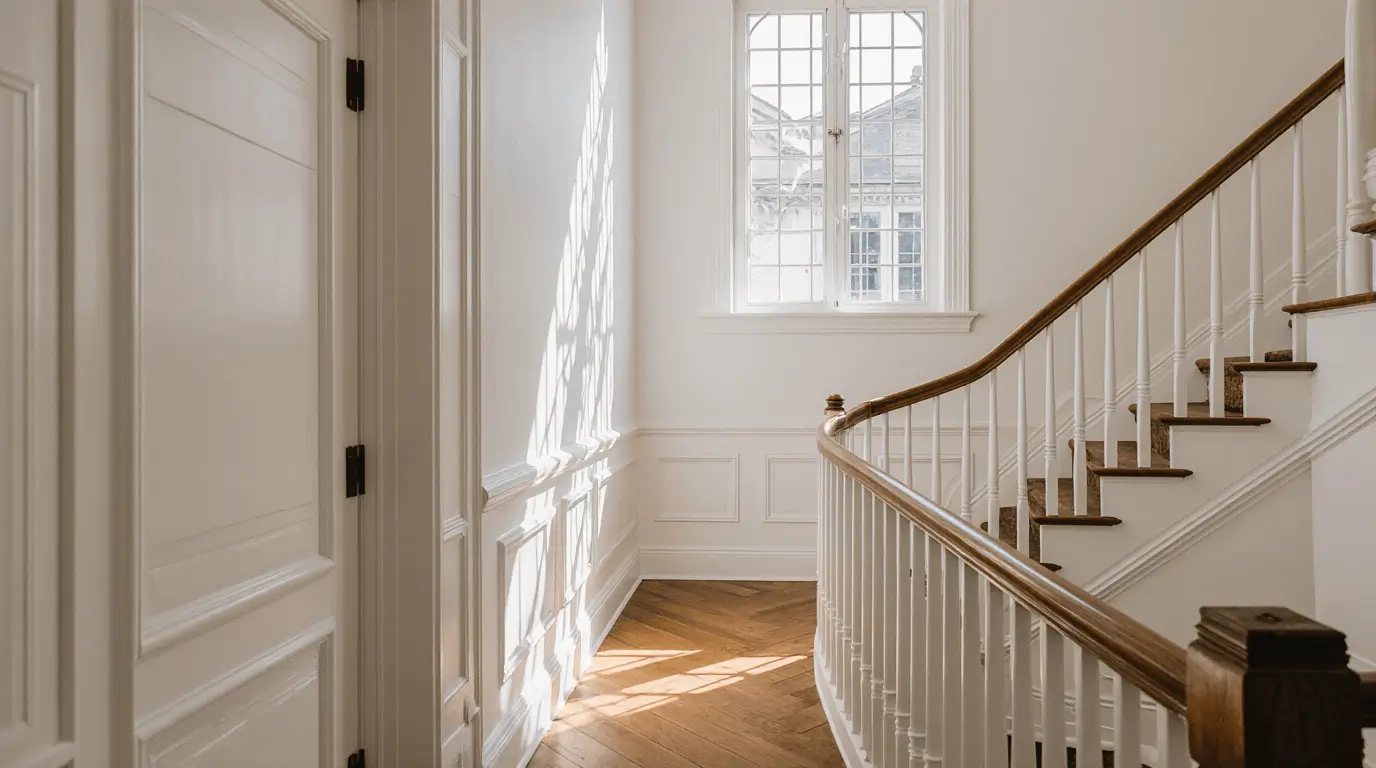
The color schemes are lighter and fresher compared to Victorian interiors, often featuring soft neutrals, pastels, and muted florals. This enhances the sense of openness and calm.
Edwardian Houses Interior: Natural Light Emphasis
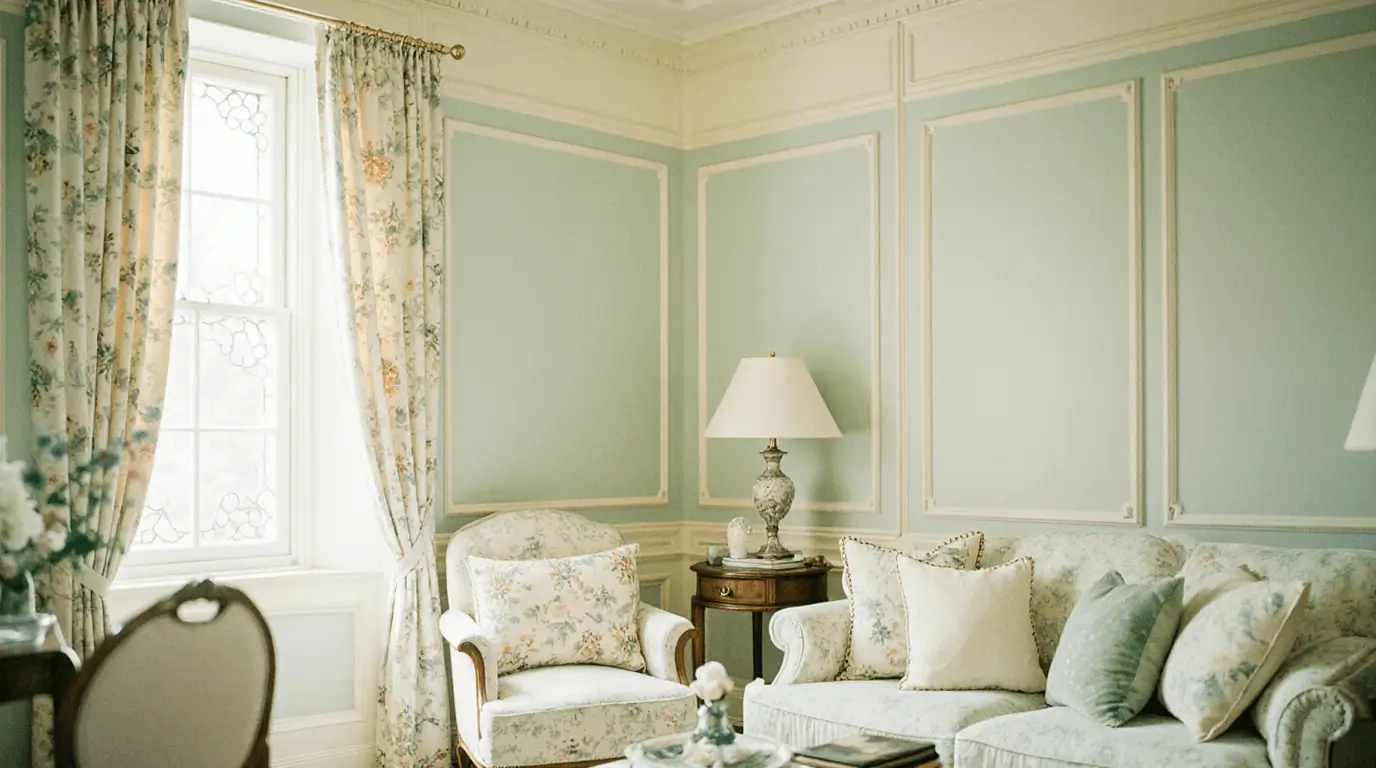
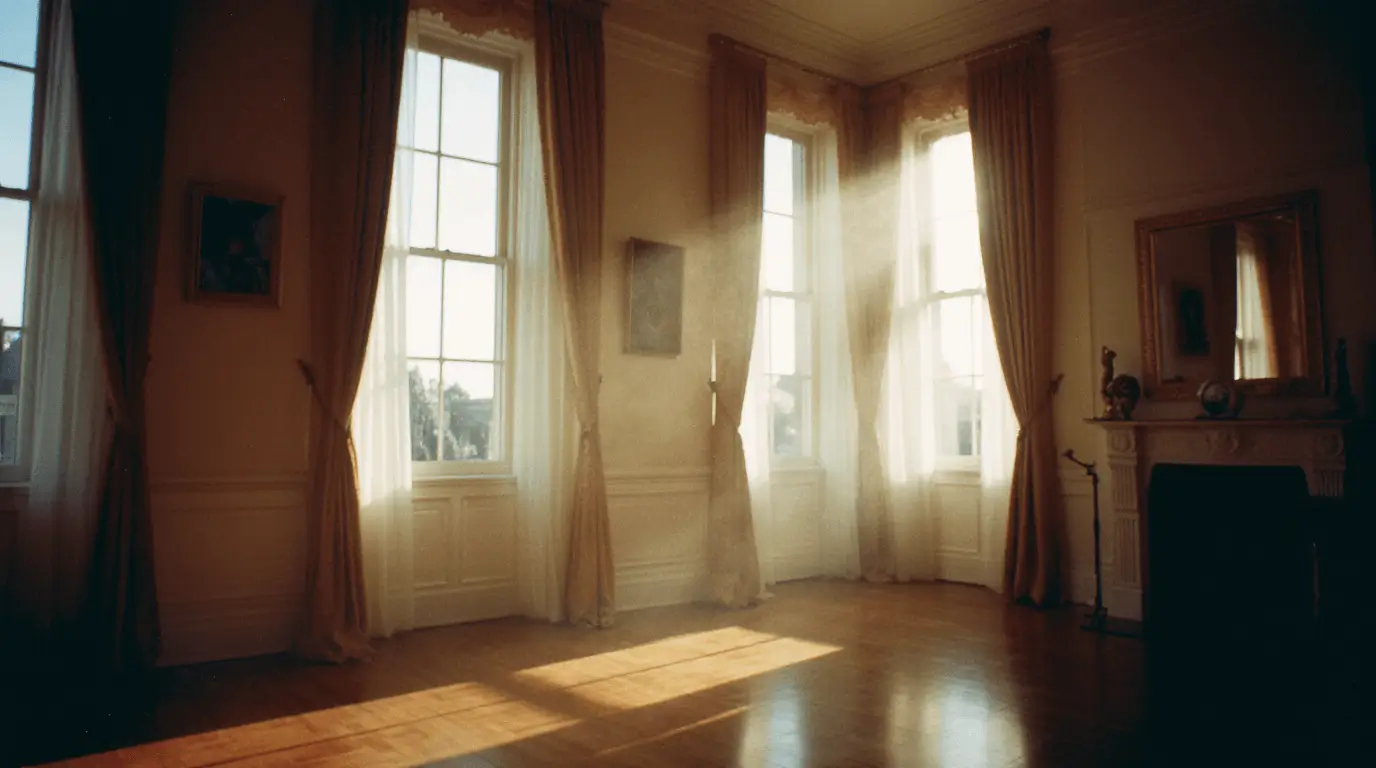
Large windows and fewer heavy drapes allow sunlight to dominate the space. This creates a bright, welcoming environment that feels modern even today.
Edwardian Houses Interior: Flooring and Materials
Wooden floorboards, often paired with decorative rugs, are a hallmark. Materials lean toward natural finishes like oak, pine, and stone.
Edwardian Houses Interior: Fireplace as a Focal Point
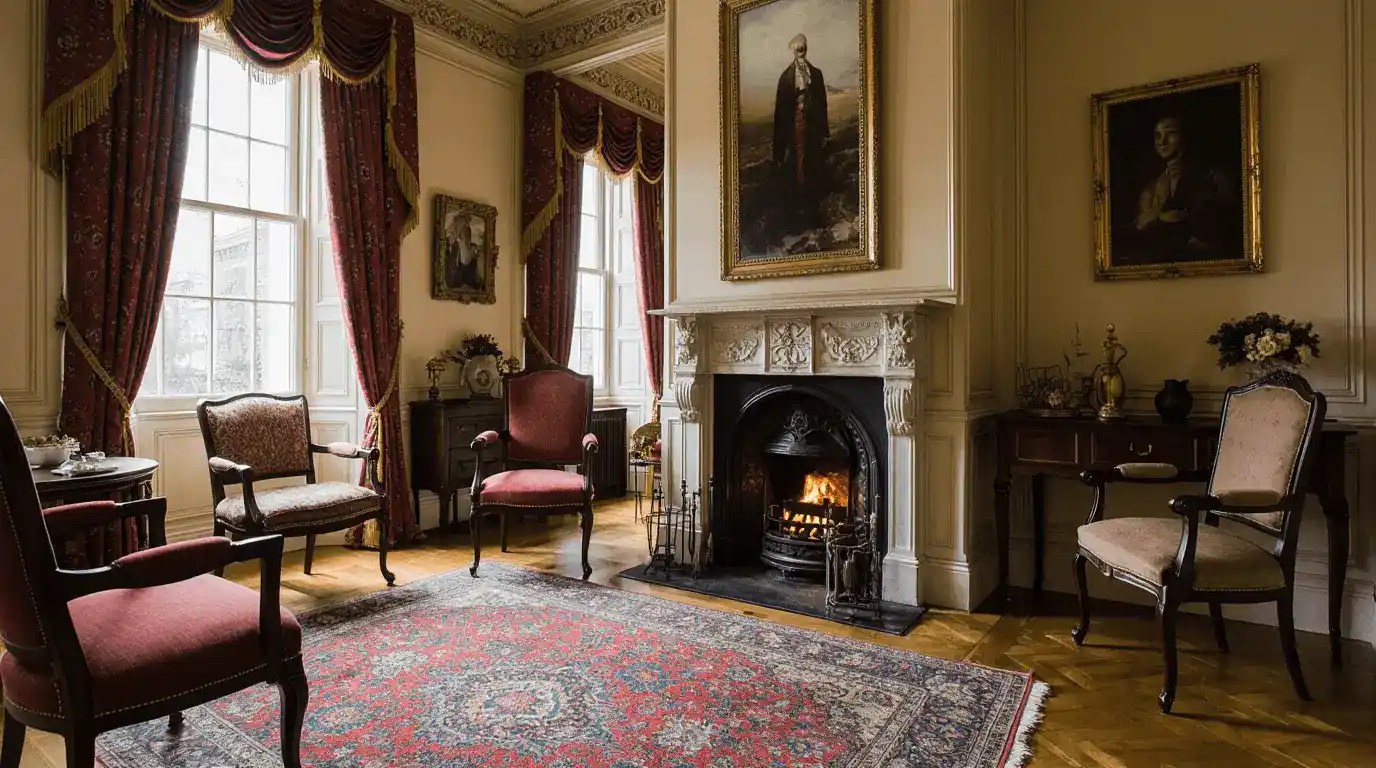
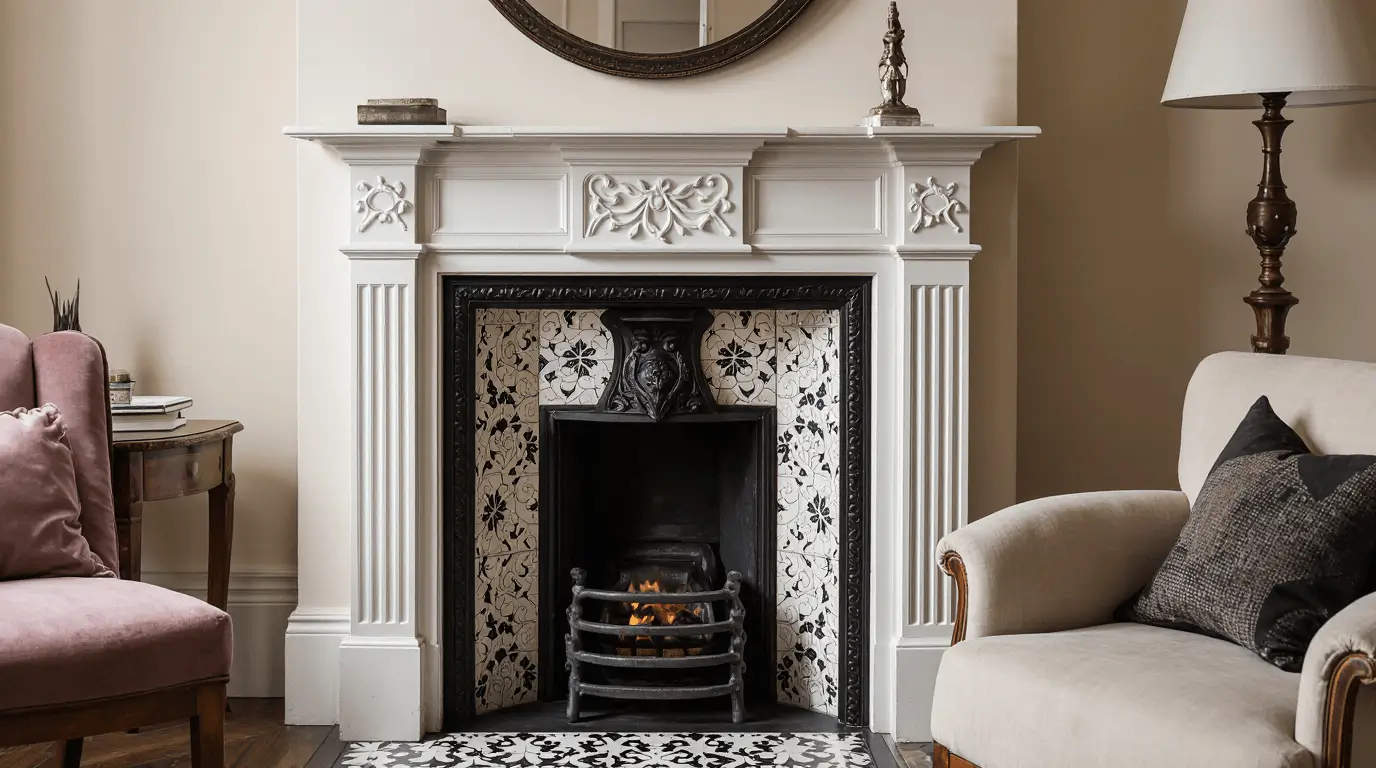
Fireplaces remain central but are less ornate than Victorian designs. They often feature tiled surrounds and elegant mantels.
Edwardian Houses Interior: Decorative Simplicity
Decoration is more restrained, focusing on craftsmanship rather than excess. Subtle moldings and clean lines dominate.
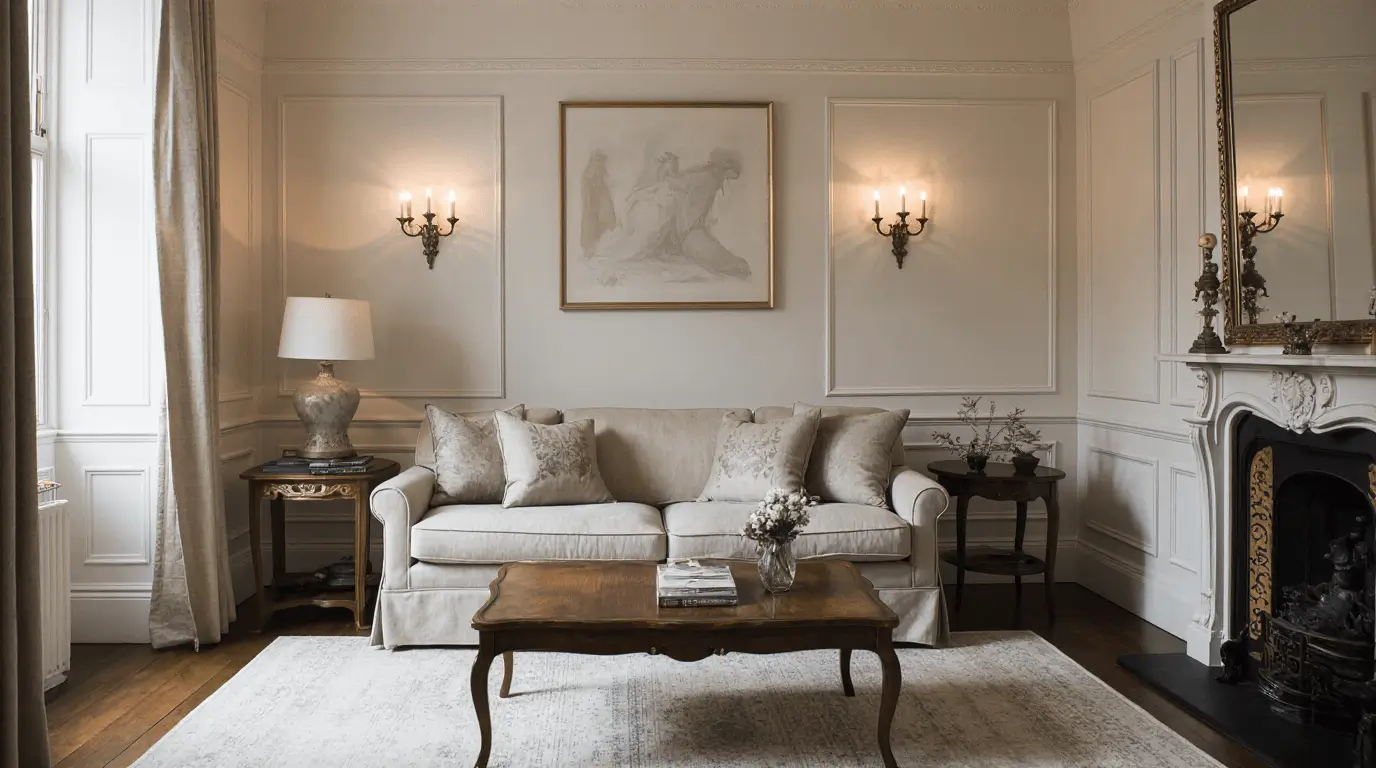
Edwardian Living Room Interior Design
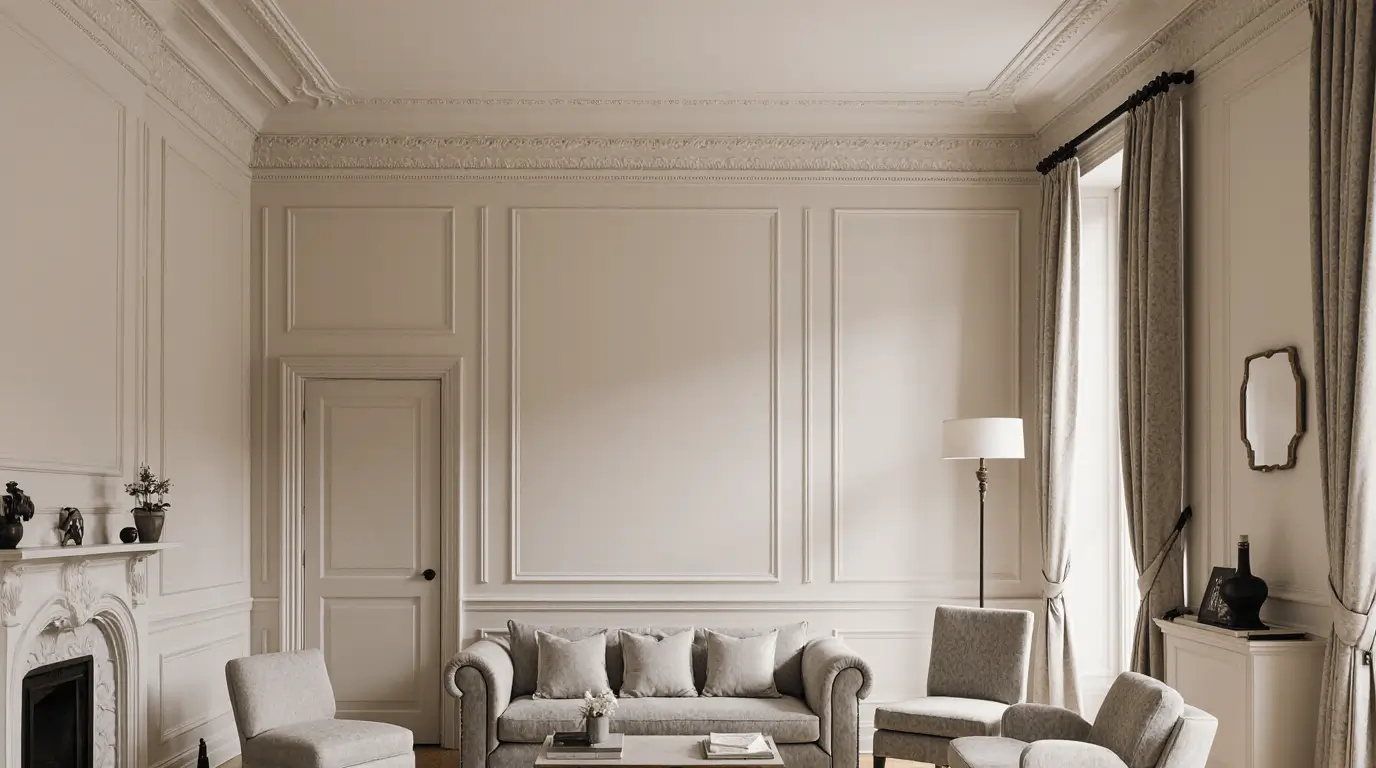
Edwardian living rooms are comfortable yet refined, blending upholstered seating with elegant wood furniture and soft textiles.
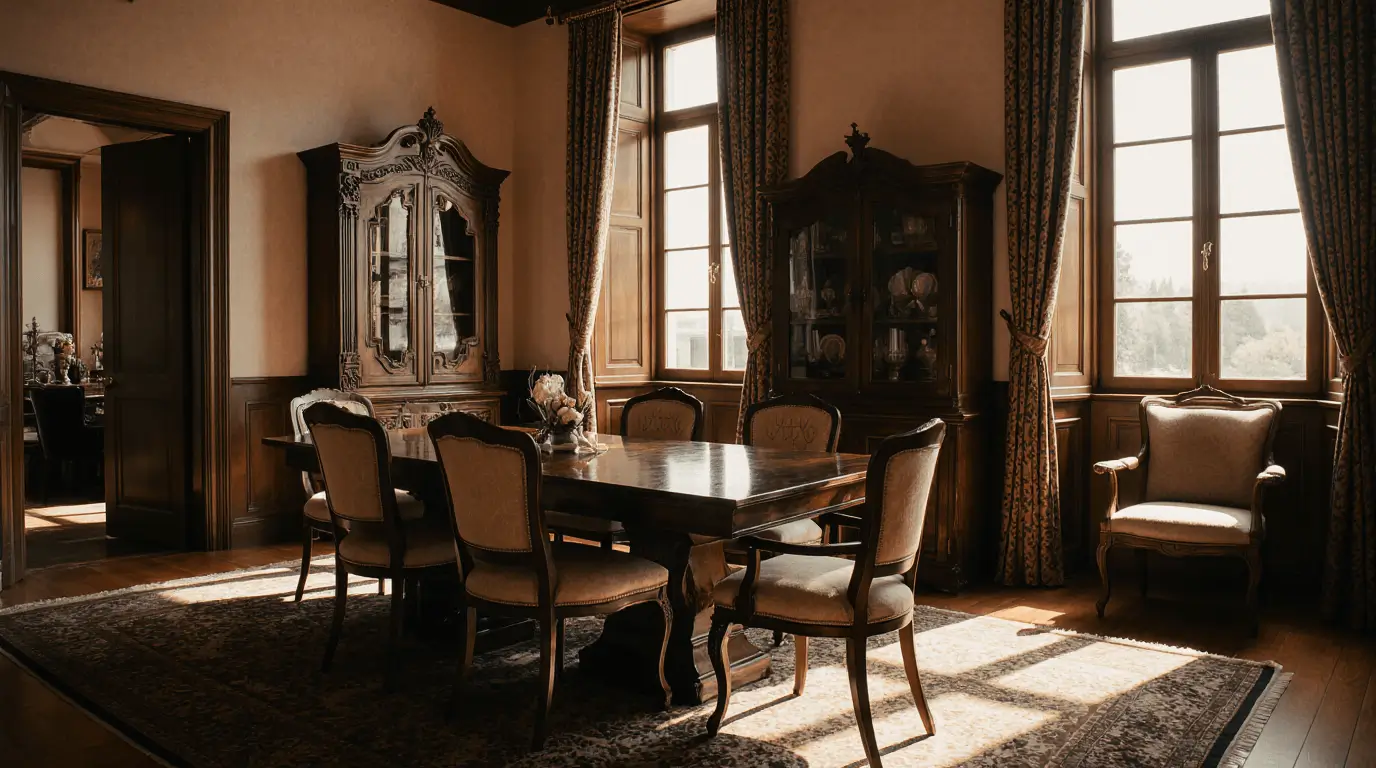
Edwardian Houses Interior: Dining Room Style
Dining spaces often include large tables, built-in cabinetry, and a focus on social interaction, reflecting the era’s lifestyle.
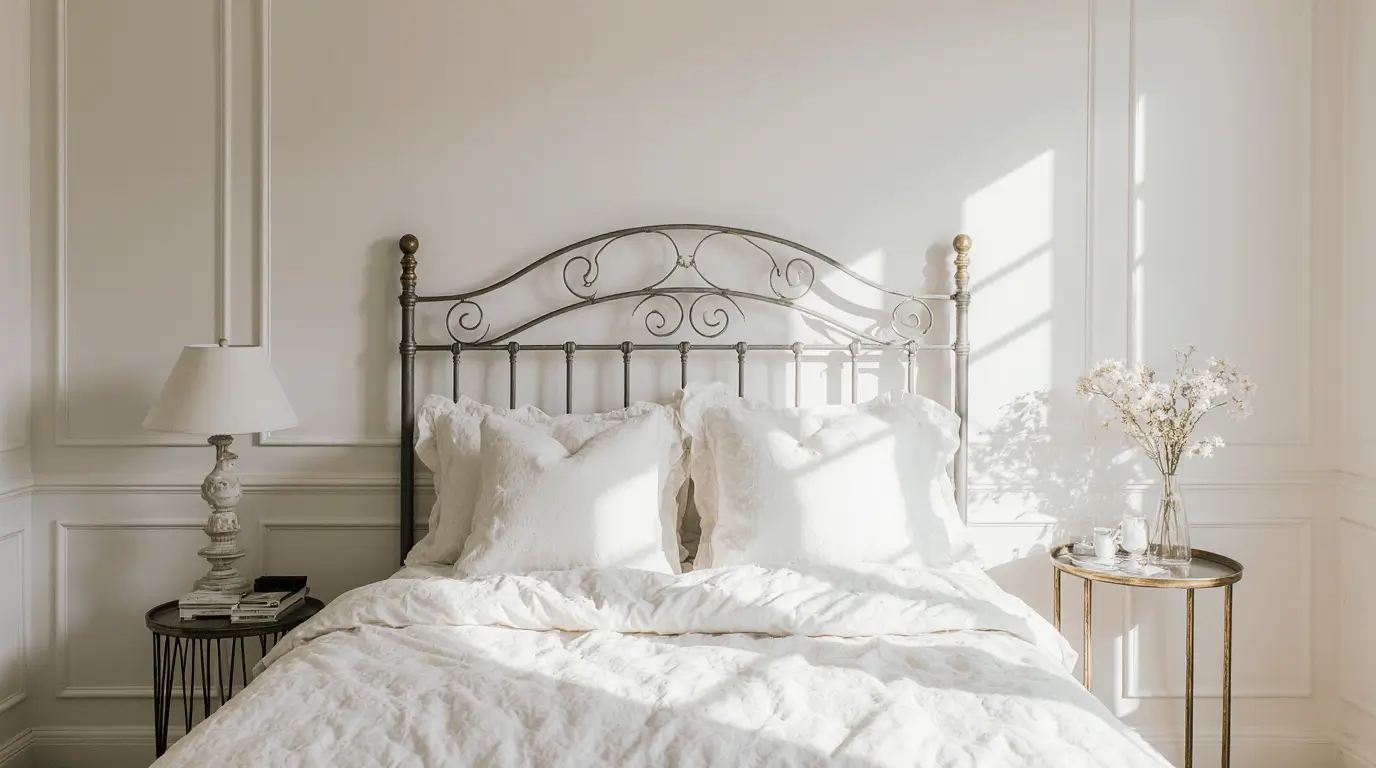
Edwardian Houses Interior: Bedroom Aesthetics
Bedrooms are calm and uncluttered, featuring light colors, simple furniture, and comfortable textiles.
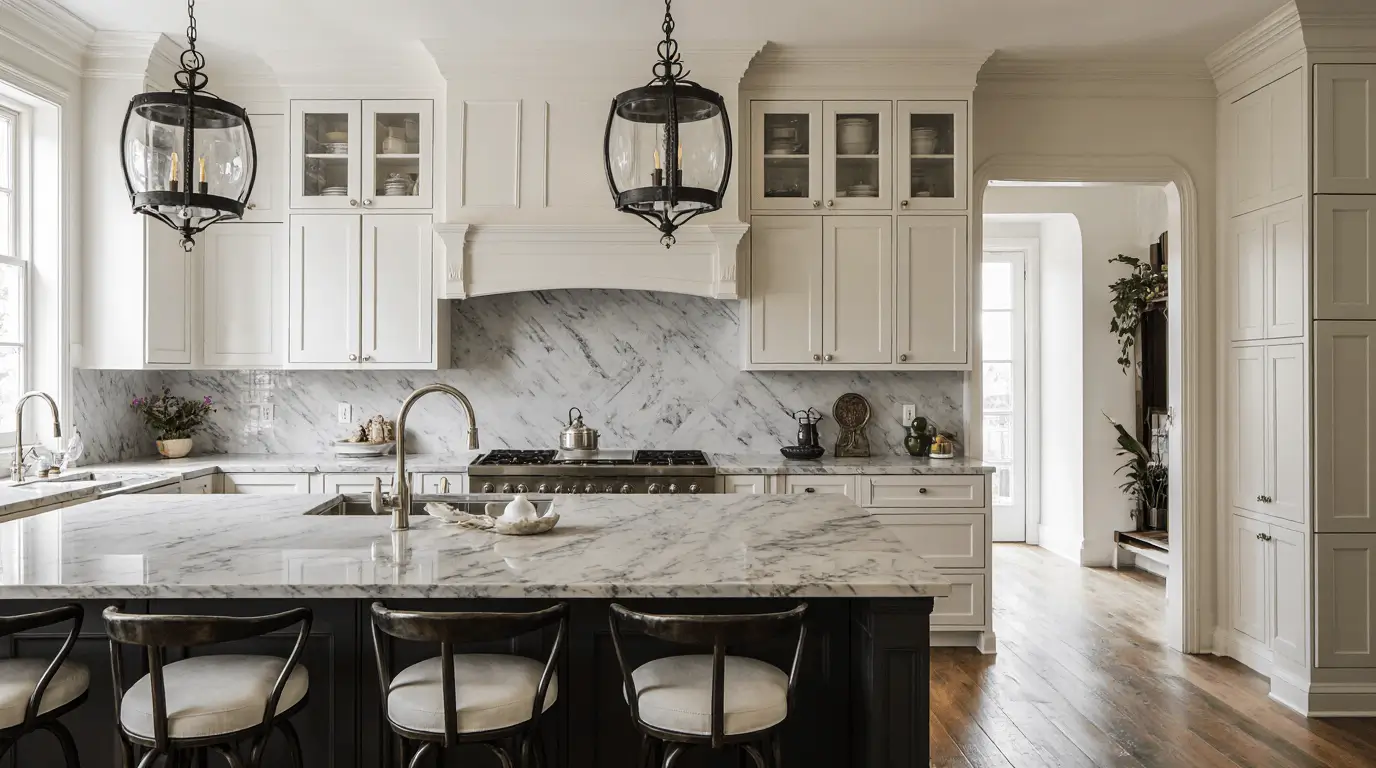
Edwardian Houses Interior: Kitchen Evolution
Originally separate and functional, modern Edwardian kitchens are often redesigned into open, practical spaces while retaining classic charm.
Edwardian Houses Interior: Decorative Details
Details such as stained glass, tiled hallways, and subtle ceiling moldings add character without overwhelming the space.
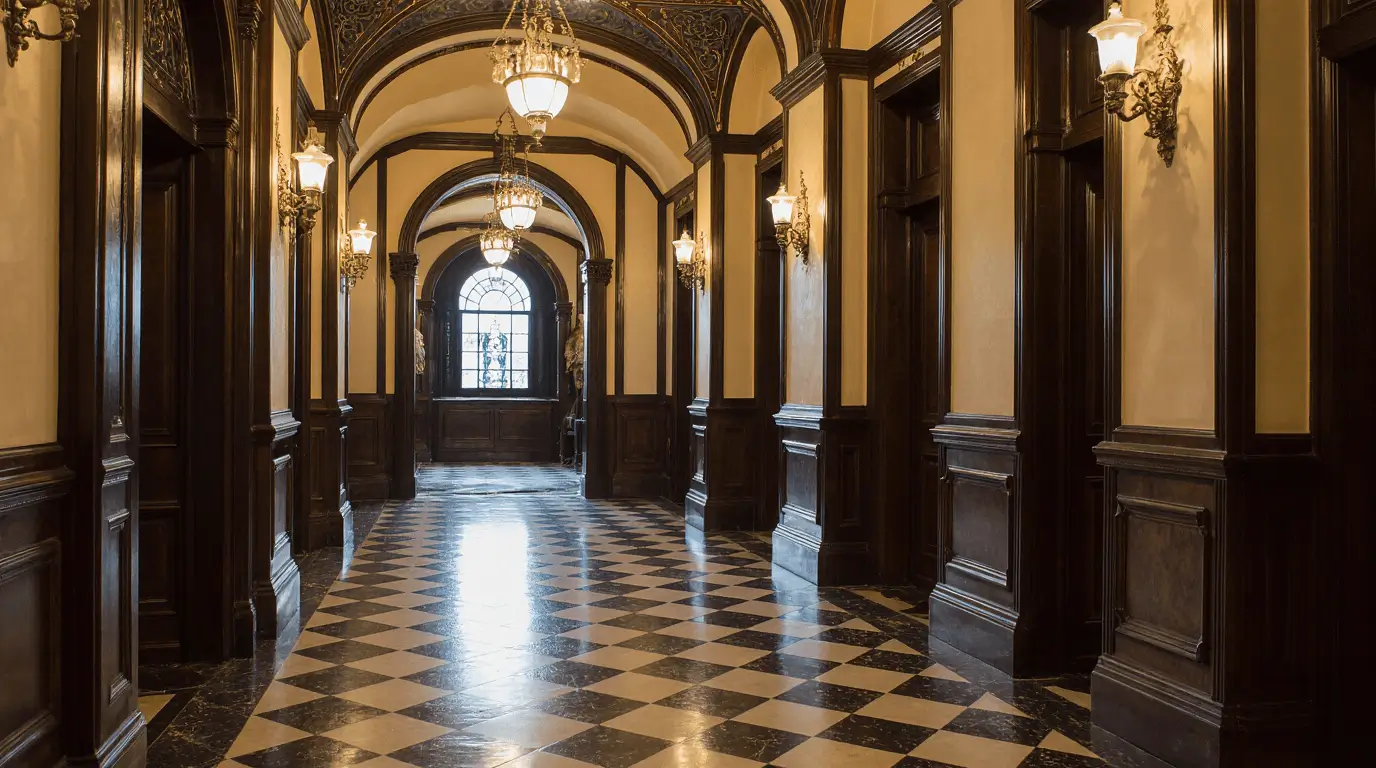
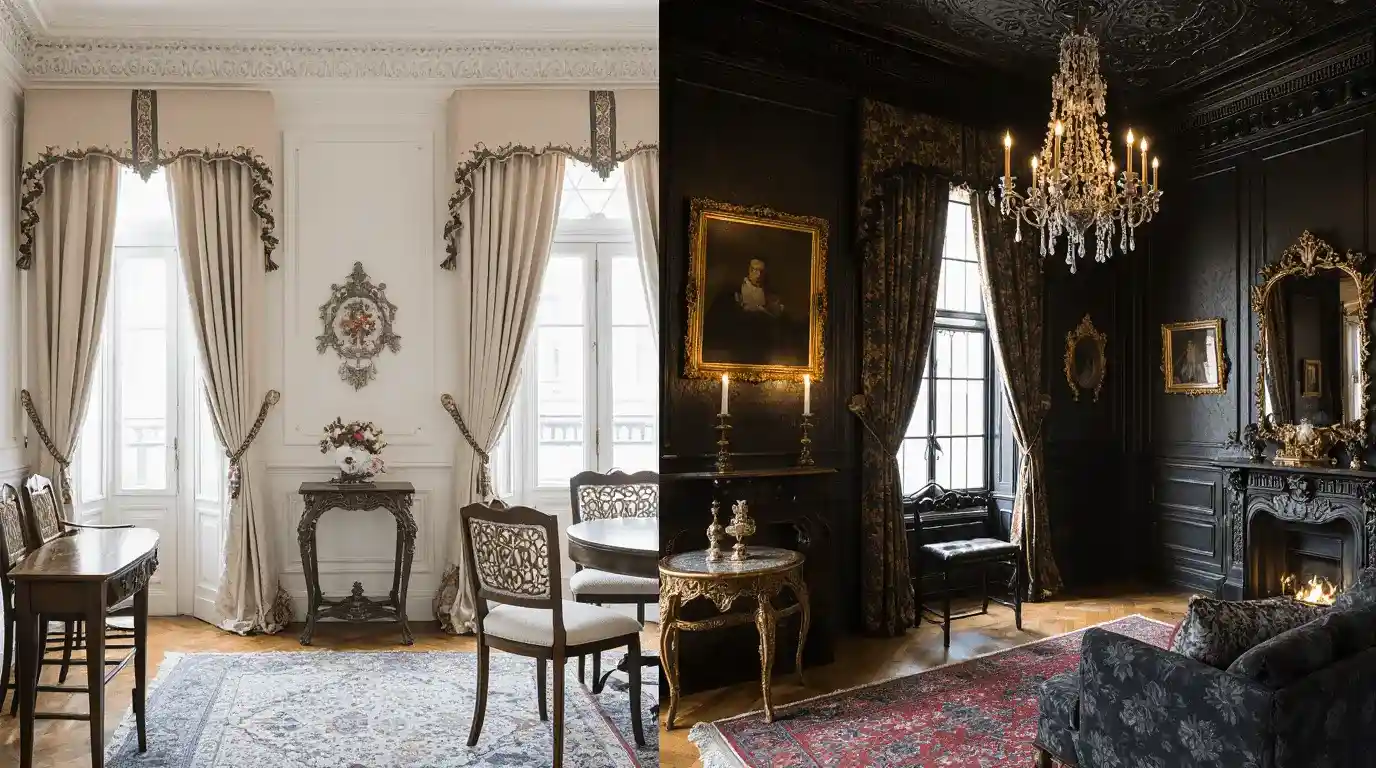
Edwardian Houses Interior vs Victorian Style
Edwardian interiors are lighter, less cluttered, and more practical compared to Victorian designs, which are darker and heavily decorated.
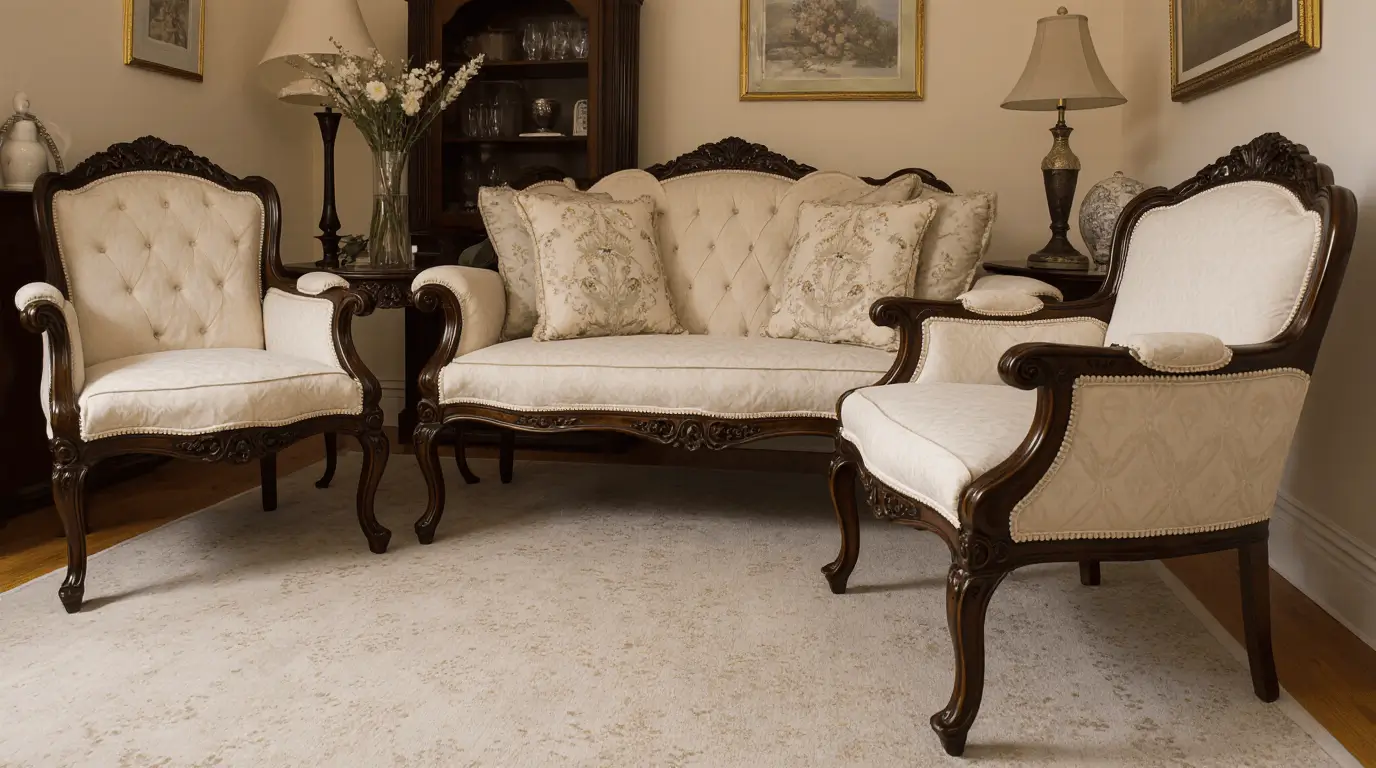
Edwardian Houses Interior: Furniture Style
Furniture tends to be elegant but functional, with less carving and more emphasis on usability and proportion.
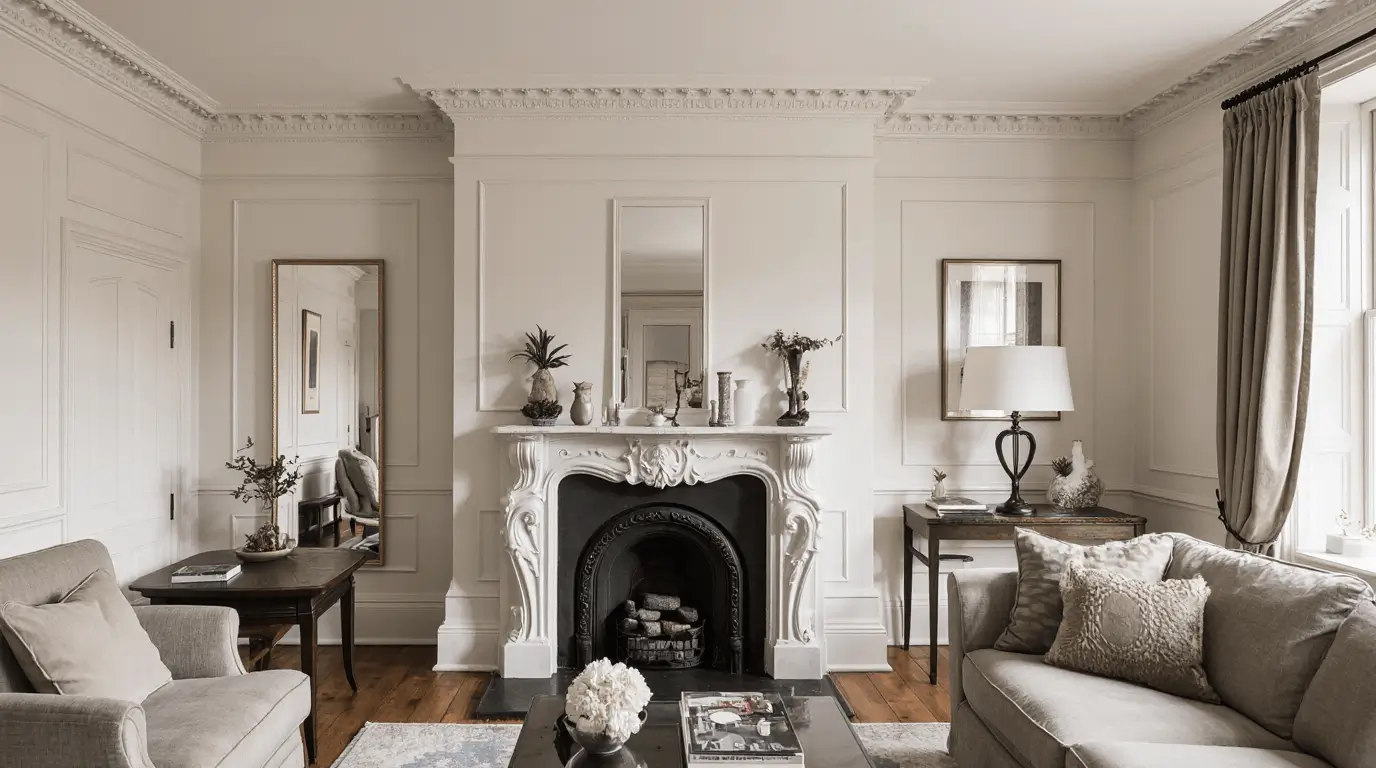
Modern Edwardian Houses Interior Design
Modern interpretations retain original features while incorporating contemporary layouts, neutral palettes, and minimal décor.
Edwardian Houses Interior: Use of Patterns
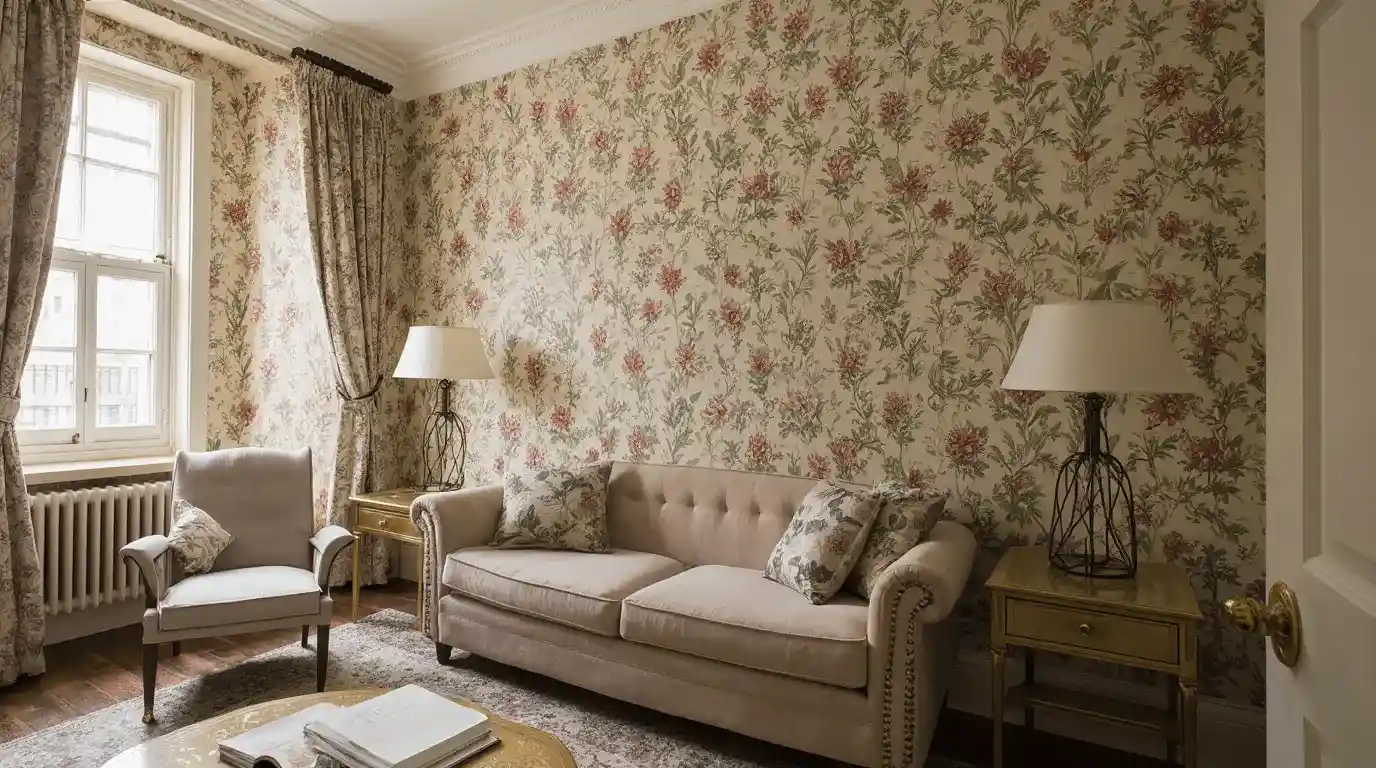
Patterns are used sparingly—often floral or geometric—appearing in wallpapers, rugs, or textiles to add subtle interest.
Edwardian Houses Interior: Outdoor Connection
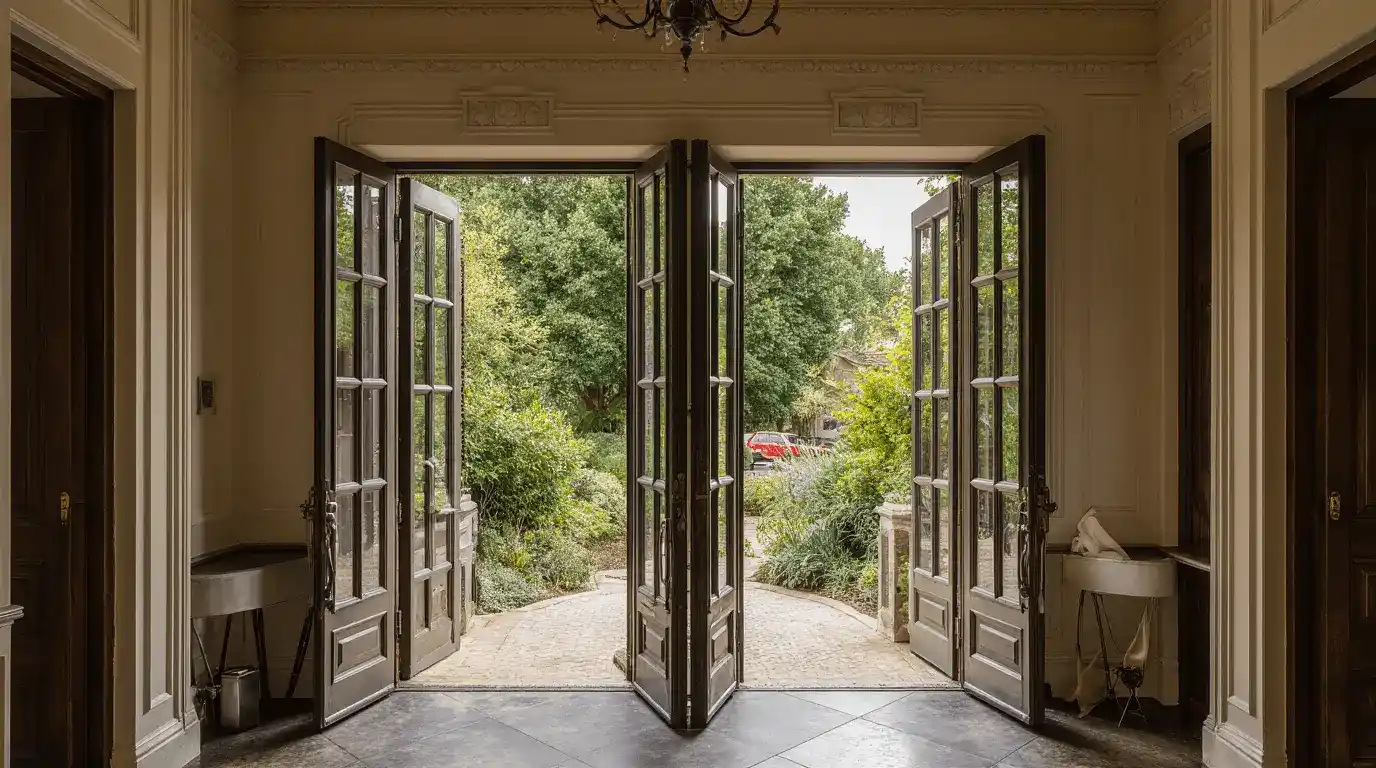
Edwardian homes often include gardens and maintain a strong visual connection between indoor and outdoor spaces.
Edwardian Houses Interior: Lighting Design
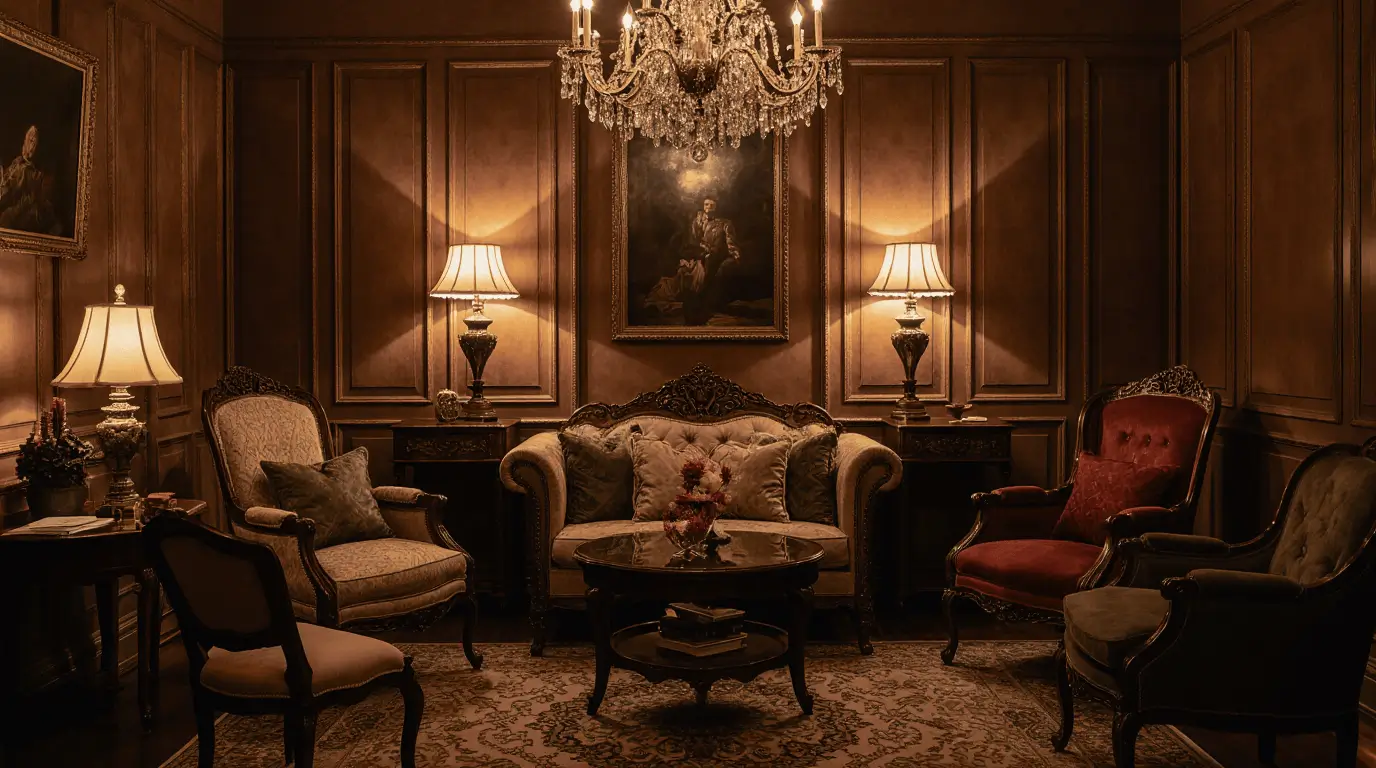
Lighting is soft and layered, combining natural daylight with warm artificial sources like lamps and chandeliers.
Edwardian Houses Interior: Hallways and Entrances
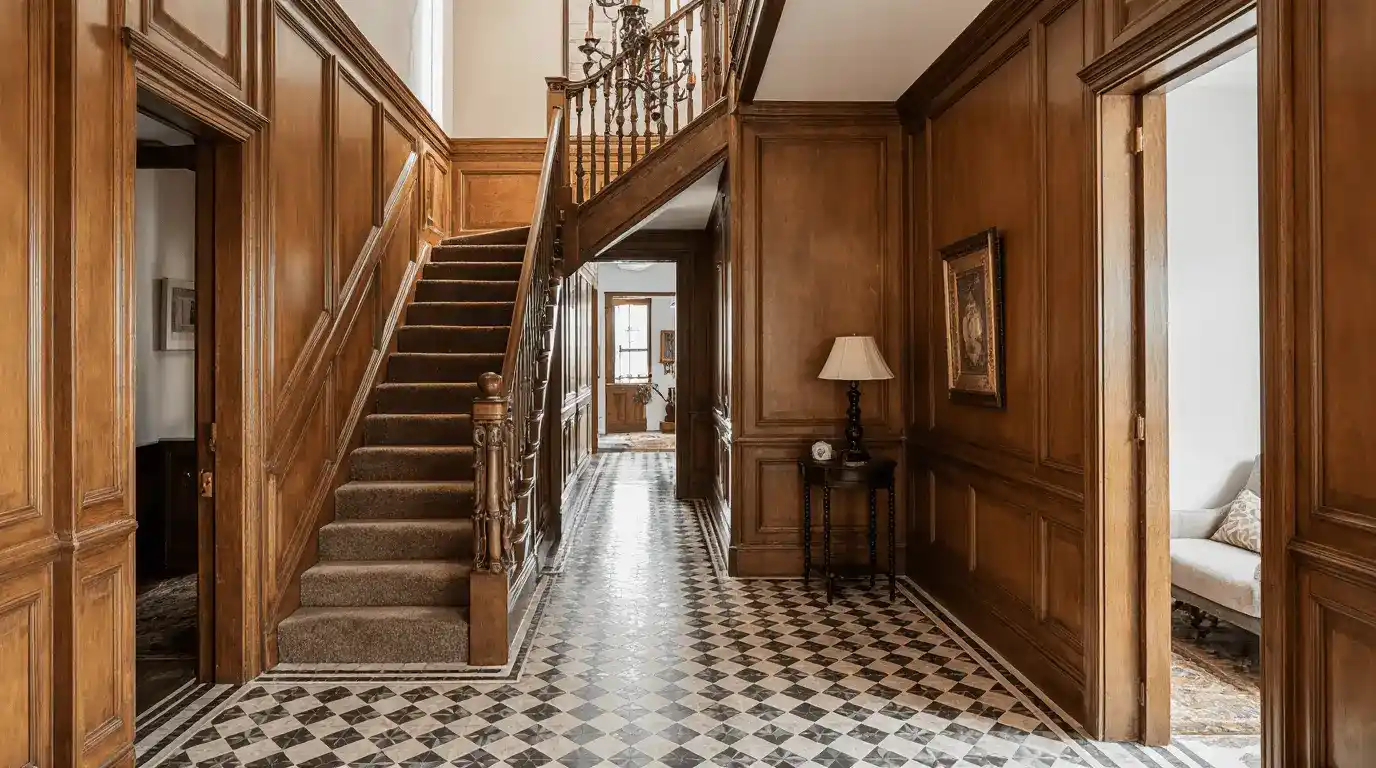
Hallways are spacious and welcoming, often featuring tiled floors, wood paneling, and decorative details.
Edwardian Houses Interior: Balance of Elegance and Function
The true beauty of Edwardian design lies in its balance—spaces are elegant yet practical, making them highly livable even today.
Conclusion
Edwardian houses interior design succeeds because it strikes a rare balance—refined without being rigid, elegant without sacrificing comfort. Its emphasis on light, proportion, and thoughtful simplicity creates spaces that feel both timeless and immediately livable. In practice, this means rooms that support everyday life while still carrying a sense of quiet sophistication.
From working with period properties and modern renovations, one thing becomes clear: Edwardian interiors adapt exceptionally well to contemporary needs. Whether you’re restoring original features or layering in modern elements, the structure of these homes—generous windows, open layouts, and restrained detailing—naturally supports both approaches. The key is to respect the original character while making intentional updates that enhance usability.
For homeowners, designers, or anyone drawn to classic interiors, the takeaway is straightforward. Focus on light, keep materials honest, and avoid overcomplicating the space. When done well, an Edwardian houses interior doesn’t just look beautiful—it feels balanced, welcoming, and enduring. That’s what makes it a style worth investing in, both aesthetically and practically.
Learn more : Nightclub Interior: Design a Luxury, Immersive Space
FAQs
- What defines an Edwardian houses interior compared to other period styles?
Edwardian interiors are lighter, more spacious, and less ornate than earlier styles. They prioritize natural light, simpler detailing, and practical layouts, making them feel more aligned with modern living while still retaining historical charm.
- Can you modernize an Edwardian interior without losing its character?
Yes, and it often works exceptionally well. Retaining features like fireplaces, moldings, and floorboards while introducing neutral palettes, contemporary furniture, or open-plan layouts allows you to preserve the essence while improving functionality.
- What colors work best in Edwardian interiors?
Soft neutrals, muted pastels, and gentle earthy tones are most effective. These colors enhance light and create a calm, airy atmosphere, which is central to the Edwardian aesthetic.
- Are Edwardian interiors suitable for small homes or apartments?
While Edwardian homes are typically spacious, the design principles—light colors, minimal clutter, and functional layouts—can be applied to smaller spaces to make them feel more open and comfortable.
- What type of furniture suits an Edwardian houses interior?
Furniture should be elegant but not overly decorative. Look for well-proportioned wooden pieces, upholstered seating, and designs that prioritize comfort and usability over heavy ornamentation.
- How important is natural light in Edwardian design?
It’s essential. Large windows and minimal window treatments are key features. Maximizing daylight helps define the entire atmosphere, making rooms feel fresh, open, and inviting.
- Is it better to restore original features or replace them?
Whenever possible, restoring original features adds authenticity and long-term value. However, if elements are beyond repair, carefully chosen replacements that match the style and materials can maintain the overall integrity of the interior.

One Response