
Introduction
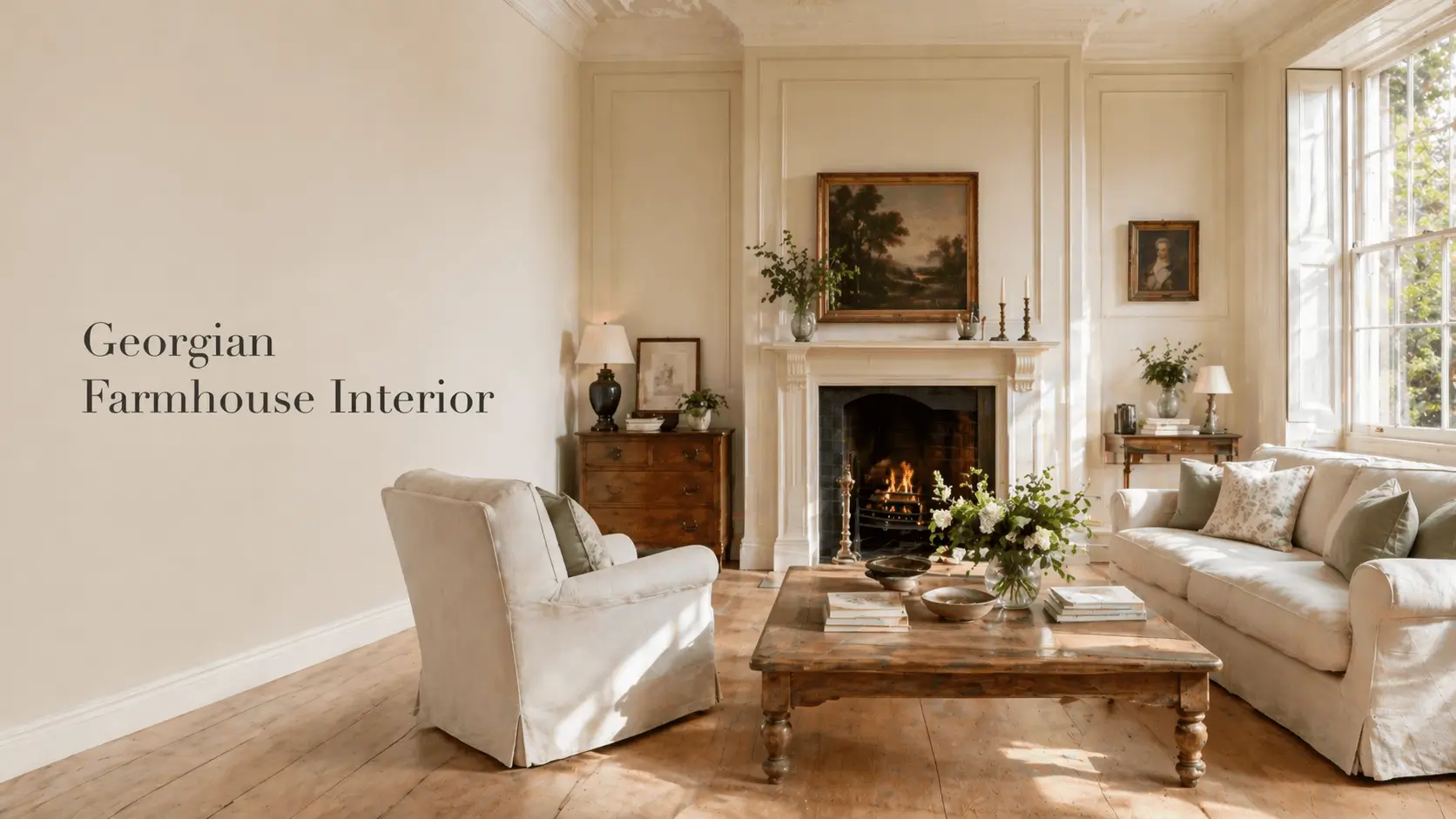
A georgian farmhouse interior is where classical symmetry meets rural charm—an aesthetic that balances refined architectural heritage with the warmth of countryside living. Rooted in the Georgian period’s emphasis on proportion, order, and understated luxury, this style adapts beautifully to farmhouse settings by softening formality with natural textures, lived-in finishes, and practical comfort.
From my experience working with period-inspired homes, the key to mastering this look lies in restraint and layering. You’re not recreating a museum piece—you’re evolving a space that respects Georgian principles while embracing the authenticity of farmhouse life. Think sash windows paired with linen drapery, panelled walls softened by muted palettes, and antique wood furniture that tells a story without overpowering the room.
Georgian Farmhouse Interior Color Palette Harmony
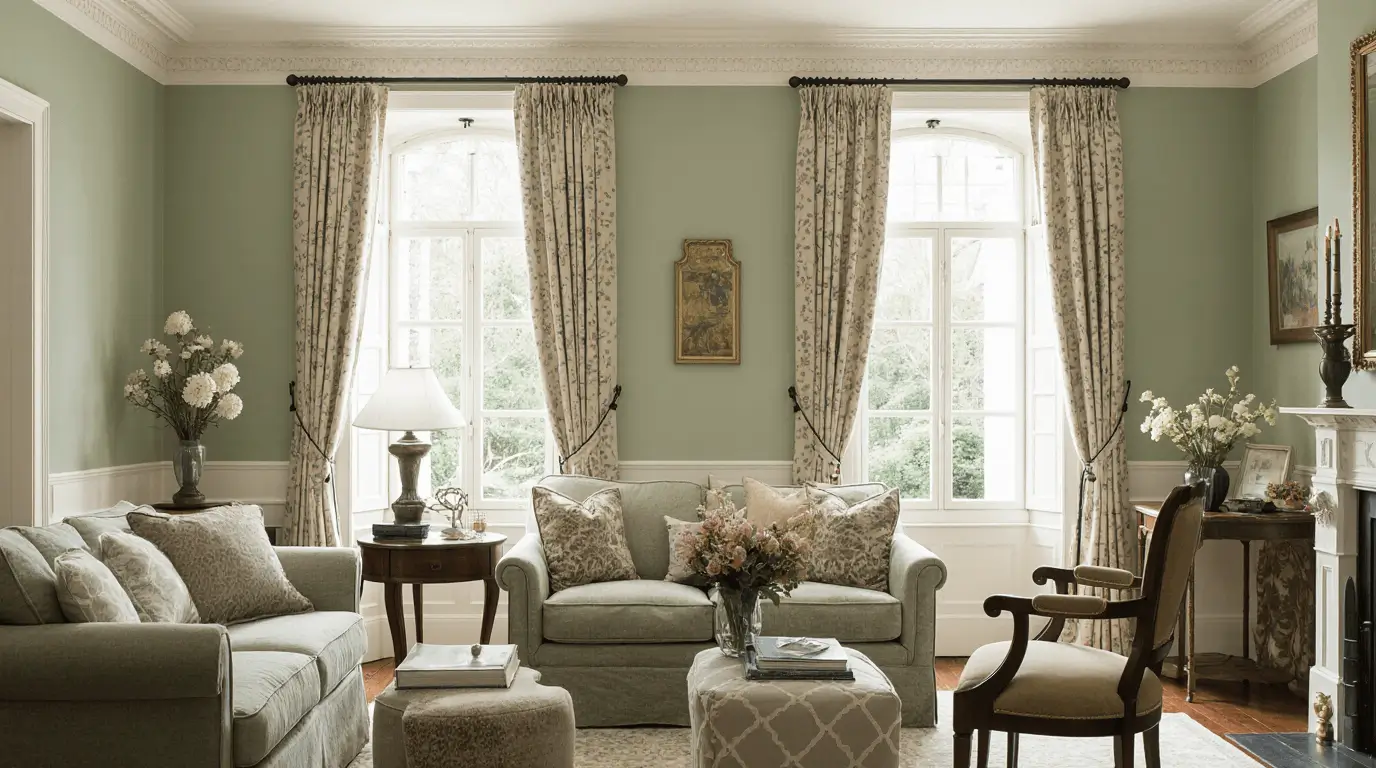
A successful georgian farmhouse interior starts with a calm, heritage-inspired palette—soft creams, sage greens, dusty blues, and warm neutrals. These tones reflect natural surroundings while maintaining Georgian elegance.
Subtle contrasts, like darker trims or muted accents, help define architectural features without overwhelming the space.
Symmetry in Georgian Farmhouse Interior Layout
Symmetry is foundational in Georgian design. In a farmhouse context, this means balanced furniture arrangements, centered fireplaces, and evenly spaced décor.
This structure creates visual calm while allowing rustic elements to feel intentional rather than random.
Georgian Farmhouse Interior Wall Paneling
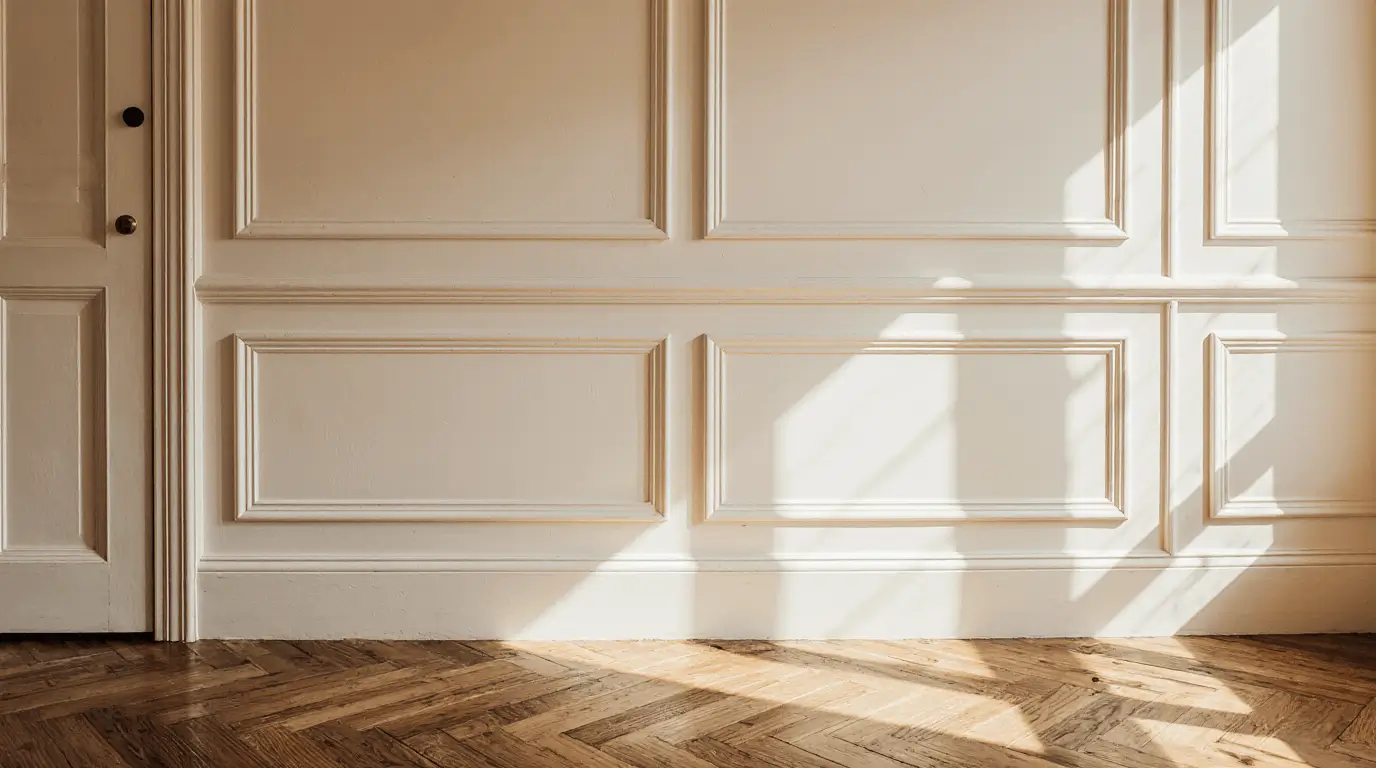
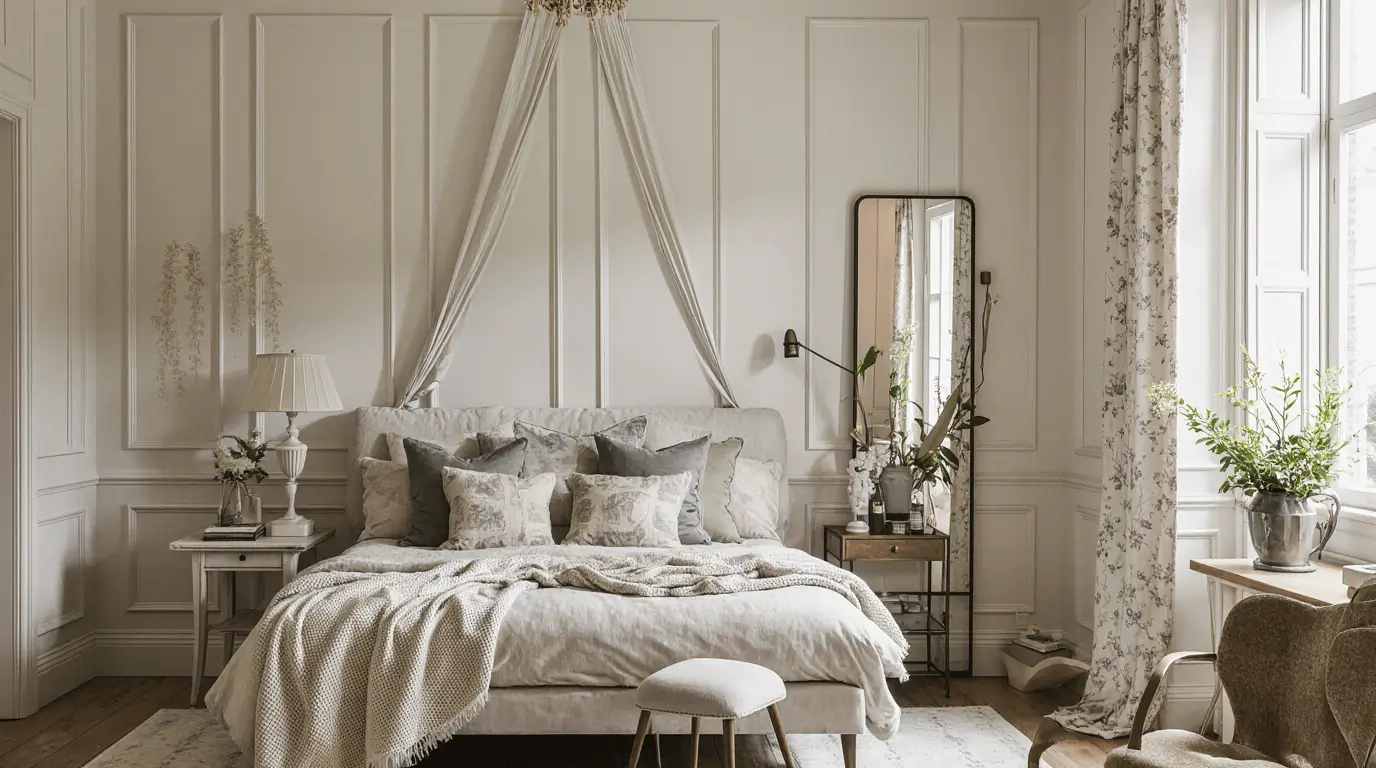
Wall paneling adds depth and authenticity. Opt for simple shaker-style or traditional Georgian molding painted in soft tones.
It enhances architectural character while grounding the farmhouse aesthetic in historical detail.
Rustic Wood Elements in Georgian Farmhouse Interior
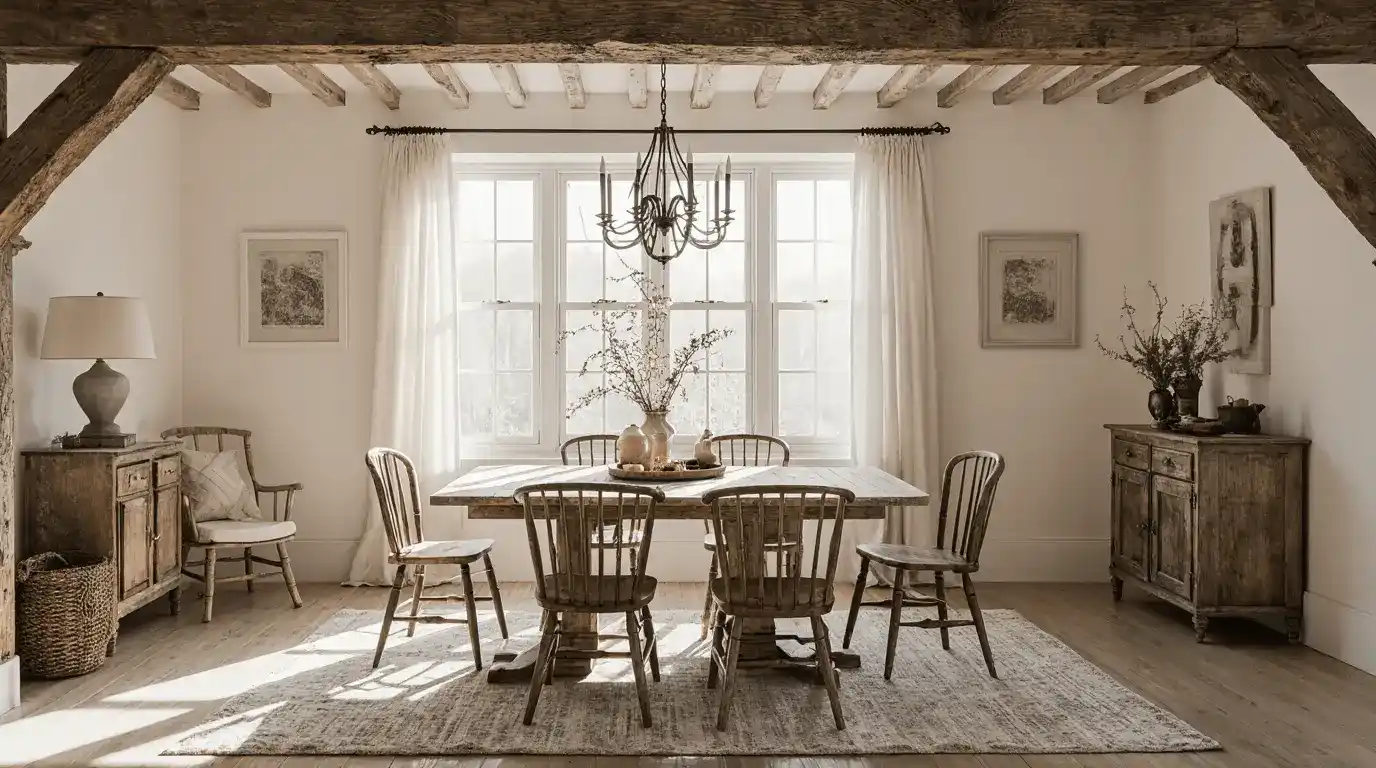
Natural wood introduces warmth and texture. Exposed beams, aged oak tables, and weathered finishes soften the formality of Georgian design.
The contrast between polished symmetry and raw materials defines this hybrid style.
Georgian Farmhouse Interior Fireplace Focal Points
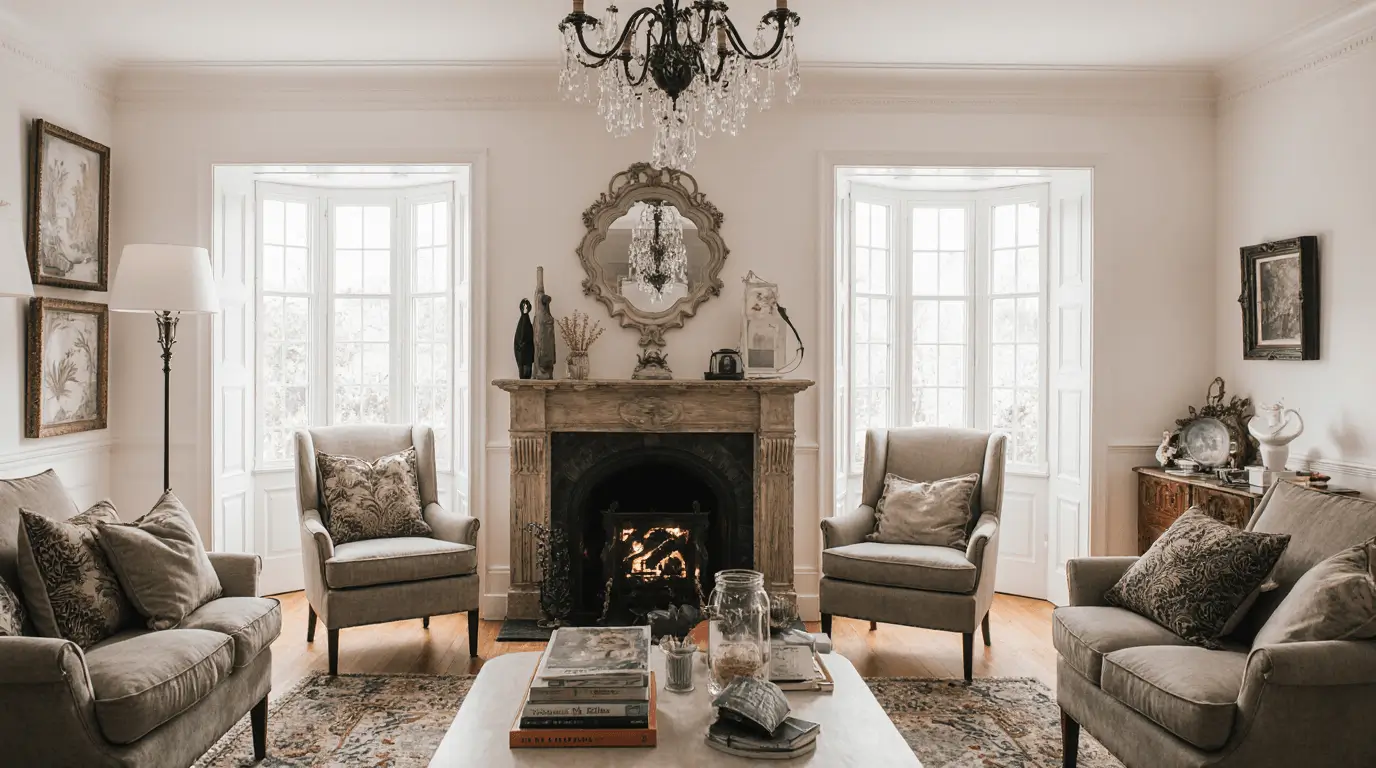
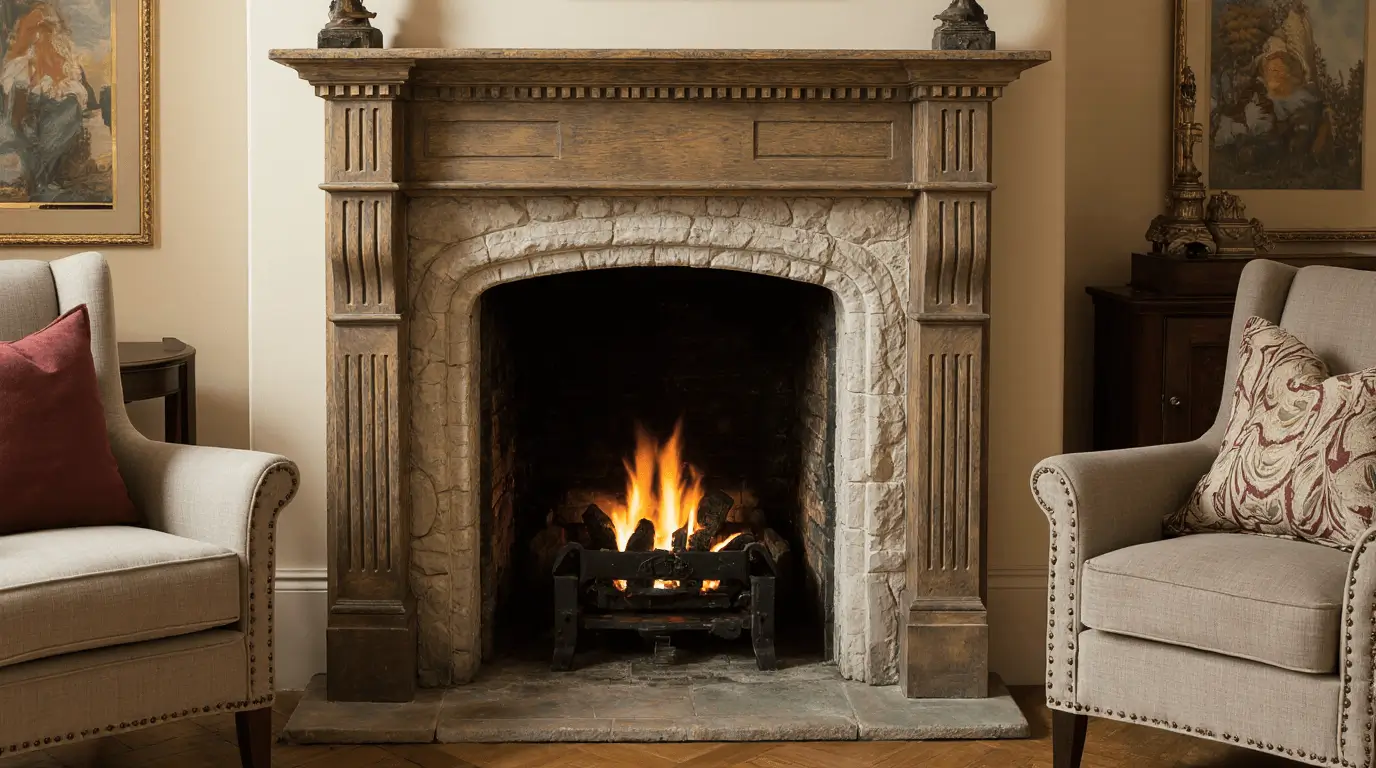
Fireplaces act as both functional and visual anchors. Georgian-style mantels combined with rustic hearths create a perfect blend of refinement and comfort.
Layer with simple décor like candlesticks or vintage artwork.
Elegant Yet Simple Georgian Farmhouse Furniture
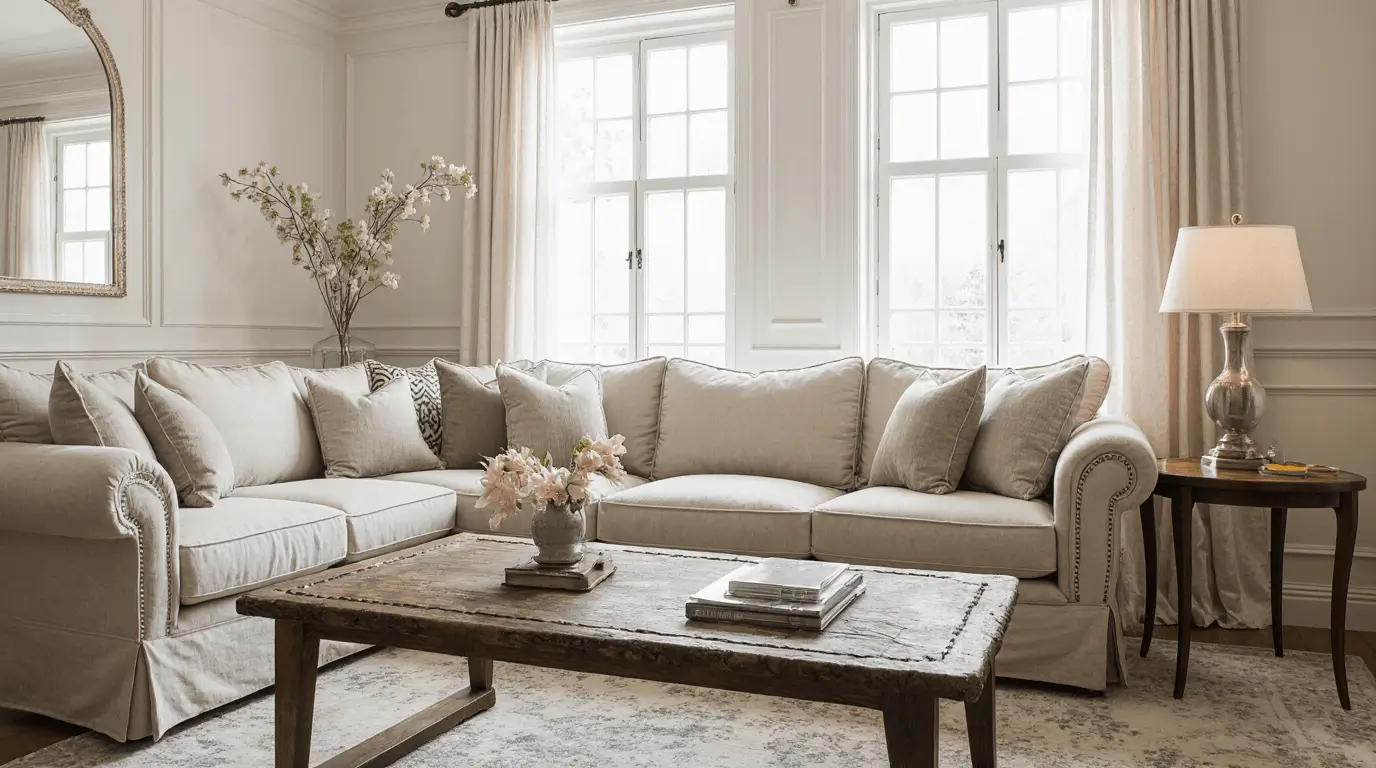
Furniture should reflect clean lines and proportion, avoiding excessive ornamentation. Georgian silhouettes paired with farmhouse materials create balance.
Upholstered pieces in natural fabrics enhance comfort without compromising elegance.
Natural Fabrics in Georgian Farmhouse Interior
Linen, cotton, and wool bring softness and authenticity. These materials age beautifully and align with both Georgian restraint and farmhouse practicality.
Layer textiles to add subtle depth without visual clutter.
Georgian Farmhouse Interior Lighting Design
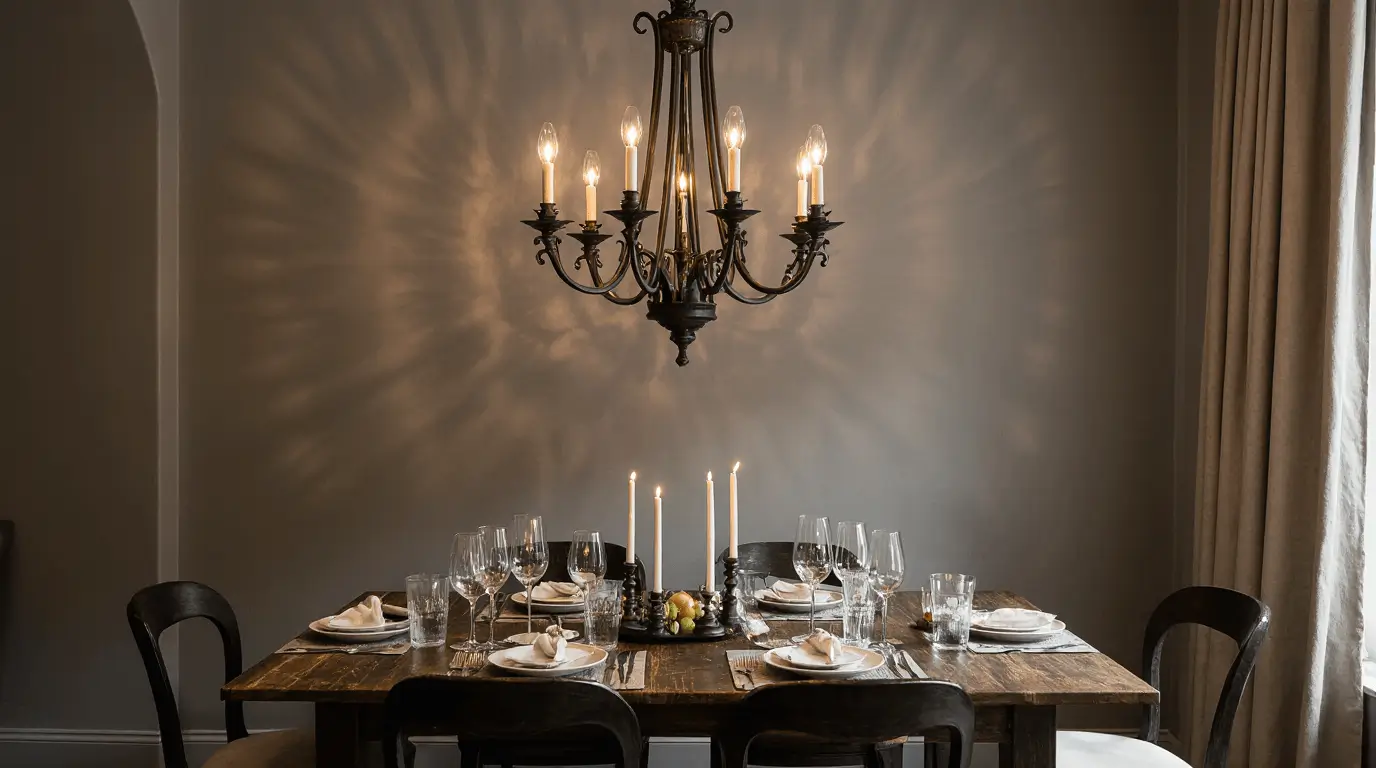
Lighting should feel soft and ambient. Use chandeliers for Georgian elegance, paired with table lamps and candles for farmhouse warmth.
Avoid harsh lighting—layered illumination enhances atmosphere.
Vintage Accessories in Georgian Farmhouse Interior
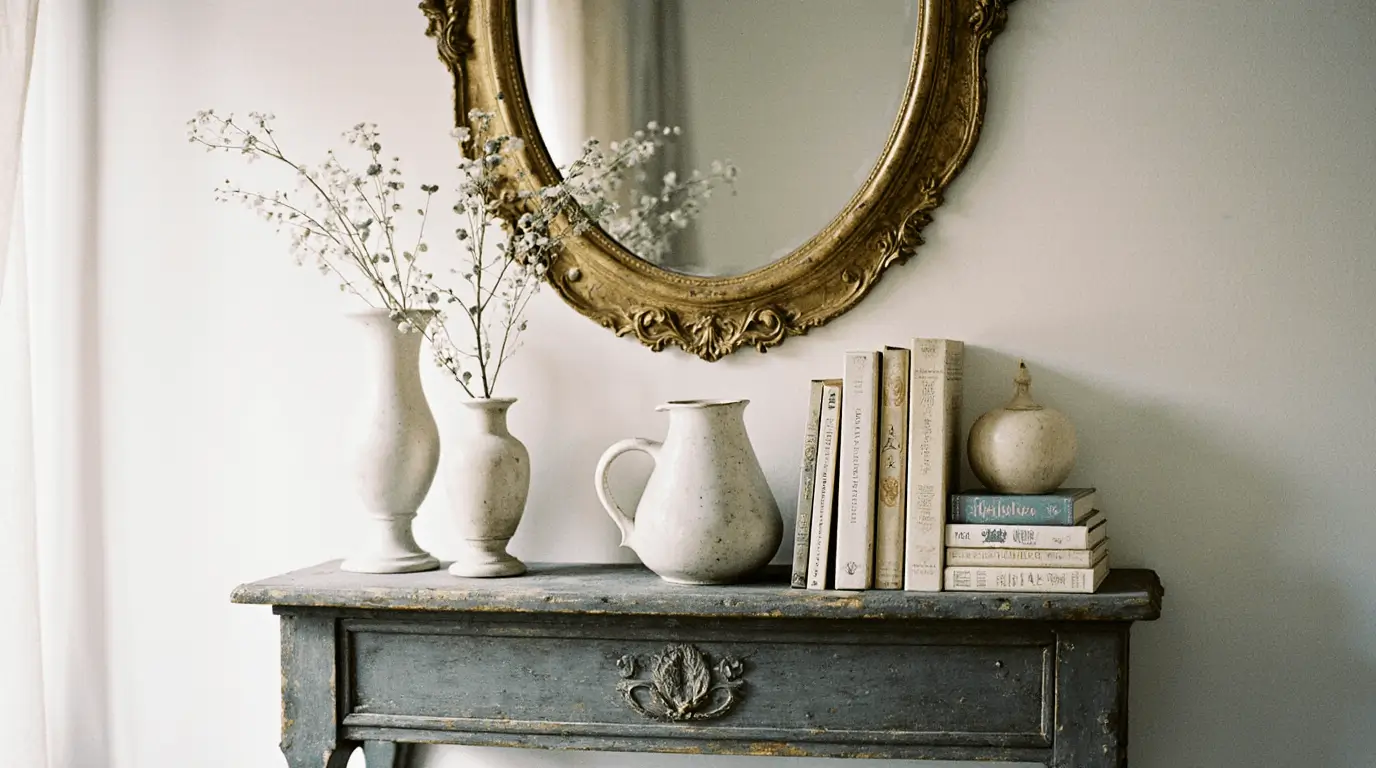
Accessories should feel curated, not staged. Antique mirrors, ceramic vases, and aged books reinforce authenticity.
Each piece should contribute to a sense of history and continuity.
Georgian Farmhouse Interior Flooring Choices
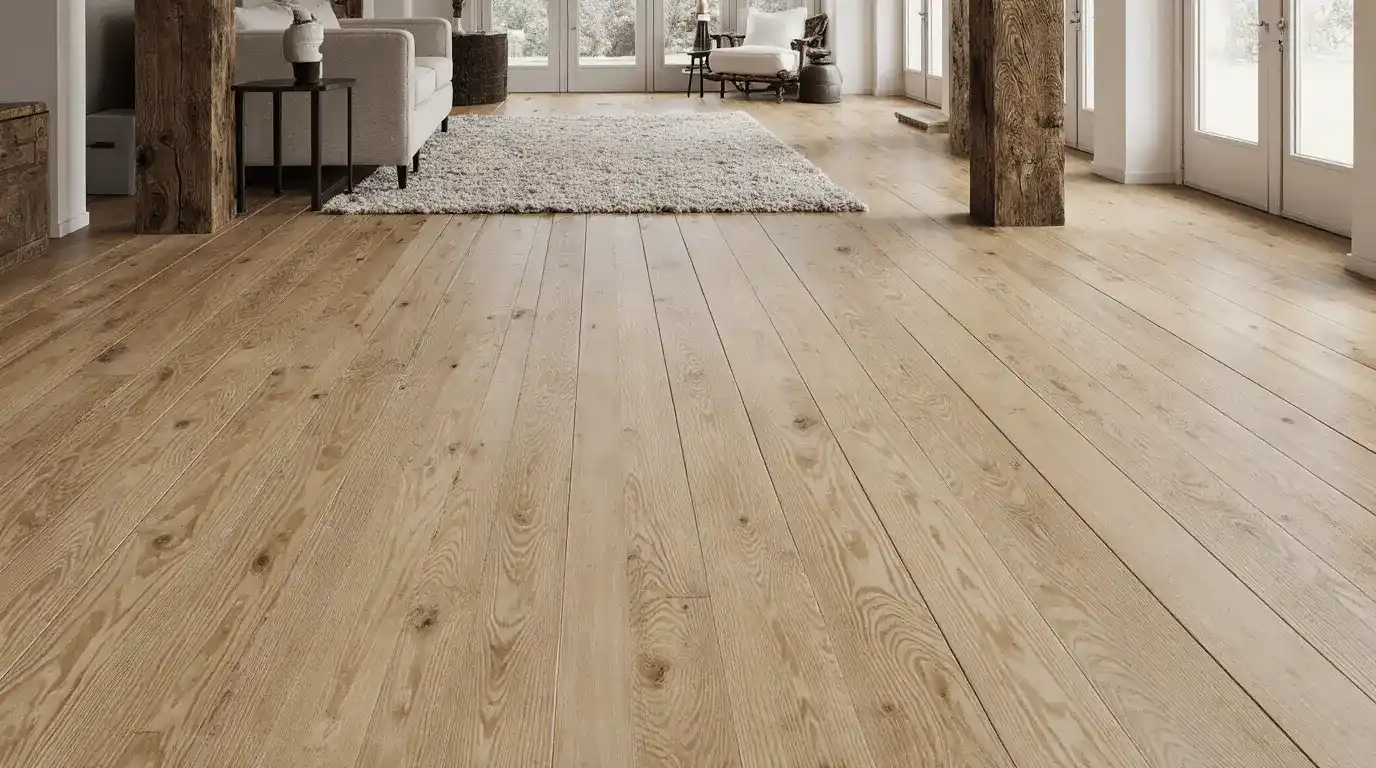
Wide-plank wooden floors or stone surfaces ground the design. Their natural imperfections add character while supporting the structured Georgian layout.
Layer with simple rugs for comfort and texture.
Window Treatments in Georgian Farmhouse Interior
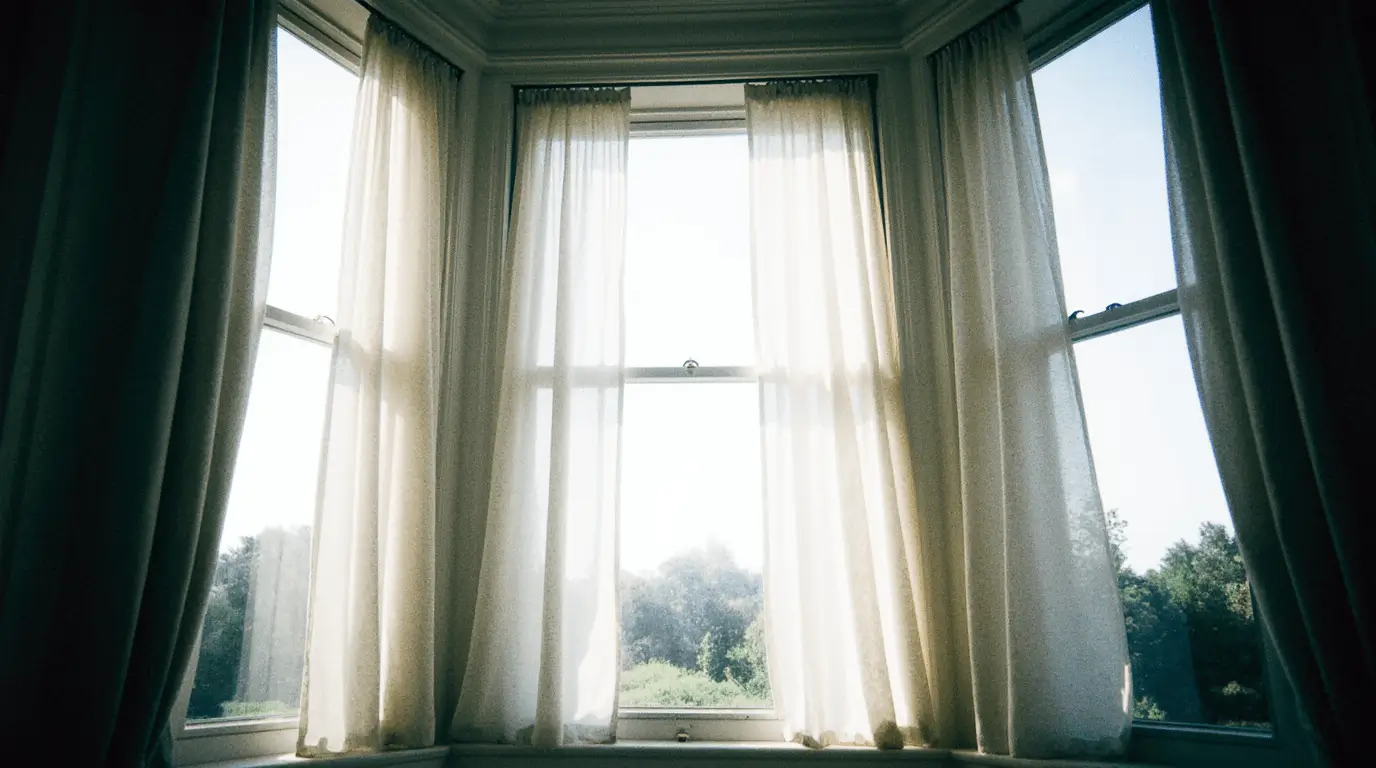
Keep window treatments light and minimal. Linen curtains or simple drapery complement Georgian symmetry without blocking natural light.
Windows should feel open and connected to the outdoors.
Georgian Farmhouse Interior Kitchen Design
The kitchen blends practicality with heritage charm—shaker cabinets, marble or wood countertops, and classic hardware.
Open shelving and natural materials maintain a farmhouse feel while honoring Georgian structure.
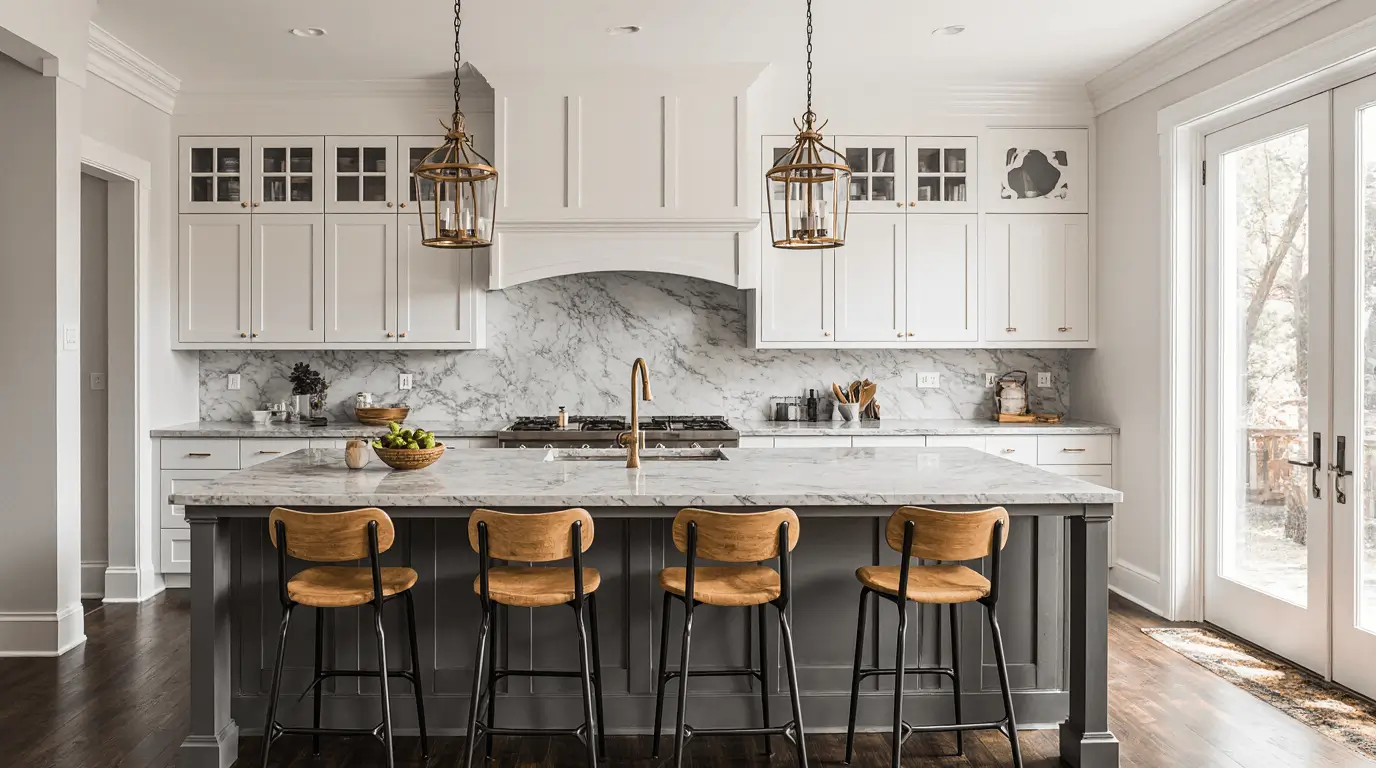
Modern Adaptations of Georgian Farmhouse Interior
Modern touches can enhance functionality without disrupting character. Subtle updates like streamlined furniture or contemporary lighting should respect traditional proportions.
Balance is key—modern, not minimalist.
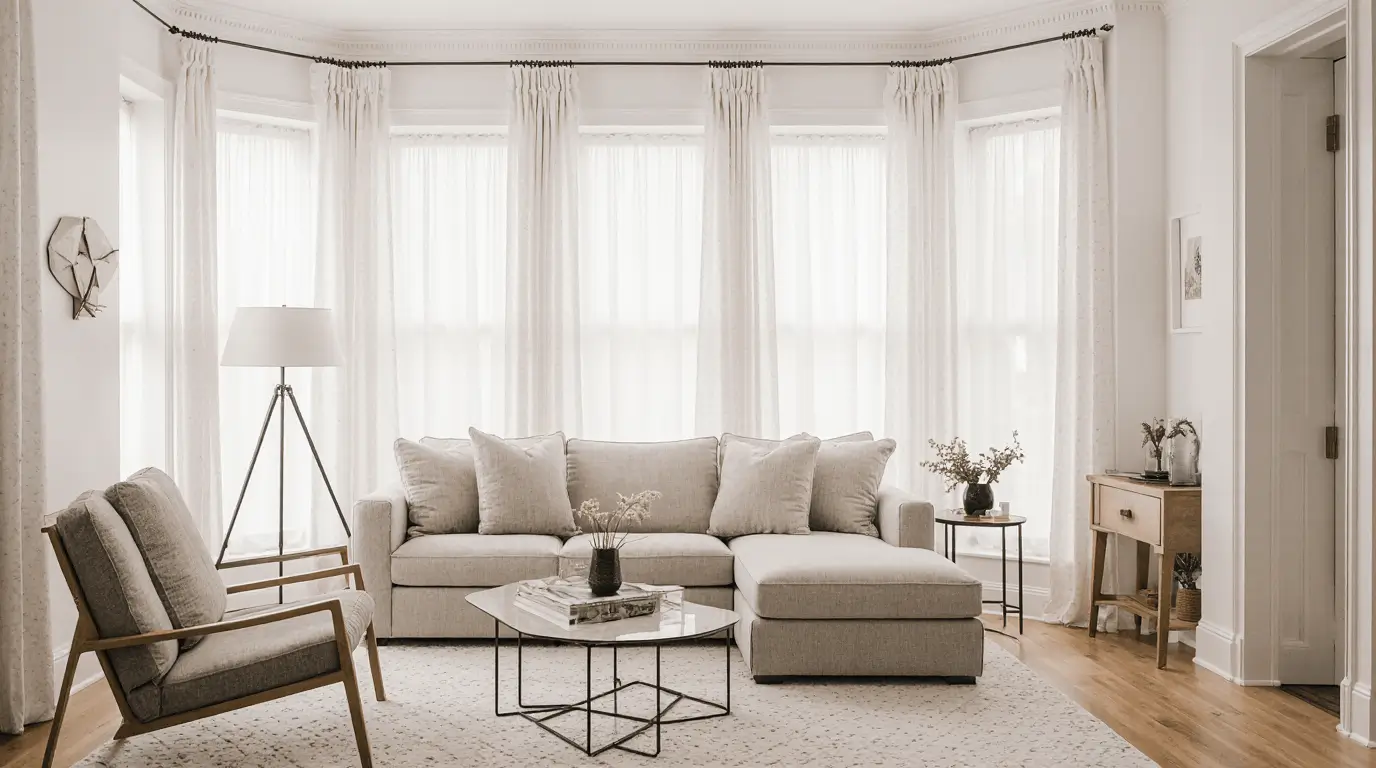
Small Space Georgian Farmhouse Interior Ideas
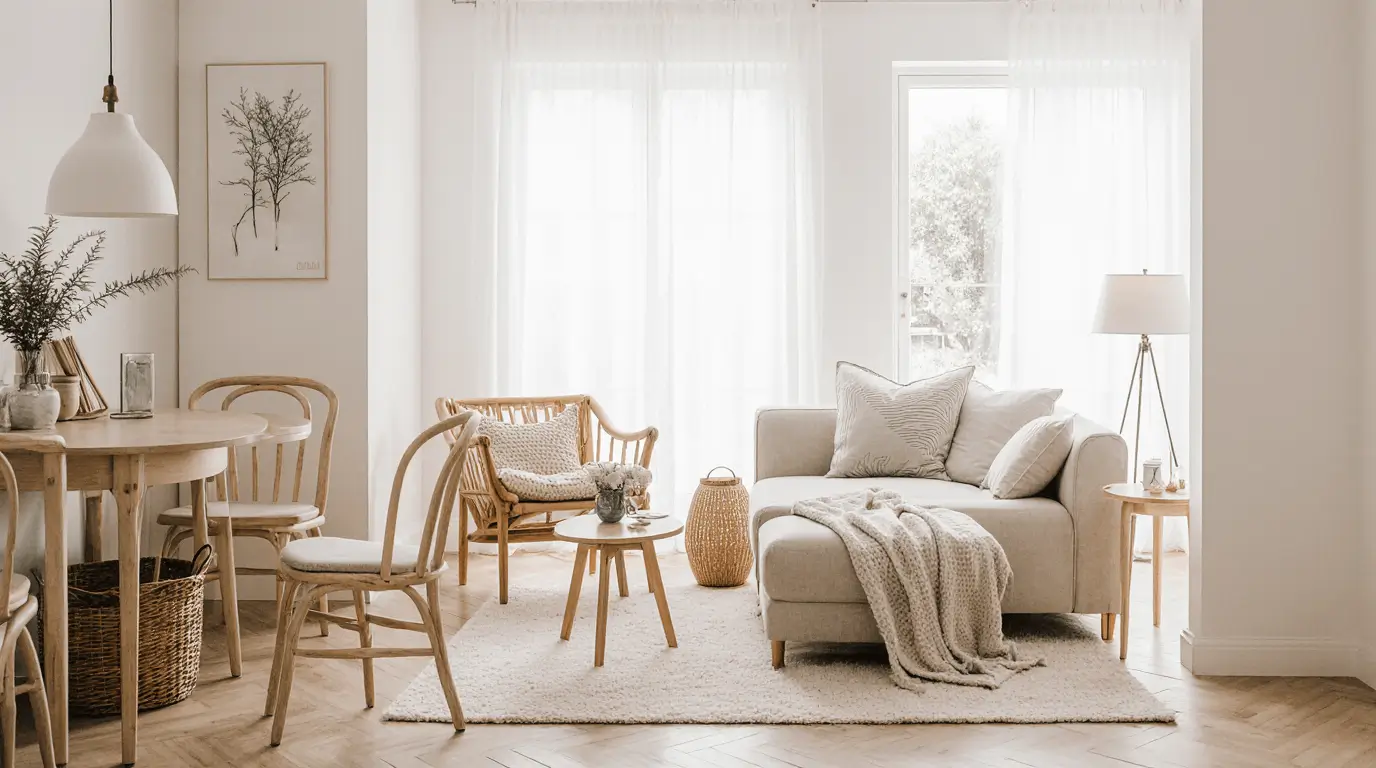
In smaller homes, focus on light colors, multifunctional furniture, and maintaining symmetry.
Avoid overcrowding—simplicity enhances both Georgian elegance and farmhouse comfort.
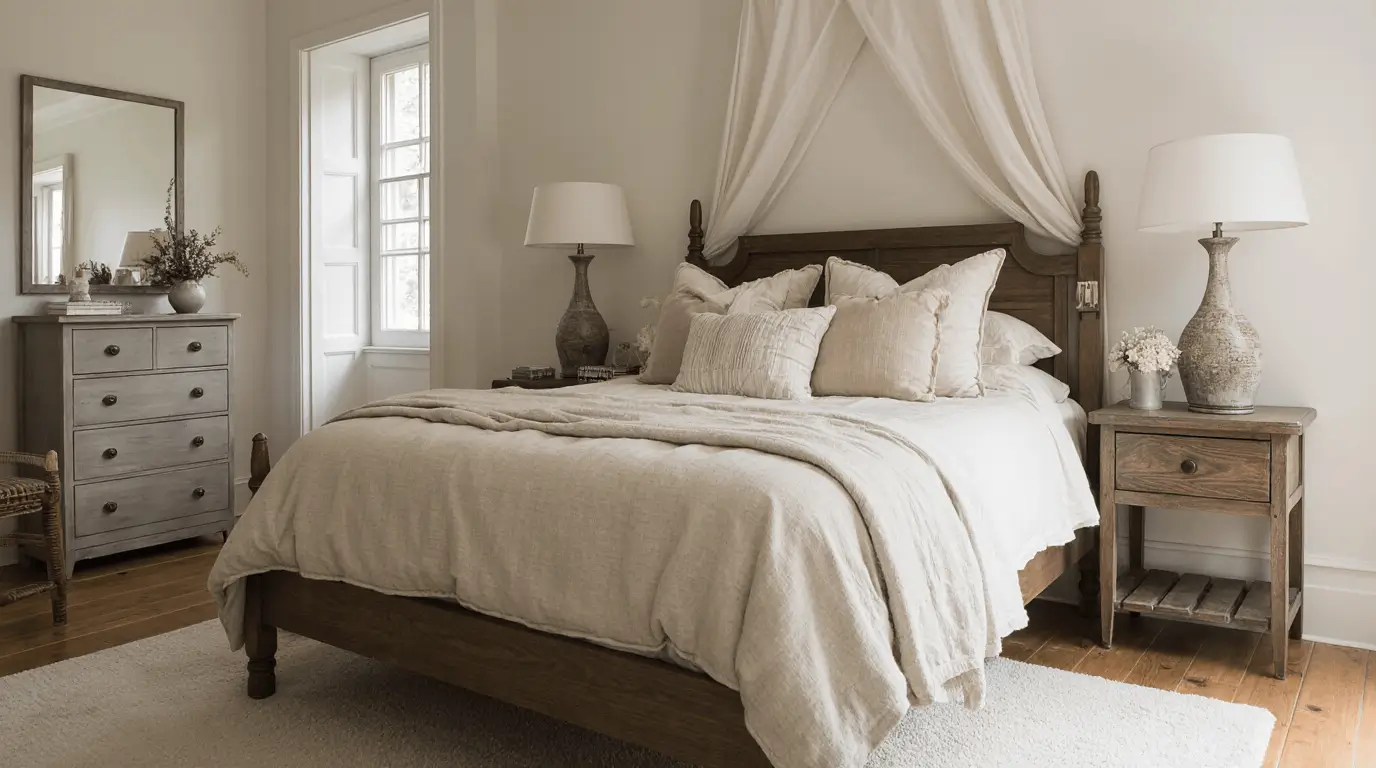
Georgian Farmhouse Interior Bedroom Styling
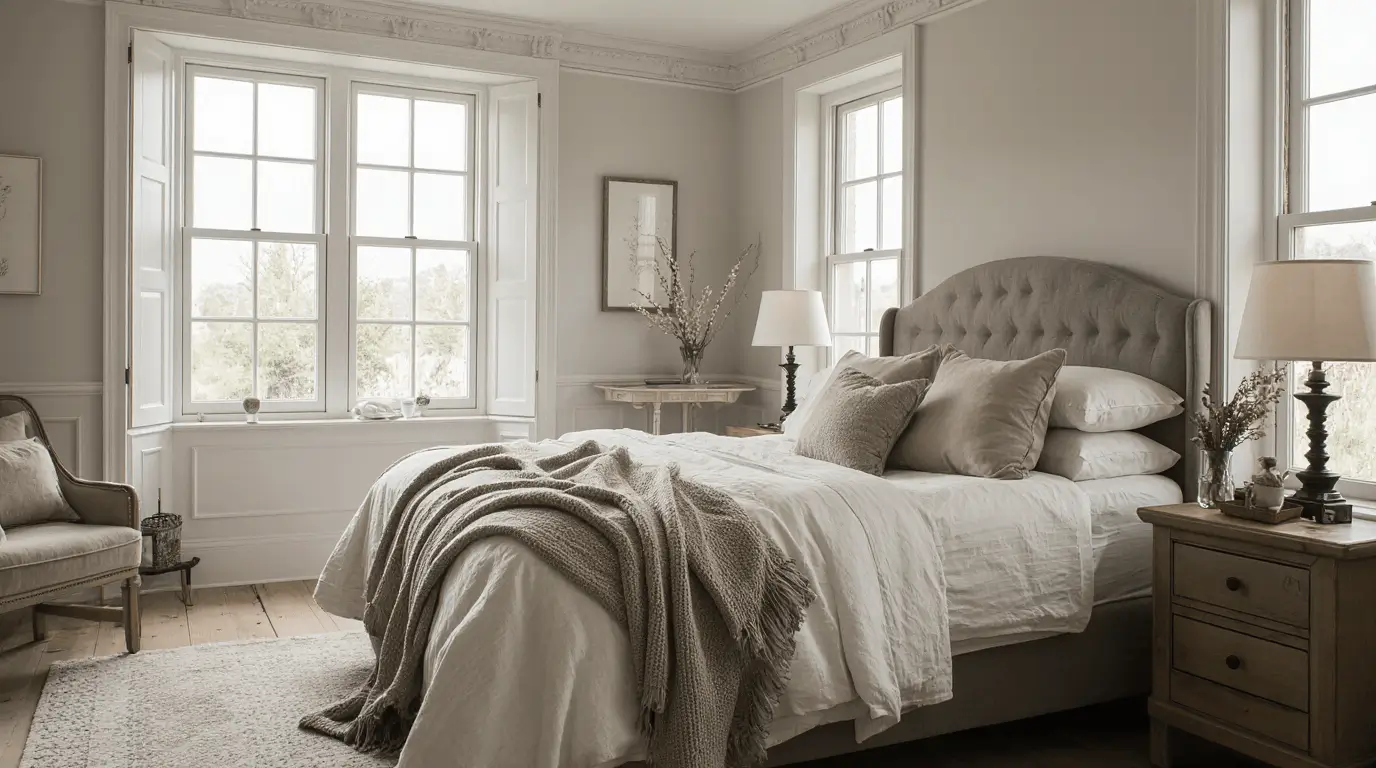
Bedrooms should feel restful and understated. Use classic bed frames, soft textiles, and minimal decoration.
The goal is quiet luxury rather than visual drama.
Outdoor Connection in Georgian Farmhouse Interior
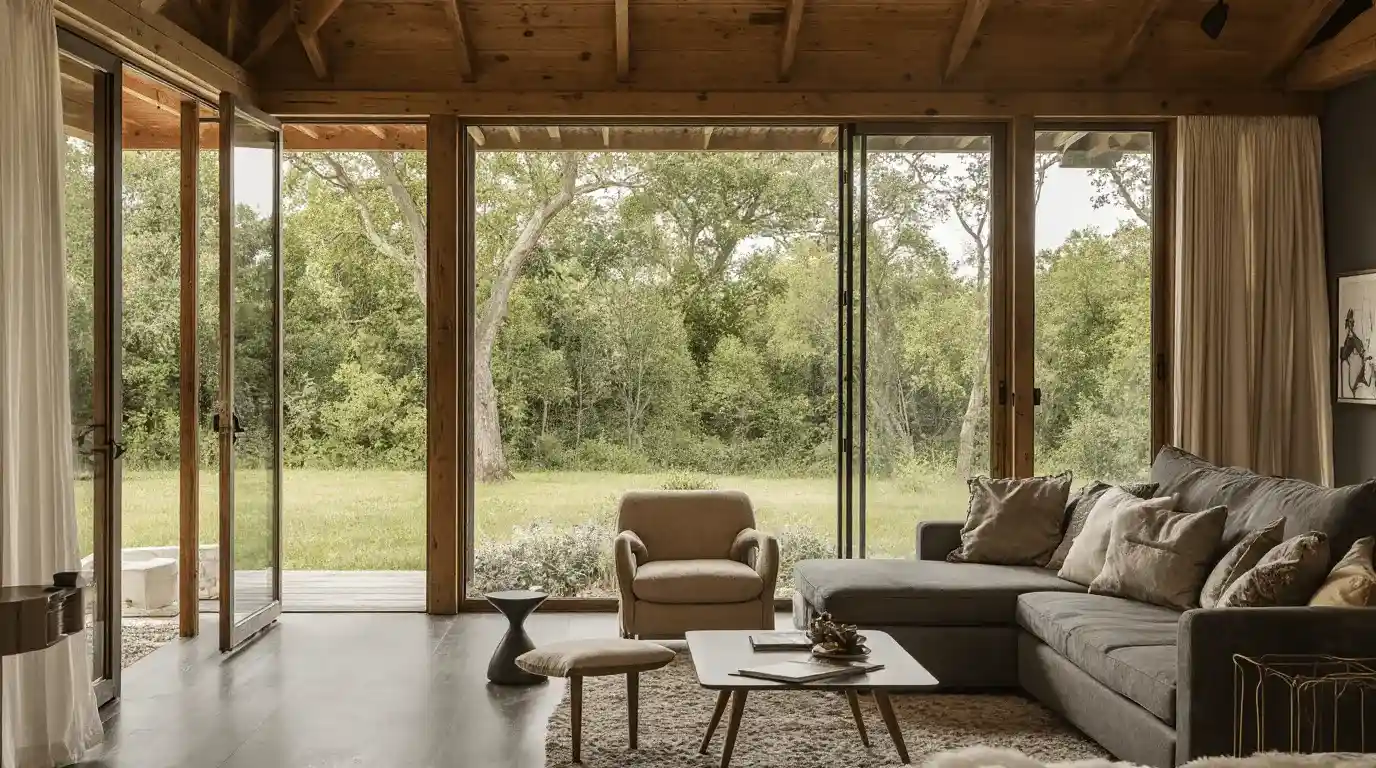
A defining feature is the connection to nature. Large windows, natural materials, and garden views reinforce the farmhouse essence.
This relationship enhances both light and livability.
Georgian Farmhouse Interior Décor Philosophy
At its core, this style is about balance—formal yet relaxed, elegant yet approachable.
Every design decision should feel intentional, functional, and rooted in both history and daily living.
Conclusion: Bringing Georgian Farmhouse Interior to Life
A thoughtfully designed georgian farmhouse interior succeeds because it respects structure while embracing comfort. The balance between symmetry and softness, elegance and practicality, is what makes this style so enduring. When you apply its principles—measured proportions, muted palettes, natural materials, and curated details—you create spaces that feel calm, grounded, and quietly refined.
In real homes, this approach works especially well for those who appreciate heritage but don’t want to sacrifice livability. It allows you to layer history into everyday life without rigidity. Whether you’re restoring a period property or adapting a modern home, the key is to prioritize authenticity over perfection—choosing materials that age well, furniture that feels substantial, and layouts that support how you actually live.
Ultimately, this style isn’t about decoration alone—it’s about creating an environment that feels settled and timeless. When each element has purpose and restraint, the result is a home that feels both elevated and deeply personal, improving with use rather than fading over time.
Learn more : Modern Small Office Interior Design That Feels Spacious
Frequently Asked Questions
- What defines a Georgian farmhouse interior compared to other farmhouse styles?
A Georgian farmhouse interior stands out for its emphasis on symmetry, proportion, and subtle elegance. Unlike more relaxed or rustic farmhouse styles, it introduces structured layouts, classical details like paneling or sash windows, and a more refined color palette while still maintaining warmth through natural materials.
- Can I create a Georgian farmhouse interior in a modern home?
Yes, absolutely. You don’t need a period property to achieve the look. Focus on incorporating symmetry in furniture placement, adding simple wall paneling, using muted heritage colors, and selecting classic silhouettes. These elements can bring Georgian character into even newly built spaces.
- What colors work best for this style?
Soft, nature-inspired tones are ideal—think warm creams, sage greens, dusty blues, and gentle greys. These colors reflect both Georgian restraint and farmhouse comfort, creating a calm and cohesive environment without feeling stark or overly decorative.
- How do I balance elegance with rustic elements?
The key is contrast with intention. Pair refined features like molding or symmetrical layouts with raw materials such as wood, linen, or stone. Avoid overloading the space with either extreme—each element should complement the other rather than compete.
- Is this style suitable for small spaces?
Yes, it can work beautifully in smaller homes. Use lighter colors to open up the space, maintain clean lines, and avoid clutter. Even in compact rooms, symmetry and proportion can create a sense of order and sophistication without overwhelming the layout.
- What type of furniture should I choose?
Opt for pieces with classic, well-proportioned shapes rather than overly ornate designs. Wooden furniture with simple detailing, upholstered seating in natural fabrics, and a mix of antique or vintage items will help create depth and authenticity.
- How can I make the space feel authentic rather than staged?
Focus on layering rather than matching. Incorporate items with history—vintage accessories, worn wood finishes, or handmade textiles. Let the space evolve naturally over time instead of trying to perfect it all at once; authenticity comes from lived-in character, not uniformity.

One Response