

Introduction
Interior finishes are the visible layers that define how a space looks, feels, and performs. From wall treatments and flooring to ceilings and decorative surfaces, interior finishes shape the final character of any built environment. Whether you’re designing a home, office, or commercial space, the right finishes bring cohesion, durability, and aesthetic value.
In professional practice, interior finishes go far beyond decoration. They influence acoustics, lighting, maintenance, and even occupant well-being. With years of design experience, one thing remains consistent: thoughtful material selection and application can elevate even the simplest structure into a refined, purposeful space.
Interior Finishes for Walls
Interior finishes for walls determine the visual tone of a room. Options like paint, plaster, wallpaper, and panels each create a different atmosphere while serving practical needs like protection and insulation.
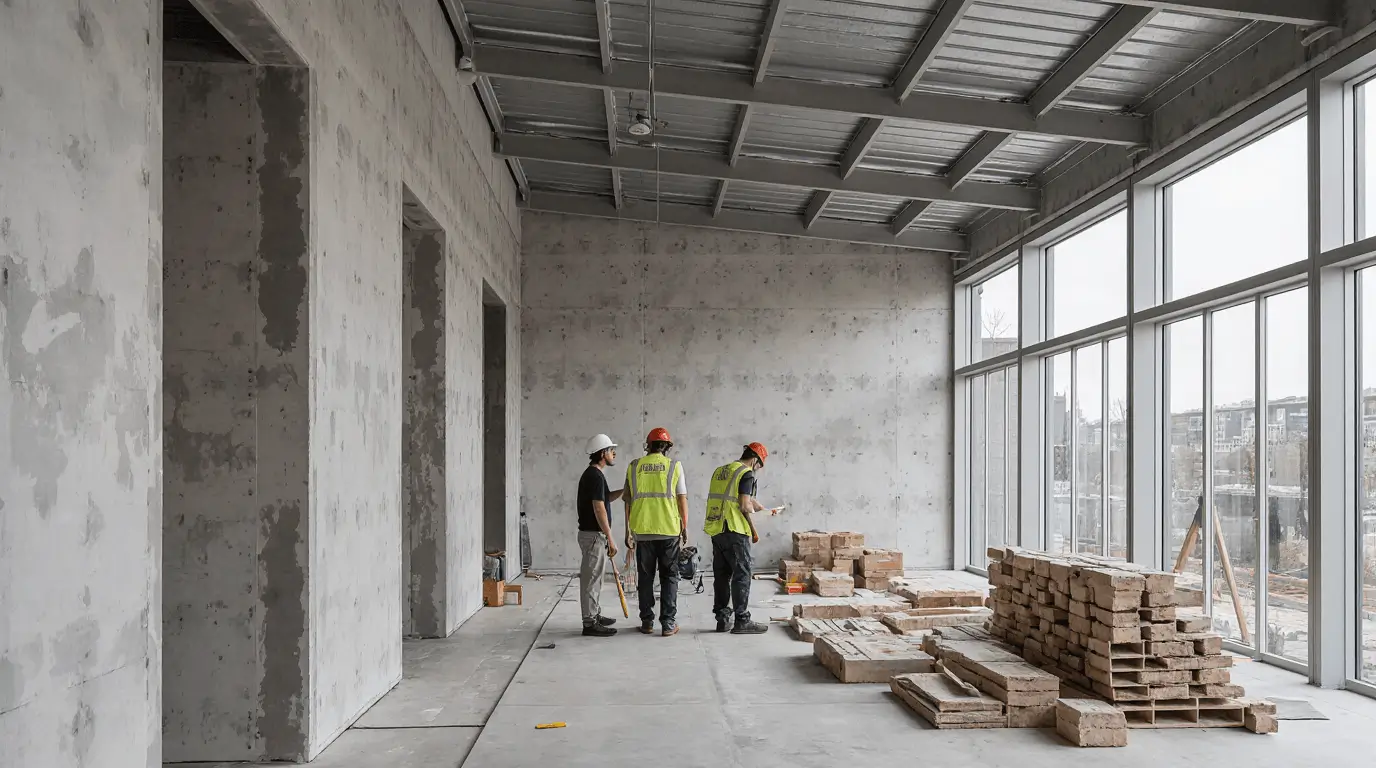
Interior Finishes in Construction Projects
Interior finishes in construction mark the transition from structural work to livable space. They require coordination between trades to ensure seamless integration of materials and systems.
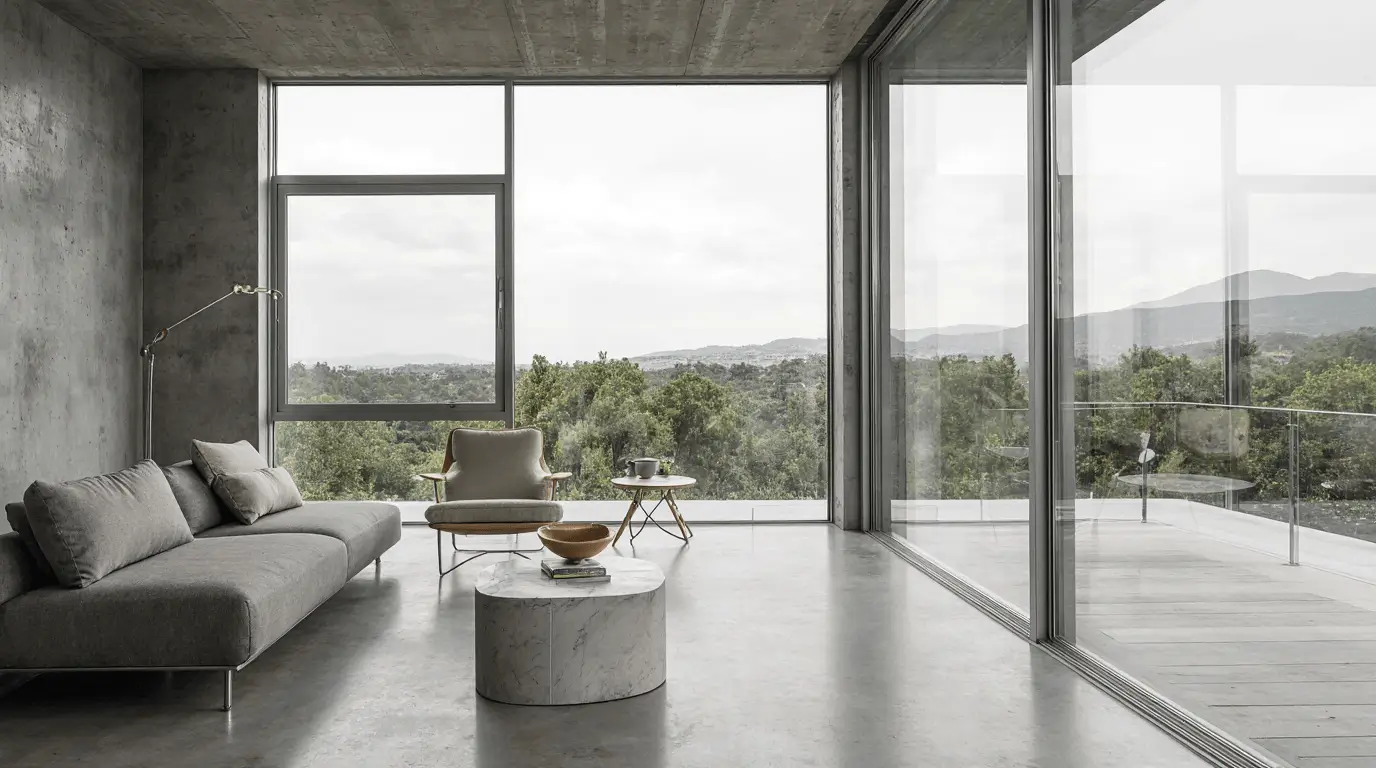
Interior Finishes for Modern Architecture
Modern architecture emphasizes clean lines and minimal surfaces. Interior finishes here often include polished concrete, glass, and matte paints to maintain simplicity and clarity.
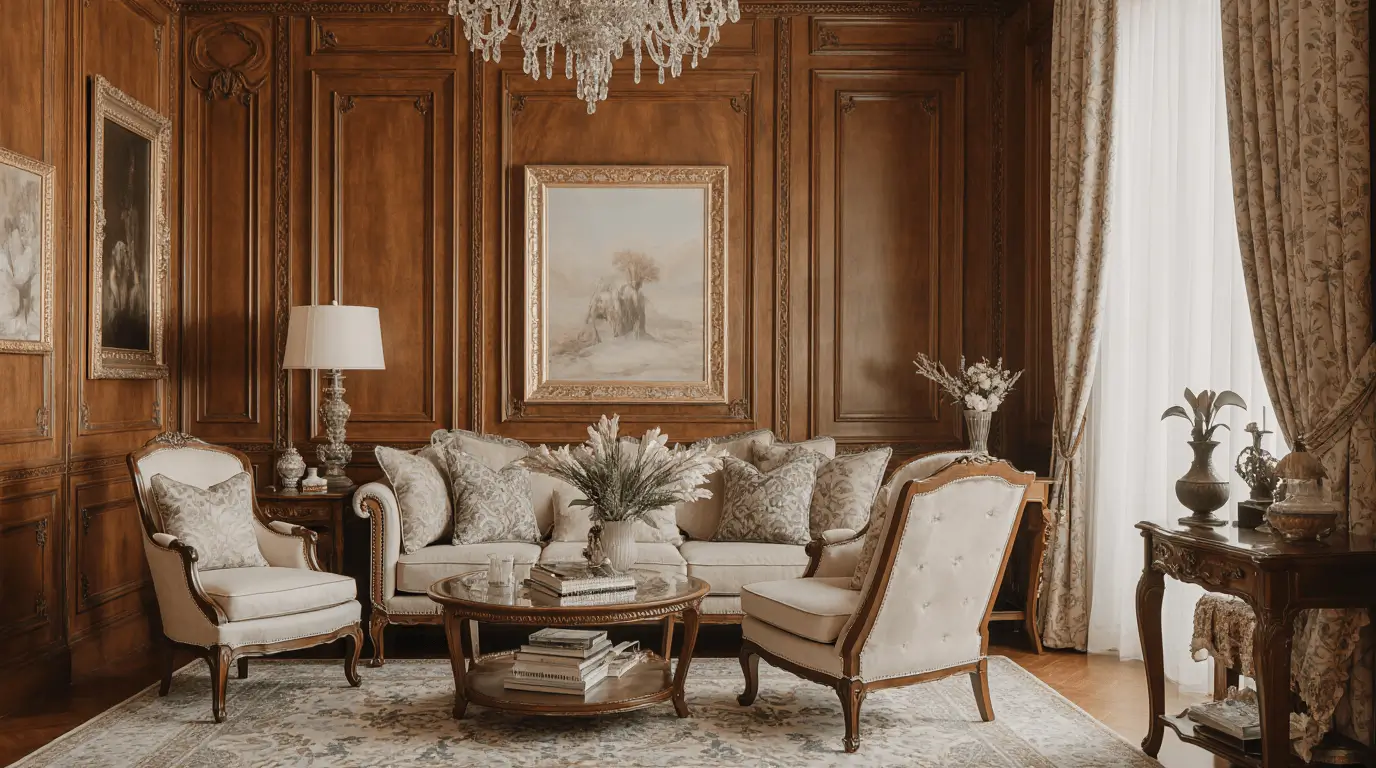
Interior Finishes for Traditional Spaces
Traditional interiors rely on richer textures like wood paneling, decorative plaster, and layered finishes that add depth and warmth.
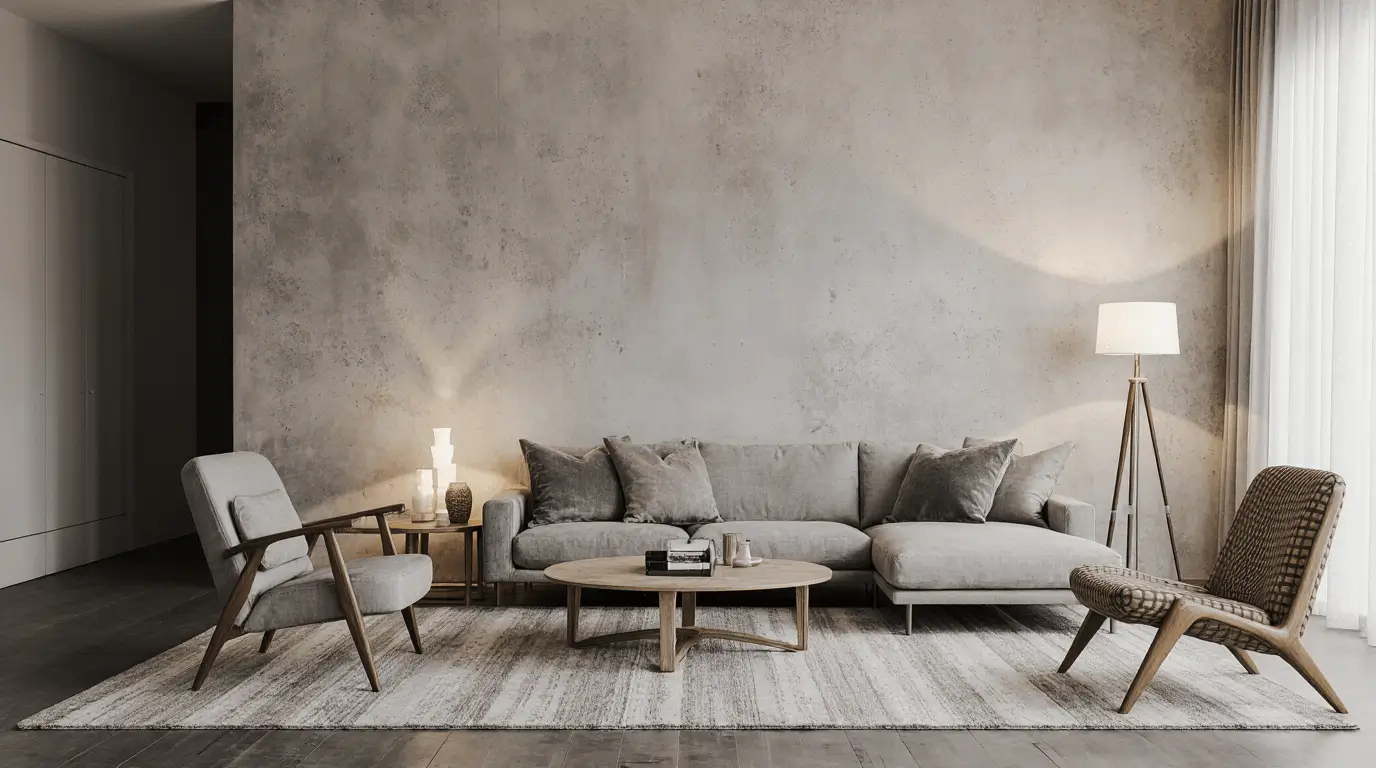
Interior Wall Finishes Types
Different types of interior wall finishes—paint, wallpaper, tiles, and wood—serve varied purposes. Selection depends on durability, maintenance, and design intent.
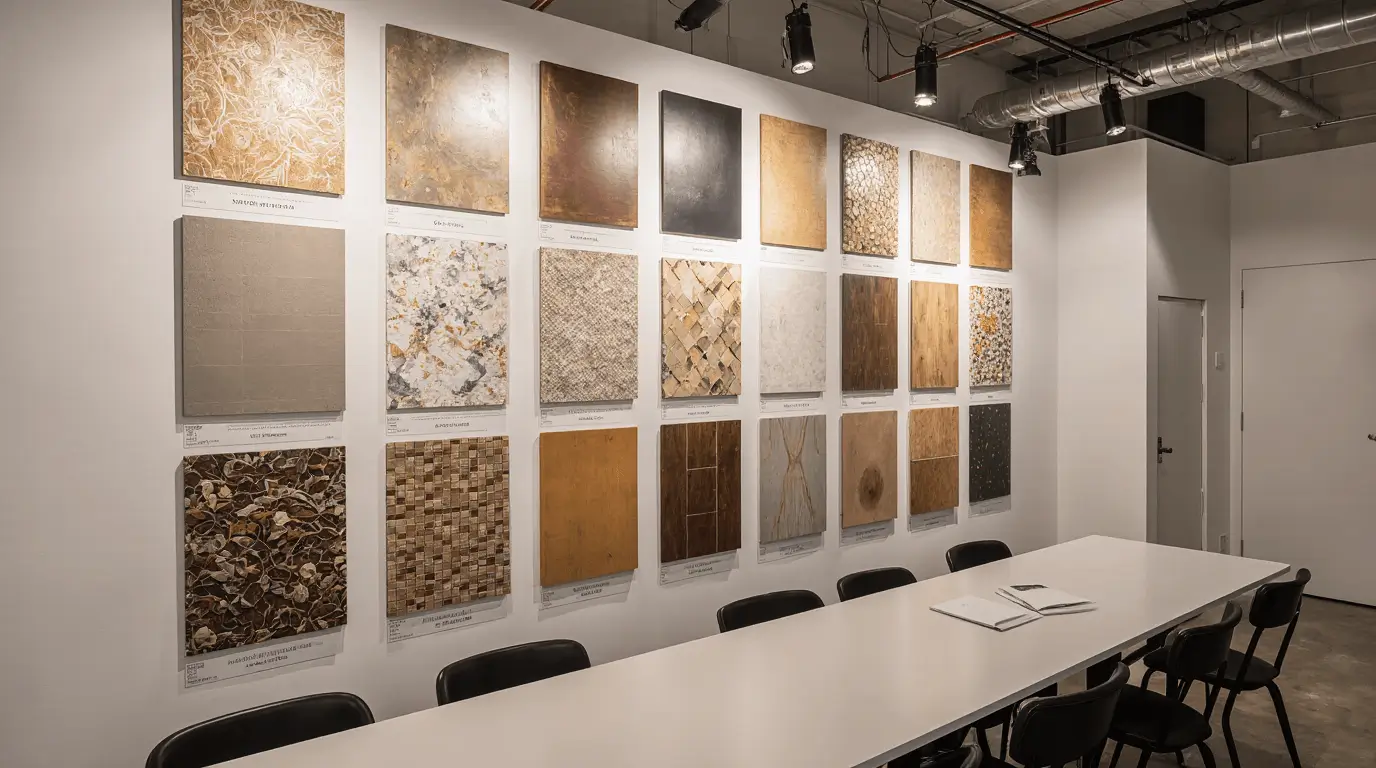
Interior Finishes Using Plaster Walls
Plaster wall finishes offer a refined, seamless look. They are valued for their durability and ability to create textured or polished surfaces.
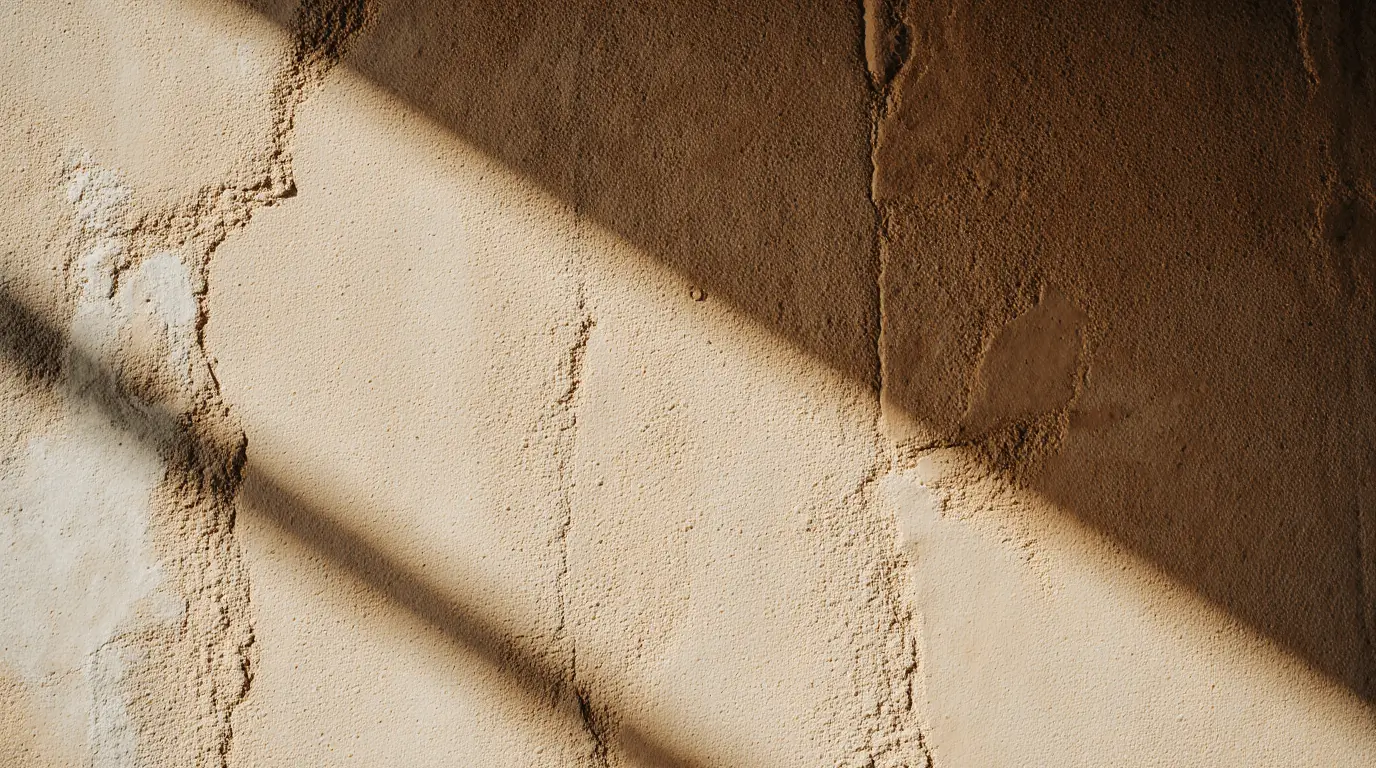
Interior Finishes with Paint Applications
Paint remains the most versatile interior finish. It allows quick transformation and supports a wide range of color palettes and moods.
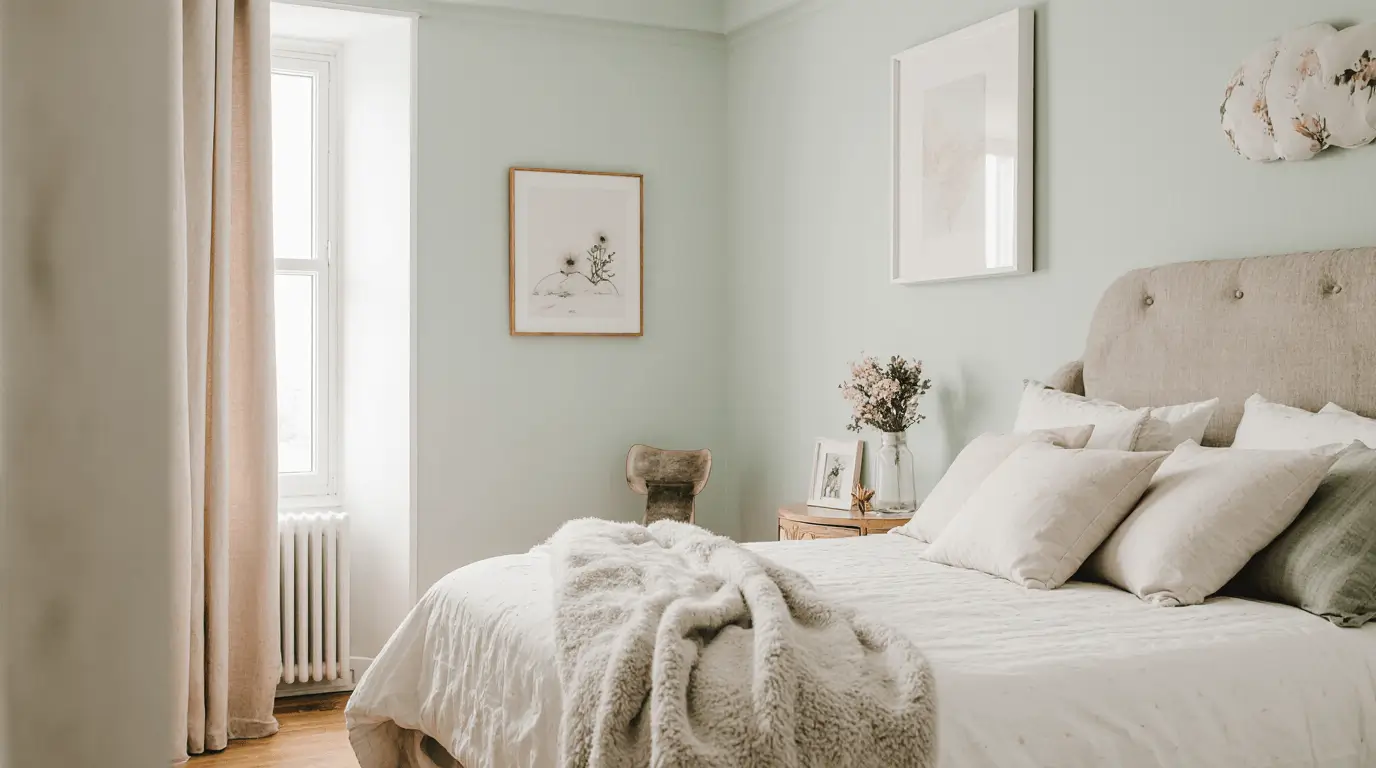
Interior Finishes with Wallpaper Designs
Wallpaper introduces pattern, depth, and personality. It’s ideal for feature walls and spaces where visual interest is desired.
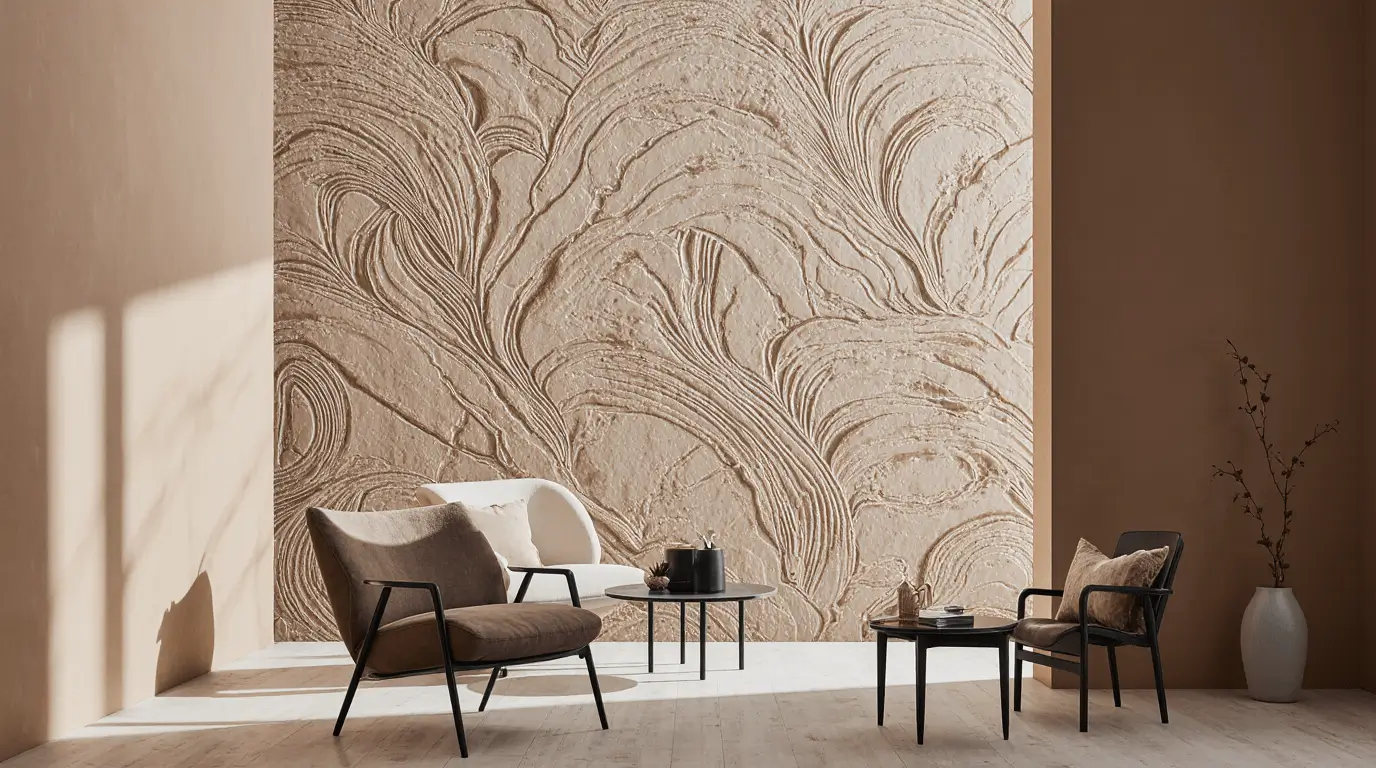
Interior Finishes with Wood Paneling
Wood paneling adds warmth and texture. It works well in both modern and classic interiors, offering natural beauty and acoustic benefits.
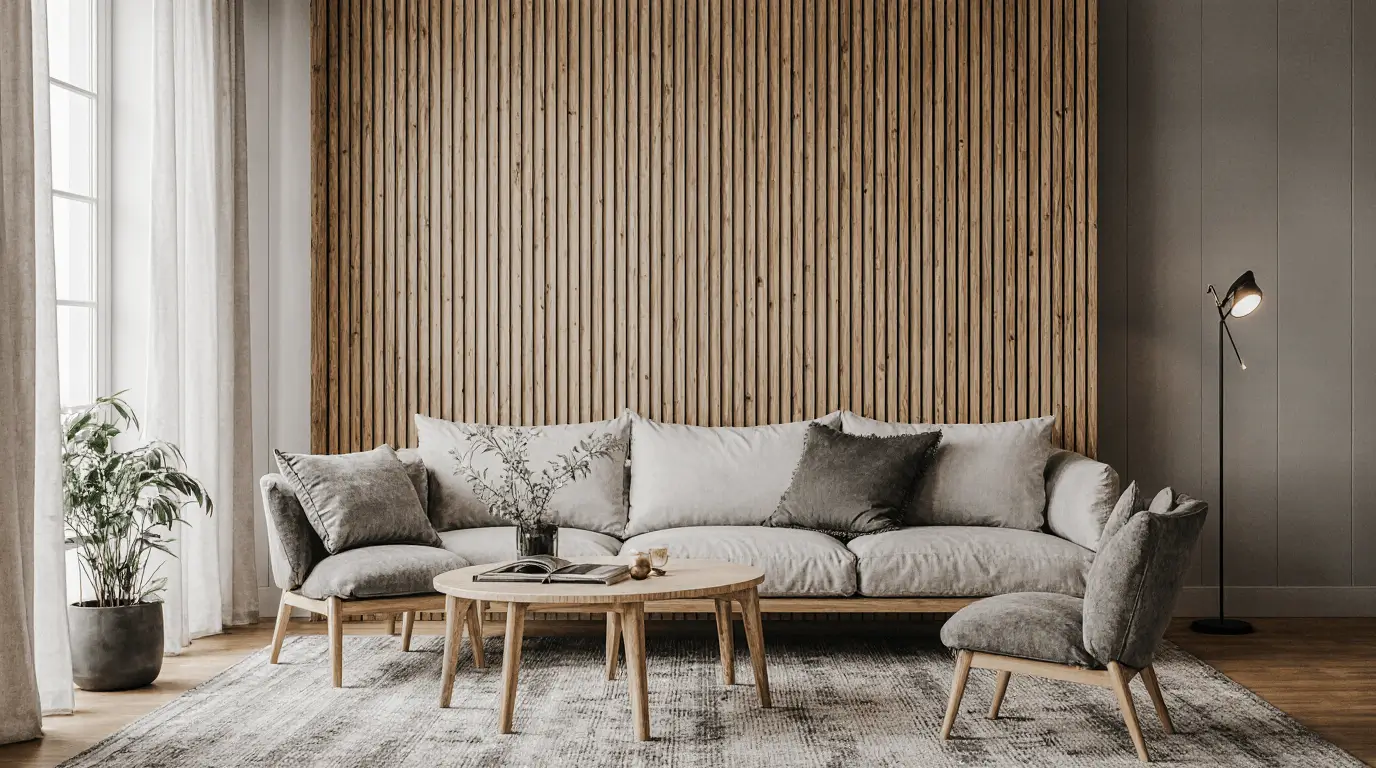
Interior Finishes for Ceilings
Ceiling finishes—such as gypsum boards, wood slats, or exposed structures—impact lighting and spatial perception.
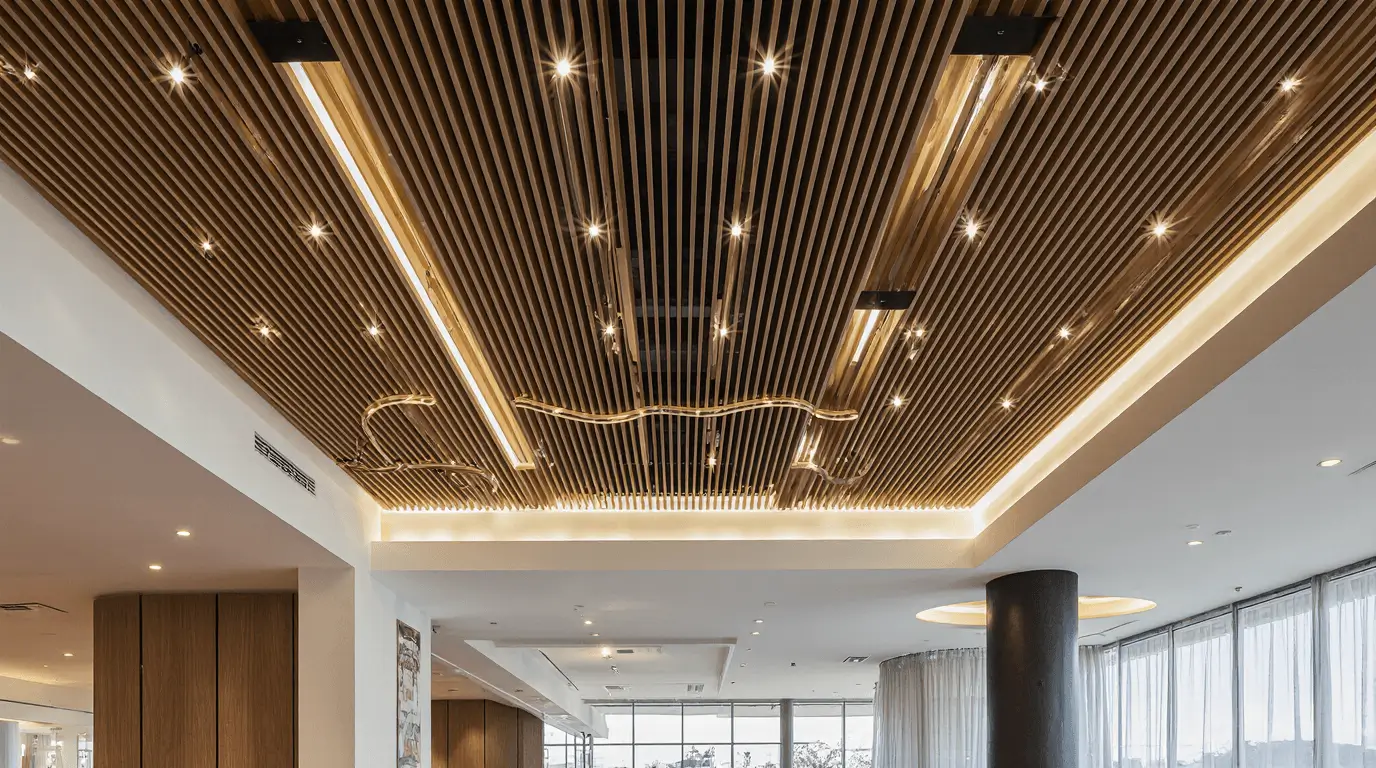
Interior Finishes for Flooring
Floor finishes like tiles, hardwood, and stone provide durability and define circulation zones. They must balance aesthetics with functionality.
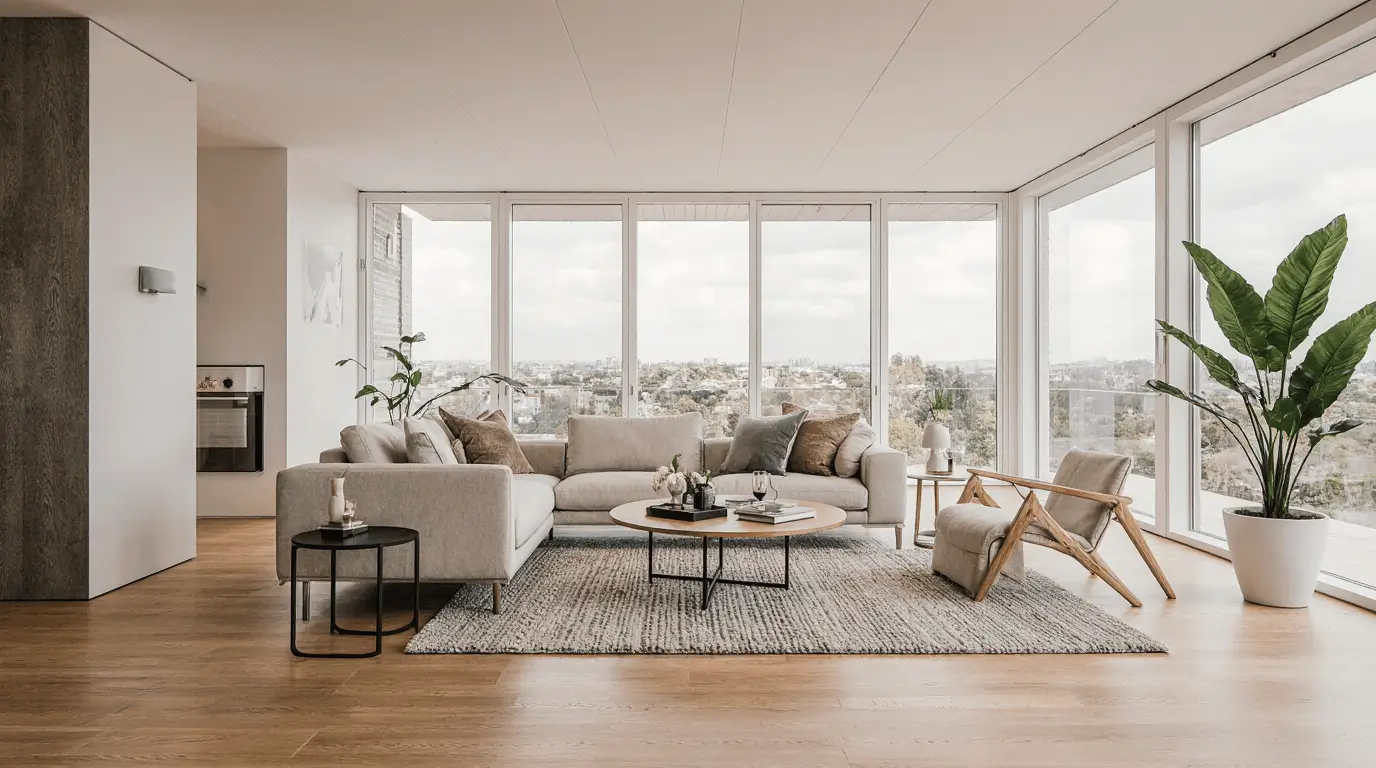
Interior Finishes for Wet Areas
Bathrooms and kitchens require moisture-resistant finishes such as tiles, sealed stone, or waterproof coatings.
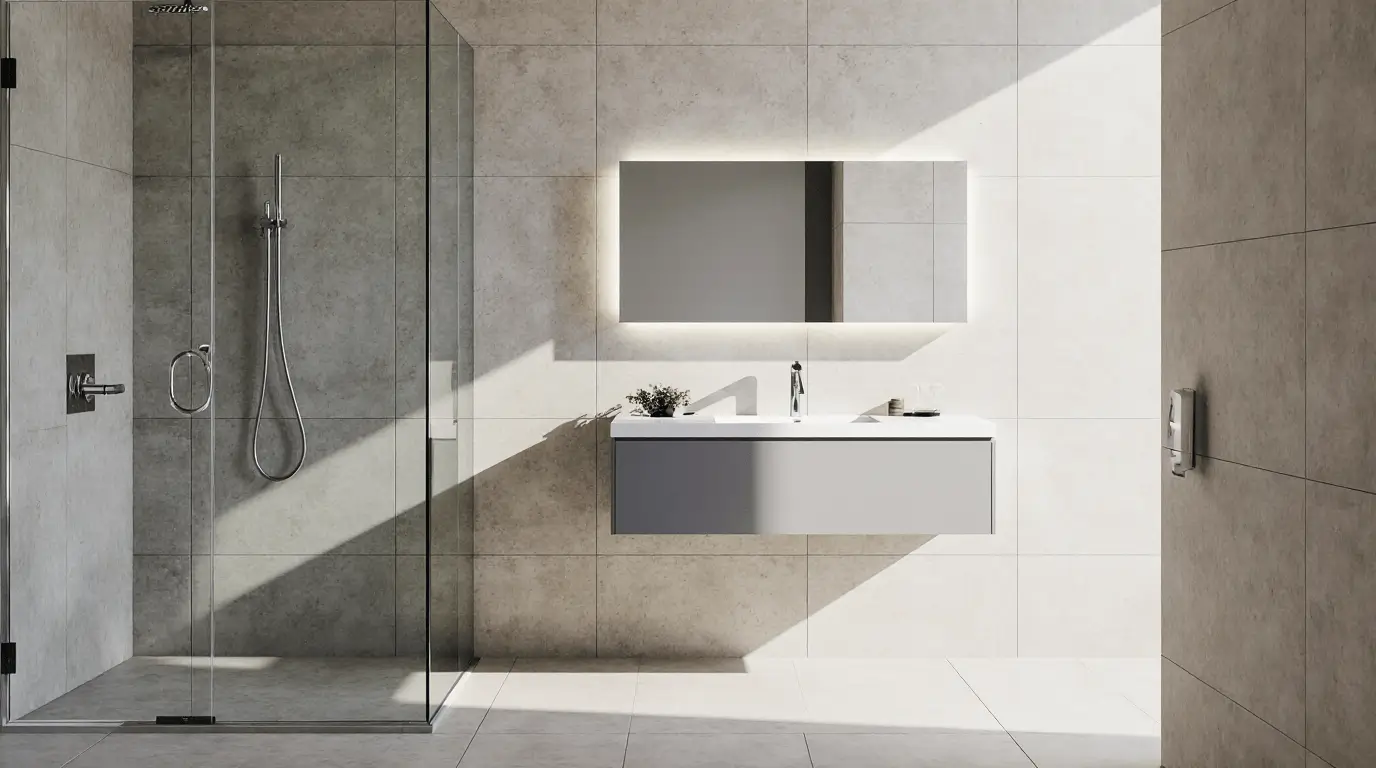
Interior Finishes for Commercial Spaces
Commercial interiors prioritize durability and branding. Finishes must withstand heavy use while reflecting the company’s identity.
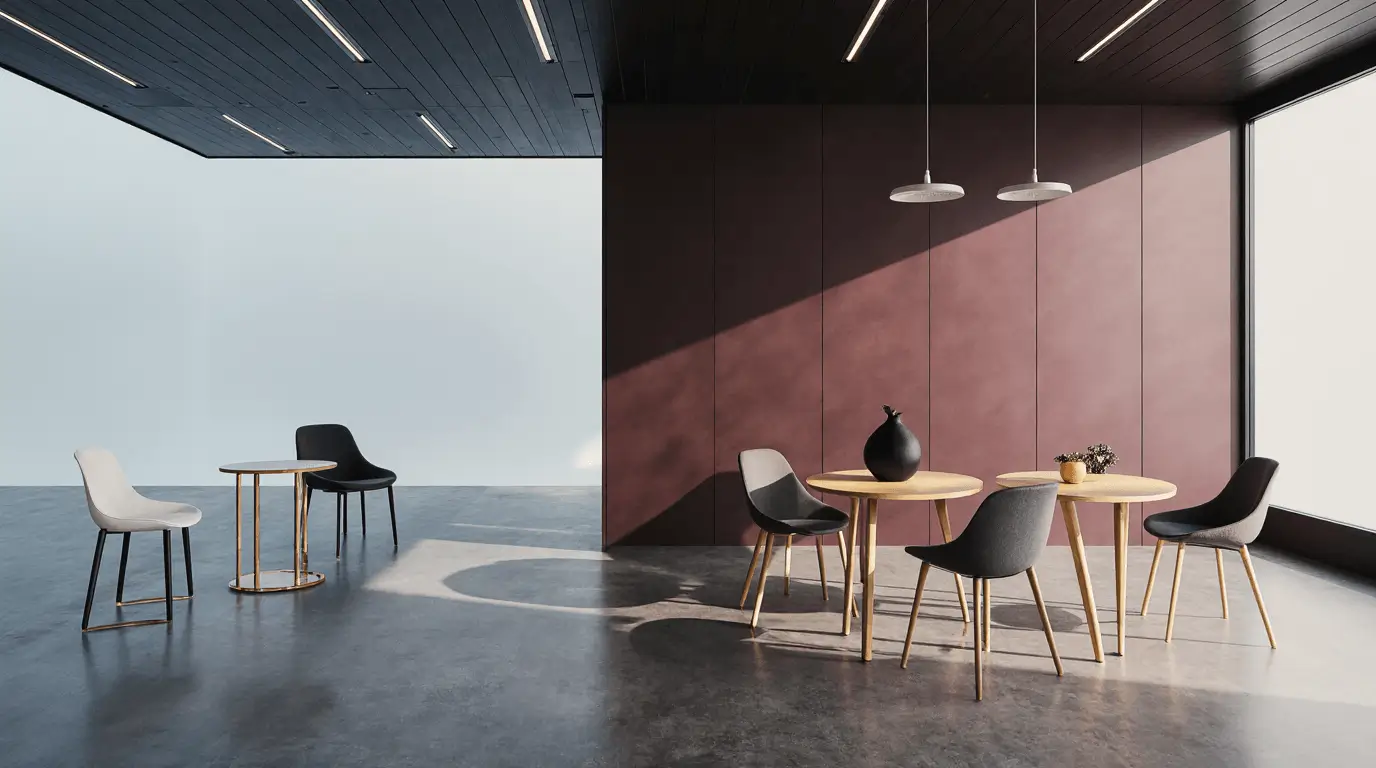
Interior Finishes for Minimalist Design
Minimalist interiors rely on subtle finishes—smooth walls, neutral palettes, and uncluttered surfaces—to create calm environments.
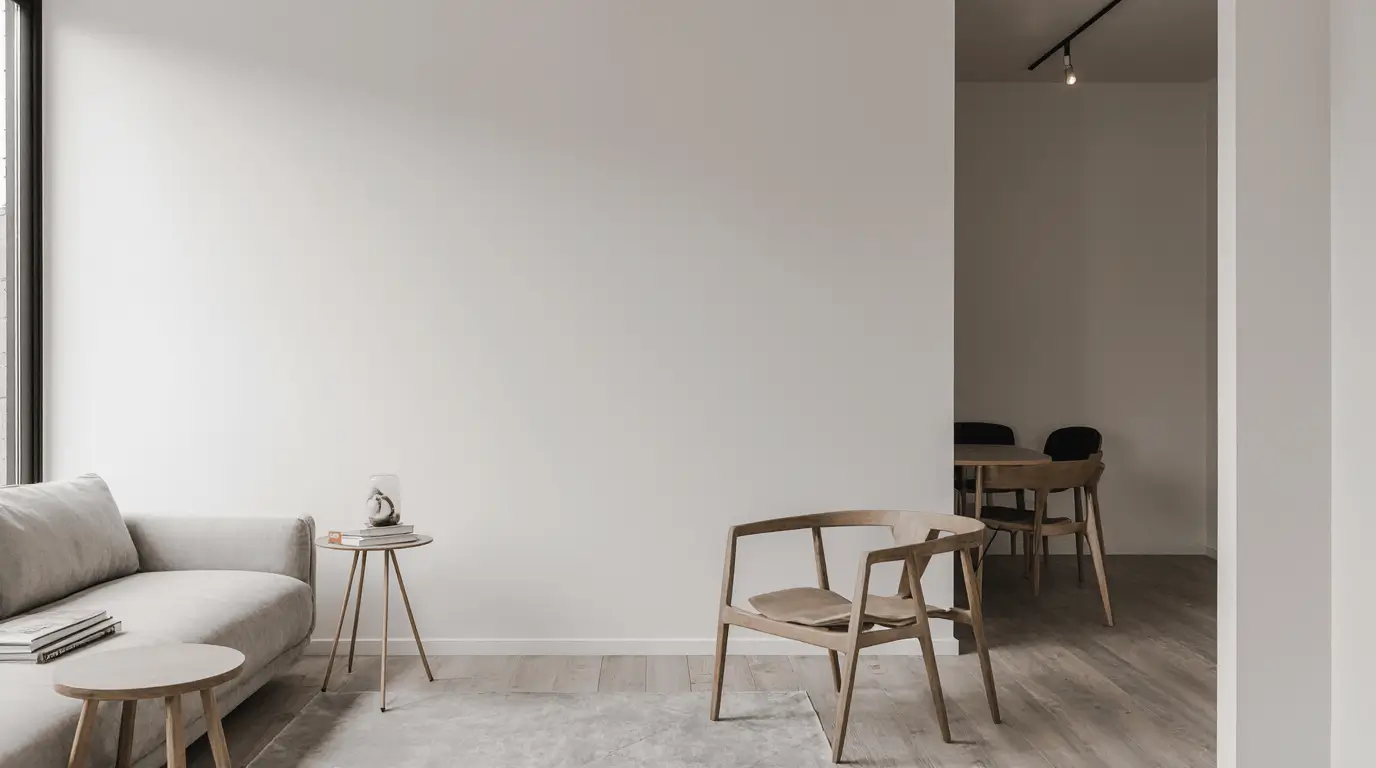
Interior Finishes with Decorative Textures
Textured finishes like stucco, concrete effects, or fabric panels add tactile interest and depth to interiors.
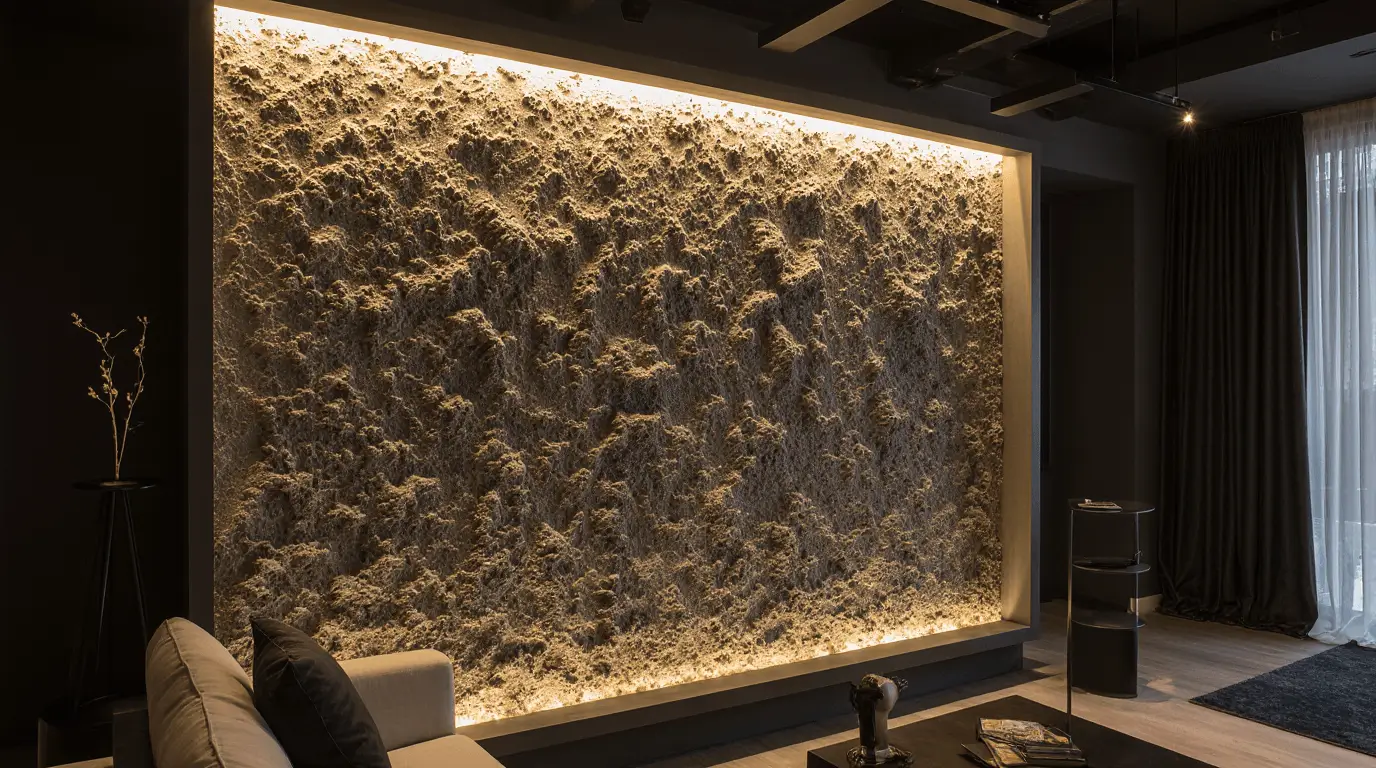
Interior Finishes for Sustainable Design
Sustainable interior finishes use eco-friendly materials like bamboo, recycled wood, and low-VOC paints to reduce environmental impact.
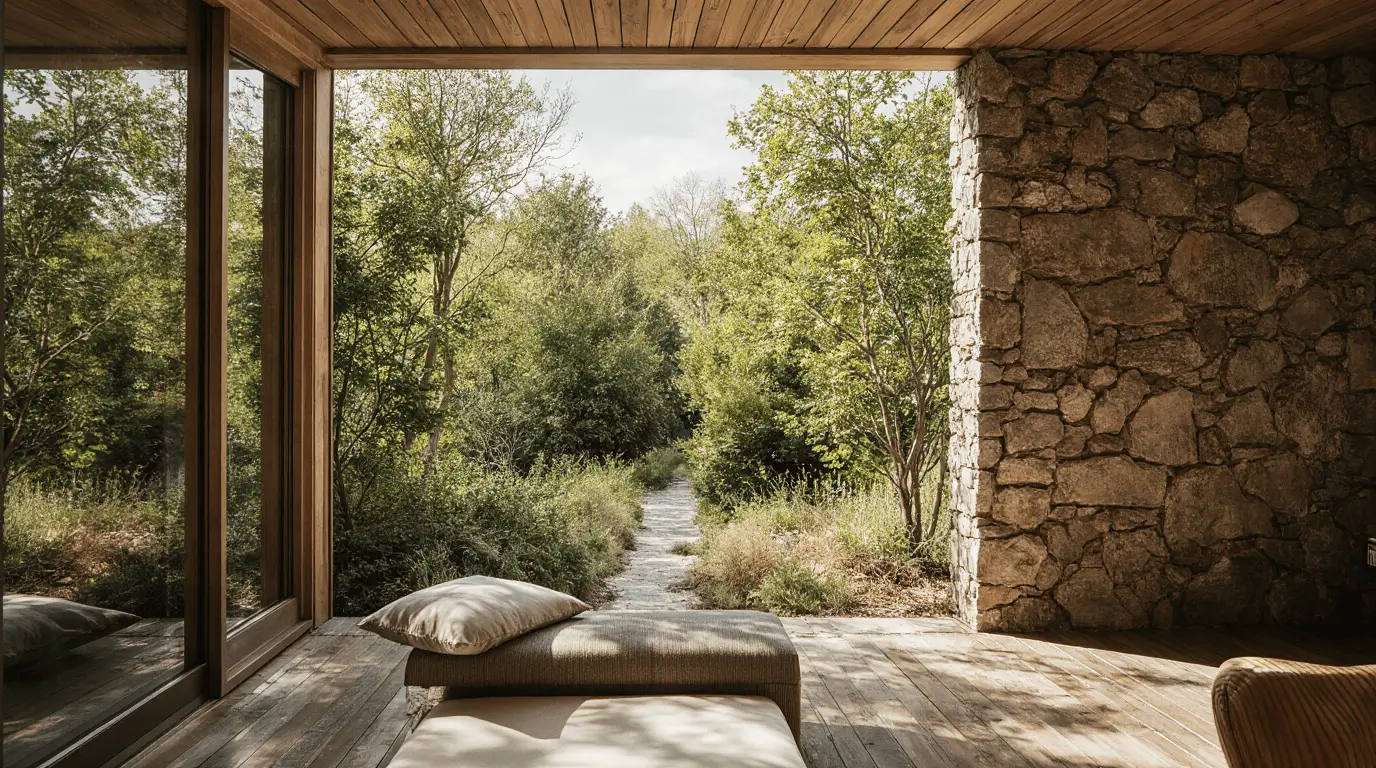
Interior Finishes for Luxury Interiors
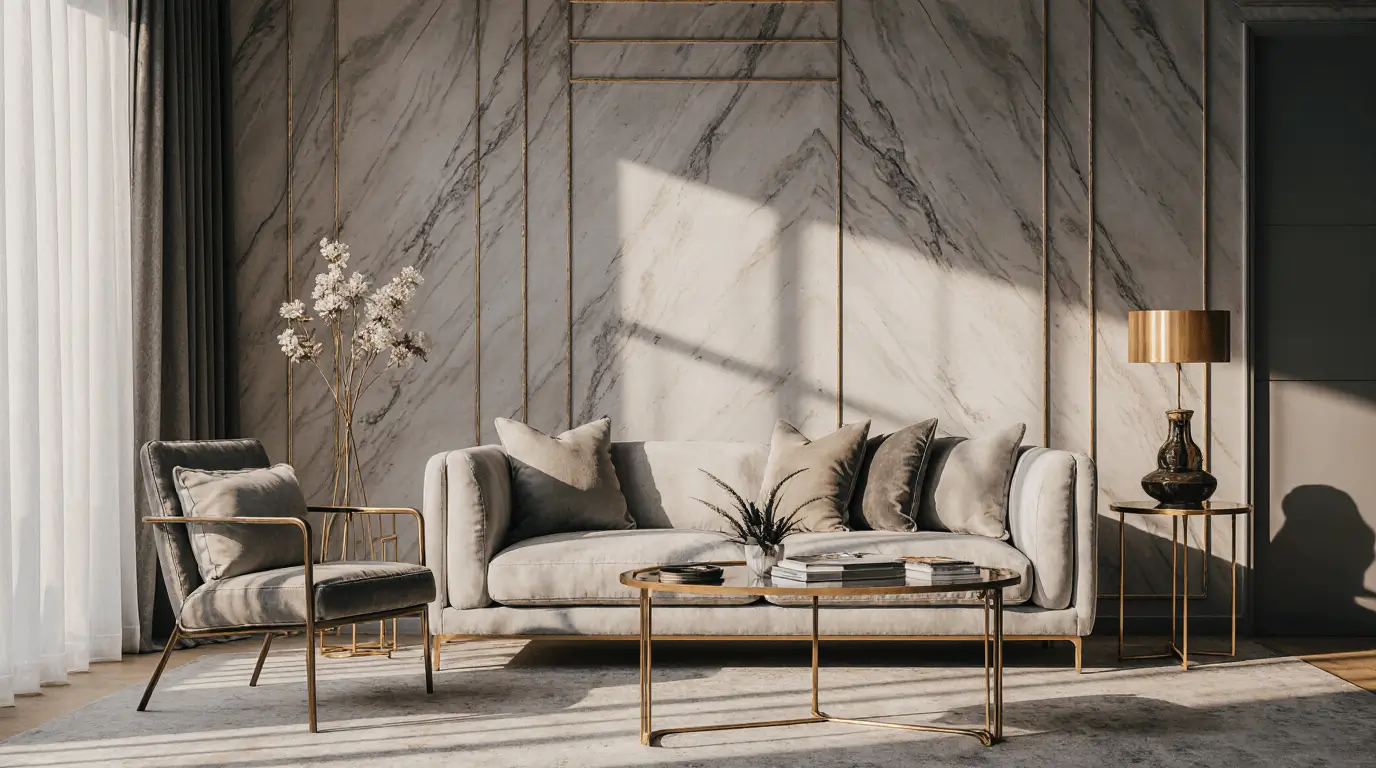
Luxury finishes include marble, high-gloss surfaces, and custom detailing. These materials emphasize craftsmanship and exclusivity.
Interior Finishes for Small Spaces
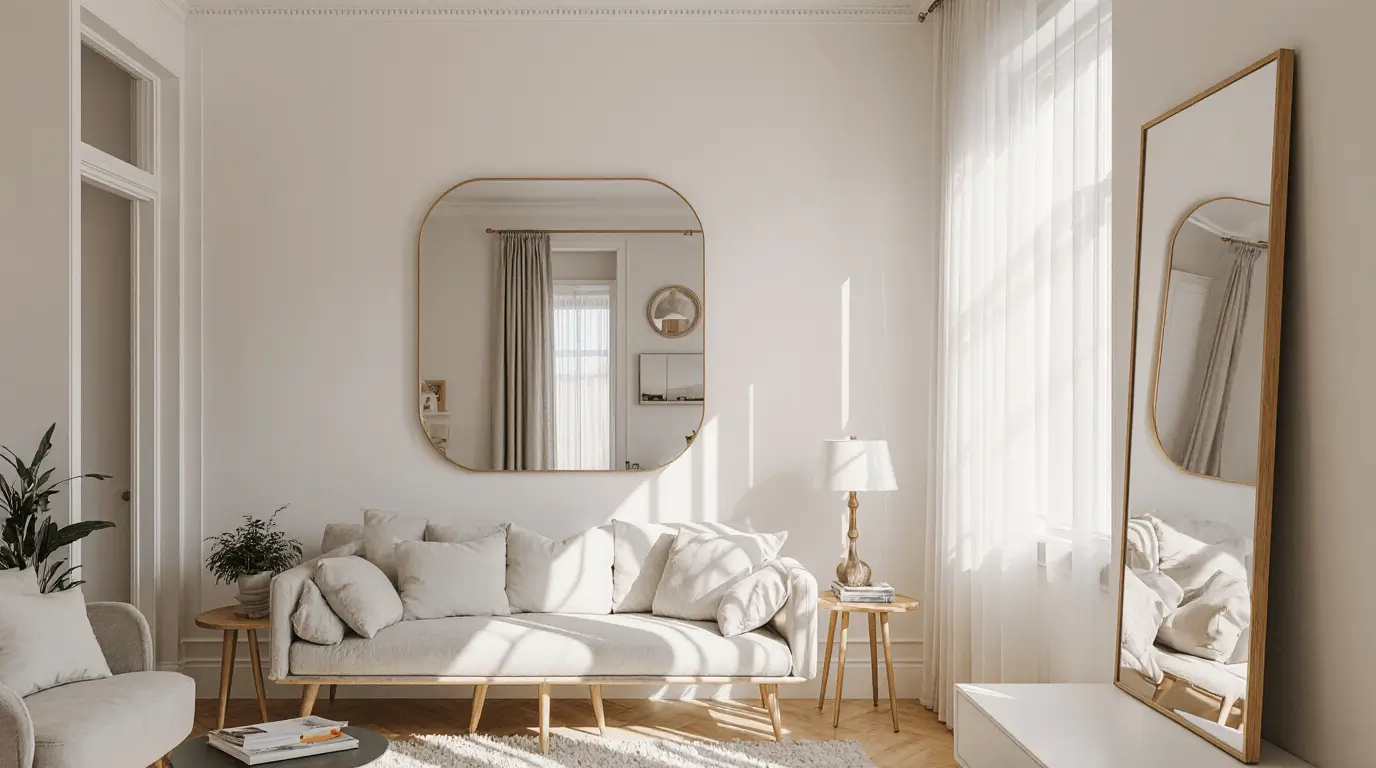
In compact areas, finishes should enhance light and openness. Light colors and reflective materials help maximize perceived space.
Interior Finishes and Lighting Integration
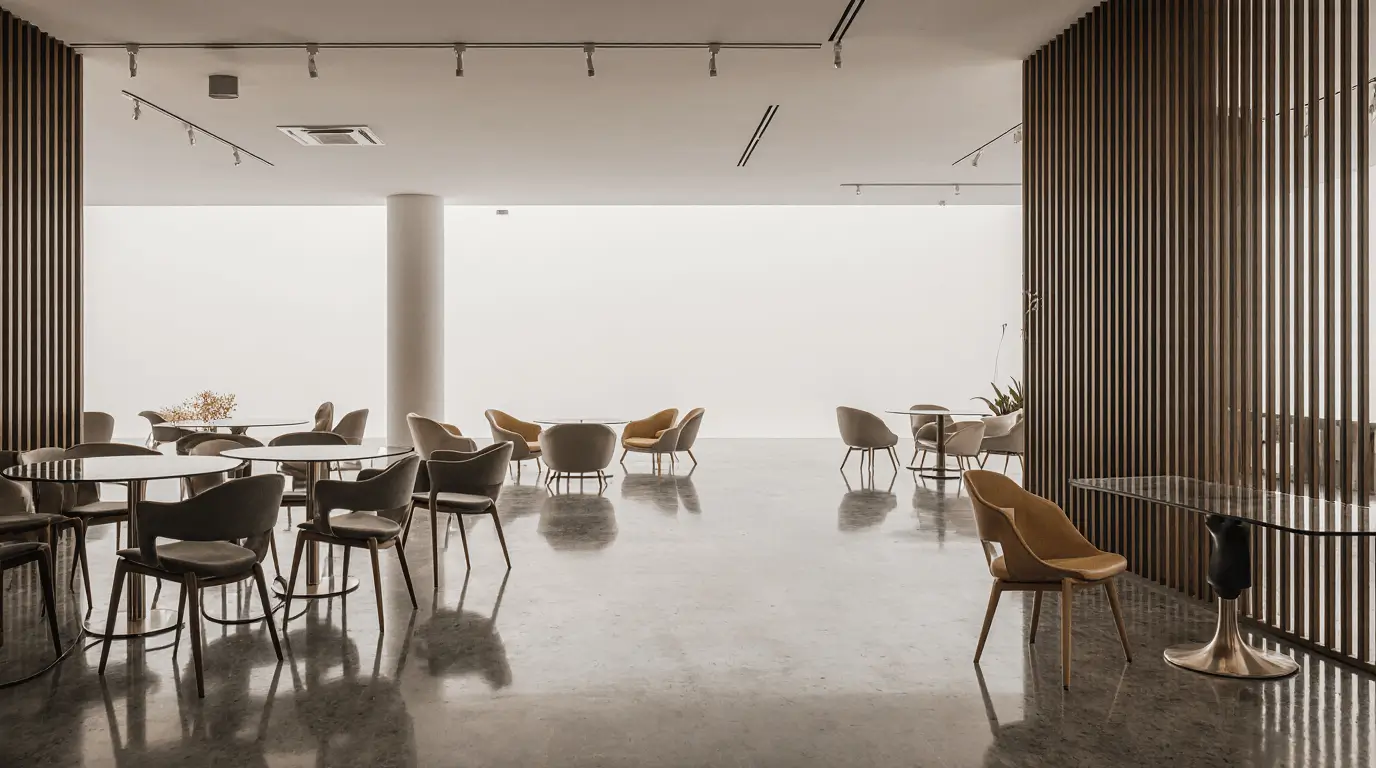
Finishes interact with lighting to shape ambiance. Matte surfaces diffuse light, while glossy finishes reflect it for dramatic effects.
Interior Finishes as a Design Statement
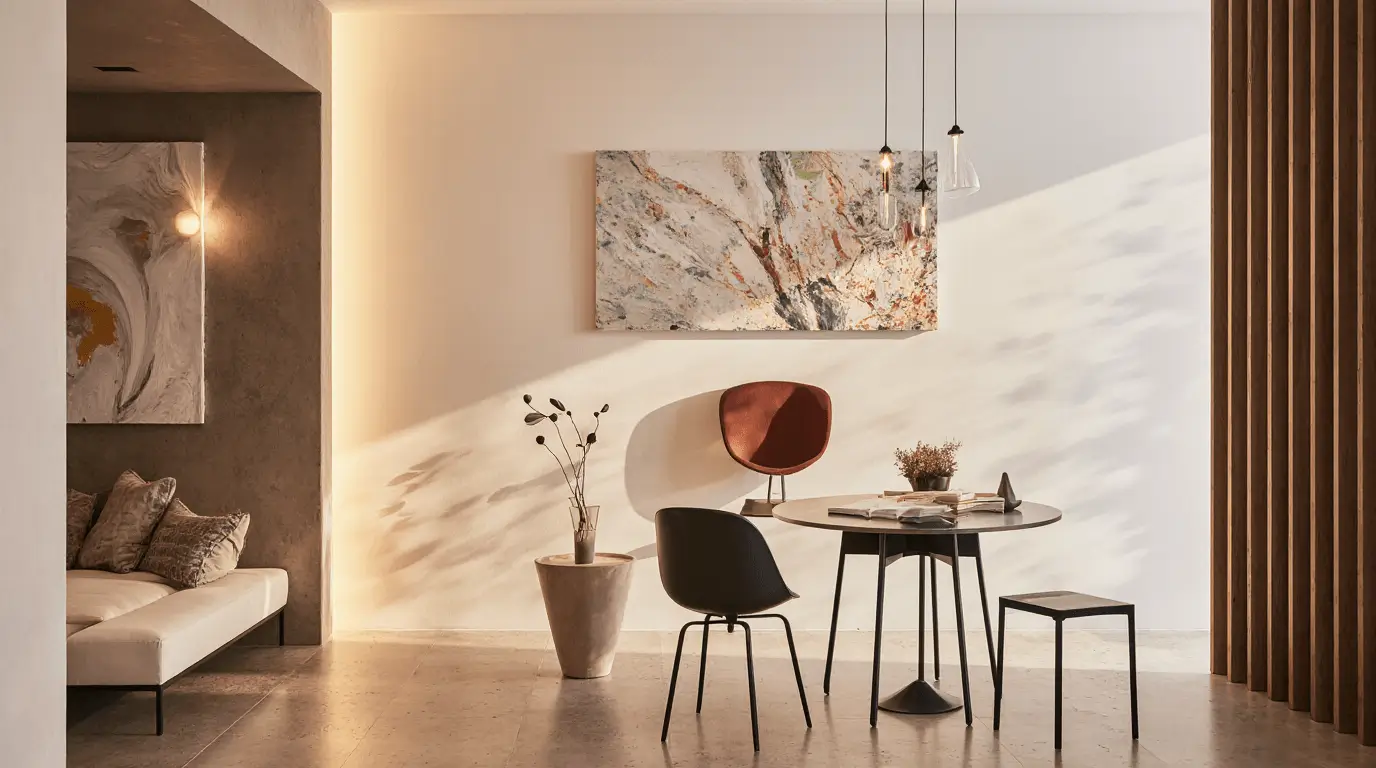
Well-chosen interior finishes tell a story. They reflect personal style, cultural influences, and the intended experience of a space.
Conclusion: Bringing Interior Finishes Together with Purpose
Interior finishes are where design intentions become tangible. They bridge the gap between structure and lived experience, shaping how a space looks, feels, and functions every day. When chosen thoughtfully, finishes do more than decorate—they enhance comfort, improve durability, and create a sense of harmony that supports both aesthetics and usability.
From experience, the most successful interiors are not defined by expensive materials alone, but by how well each finish works together. A balanced combination of textures, colors, and surfaces can elevate even modest spaces, while poor coordination can diminish the impact of high-end materials. The key lies in understanding the role each finish plays—whether it’s reflecting light, adding warmth, resisting wear, or defining a visual focal point.
For homeowners, designers, and builders alike, focusing on interior finishes is a practical way to make confident decisions. Start by identifying the purpose of each space, consider long-term maintenance, and choose materials that align with both lifestyle and design vision. When done right, interior finishes create environments that are not only visually appealing but also enduring, comfortable, and deeply personal.
Learn more : Georgian Townhouse Interior: Timeless Modern Style
FAQs About Interior Finishes
- What are interior finishes, and why are they important?
Interior finishes are the final surface treatments applied to walls, floors, and ceilings. They are important because they define the look, feel, and performance of a space, influencing everything from durability to ambiance. - How do I choose the right interior finishes for my home?
Start by considering the function of each room, your lifestyle, and maintenance needs. For example, high-traffic areas benefit from durable materials, while living spaces can prioritize comfort and aesthetics. - Which wall finishes are the most durable?
Paint with washable coatings, ceramic tiles, and high-quality plaster finishes are among the most durable options. The best choice depends on the level of wear and exposure to moisture or impact. - Are expensive finishes always better?
Not necessarily. Quality and suitability matter more than price. A well-chosen, mid-range finish that fits the space can outperform a costly material used in the wrong context. - How do interior finishes affect lighting?
Finishes influence how light is absorbed or reflected. Glossy surfaces reflect light and can brighten a room, while matte finishes soften light and create a more subdued atmosphere. - What are the best finishes for small spaces?
Light-colored paints, reflective surfaces, and minimal textures help make small spaces feel larger and more open. Consistency across surfaces also reduces visual clutter. - Can interior finishes be updated without major renovation?
Yes, many finishes like paint, wallpaper, and some wall panels can be updated relatively easily. These changes can significantly refresh a space without structural work.





One Response