
Introduction
Interior designer facts go far beyond choosing colors or arranging furniture—they reveal a discipline that blends psychology, architecture, functionality, and aesthetics into one cohesive experience. Whether you’re a homeowner, a design enthusiast, or considering a career, understanding these facts helps you see how interior design shapes the way we live and feel within spaces.
From years of observing design projects evolve—from empty shells to fully realized environments—it becomes clear that interior designers don’t just decorate; they solve spatial problems, enhance well-being, and create environments that reflect identity and purpose. The following insights break down the most important, real-world interior designer facts that define the profession today.
Interior Designer Facts About What Designers Actually Do
Interior designers plan, research, coordinate, and manage projects to enhance interior environments. Their role includes spatial planning, lighting design, material selection, and ensuring safety codes are met.
They act as both creatives and problem-solvers, balancing beauty with usability.
Interior Designer Facts About Space Planning
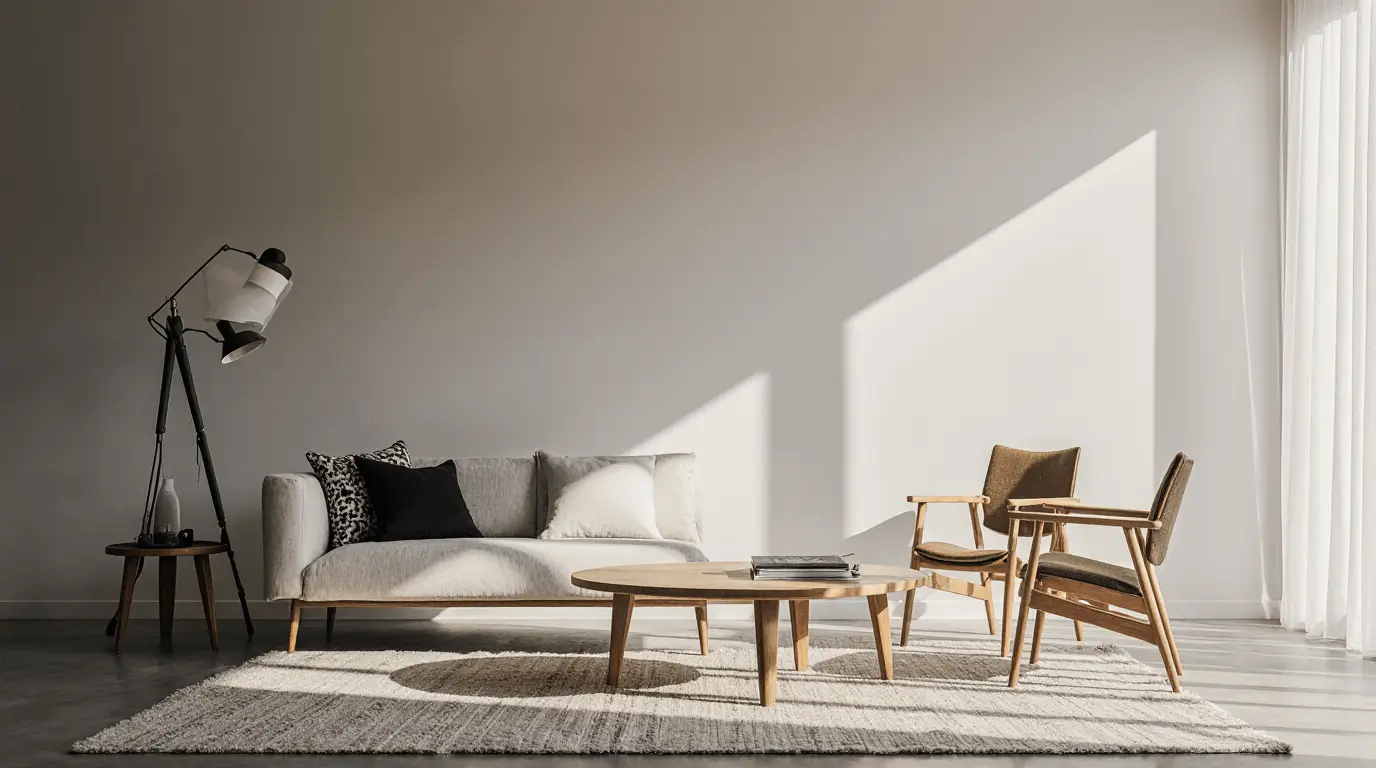
Space planning is one of the most critical aspects of interior design. Designers analyze how people move through a space and optimize layouts for comfort and efficiency.
A well-planned room feels effortless, even if the design is visually complex.
Interior Designer Facts About Human Psychology
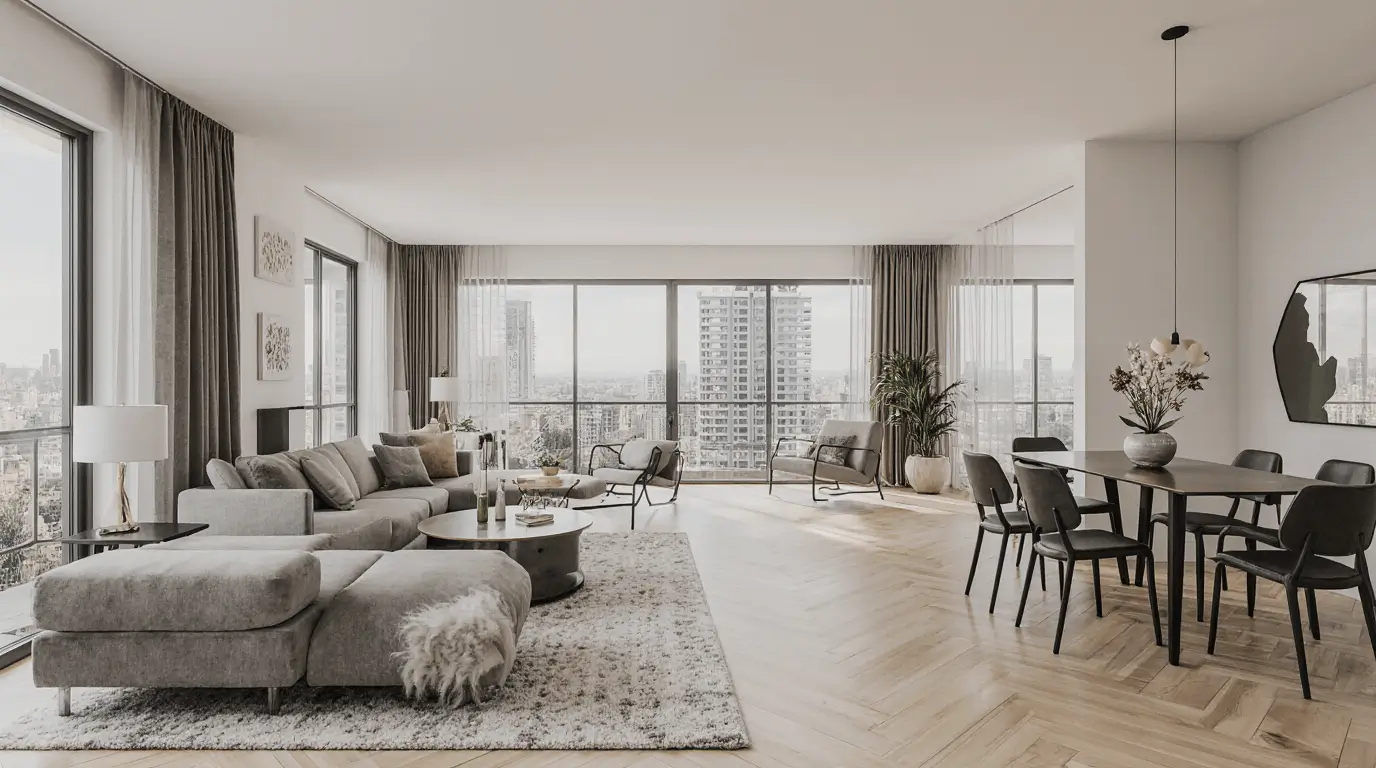
Interior designers rely heavily on psychology to influence mood and behavior. Colors, textures, and lighting can affect emotions, productivity, and relaxation.
Design decisions are often rooted in how people feel—not just how things look.
Interior Designer Facts About Lighting Design
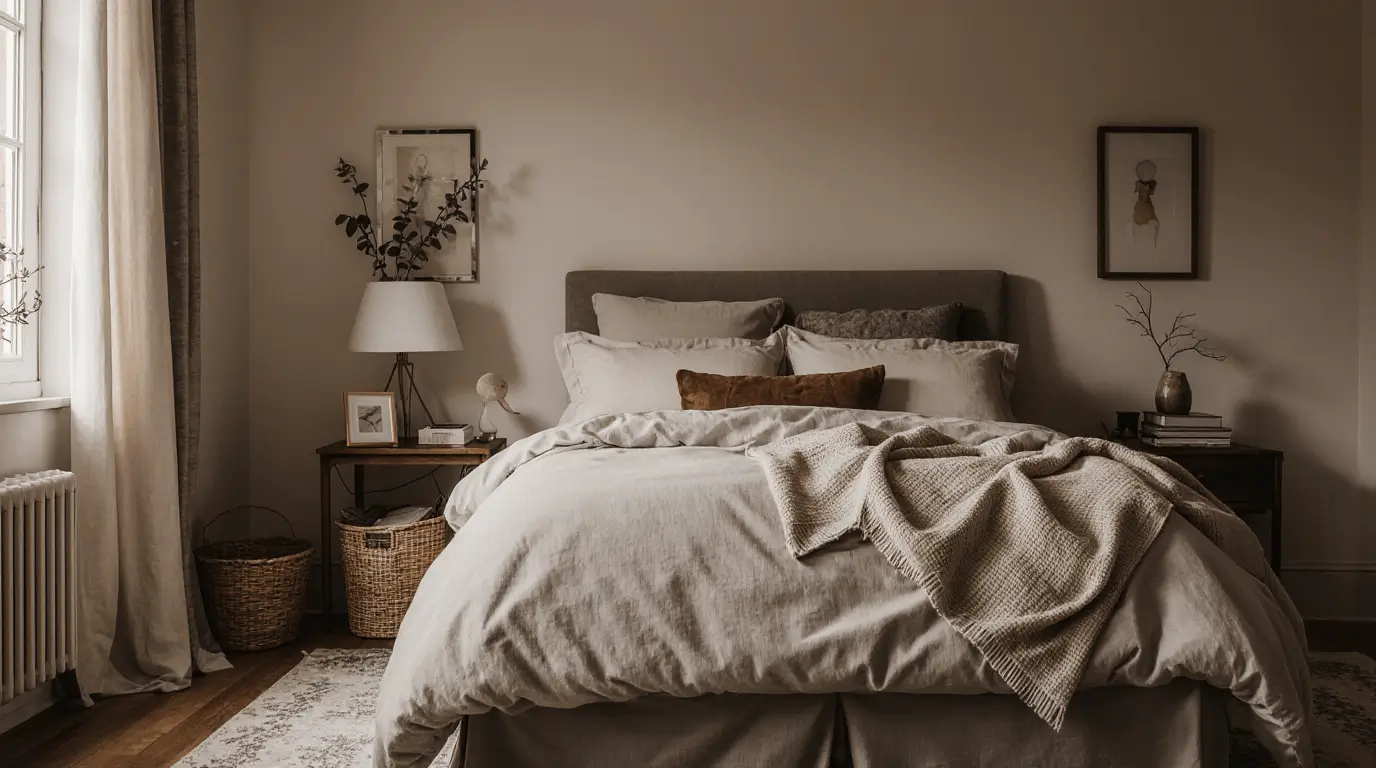
Lighting is not just functional—it defines the entire atmosphere of a space. Designers use ambient, task, and accent lighting to create depth and focus.
Poor lighting can ruin even the best-designed room.
Interior Designer Facts About Materials and Textures
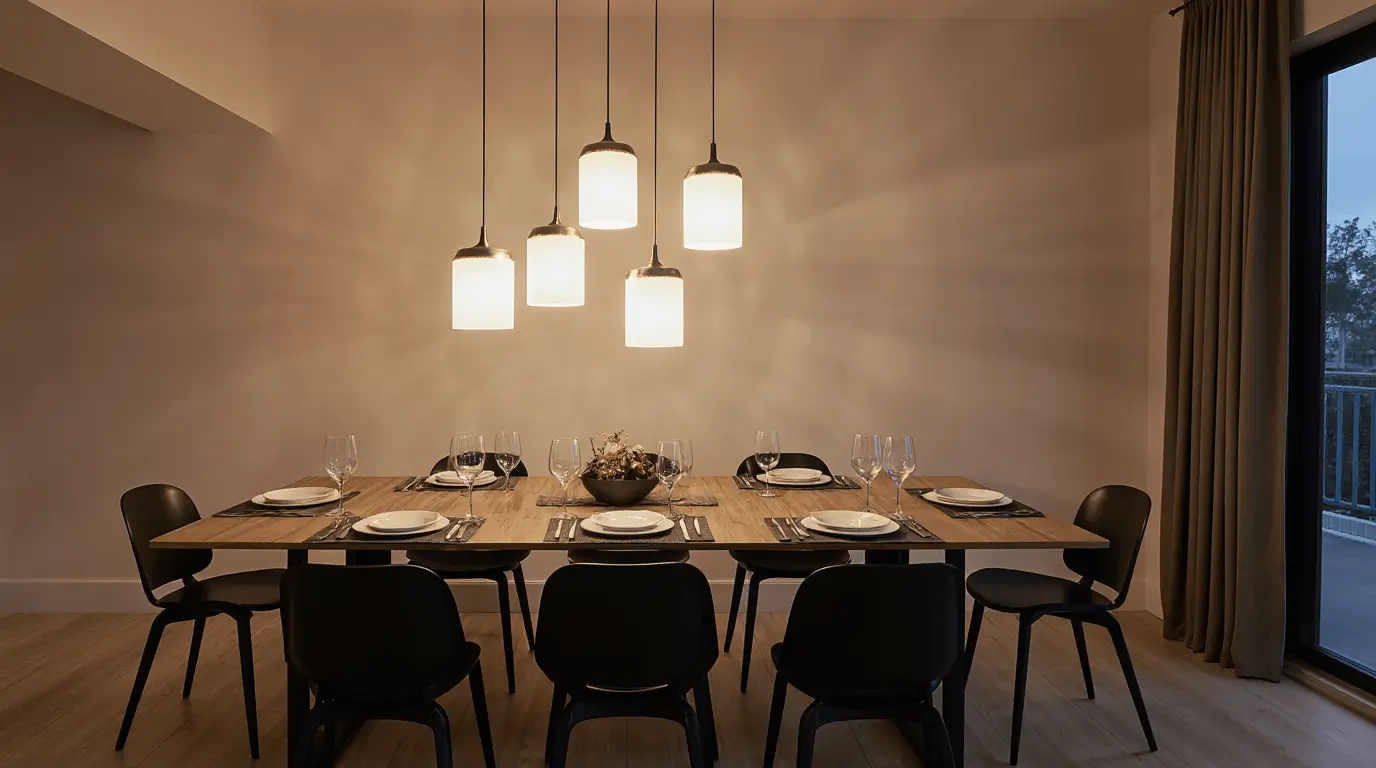
Designers carefully select materials based on durability, aesthetics, and tactile experience. Combining textures—like wood, metal, and fabric—adds richness to a space.
Material choices often determine whether a design feels cold, warm, or inviting.
Interior Designer Facts About Color Theory
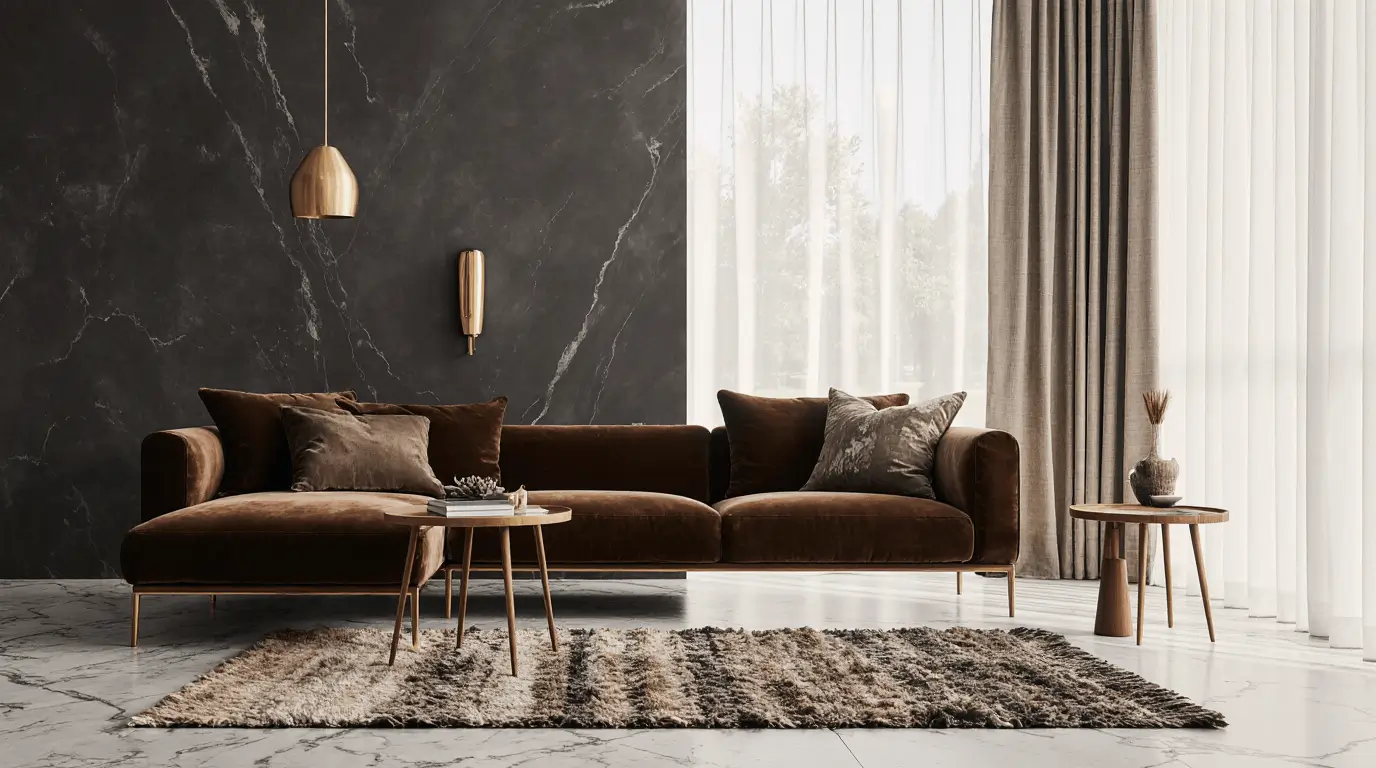
Color choices are strategic, not random. Designers use color theory to create harmony, contrast, and visual interest.
Even subtle shifts in tone can dramatically change how a space is perceived.
Interior Designer Facts About Functionality First
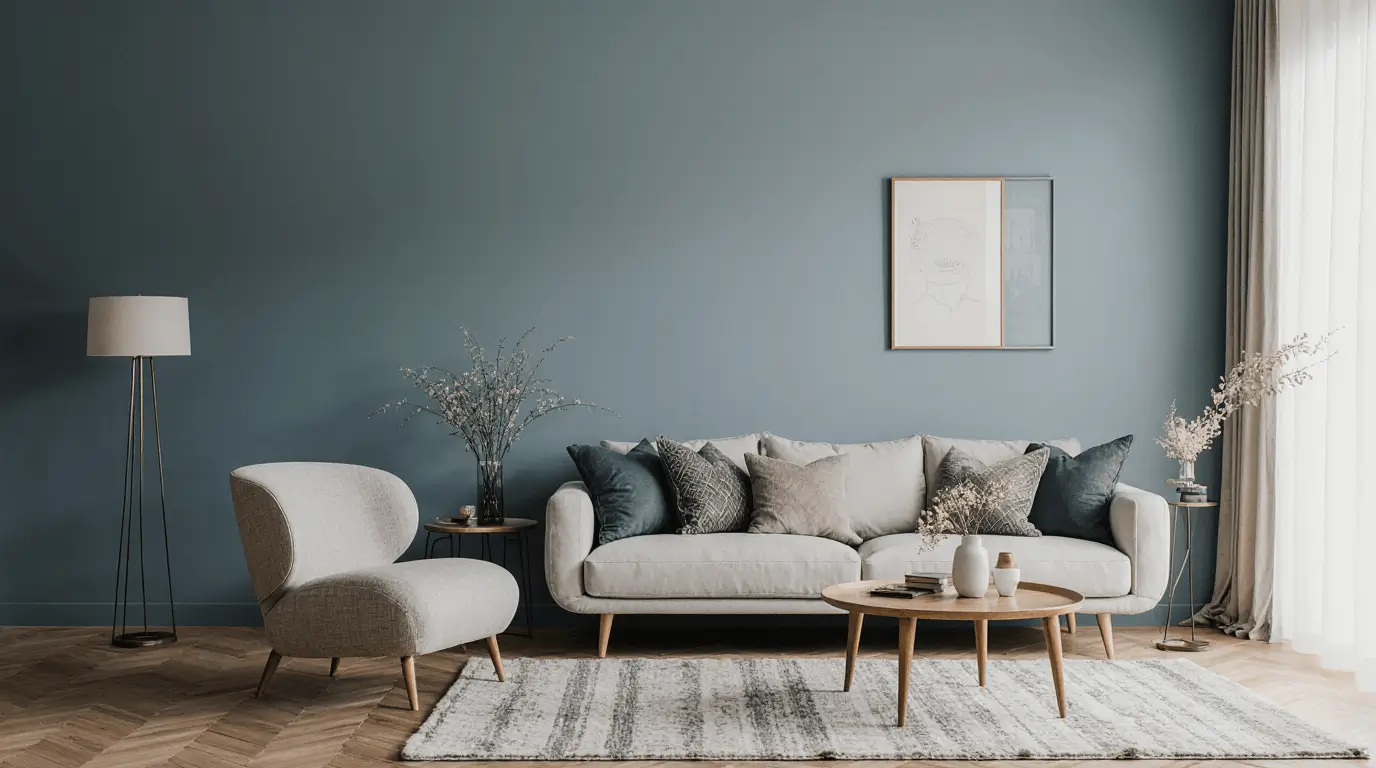
A beautiful space that doesn’t function well fails its purpose. Designers prioritize usability before aesthetics.
Every design decision should support how the space is used daily.
Interior Designer Facts About Budget Management
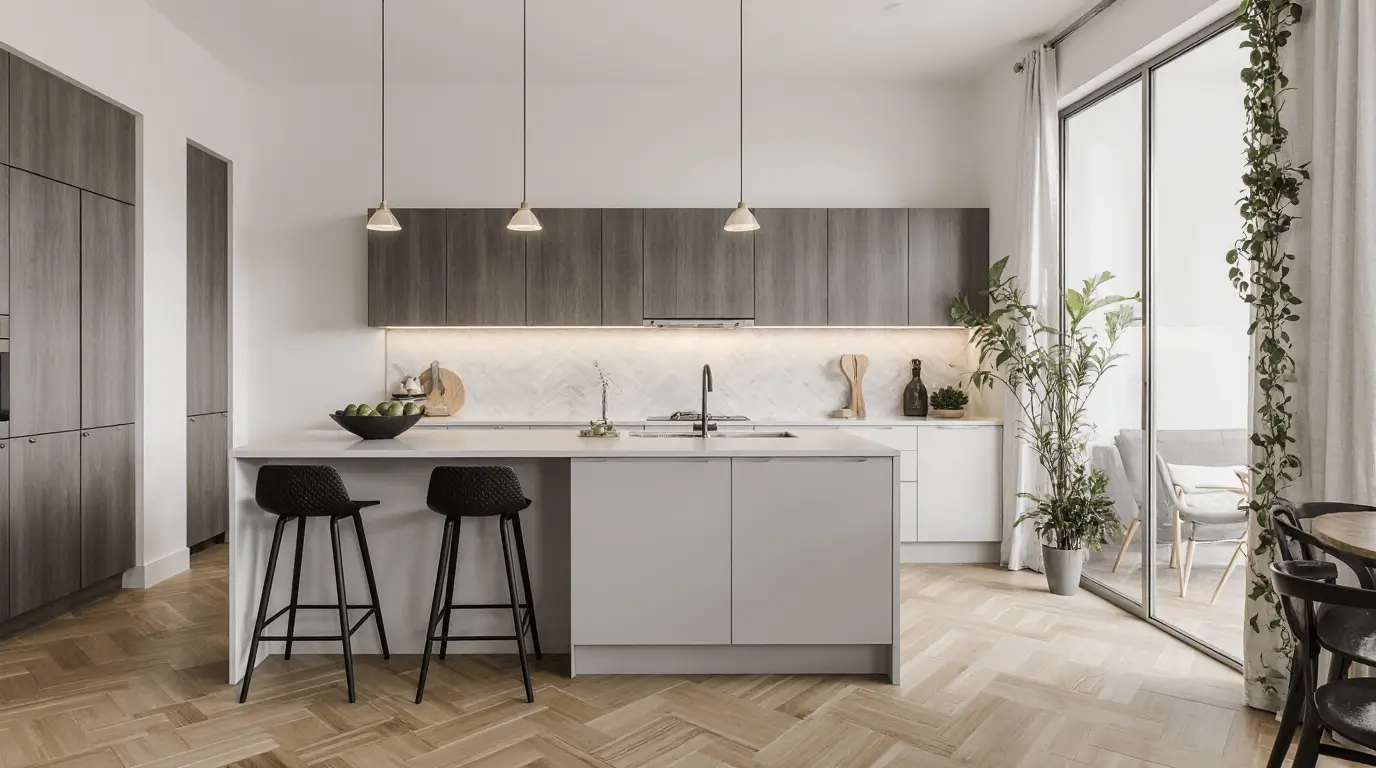
Interior designers work within budgets while maximizing impact. They know where to invest and where to save.
Good design isn’t always expensive—it’s strategic.
Interior Designer Facts About Trends vs Timeless Design
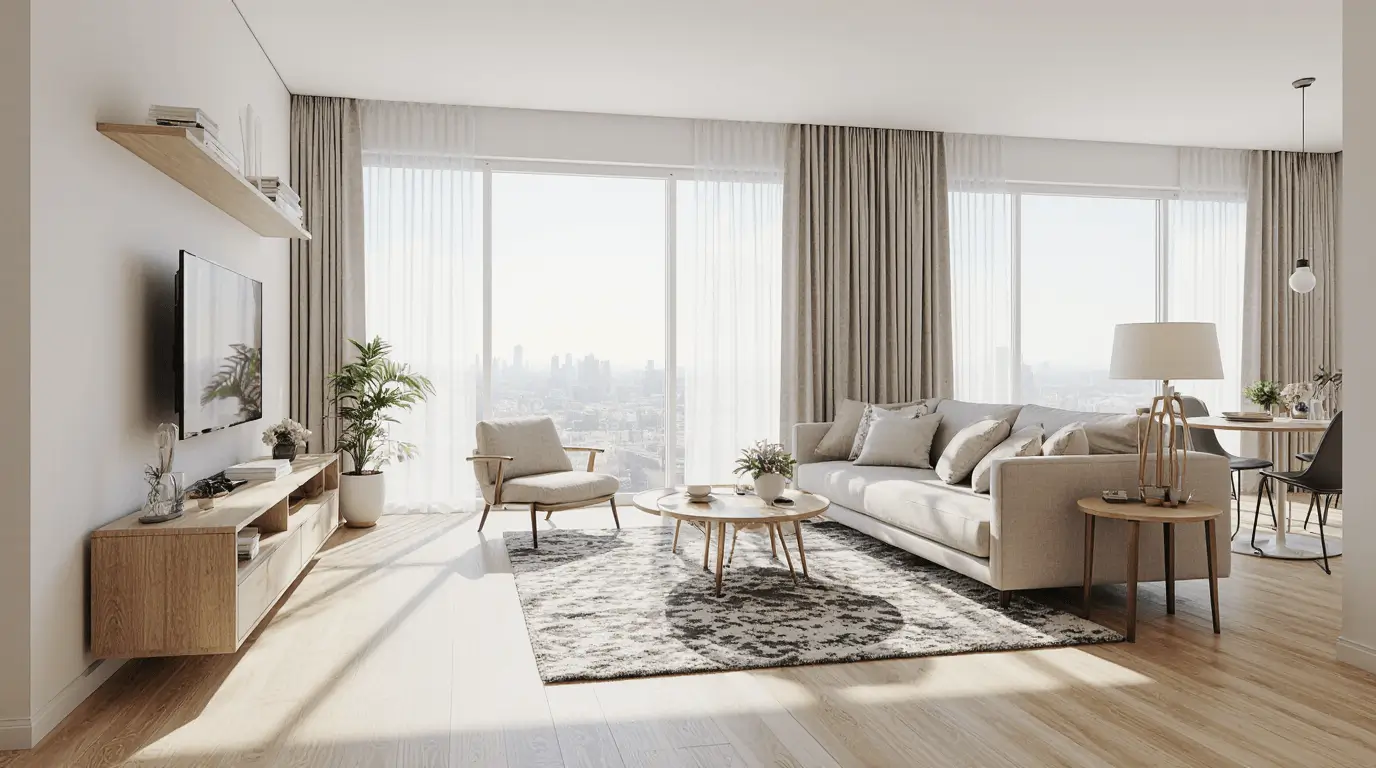
Trends come and go, but good designers balance current styles with timeless elements.
This ensures spaces remain relevant and don’t feel outdated quickly.
Interior Designer Facts About Sustainability
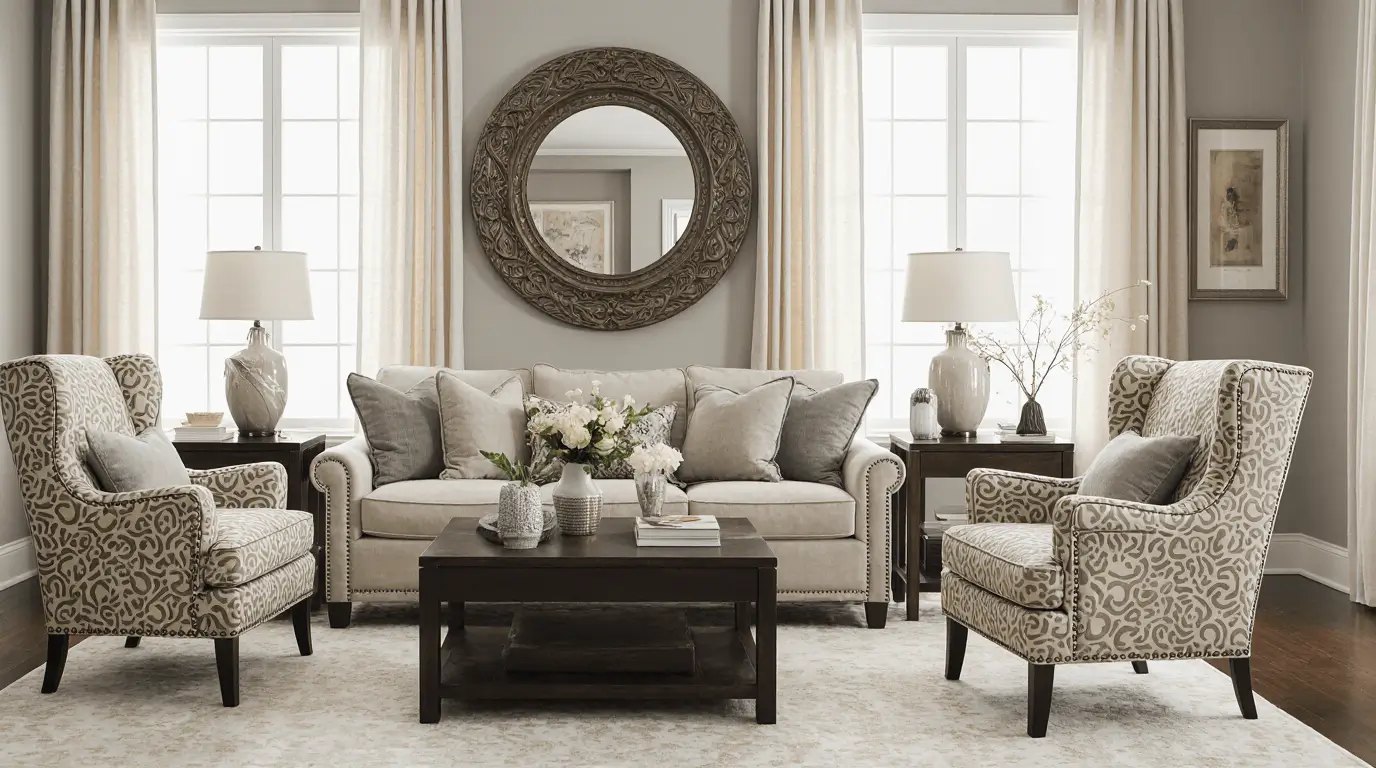
Sustainable design is becoming a core focus. Designers use eco-friendly materials, energy-efficient lighting, and responsible sourcing.
This approach benefits both the environment and long-term living quality.
Interior Designer Facts About Small Space Optimization
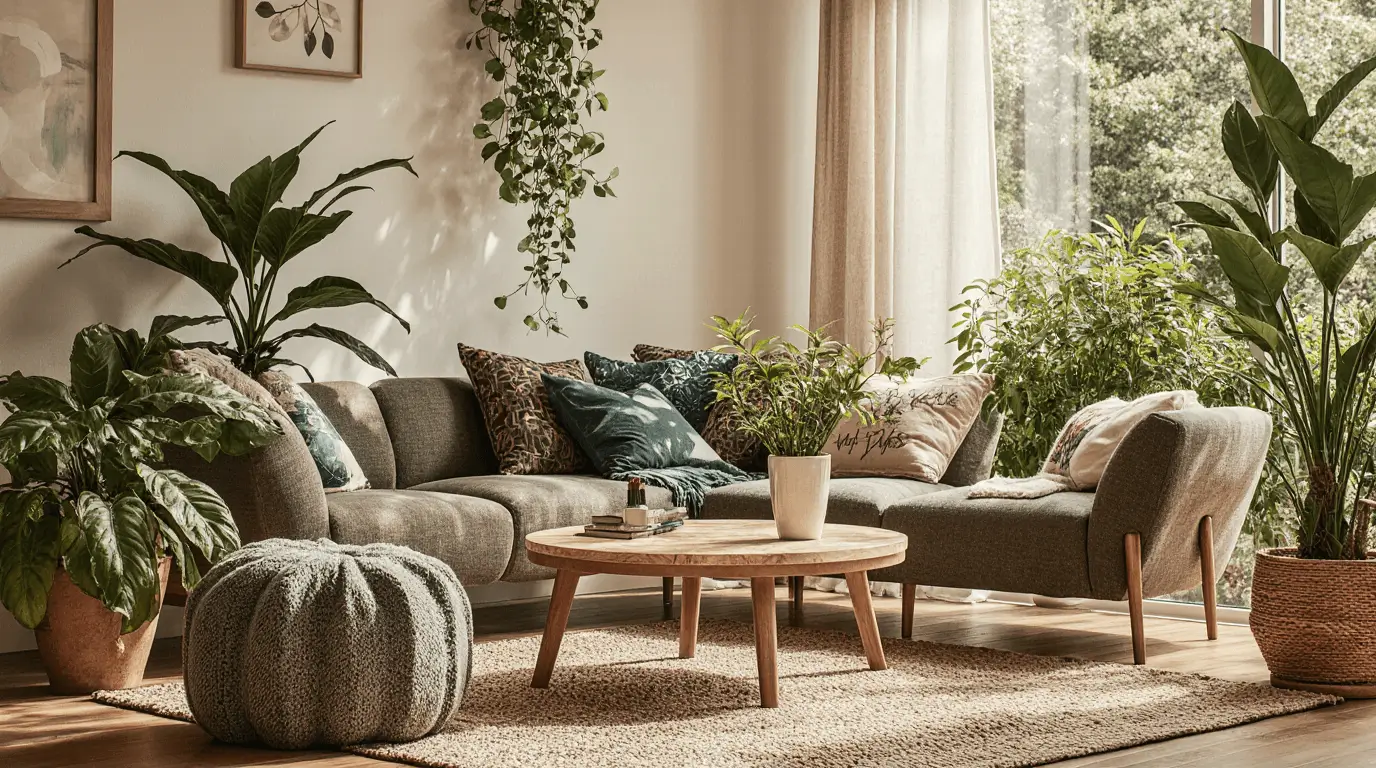
Designers excel at making small spaces feel larger through layout, lighting, and multifunctional furniture.
Smart design can transform even the tiniest area into a comfortable living space.
Interior Designer Facts About Personalization
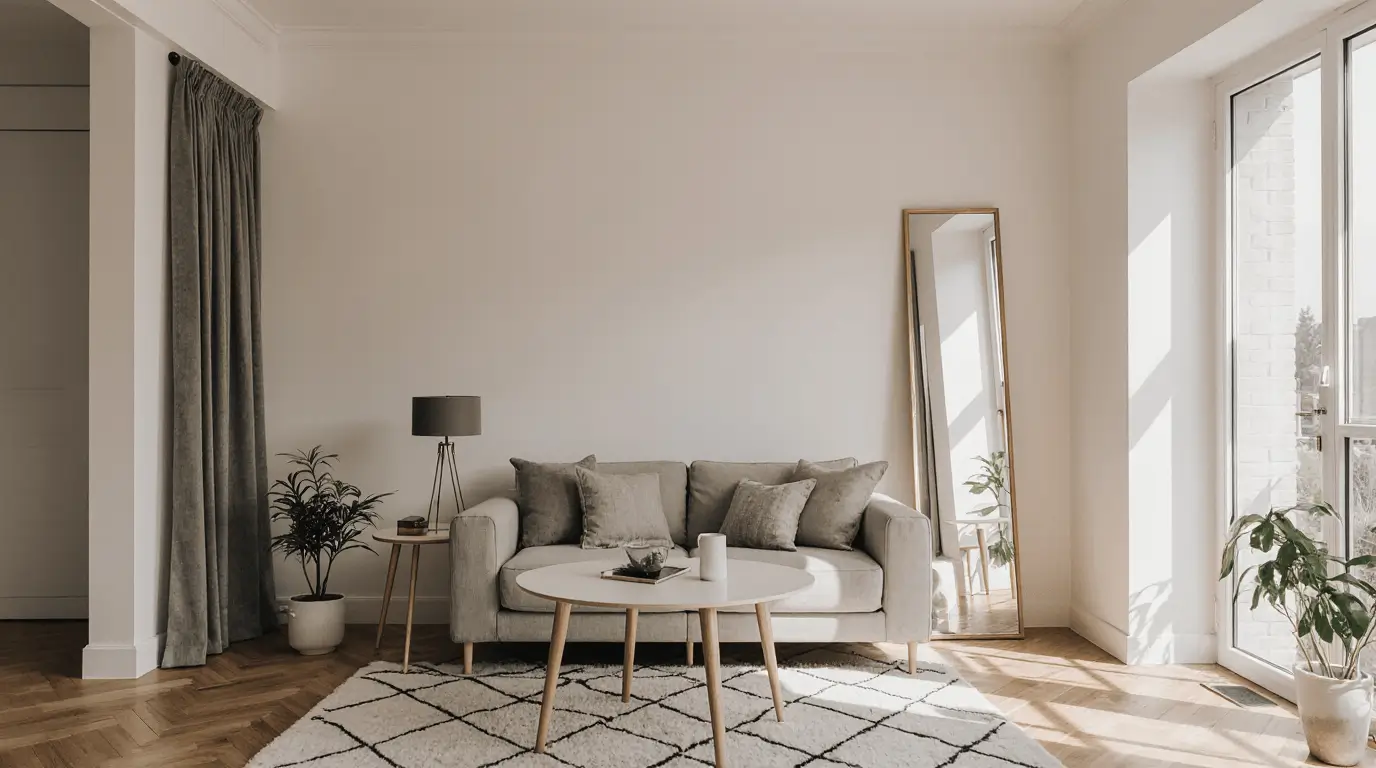
Every space should reflect the personality and lifestyle of its user. Designers tailor interiors to individual needs and tastes.
Customization is what separates generic spaces from meaningful ones.
Interior Designer Facts About Collaboration
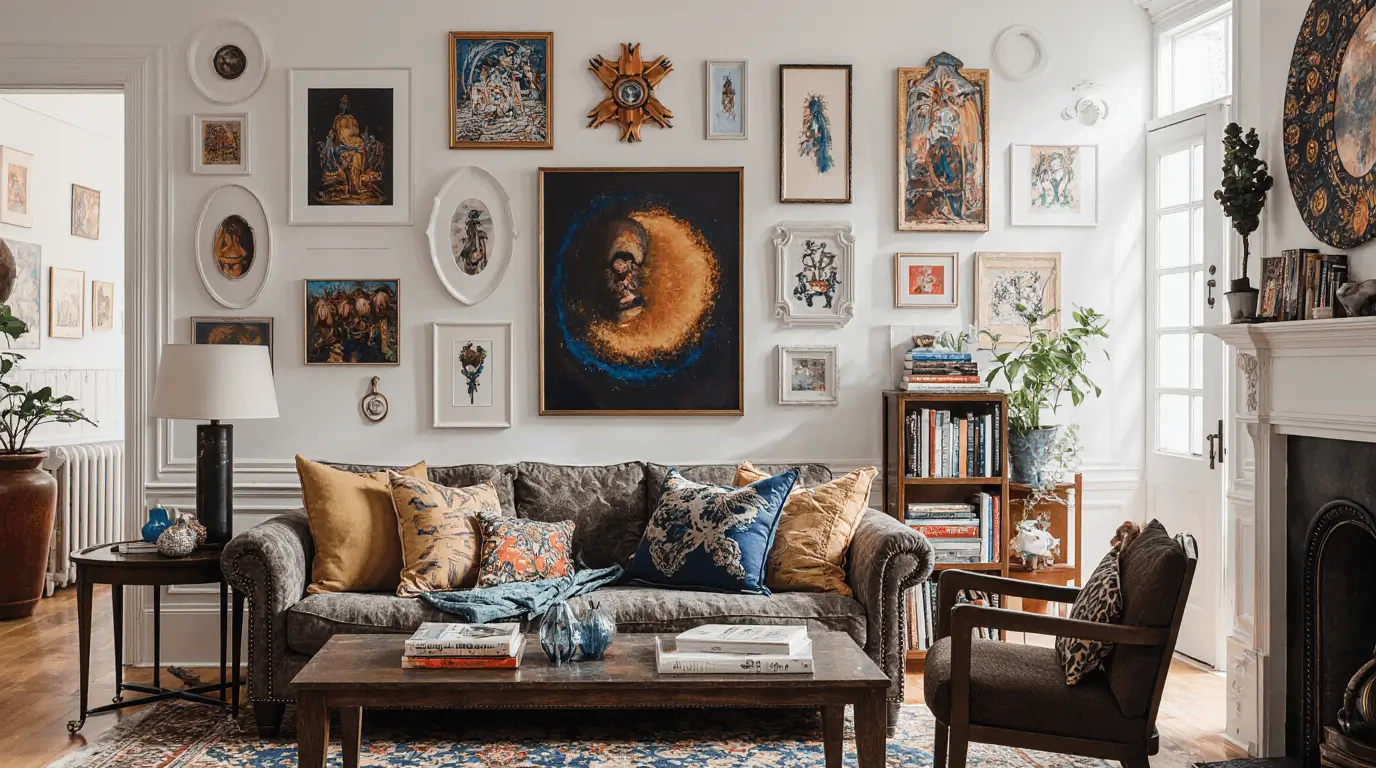
Interior designers collaborate with architects, contractors, and clients.
Successful projects depend on clear communication and shared vision.

Interior Designer Facts About Technical Knowledge
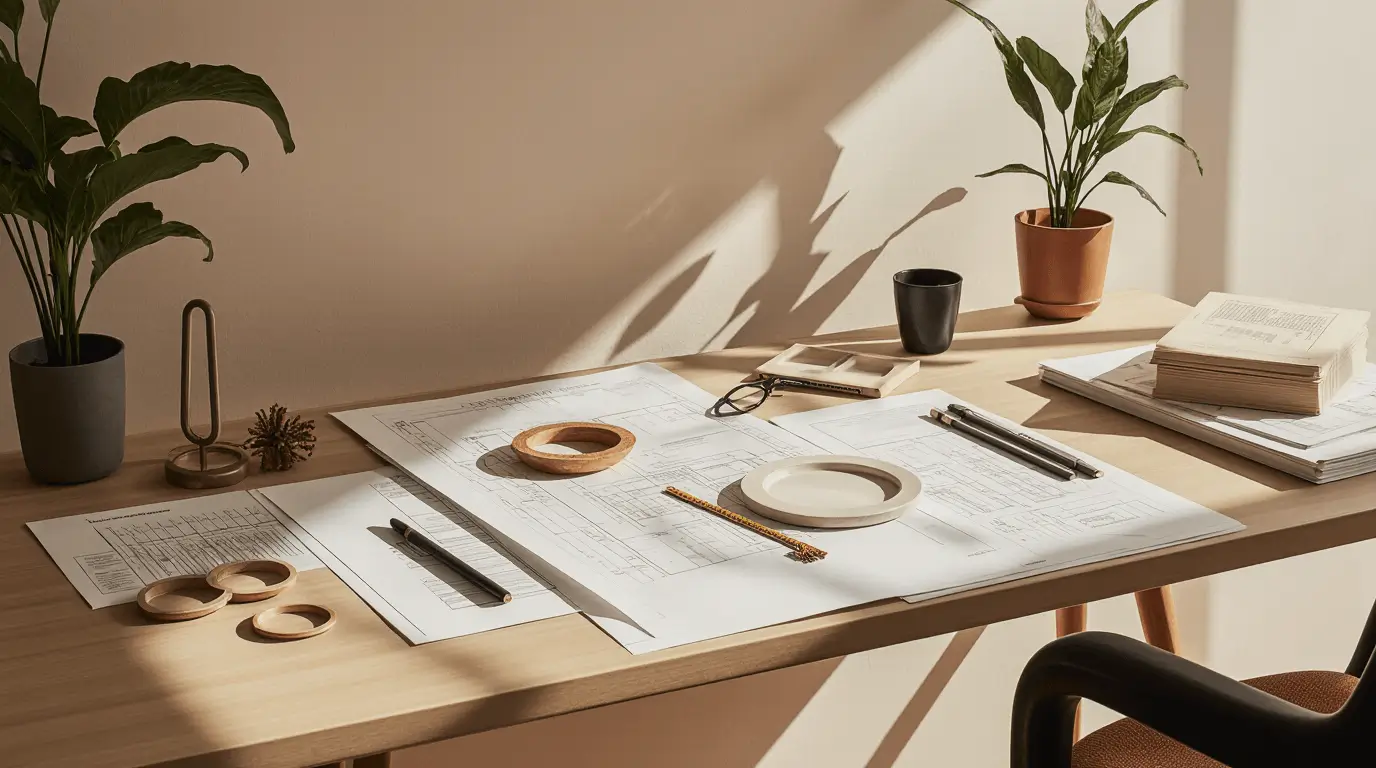
Designers must understand building codes, ergonomics, and structural limitations.
This ensures designs are not only beautiful but also safe and compliant.
Interior Designer Facts About Commercial vs Residential Design
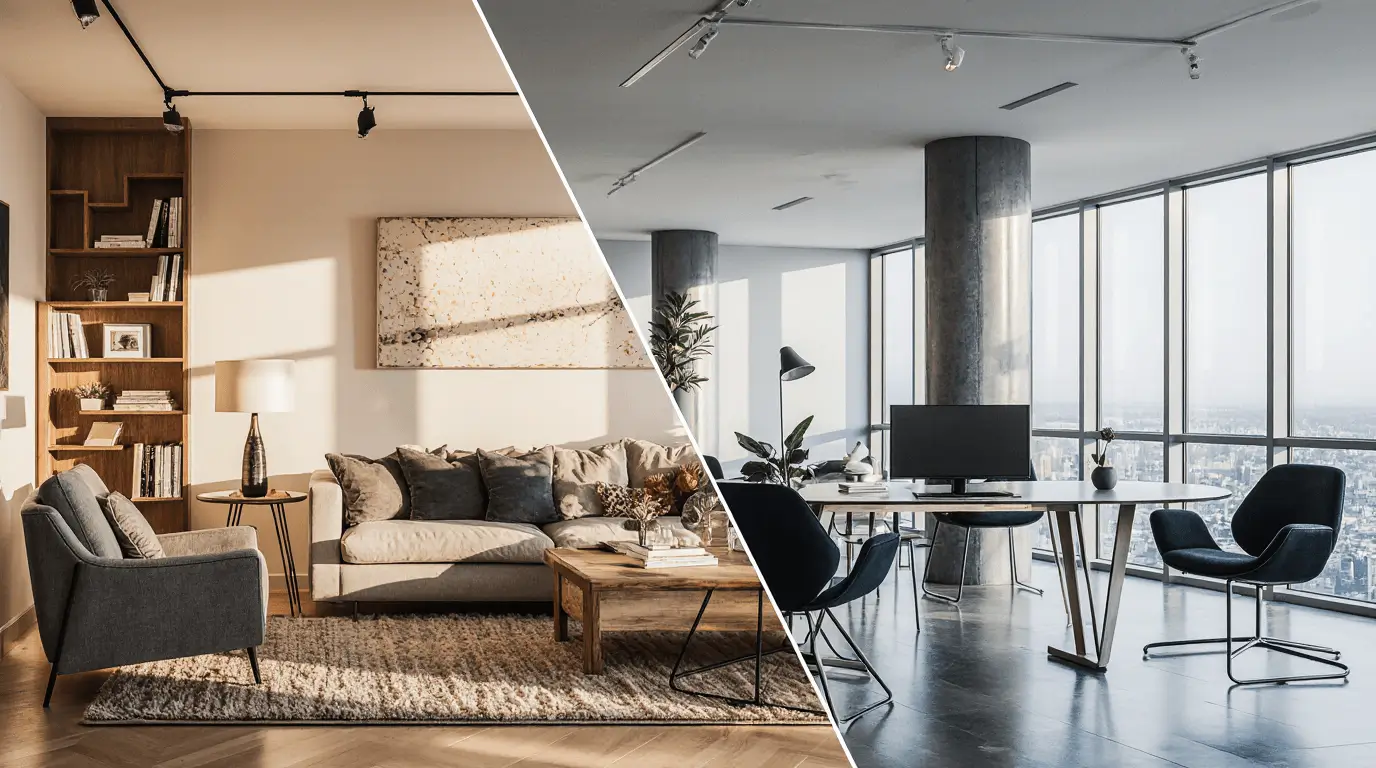
Residential design focuses on comfort and personalization, while commercial design emphasizes branding and functionality.
Each requires a different approach and mindset.
Interior Designer Facts About Emotional Impact of Design
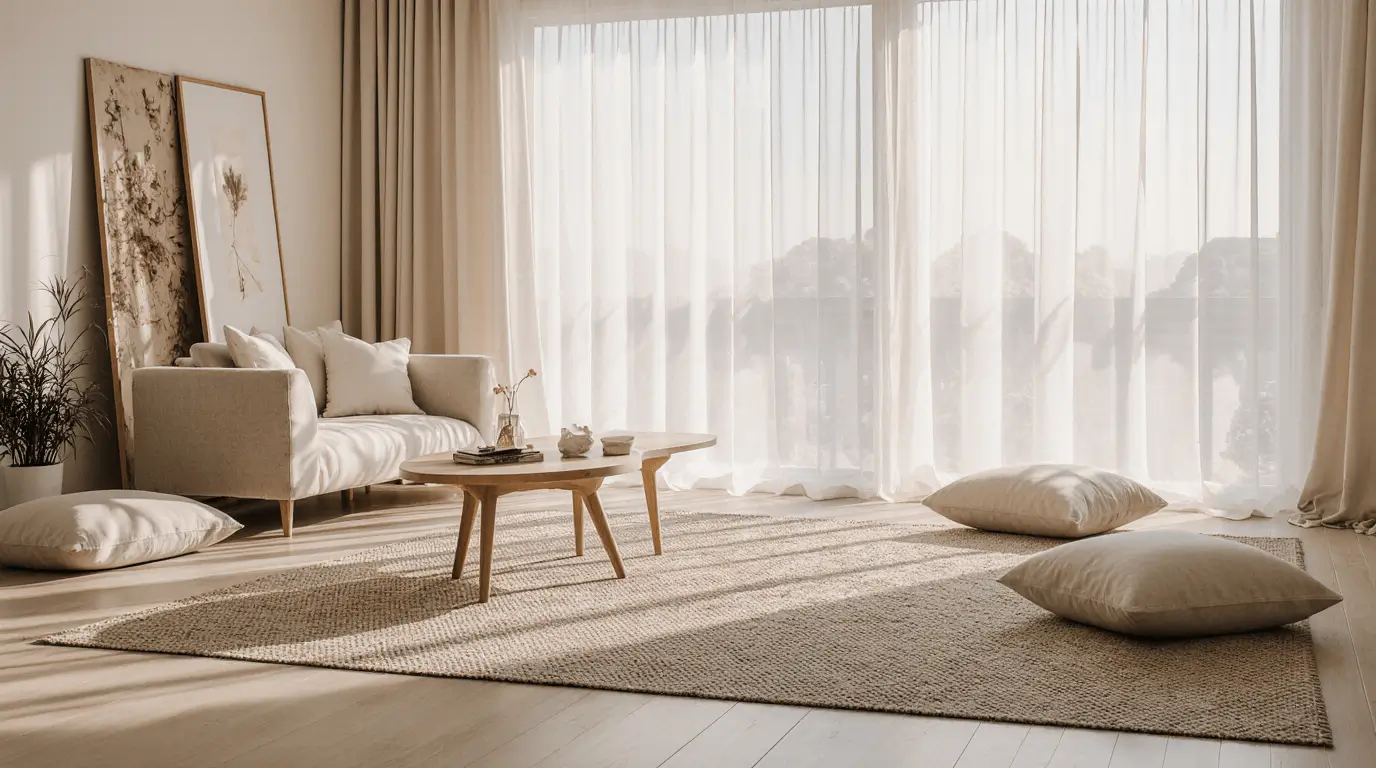
Design has a powerful emotional influence—it can energize, calm, inspire, or even stress.
Great designers intentionally shape emotional experiences through space.
Interior Designer Facts About Continuous Learning
Interior design evolves constantly with new materials, technologies, and lifestyle changes.
Designers must stay updated to remain relevant and innovative.
Interior Designer Facts About the Design Process
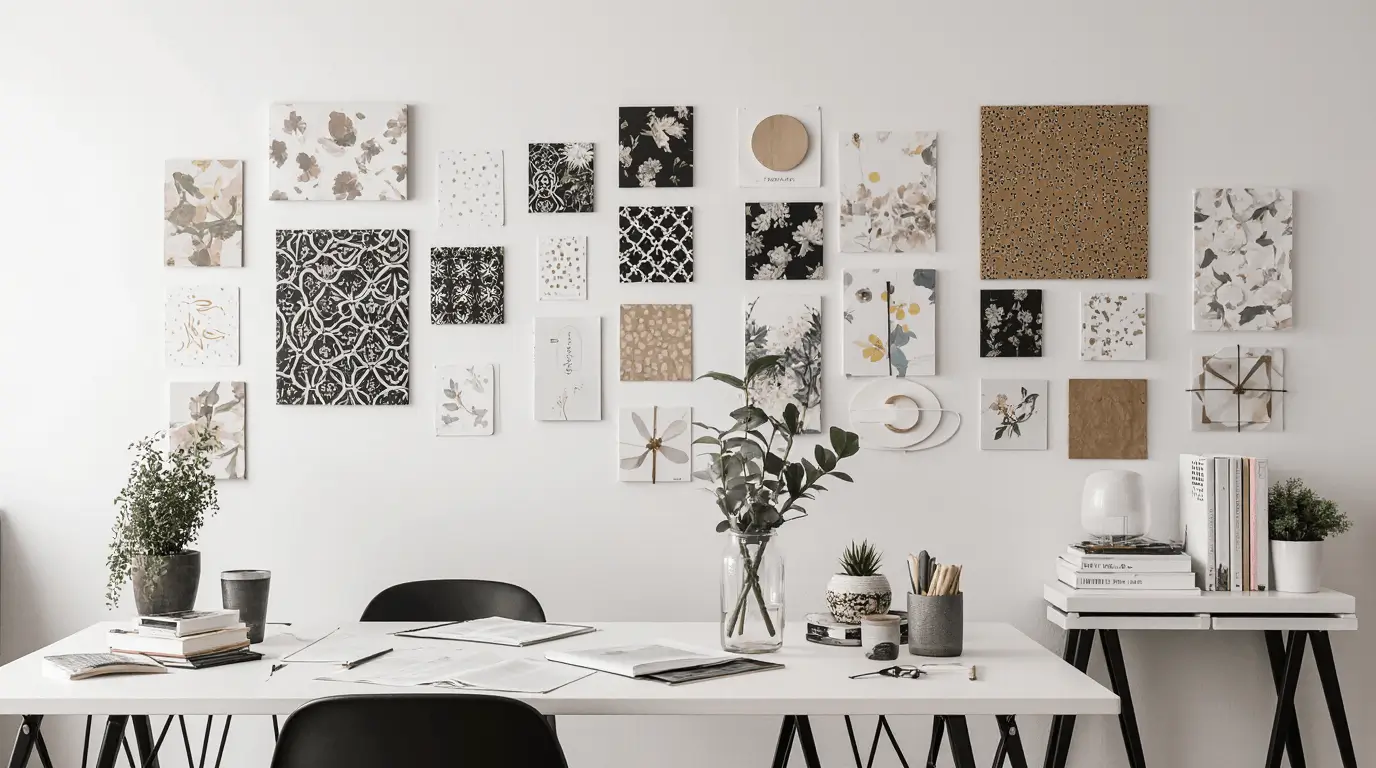
The process includes consultation, concept development, planning, execution, and final styling.
Each stage builds toward a cohesive and functional outcome.
Conclusion: Understanding Interior Designer Facts in Real Life
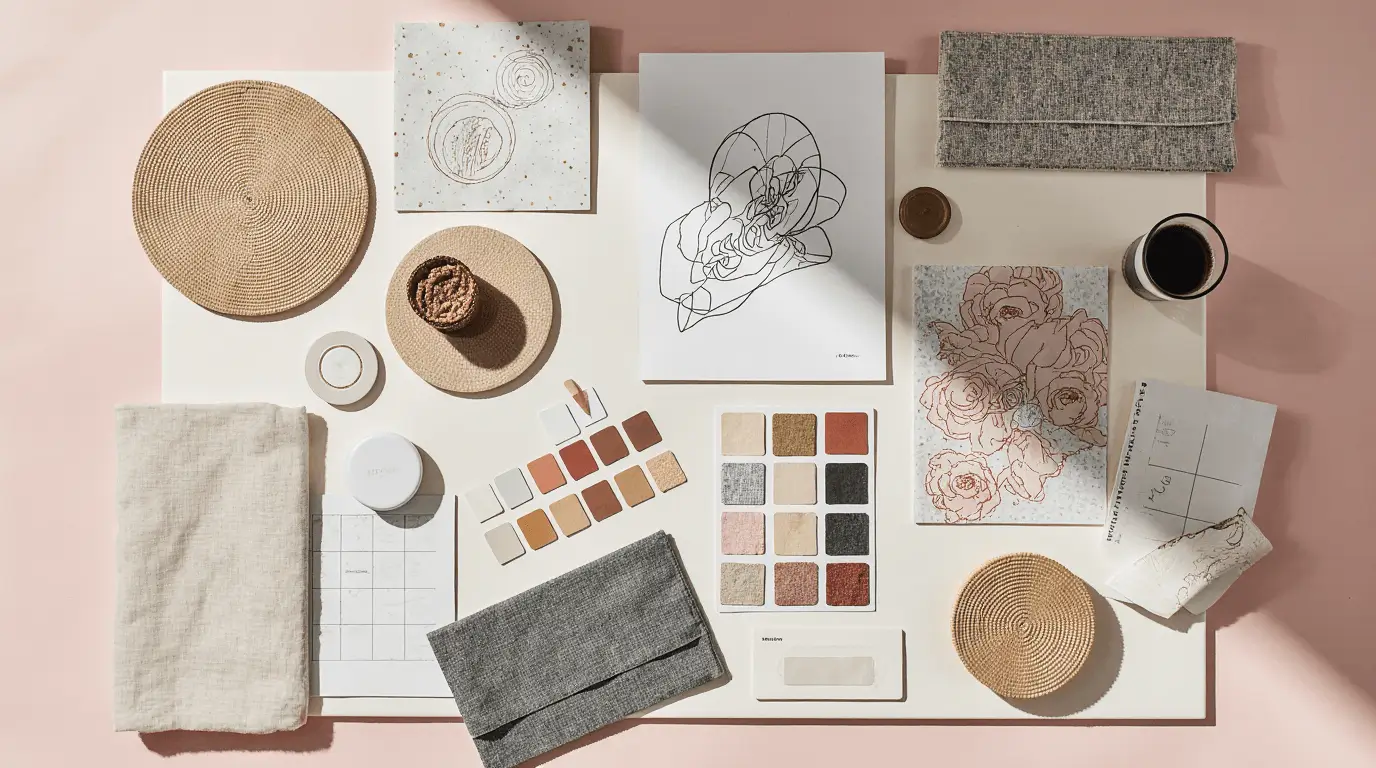
Interior designer facts reveal that this profession is far more than surface-level styling—it’s a thoughtful balance of creativity, technical knowledge, and human-centered design. From space planning and lighting to psychology and sustainability, every decision a designer makes has a purpose rooted in improving how people experience their environments.
In real-world practice, the most successful interiors are those that feel intuitive, comfortable, and aligned with the user’s lifestyle. This is why experienced designers don’t just follow trends—they interpret needs, solve spatial challenges, and create spaces that evolve with the people who live or work in them. Whether you’re redesigning a single room or planning a full-scale project, applying these principles can help you make smarter, more confident decisions.
Ultimately, understanding interior designer facts empowers you to look beyond aesthetics and focus on what truly matters: functionality, emotional impact, and long-term value. When these elements come together, design stops being just visual—and starts becoming a meaningful part of everyday life.
Learn more : Quirky Interior Design Ideas That Instantly Elevate Spaces
Frequently Asked Questions (FAQs)
- What is the most important role of an interior designer?
The core role of an interior designer is to create spaces that are both functional and visually appealing. They analyze how a space is used, then design layouts, lighting, and materials that improve comfort, efficiency, and overall experience.
- Do interior designers only work on luxury homes?
Not at all. Interior designers work across a wide range of budgets and project types, from small apartments to commercial spaces. Good design is about smart choices, not just expensive ones.
- How do interior designers decide on colors and materials?
Designers use a mix of color theory, client preferences, and the purpose of the space. Materials are chosen based on durability, texture, and how they contribute to the overall mood and functionality.
- Is hiring an interior designer worth it for small spaces?
Yes, especially for small spaces. Designers are skilled at maximizing limited areas through smart layouts, multifunctional furniture, and visual techniques that make spaces feel larger and more organized.
- What’s the difference between interior design and decoration?
Interior design involves planning, structure, and functionality, often requiring technical knowledge. Decoration focuses more on aesthetics, such as furniture, colors, and accessories.
- How long does an interior design project usually take?
Timelines vary depending on the scope. A single room might take a few weeks, while larger projects can take several months. Planning, sourcing, and execution all influence the timeline.
- Can I apply interior designer principles without professional help?
Absolutely. By focusing on basics like layout, lighting, color balance, and functionality, you can significantly improve your space. However, for complex projects, professional guidance can save time and prevent costly mistakes.