
Introduction
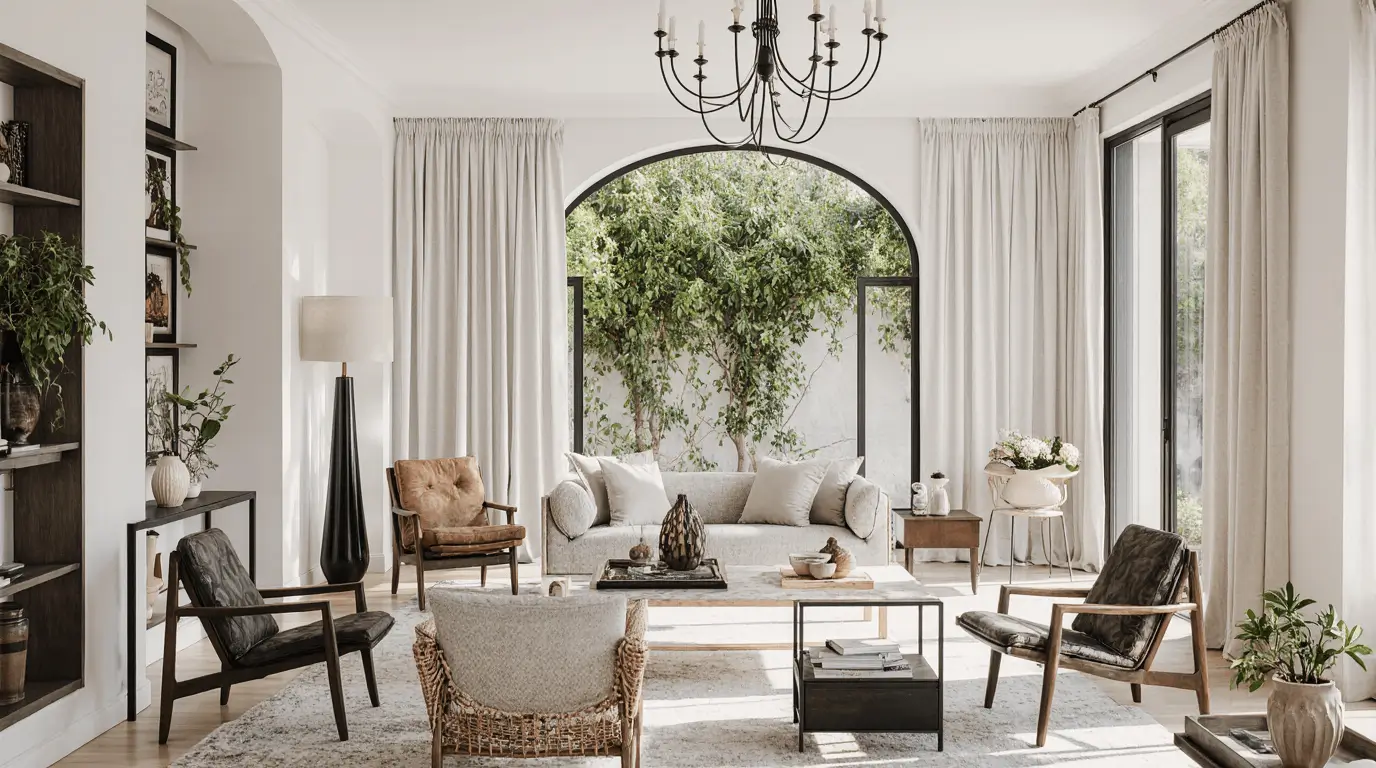
Modern Mediterranean interior design blends the relaxed warmth of traditional Mediterranean homes with the clean lines and restraint of contemporary design. Rooted in coastal living and centuries-old architecture, this style feels effortless yet refined—sunlit spaces, natural textures, and a calm, grounded palette balanced with modern simplicity.
Unlike purely rustic Mediterranean interiors, the modern interpretation removes visual heaviness. Ornate detailing is softened, color palettes are edited, and materials are used more intentionally. The result is a timeless interior that feels both lived-in and elevated—ideal for today’s homes that value comfort, light, and understated luxury.
From my experience designing Mediterranean-inspired homes, the success of this style lies in restraint. When natural materials, architectural forms, and light are allowed to breathe, the space feels authentic, sophisticated, and deeply inviting without trying too hard.
Modern Mediterranean Interior Design Color Palette
Modern Mediterranean interiors rely on sun-washed neutrals rather than bold color saturation. Warm whites, limestone beige, sand, muted terracotta, and soft olive create a serene foundation that reflects natural light beautifully.
Modern Mediterranean Interior Design Materials
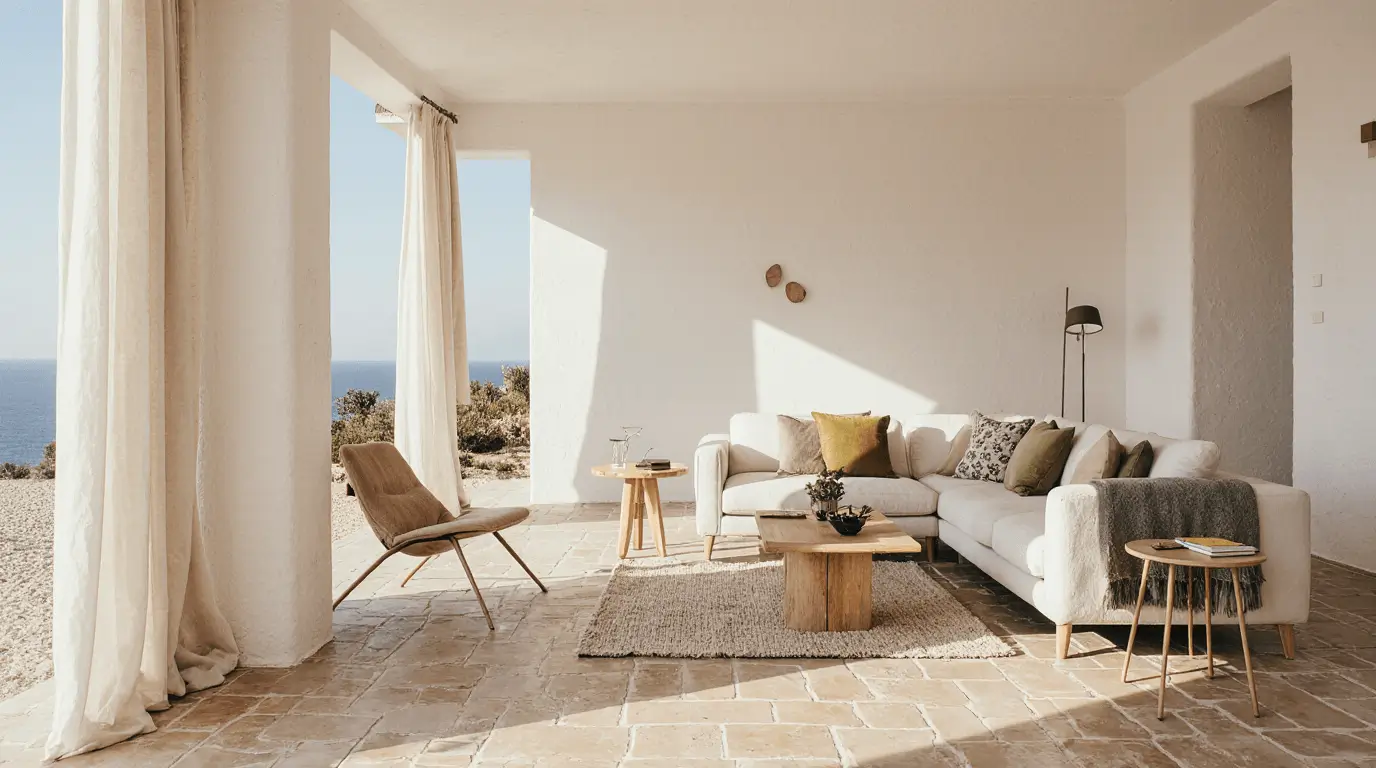
Natural materials define the authenticity of this style. Stone, lime plaster, raw wood, linen, and clay bring texture without excess, grounding modern spaces in Mediterranean tradition.
Modern Mediterranean Interior Design Architecture
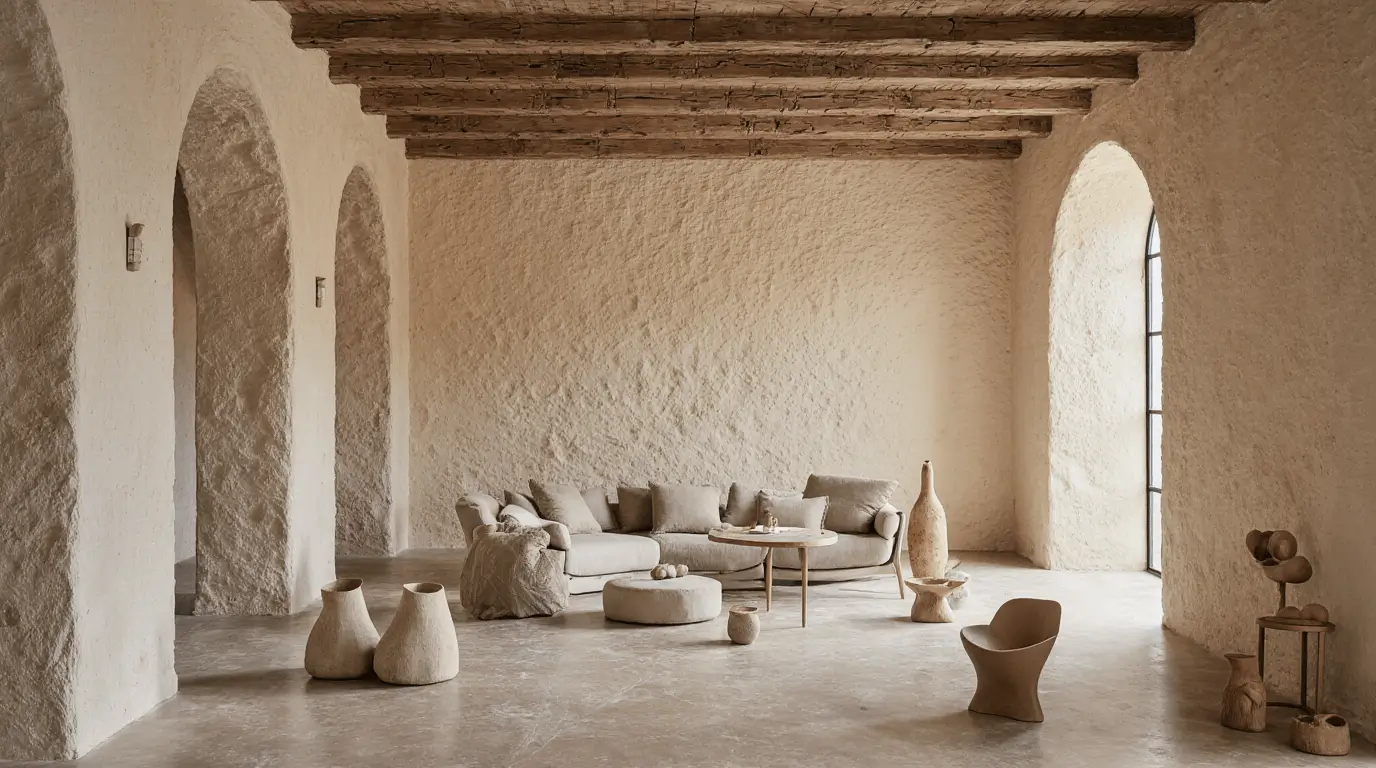
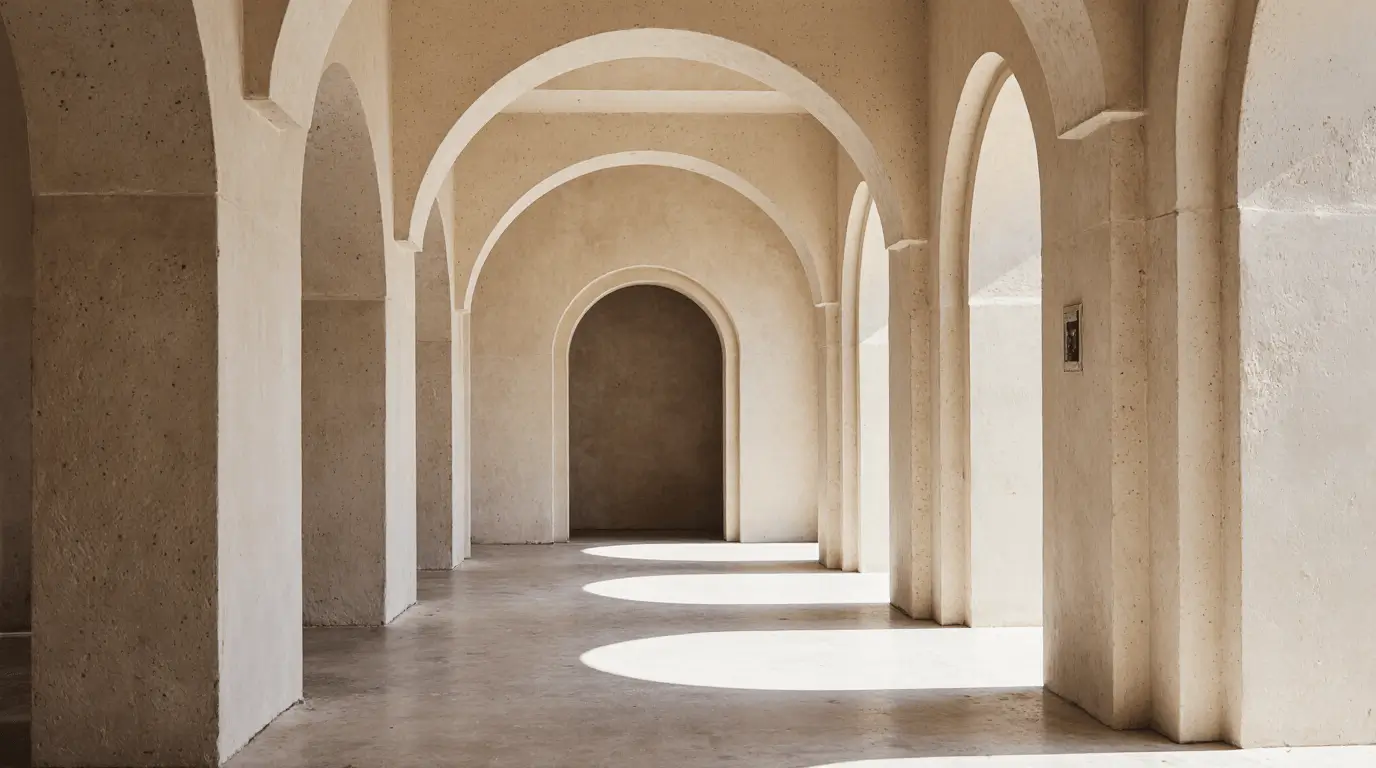
Architectural features are kept simple but intentional. Arched doorways, thick walls, and softly curved openings reference Mediterranean heritage while remaining clean and contemporary.
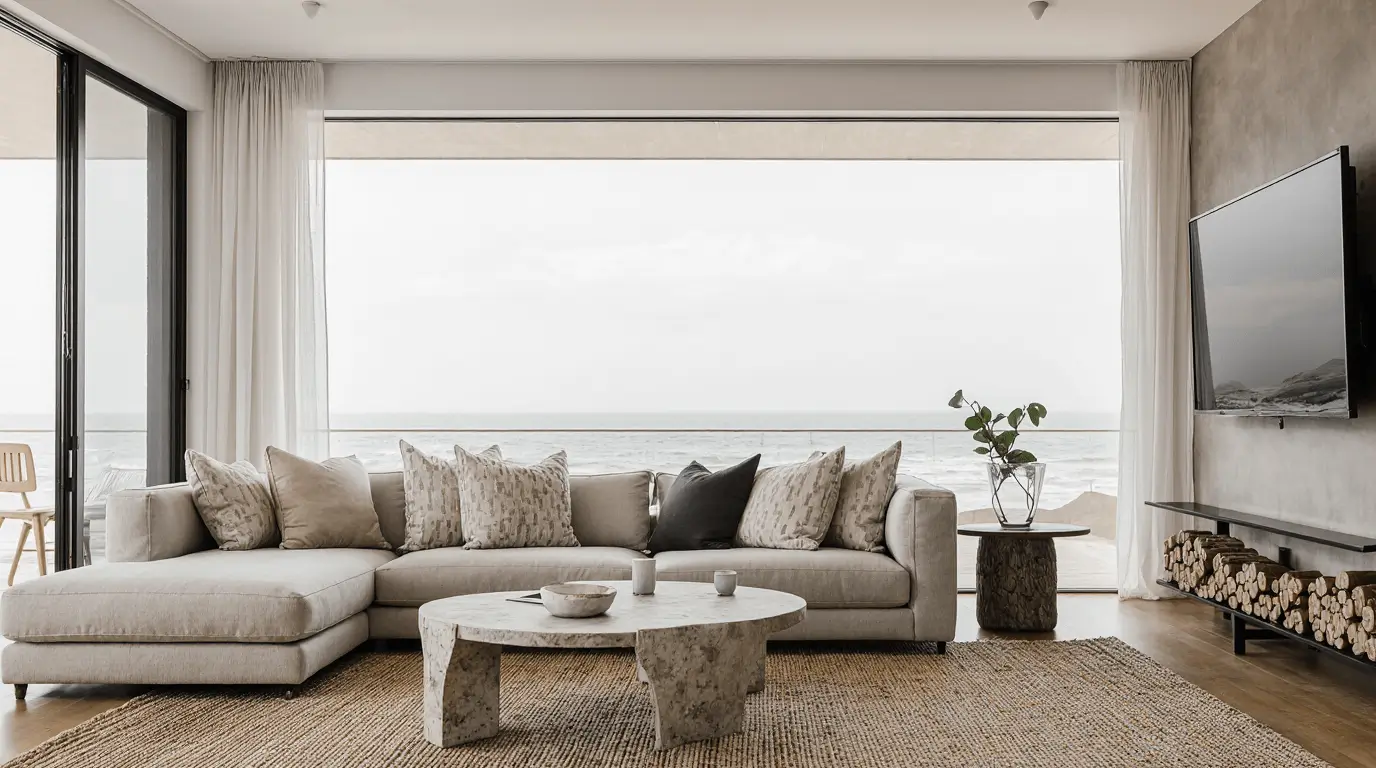
Modern Mediterranean Living Room Design
Living rooms focus on comfort, openness, and flow. Furniture is low-profile, seating is generous, and layouts encourage conversation rather than formality.
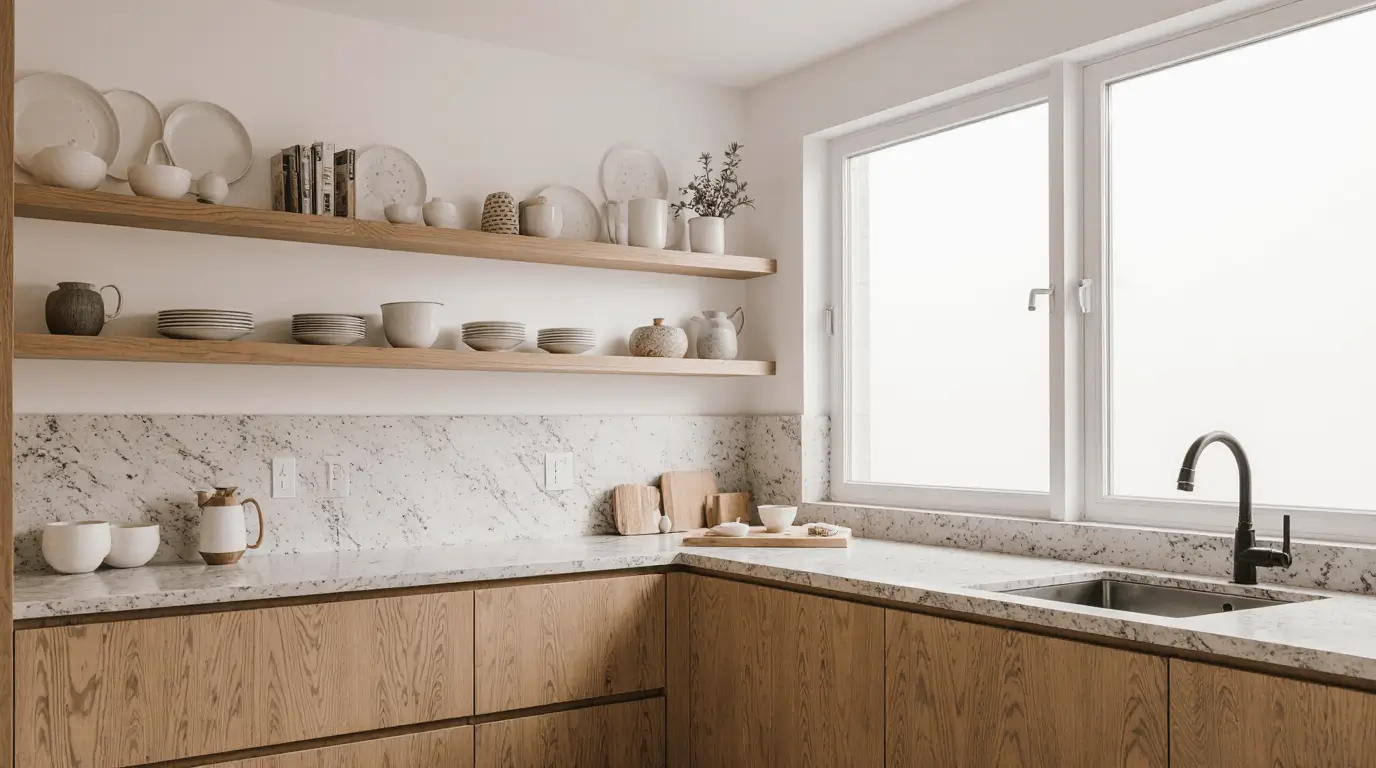
Modern Mediterranean Kitchen Design
Kitchens combine function with warmth. Stone countertops, wooden cabinetry, and open shelving keep the space practical while maintaining a handcrafted feel.
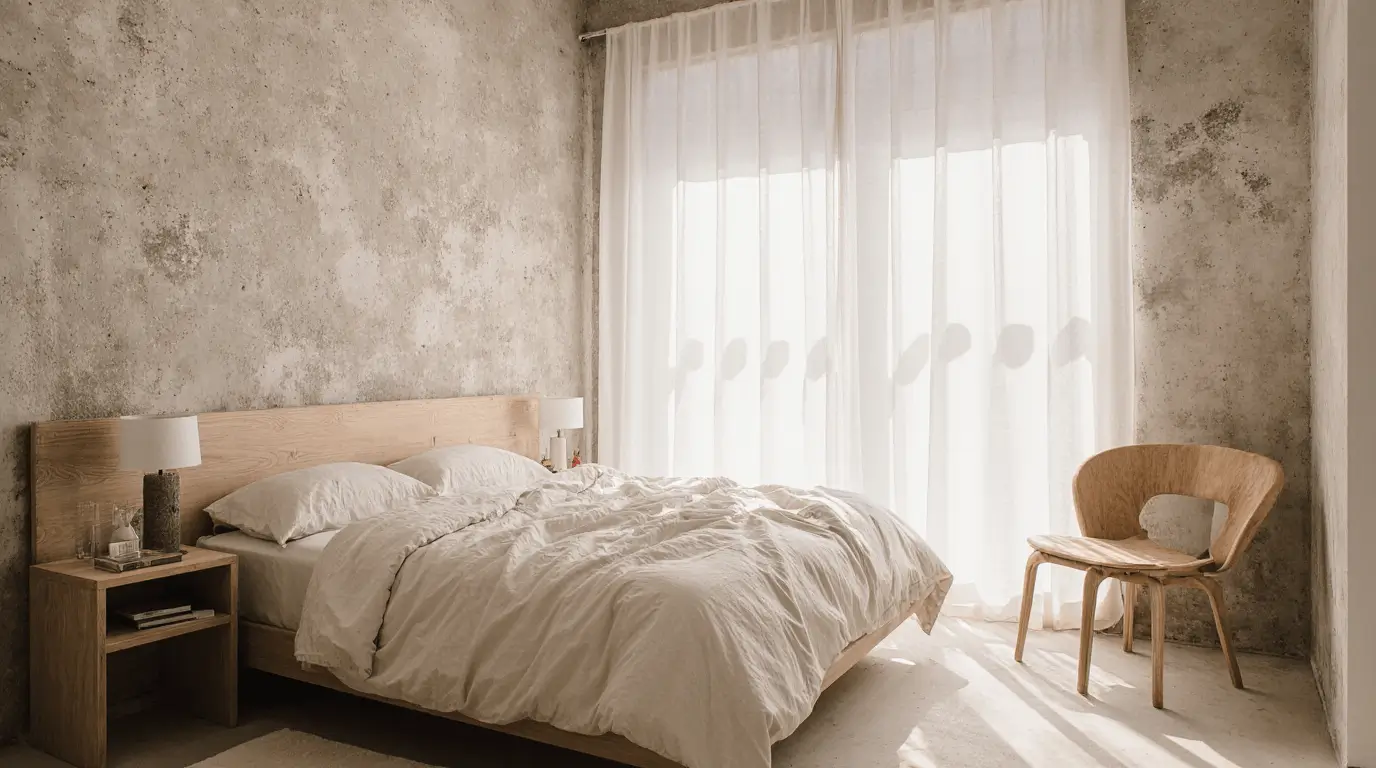
Modern Mediterranean Bedroom Interiors
Bedrooms emphasize tranquility. Layered neutrals, breathable fabrics, and minimal furniture create a space that feels restorative and uncluttered.
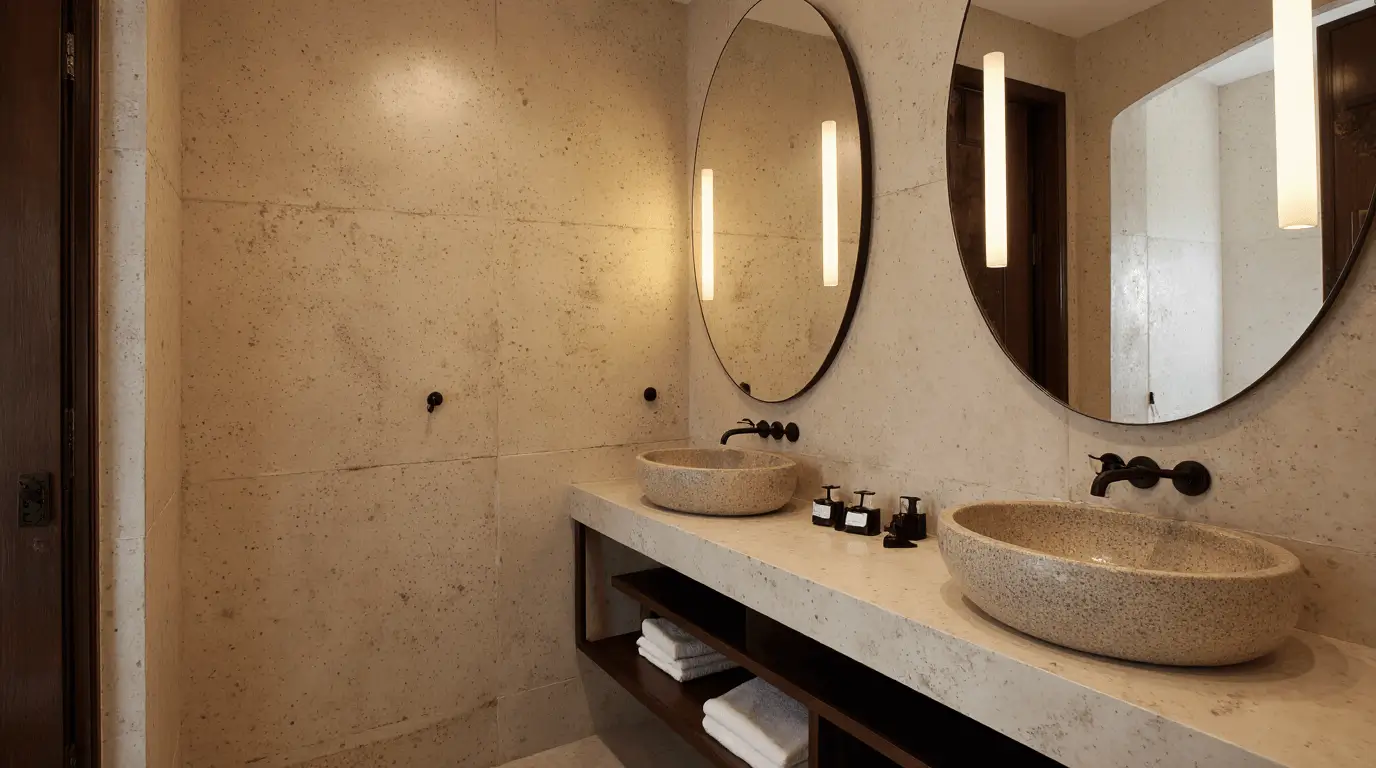
Modern Mediterranean Bathroom Design
Bathrooms feel spa-like through simplicity. Natural stone, textured plaster, and soft lighting replace glossy finishes for a more organic experience.
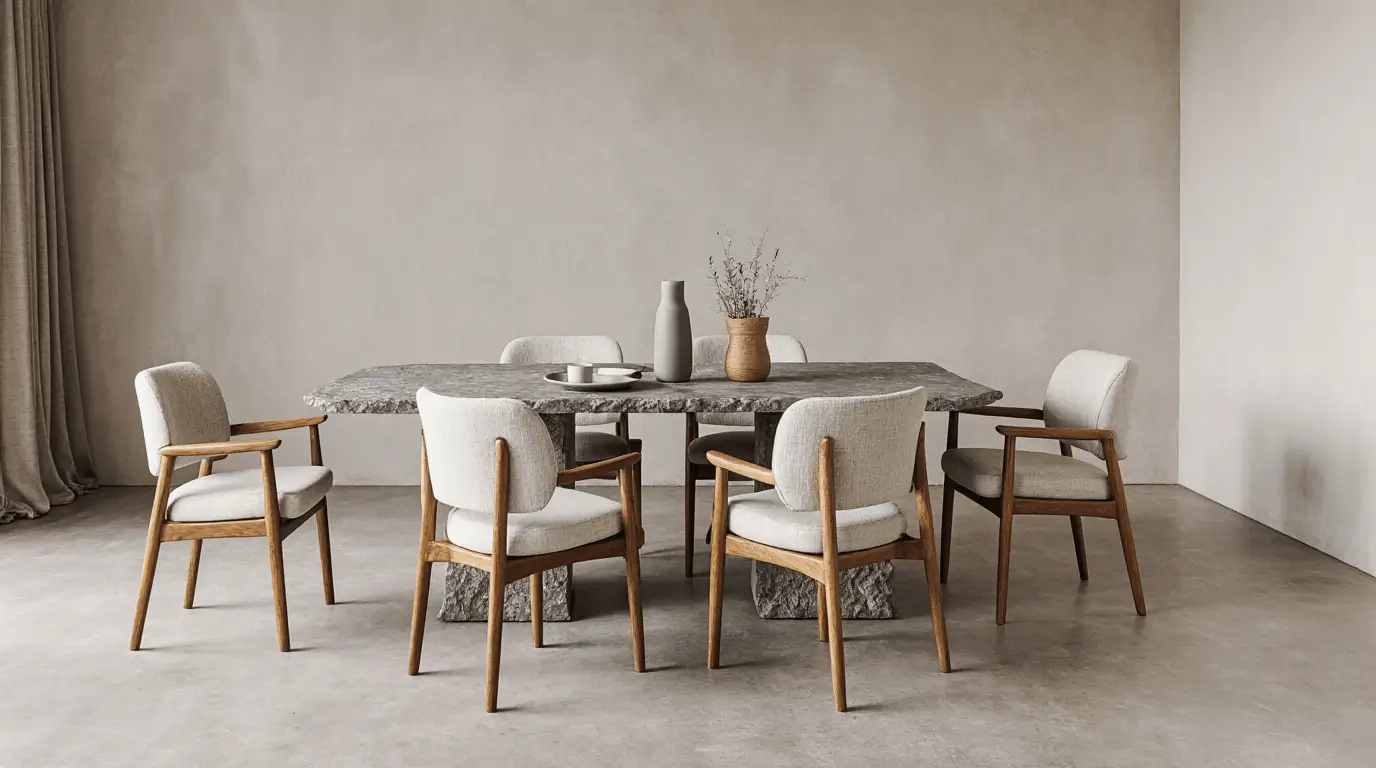
Modern Mediterranean Furniture Style
Furniture is solid, tactile, and understated. Clean silhouettes paired with natural finishes keep the space modern without losing warmth.
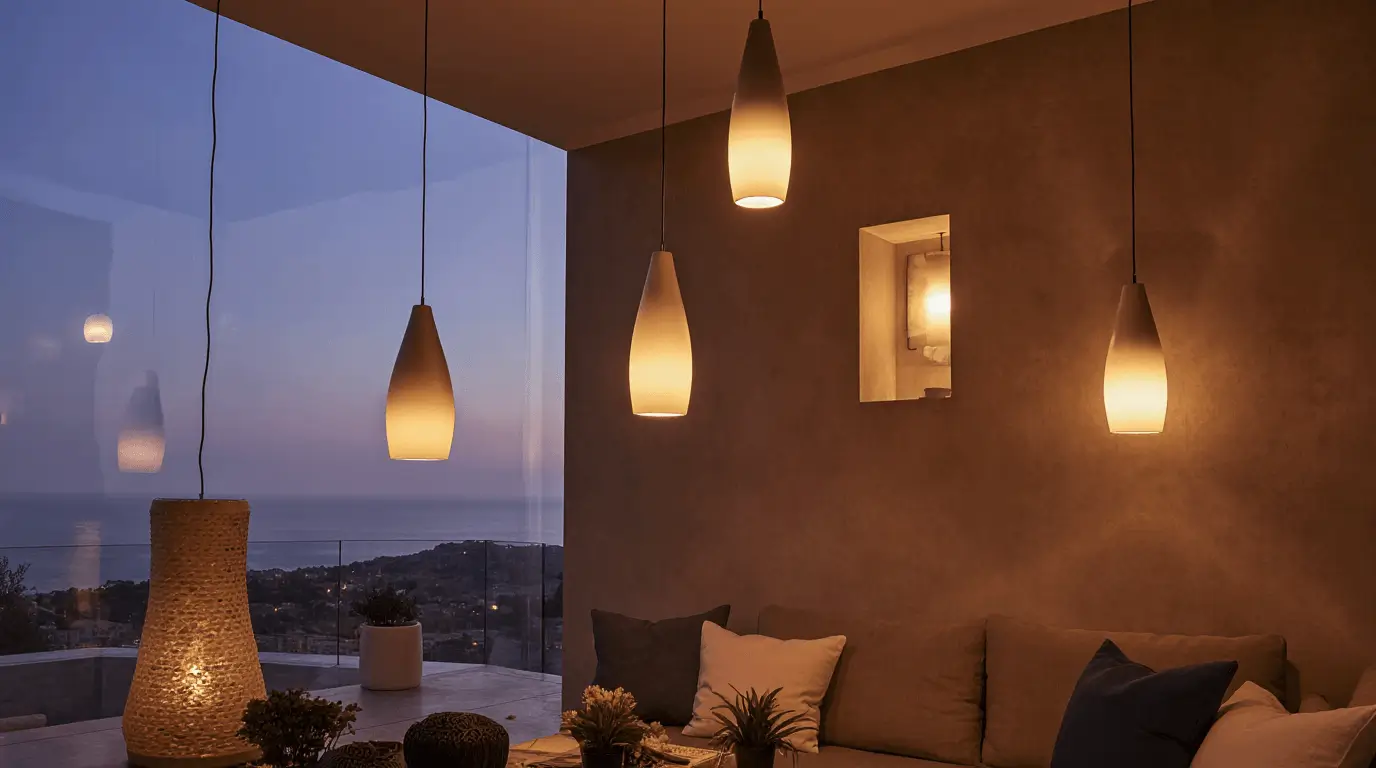
Modern Mediterranean Lighting Design
Lighting is soft and layered. Wrought iron, ceramic pendants, and concealed lighting enhance mood without overpowering the space.
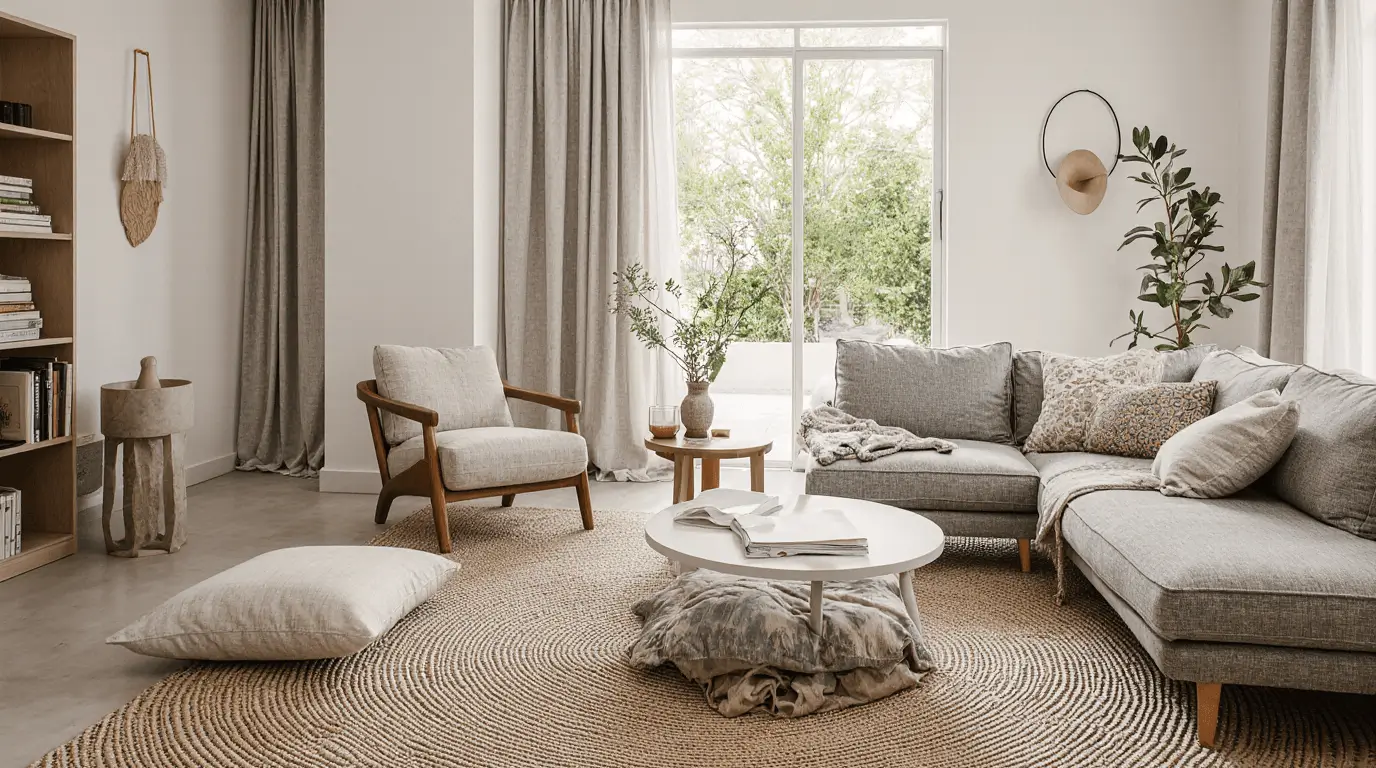
Modern Mediterranean Textiles and Fabrics
Textiles introduce softness through linen, cotton, and wool. Patterns are subtle, often inspired by nature rather than bold prints.
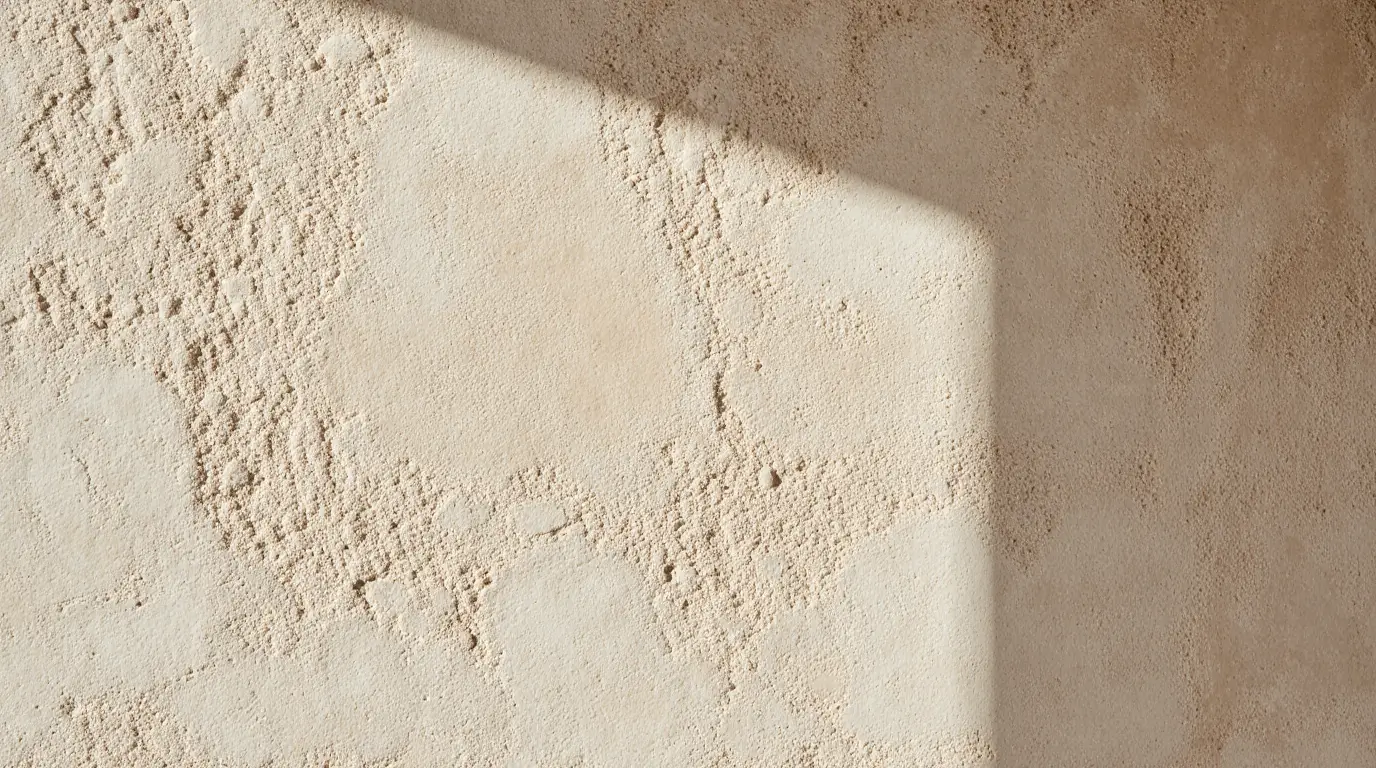
Modern Mediterranean Wall Finishes
Walls are intentionally imperfect. Limewash and plaster finishes add depth and character while keeping the palette restrained.
Modern Mediterranean Decor Styling
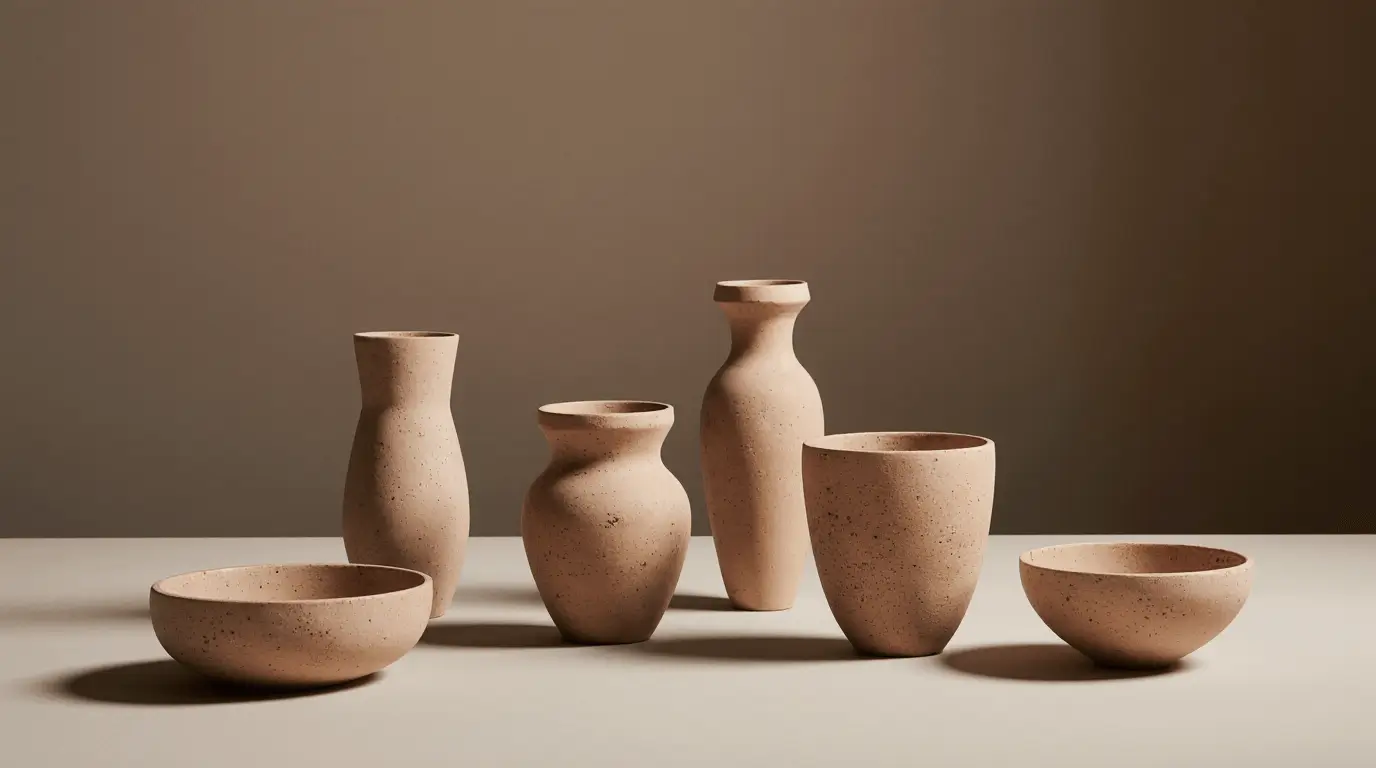
Decor is curated, not crowded. Handcrafted pottery, stone vessels, and organic objects are chosen for meaning, not excess.
Modern Mediterranean Open-Plan Interiors
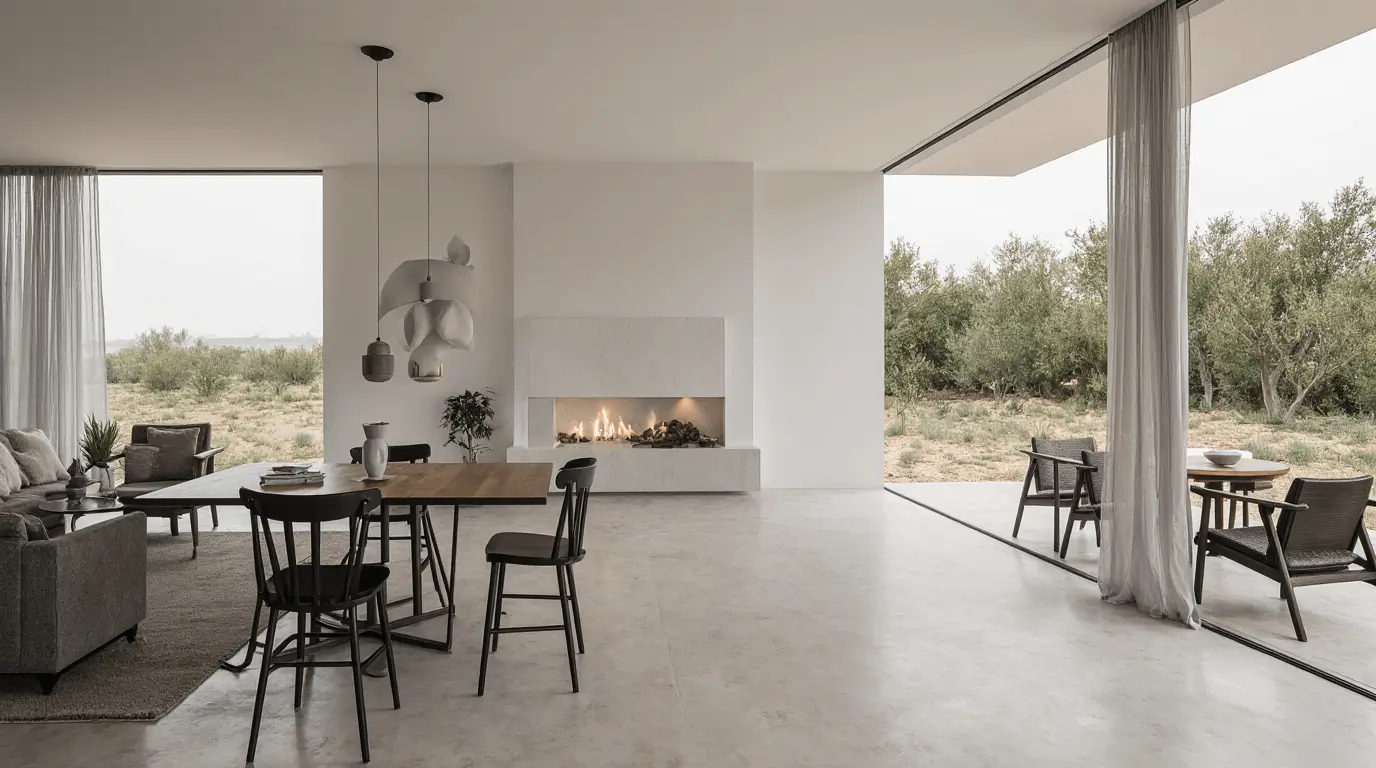
Open layouts enhance light and airflow. Spaces connect visually while maintaining warmth through materials and texture.
Modern Mediterranean Coastal Influence
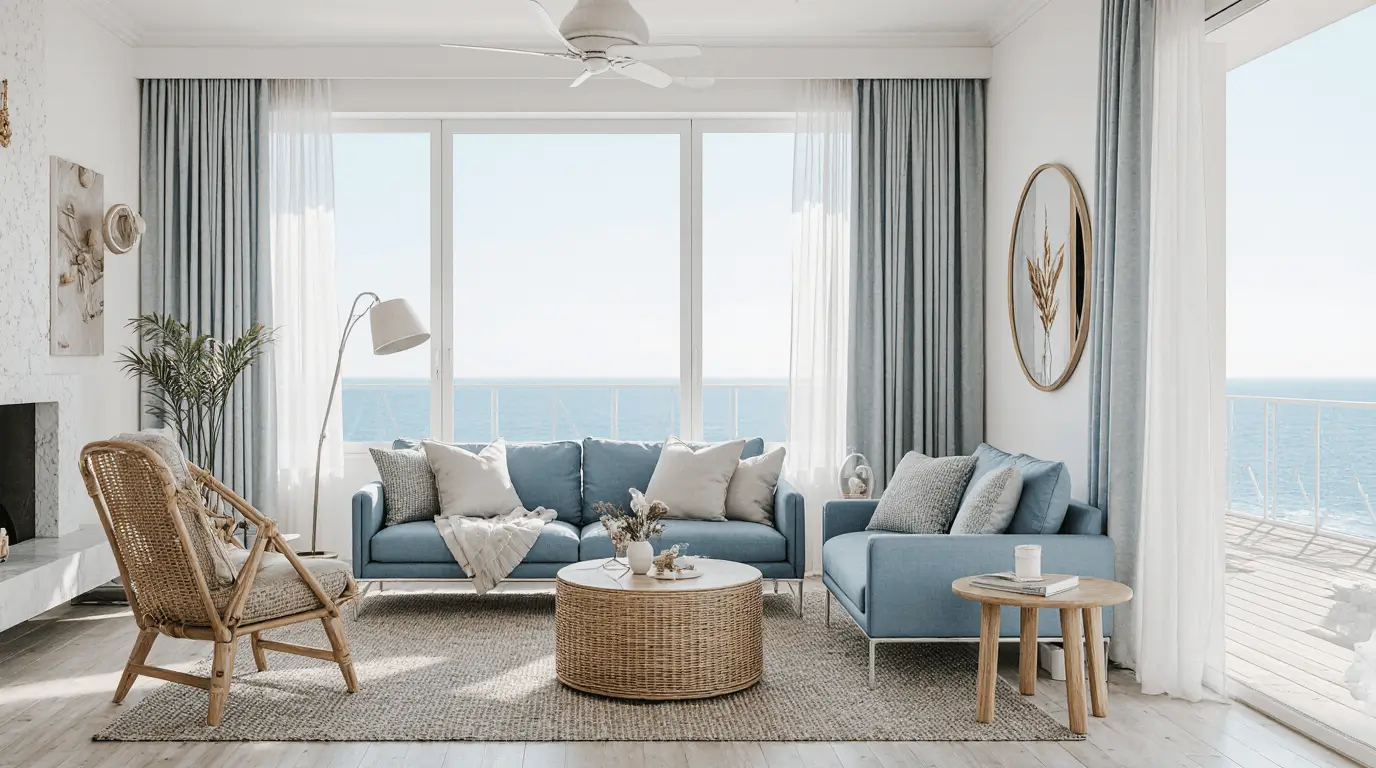
Coastal influence is subtle, not literal. Hints of sea-inspired tones and breezy layouts echo Mediterranean coastal living without nautical themes.
Conclusion
Modern Mediterranean interior design works because it respects both place and pace. It draws from centuries of architectural wisdom—thick walls, natural materials, softened forms—while adapting effortlessly to contemporary life. The strength of this approach lies in its restraint. By editing rather than embellishing, the spaces feel grounded, light-filled, and quietly luxurious without ever feeling staged or overdesigned.
What makes this style especially compelling is its livability. The focus on natural textures, breathable layouts, and muted palettes creates homes that age gracefully and support daily life rather than compete with it. These interiors are designed to be used, not preserved—spaces where light shifts throughout the day, materials gain character over time, and comfort is never sacrificed for aesthetics.
For homeowners and designers seeking longevity, calm, and authenticity, modern Mediterranean interiors offer a clear path forward. Start with architectural clarity, choose materials that feel honest and tactile, and allow light and space to do the heavy lifting. When every element has a purpose and nothing feels excessive, the result is a home that feels timeless, personal, and deeply welcoming—today and years from now.
FAQs
What makes modern Mediterranean interior design different from traditional Mediterranean style?
The modern approach simplifies the traditional look. While it keeps the warmth, texture, and architectural roots, it removes heavy ornamentation and bold contrasts. The result is cleaner, lighter, and more adaptable to contemporary living without losing character.
Is modern Mediterranean design suitable for urban or non-coastal homes?
Absolutely. This style is less about location and more about atmosphere. Natural materials, soft light, and calm palettes translate beautifully to urban apartments, suburban homes, and even compact spaces when applied thoughtfully.
How do you keep a modern Mediterranean interior from feeling too minimal or cold?
Texture is key. Layering plaster, stone, wood, and textiles introduces warmth and depth. Even with a restrained color palette, the tactile quality of materials ensures the space feels inviting rather than stark.
Can this style work in smaller spaces?
Yes, and often very well. The emphasis on light, openness, and visual continuity can make smaller interiors feel more expansive. Simple forms and uncluttered layouts help maximize both function and flow.
What types of furniture work best in modern Mediterranean interiors?
Furniture should feel grounded and timeless. Solid wood pieces, linen-upholstered seating, and low-profile silhouettes work well. Comfort and proportion matter more than decorative detail.
How do you introduce personality without cluttering the space?
Choose fewer, more meaningful objects. Handcrafted ceramics, vintage pieces, or natural artifacts add character when given room to breathe. Personality comes from curation, not quantity.
Is modern Mediterranean interior design a trend or a long-term style choice?
It’s a long-term approach. Because it relies on natural materials, architectural principles, and balanced proportions, it doesn’t date easily. The design evolves with the home and the people living in it, which is what makes it enduring.



One Response