
Introduction
Monique Gibson interior design is best understood as a deeply personal, layered approach to creating homes that feel elegant, relaxed, and emotionally connected to the people who live in them. Rather than treating rooms as decorative showpieces, her work is often associated with atmosphere, intimacy, comfort, artful restraint, and a strong sense of client identity.
Monique Gibson is a New York–based interior designer whose work has been featured by Architectural Digest, including AD100 recognition. Her studio is known for designing homes for high-profile clients while maintaining a warm, individualized sensibility rooted in storytelling, texture, proportion, and livability.
What makes this design language compelling is its balance: polished but not stiff, luxurious but not loud, traditional but not predictable. In practice, Monique Gibson interior design offers valuable lessons for anyone who wants a home that feels collected, personal, and quietly sophisticated.
Monique Gibson Interior Design and Personal Storytelling
Great interiors begin with the people who live in them. A Monique Gibson-inspired room should feel like a biography in layers: favorite books, meaningful artwork, inherited pieces, custom upholstery, and objects gathered over time.
The goal is not perfection for its own sake. The room should reveal personality while still feeling edited, comfortable, and intentional.
Monique Gibson Interior Design for Relaxed Luxury
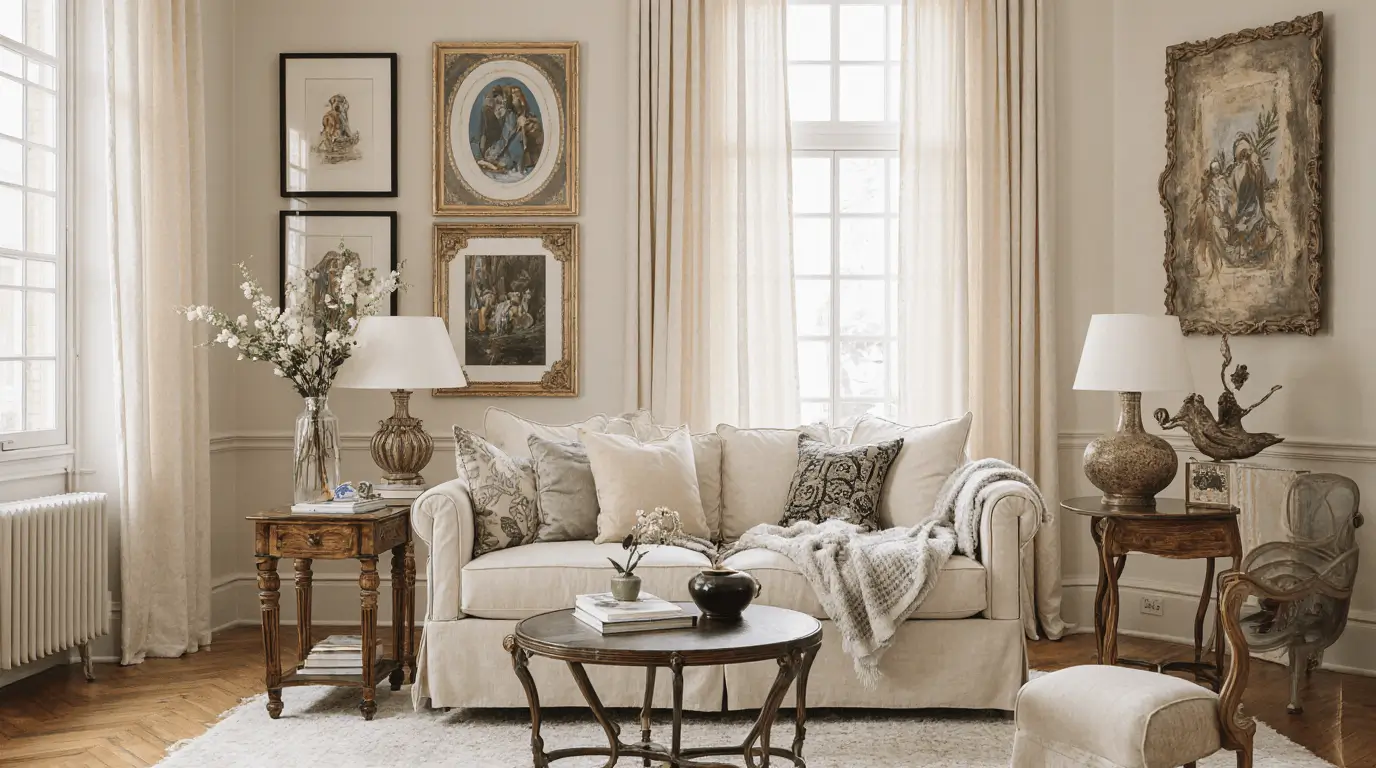
Relaxed luxury relies on quality materials, calm proportions, and comfort that feels effortless. Instead of obvious glamour, the room communicates refinement through texture, scale, craftsmanship, and restraint.
This approach works because it allows expensive and humble pieces to coexist naturally, giving the space character rather than showroom formality.
Monique Gibson Interior Design Color Palettes
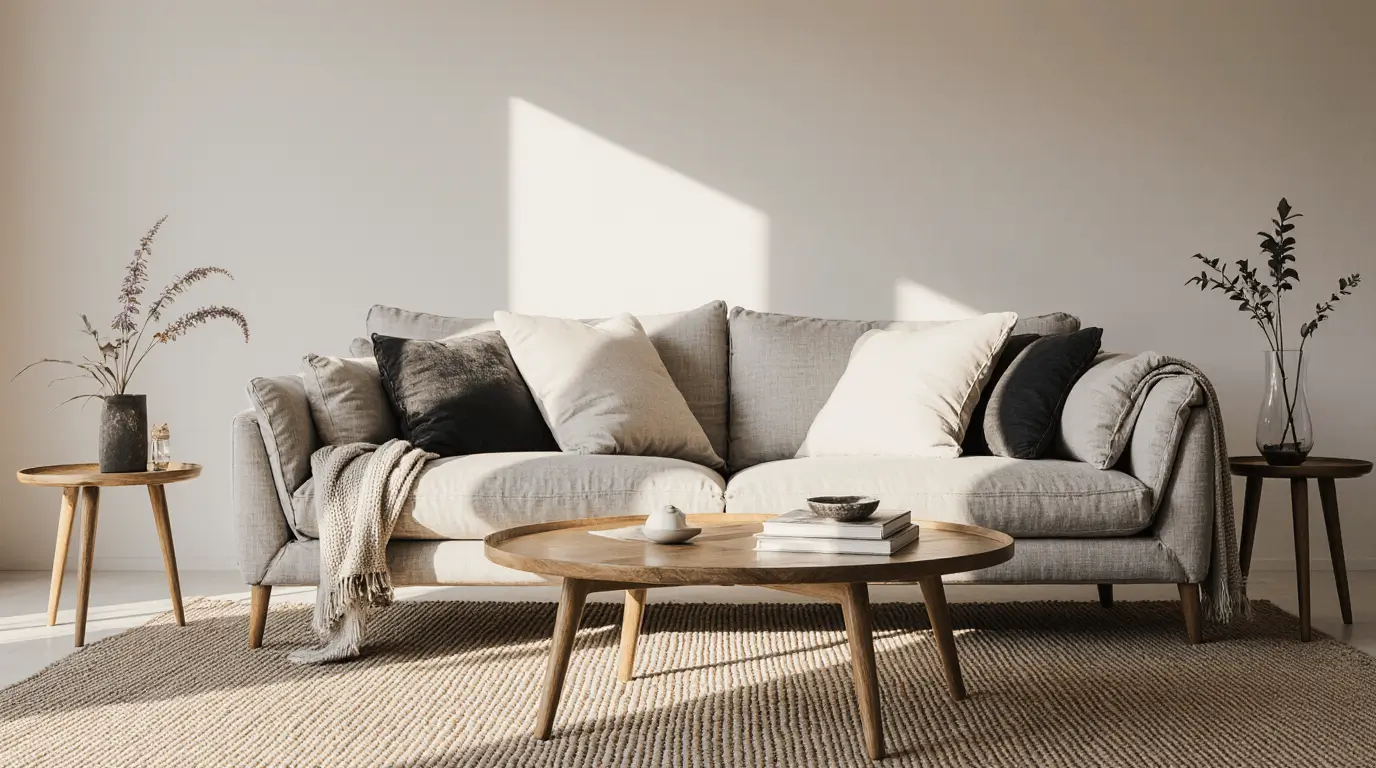
A refined palette often begins with neutrals, but it should not feel flat. Warm whites, tobacco browns, stone grays, soft blacks, muted greens, and faded blues can create depth without overwhelming the room.
The best color choices support the architecture and mood of the home. They should feel lived-in, not freshly staged.
Monique Gibson Interior Design and Texture
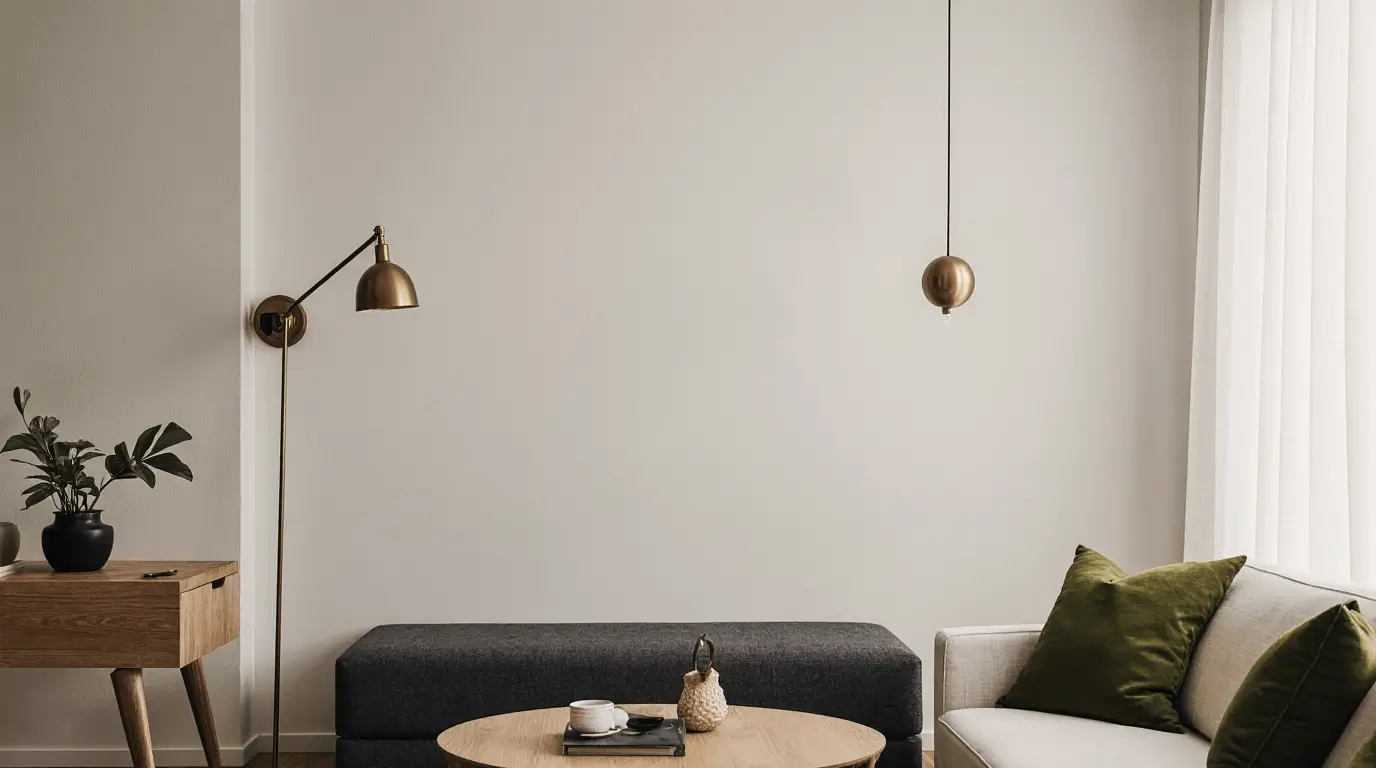
Texture gives quiet rooms their richness. Linen, velvet, plaster, stone, aged wood, leather, wool, rattan, and bronze can make a restrained palette feel tactile and dimensional.
The key is contrast: smooth beside rough, matte beside polished, tailored beside organic. This creates visual interest without relying on loud pattern.
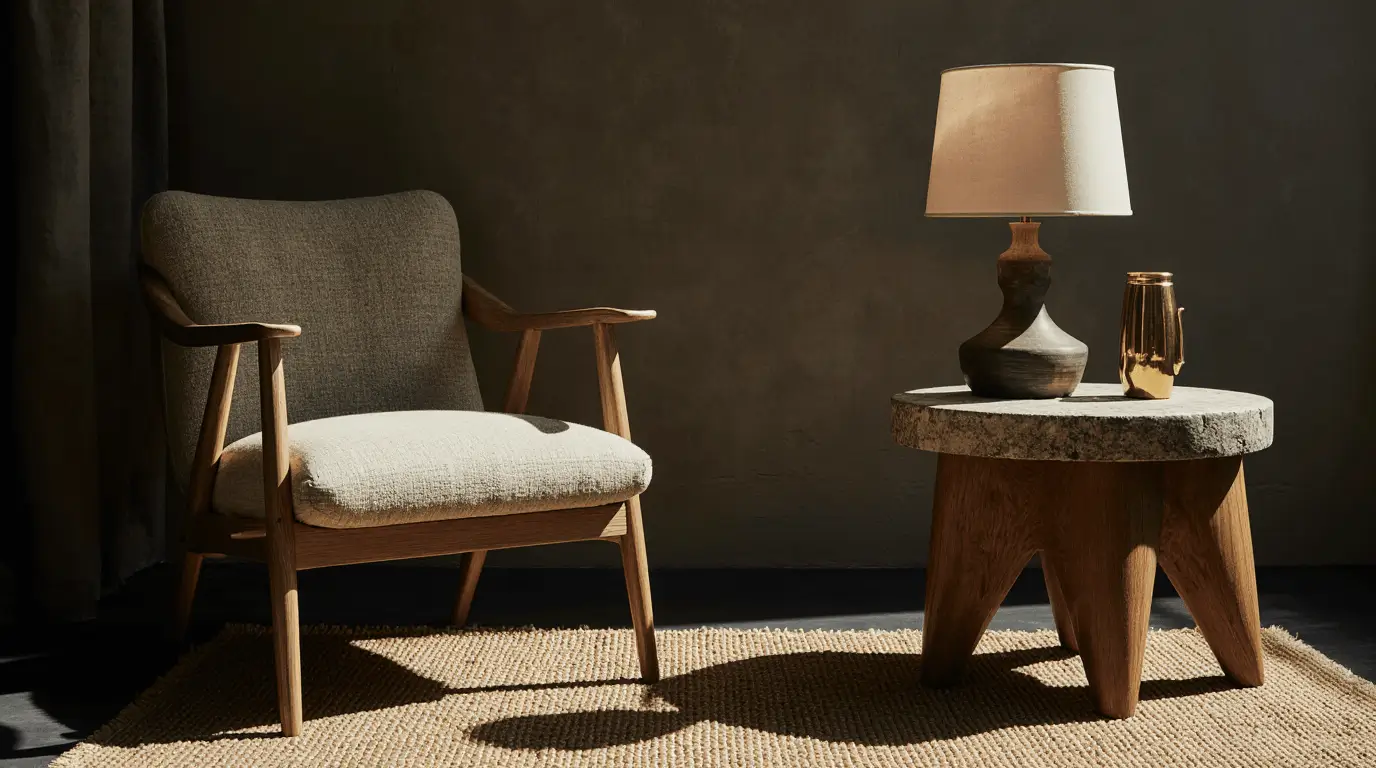
Monique Gibson Interior Design Living Rooms
A living room should invite conversation, rest, and daily use. Seating should be generous, tables should be reachable, lighting should be layered, and decorative objects should feel personal rather than random.
A Monique Gibson interior design approach would avoid overly rigid layouts. The room should feel composed, but never untouchable.
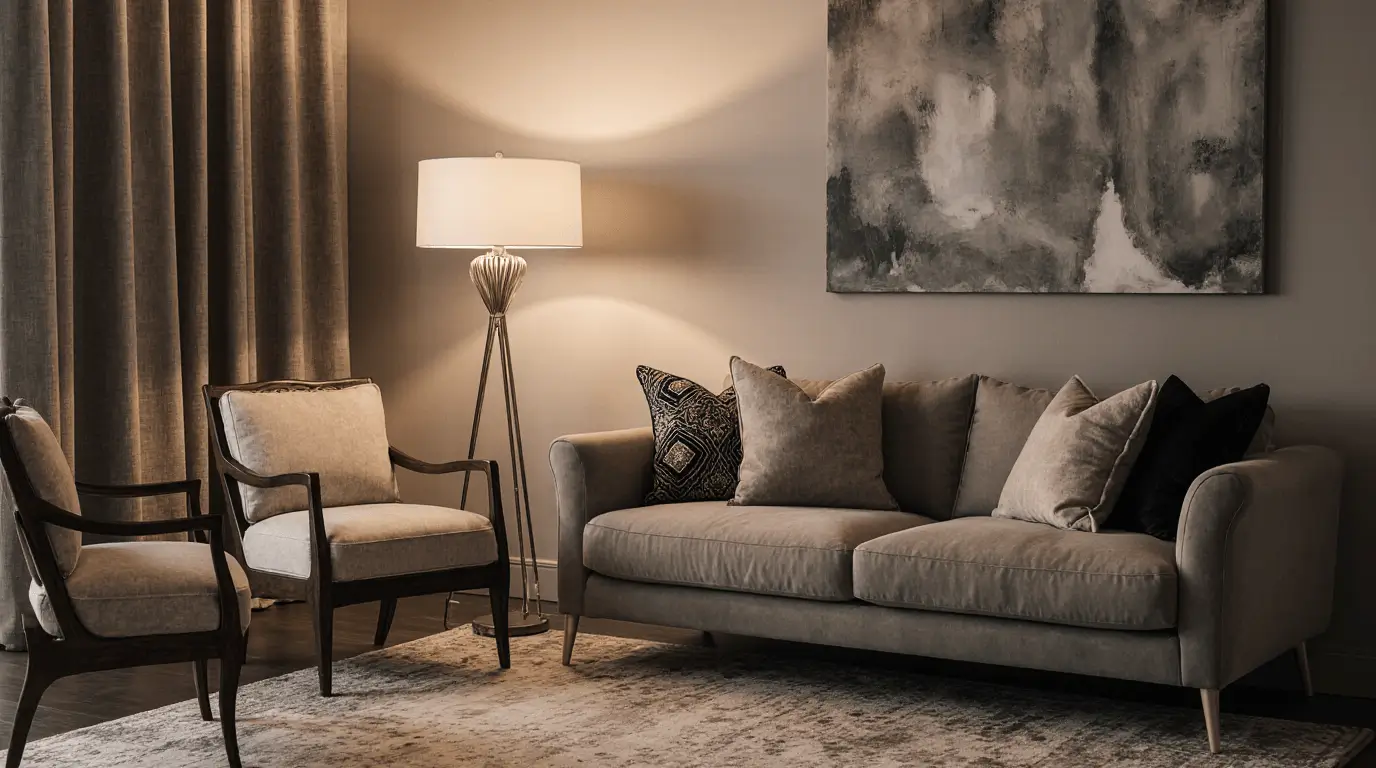
Monique Gibson Interior Design Bedrooms
Bedrooms need softness, privacy, and emotional calm. Upholstered headboards, natural textiles, quiet art, low lighting, and balanced bedside styling help create a restful retreat.
The most successful bedrooms feel personal without visual clutter. Every object should support rest, comfort, or memory.
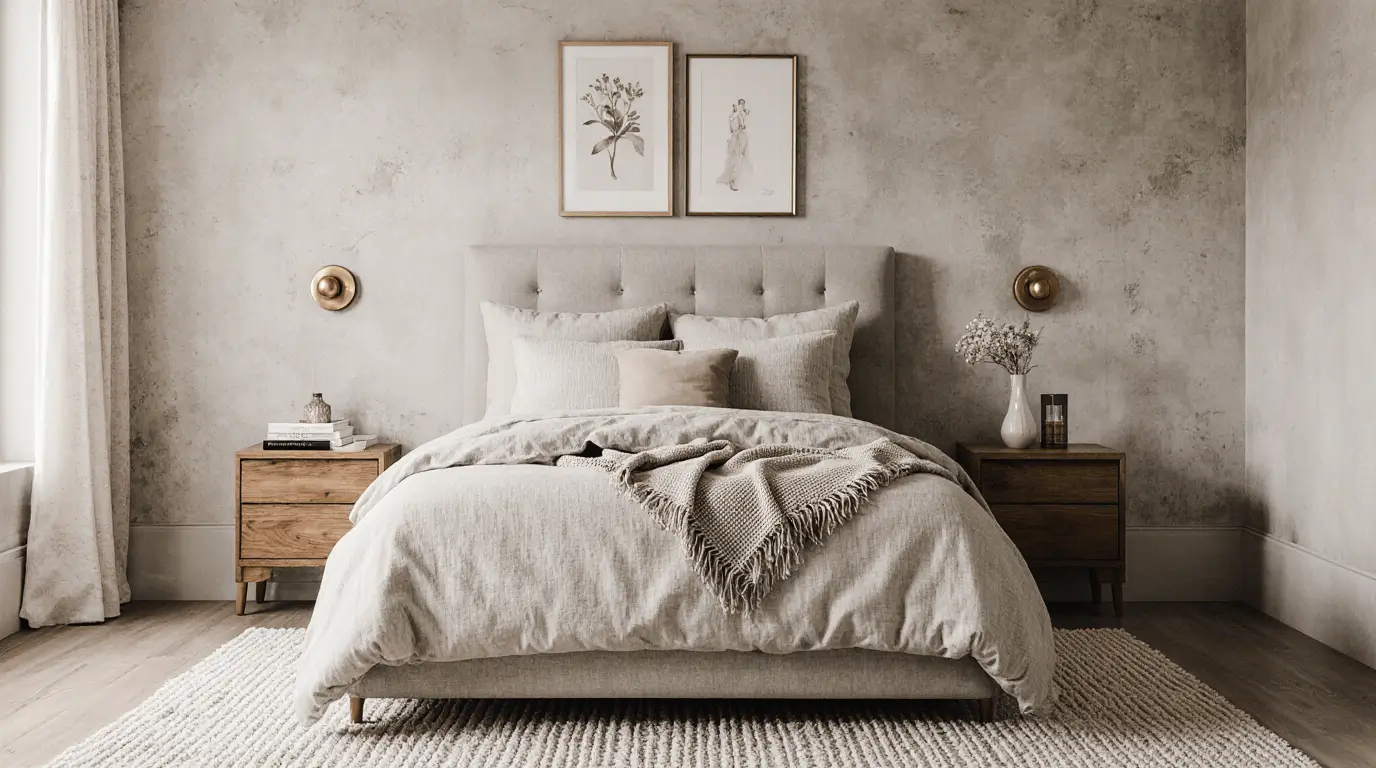
Monique Gibson Interior Design Kitchens
A sophisticated kitchen can be both functional and atmospheric. Dark cabinetry, stone counters, vintage lighting, and practical work zones can create a kitchen that feels integrated with the rest of the home.
Gibson’s published work includes a modern farmhouse project where a black kitchen played a central role in anchoring the interior scheme.
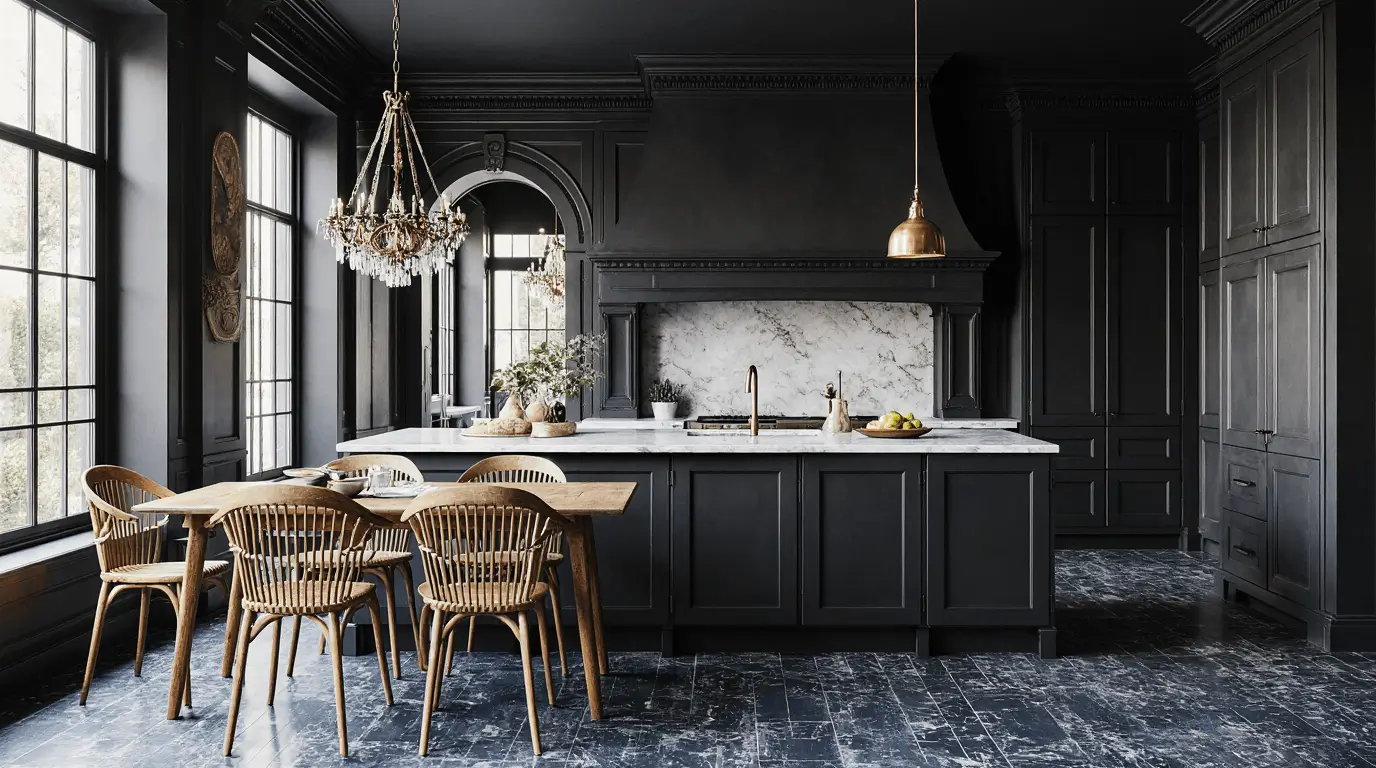
Monique Gibson Interior Design Dining Rooms
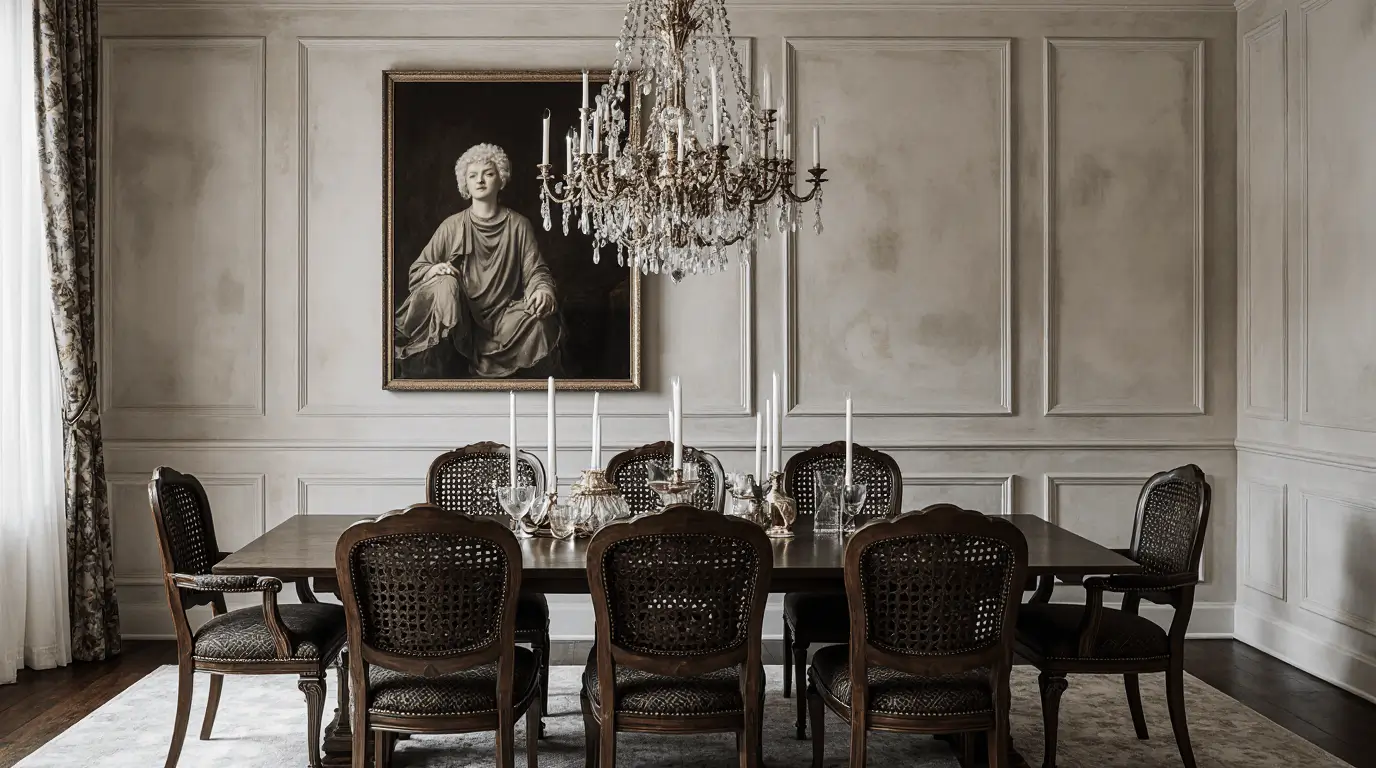
Dining rooms should feel intimate, not ceremonial. A strong table, comfortable chairs, artful lighting, and textured walls can make the space useful beyond formal occasions.
The best dining rooms invite long meals, conversation, and atmosphere. Scale matters: the table, chandelier, rug, and wall treatment should feel connected.
Monique Gibson Interior Design and Art Placement
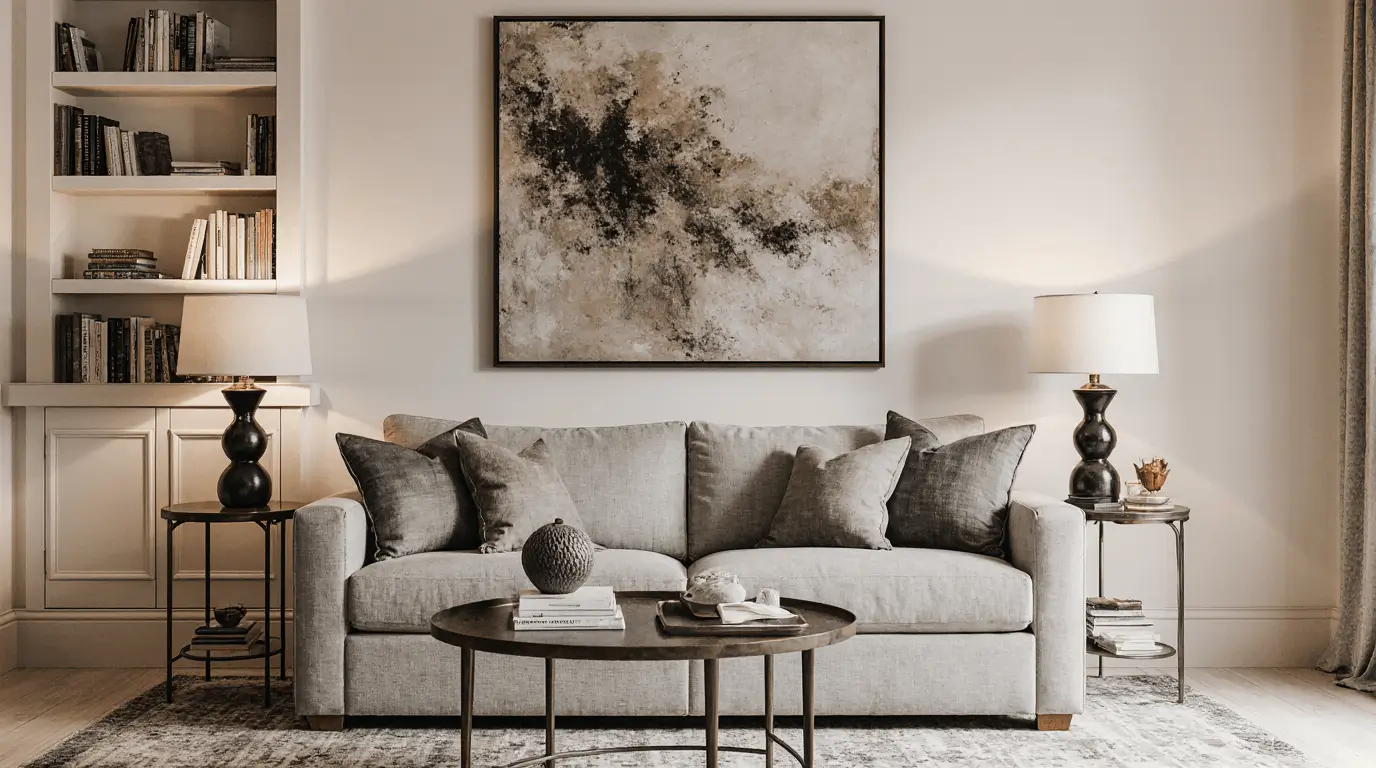
Art should not be treated as an afterthought. It can set the emotional tone of a room, introduce color, sharpen contrast, or reveal the homeowner’s point of view.
A strong interior allows art to breathe. Proper spacing, lighting, and surrounding restraint help important pieces feel integrated rather than merely displayed.
Monique Gibson Interior Design and Vintage Pieces
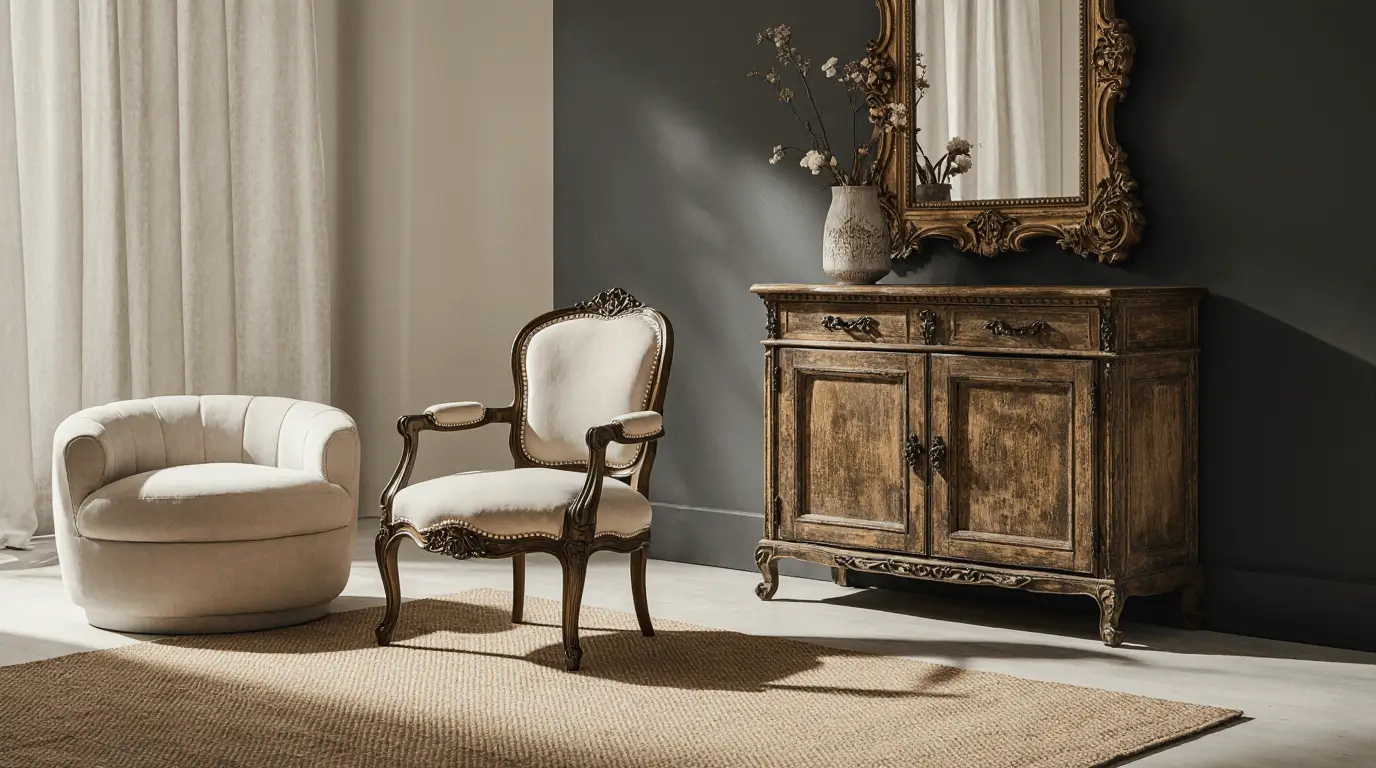
Vintage furniture gives a room soul. A single aged table, sculptural chair, antique mirror, or patinated cabinet can soften new construction and add history.
The secret is balance. Too many vintage pieces can feel heavy; too few can make a space feel generic.
Monique Gibson Interior Design and Custom Furniture
Custom furniture allows a room to fit the client, not the other way around. Sofas, banquettes, headboards, tables, and built-ins can be designed around scale, comfort, storage, and lifestyle.
This is especially valuable in city homes, unusual architecture, and family spaces where standard pieces may not solve the room properly.
Monique Gibson Interior Design for Family Homes
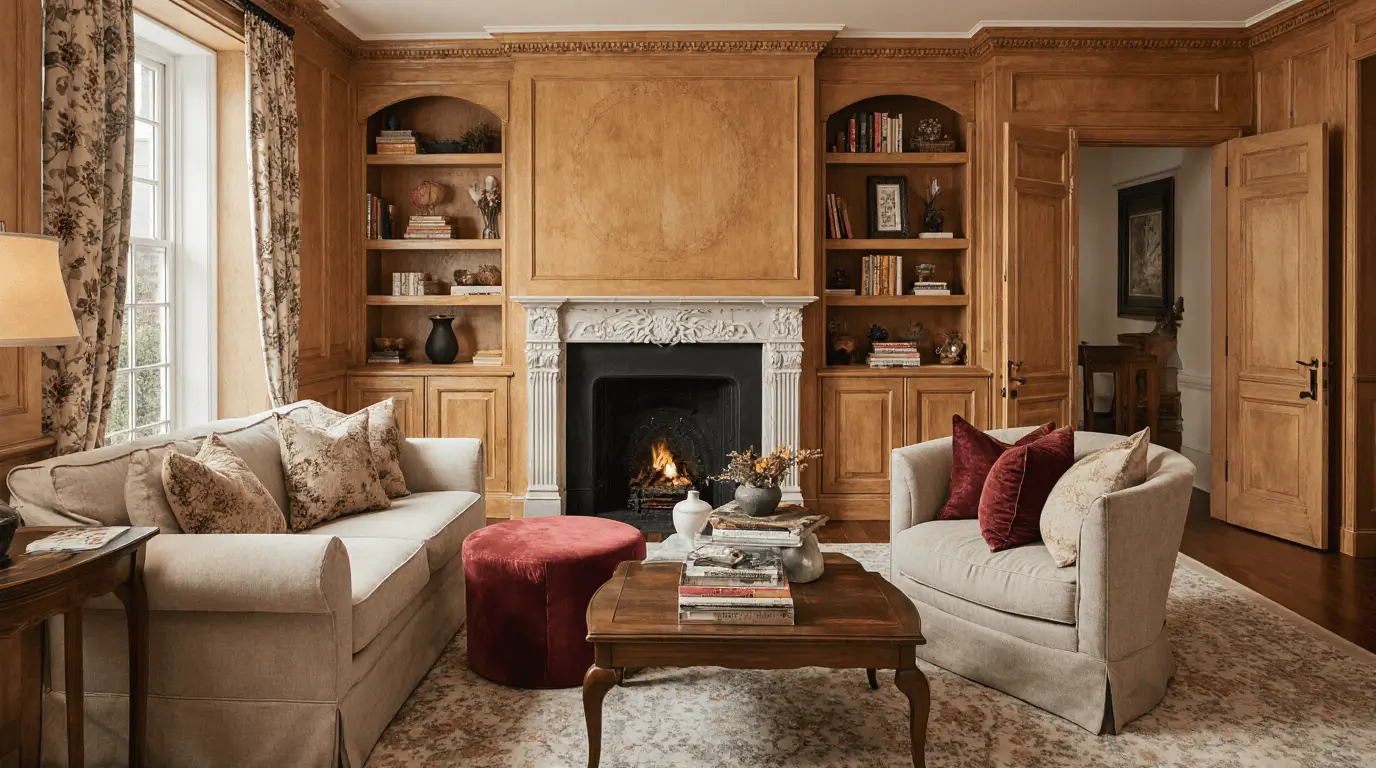
Family interiors should be beautiful without becoming fragile. Durable fabrics, forgiving finishes, generous seating, and flexible rooms allow elegance to support real life.
A recent Architectural Digest feature on a Palm Beach home by Monique Gibson highlighted imaginative family-focused details, including playful, story-rich elements designed around children and daily living.
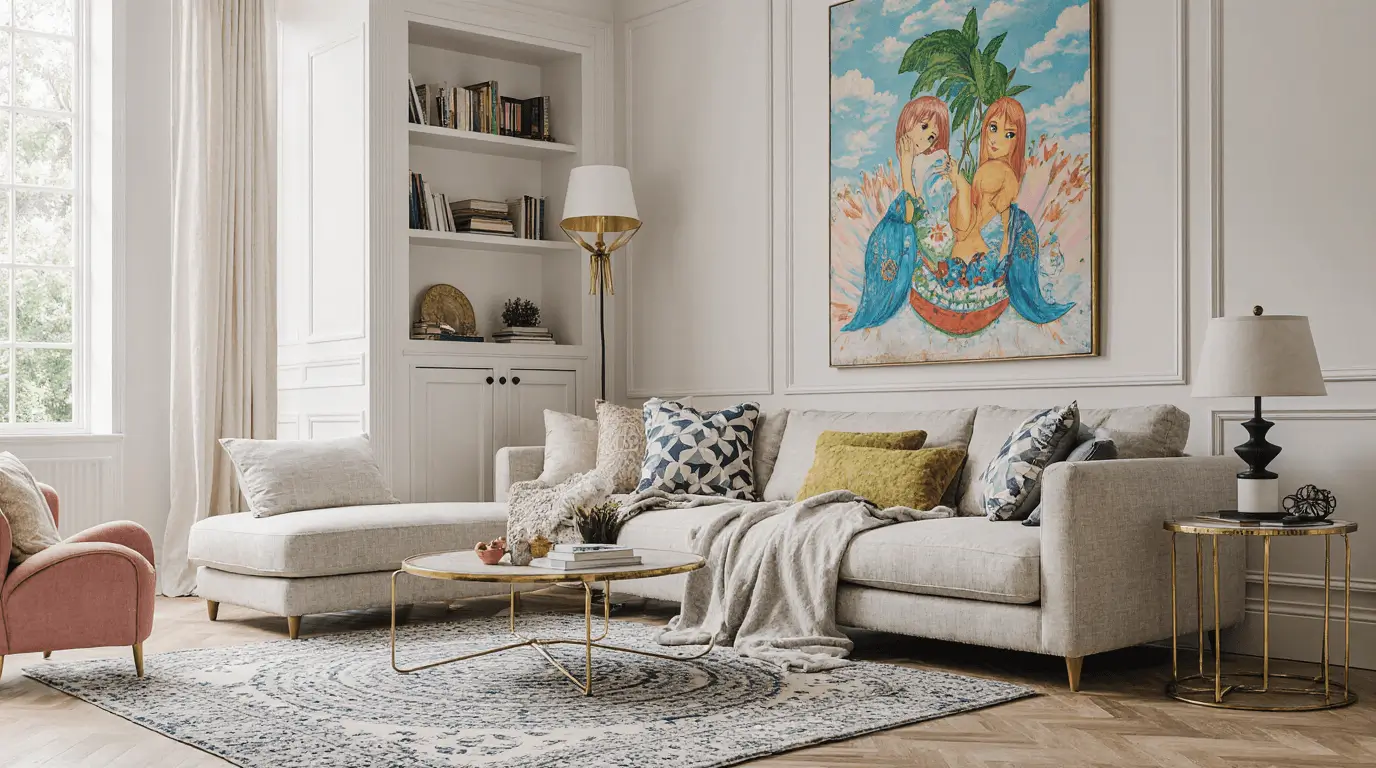
Monique Gibson Interior Design and Architectural Character
A strong interior respects the bones of the house. Moldings, fireplaces, staircases, ceiling heights, windows, and original materials should guide the design direction.
When architecture is strong, decoration can be quieter. When architecture is plain, texture, millwork, lighting, and art can create depth.
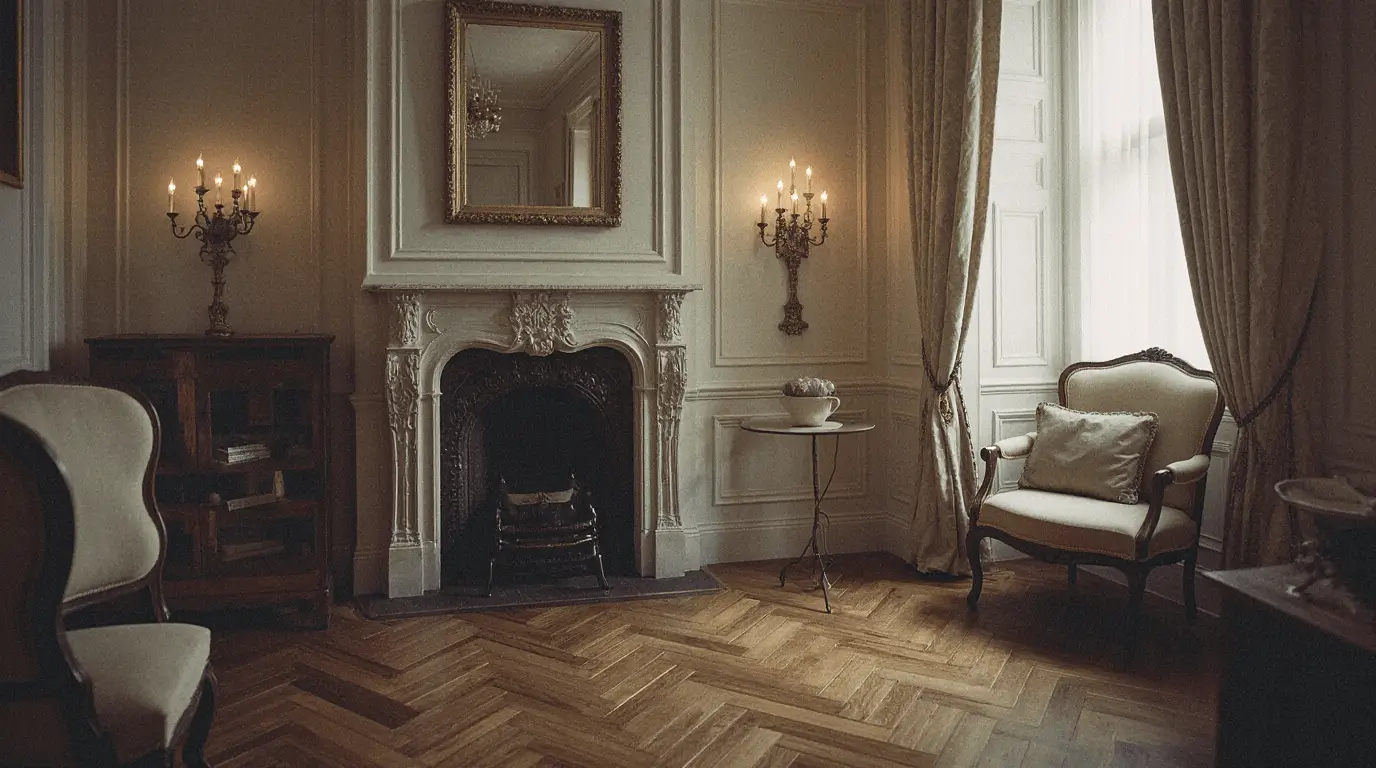
Monique Gibson Interior Design for Townhouses
Townhouses benefit from layered, vertical storytelling. Each floor can have its own mood while still belonging to a cohesive whole through repeated materials, colors, and lighting language.
Gibson’s own New York townhouse has been featured as a live-work environment, reflecting the connection between home, studio, comfort, and creative life.
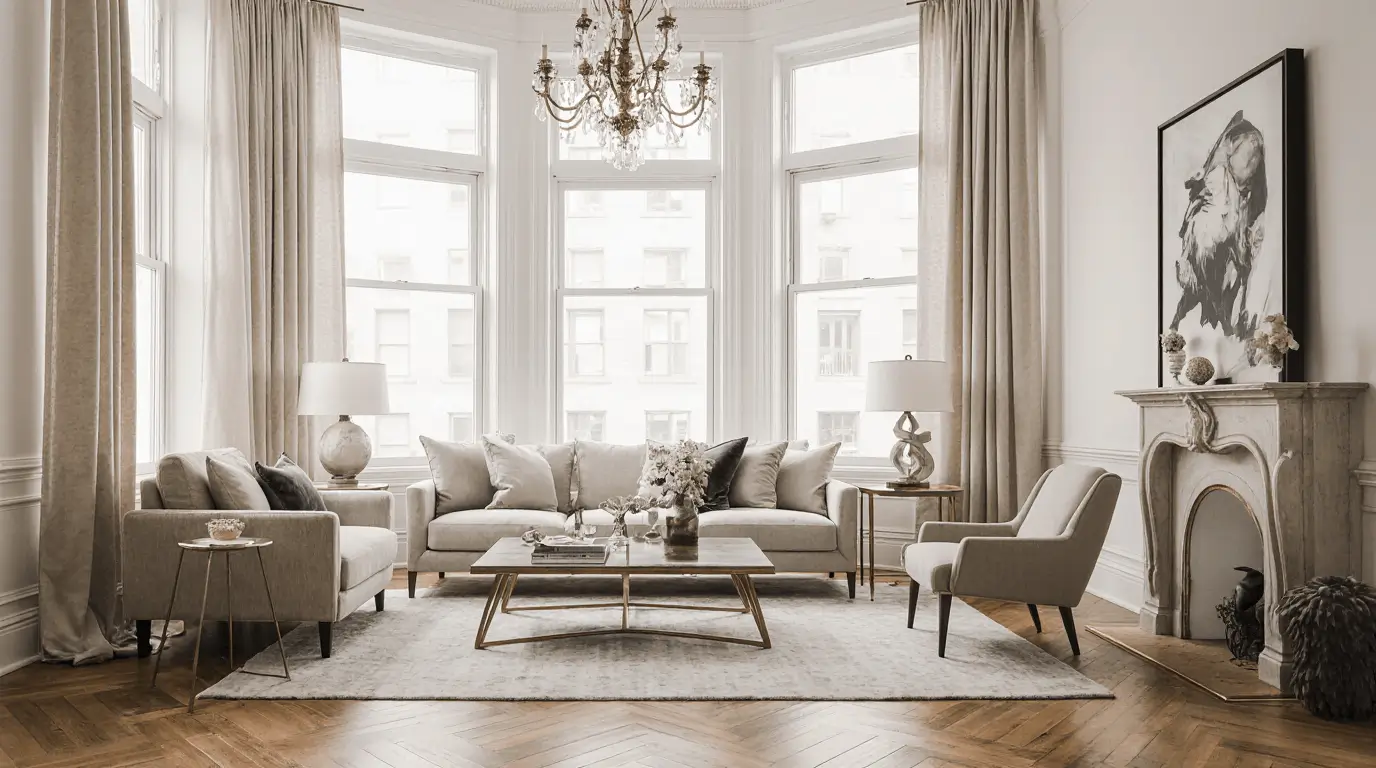
Monique Gibson Interior Design and Lighting
Lighting shapes the emotional temperature of a room. A refined interior needs more than overhead fixtures: sconces, table lamps, floor lamps, picture lights, and candlelight all contribute to atmosphere.
The goal is glow, not glare. Warm lighting makes texture, art, and upholstery feel richer.
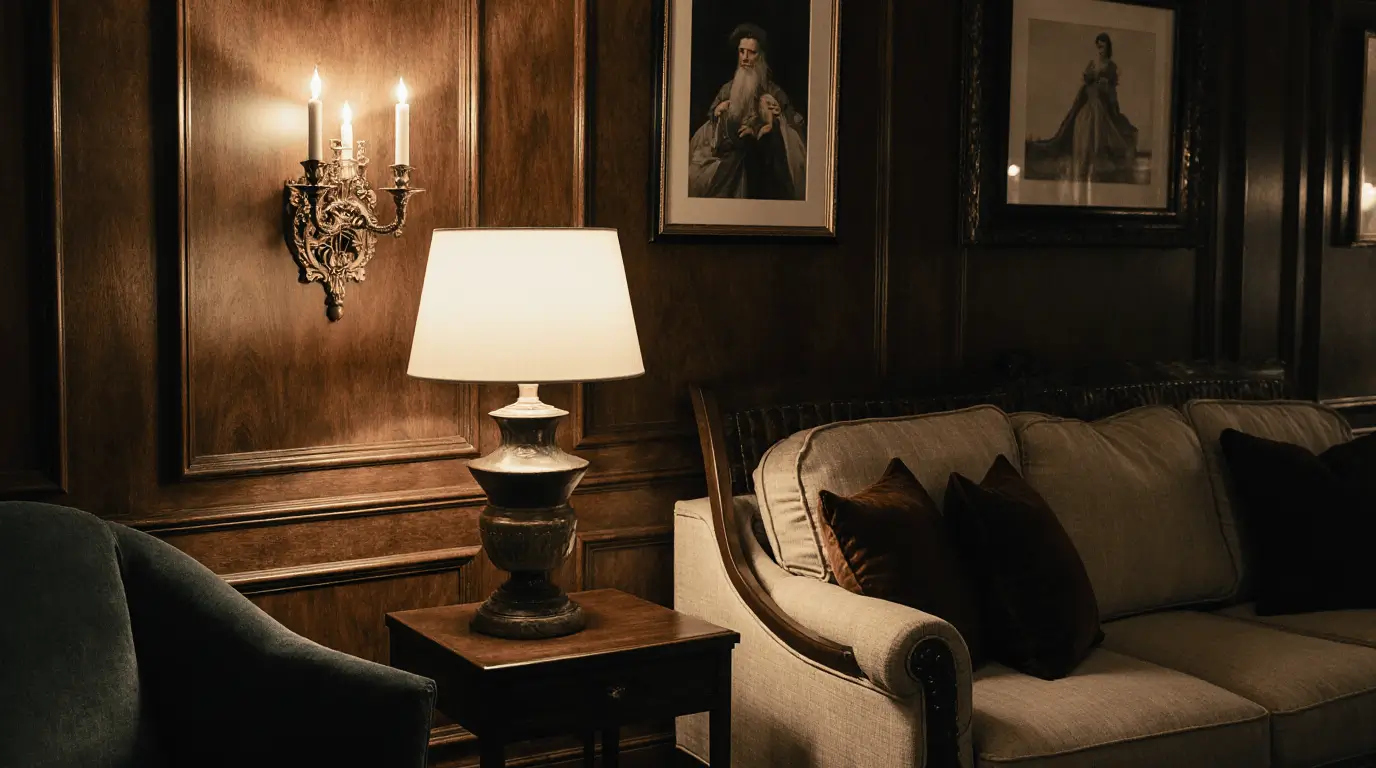
Monique Gibson Interior Design and Quiet Drama
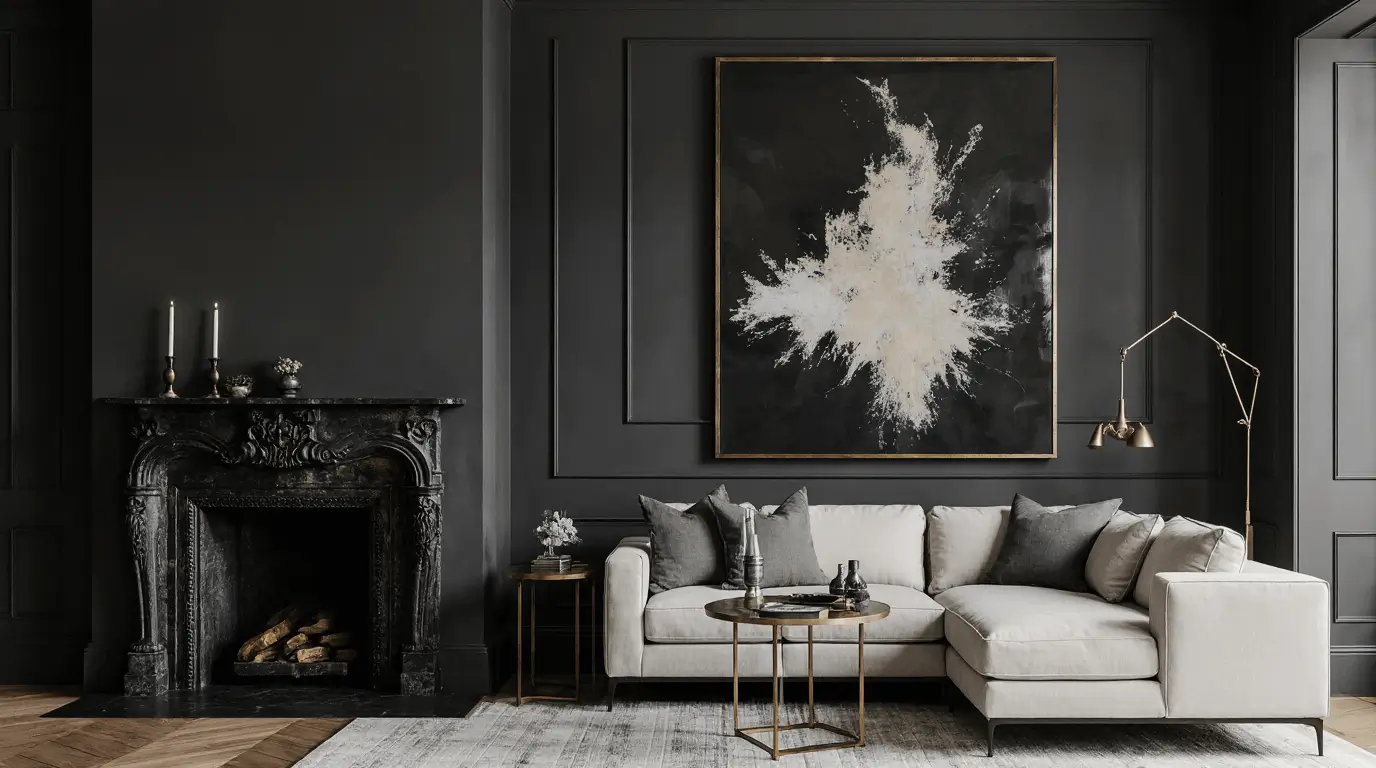
Quiet drama comes from contrast, not excess. A black kitchen, oversized artwork, sculptural lighting, deep wall color, or unexpected antique can make a room memorable without making it theatrical.
This approach works because the drama is grounded in proportion and material quality rather than decoration alone.
Monique Gibson Interior Design for Collected Interiors
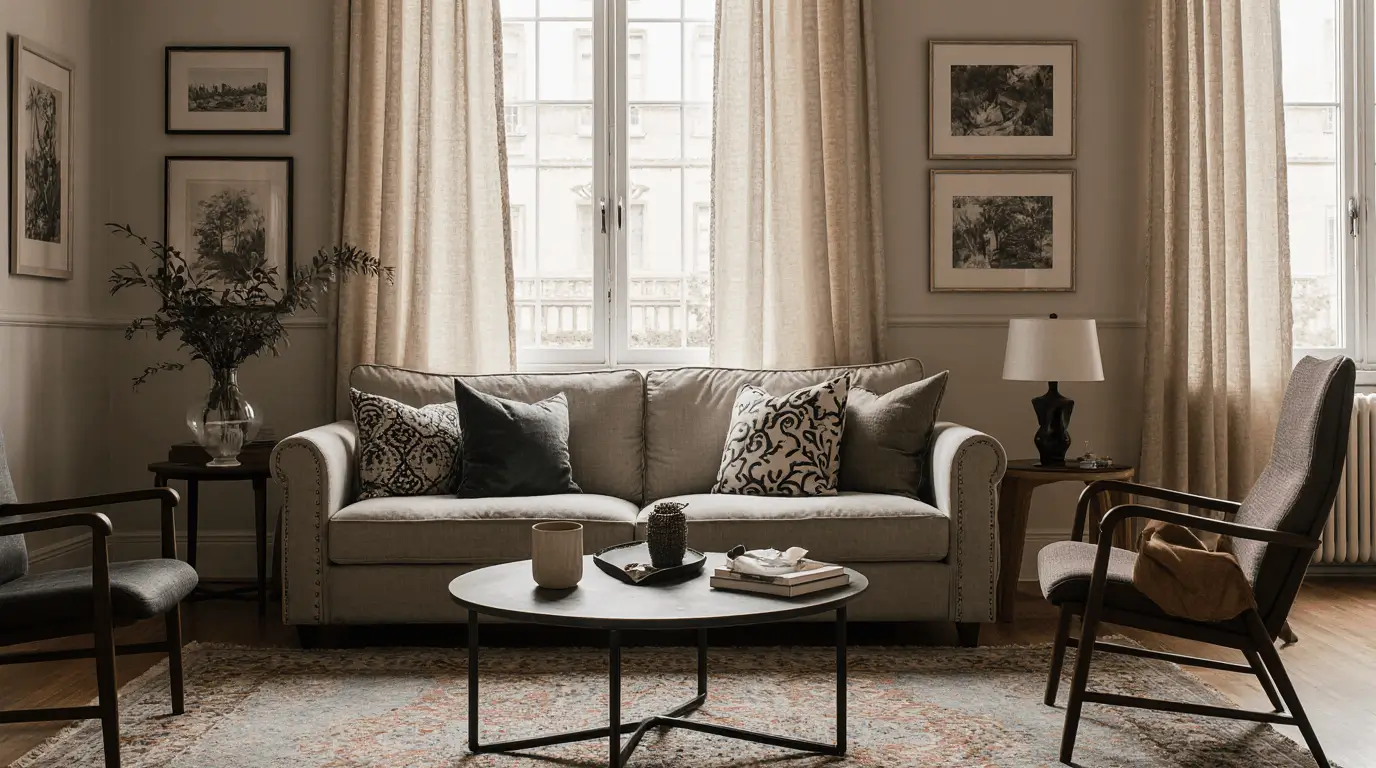
Collected interiors feel assembled over time. They include pieces from different periods, textures, and origins, yet everything feels connected through scale, color, and mood.
To achieve this, avoid buying everything from one source. Mix old and new, formal and casual, handmade and polished.
Monique Gibson Interior Design and Client-Centered Homes
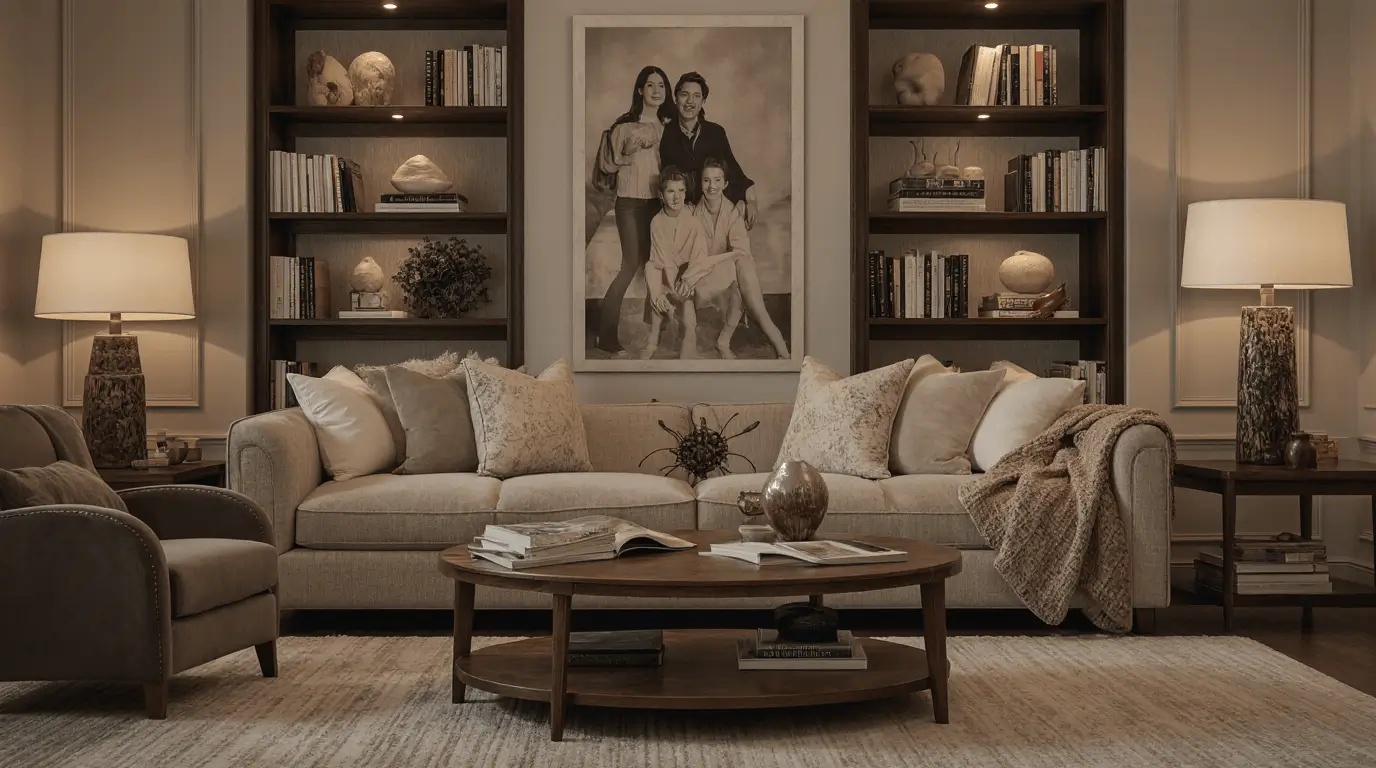
The strongest interiors are not copies of a designer’s signature. They are translations of a client’s habits, memories, routines, and aspirations into rooms that work beautifully.
That is the enduring lesson of Monique Gibson interior design: luxury feels most convincing when it is personal, comfortable, and emotionally specific.
Conclusion
Monique Gibson interior design is compelling because it treats a home as more than a beautiful arrangement of furniture. It is a thoughtful conversation between architecture, memory, comfort, art, and everyday living. The most successful rooms in this design language feel refined without being distant, layered without being crowded, and luxurious without losing warmth.
For homeowners, the clearest takeaway is to design from the inside out. Start with how the room needs to feel, how it will be used, and what personal details deserve a place in the story. Then build slowly with quality materials, meaningful objects, balanced proportions, and lighting that supports atmosphere. This approach benefits anyone who wants a home that feels elegant but still deeply livable.
The strength of Monique Gibson interior design lies in its emotional intelligence. It shows that true sophistication is not about following a rigid formula; it is about creating rooms with character, restraint, and personal resonance. Whether you are redesigning one room or planning an entire home, the path forward is clear: choose pieces with purpose, honor the architecture, layer texture carefully, and allow the space to reflect real life beautifully.
Learn more : Apartment Tulum Interior Design for Calm, Luxurious Living
FAQ
- What defines Monique Gibson interior design?
Monique Gibson interior design is defined by refined comfort, personal storytelling, layered materials, and a strong connection to the people who live in the home. The style often feels polished but not overly formal, with rooms that balance elegance, intimacy, and practical livability.
- Is Monique Gibson’s design style traditional or modern?
Her work often blends both. You may see traditional architecture, antique pieces, custom furniture, contemporary art, and modern lighting within the same space. The result is not strictly traditional or modern, but collected, personal, and timeless.
- How can I bring this design approach into my own home?
Begin by editing the room and identifying what truly matters: comfort, function, meaningful objects, and atmosphere. Add texture through natural materials, use warm layered lighting, mix old and new pieces, and avoid making the room feel overly matched or staged.
- What colors work best for a Monique Gibson-inspired interior?
Warm neutrals, muted earth tones, soft blacks, faded blues, olive greens, and natural wood tones work especially well. The palette should support the mood of the room rather than dominate it, allowing texture, art, and furniture silhouettes to create depth.
- Why does this style feel so livable despite being luxurious?
It works because luxury is expressed through quality, proportion, and feeling rather than excess. Comfortable seating, durable fabrics, useful layouts, and personal objects make the space approachable, while fine materials and thoughtful details keep it elevated.
- Can this design philosophy work in a small apartment?
Yes. In smaller spaces, the approach can be especially effective because it encourages editing, intention, and emotional clarity. A few well-chosen pieces, layered lighting, meaningful art, and tactile materials can make even a compact room feel sophisticated and personal.
- What is the biggest mistake to avoid with this style?
The biggest mistake is trying to copy the look without understanding the feeling behind it. A Monique Gibson-inspired interior should not feel like a formula. Avoid buying everything new, overdecorating, or choosing pieces only because they look expensive. The room should feel considered, comfortable, and connected to your life.




One Response