
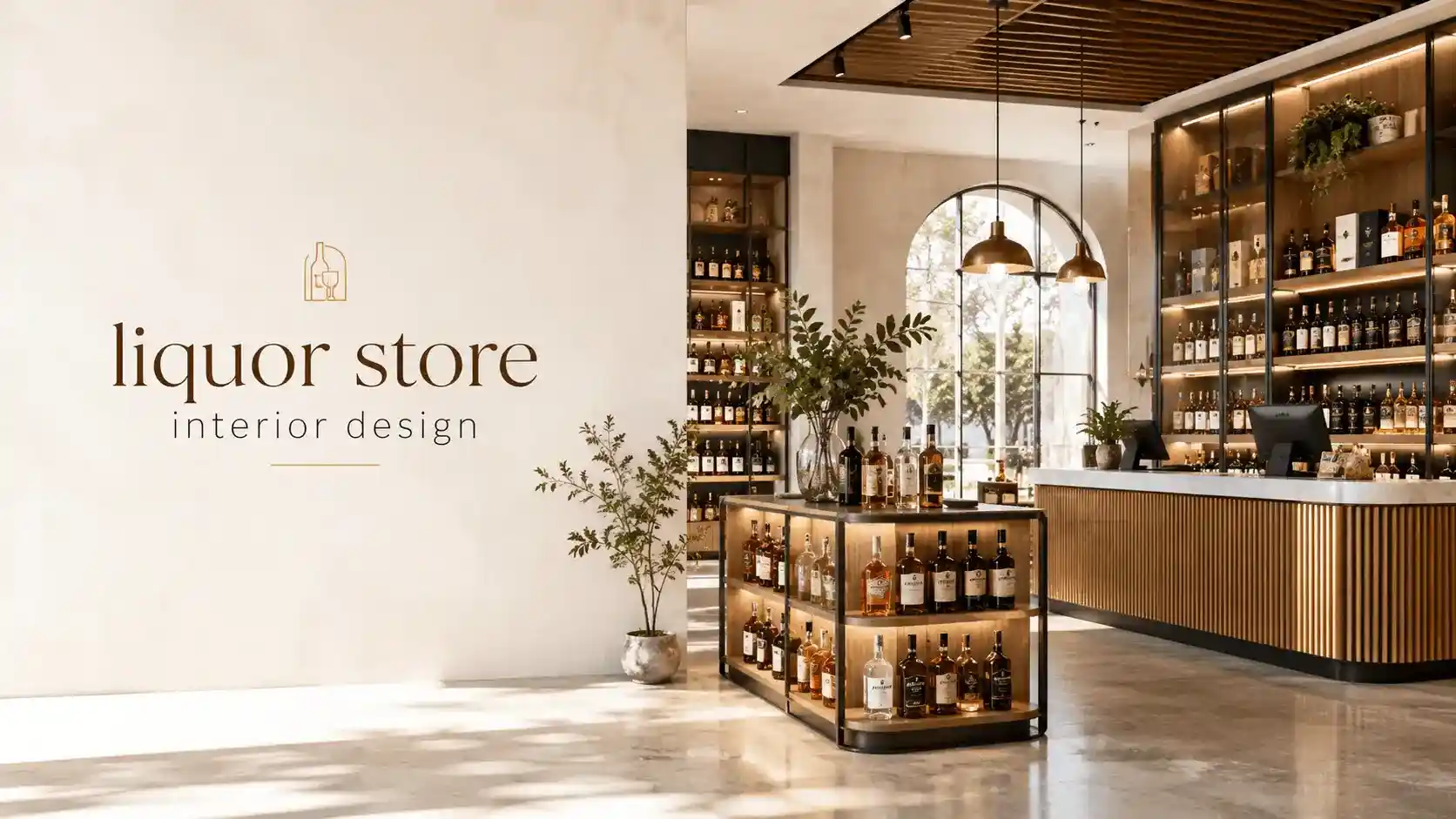
Introduction
Liquor store interior design is about more than arranging bottles on shelves. A well-designed liquor store should make products easy to find, encourage browsing, protect premium inventory, and create a memorable shopping experience that feels trustworthy, organized, and profitable.
From working with retail-style layouts and visual merchandising principles, one thing becomes clear: liquor stores perform best when the interior balances visibility, security, atmosphere, and efficient customer movement. Every shelf height, lighting choice, counter position, and display zone should support both the shopper’s journey and the store owner’s sales goals.
Whether you are planning a modern liquor store design, upgrading a small liquor shop, or redesigning your checkout counter and display areas, the strongest interiors feel intentional. They guide customers naturally from everyday purchases to premium selections, seasonal displays, and final add-on items near checkout.
Liquor Store Interior Design for a Strong First Impression
The entrance sets the tone for the entire store. A clean, open front zone with clear sightlines helps customers quickly understand where wine, spirits, beer, and specialty items are located.
In professional liquor store interior design, the first few steps inside should feel uncluttered, welcoming, and easy to navigate. This improves comfort and makes the store feel more premium, even in a compact space.
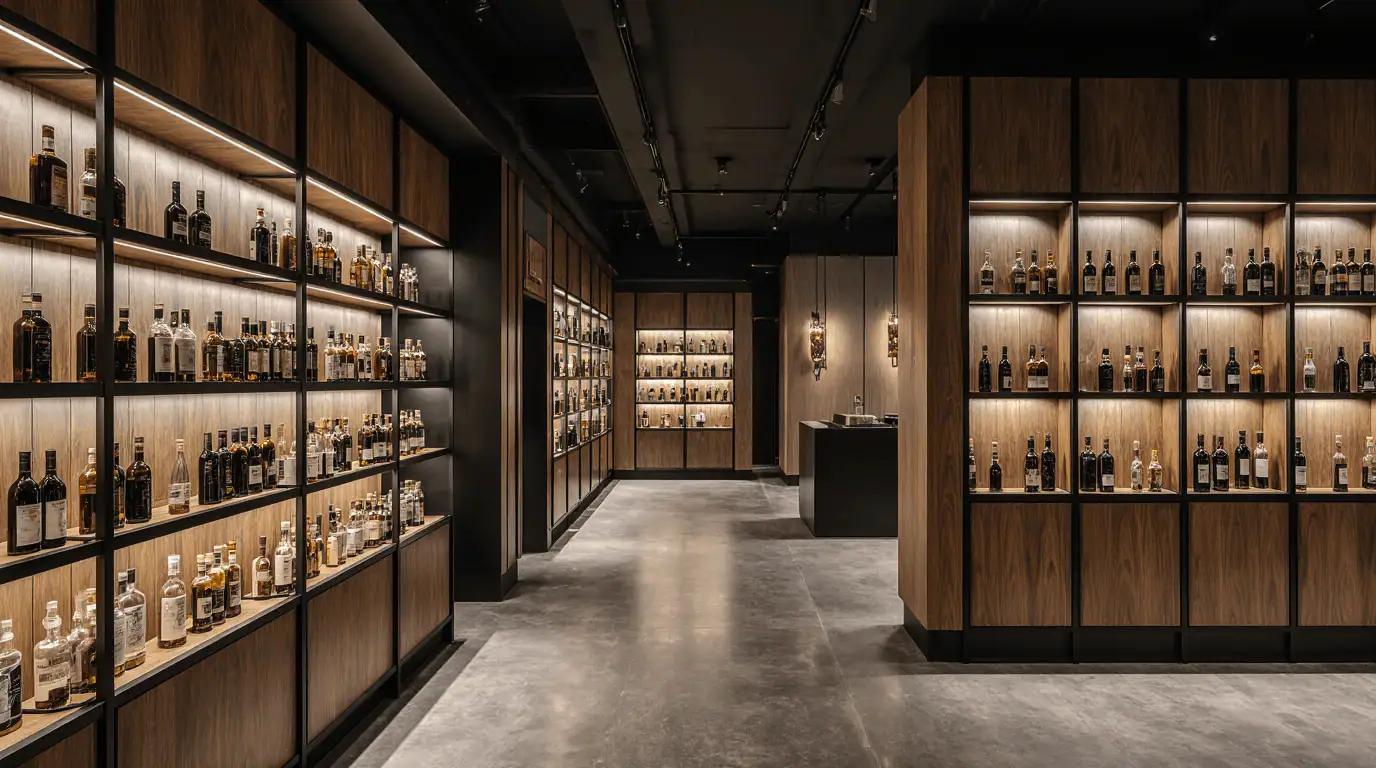
Modern Liquor Store Interior Design with Premium Materials
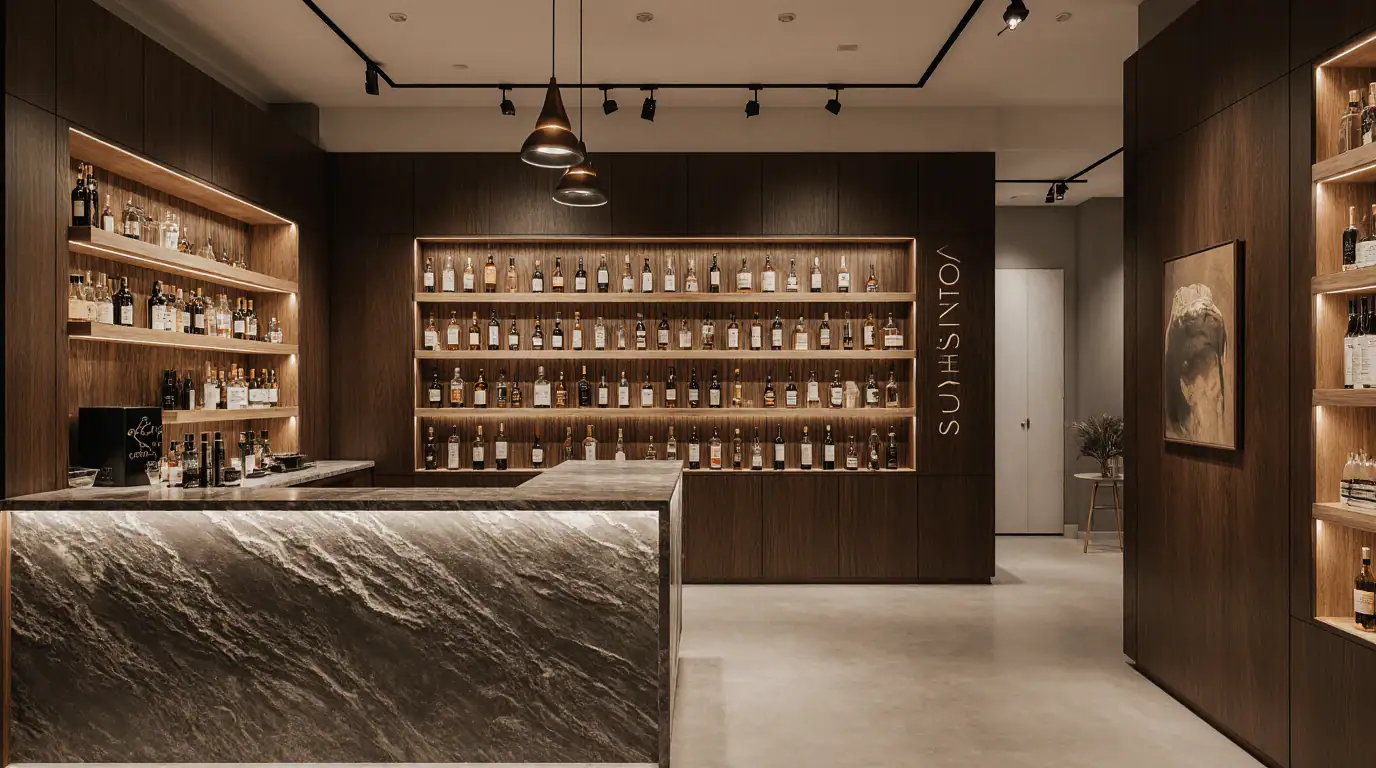
Modern liquor store interior design often uses a refined mix of wood, metal, glass, stone, and clean architectural lines. These materials create a polished environment without distracting from the bottles.
The best modern interiors avoid over-decoration. Instead, they use consistent finishes, strong lighting, and disciplined display systems to make the products feel valuable and easy to compare.
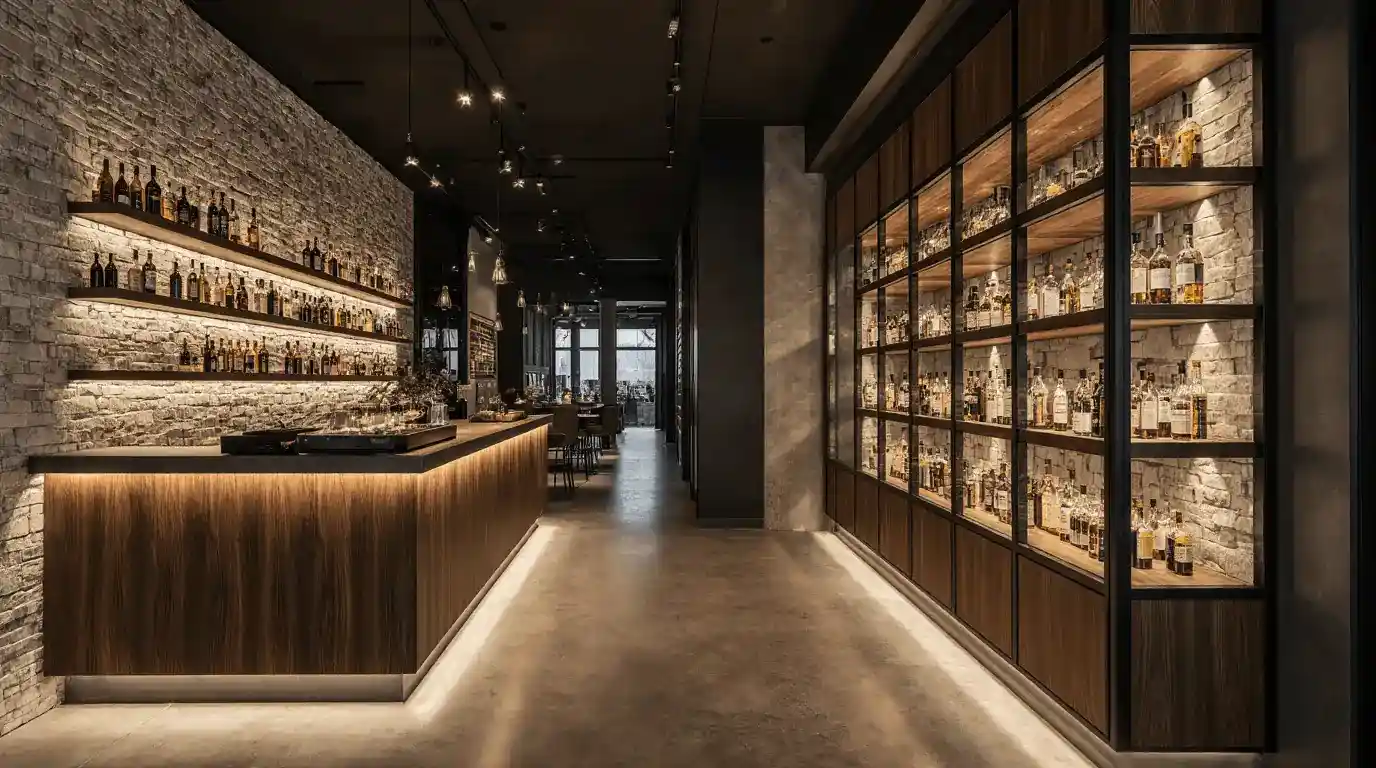
Small Liquor Store Interior Design That Feels Spacious
A small liquor store can feel larger when shelving is arranged with clear pathways and vertical display space is used wisely. Wall-mounted shelving, slim gondolas, and bright lighting help reduce visual heaviness.
In small liquor store interior design, every inch matters. Avoid oversized fixtures, crowded signage, and confusing product placement. A compact layout should still feel calm, organized, and intentional.
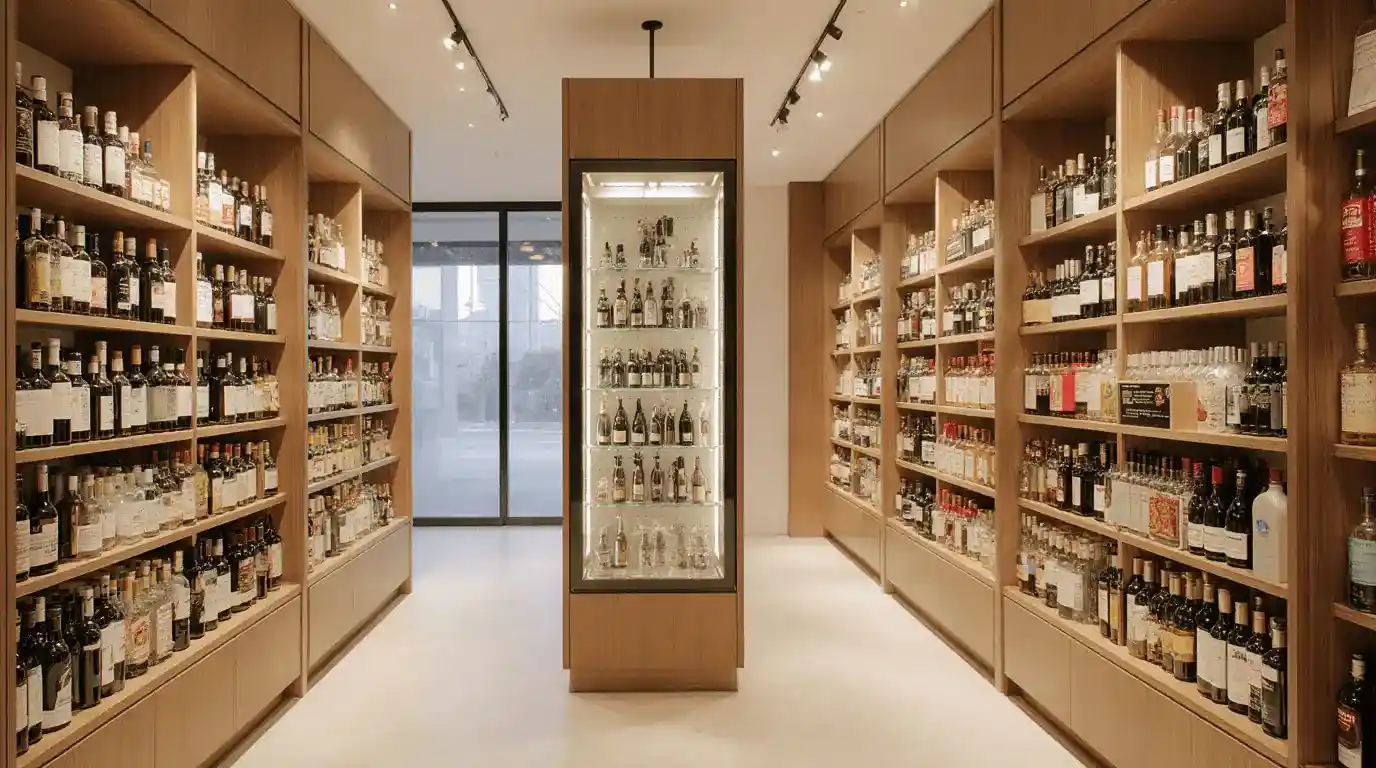
Liquor Store Design Layout for Better Customer Flow
A strong liquor store design layout guides shoppers naturally through the space. Popular everyday products should be easy to access, while premium and specialty selections can be placed in zones that encourage browsing.
Good flow reduces congestion near the entrance and checkout counter. It also helps customers discover more categories without feeling pushed or overwhelmed.
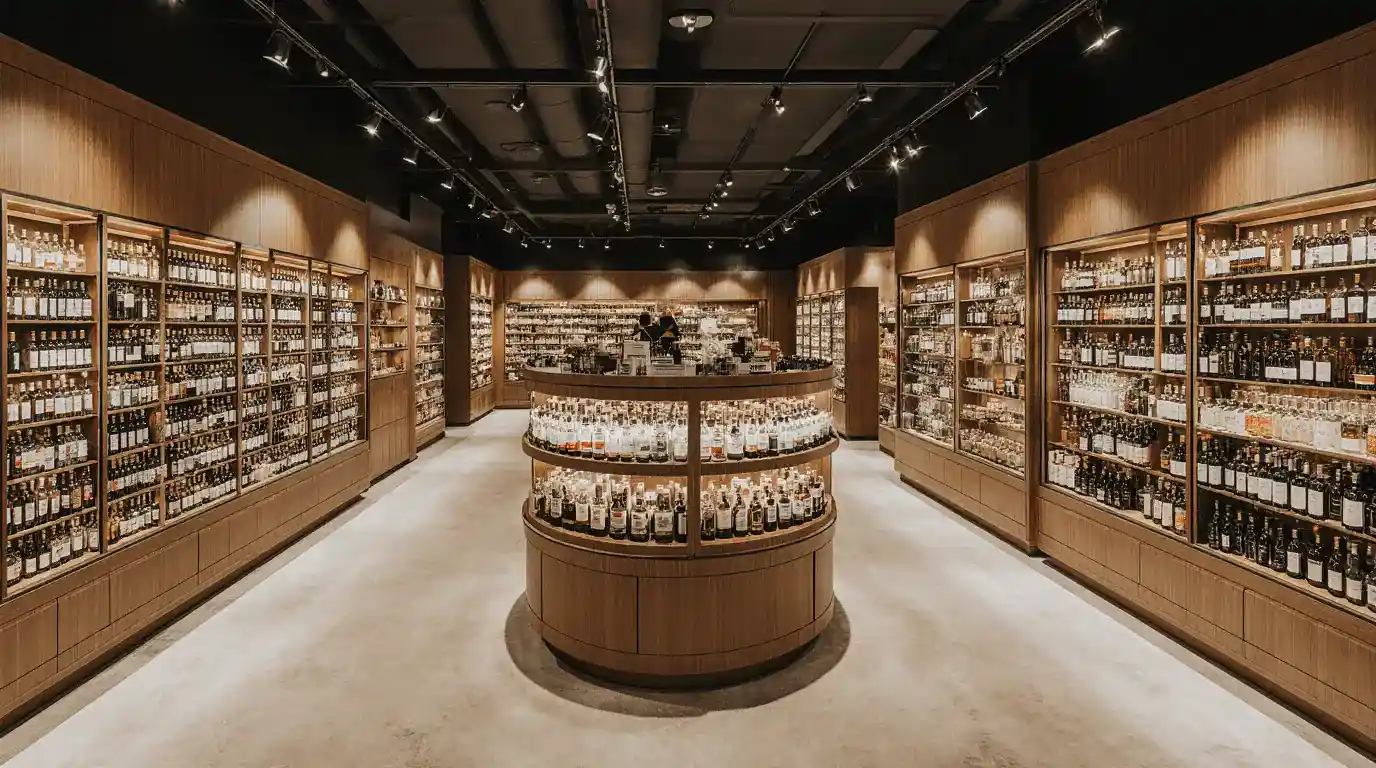
Liquor Store Counter Design for Function and Sales
The checkout counter is one of the most important areas in liquor store interior design. It must support fast transactions, secure storage, staff visibility, and impulse purchases.
A well-planned liquor store counter design may include locked glass displays, POS space, under-counter storage, small product racks, and a clear view of the store. The counter should feel professional, not cluttered.
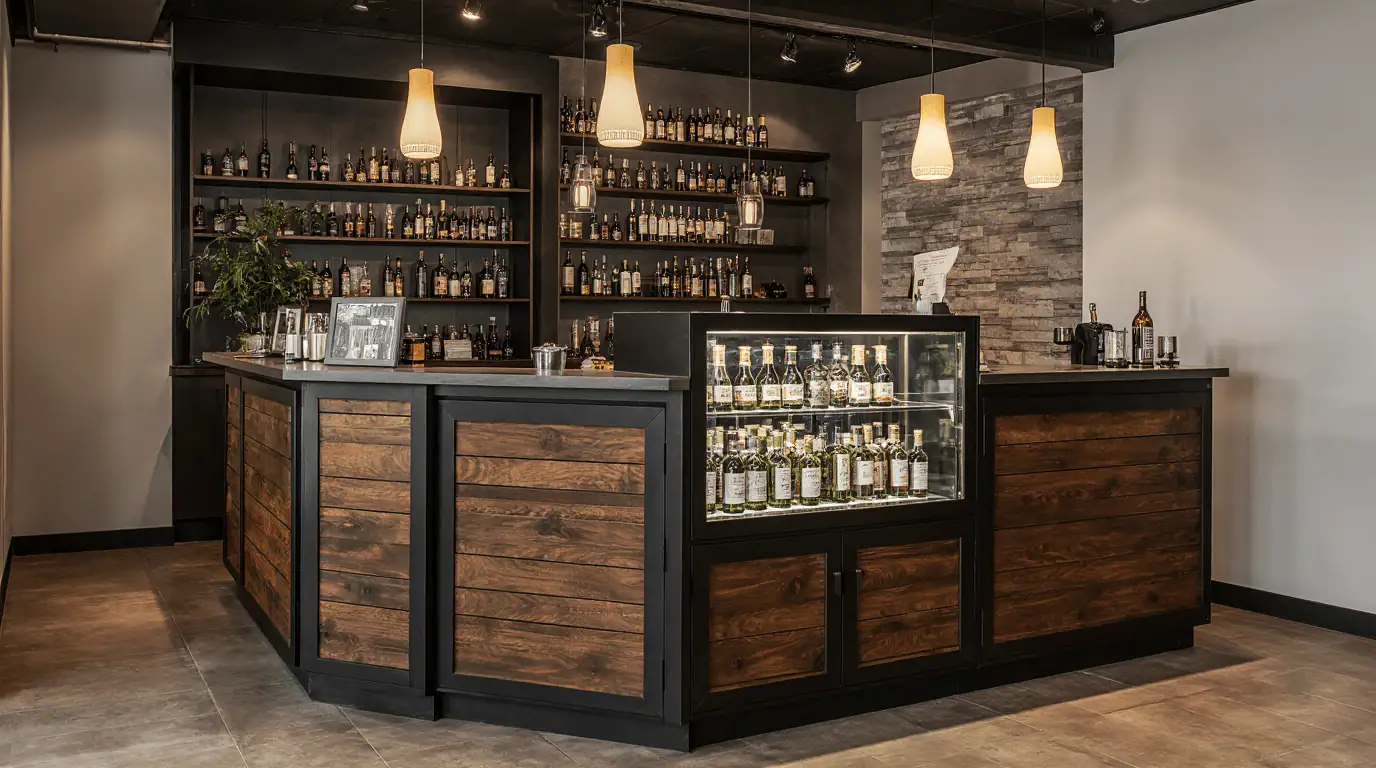
Liquor Store Checkout Counter with Impulse Display
The checkout zone is ideal for smaller items, gift bags, mixers, bottle openers, mini bottles where legally permitted, and seasonal promotions. These should be displayed neatly without blocking the transaction area.
A liquor store checkout counter works best when it feels efficient and intentional. Too many items can make the store feel messy, while a curated selection can increase basket size naturally.
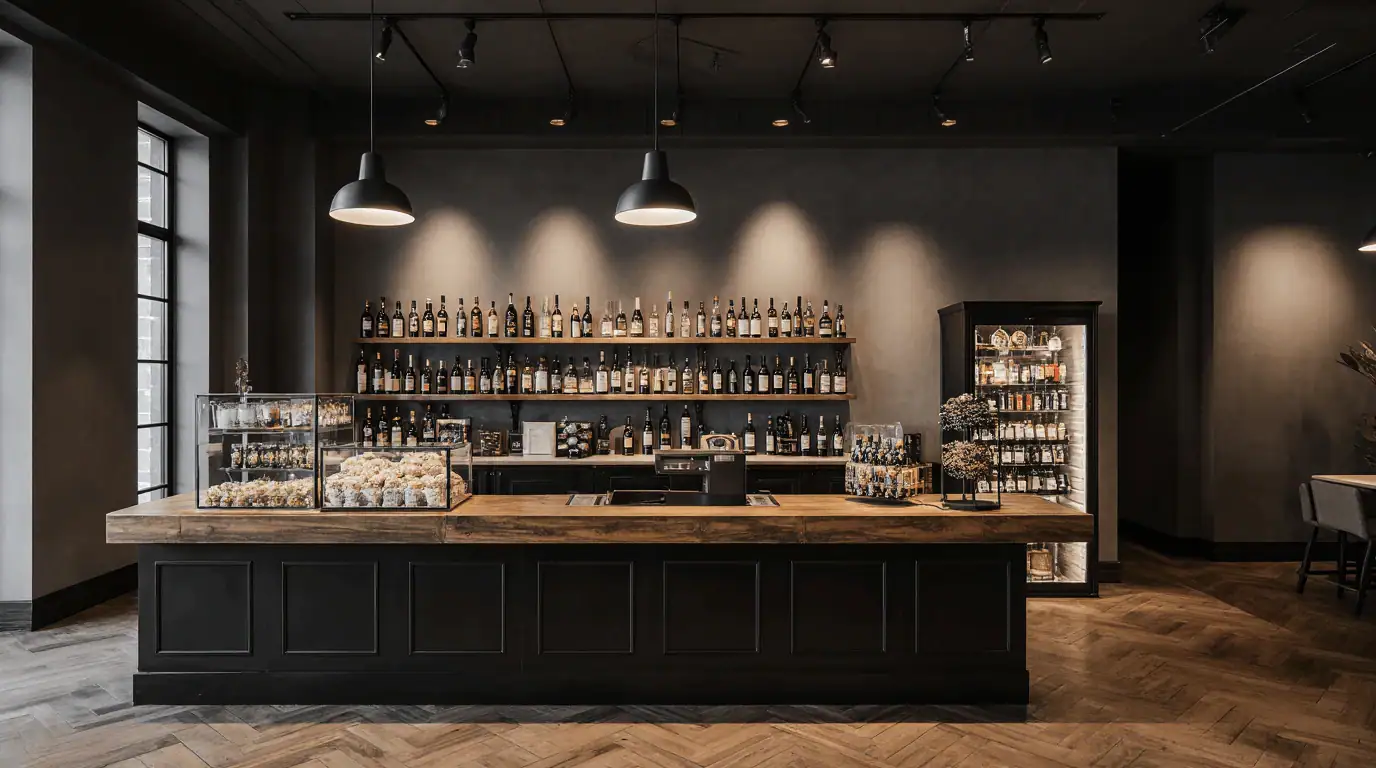
Liquor Store Display Ideas for Premium Bottles
Premium bottles deserve stronger presentation. Use dedicated shelving, glass cabinets, accent lighting, or a feature wall to create a sense of value and exclusivity.
The goal is not to hide expensive products but to frame them beautifully. Good liquor store display design makes premium inventory feel curated, secure, and worth exploring.
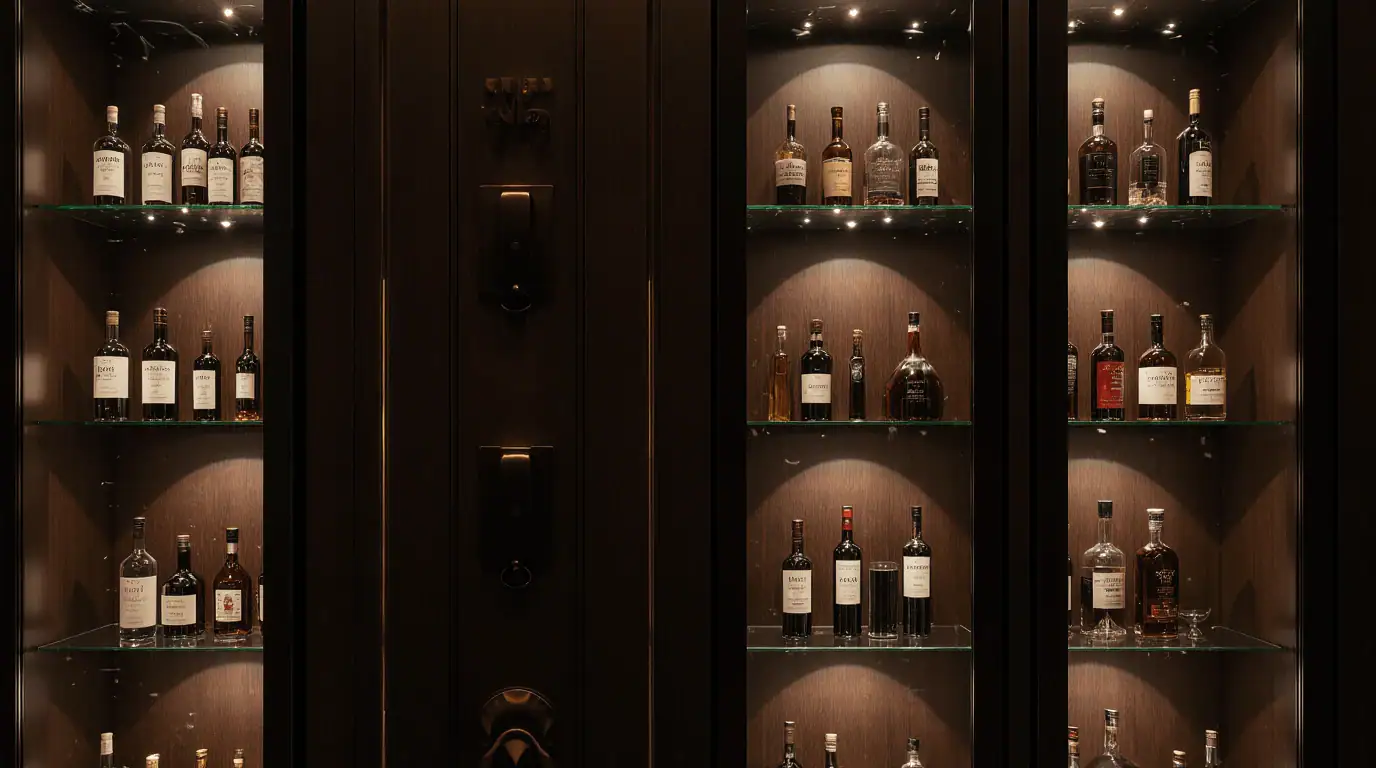
Liquor Store Shelving Design for Easy Browsing
Shelving should make products visible, reachable, and logically grouped. Customers should be able to compare brands, bottle sizes, and price points without confusion.
In liquor store interior design, shelving height matters. Tall shelves increase capacity, but overly high displays can feel cramped unless balanced with good lighting and clear category markers.
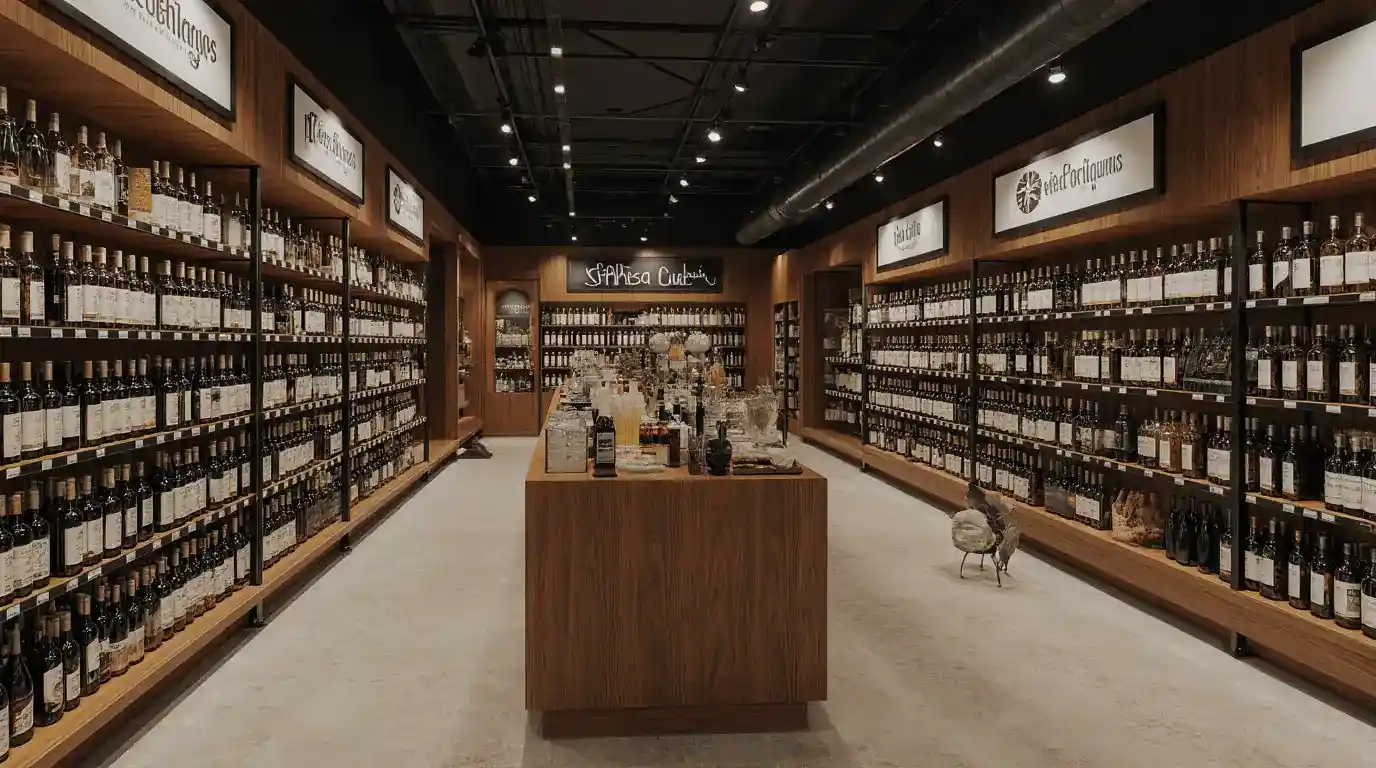
Liquor Store Interiors with Warm Lighting
Lighting can completely change how a liquor store feels. Warm LED lighting makes amber spirits, wine labels, and glass bottles appear richer and more inviting.
Avoid harsh fluorescent lighting when possible. A layered lighting plan using ceiling lights, shelf lighting, accent lights, and pendant fixtures creates depth and improves product visibility.
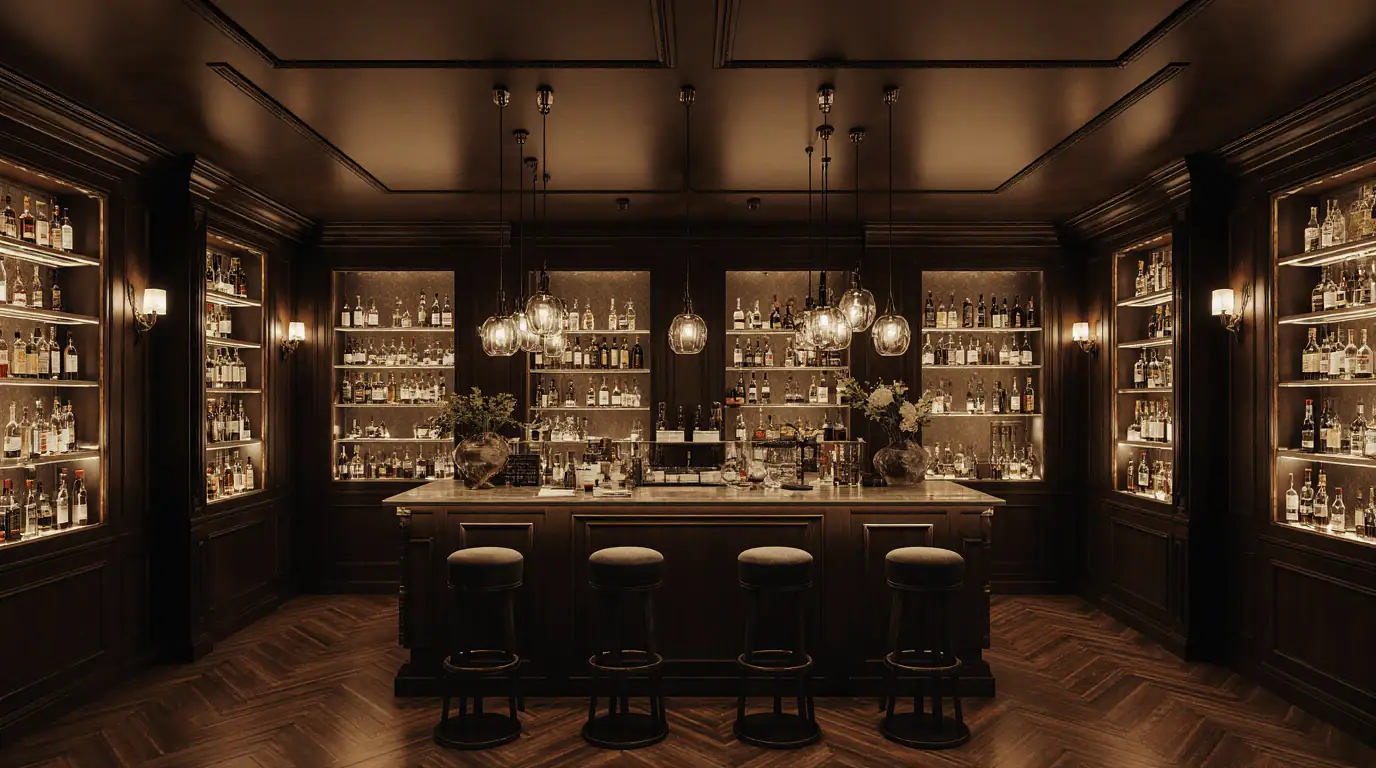
Liquor Shop Interior Design with Clear Category Zones
Customers should immediately understand where to find wine, whiskey, vodka, tequila, beer, mixers, and gift items. Clear category zones make shopping faster and reduce staff interruptions.
Good liquor shop interior design uses layout, signage, shelf style, and lighting to separate sections naturally. Each zone should feel connected to the whole store, not like a random collection of shelves.
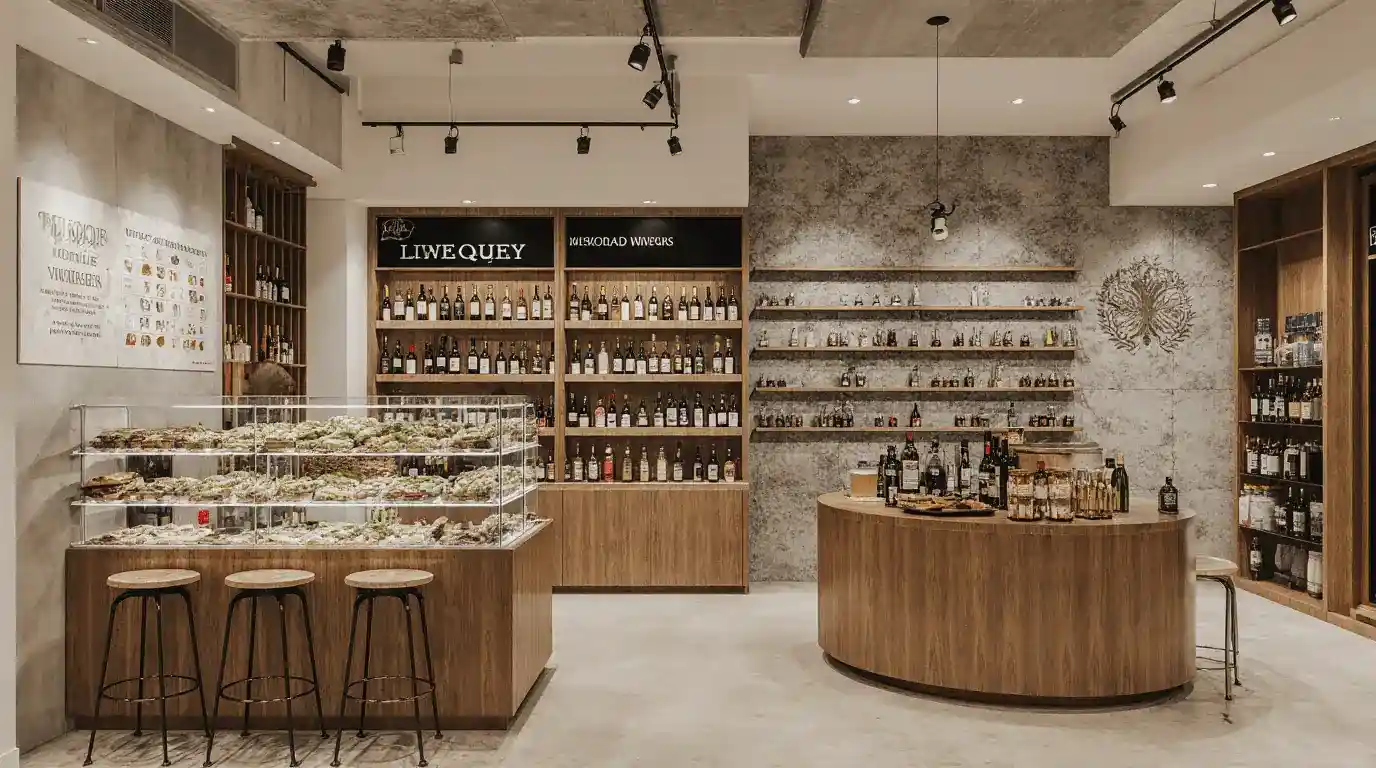
Modern Liquor Store Design with Feature Walls
A feature wall can turn an ordinary liquor store into a memorable destination. It may highlight premium whiskey, fine wine, craft spirits, or locally featured bottles.
The best feature walls combine lighting, texture, and symmetry. They should attract attention without making the rest of the store feel unfinished.
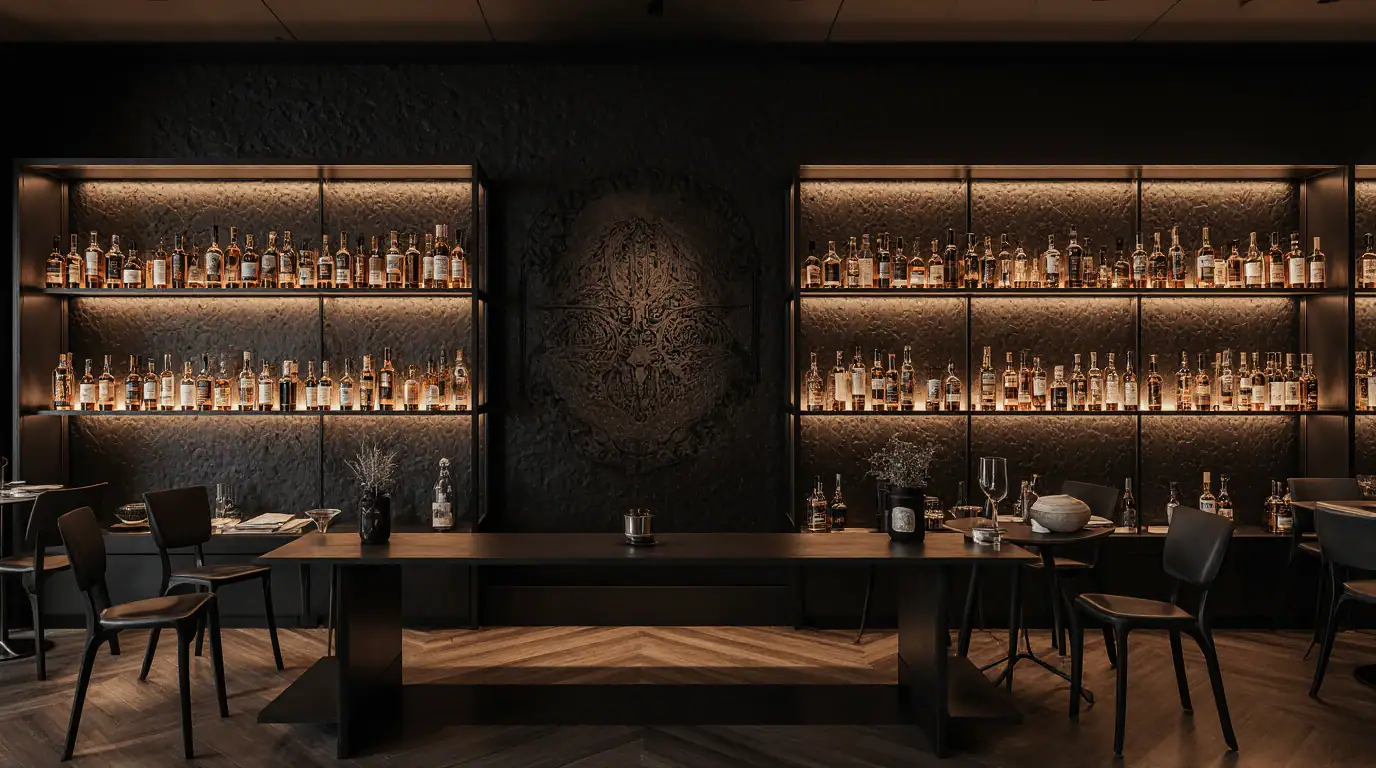
Small Liquor Store Layout for Maximum Inventory
Small liquor store layout planning requires a careful balance between product capacity and comfort. Wall shelves should carry the main inventory, while central fixtures should remain low enough to preserve visibility.
In compact stores, avoid blocking sightlines with tall middle racks. Open visibility improves security, makes the store feel larger, and helps staff assist customers quickly.
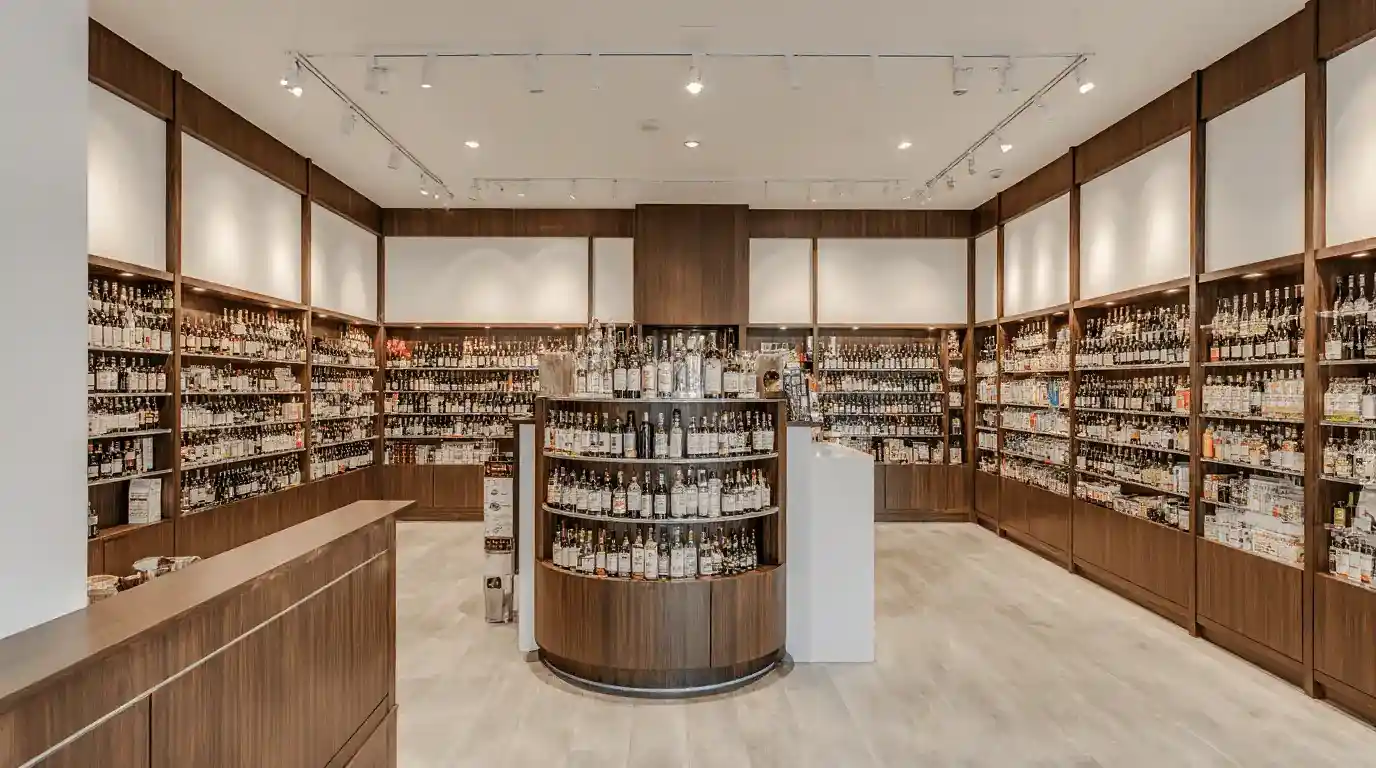
Liquor Store Decor That Feels Professional
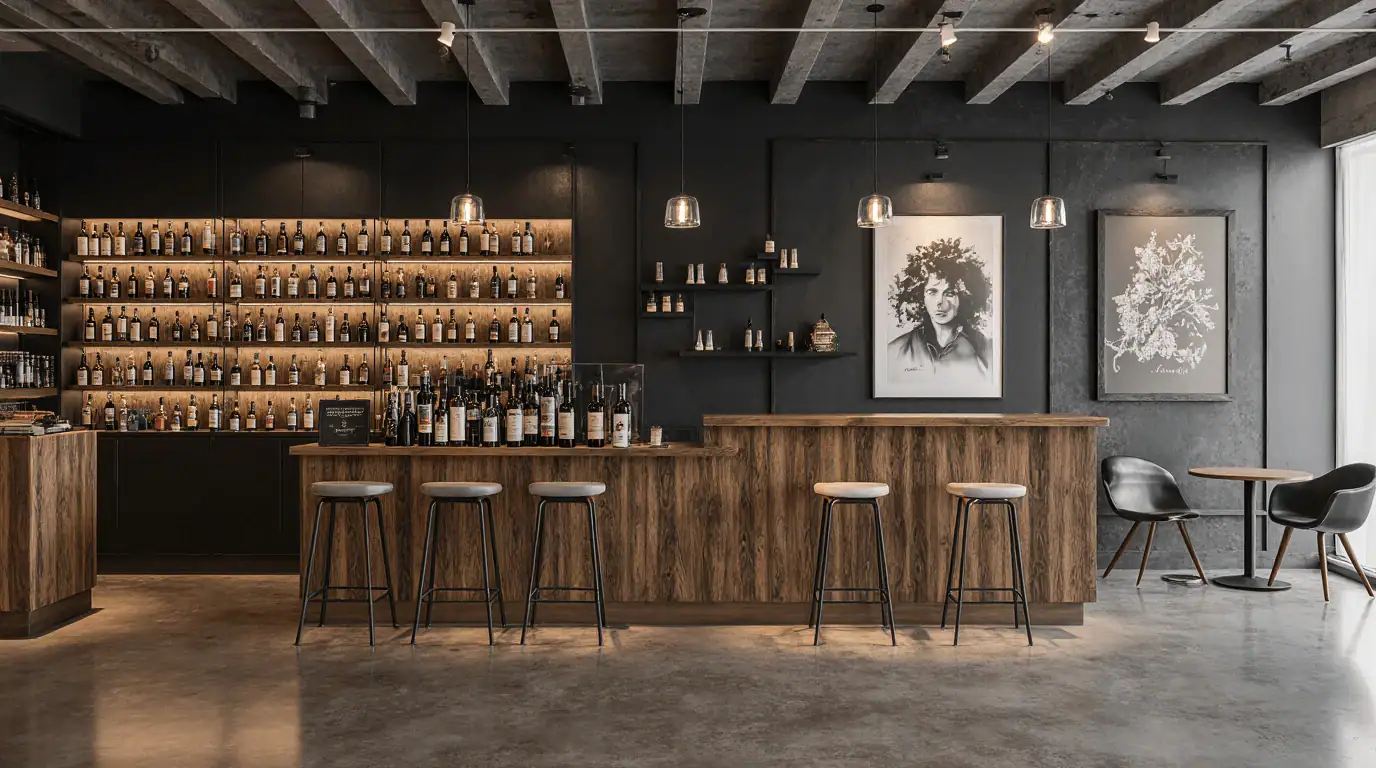
Liquor store decor should support the brand without overwhelming the merchandise. Materials, colors, artwork, and signage should work together to create trust and visual consistency.
Professional decor often includes warm wood tones, dark accent colors, clean typography, tasteful wall graphics, and well-placed displays. The store should feel polished, not gimmicky.
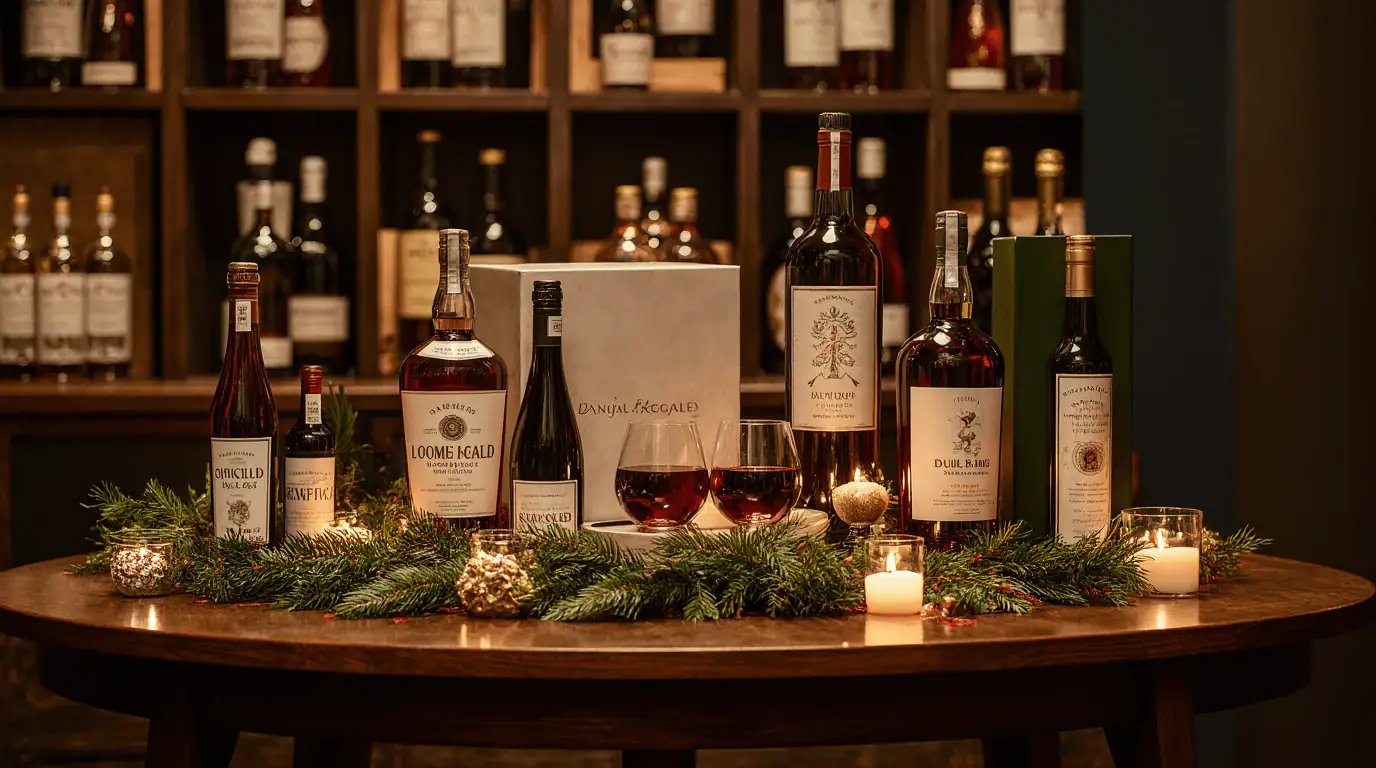
Liquor Store Decoration for Seasonal Displays
Seasonal displays are useful for holidays, celebrations, gifting periods, and local events. These displays should be temporary, attractive, and easy to refresh.
Effective liquor store decoration uses props carefully. A few well-chosen elements can create excitement without making the store feel cluttered or reducing product visibility.
Liquor Store Counter Area with Security in Mind
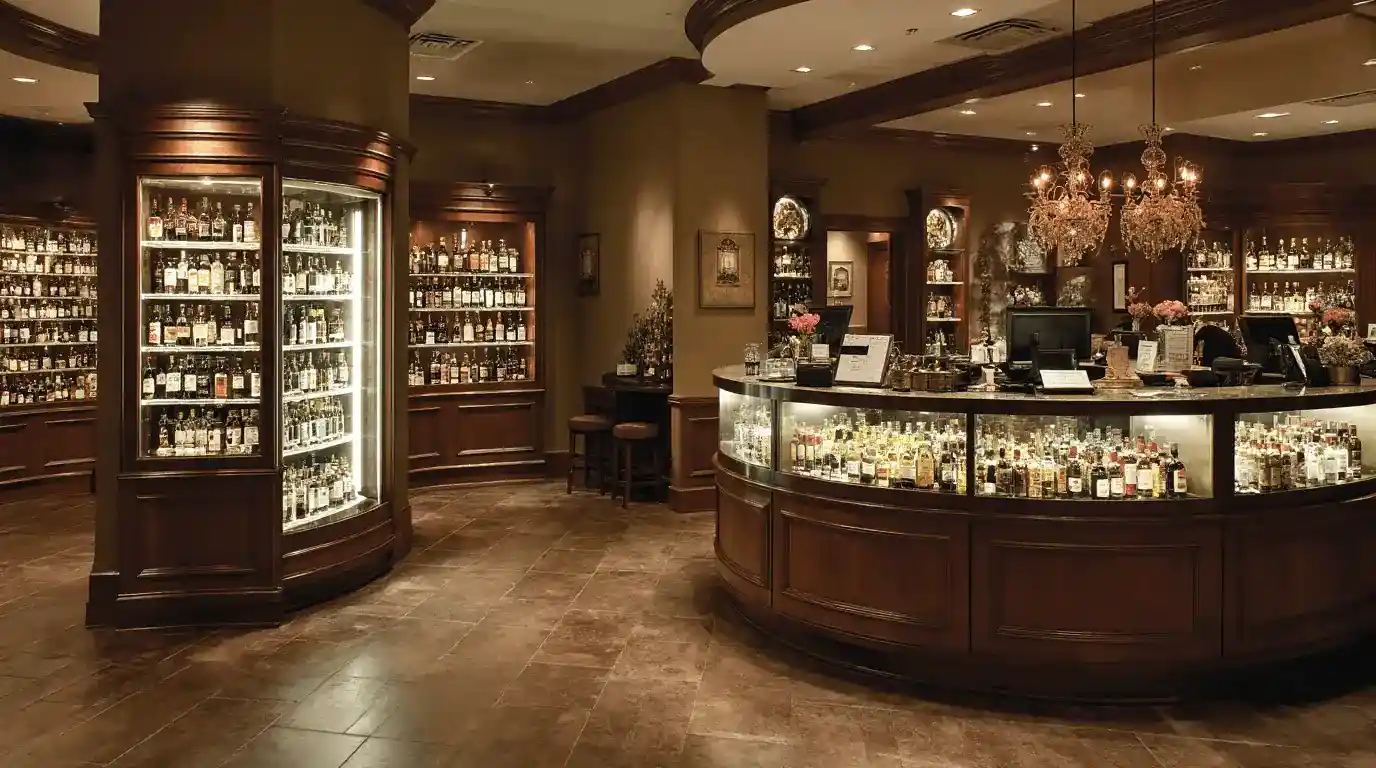
Security should be built into the design from the beginning. The counter should allow staff to see the entrance, aisles, premium displays, and high-value products.
Glass cabinets, smart shelf placement, open sightlines, and controlled access behind the counter can protect inventory while keeping the store welcoming. Good design should feel safe without feeling intimidating.
Liquor Store Display for Wine Sections
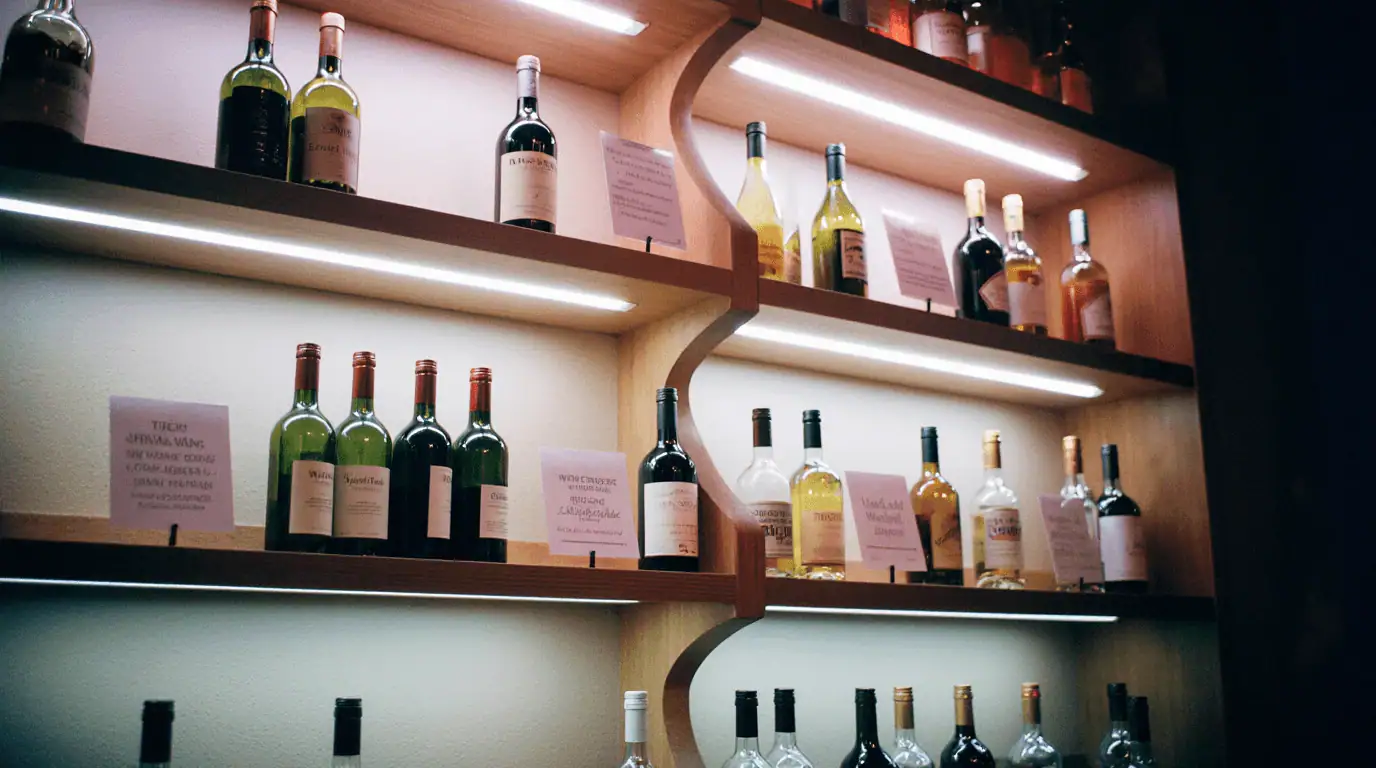
Wine sections benefit from a softer, more curated presentation. Horizontal bottle displays, wood shelving, tasting-note signage, and warm lighting can make wine shopping feel more guided.
A strong wine display should group bottles by type, region, price, or occasion. This helps both casual buyers and knowledgeable customers make confident choices.
Liquor Store Design Ideas for Beer and Cooler Areas
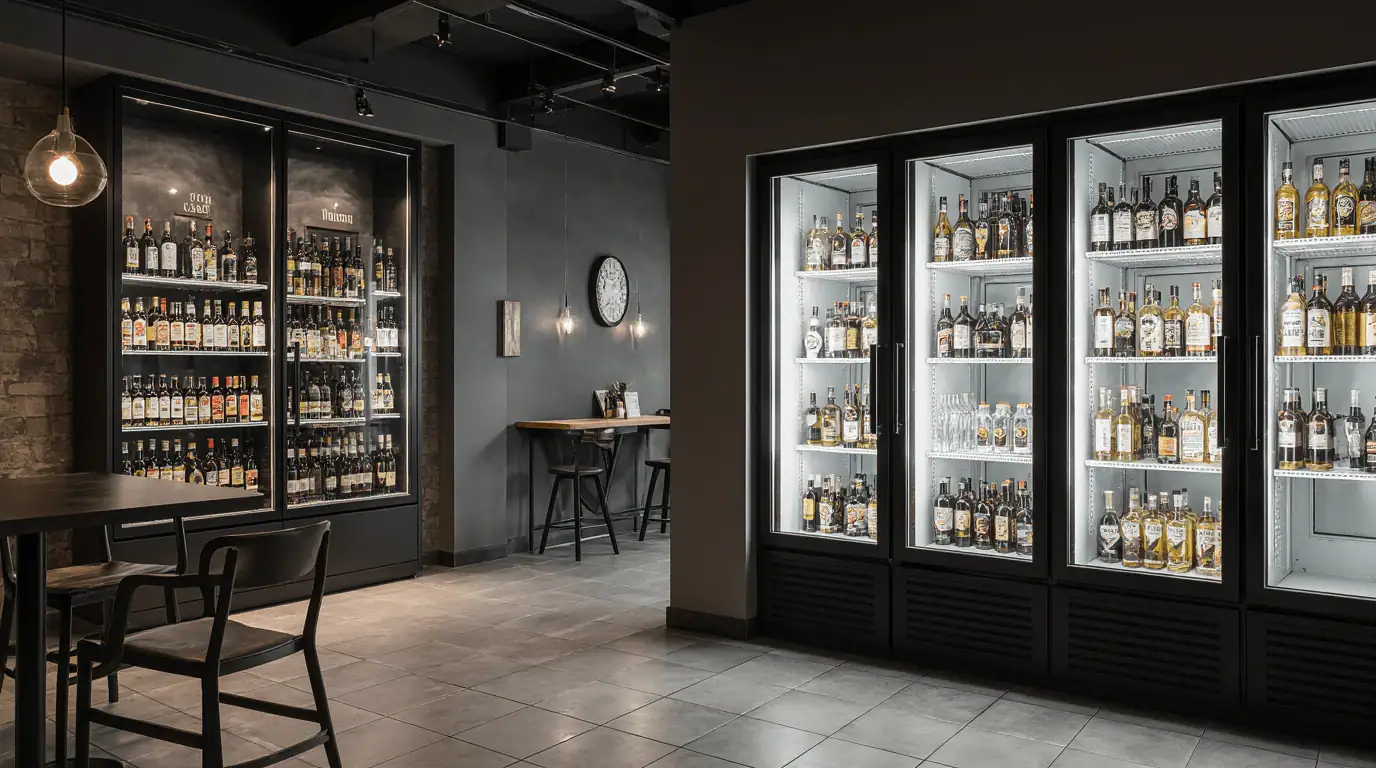
Beer and chilled beverages need practical placement. Coolers should be easy to locate, well-lit, and integrated into the overall store design rather than feeling like an afterthought.
Glass-door coolers, durable flooring, clear labels, and nearby promotional displays can make this area efficient and attractive. Keep high-traffic cooler zones away from tight checkout lines.
Liquor Store Interior Design with Brand Identity
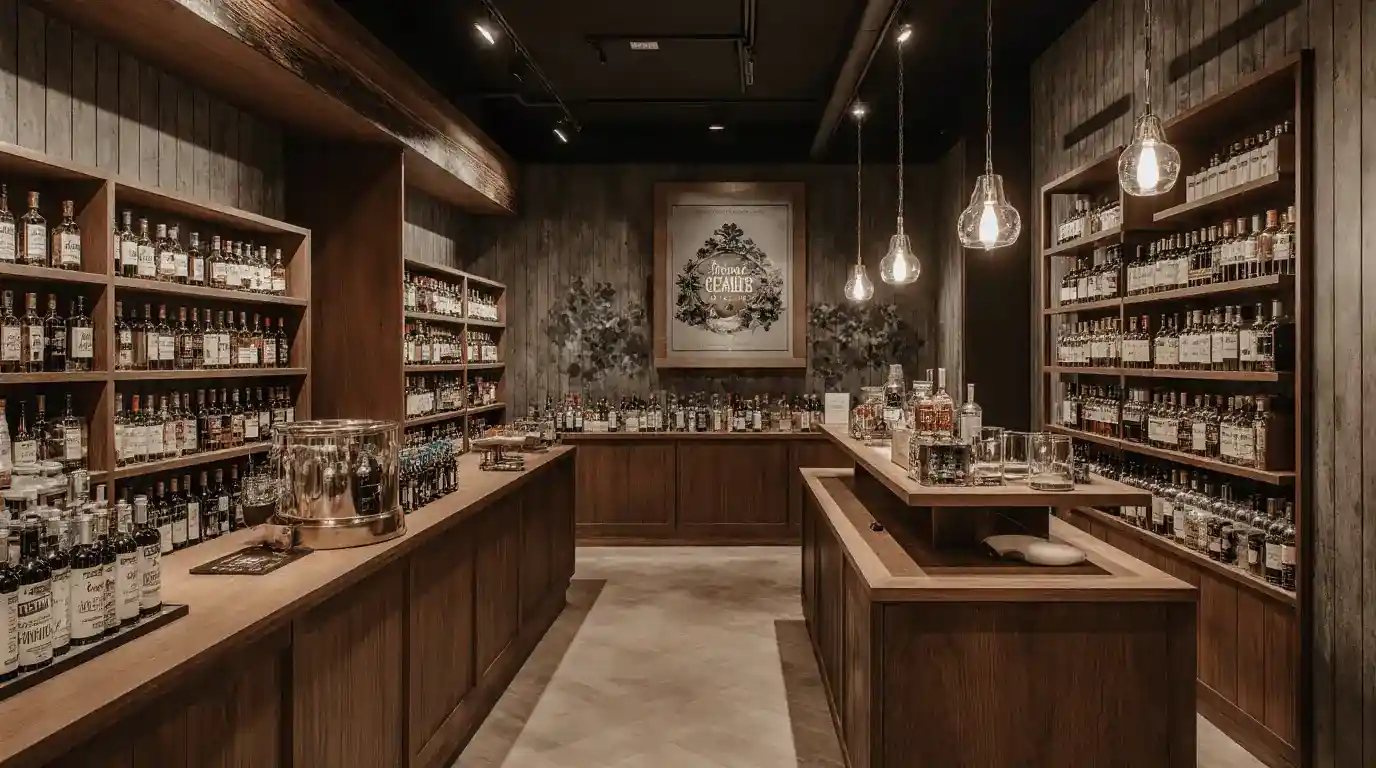
Every liquor store should have a clear visual identity. A neighborhood shop may feel warm and approachable, while a premium boutique may use darker finishes, dramatic lighting, and curated displays.
Brand identity should influence materials, signage, counter design, wall colors, and product presentation. Consistency makes the store easier to remember and more trustworthy.
Liquor Store Design Layout for Premium and Everyday Products
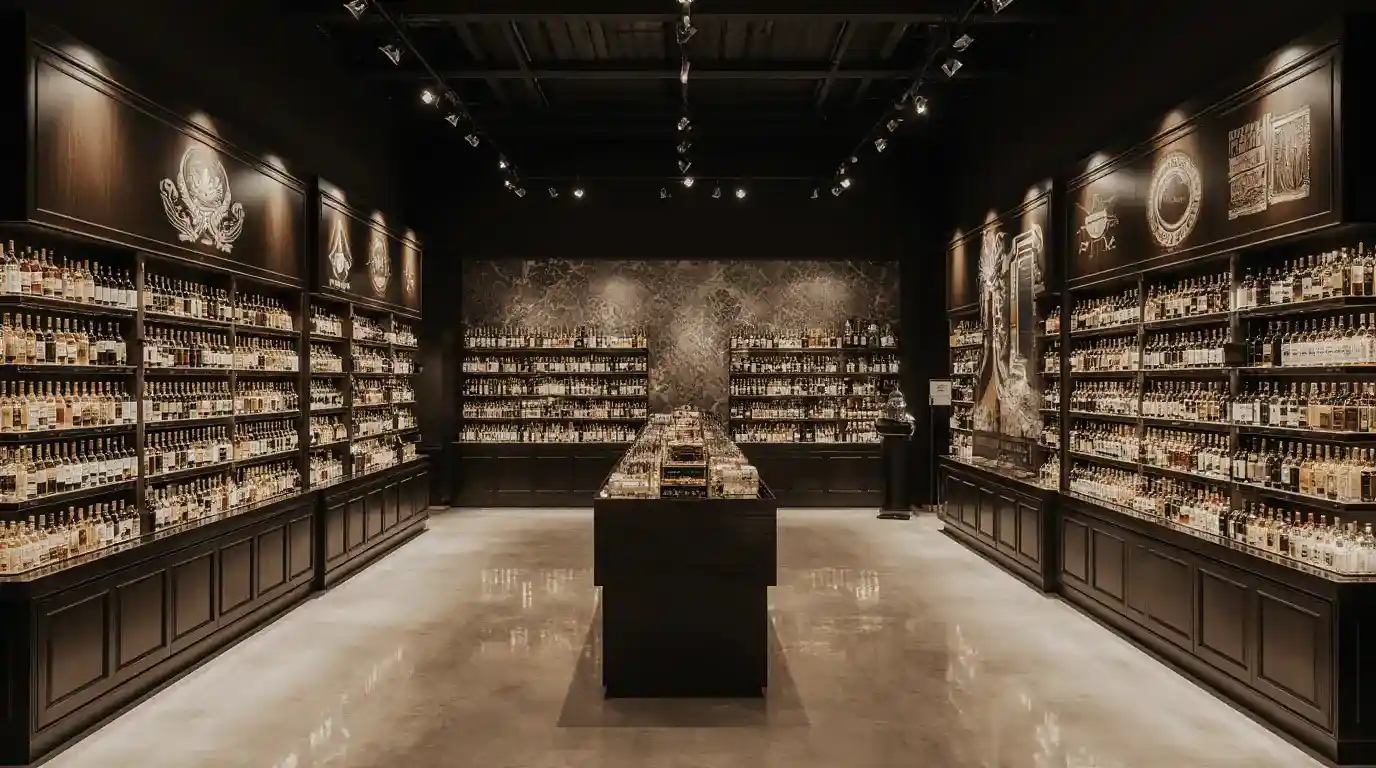
Not every product should be displayed the same way. Everyday purchases should be easy to reach, while premium bottles should receive more visual space and better lighting.
This layered approach helps the store serve quick shoppers and browsing customers at the same time. It also makes higher-value items feel more desirable without hiding them.
Liquor Store Interior Design for a Boutique Experience
A boutique-style liquor store feels curated rather than crowded. It uses selective displays, warmer materials, lower visual noise, and thoughtful lighting to create a slower, more enjoyable shopping experience.
This approach works especially well for specialty stores, wine-focused shops, craft spirits retailers, and premium urban liquor stores. The design should invite discovery.
Conclusion
Effective liquor store interior design brings together layout, lighting, shelving, counter planning, security, and atmosphere in one cohesive experience. When these elements work together, the store becomes easier to shop, easier to manage, and more memorable for customers. The goal is not simply to make the space look attractive, but to help people move comfortably, compare products confidently, and discover items they may not have noticed otherwise.
From a practical design perspective, the strongest liquor stores are built around clarity. Clear category zones reduce confusion. Open sightlines improve safety. Warm lighting makes bottles look more appealing. Well-planned counters support faster checkout and better impulse displays. Thoughtful shelving gives both everyday and premium products the right level of visibility.
This approach benefits almost every type of liquor retailer, from compact neighborhood shops to modern boutique stores and premium beverage destinations. A small liquor store can feel spacious with the right layout, while a larger store can feel more curated through better zoning and display discipline. The most successful interiors do not rely on decoration alone; they use design choices that support real customer behavior.
Moving forward, start with the essentials: understand your floor plan, identify your highest-value categories, improve lighting, simplify navigation, and make the checkout counter work harder. Once the foundation is strong, decorative details, feature walls, seasonal displays, and branded finishes can add personality without creating clutter. A well-designed liquor store should feel organized, trustworthy, and visually engaging from the moment a customer walks in.
Learn more : Wood Floor Interior Design That Feels Warm and Modern
FAQs About Liquor Store Interior Design
- What makes a good liquor store interior design?
A good liquor store interior design makes the space easy to navigate, visually appealing, and practical for daily operations. Customers should be able to find major categories quickly, browse comfortably, and move toward checkout without confusion. Strong design also improves staff visibility, product security, and display impact.
- How do you design a small liquor store without making it feel crowded?
Use tall wall shelving, low center displays, bright lighting, and clear walking paths. Avoid oversized counters, excessive signage, and bulky fixtures in the middle of the store. In smaller spaces, open sightlines are especially important because they make the shop feel larger and easier to supervise.
- Where should the checkout counter be placed in a liquor store?
The checkout counter should usually be positioned where staff can see the entrance, main aisles, premium displays, and high-traffic areas. It should be easy for customers to find but not block circulation. A smart counter location also supports security, faster service, and small add-on displays near the final purchase point.
- What type of lighting works best in a liquor store?
Warm LED lighting is often the best choice because it makes glass bottles, amber spirits, wine labels, and wood finishes look richer and more inviting. A layered lighting plan works especially well, combining general ceiling lights, shelf lighting, accent lights, and focused lighting for premium displays.
- How can liquor store displays increase sales?
Displays increase sales when they help customers notice products at the right moment. Feature walls, seasonal tables, premium bottle cabinets, and checkout displays can all encourage discovery. The key is to keep displays curated and easy to understand rather than overcrowded.
- What materials are best for modern liquor store interiors?
Wood, black metal, glass, stone-look surfaces, durable tile, and polished concrete are common choices for modern liquor store interiors. These materials are attractive, long-lasting, and easy to maintain. The best combination depends on whether the store should feel premium, rustic, boutique, or clean and contemporary.
- How often should liquor store decoration and displays be updated?
Core fixtures such as shelving, counters, and lighting should remain consistent, but decorative displays can be refreshed seasonally or around key shopping periods. Updating feature tables, gift sections, and promotional areas keeps the store feeling active without requiring a full redesign.


One Response