
Introduction
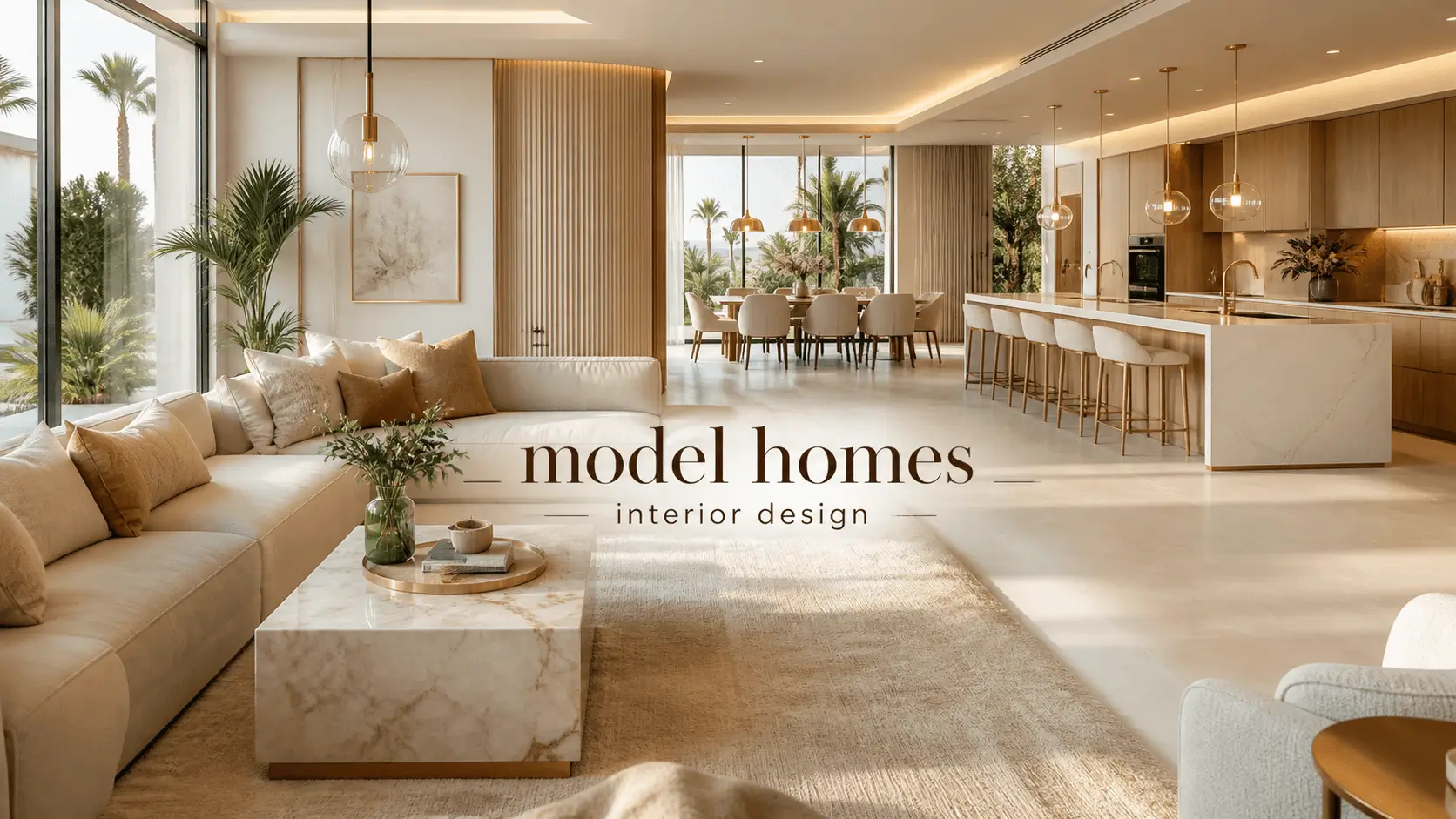
Model homes interior design is more than just decorating—it’s a strategic blend of aesthetics, psychology, and lifestyle storytelling. These spaces are crafted to help potential buyers emotionally connect with a home before they even imagine living in it. Every detail, from furniture placement to lighting temperature, is intentional and designed to appeal to a wide audience while still feeling aspirational.
From my experience working with staged properties and show homes, the most successful model home interiors don’t just look beautiful—they feel effortless, functional, and subtly luxurious. They balance neutrality with personality, allowing visitors to picture their own lives unfolding in the space. Whether you’re designing a model home or drawing inspiration for your own house, understanding these principles can transform the outcome dramatically.
Model Homes Interior Design Foundations
Model homes interior design starts with a clear vision of the target buyer. Designers craft spaces that reflect an ideal lifestyle rather than a specific individual, ensuring broad appeal without feeling generic.
Thoughtful layout, neutral palettes, and layered textures create an inviting yet polished look.
Modern Model Homes Interior Design Style
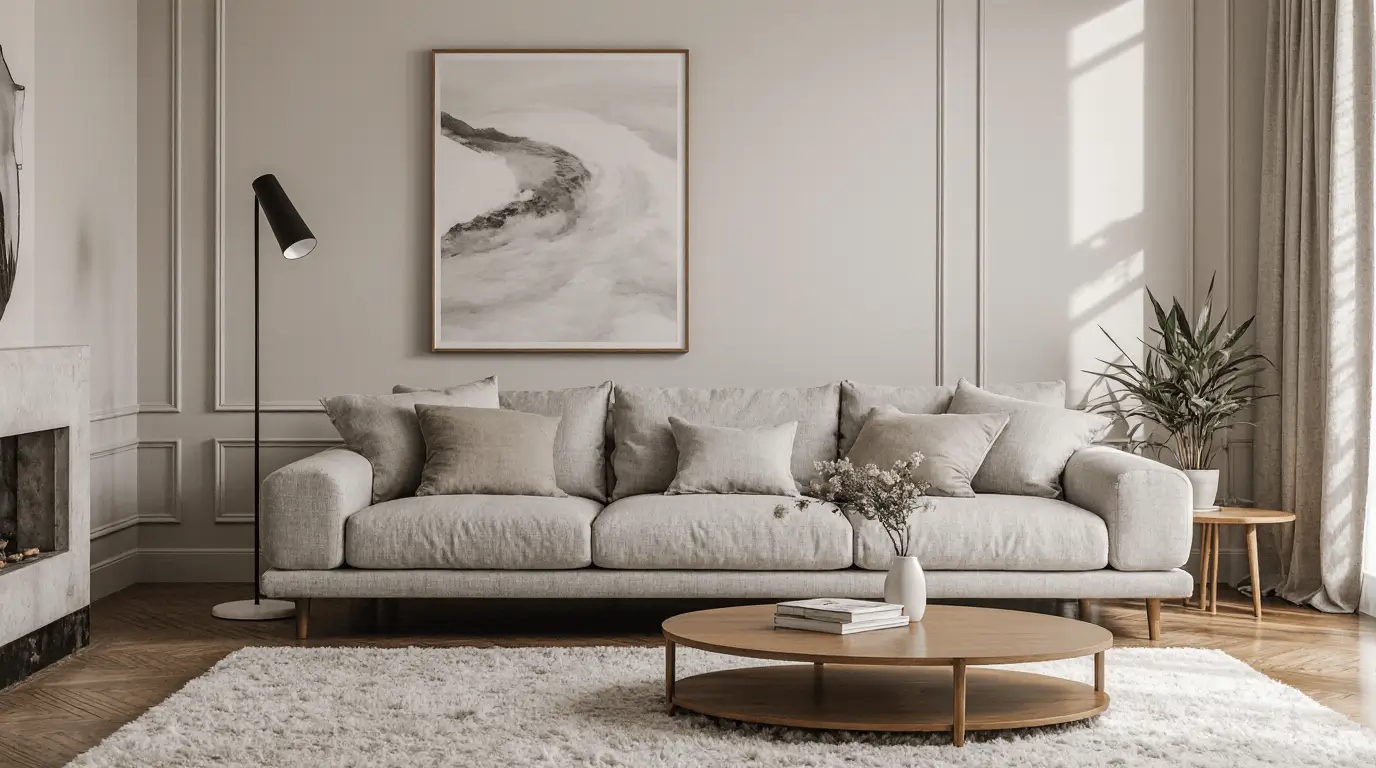
Modern model homes emphasize clean lines, minimal clutter, and functional beauty. The goal is to create a calm, breathable environment that feels both contemporary and livable.
Sleek furniture, subtle contrasts, and curated décor pieces define this approach.
Luxury Model Homes Interior Design Concepts
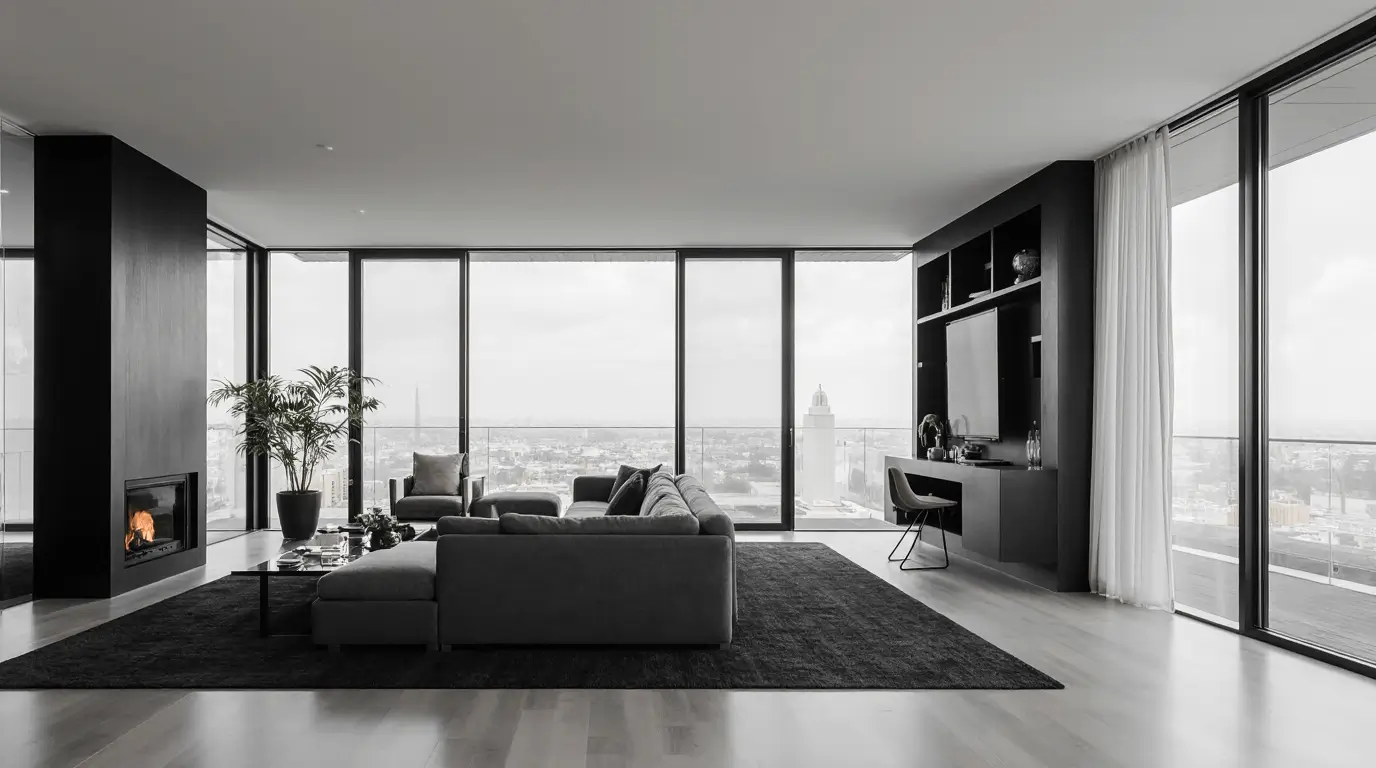
Luxury model homes focus on elevated finishes and high-end materials that create a sense of exclusivity. Designers incorporate statement lighting, rich textures, and custom details.
The aim is to evoke aspiration while maintaining comfort and livability.
Small Space Model Homes Interior Design
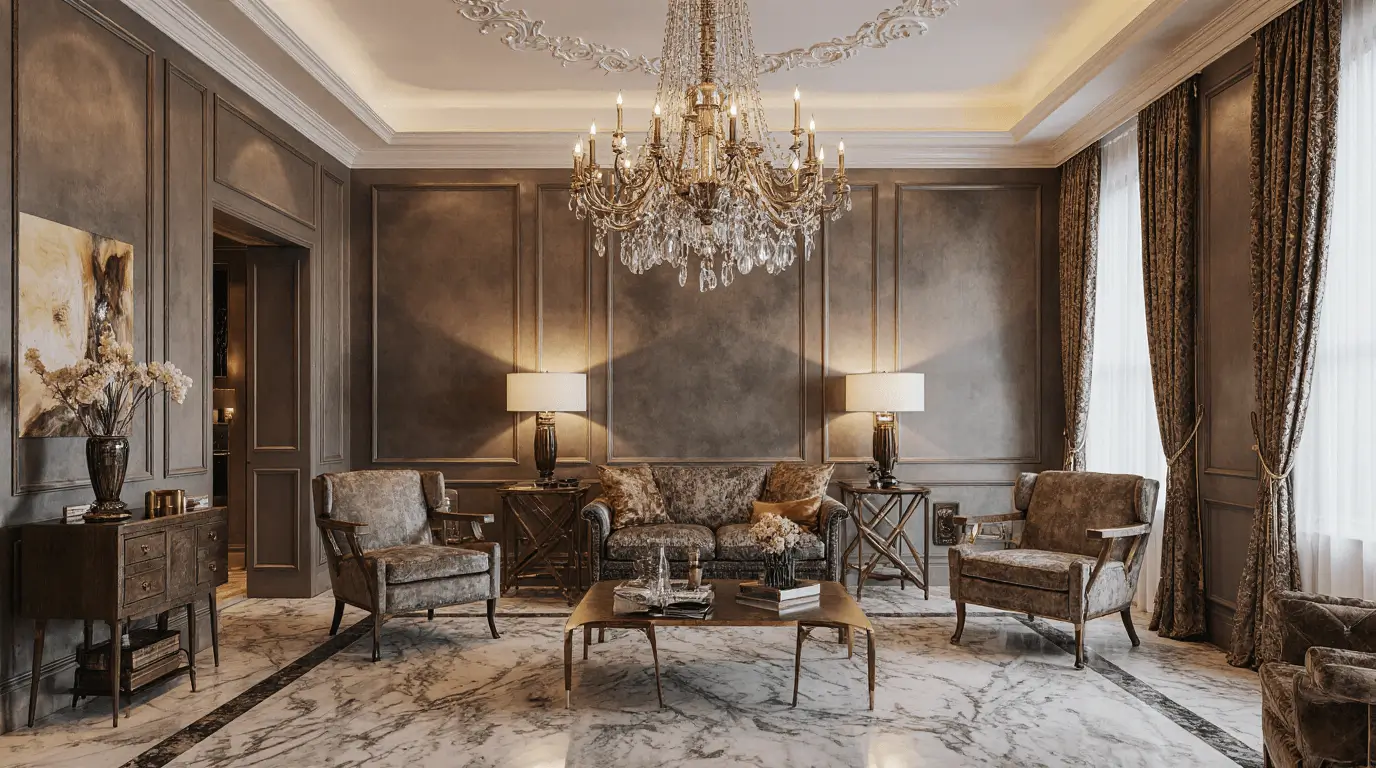
In smaller layouts, model homes interior design prioritizes space optimization without sacrificing style. Multi-functional furniture and clever storage solutions are essential.
Light colors and mirrors help visually expand the space.
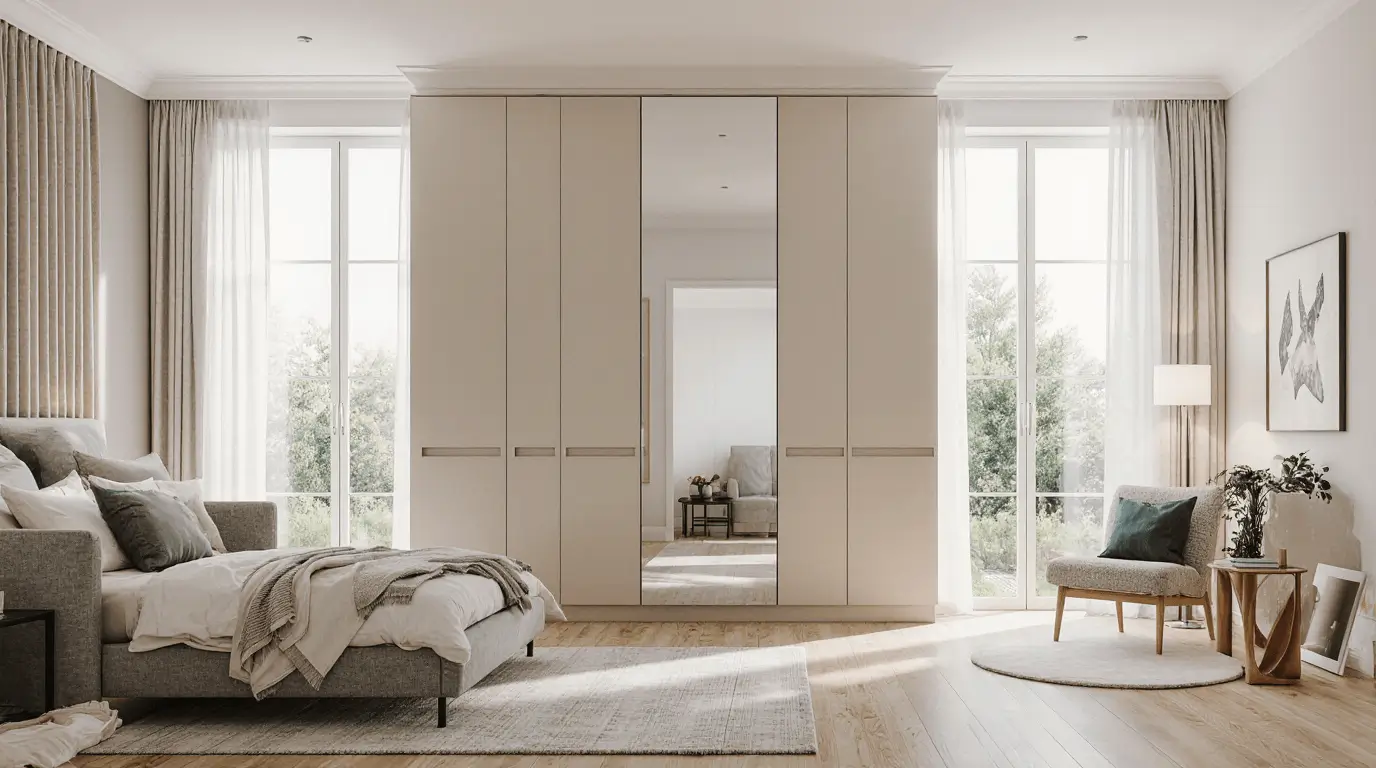
Open Concept Model Homes Interior Design
Open layouts are a staple in model homes because they showcase flow and connectivity. Designers use rugs, lighting, and furniture placement to define zones.
This approach makes the space feel larger and more interactive.
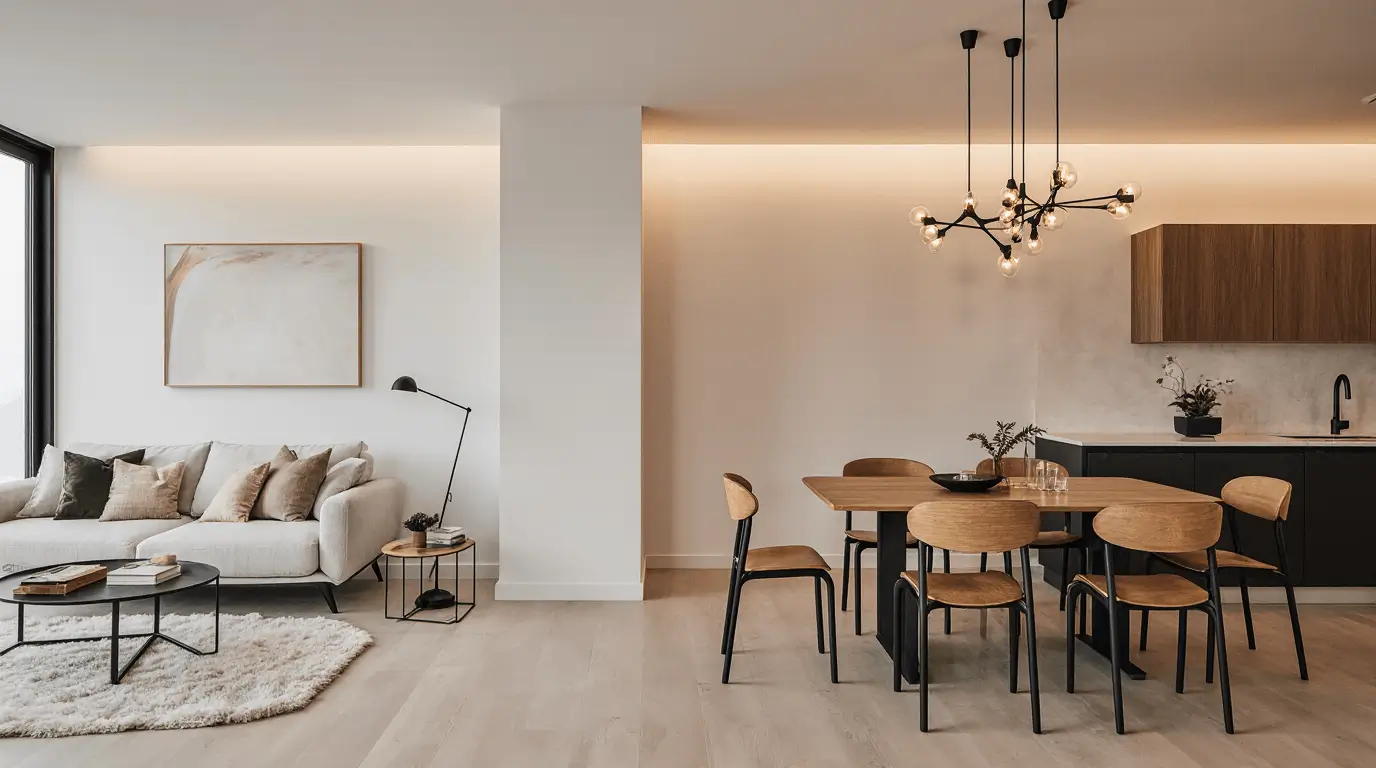
Neutral Palette in Model Homes Interior Design
Neutral tones dominate model homes interior design because they appeal to the widest audience. Shades of beige, gray, and white create a timeless foundation.
Accents are added through textures rather than bold colors.
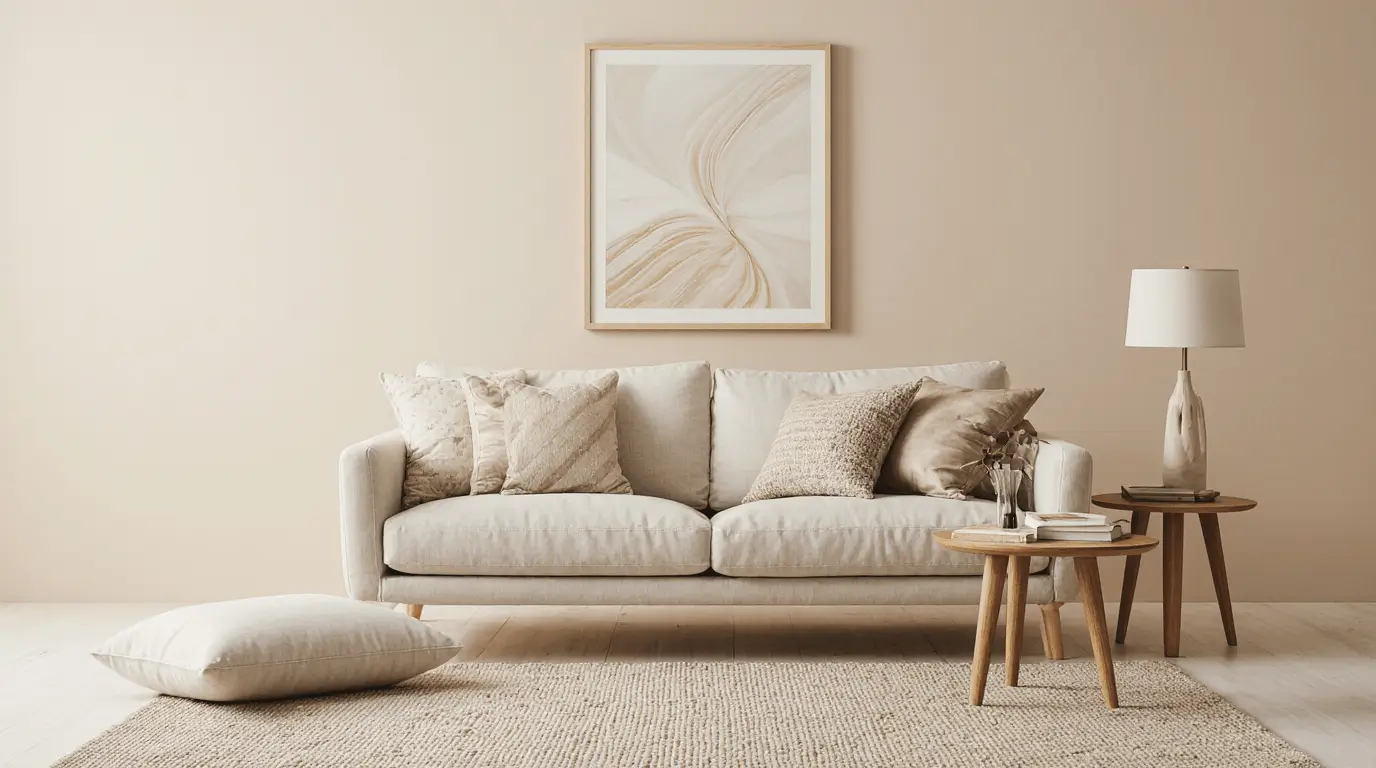
Model Homes Interior Design with Accent Colors
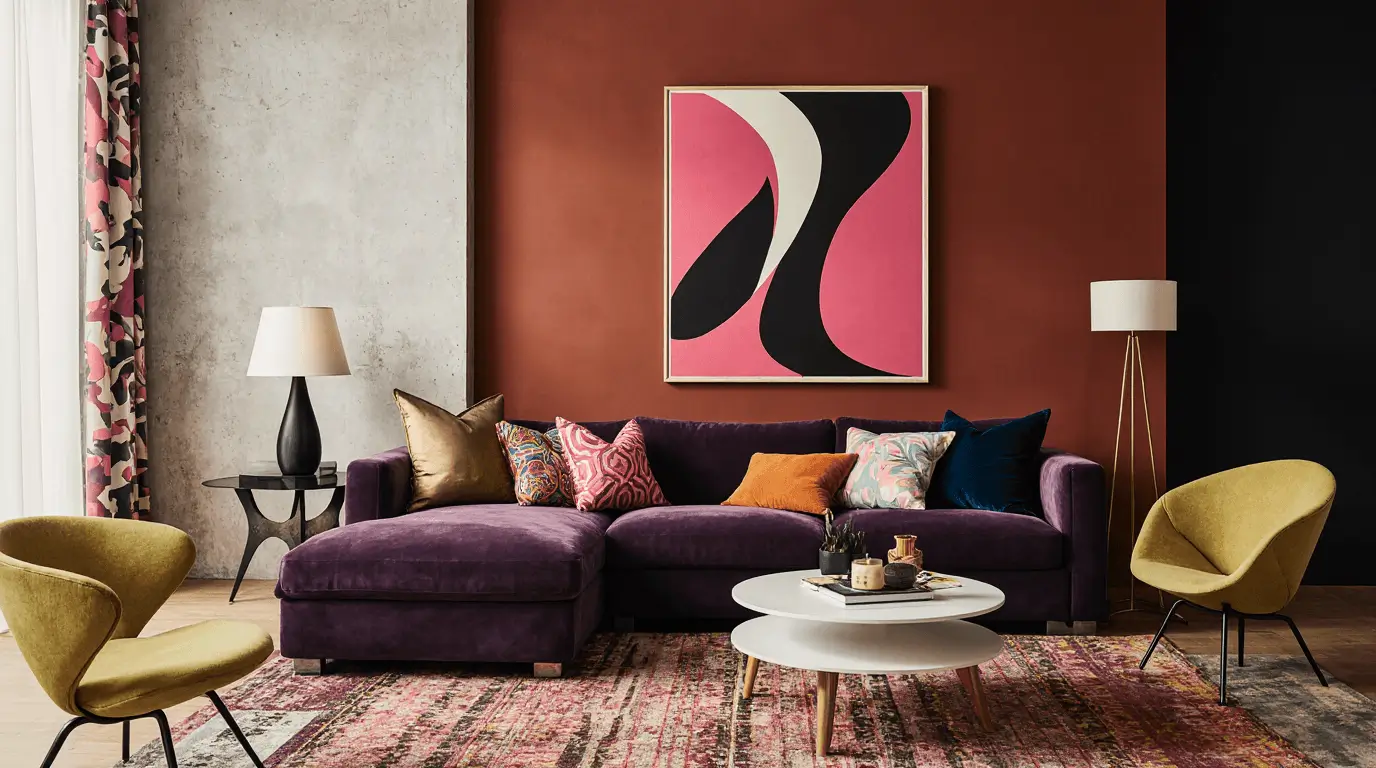
While neutrals dominate, strategic pops of color add personality. Designers use cushions, artwork, or décor pieces to introduce visual interest.
This keeps the space lively without overwhelming potential buyers.
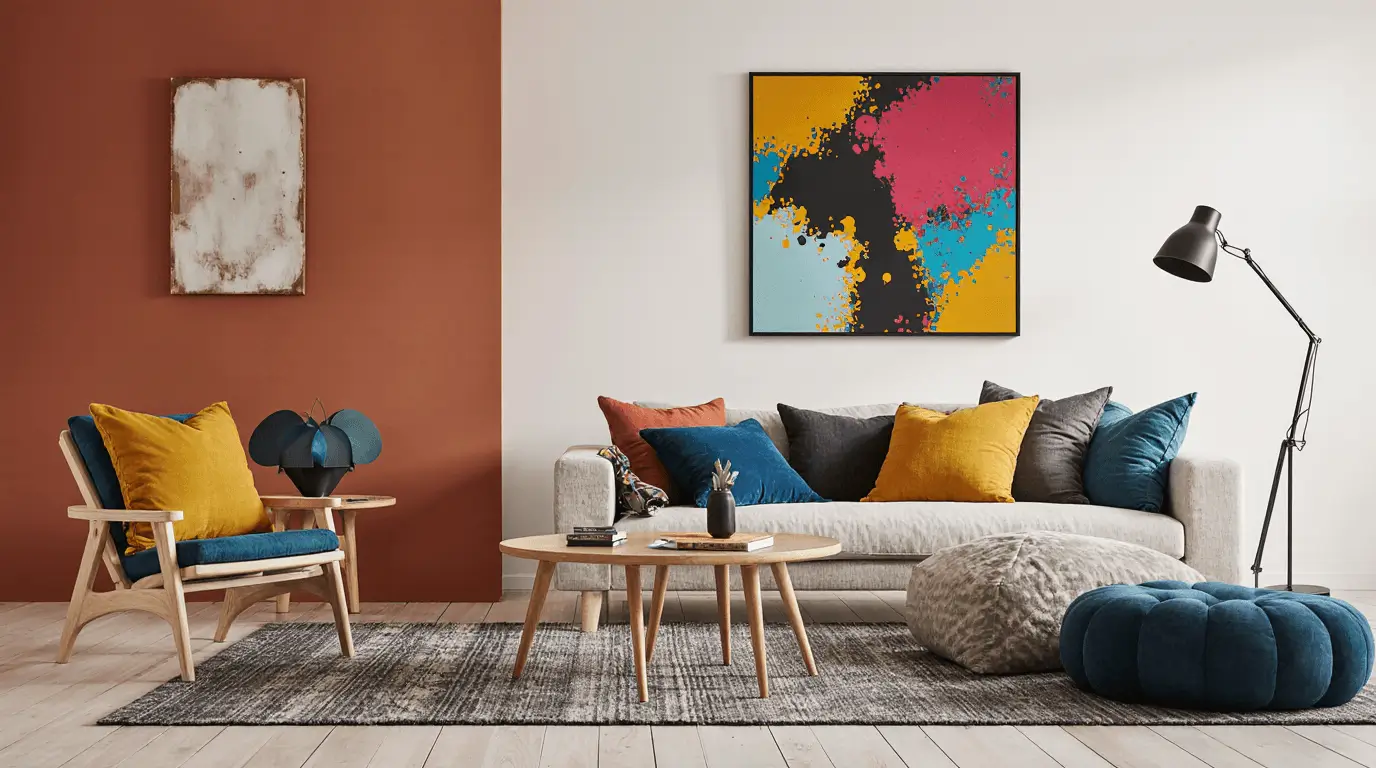
Model Homes Interior Design Lighting Strategy
Lighting is one of the most powerful tools in model homes. Layered lighting—ambient, task, and accent—enhances depth and mood.
Warm lighting creates comfort, while focused lighting highlights key features.
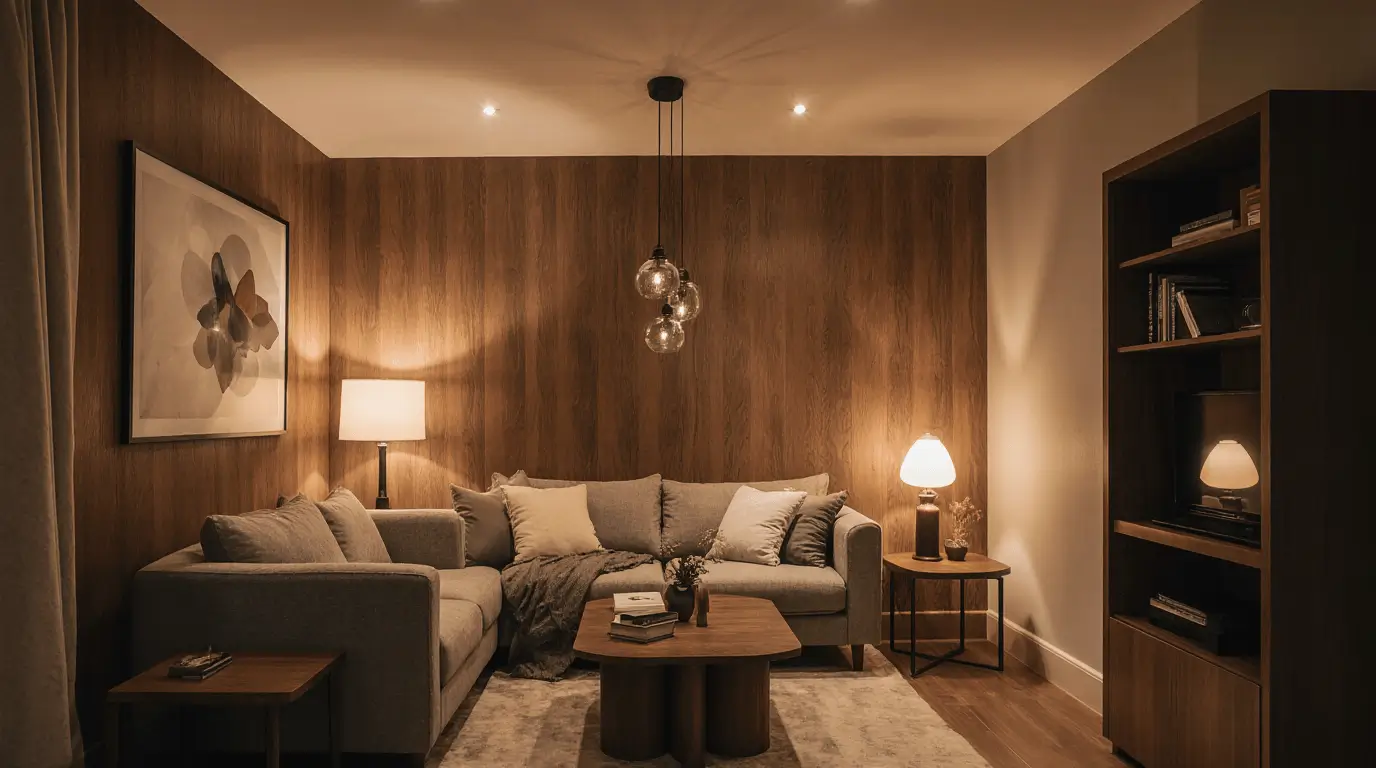
Furniture Selection in Model Homes Interior Design
Furniture in model homes is carefully scaled and positioned to enhance flow. Oversized pieces are avoided unless the space supports them.
The goal is to make rooms feel functional and spacious.
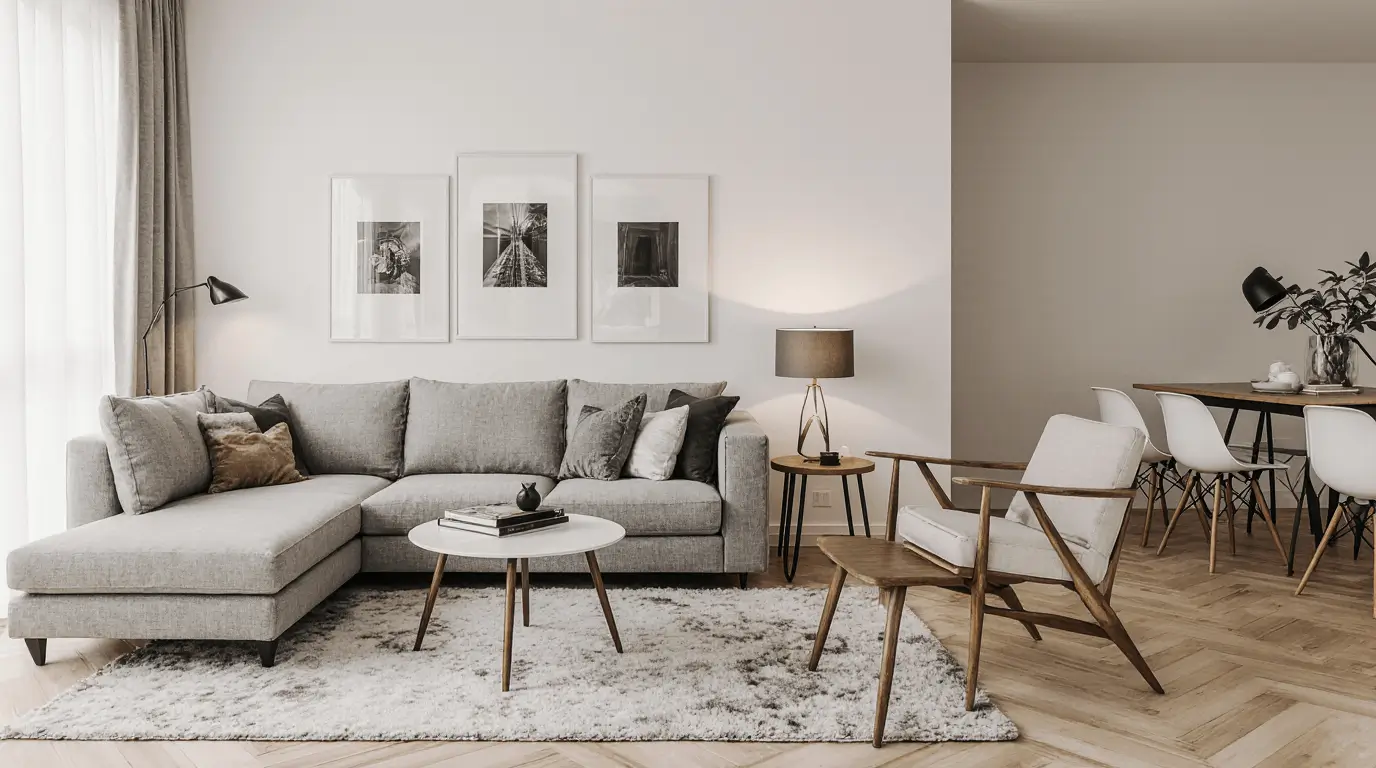
Model Homes Interior Design for Living Rooms
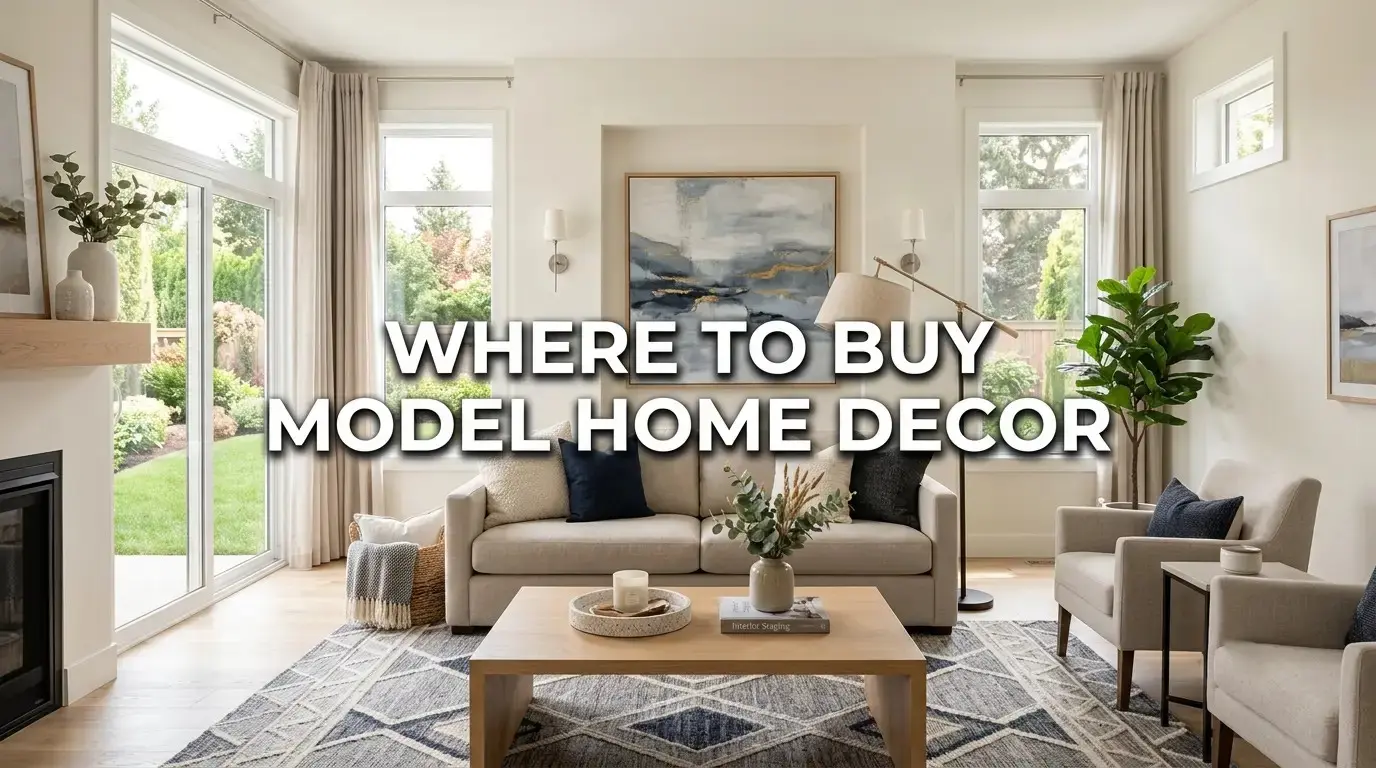
Living rooms are the emotional centerpiece of model homes. Designers create inviting seating arrangements that encourage interaction.
Soft textures and layered décor enhance comfort and warmth.
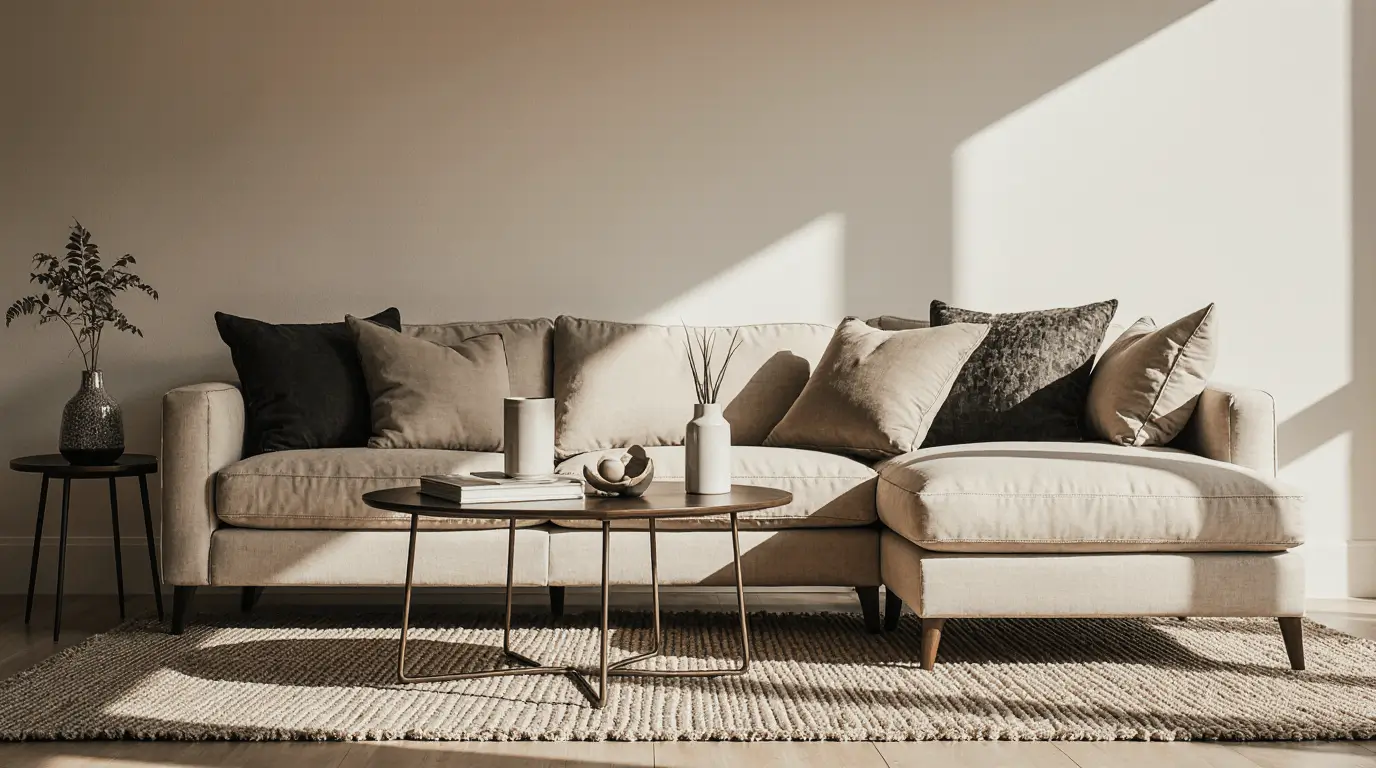
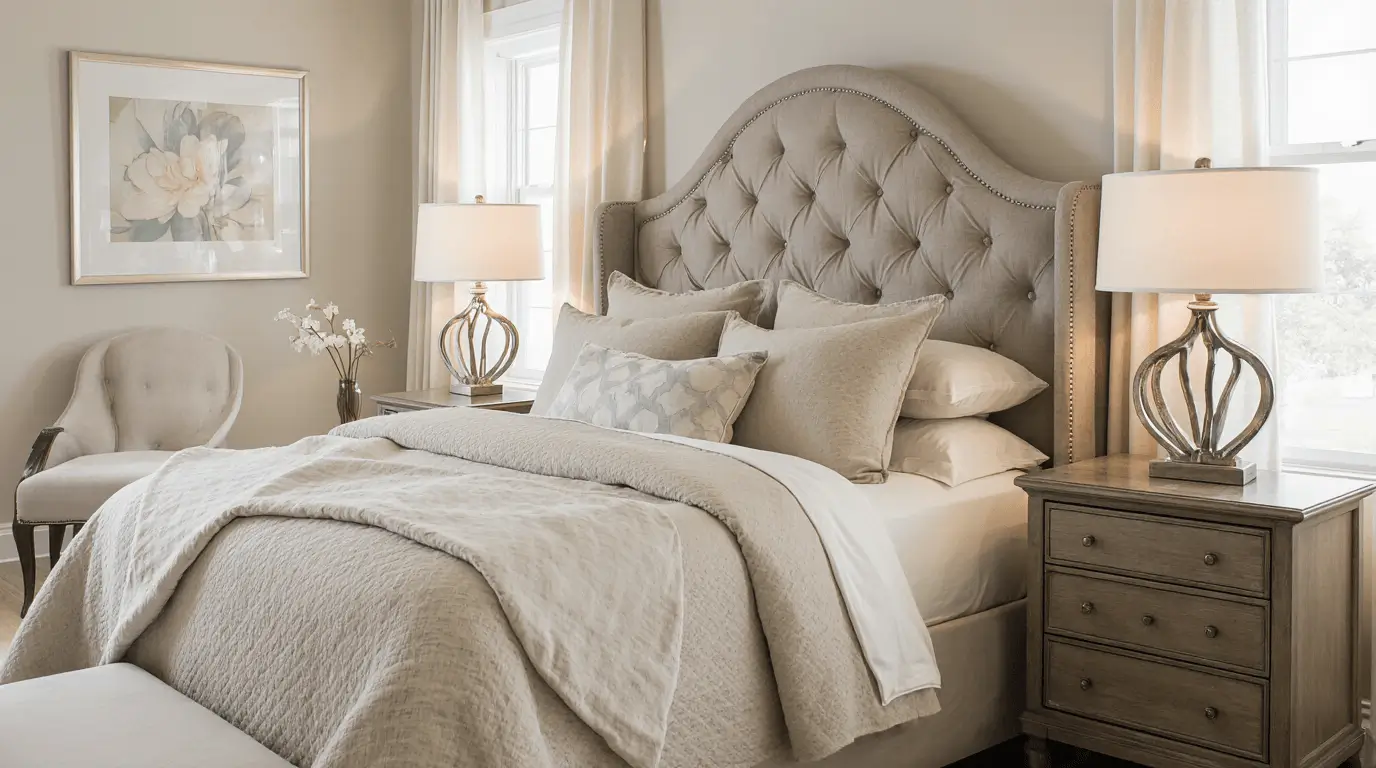
Model Homes Interior Design for Bedrooms
Bedrooms in model homes are designed as peaceful retreats. Neutral bedding, soft lighting, and minimal clutter create a calming effect.
The aim is to evoke relaxation and comfort instantly.
Kitchen-Focused Model Homes Interior Design
Kitchens are often the highlight of model homes, showcasing modern appliances and finishes. Designers emphasize cleanliness and functionality.
Subtle styling—like fresh flowers or minimal accessories—adds life.
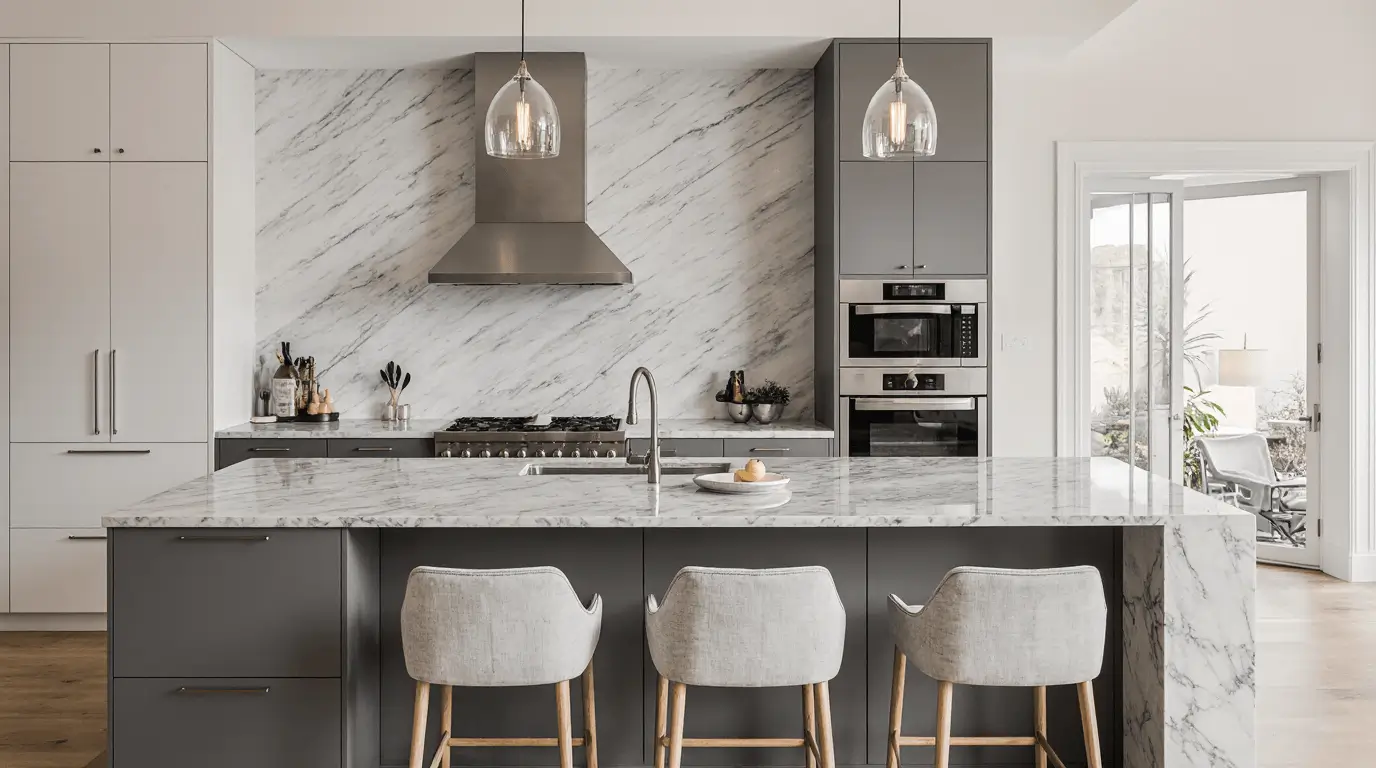
Model Homes Interior Design with Statement Pieces
Strategic statement pieces—like artwork or furniture—create focal points. These elements draw attention without overwhelming the space.
They help make the design memorable.
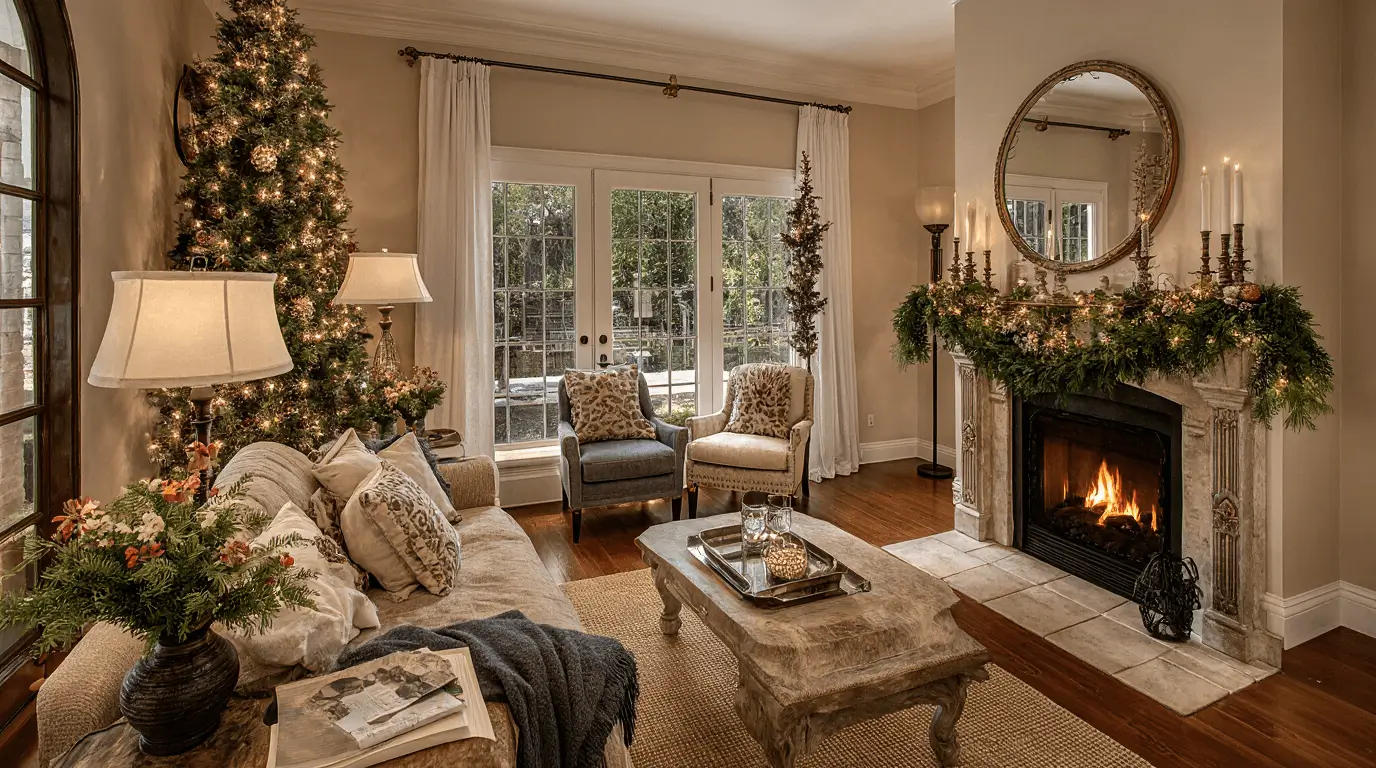
Seasonal Model Homes Interior Design Styling
Seasonal décor updates keep model homes fresh and relevant. Light fabrics for summer, warm textures for winter create subtle seasonal cues.
This helps buyers emotionally connect with the home year-round.
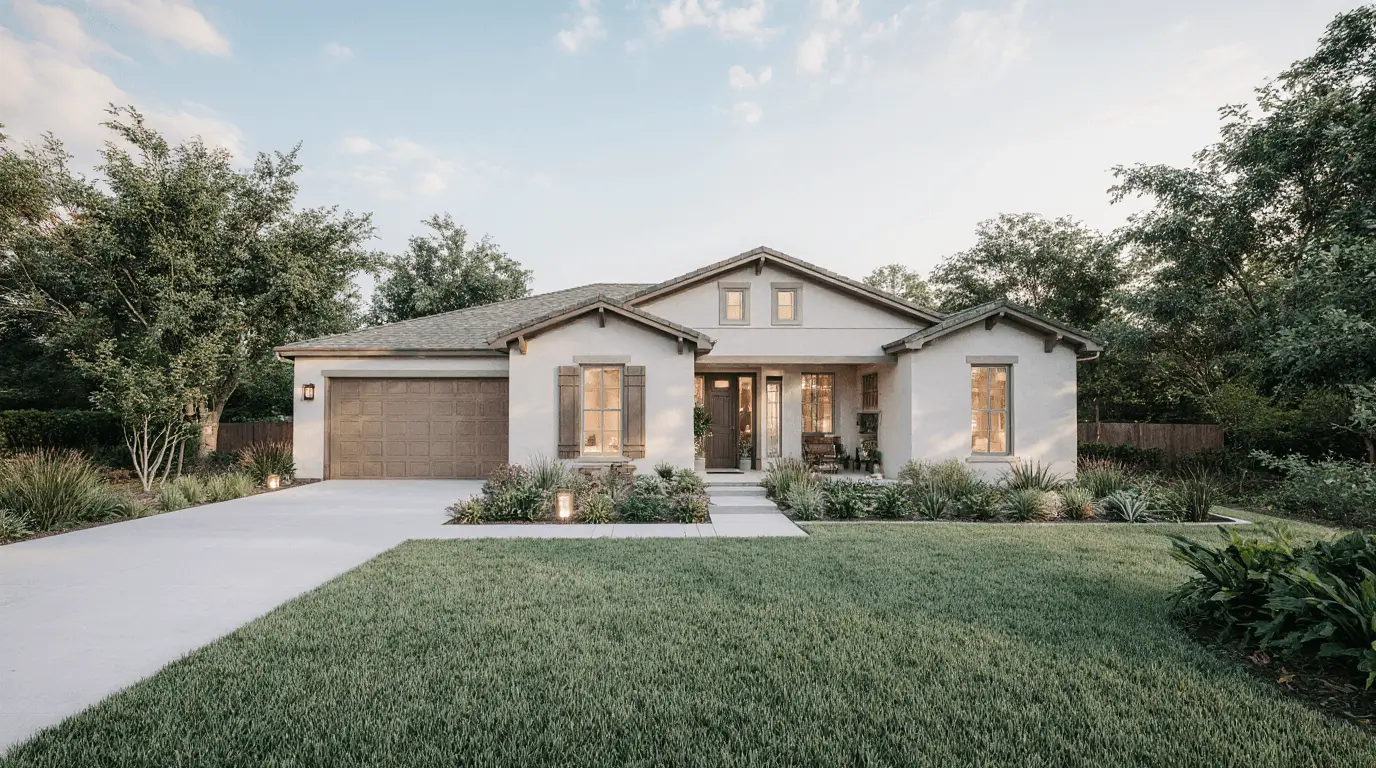
Model Homes Interior Design for Buyer Psychology
Every design choice influences how buyers perceive space. Open layouts, bright lighting, and minimal clutter create a sense of possibility.
Designers subtly guide emotions through visual storytelling.
Model Homes Interior Design Trends
Current trends include sustainable materials, organic textures, and biophilic elements. Natural wood, greenery, and earthy tones are increasingly popular.
These trends make spaces feel modern yet grounded.
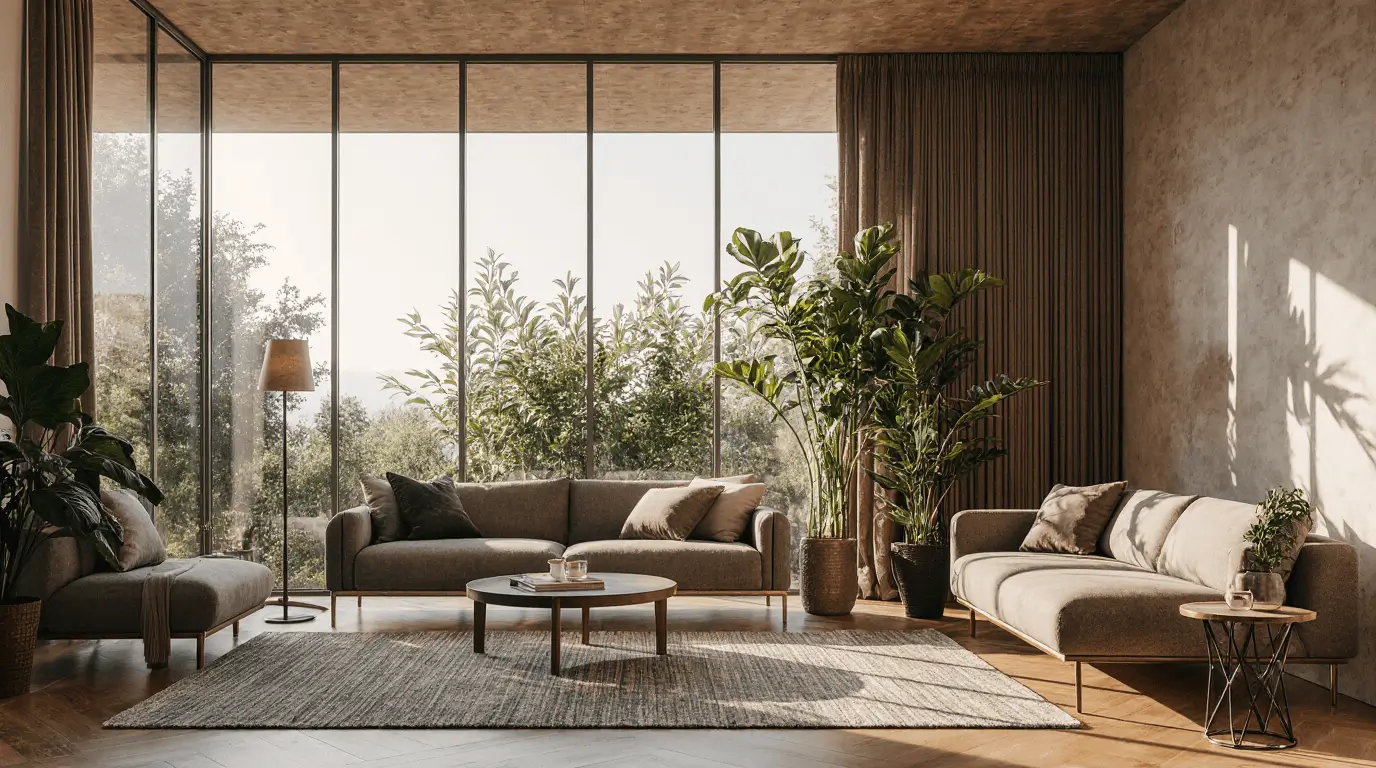
Model Homes Interior Design for Outdoor Integration
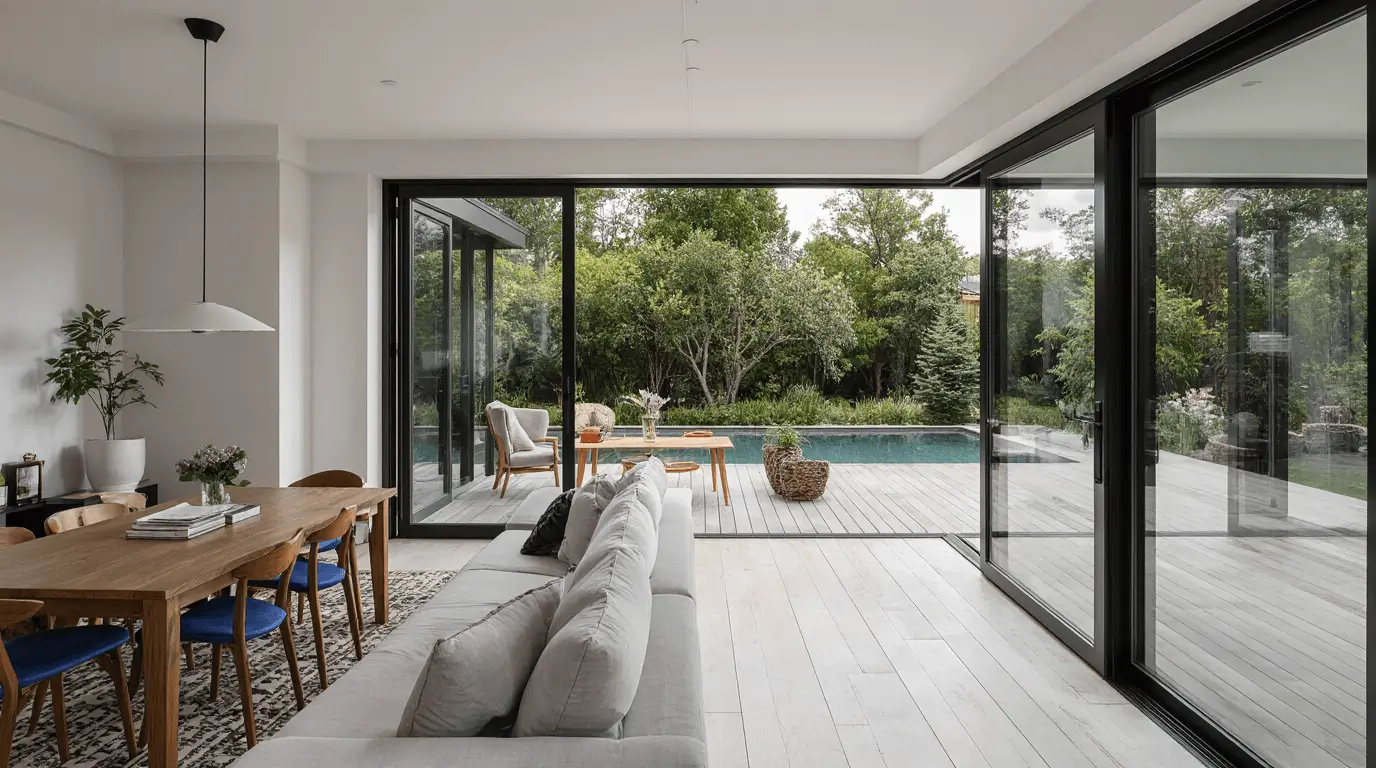
Indoor-outdoor flow is a major selling point. Designers extend interior style to patios or balconies for a cohesive experience.
Large windows and sliding doors enhance this connection.
Conclusion: Bringing Model Homes Interior Design to Life
Model homes interior design succeeds because it blends visual appeal with intentional living. Every element—from the neutral palette to the layered lighting and carefully scaled furniture—is chosen to create a space that feels both aspirational and attainable. The real strength of this approach lies in its ability to help people instantly imagine themselves at home, which is ultimately what drives connection and decision-making.
In practice, these design principles are just as valuable outside of show homes. Whether you’re preparing a property for sale or refining your own living space, focusing on clarity, flow, and emotional comfort will always deliver stronger results than simply following trends. The most effective interiors are those that feel effortless, balanced, and quietly refined.
If you take one thing forward, let it be this: great design isn’t about adding more—it’s about choosing better. When each piece has purpose and every space feels considered, the entire home begins to tell a story people want to be part of.
Learn more : Modern Restaurant Interior Design Ideas for Luxe Appeal
FAQs About Model Homes Interior Design
- What makes model homes interior design different from regular home design?
Model homes are designed to appeal to a wide audience rather than a specific individual. The focus is on creating a universally attractive, clutter-free environment that helps potential buyers visualize their future lifestyle in the space. - Why are neutral colors so commonly used in model homes?
Neutral palettes create a calm, adaptable backdrop that suits different tastes. They make spaces feel larger, brighter, and more cohesive, allowing visitors to imagine adding their own personality without distraction. - How do designers make model homes feel spacious?
They use strategic furniture placement, minimal clutter, consistent color schemes, and plenty of lighting. Mirrors and open layouts also help enhance the perception of space. - Can I apply model home design ideas to my own house?
Absolutely. Principles like decluttering, using balanced layouts, layering textures, and improving lighting can elevate any home. These techniques are especially useful if you want a polished, magazine-like look. - What role does lighting play in model homes interior design?
Lighting shapes the mood and highlights key features. A combination of ambient, task, and accent lighting creates depth and warmth, making spaces feel more inviting and functional. - How do model homes create an emotional connection with buyers?
Through thoughtful staging—comfortable seating, soft textures, and lifestyle cues—model homes subtly tell a story. This helps visitors imagine living there, which is often more influential than the layout itself. - Are model homes designed based on current trends?
Yes, but selectively. Designers incorporate modern elements like natural materials or clean lines while keeping the overall look timeless, ensuring the design appeals both now and in the near future.


2 Responses