
Introduction
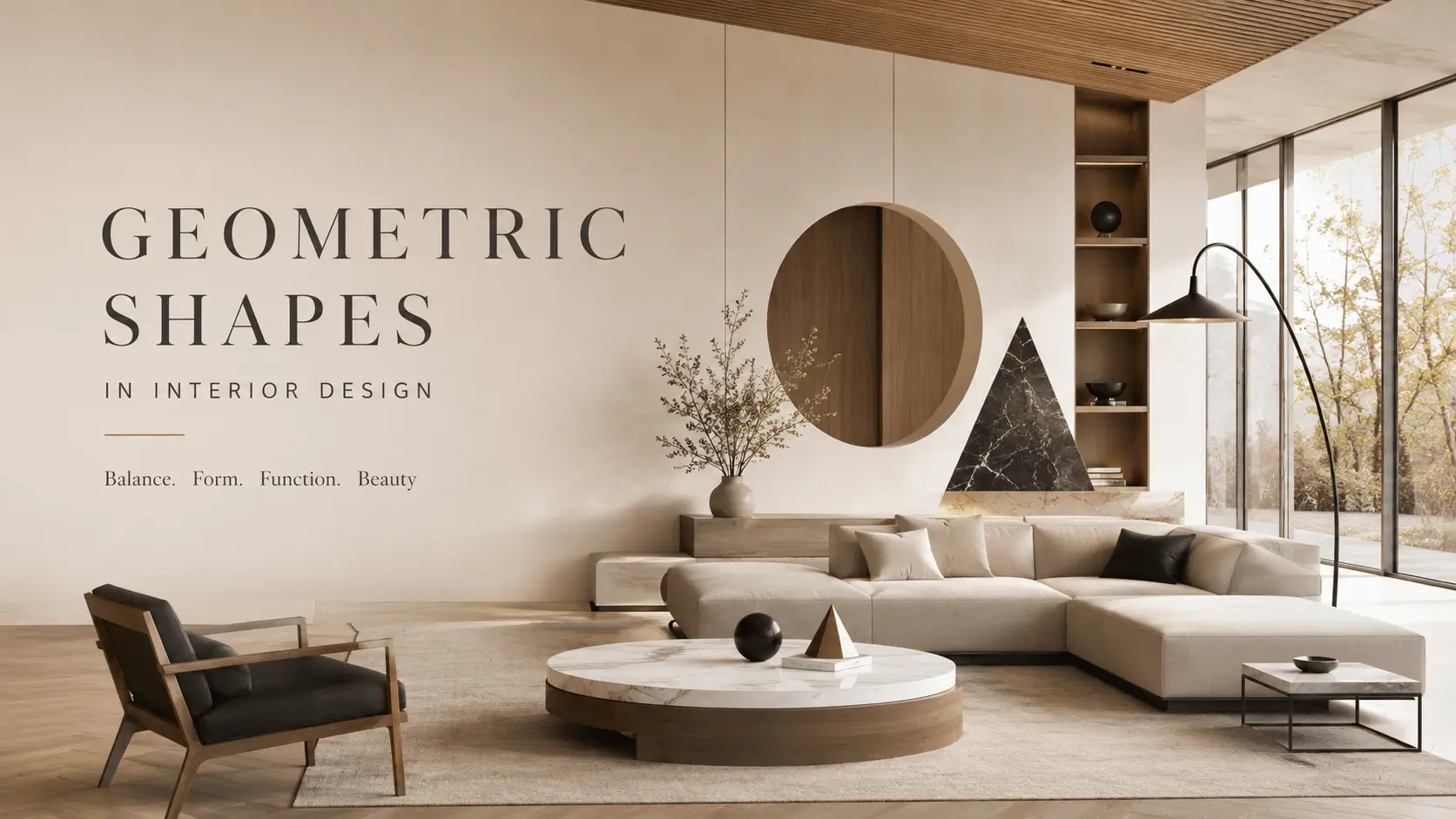
Geometric shapes in interior design form the backbone of how spaces are visually organized, experienced, and emotionally perceived. From the symmetry of modern architecture to the rhythm of patterned décor, geometry quietly defines how a room feels before you even notice its individual elements. Circles soften, squares stabilize, and triangles introduce movement—together they create a language that designers use to shape atmosphere and function.
In contemporary interiors, geometry is no longer limited to strict repetition or rigid modernism. It blends with texture, light, and materials to create layered environments that feel both intentional and expressive. Whether used subtly in furniture silhouettes or boldly in wall compositions, geometric thinking helps transform ordinary rooms into structured, visually engaging spaces.
Foundational Role of Geometric Shapes in Interior Design
Geometric shapes in interior design establish the basic visual structure of any space. Designers rely on fundamental forms like circles, squares, and triangles to create balance and hierarchy. These shapes guide the eye naturally and bring order to complex interiors.
When used correctly, they create a sense of clarity that supports both aesthetics and functionality.
Geometric Patterns in Interior Design
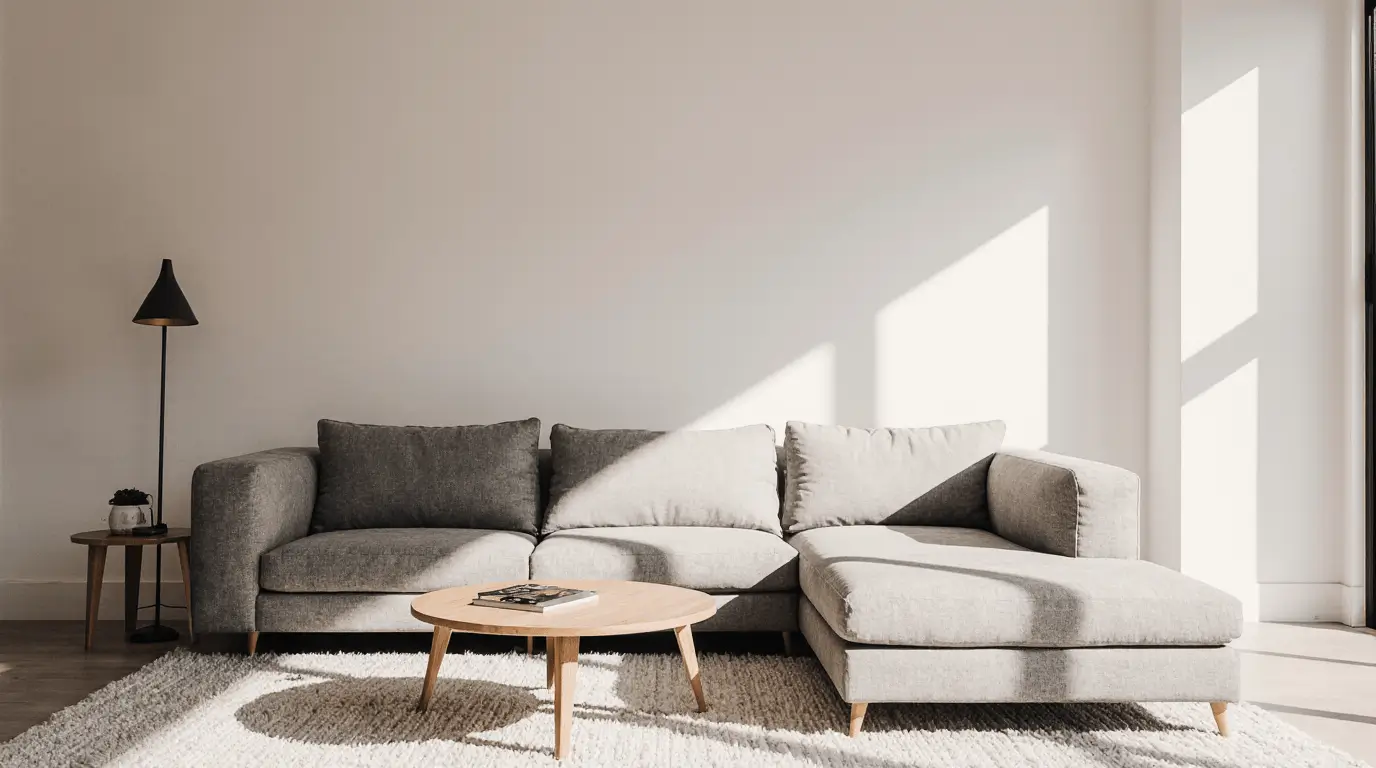
Geometric patterns introduce rhythm and repetition into interiors, making spaces feel cohesive and intentional. They can be subtle in textiles or bold in wall treatments depending on design goals.
These patterns help connect different elements of a room into a unified visual language.
Circles in Interior Design Composition
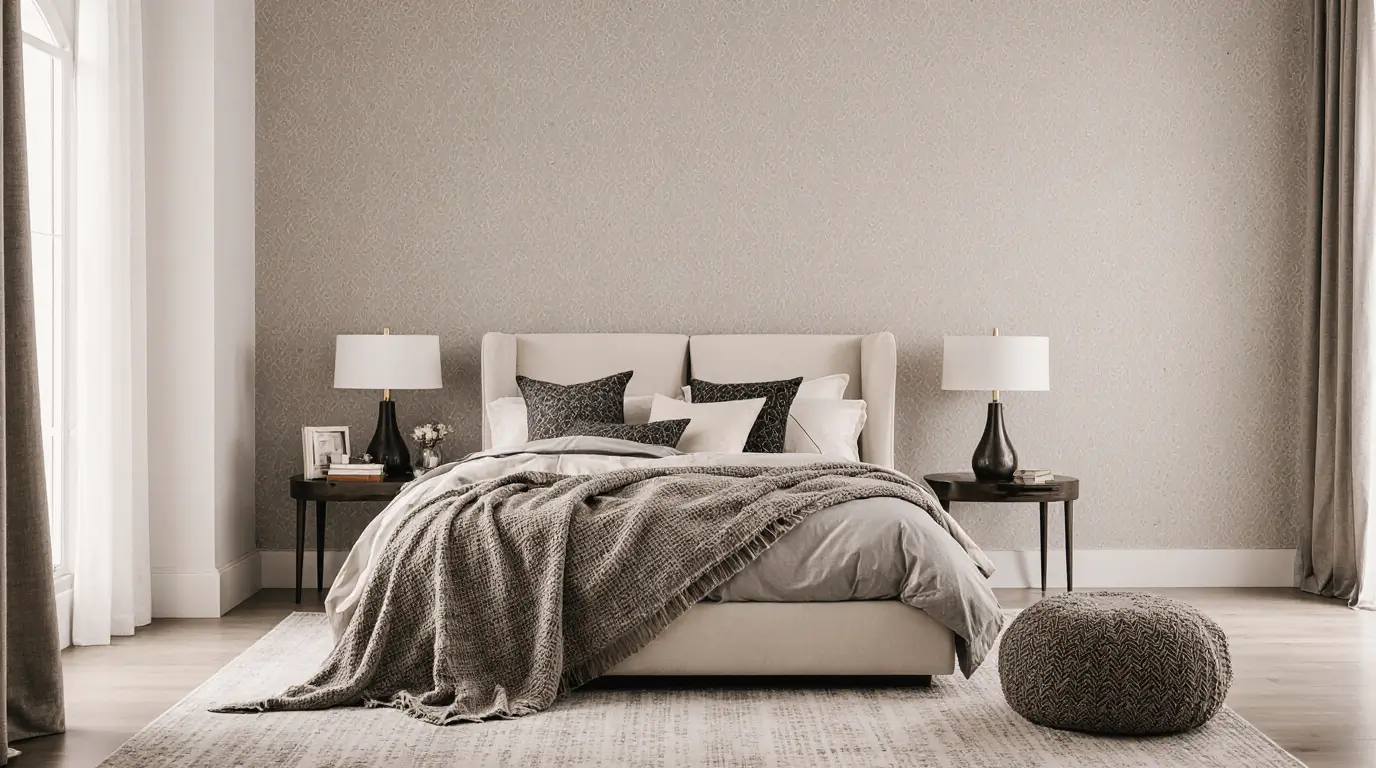
Circles represent flow, unity, and softness in interior spaces. They are often used in lighting fixtures, rugs, and furniture to break harsh linear structures.
Their absence of edges creates a calming visual rhythm that balances sharper architectural forms.
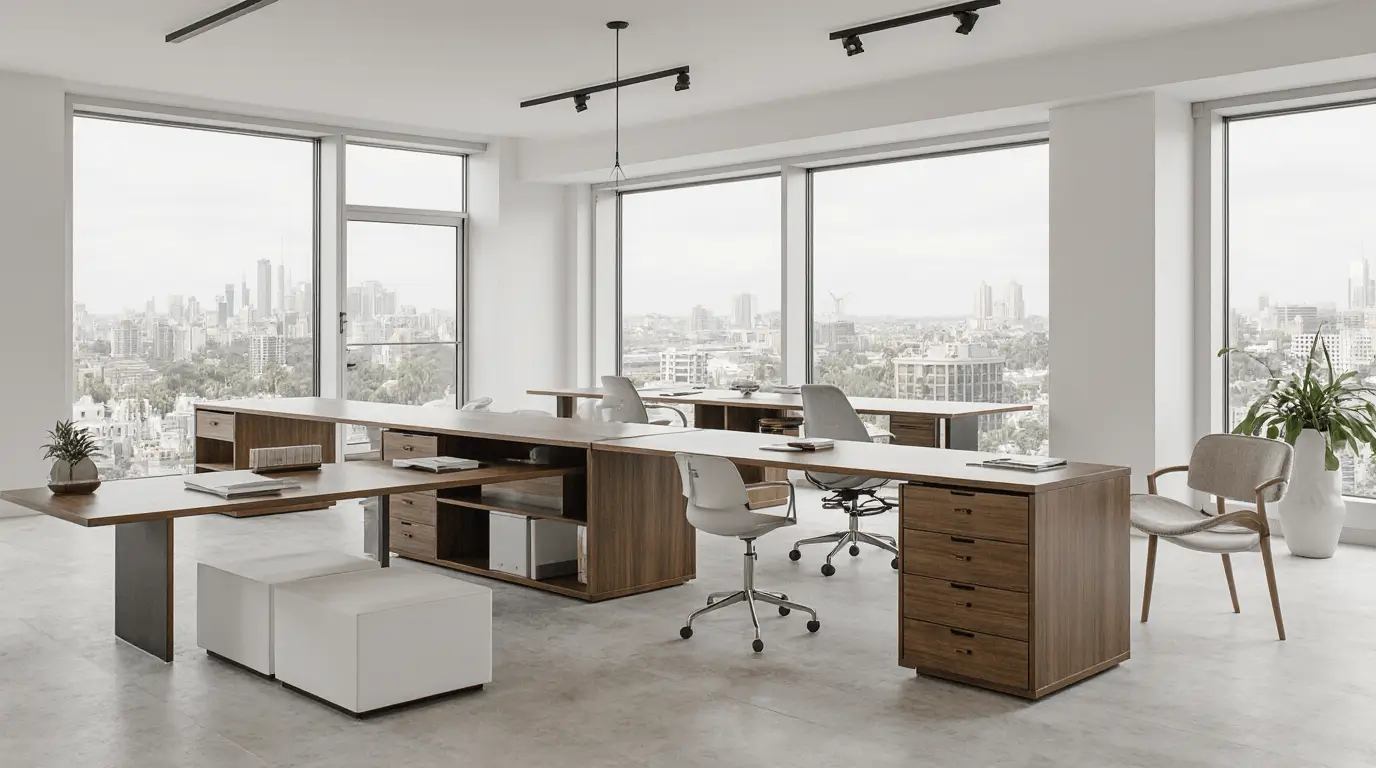
Squares and Rectangles in Interior Design Geometry
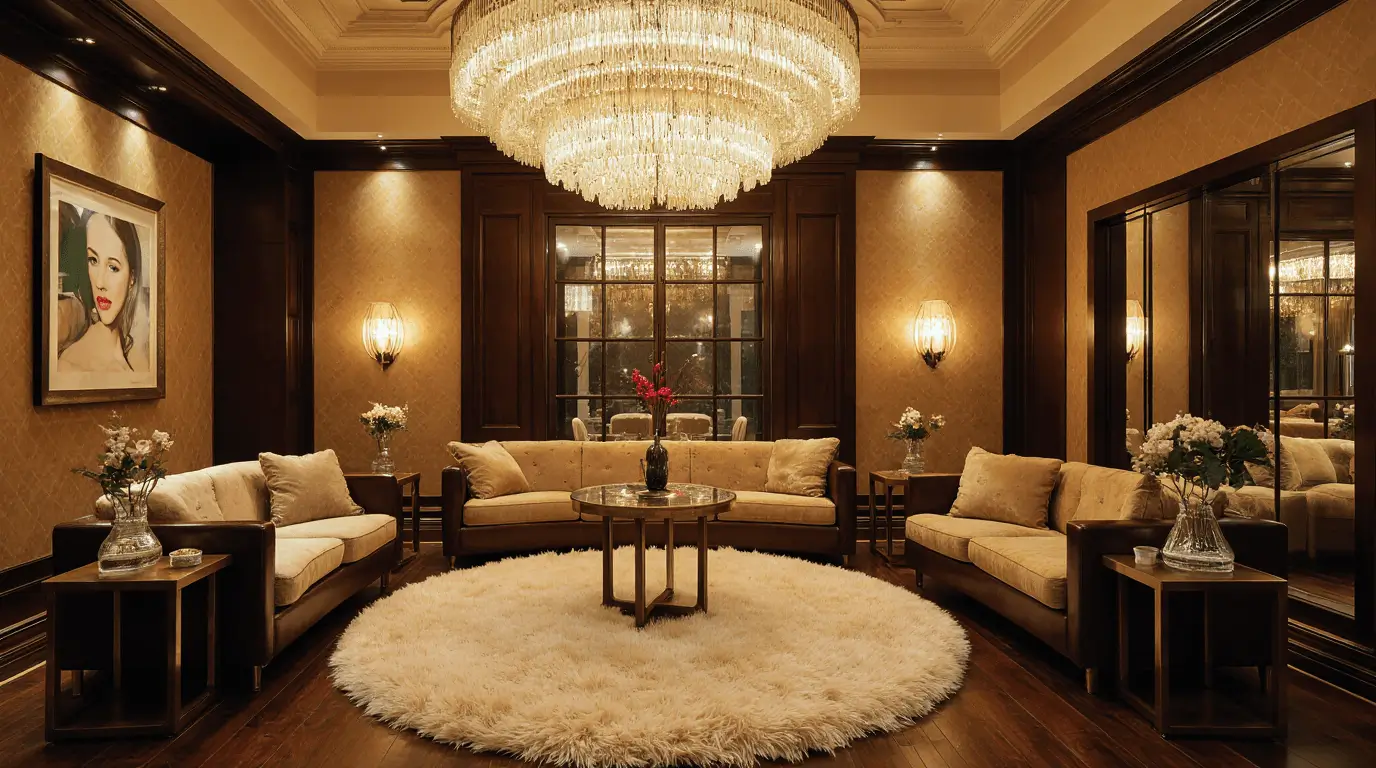
Squares and rectangles bring stability, order, and structure to interiors. They are commonly used in floor plans, shelving, and furniture layouts.
Their predictable symmetry creates a grounded and organized visual experience.
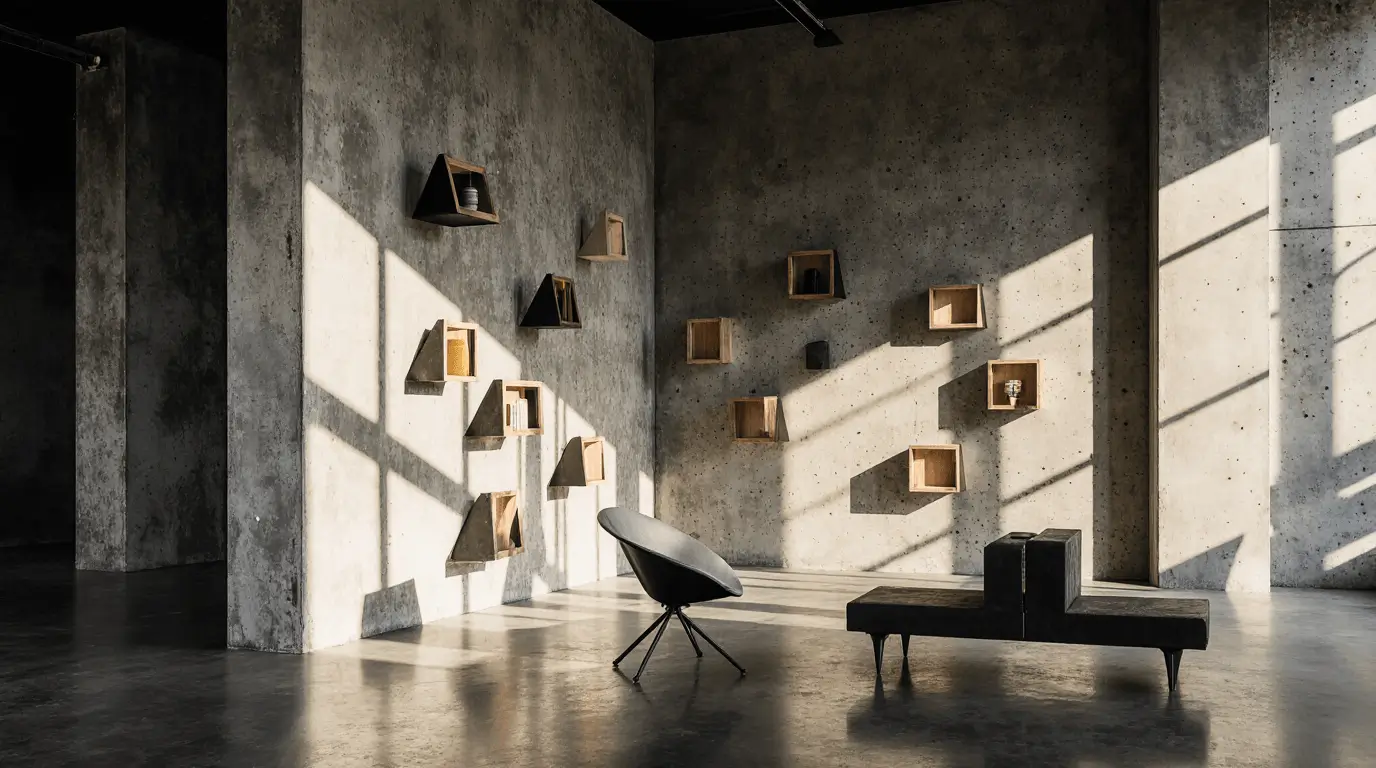
Triangles and Dynamic Interior Composition
Triangles introduce movement, direction, and energy into interior design. They are often used in shelving systems, wall art, and architectural details.
Their angular nature creates visual tension that adds excitement to static spaces.
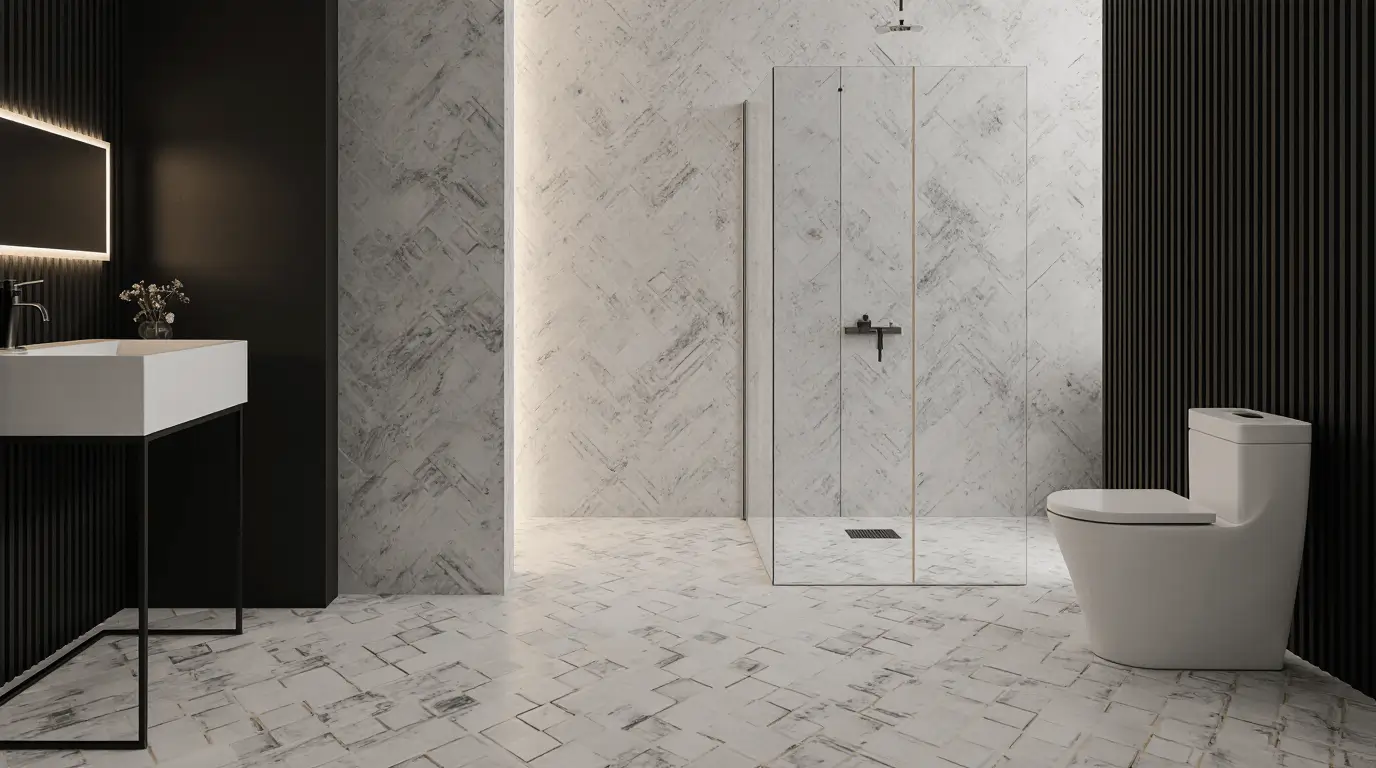
Hexagons and Advanced Geometric Forms
Hexagons and other polygons add complexity and sophistication to interior design. They are frequently used in tiles, feature walls, and decorative panels.
These multi-sided forms create a visually rich surface that feels both modern and organic.
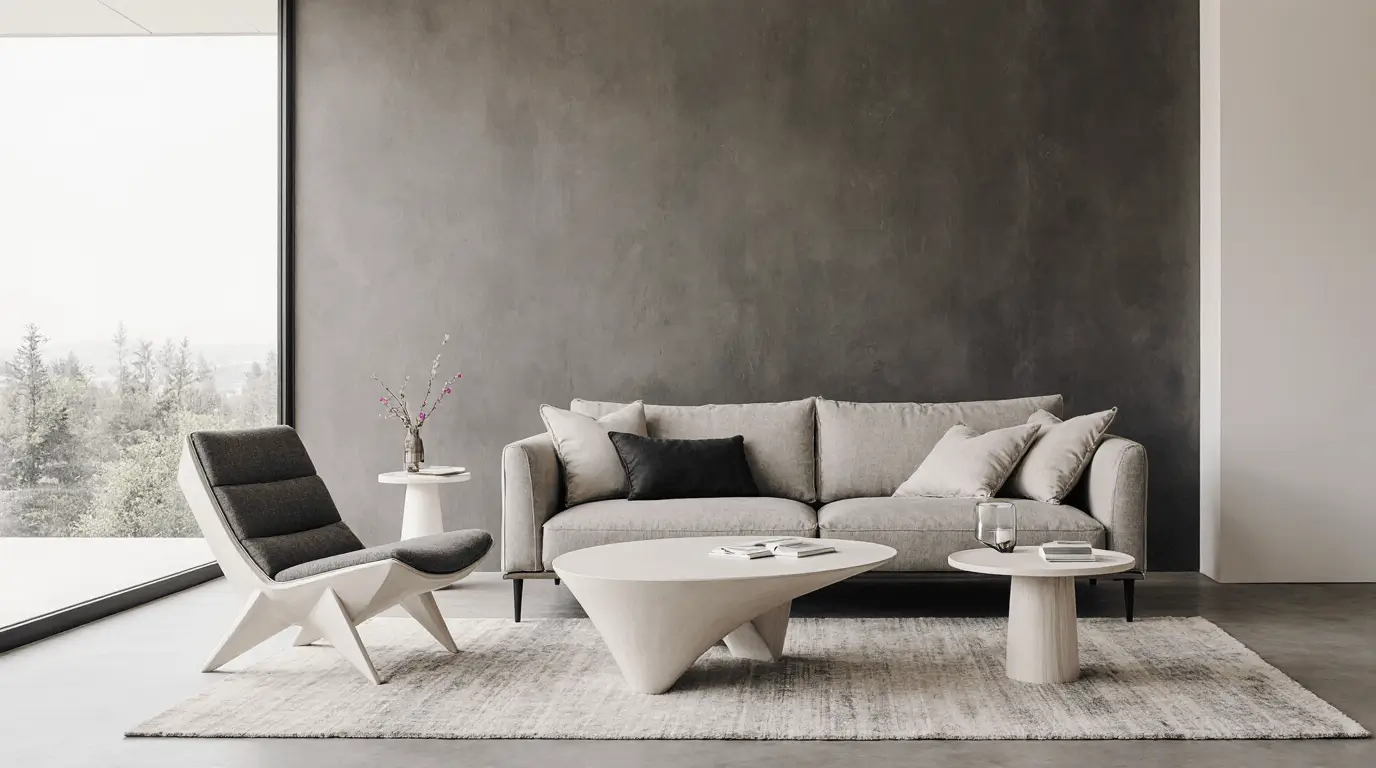
Geometric Furniture Design
Furniture shaped by geometric principles enhances both aesthetics and functionality. Clean lines, sharp angles, and balanced proportions define modern pieces.
Such designs make furniture feel sculptural and integrated into the architecture of the space.
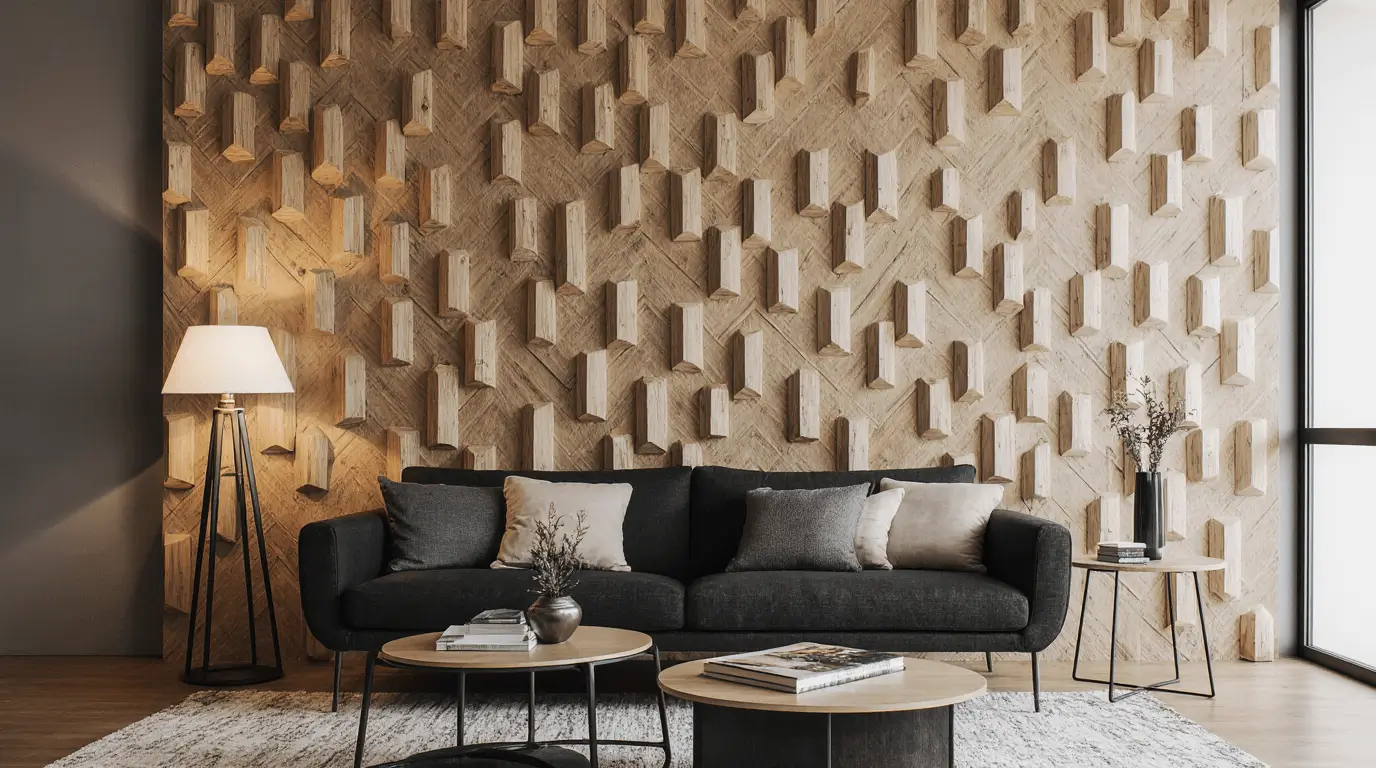
Geometric Wall Decor in Interiors
Walls become expressive canvases when geometric forms are introduced through panels, artwork, or textures. This adds depth without overwhelming the space.
It allows designers to create focal points that guide visual attention.
Geometric Flooring Patterns
Flooring with geometric patterns defines spatial zones and adds visual interest underfoot. Tiles arranged in repeated forms create rhythm and movement.
This approach enhances both functionality and aesthetic depth in interiors.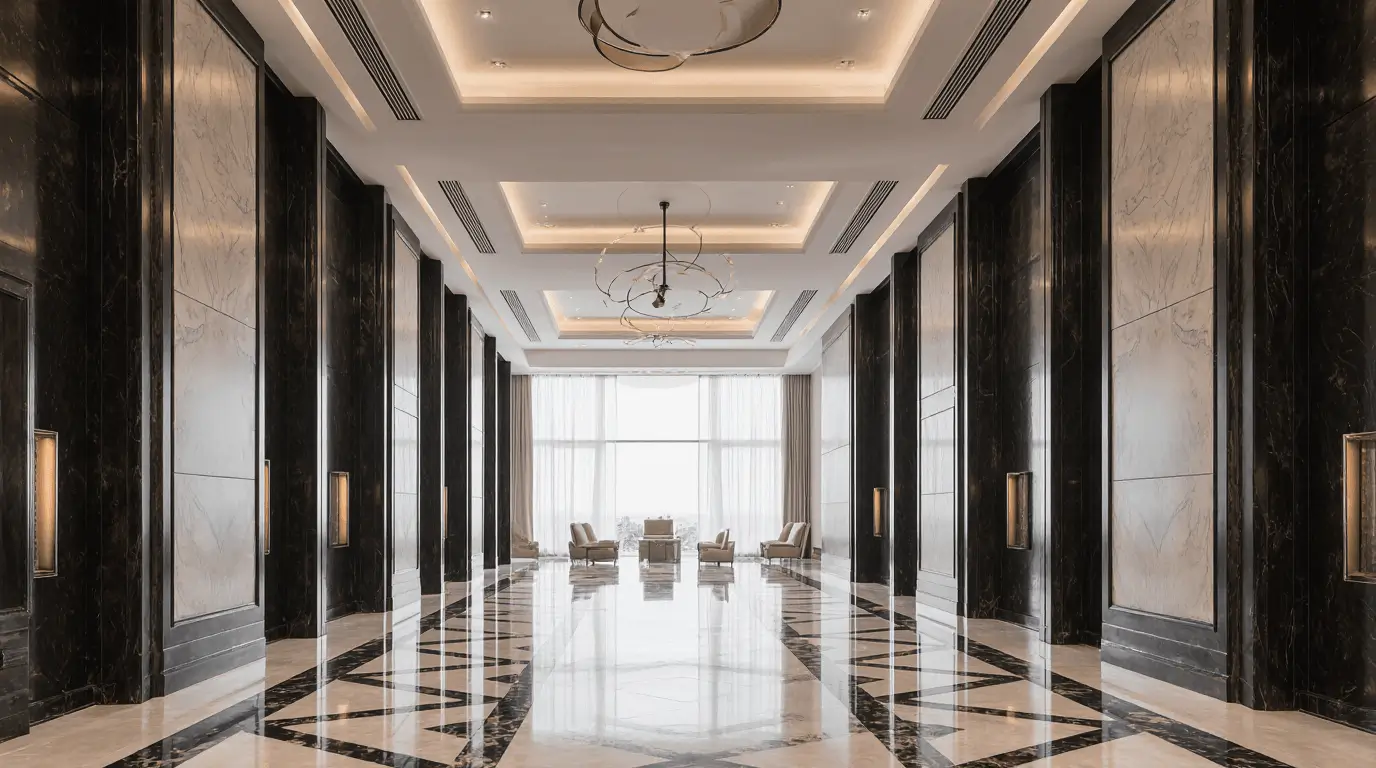
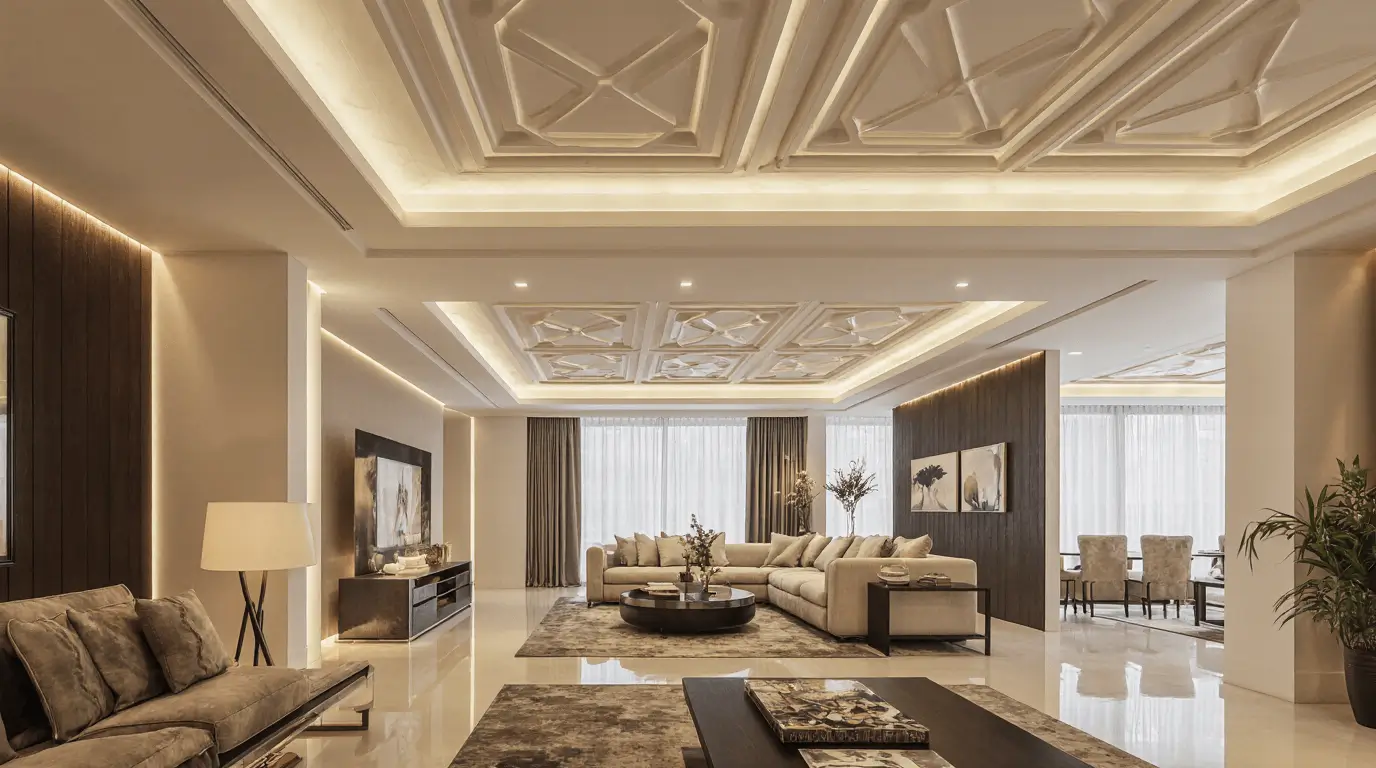
Ceiling Geometry in Interior Design
Ceilings with geometric detailing add dimension and architectural interest above eye level. Coffered designs, beams, or angular forms elevate spatial perception.
They help balance vertical space and enhance room proportions.
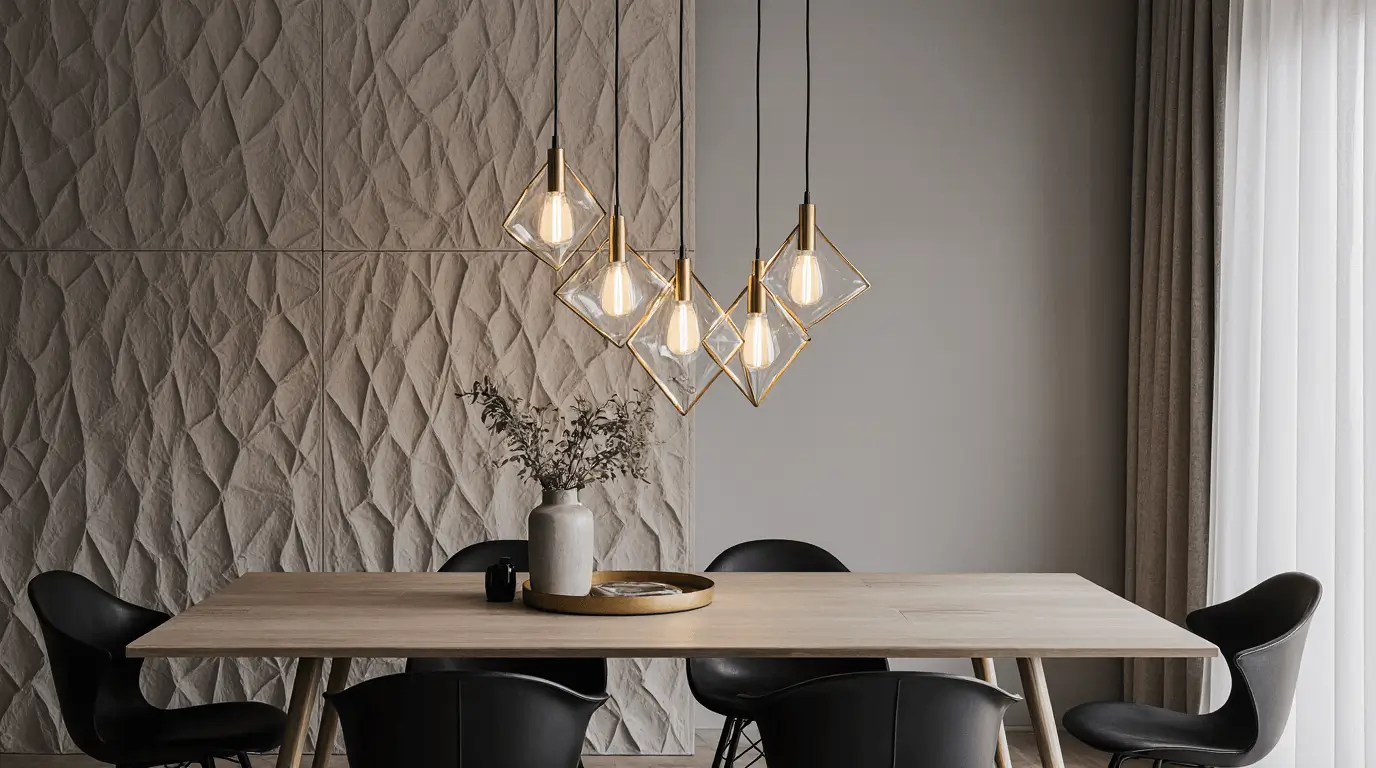
Interior Lighting and Geometric Forms
Lighting fixtures often use geometric structures to blend function with design artistry. Pendants, chandeliers, and sconces become sculptural elements.
Their shapes influence how light spreads and defines mood.
Geometry in Spatial Planning
Spatial planning in interior design relies heavily on geometric alignment and proportion. Furniture placement follows invisible grids that ensure balance and flow.
This creates spaces that feel intuitive and easy to navigate.
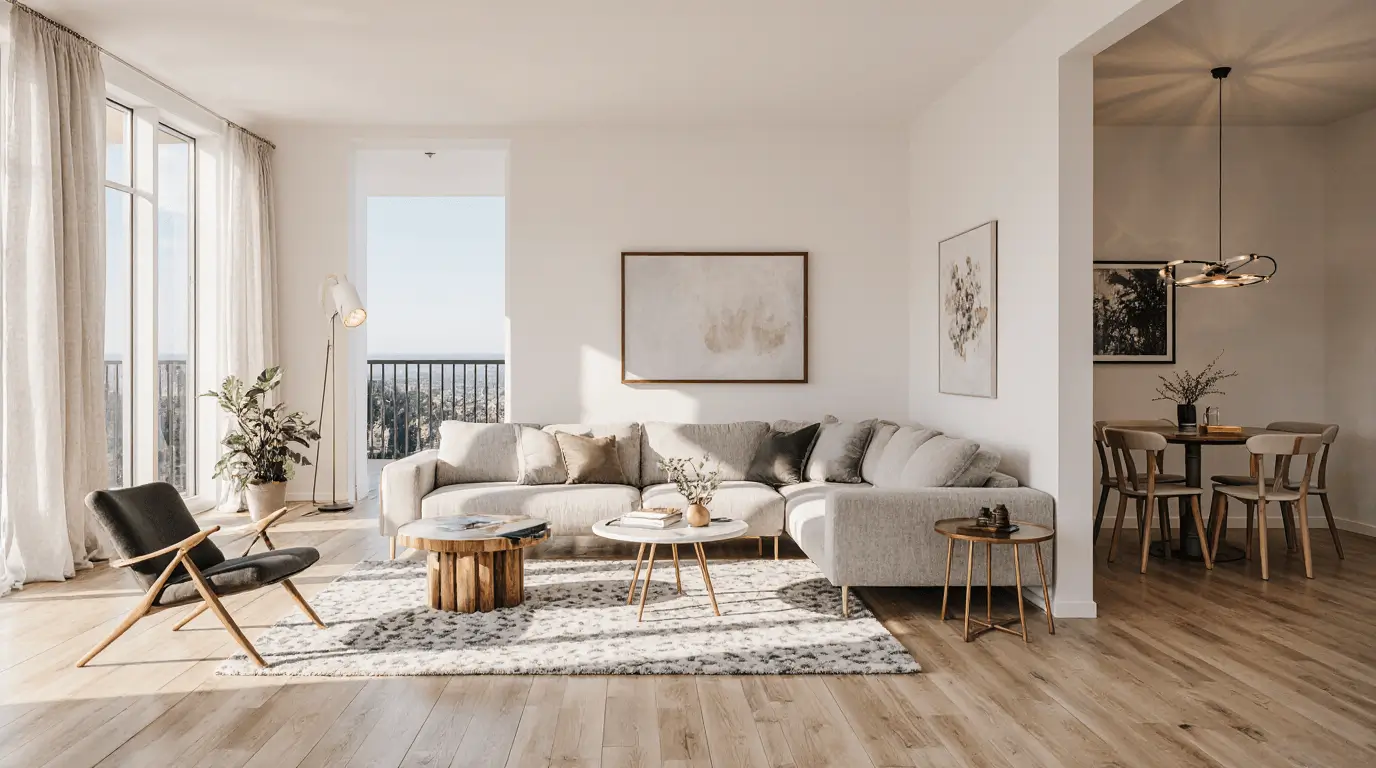
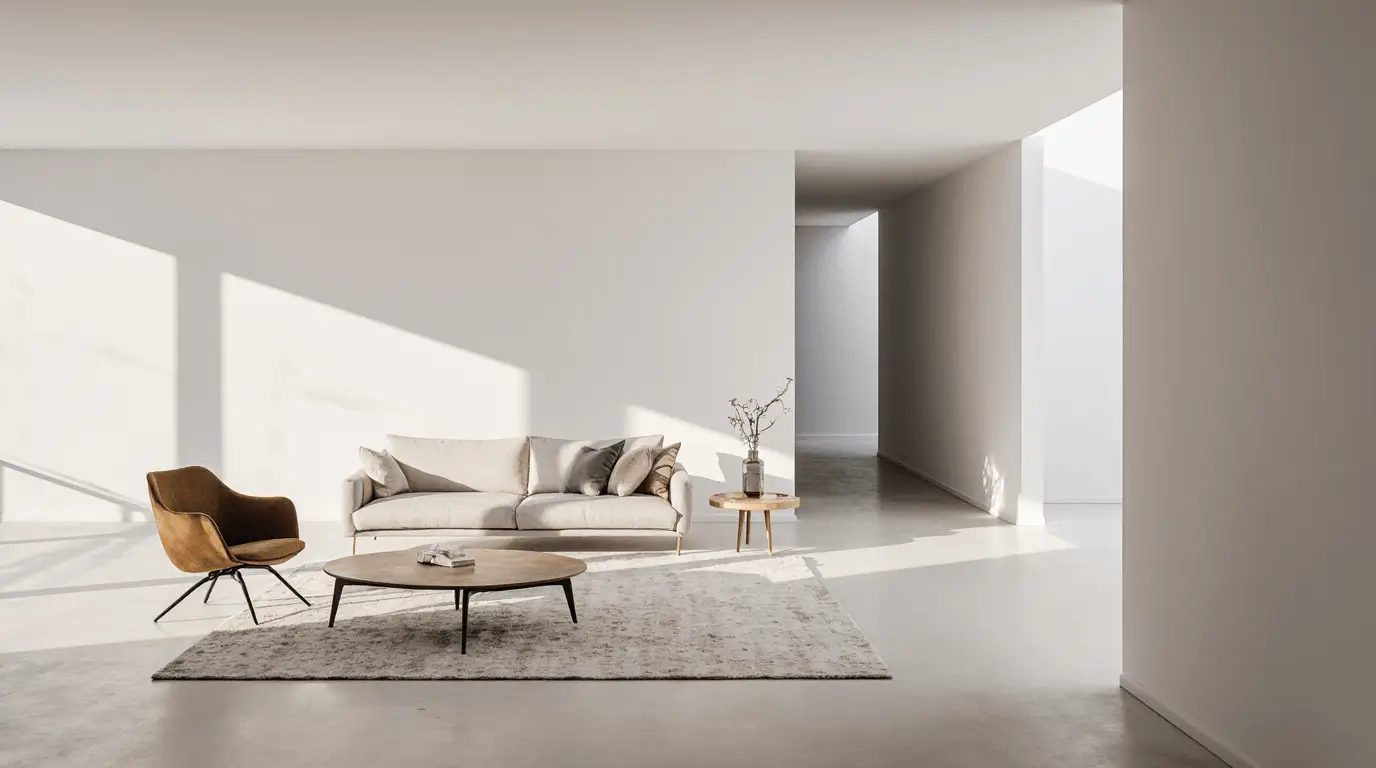
Minimal Geometric Interior Design
Minimalism and geometric structure often work together to create calm, uncluttered spaces. Simple forms dominate without unnecessary decoration.
This enhances focus on shape, light, and material quality.
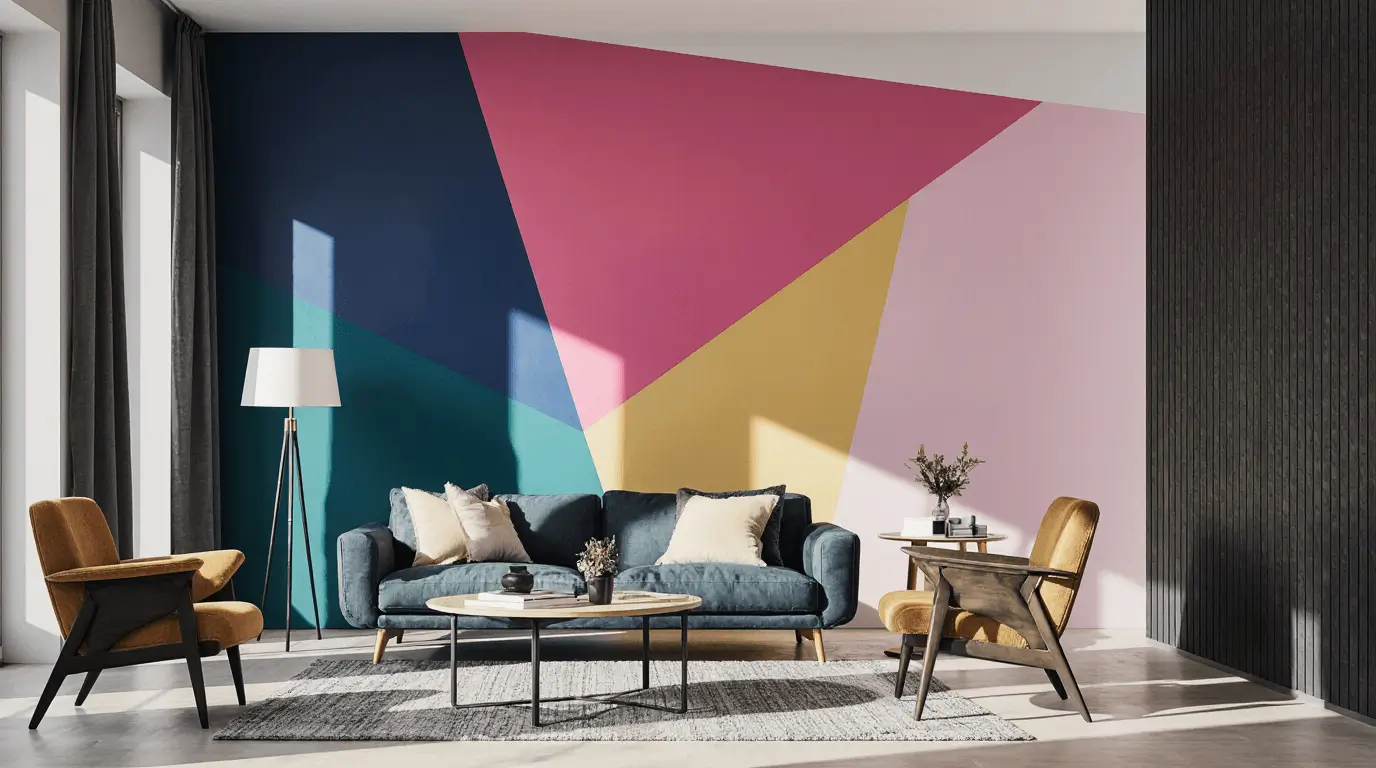
Bold Geometric Statement Interiors
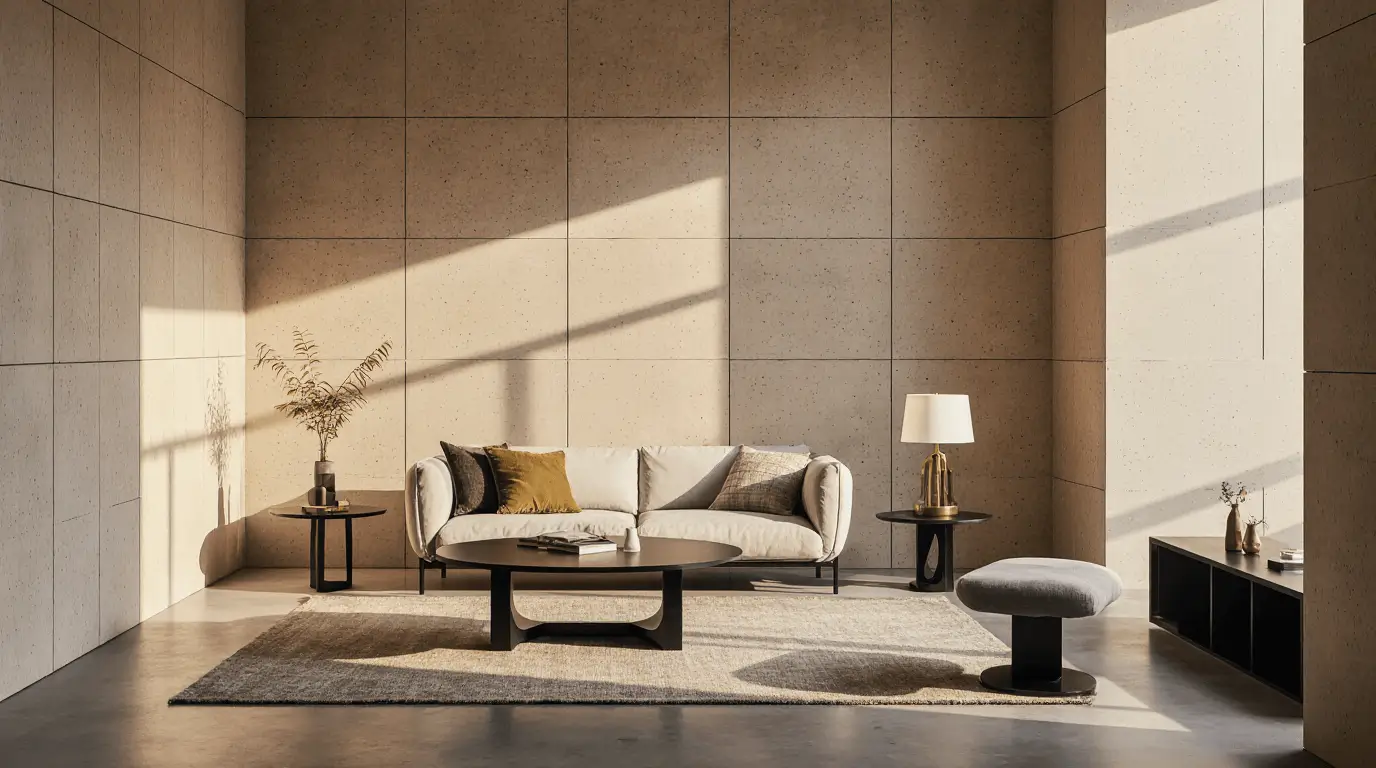
Bold geometric interiors use strong patterns and contrasting shapes to create visual impact. Large-scale designs become focal points in the room.
These spaces are expressive, energetic, and highly memorable.
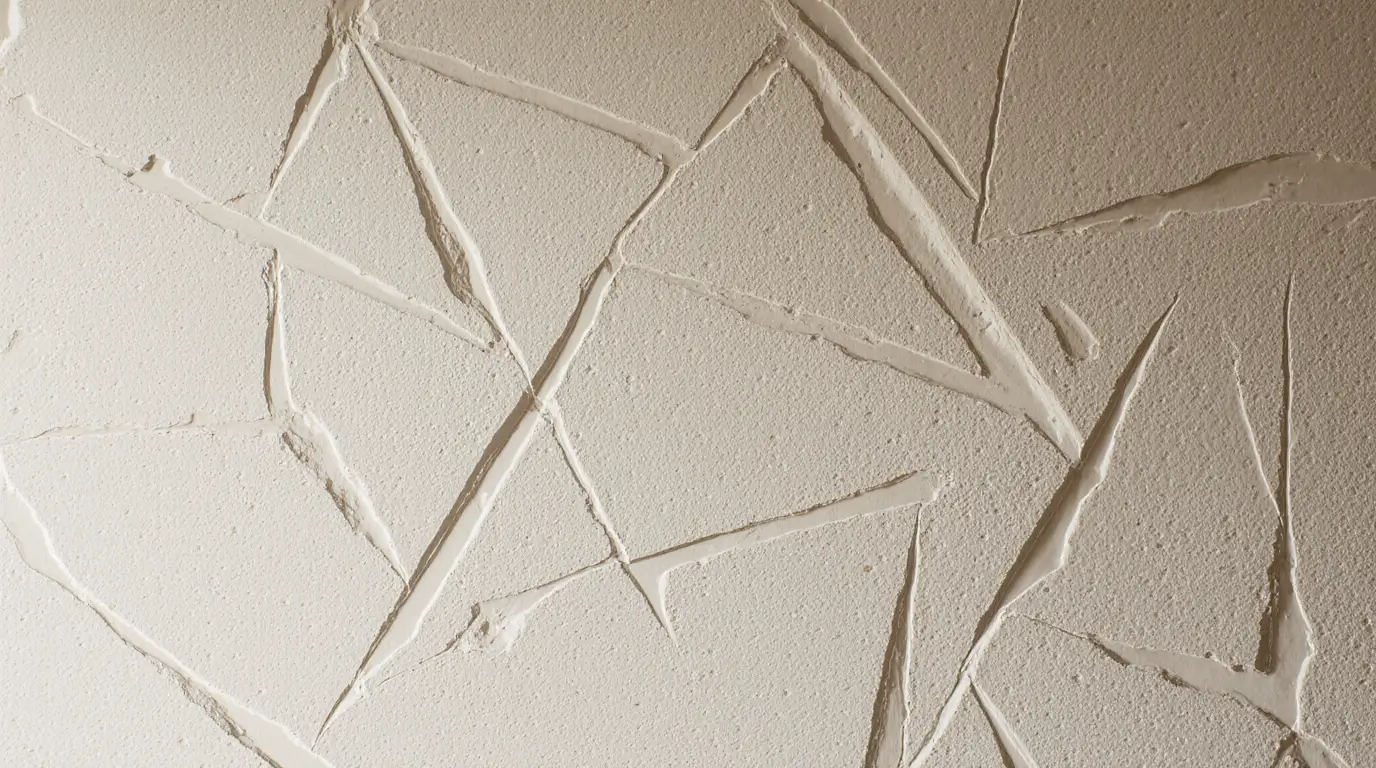
Geometric Textures and Surface Design
Textures combined with geometry add depth and tactility to interiors. Raised patterns, carved surfaces, and layered materials enhance visual richness.
This creates a sensory experience beyond just color and form.
Organic vs Geometric Balance in Interiors
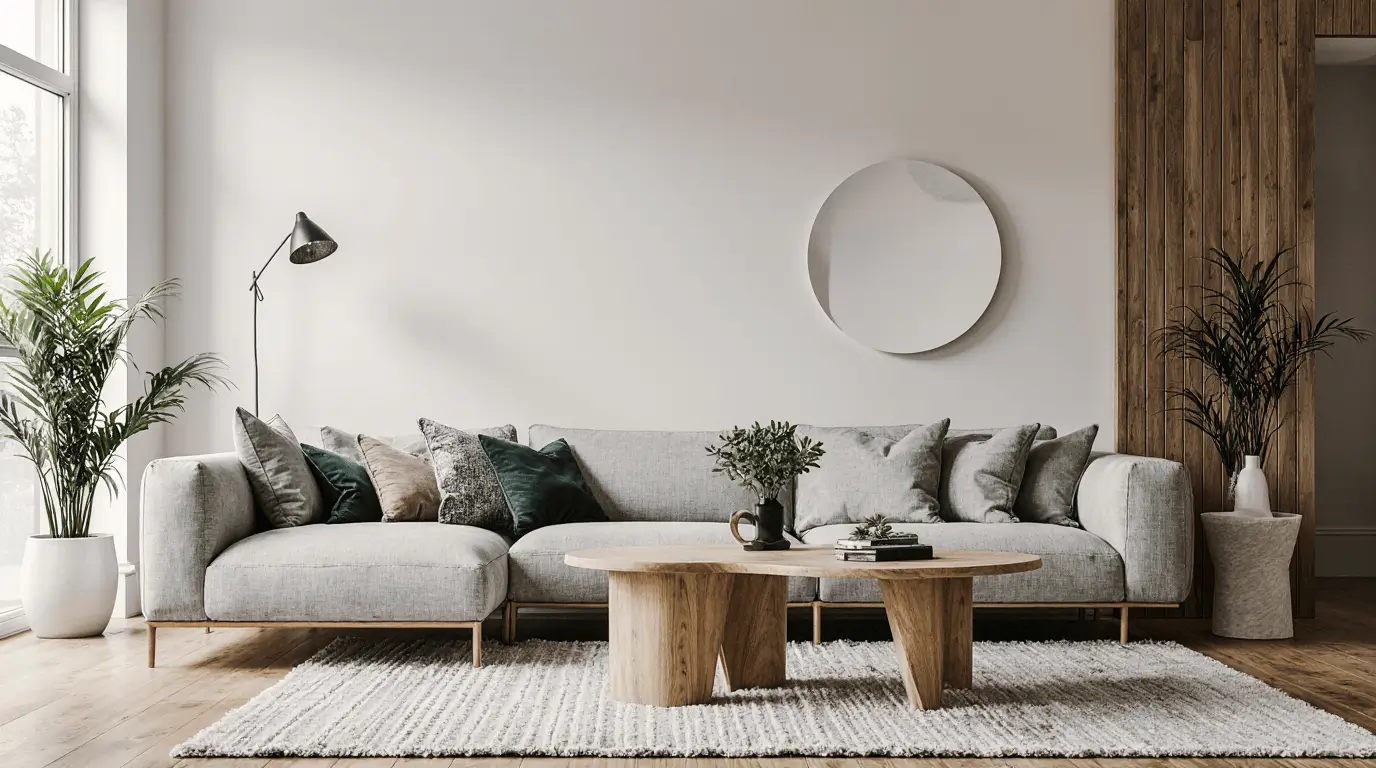
Blending organic curves with geometric structure creates harmony in interior spaces. This contrast softens rigidity while maintaining order.
The result is a balanced environment that feels both natural and designed.
Color and Geometry Interaction in Interior Design
Color enhances how geometric forms are perceived in a space. Strategic use of contrast can emphasize structure or soften edges.
This relationship allows designers to control mood and spatial energy effectively.
Conclusion
Geometric shapes in interior design are more than a visual style—they are a foundational tool for shaping how a space feels, functions, and communicates mood. From the stability of squares and rectangles to the fluid softness of circles and the dynamic tension of triangles, geometry quietly organizes every layer of an interior. When applied thoughtfully, it creates clarity in layout, harmony in composition, and rhythm across surfaces and furnishings.
What makes this approach powerful is its adaptability. Whether the goal is a calm minimalist home, a bold artistic interior, or a balanced blend of organic and structured elements, geometric thinking provides a reliable framework. It helps designers control visual weight, guide movement through space, and create focal points without overwhelming the environment.
In practical terms, understanding geometric principles allows better design decisions—choosing furniture that fits spatial logic, selecting patterns that enhance rather than distract, and balancing light, texture, and form with intention. For homeowners and designers alike, mastering geometry in interiors leads to spaces that feel more cohesive, comfortable, and visually satisfying in everyday life.
Learn more : Mediterranean Modern Interior Design for Timeless Calm
FAQ: Geometric Shapes in Interior Design
- Why are geometric shapes important in interior design?
Geometric shapes help organize a space visually and functionally. They bring structure, improve flow, and create a sense of balance that makes interiors feel more intentional and comfortable.
- How do designers use geometry in everyday interiors?
Designers use geometry in furniture layouts, lighting fixtures, wall patterns, flooring, and décor accessories. These elements work together to guide the eye and define zones within a room.
- What is the difference between organic and geometric design elements?
Geometric elements are structured and precise, while organic forms are soft and free-flowing. A well-designed interior often blends both to create balance between order and natural comfort.
- Can geometric patterns make small spaces look bigger?
Yes, when used correctly. Repeating shapes and clean lines can create visual continuity, which helps a space feel more open and less cluttered.
- Which geometric shapes are most commonly used in interiors?
Squares and rectangles are most common due to their structural stability, while circles are often used for softness and triangles for dynamic visual interest.
- How do geometric shapes affect mood in a room?
Sharp angles and structured forms tend to create energy and focus, while rounded shapes feel calming and approachable. The combination can help control the emotional tone of a space.
- Is geometric interior design suitable for all styles of homes?
Yes. Geometric principles can be adapted to modern, minimalist, luxury, or even traditional interiors by adjusting scale, material, and color usage.




One Response