
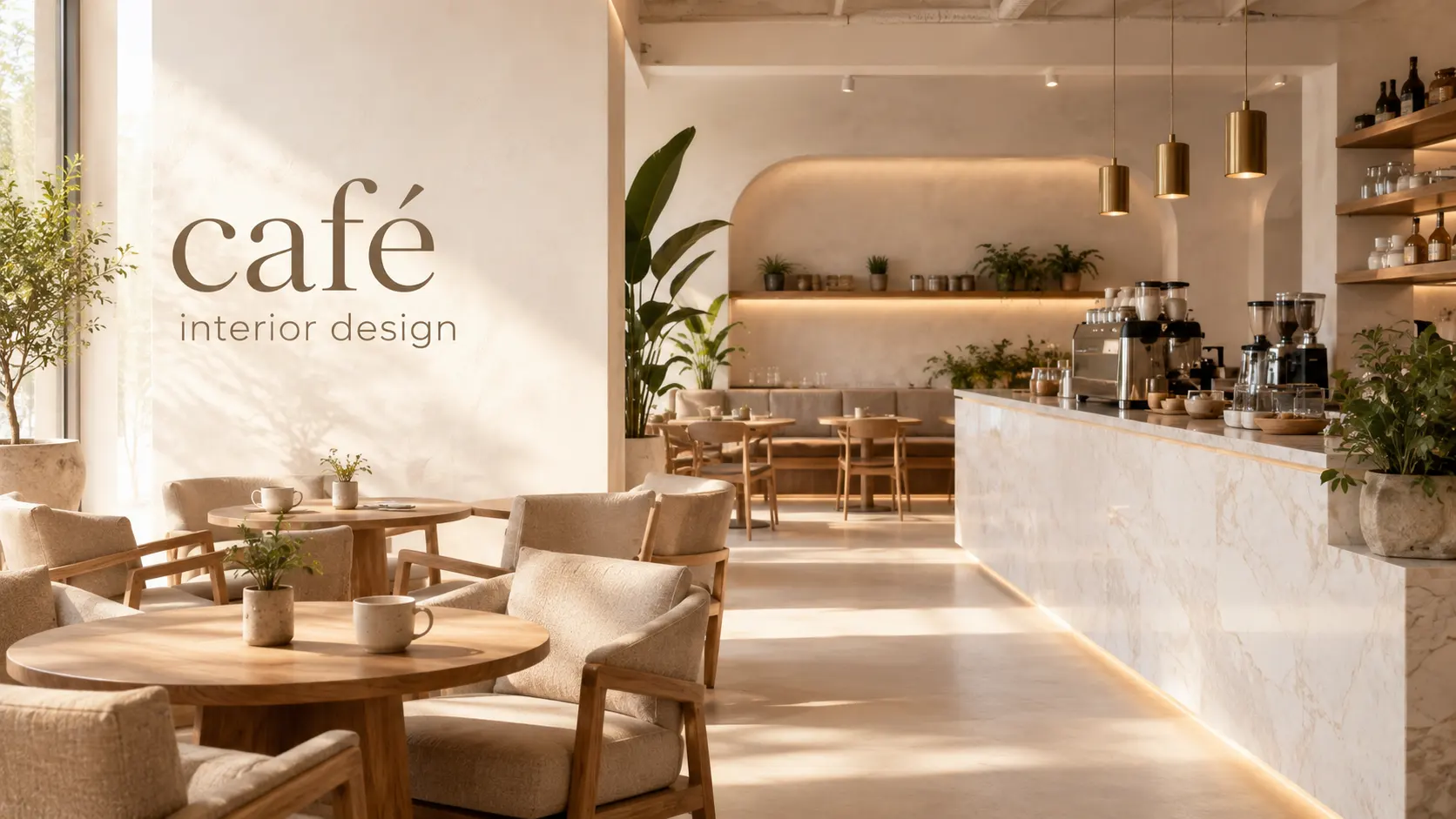
Introduction
Cafe interior design is more than arranging tables and chairs—it is the art of shaping an emotional experience where customers feel comfortable, inspired, and willing to stay longer. A well-planned café space blends aesthetics, functionality, lighting, and branding into a seamless environment that enhances both customer satisfaction and business success.
Modern café interior design focuses on storytelling through space. Every material, color, and layout choice influences mood and behavior. Whether you are designing a small coffee shop or a large urban café, the goal is to create a memorable atmosphere that encourages relaxation, conversation, and repeat visits. Below are expert-level design clusters that define high-impact café interiors.
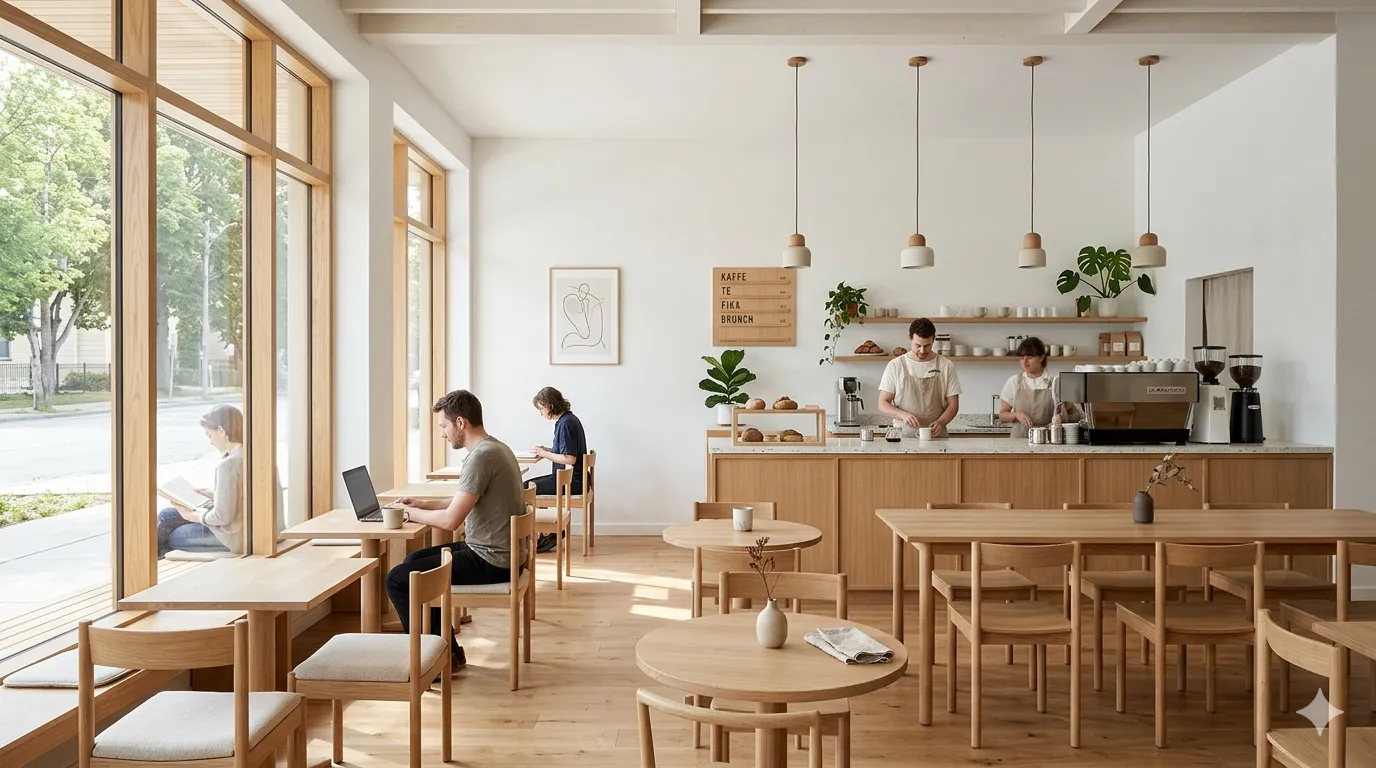
Minimalist Cafe Interior Design Concept
Minimalist café interiors focus on simplicity, clean lines, and clutter-free environments. The design relies on functional furniture and neutral tones to create a calm, modern atmosphere that highlights the coffee experience itself.
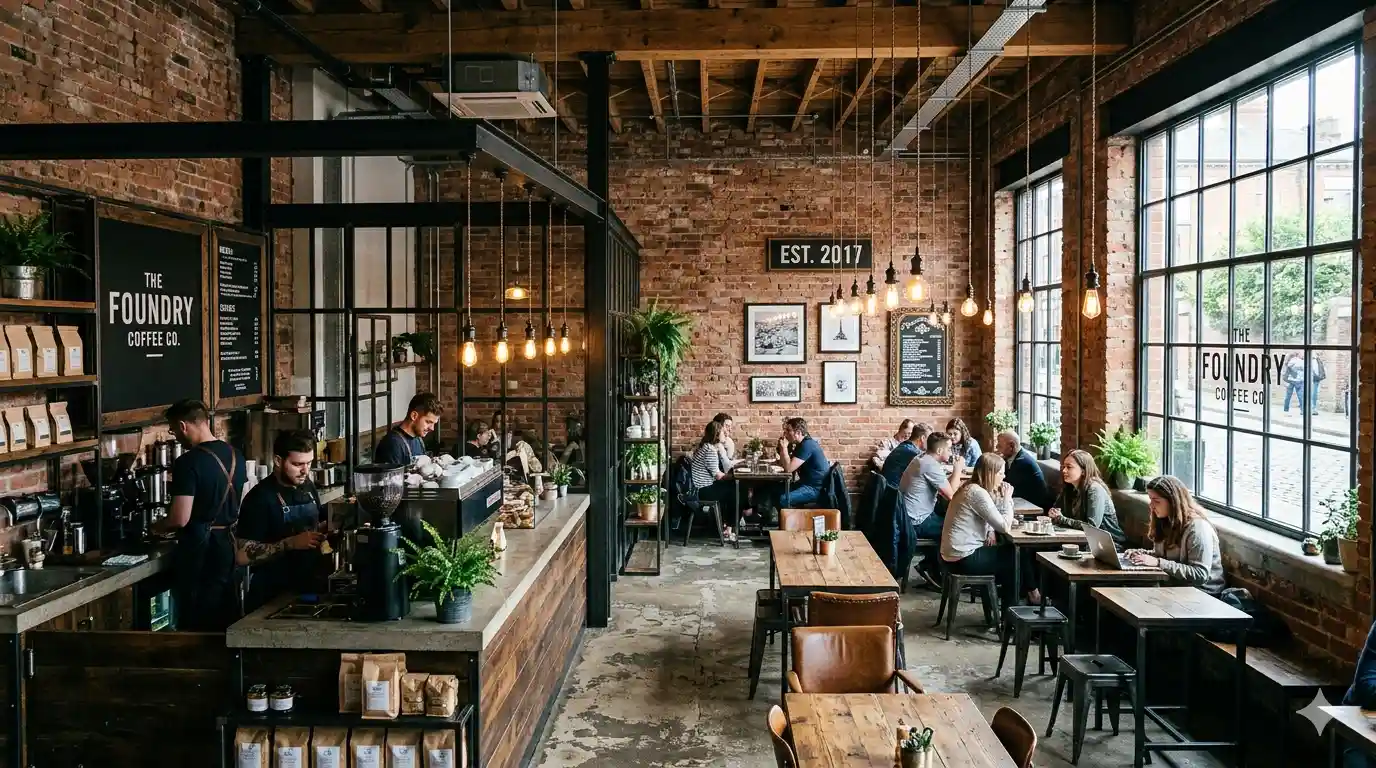
Industrial Style Cafe Interior Design
Industrial café design uses raw materials like exposed brick, steel, and concrete. This style creates a bold, urban feel that appeals to modern customers seeking authenticity and edge.
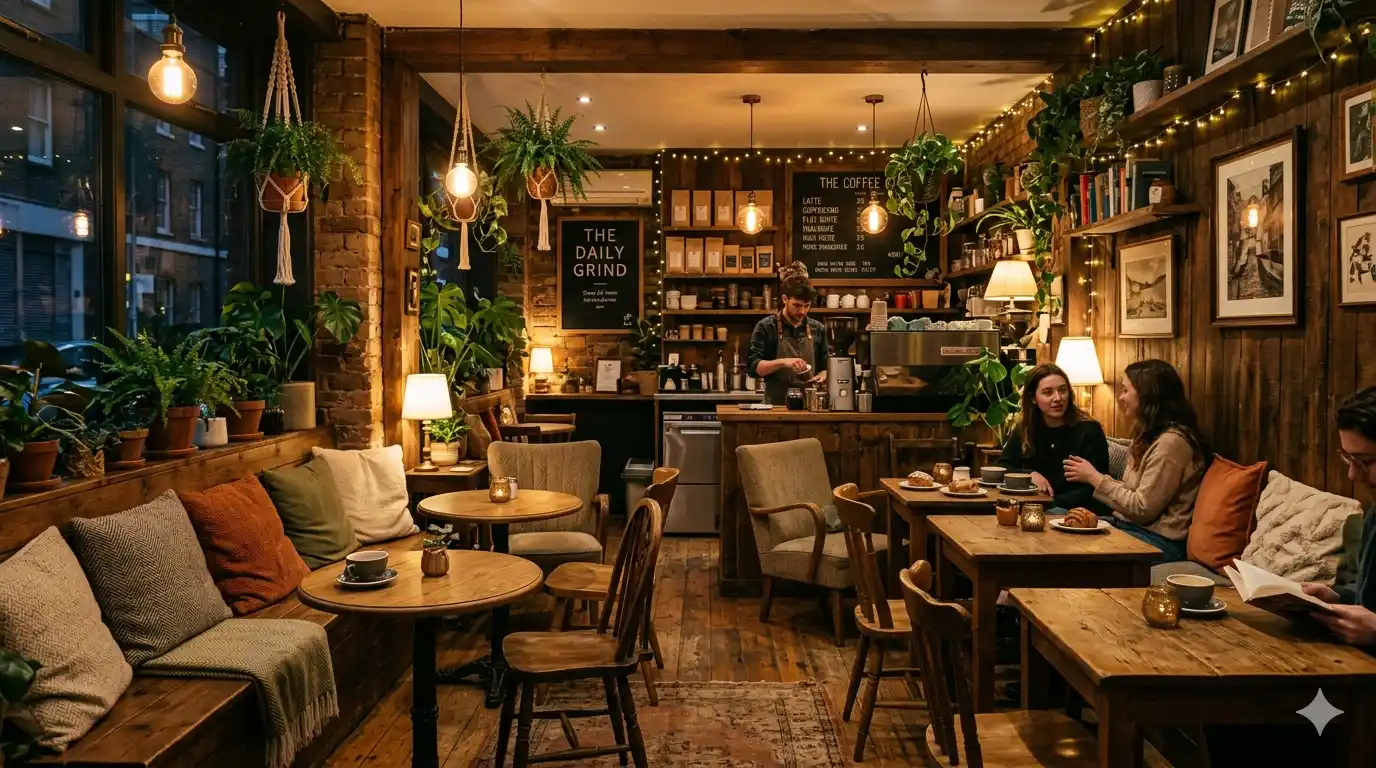
Cozy Small Cafe Interior Design Ideas
Small cafés benefit from cozy layouts that maximize intimacy. Soft lighting, compact seating, and warm textures make the space feel inviting despite limited square footage.
Luxury Cafe Interior Design Aesthetic
Luxury café interiors emphasize premium materials like marble, velvet seating, and gold accents. The design aims to deliver a high-end experience that feels elegant and exclusive.
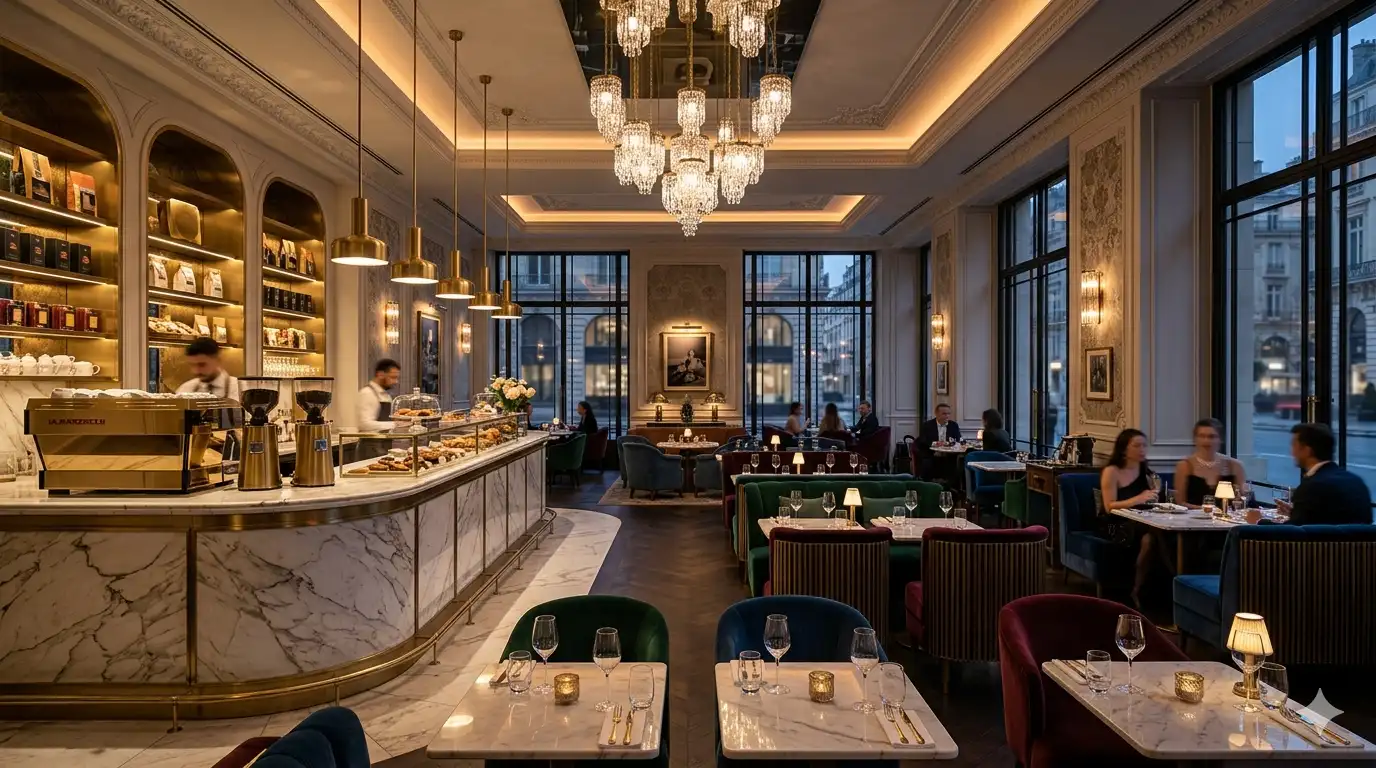
Scandinavian Cafe Interior Design Style
Scandinavian café design focuses on natural light, minimal décor, and functional beauty. It creates a fresh and peaceful environment inspired by Nordic simplicity.
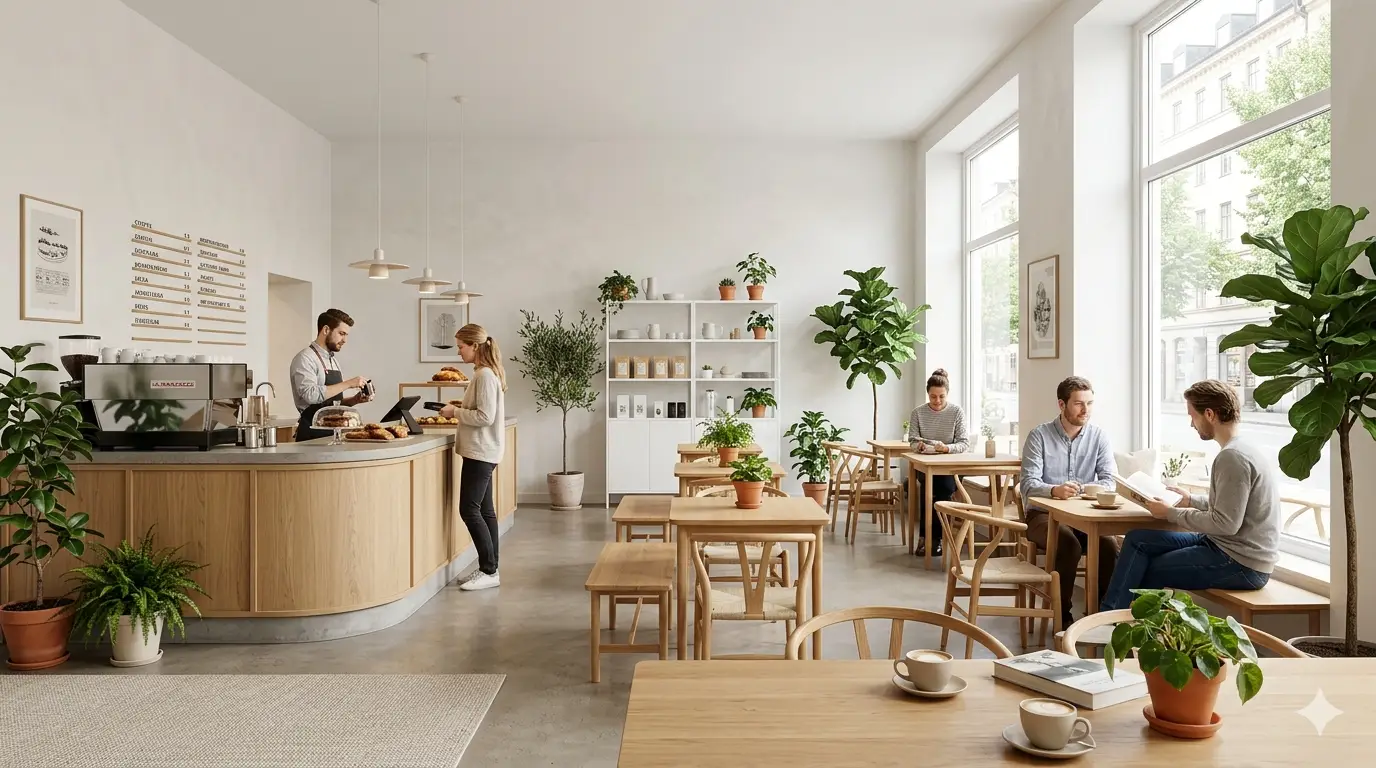
Vintage Cafe Interior Design Theme
Vintage café interiors use retro furniture, antique décor, and nostalgic color palettes. This style evokes warmth and storytelling through timeless design elements.
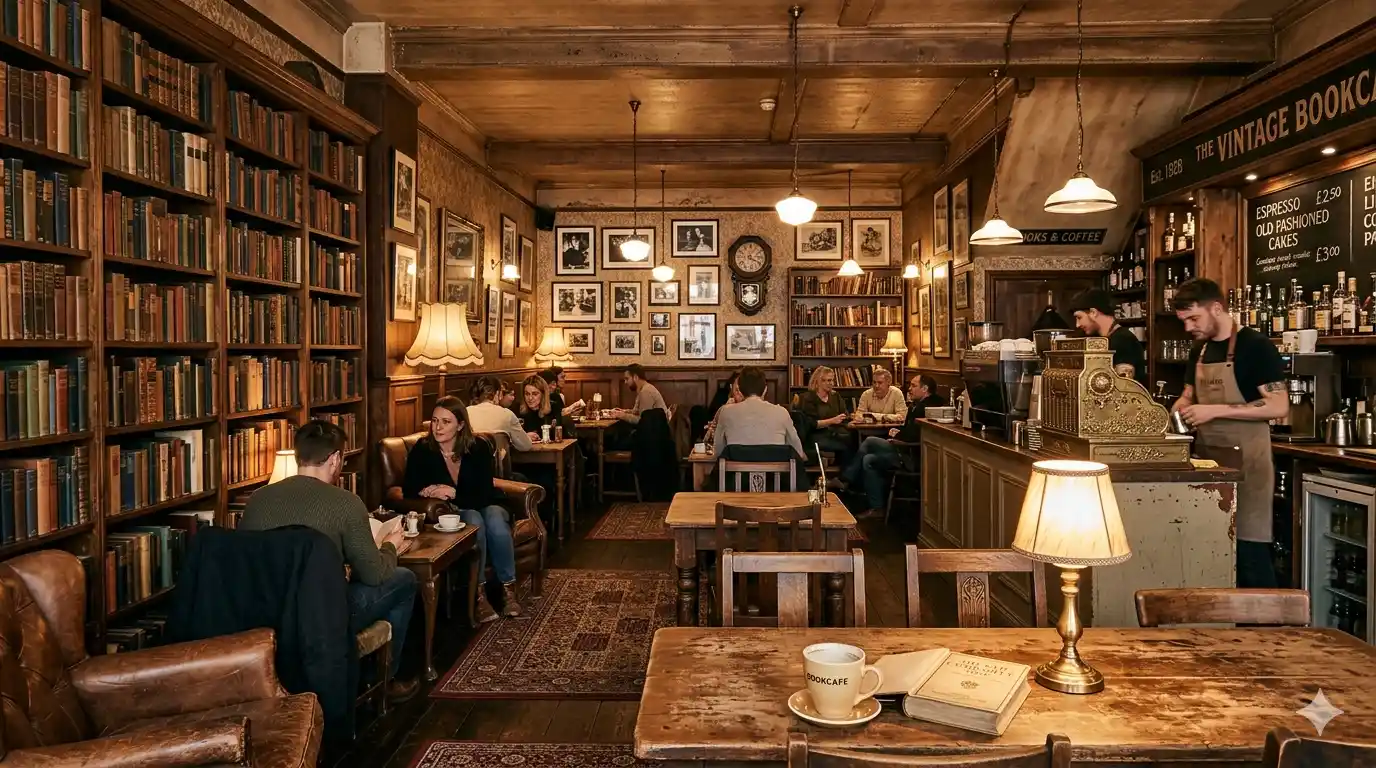
Modern Cafe Interior Design Layout
Modern café interiors combine sleek furniture, smart layouts, and contemporary lighting systems. The focus is on efficiency, comfort, and visual harmony.
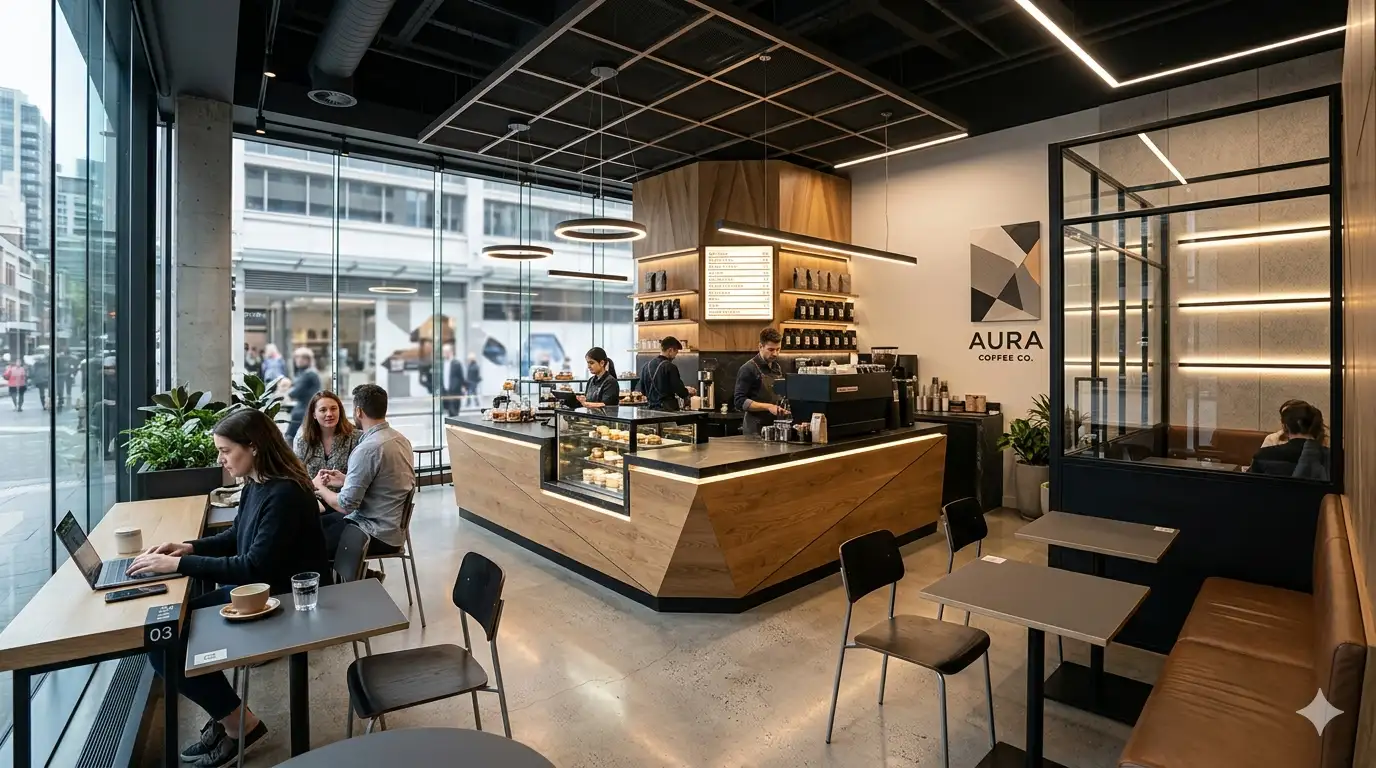
Outdoor Cafe Interior Design Space
Outdoor café design integrates nature with seating arrangements. It uses weather-friendly furniture, greenery, and open-air layouts to create a refreshing experience.
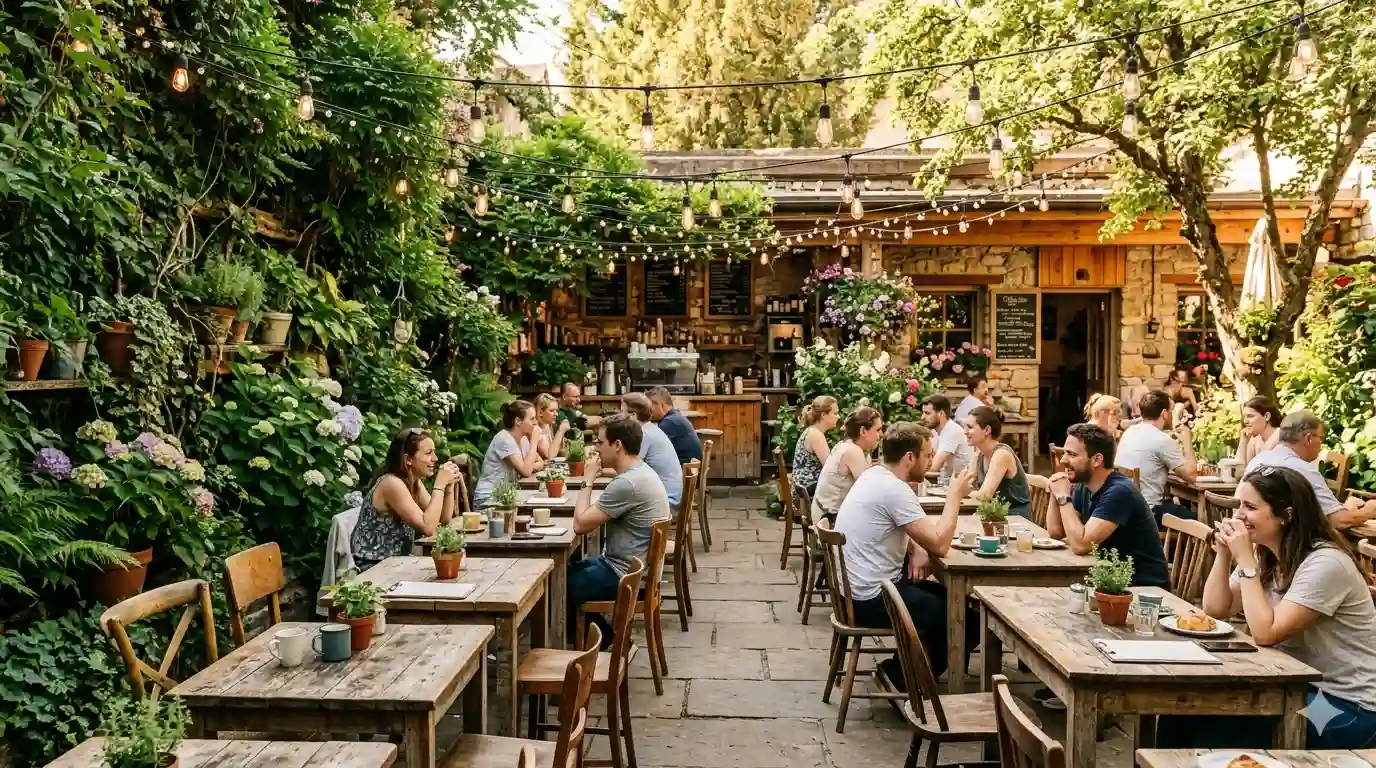
Cafe Interior Design with Natural Elements
Biophilic café design introduces plants, wood textures, and natural light to create a calming connection with nature inside the café space.
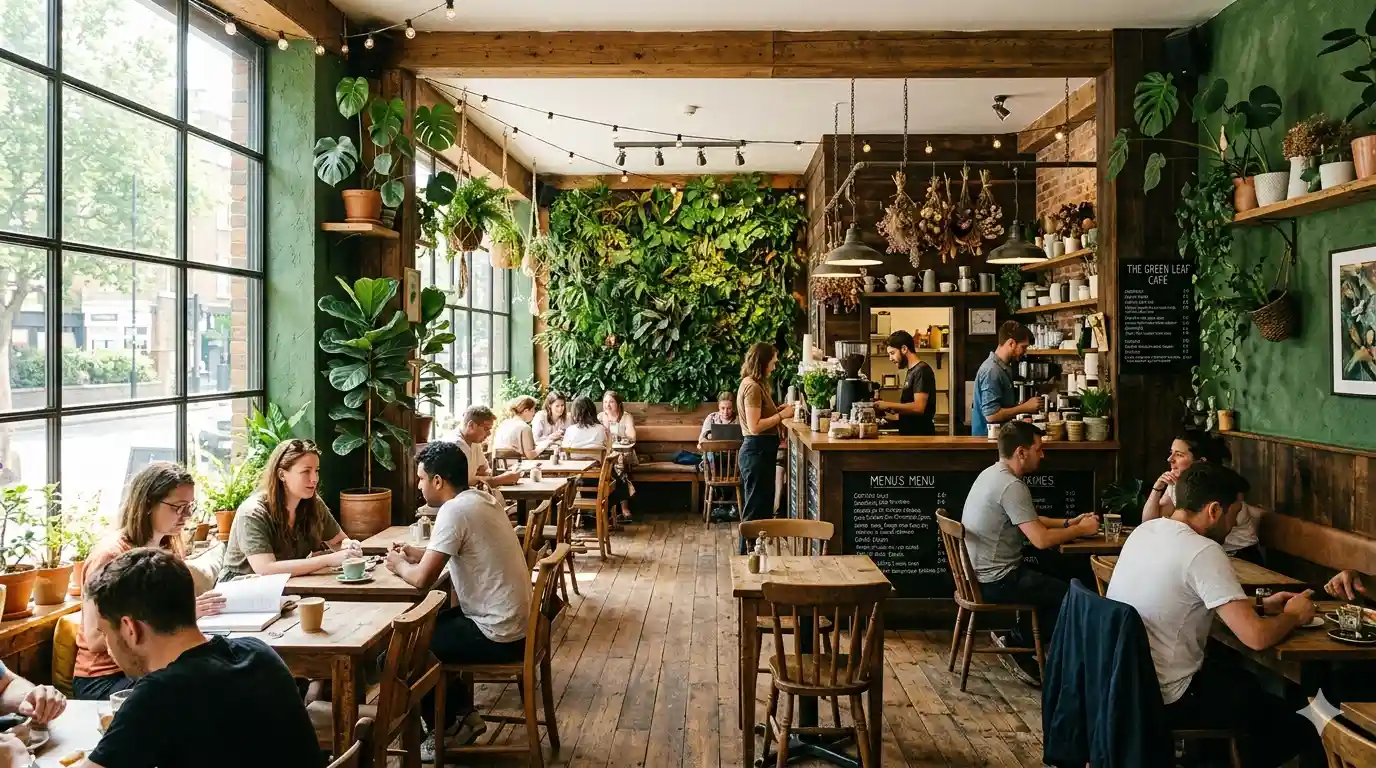
Artistic Cafe Interior Design Concept
Art-inspired cafés showcase murals, creative installations, and bold color schemes. This design appeals to creative communities and younger audiences.
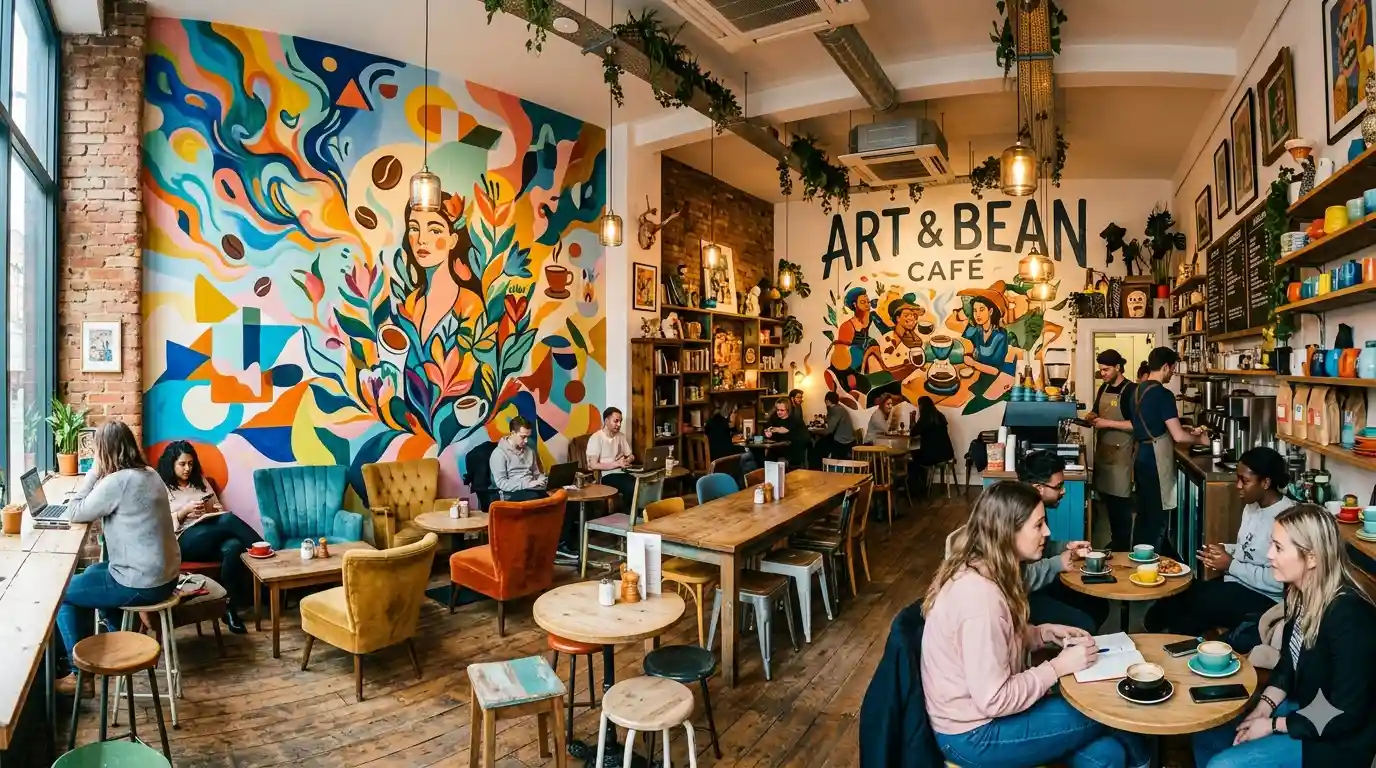
Compact Cafe Interior Design for Small Spaces
Compact café layouts focus on maximizing functionality in limited areas using smart furniture placement and vertical design solutions.
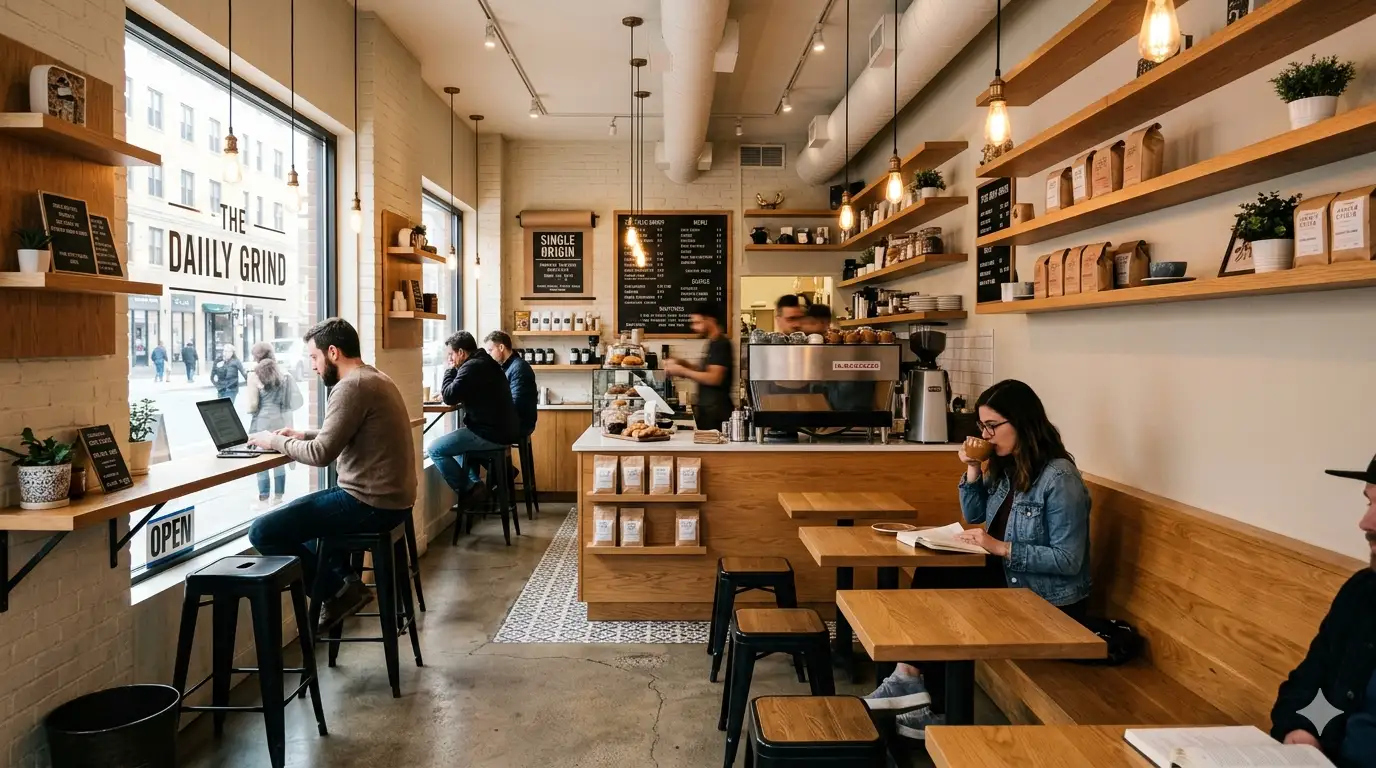
Rustic Cafe Interior Design Style
Rustic café interiors use reclaimed wood, stone textures, and warm tones. The design creates a homely and grounded atmosphere.
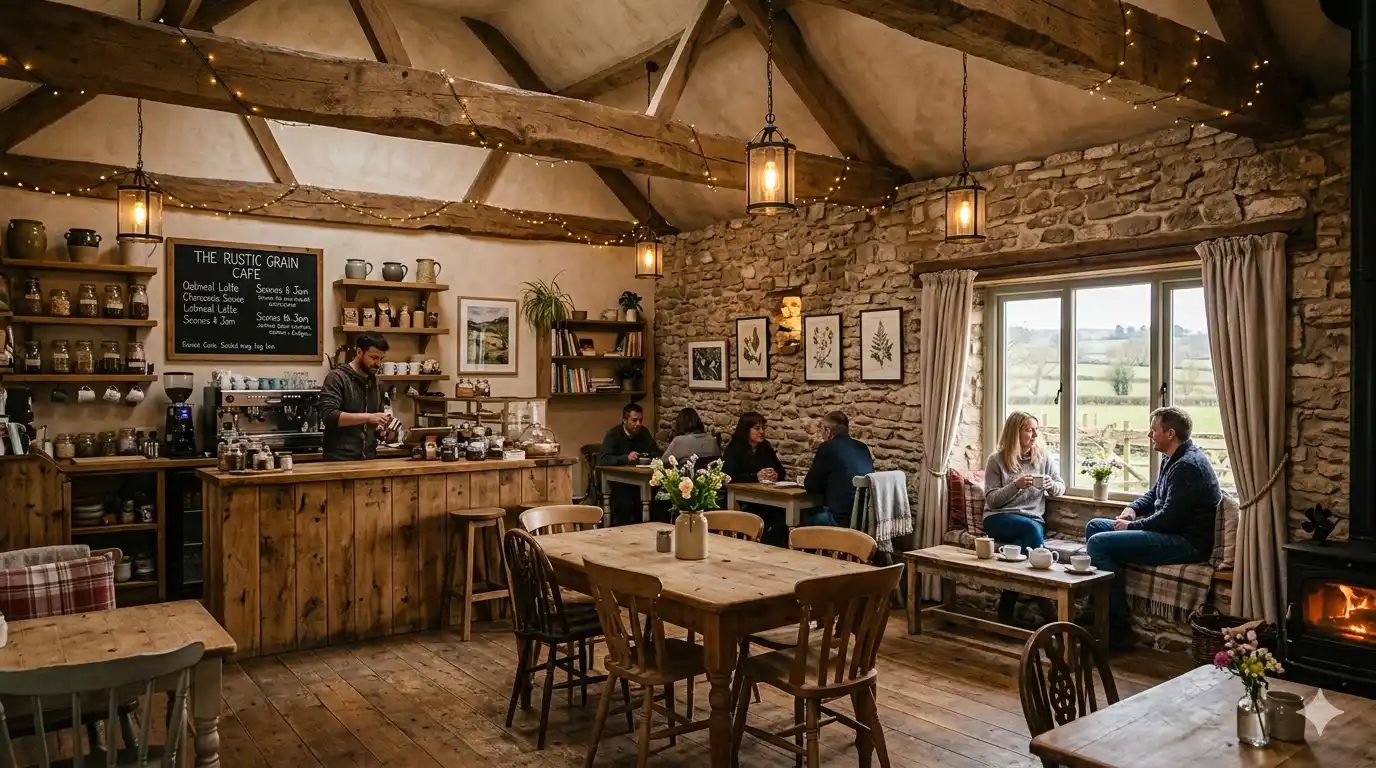
High-End Urban Cafe Interior Design
Urban cafés in metropolitan areas combine sophistication with fast-paced functionality. Clean aesthetics and durable materials dominate the design.
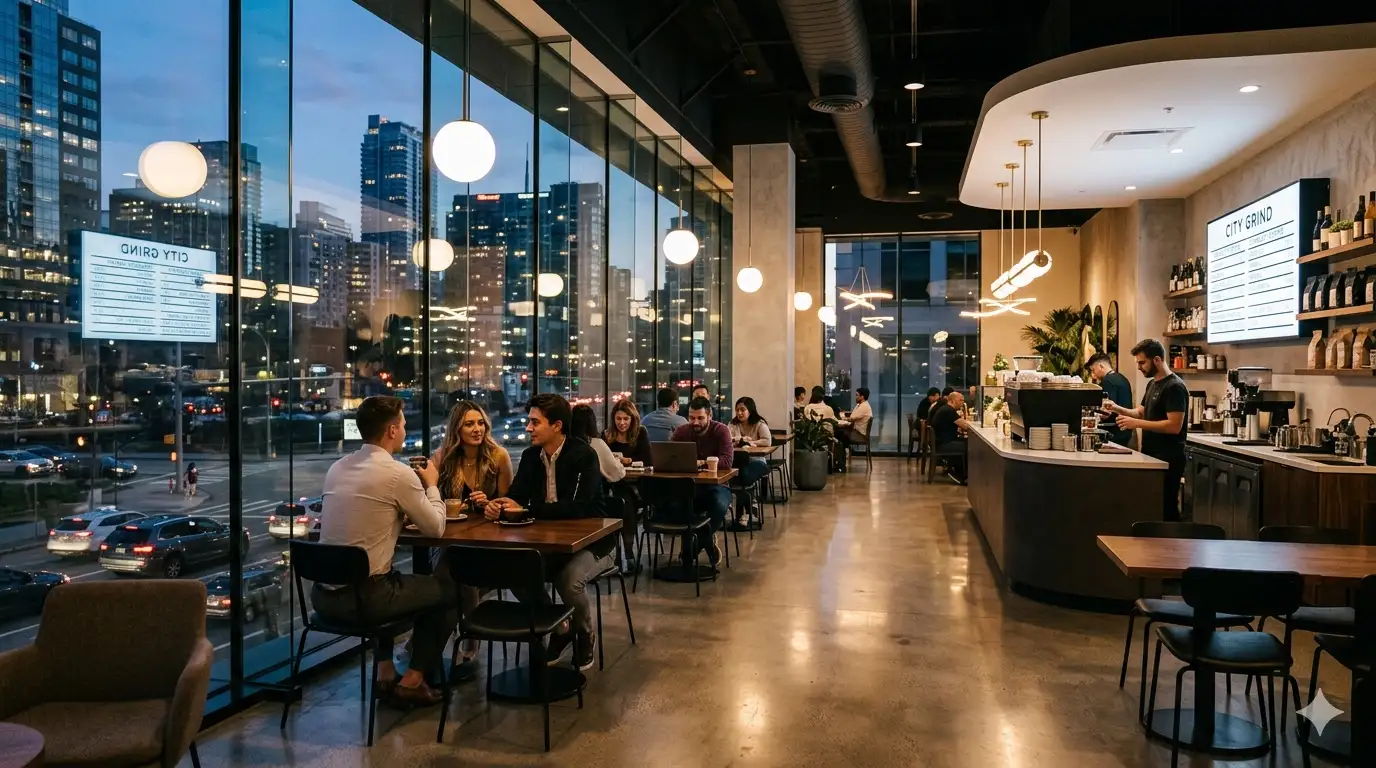
Warm Lighting Cafe Interior Design Concept
Lighting plays a crucial role in café atmosphere. Warm tones enhance comfort, encourage longer stays, and create emotional connection with the space.
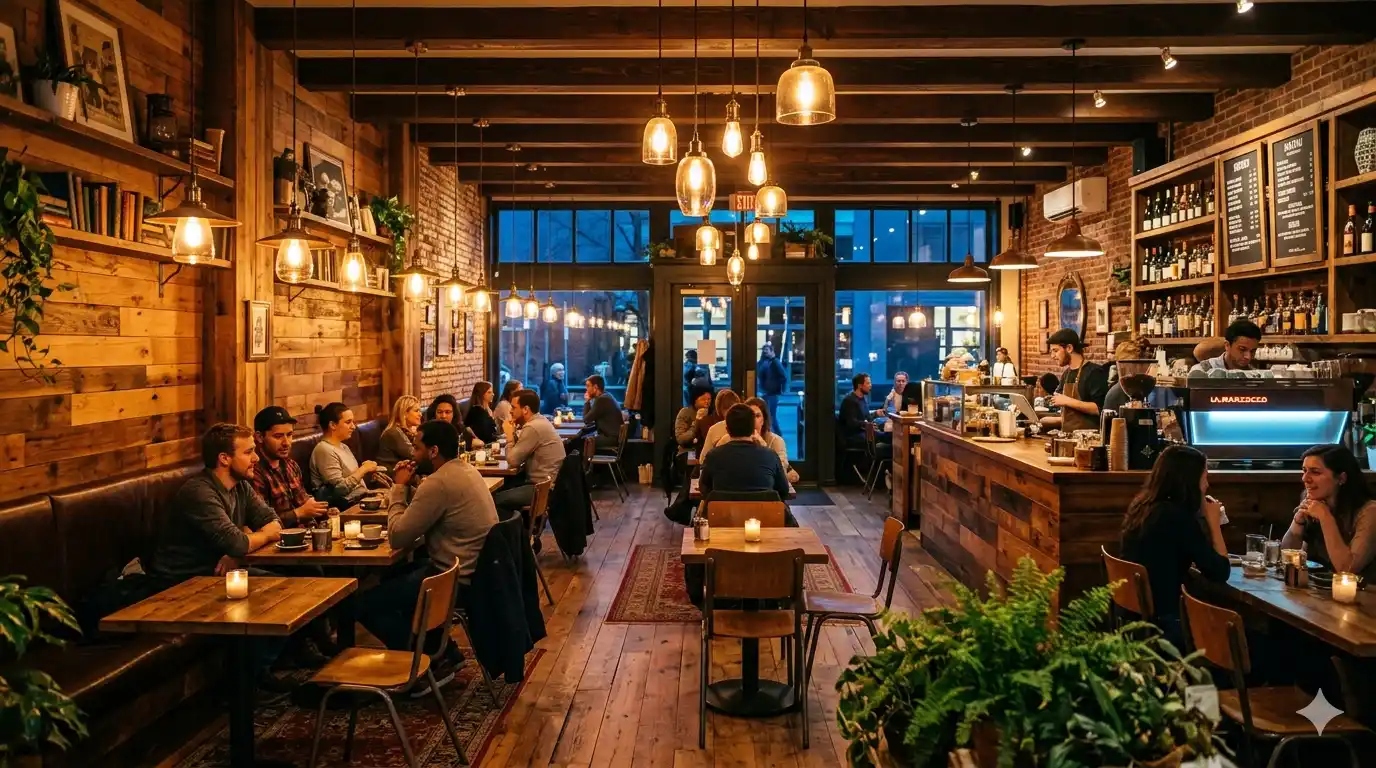
Functional Cafe Interior Design Layout Planning
Efficient layout design ensures smooth customer flow, optimized seating capacity, and better operational performance for staff.
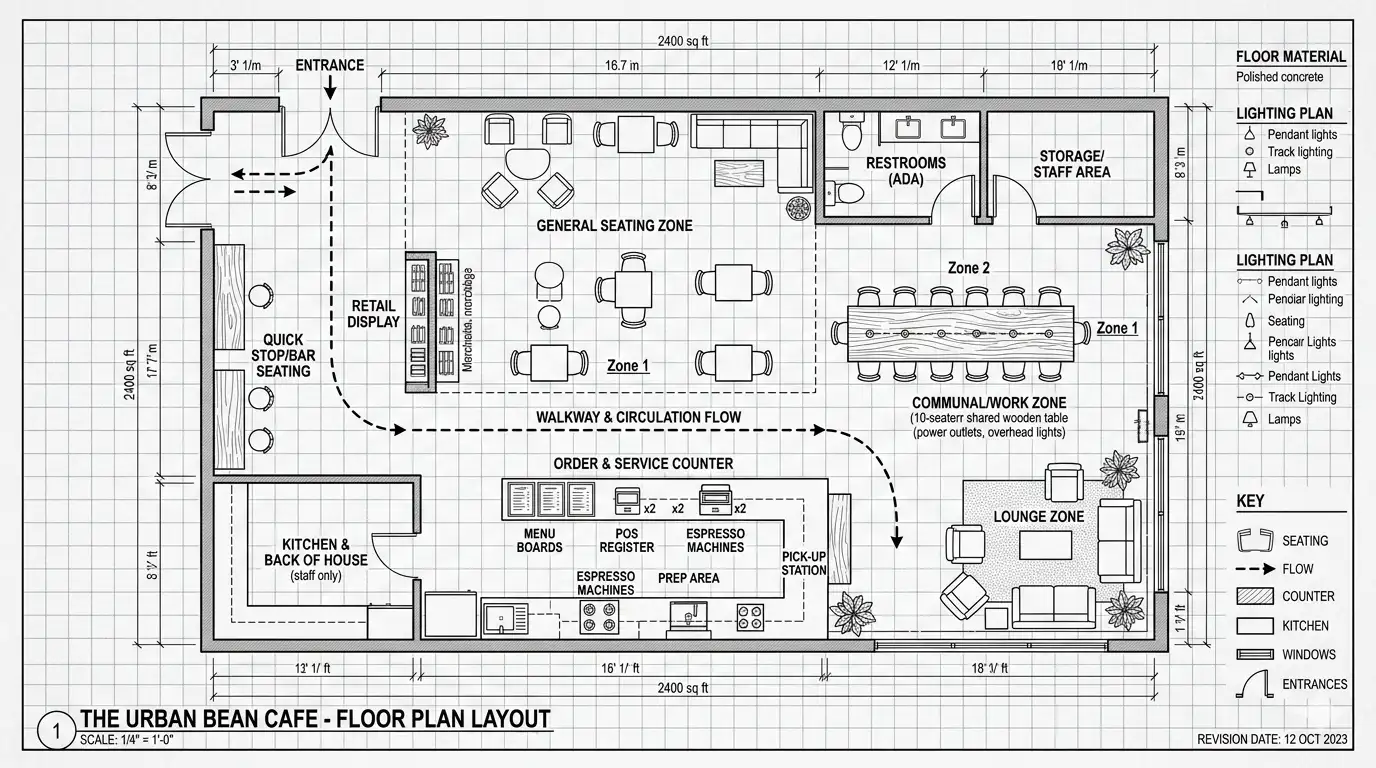
Instagram-Worthy Cafe Interior Design Concept
Social-media-friendly cafés focus on aesthetic corners, signature walls, and photogenic lighting to encourage customer engagement and sharing.
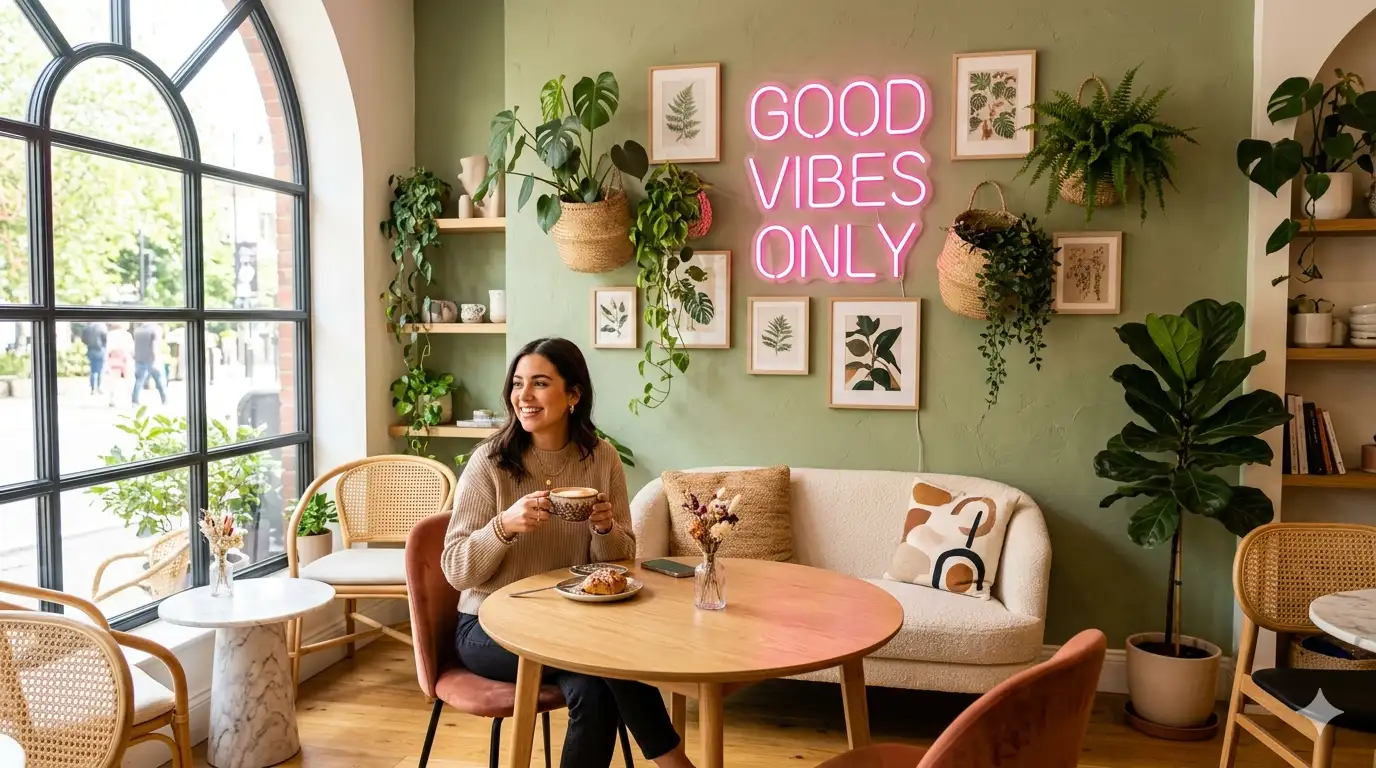
Contemporary Cafe Interior Design Trends
Contemporary cafés blend multiple styles with evolving design trends such as mixed materials, soft minimalism, and tech-integrated spaces.
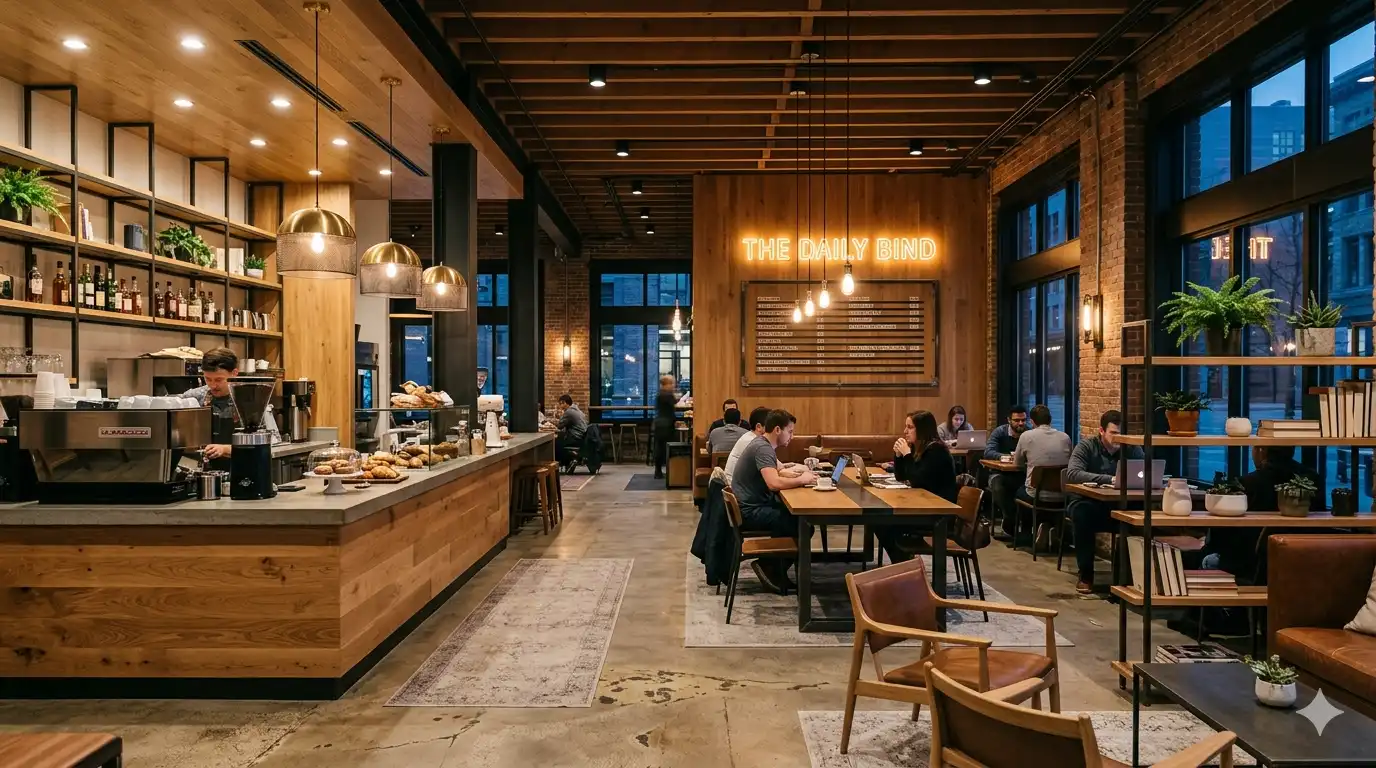
Elegant Neutral Cafe Interior Design Palette
Neutral-toned cafés rely on beige, cream, grey, and soft brown palettes to create a timeless and sophisticated visual identity.
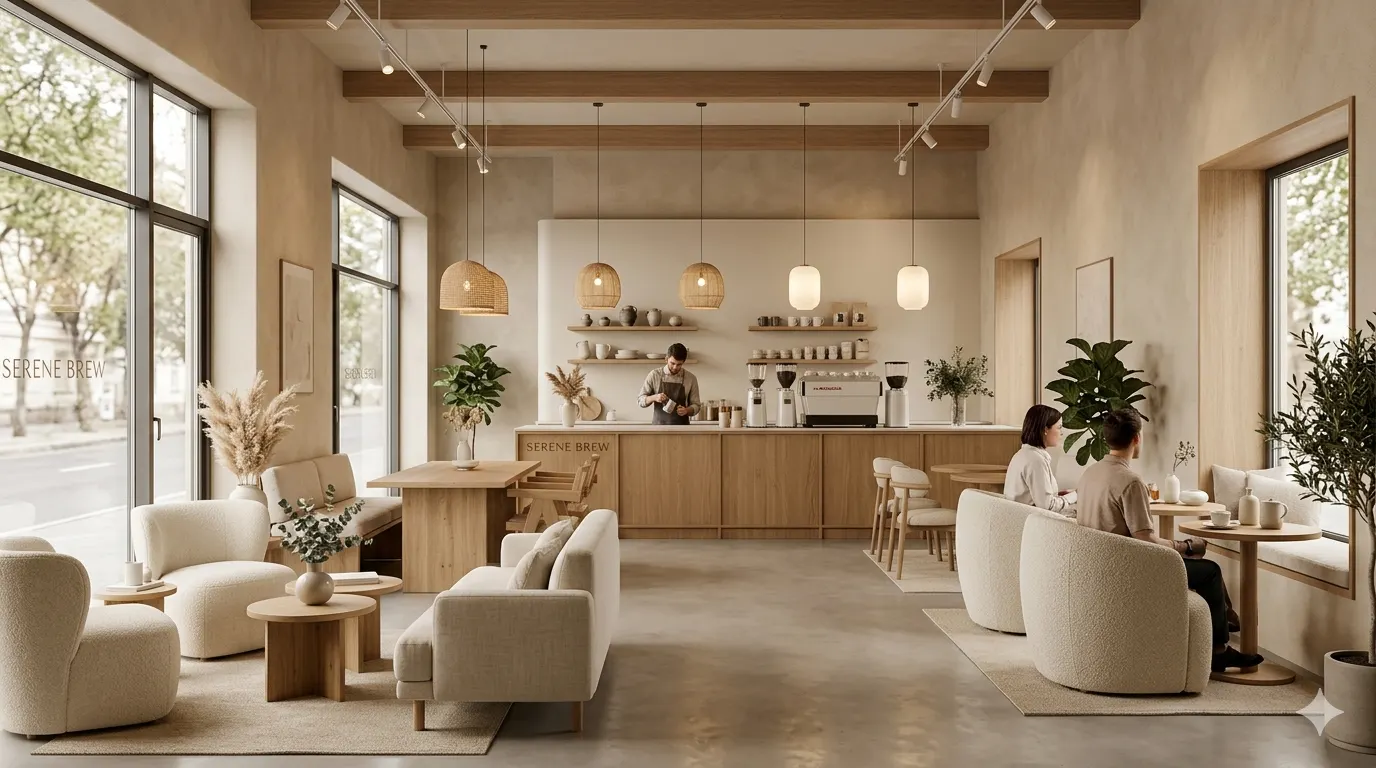
Conclusion
Great café interior design is ultimately about shaping how people feel the moment they walk in. Across all design styles—minimalist, rustic, industrial, luxury, or nature-inspired—the most successful cafés share a common foundation: clarity of purpose, thoughtful spatial planning, and a strong emotional atmosphere. When these elements align, the space naturally encourages comfort, conversation, and longer stays without feeling forced or artificial.
In real-world application, good café interiors work because they balance beauty with function. Seating flow supports both privacy and community. Lighting sets the emotional tone throughout the day. Materials and textures quietly communicate brand identity and quality. When these decisions are made with intention, the café becomes more than a place to drink coffee—it becomes a daily ritual space that people return to.
For café owners, designers, or entrepreneurs, the key takeaway is simple: design should always serve experience first. A visually impressive café is not enough if it does not feel good to sit in, move through, and spend time in. The most successful spaces are those that feel effortless, inviting, and memorable without overwhelming the senses. When café interior design is done with this mindset, it directly supports customer loyalty, brand strength, and long-term business success.
Learn more : Interior Design Black Office: Luxury Focused Modern Workspace
Frequently Asked Questions (FAQ)
- What is the most important element in café interior design?
The most important element is atmosphere, which is created through a combination of lighting, layout, and material choices. When these work together, they shape how comfortable and welcome customers feel in the space.
- How do I choose the right style for my café interior design?
The right style depends on your target audience and brand identity. For example, minimalist designs suit modern urban cafés, while rustic or vintage styles appeal to cozy, experience-driven spaces.
- How can small cafés maximize space effectively?
Small cafés benefit from compact furniture, wall-mounted storage, and multi-purpose seating layouts. Keeping pathways clear and avoiding overcrowding helps maintain both comfort and functionality.
- Why is lighting so important in café interior design?
Lighting directly influences mood, perception of space, and customer behavior. Warm lighting encourages relaxation and longer visits, while brighter lighting works better for productivity-focused environments.
- What colors work best for café interiors?
Neutral tones like beige, white, and soft brown are widely used because they create a calm, timeless backdrop. Accent colors can then be added to reinforce branding or highlight focal areas.
- How do plants improve café interior design?
Plants add freshness, improve visual comfort, and create a natural connection within indoor spaces. They also soften hard materials like metal and concrete, making the environment more inviting.
- What makes a café interior design successful in the long term?
Long-term success comes from flexibility, durability, and emotional appeal. A well-designed café should remain functional during peak hours while still feeling warm, distinctive, and enjoyable for repeat customers.




One Response