
Introduction
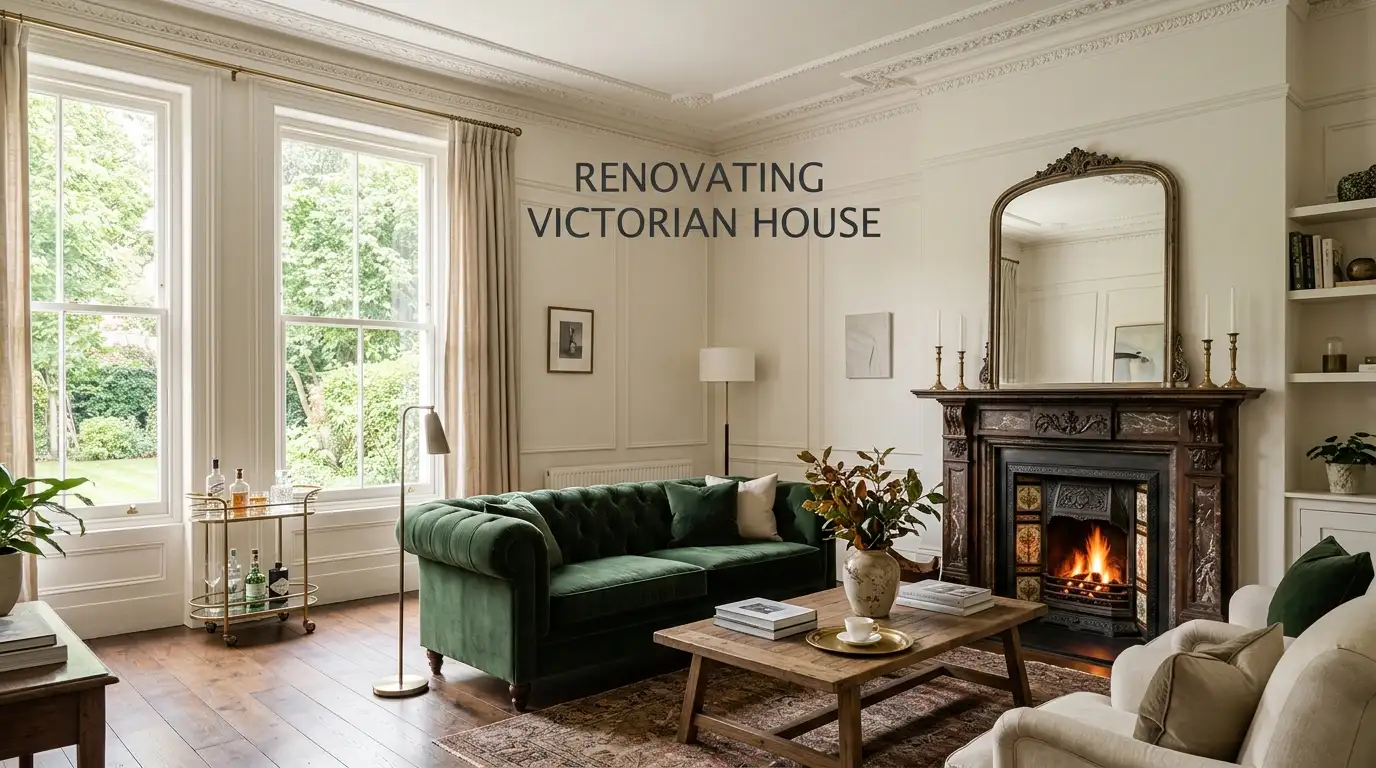
Renovating Victorian house properties requires a careful balance between preserving historic charm and adapting old architecture for modern living. A Victorian home is more than a building with decorative details; it carries craftsmanship, period character, and architectural stories that deserve thoughtful restoration. Successful renovations protect original features while improving comfort, efficiency, and everyday functionality.
From restoring ornate fireplaces and sash windows to redesigning kitchens and bathrooms, renovating a Victorian house demands experience with traditional materials, practical planning, and a clear design vision. The best transformations respect the past while introducing contemporary elements that make the home suitable for today’s lifestyle.
Renovating Victorian House With Original Architectural Features
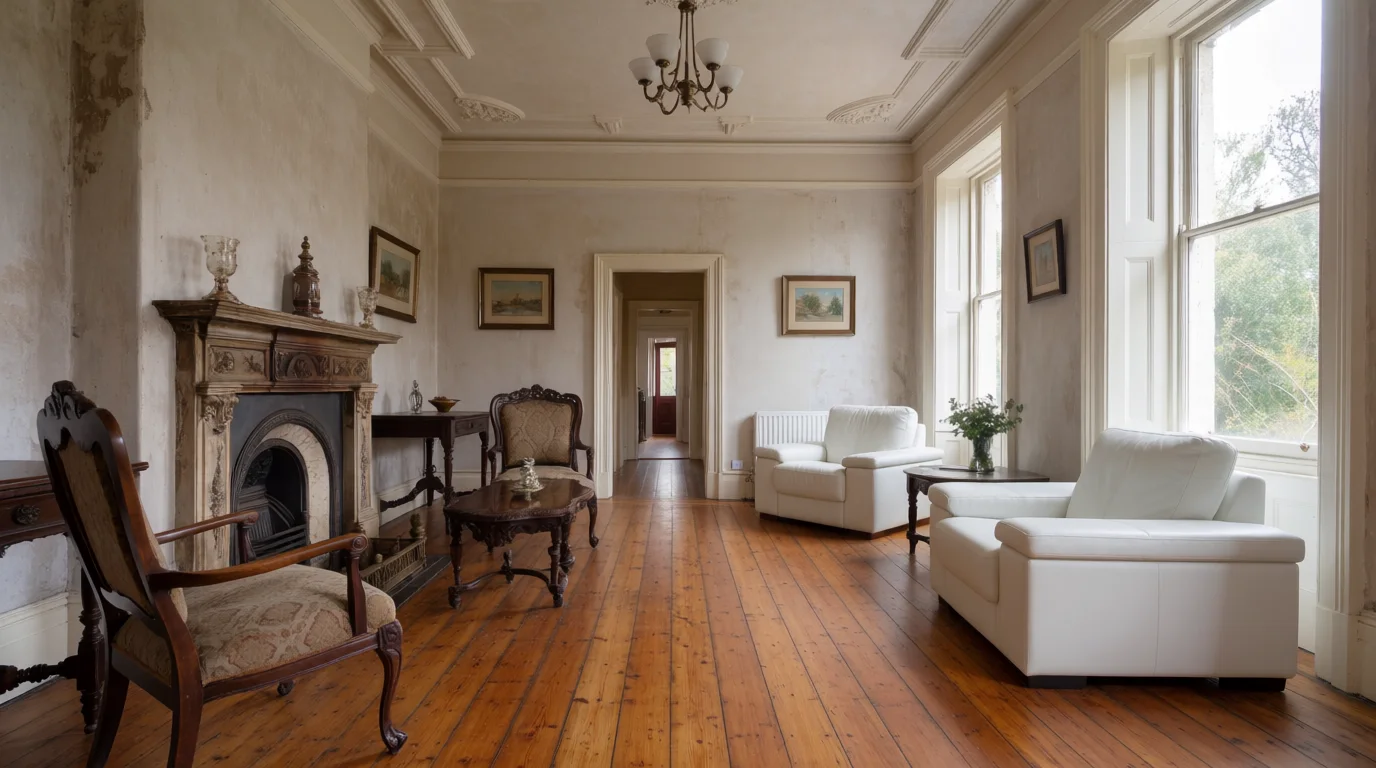
Preserving original details is one of the most important parts of a Victorian renovation. Features such as ceiling roses, cornices, stained glass, timber floors, fireplaces, and decorative moldings create the unique identity of the property.
Experienced renovators often restore these elements instead of replacing them, because authentic craftsmanship adds warmth, character, and long-term value.
Renovating Victorian House With Modern Victorian Interior Design
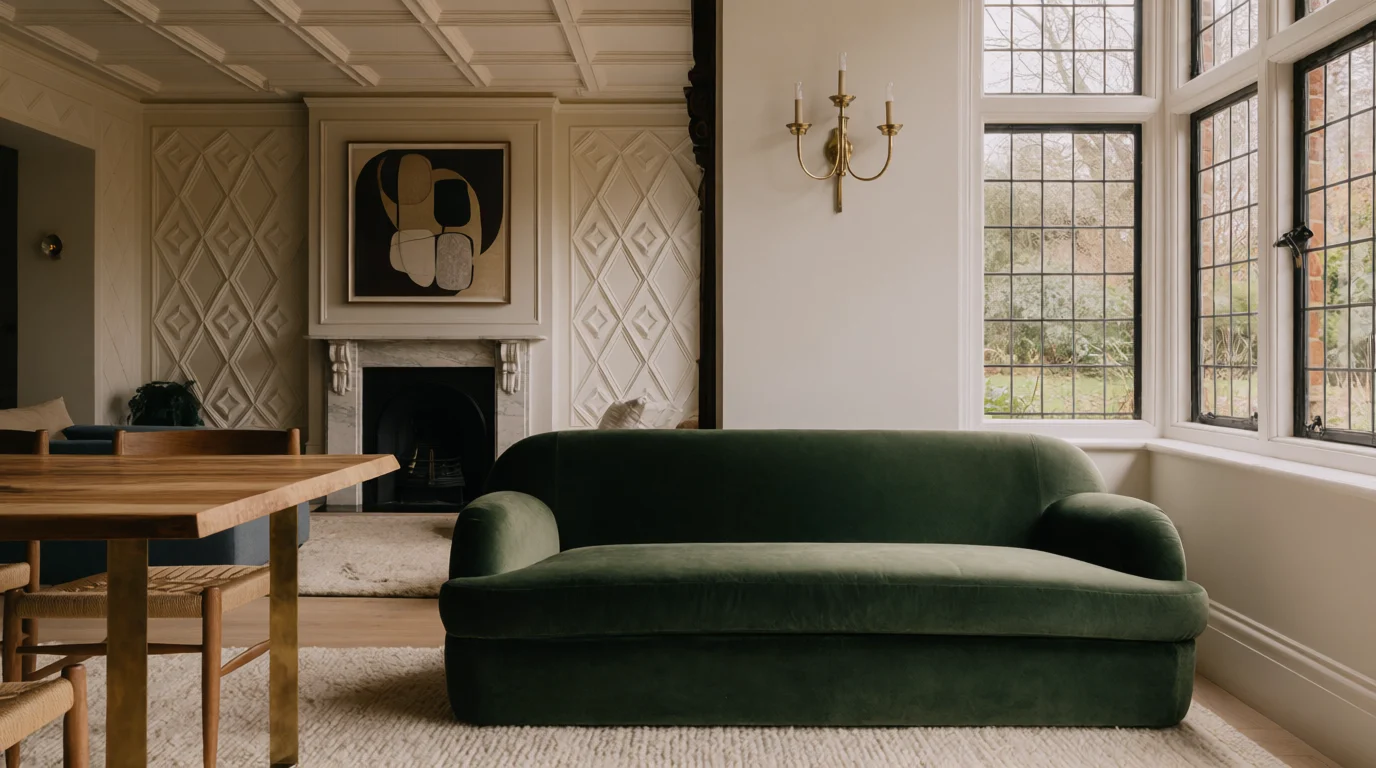
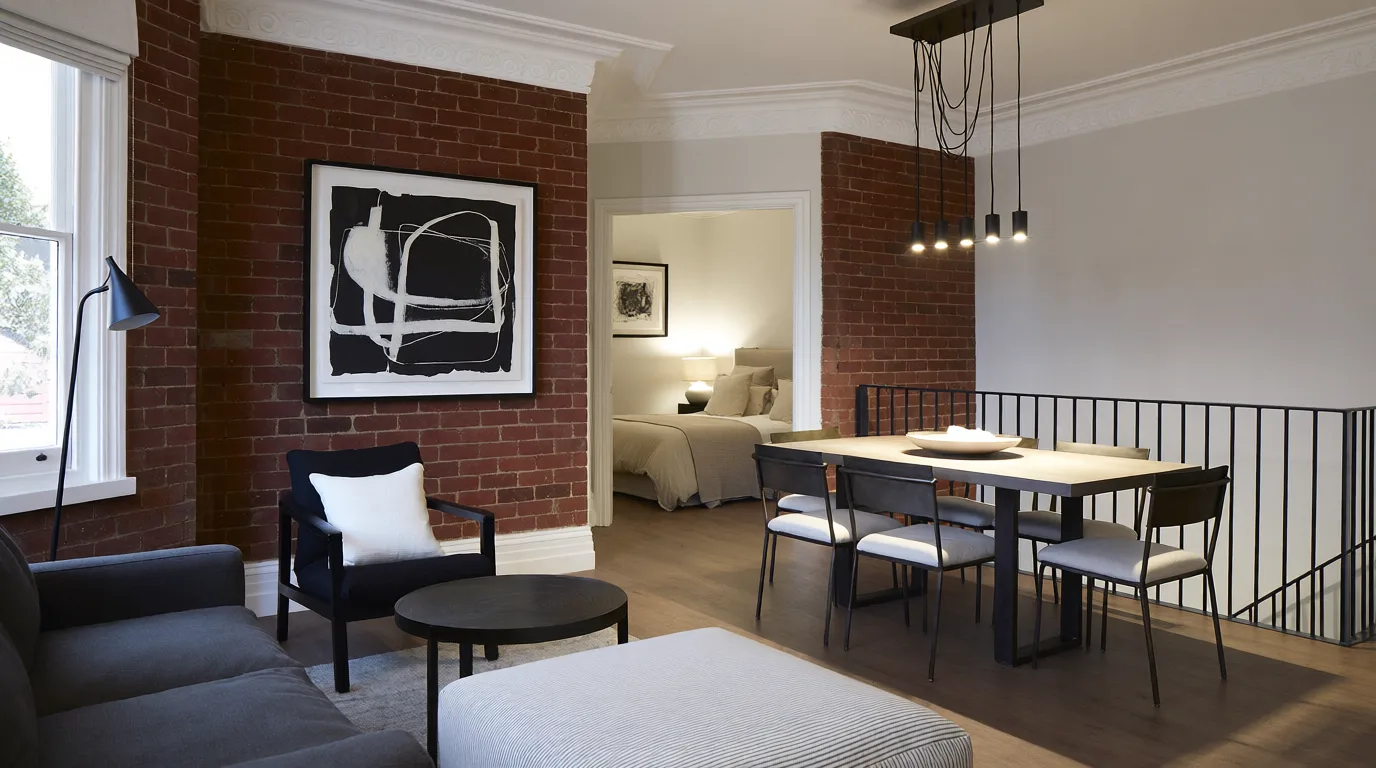
A modern Victorian interior combines historic elegance with contemporary comfort. The approach usually includes traditional architectural details paired with clean furniture lines, neutral colors, modern lighting, and functional layouts.
This style works because it allows the home’s historic personality to remain visible while creating a fresh and comfortable environment.
Renovating Victorian House Kitchen Transformation
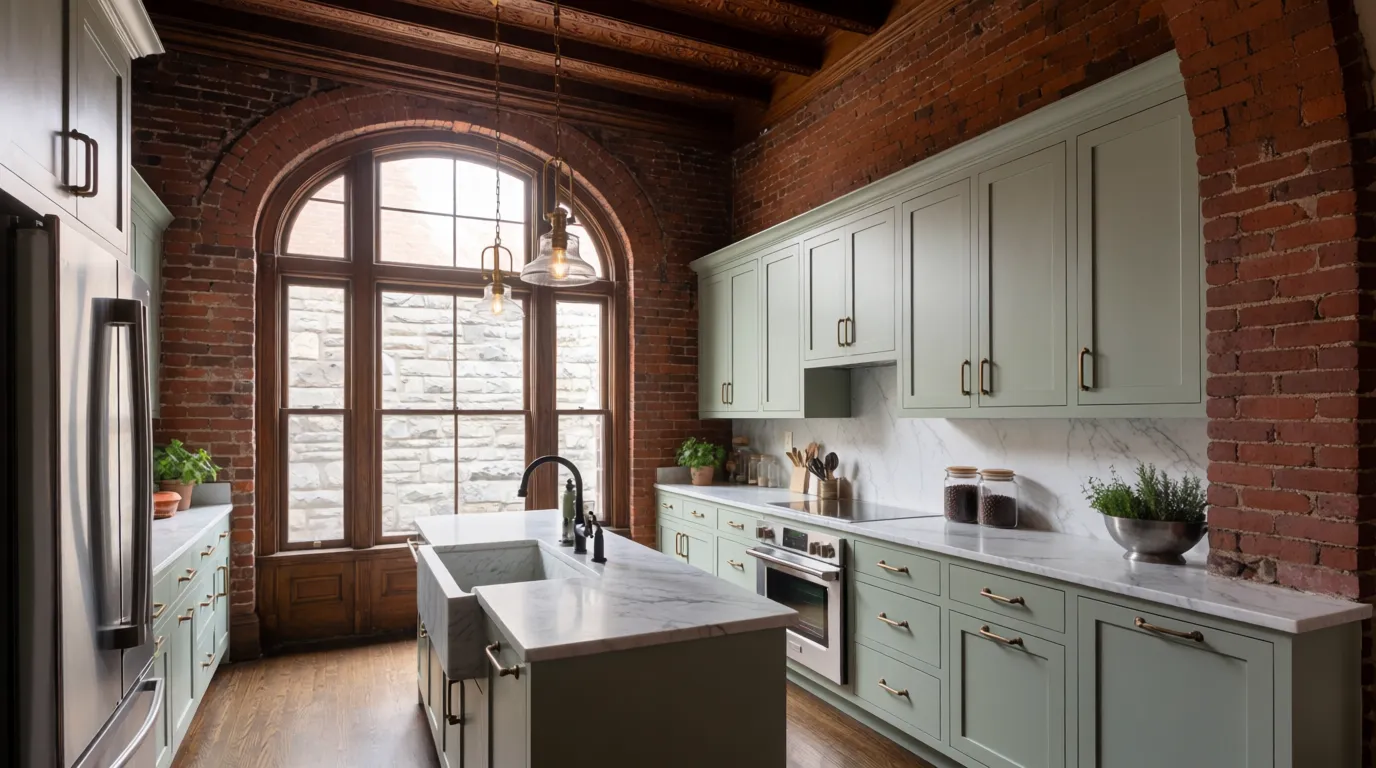
Victorian kitchens often require major updates because original layouts were designed for different lifestyles. A successful renovation improves storage, workflow, and appliances while maintaining period character.
Popular choices include shaker-style cabinetry, natural stone countertops, traditional hardware, and layouts that respect the original architecture.
Renovating Victorian House Bathroom Restoration
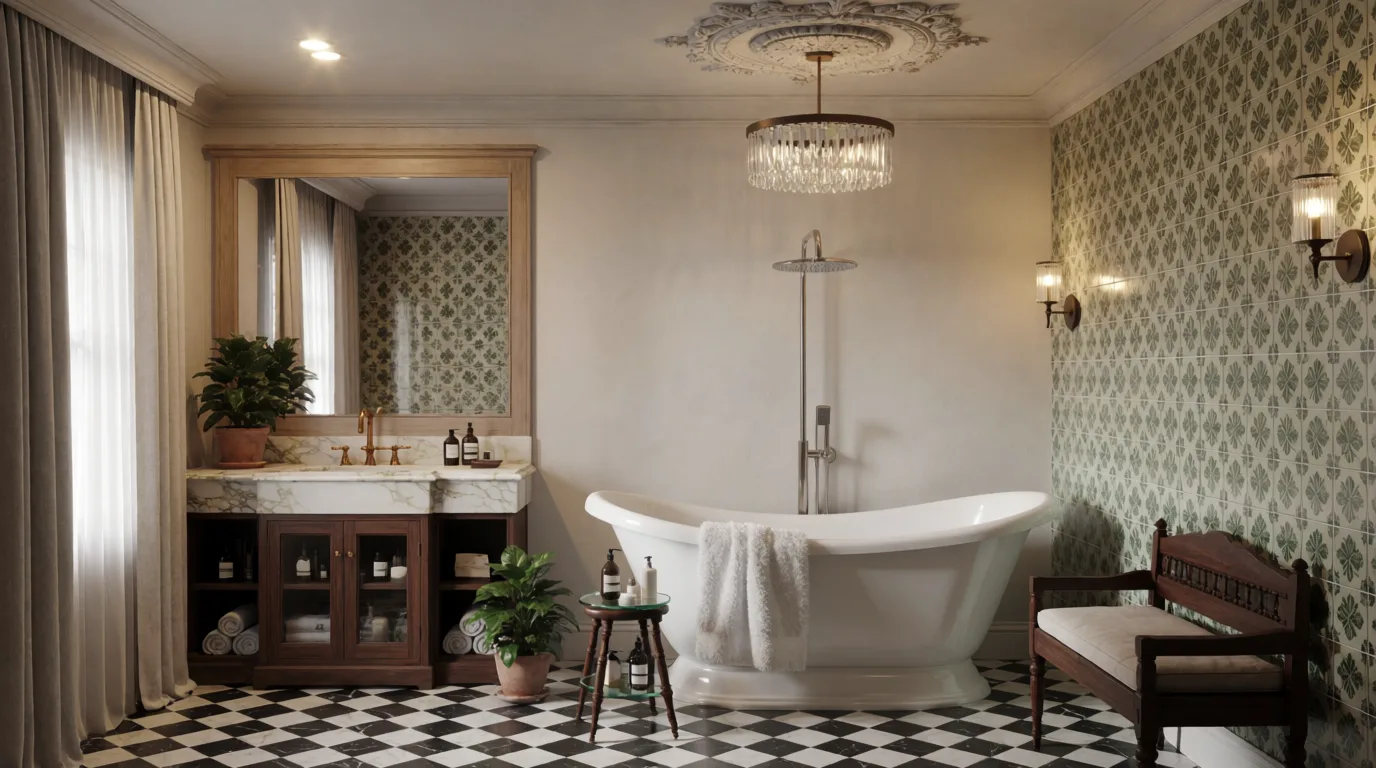
Bathrooms in Victorian homes can be transformed into luxurious spaces by combining traditional fixtures with modern functionality. Freestanding tubs, classic tiles, and vintage-inspired fittings create a connection to the home’s history.
The key is choosing materials that feel authentic while providing modern durability and comfort.
Renovating Victorian House With Period-Appropriate Colors
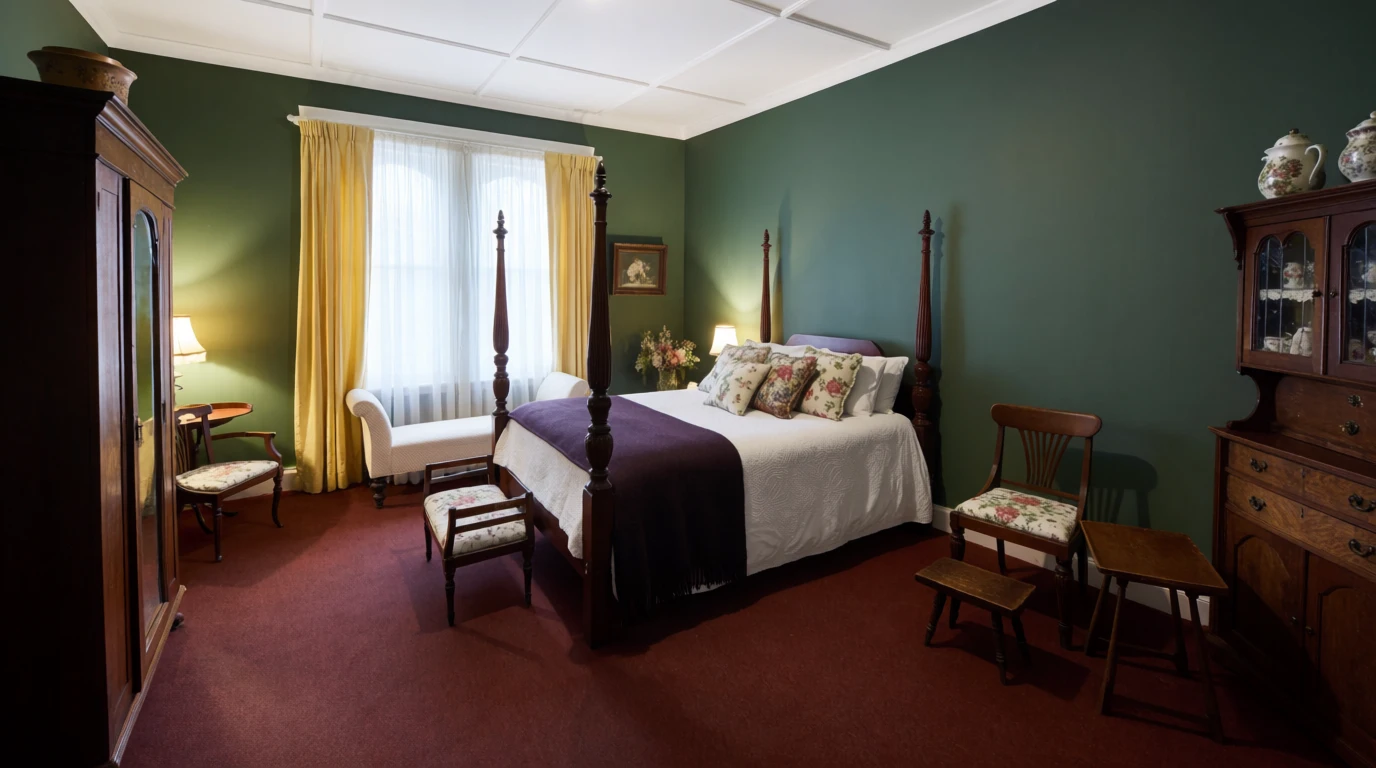
Color selection plays an important role in maintaining Victorian character. Deep greens, rich blues, warm creams, muted reds, and earthy tones often complement historic interiors.
Modern interpretations can soften these traditional palettes with lighter shades and balanced contrast.
Renovating Victorian House Floor Restoration
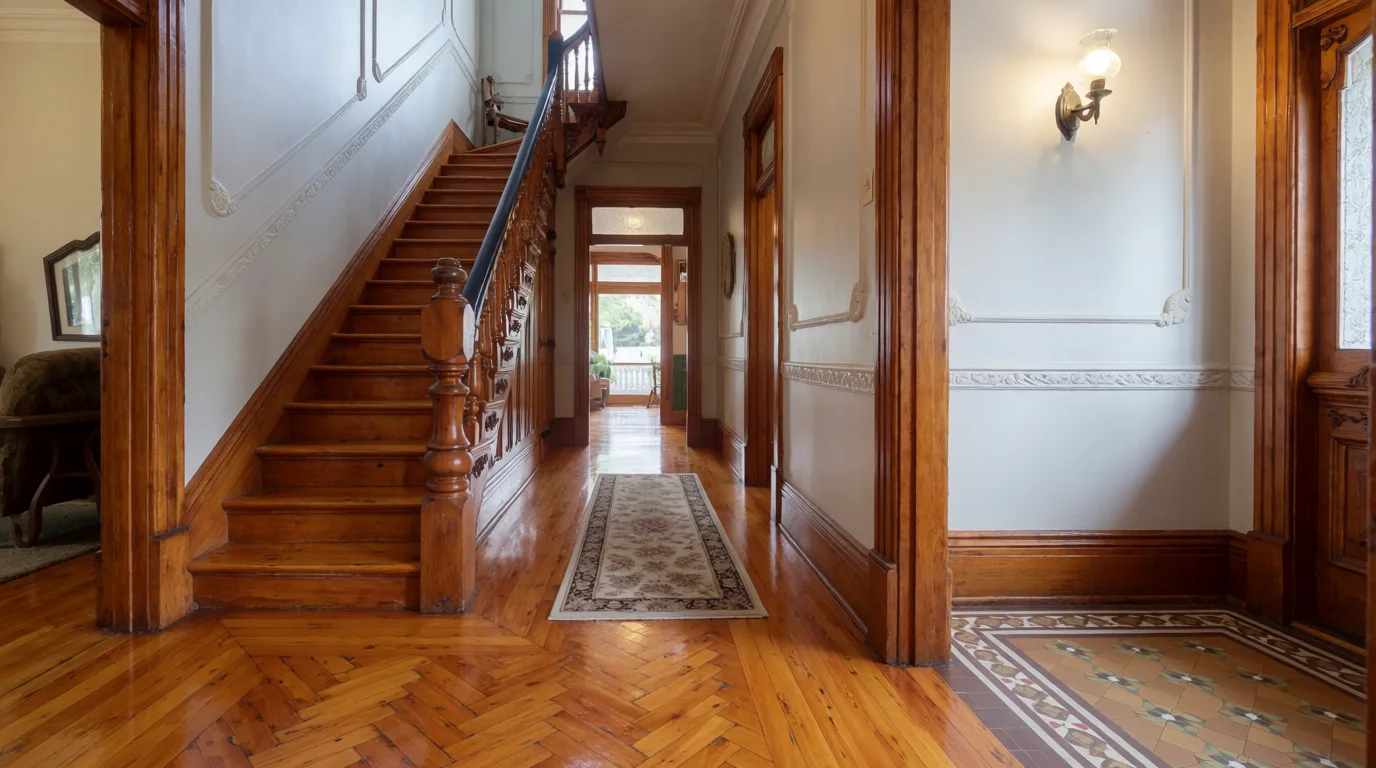
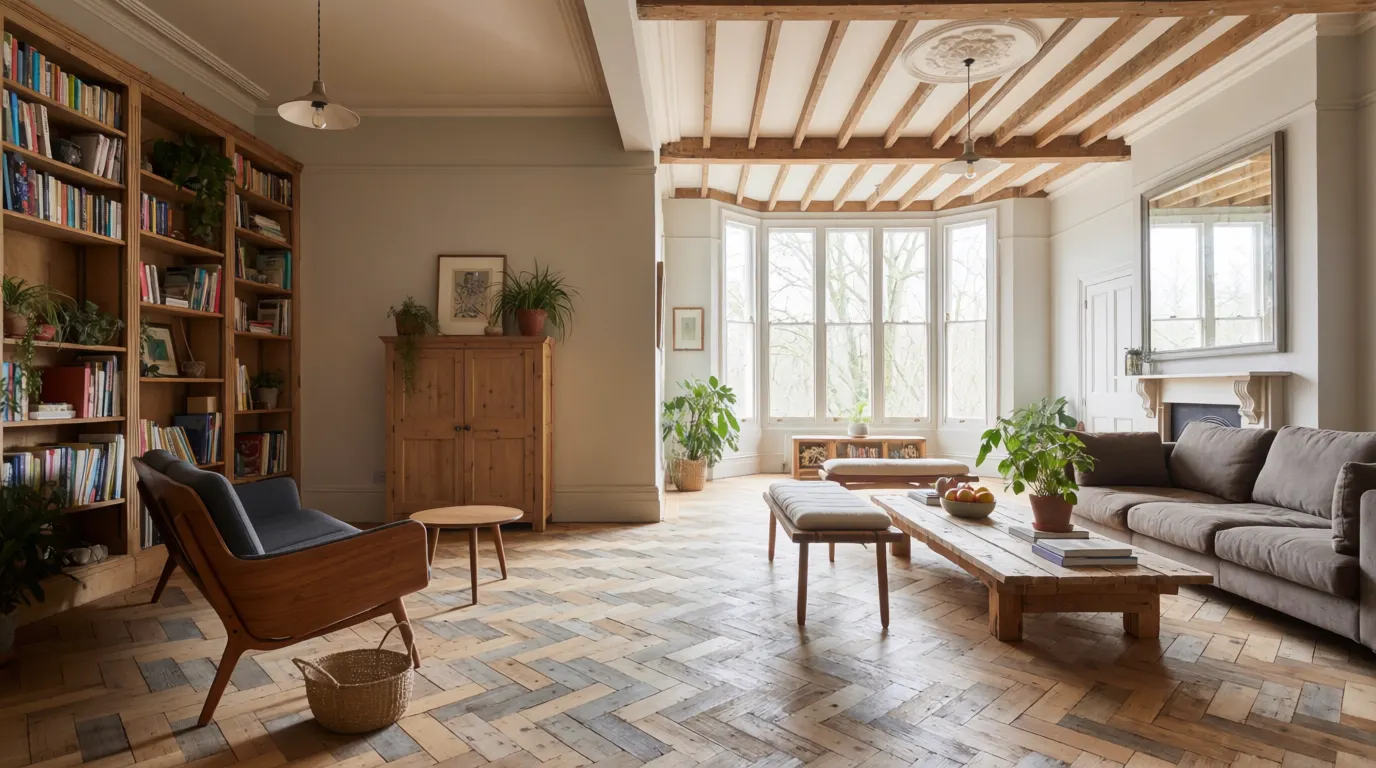
Original Victorian flooring is often one of the most valuable features of the property. Restoring timber boards, encaustic tiles, or patterned floors can dramatically improve the appearance of the entire home.
Professional restoration focuses on repairing damage while keeping the natural character of aged materials.
Renovating Victorian House Living Room Design
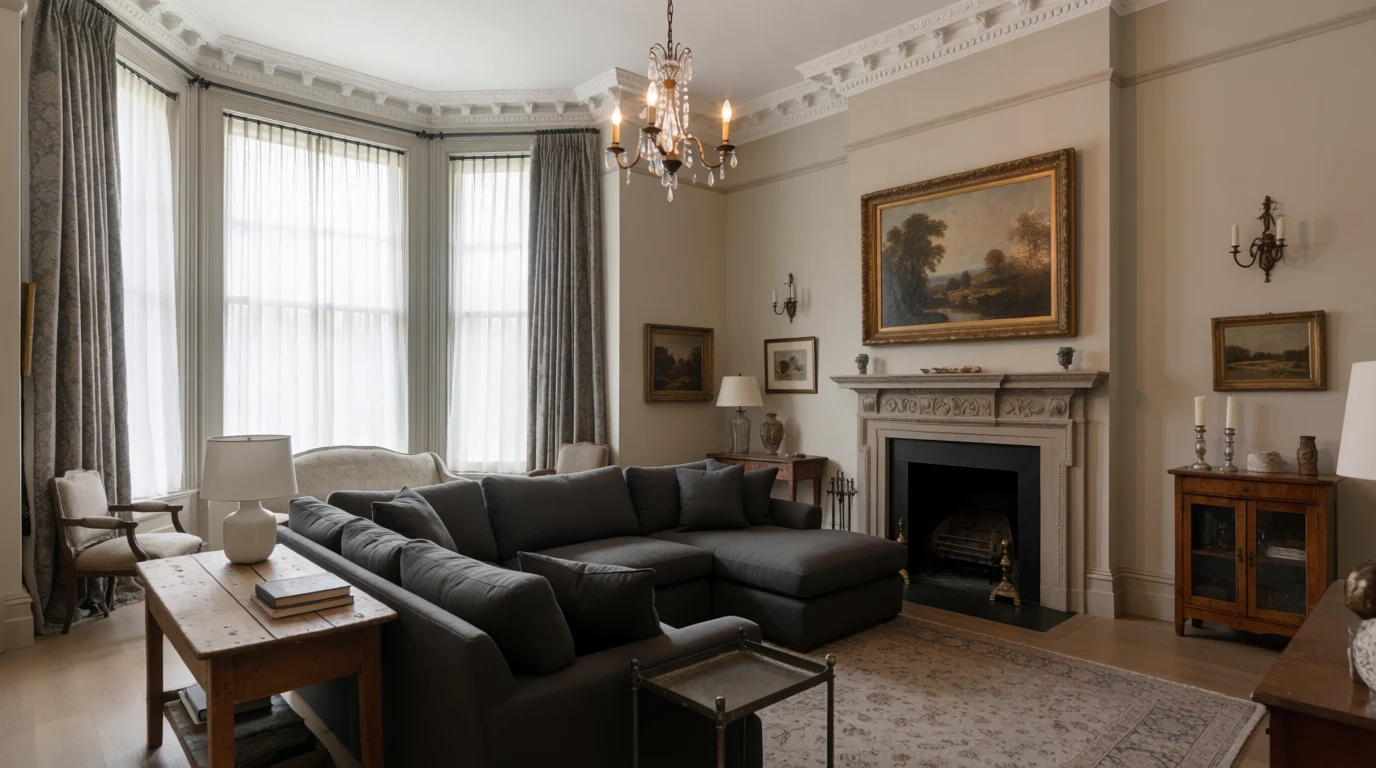
The living room is usually the heart of a Victorian home and benefits from a design that highlights original proportions. Tall ceilings, fireplaces, bay windows, and decorative details can become focal points.
Modern furniture placement and layered lighting help make these traditional spaces comfortable for contemporary life.
Renovating Victorian House With Open-Plan Layouts
Creating open spaces in Victorian properties requires careful planning because traditional homes often contain separate rooms. Removing selected walls or improving connections between spaces can enhance usability without destroying character.
The best layouts preserve architectural identity while improving natural movement and light.
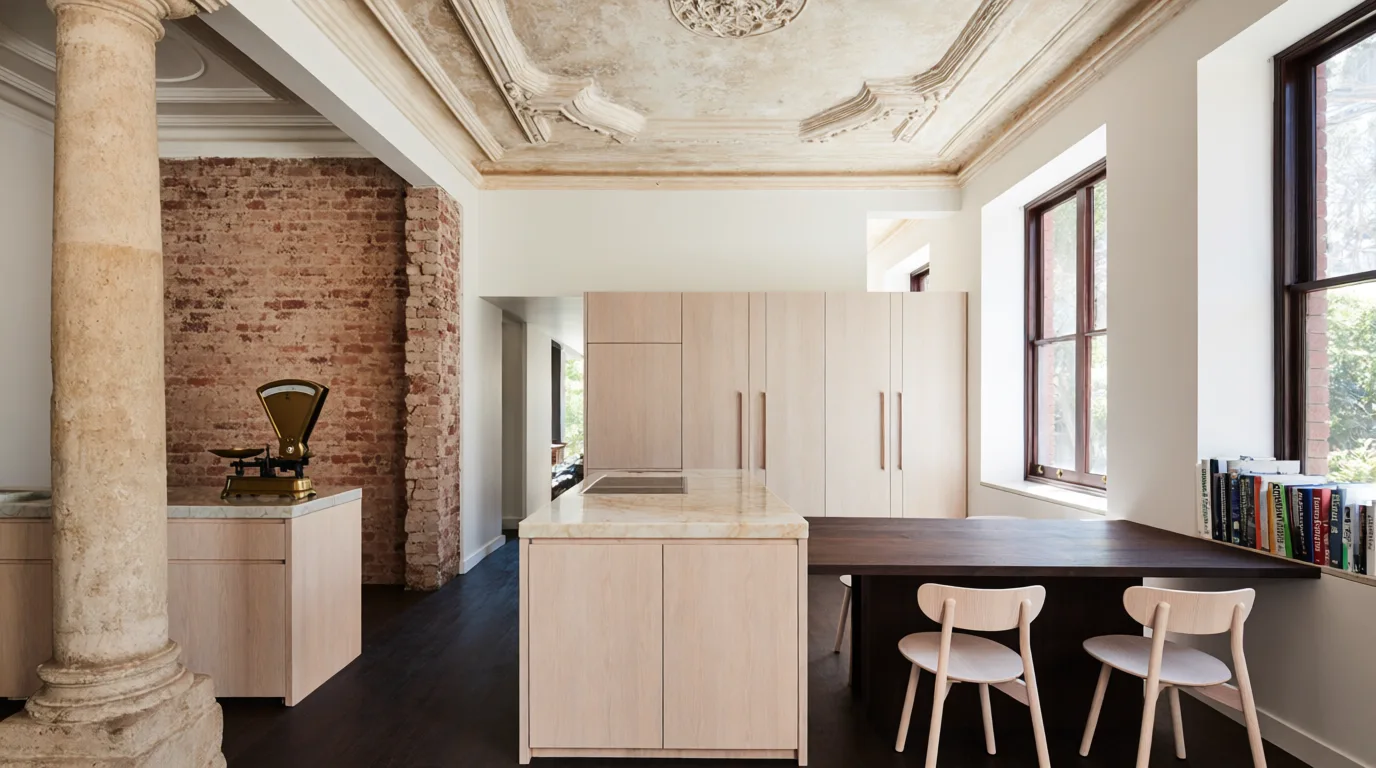
Renovating Victorian House Staircase Features
Victorian staircases are often architectural highlights featuring carved wood, decorative rails, and detailed craftsmanship. Restoring these elements can dramatically increase the home’s visual impact.
Small improvements such as refinishing wood, updating lighting, and adding a traditional runner can refresh the entire entrance.
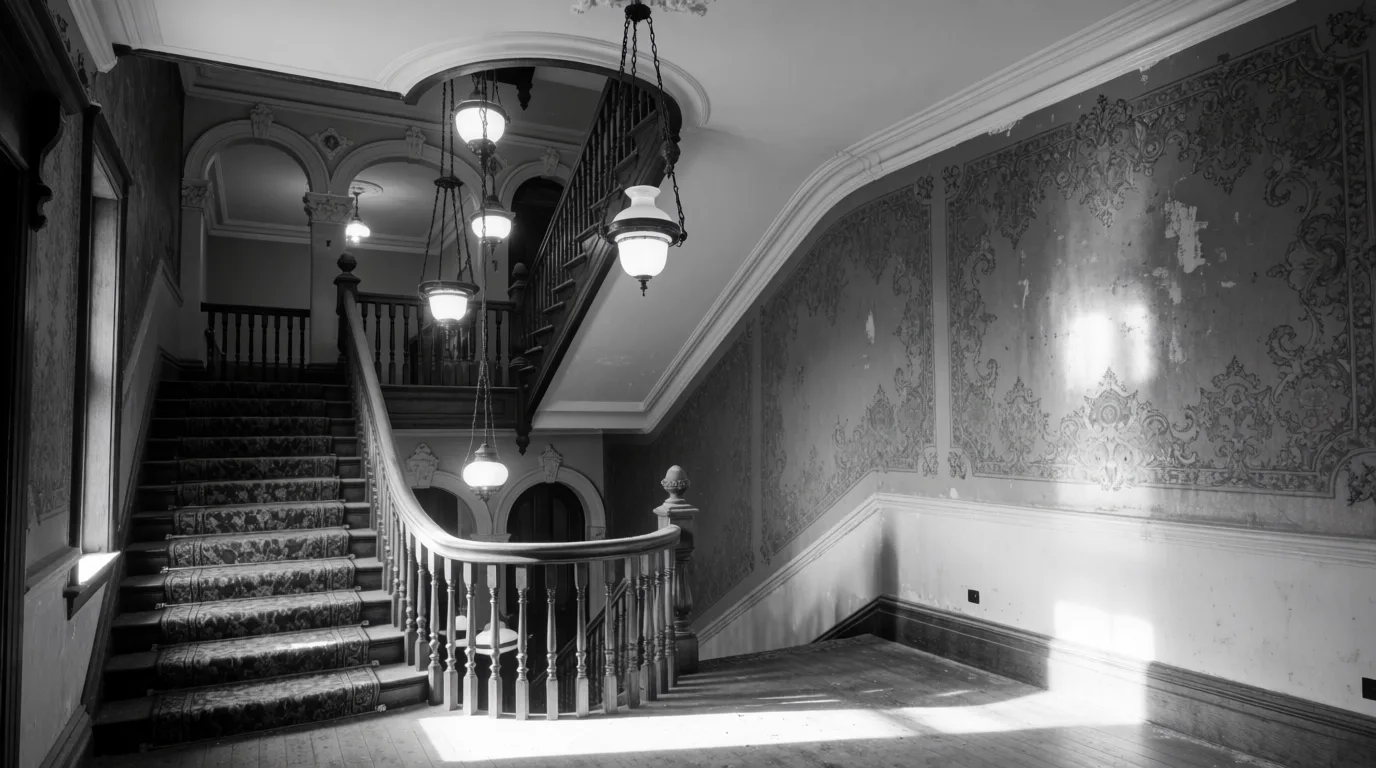
Renovating Victorian House With Energy Efficiency Improvements
Modern renovations should improve comfort without compromising historic charm. Upgrading insulation, heating systems, glazing, and ventilation can make Victorian homes more efficient.
Careful improvements allow homeowners to enjoy traditional architecture with modern performance standards.
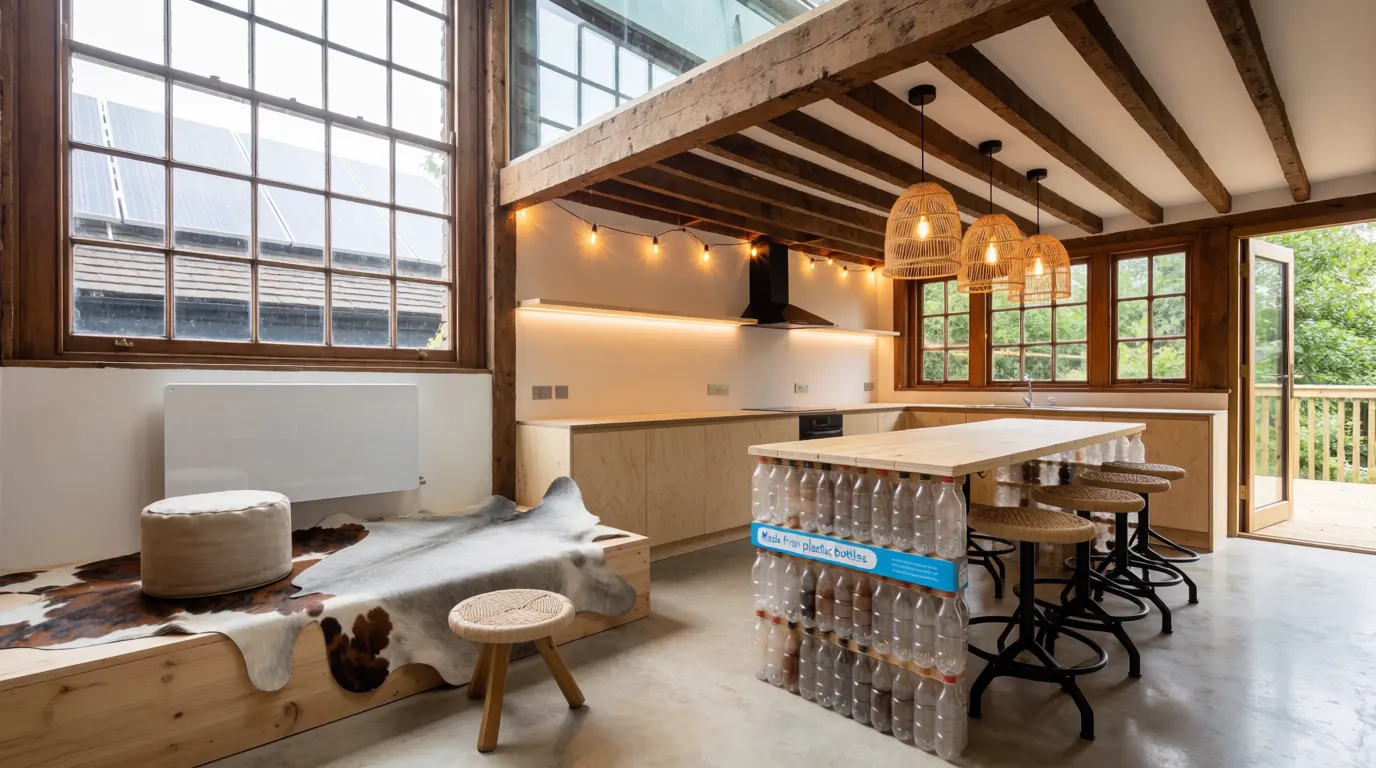
Renovating Victorian House Bedrooms
Victorian bedrooms offer opportunities for creating calm, layered interiors with character. Traditional details such as fireplaces, high ceilings, and decorative trims work beautifully with modern bedding and minimal furniture.
A thoughtful design creates a peaceful retreat while respecting the original structure.
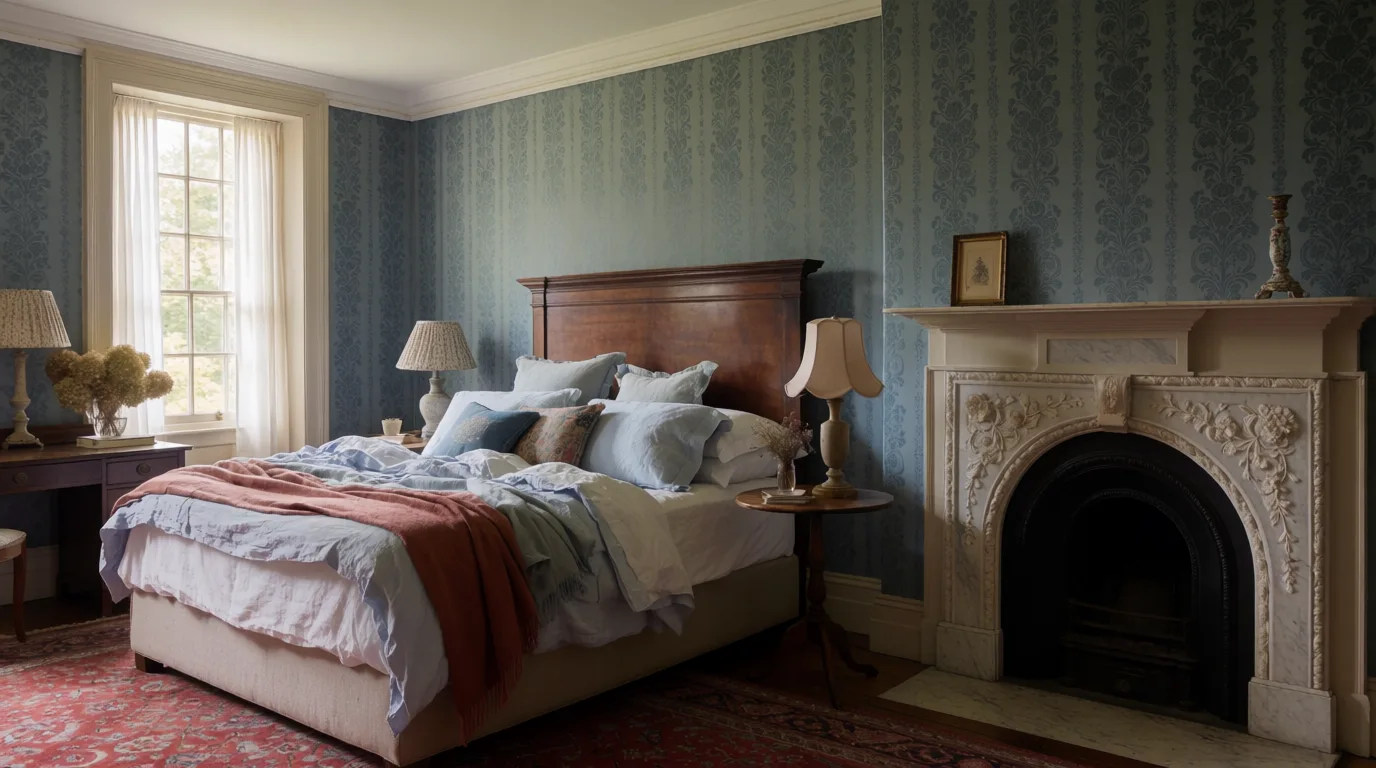
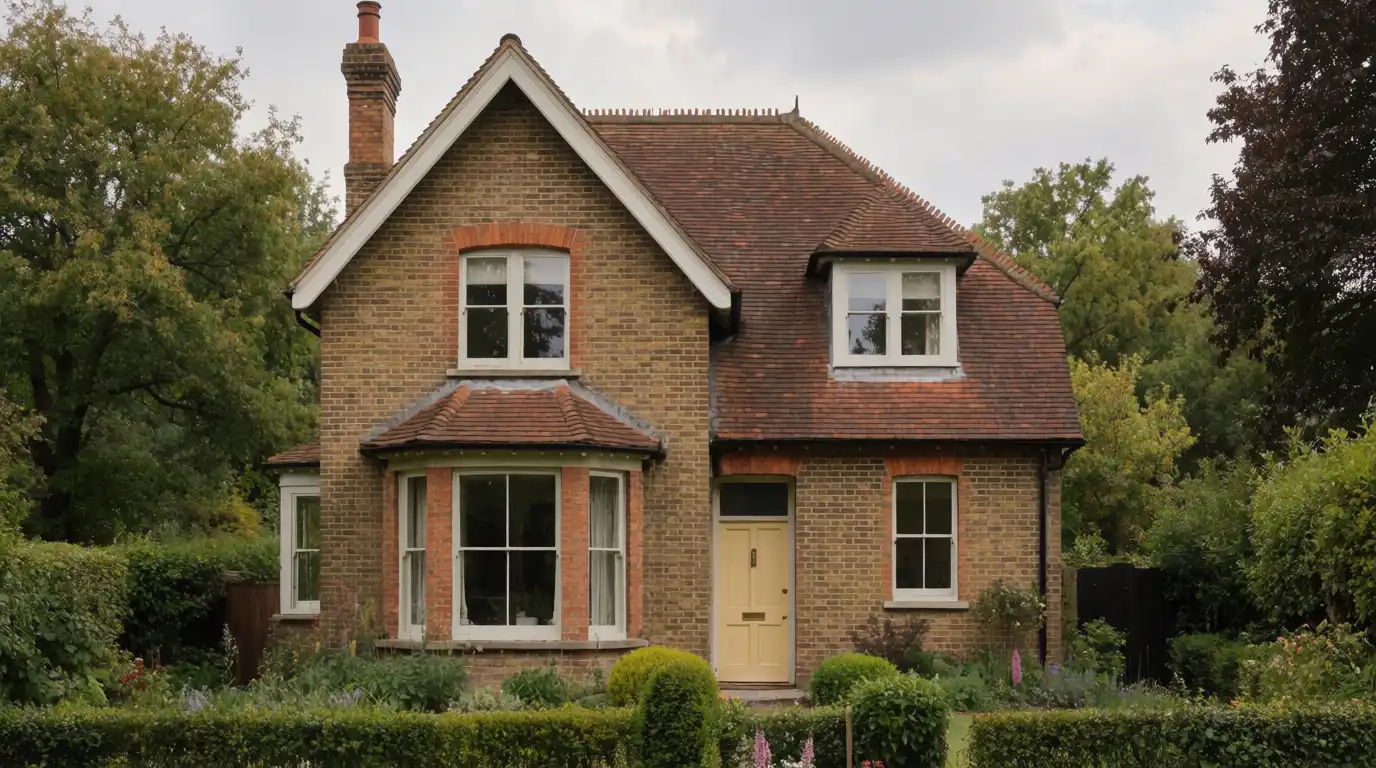
Renovating Victorian House Exterior Design
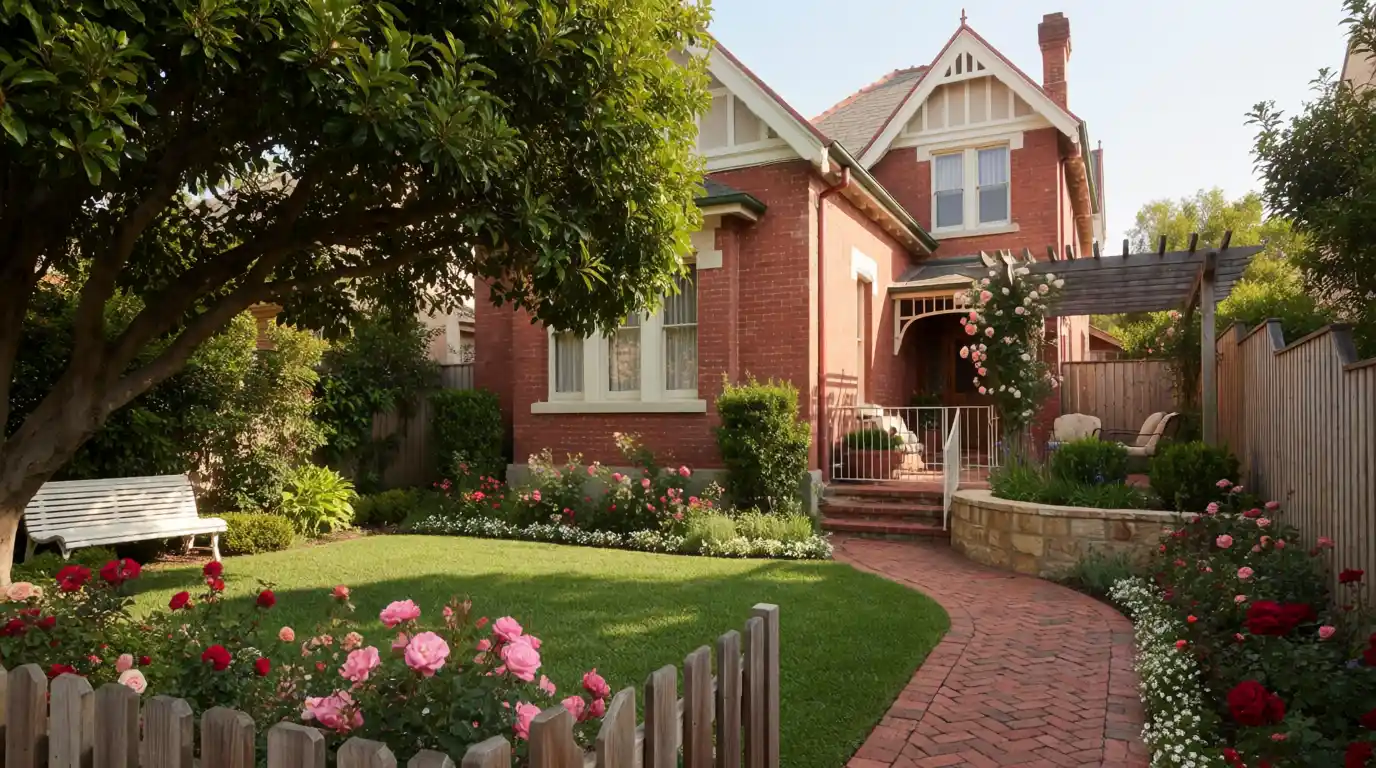
The exterior sets the first impression of a Victorian property. Restoring brickwork, windows, doors, roofing details, and decorative elements helps preserve the home’s identity.
Exterior improvements should enhance original architecture rather than hide it behind modern alterations.
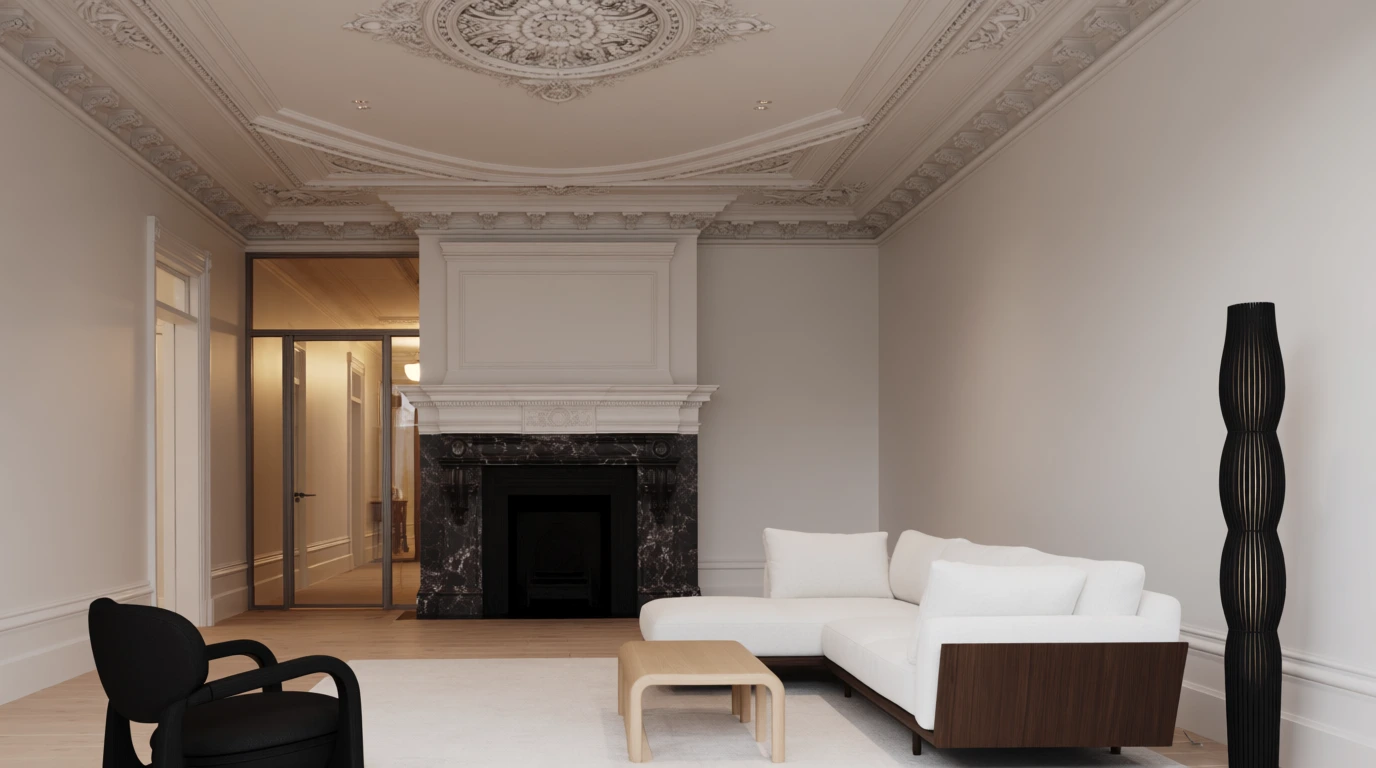
Renovating Victorian House With Modern Furniture
Combining antique architecture with contemporary furniture creates a balanced interior. Modern sofas, simple tables, and minimal accessories can prevent historic homes from feeling outdated.
The contrast between old craftsmanship and new comfort creates a sophisticated atmosphere.
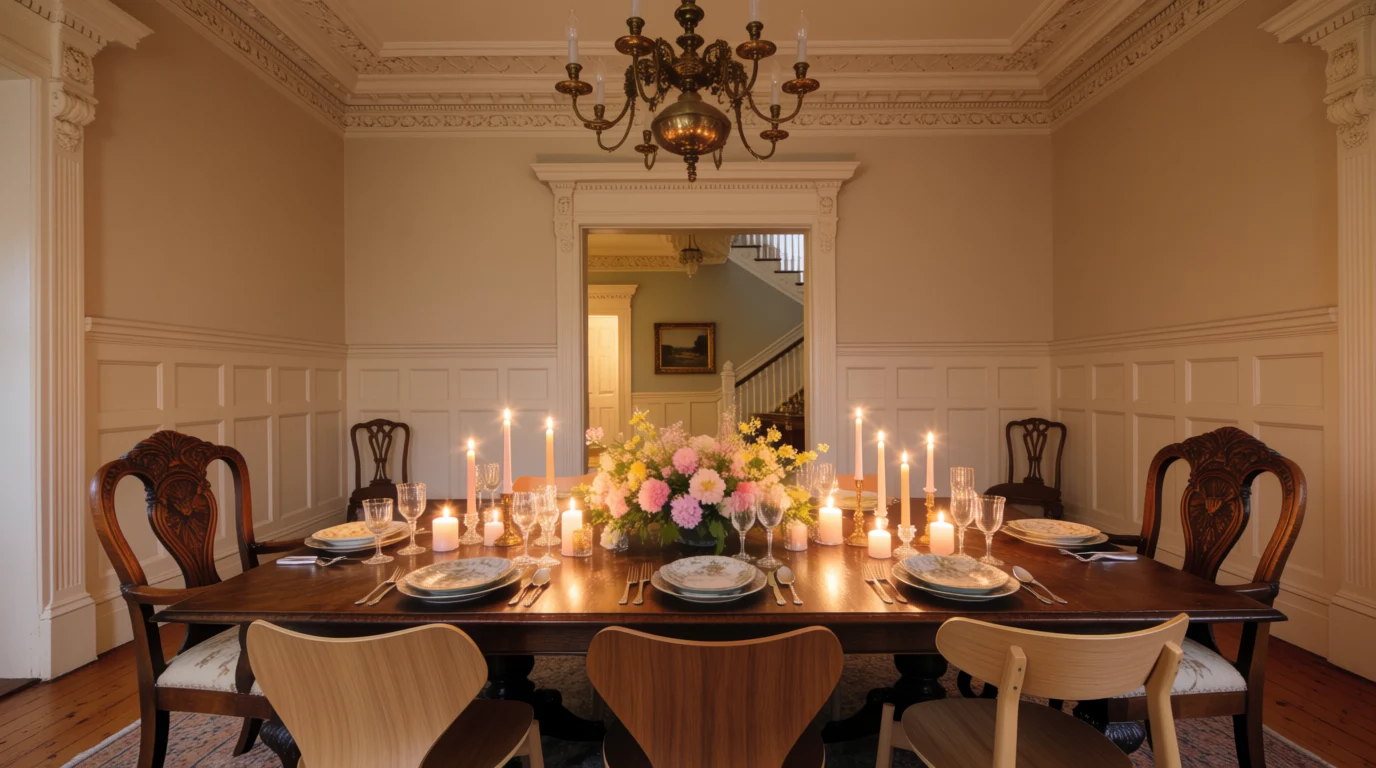
Renovating Victorian House Dining Rooms
Victorian dining rooms are ideal spaces for combining tradition and elegance. Large tables, statement lighting, decorative walls, and restored architectural features create a memorable entertaining space.
A successful design keeps the room formal while making it practical for everyday use.
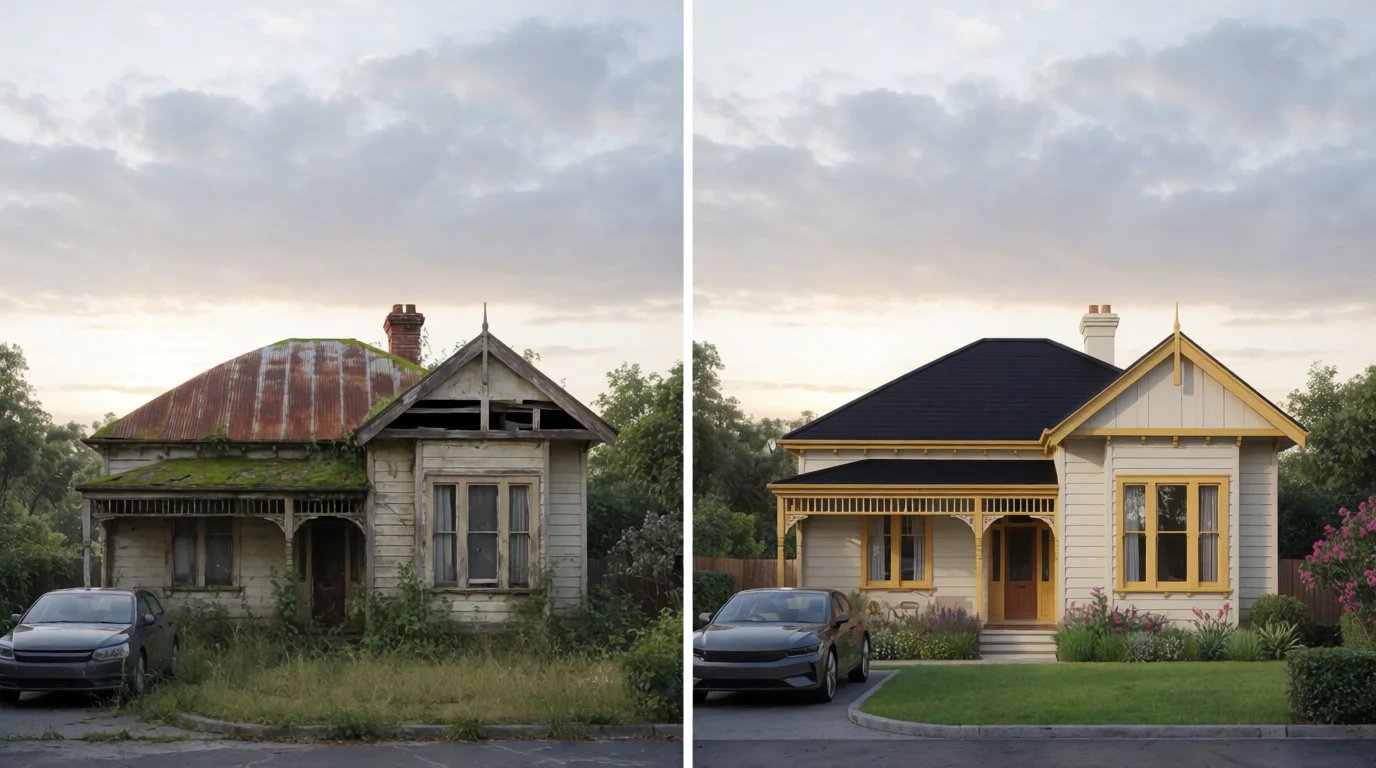
Renovating Victorian House Before and After Planning
A successful Victorian renovation begins with understanding what should be preserved, improved, or redesigned. Before-and-after transformations usually succeed because they follow a clear restoration plan rather than making random updates.
Documenting original conditions also helps guide decisions and maintain architectural integrity.
Renovating Victorian House Garden and Outdoor Spaces
Victorian gardens often complement the architecture through structured planting, pathways, traditional fencing, and outdoor seating areas. Updating outdoor spaces extends the living area while maintaining historical character.
Thoughtful landscaping creates harmony between the house and its surroundings.
Renovating Victorian House With Sustainable Materials
Choosing durable and environmentally responsible materials supports long-lasting renovation results. Natural wood, reclaimed materials, lime finishes, and quality craftsmanship often suit Victorian properties.
Sustainable choices can protect both the environment and the character of the home.
Renovating Victorian House Final Design Philosophy
The most successful Victorian renovations respect the original architecture while allowing homeowners to live comfortably today. The goal is not to recreate the past completely but to create a home where history and modern life exist together.
With careful restoration, thoughtful materials, and a clear design direction, a Victorian property can become a unique, functional, and enduring home.
Conclusion: Creating a Victorian Home That Respects the Past and Supports Modern Living
Renovating Victorian house properties is a process of understanding, protecting, and enhancing the character that makes these homes unique. The most successful transformations do not erase history; they reveal the craftsmanship, proportions, and architectural details that give the property its identity while introducing the comfort and functionality required for modern lifestyles.
A thoughtful renovation begins with careful assessment of original features, from fireplaces and timber floors to windows, staircases, and decorative moldings. These elements provide the foundation for a design approach that feels authentic rather than artificial. By combining traditional materials with practical improvements, homeowners can create spaces that feel timeless, comfortable, and personal.
This approach works especially well for homeowners who appreciate craftsmanship, distinctive architecture, and interiors with a sense of story. Whether updating a single room or completing a full property transformation, successful Victorian renovations come from making intentional decisions that balance preservation with everyday needs.
The future of a Victorian home depends on respecting its past while allowing it to evolve. With thoughtful planning, quality materials, and a clear vision, renovating a Victorian house can transform an aging property into a beautiful, functional home that continues to inspire for generations.
Learn more : Original Edwardian House Interior: Timeless Style Ideas
Frequently Asked Questions About Renovating Victorian House Projects
- What should be considered first when renovating a Victorian house?
The first step is understanding the condition and character of the property. Before making design decisions, assess original features, structural concerns, electrical systems, plumbing, insulation, and any elements that should be preserved. This helps create a renovation plan that protects important details while addressing modern requirements.
- Should original Victorian features be restored or replaced?
In most cases, restoring original features is preferable because they add authenticity and character that modern replacements often cannot replicate. Elements such as fireplaces, wooden floors, stained glass, and decorative plasterwork can usually be repaired or refreshed while maintaining their historic value.
- How can a Victorian home feel modern without losing its character?
A Victorian property can feel contemporary by combining restored architecture with modern furniture, efficient lighting, updated kitchens, improved layouts, and comfortable materials. The key is creating contrast between old and new rather than removing the elements that make the home special.
- What are the most valuable improvements during a Victorian renovation?
Improvements that enhance both comfort and long-term value often include restoring original details, upgrading insulation, improving heating systems, renovating kitchens and bathrooms, repairing windows, and creating better use of available space. Quality craftsmanship usually provides the greatest impact.
- Is it possible to create an open-plan layout in a Victorian house?
Yes, but it requires careful planning. Many Victorian homes were designed with separate rooms, so removing walls should be approached thoughtfully. A successful redesign improves flow and natural light while preserving important architectural features and the original character of the property.
- Which interior styles work best with Victorian architecture?
Styles that respect traditional details while adding modern comfort work particularly well. Modern Victorian interiors often combine classic materials, vintage-inspired elements, contemporary furniture, natural textures, and balanced color palettes to create a refined but livable atmosphere.
- How can homeowners avoid making mistakes during a Victorian renovation?
The biggest mistake is rushing decisions without understanding the building’s original design. Taking time to research materials, prioritize essential repairs, preserve unique features, and create a realistic renovation plan helps prevent costly changes and ensures the final result feels cohesive and authentic.


One Response