
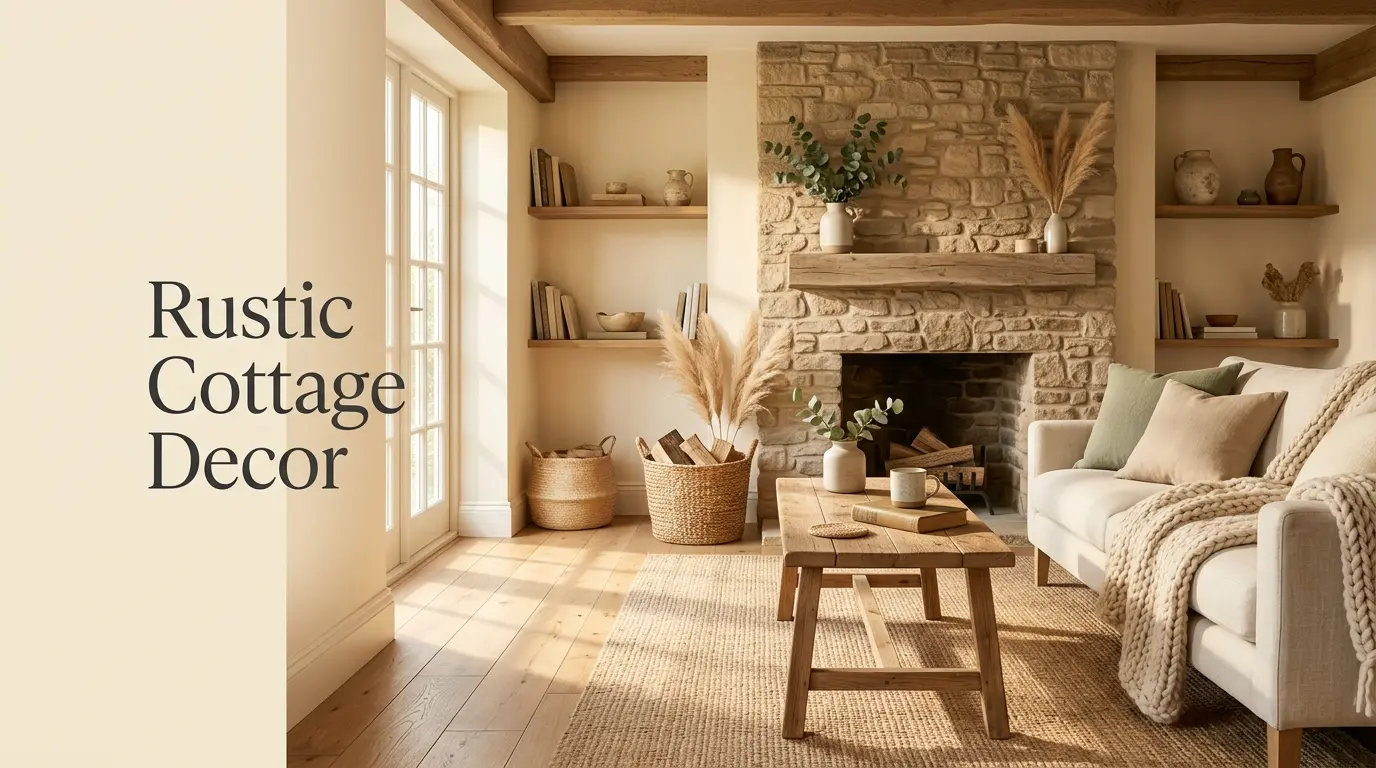
Introduction
Rustic cottage decor brings together the warmth of natural materials, the comfort of lived-in textures, and the quiet charm of a home that feels rooted in nature. At its core, this style borrows from cabin and lodge traditions — wood beams, stone, wrought iron, and weathered finishes — but softens them with the lighter, more personal touch of a cottage. It works equally well in a mountain retreat, a lakeside getaway, or a suburban home that simply wants to feel more grounded and inviting.
After working with this style across small cabins, lake houses, and full-size country homes, one truth becomes clear: rustic cottage decor succeeds when imperfection is treated as a feature, not a flaw. Reclaimed wood with visible grain, hand-thrown pottery, and slightly uneven textiles all add the kind of character that mass-produced decor can’t replicate. The goal isn’t to recreate a museum-perfect cabin; it’s to build a space that feels collected over time, even if it was decorated in a single weekend.
This guide breaks the style down into clear, practical clusters — from furniture and accessories to budget sourcing and seasonal touches — so that anyone, from a first-time decorator to an experienced designer, can apply rustic cottage decor with confidence and authenticity.
What Defines Rustic Cottage Decor
Rustic cottage decor blends the raw, organic materials of cabin design — wood, stone, leather, iron — with the softer color palettes and curated comfort of cottage living. It rejects high-gloss finishes in favor of matte textures, natural imperfections, and pieces that show their age gracefully. The result is a home that feels handmade, warm, and unmistakably personal.
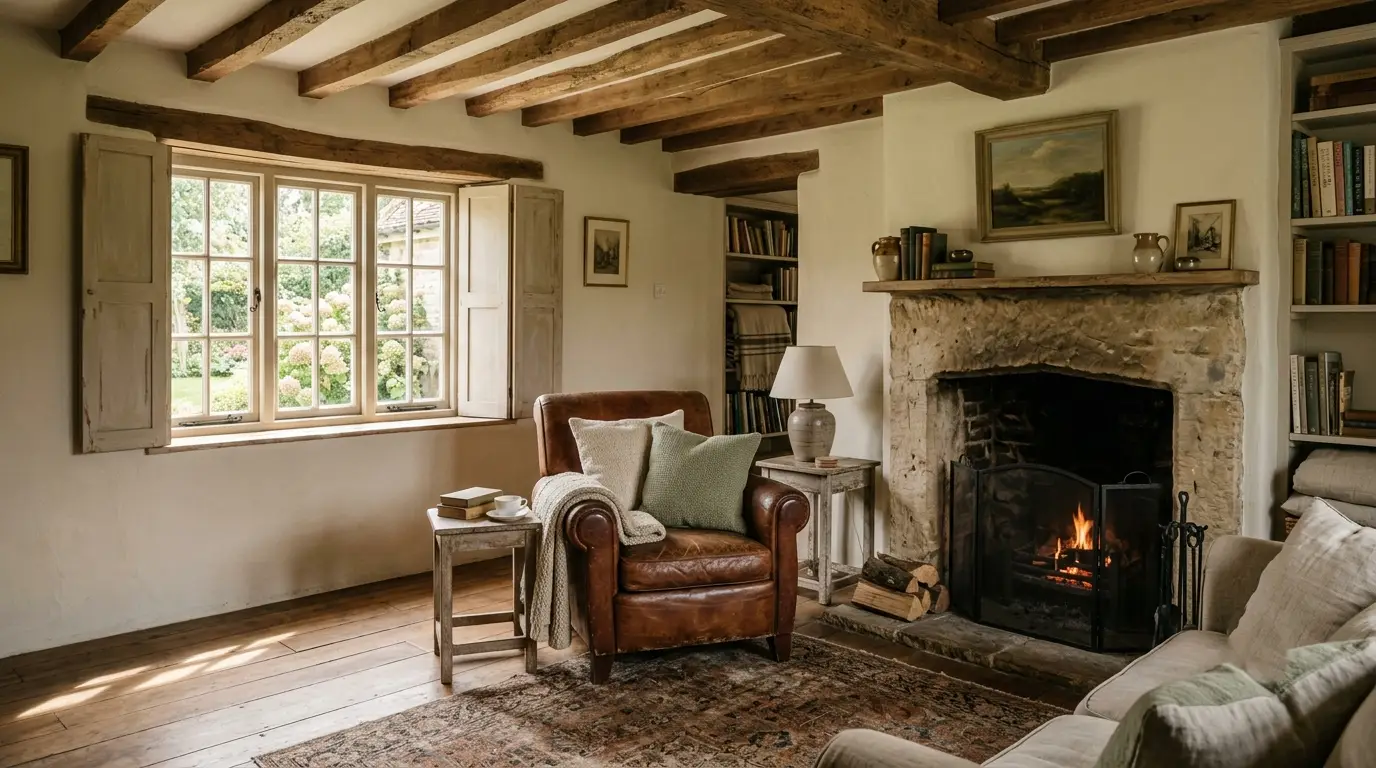
Cabin and Lodge Influences That Shape Cottage Style
Much of rustic cottage decor borrows directly from cabin and lodge traditions — heavy timber furniture, plaid textiles, and iron light fixtures. These elements ground a space in a sense of shelter and history, even when used sparingly. Mixing in just one or two lodge-style pieces, like a carved wood mantel or an antler-style sconce, can anchor an entire room.
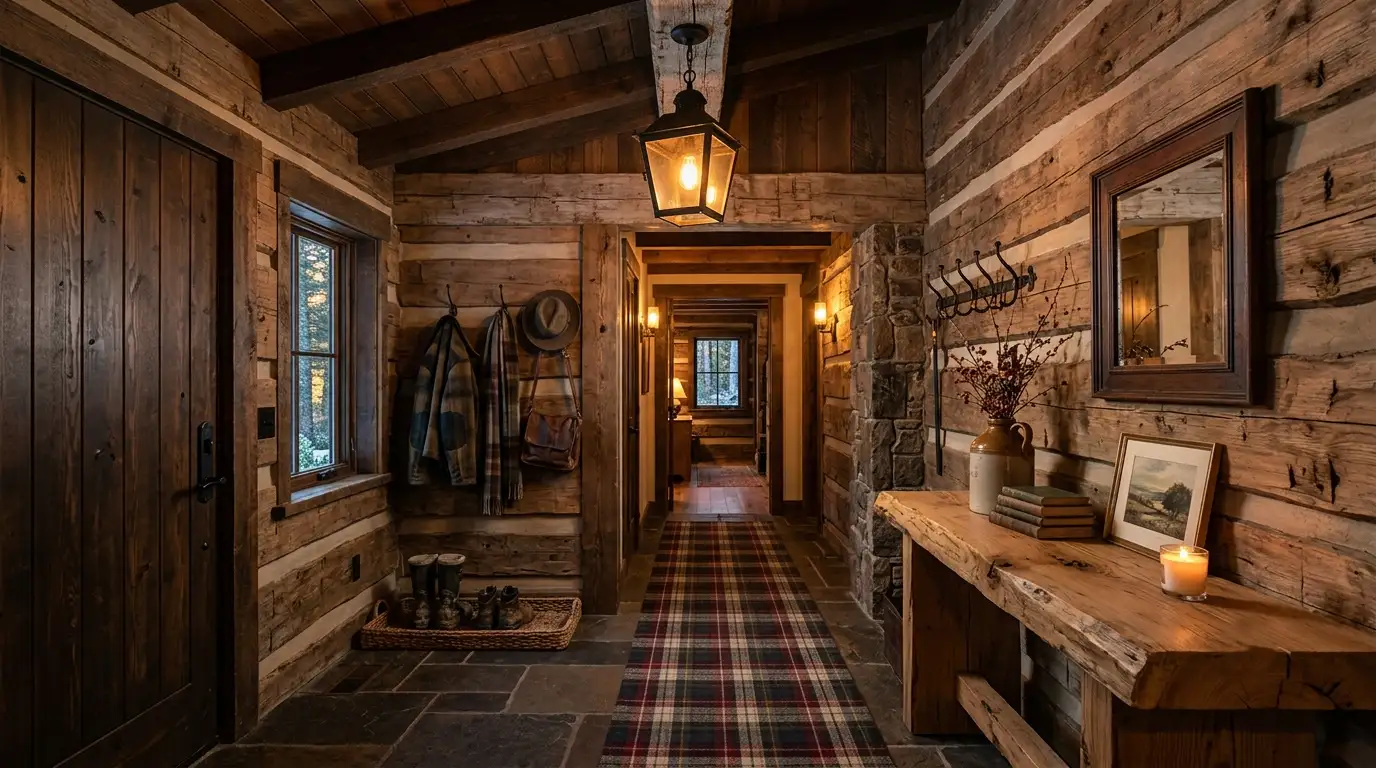
Building a Cottage Interior Design Foundation
A strong cottage interior design starts with neutral, nature-inspired walls — soft white, warm gray, or muted sage — paired with natural flooring like wide-plank wood. This foundation lets rustic textures and furniture pieces stand out without competing for attention, creating a calm backdrop for the rest of the home.
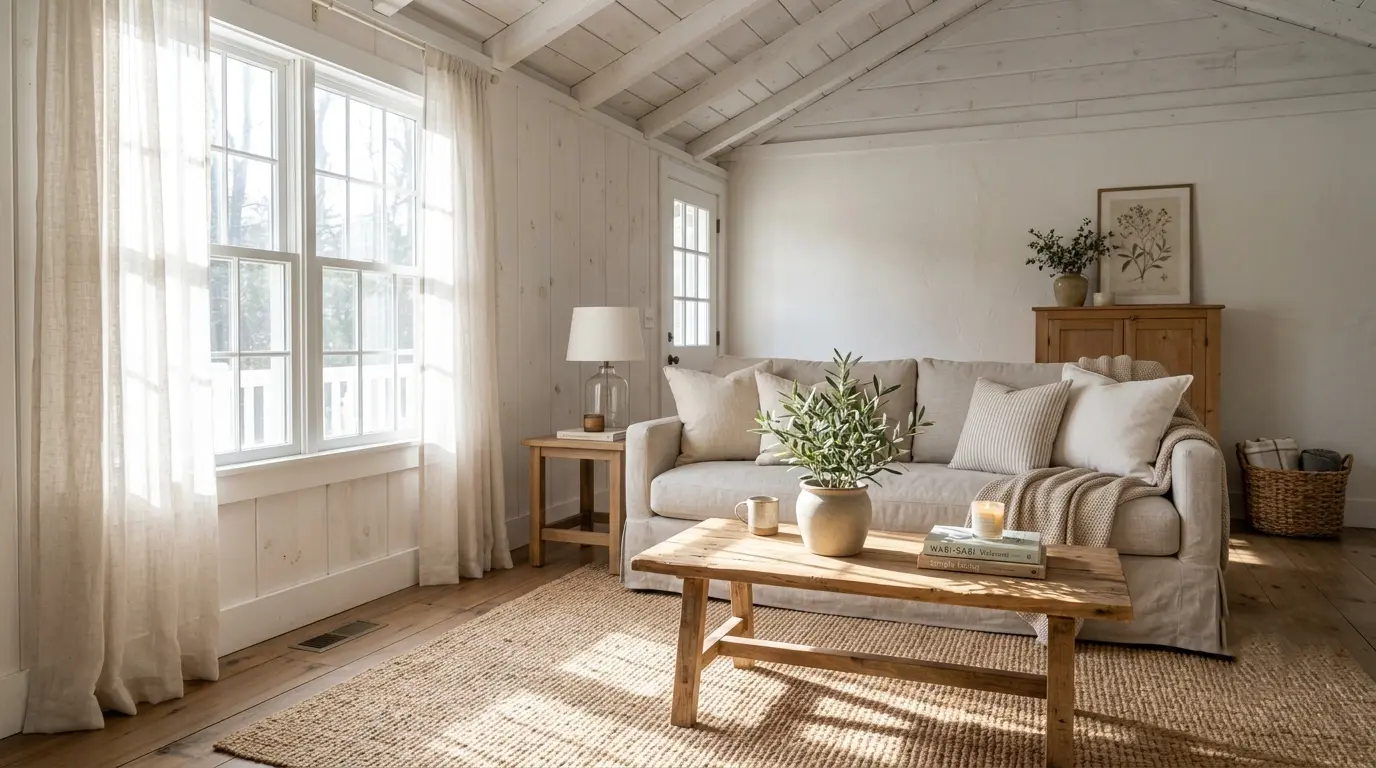
Rustic Cabin Decorating Ideas for the Living Room
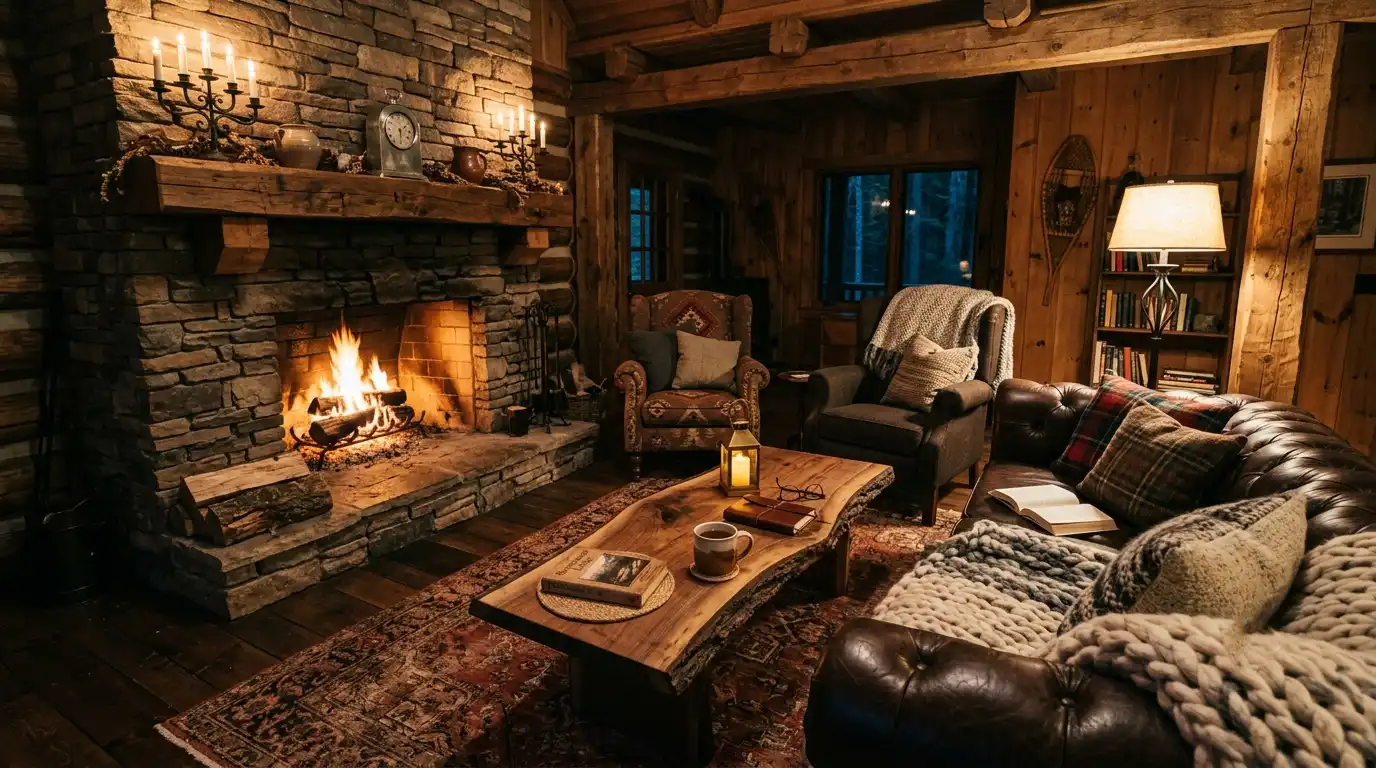
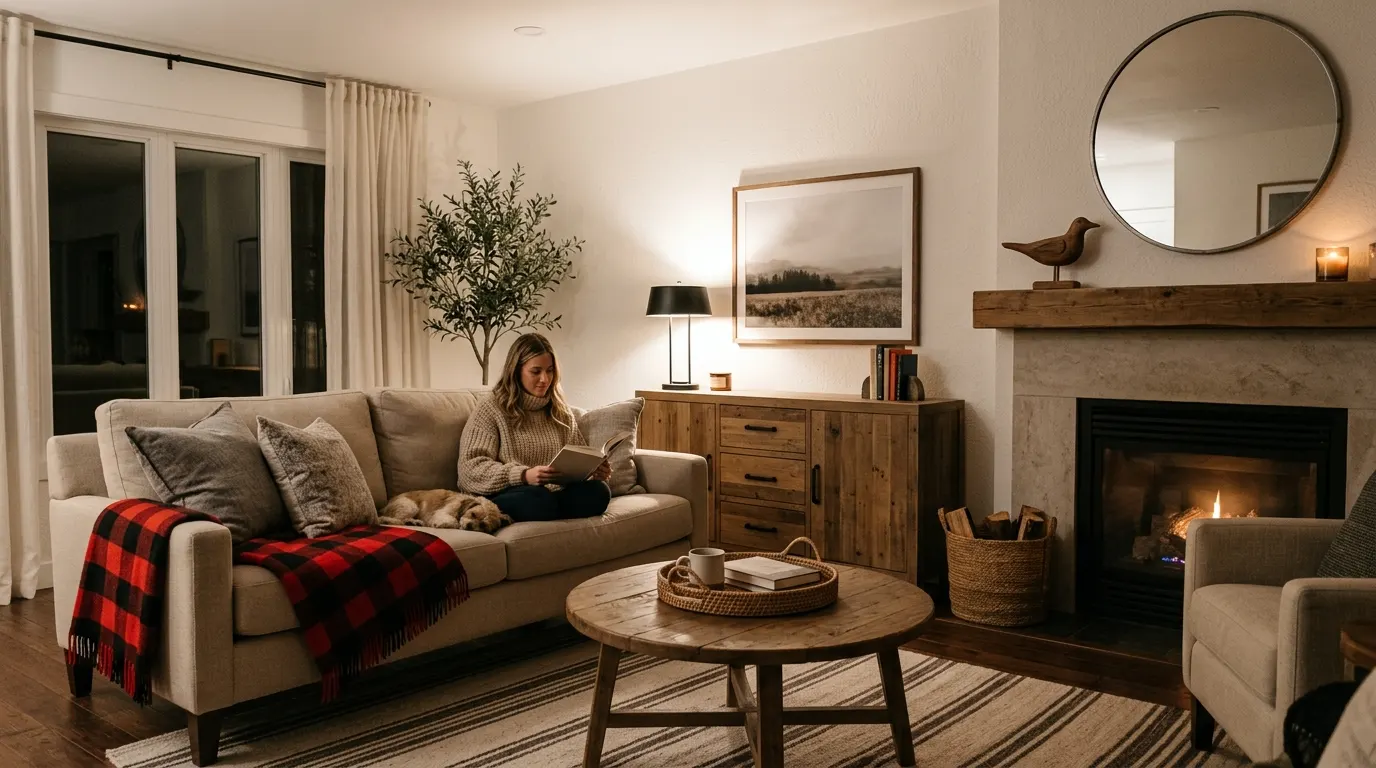
The living room is where rustic cabin decorating ideas come together most visibly — layered textiles, a stone or brick fireplace, and furniture grouped for conversation rather than television viewing. Wool throws, woven baskets, and a coffee table made from a reclaimed log all reinforce the cabin-cottage connection without overwhelming the space.
Choosing Cabin Furniture That Feels Authentic
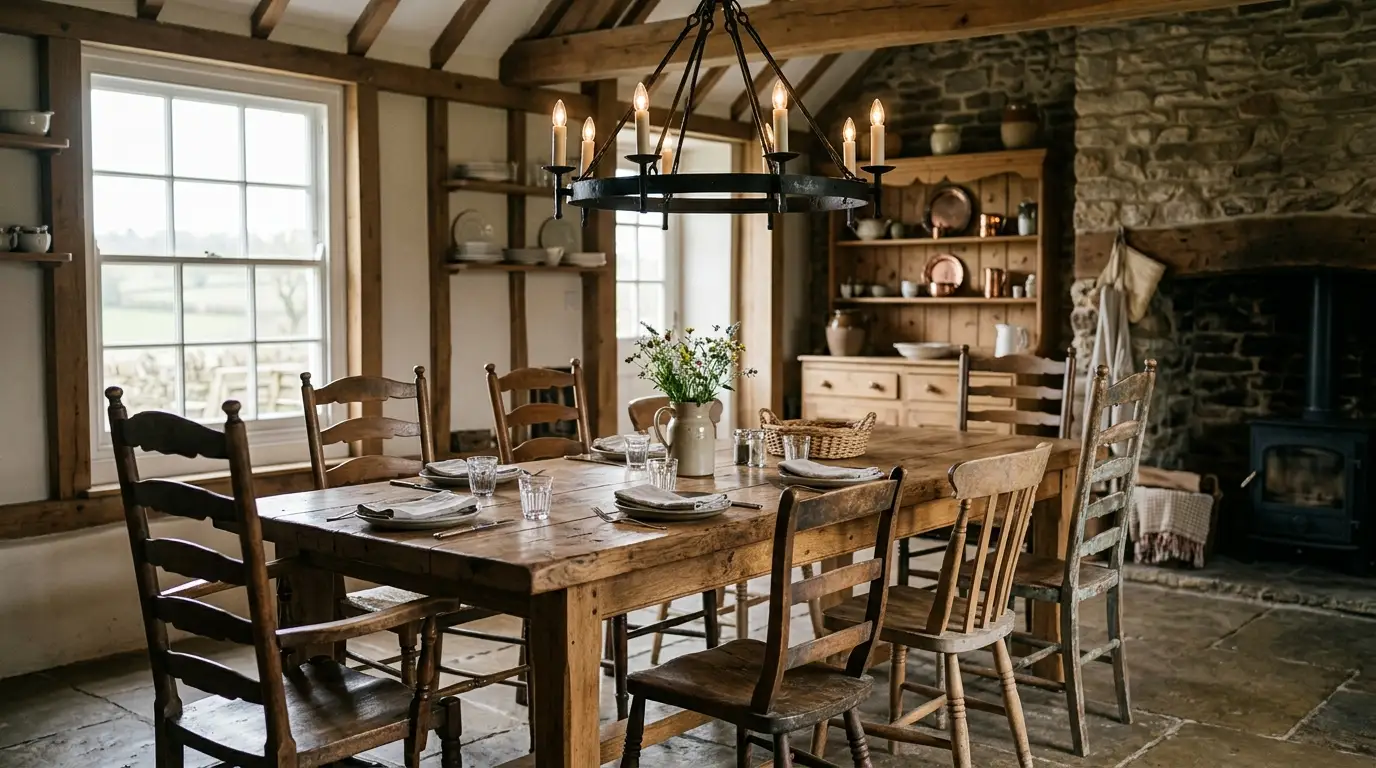
Authentic cabin furniture favors solid wood construction, visible joinery, and finishes that highlight rather than hide the grain. Pieces like a hand-built dining table, a ladder-back chair, or a trunk-style coffee table bring honesty and craftsmanship into the home, standing in deliberate contrast to flat-pack furniture.
Budget-Friendly and Affordable Rustic Decor
Affordable cabin decor doesn’t require sacrificing character — secondhand wood furniture, clearance-rack textiles, and DIY-stained accent pieces can achieve the same warmth as higher-end finds. Shopping outlet sections and seasonal clearance racks is one of the most reliable ways to build this look without overspending.
DIY Touches for a Personalized Rustic Cottage
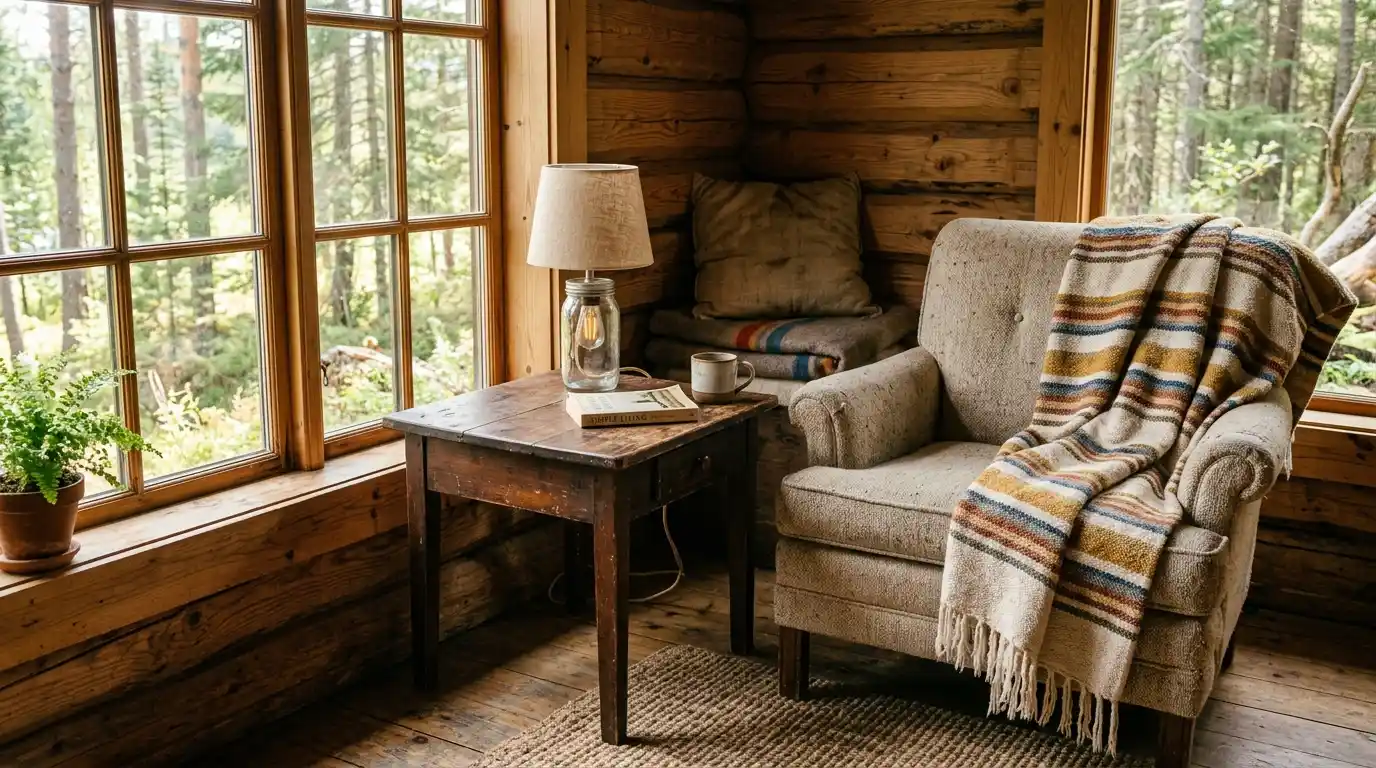
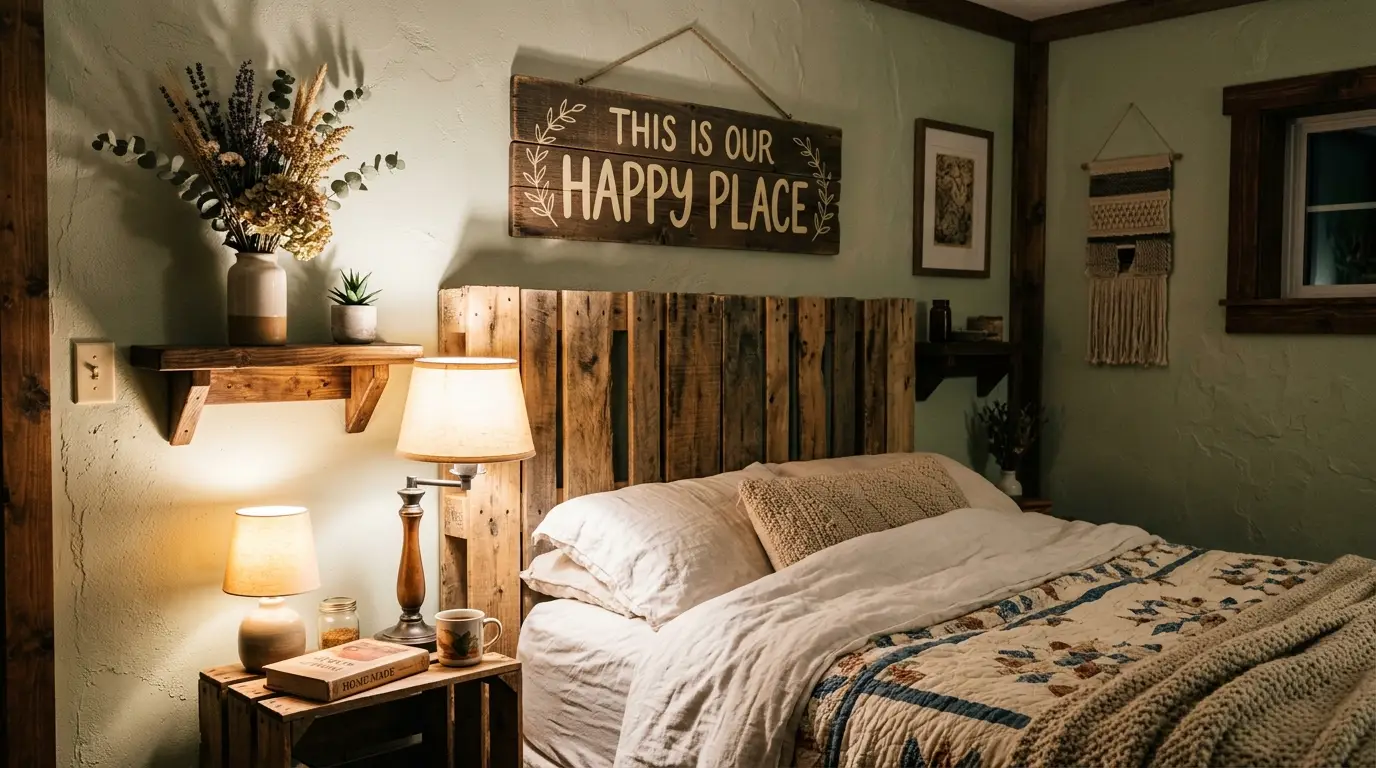
DIY cabin decor ideas — like staining raw wood shelves, distressing picture frames, or building a simple pallet headboard — add a personal layer that store-bought decor can’t replicate. These small, hands-on projects often become the most meaningful pieces in the home because they carry a story.
Antique and Vintage Character in Cabin Decor
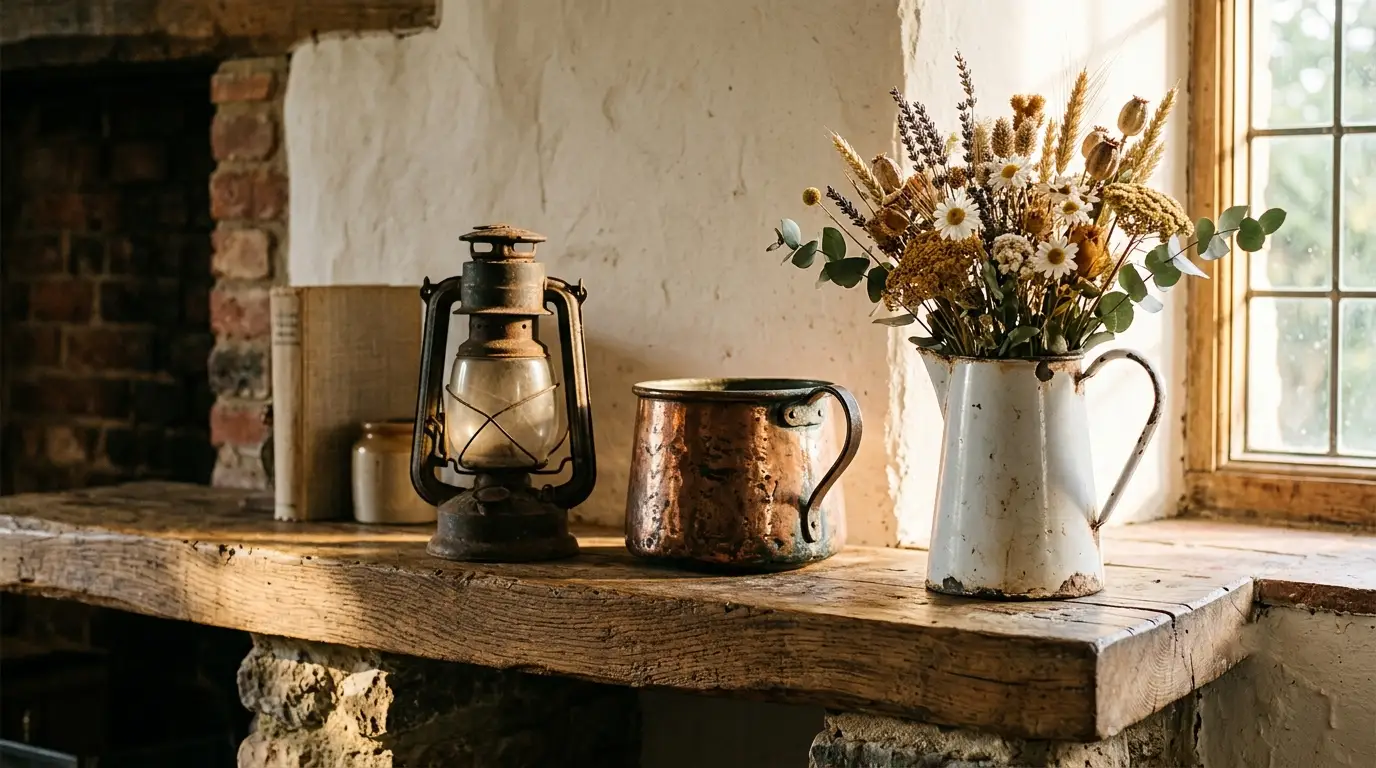
Antique cabin decor — old tin signs, vintage enamelware, weathered trunks — introduces a sense of history that new furniture can’t fake. These pieces work best when used sparingly as focal points, like a single antique lantern on a mantel, rather than scattered throughout the room.
Rustic Accessories and Home Accents
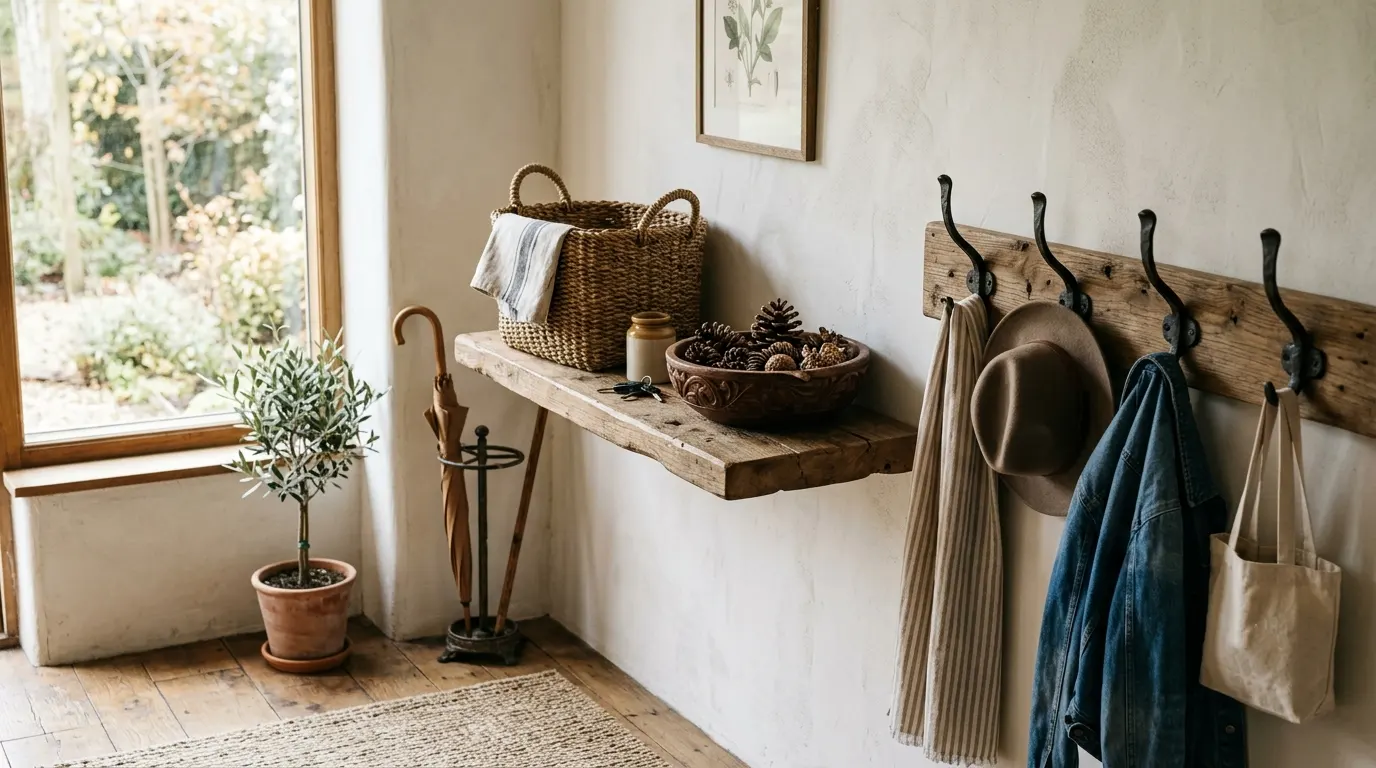
Rustic accessories — woven baskets, wooden bowls, hand-forged hooks, and natural-fiber textiles — are the easiest way to introduce this style without a full renovation. These smaller accents allow homeowners to test the aesthetic in any room before committing to larger furniture changes.
Lodge Decor Ideas for Everyday Living
Lodge decor ideas can be scaled down for everyday homes through smaller gestures — a plaid throw on the sofa, a single mounted wood-carved accent, or leather and iron hardware on cabinetry. This keeps the lodge feeling present without making a home feel like a hunting retreat.
Shopping Specialty Retailers for Rustic and Cabin Finds
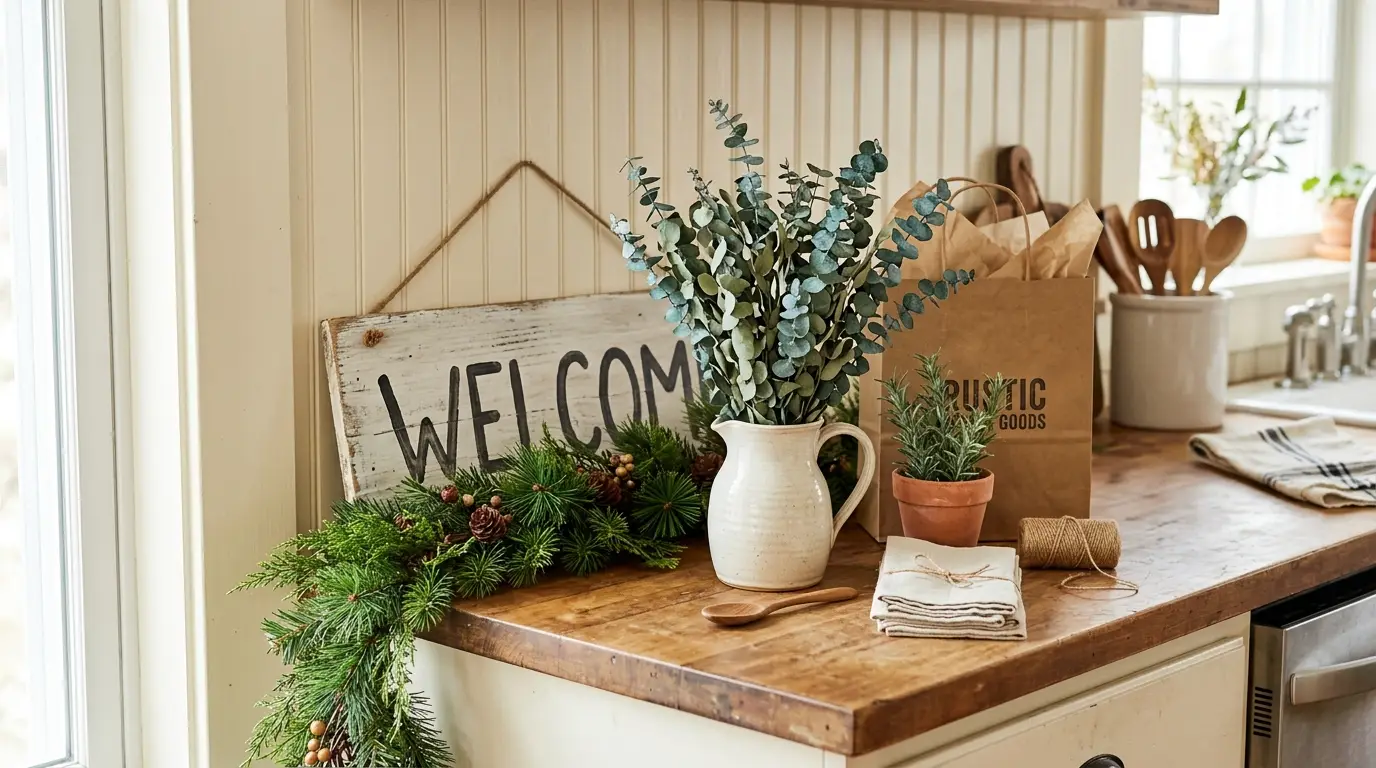
Craft and home decor retailers are a reliable source for rustic accents, seasonal cabin decorations, and country-style accessories, especially when shopping sales or clearance sections. These stores are particularly useful for smaller decorative pieces — signs, florals, and tabletop accents — that complete a room’s theme.
Lake House Style Within Rustic Cottage Decor
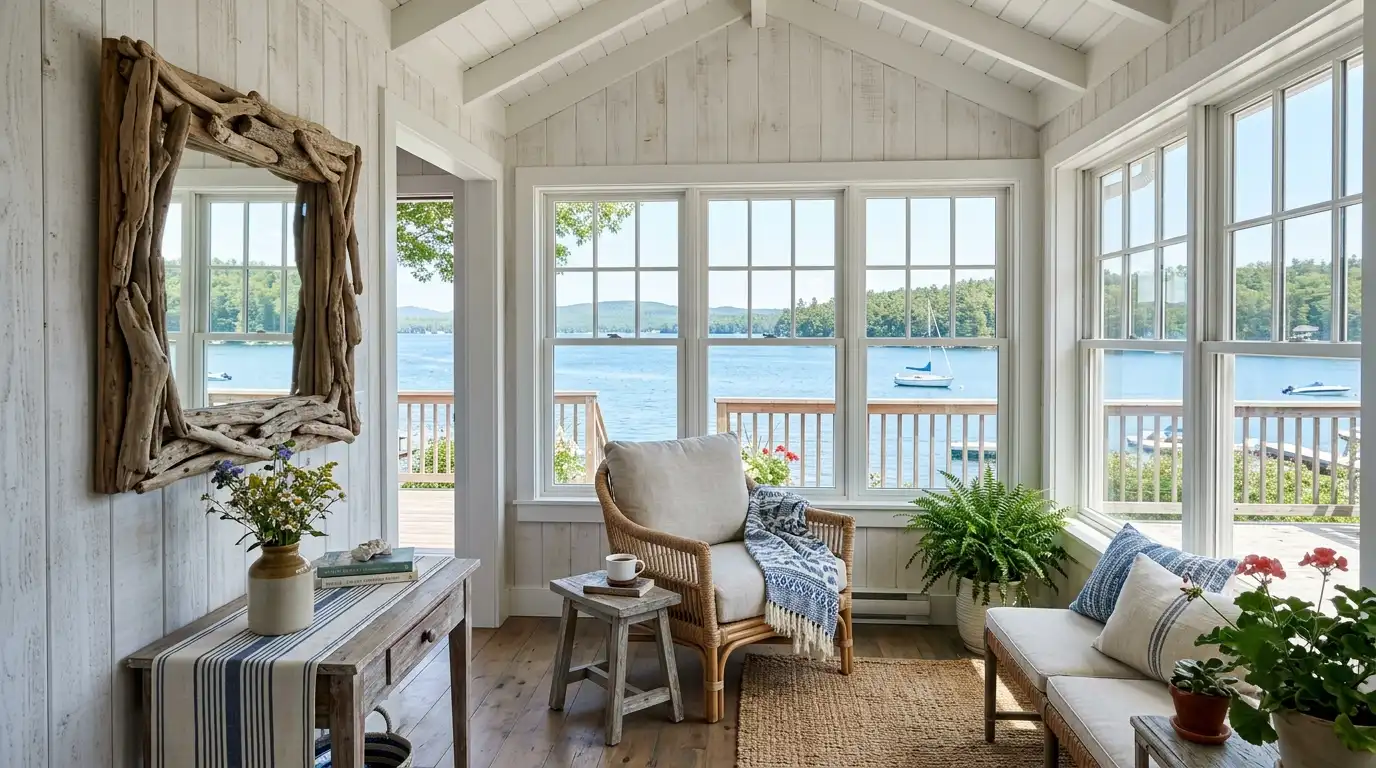
Lake house decor shares rustic cottage decor’s love of natural materials but leans into lighter blues, weathered whites, and nautical-adjacent textures like rope and driftwood. Blending the two styles works well in homes near water, where airiness and rusticity need to coexist.
Wildlife and Nature-Inspired Decorative Accents
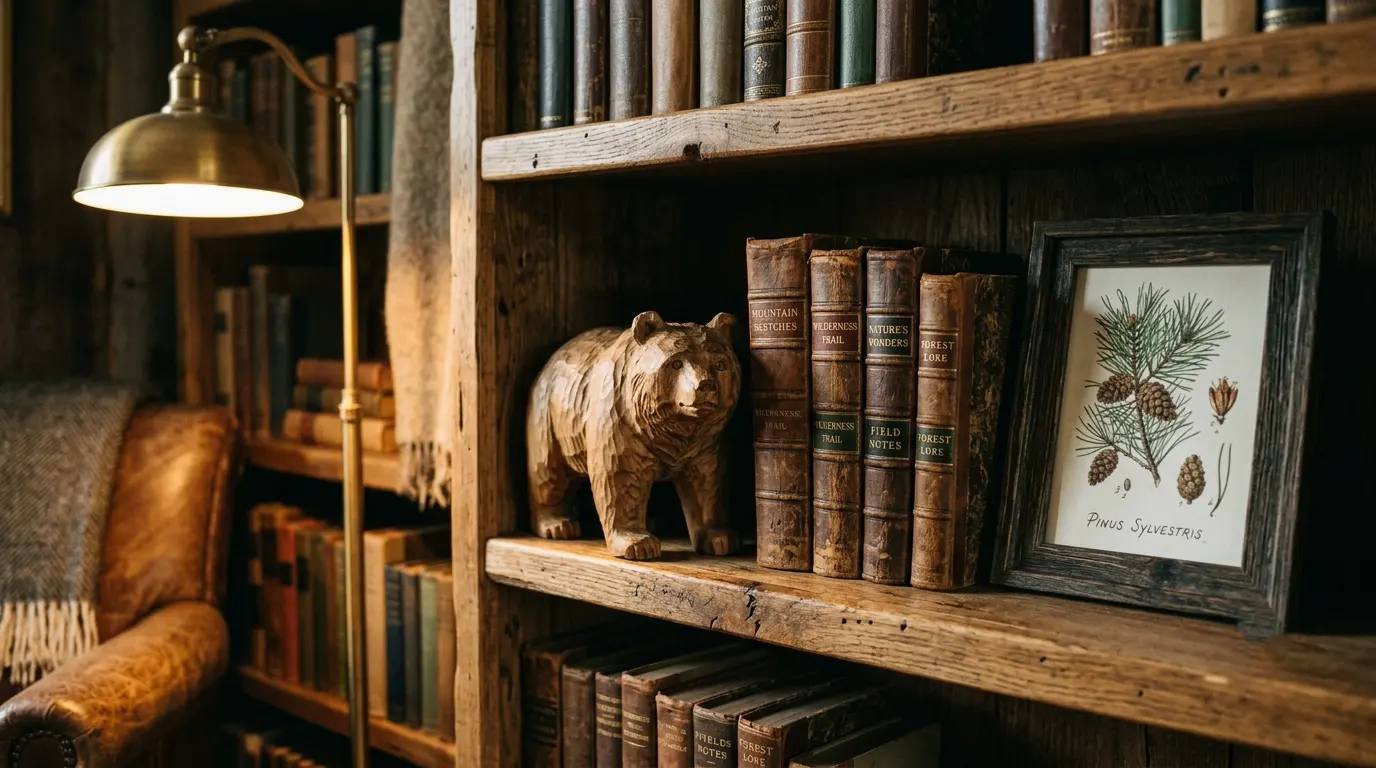
Nature-inspired accents — carved wooden animals, botanical prints, or a single statement piece like a wood-carved bear or bird — reinforce the cabin connection to the outdoors. These work best as one or two intentional focal points rather than an all-over theme.
Log Cabin Decorations for Seasonal Warmth
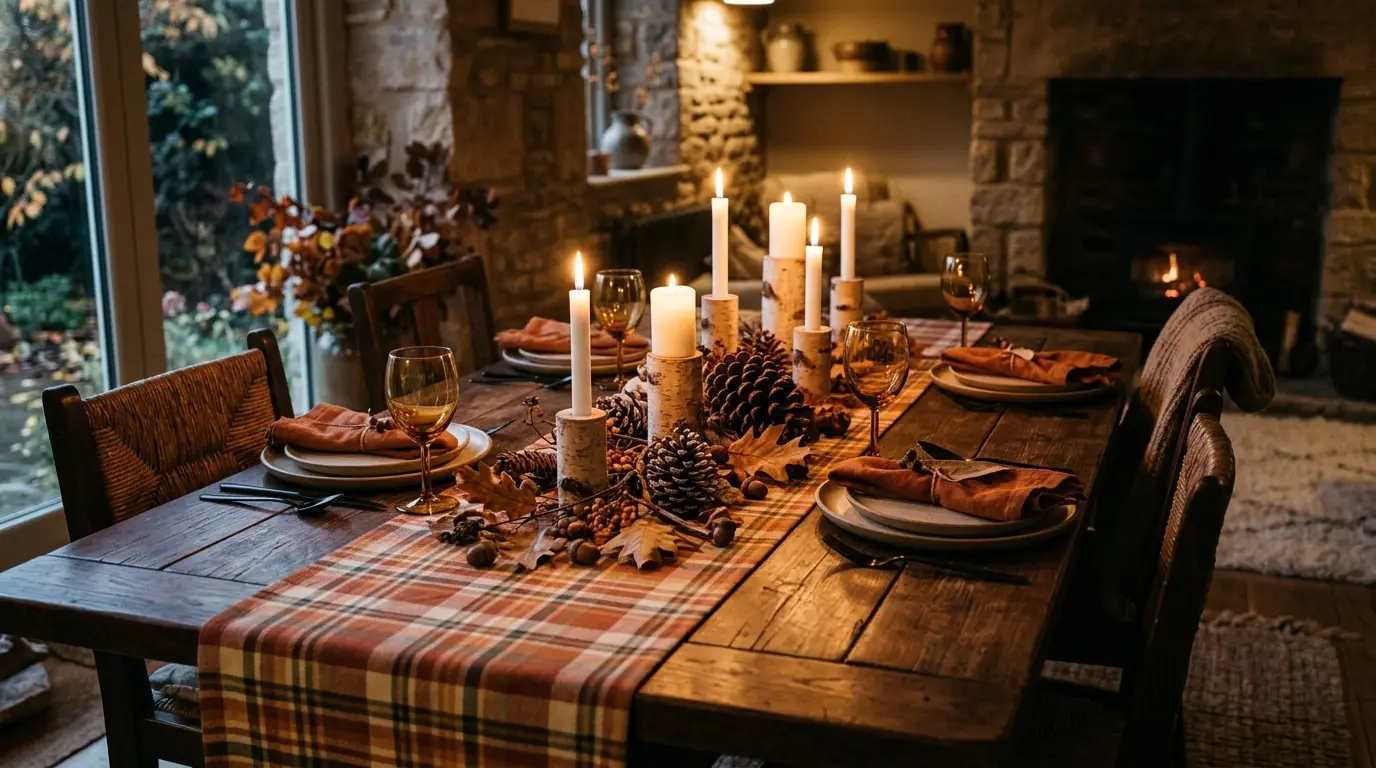
Seasonal log cabin decorations — pinecone garlands, plaid table runners, and birchwood candle holders — let a rustic cottage shift gracefully through the year without losing its core identity. These pieces are easy to rotate in and out, making seasonal refreshes simple and affordable.
Decorating a Cabin Room by Room
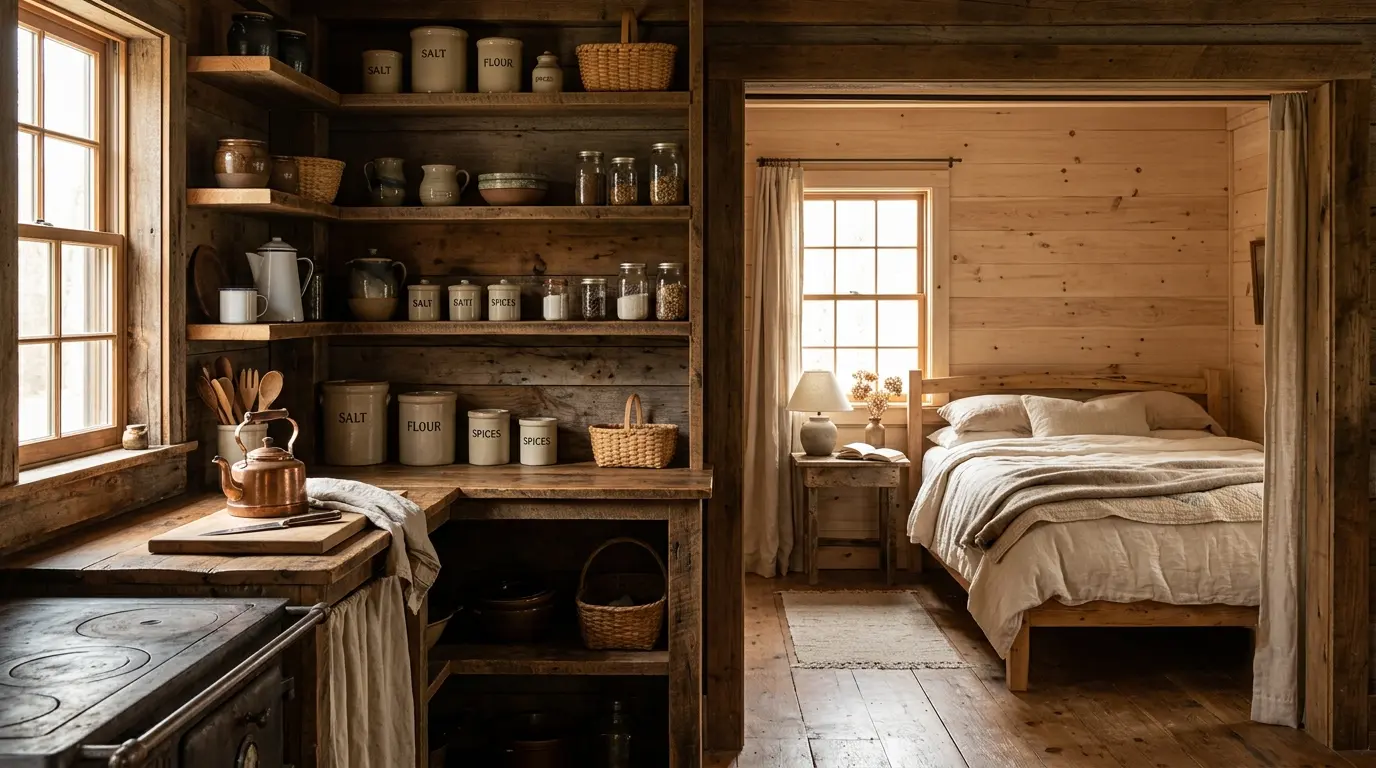
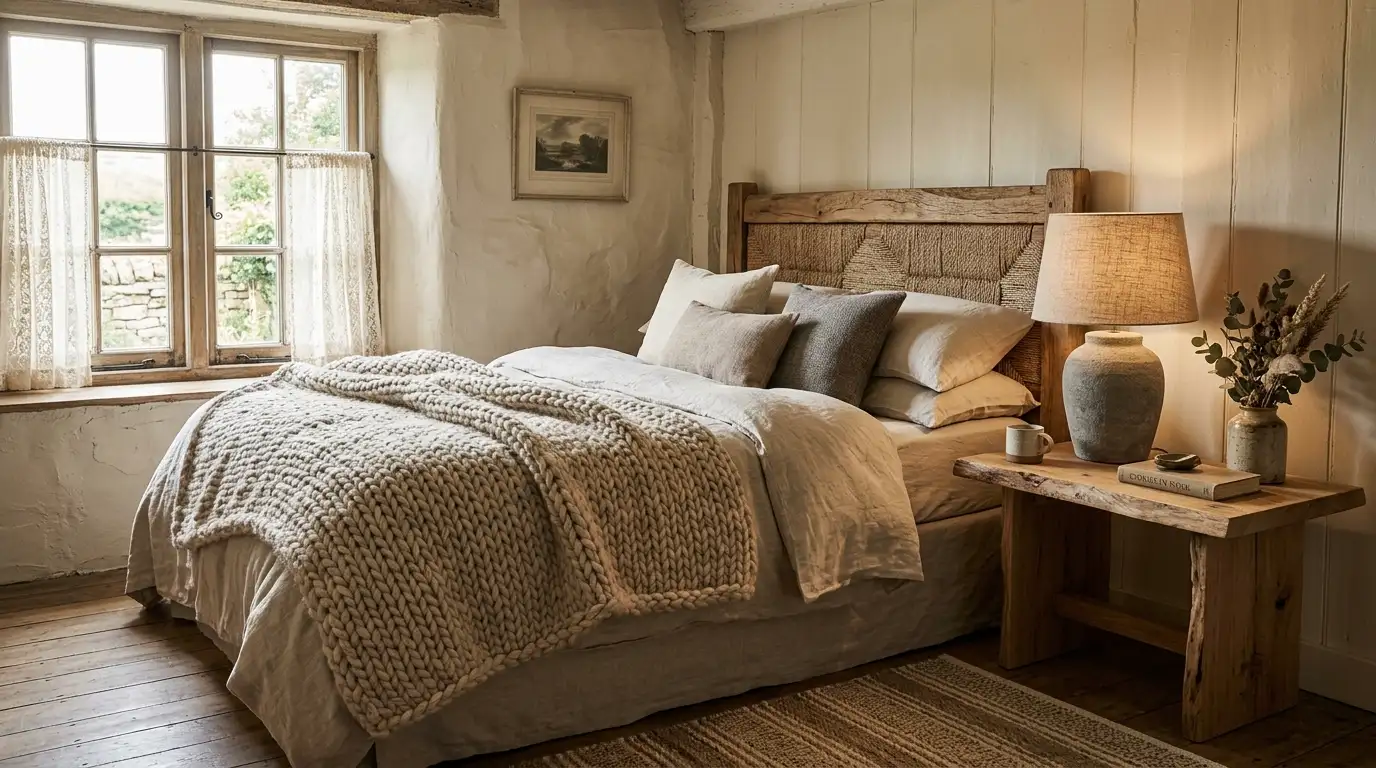
Decorating a cabin works best when each room is treated with a clear purpose: a bedroom favoring soft textiles and dim, warm lighting; a kitchen favoring open wood shelving and stoneware; a living room built around a fireplace or focal wood feature. This room-by-room approach keeps the whole home cohesive rather than scattered.
Sourcing Authentic Cabin and Cottage Pieces
Finding authentic cabin and cottage pieces often means looking beyond big-box retailers — estate sales, local woodworkers, and salvage yards frequently offer one-of-a-kind furniture and accessories with real history. These sources reward patience but result in a home that feels genuinely collected rather than purchased all at once.
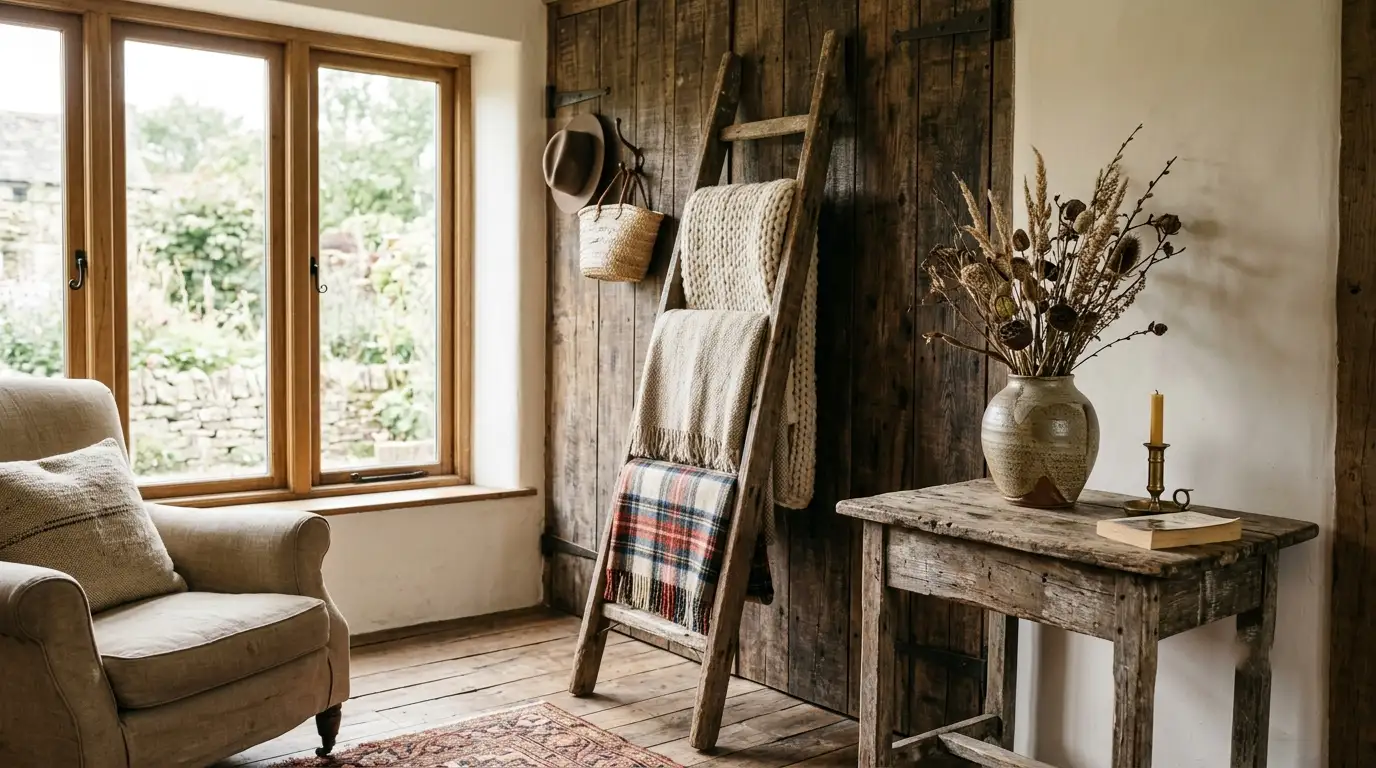
Color Palettes, Textures, and Layering for Cohesion
A cohesive rustic cottage relies on a restrained palette — warm whites, soft browns, muted greens — layered with varied textures like wool, linen, raw wood, and stone. Layering textures rather than colors is what keeps the style feeling rich without becoming visually busy.
Conclusion
Rustic cottage decor isn’t really about following a checklist — it’s about building a home that feels honest. Across every cluster in this guide, the same idea keeps surfacing: natural materials, a little imperfection, and a few pieces with real history will always outperform a room full of matching, brand-new furniture. That’s the quiet rule that separates a space that looks rustic from one that actually feels like it.
What makes this style so durable is how forgiving it is. A first-time decorator can start with a single woven basket and a wool throw and already be moving in the right direction. A more experienced homeowner can go further — sourcing reclaimed wood, mixing in genuine antiques, layering seasonal touches — without ever needing to overhaul the whole house at once. That kind of flexibility is rare in interior design, and it’s part of why rustic cottage decor works equally well in a weekend cabin, a full-time residence, or a single accent room.
The real payoff isn’t just visual. Homes built around this style tend to feel calmer and more grounded to live in, because the materials themselves — wood, wool, stone, iron — carry warmth that synthetic finishes simply don’t. If there’s one thing to carry forward from this guide, it’s this: choose pieces that will age well, lean into texture over trend, and let the home tell a story instead of chasing a perfectly styled look. That approach holds up season after season, and it only gets better with time.
Learn more : Remodel Old Kitchen: From Dated to Dream on Any Budget
Frequently Asked Questions
- What’s the easiest way to start decorating with a rustic cottage style if I’m on a tight budget? Start small and let texture do the heavy lifting. A few affordable swaps — a chunky knit throw, a reclaimed wood tray, a thrifted lantern — can shift the feel of a room without touching furniture or walls. Once those smaller pieces are in place, it becomes much easier to see where larger investments, like a solid wood coffee table, will have the most impact.
- Can rustic cottage decor work in a modern home, or does it only suit cabins and lake houses? It adapts well to almost any home, as long as it’s introduced in moderation. In a modern space, lean on a lighter palette and fewer accent pieces — a single live-edge shelf or a leather-and-iron light fixture is often enough to add warmth without fighting the home’s existing lines. The key is restraint, not recreation of a full cabin interior.
- How do I keep the style from looking cluttered or overly themed? Limit any one “theme” element — like wildlife carvings or plaid textiles — to one or two spots in a room, and let neutral walls and natural light carry the rest. Cluttered rustic spaces usually happen when every surface is decorated; calmer ones happen when a few well-chosen pieces are given room to stand out.
- Is it better to buy new rustic furniture or look for vintage and reclaimed pieces? Both have a place, but vintage and reclaimed pieces almost always add more character per item. New furniture is useful for foundational pieces like sofas or beds, where comfort and consistency matter more. Save the hunting — estate sales, salvage yards, secondhand shops — for the accent pieces that will carry the most visual weight, like a side table or a mantel display.
- How often should seasonal cabin decorations be rotated to keep the space feeling fresh? Twice a year is usually enough — a warmer seasonal refresh and a cooler one. Swapping a few key pieces, like a table runner, candle holders, or a mantel arrangement, keeps the home feeling current without requiring a full redecorating effort each time the weather changes.
- What’s the biggest mistake people make when trying to achieve this look? Buying everything from a single matching collection. Rustic cottage decor relies on variation — different wood tones, mismatched textures, pieces gathered over time — so a home filled with one coordinated set often ends up looking staged rather than authentic. Mixing sources, eras, and finishes is what gives the style its believability.
- Do I need a fireplace or wood beams for the style to feel authentic? No — those help, but they’re not requirements. The style is built more on materials and texture than architecture. A home without exposed beams or a fireplace can still achieve the same warmth through wood furniture, natural textiles, and warm, layered lighting; the architecture simply gives the look a head start where it already exists.


2 Responses