Introduction
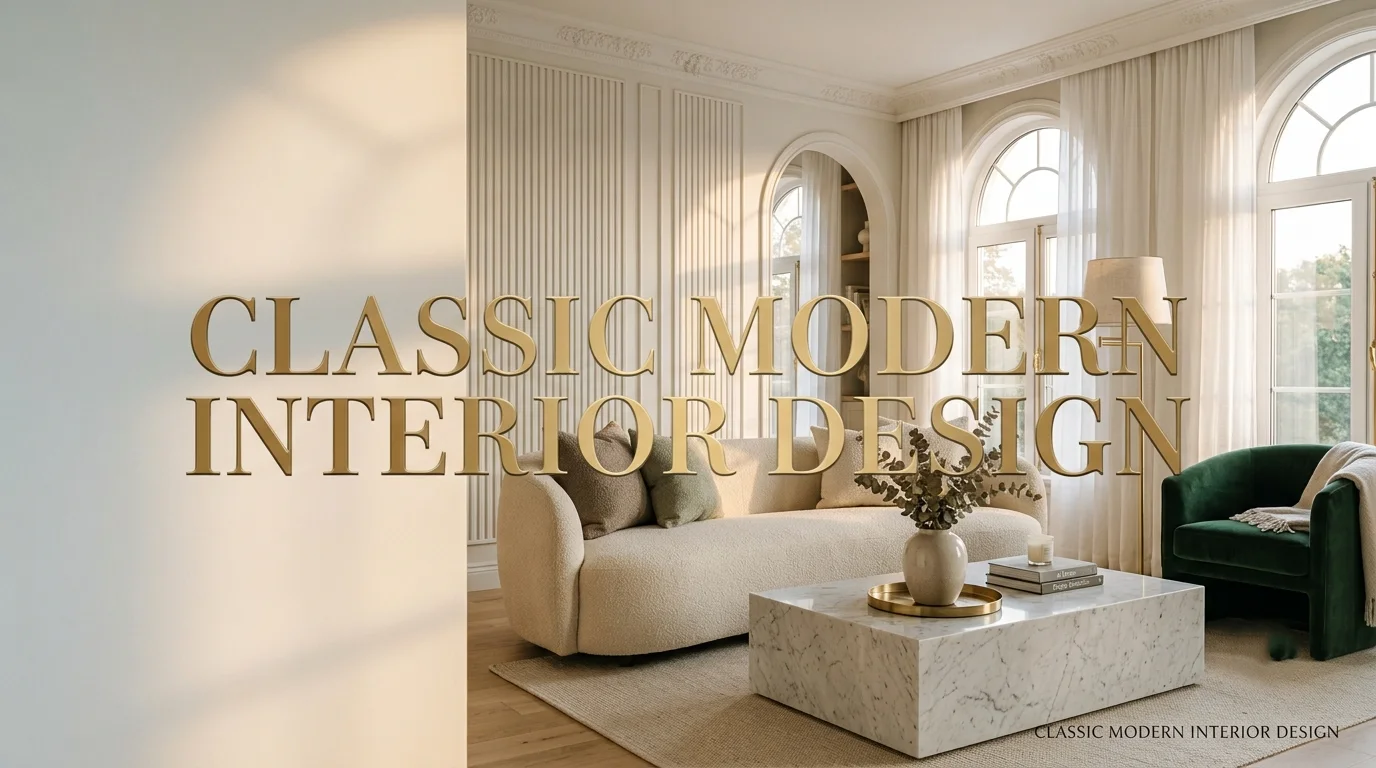
Classic modern interior design is the art of pairing the warmth and craftsmanship of traditional decor with the clean lines and functionality of contemporary living. It is not a single fixed look but a balance point — a home that feels grounded in history yet comfortable for the way people actually live today. Walk into a well-executed classic modern interior and you notice it before you can name it: a curved sofa beside a fluted column, a crystal pendant hanging over a minimalist dining table, or a marble fireplace framed by streamlined furniture.
What makes this style endure is its refusal to chase trends. Where purely contemporary interiors can feel cold or temporary, and purely traditional interiors can feel heavy or dated, classic modern interior design borrows the best of both — ornamentation without clutter, simplicity without sterility. Designers who specialize in this approach spend years learning proportion, material pairing, and restraint, because the difference between an elegant blend and a mismatched room often comes down to a handful of careful decisions.
This guide breaks the style down into its practical building blocks: bedrooms, materials, lighting, layout, and decor. Each section explains not just what the look is, but why it works, so you can apply the same reasoning to your own space rather than copying a single formula.
Classic Modern Interior Design: The Core Philosophy
At its heart, classic modern interior design rests on restraint — choosing a few traditional elements (moldings, arches, antique-inspired furniture) and letting modern simplicity carry the rest of the room. The goal is balance, not competition between eras. A room succeeds when neither the classic nor the modern half feels like an afterthought.
Classic Bedroom Interior Design: Comfort Meets Refinement
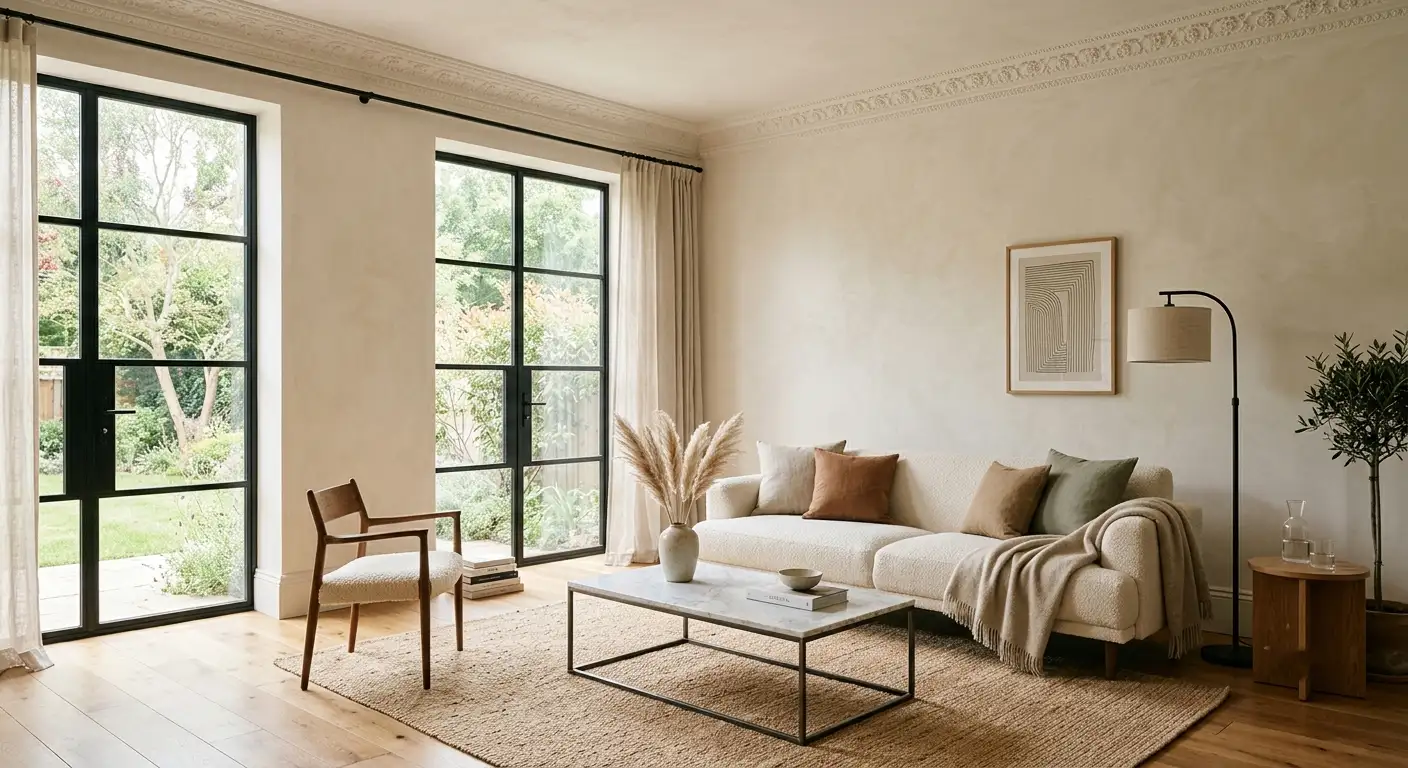
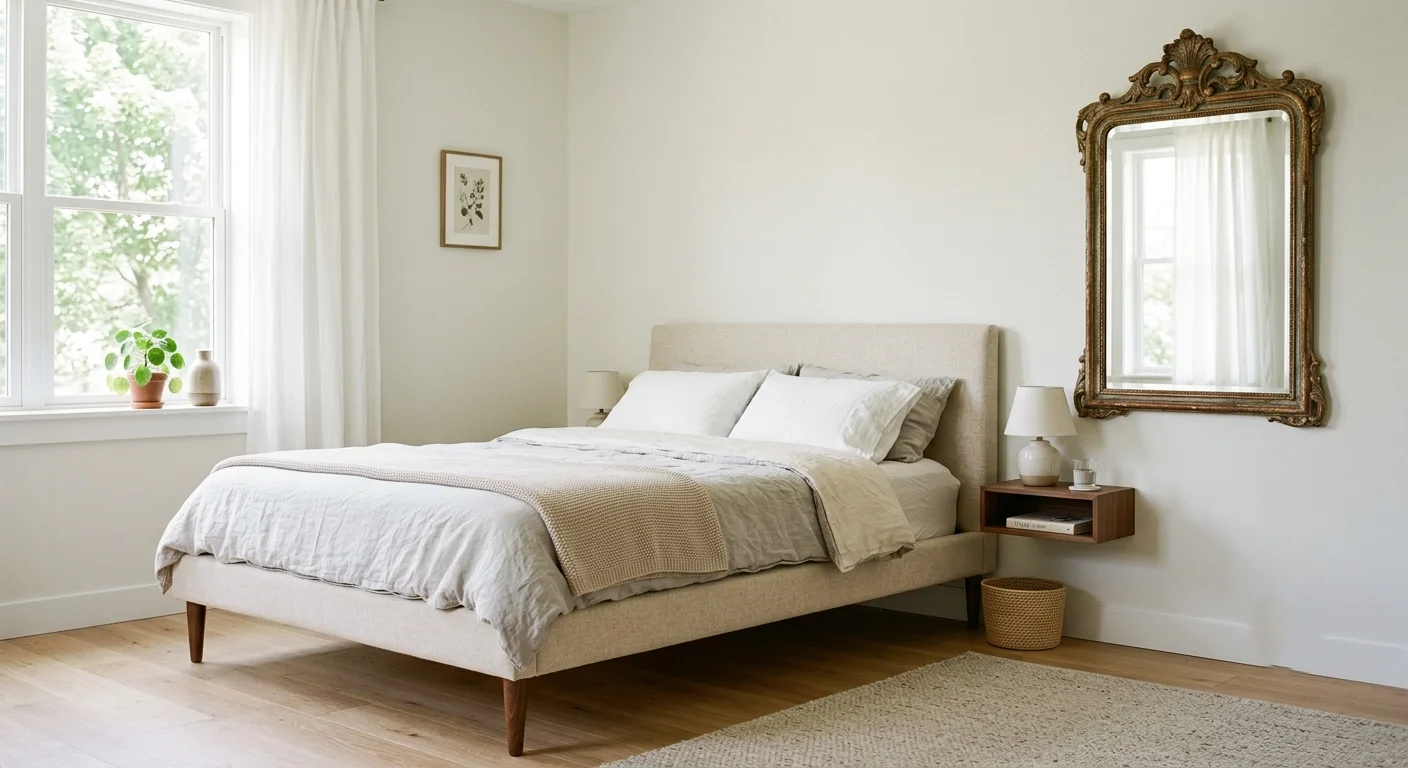
A classic bedroom interior built with modern sensibilities favors a neutral palette, an upholstered or panelled headboard, and understated symmetry rather than heavy carved furniture. The result feels restful instead of ornate, which matters most in a room meant for sleep and quiet.
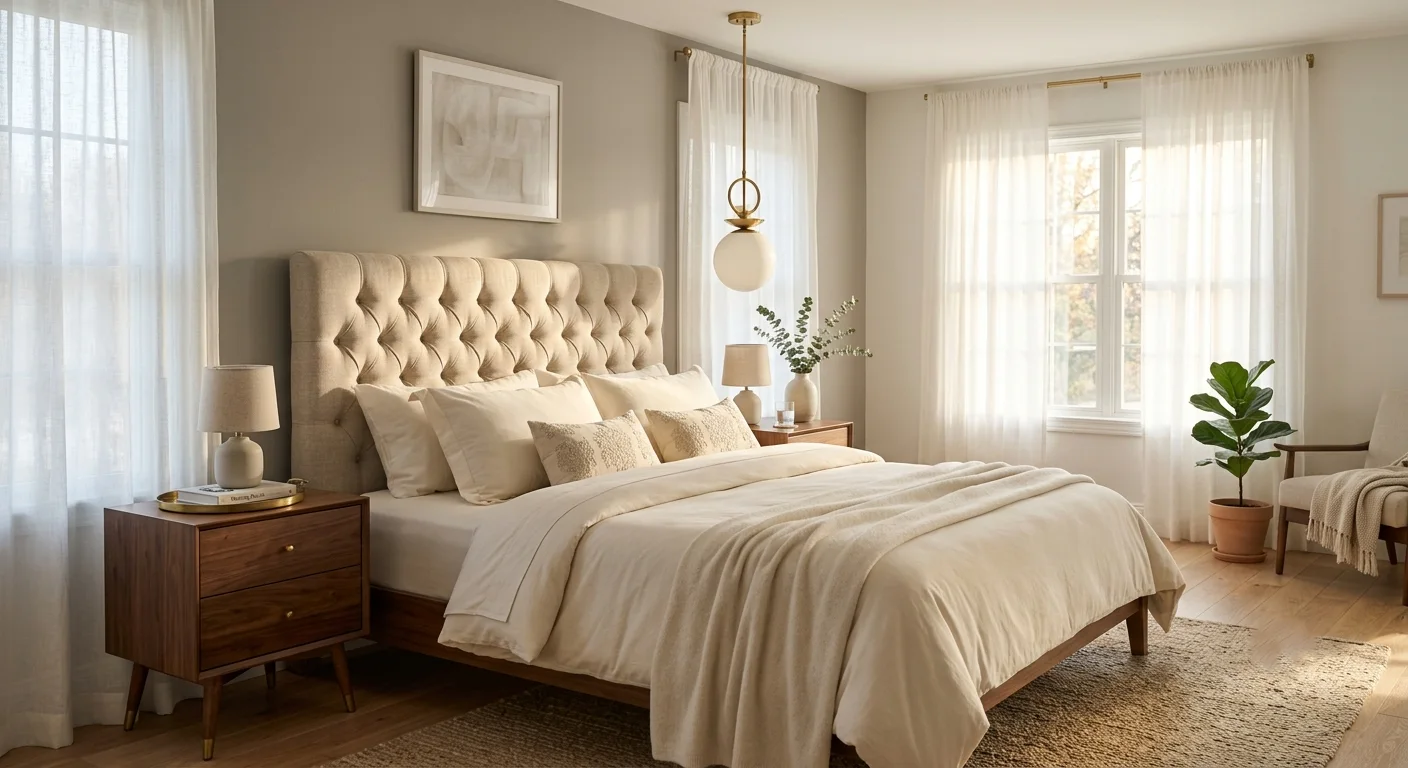
Modern Classic Bedroom Ideas for Everyday Living
Practical modern classic bedroom ideas focus on function first: built-in wardrobes with fluted panel detailing, layered lighting instead of one overhead fixture, and a muted color story that hides daily wear. This keeps the romance of classic design without sacrificing everyday livability.
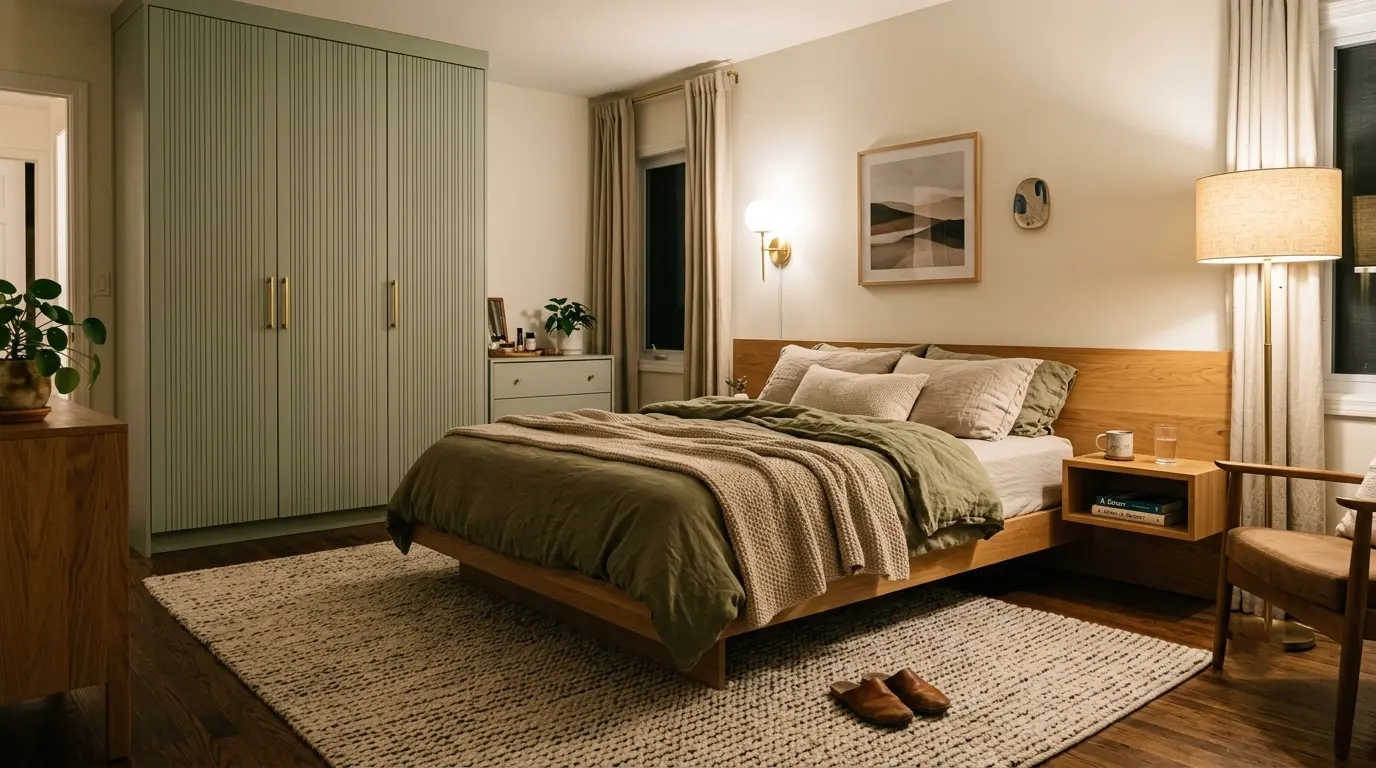
Classic House Interior Design: Whole-Home Cohesion
Applying classic house interior design across an entire home means repeating a small set of materials and shapes — an arch motif, a wood tone, a metal finish — from room to room. This repetition is what makes a large house feel intentional rather than assembled piece by piece.
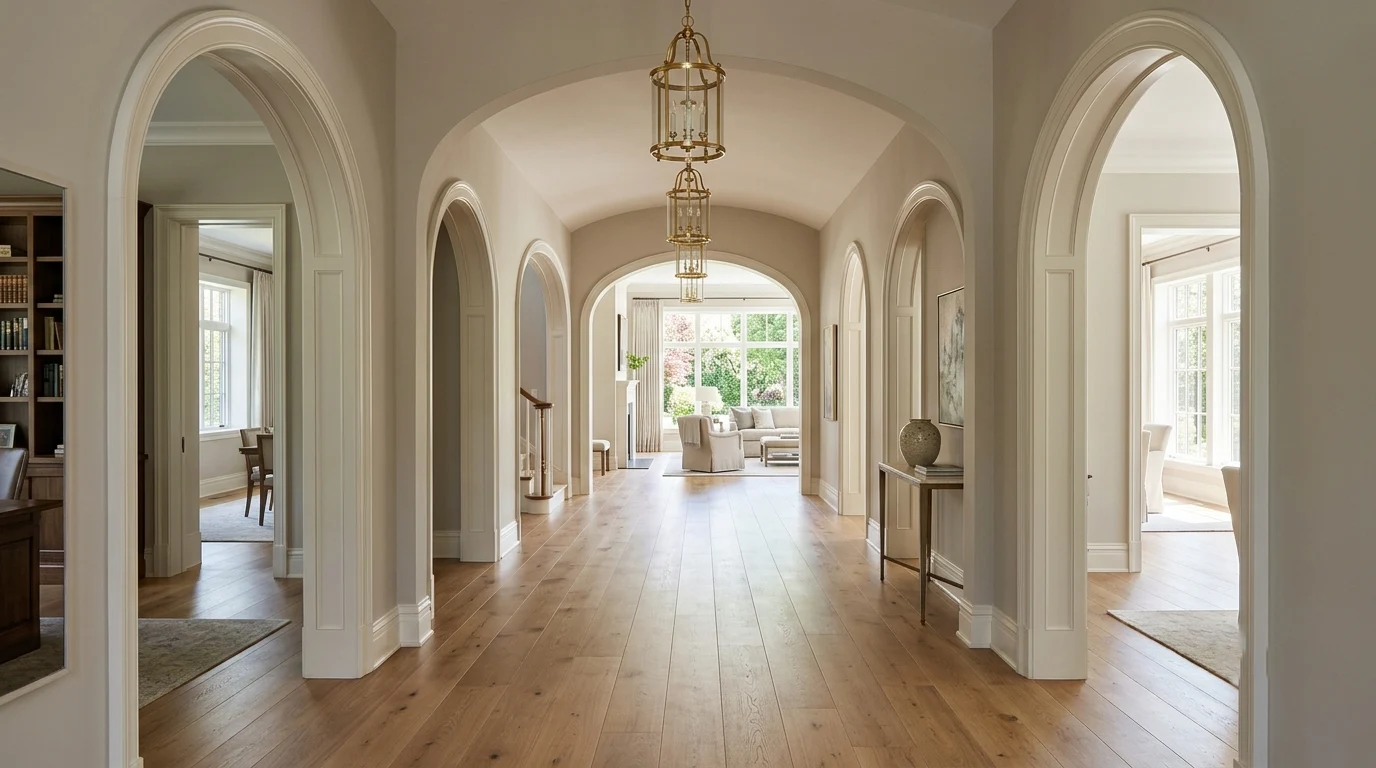
Modern Classic Home Decor: Choosing the Right Accessories
Modern classic home decor works best when accessories are treated as punctuation, not filler. A single antique mirror, one sculptural vase, or a gallery of framed art can anchor a room, while too many small decorative objects flatten the effect into visual noise.
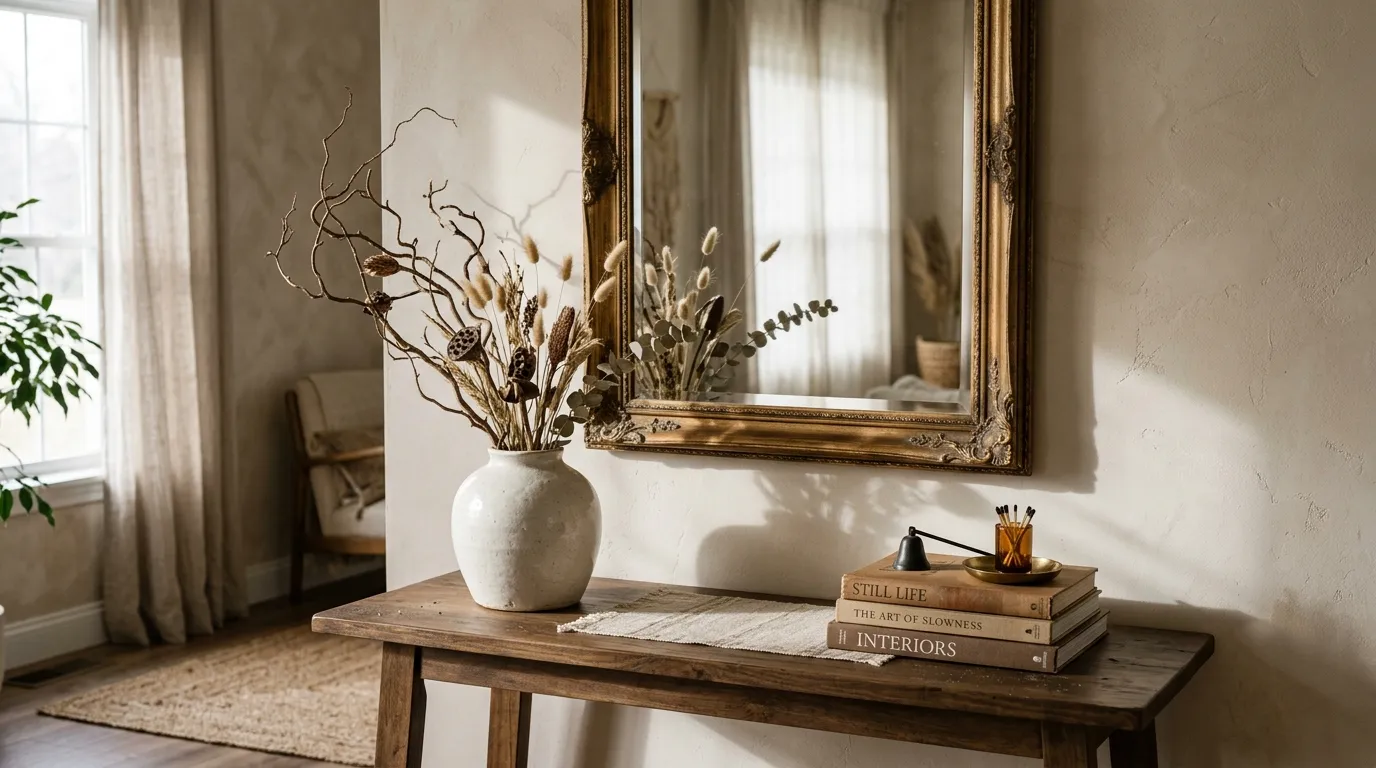
Furniture Selection in Modern Classic Interior Design
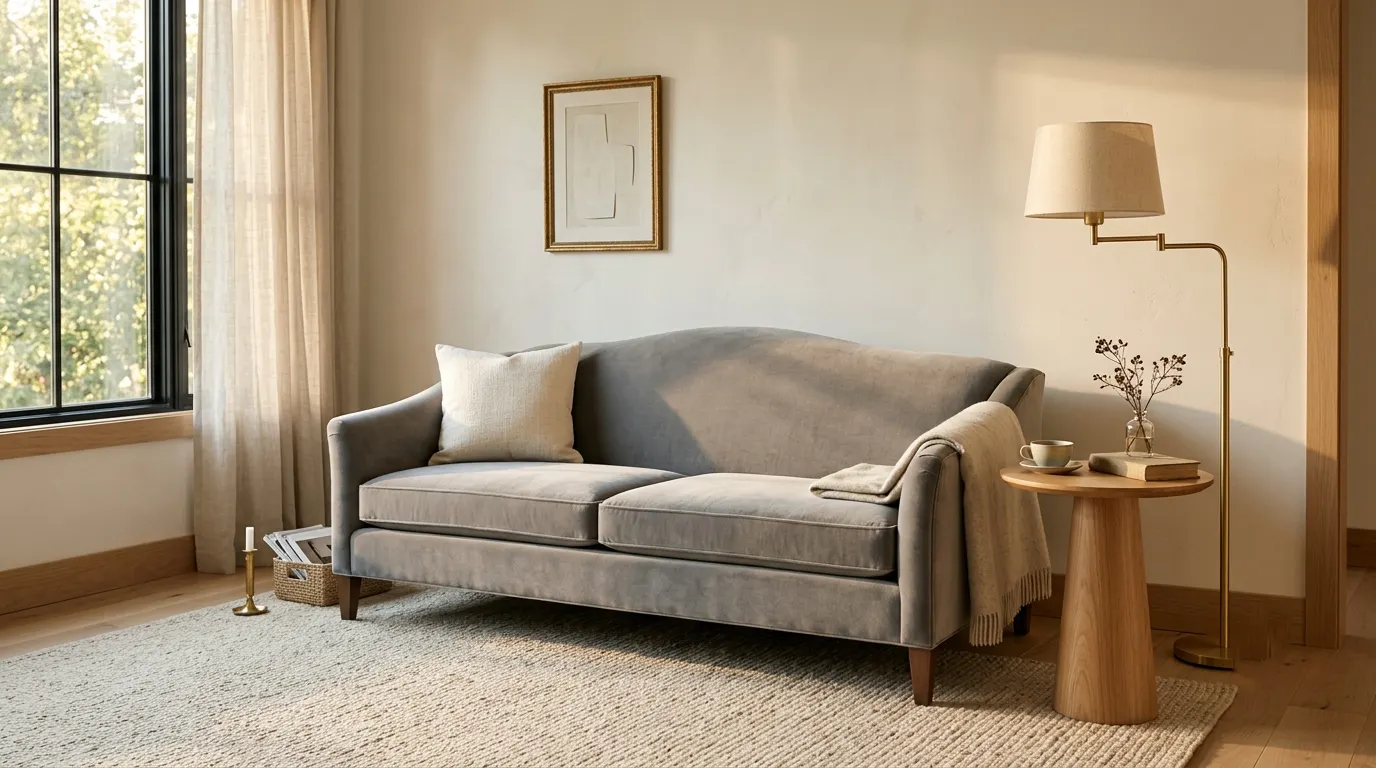
Furniture is where the two eras meet most directly. Look for pieces with traditional silhouettes — camelback sofas, wingback chairs, pedestal tables — reproduced in simplified, modern-friendly proportions and fabrics. This keeps the historic reference visible without overwhelming a smaller modern floor plan.
Color Palettes for Classic Modern Interior Design
Successful classic modern interior design color schemes tend to stay within warm neutrals — ivory, taupe, soft greige, muted sage — with one deeper accent such as walnut, navy, or emerald used sparingly. This restraint lets architectural detail and furniture shape do the visual work instead of competing colors.
Lighting Strategy in Classic Modern Interiors
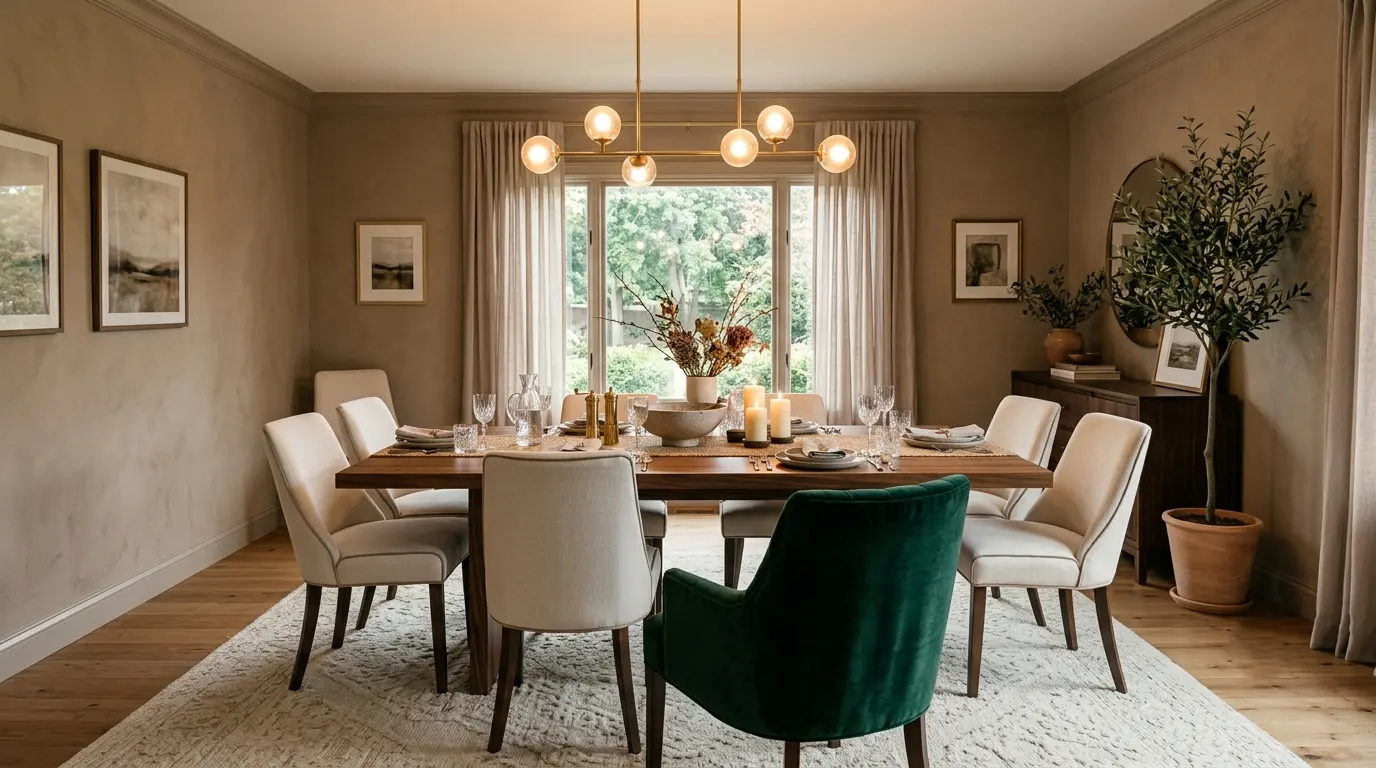
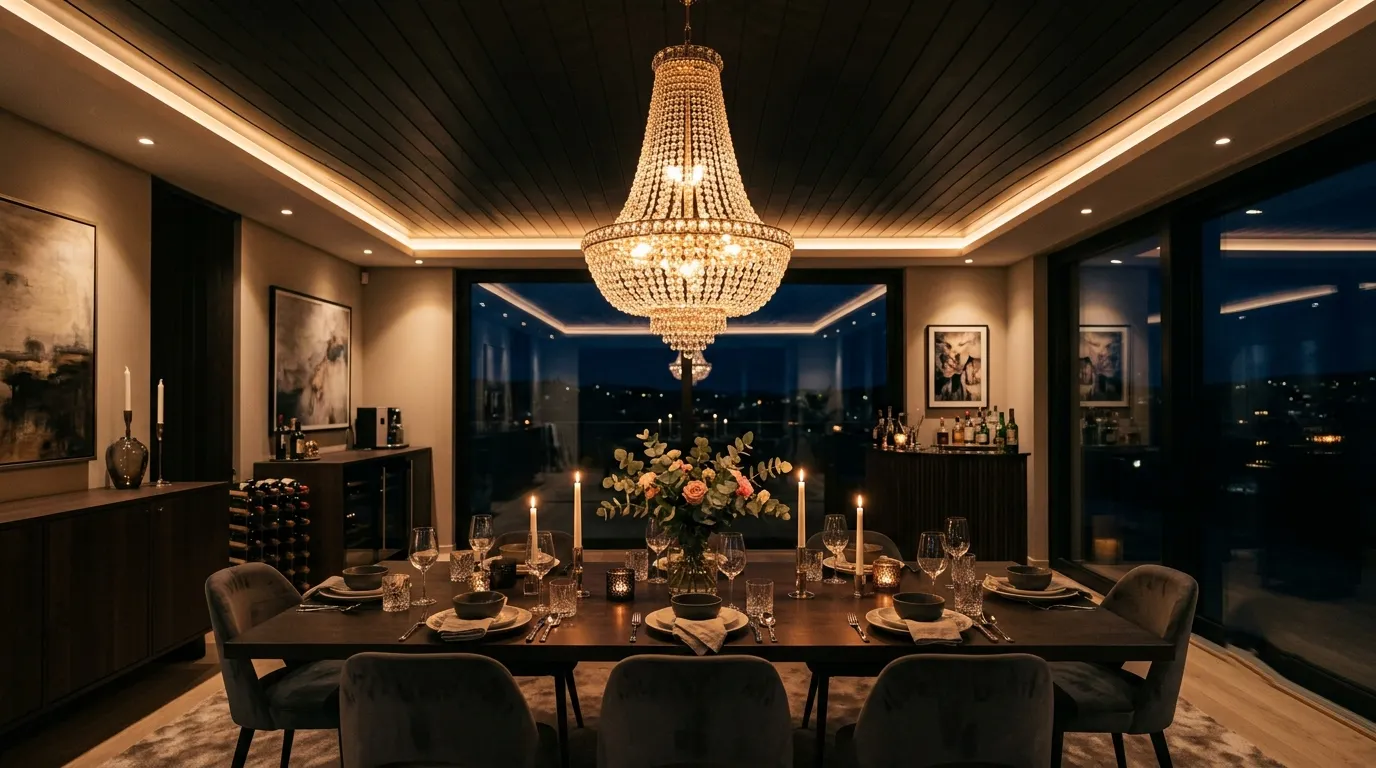
Layered lighting is essential to this style: a statement fixture for character, recessed or hidden lighting for modern function, and warm-toned bulbs to soften traditional detailing. Cold, single-source lighting undermines the warmth this design approach depends on.
Materials and Textures That Define Classic Modern Style
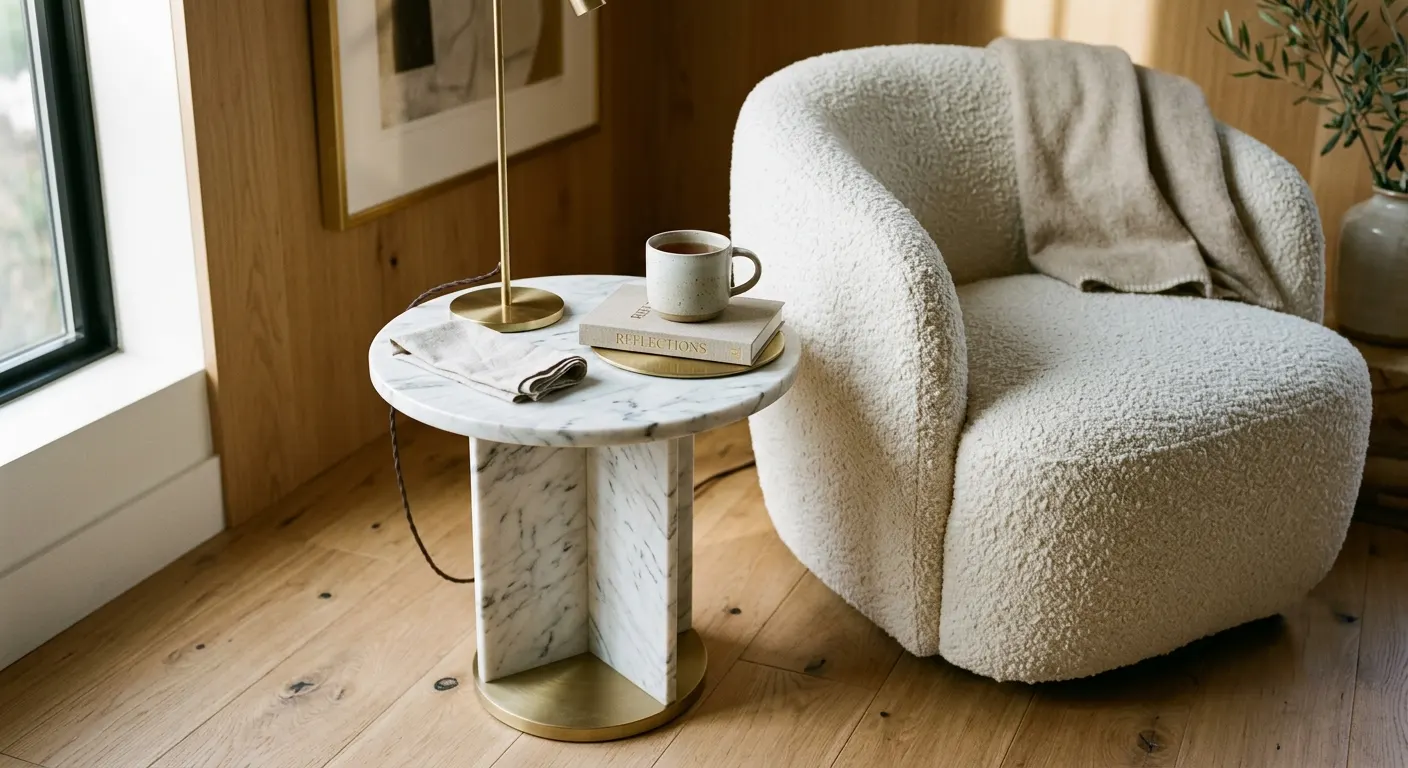
The material palette usually pairs one traditional material — marble, aged brass, natural wood — with one modern material such as matte metal, boucle fabric, or honed stone. This contrast of texture is often what reads as “classic modern” even before any specific furniture style is identified.
Architectural Details in Classic Interior Style
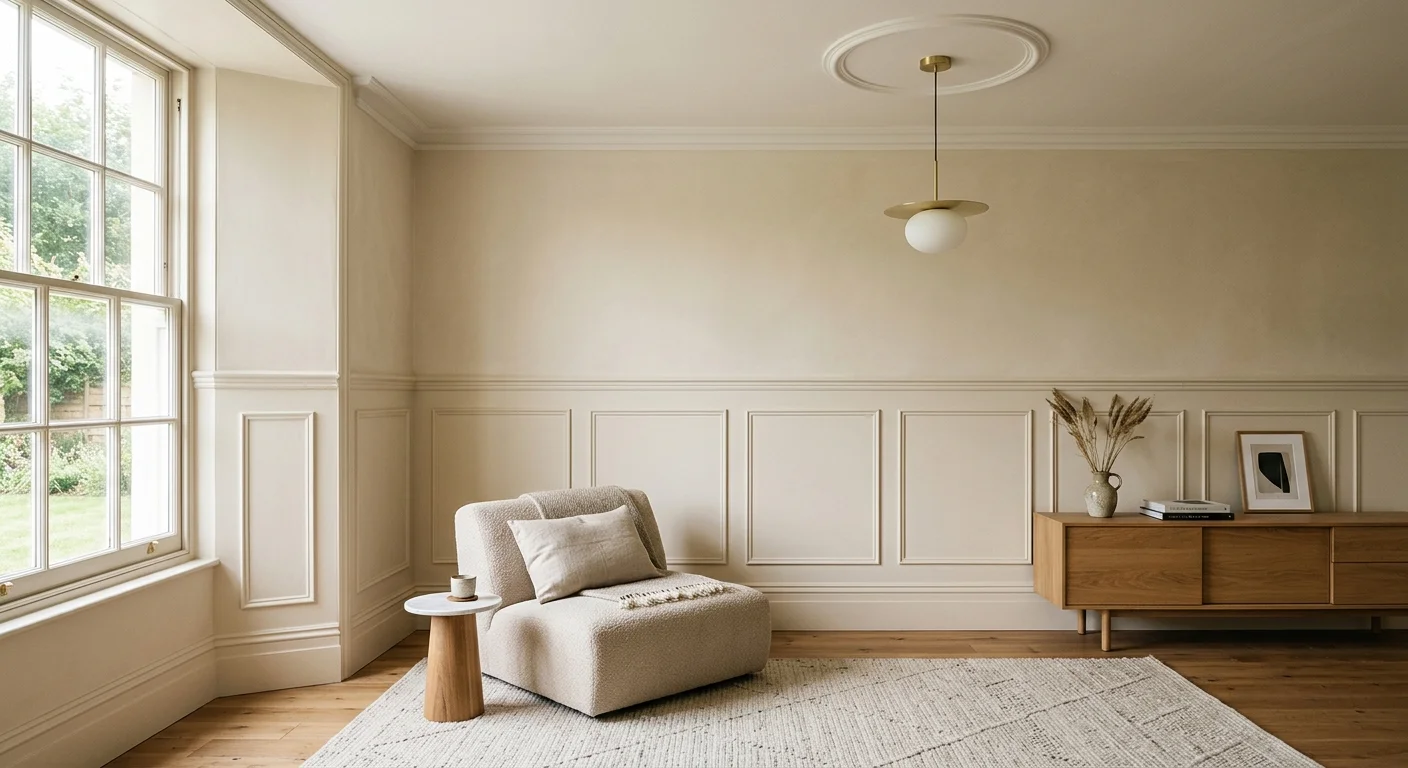
Classic interior style leans on architectural bones — wainscoting, ceiling medallions, arched doorways, picture rail molding — kept in simple, unfussy versions. Modern furnishings placed against these details tend to look intentional rather than mismatched, because the architecture provides the “classic” reference point.
Classic Modern Interior Design for Small Spaces
In compact rooms, classic modern interior design works best with lighter furniture legs, mirrored surfaces, and a single traditional focal point rather than multiple ornate pieces. This keeps the space feeling open while still carrying classic warmth.
Classic Modern Living Room Layout Principles
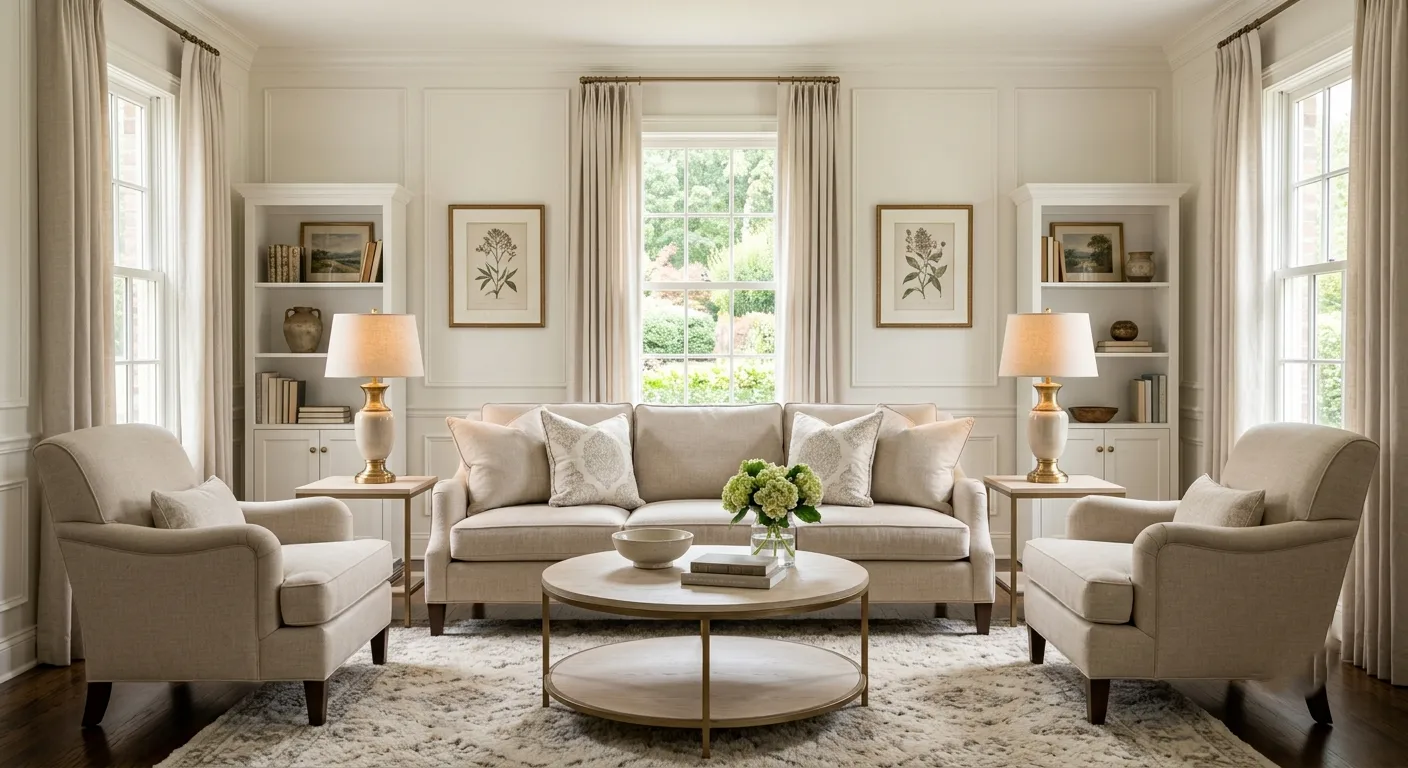
A classic modern living room typically centers on symmetry — matching chairs flanking a sofa, a centered coffee table, balanced lighting on either side of a focal wall. Symmetry is a traditional design principle that reads as calm and orderly within a otherwise modern furniture arrangement.
Modern Classic Kitchen and Dining Details
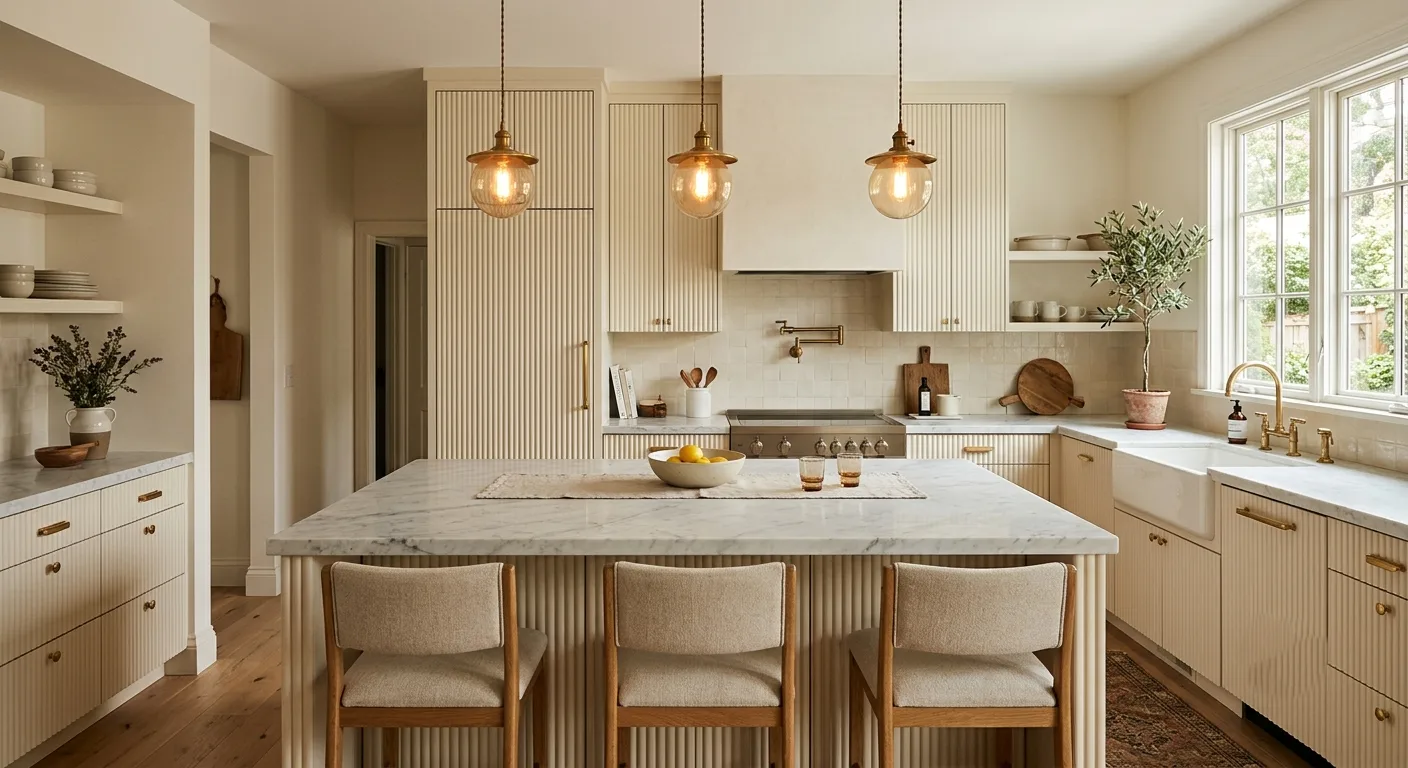
Classic modern interior design extends naturally into kitchens through shaker-style or fluted cabinetry, natural stone countertops, and simplified brass hardware, paired with modern appliances kept visually quiet. The kitchen becomes classic in character but efficient in use.
Contemporary Modern Classic Interior Design: Finding the Balance Point
The most successful contemporary modern classic interior design projects treat “classic” and “modern” as a ratio rather than a rulebook — sometimes 70/30 toward modern simplicity, sometimes the reverse toward classic detail. Understanding this ratio helps homeowners adjust the style to their own comfort level instead of forcing an exact formula.
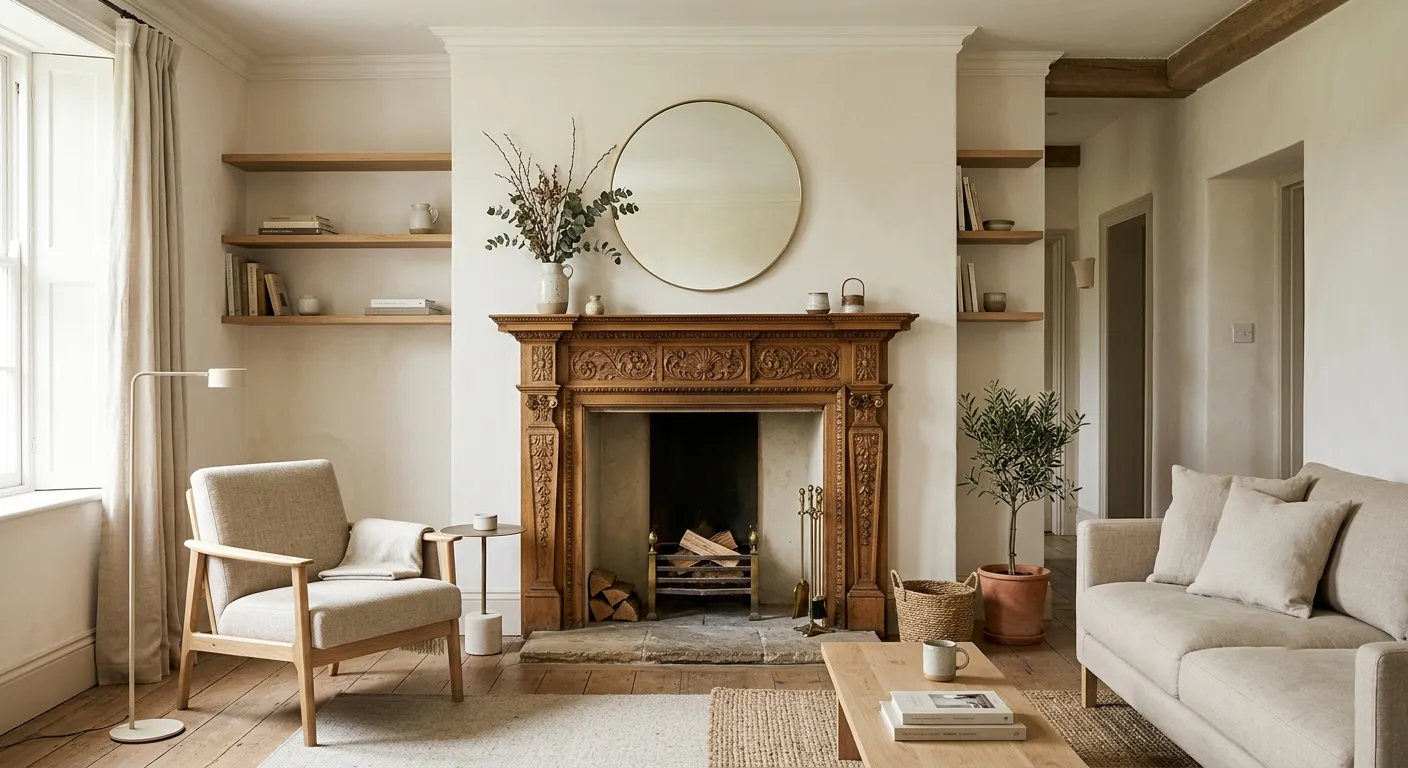
Classic Home Interior Design Across Different Room Types
Classic home interior design should flex by room function: bedrooms favor softness and quiet detail, living rooms favor symmetry and a focal piece, and home offices favor clean traditional furniture like a simplified writing desk over anything heavily carved. Matching the intensity of “classic” detailing to the room’s purpose keeps the whole home feeling coherent.
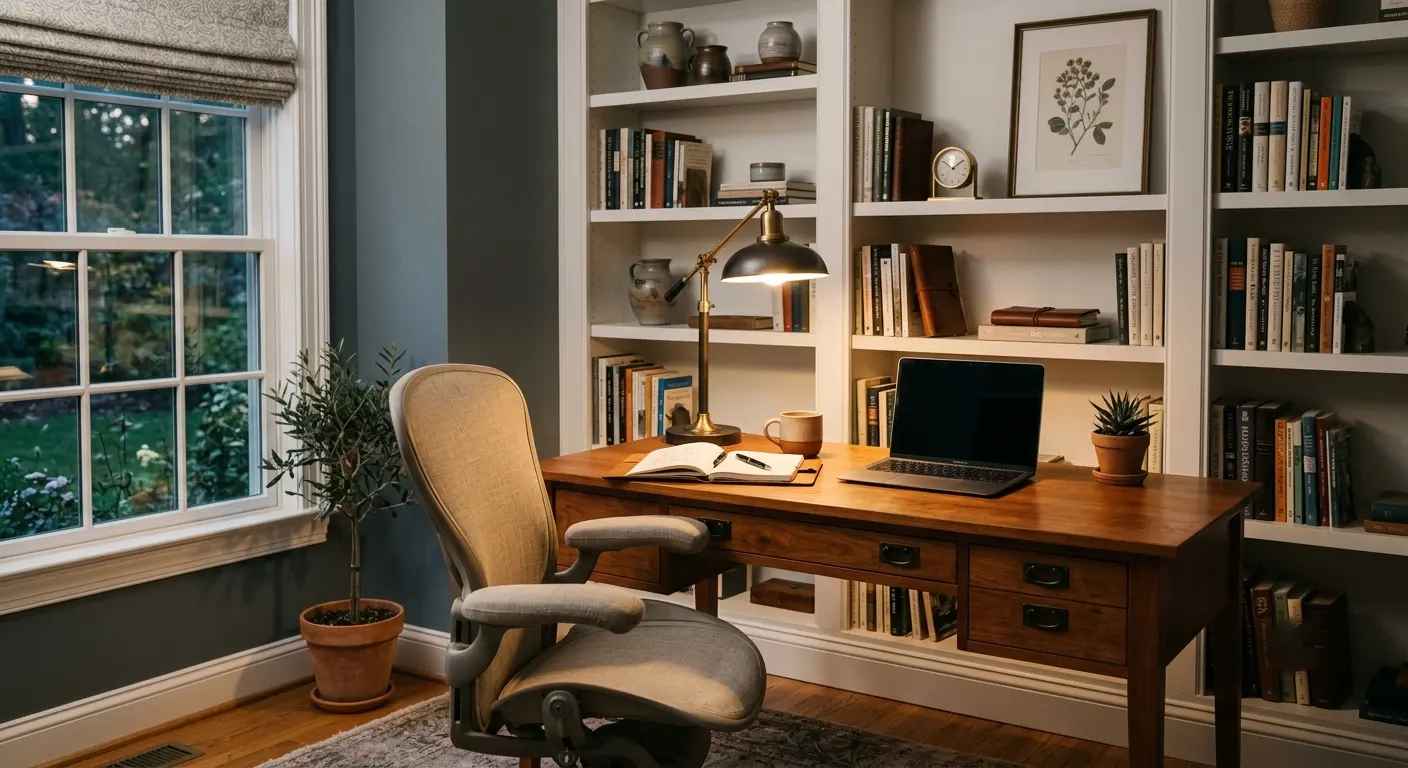
Why Classic Modern Interior Design Remains a Lasting Investment
Because it avoids extremes, classic modern interior design tends to age better than purely trend-driven decor. Traditional elements provide long-term visual value, while modern restraint keeps the space feeling current for decades rather than a few seasons — an important consideration for anyone renovating with resale or long-term living in mind.
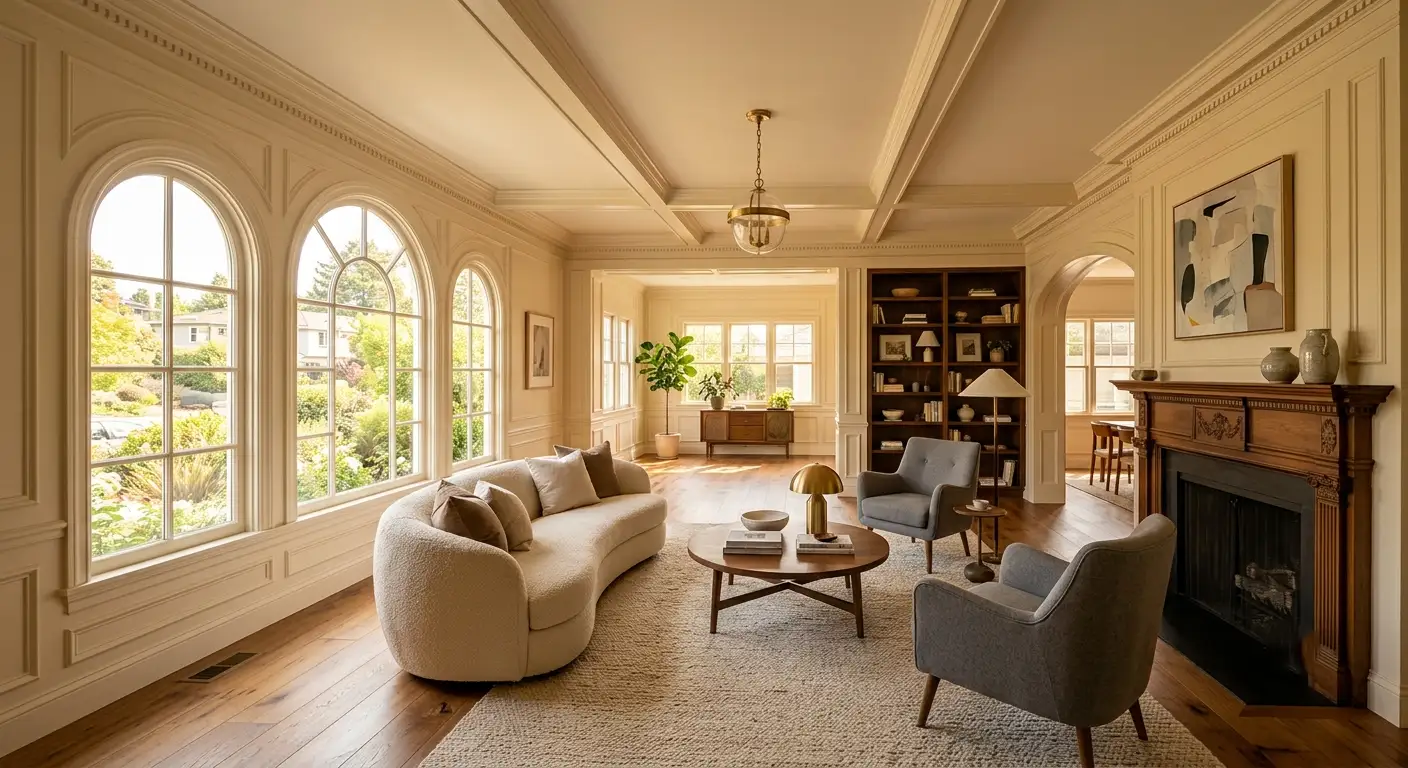
Bringing It All Together
Classic modern interior design ultimately comes down to judgment rather than formula. Every cluster in this guide — furniture, lighting, materials, layout, color — points back to the same underlying skill: knowing when to let a traditional detail speak and when to let modern simplicity carry the room. That balance is what separates a house that feels styled for a moment from one that feels considered for a lifetime.
What makes this approach genuinely practical is that it doesn’t ask homeowners to choose a side. People drawn to ornate, historic architecture often still want a home that functions cleanly for modern routines — easy to light, easy to furnish, easy to live in day to day. People drawn to minimalist, contemporary spaces often still crave warmth, texture, and a sense of permanence that pure minimalism can struggle to deliver. Classic modern interior design answers both instincts at once, which is exactly why it suits such a wide range of homes, from a compact city apartment to a full family residence.
The most confident way to move forward is to start small and let the ratio reveal itself. Choose one architectural detail worth keeping — a molding profile, an arch, a fireplace — and one modern material or furniture silhouette to pair it with. Test that pairing in a single room before applying it throughout the home. Over time, the same logic that shaped a single bedroom or living room will naturally extend into a kitchen, an office, or a hallway, producing a home that feels unmistakably cohesive without ever feeling forced.
Learn more : Interior Dulux Snowy Mountain That Elevates Any Room
Frequently Asked Questions
- Is classic modern interior design the same as transitional design?
They overlap, but they aren’t identical. Transitional design typically blends traditional and contemporary furniture in roughly equal measure across an entire room. Classic modern interior design is a bit more deliberate about which element carries the “classic” reference — often architecture or a single furniture piece — while the rest of the room stays quietly modern. In practice, most homes end up somewhere between the two, and that’s completely fine. - How do I know if my home leans too classic or too modern?
A simple test: stand in the room and count how many strongly traditional elements are visible at once — carved wood, heavy trim, ornate fabric patterns — versus strongly modern ones, like exposed metal, glass, or stark minimalism. If either category dominates the space visually, the balance has tipped. Pulling back one or two pieces from the dominant category, rather than adding more from the other, is usually the fastest fix. - Do I need to renovate architectural details to achieve this style, or can furniture alone create the look?
Furniture and lighting can carry a surprising amount of the classic modern effect on their own, especially in rented homes or spaces where structural changes aren’t possible. A traditionally shaped sofa, a statement pendant, and warm wood tones will go a long way. Architectural detail simply reinforces the look further; it isn’t a requirement to get started. - What’s the most common mistake people make when trying this style?
Overcrowding is the most frequent issue. Because classic modern interior design borrows from a decorative tradition, it’s tempting to add too many accessories, patterns, or statement pieces. The style actually depends on restraint — one or two well-chosen classic elements paired with a mostly quiet, modern backdrop reads as far more sophisticated than a room full of competing details. - Which rooms benefit most from this approach?
Living rooms and bedrooms tend to show the style most clearly, since they allow for a visible focal piece — a fireplace, a headboard, a chandelier — surrounded by simpler furnishings. That said, kitchens, dining rooms, and even home offices adapt well too, as long as the classic detailing is scaled down to match a room’s practical demands. - Will this style still feel current in a few years, or is it a passing trend?
Because it deliberately avoids extremes, classic modern interior design tends to hold up better over time than trend-driven looks. Traditional elements carry lasting visual value, and modern restraint keeps a space from feeling dated the way heavily ornamented or overly trend-specific interiors can. It’s one of the reasons designers often recommend this approach for homeowners planning to stay long-term or considering resale value. - Can this style work on a limited budget?
Yes, and often more easily than a fully custom traditional or fully designer-modern space. Because the look relies on a small number of intentional choices rather than an abundance of high-end pieces, budget-conscious homeowners can invest in one or two meaningful items — a well-made sofa, a good light fixture — and keep the rest of the room simple, letting restraint do the work that a larger budget might otherwise cover.