
Introduction
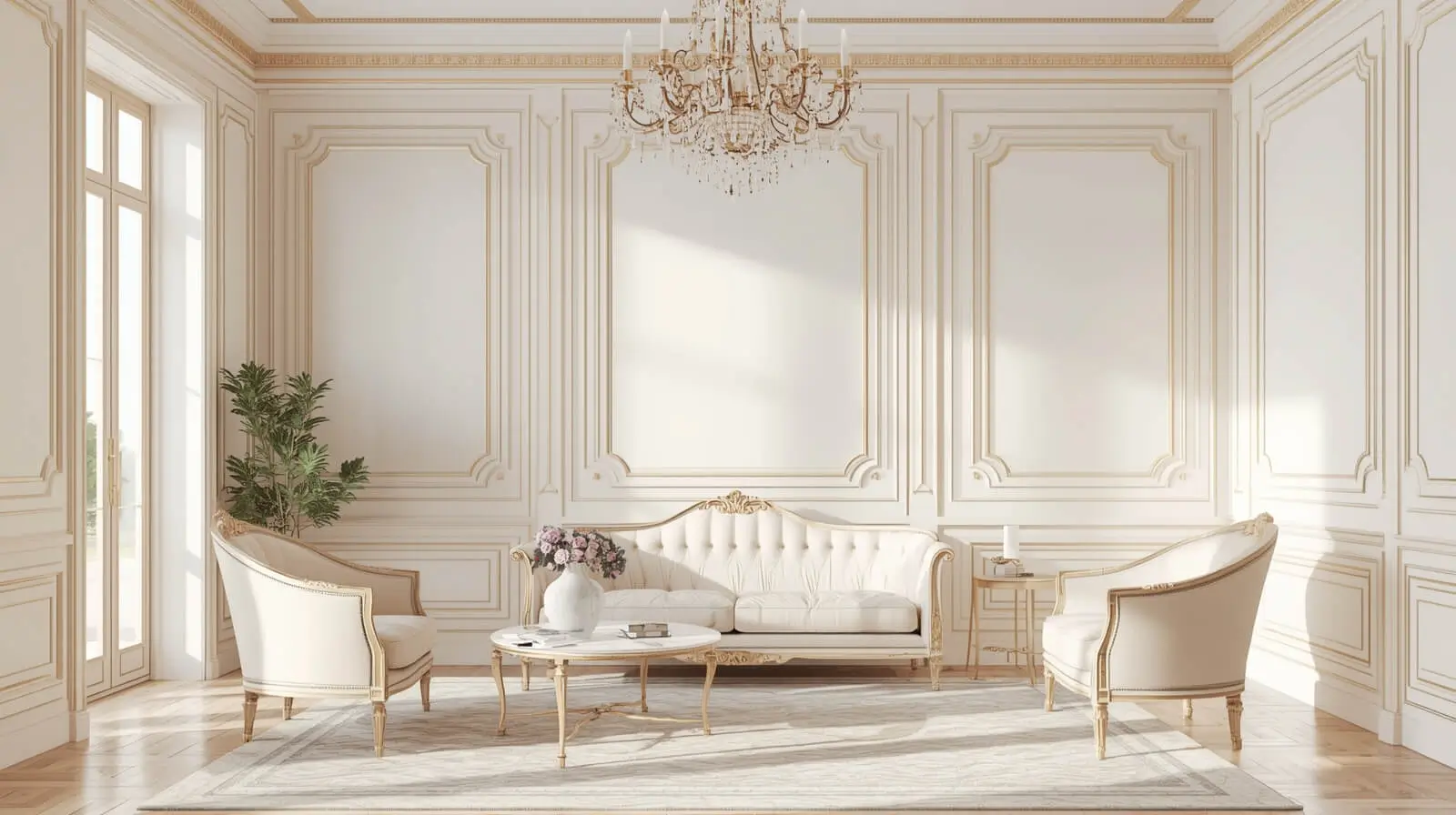
Rococo interior design is a highly decorative style that emerged in 18th-century France, defined by lightness, movement, and refined luxury. Unlike heavier classical interiors, Rococo celebrates softness—curving forms, delicate ornamentation, pastel color palettes, and an intimate relationship between art, furniture, and space. The style was designed not to impress with power, but to delight through beauty and emotional comfort.
From my experience studying and applying historical interiors in modern contexts, Rococo is best understood as a sensory design language. Every surface, proportion, and detail is meant to feel graceful and alive. Walls flow into ceilings, furniture feels sculpted rather than constructed, and decoration is never random—it follows rhythm and harmony.
Today, rococo interior design continues to inspire designers who value craftsmanship, elegance, and expressive detail. Whether restored authentically or interpreted through contemporary materials, Rococo remains one of the most refined interior styles ever created.
Rococo Interior Design Style Fundamentals
Rococo interior design style is built on asymmetry, ornament, and fluid forms rather than rigid geometry. Spaces are designed to feel intimate, graceful, and visually rich without heaviness. The emphasis is on comfort paired with artistry.
French Rococo Interior Design Origins
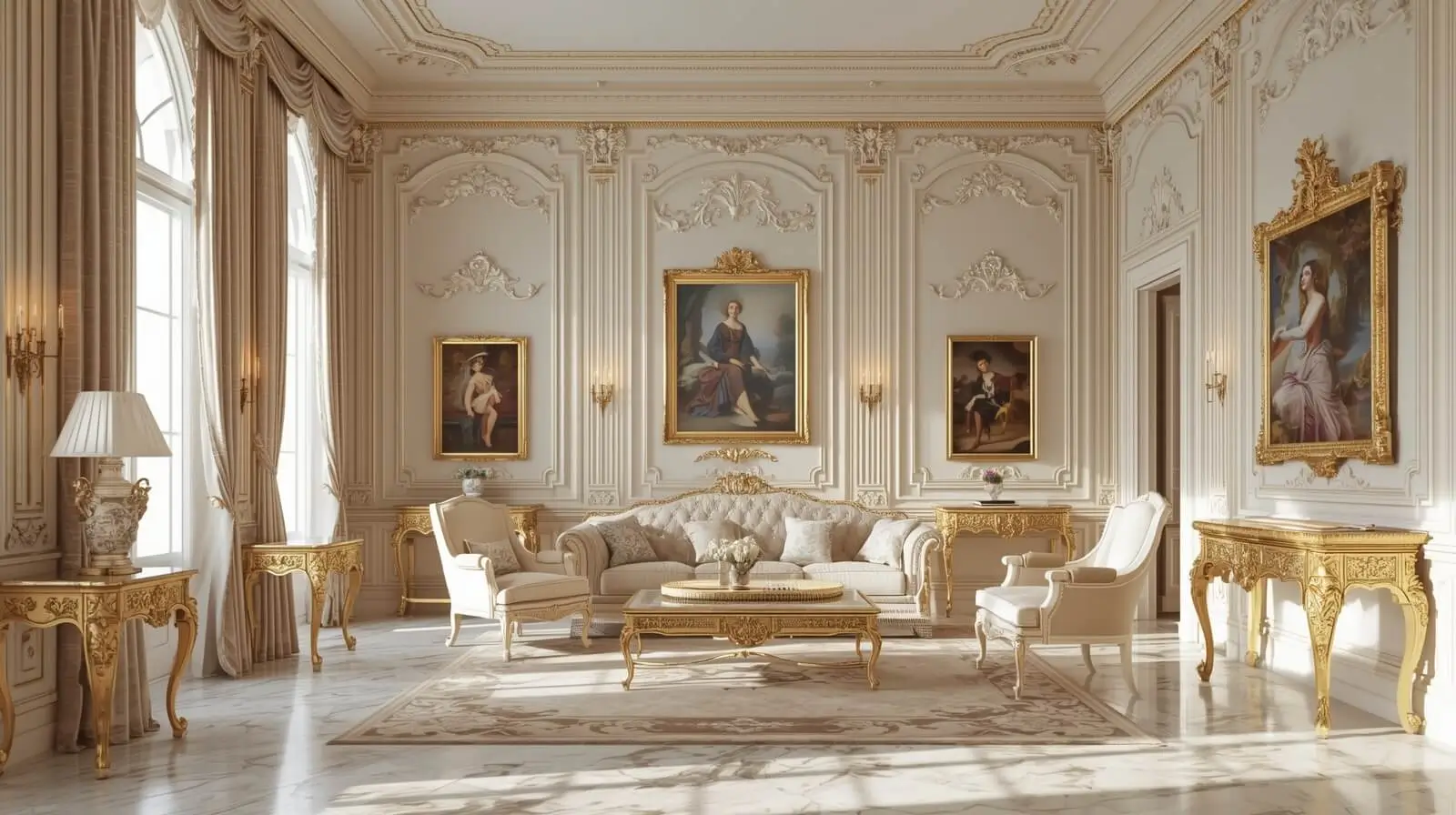
French Rococo interior design developed in Parisian salons after the Baroque period, shifting focus from grandeur to personal luxury. Interiors became lighter, more playful, and emotionally engaging. Furniture, walls, and ceilings worked as a single artistic composition.
Rococo Interior Design Characteristics
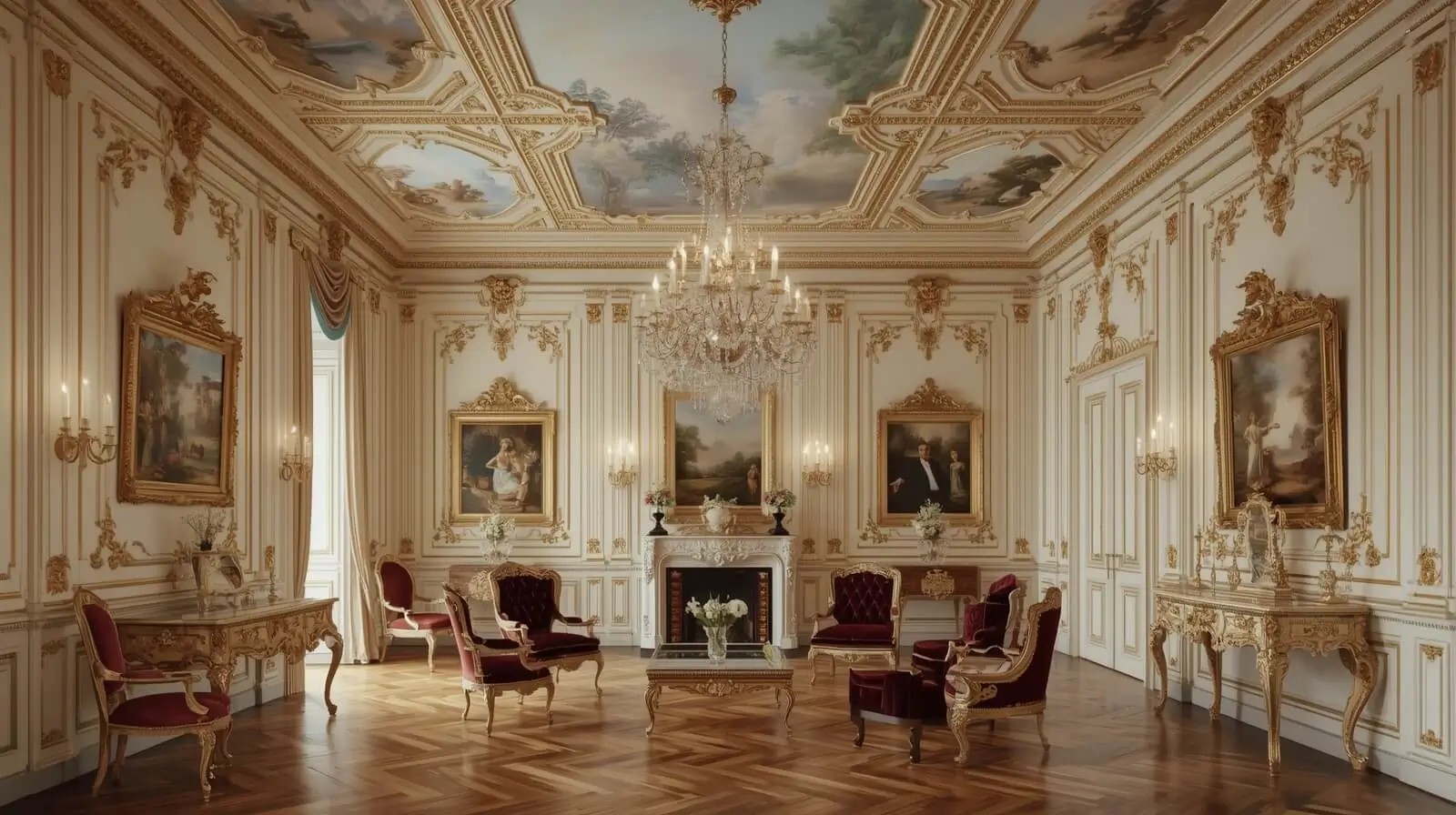
Key rococo interior design characteristics include curved lines, shell motifs, floral carvings, mirrored surfaces, and soft pastel colors. Decoration is detailed but controlled, creating elegance rather than excess.
Rococo Interior Decoration Elements
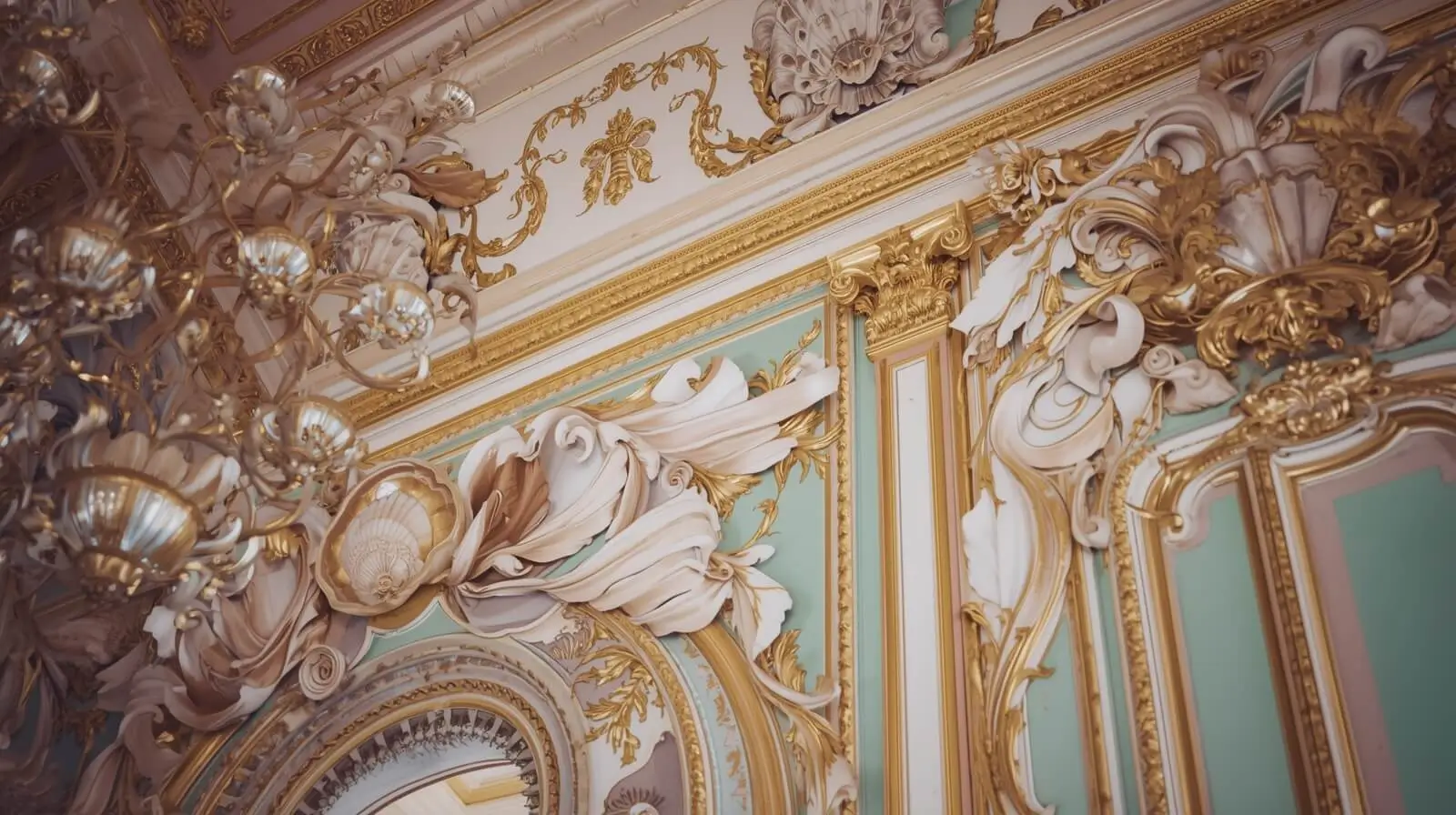
Rococo interior decoration relies on ornamental plasterwork, boiserie wall panels, frescoes, and gilded accents. Decorative elements are integrated into architecture rather than applied as afterthoughts.
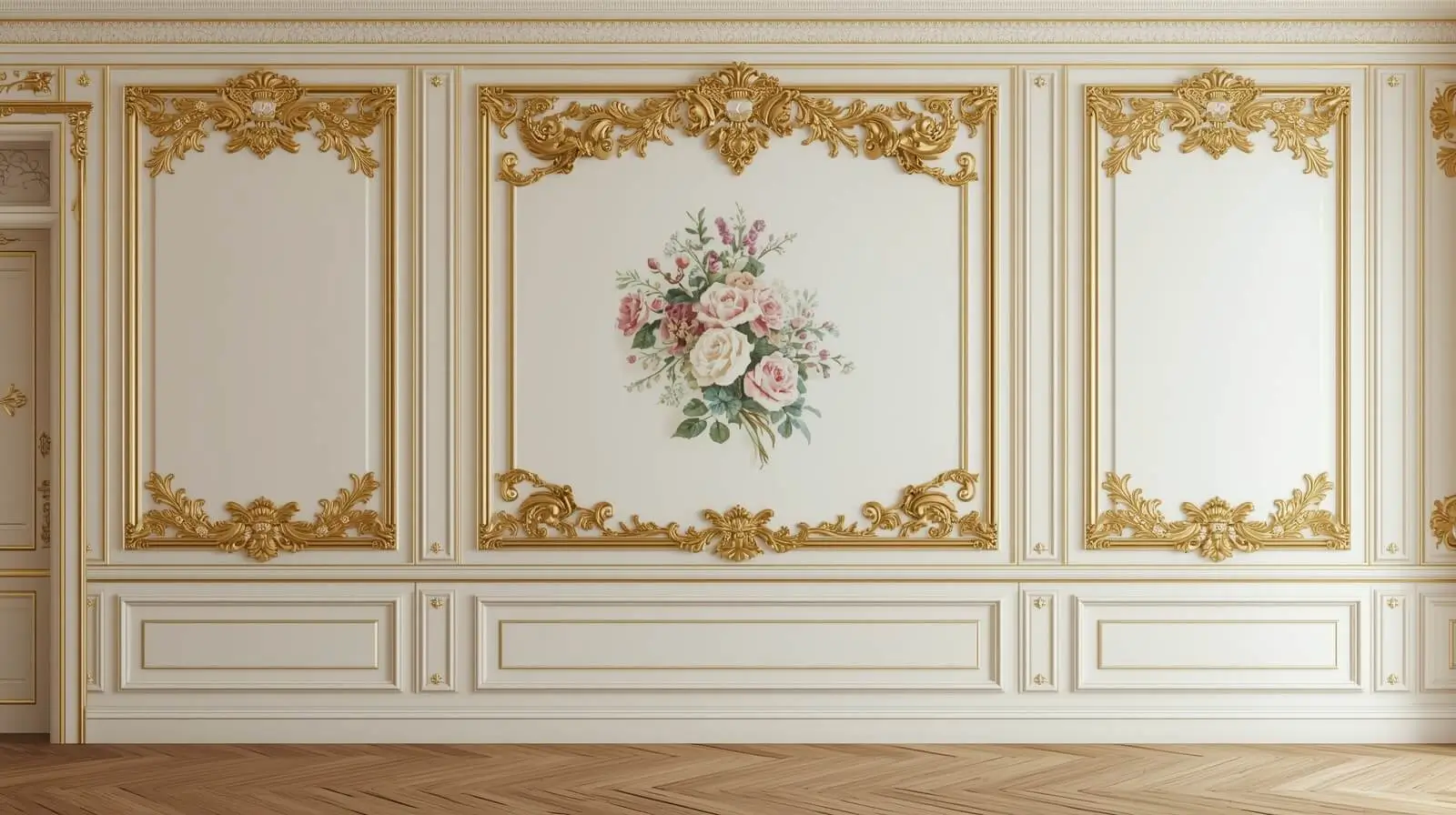
Rococo Interior Design Furniture
Rococo interior design furniture is sculptural and fluid, featuring cabriole legs, curved backs, and elaborate carvings. Upholstery is light, luxurious, and often patterned with florals or damask.
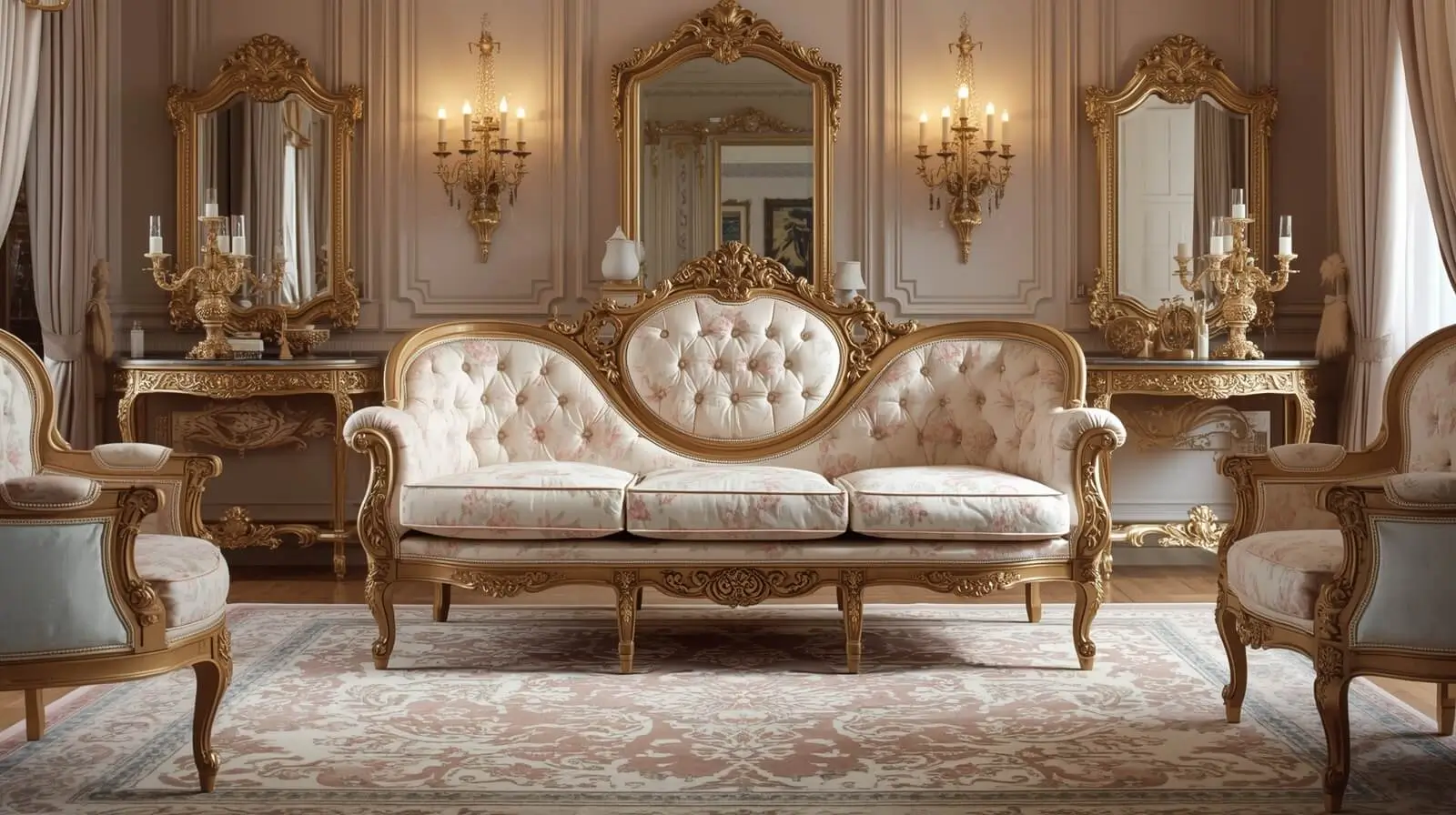
18th Century Rococo Furniture Influence
18th century Rococo furniture set the foundation for modern luxury craftsmanship. Pieces were designed for comfort and conversation, reinforcing the intimate nature of Rococo interiors.
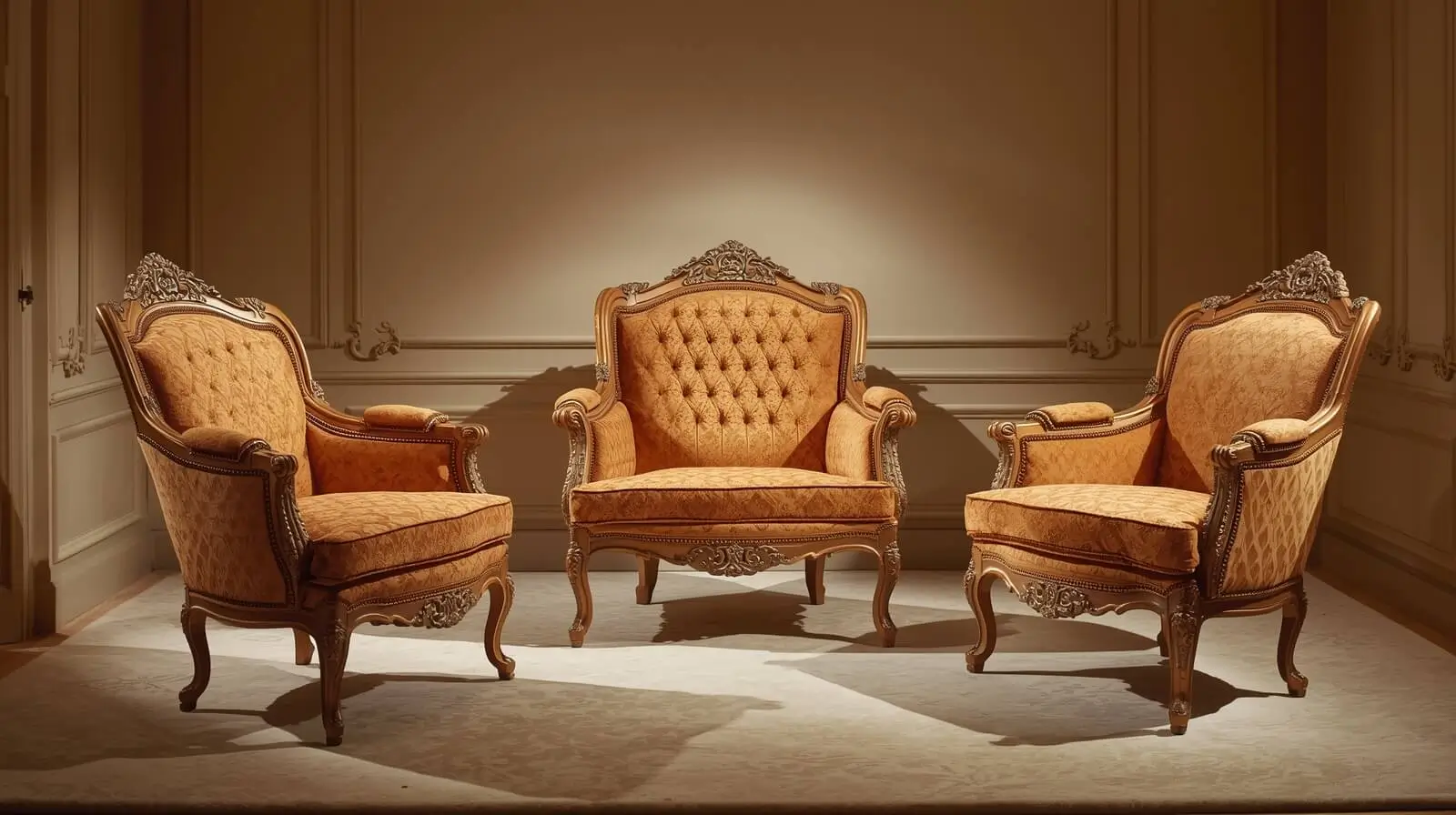
Rococo House Interior Layouts
A Rococo house interior favors flowing layouts with interconnected rooms. Spaces feel cohesive, with visual continuity created through repeated motifs, colors, and ornamental language.
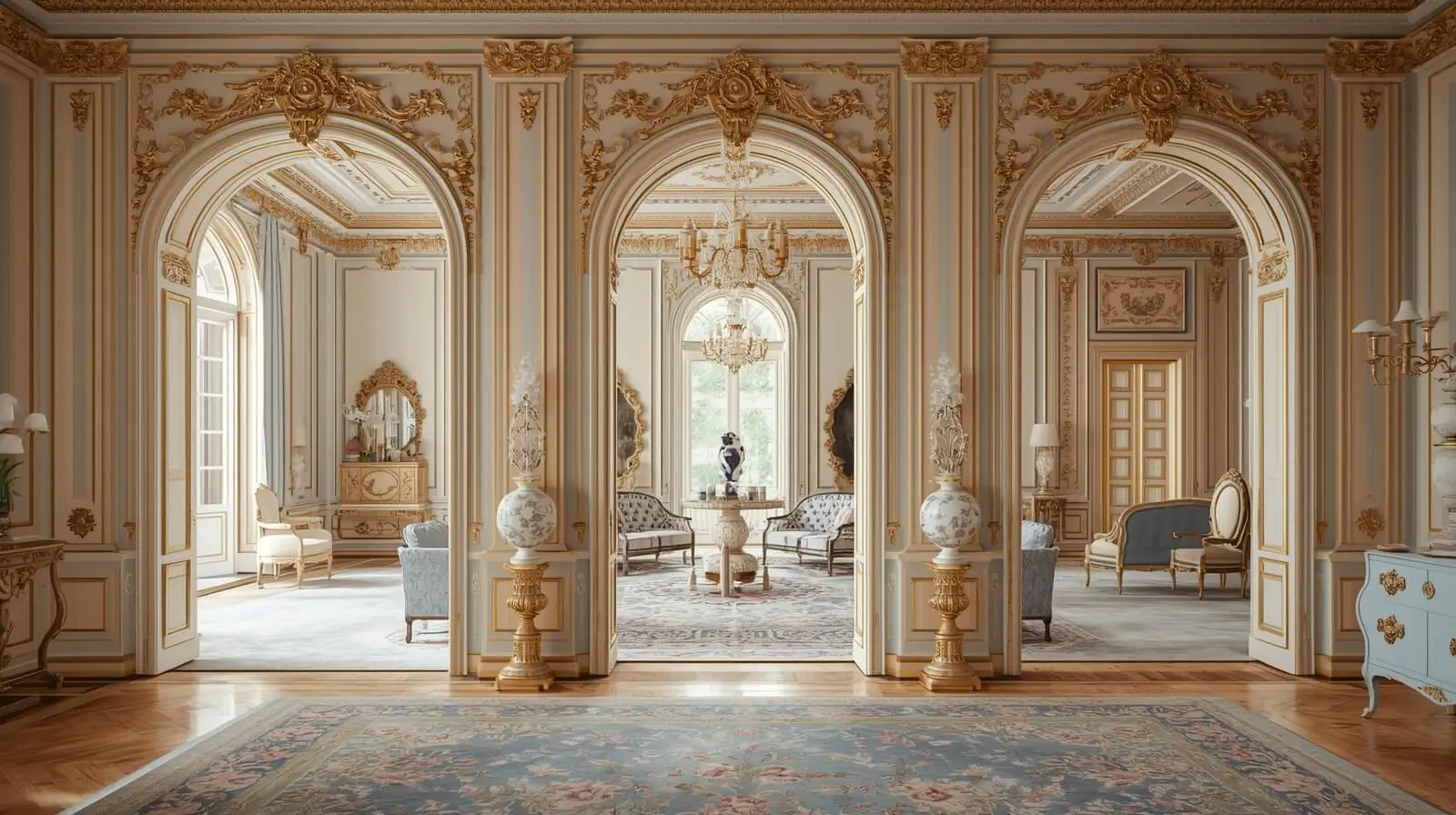
Rococo Interior Design Color Palette
The Rococo interior design palette leans toward soft pastels—powder blue, blush pink, ivory, sage green—balanced with gold or silver accents. These colors enhance light and create an airy atmosphere.
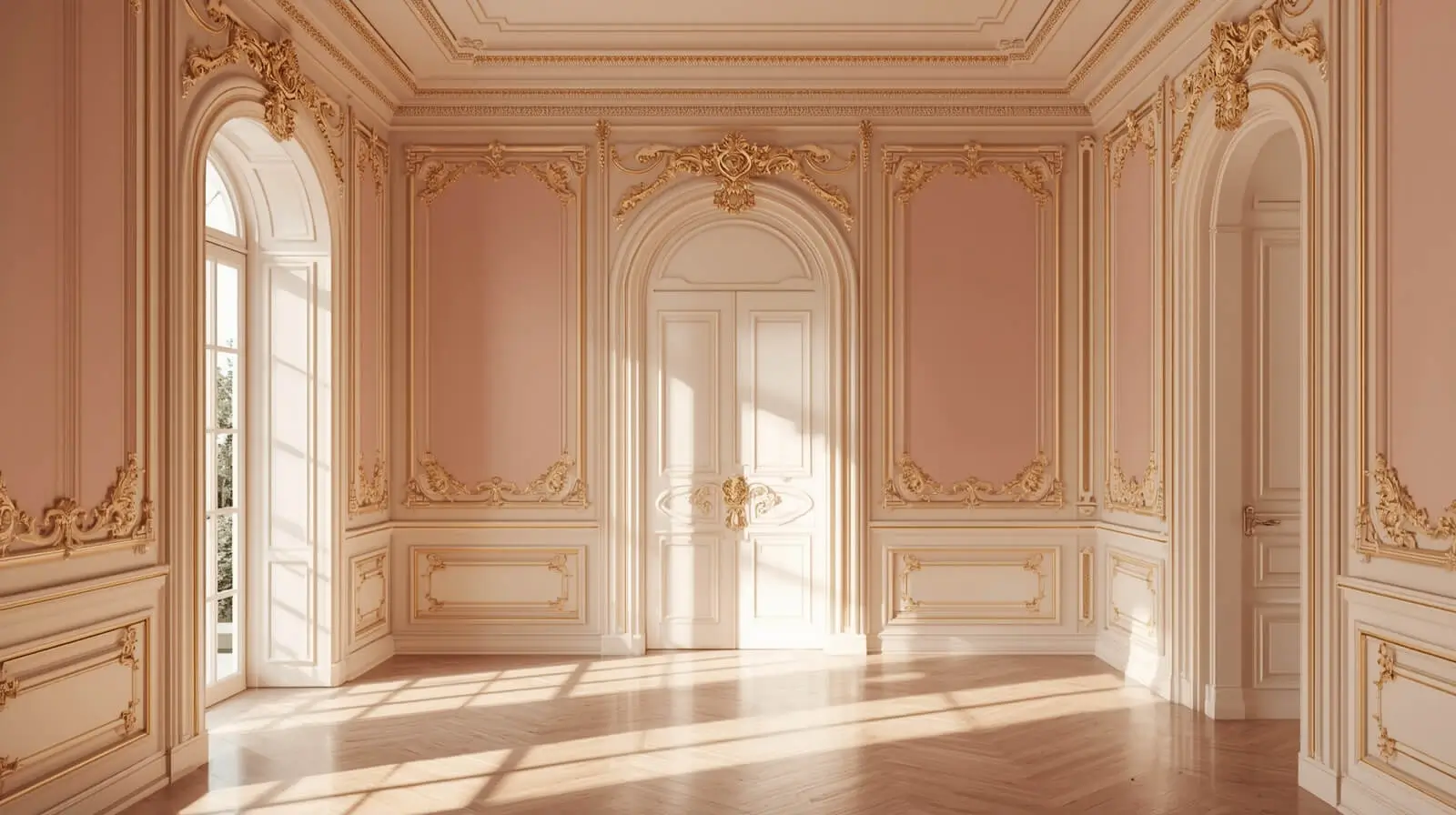
Rococo Interior Architecture Details
Rococo interior architecture emphasizes curved walls, rounded corners, and sculpted ceilings. Structural elements are softened to maintain visual flow and elegance throughout the space.
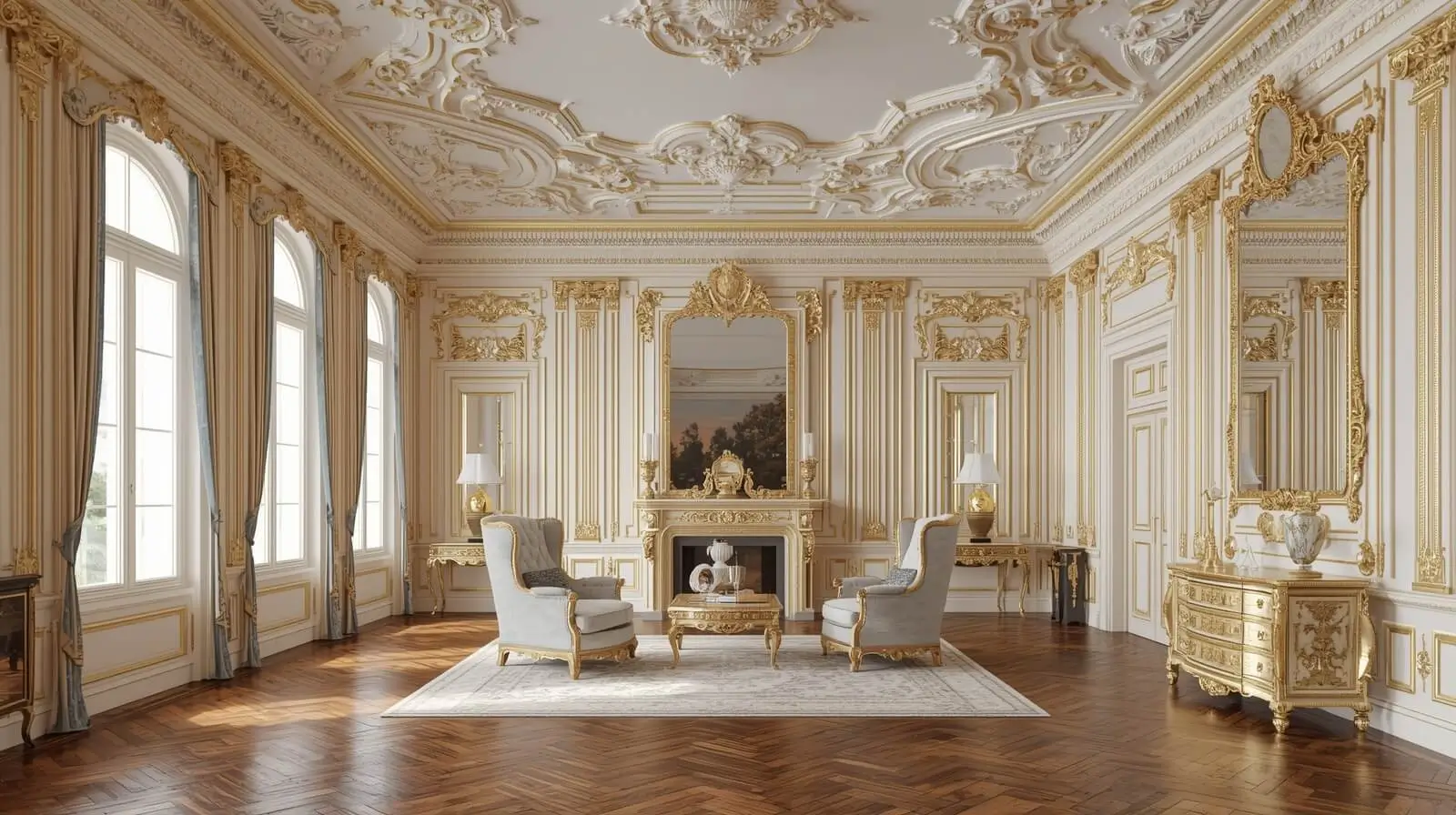
Rococo Design Elements in Interiors
Rococo design elements include shells, vines, florals, scrolls, and asymmetrical frames. These motifs appear consistently across walls, furniture, mirrors, and decorative art.
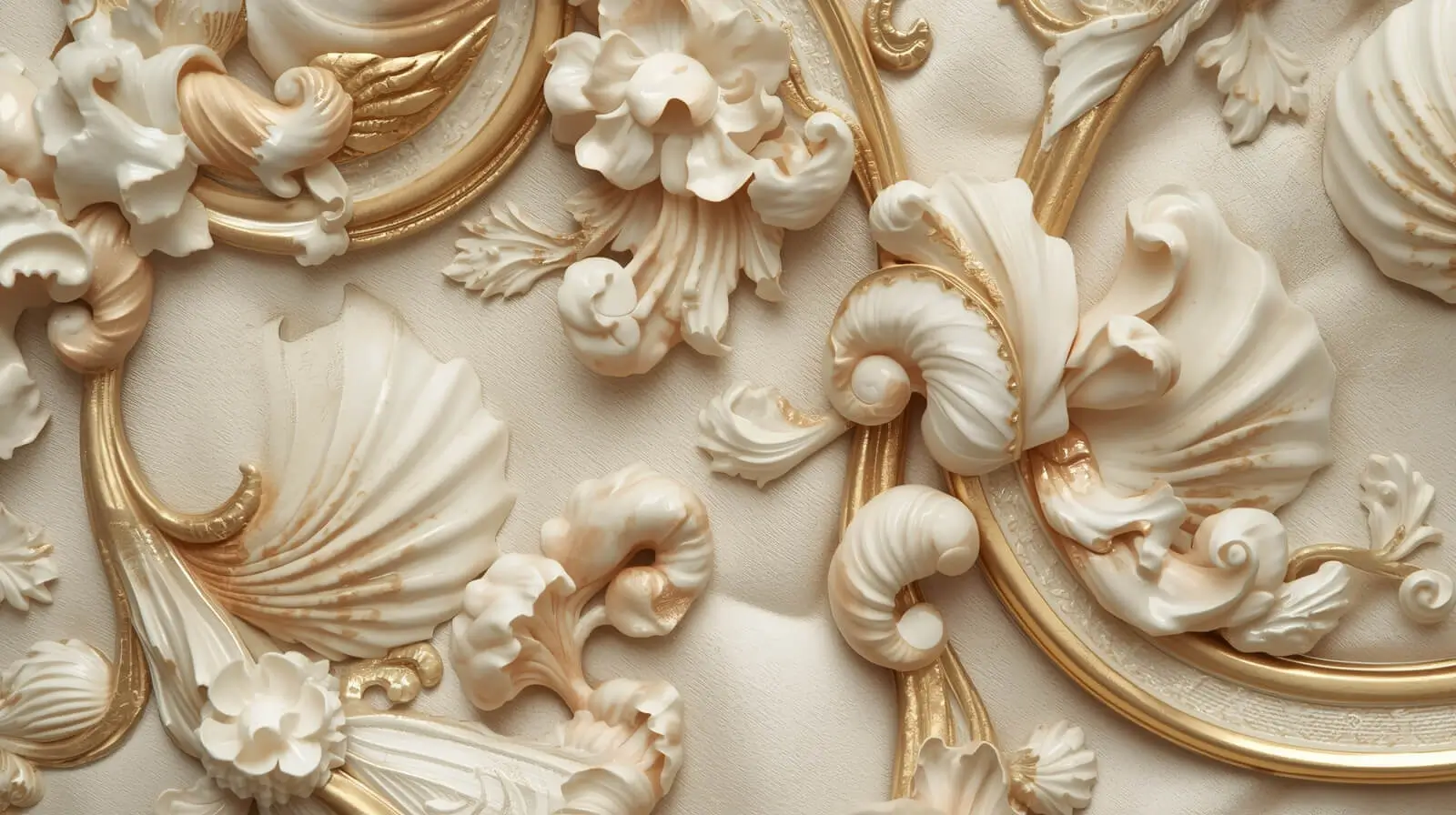
Rococo Style Interior Lighting
Lighting in Rococo style interiors is soft and atmospheric. Crystal chandeliers, wall sconces, and reflected candlelight enhance ornamentation and add depth without harsh contrast.
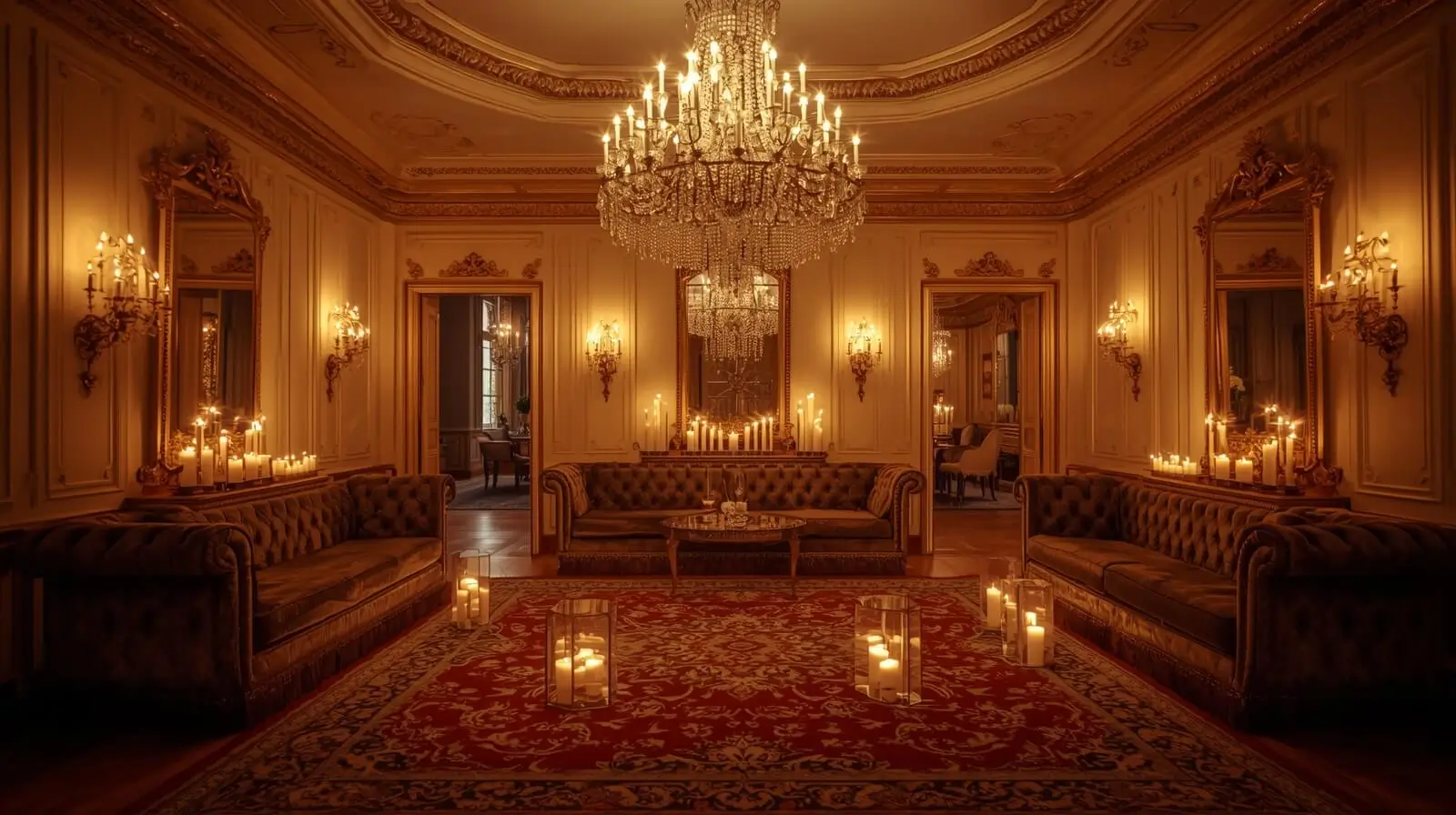
Rococo Interior Design vs Baroque Interior
While Baroque interiors emphasize drama and power, rococo interior design focuses on intimacy and refinement. Rococo spaces are lighter, more playful, and emotionally inviting.
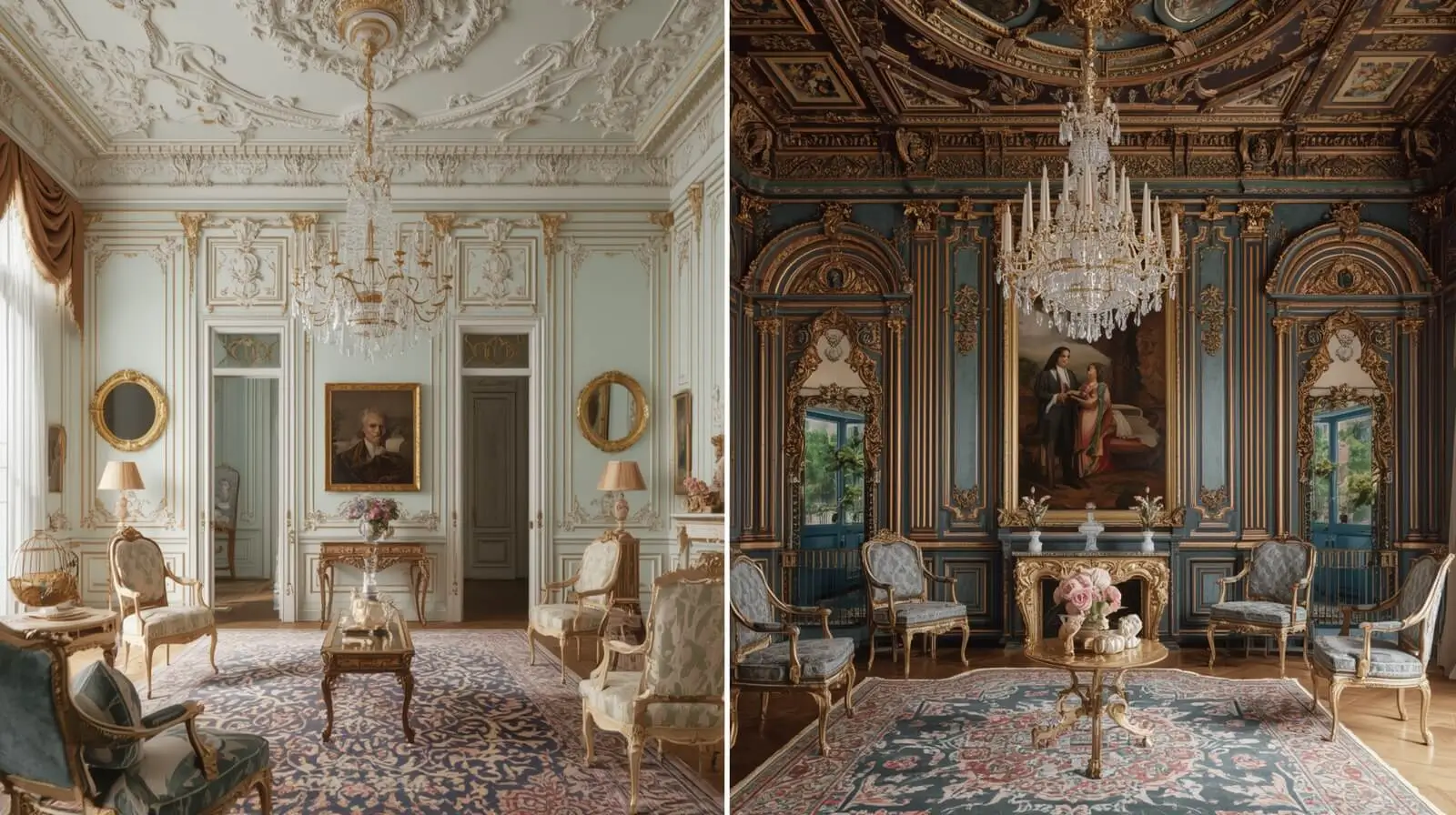
Rococo Interior Design Materials
Materials in Rococo interiors include carved wood, plaster, silk, marble, and gilt finishes. Every material is chosen for tactile beauty and visual harmony rather than structural dominance.
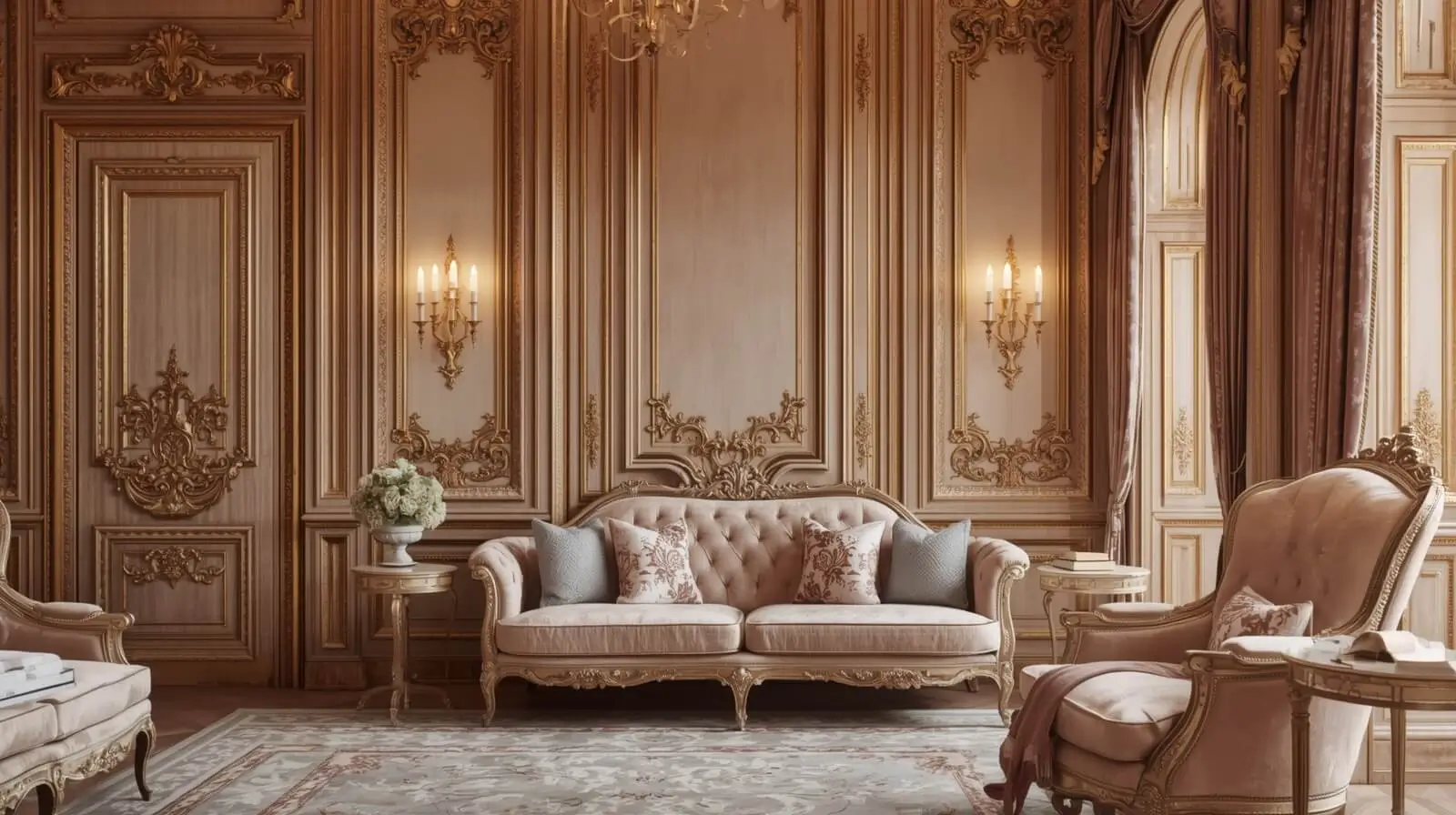
Rococo Interior Art and Ornamentation
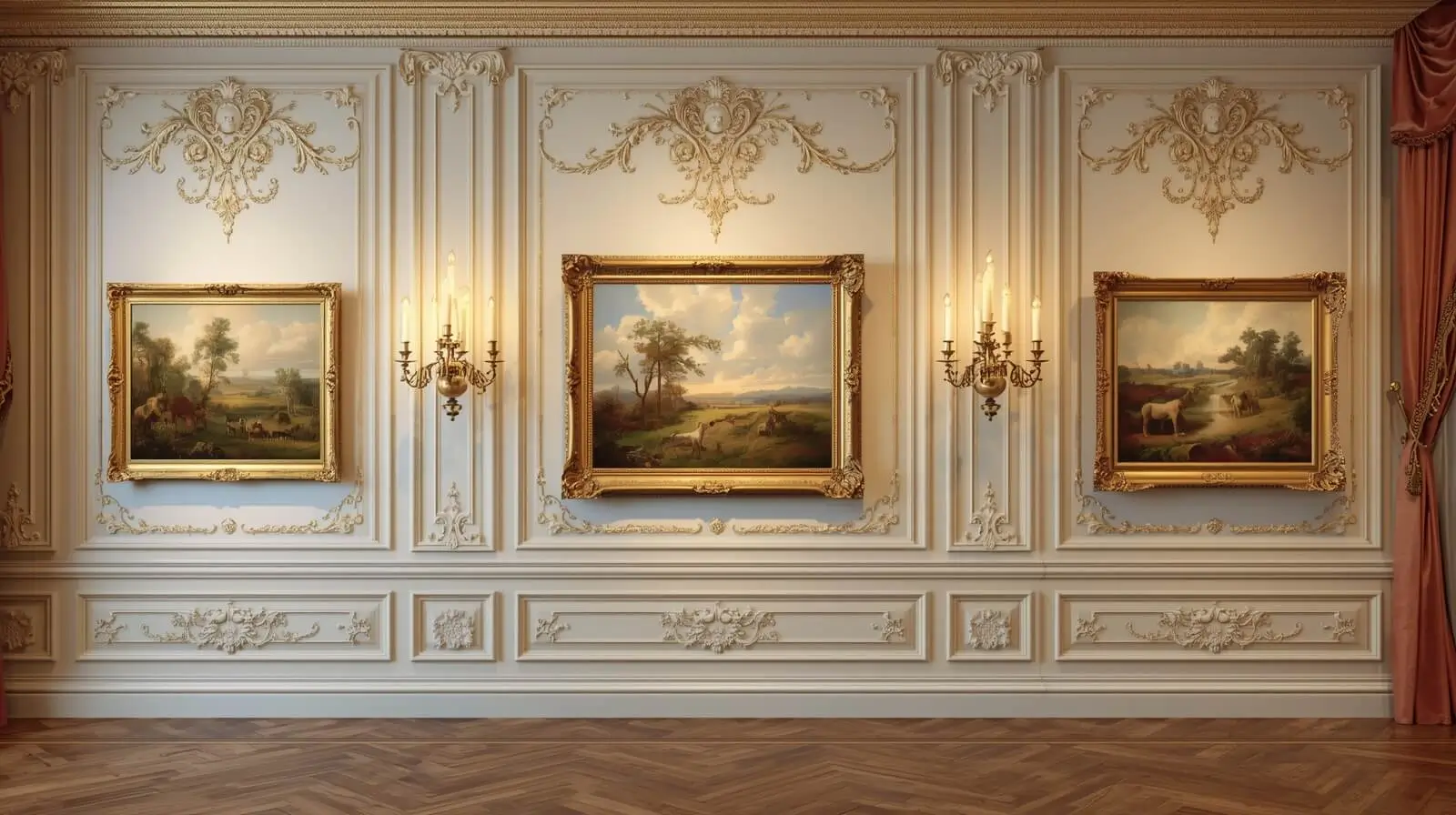
Art plays a central role in Rococo interiors, often featuring pastoral scenes, romantic themes, and soft brushwork. Paintings, mirrors, and decorative panels are integrated seamlessly into walls.
Modern Interpretations of Rococo Interior Design
Modern interpretations of rococo interior design simplify ornament while preserving elegance. Designers often use neutral palettes, contemporary furniture forms, and selective Rococo detailing for balance.
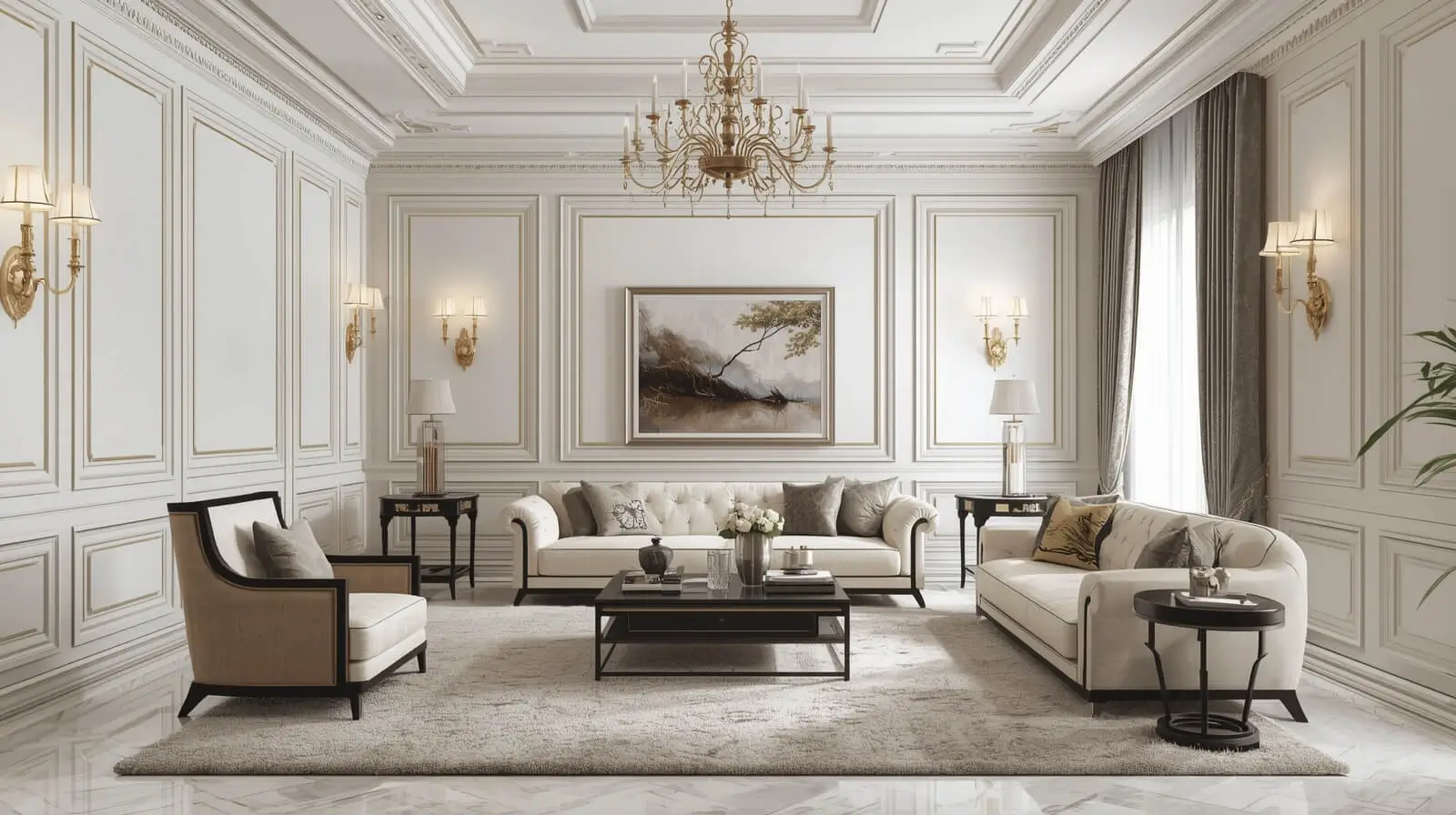
Rococo Interior Design Philosophy
At its core, rococo interior design is about pleasure, comfort, and beauty. It prioritizes emotional response, craftsmanship, and harmony—making interiors feel personal, elegant, and timeless.
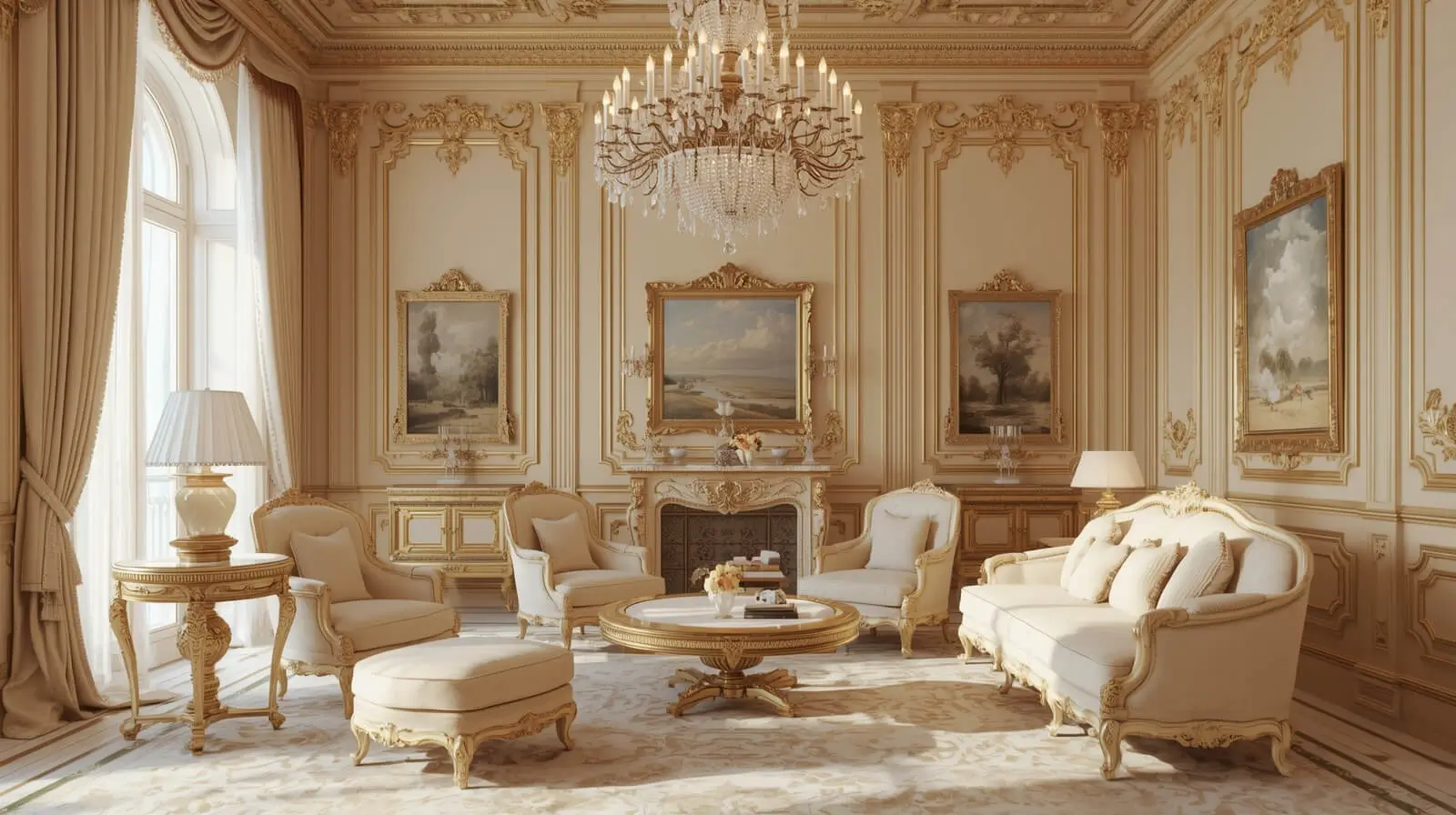
Conclusion: Living with Rococo Interior Design Today
Rococo interior design endures because it understands something timeless about how people experience space. At its best, it is not about excess or decoration for its own sake, but about creating environments that feel graceful, intimate, and emotionally rich. The soft curves, refined ornament, and thoughtful layering of materials work together to reduce visual tension and invite comfort—an approach that remains deeply relevant in modern living.
For readers who want a more structured breakdown of Rococo style elements, materials, and comparisons, you can explore a dedicated learning hub.
It brings together simplified guides and visual references to help you understand Rococo design in a practical way.
In real homes, Rococo principles reward intention. When applied with care, they elevate everyday routines, turning sitting rooms into places for conversation, bedrooms into retreats, and transitional spaces into moments of quiet beauty. The style particularly benefits those who value craftsmanship, artistic expression, and interiors that feel personal rather than purely functional. Even restrained interpretations—through furniture silhouettes, wall detailing, or lighting—carry the same sense of refinement without overwhelming a space.
The key is discernment. Rococo interior design works when each element earns its place, when ornament supports proportion, and when comfort is treated as a form of luxury. Whether restoring a historic interior or drawing inspiration for a contemporary home, approaching Rococo with clarity and restraint allows its elegance to feel natural, livable, and enduring.
Learn more: 11+ Timeless Moroccan Interior Design Ideas That Inspire
Frequently Asked Questions
- Is rococo interior design suitable for modern homes?
Yes, when applied selectively. Modern homes benefit most from Rococo-inspired elements such as curved furniture, decorative moldings, or soft color palettes rather than full historical replication. This balance preserves elegance without compromising functionality.
- How does Rococo differ emotionally from other ornate styles?
Rococo interiors feel lighter and more personal. Where some decorative styles emphasize grandeur or formality, Rococo prioritizes comfort, intimacy, and visual softness, making spaces feel welcoming rather than imposing.
- Can Rococo interior design work in small spaces?
Absolutely. Rococo originated in private salons and smaller rooms, which makes it well-suited to intimate spaces. Thoughtful use of mirrors, light colors, and refined detailing can enhance scale rather than overwhelm it.
- What are the most important elements to get right?
Proportion and restraint matter more than quantity. Curved forms, a cohesive color palette, and well-crafted ornamentation are far more effective than layering too many decorative features.
- Is authentic Rococo furniture necessary to achieve the look?
Not necessarily. While original pieces add depth, contemporary furniture inspired by Rococo silhouettes can achieve the same effect. The focus should be on form, comfort, and craftsmanship rather than age.
- Who is rococo interior design best suited for?
It suits individuals who appreciate artistry, historical influence, and interiors that feel expressive and refined. It works especially well for those who see their home as a place of experience, not just utility.
- How can someone begin incorporating Rococo elements confidently?
Start with one room or focal point. Introduce a statement mirror, decorative wall treatment, or sculptural seating, then build around it slowly. This measured approach allows the style to evolve naturally and remain cohesive.


One Response