
Introduction
Texture interior design is one of the most powerful yet often misunderstood elements of creating meaningful spaces. Beyond color and layout, texture shapes how a room feels—visually, emotionally, and physically. It influences warmth, depth, balance, and comfort, whether you’re designing a minimalist apartment or a richly layered home.
From years of working with real interiors, one truth stands out: even the most beautiful color palette falls flat without thoughtful texture. Texture interior design brings surfaces to life by combining materials, finishes, and tactile contrasts that quietly guide how a space is experienced, not just seen.
In this guide, we’ll explore texture interior design in a practical, designer-led way—showing how different textures work together, why they matter, and how to apply them with intention across styles and spaces.
Texture Interior Design Fundamentals
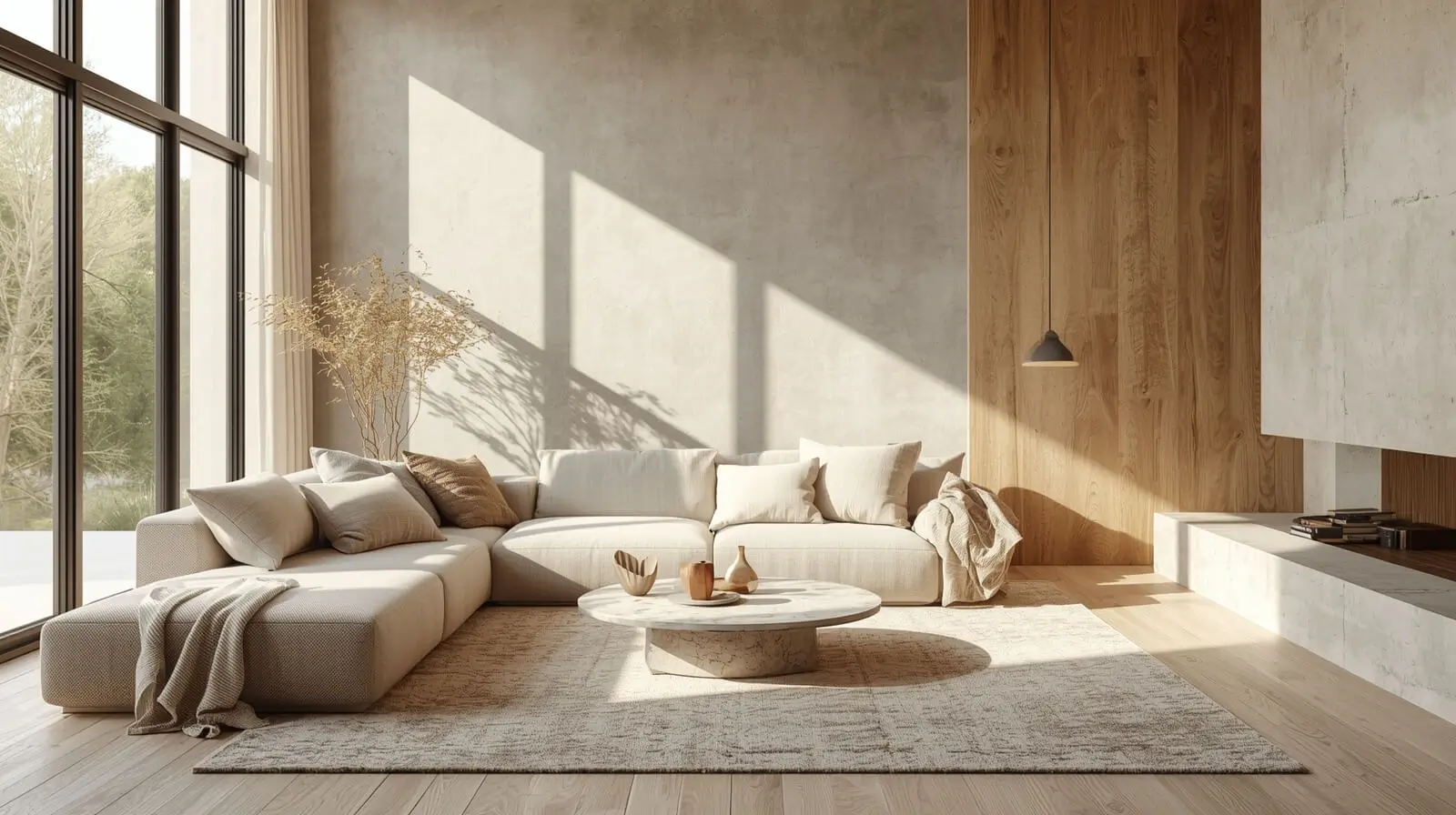
Texture interior design refers to the visual and tactile quality of surfaces within a space. It includes how materials look and feel—smooth, rough, soft, matte, or glossy—and how these qualities interact to create balance and depth.
Visual vs Tactile Texture in Interior Design
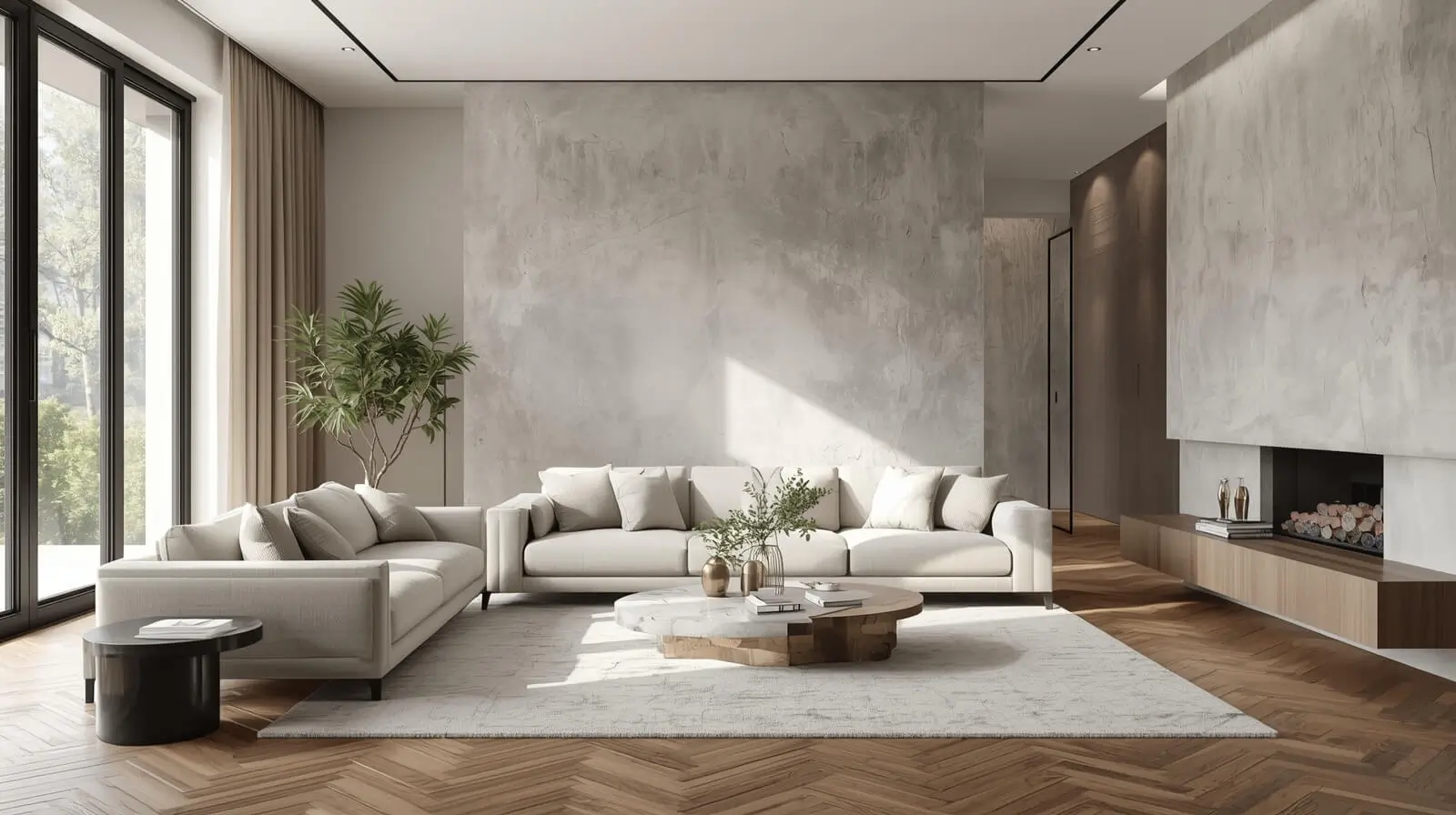
Visual texture creates depth through appearance, while tactile texture is experienced through touch. Successful texture interior design uses both—pairing visually rich materials with surfaces that invite interaction.
Smooth Texture in Interior Design
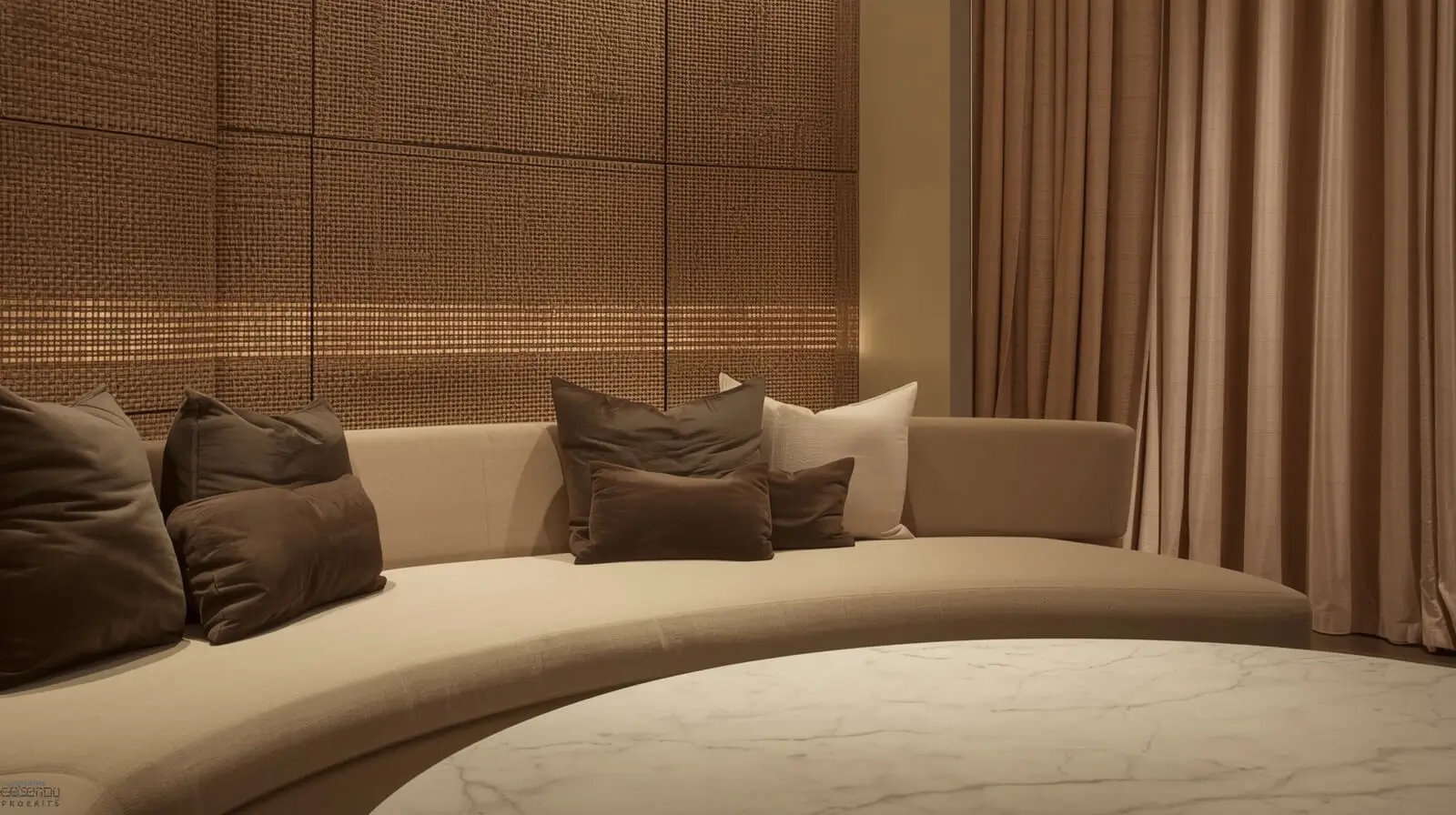
Smooth textures introduce clarity and calm. Polished stone, glass, and lacquered surfaces help anchor spaces visually and prevent overly busy compositions in texture interior design.
Rough Texture in Interior Design
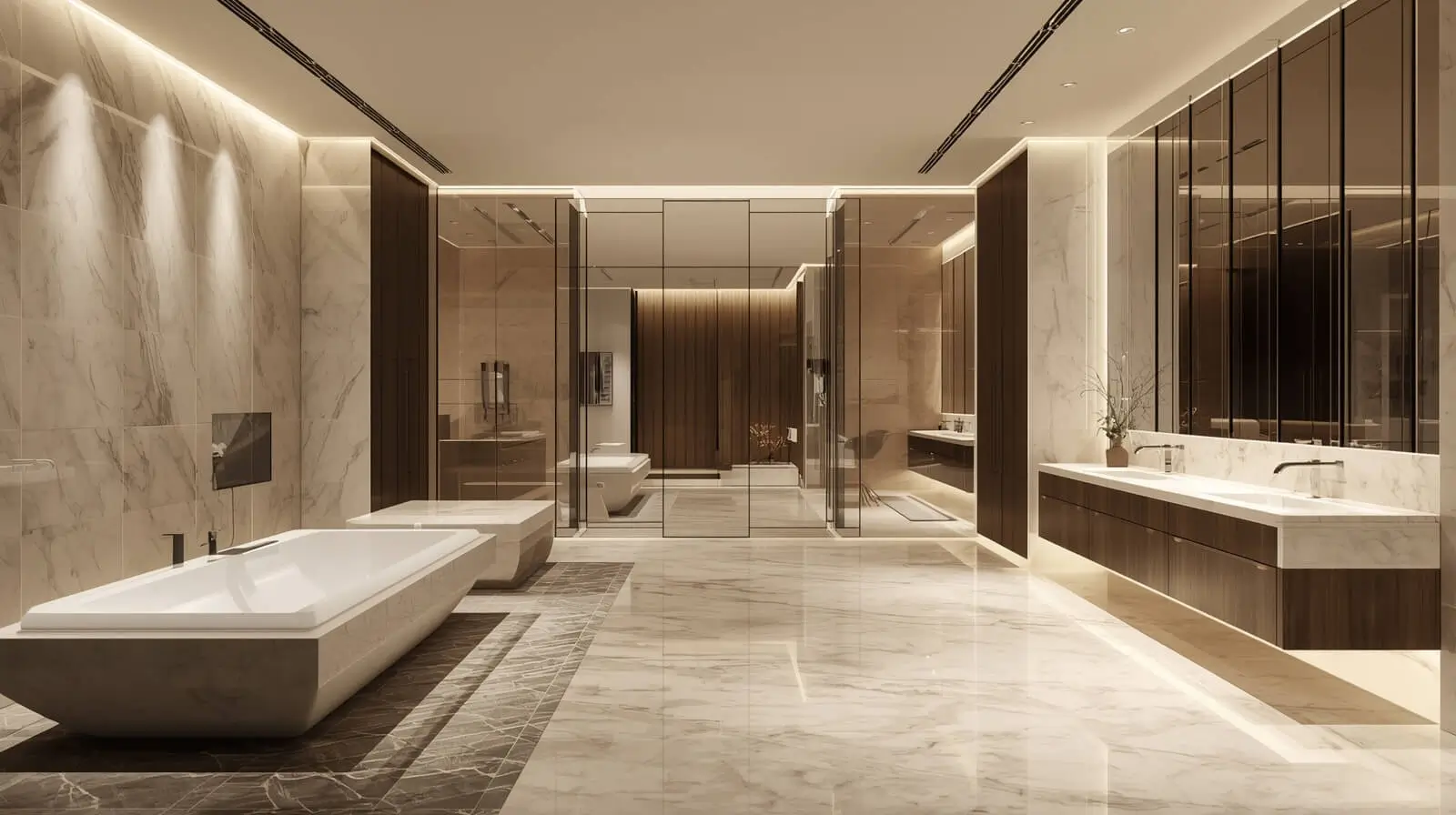
Rough textures add authenticity and character. Natural stone, raw wood, and exposed plaster bring organic contrast that grounds texture interior design and prevents sterility.
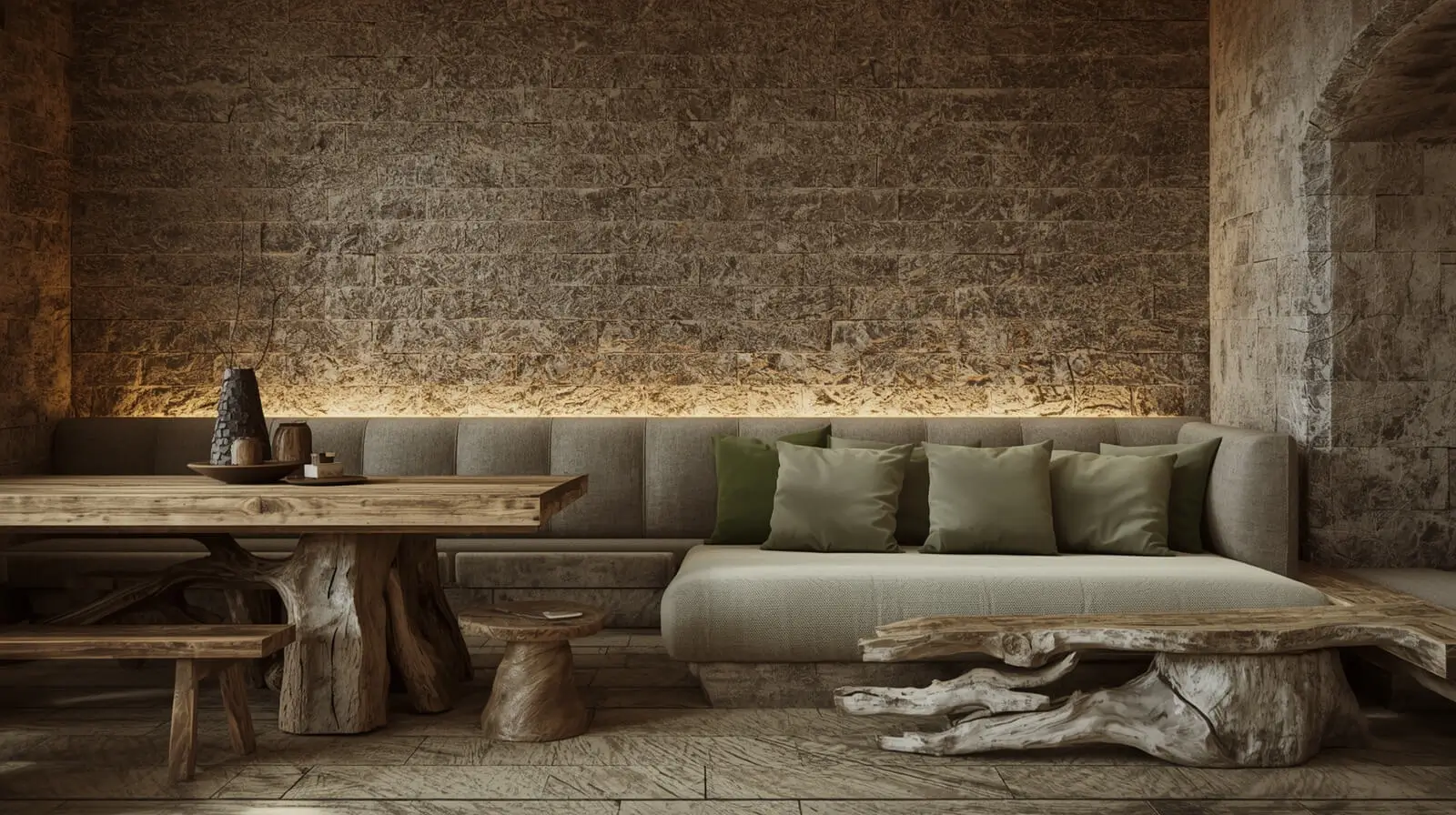
Layering Textures in Interior Design
Layering is essential in texture interior design. Combining multiple textures—soft, hard, matte, and reflective—creates visual rhythm and emotional warmth without clutter.
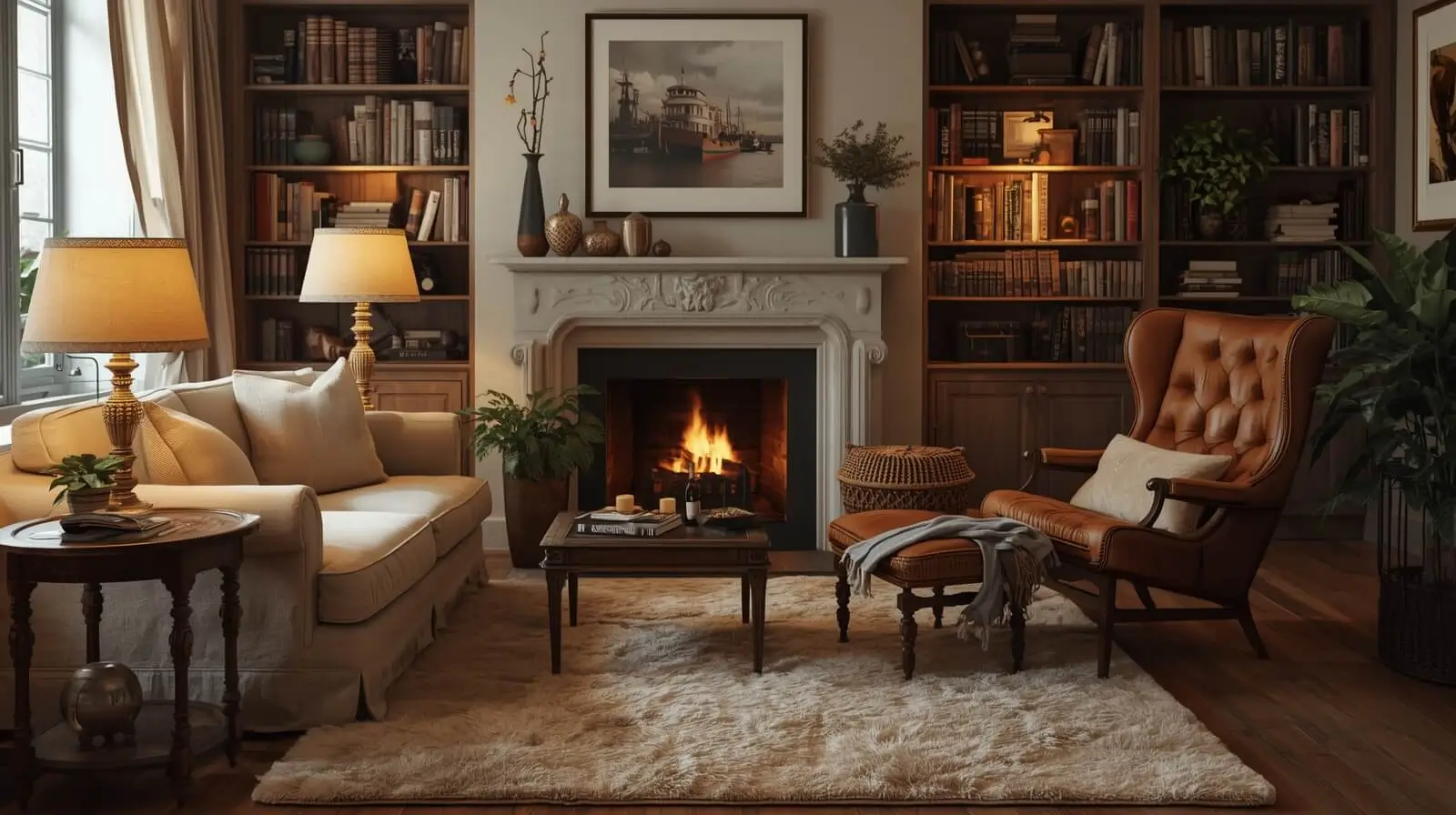
Natural Materials and Texture Interior Design
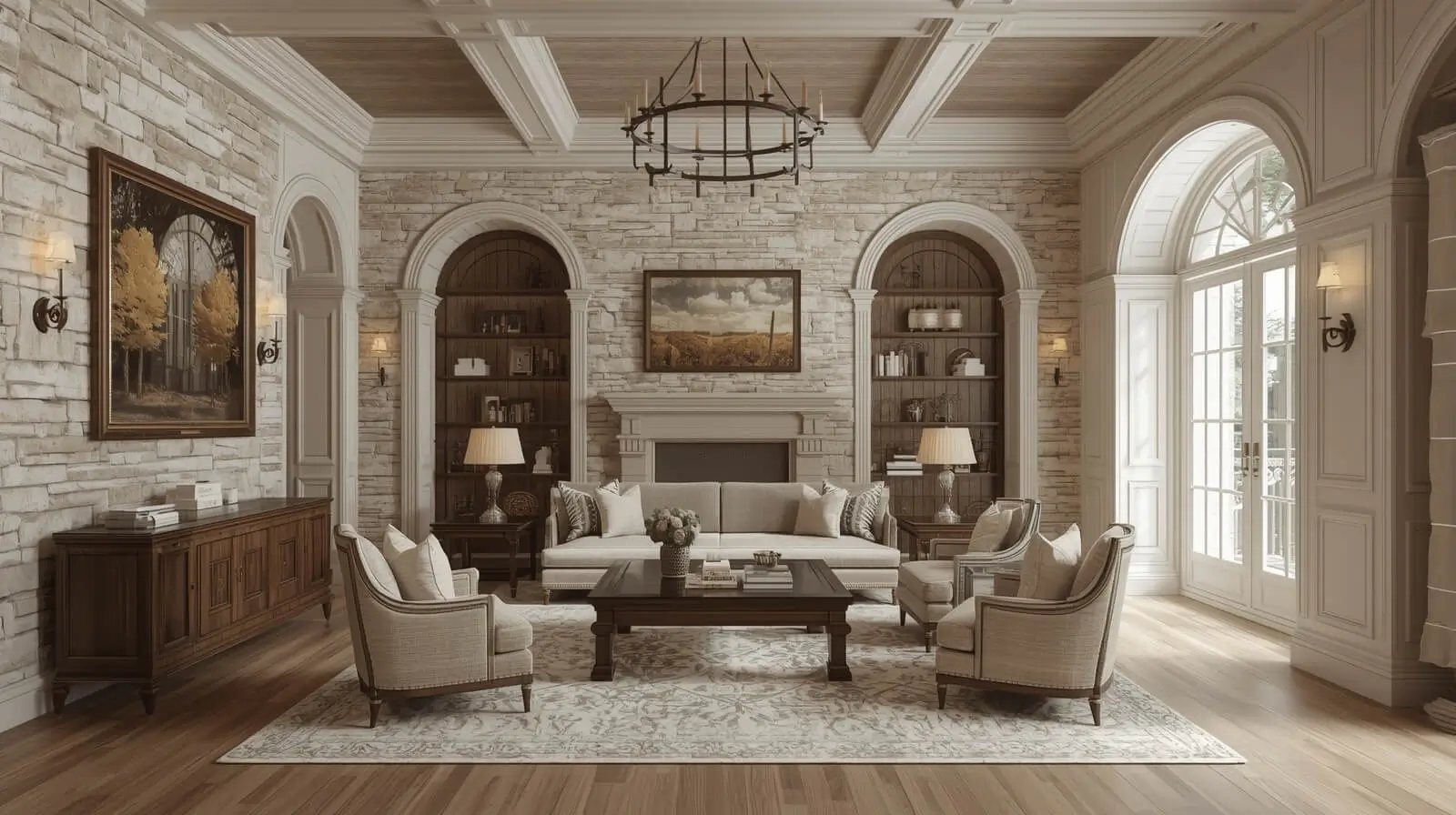
Natural materials bring timeless texture. Wood, stone, clay, and natural fibers age beautifully and add depth that feels honest and enduring in interior spaces.
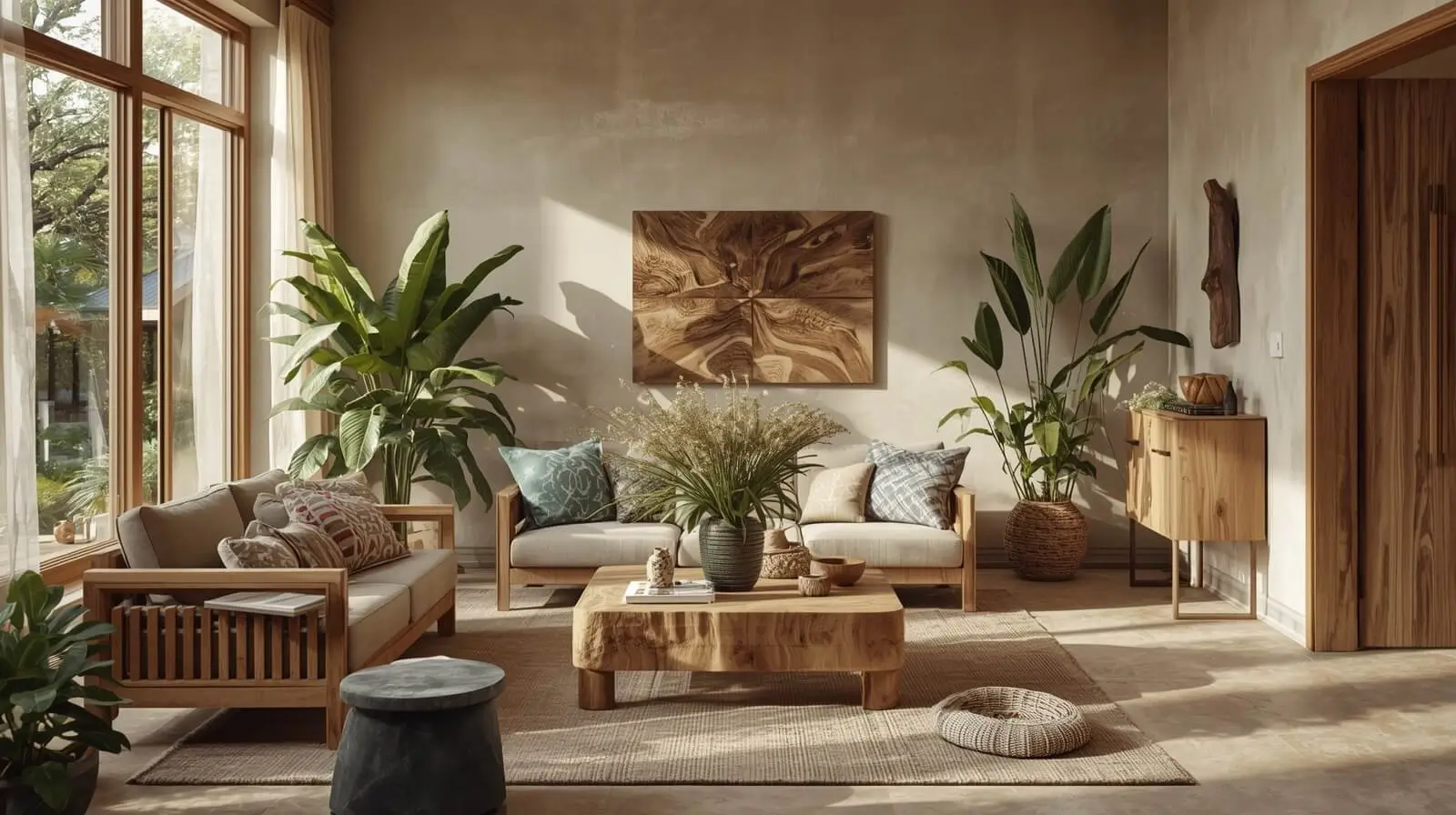
Texture Interior Design with Fabrics
Fabrics are the soft foundation of texture interior design. Linen, wool, cotton, and velvet influence comfort, acoustics, and visual softness within a room.
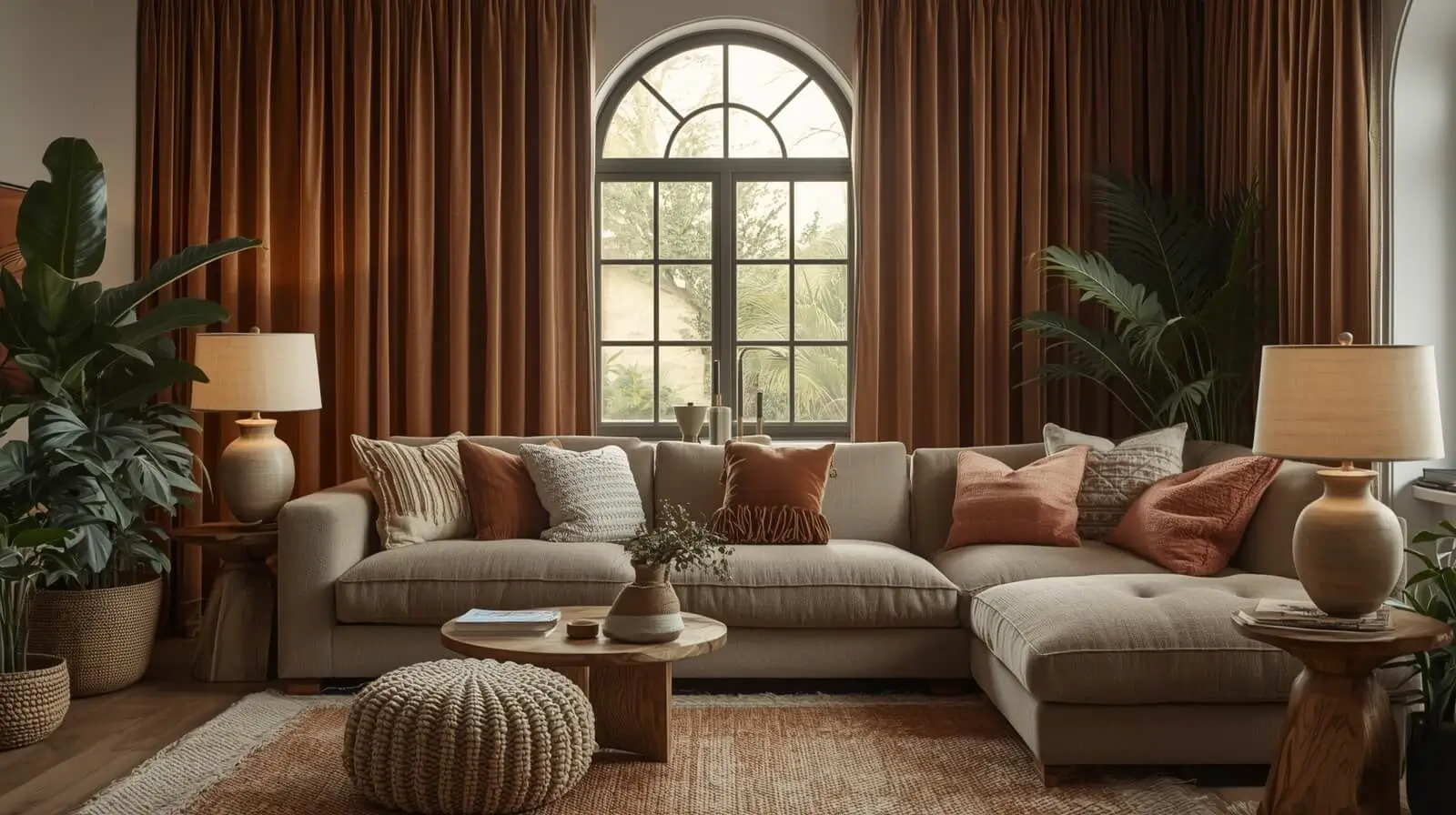
Wall Texture in Interior Design
Textured walls add dimension without overwhelming a space. Plaster, paneling, limewash, and subtle relief finishes elevate texture interior design beyond flat surfaces.
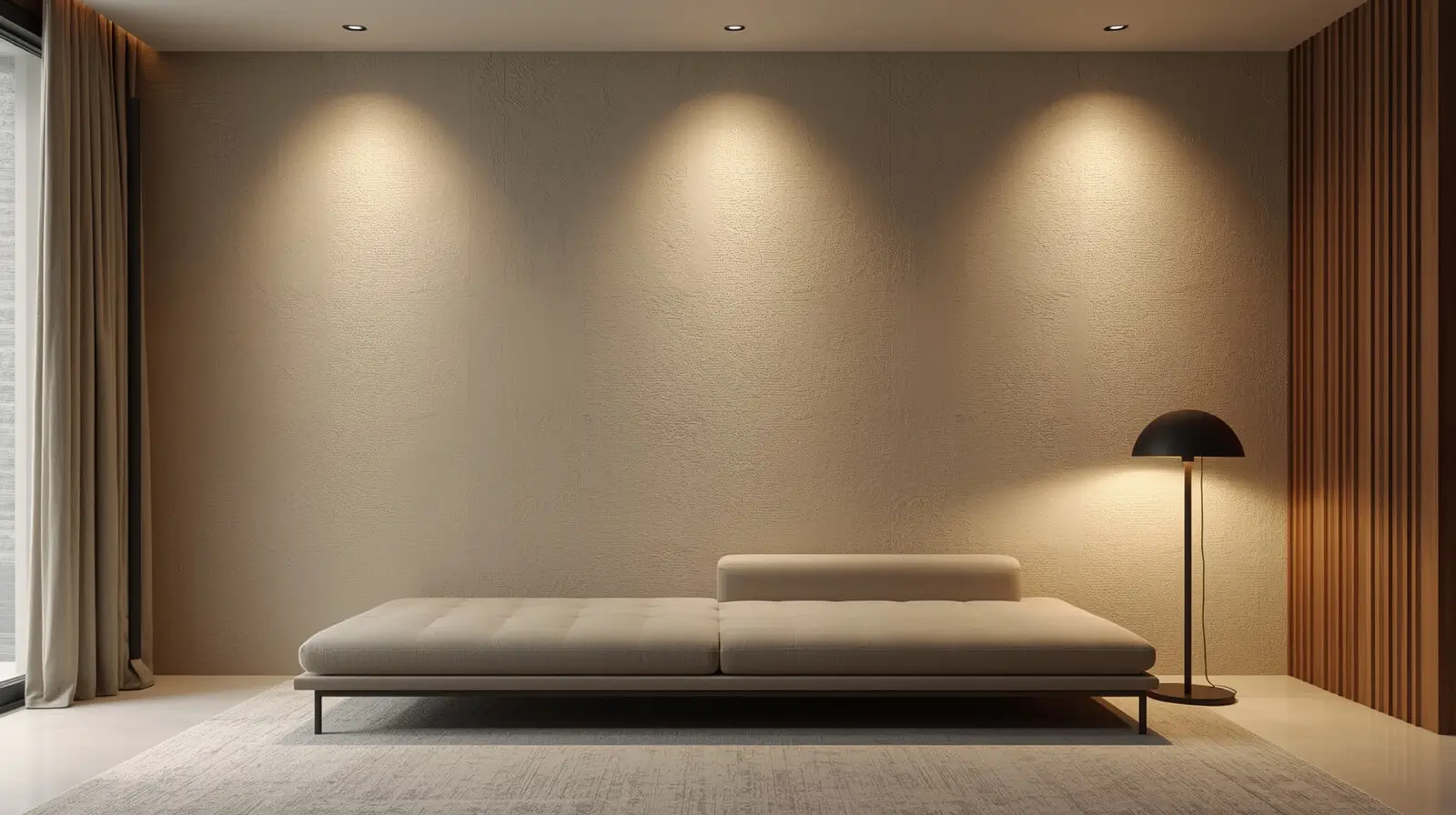
Flooring Texture in Interior Design
Floor texture anchors the entire space. Wood grain, stone patterns, or textured tiles provide visual stability and influence how other textures are perceived.
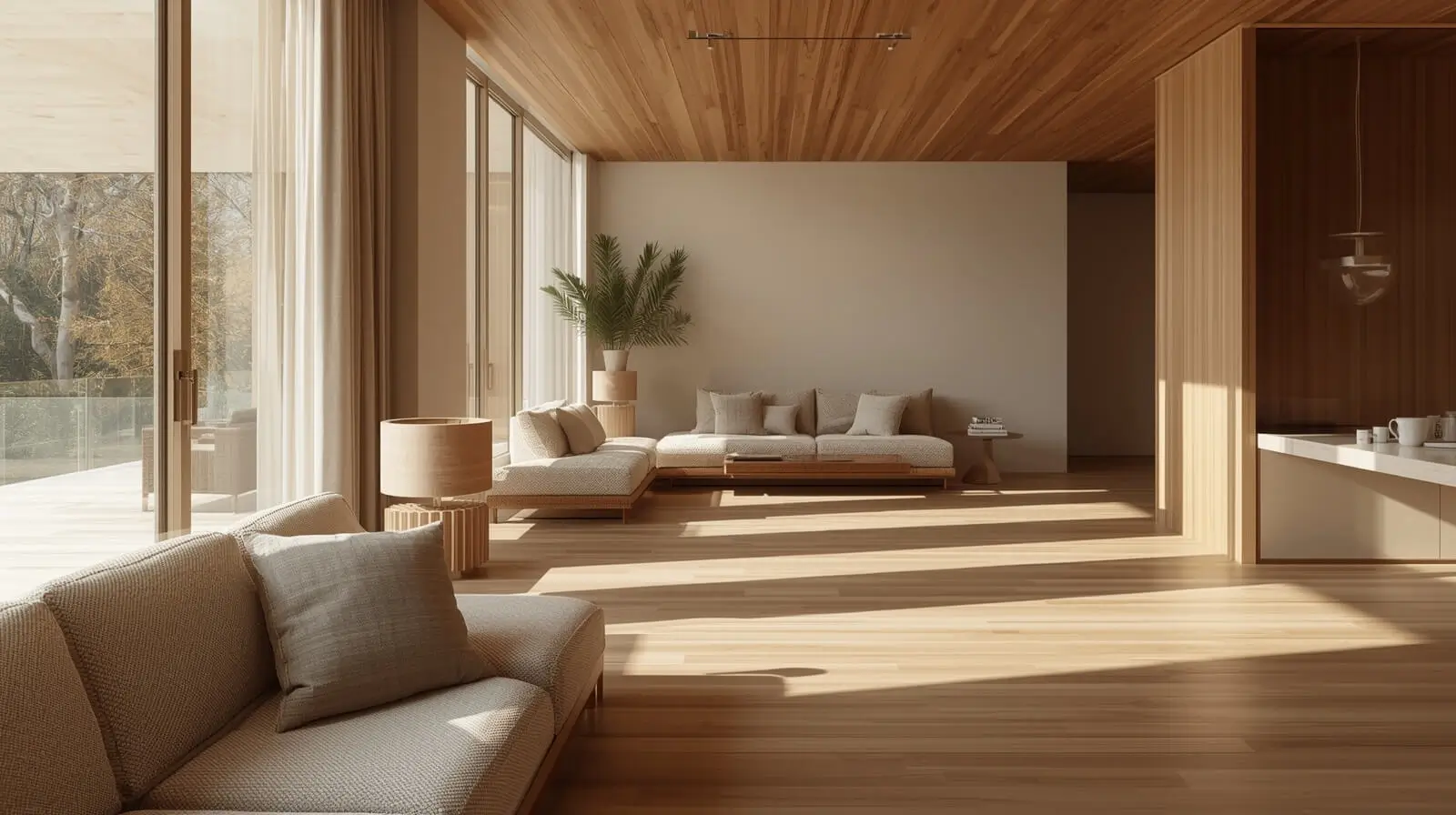
Texture Interior Design in Minimal Spaces
Minimal interiors rely heavily on texture. When color is restrained, subtle material variation becomes the primary source of depth and interest.
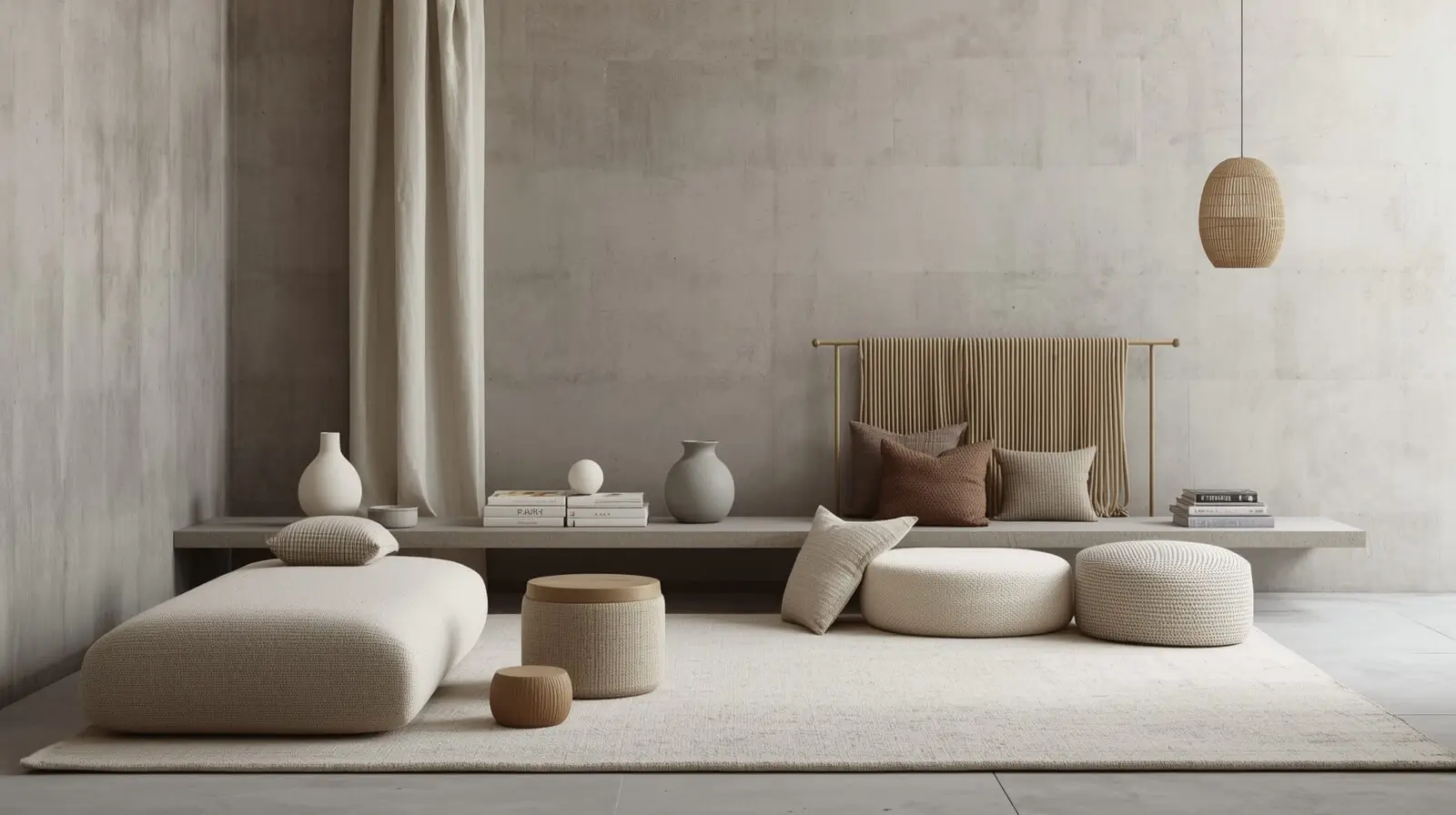
Tactile Texture in Interior Design
Tactile texture enhances human connection to space. Surfaces meant to be touched—handles, fabrics, seating—should feel comfortable and intentional.
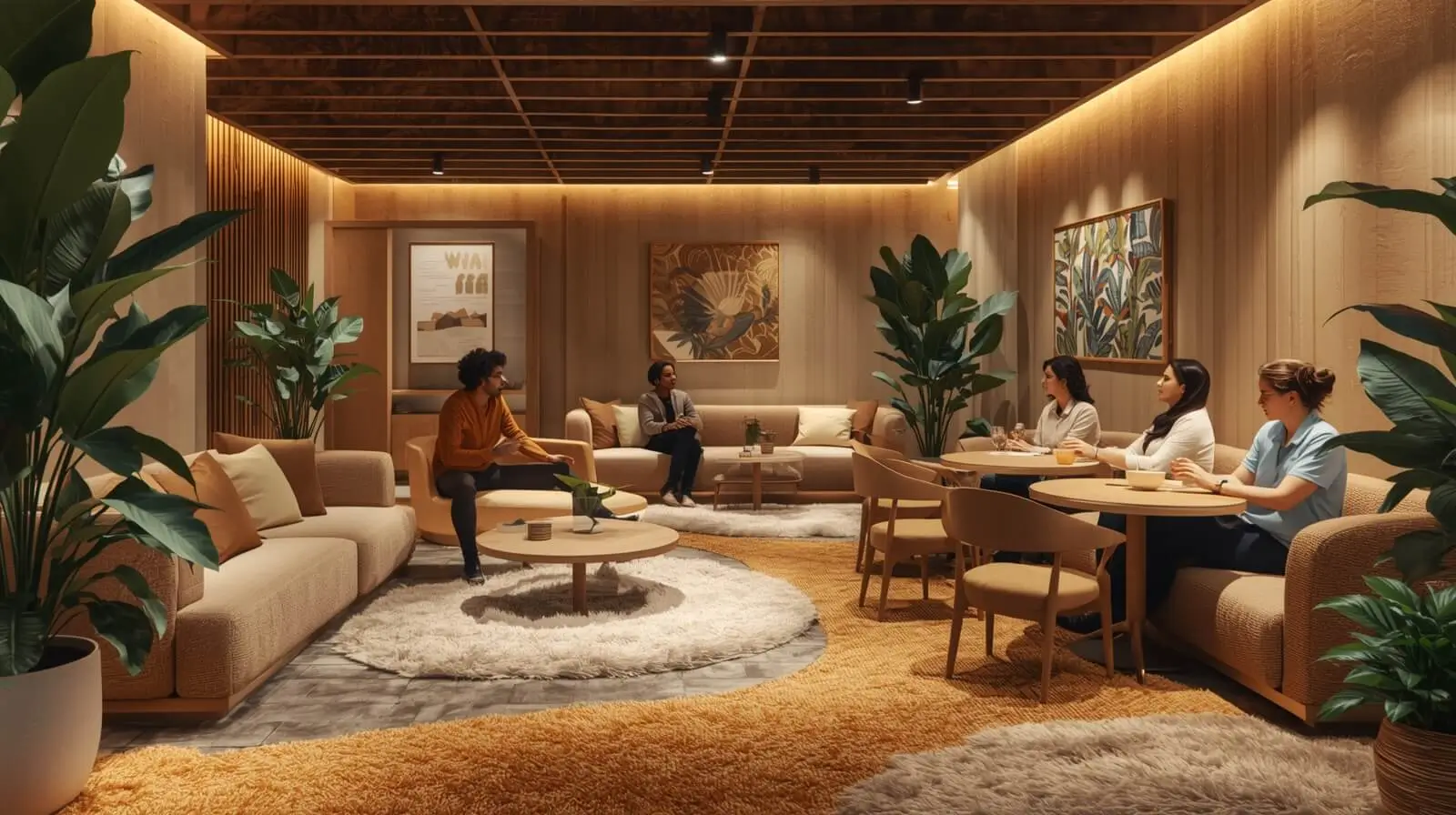
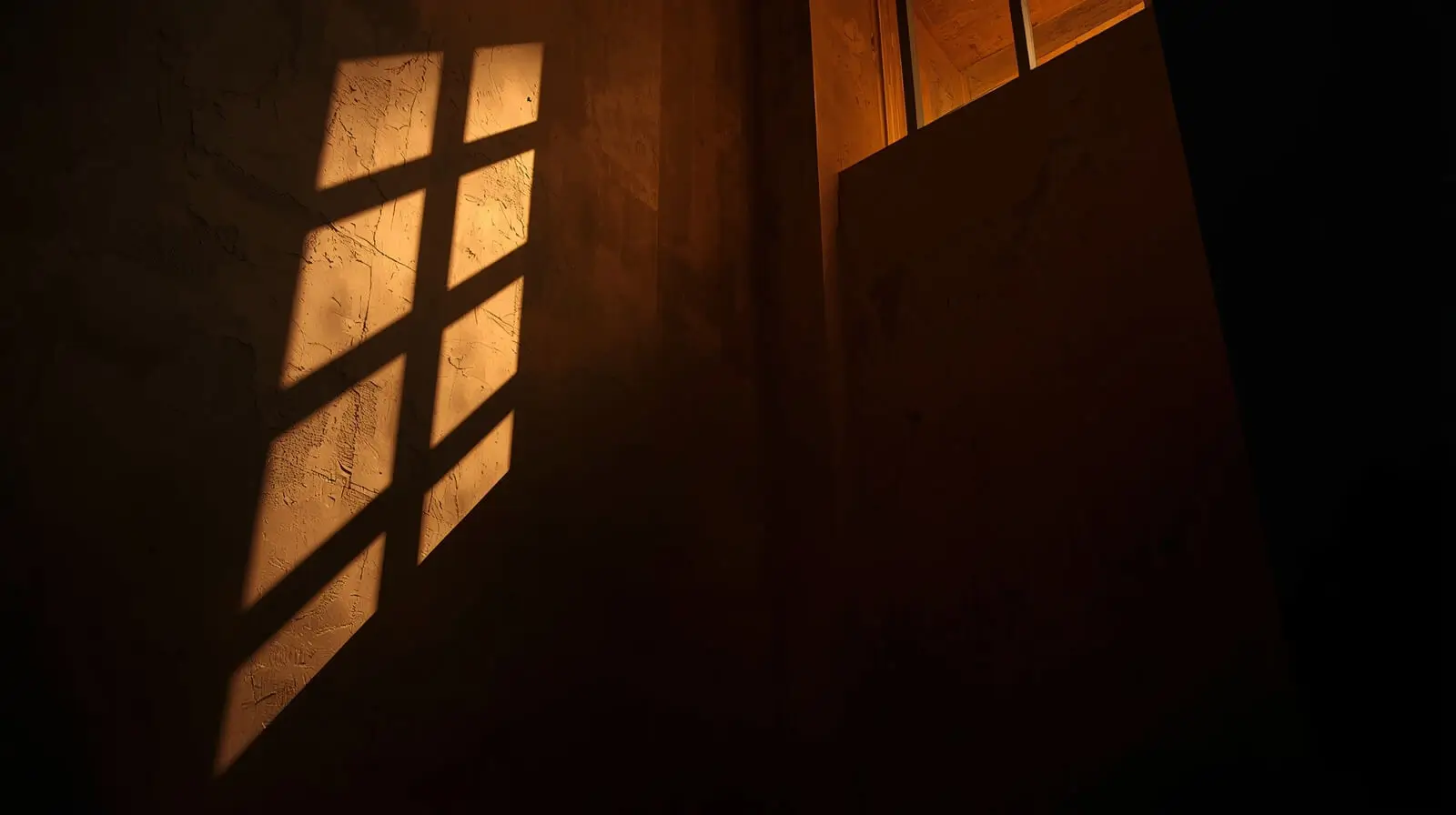
Texture and Light in Interior Design
Light reveals texture. Natural and artificial lighting interact with surfaces, enhancing shadows, depth, and material character in texture interior design.
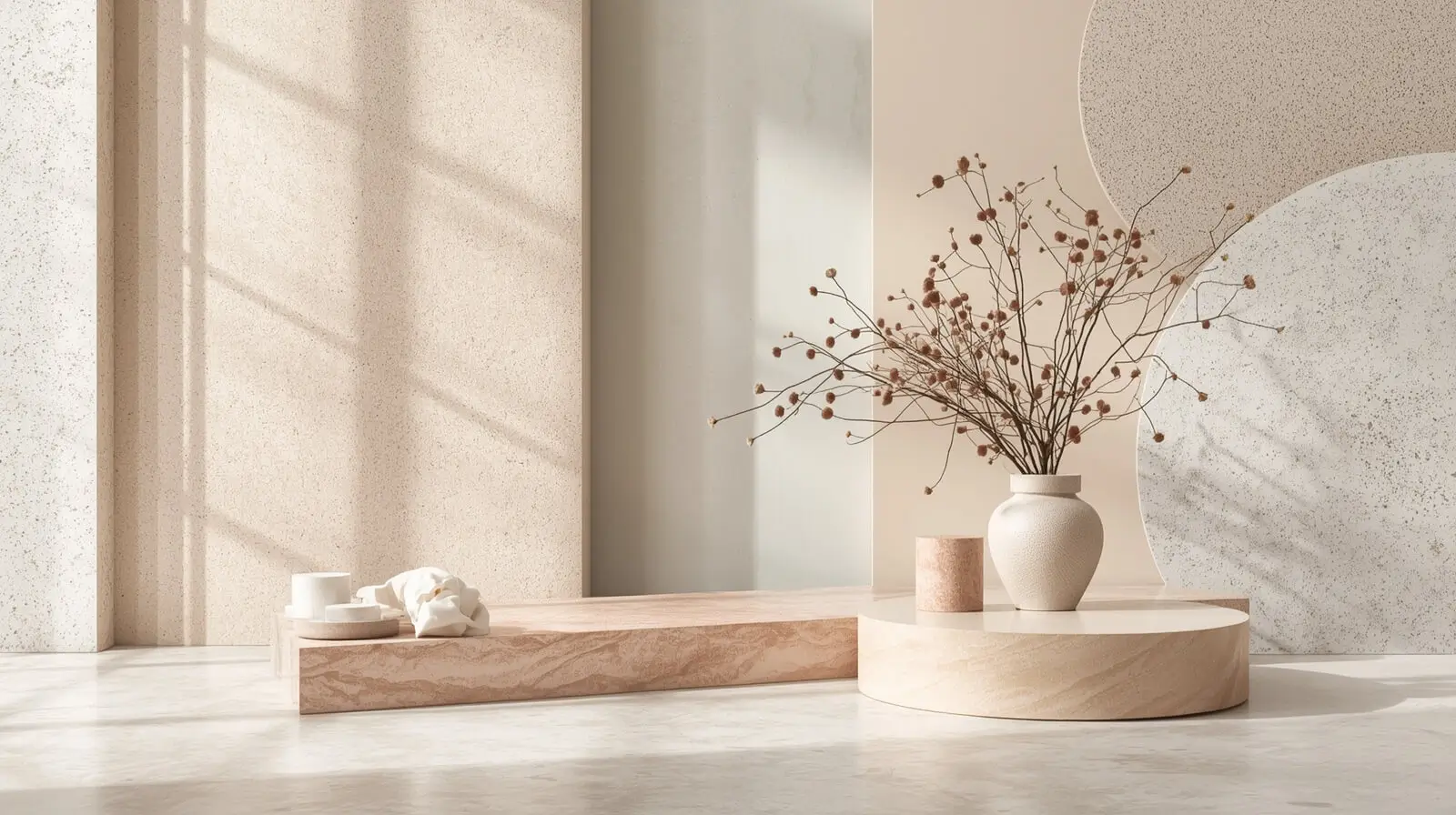
Mixing Textures Without Overcrowding
Balance is key. Successful texture interior design mixes contrast thoughtfully, allowing each material to breathe rather than compete for attention.
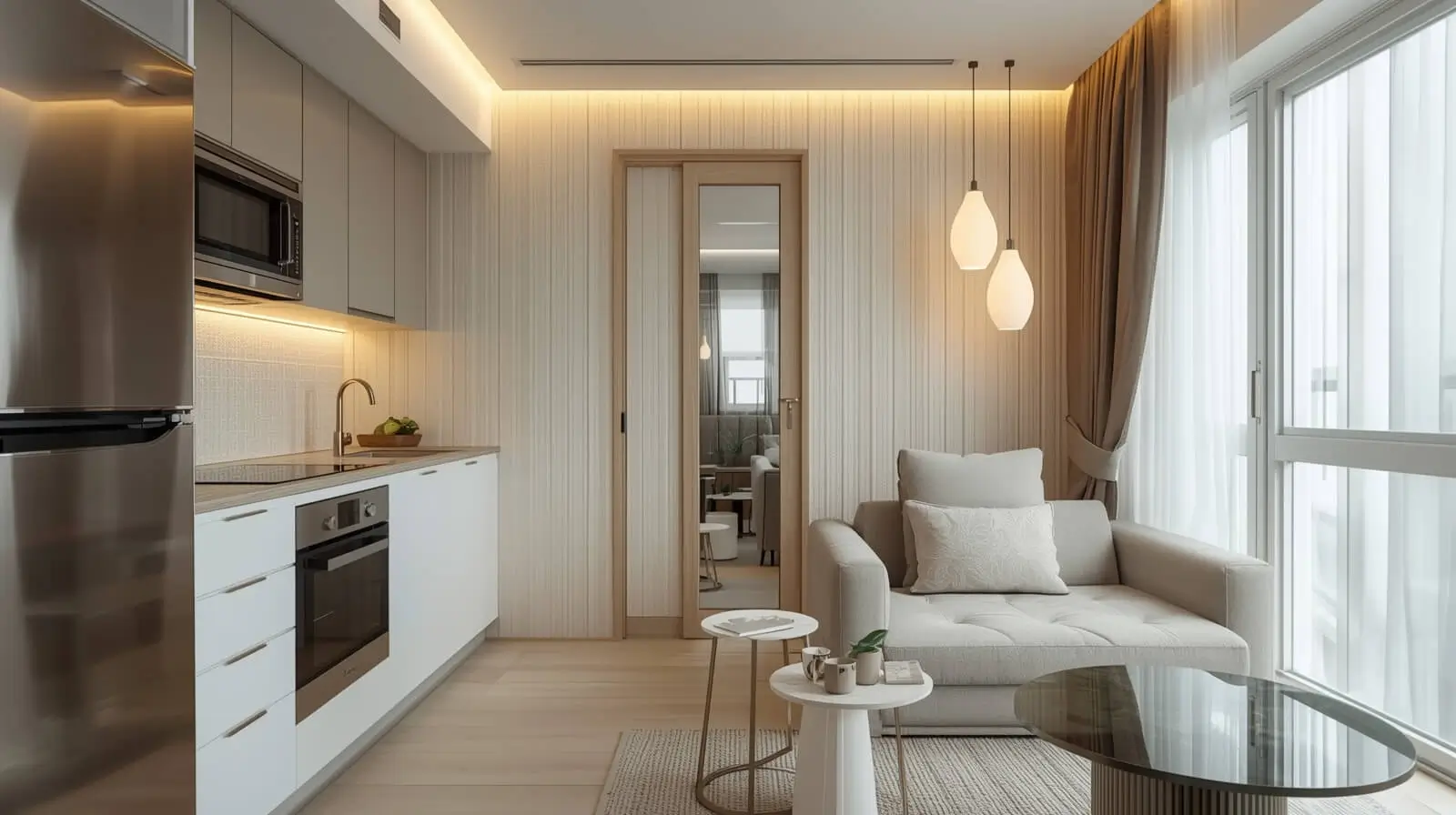
Texture Interior Design in Small Spaces
In compact interiors, texture adds interest without sacrificing space. Vertical textures and subtle finishes prevent visual flatness.
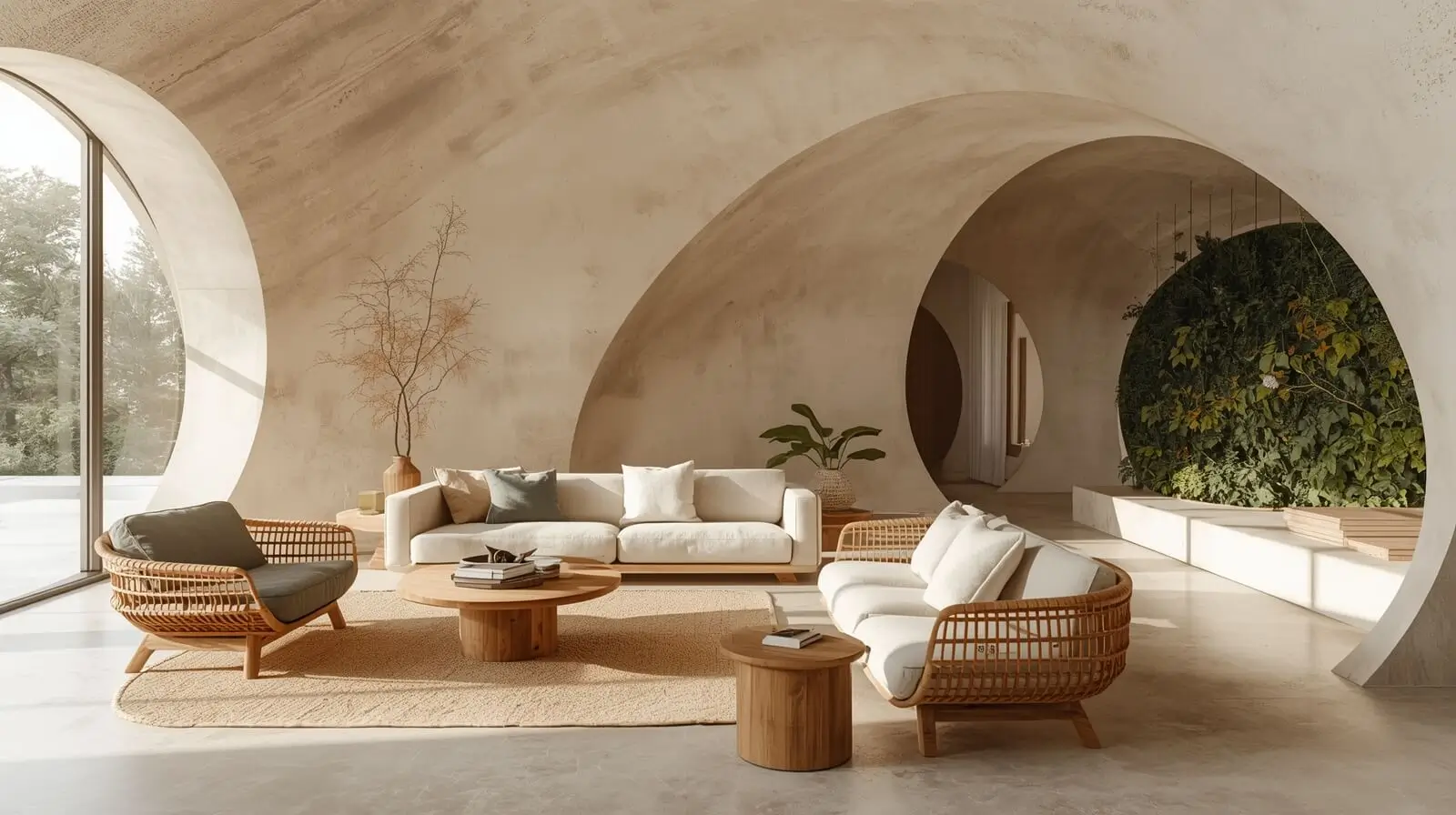
Organic Texture Interior Design
Organic textures soften interiors and reduce visual tension. Curved forms, natural finishes, and irregular surfaces create relaxed, human-centered spaces.
Timeless Texture Interior Design Choices
Timeless texture comes from restraint and quality. Materials with natural variation age gracefully and maintain relevance across changing trends.
Conclusion
Texture interior design is what turns a well-planned space into one that truly lives well. It works because it speaks to how we experience our homes on a human level—through touch, light, comfort, and atmosphere—not just how they look in photographs. When texture is used with intention, spaces feel grounded yet expressive, calm yet layered, and thoughtfully composed rather than decorated.
From practical experience, the most successful interiors aren’t defined by how many materials they include, but by how clearly each texture has a purpose. Smooth surfaces bring clarity, rough finishes add honesty, soft elements invite rest, and natural materials create emotional warmth. Together, they form an environment that supports daily life—how you move, pause, host, and recharge.
Texture interior design benefits anyone who wants a home that feels personal, balanced, and enduring. Whether you’re refining a minimalist space, adding depth to a neutral palette, or making a small room feel richer without clutter, texture provides direction and confidence. Moving forward, focus less on trends and more on how materials interact with light, scale, and touch. When texture is chosen thoughtfully, your space doesn’t just look finished—it feels complete.
Learn more : 12+ Timeless Secrets of MCM Interior Design That Still Work
Frequently Asked Questions
- What is the easiest way to start using texture in interior design?
Start with what you already have. Layer soft furnishings like rugs, cushions, or curtains in varied materials, then balance them with harder surfaces such as wood, stone, or metal. Small changes can dramatically improve how a space feels.
- Can texture interior design work in a neutral or monochrome space?
Absolutely. In fact, neutral interiors rely heavily on texture to avoid feeling flat. Subtle shifts in finish—matte, woven, polished, or natural—create depth even when color variation is minimal.
- How do I mix different textures without making a room feel busy?
Limit your palette and vary texture rather than color. Choose a few core materials and repeat them in different forms. This creates cohesion while still allowing contrast to do its work.
- Is texture more important than color in interior design?
Neither replaces the other, but texture often has a longer-lasting impact. Color can set the mood quickly, while texture shapes how a space feels over time, especially in daily use and changing light.
- How does lighting affect texture interior design?
Lighting reveals texture. Directional and natural light enhance depth, shadows, and material character. Thoughtful lighting can make even subtle textures feel intentional and refined.
- What textures work best in small spaces?
Light-reflective surfaces paired with soft, fine-grain textures work well. Vertical textures, smooth finishes, and layered fabrics help add interest without overwhelming limited space.
- Are natural textures always better than synthetic ones?
Not always. Natural textures offer warmth and authenticity, but well-chosen synthetic materials can provide durability and consistency. The key is how the texture supports the space’s function and lifestyle needs.
If you’d like, I can also help you turn this conclusion and FAQ into Pinterest-friendly snippets, Google Discover formats, or supporting cluster content that expands the topic further—just say the word.



4 Responses