
Introduction
Aircraft interior design is far more than selecting beautiful seats or luxurious finishes—it is the careful orchestration of comfort, safety, engineering, and brand storytelling within one of the most technically demanding environments in the world. Every curve, material, and lighting detail must perform at 40,000 feet while meeting strict aviation regulations.
Having worked closely with luxury transport environments and high-performance interiors, I’ve seen how aircraft interior design transforms confined cabins into immersive experiences. Whether designing commercial cabins, private jets, or general aviation aircraft interiors, the challenge lies in blending ergonomics, certification standards, weight management, and refined aesthetics into one seamless environment.
Below are expert-level clusters that define the core pillars of aircraft interior design today.
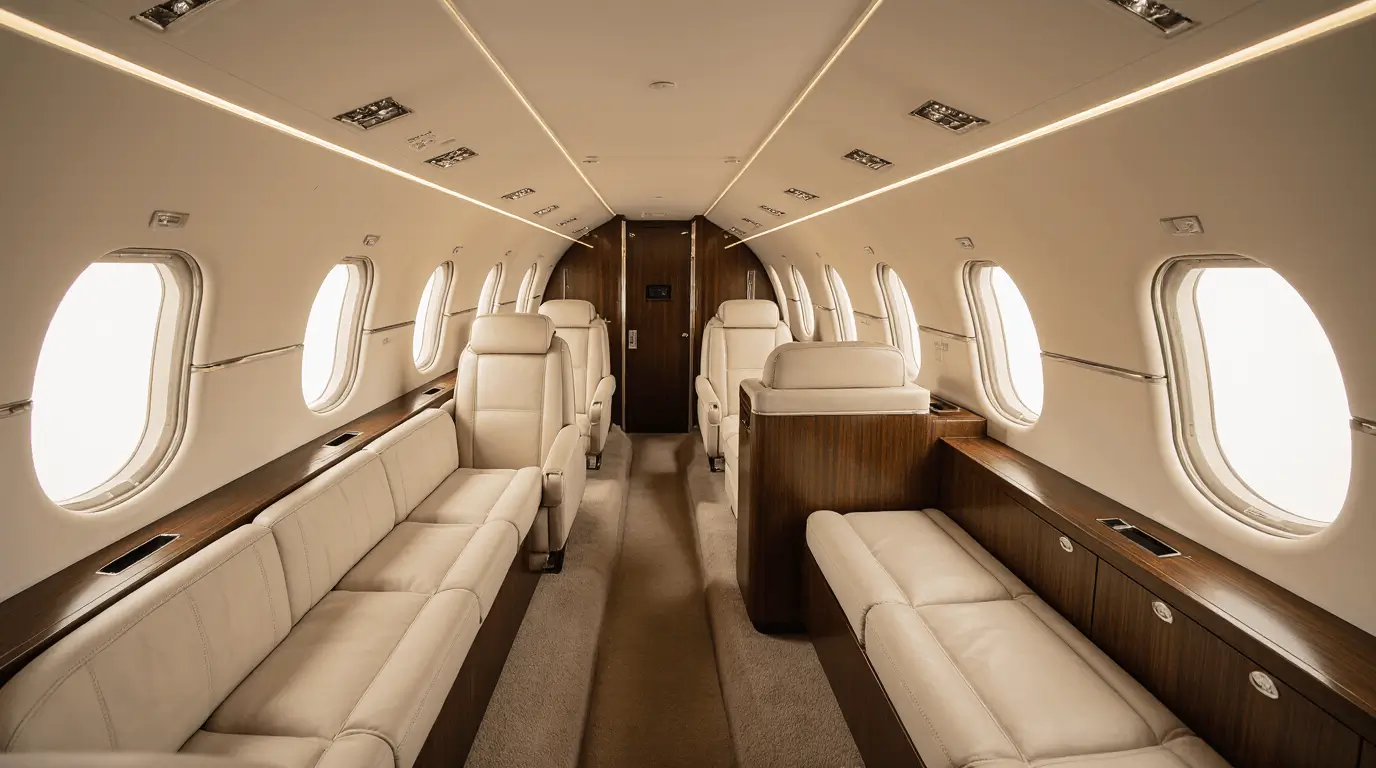
Private Jet Aircraft Interior Design
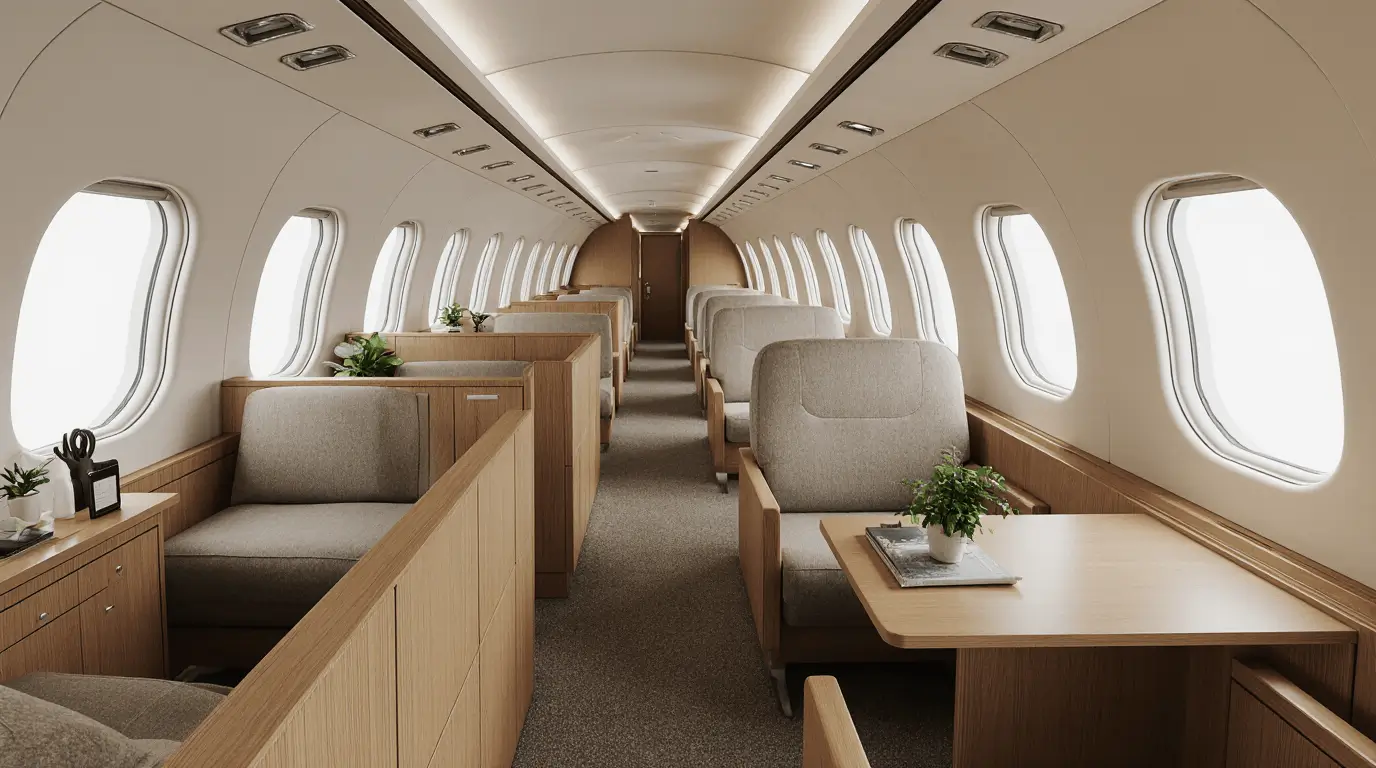
Private jet aircraft interior design centers on personalization, privacy, and brand identity. Layouts are tailored to owner lifestyle—boardroom seating, lounge zones, and sleeping quarters are common integrations.
Design decisions prioritize lightweight luxury materials, seamless storage integration, and acoustic insulation for a serene flight experience.
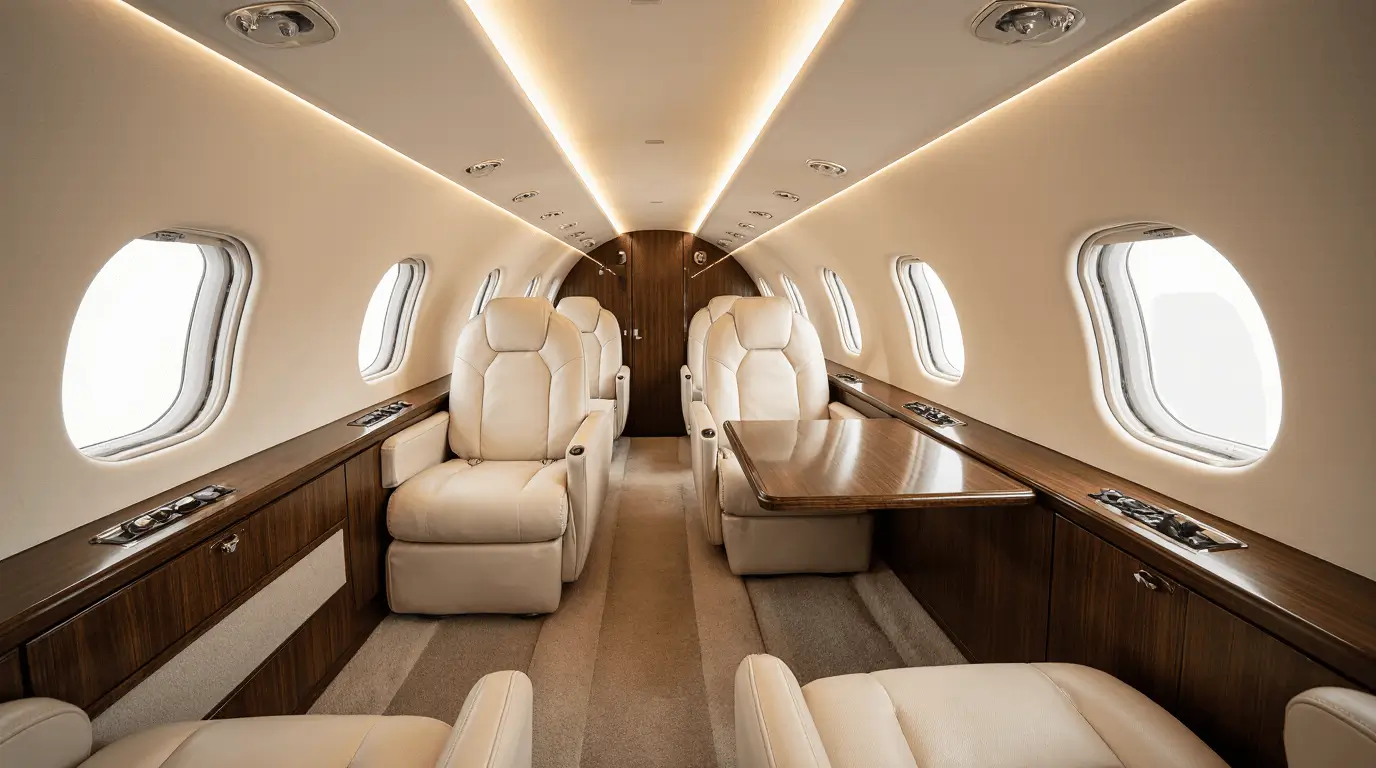
Commercial Aircraft Interior Design Innovation
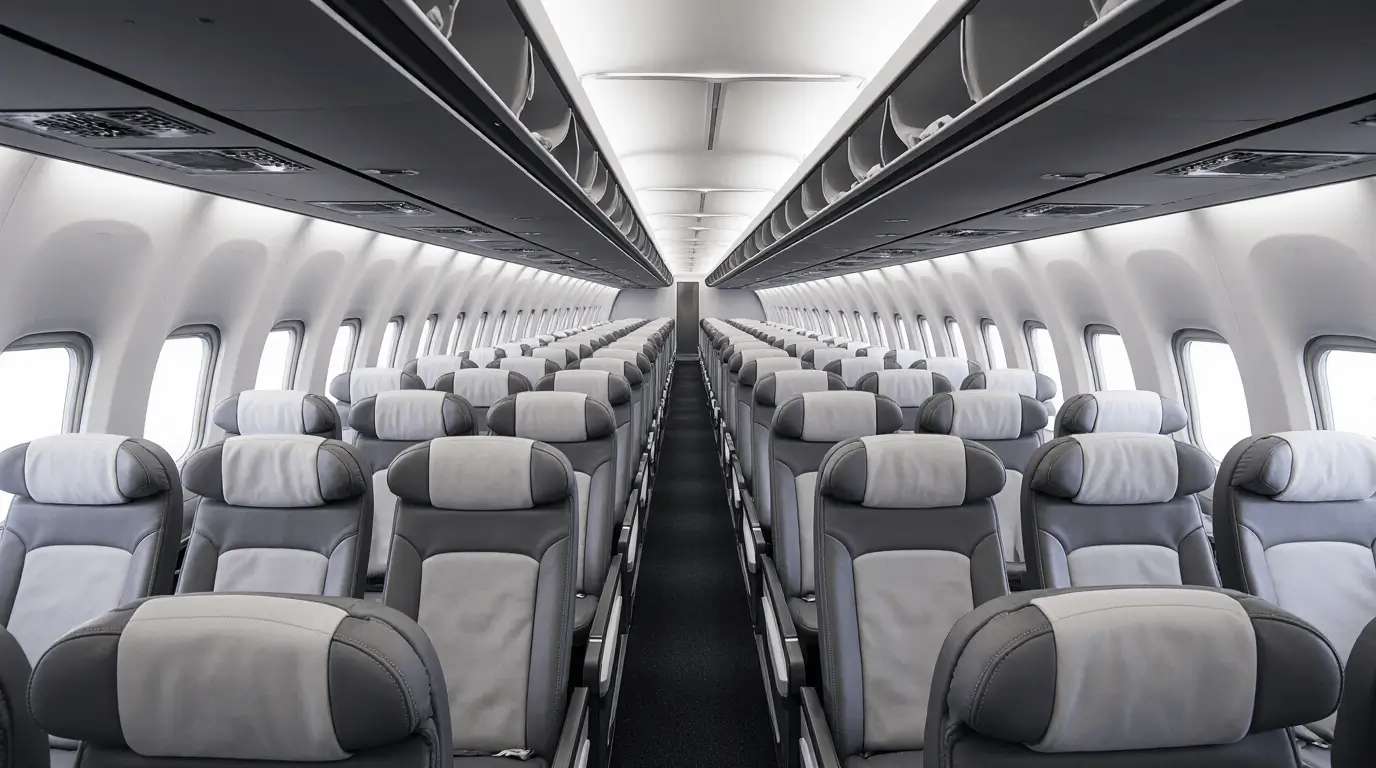
In commercial aviation, aircraft interior design balances passenger density with comfort. Cabin zoning, seat pitch optimization, and durable materials are essential.
Designers focus on intuitive circulation paths, subtle lighting transitions, and durable upholstery that withstands high turnover while maintaining brand consistency.
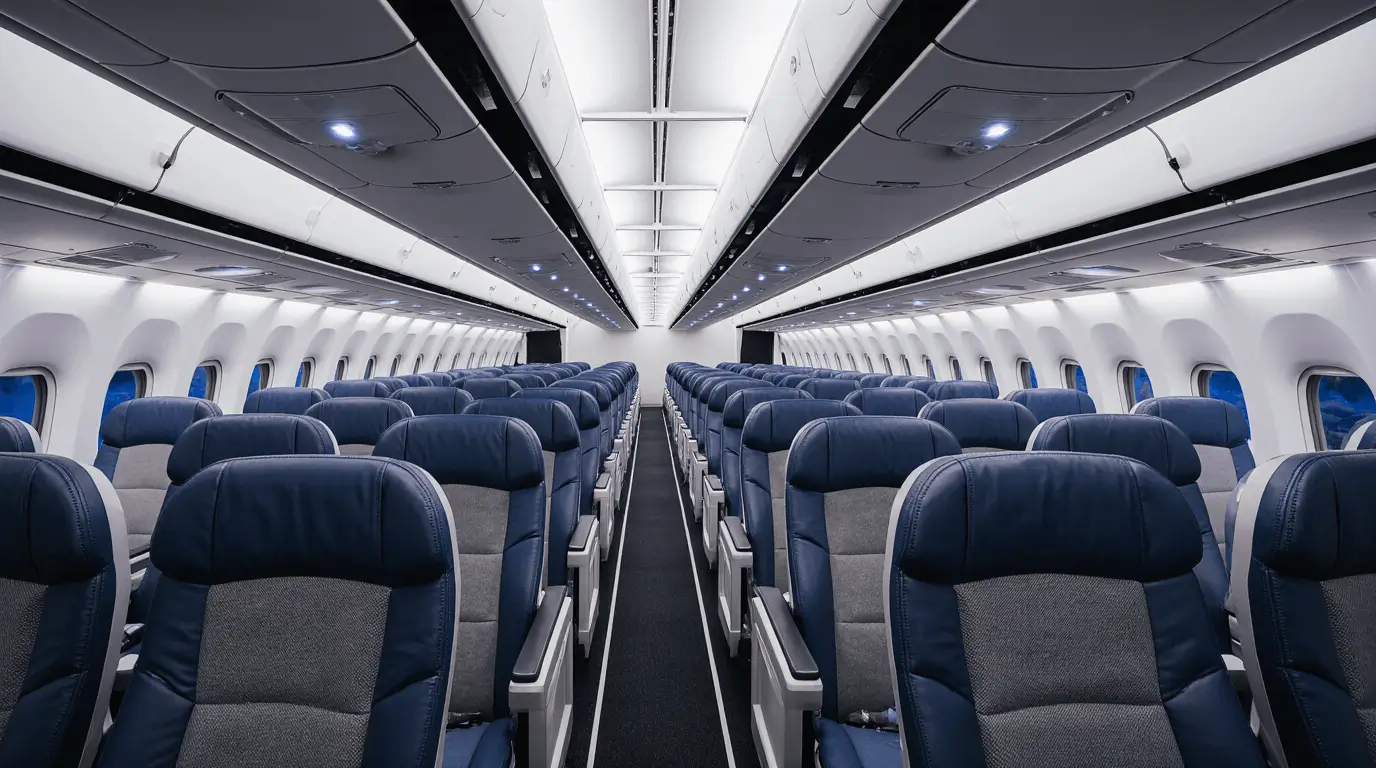
General Aviation Aircraft Interior Design
General aviation aircraft interiors require compact solutions with high functional efficiency. Space optimization is key due to smaller cabin dimensions.
Design strategies include modular storage, multifunction seating, and easy-maintenance upholstery aircraft solutions for frequent use.
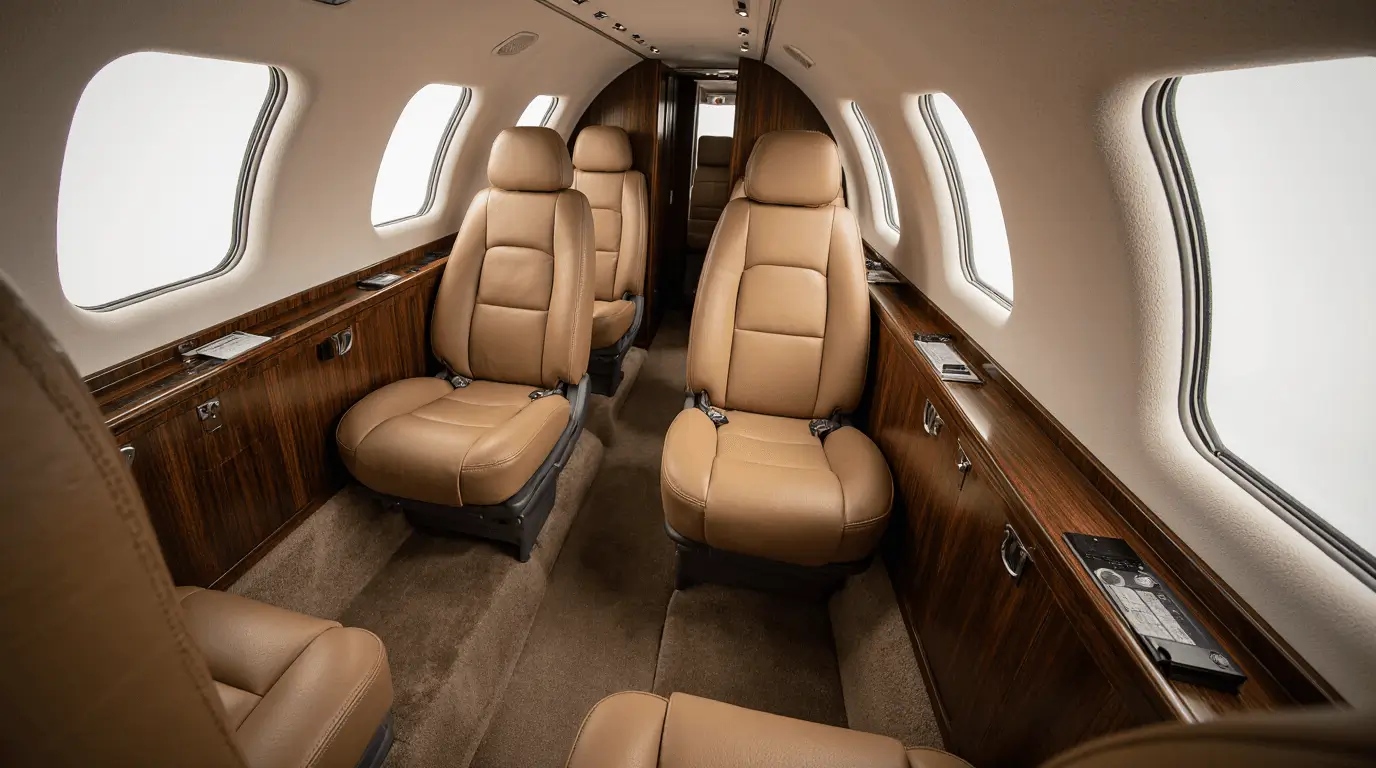
Custom Aircraft Seats & Ergonomics
Custom aircraft seats are engineered for posture support, weight efficiency, and safety compliance. Foam density, frame structure, and upholstery choices significantly impact comfort.
Aircraft interior designers prioritize lumbar alignment, adjustable headrests, and premium stitching details that enhance visual refinement.
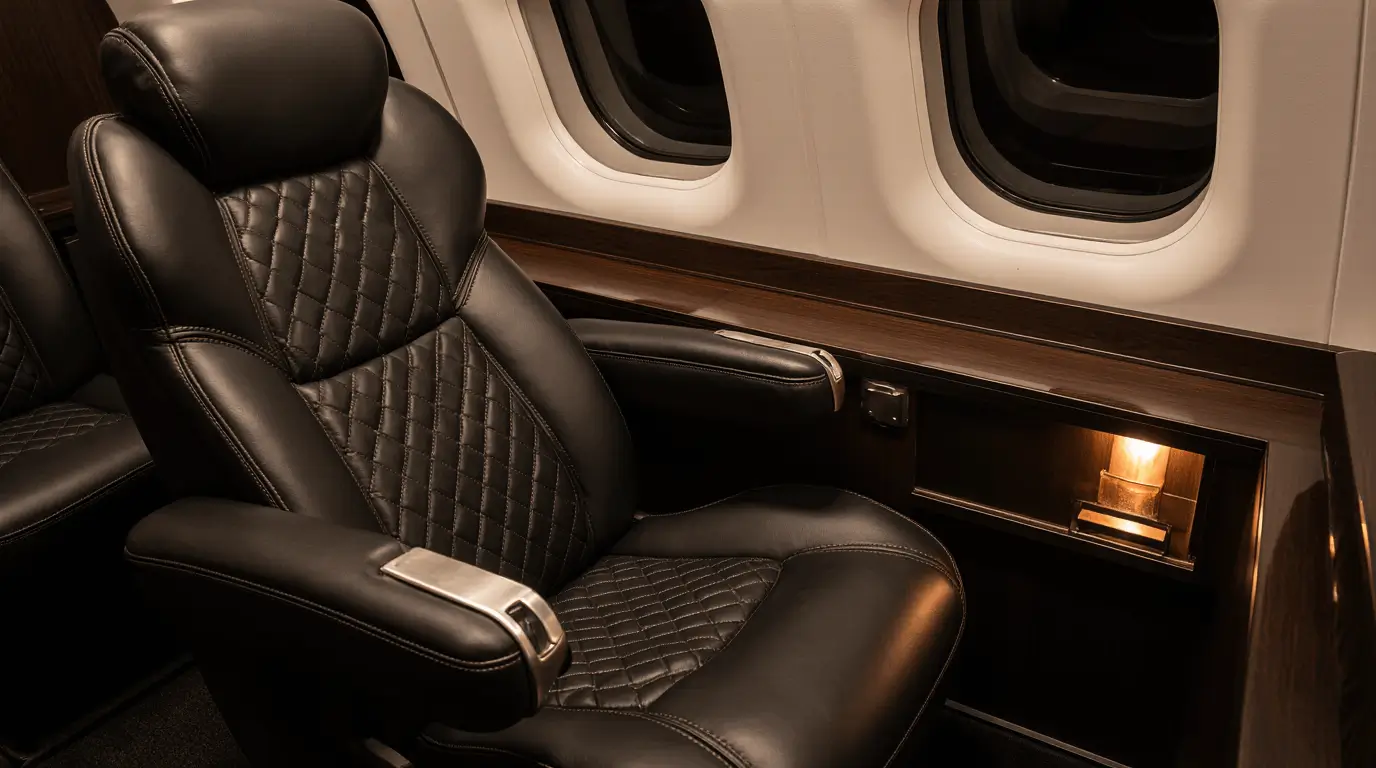
Aircraft Upholstery & Material Selection
Aircraft upholstery must meet fire-retardant standards, durability requirements, and aesthetic goals. Leather, wool blends, and advanced synthetic textiles are common.
Material layering influences acoustic performance and perceived luxury.
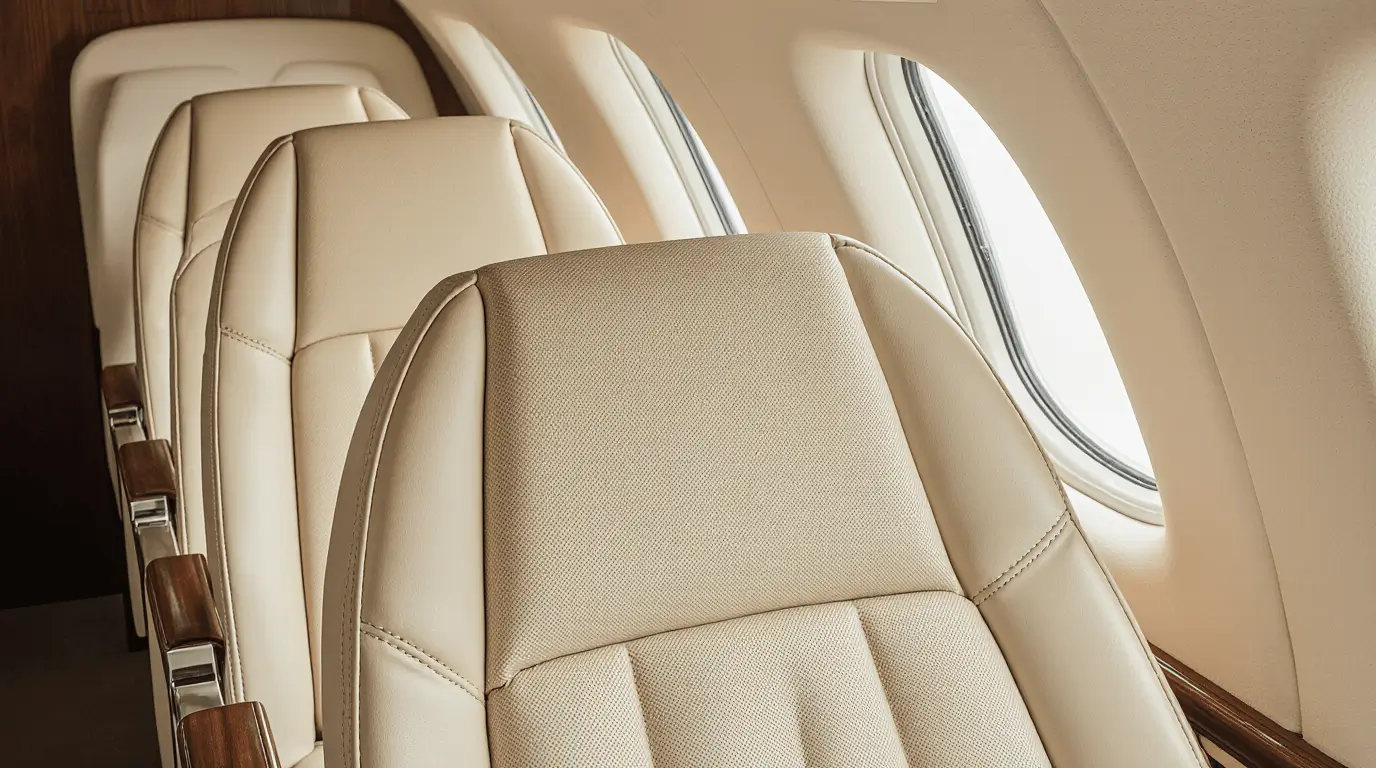
Lighting Strategy in Aircraft Interior Design
Lighting defines mood, circadian rhythm support, and spatial perception. Designers layer task lighting, ambient ceiling LEDs, and accent illumination.
Soft gradient lighting transitions reduce fatigue and elevate the passenger experience.
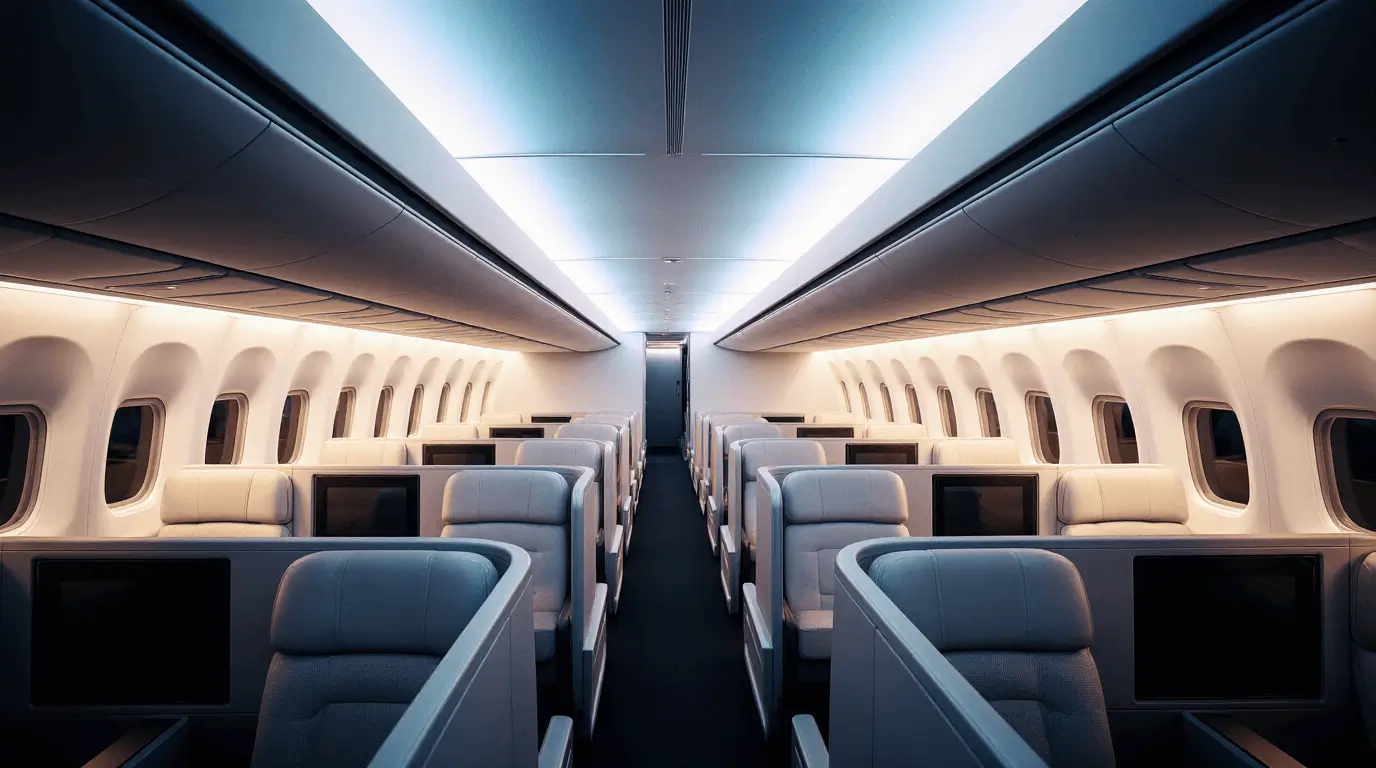
Aircraft Interior Layout & Space Planning
Interior aircraft design begins with spatial planning. Circulation, seat alignment, galley positioning, and lavatory placement must meet regulatory codes.
Smart zoning ensures privacy in premium cabins while maintaining operational efficiency.
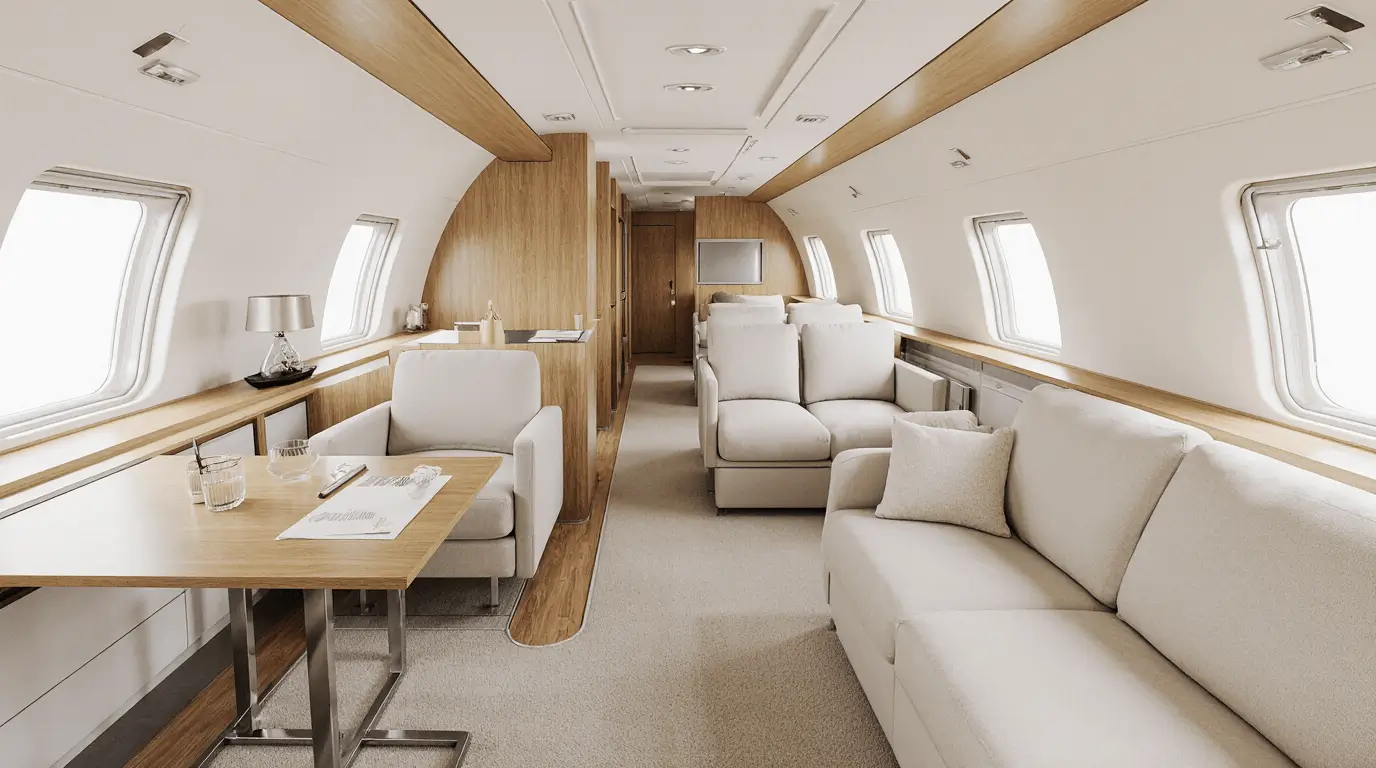
Aircraft Interior Design Companies & Collaboration
Aircraft interior design companies collaborate with engineers, manufacturers, and certification authorities. The process includes 3D modeling, prototyping, and compliance testing.
Successful projects balance aesthetics with structural and safety constraints.

Sustainable Aircraft Interior Design
Sustainability is reshaping aircraft interiors design through lightweight composites, eco-certified leathers, and recyclable textiles.
Reducing cabin weight improves fuel efficiency while aligning with environmental responsibility.
Aircraft Interior Design for Branding
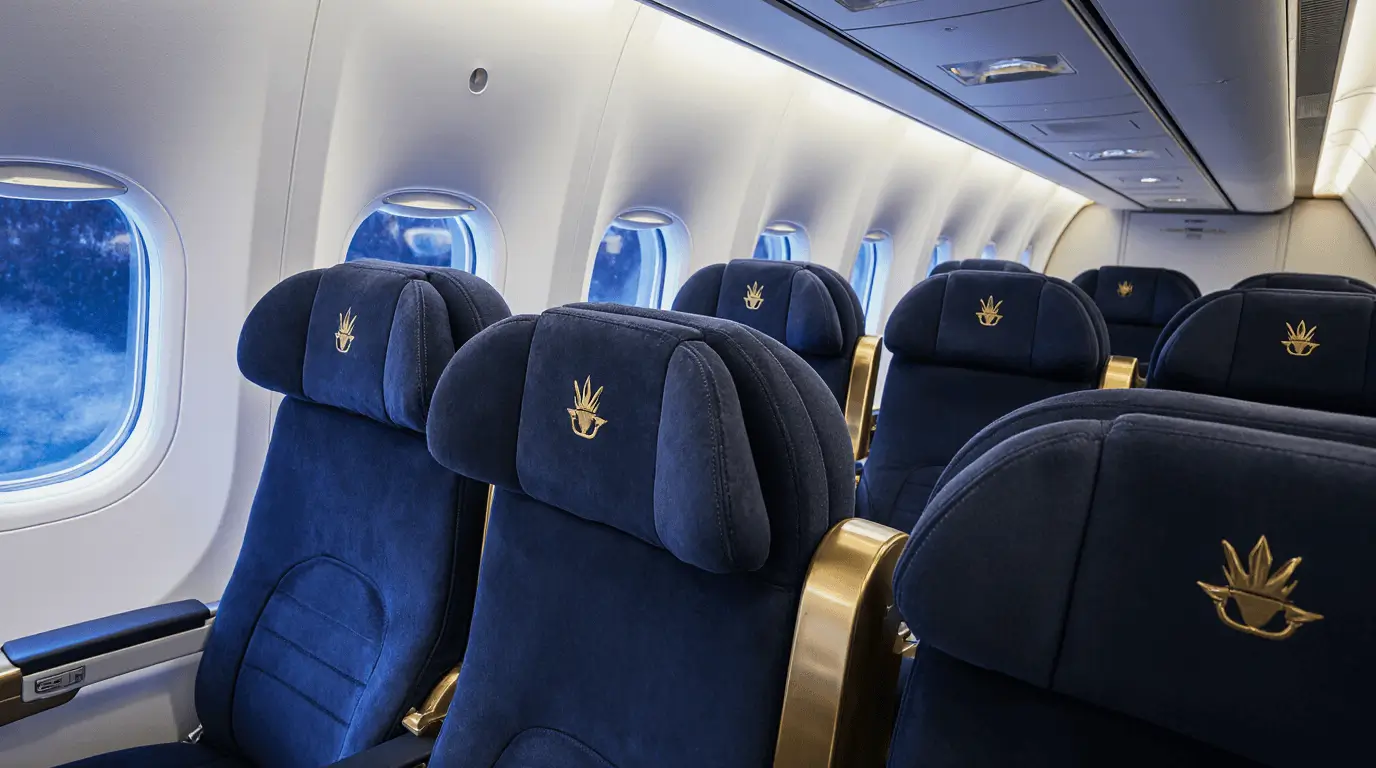
Airlines and jet owners use aircraft interior design as brand storytelling. Color palettes, textures, and layout define identity.
Consistent finishes across fleet cabins reinforce recognition and emotional connection.
Aircraft Interior Acoustics & Comfort
Cabin acoustics are critical. Insulation panels, layered materials, and structural damping minimize vibration and engine noise.
Comfort-driven aircraft interior design integrates sound control without increasing weight.
Luxury Lavatory & Galley Design in Aircraft Interiors
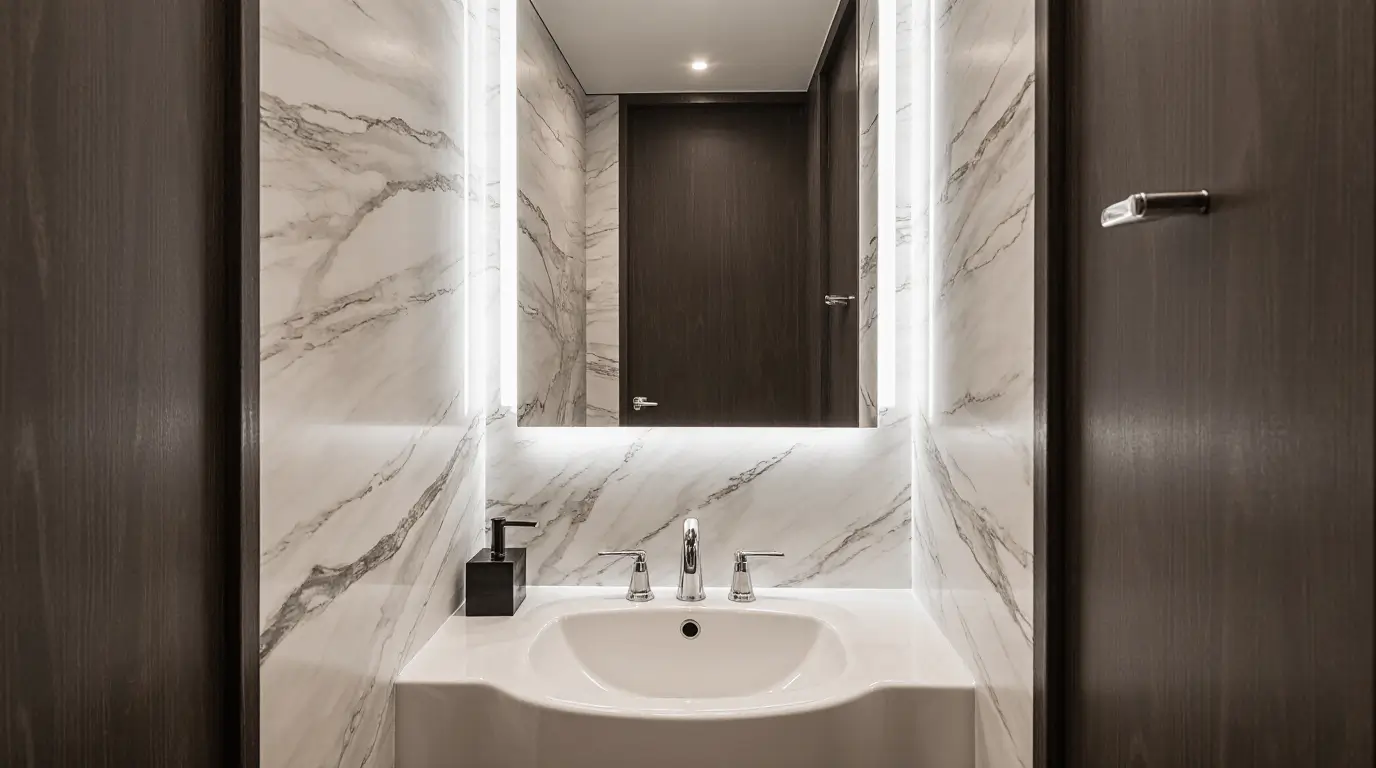
Even compact areas like galleys and lavatories reflect aircraft interior sophistication. Lightweight stone veneers and integrated lighting elevate small spaces.
Smart storage ensures functionality without visual clutter.
Aircraft Interior Certification & Safety Integration
Every interior airplane design element must meet aviation safety regulations. Flammability, crashworthiness, and structural anchoring standards guide material selection.
Experienced aircraft interior designers balance regulatory demands with refined detailing.

Technology Integration in Aircraft Interior Design
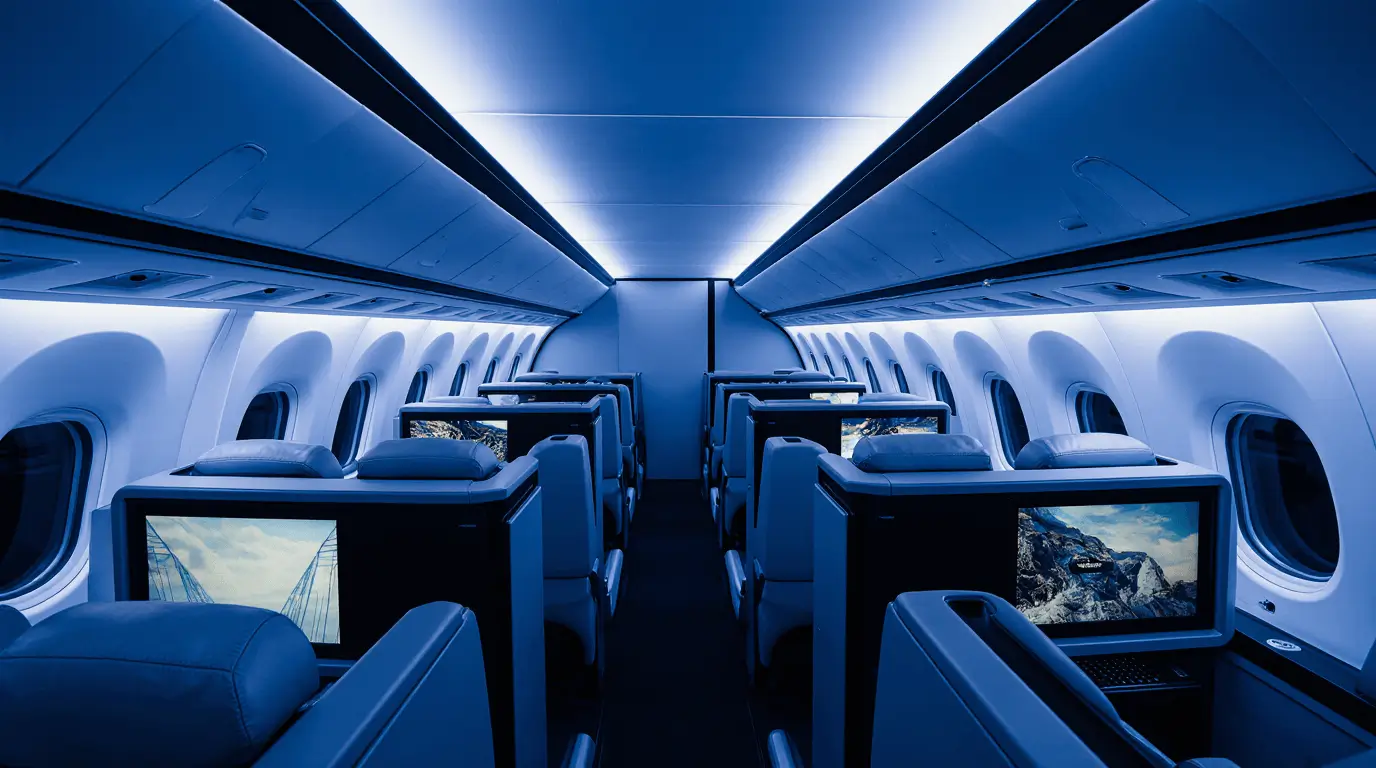
Modern aircraft interiors incorporate touchscreen controls, smart cabin management systems, and in-flight entertainment displays.
Technology is seamlessly integrated into seatbacks, sidewalls, and armrests for a clean aesthetic.
Aircraft Interior Design Careers & Expertise
Aircraft interior design jobs require knowledge of ergonomics, materials science, CAD modeling, and aviation law. Specialized aircraft interior design courses prepare designers for certification-driven projects.
Professionals in this niche blend creativity with technical discipline.

Future Trends in Aircraft Interior Design
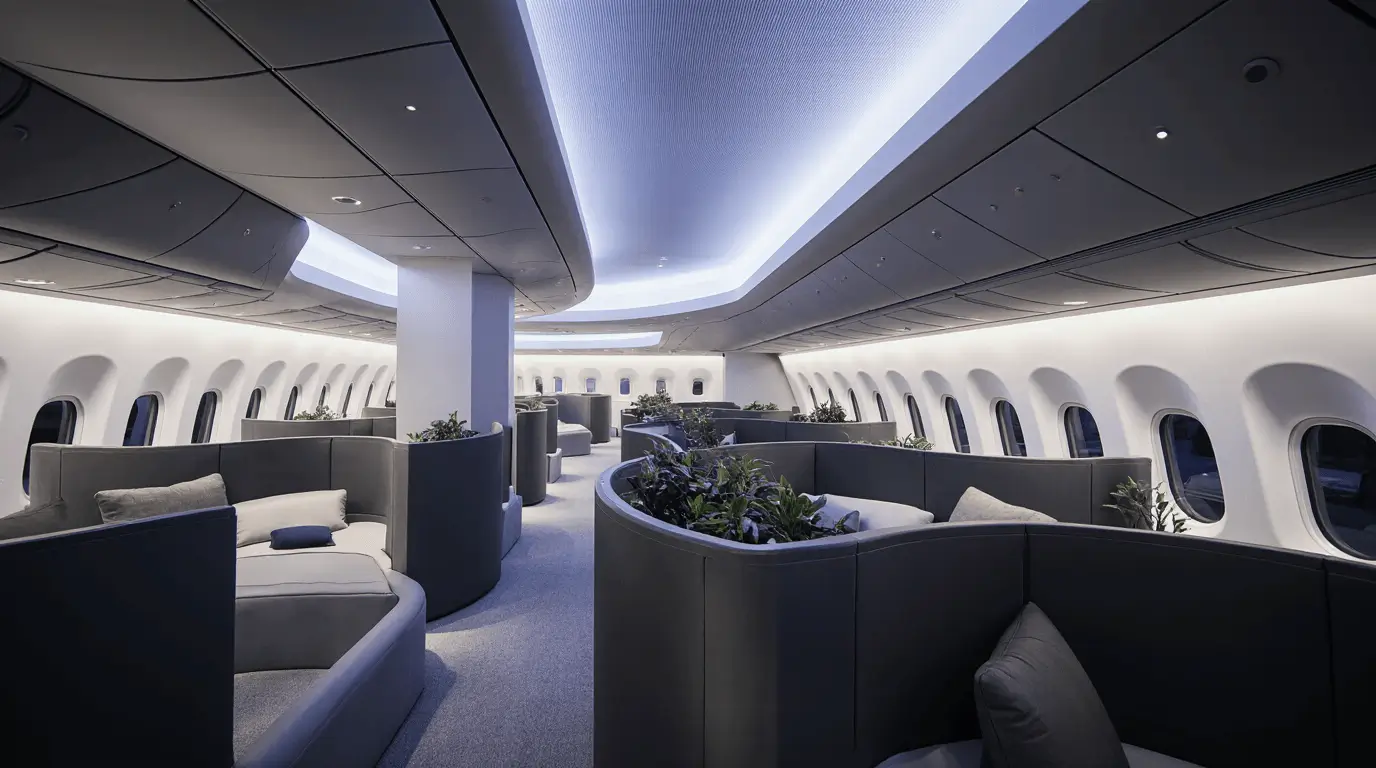
The future of aircraft interior design emphasizes modular seating, wellness-focused cabins, and AI-assisted lighting environments.
Design philosophies are shifting toward passenger wellbeing, personalization, and sustainable innovation.
Conclusion: Designing for Performance, Comfort, and Legacy
Aircraft interior design is one of the rare disciplines where elegance must coexist with engineering precision. It demands creative vision, regulatory awareness, and a deep understanding of how people behave in confined, high-altitude environments. When done correctly, it doesn’t just make a cabin look refined—it improves comfort, reduces fatigue, enhances operational efficiency, and strengthens brand identity.
From private jet personalization to commercial cabin optimization, every decision in aircraft interior design serves multiple purposes. Materials must be lightweight yet luxurious. Lighting must support circadian rhythm while defining atmosphere. Seating must balance ergonomics, certification standards, and long-haul comfort. These layered decisions are what separate a visually attractive cabin from a truly successful one.
In practice, this approach benefits aircraft owners, airlines, designers, and passengers alike. Owners gain an interior aligned with their lifestyle and values. Airlines build emotional connection through thoughtful branding. Passengers experience greater comfort and calm in transit. And designers who understand both aesthetics and aviation constraints create spaces that endure years of flight cycles without compromise.
If you are considering an aircraft interior project—whether a refurbishment, new acquisition, or career path—the key is clarity. Define performance requirements first, align them with passenger experience goals, and collaborate with specialists who understand certification realities. When form follows both function and flight standards, the result is an environment that feels effortless in the air.
Aircraft interior design succeeds because it respects both human experience and aerospace discipline. When those two worlds align, the cabin becomes more than a space—it becomes an experience worth remembering.
Learn more : 10+ Stunning Modern Spanish Style Interior Design Secrets
Frequently Asked Questions (FAQs)
- What makes aircraft interior design different from traditional interior design?
Aircraft cabins operate under strict aviation regulations that govern flammability, structural integrity, and weight limits. Unlike residential or commercial interiors, every material, fastening method, and layout choice must be certified for safety. Designers must think like engineers while maintaining aesthetic refinement.
- How long does an aircraft interior design project typically take?
Timelines vary depending on scope. A full private jet refurbishment can take several months, especially when custom components require testing and certification. Commercial aircraft cabin updates often involve phased implementation to minimize operational downtime.
- Are luxury materials practical for aircraft cabins?
Yes—when selected carefully. Aviation-grade leathers, lightweight veneers, and advanced composites can achieve a luxury appearance while meeting safety and weight requirements. The key is sourcing materials specifically approved for aerospace use rather than adapting residential products.
- How does lighting impact passenger comfort during flights?
Lighting significantly affects mood and fatigue. Layered lighting systems can reduce jet lag, create calming environments for long-haul flights, and enhance perceived spaciousness. Proper lighting design also supports crew efficiency and safety during different flight phases.
- What qualifications are needed to work in aircraft interior design?
Professionals typically need training in interior design or industrial design, along with knowledge of CAD software and aviation certification standards. Specialized courses focused on aircraft interiors help bridge the gap between creative design and regulatory compliance.
- Can older aircraft interiors be modernized effectively?
Absolutely. Many aircraft undergo refurbishment to update seating, lighting, upholstery, and technology systems. With careful planning, even legacy cabins can be transformed into contemporary, efficient environments without compromising structural safety.
- What should aircraft owners prioritize when planning a new interior?
Start with operational needs and passenger profile. Consider flight duration, number of occupants, and lifestyle expectations. Prioritize comfort, durability, and compliance first—then layer in aesthetic preferences. A successful aircraft interior design strategy always begins with performance and ends with experience.





One Response