
Introduction
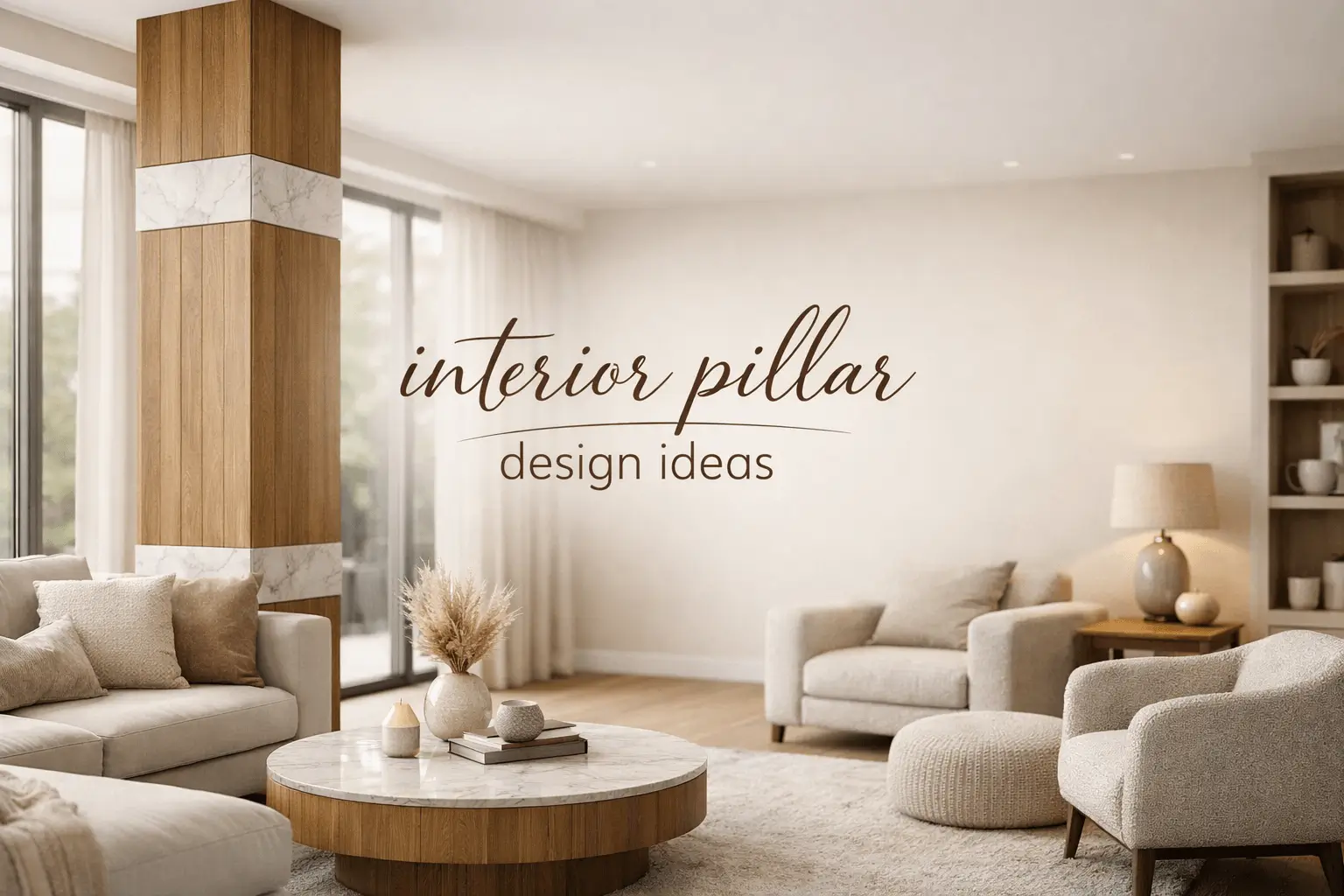
Interior pillar design ideas can completely transform a space when handled thoughtfully. While pillars are primarily structural, they don’t have to feel intrusive or awkward. In well-designed homes, pillars become architectural highlights — defining zones, adding rhythm, and introducing texture or visual depth.
Over the years, I’ve seen homeowners struggle with exposed columns in living rooms or open layouts. The key is not to hide them, but to integrate them intentionally. Whether you prefer modern minimalism, classic detailing, or bold statement features, the right interior pillar design ideas can elevate both functionality and aesthetics.
Below are carefully curated design clusters to help you reimagine pillars as stylish focal points.
Modern Interior Pillar Design Ideas with Clean Lines
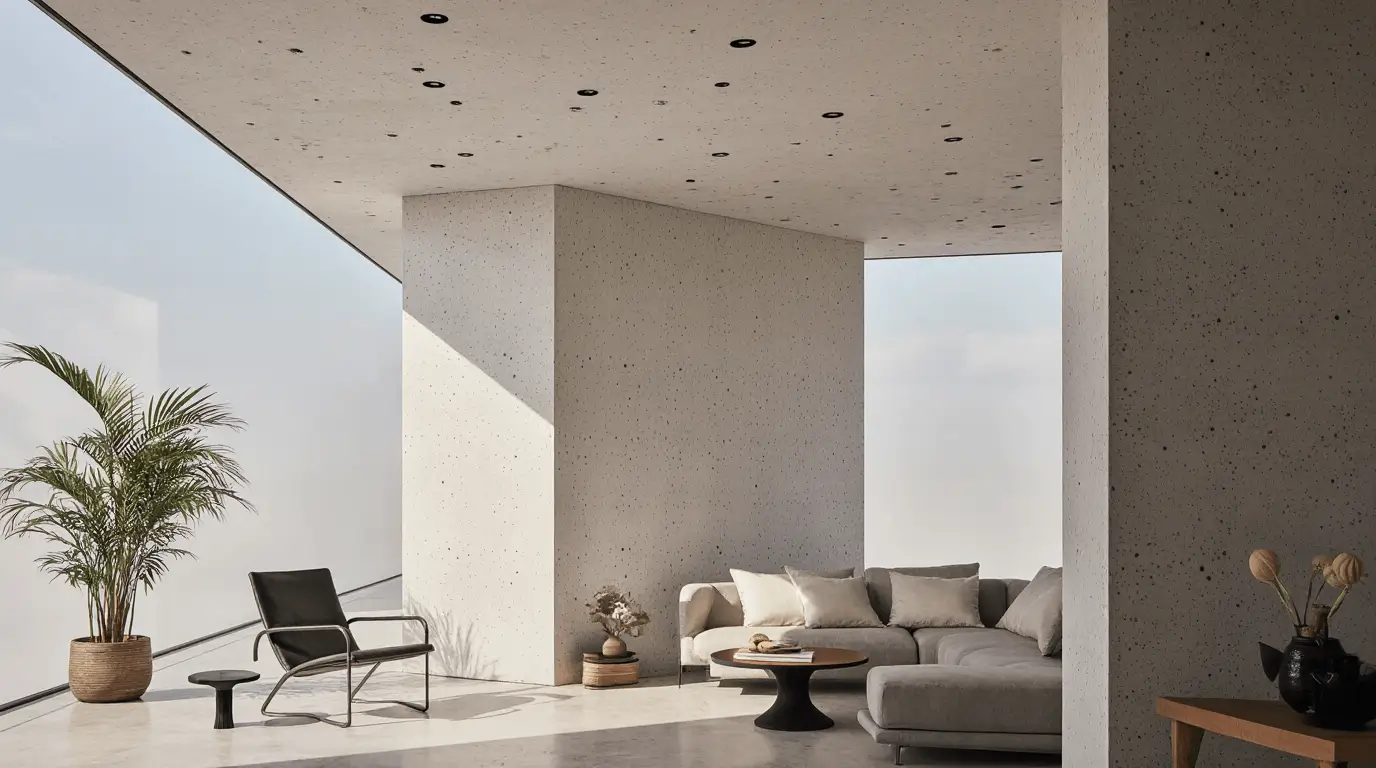
Sleek, streamlined pillars work beautifully in contemporary homes. Smooth plaster finishes, sharp edges, and neutral tones create a seamless architectural presence. These designs complement open-plan layouts without overwhelming the room.
Interior Pillar Design Ideas for Living Room Zoning
In open spaces, pillars can subtly separate seating and dining areas. Adding panel detailing or a contrasting paint finish enhances spatial flow while maintaining cohesion.
Small Interior Pillar Design Ideas for Compact Homes
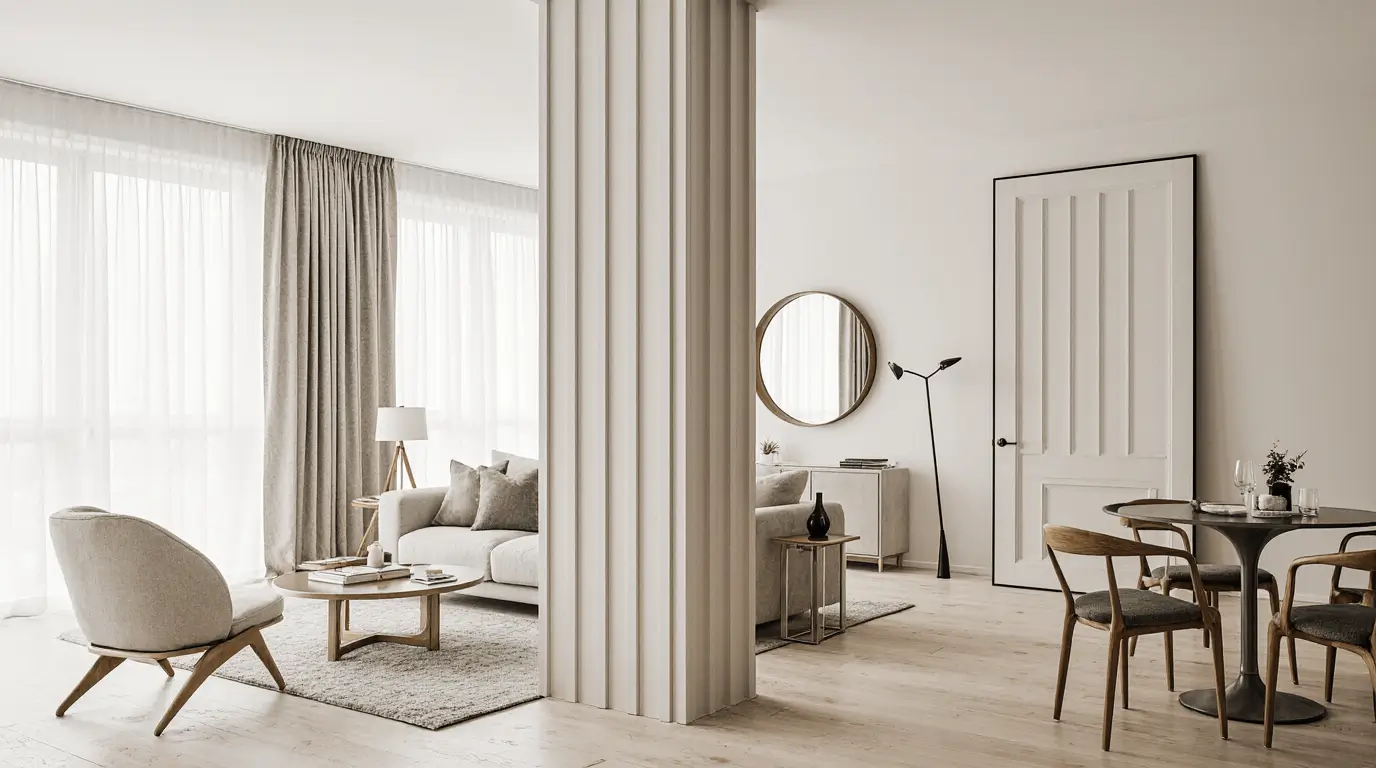
In smaller homes, pillars should feel light and unobtrusive. Mirrors, light paint shades, or slim vertical grooves help visually elongate the structure and prevent heaviness.
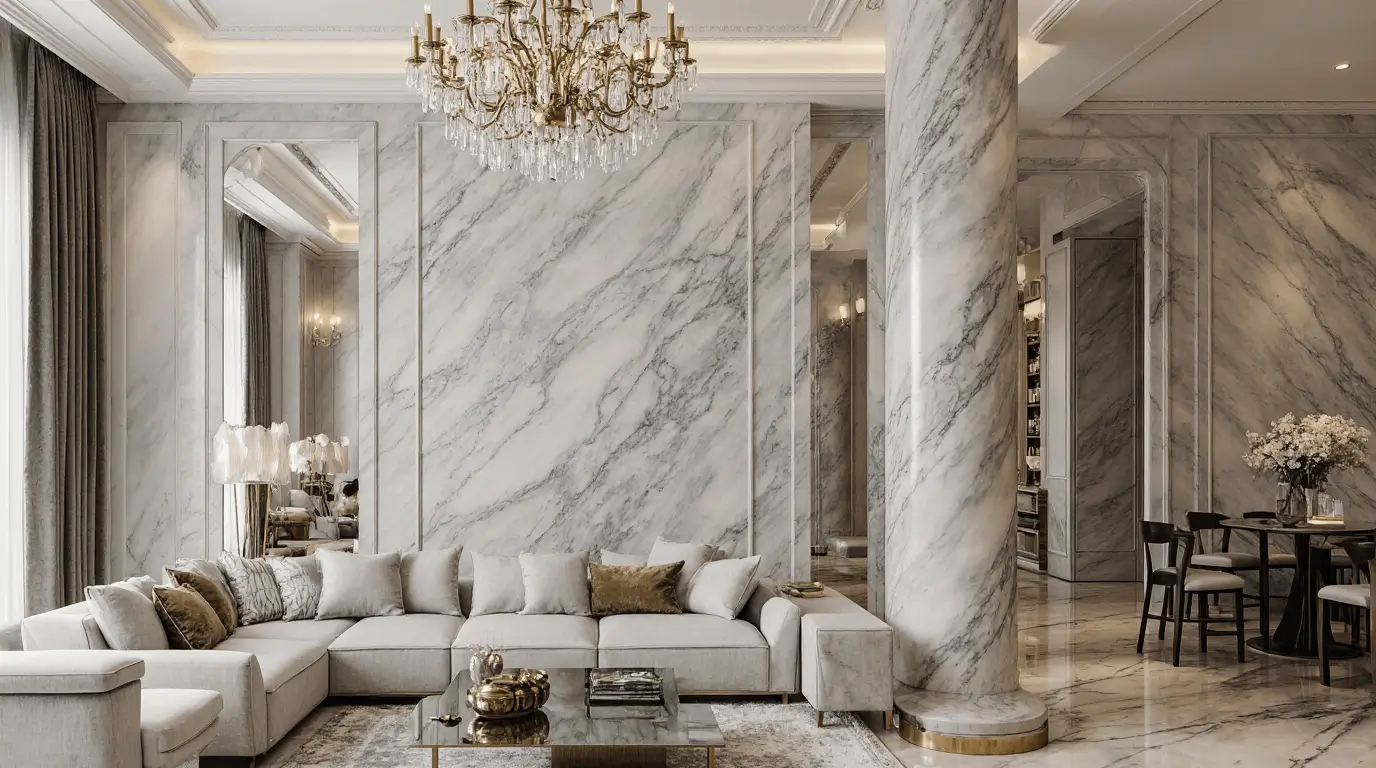
Statement Marble Interior Pillar Design Ideas
Marble cladding instantly elevates a pillar into a luxurious focal point. Whether using white marble with subtle veining or dramatic dark stone, this finish adds timeless elegance.
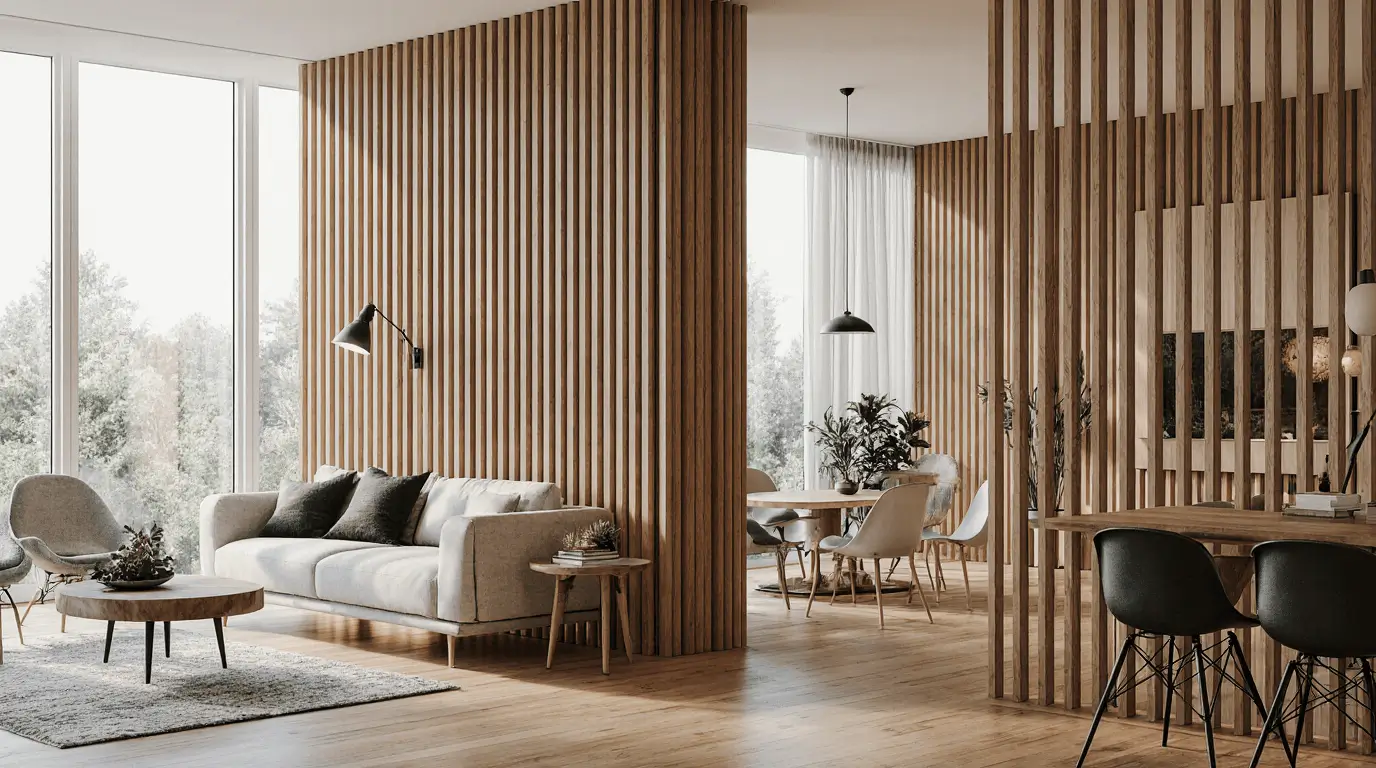
Wooden Cladded Interior Pillar Design Ideas
Wood wrapping adds warmth and texture. Vertical slats or fluted wood panels bring rhythm and modern character while maintaining a natural feel.
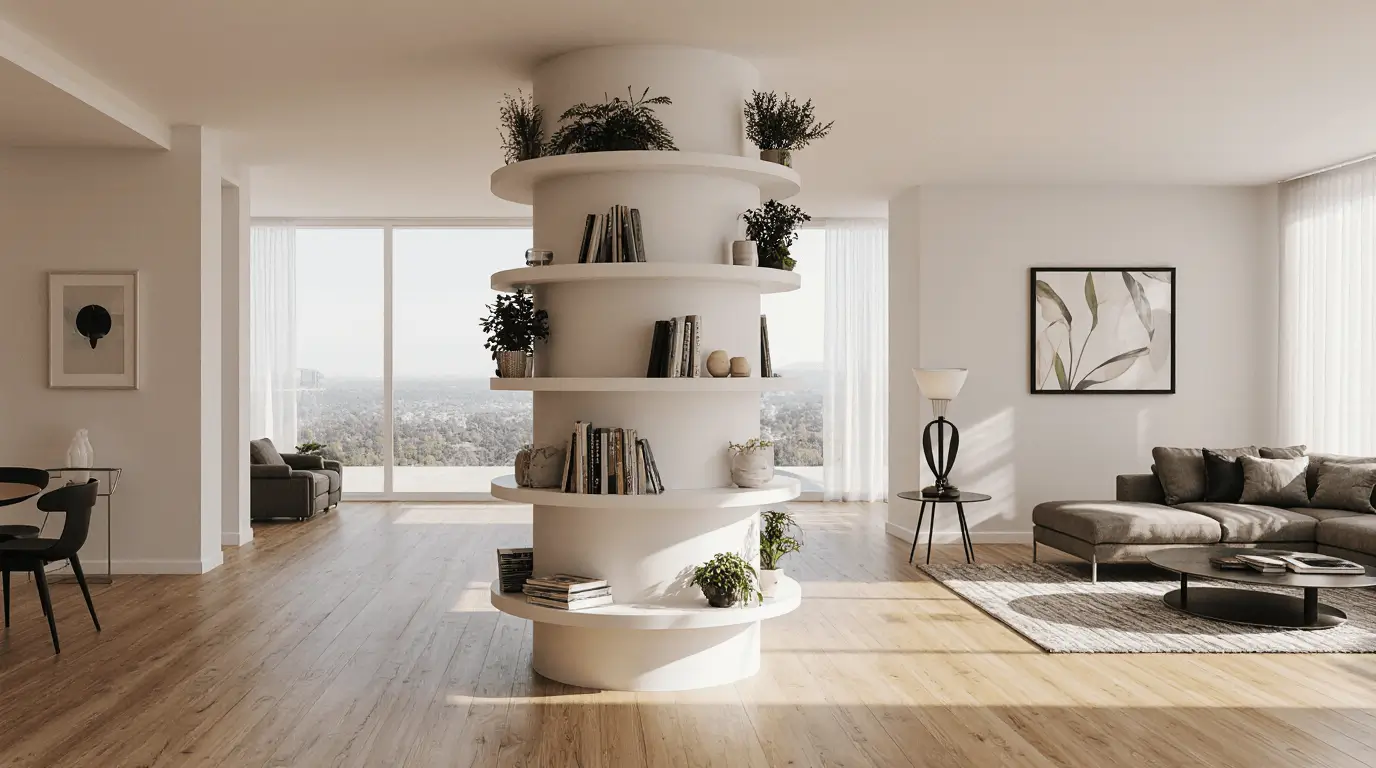
Interior Pillar Design Ideas with Built-in Shelving
Turn a structural column into functional storage. Floating shelves around the pillar create display space for books, décor objects, or plants.
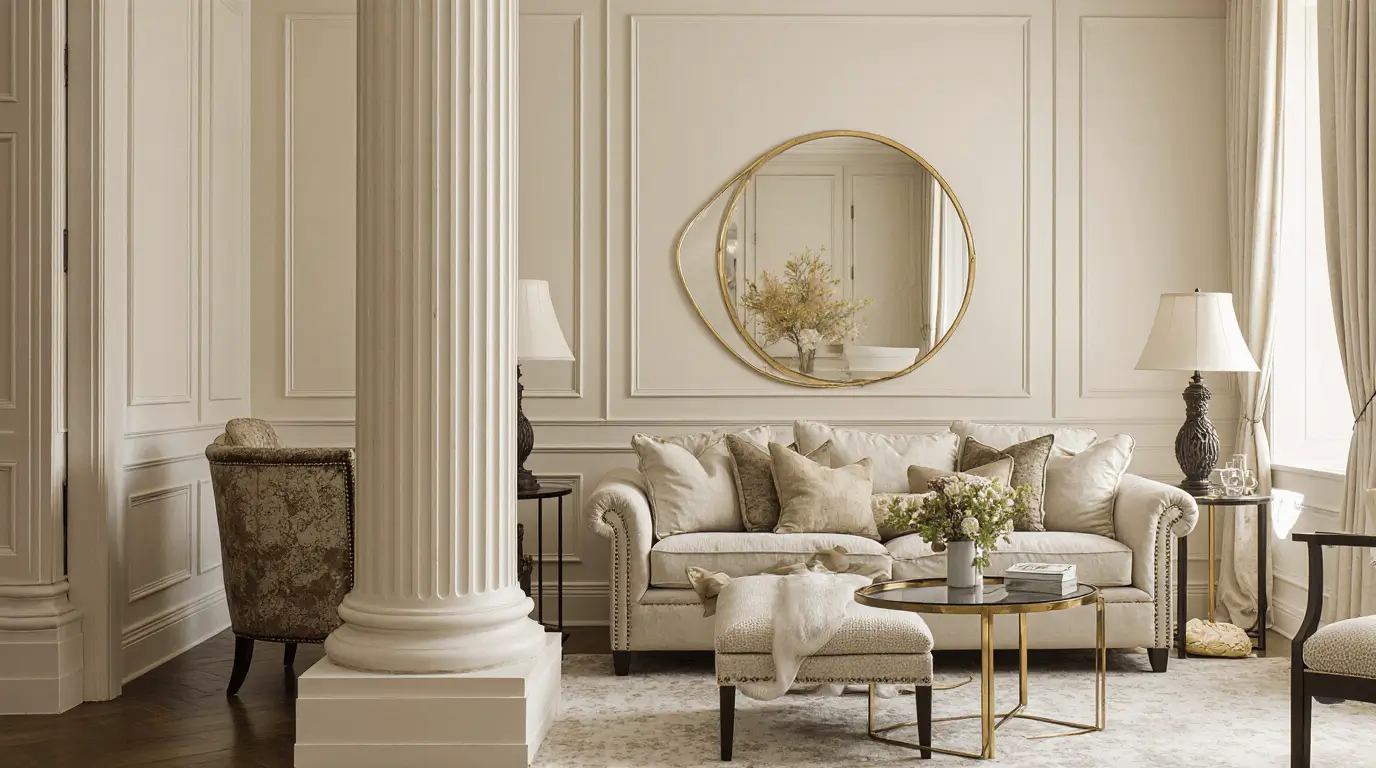
Fluted Interior Pillar Design Ideas
Fluted detailing introduces texture without visual clutter. This works especially well in transitional or neoclassical interiors seeking subtle ornamentation.
Textured Concrete Interior Pillar Design Ideas
Exposed concrete pillars suit industrial or urban-inspired homes. Keeping the finish raw yet polished adds authenticity and depth.
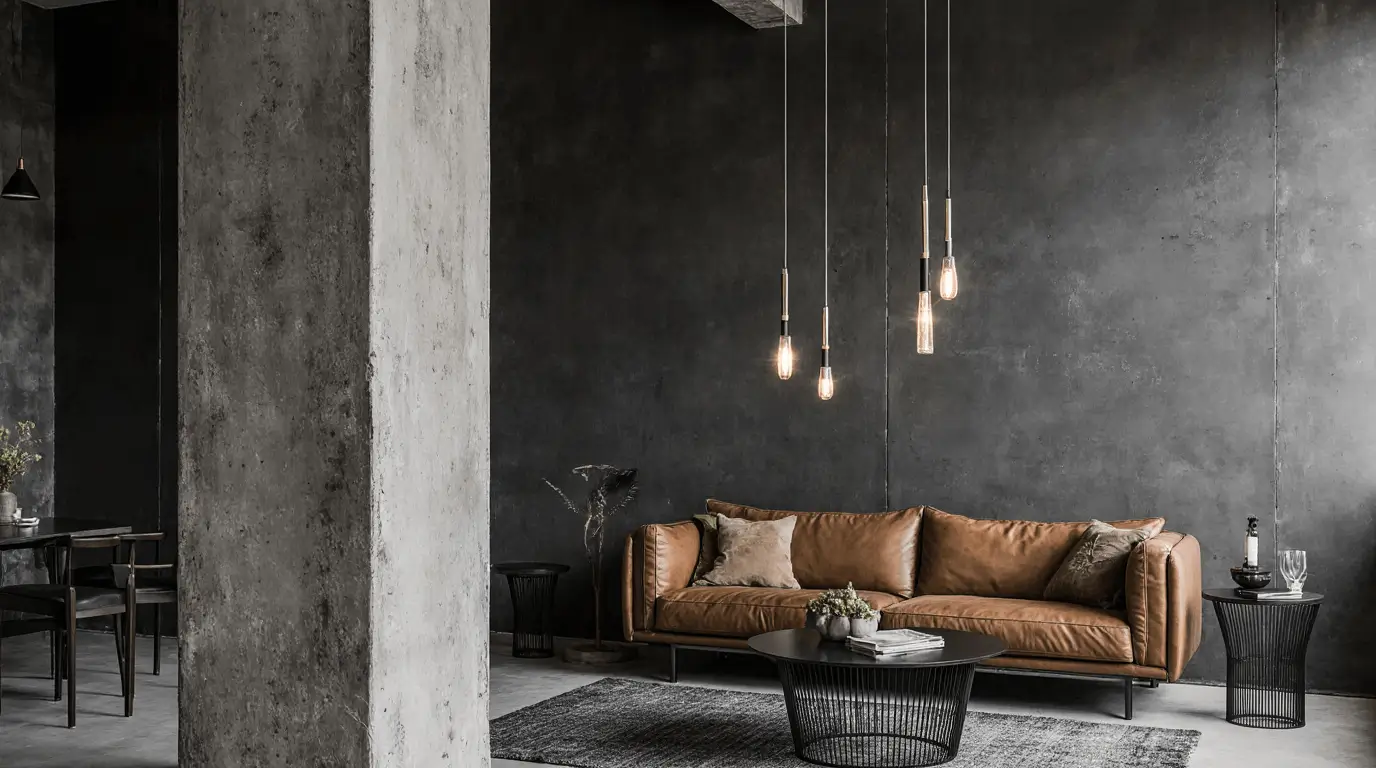
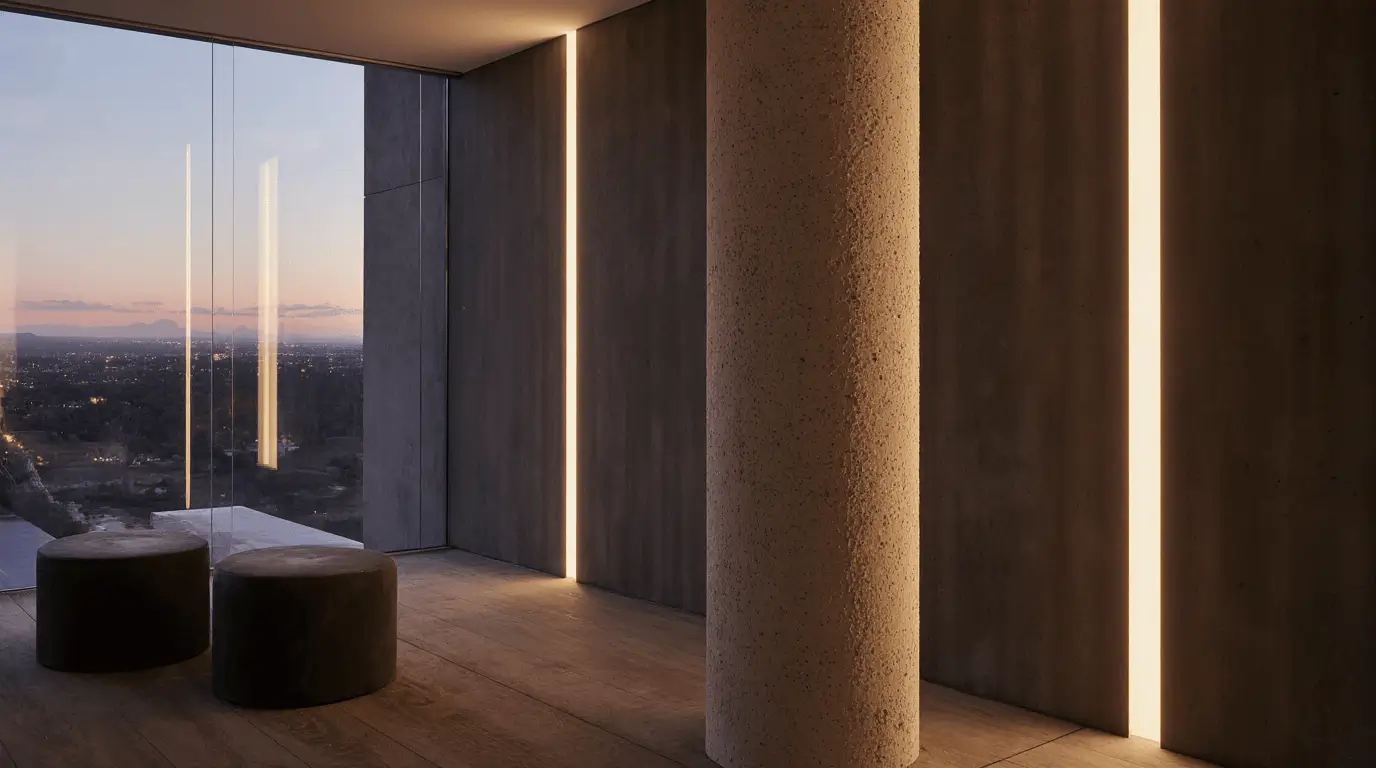
Interior Pillar Design Ideas with Accent Lighting
LED strip lighting or recessed spotlights can dramatically enhance a pillar’s presence. Lighting emphasizes texture and turns the column into a sculptural element.
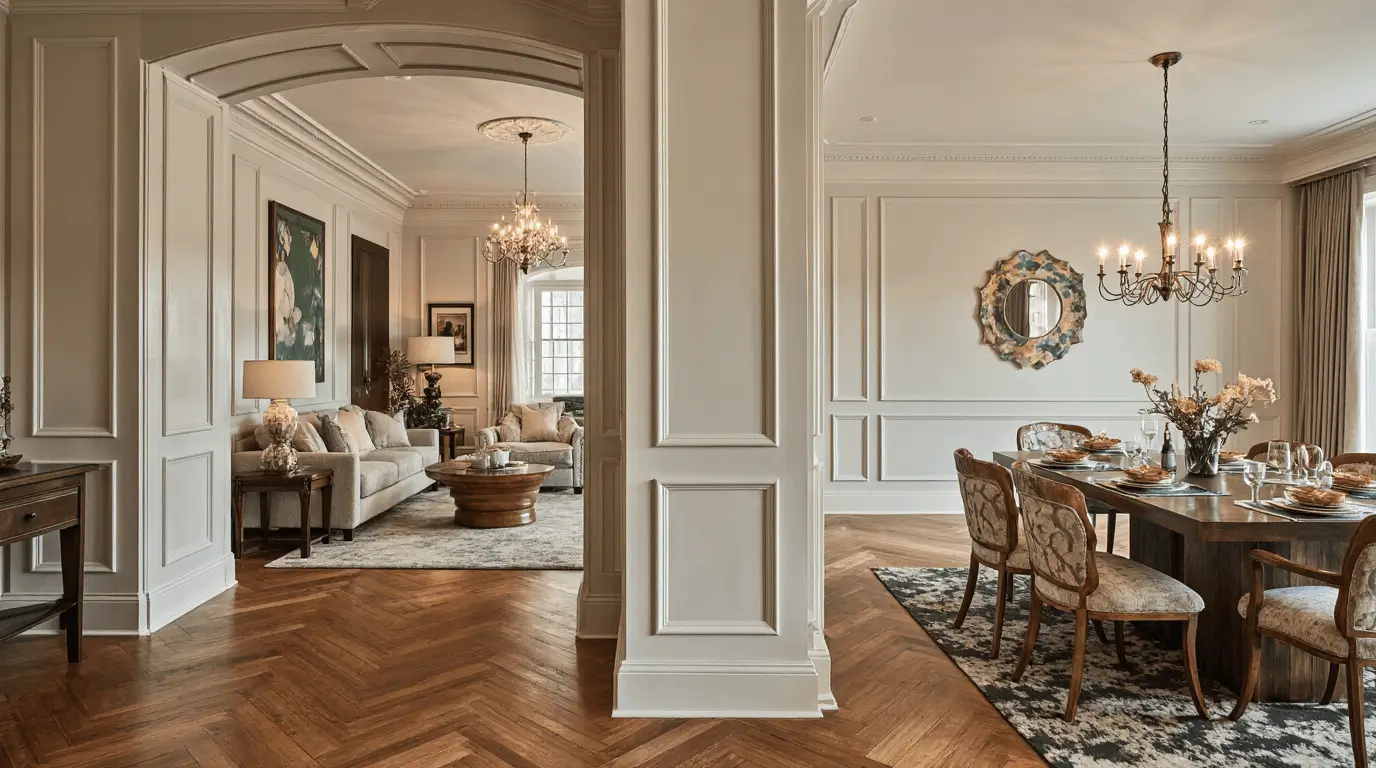
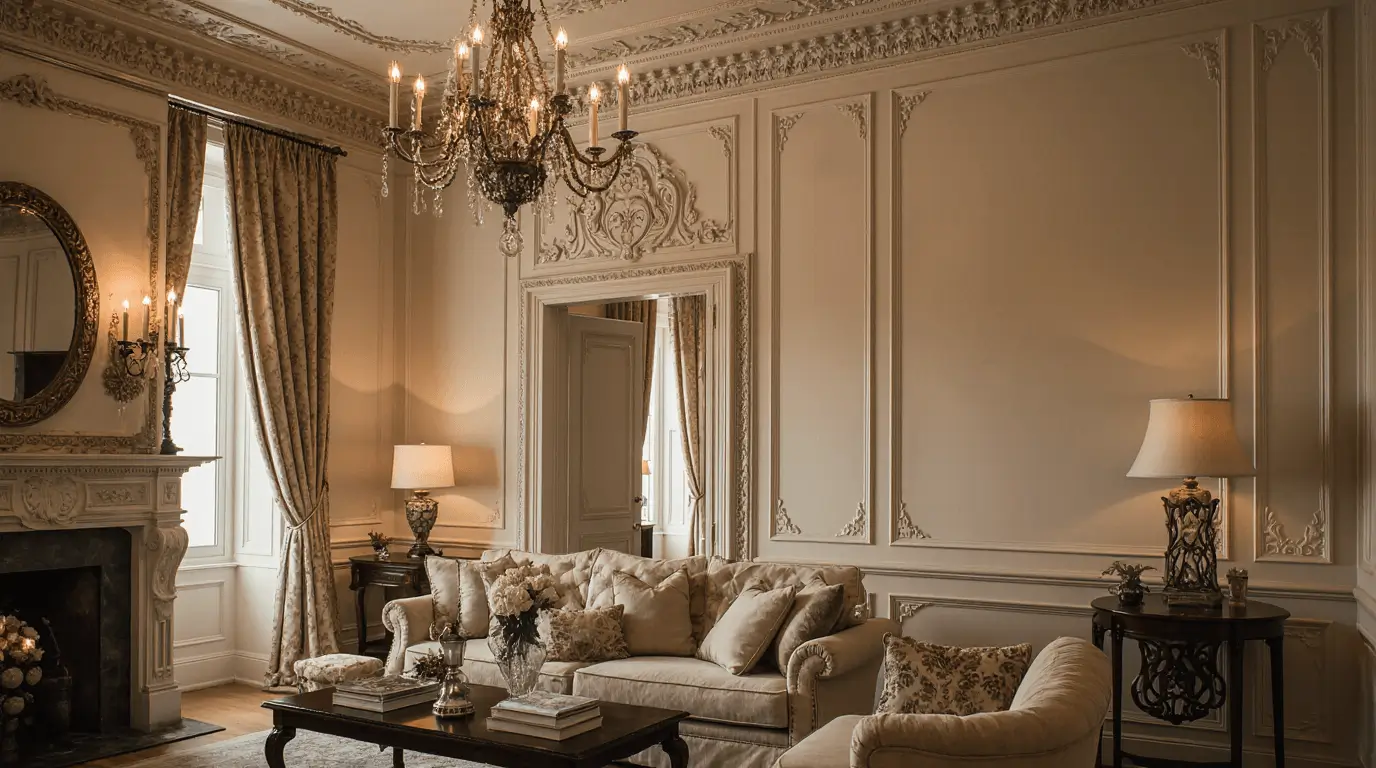
Interior Pillar Design Ideas with Decorative Molding
Classic molding adds architectural charm. This approach works beautifully in formal living rooms or traditional homes seeking timeless character.
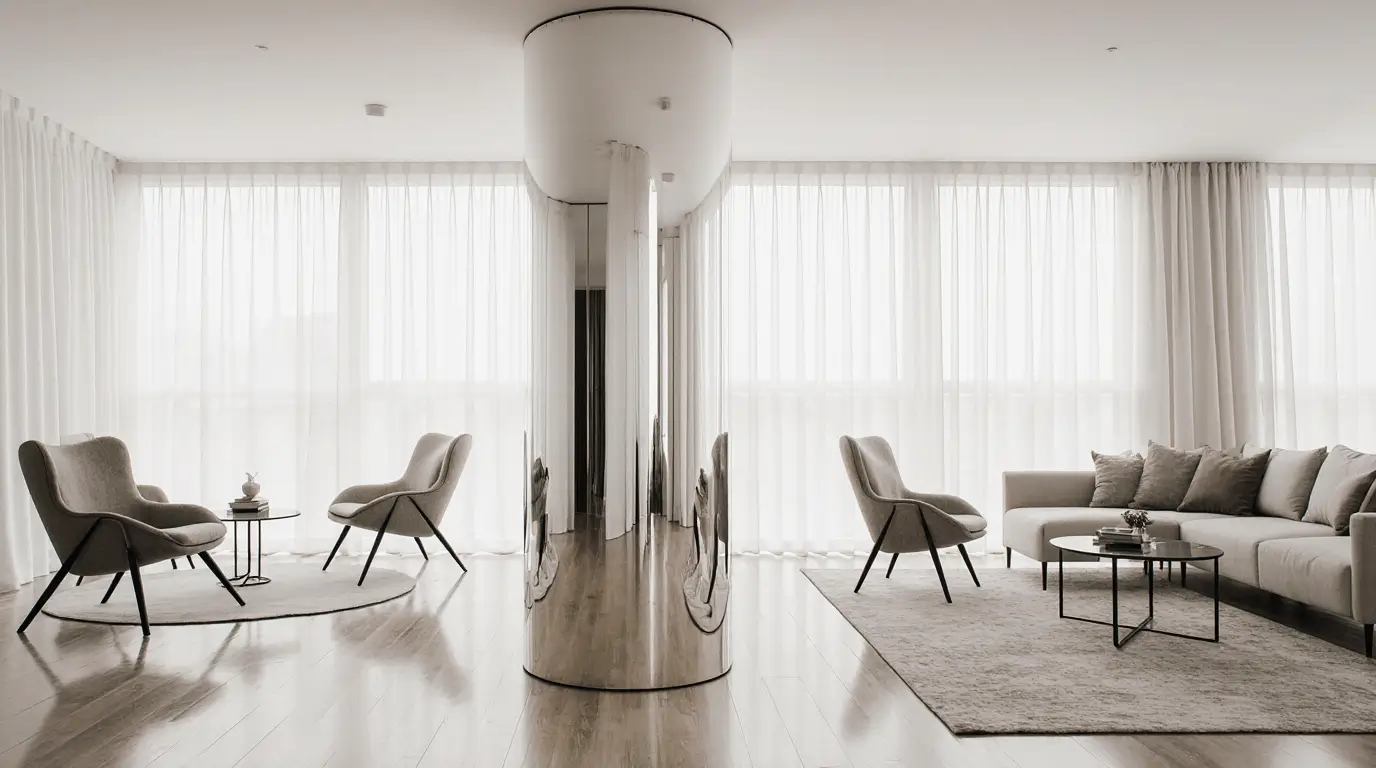
Mirror-Finish Interior Pillar Design Ideas
Mirrors make pillars almost disappear visually while amplifying light. Ideal for small apartments or darker living areas.
Dual-Tone Interior Pillar Design Ideas
Using two complementary colors creates subtle contrast. This technique adds dimension without overpowering the space.
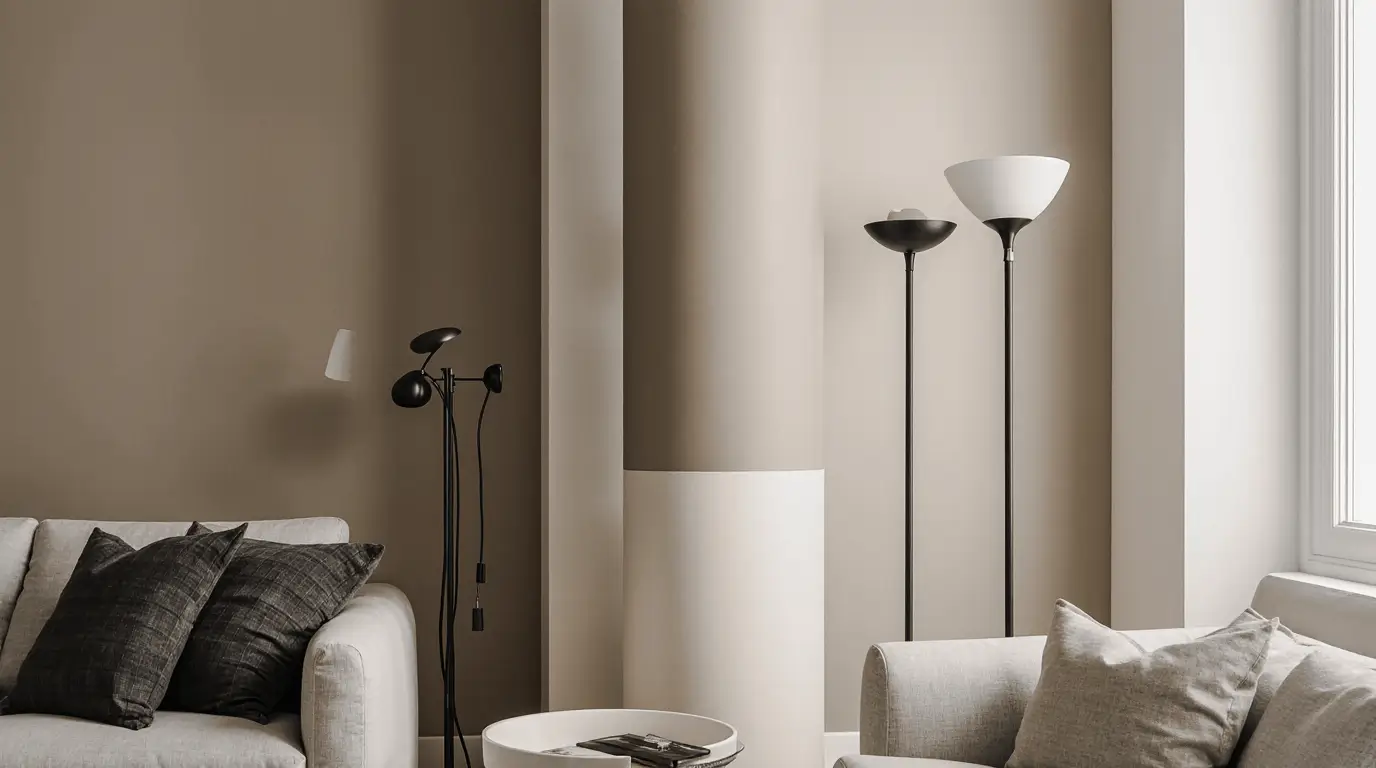
Interior Pillar Design Ideas with Artistic Finishes
Consider textured paint, Venetian plaster, or metallic finishes for a refined, artistic look. These finishes add personality while maintaining sophistication.
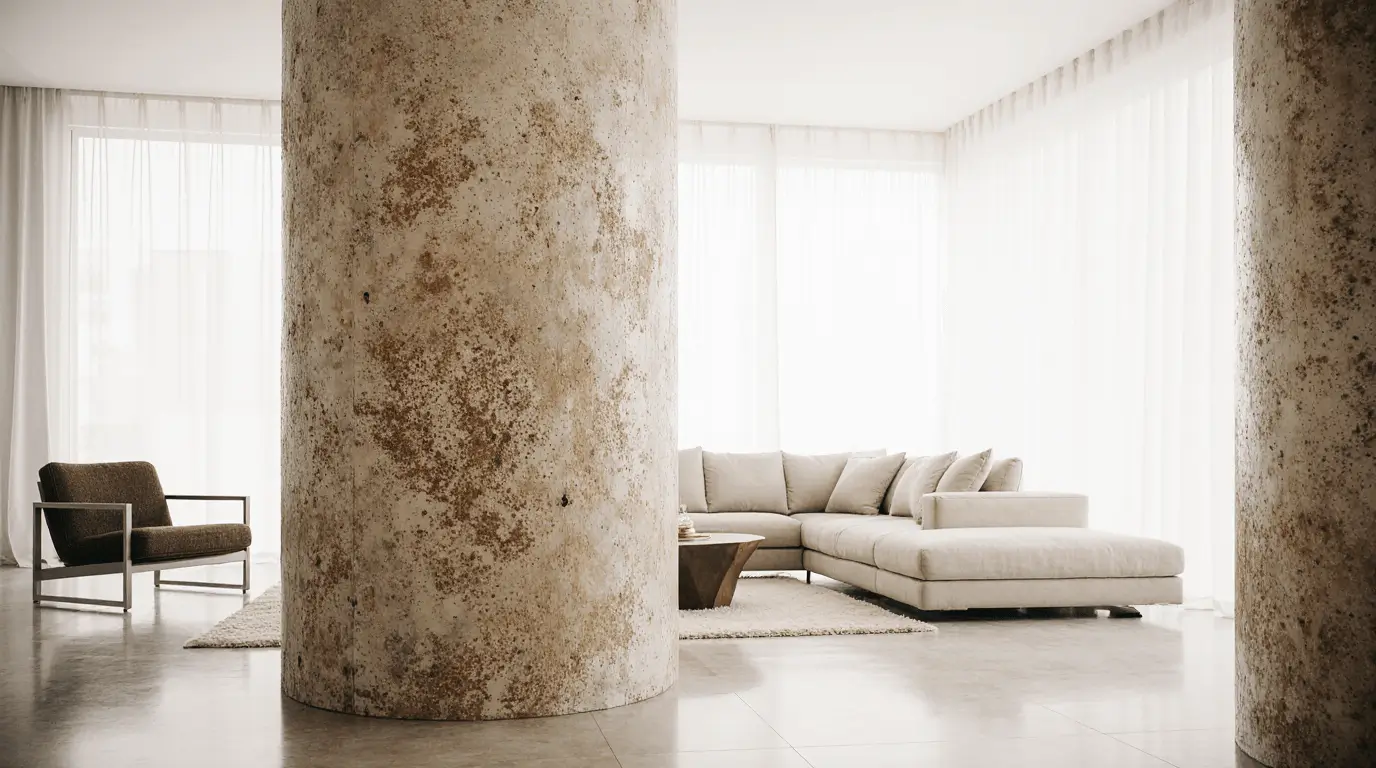
Minimalist Interior Pillar Design Ideas
Sometimes the best design is restraint. Keeping pillars simple, smooth, and aligned with surrounding walls ensures architectural harmony.
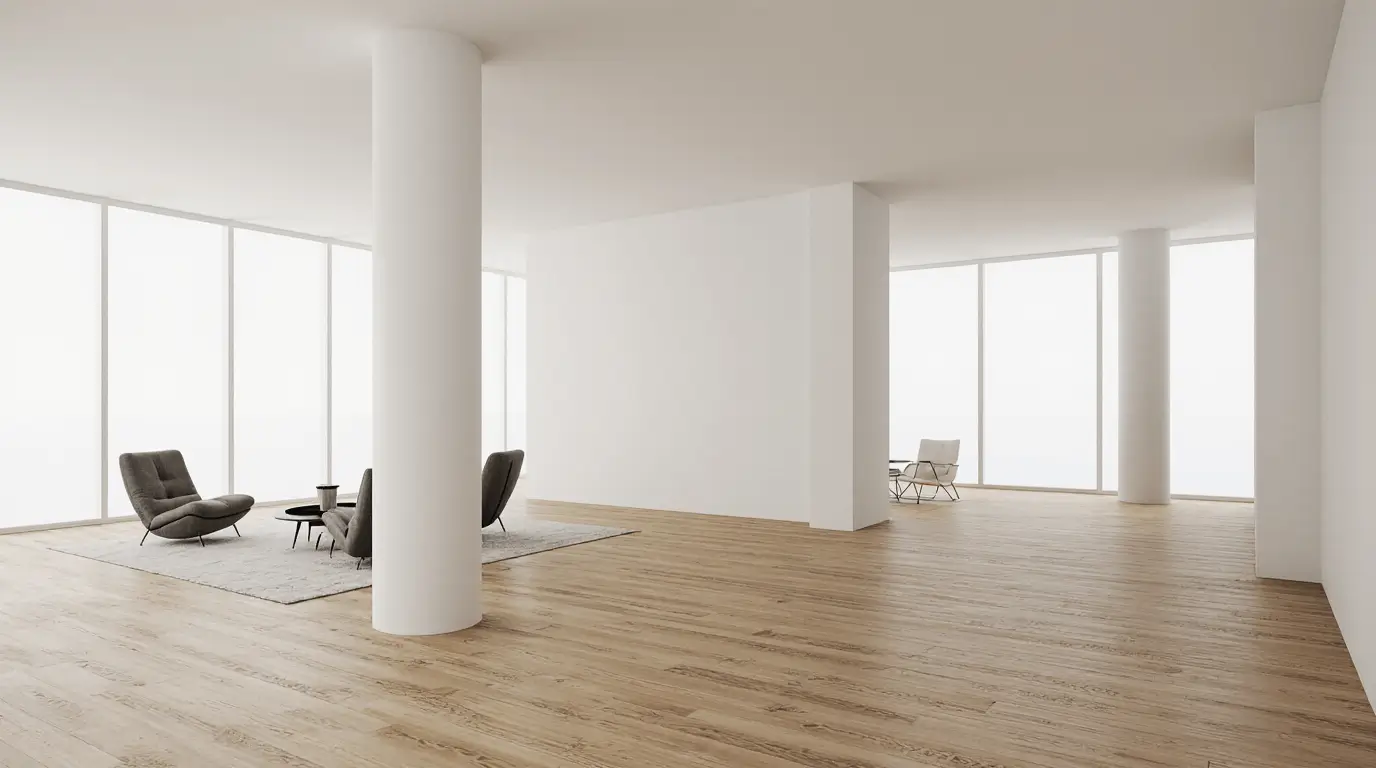
Interior Pillar Design Ideas with Integrated Seating
For larger layouts, pillars can anchor built-in benches or window seating. This transforms structural necessity into a social feature.
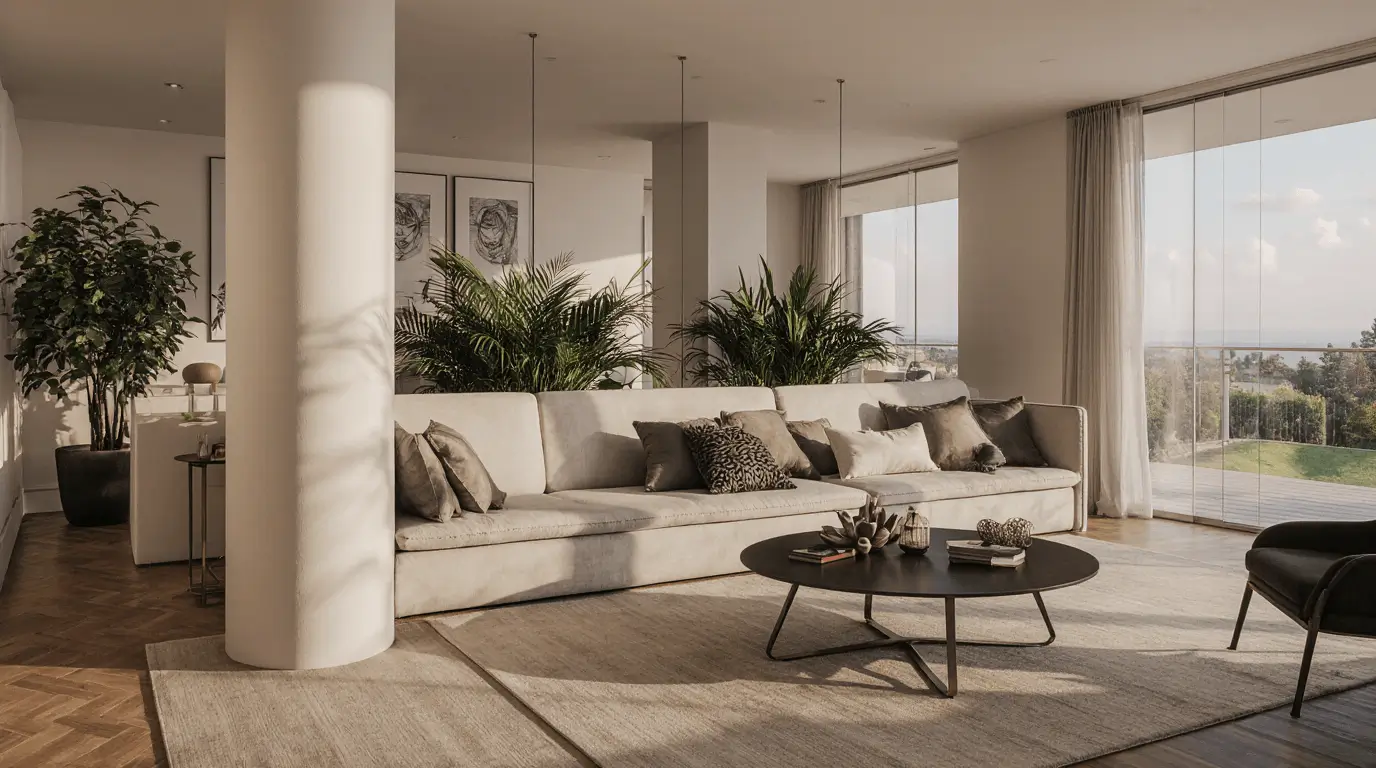
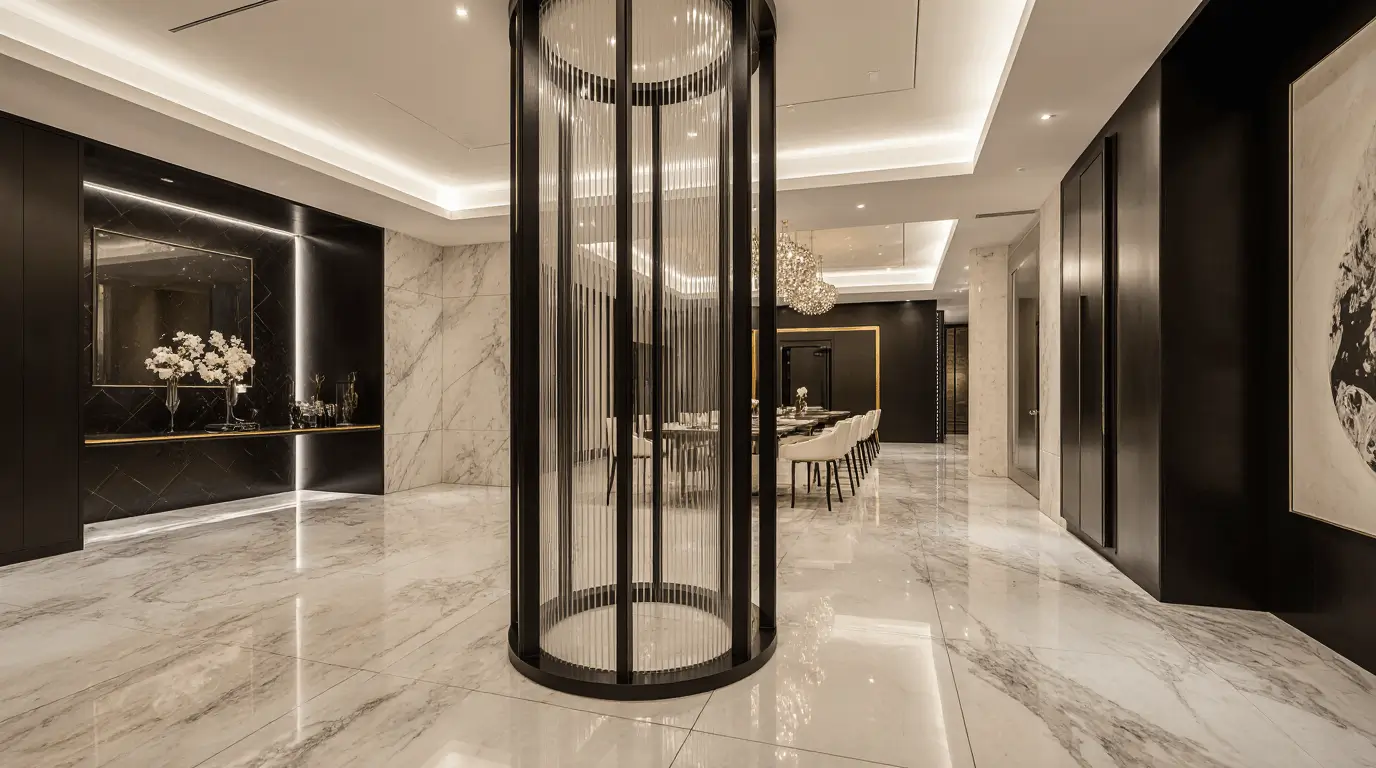
Glass & Metal Interior Pillar Design Ideas
Cladding a pillar partially with glass panels or slim metal frames creates a contemporary architectural statement, especially in luxury homes.
Conclusion
Well-executed interior pillar design ideas shift your perspective from “working around a structural element” to “designing with intention.” A pillar is never just a column holding up a ceiling — it’s an opportunity to define space, introduce texture, anchor lighting, or create subtle architectural drama. The difference lies in how deliberately it’s treated.
In my experience, the most successful homes don’t try to disguise structural elements; they integrate them into the broader design story. A wood-wrapped column can warm up a modern layout. A marble finish can elevate an otherwise simple living room. Thoughtful lighting can transform an ordinary support into a sculptural feature. These choices work because they align structure with style — form and function reinforcing each other instead of competing.
Interior pillar design ideas are especially valuable in open-plan homes, compact apartments, and renovation projects where structural elements are fixed. When approached strategically, pillars help define zones, enhance flow, and strengthen the architectural identity of a space. If you’re planning a redesign, start by evaluating scale, natural light, and surrounding materials. From there, choose finishes and details that feel cohesive rather than decorative for decoration’s sake.
With clarity and confidence, a structural necessity becomes a defining feature — one that adds character, balance, and long-term visual value to your home.
Learn more : Modern Wabi Sabi Interior Design: Style & Ideas
FAQs
- Should I try to hide interior pillars or highlight them?
It depends on your layout and design direction. In smaller spaces, visually minimizing a pillar with light tones or mirrored finishes can maintain openness. In larger or open-plan homes, highlighting the pillar with texture, cladding, or lighting often creates a stronger architectural presence and improves spatial definition.
- What materials work best for upgrading an existing pillar?
The best material depends on your interior style and budget. Wood adds warmth and suits modern or Scandinavian interiors. Marble or stone creates a luxurious feel. Microcement and plaster finishes offer a sleek contemporary look. The key is matching the pillar’s finish with nearby flooring, walls, or cabinetry for cohesion.
- Can a pillar be made functional instead of purely decorative?
Absolutely. Integrating shelving, seating, or display niches around a pillar can add storage and usability. In open layouts, pillars can also anchor dining benches or media units. Functional integration works best when planned early in a renovation rather than added as an afterthought.
- How do I make a pillar look proportional in a small living room?
Scale and visual weight matter. Use lighter colors, vertical detailing, or subtle grooves to elongate the structure visually. Avoid bulky cladding in tight spaces. Proper lighting can also reduce heaviness and create a softer, more balanced presence.
- Are lighting accents around pillars worth the investment?
Yes, especially in modern interiors. Integrated LED strips or spotlights emphasize texture and depth, turning the pillar into a subtle focal point. Lighting is particularly effective for fluted, textured, or stone finishes where shadow play enhances the surface detail.
- How do I ensure the pillar design doesn’t clash with the rest of the home?
Consistency is essential. Use a finish or design language that already exists in your space — such as matching wood tones, repeating metal accents, or aligning with your wall treatments. When the pillar feels like a natural extension of the room rather than a separate feature, the design will feel intentional and refined.
- When renovating, should pillar design be decided early or later in the process?
Early planning is always better. Pillars affect layout, lighting placement, furniture positioning, and even ceiling design. Addressing them at the beginning ensures seamless integration, avoids costly adjustments, and results in a more cohesive final outcome.



One Response