
Introduction
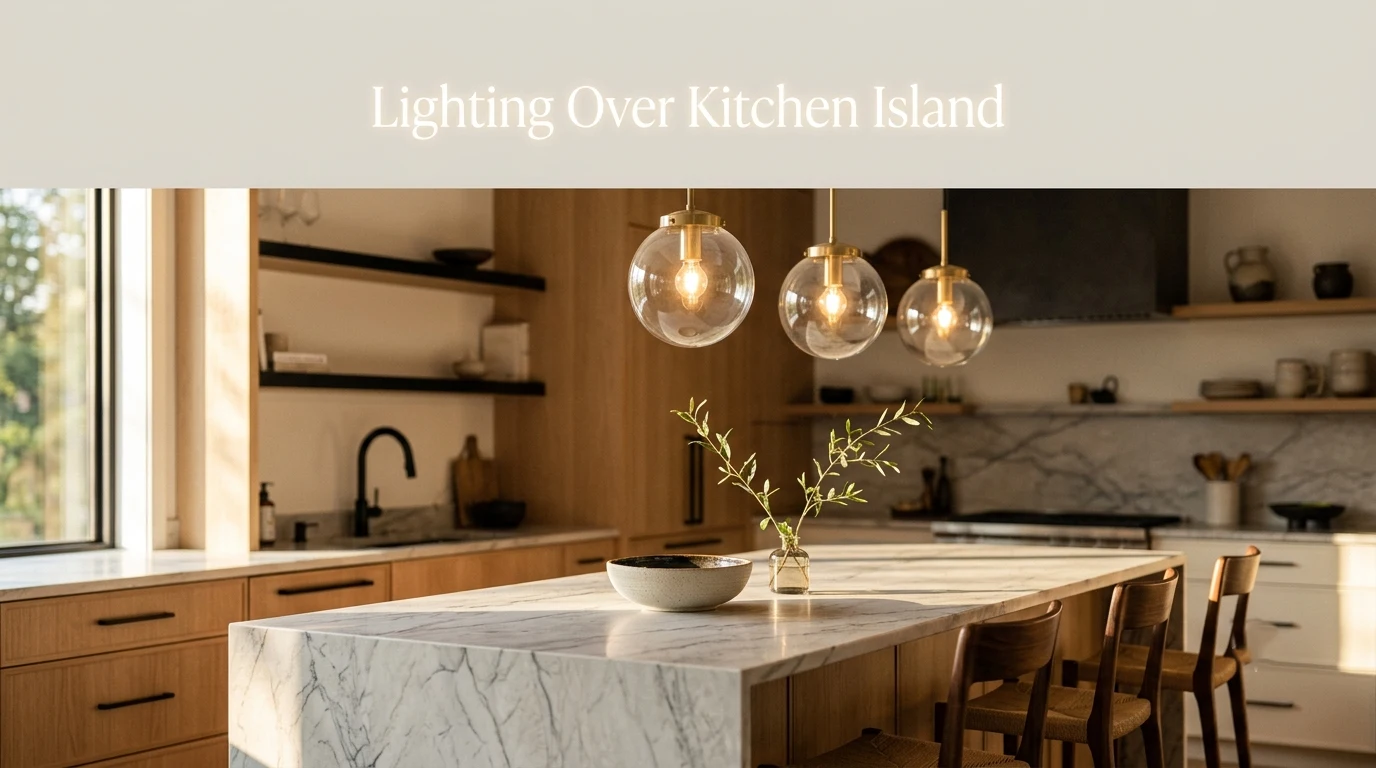
Getting the lighting over kitchen island right is one of the few design decisions that changes both how a kitchen functions and how it feels. The island is usually the busiest surface in the home — prep work, homework, morning coffee, late-night conversations — and the light hanging above it has to support every one of those moments while still looking intentional. After working through dozens of kitchen layouts, one truth holds up every time: island lighting is never just a fixture choice, it’s a spacing, height, and brightness decision rolled into one.
Many homeowners default to whatever pendant looks good in a showroom photo, then wonder why their island feels dim, glaring, or oddly proportioned once it’s installed. The difference between a kitchen that photographs beautifully and one that just looks “fine” almost always comes down to scale and placement above the island, not the fixture itself. A small, delicate pendant over a nine-foot island will always look like an afterthought, no matter how expensive it is.
This guide breaks the topic into focused design clusters — covering fixture types, sizing logic, ceiling height adjustments, and finish selection — so you can make a confident, informed choice rather than guessing. Each section includes a practical explanation and a visual reference prompt you can use to picture (or generate) the look before committing to it.
Kitchen Island Pendant Lights: The Foundation Choice
Pendant lights remain the default answer for kitchen island lighting because they drop light directly onto the work surface instead of scattering it across the ceiling. A well-chosen set of two or three pendants also acts as a visual anchor, drawing the eye to the island the moment someone enters the kitchen. The key is treating them as a matched set in scale and finish, not as standalone accent pieces.
Pendant Lights Over Kitchen Island: Sizing and Spacing
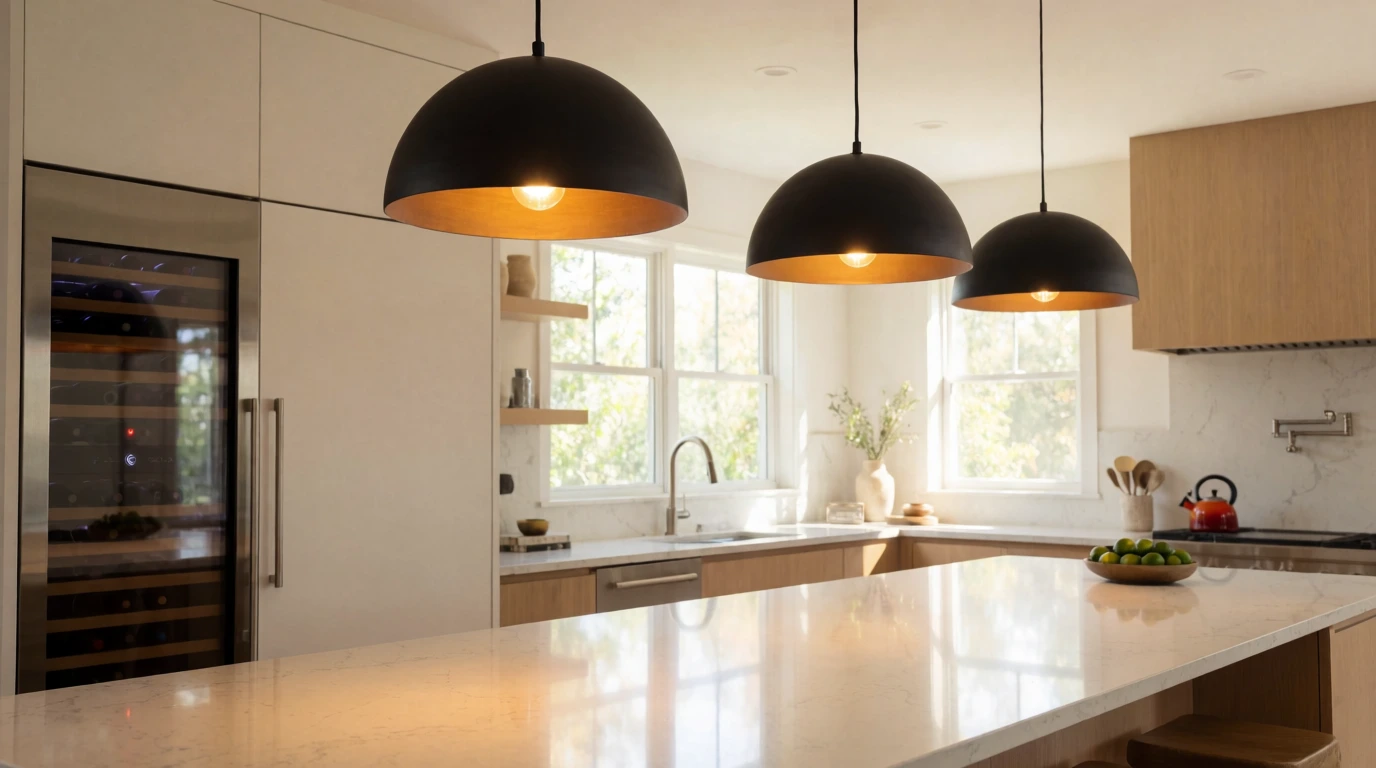
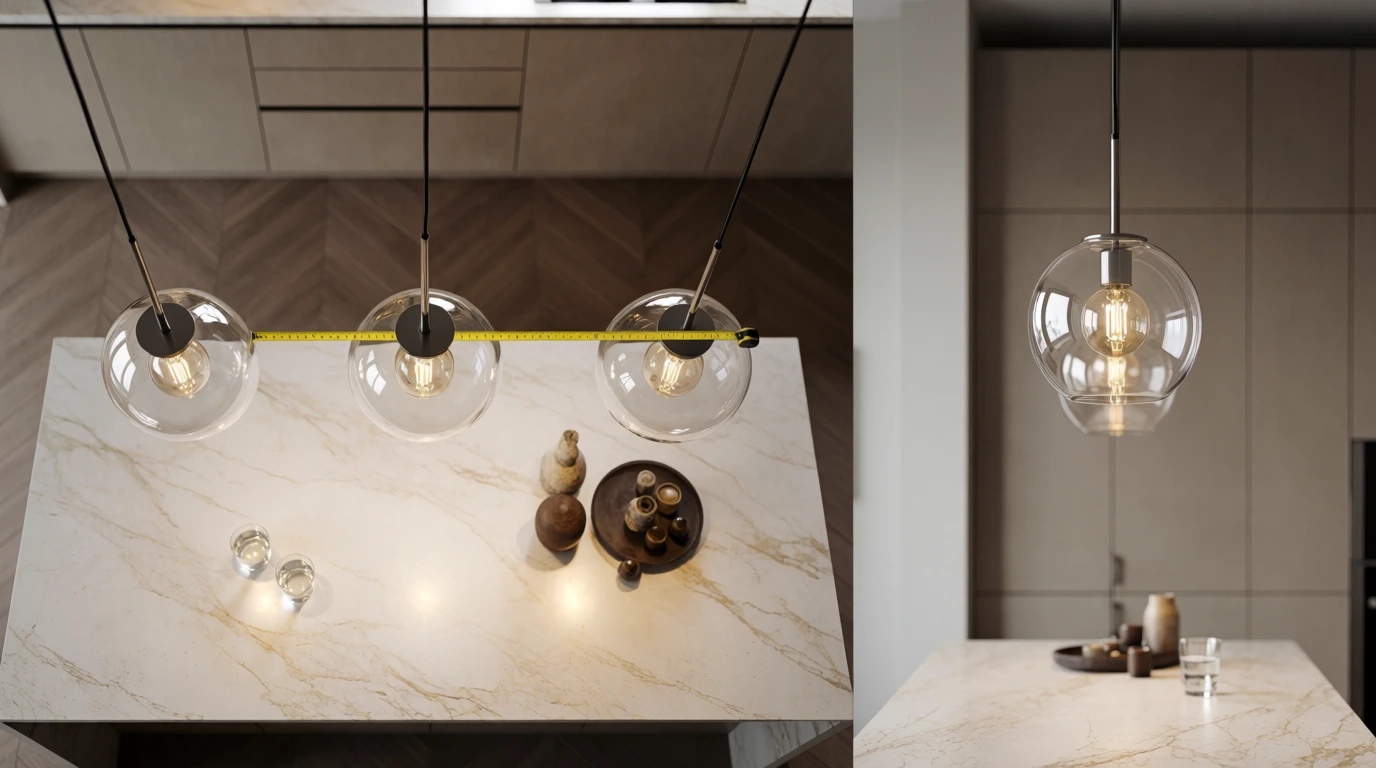
The most common mistake in pendant lights over kitchen island installations is uneven spacing or fixtures that are too small for the surface below. As a working rule, the combined width of all pendants should equal roughly one-third to one-half of the island’s length, with equal gaps between each fixture and between the end fixtures and the island edges. Getting this ratio right is what makes a lighting layout look custom rather than store-bought.
Modern Lighting Over Kitchen Island
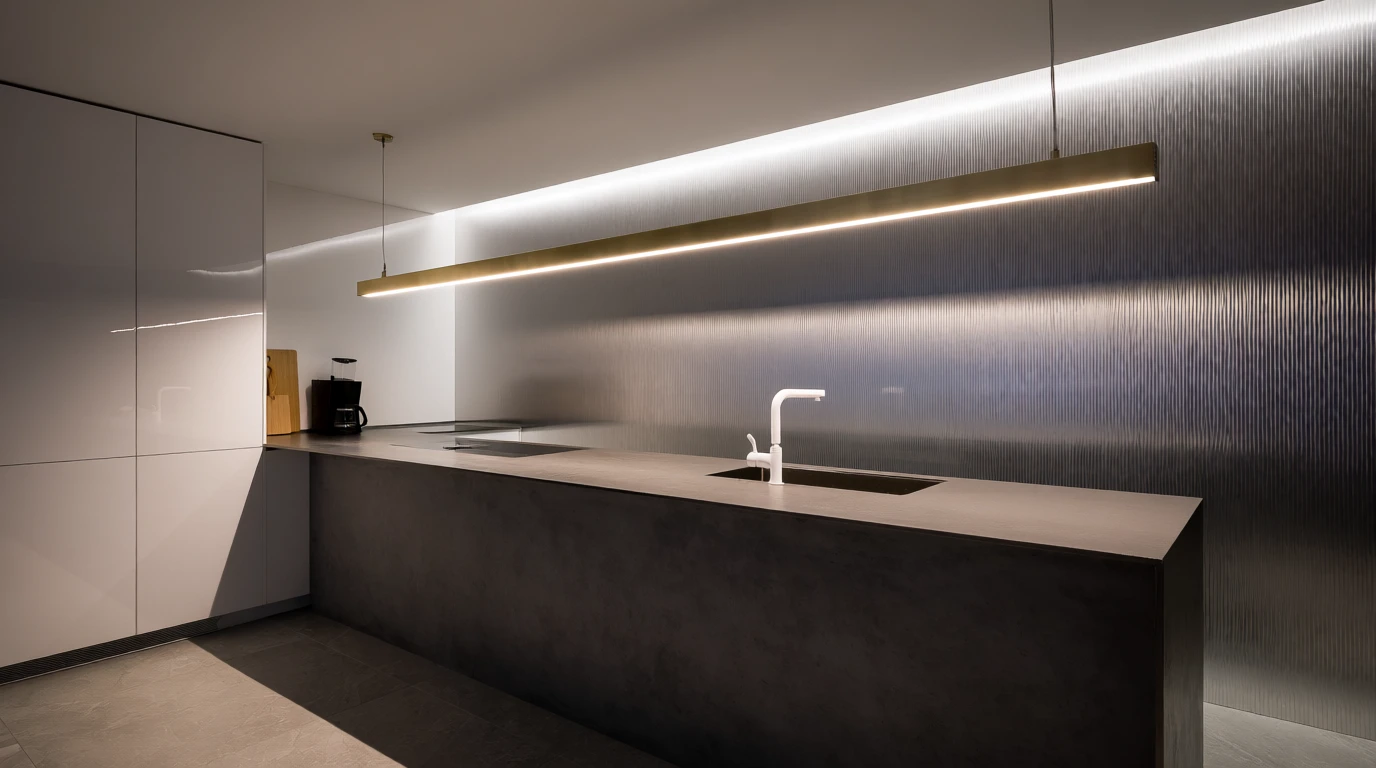
Modern lighting over kitchen island designs favor clean geometric shapes, mixed metals, and fixtures that read as sculptural objects rather than purely functional ones. Linear suspension bars, sleek cylinder pendants, and integrated LED strips all fall into this category, and they pair especially well with handleless cabinetry and waterfall-edge countertops. The goal is a fixture that feels like it belongs to the architecture of the room.
Kitchen Island Light Fixture Styles: Matching Form to Function
Choosing the right kitchen island light fixture starts with identifying the kitchen’s overall design language — industrial, transitional, farmhouse, or contemporary — and then selecting a shape that reinforces it rather than fighting it. Dome pendants suit transitional spaces, cage or seeded-glass fixtures lean industrial, and linear bars belong in modern kitchens. The fixture should feel like it was designed for the room, not added to it afterward.
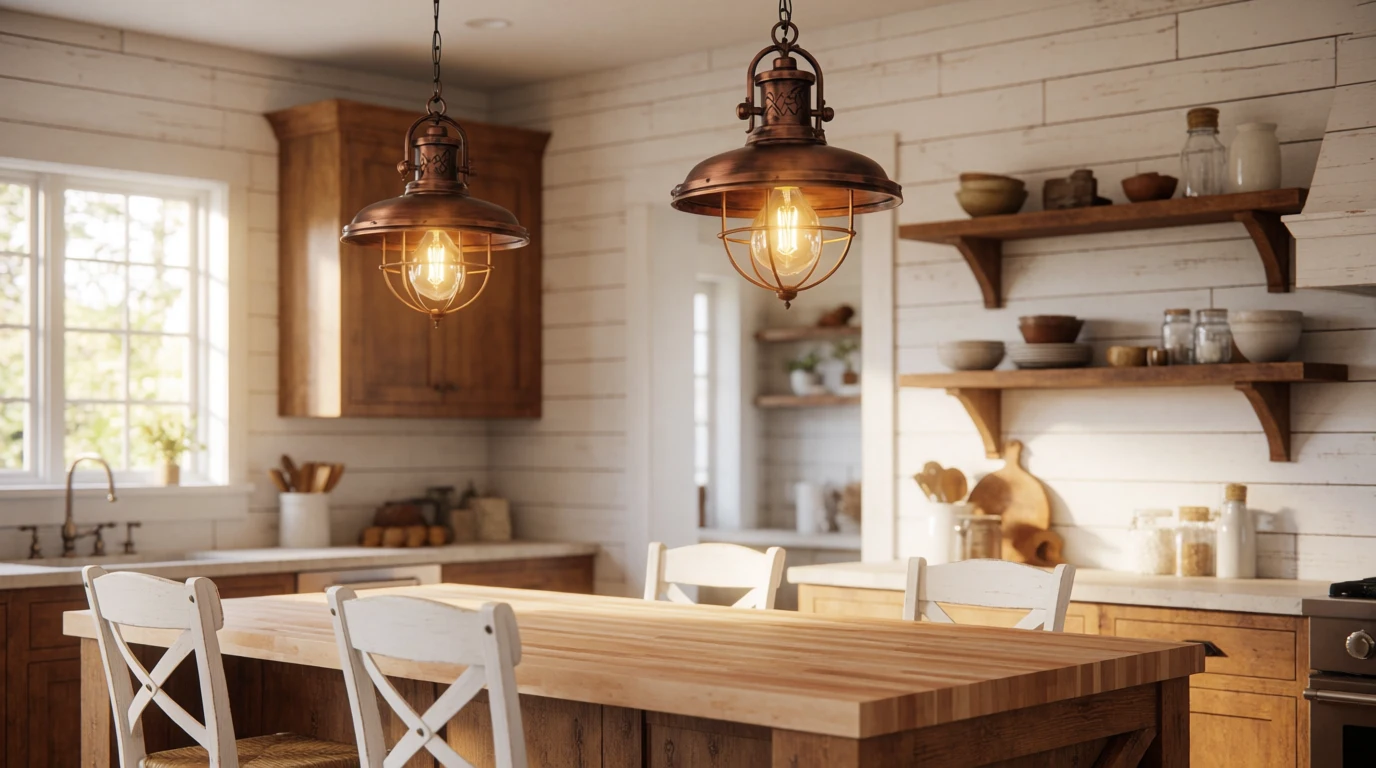
Kitchen Island Chandelier: A Statement Alternative
A kitchen island chandelier works beautifully in kitchens with higher ceilings or a more formal design intent, offering visual drama where simple pendants might feel too understated. Linear or oval chandeliers — rather than round ones designed for tables — are the better fit here, since their elongated shape mirrors the island’s footprint. This choice tends to work best as the singular lighting statement in the room, with everything else kept simple.
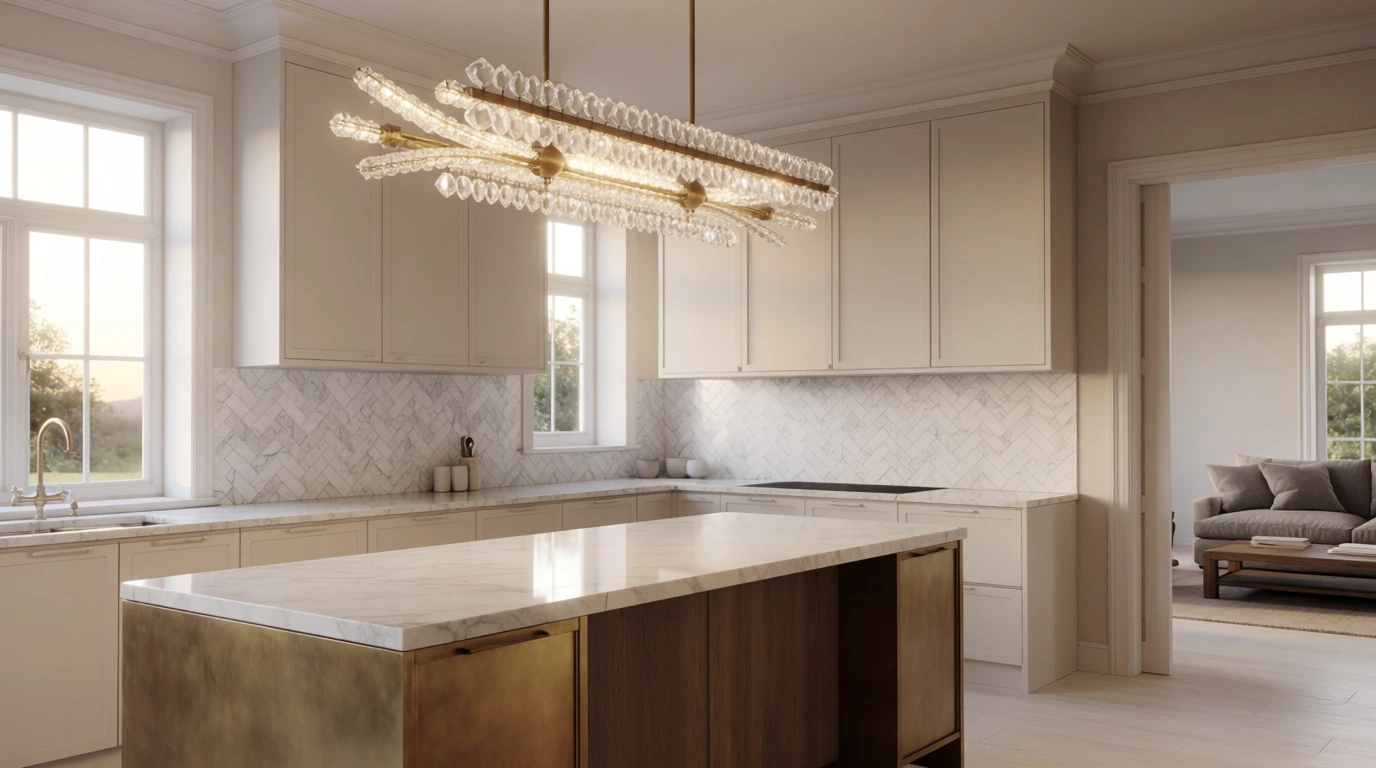
Large Pendant Lighting for Kitchen Island
Large pendant lighting for kitchen island setups works well when there’s only one or two fixtures planned instead of a row of three. A single oversized pendant, centered precisely over the island, can deliver the same visual weight as multiple smaller ones while keeping the look uncluttered. This approach suits open kitchens where the island is viewed from multiple angles in the surrounding living space.
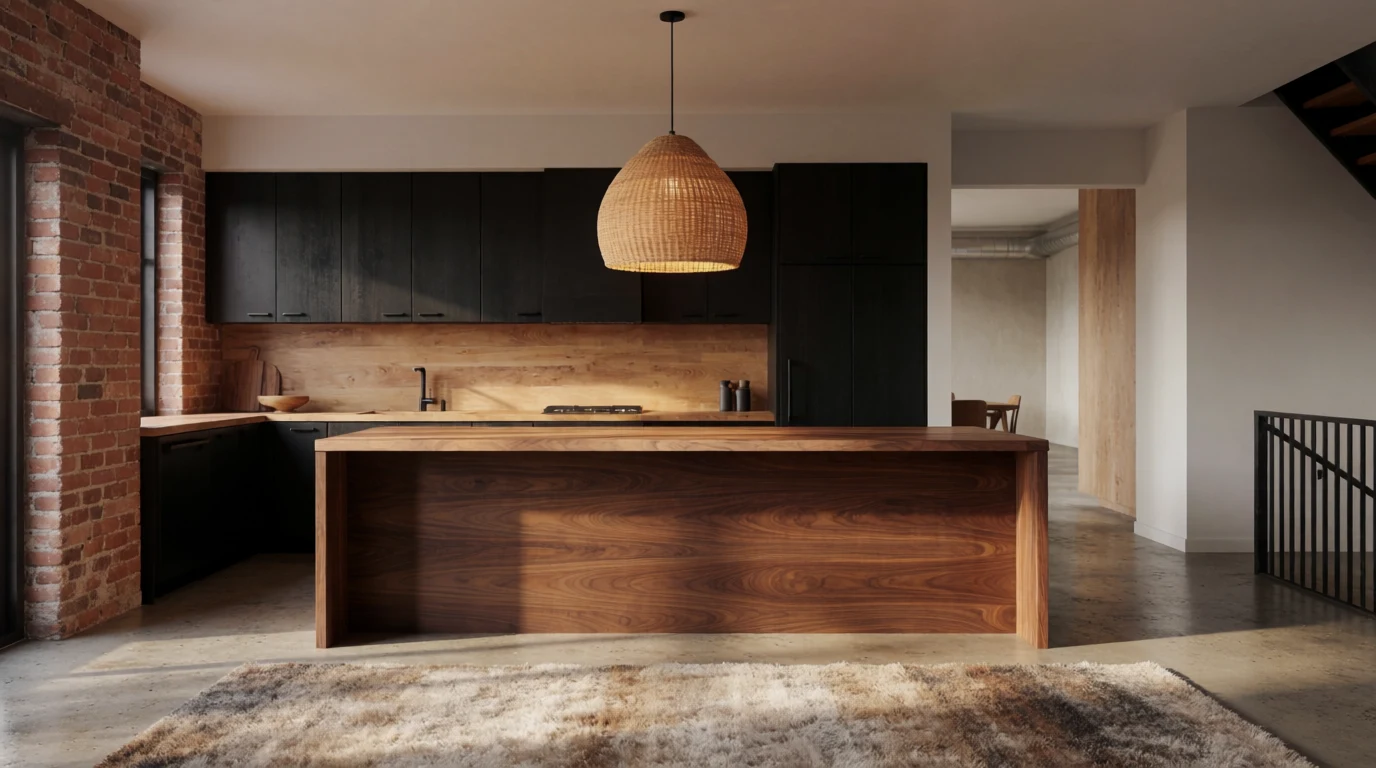
Unique and Luxury Pendant Lights for Kitchen Island
Unique pendant lights for kitchen island spaces and luxury pendant lights for kitchen island installations are where personality enters the design — hand-blown glass, sculptural metal forms, or mixed-material fixtures that double as art. These work best when the rest of the kitchen is kept relatively restrained, allowing the lighting to carry the visual interest without competing with patterned backsplashes or bold cabinetry.
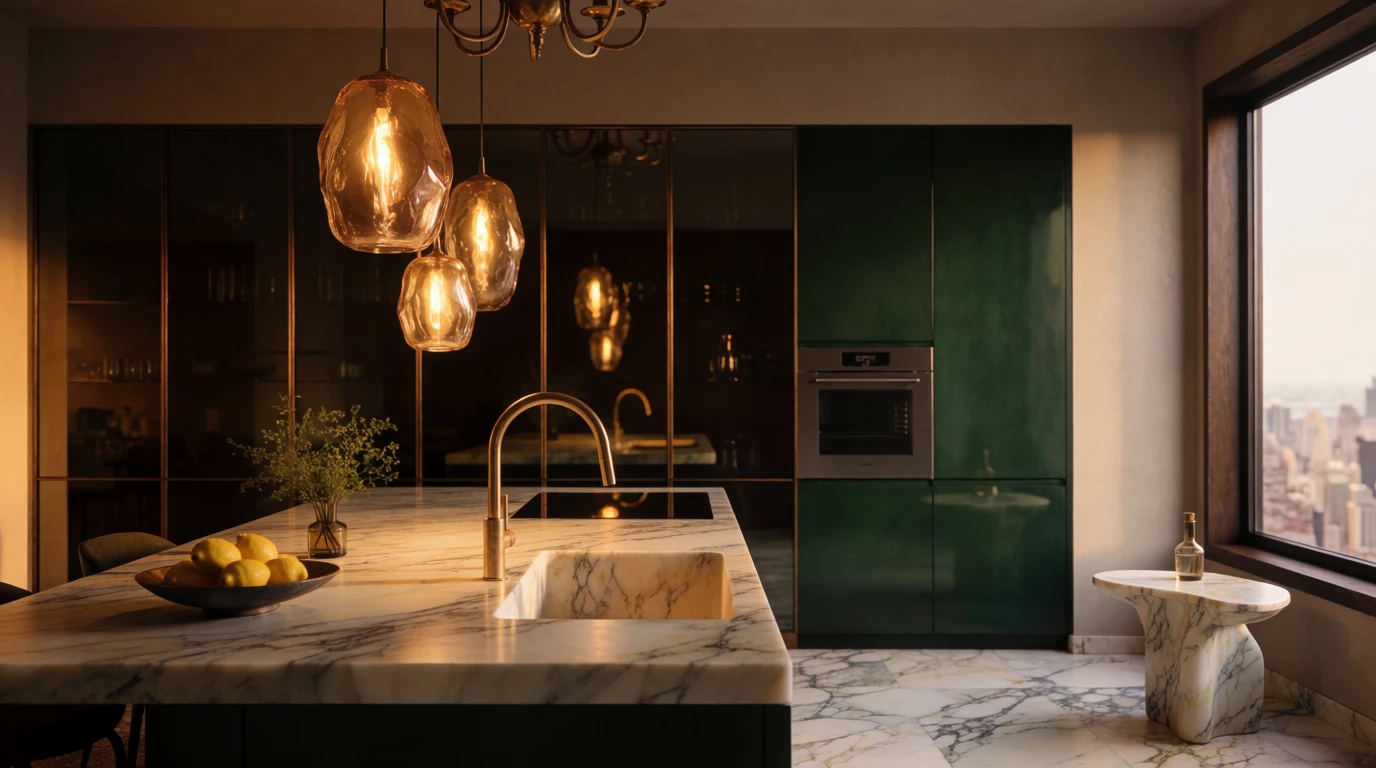
Recessed Lighting Over Kitchen Island
Recessed lighting over kitchen island surfaces serves a different purpose than pendants — it provides even, shadow-free ambient light across the whole counter, which matters most during detailed prep work like chopping or plating. Two to four recessed cans, spaced evenly along both sides of the island’s centerline, prevent the shadow-casting that happens when only pendant light is used.
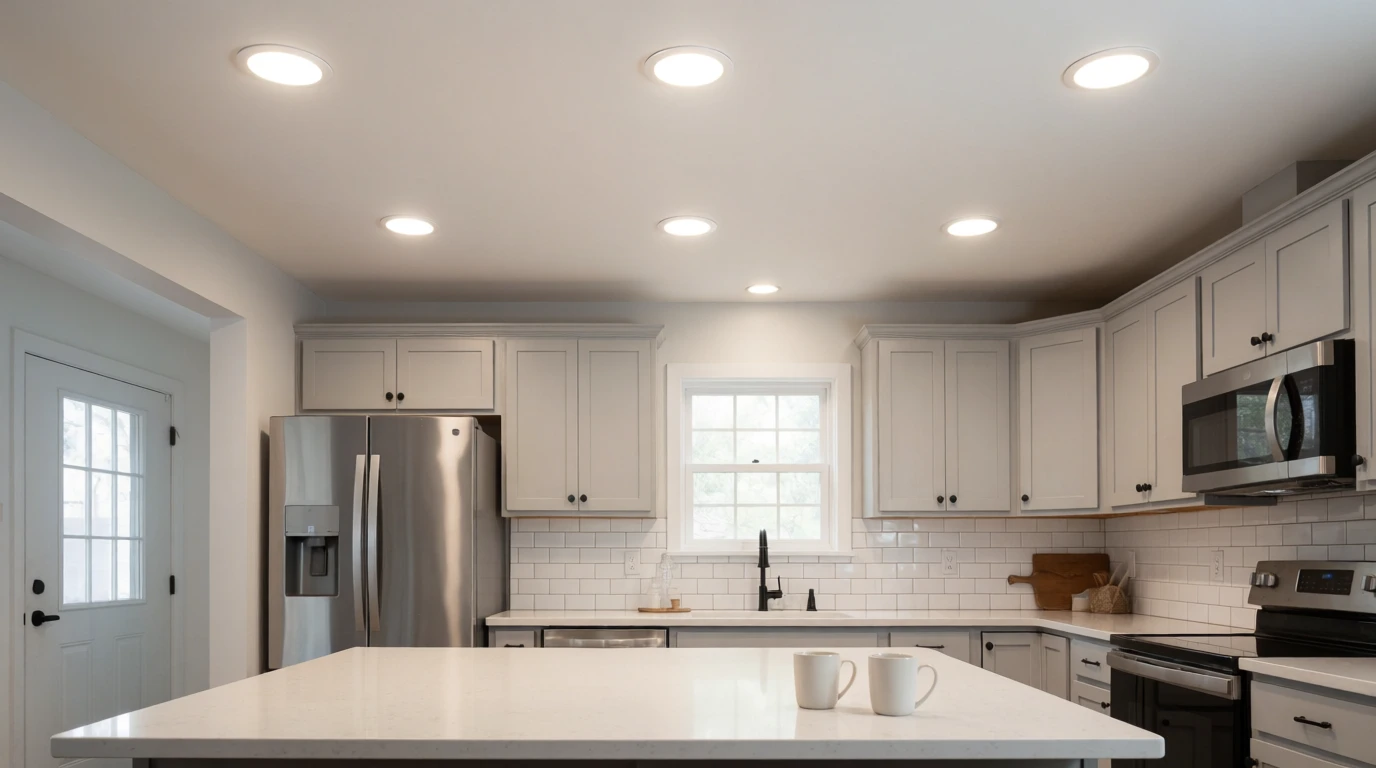
Combining Recessed and Pendant Lighting Over the Island
The most balanced island lighting plans layer recessed cans for ambient brightness with pendants for visual focus and direct task light. This combination means the kitchen still looks intentional and bright even with the pendants dimmed for a softer evening mood, since the recessed layer keeps the workspace usable. Layering light sources like this is standard practice in professionally designed kitchens.
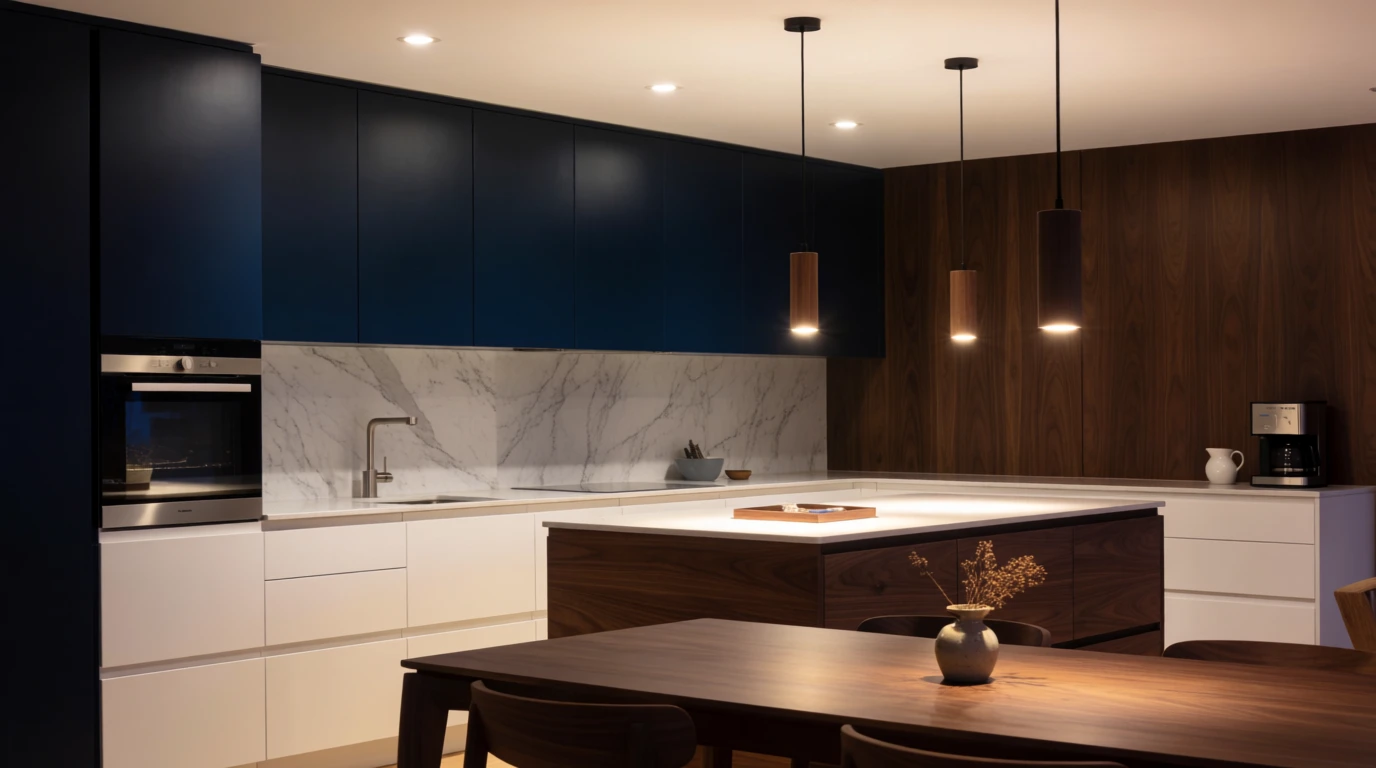
Lighting Over Kitchen Island with a Low Ceiling
Lighting over kitchen island low ceiling situations call for flush-mount or semi-flush fixtures, or pendants on very short cords, since standard hanging lights can feel cramped or create a head-height hazard in rooms under eight feet. Wide, flat dome fixtures or linear flush mounts deliver strong light coverage without eating into the limited vertical space.
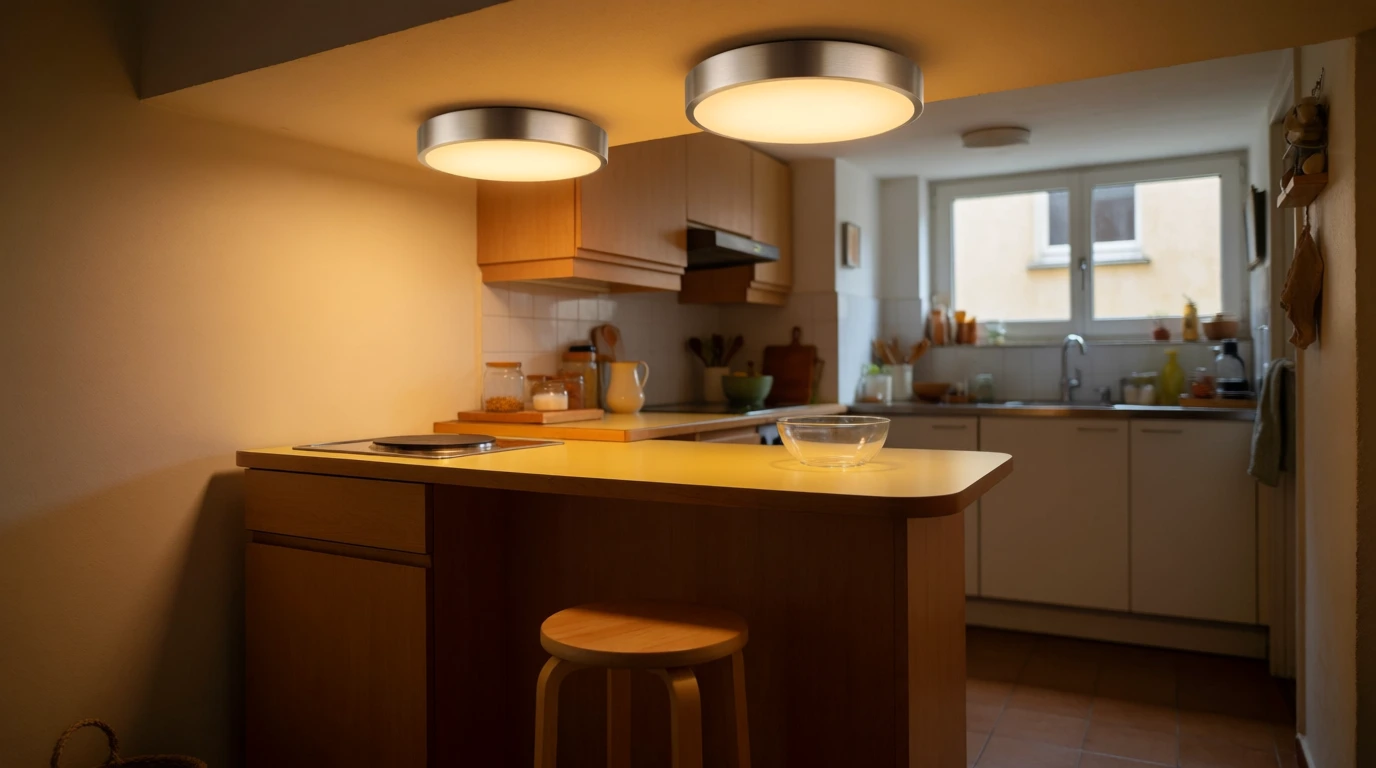
Small Kitchen Island Lighting Ideas
Small kitchen island lighting ideas generally favor a single centered pendant or a compact two-light setup rather than a full row of fixtures, since overcrowding a smaller surface with multiple lights can make the whole kitchen feel busy. Choosing one well-proportioned fixture, rather than several tiny ones, almost always reads as more polished in a compact layout.
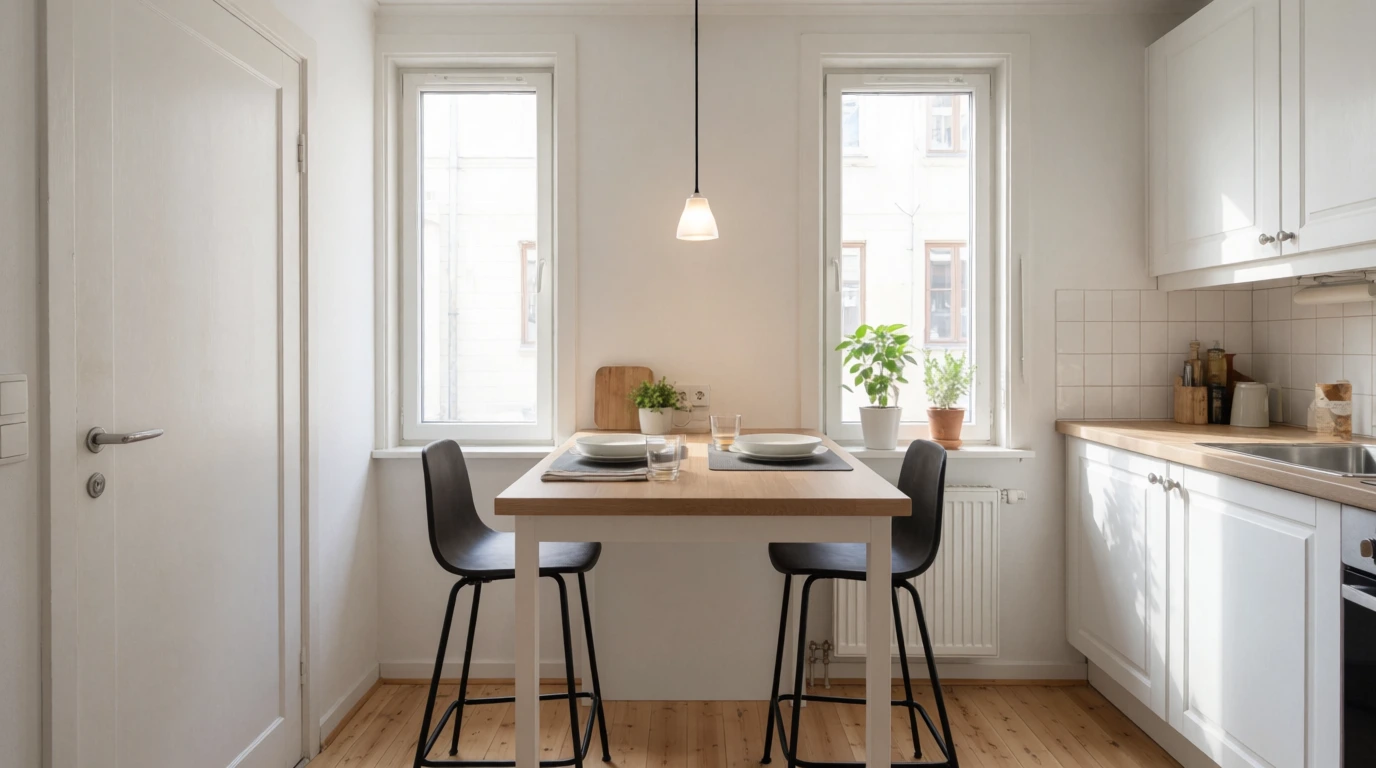
Island Lighting Ideas for Open-Concept Kitchens
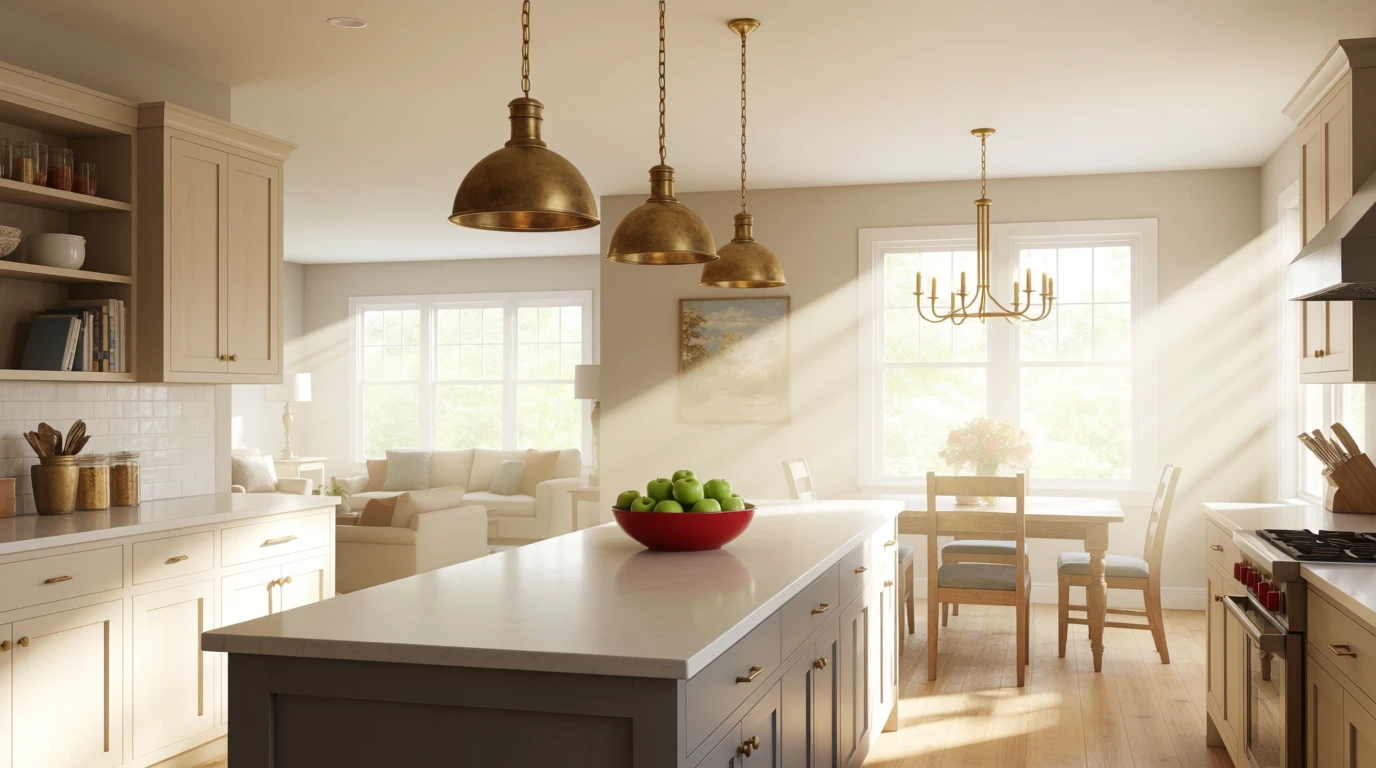
In open floor plans, island lighting ideas need to work as a visual transition point between the kitchen and adjoining living or dining space, since the fixtures are visible from multiple rooms at once. Coordinating the island’s lighting finish with other visible fixtures nearby — a dining chandelier or living room floor lamp — keeps the open layout feeling cohesive rather than mismatched.
Kitchen Island Lighting Ideas: Modern vs. Traditional Direction
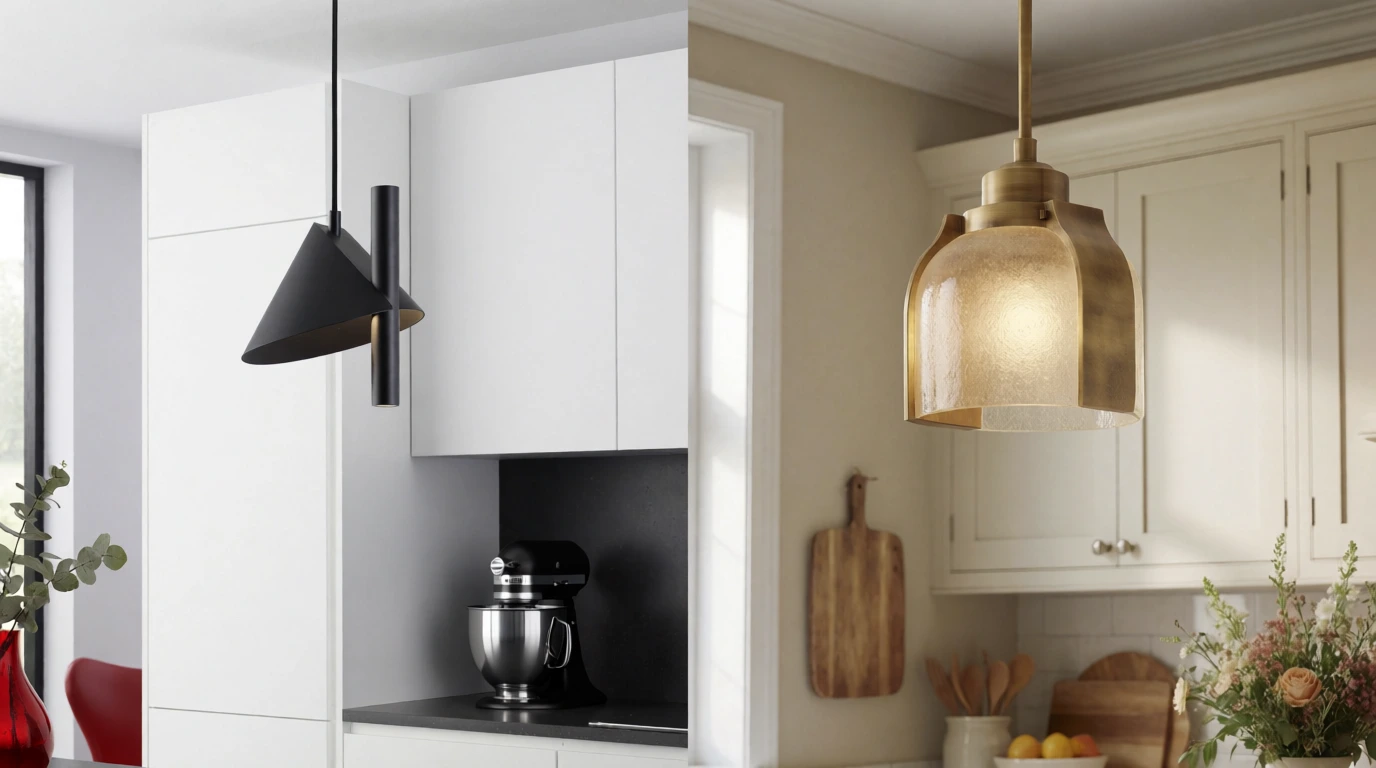
Choosing between modern kitchen island lighting ideas and more traditional options usually comes down to the fixture’s silhouette and material rather than its size. Sharp lines, matte black, and exposed bulbs lean modern; curved glass shades, warm brass, and fabric or rope detailing lean traditional. Mixing a modern fixture into an otherwise traditional kitchen — or vice versa — can work, but only when it’s done as a deliberate contrast, not an accident.
Choosing Finishes and Materials for Island Light Fixtures
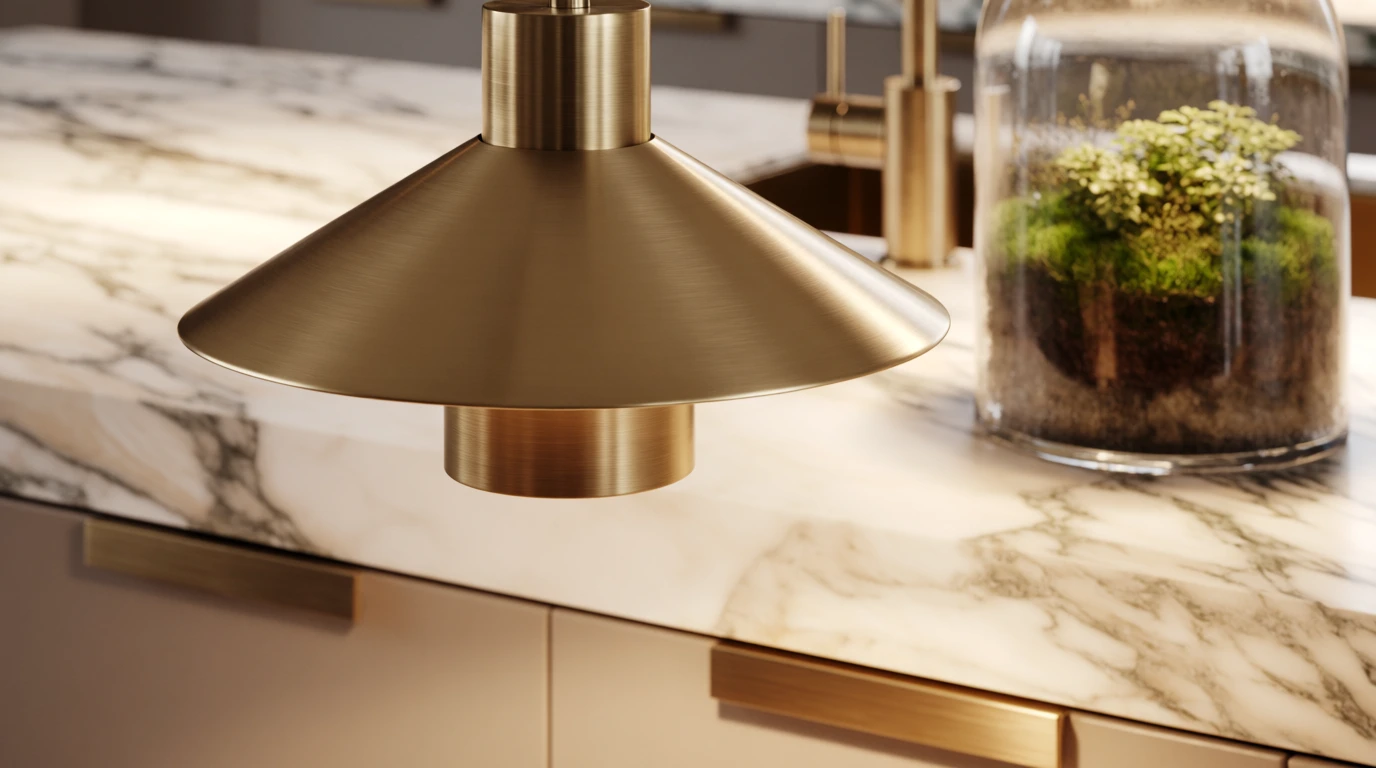
The finish on an island light fixture should echo at least one other metal already present in the kitchen — faucet, cabinet hardware, or range hood — to avoid a disjointed look. Warm metals like brass and bronze tend to soften a kitchen, while matte black and brushed nickel sharpen and modernize it. This single decision does more to unify a kitchen’s hardware story than almost any other lighting choice.
Bulb Temperature and Brightness for Kitchen Island Lighting
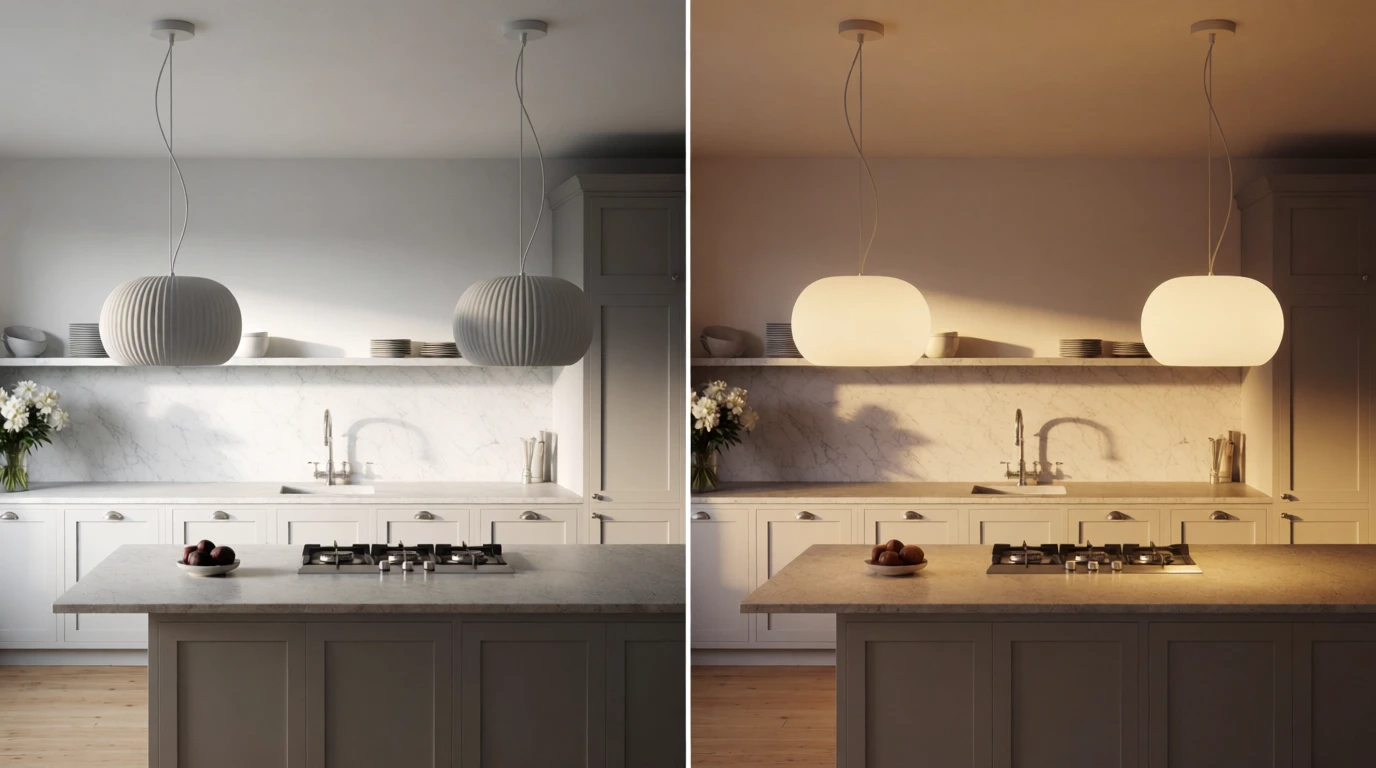
Color temperature has an outsized effect on how a kitchen feels day to night, and it’s one of the most overlooked parts of kitchen island lighting. A range of 2700K to 3000K gives warm, inviting light suited to most kitchens, while anything above 3500K starts to feel clinical for a residential space. Pairing this with a dimmer switch lets the same fixture shift from bright task light during meal prep to a softer glow for evening gatherings.
Budget-Friendly Kitchen Island Lighting
Affordable kitchen island lighting, including the kind found through major online retailers, can look every bit as intentional as custom designer fixtures when the sizing and spacing rules are followed correctly. Glass globe pendants, simple metal dome shades, and clean linear bars are widely available at accessible price points and adapt easily to most kitchen styles. Spending the budget on getting the scale right matters more than spending it on a premium brand name.
Hanging Height: The Most Common Lighting Mistake
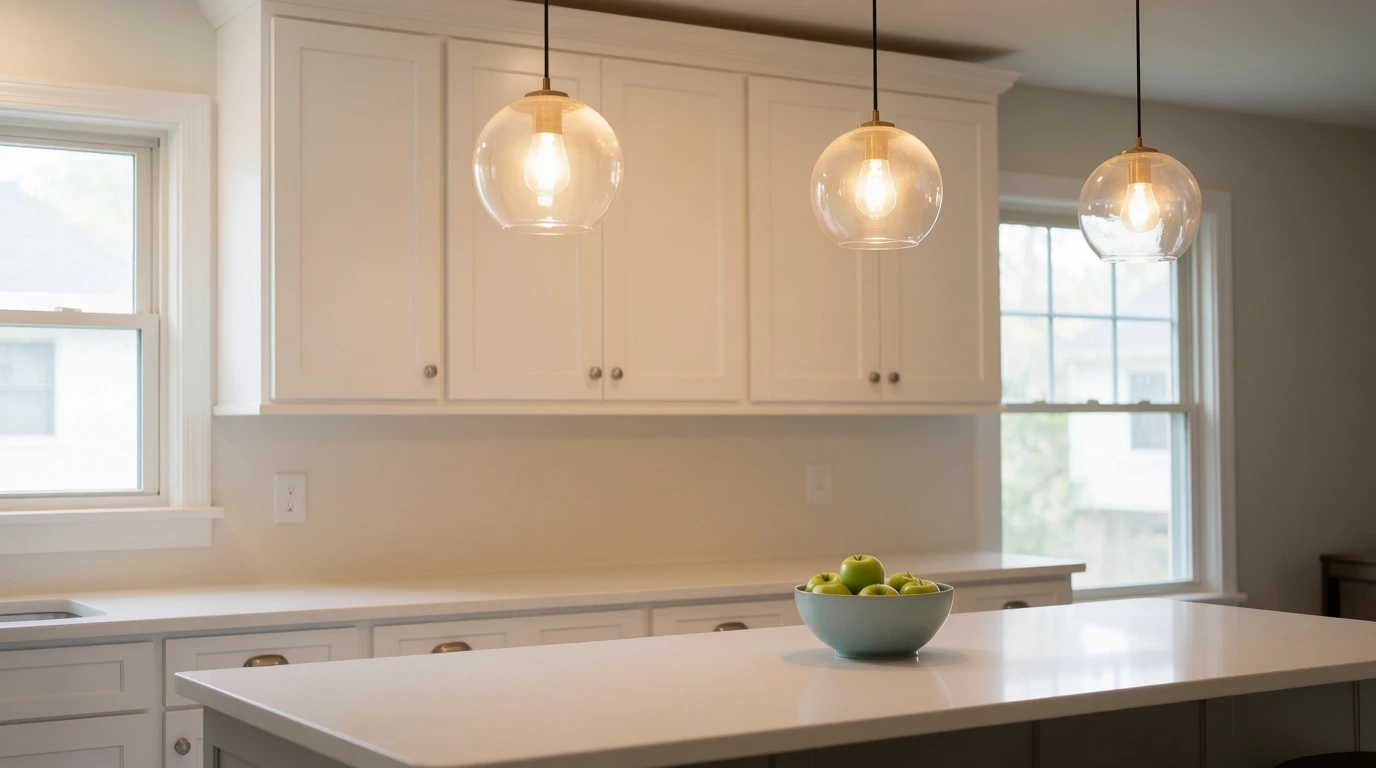
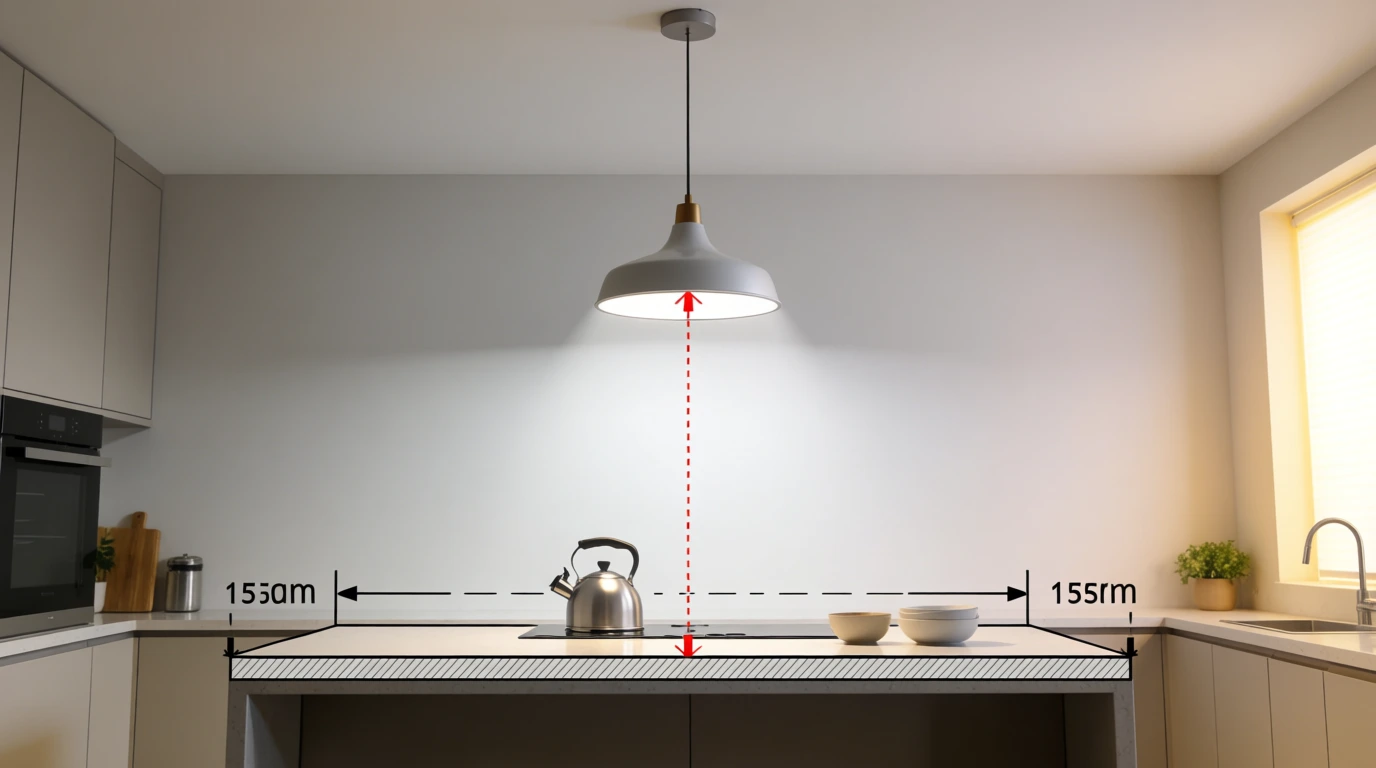
Regardless of fixture style, lights over kitchen island installations consistently fail when hung too high or too low — the bottom of the fixture should generally sit 30 to 36 inches above the countertop, adjusted slightly for ceiling height and the household’s typical eye level. Hanging pendants too high washes out their visual impact, while hanging them too low blocks the sightline across the island during conversation.
Conclusion
Good lighting over kitchen island design rarely comes down to one perfect fixture — it comes down to a handful of decisions made in the right order. Start with scale, because a pendant or chandelier that doesn’t match the island’s length will never feel resolved, no matter how beautiful it is on its own. Then settle the height, since even the right fixture loses its impact if it’s hung six inches too high or too low. From there, decide whether the space needs a single statement piece or a layered approach that mixes recessed ambient light with focused pendant glow, and finally let the finish tie back into the metals already living in the room.
What makes this approach reliable is that it scales down to a small galley island just as well as it scales up to a ten-foot waterfall slab. A homeowner working with a tight budget and a builder-grade kitchen benefits from the same spacing and height logic as someone installing a hand-blown glass chandelier in a custom build — the principles don’t change, only the materials do. That’s also why this is one of the few kitchen upgrades where getting it right doesn’t require a bigger budget, just a more deliberate plan.
If there’s one habit worth carrying forward, it’s this: measure before you shop. Know the island’s length, the ceiling height, and the general mood you’re after — warm and gathering, bright and functional, or quietly luxurious — before a single fixture goes in the cart. The rest of the decision tends to fall into place naturally once those basics are locked in, and the result is a kitchen that feels considered every time the lights come on, not just on the day it was photographed.
Learn more : Traditional Edwardian Living Room for Timeless Elegance
Frequently Asked Questions
- How many pendant lights should hang over a kitchen island? Most islands look best with two or three pendants, though a single oversized fixture works well for shorter islands or a more minimal look. The right number depends less on a fixed rule and more on the island’s length — the goal is for the lights to feel evenly distributed rather than crowded together or stranded with too much empty space between them.
- What is the ideal height to hang lights above a kitchen island? In most standard kitchens, the bottom of the fixture should sit about 30 to 36 inches above the countertop. Lower ceilings call for the shorter end of that range, while taller rooms can handle fixtures hung a bit higher. The real test is sightline — you should be able to see clearly across the island while seated or standing at the counter.
- Can recessed lighting alone be enough over a kitchen island, or are pendants necessary? Recessed lighting can absolutely carry the workload on its own, especially in kitchens where the homeowner prefers a clean, fixture-free ceiling. That said, pendants add a layer of warmth and visual focus that recessed cans don’t provide by themselves, which is why many kitchens end up combining both rather than choosing one over the other.
- What should I do about island lighting if my ceiling is unusually low? Flush-mount or semi-flush fixtures are the safest choice when ceiling height is limited, since traditional hanging pendants can crowd the space or sit at an uncomfortable head height. Wide, flat fixtures still deliver strong, even light without competing with the room’s vertical space.
- Does the finish of the light fixture really need to match other hardware in the kitchen? It doesn’t need to match exactly, but it should relate. Pulling the same metal tone used in the faucet, cabinet hardware, or range hood into the lighting creates a sense of cohesion that’s easy to feel even if it’s hard to pinpoint. A completely unrelated finish can work as an intentional accent, but it’s a riskier choice than a coordinated one.
- Is it possible to get a high-end look on a smaller lighting budget? Yes, and it’s one of the more reassuring truths about kitchen lighting — the visual impact comes far more from correct sizing and spacing than from the price of the fixture itself. A modestly priced glass or metal pendant, hung at the right height and properly scaled to the island, will consistently outperform an expensive fixture that’s mismatched to the space.
- How can I tell if my current island lighting just needs adjusting rather than replacing? If the fixtures are reasonably close in size and finish but the kitchen still feels off, the issue is often height or spacing rather than the lights themselves. Try adjusting the hanging height first, since this small, low-cost change resolves more lighting complaints than people expect before any new fixture is needed.





One Response