
Introduction
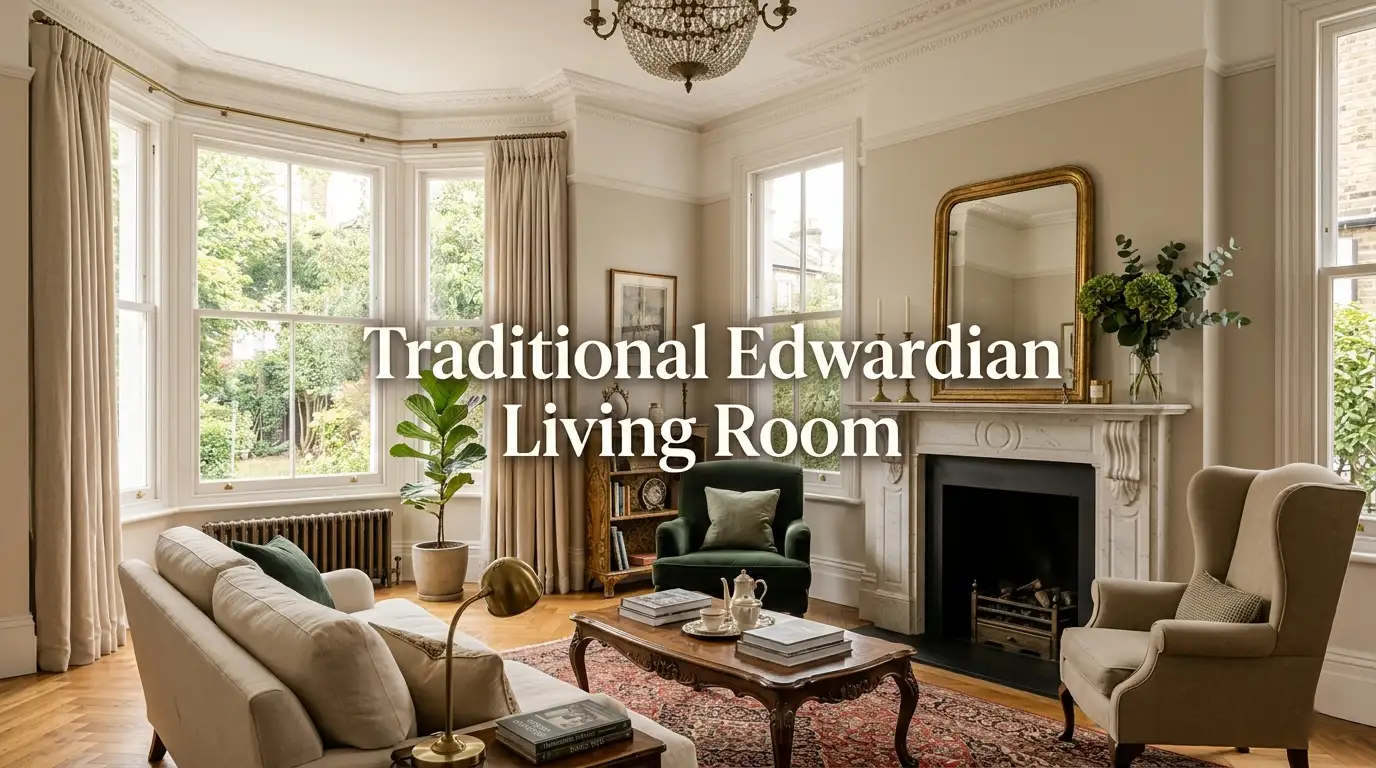
A traditional Edwardian living room embodies a unique balance between elegance and livability. Emerging during the Edwardian era (1901–1910), these interiors moved away from the darker, heavier Victorian aesthetic and embraced brighter spaces, lighter colors, improved functionality, and a stronger connection to natural light. The result is an inviting room that feels sophisticated without appearing overly formal.
Having worked with period-inspired interiors and heritage homes, one of the most remarkable qualities of Edwardian design is its adaptability. Whether restoring an original Edwardian house or incorporating period influences into a modern home, the design principles remain remarkably relevant. Carefully chosen architectural details, balanced furnishings, and refined decorative elements create spaces that feel timeless rather than dated.
Traditional Edwardian Living Room Color Palette
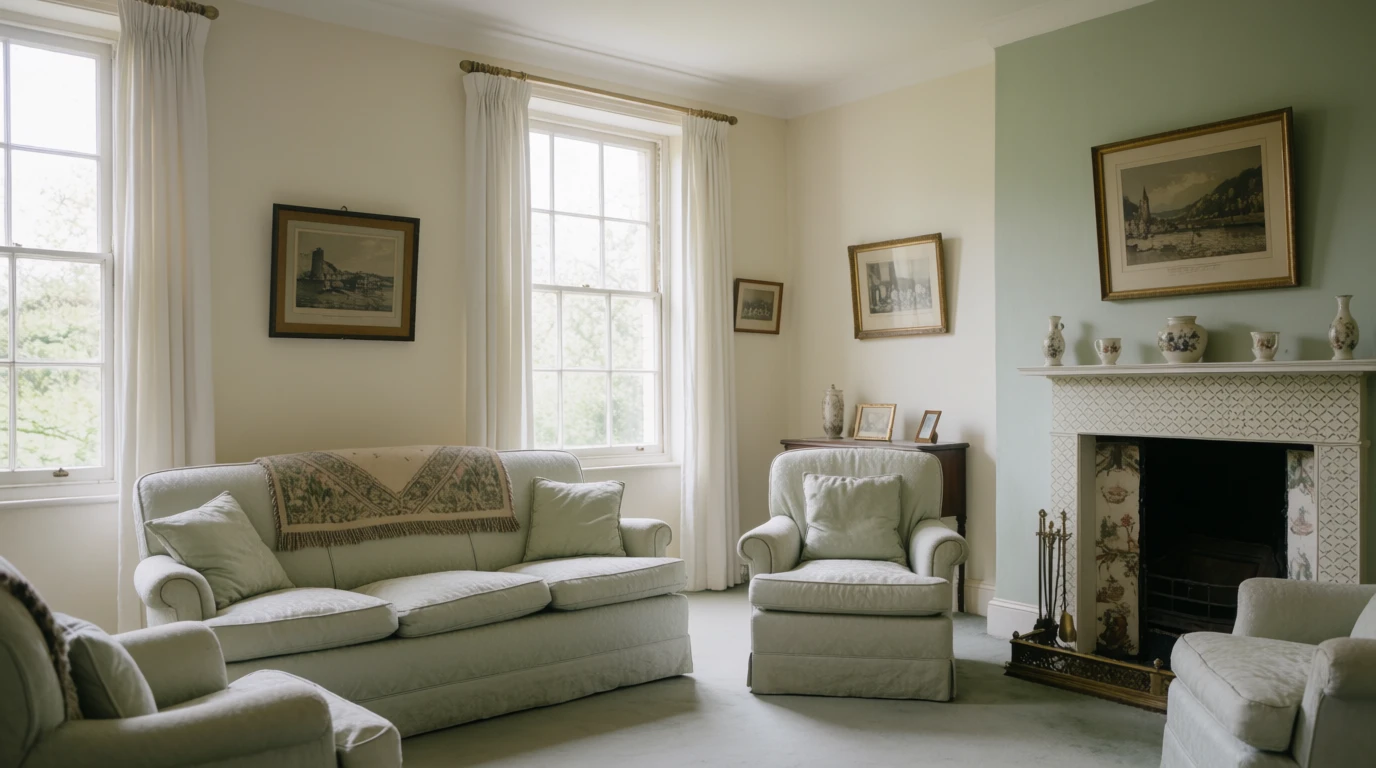
Traditional Edwardian interiors favored lighter wall colors to maximize daylight and create an airy atmosphere. Soft creams, pale greens, muted blues, and warm neutrals were commonly used throughout living spaces.
These lighter shades make rooms feel larger while providing an elegant backdrop for architectural features and decorative furnishings.
Traditional Edwardian Living Room Architectural Features
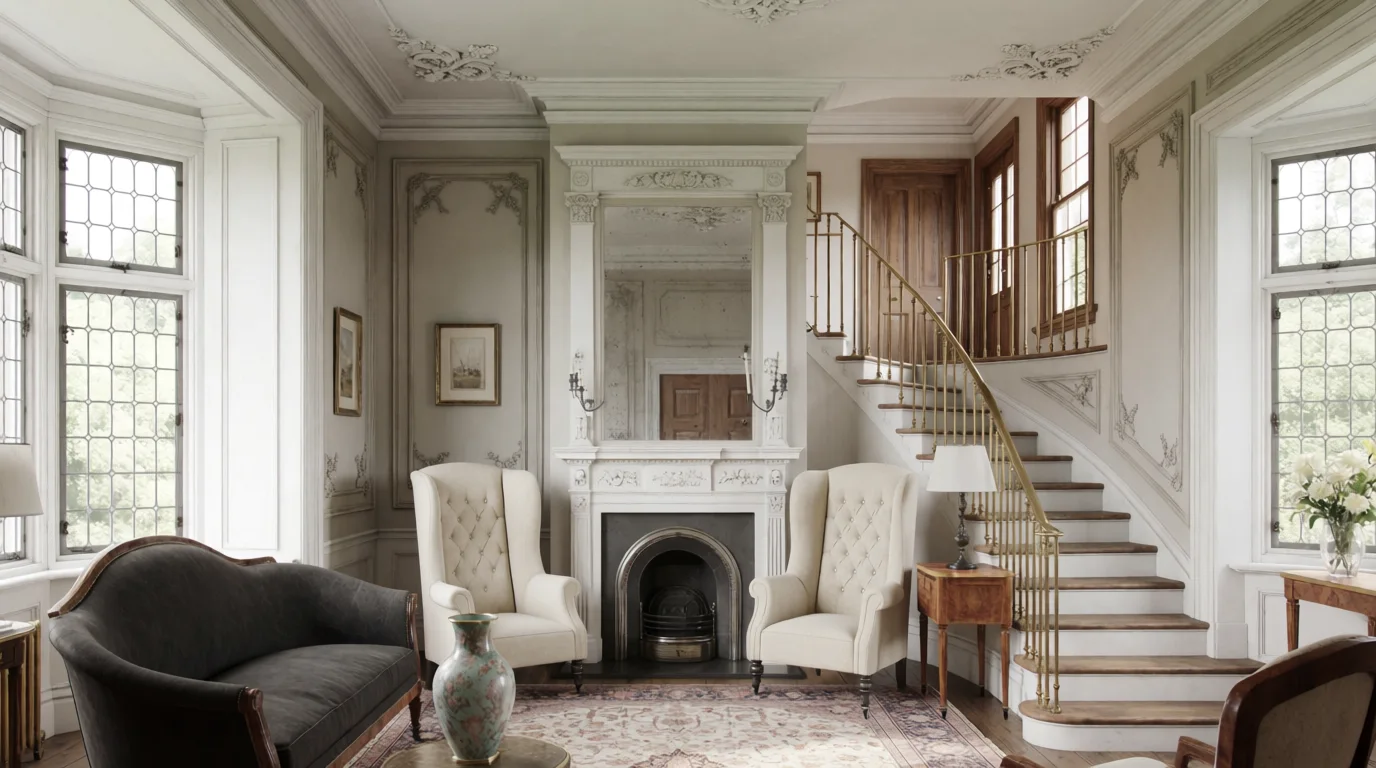
One defining characteristic of Edwardian homes is their emphasis on architectural detailing. Decorative plasterwork, high ceilings, picture rails, and large bay windows contribute to the room’s grandeur.
These structural elements create visual interest even before furniture and décor are introduced.
Traditional Edwardian Living Room Fireplace Design
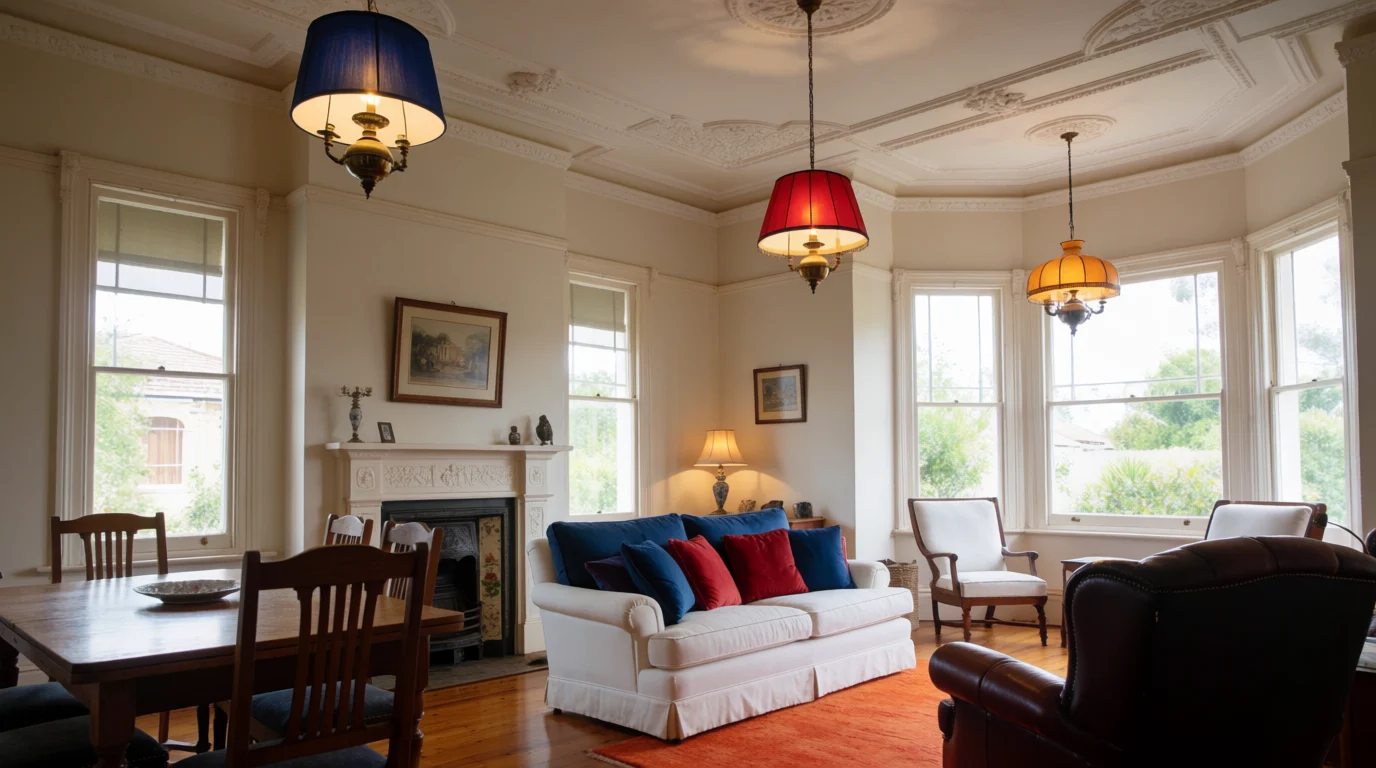
The fireplace serves as a central focal point in many Edwardian living rooms. Original tiled surrounds, cast-iron inserts, and decorative mantelpieces add character and historical authenticity.
A carefully restored fireplace anchors the room while enhancing its sense of warmth and heritage.
Traditional Edwardian Living Room Furniture Selection
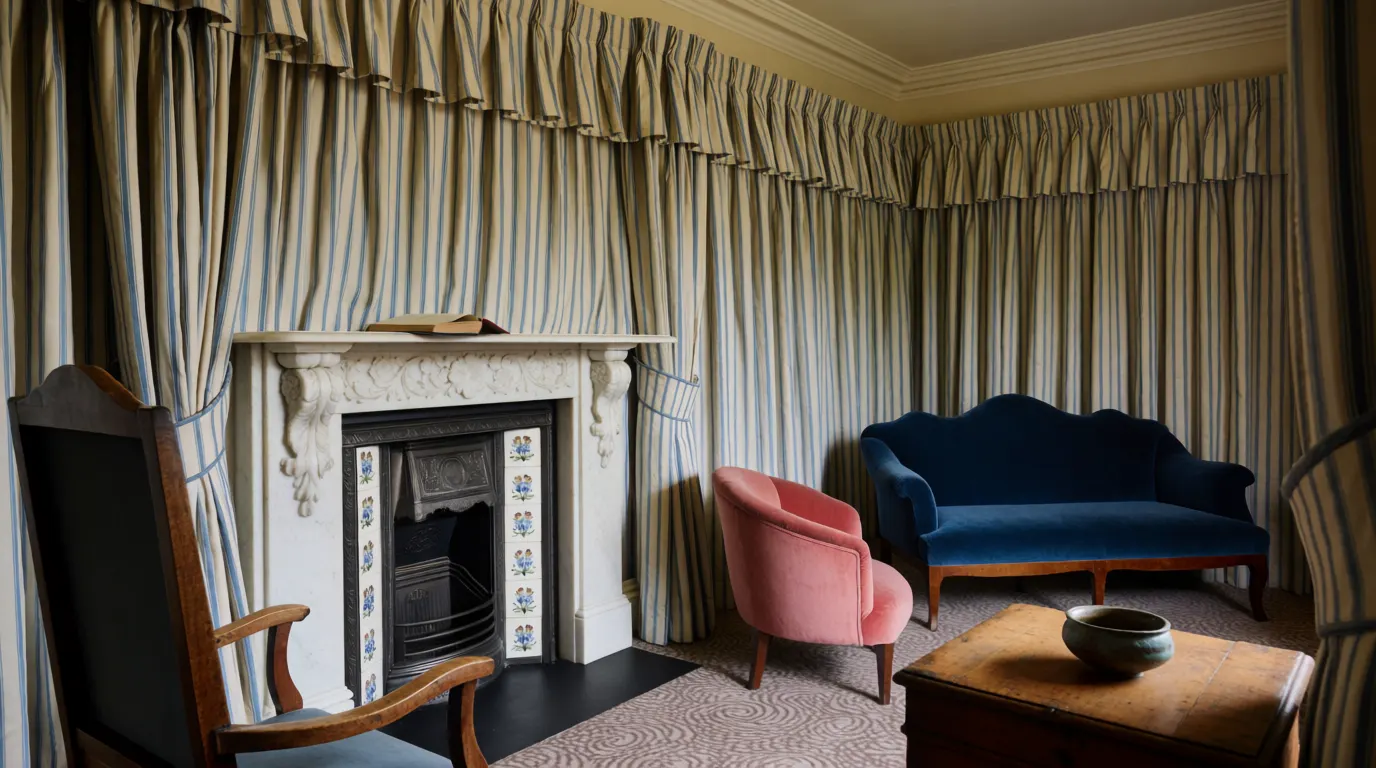
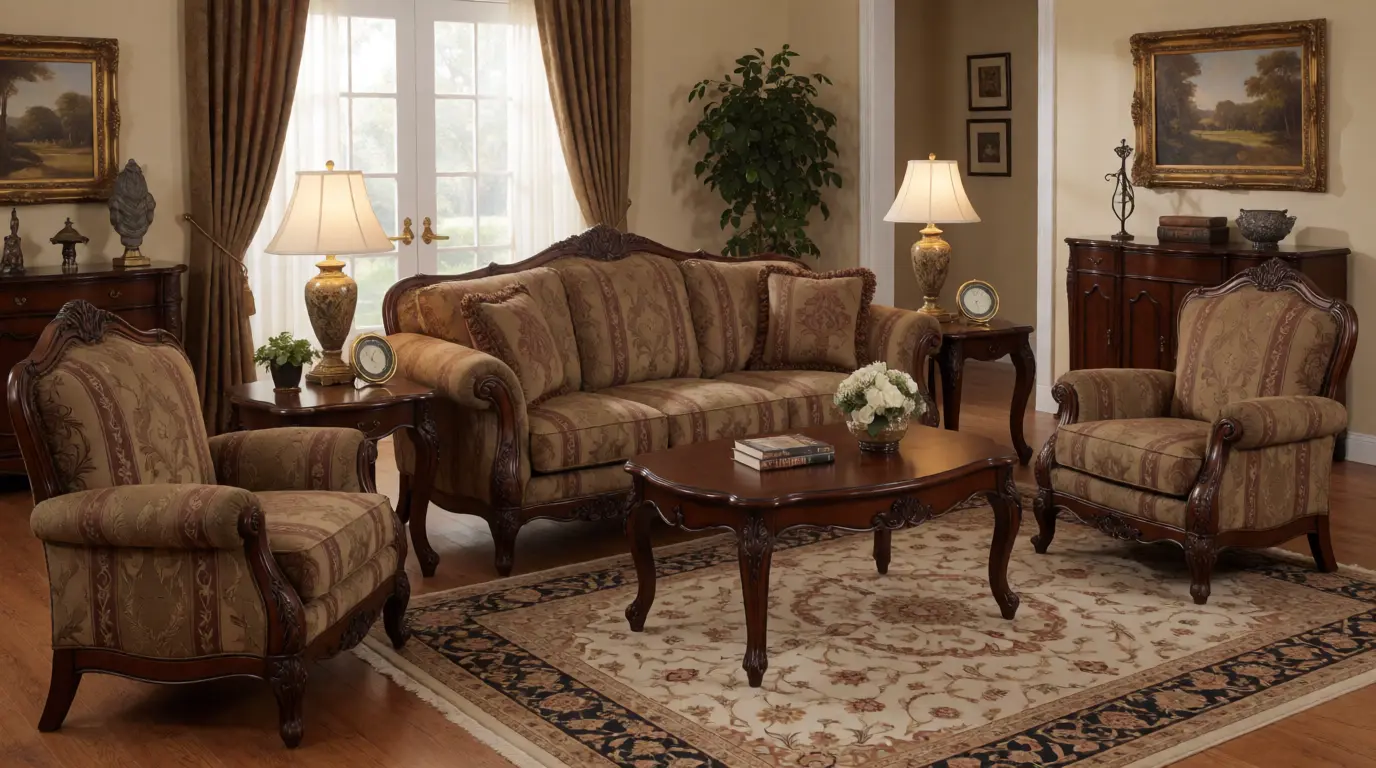
Edwardian furniture tends to be lighter and more graceful than Victorian pieces. Curved lines, delicate craftsmanship, and practical proportions help maintain an airy atmosphere.
Mixing antiques with quality reproductions can preserve authenticity while improving everyday comfort.
Traditional Edwardian Living Room Bay Windows
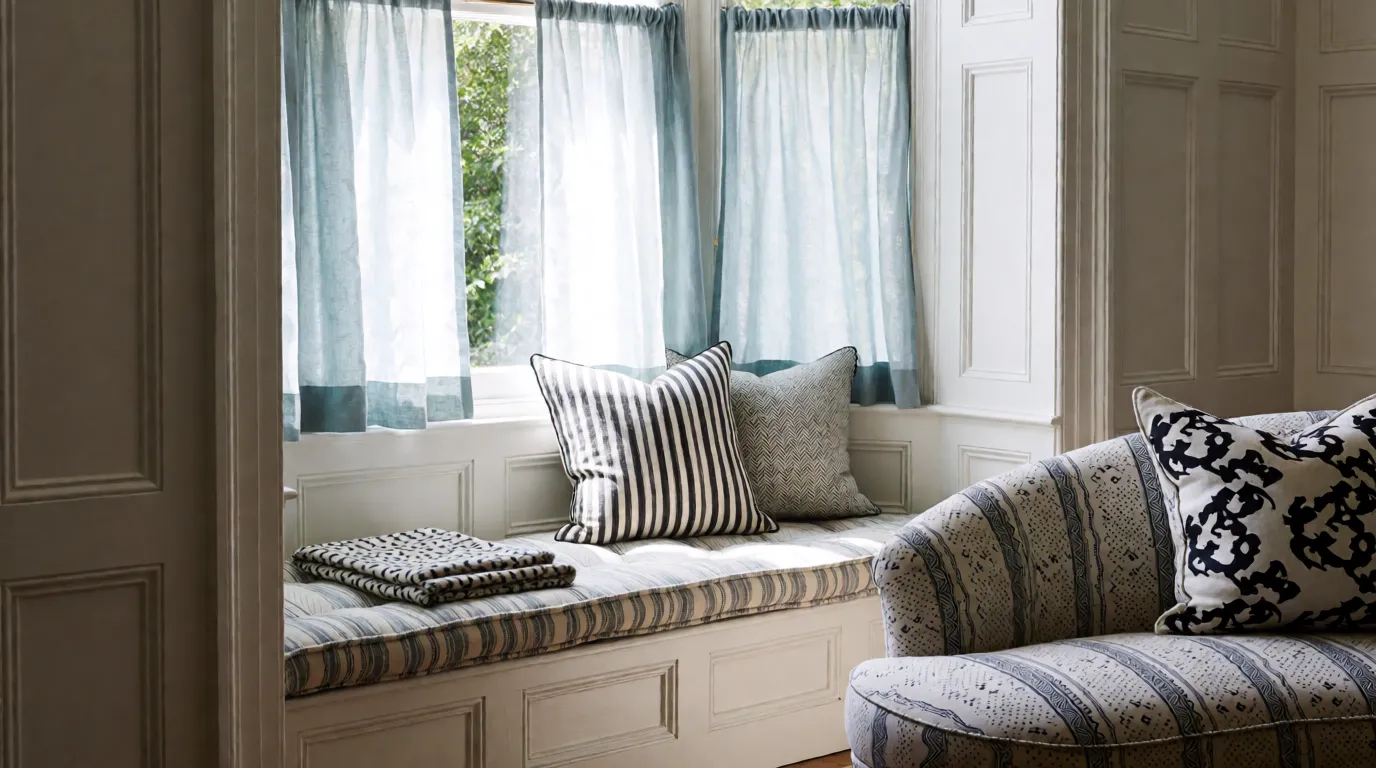
Large bay windows are among the most recognizable Edwardian design elements. These windows flood interiors with natural light and establish a strong visual connection to outdoor spaces.
They also create opportunities for seating areas, reading corners, or decorative displays.
Traditional Edwardian Living Room Flooring Materials
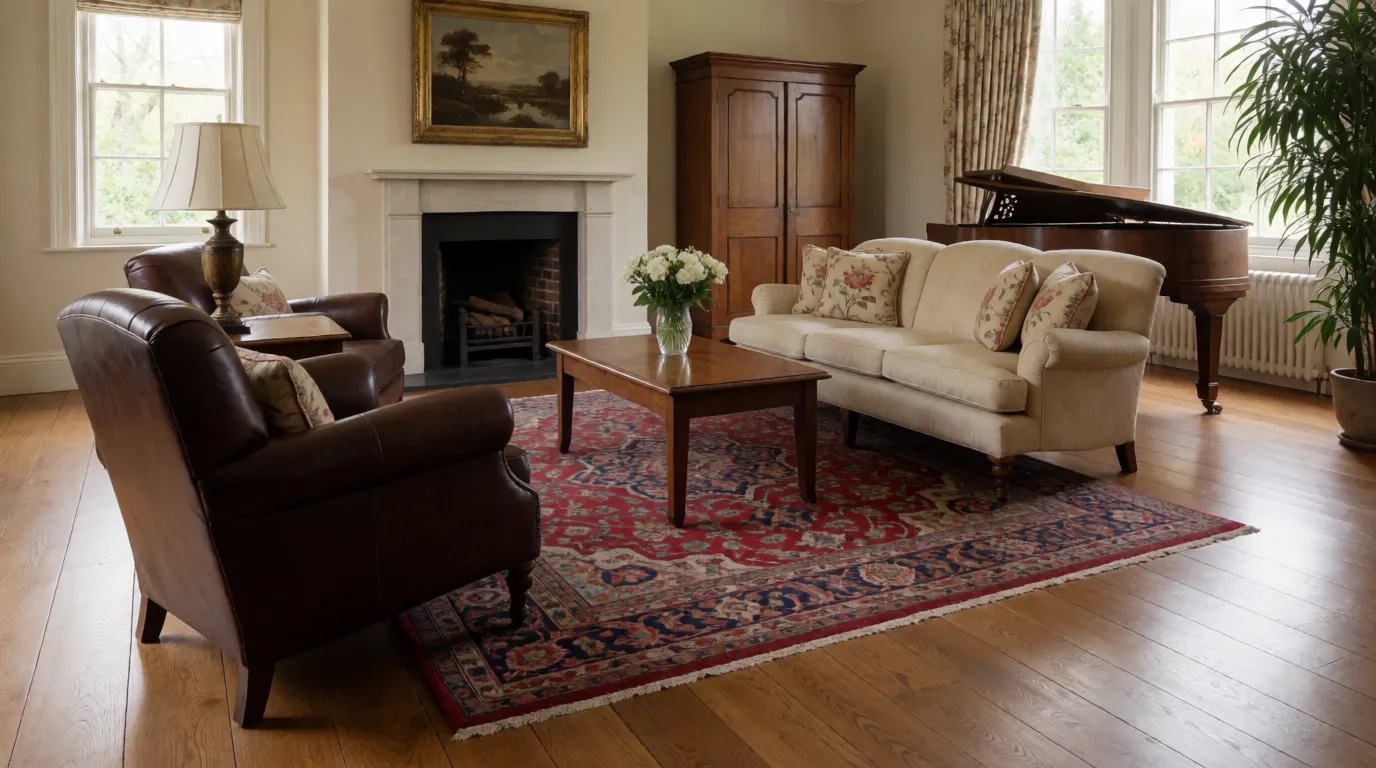
Timber flooring was commonly used in Edwardian homes, often paired with decorative rugs. Hardwood surfaces provide durability while supporting the room’s refined appearance.
Layering rugs adds warmth, texture, and visual balance.
Traditional Edwardian Living Room Decorative Mouldings
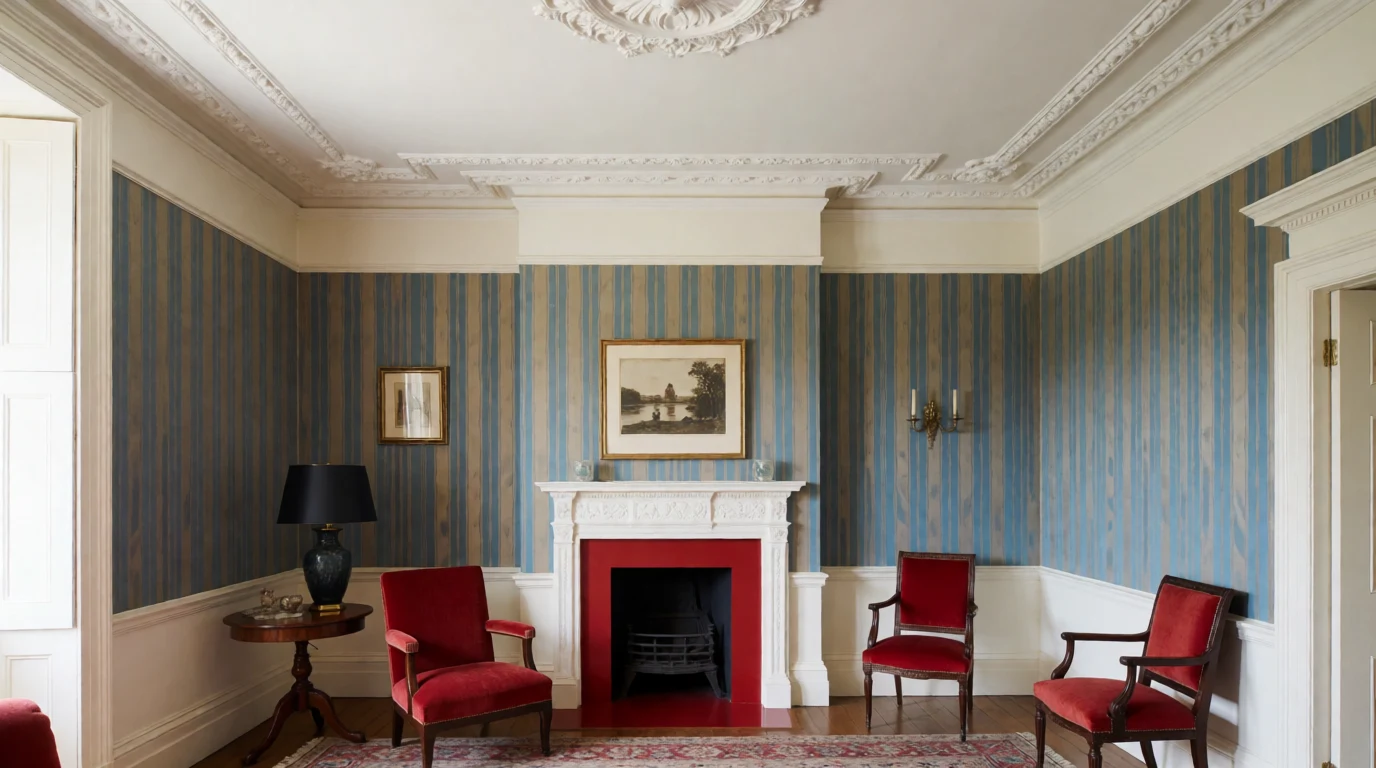
Decorative mouldings help define Edwardian interiors. Ceiling roses, cornices, skirting boards, and panel detailing add sophistication without overwhelming the space.
These subtle features contribute significantly to the room’s overall character.
Traditional Edwardian Living Room Lighting Concepts
Edwardian interiors relied heavily on natural light during the day while decorative chandeliers and table lamps provided evening illumination.
Layered lighting enhances architectural details and creates a welcoming ambiance.
Traditional Edwardian Living Room Textile Choices
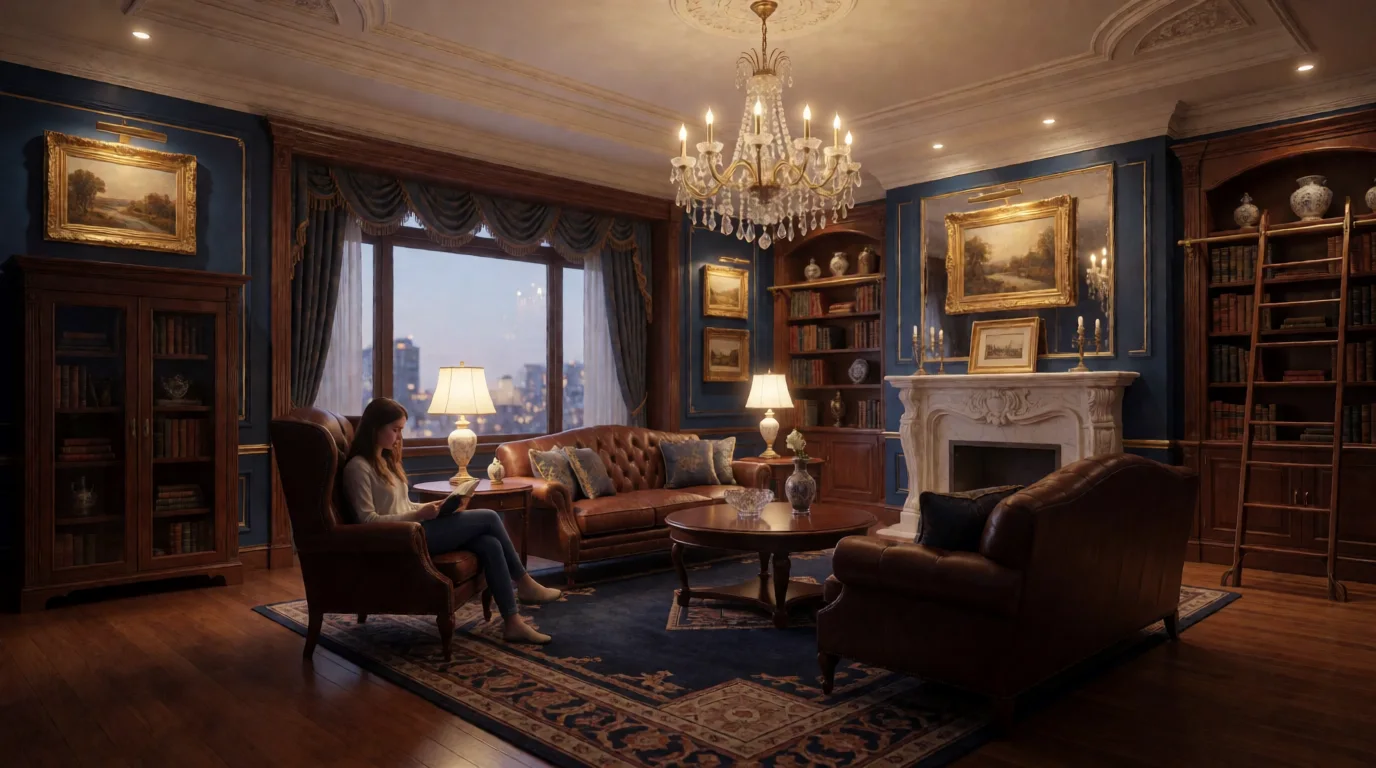
Textiles introduce softness and comfort while complementing architectural features. Velvet, linen, wool, and damask fabrics were frequently used throughout Edwardian homes.
Combining multiple textures creates depth without excessive ornamentation.
Traditional Edwardian Living Room Wall Treatments
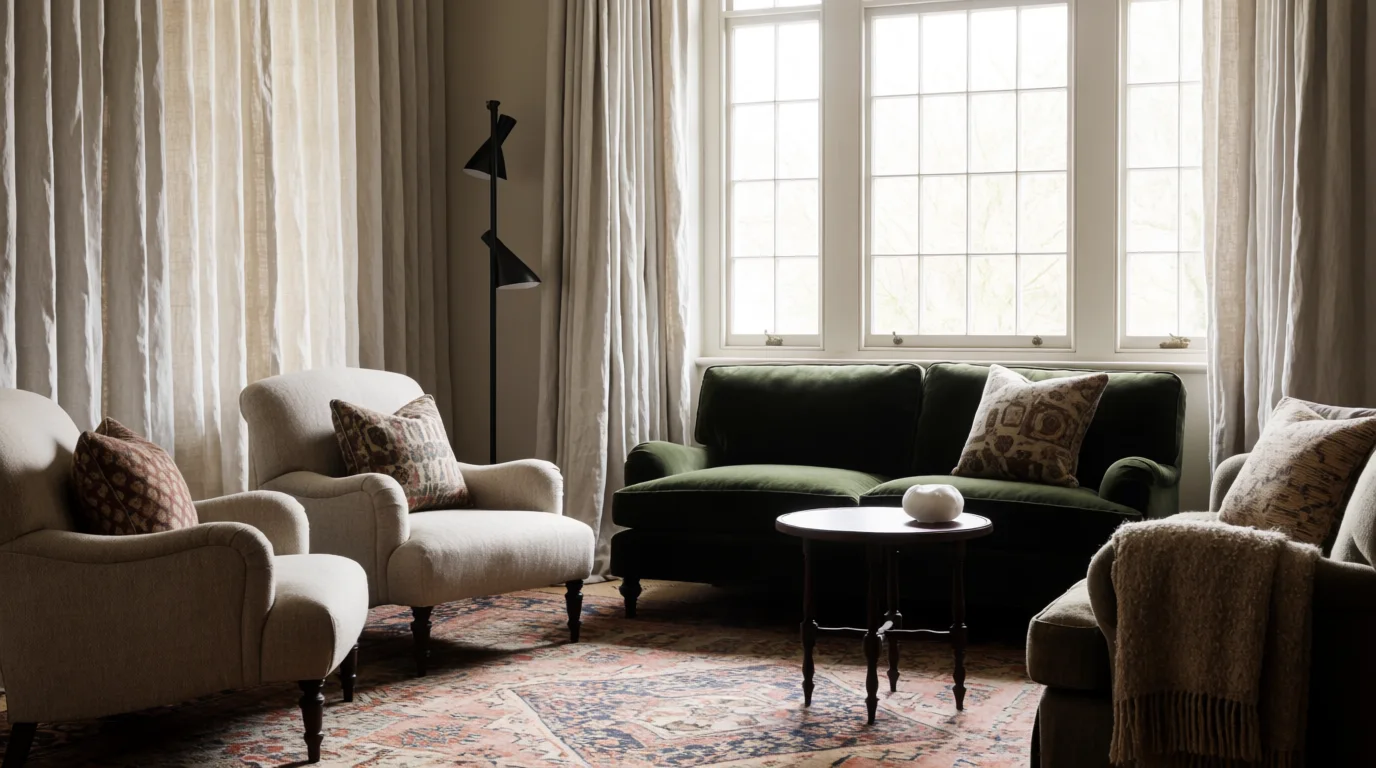
Walls often featured painted surfaces, decorative wallpapers, or subtle paneling. Designs typically emphasized elegance and restraint rather than excessive decoration.
Thoughtful wall treatments help maintain authenticity while supporting modern living.
Traditional Edwardian Living Room Window Dressings
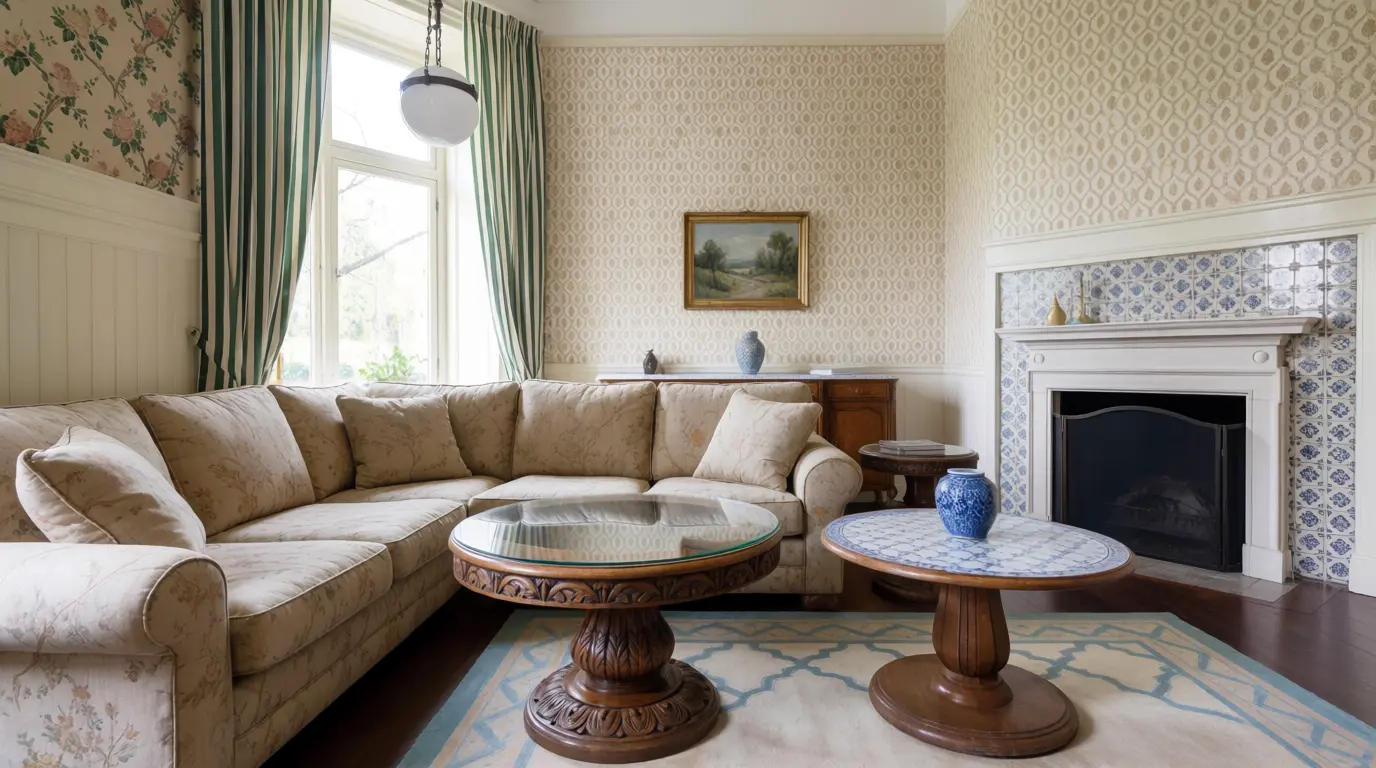
Window treatments play an important role in softening large Edwardian windows. Layered curtains with lightweight sheers provide privacy while preserving natural light.
Properly proportioned drapery reinforces the room’s sense of elegance.
Traditional Edwardian Living Room Decorative Accessories
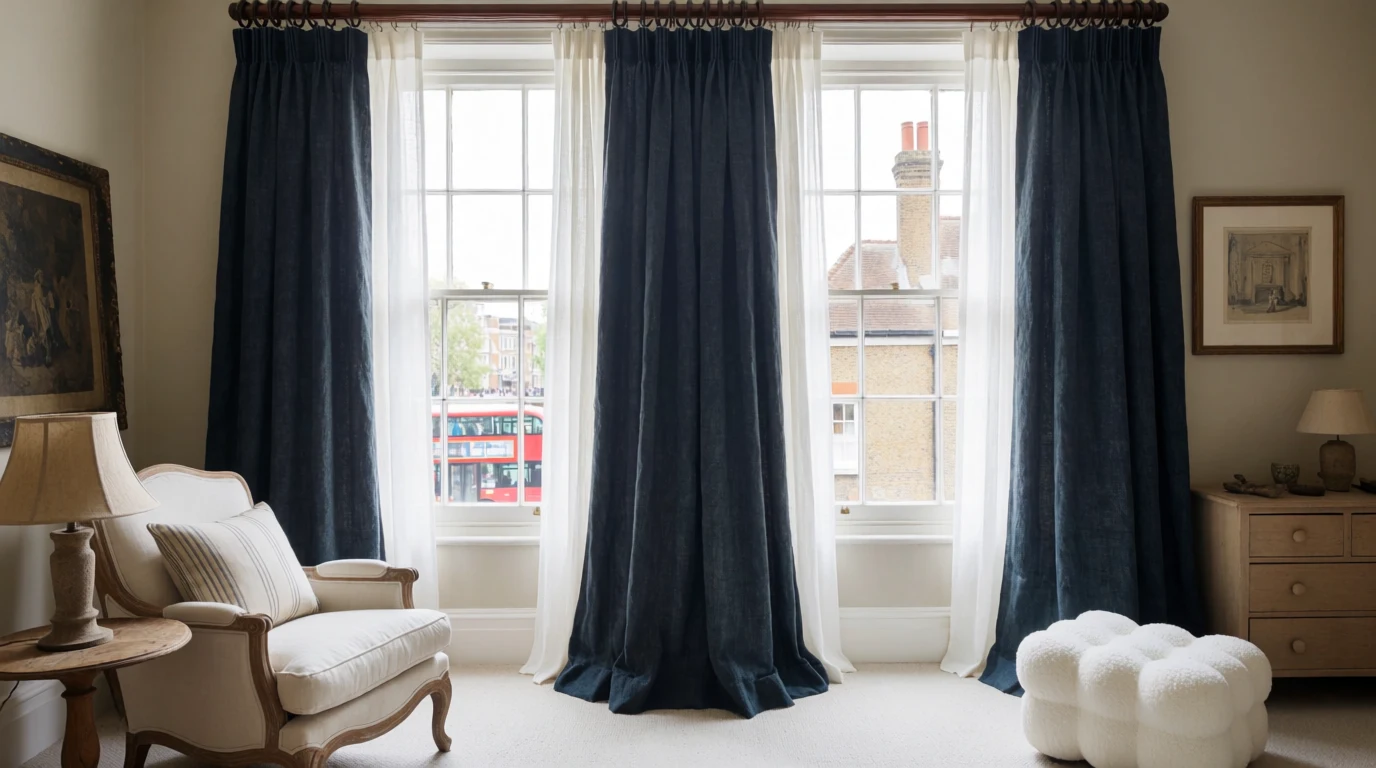
Accessories should enhance rather than dominate the space. Antique mirrors, framed artwork, ceramic vases, and carefully curated objects contribute personality and visual interest.
A restrained approach maintains the room’s sophisticated atmosphere.
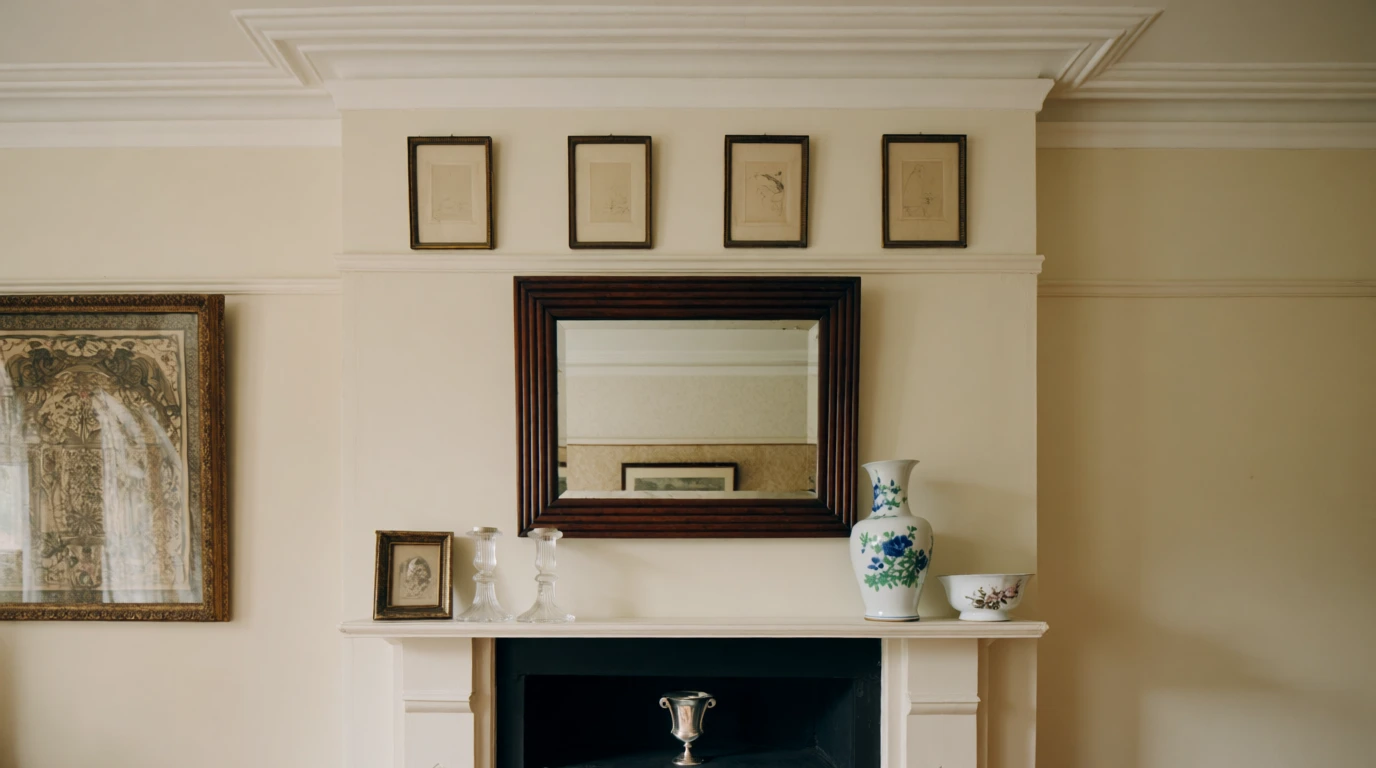
Traditional Edwardian Living Room Symmetry and Layout
Edwardian interiors often emphasize balanced furniture arrangements. Symmetry creates visual harmony and supports conversation-oriented living spaces.
This design approach remains highly effective in both traditional and contemporary homes.
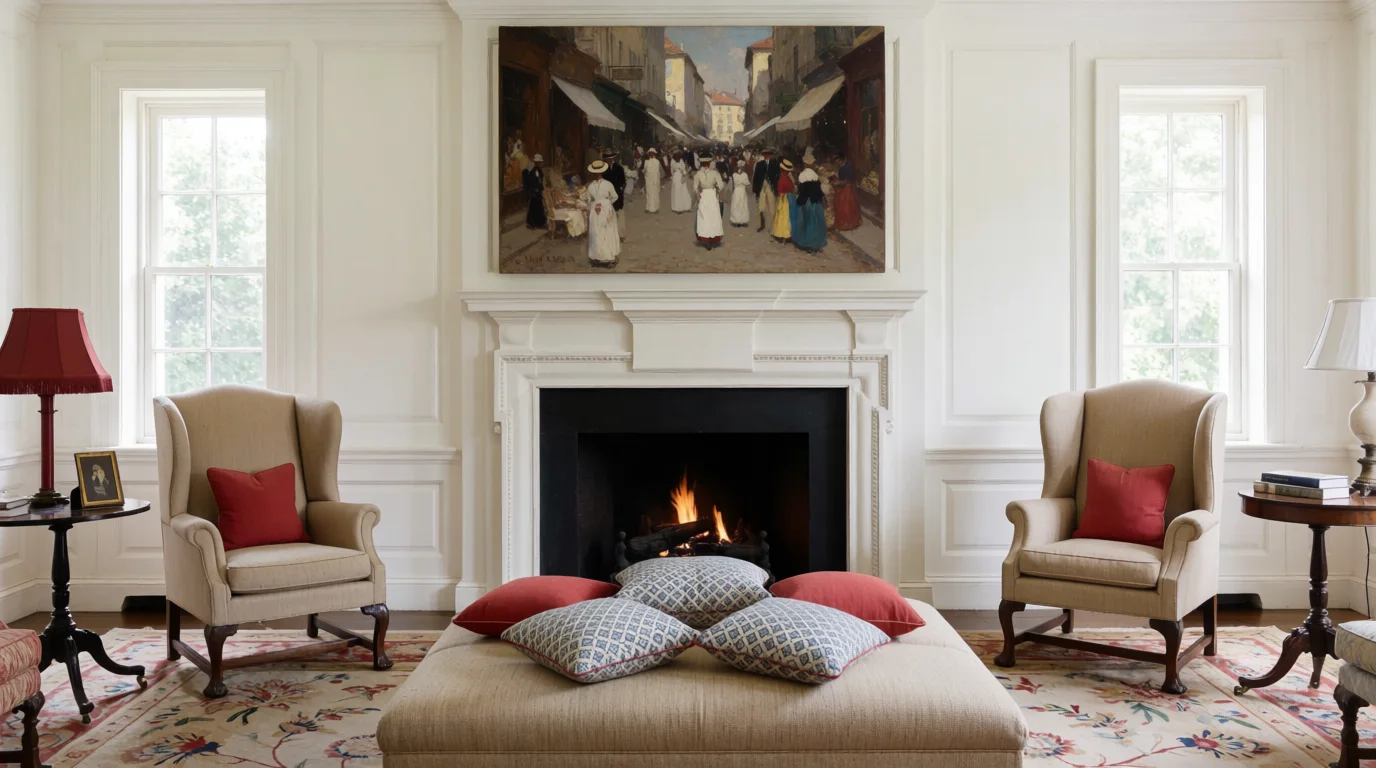
Traditional Edwardian Living Room Garden Connection
Many Edwardian houses were designed to embrace outdoor views and gardens. Large windows and lighter interiors strengthen this connection to nature.
Bringing greenery indoors enhances authenticity and livability.
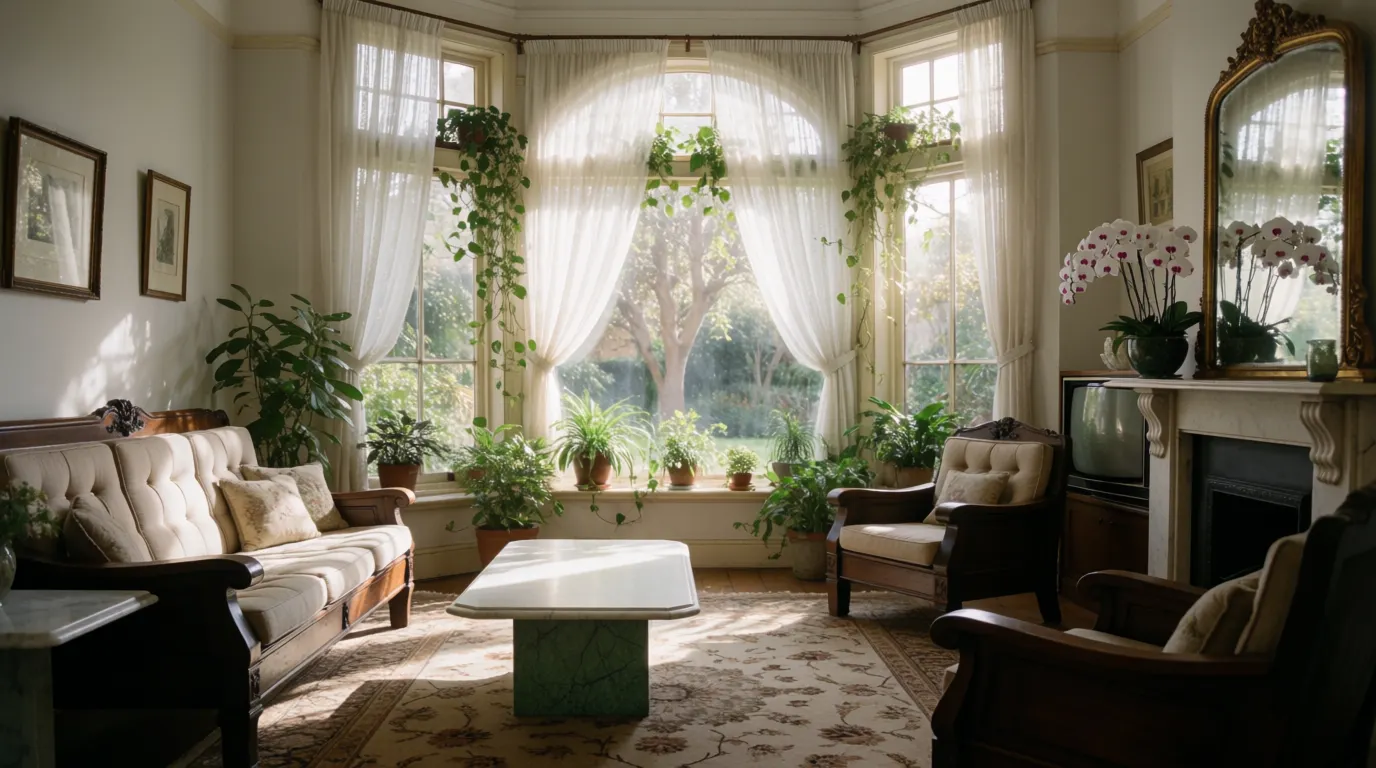
Traditional Edwardian Living Room Modern Adaptation
Modern Edwardian interior design combines period architecture with contemporary functionality. Updated furnishings, efficient lighting, and subtle technology integration can coexist with traditional features.
This approach preserves historical charm while supporting modern lifestyles.
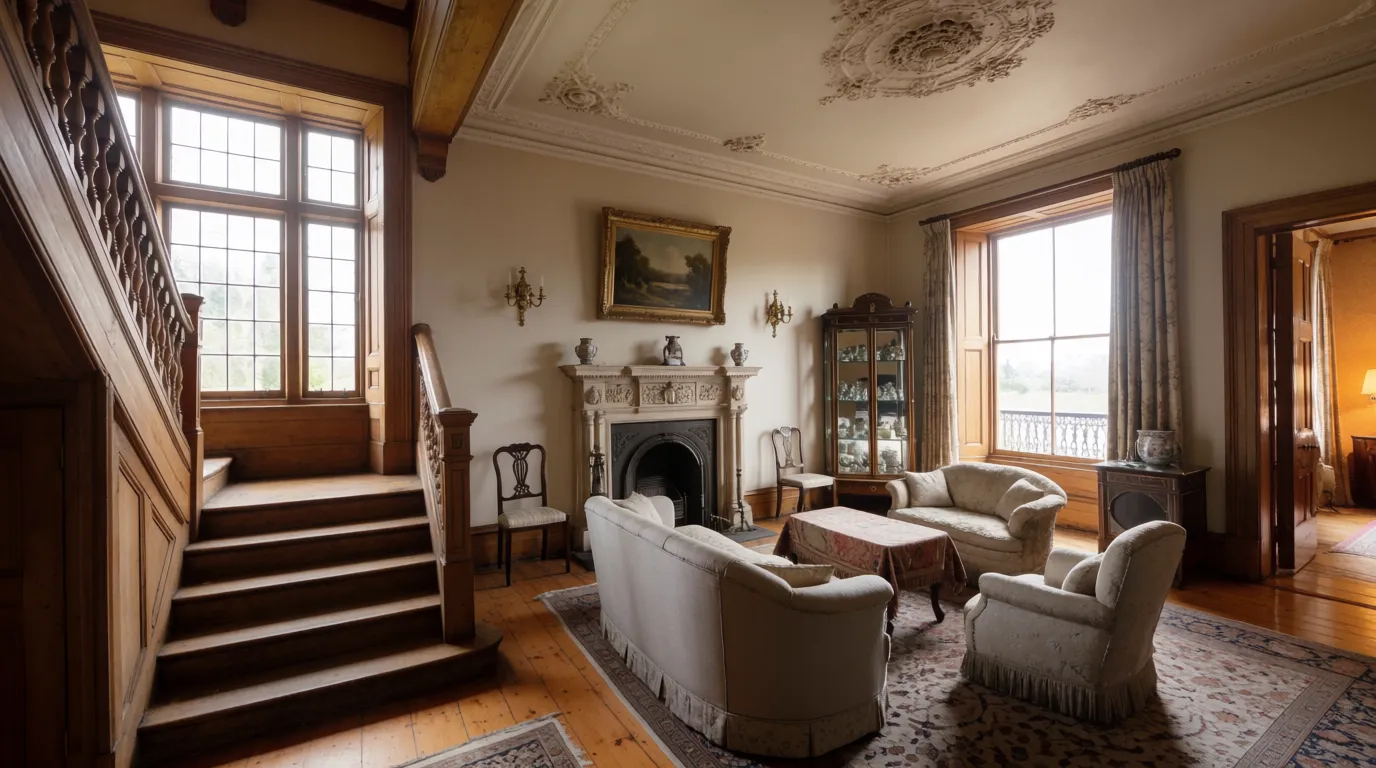
Traditional Edwardian Living Room Authentic Period Details
Original details such as fireplaces, stained glass, timber joinery, and decorative hardware contribute authenticity. Preserving these features often adds greater value than introducing unnecessary replacements.
Careful restoration celebrates the craftsmanship that defines Edwardian interiors.
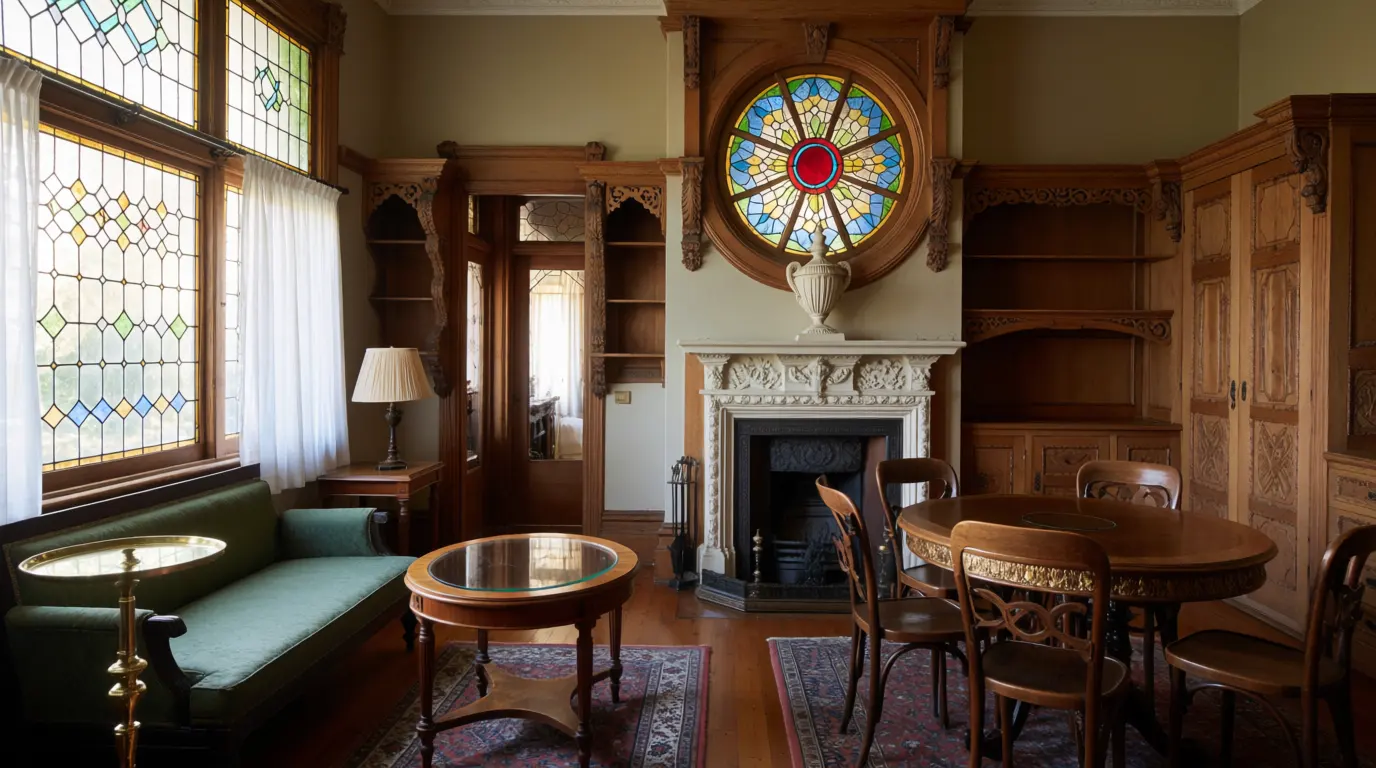
Traditional Edwardian Living Room Decorating Style
The essence of Edwardian decorating lies in achieving elegance through balance. Rooms should feel bright, welcoming, practical, and visually refined rather than overly ornate.
Successful Edwardian interiors combine craftsmanship, comfort, natural light, and timeless design principles that continue to inspire homeowners today.
Conclusion
A traditional Edwardian living room continues to captivate homeowners because it strikes a rare balance between elegance, comfort, and practicality. Unlike more decorative historical styles that can feel formal or overwhelming, Edwardian interiors embrace light-filled spaces, thoughtful craftsmanship, and a welcoming atmosphere that remains relevant today. From graceful architectural details and beautiful fireplaces to carefully chosen furnishings and soft color palettes, every element contributes to a room that feels timeless rather than tied to a specific era.
In practice, the success of an Edwardian-inspired living room lies in understanding its core principles rather than replicating every historical detail. Prioritizing natural light, preserving original features where possible, and creating a sense of balance throughout the space can transform both period homes and modern properties. These design choices work because they support everyday living while maintaining a refined aesthetic that never feels forced.
For homeowners renovating an original Edwardian house, decorating a heritage property, or simply borrowing inspiration from the era, the goal should be authenticity, comfort, and longevity. When thoughtfully executed, a traditional Edwardian living room offers more than visual appeal—it creates a space that feels calm, inviting, and enduring for years to come.
Learn more : Georgian Home Interiors That Instantly Elevate Your Space
Frequently Asked Questions
- What defines a traditional Edwardian living room?
A traditional Edwardian living room is characterized by light-filled interiors, high ceilings, decorative mouldings, large windows, elegant fireplaces, and refined furnishings. Compared to Victorian interiors, Edwardian spaces generally feel brighter, less cluttered, and more focused on comfort and practicality.
- What colors work best in an Edwardian-style living room?
Soft, muted colors are typically the most authentic choice. Creams, warm whites, pale greens, soft blues, and gentle neutrals reflect the Edwardian preference for airy, light-enhancing interiors. These shades also provide a versatile backdrop for period furniture and decorative details.
- Can a modern home incorporate Edwardian design elements?
Yes. Many homeowners successfully blend Edwardian influences with contemporary living. Architectural details, traditional fireplaces, classic furniture silhouettes, and heritage-inspired color palettes can be introduced without making the space feel overly historical or outdated.
- Are original architectural features important to preserve?
Whenever possible, preserving original features such as fireplaces, cornices, picture rails, stained glass, and timber joinery helps maintain the character and authenticity of an Edwardian property. These details often contribute significantly to the home’s overall charm and value.
- What type of furniture suits a traditional Edwardian living room?
Furniture should feel elegant and well-proportioned rather than heavy or overly ornate. Upholstered armchairs, graceful sofas, polished wood tables, and carefully selected antique or reproduction pieces help create a balanced and authentic Edwardian atmosphere.
- How can I make an Edwardian living room feel more comfortable for modern living?
Focus on combining period character with contemporary functionality. Comfortable seating, layered lighting, discreet technology integration, and durable fabrics can enhance everyday usability while preserving the room’s traditional appearance.
- Is an Edwardian living room suitable for smaller spaces?
Absolutely. Many Edwardian design principles, such as maximizing natural light, using lighter color palettes, and maintaining balanced furniture arrangements, can make smaller rooms feel more spacious and inviting. The emphasis on simplicity and proportion often translates particularly well to compact living areas.


One Response