
Introduction
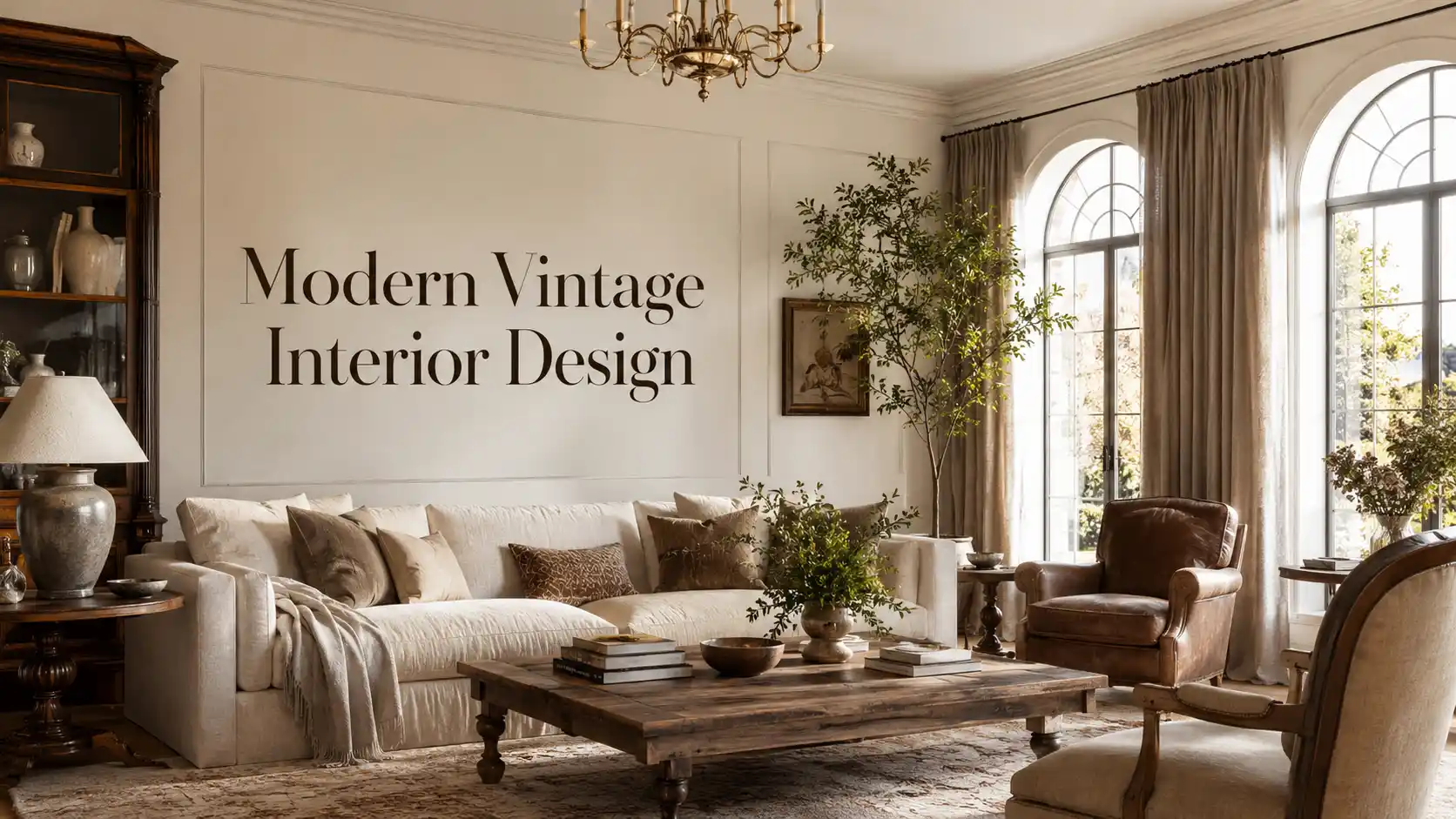
Modern vintage interior design is the art of blending contemporary simplicity with the warmth, craftsmanship, and personality of vintage pieces. Rather than creating a room that feels entirely modern or purely antique, this design approach combines the best of both worlds—clean lines, functional layouts, and updated finishes alongside heirloom furnishings, aged materials, and nostalgic details.
Over the years, designers have embraced modern vintage interiors because they create spaces that feel collected rather than decorated. A carefully chosen vintage cabinet, an antique mirror, or a retro-inspired armchair can instantly add depth and authenticity to a modern home. The result is a layered environment that feels welcoming, sophisticated, and uniquely personal.
A successful modern vintage interior is never about filling a room with old furniture. Instead, it is about balance. Contemporary elements provide structure and simplicity, while vintage accents introduce history, texture, and character. This thoughtful contrast creates homes that remain timeless regardless of changing design trends.
Modern Vintage Interior Design Foundations
A strong modern vintage interior begins with a balanced mix of old and new. Modern architecture, neutral palettes, and clean layouts provide the framework, while vintage furnishings add soul and visual interest.
Modern Vintage Living Room Ideas
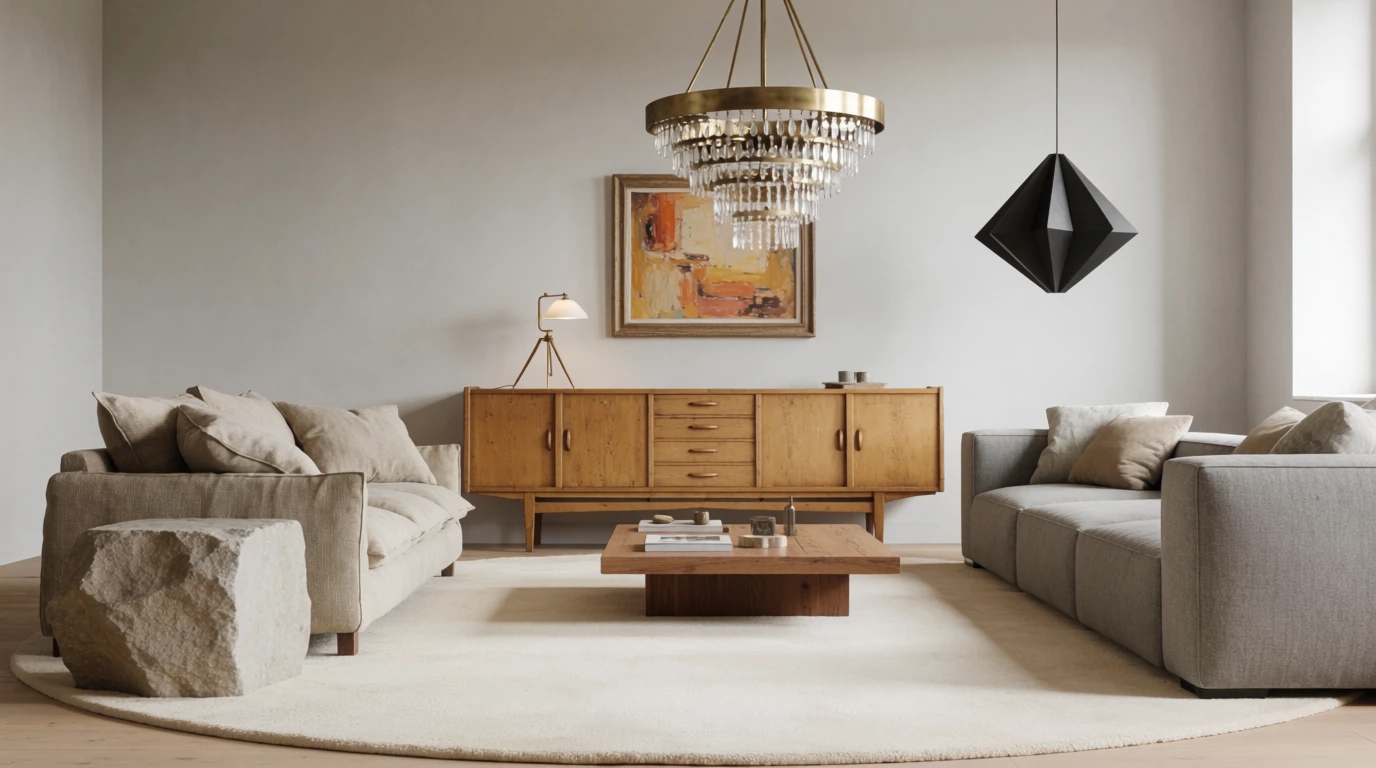
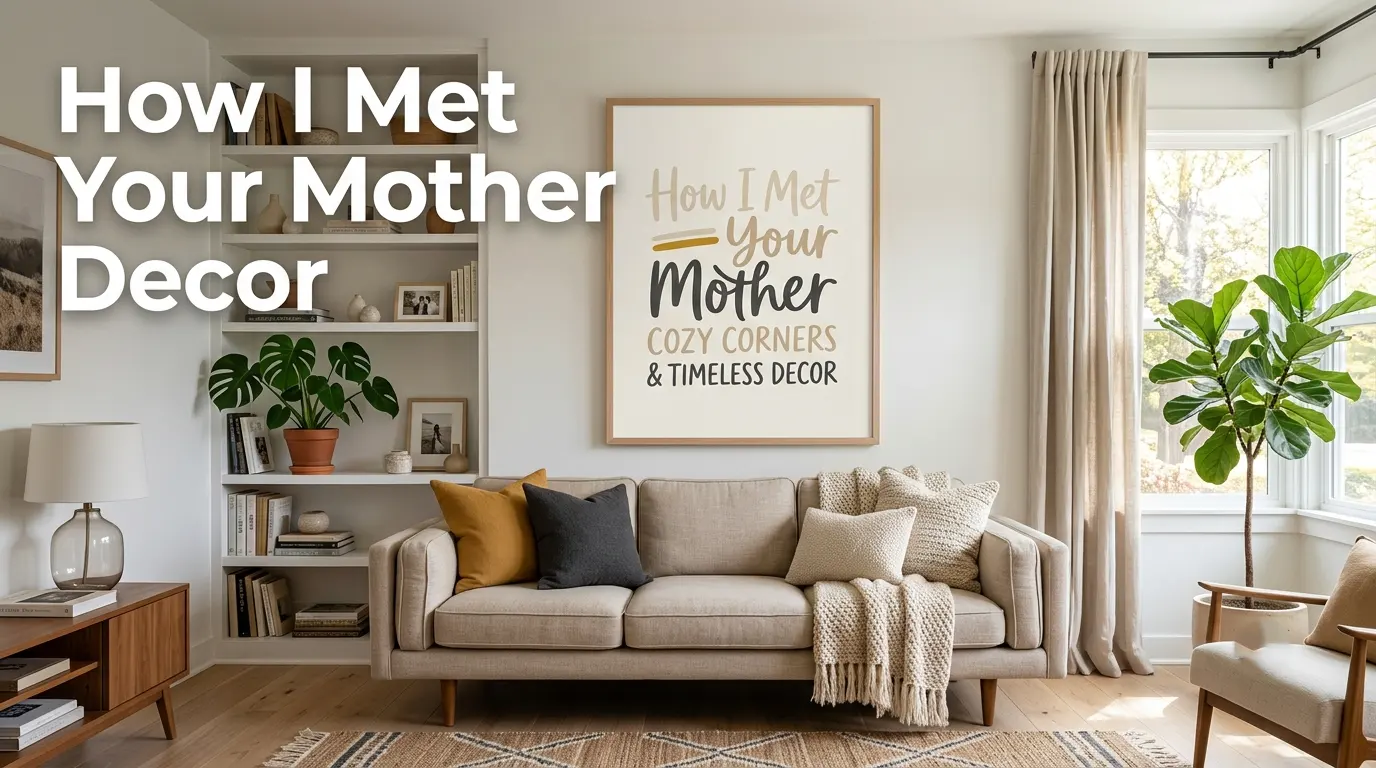
The living room is often the easiest place to embrace modern vintage decor. Pair a streamlined sofa with antique coffee tables, vintage artwork, or retro lighting to create a curated look.
Vintage Modern Home Decor Accessories
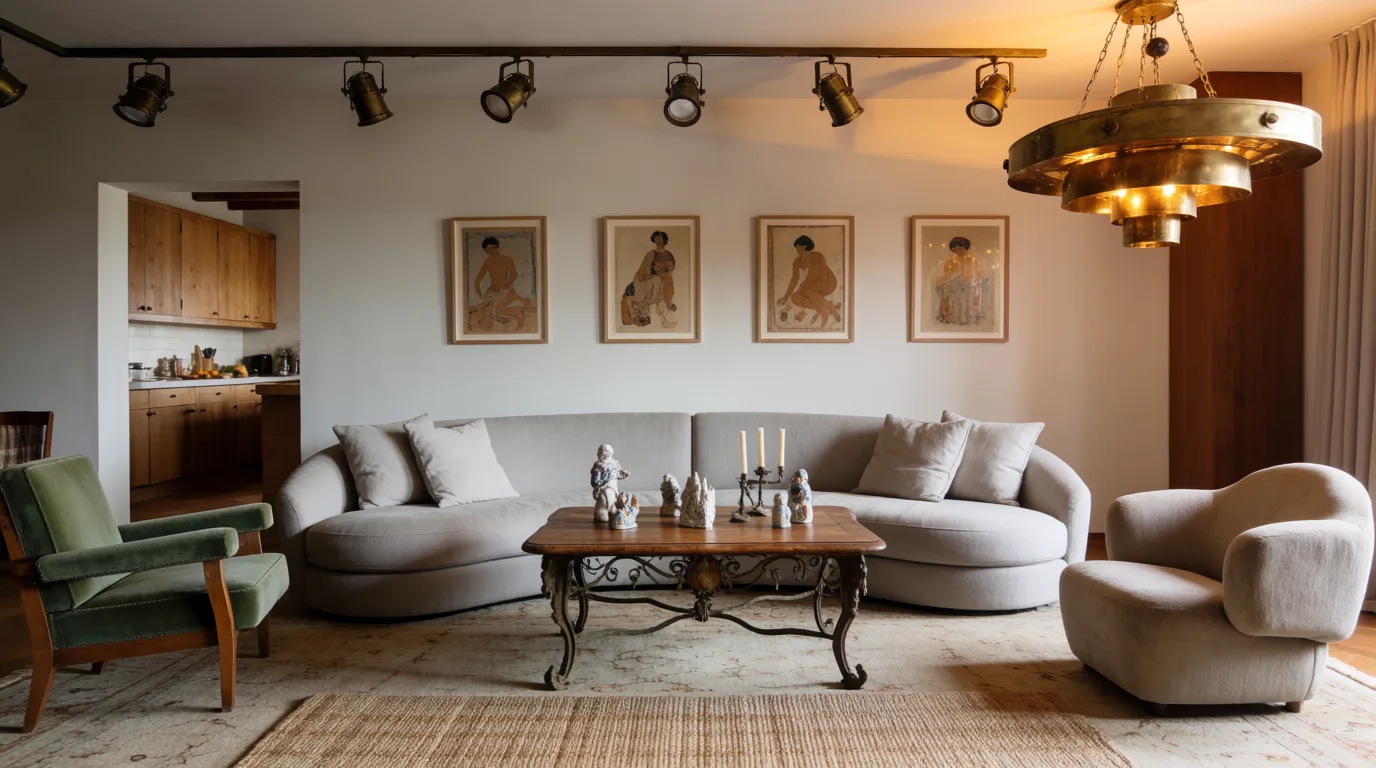
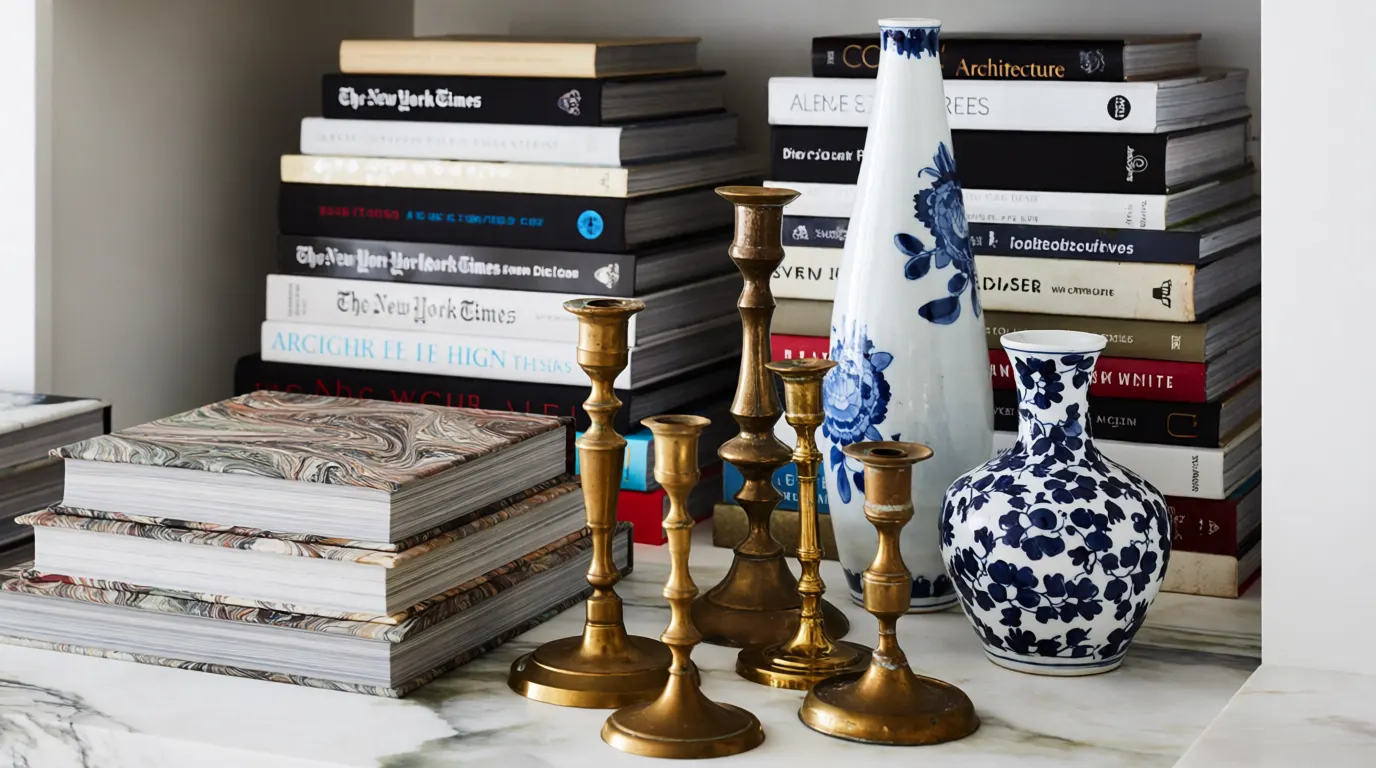
Accessories help bridge contemporary and vintage styles. Decorative books, ceramic vessels, brass candlesticks, and aged picture frames create visual layers without overwhelming the space.
Modern Vintage Decorating Style with Neutral Palettes
Neutral colors allow vintage furnishings to stand out while maintaining a fresh, contemporary appearance. Soft whites, warm taupes, and muted grays provide timeless versatility.
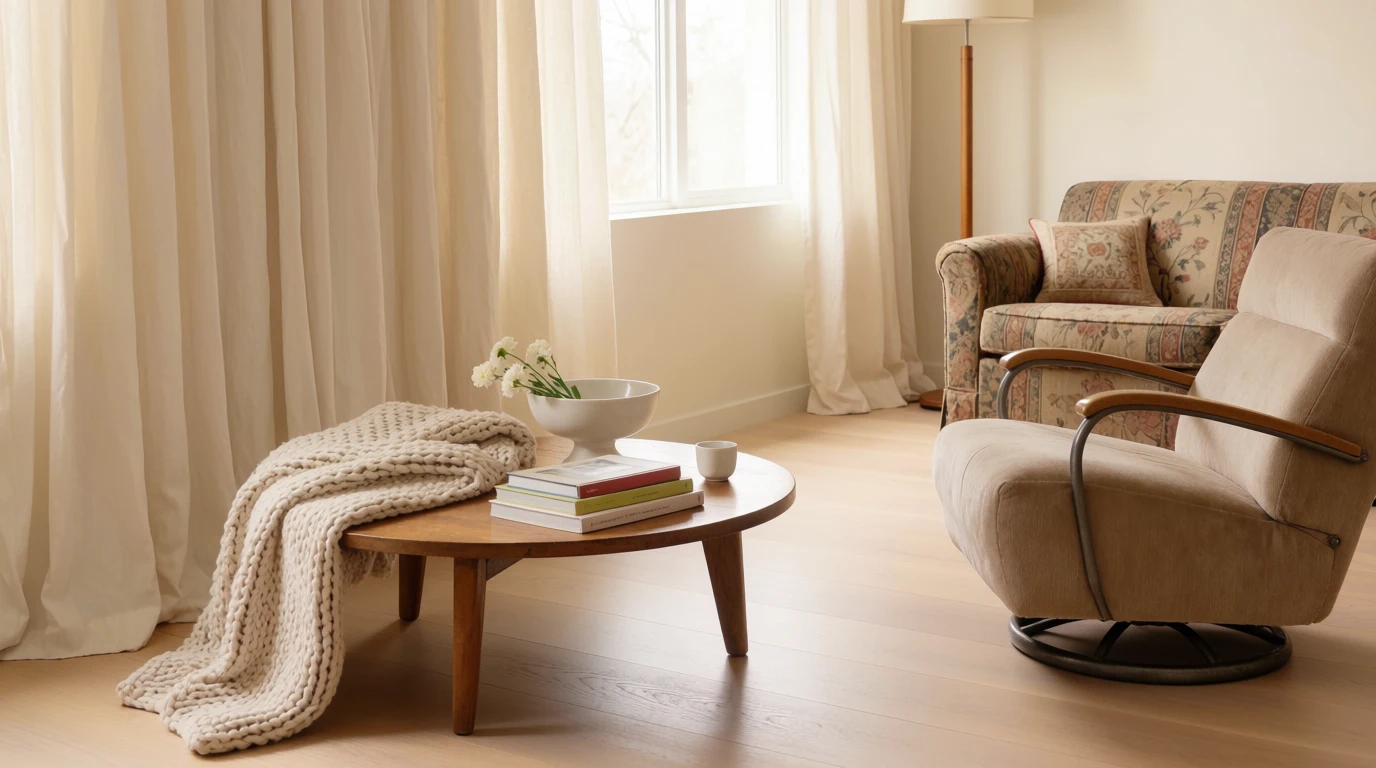
Vintage Modern Furniture Pairing
One of the most effective techniques is combining sleek modern furniture with statement vintage pieces. The contrast creates visual tension and prevents interiors from feeling overly themed.
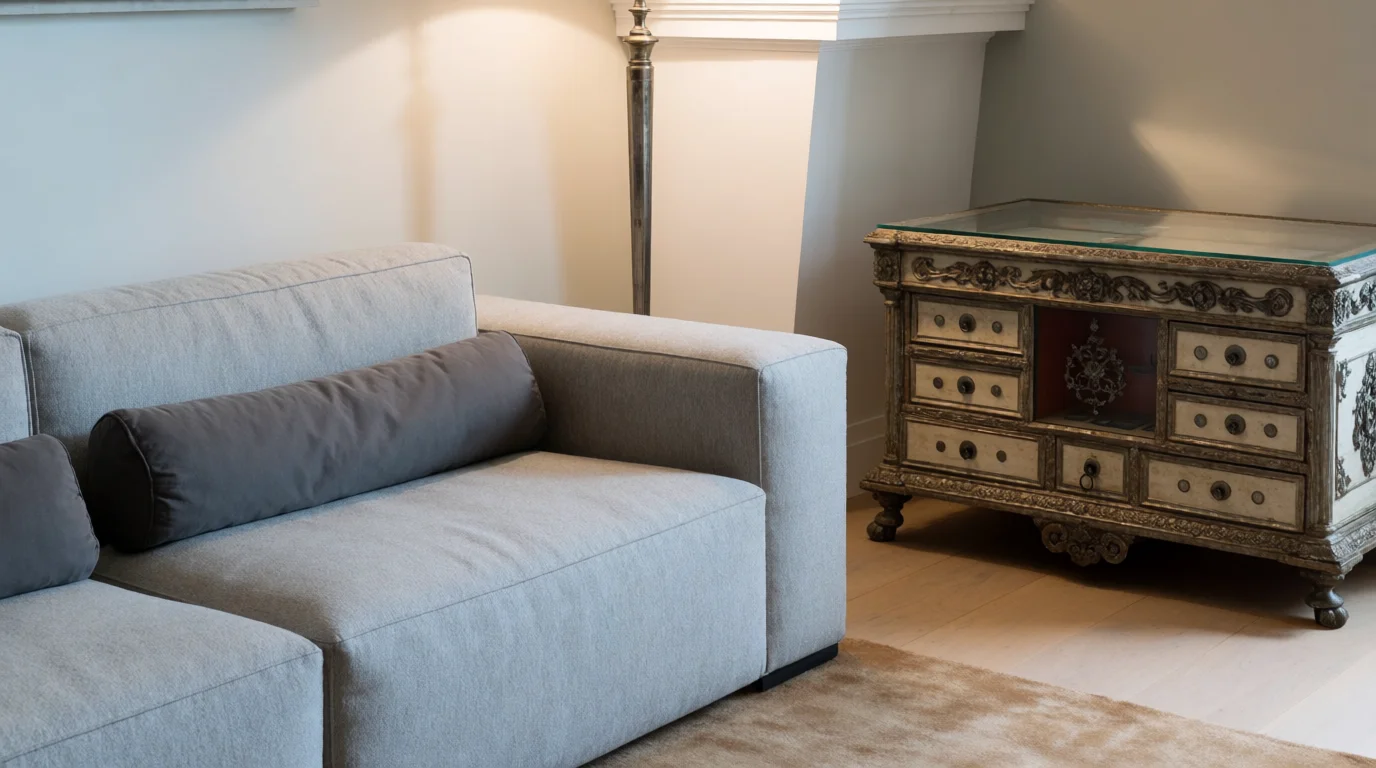
Modern Vintage Decorating with Antique Wood
Aged wood introduces warmth and authenticity. Vintage dining tables, weathered cabinets, and reclaimed wood accents add texture that modern materials often lack.
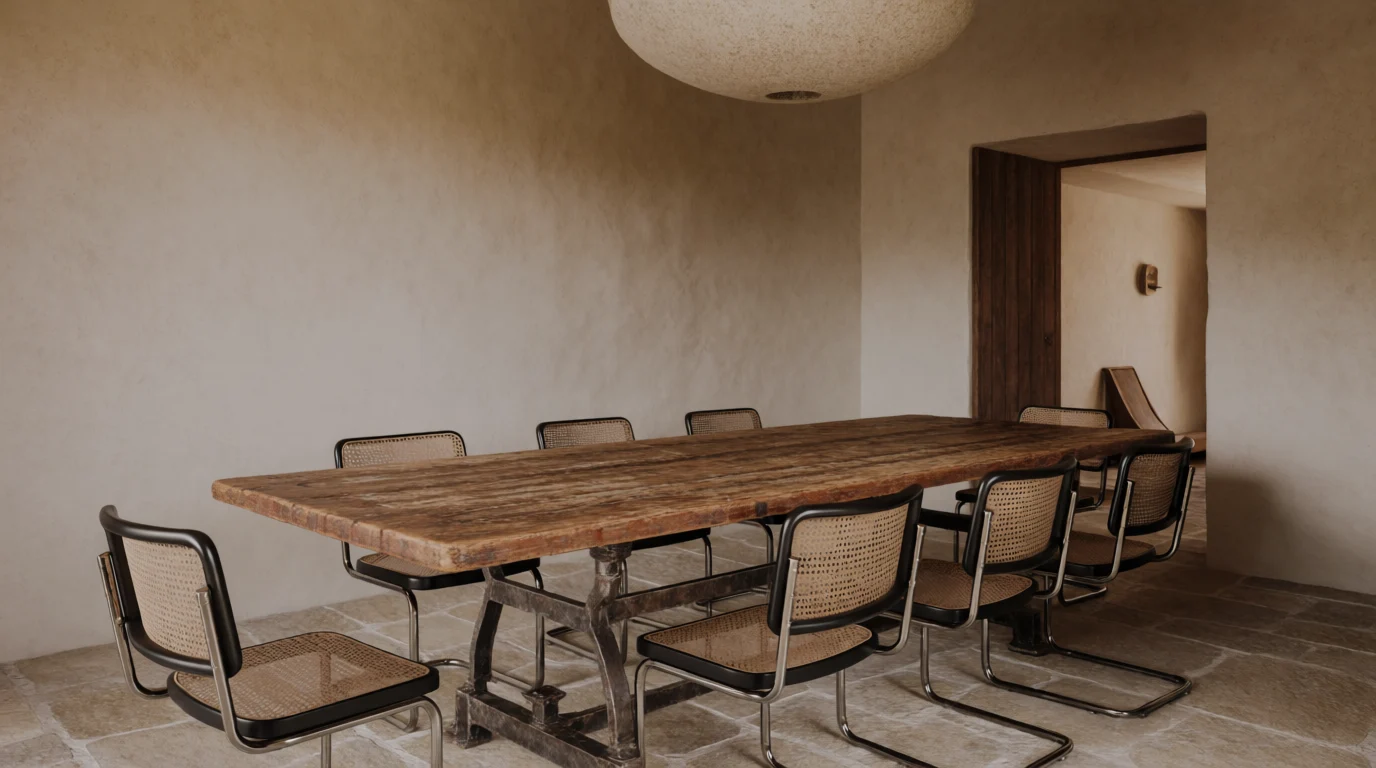
Vintage Modern Style Through Lighting
Lighting plays a crucial role in creating atmosphere. Vintage-inspired chandeliers, mid-century lamps, and brass sconces add character while supporting modern functionality.
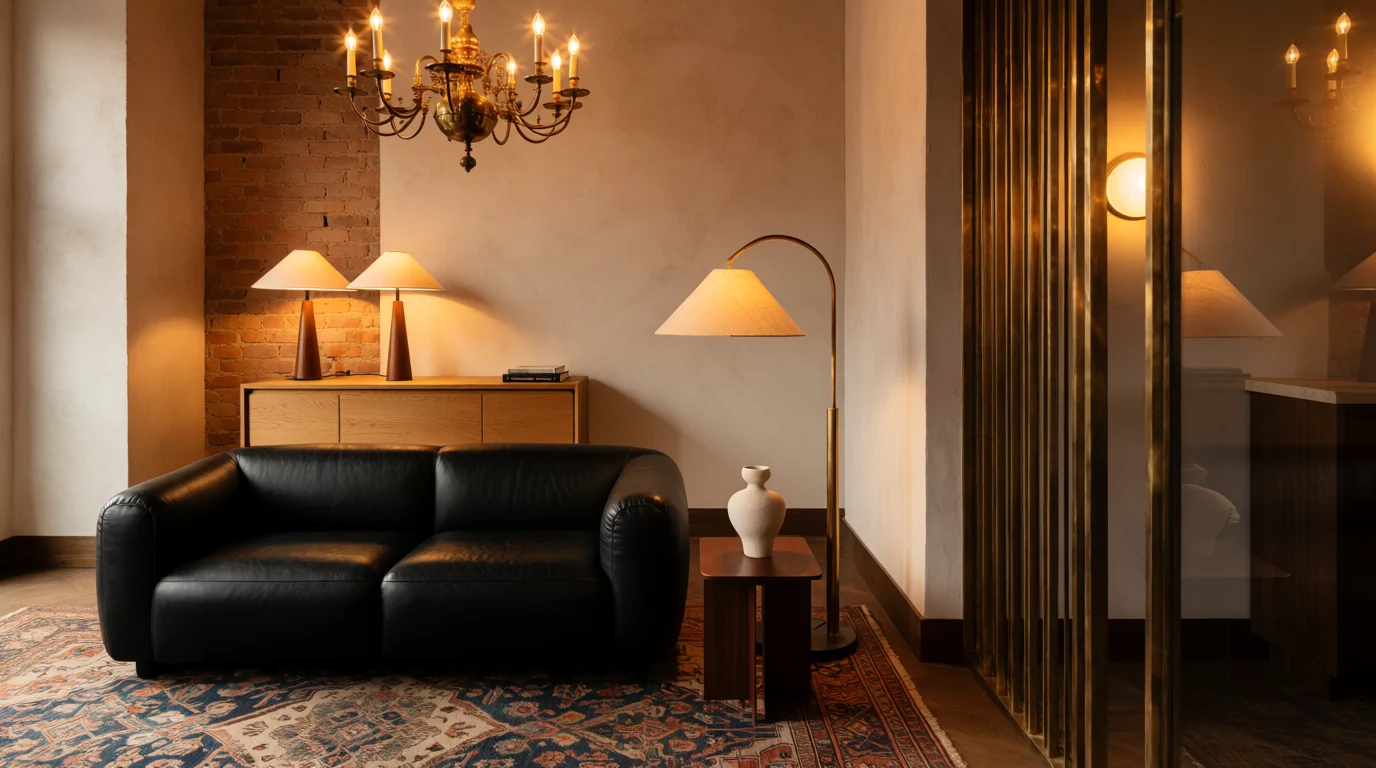
Modern Vintage Interiors with Layered Textures
Texture is essential for creating depth. Linen, velvet, leather, aged wood, and woven textiles work together to make spaces feel rich and inviting.
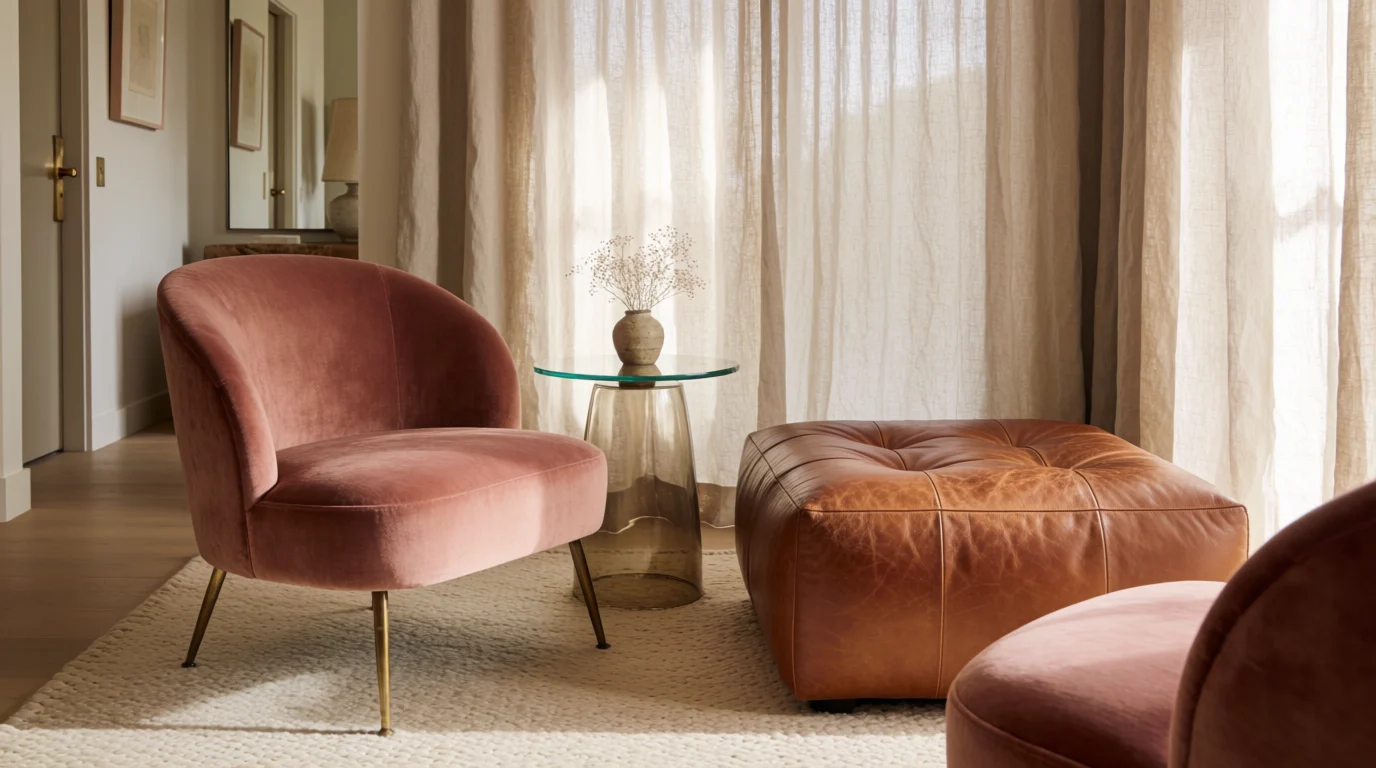
Contemporary Vintage Interior Design for Small Spaces
Smaller rooms benefit from selective vintage elements. A single antique chest or vintage mirror can create impact without making the space feel crowded.
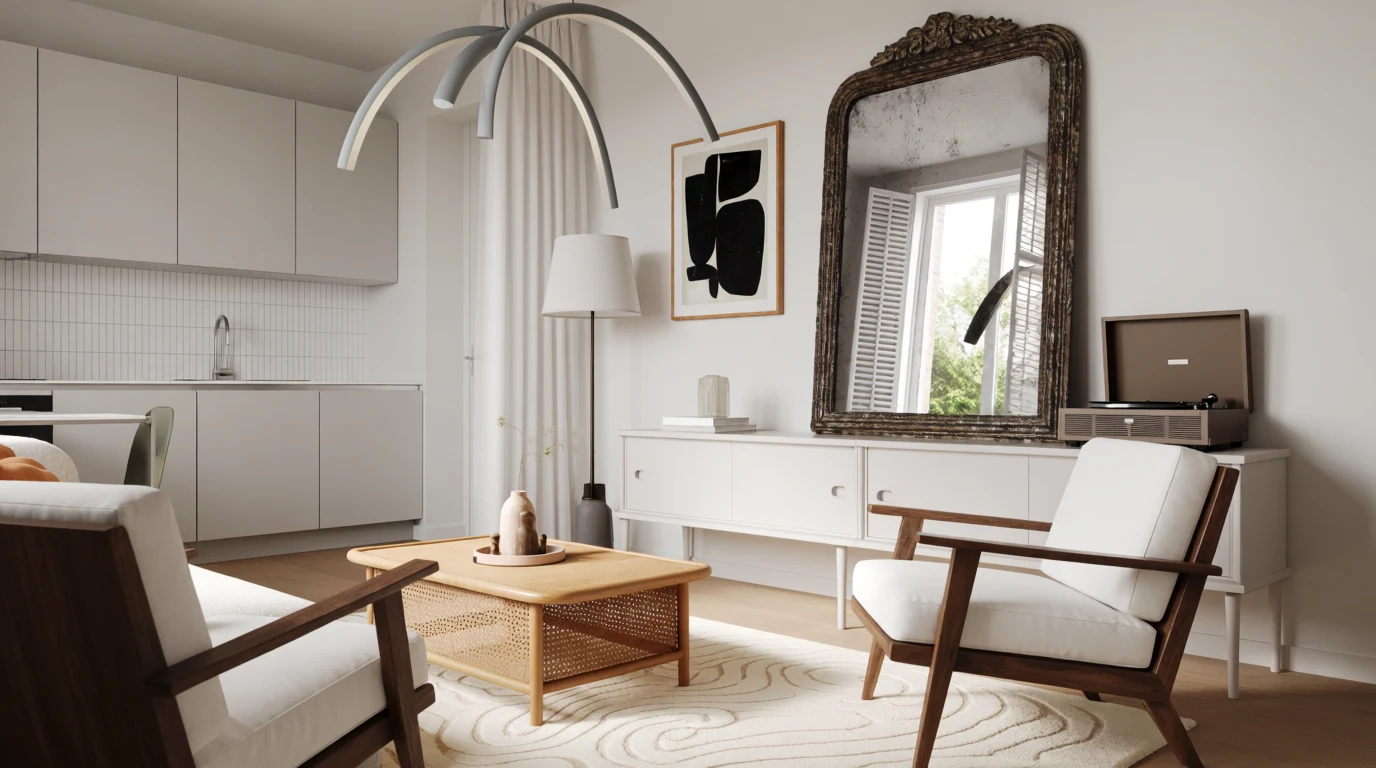
Modern Vintage Bedroom Design
Bedrooms thrive on the comfort and charm of vintage-inspired details. Upholstered headboards, antique bedside tables, and soft layered textiles create a relaxing retreat.
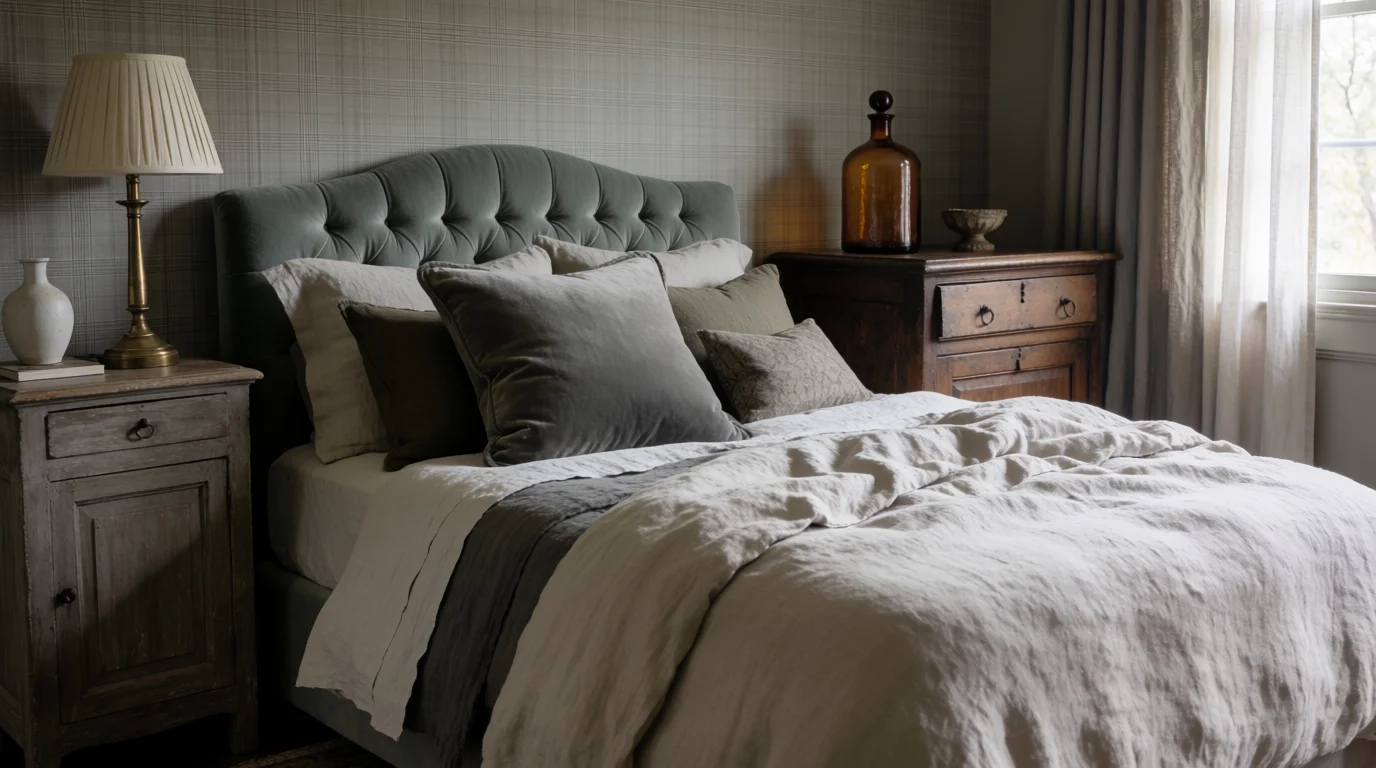
Vintage Contemporary Style with Statement Art
Art helps connect different design eras. Large contemporary artwork paired with vintage furnishings creates a sophisticated and collected appearance.
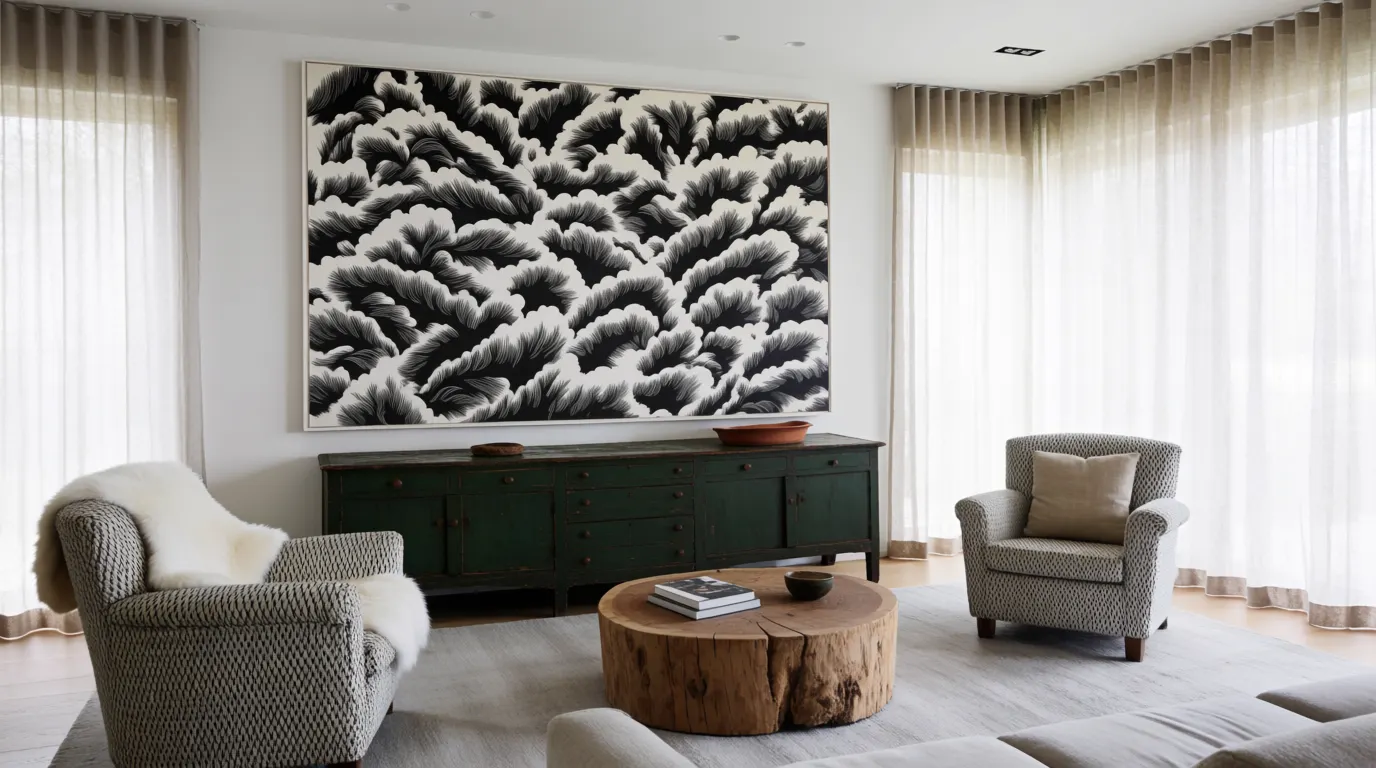
Modern and Vintage Interior Design Using Brass Accents
Brass is a timeless material that complements both vintage and contemporary aesthetics. It adds warmth, refinement, and subtle luxury.
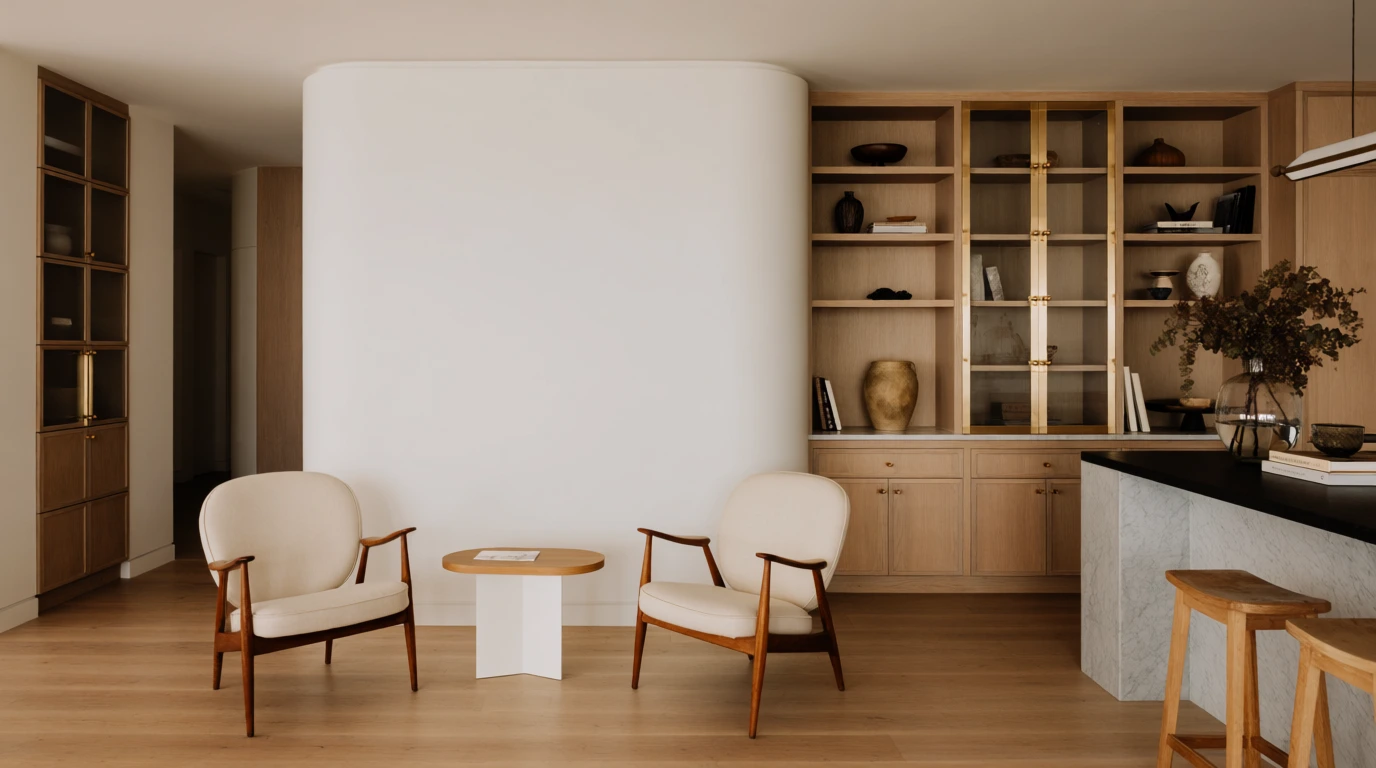
Vintage Modern Interior Design with Curated Collections
Thoughtfully displayed collections make interiors feel personal. Vintage ceramics, books, and artwork tell a story while enhancing visual character.
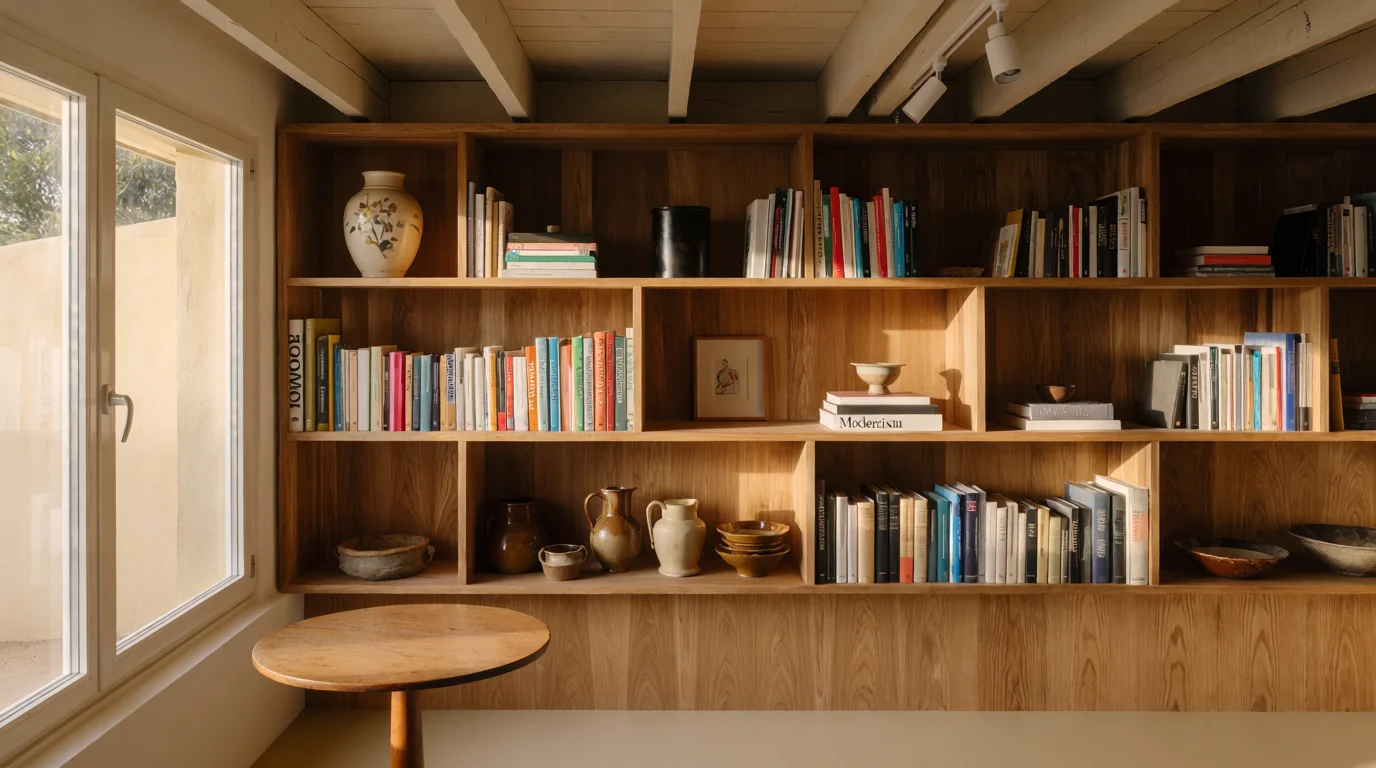
Modern Vintage Living Room with Mid-Century Influence
Mid-century furniture naturally complements modern vintage interiors due to its clean lines, craftsmanship, and timeless proportions.
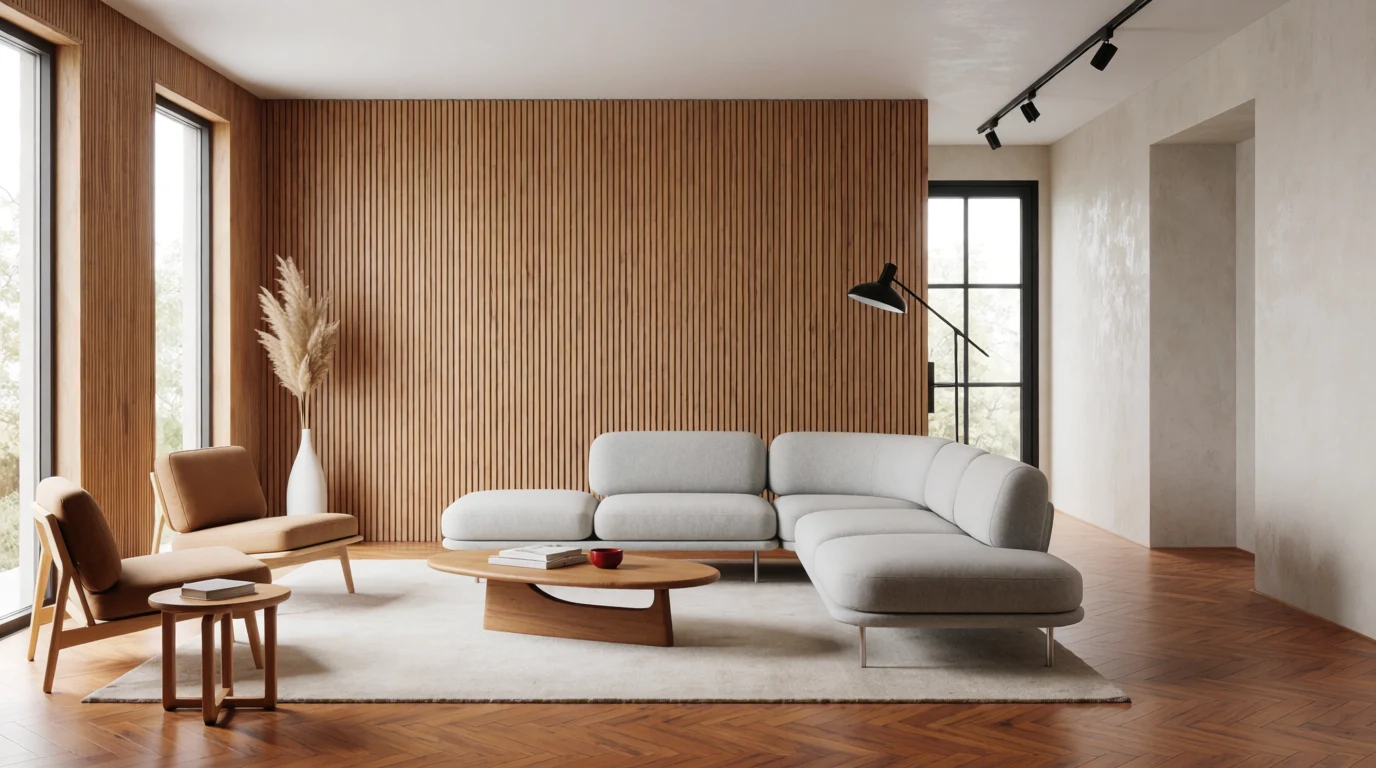
Modern Vintage House Interior Design
A whole-home approach requires consistency. Repeating materials, finishes, and vintage references throughout the home creates cohesion and flow.
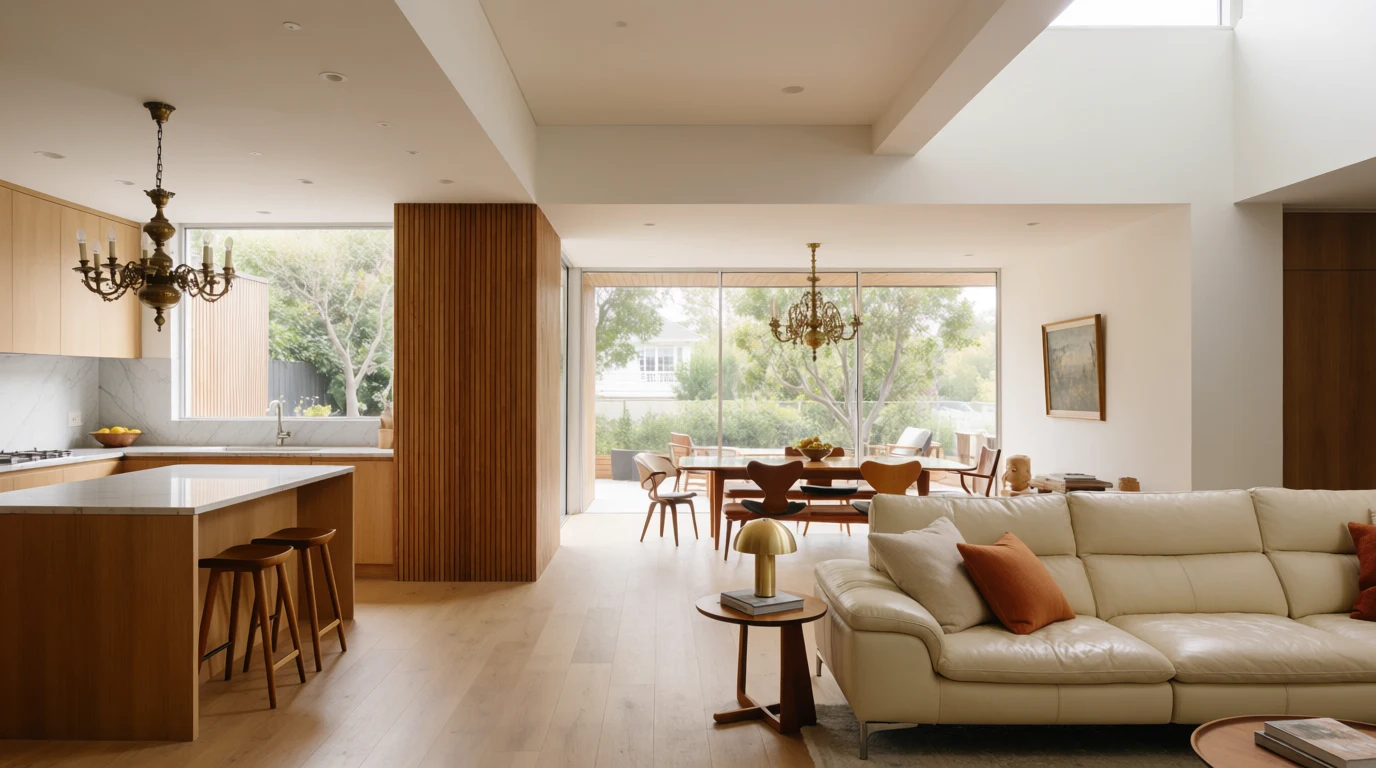
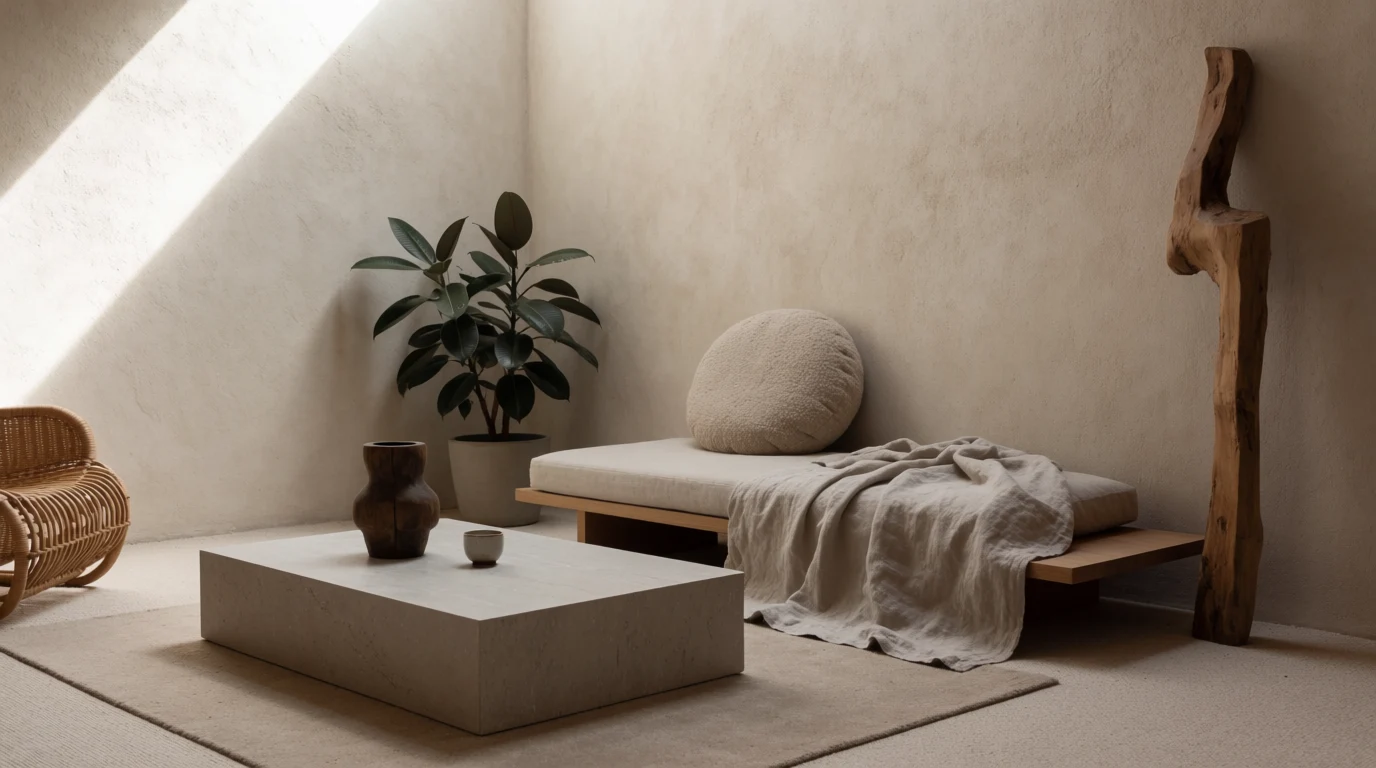
Modern Vintage Decoration with Natural Materials
Natural materials help soften modern interiors and complement vintage elements. Stone, wood, linen, and rattan create an enduring sense of authenticity.
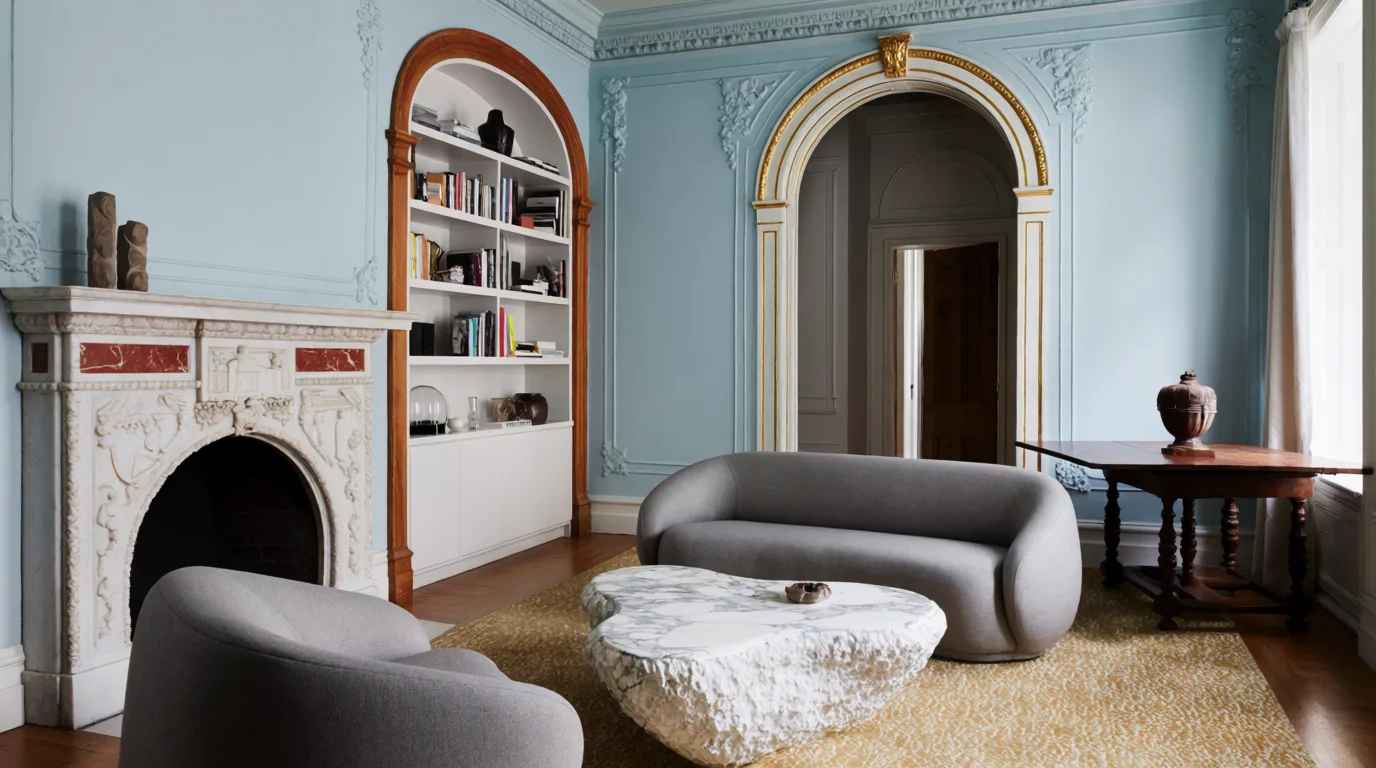
Vintage Modern Look Through Architectural Details
Architectural features such as moldings, arches, paneled walls, and original flooring provide a perfect foundation for modern vintage decor.
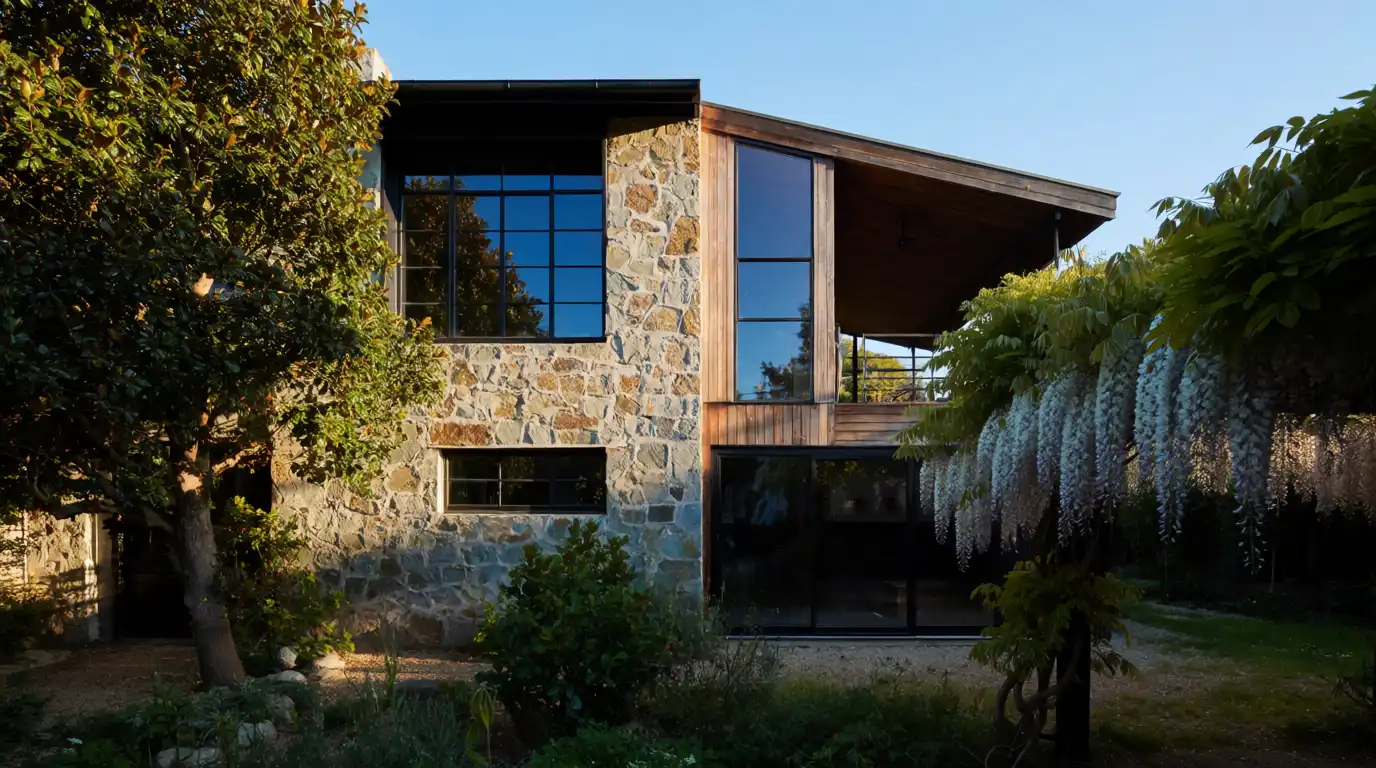
Modern Vintage House Exterior Inspiration
The exterior can reflect the same balance of old and new. Traditional architectural forms paired with updated materials create timeless curb appeal.
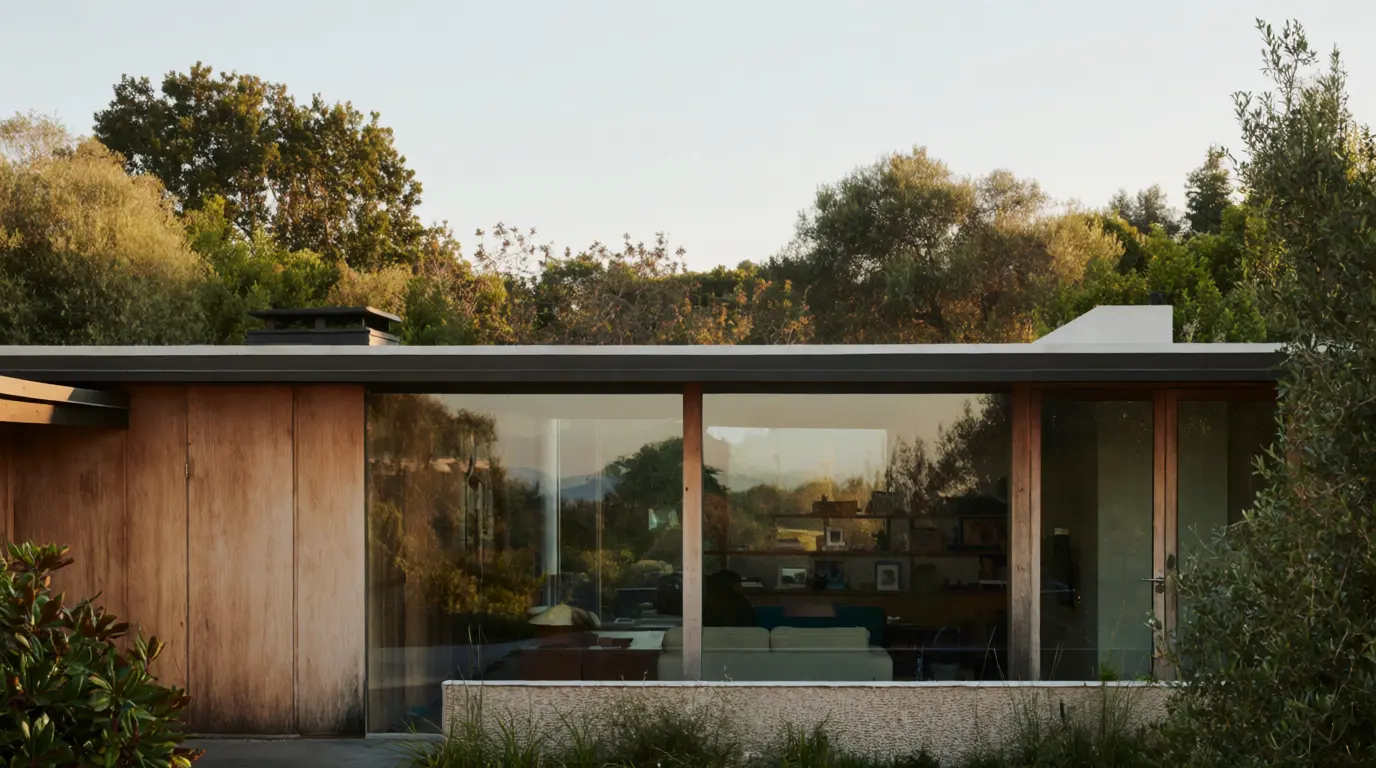
Mid-Century Modern Exterior Influence on Modern Vintage Design
Mid-century architecture often inspires modern vintage homes through clean geometry, large windows, and a strong connection to nature.
Conclusion
Modern vintage interior design offers a timeless way to create spaces that feel both refined and deeply personal. By blending the clean functionality of modern design with the character, craftsmanship, and warmth of vintage elements, homeowners can achieve interiors that feel layered, authentic, and enduring rather than tied to a passing trend.
What makes this approach so effective is its flexibility. Whether you’re introducing a single antique statement piece into a contemporary room or designing an entire home around a curated mix of old and new, modern vintage interiors allow for individuality while maintaining visual balance. The combination of quality materials, thoughtful contrasts, and meaningful décor choices creates spaces that feel comfortable, lived-in, and sophisticated.
In practice, the most successful modern vintage interiors focus on harmony rather than perfection. Carefully selected furnishings, natural textures, timeless color palettes, and collected pieces work together to tell a story that reflects the people who live there. For homeowners who value both modern comfort and timeless character, this design style provides a practical and inspiring path forward—one that continues to evolve beautifully over time.
Learn more : Cottage Living Room Ideas That Instantly Feel Warm & Timeless
Frequently Asked Questions
- What defines modern vintage interior design?
Modern vintage interior design combines contemporary furnishings, layouts, and functionality with vintage or antique pieces that add character and history. The goal is to create a balanced space where old and new elements complement one another rather than compete for attention.
- How do I keep a modern vintage space from looking outdated?
Focus on maintaining a modern foundation with clean lines, neutral colors, and uncluttered layouts. Introduce vintage elements selectively through furniture, lighting, artwork, or accessories. This balance helps preserve a fresh and timeless appearance.
- What colors work best in a modern vintage interior?
Soft neutrals such as warm whites, beige, taupe, greige, and muted earth tones are commonly used. These colors provide a versatile backdrop that allows vintage materials, wood finishes, and decorative details to stand out naturally.
- Can modern vintage interior design work in small homes or apartments?
Yes. Smaller spaces often benefit from a restrained approach. A few carefully chosen vintage pieces—such as an antique mirror, a retro armchair, or a vintage cabinet—can add personality without overwhelming the room.
- What types of vintage furniture blend best with modern décor?
Mid-century modern furniture, antique wooden cabinets, vintage sideboards, classic dining tables, and retro lighting fixtures tend to pair exceptionally well with contemporary interiors. Their clean silhouettes and quality craftsmanship make them easy to integrate.
- Is modern vintage interior design expensive to achieve?
Not necessarily. Many homeowners build the look gradually by sourcing secondhand furniture, family heirlooms, flea market finds, or vintage accessories. Investing in a few quality statement pieces often has a greater impact than purchasing an entire matching collection.
- How can I make a modern vintage interior feel cohesive?
Consistency in materials, color palettes, and scale is key. Repeating similar wood tones, metal finishes, textiles, and design details throughout the home creates visual continuity while allowing each vintage piece to contribute its own unique character.


One Response