
Introduction
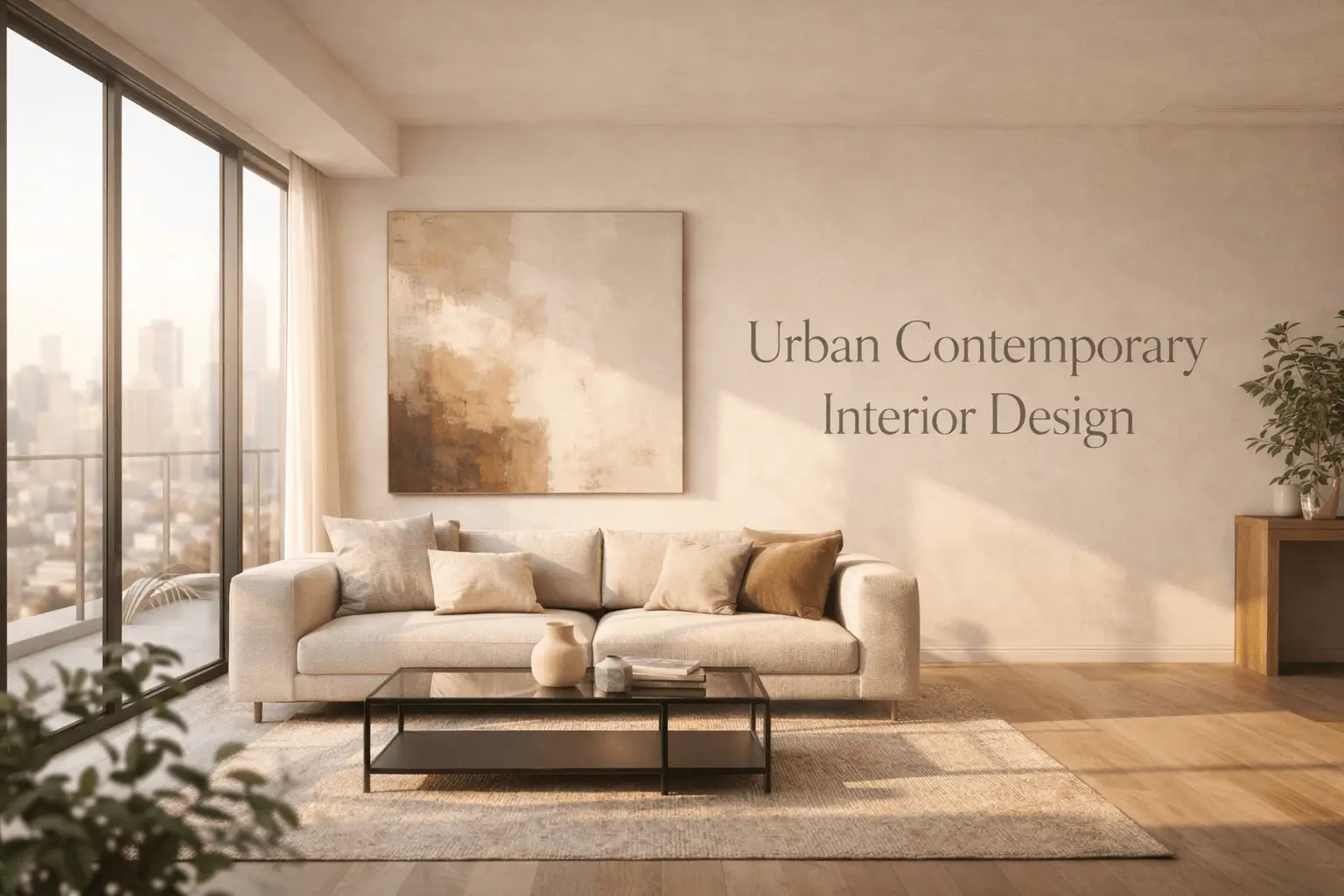
Urban contemporary interior design is not just a style—it’s a response to how people live in modern cities. It blends clean architectural lines, functional layouts, and curated aesthetics to create spaces that feel both sophisticated and livable. Within the first glance, you’ll notice a balance between minimalism and personality—never too stark, never overly decorated.
From experience, what makes this design approach truly effective is intentional contrast. You pair raw materials like concrete or metal with soft textiles, or structured furniture with organic décor. The goal is not perfection—it’s harmony within an urban context. Whether you’re designing a compact apartment or a spacious loft, this style adapts beautifully while maintaining a strong visual identity.
Urban Contemporary Interior Design Color Palette
A grounded palette defines the space—think soft neutrals like taupe, beige, gray, and off-white, layered with deeper accents like charcoal or muted black.
These tones reflect city environments while allowing furniture and textures to stand out without overwhelming the space.
Urban Contemporary Interior Design Furniture Style
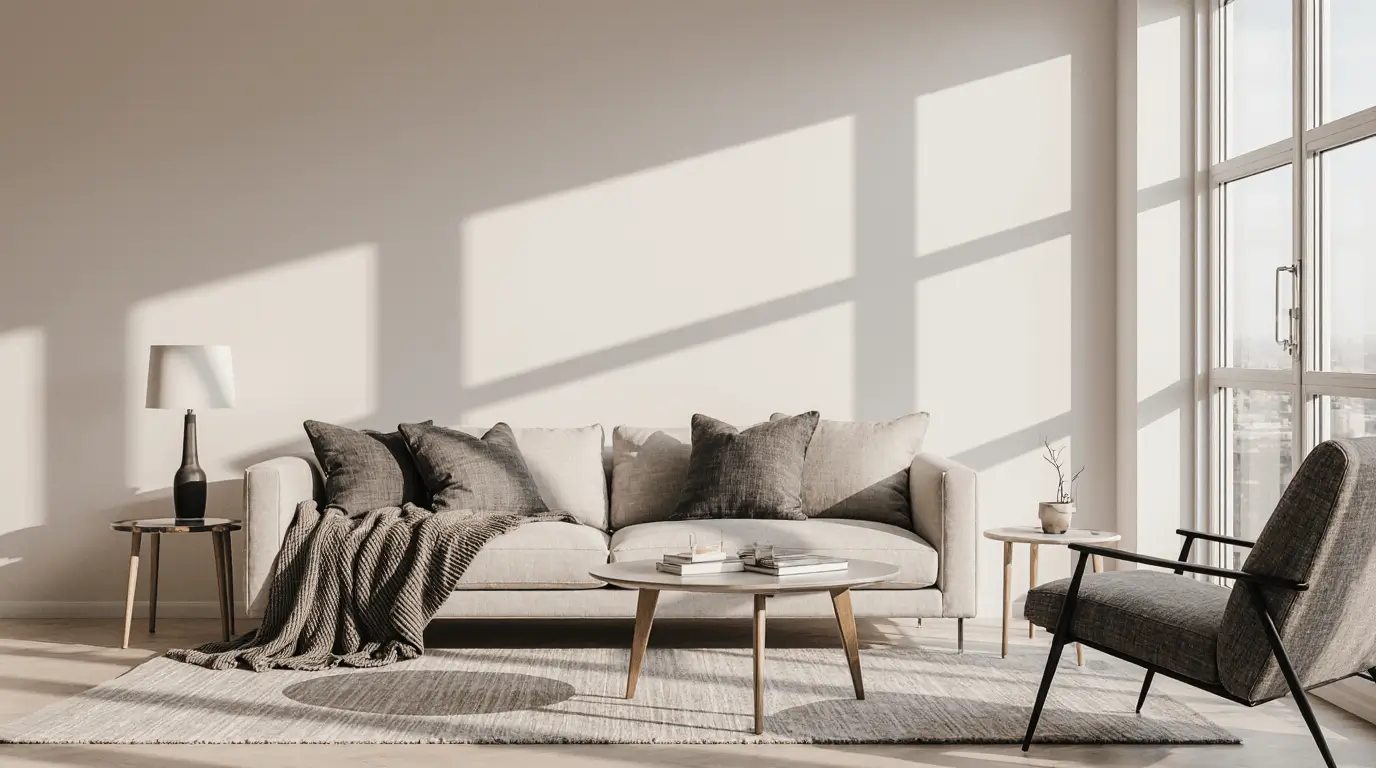
Furniture is streamlined, low-profile, and purposeful. Pieces often feature clean lines, subtle curves, and functional forms without excessive ornamentation.
Comfort is essential, but always refined—nothing bulky or overly decorative.
Urban Contemporary Interior Design Materials & Textures
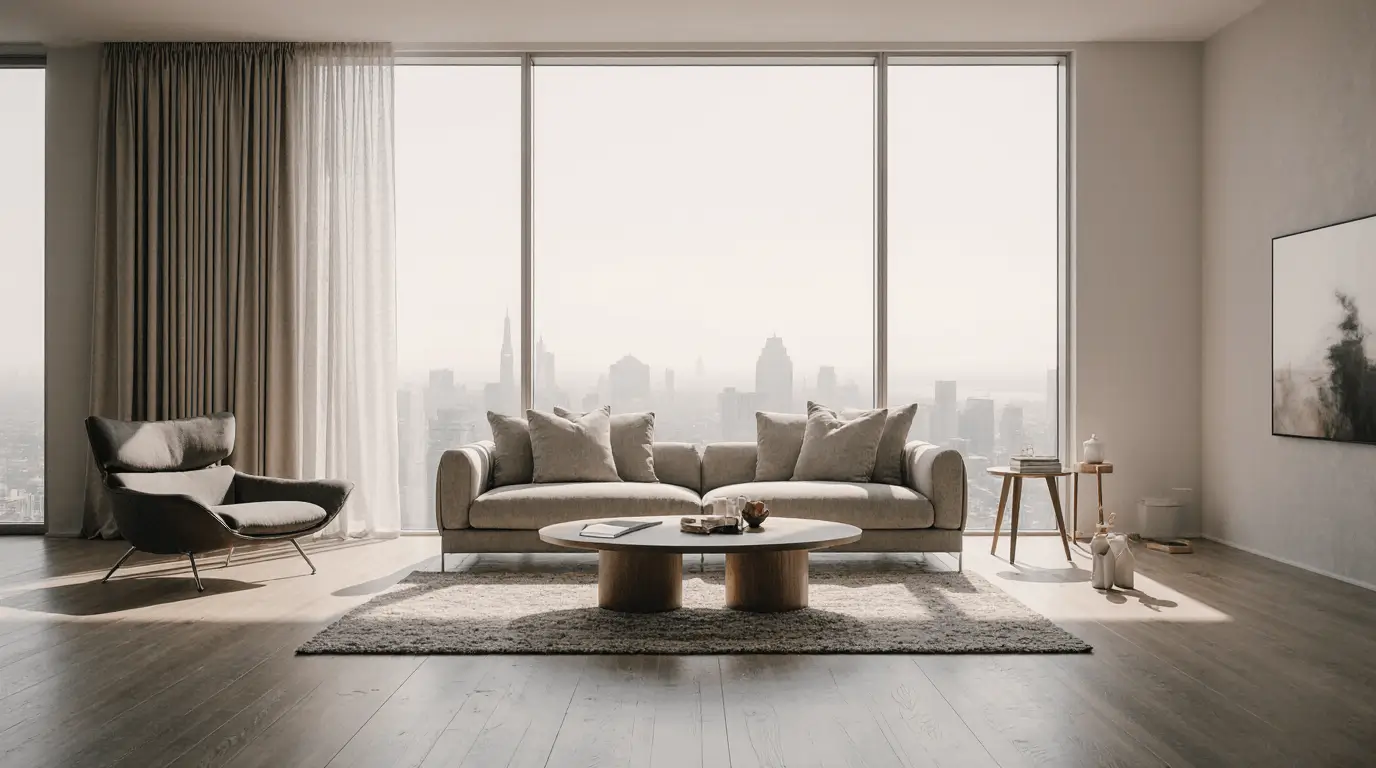
This style thrives on contrast—smooth surfaces like glass and metal paired with raw materials like wood, concrete, or stone.
Layering textures adds depth without cluttering the visual space.
Urban Contemporary Interior Design Lighting Approach
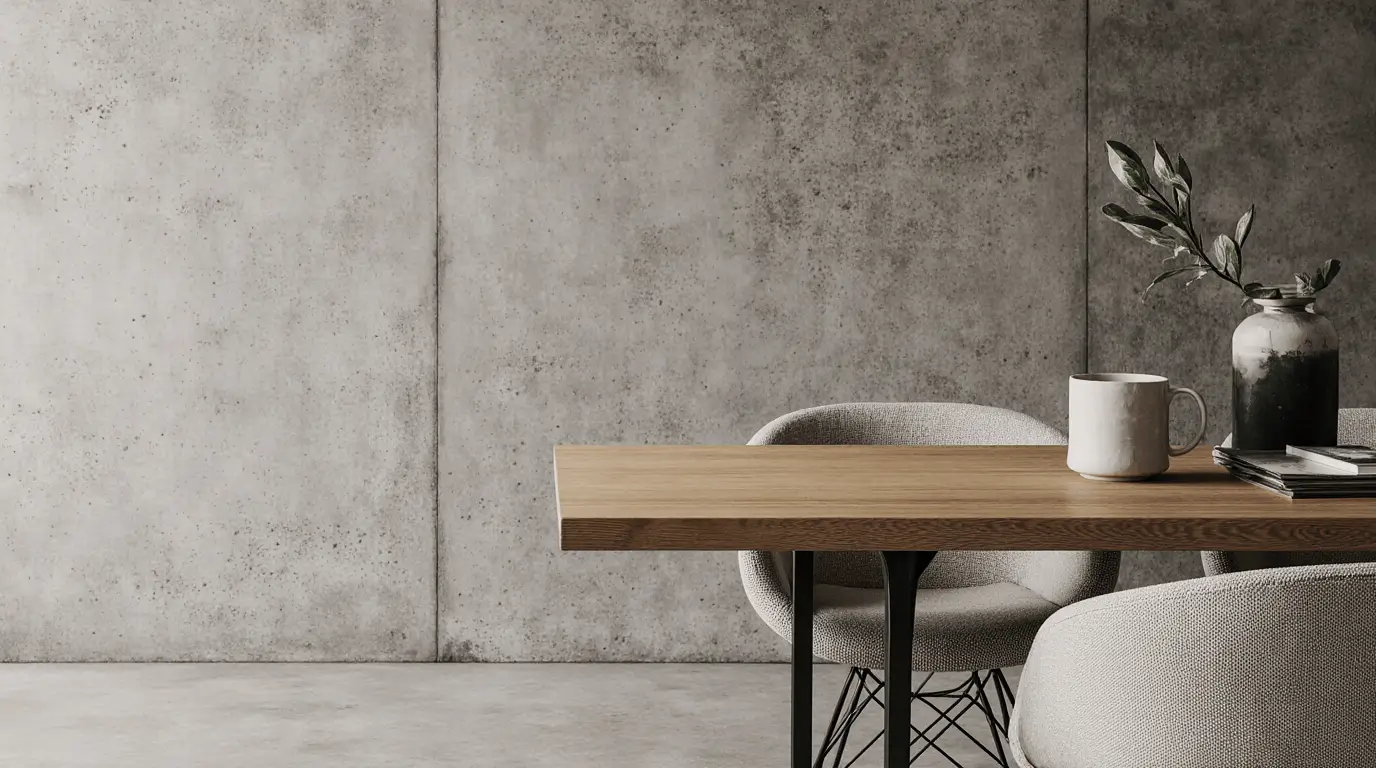
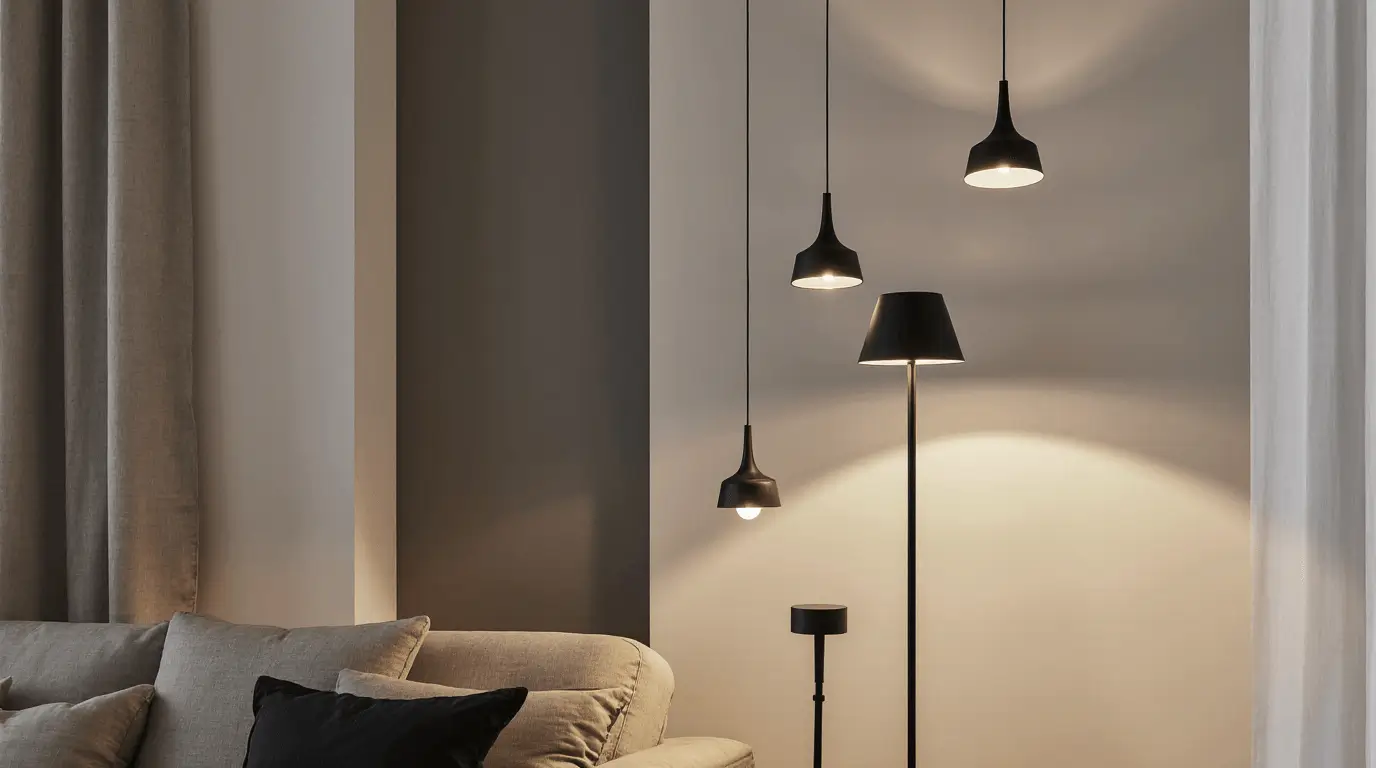
Lighting is both functional and atmospheric. Use a mix of ambient, task, and accent lighting with modern fixtures.
Warm lighting softens the industrial elements and creates a welcoming feel.
Urban Contemporary Interior Design Layout Principles
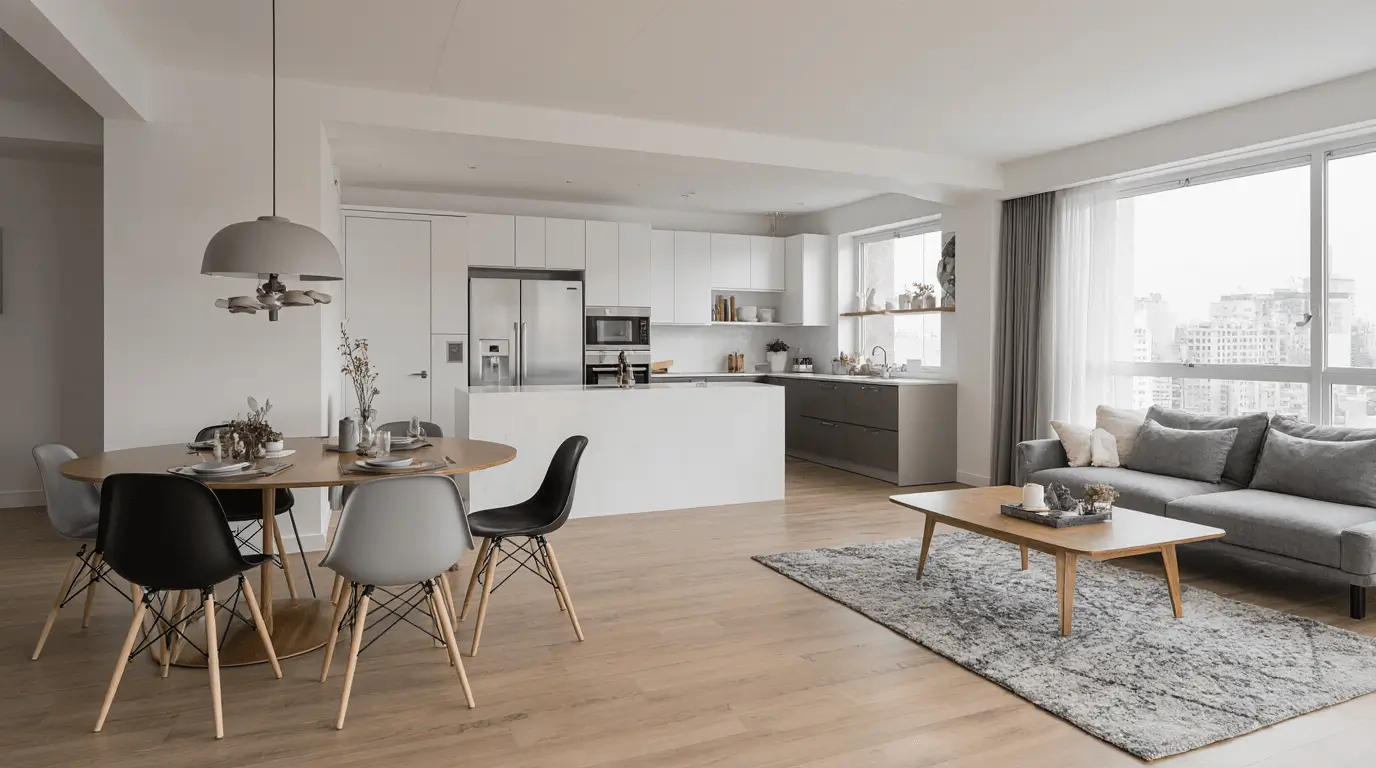
Open layouts are key—spaces flow seamlessly without unnecessary partitions.
Furniture placement defines zones rather than walls, creating flexibility and openness.
Urban Contemporary Interior Design Urban Modern Decor
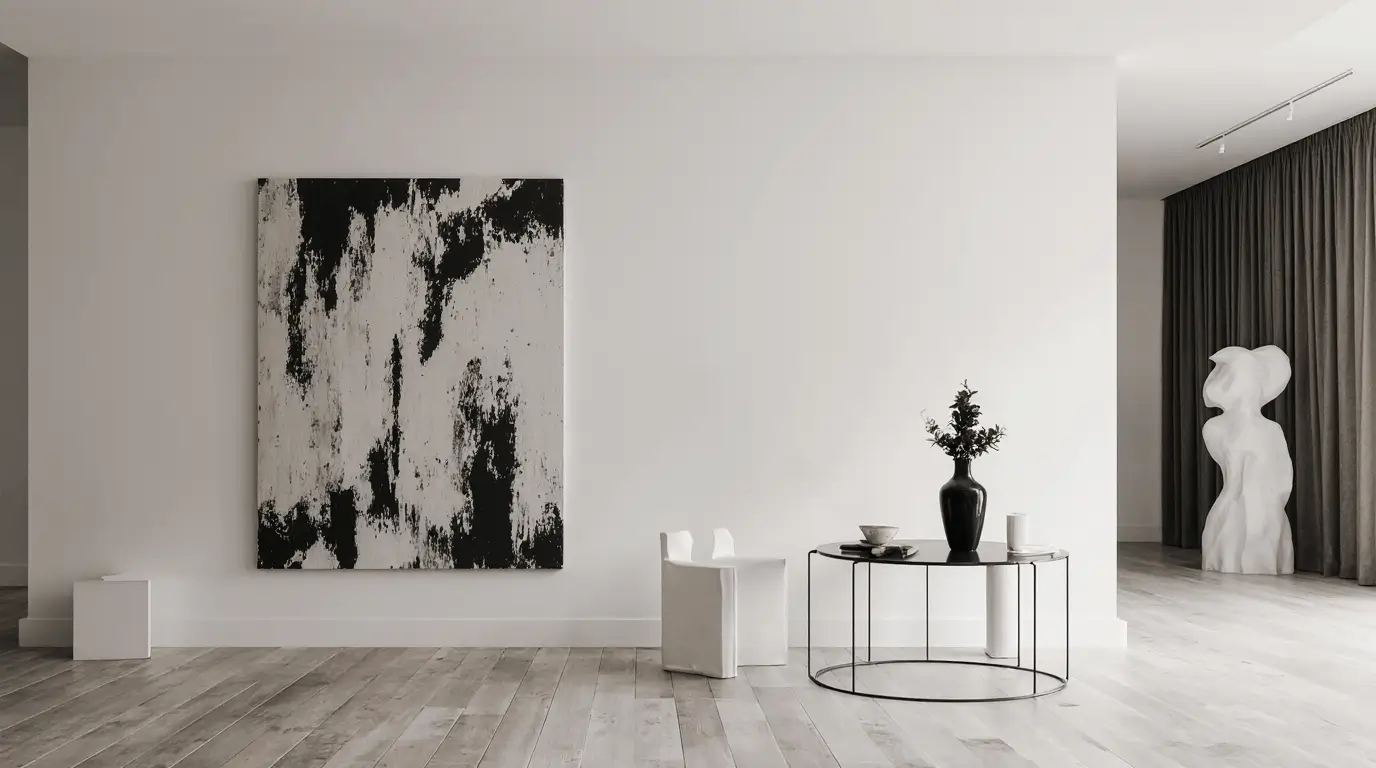
Decor is curated, not crowded. A few statement pieces—like abstract art or sculptural objects—carry visual weight.
Everything has intention; nothing feels random.
Urban Contemporary Interior Design Textiles & Soft Furnishings
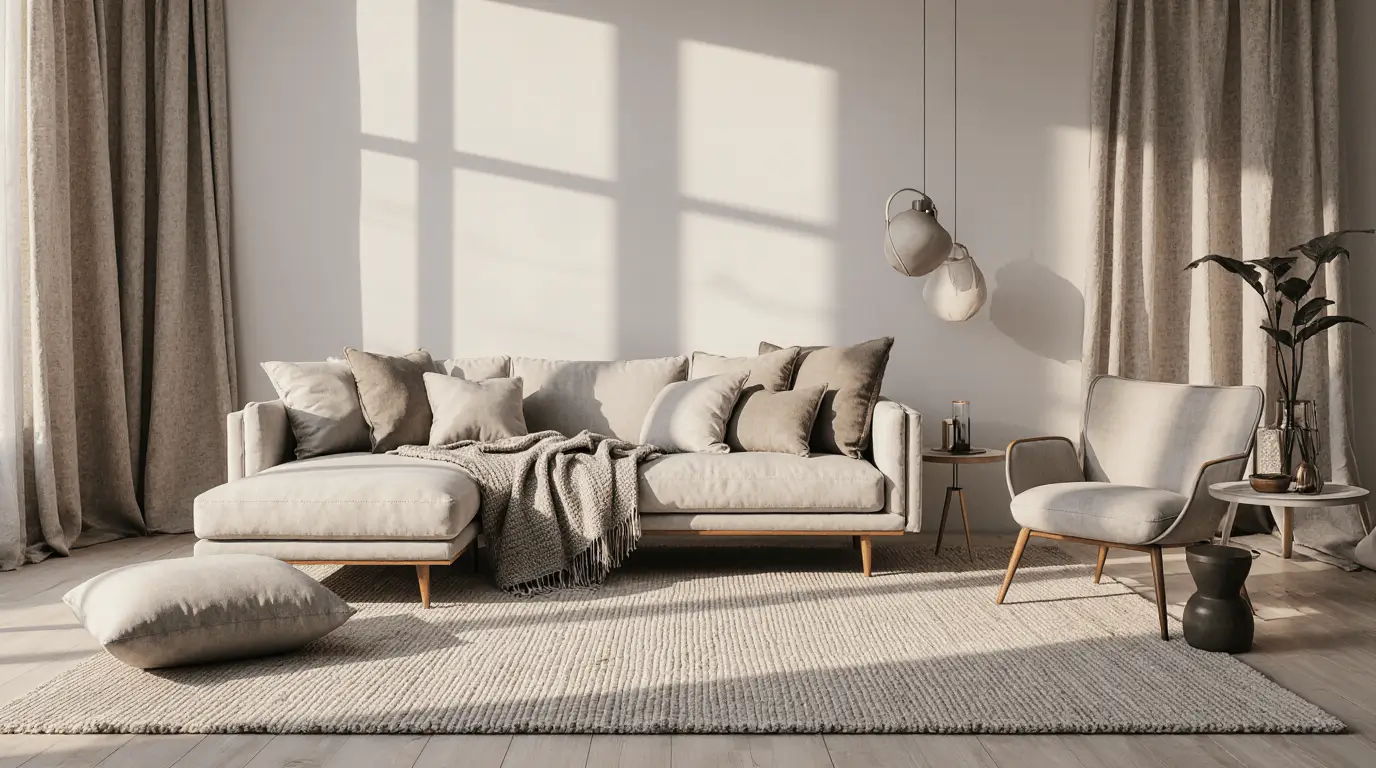
Soft elements like rugs, cushions, and curtains add warmth and balance.
Neutral tones dominate, but subtle patterns or textures keep things interesting.
Urban Contemporary Interior Design Urban Chic Influence
Urban chic elements introduce a slightly elevated, stylish edge—think elegant finishes, refined décor, and subtle luxury.
It’s where comfort meets sophistication without becoming overly formal.
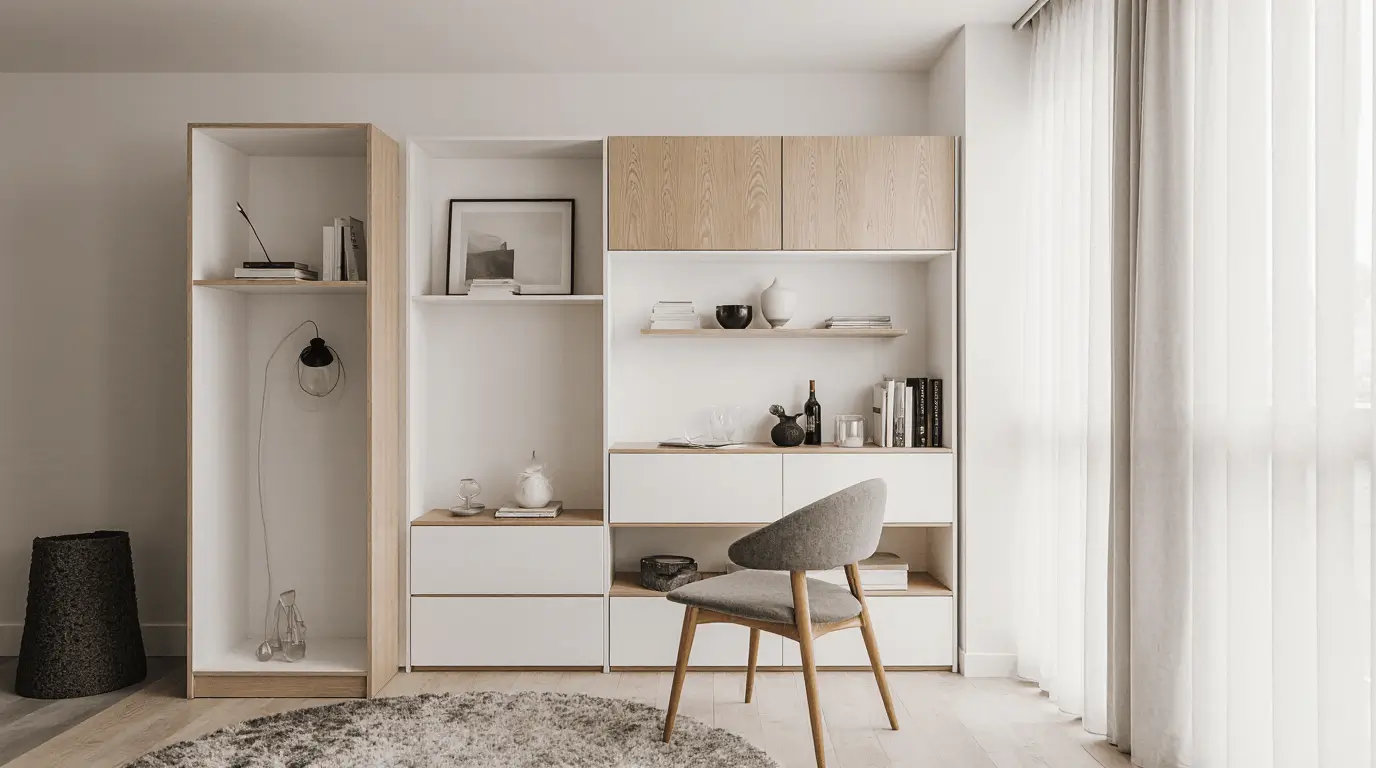
Urban Contemporary Interior Design Space Optimization
Every inch matters, especially in city living. Multi-functional furniture and smart storage solutions are essential.
The goal is efficiency without sacrificing design integrity.
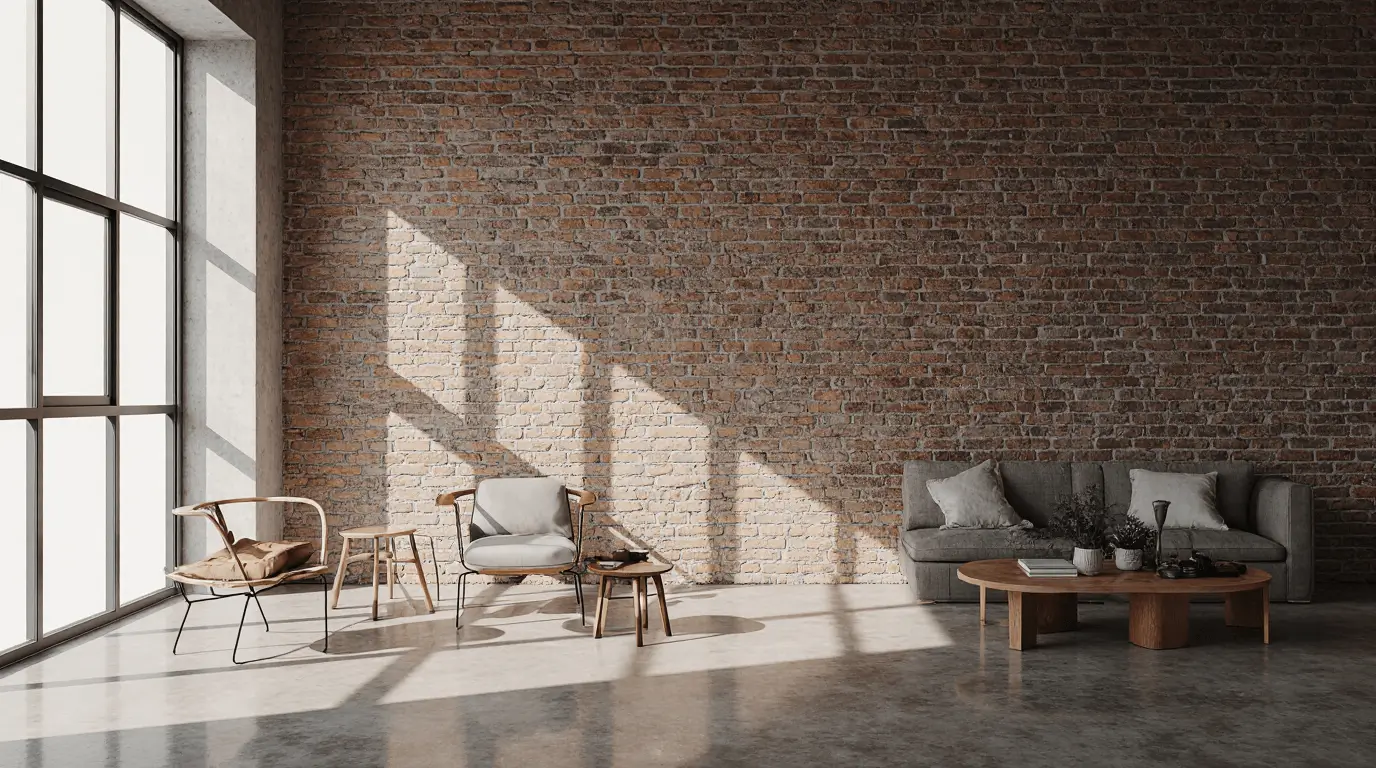
Urban Contemporary Interior Design Wall Treatments
Walls are often kept simple—paint, subtle textures, or feature walls with materials like brick or concrete.
This creates a backdrop that enhances rather than competes with the décor.
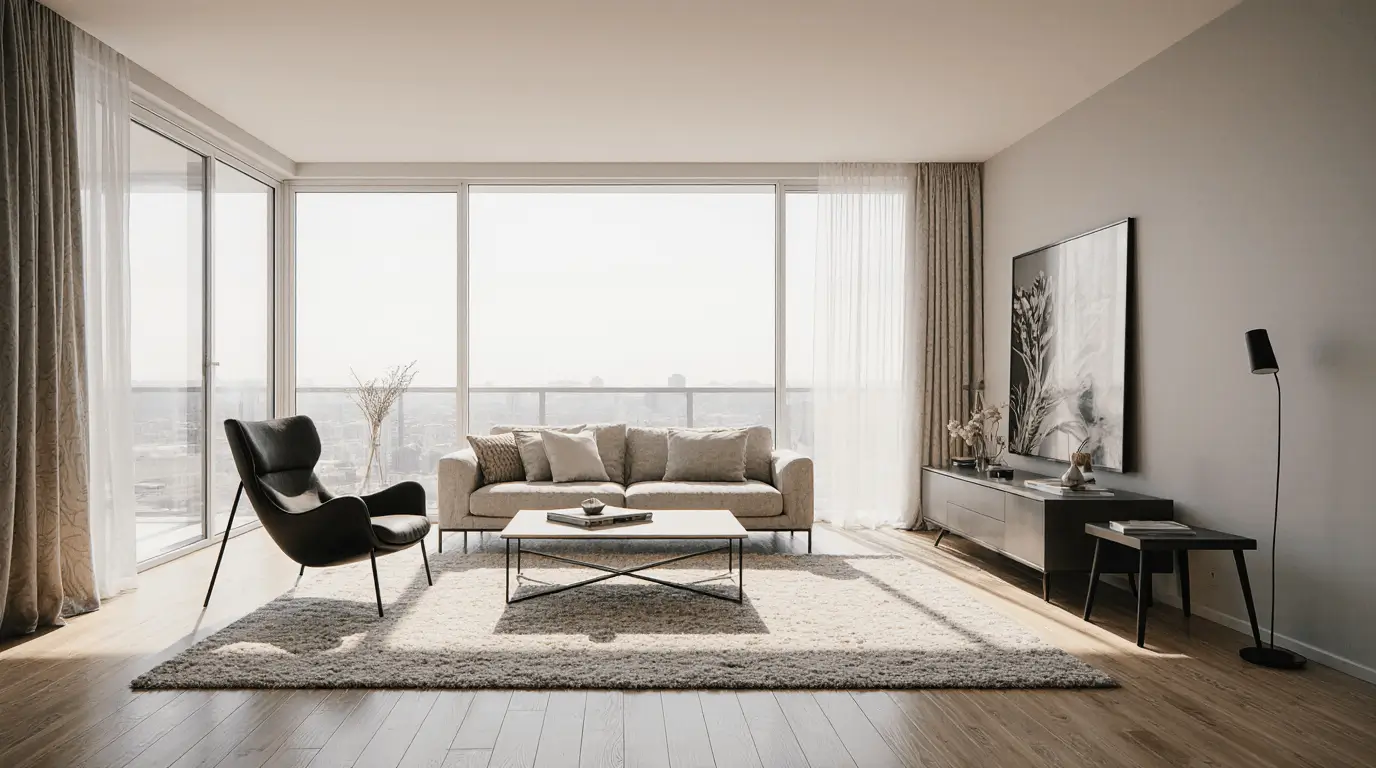
Urban Contemporary Interior Design Flooring Choices
Flooring is typically sleek and practical—hardwood, polished concrete, or large-format tiles.
Area rugs are used strategically to define spaces and add warmth.
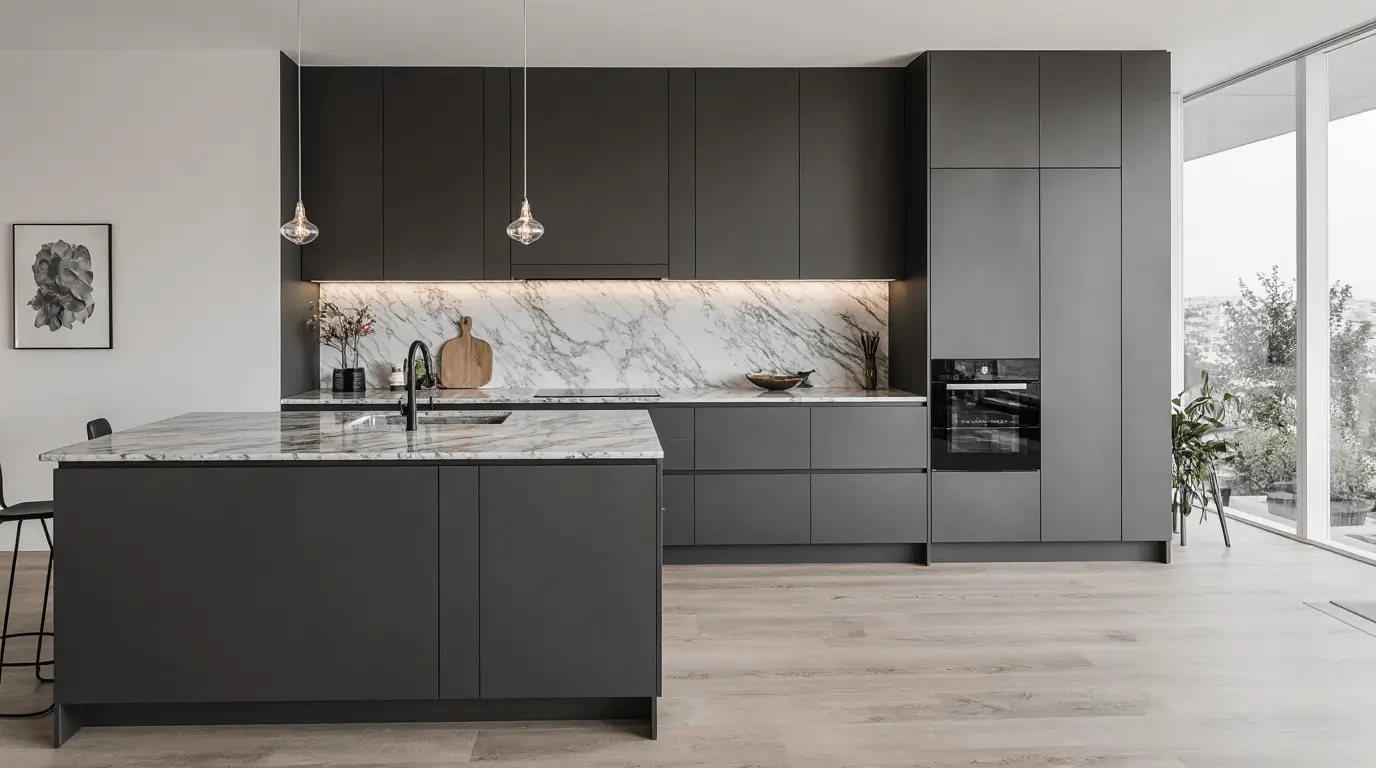
Urban Contemporary Interior Design Kitchen Aesthetic
Kitchens follow a minimalist approach—flat-panel cabinets, integrated appliances, and uncluttered countertops.
Functionality and visual simplicity go hand in hand.
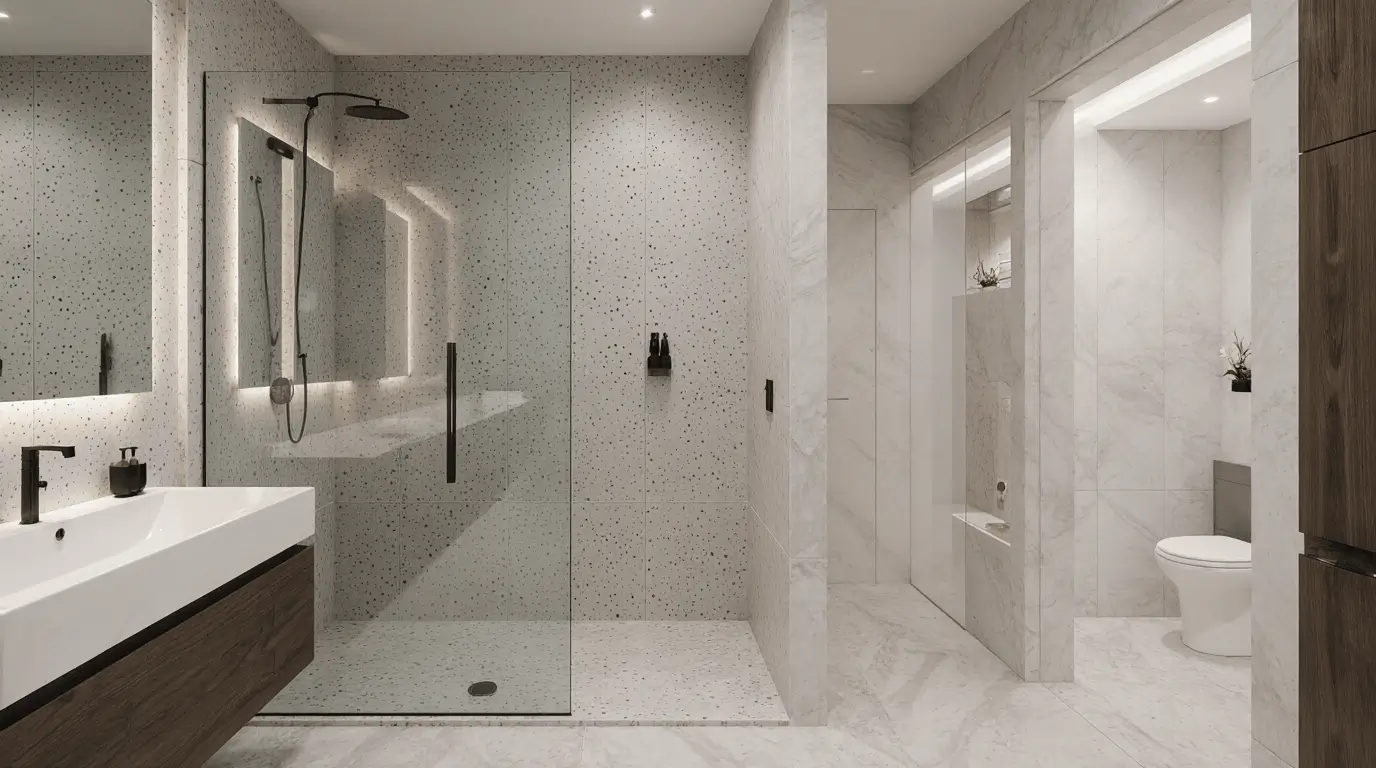
Urban Contemporary Interior Design Bathroom Style
Bathrooms are clean, spa-like, and understated. Neutral tones, glass, and stone dominate the palette.
The focus is on calmness and simplicity.
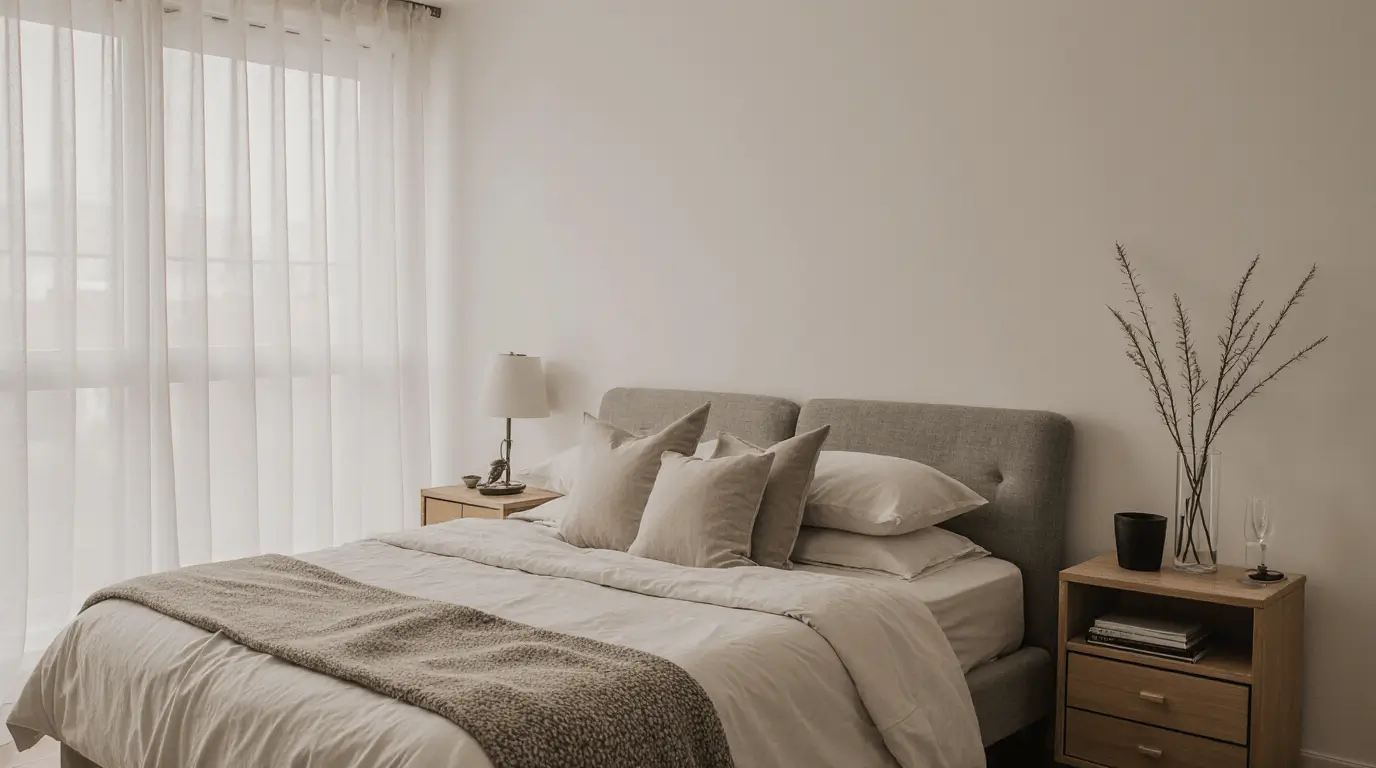
Urban Contemporary Interior Design Bedroom Atmosphere
Bedrooms prioritize comfort and tranquility. Minimal furniture, soft textiles, and calming colors create a restful retreat.
The design avoids visual noise to support relaxation.
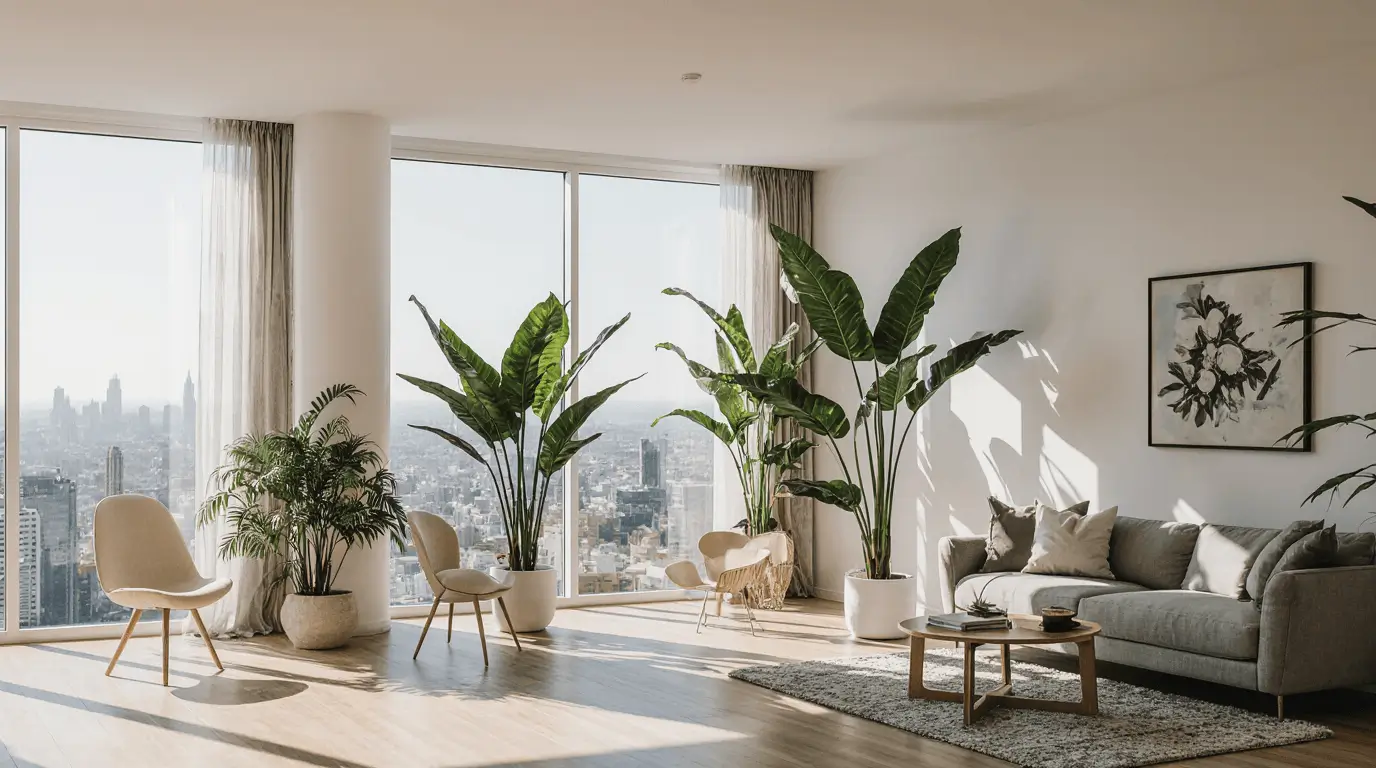
Urban Contemporary Interior Design Natural Elements Integration
Adding greenery softens the structured look. Indoor plants bring life and balance to the space.
This connection to nature prevents the design from feeling too rigid.
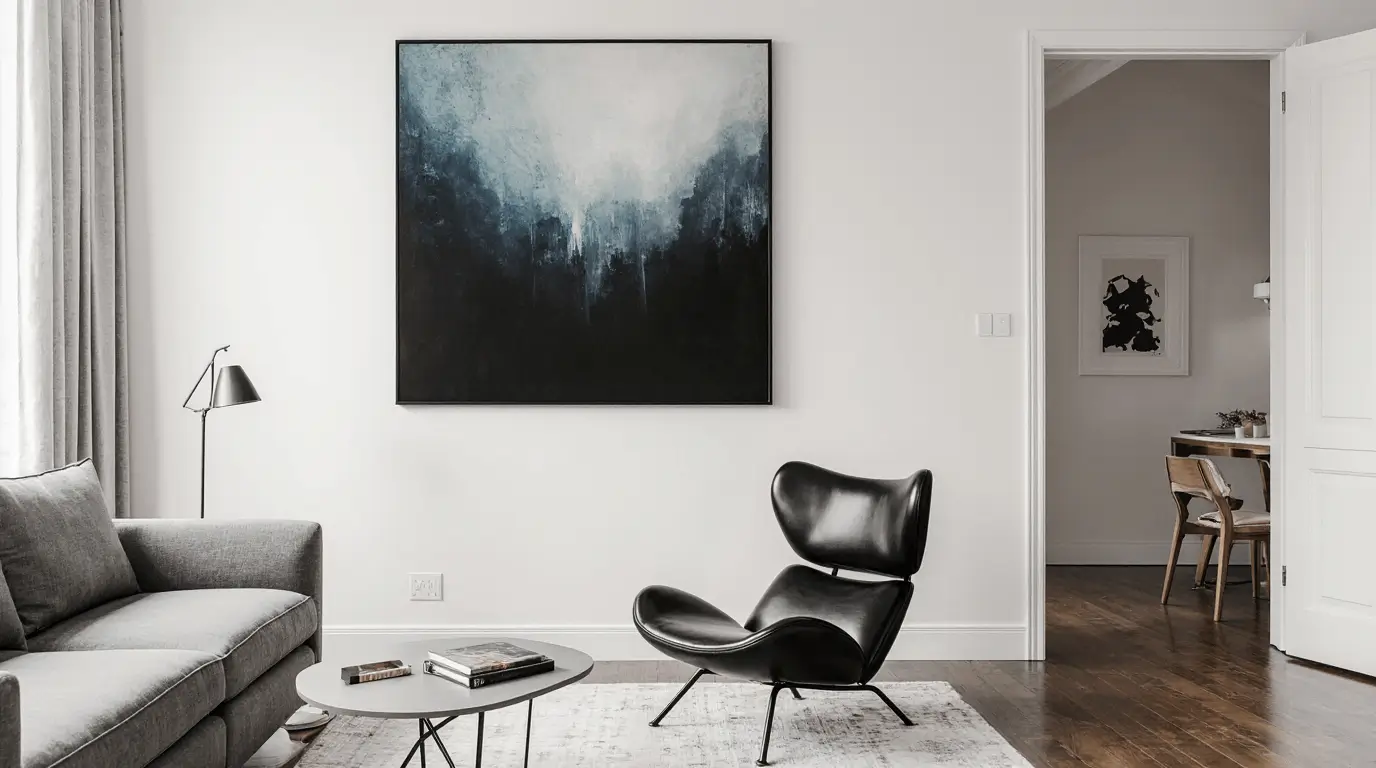
Urban Contemporary Interior Design Statement Pieces
One or two bold elements—like a striking artwork or designer chair—anchor the room visually.
These pieces add personality without overwhelming the space.
Urban Contemporary Interior Design Window Treatments
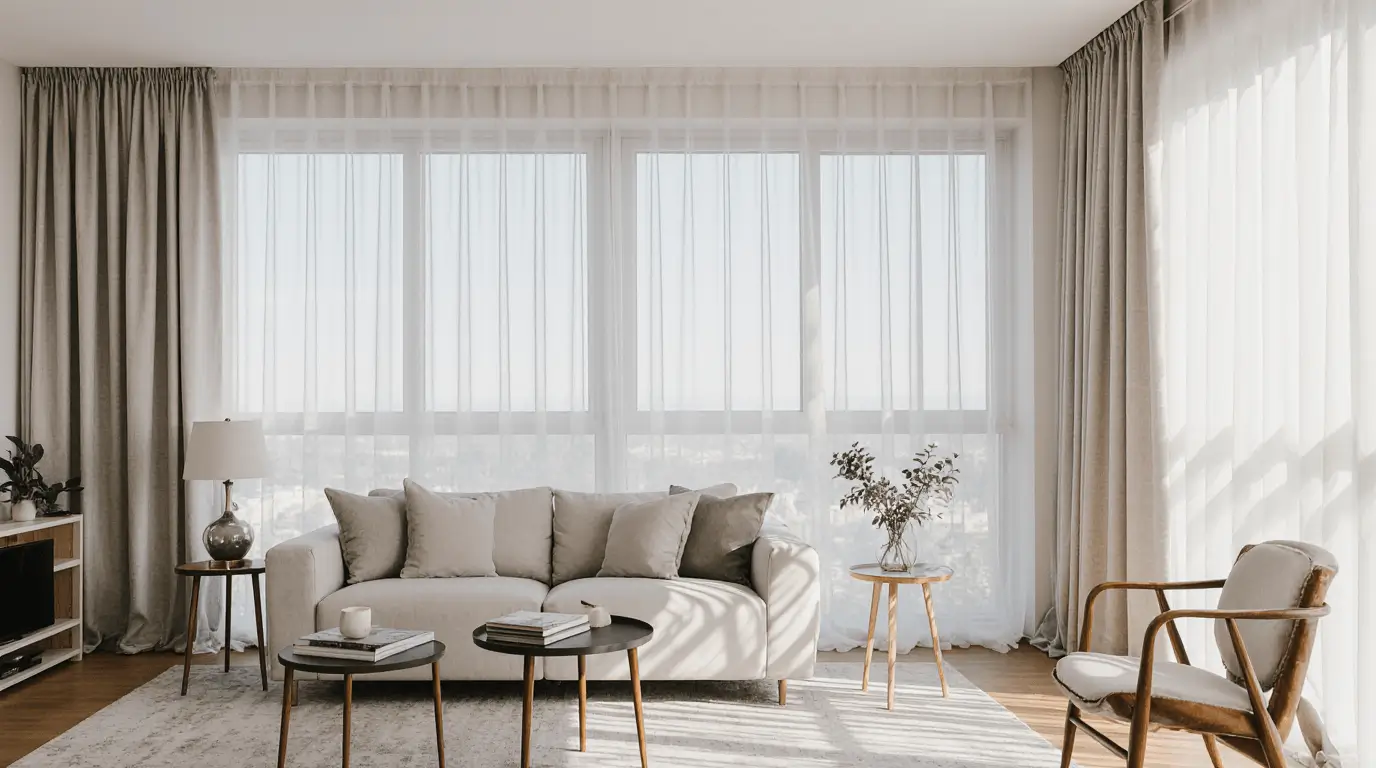
Window treatments are simple—sheer curtains or clean blinds that allow natural light to flow freely.
Light is a key design element in urban interiors.
Urban Contemporary Interior Design Personalization Approach
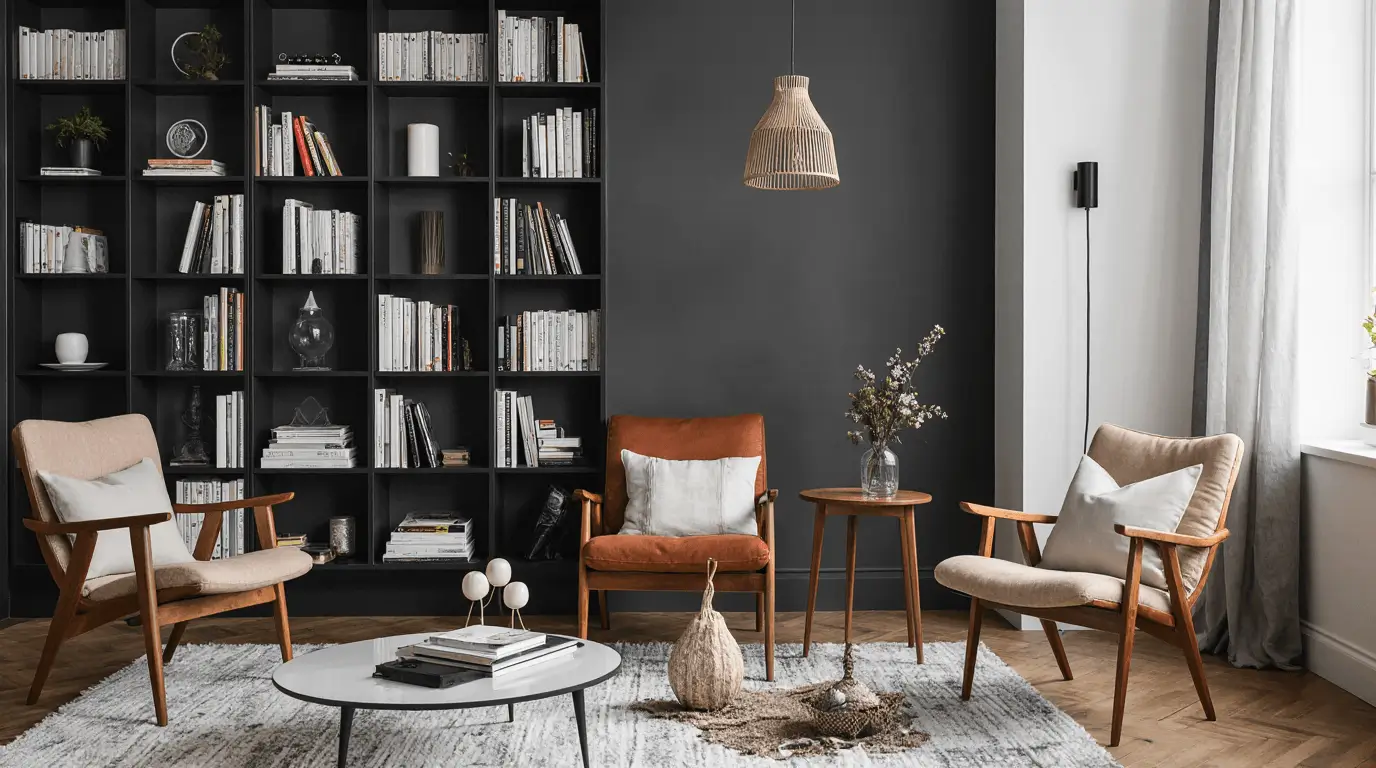
Personal touches are subtle—books, art, or objects that reflect identity without cluttering the space.
The design feels lived-in yet curated.
Conclusion
Urban contemporary interior design succeeds because it reflects how people actually live today—fast-paced, space-conscious, and visually aware. It strips away excess without sacrificing comfort, creating environments that feel calm, functional, and quietly sophisticated. When you look closely, the strength of this approach lies in balance: clean lines softened by texture, minimal layouts enriched with thoughtful details, and modern materials grounded by warmth.
In practice, this style works best for those who want clarity in their surroundings—people who value simplicity but don’t want their homes to feel cold or impersonal. Whether you’re designing a compact apartment or refining a larger space, the principles remain consistent: prioritize function, edit ruthlessly, and let a few well-chosen elements carry the design.
The real advantage of urban contemporary interior design is its flexibility. It doesn’t demand a complete overhaul—small, intentional changes can shift a space dramatically. Start with your layout, refine your palette, and introduce contrast through materials and lighting. Over time, the space begins to feel more cohesive, more breathable, and ultimately more aligned with how you want to live.
Learn more : Contemporary Spanish Interior Design: Elevate Your Space
FAQs
- What makes urban contemporary interior design different from modern or minimalist design?
While modern and minimalist styles focus heavily on simplicity, urban contemporary interior design introduces more flexibility and layering. It blends clean lines with texture, warmth, and subtle personality, making spaces feel more livable rather than strictly minimal. - Is urban contemporary interior design suitable for small apartments?
Yes, it’s especially effective in smaller spaces. The emphasis on open layouts, multifunctional furniture, and minimal clutter helps maximize both visual and physical space, making apartments feel larger and more organized. - How can I add personality without disrupting the clean aesthetic?
Focus on a few intentional elements—such as a bold artwork, a unique chair, or curated décor pieces. The key is restraint. Instead of adding more items, choose fewer pieces that have stronger visual impact. - What materials work best in this style?
A mix of materials creates depth—think wood, metal, glass, and stone. Combining smooth and raw finishes is essential, as it prevents the space from feeling flat or overly sterile. - How do I avoid making the space feel too cold or industrial?
Introduce warmth through textiles, lighting, and natural elements. Soft fabrics, warm-toned lighting, and indoor plants help balance harder materials like concrete or metal. - Can this style work in family homes, or is it better for single living?
It works well for both. In family homes, the focus shifts slightly toward durability and comfort, but the core principles—clean layout, smart storage, and intentional design—remain just as effective. - What’s the best way to start transitioning into urban contemporary interior design?
Begin with decluttering and simplifying your layout. Then refine your color palette to neutral tones and gradually replace bulky or overly decorative furniture with cleaner, more functional pieces. Small, consistent changes tend to deliver the best results over time.




One Response