
Introduction
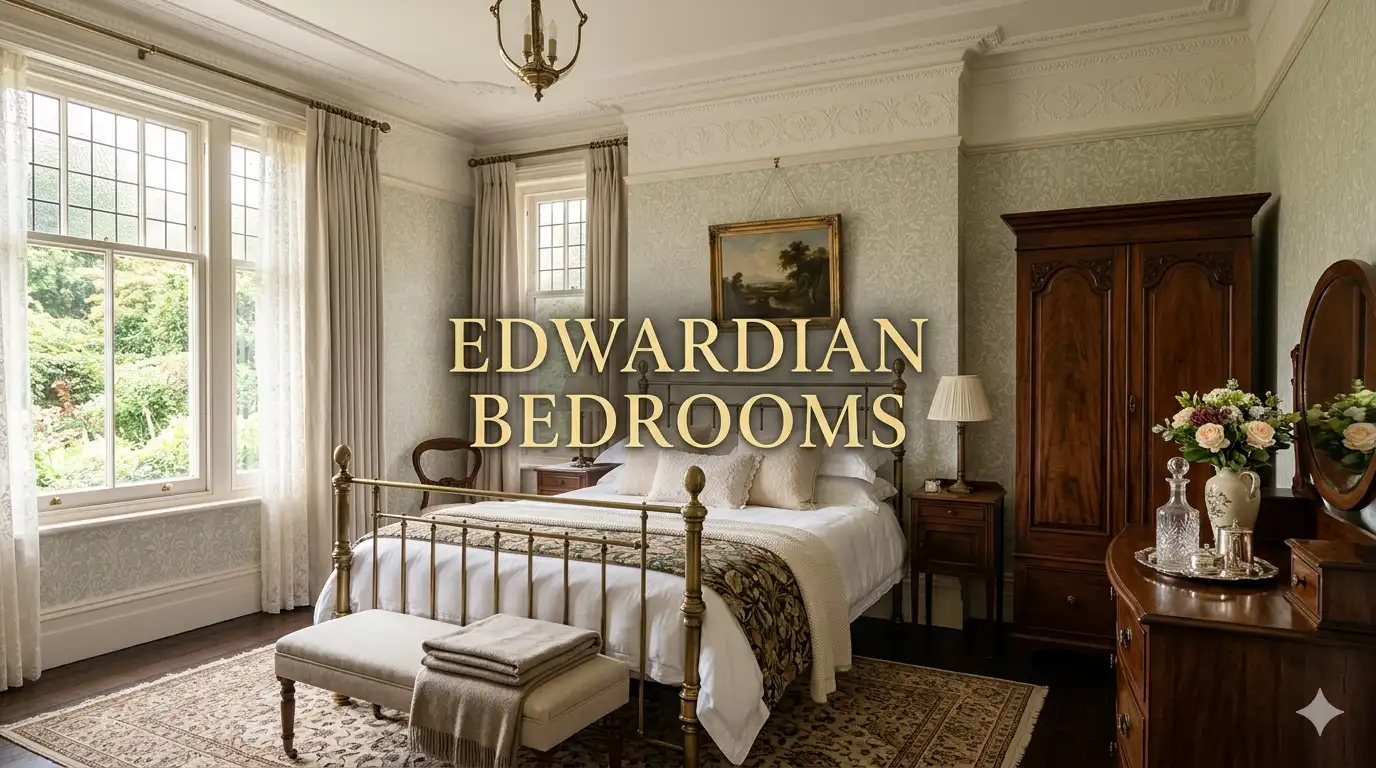
Edwardian bedrooms capture a unique moment in interior design history when homes became brighter, more comfortable, and less ornate than their Victorian predecessors. Characterized by elegant proportions, lighter color palettes, graceful furniture, and an emphasis on natural light, Edwardian bedrooms remain one of the most desirable period-inspired interiors today.
Having worked with both historic home restorations and modern period-inspired spaces, one of the most striking qualities of an Edwardian bedroom is its balance. Unlike heavily decorated Victorian interiors, Edwardian spaces feel fresh, airy, and welcoming while still maintaining a sense of sophistication and craftsmanship.
Whether you’re restoring an original Edwardian house, decorating a heritage property, or simply introducing classic elements into a modern home, understanding the defining characteristics of Edwardian style can help create a bedroom that feels authentic, timeless, and effortlessly elegant.
Edwardian Bedrooms with Classic Color Palettes
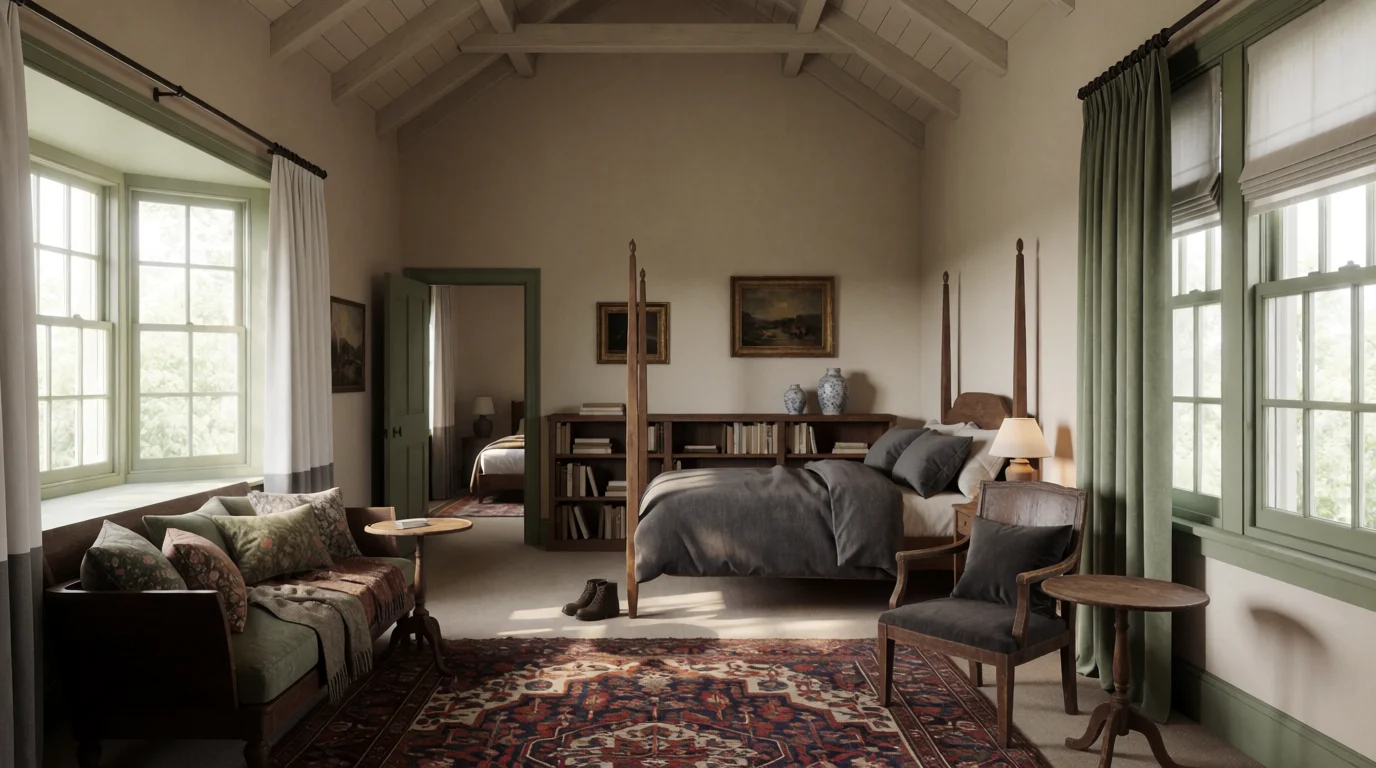
Edwardian bedrooms typically feature soft, uplifting colors that enhance natural light. Cream, ivory, pale sage, dusty blue, blush pink, and muted lavender create an elegant atmosphere without overwhelming the space.
These lighter tones distinguish Edwardian interiors from darker Victorian schemes and contribute to the relaxed, airy feeling associated with the period.
Edwardian Bedrooms with Period Wallpaper
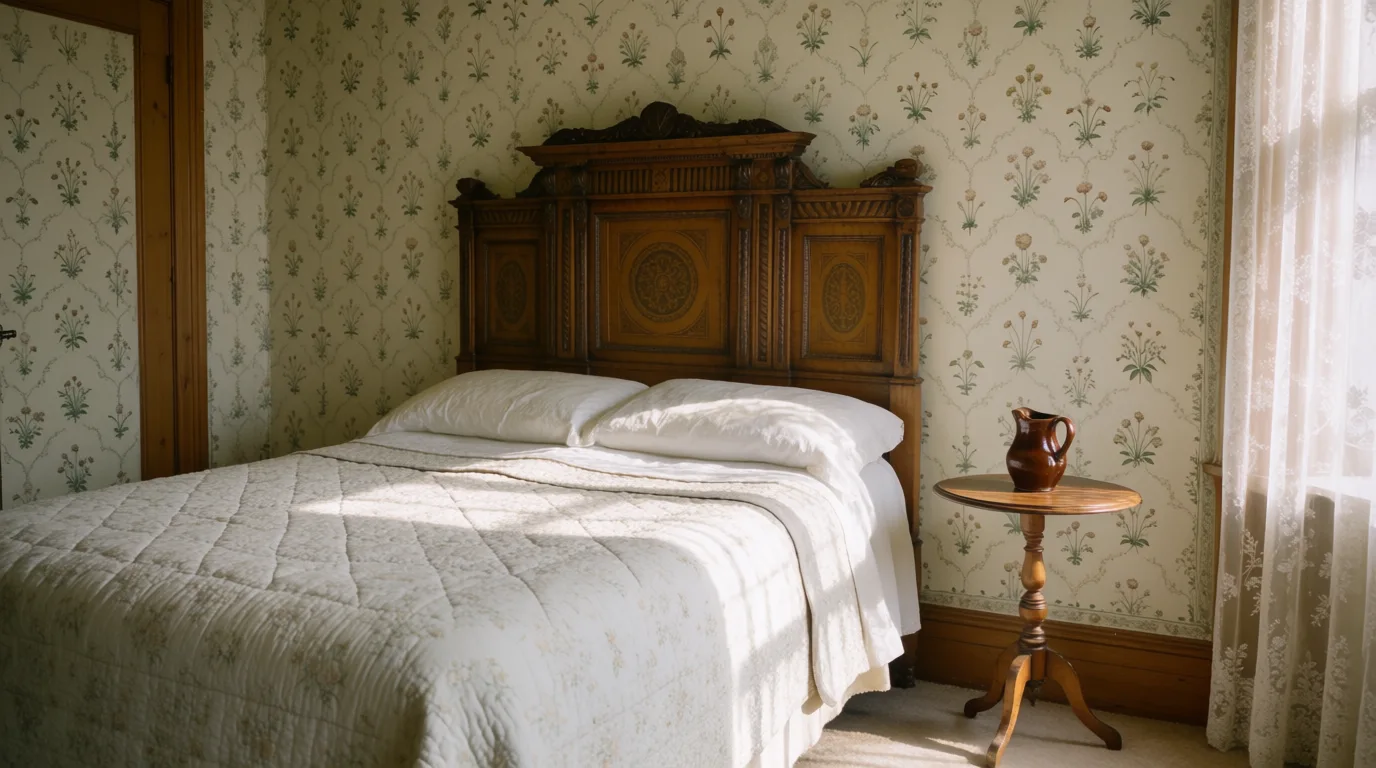
Edwardian wallpaper often features delicate floral motifs, botanical prints, stylized foliage, and subtle geometric patterns inspired by the Arts and Crafts movement.
Used thoughtfully, wallpaper adds visual interest while maintaining the room’s light and graceful character.
Edwardian Bedroom Furniture Essentials
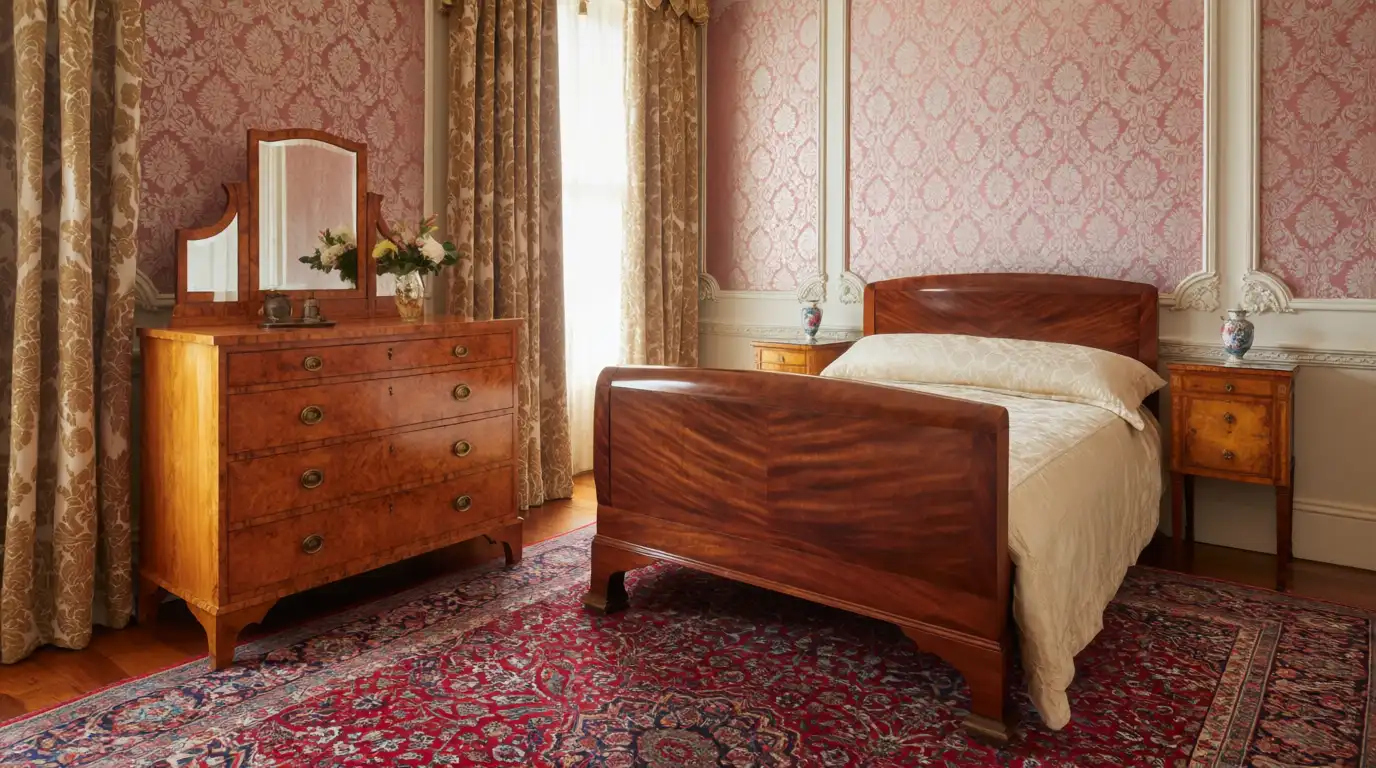
Edwardian bedroom furniture emphasizes elegance, craftsmanship, and practicality. Pieces are often lighter in appearance than Victorian furniture and may include inlaid wood, curved lines, and refined detailing.
Mahogany, walnut, and satinwood were commonly used to create beautiful yet functional furniture.
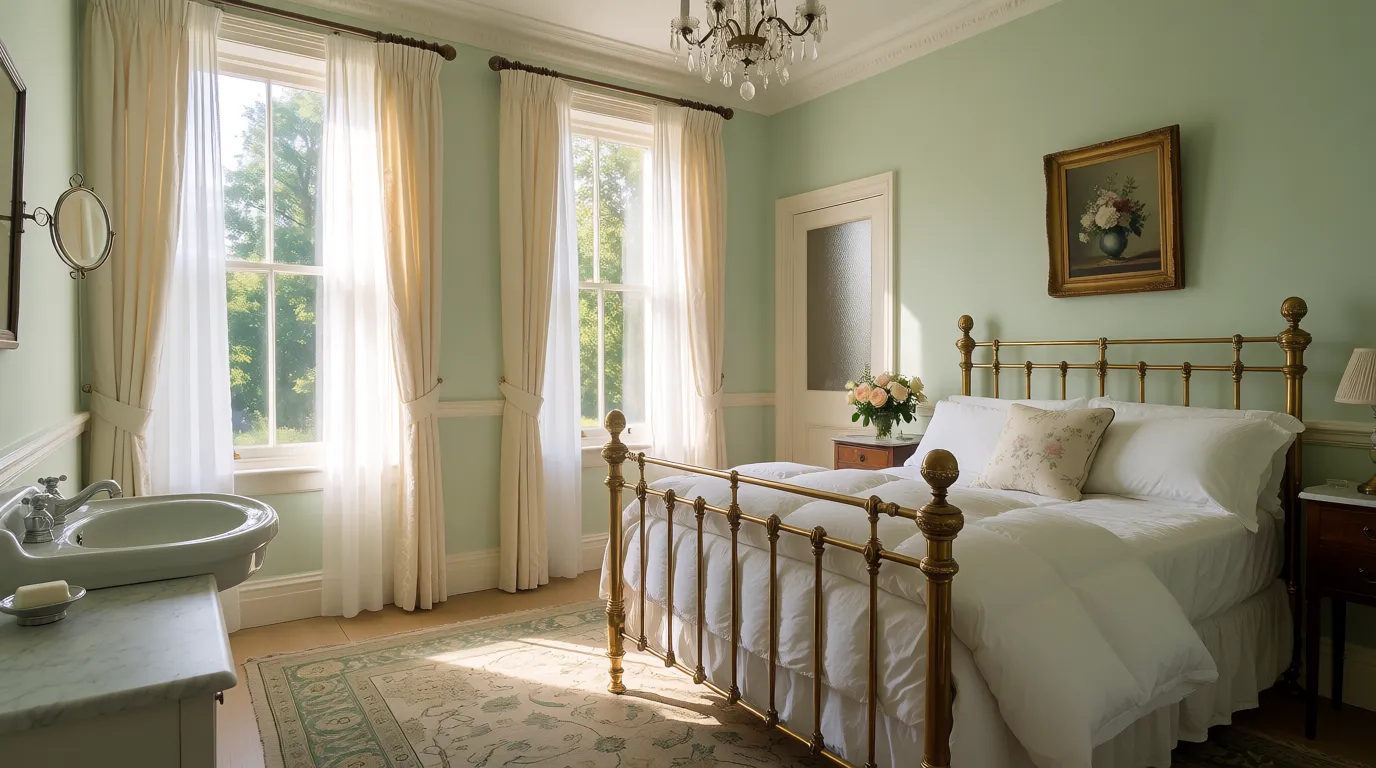
Edwardian Bedrooms with Brass Bed Frames
Brass bed frames became highly fashionable during the Edwardian era. Their delicate appearance contributes to the lighter aesthetic that defines the style.
A brass bed instantly establishes period authenticity while complementing both traditional and contemporary décor.
Edwardian Bedrooms Inspired by Arts and Crafts Design
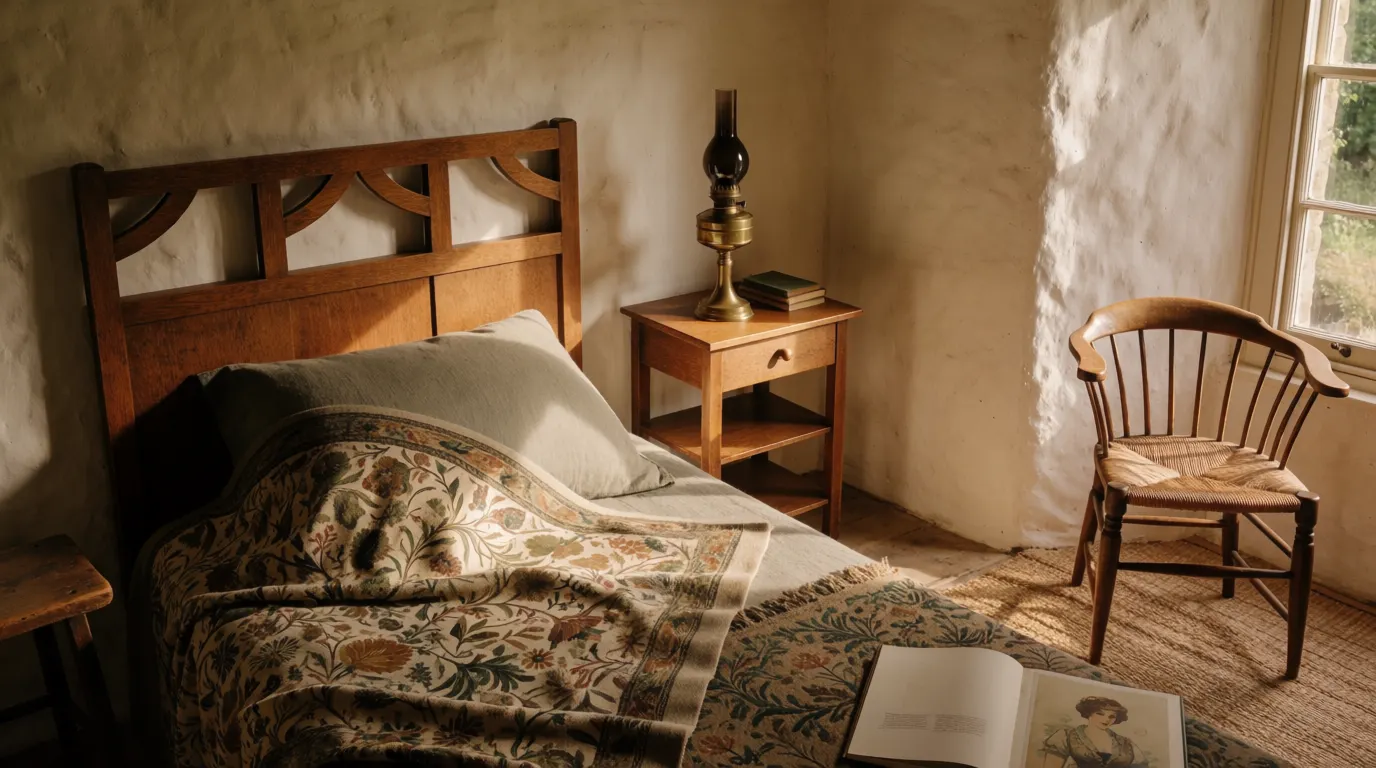
Many Edwardian interiors borrowed ideas from the Arts and Crafts movement, emphasizing quality materials, handcrafted details, and natural forms.
This influence creates warmth and authenticity while avoiding excessive ornamentation.
Edwardian Bedrooms with Original Architectural Features
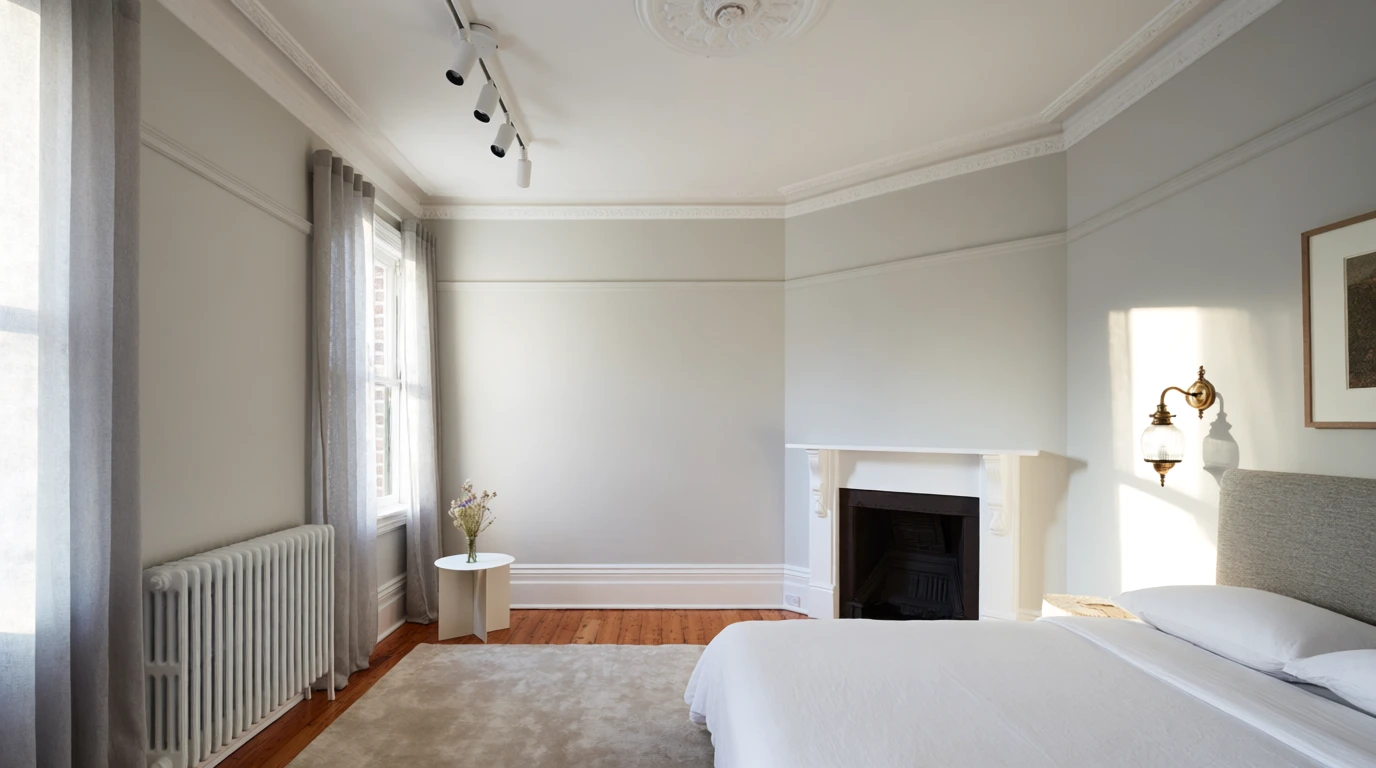
Original Edwardian houses often include tall ceilings, decorative moldings, fireplaces, picture rails, and large sash windows.
Preserving these features helps maintain the architectural integrity of the room while enhancing its historical character.
Edwardian Bedrooms with Layered Textiles
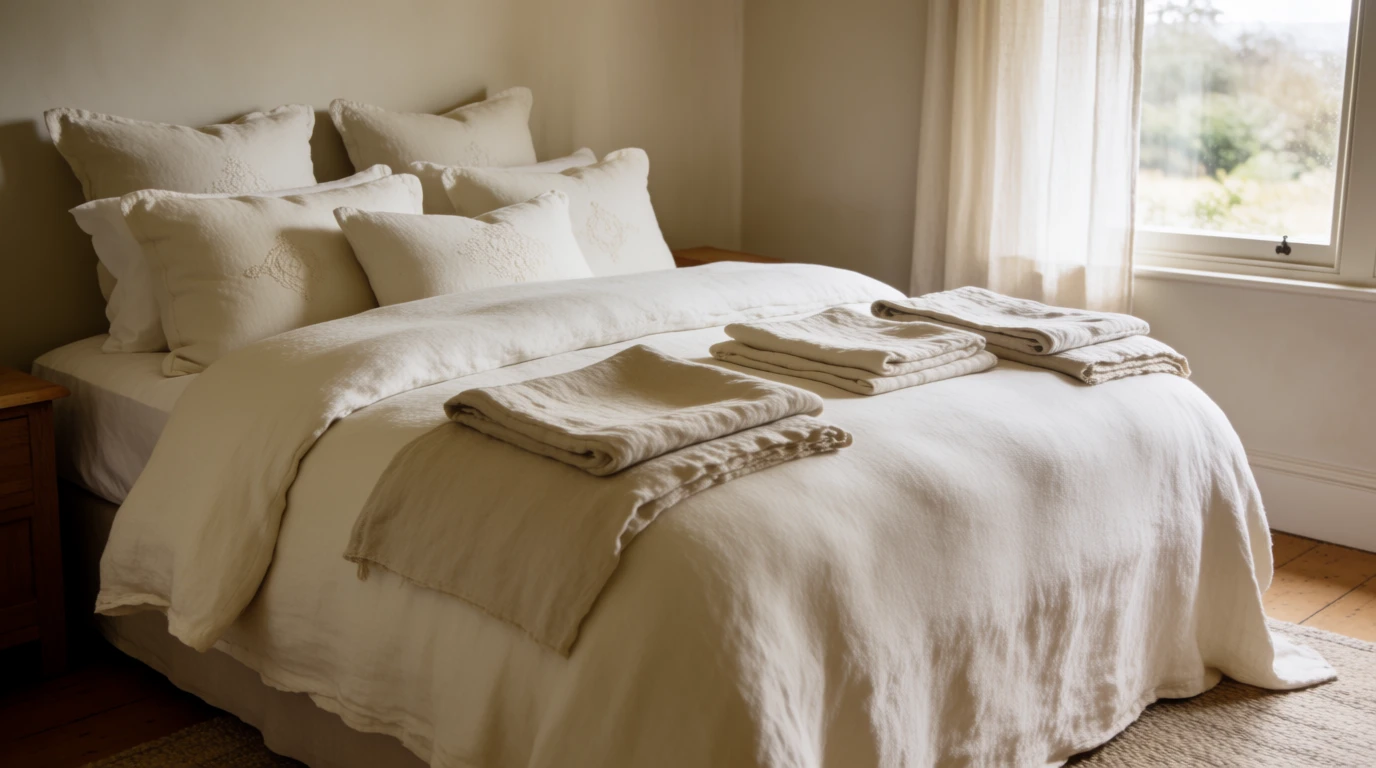
Layering textiles creates comfort without making the room feel heavy. Linen bedding, embroidered cushions, wool throws, and subtle floral fabrics work particularly well.
Texture adds visual richness while supporting the understated elegance of Edwardian interiors.
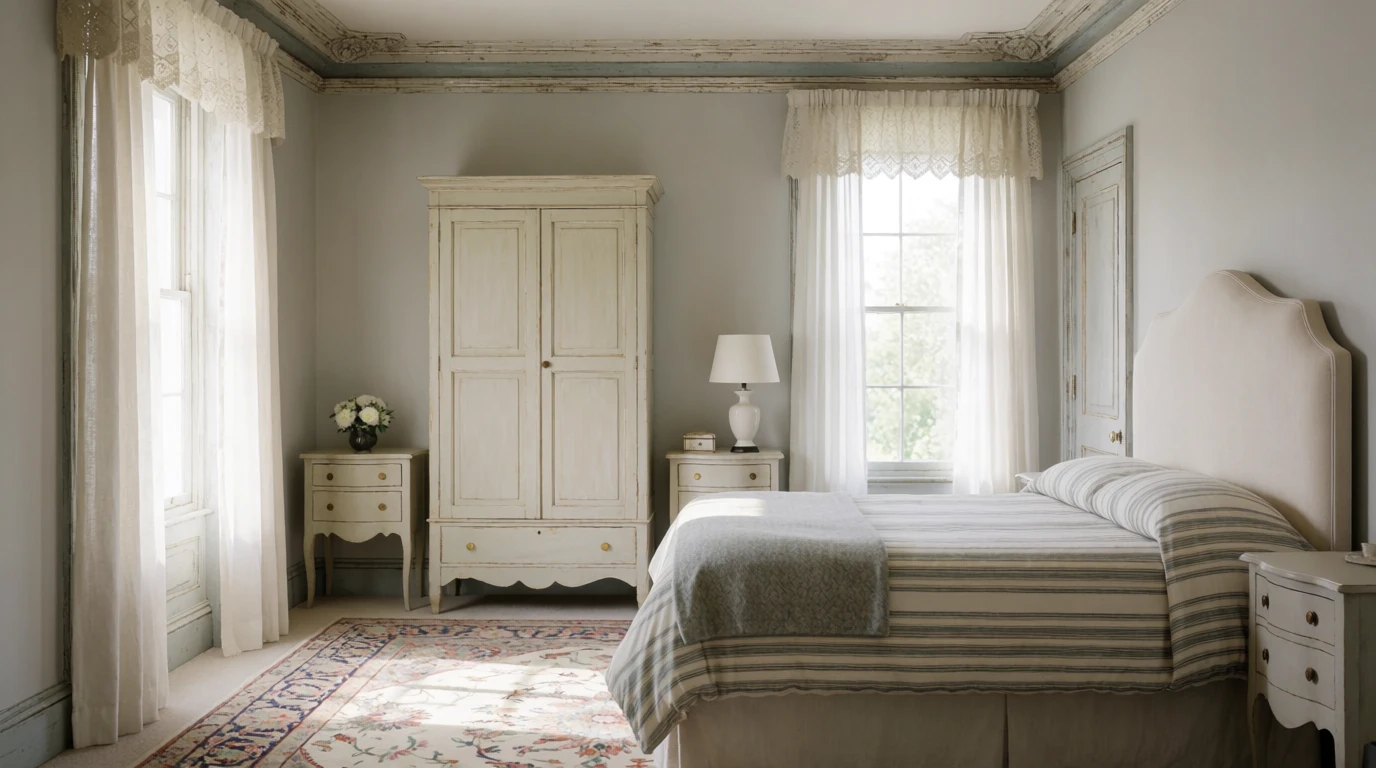
Edwardian Style Bedrooms with Painted Furniture
Painted furniture became increasingly popular during the Edwardian period. Cream, white, pale gray, and soft pastel finishes help brighten the room.
These lighter finishes reflect the era’s move toward more cheerful and airy interiors.
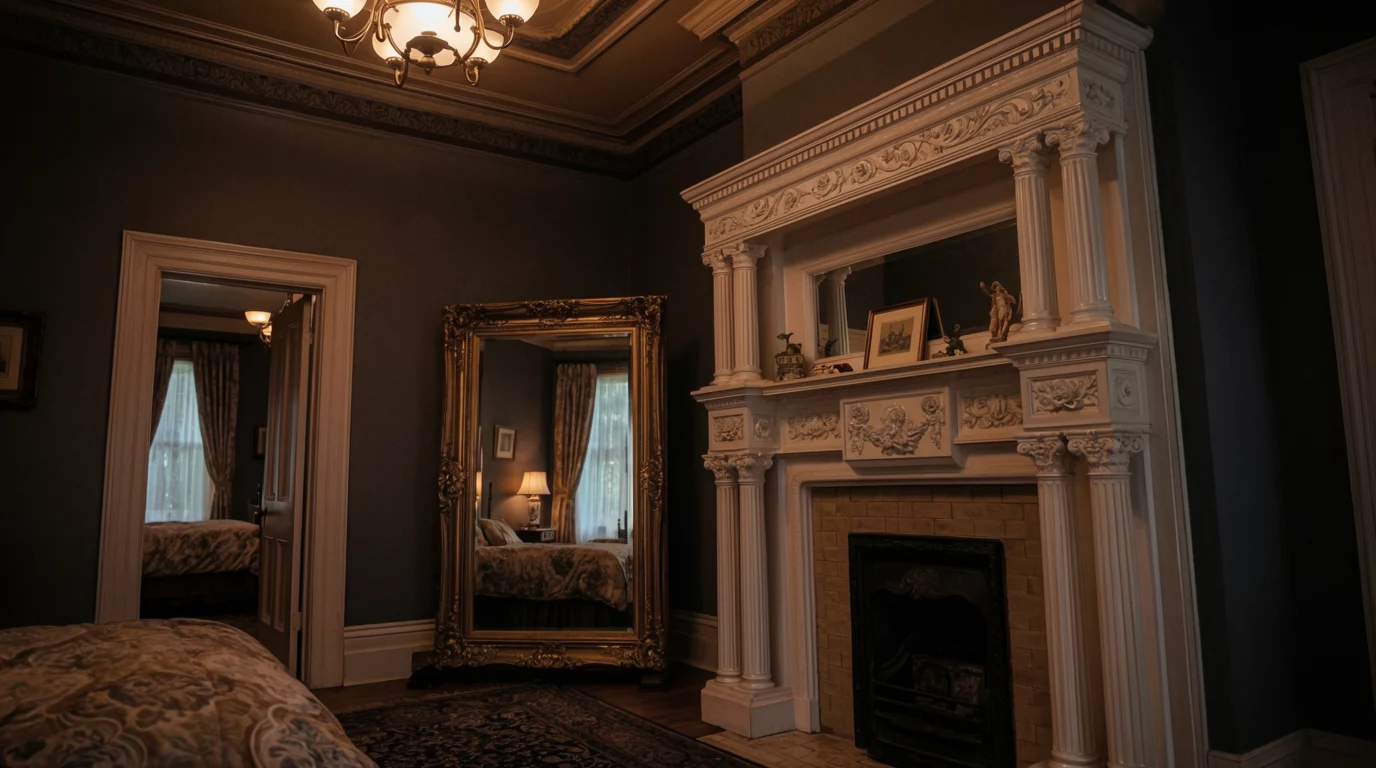
Edwardian Bedrooms with Decorative Fireplaces
A decorative fireplace often serves as the focal point of an Edwardian bedroom. Even non-working fireplaces contribute architectural character and historical authenticity.
Mantels can be styled with mirrors, artwork, and antique accessories for additional visual appeal.
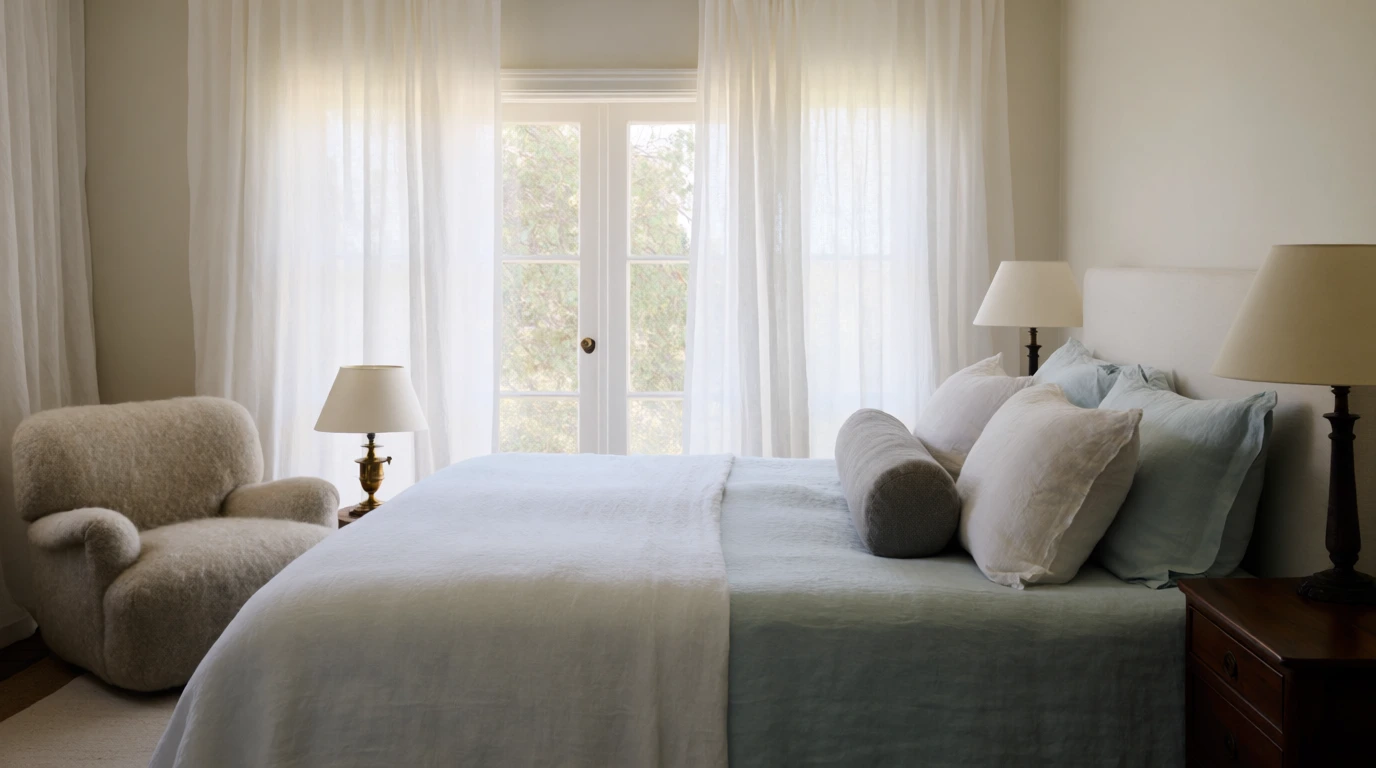
Edwardian Bedrooms with Elegant Lighting
Lighting in Edwardian interiors favors soft illumination from chandeliers, wall sconces, and table lamps with fabric shades.
The goal is to create a welcoming atmosphere that complements natural daylight rather than competing with it.
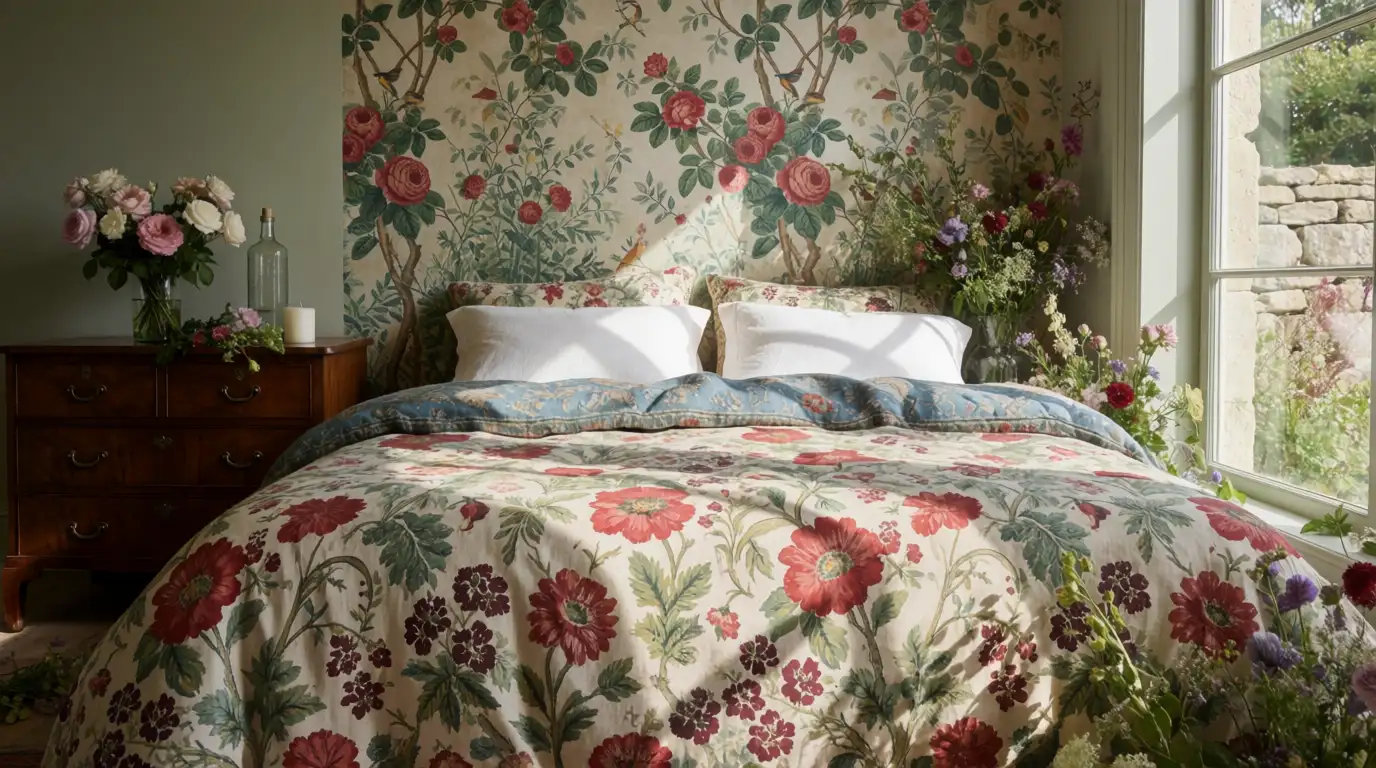
Edwardian Bedrooms with Floral Details
Floral patterns appear throughout Edwardian interiors in wallpaper, textiles, artwork, and decorative accessories.
These botanical influences soften the space and reinforce the period’s appreciation for nature-inspired design.
Edwardian Bedrooms with Antique Furniture Collections
Authentic Edwardian antique furniture introduces character, history, and craftsmanship that modern reproductions often cannot replicate.
Mixing original pieces with contemporary comforts creates a practical and visually balanced bedroom.
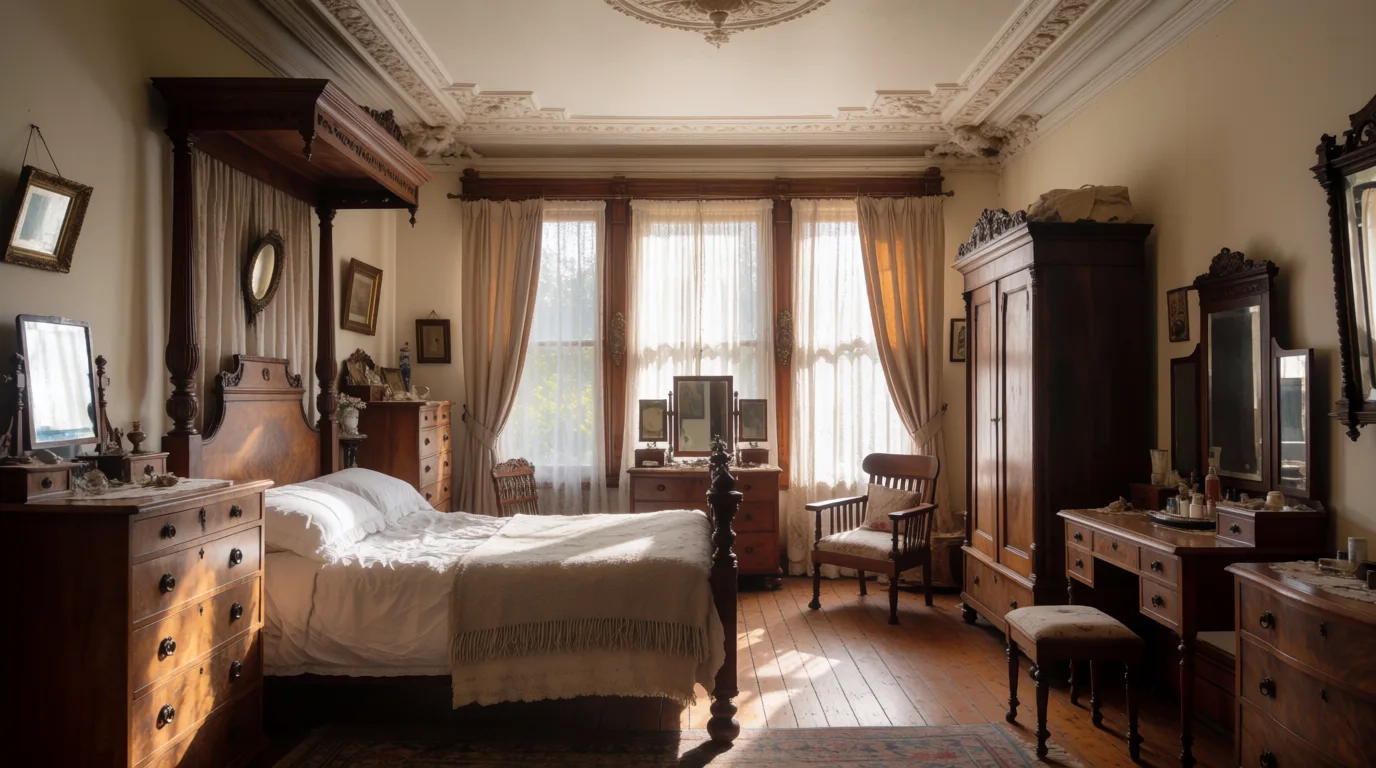
Edwardian Bedrooms with Soft Window Treatments
Large Edwardian windows benefit from lightweight curtains, lace panels, and elegant drapery that maximize daylight.
Window treatments should feel graceful and refined without blocking natural light.
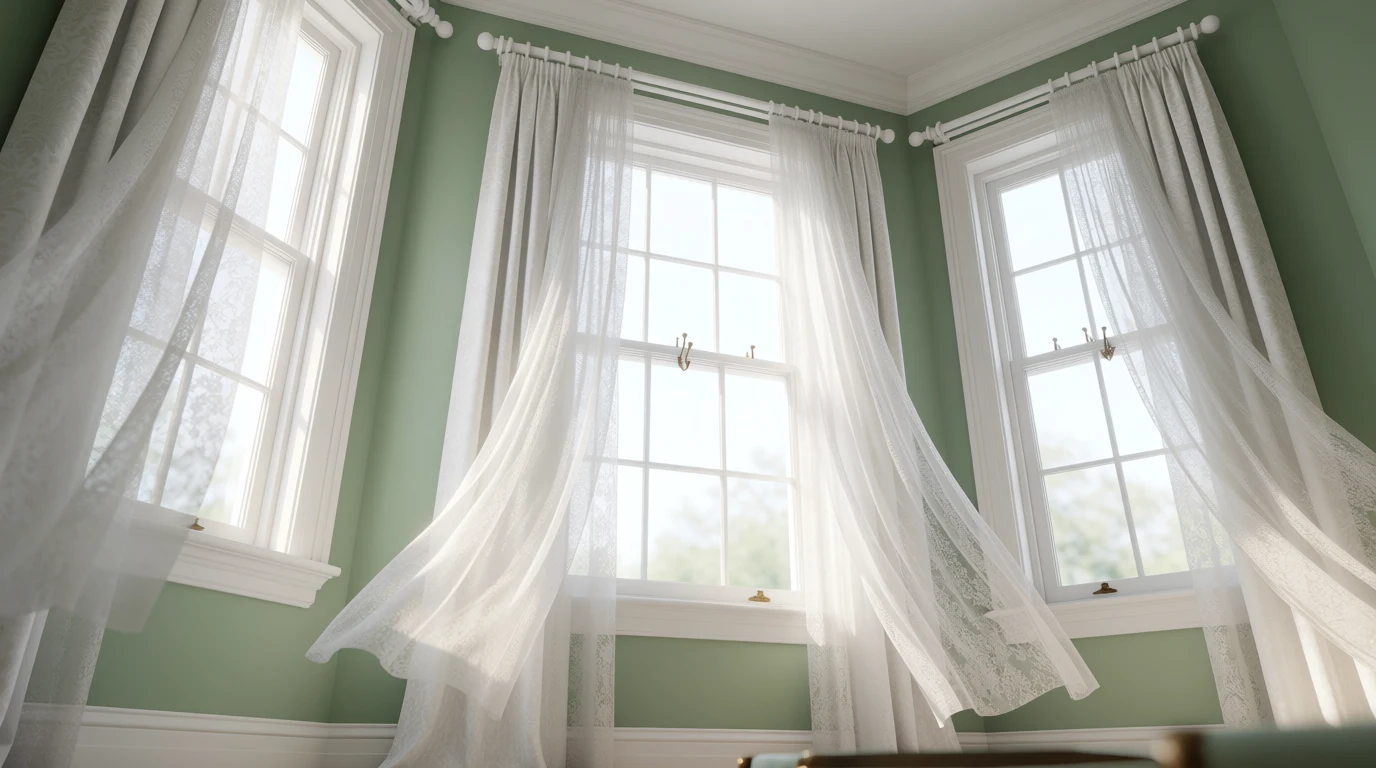
Edwardian Bedrooms with Neutral Foundations
A neutral foundation allows period furniture and decorative details to stand out. Cream walls, natural wood flooring, and soft textiles create a versatile backdrop.
This approach also helps smaller rooms feel larger and more inviting.
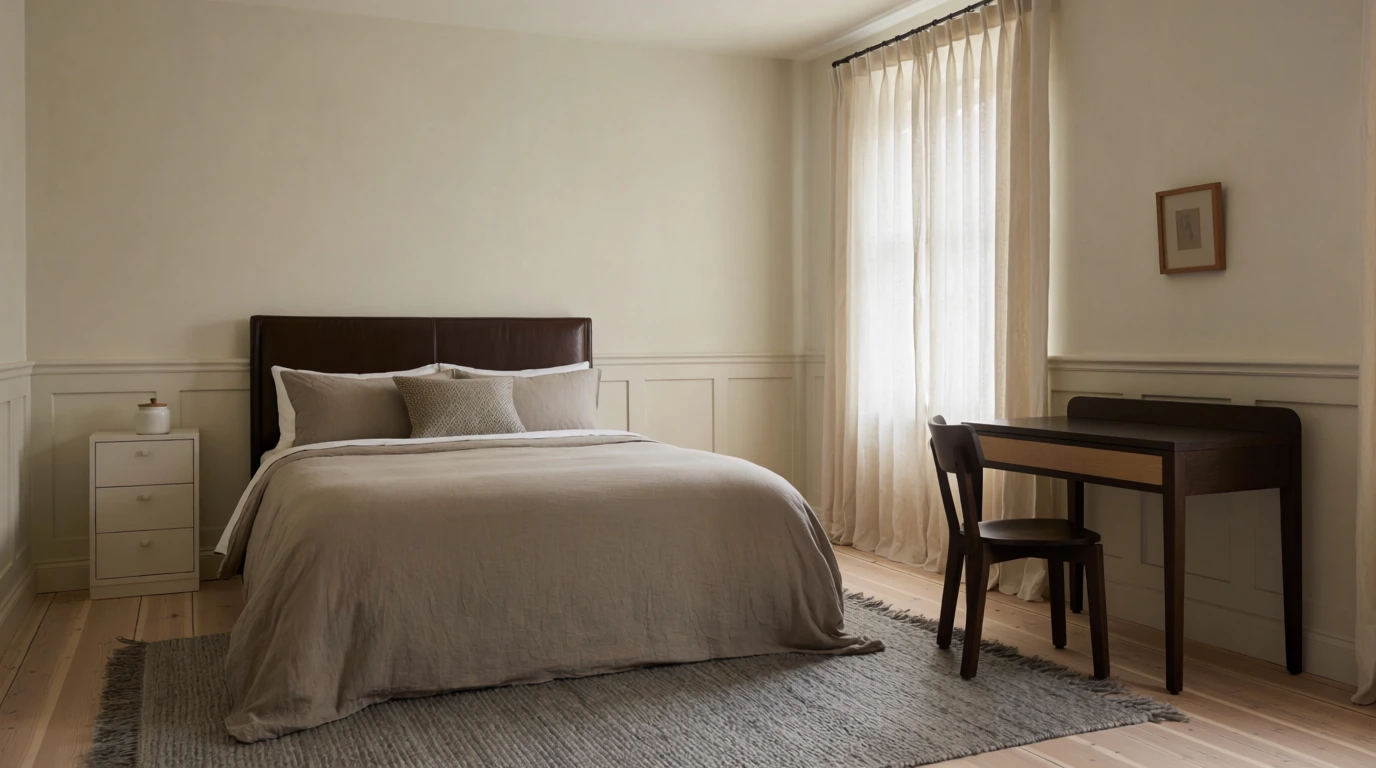
Edwardian Bedrooms with Heritage Accessories
Accessories should be chosen carefully to support the room’s historical character. Vintage mirrors, framed botanical prints, antique clocks, and decorative ceramics work particularly well.
The goal is thoughtful curation rather than excessive decoration.
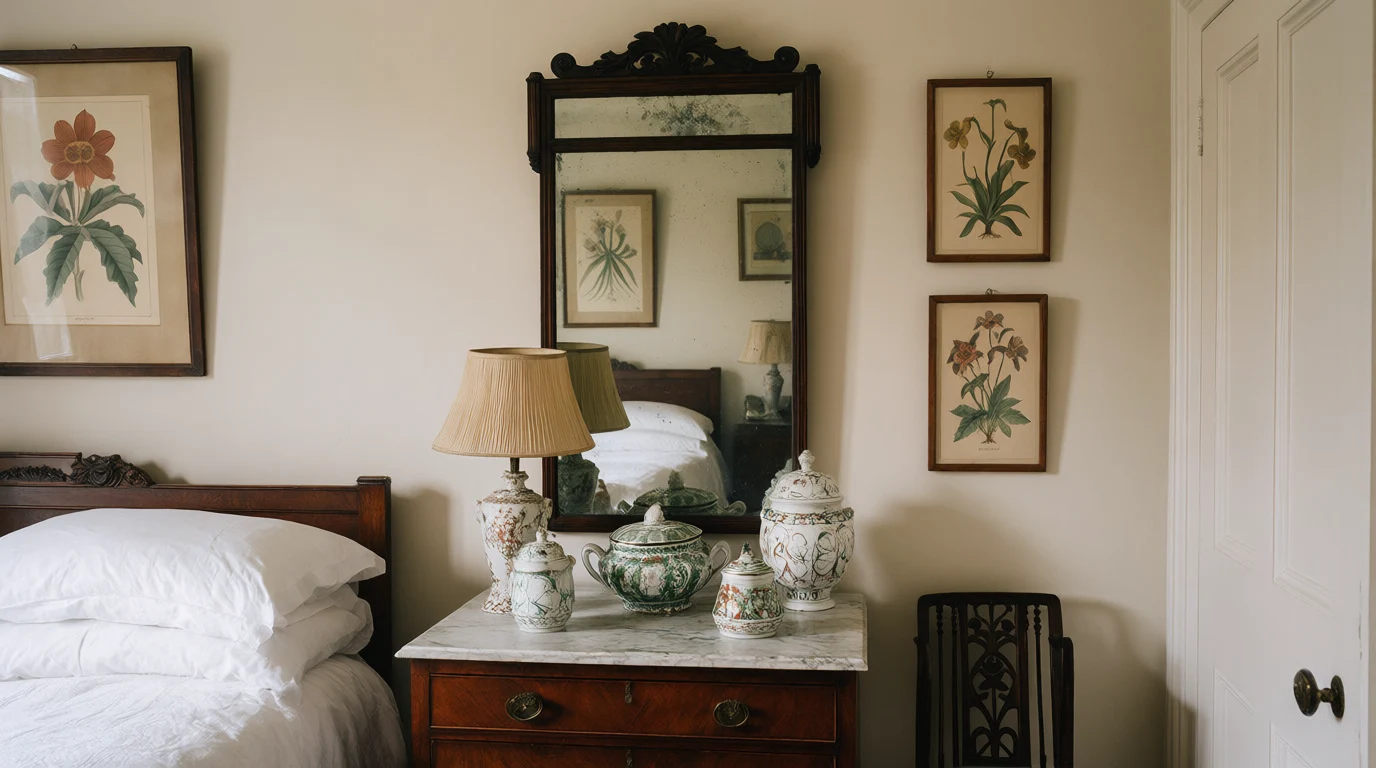
Edwardian Bedrooms with Modern Comforts
Modern Edwardian bedrooms successfully blend historical aesthetics with contemporary functionality. Updated mattresses, discreet technology, and improved storage can coexist with period-inspired décor.
Maintaining visual harmony ensures modern additions do not disrupt the room’s timeless appeal.
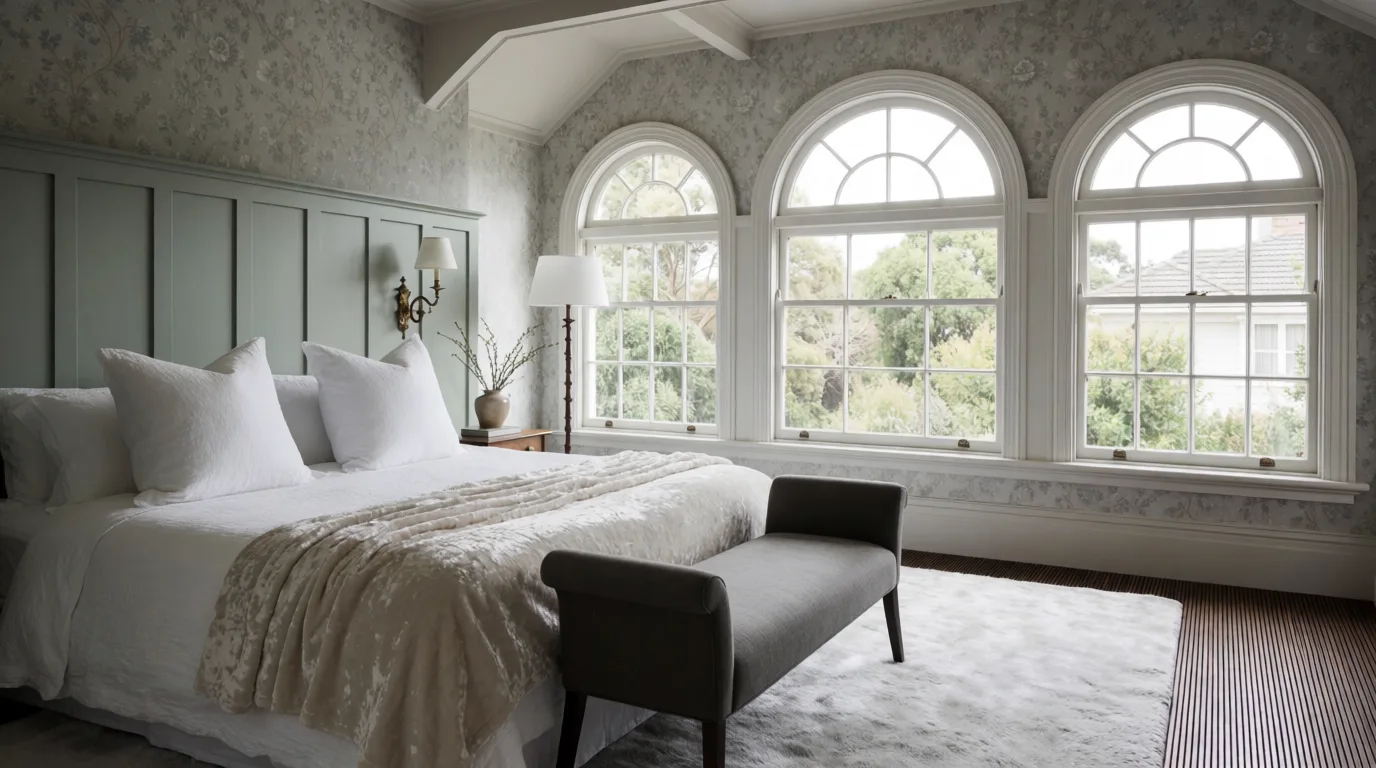
Edwardian Bedrooms Compared with Victorian Bedrooms
While Victorian bedrooms often feature darker colors, heavier furnishings, and elaborate ornamentation, Edwardian bedrooms prioritize light, openness, and simplicity.
Understanding this distinction helps homeowners create an authentic Edwardian look without unintentionally introducing Victorian design elements.
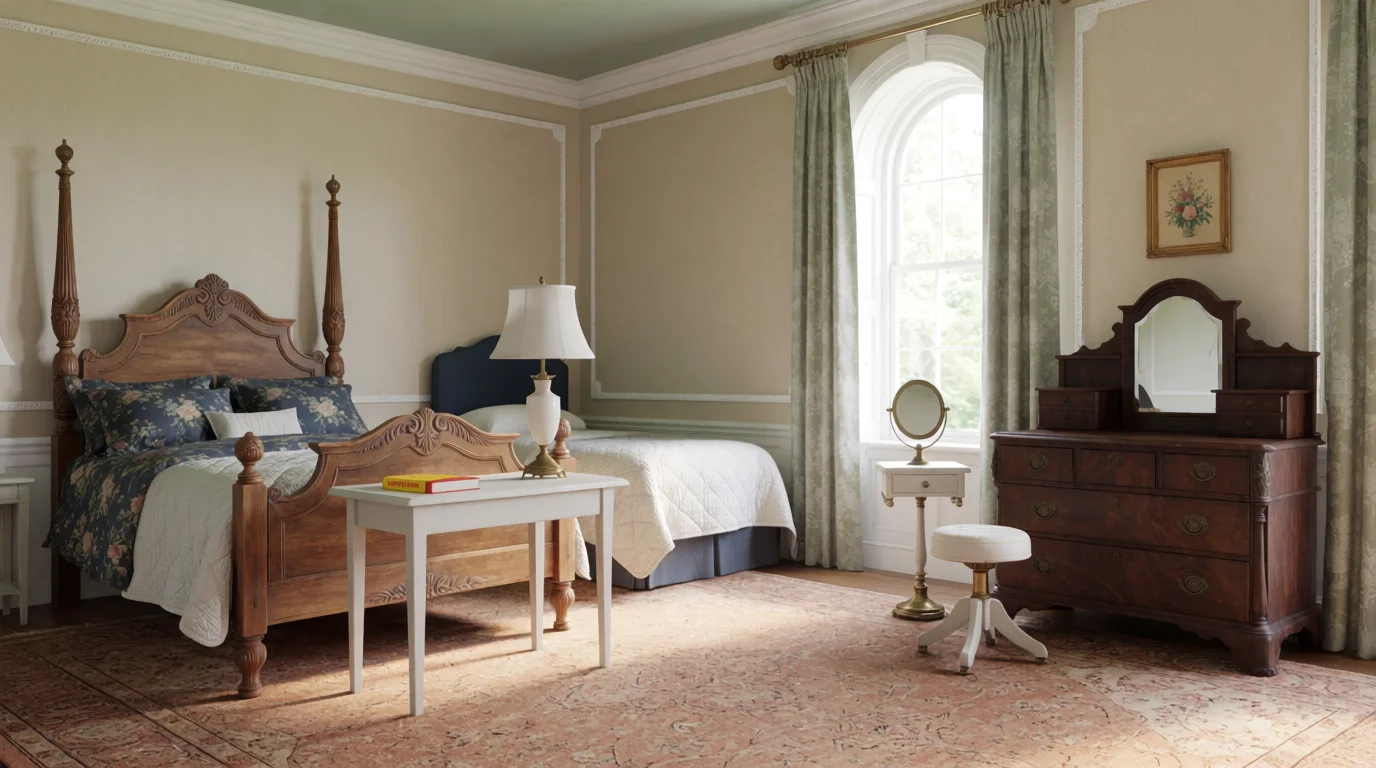
Conclusion
Edwardian bedrooms remain one of the most enduring interior styles because they achieve something many design trends struggle to balance: elegance and comfort. By combining light-filled spaces, refined furniture, soft color palettes, decorative craftsmanship, and practical functionality, these interiors create rooms that feel both sophisticated and genuinely livable.
One of the greatest strengths of Edwardian design is its adaptability. Whether you’re restoring an original period property, updating a heritage home, or introducing classic influences into a contemporary space, the principles behind Edwardian bedrooms continue to work exceptionally well. Thoughtful proportions, quality materials, natural light, and carefully selected decorative details create a sense of calm and permanence that never feels outdated.
In practice, successful Edwardian bedrooms are less about recreating a museum-like setting and more about capturing the spirit of the era. Prioritizing comfort, authenticity, and balance allows homeowners to create spaces that honor historical design while supporting modern lifestyles. When approached with attention to detail and an appreciation for craftsmanship, an Edwardian-inspired bedroom can become a timeless retreat that remains beautiful and functional for years to come.
Learn more : How to Decorate a Dark Kitchen for a Brighter, Luxe Look
Frequently Asked Questions
- What defines an Edwardian bedroom?
An Edwardian bedroom is characterized by its light and airy atmosphere, elegant furniture, soft color schemes, large windows, decorative moldings, and a balanced approach to ornamentation. Compared to earlier period styles, Edwardian interiors emphasize brightness, comfort, and practicality while maintaining a refined appearance.
- How are Edwardian bedrooms different from Victorian bedrooms?
Victorian bedrooms typically feature darker colors, heavier furniture, and more elaborate decoration. Edwardian bedrooms moved toward lighter palettes, simpler detailing, increased natural light, and a more relaxed sense of elegance. The overall effect feels fresher and less formal while still retaining period charm.
- What colors work best in Edwardian bedrooms?
Traditional Edwardian color palettes include cream, ivory, soft green, pale blue, dusty rose, lavender, and other muted pastel shades. These colors help maximize natural light and contribute to the calm, welcoming atmosphere associated with Edwardian interiors.
- Is wallpaper important in Edwardian interior design?
Wallpaper was a significant design feature during the Edwardian era. Delicate floral prints, botanical motifs, stylized foliage, and subtle patterned designs were commonly used to add visual interest while preserving the room’s light and elegant character.
- What type of furniture suits an Edwardian bedroom?
Furniture should feature quality craftsmanship, graceful proportions, and refined detailing. Mahogany, walnut, satinwood, painted furniture, and brass bed frames are all appropriate choices. The goal is to create a sophisticated look without the visual heaviness often associated with Victorian pieces.
- Can Edwardian bedrooms work in modern homes?
Yes. Many homeowners successfully adapt Edwardian design principles to contemporary spaces. Light color palettes, period-inspired furniture, decorative moldings, elegant lighting, and carefully selected vintage accessories can introduce Edwardian character while maintaining modern comfort and functionality.
- How can I make an Edwardian bedroom feel authentic?
Focus on architectural details, natural light, traditional wallpaper patterns, quality materials, and thoughtfully chosen furniture. Incorporating antique or reproduction pieces, layered textiles, heritage-inspired accessories, and a restrained decorative approach will help create an authentic Edwardian atmosphere without making the room feel overly themed.



One Response