
Introduction
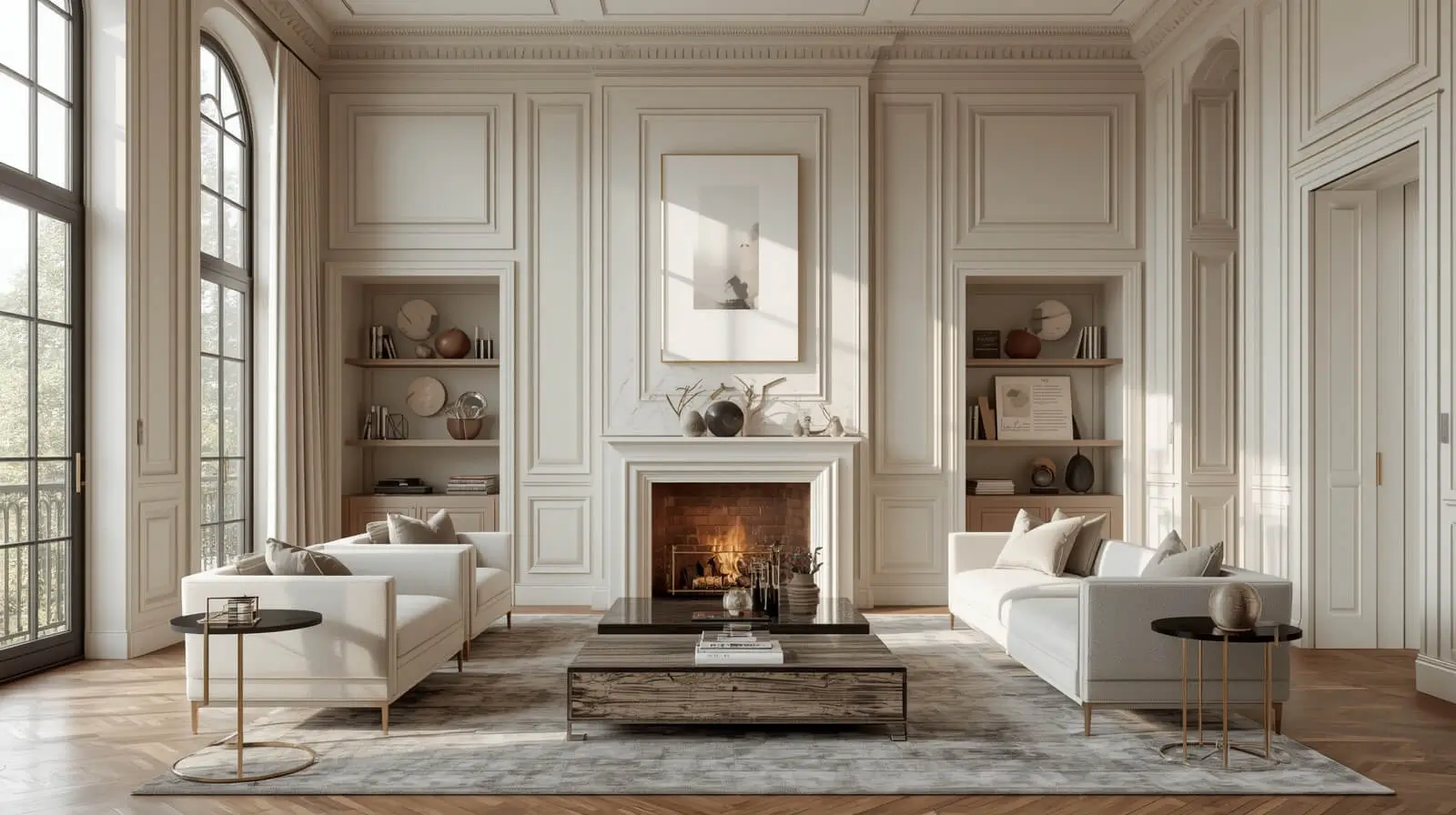
Modern Victorian interior design is the art of blending classic Victorian grandeur with the clean lines, comfort, and functionality of modern interiors. It respects the ornate craftsmanship of the Victorian era—rich textures, detailed moldings, and dramatic proportions—while adapting it to today’s lighter palettes, open layouts, and practical lifestyles.
From years of working with heritage-inspired homes and modern renovations, one thing is clear: this style thrives on balance. Too much Victorian detail can feel heavy; too much modern minimalism can strip away character. The beauty lies in curating spaces that feel layered, refined, and livable—honoring history without feeling stuck in it.
Whether you’re updating a full Victorian house interior or introducing subtle historic touches into a modern home, modern Victorian interior design offers a timeless framework that feels both luxurious and welcoming.
Modern Victorian Interior Design Foundations
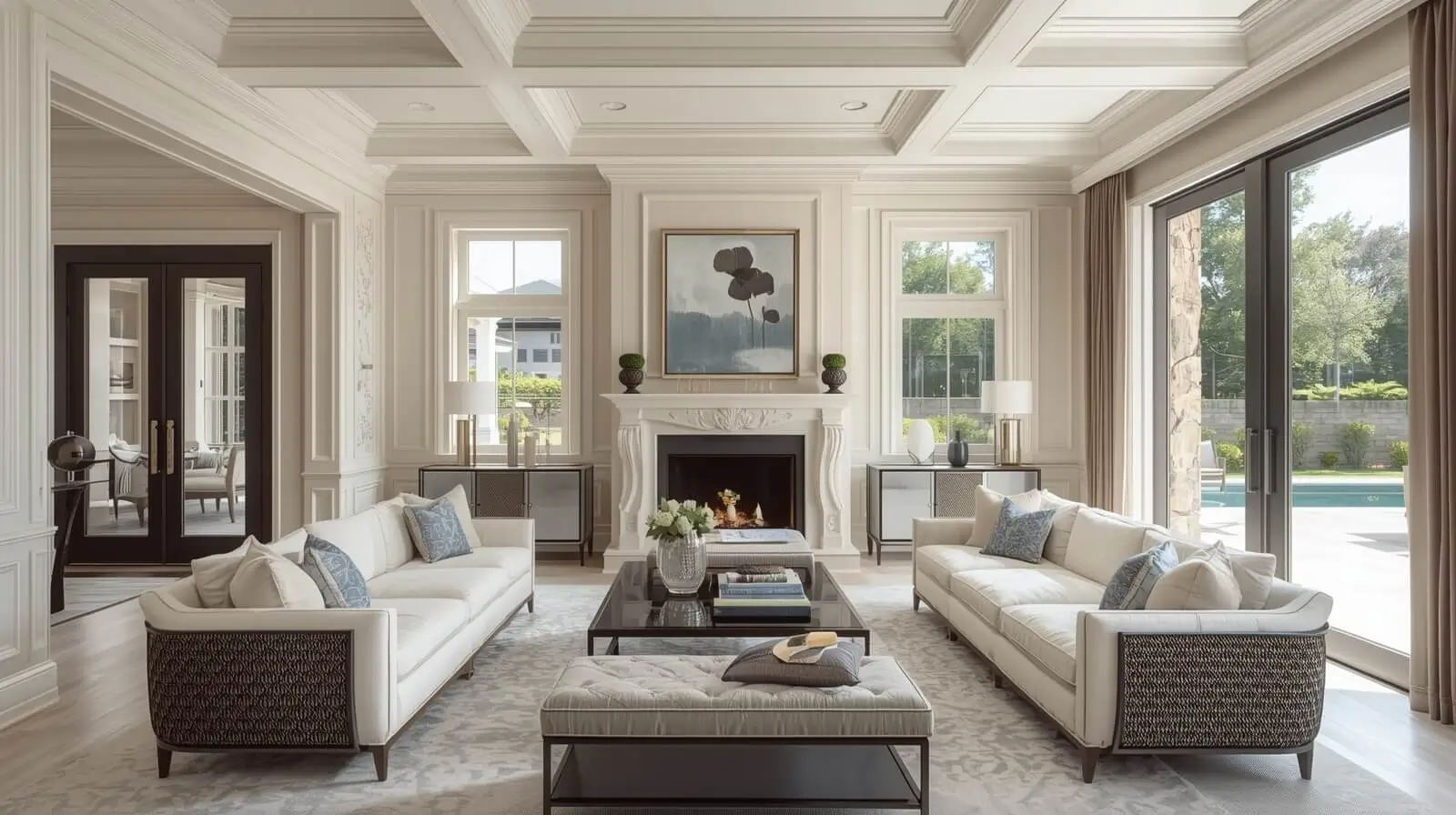
Modern Victorian interior design starts with architectural bones—high ceilings, wall paneling, ceiling roses, and elegant proportions—paired with restrained modern finishes. The goal is harmony, not contrast for shock value.
Modern Victorian Living Rooms
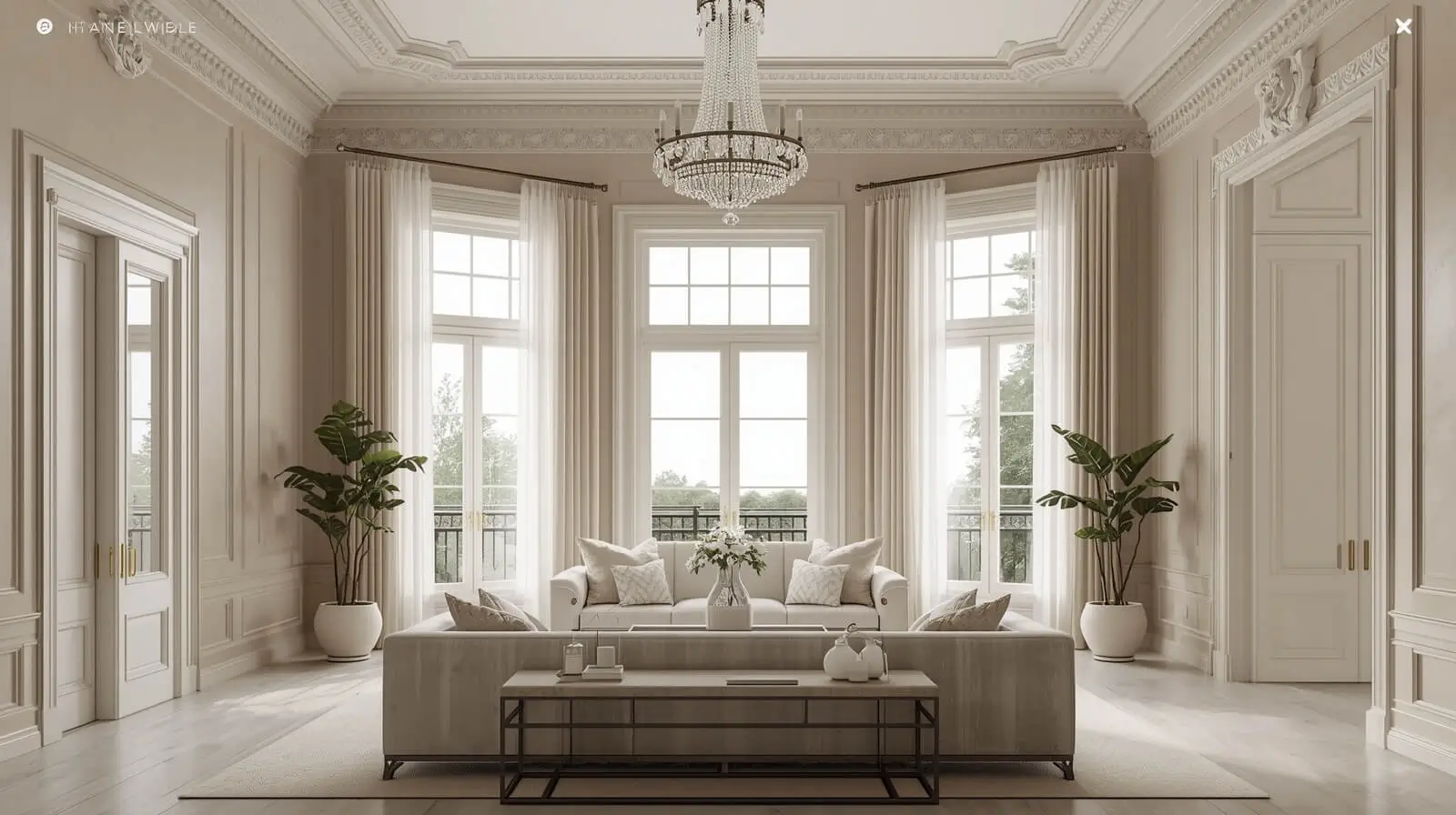
A modern Victorian living room blends plush seating and classic details with uncluttered layouts. Statement lighting and refined textiles replace excess ornamentation.
Victorian Interior Design Modern Color Palettes
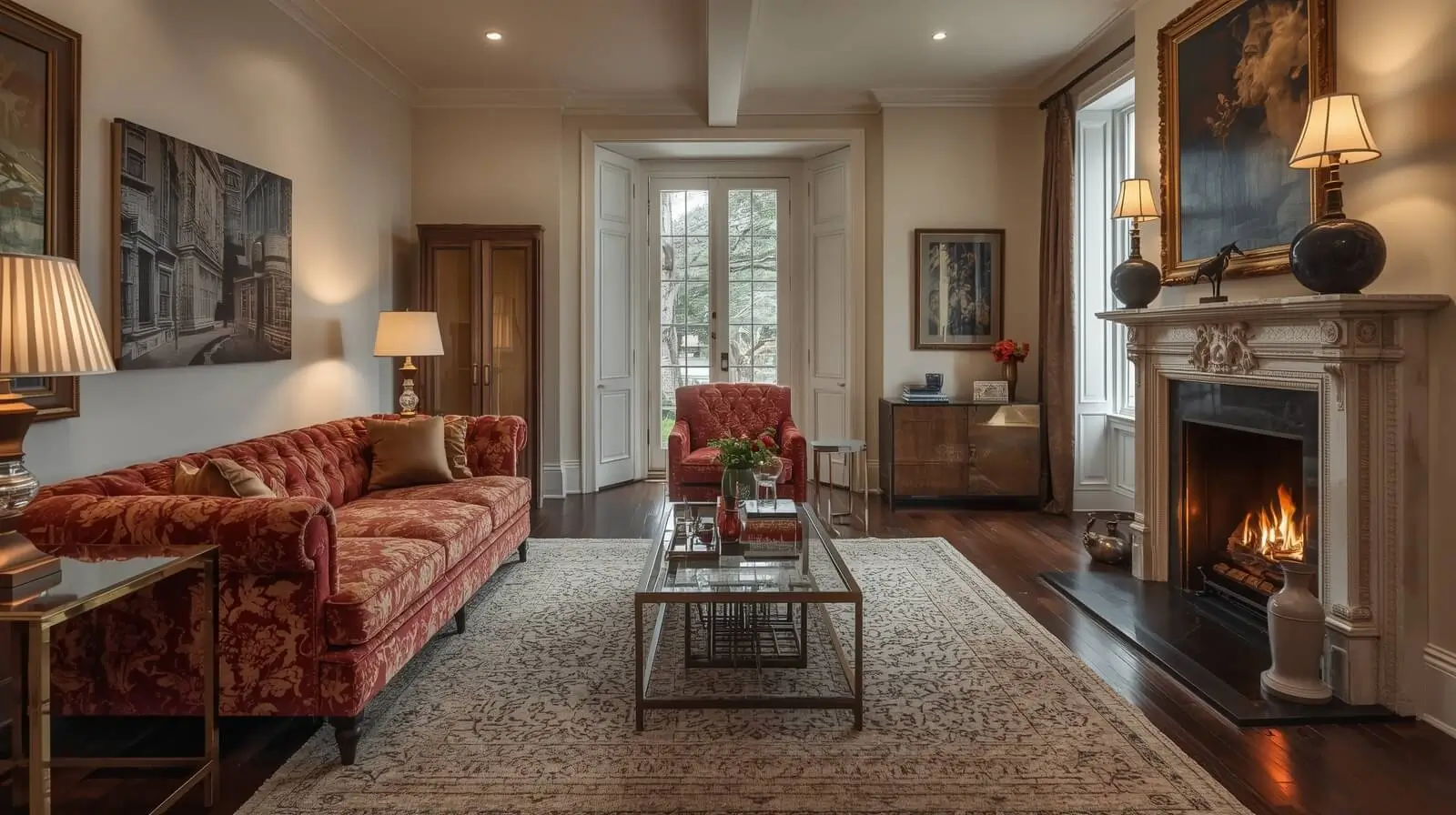
Modern interpretations favor muted neutrals, warm whites, sage greens, charcoal, and dusty blues. These tones soften Victorian richness while keeping spaces airy.
Modern Victorian Bedroom Design
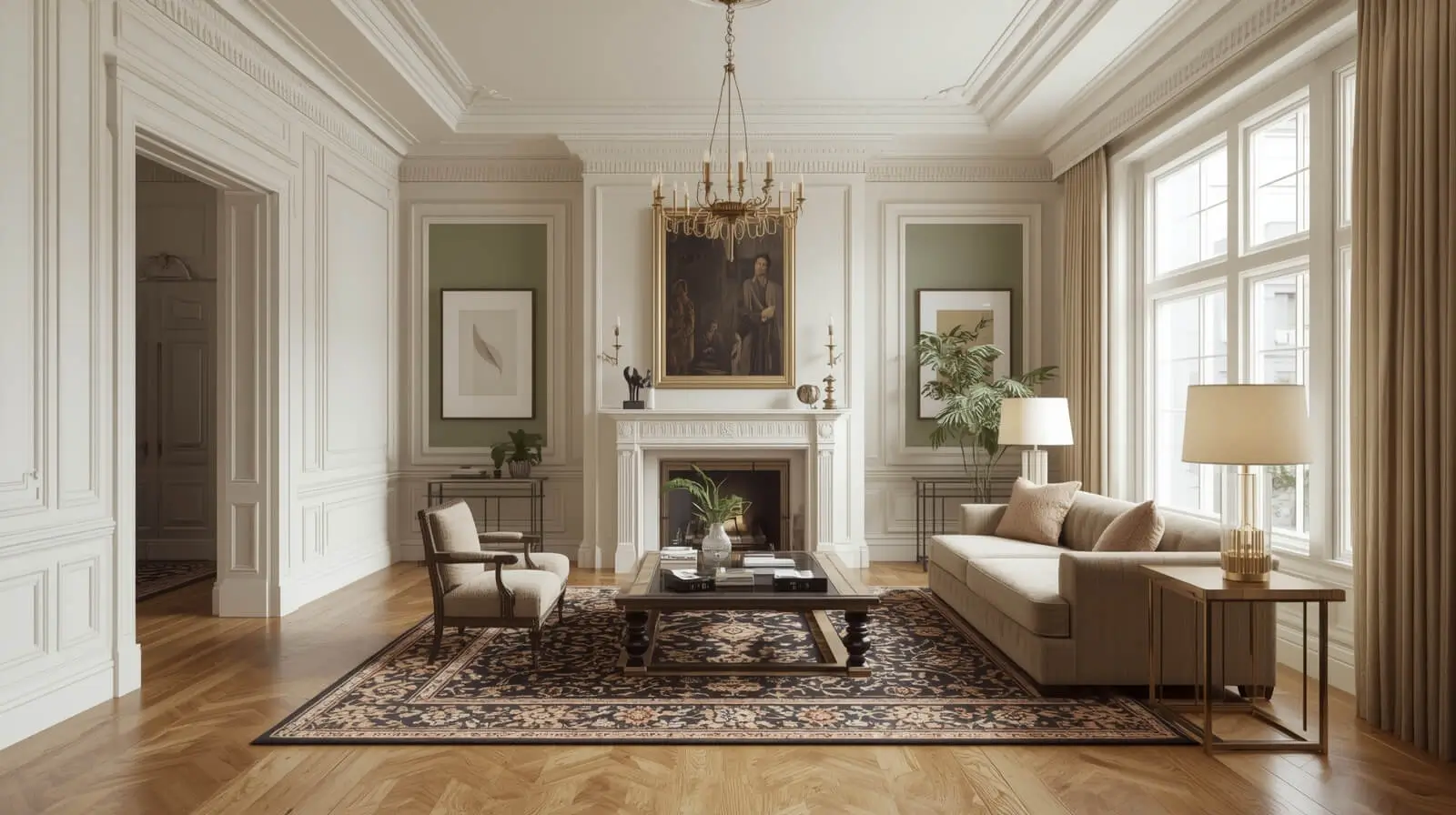
Modern Victorian bedrooms feel romantic yet restful. Ornate headboards, layered bedding, and subtle symmetry create elegance without visual overload.
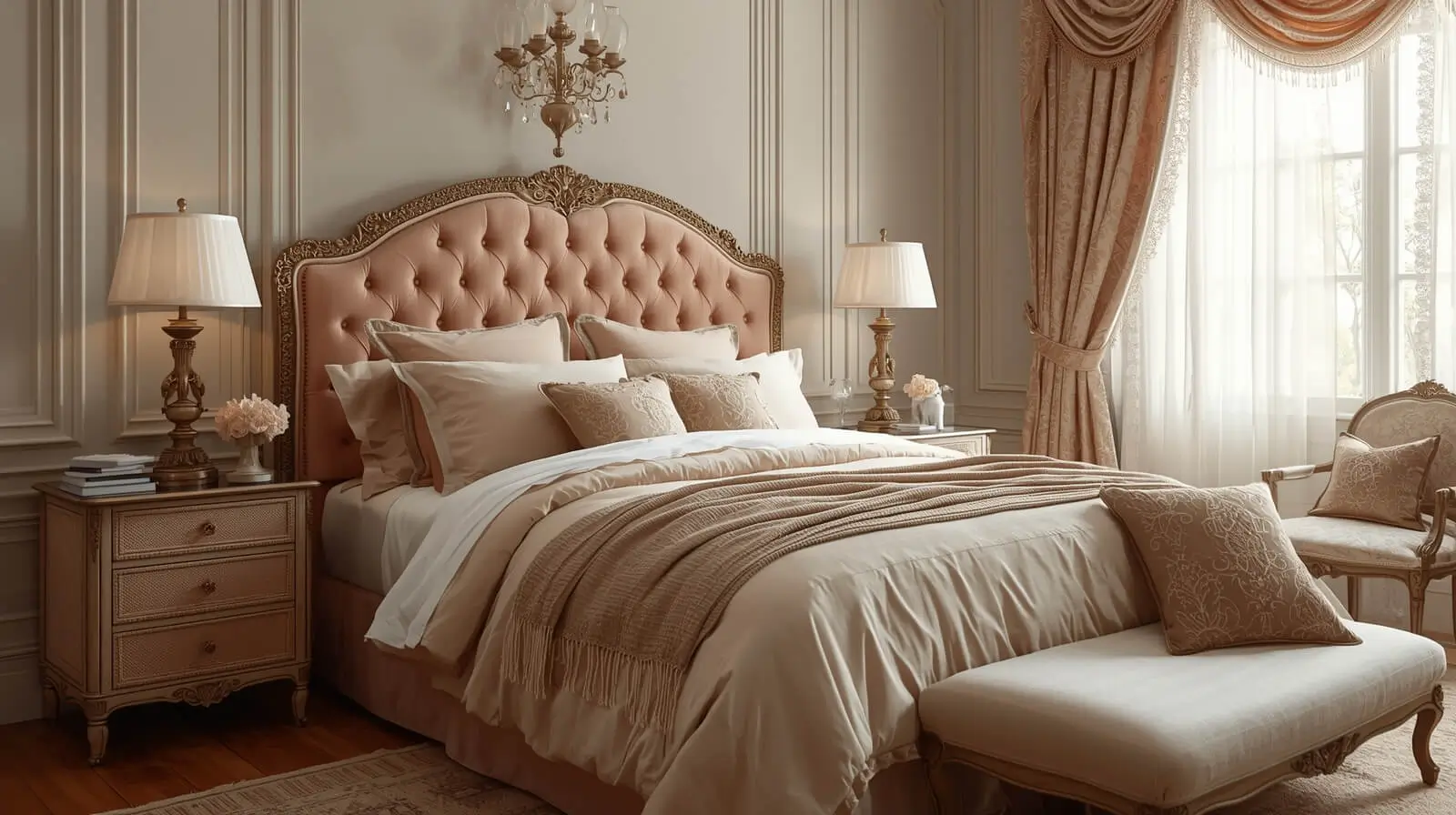
Victorian Themed Bedroom with Modern Comfort
This approach highlights Victorian charm through wallpapers, textiles, or furniture while maintaining modern comfort through lighting and simplified layouts.
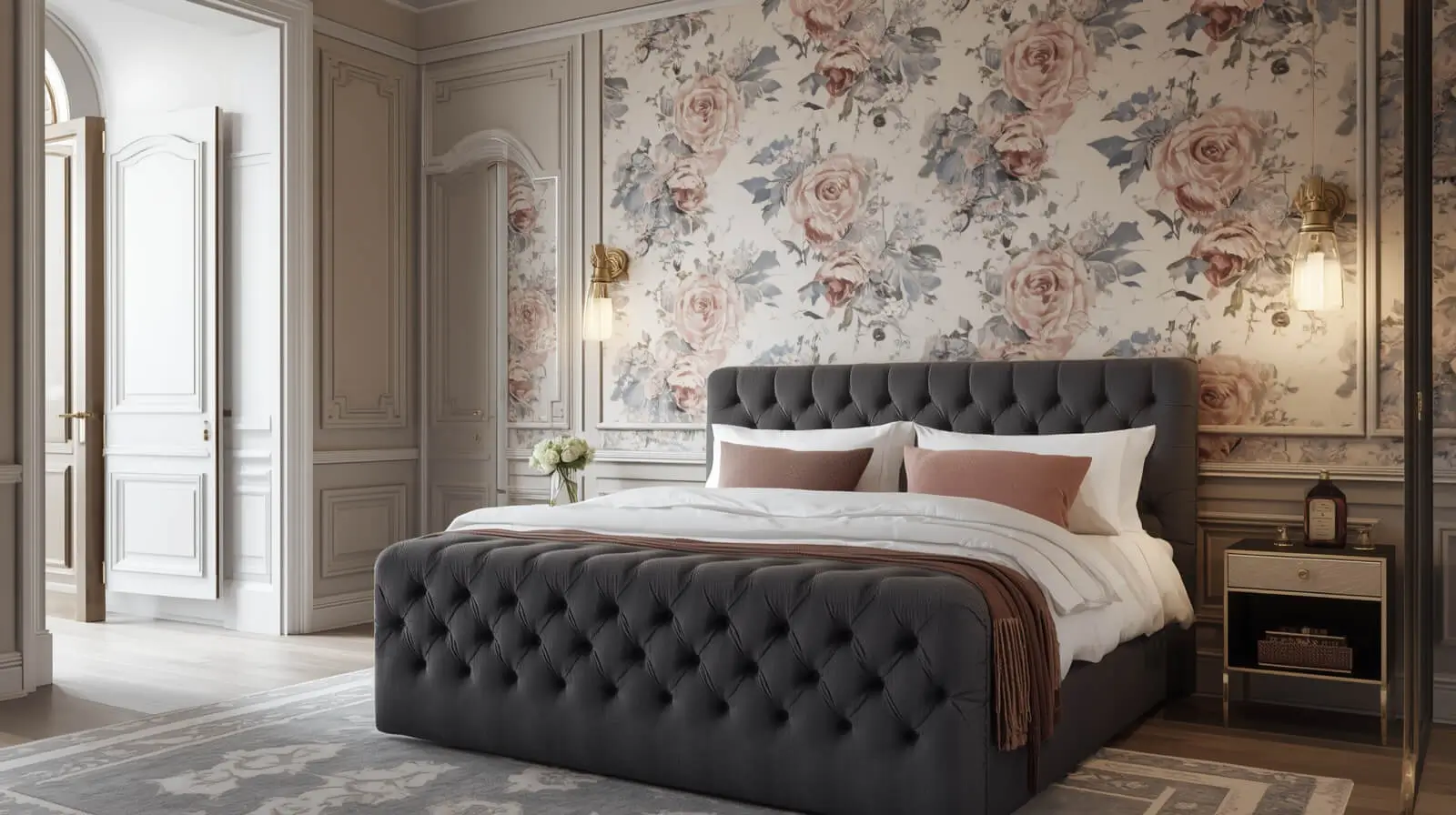
Victorian Style Interior Design with Modern Furniture
Pairing streamlined furniture with decorative Victorian architecture creates contrast that feels intentional and curated rather than nostalgic.
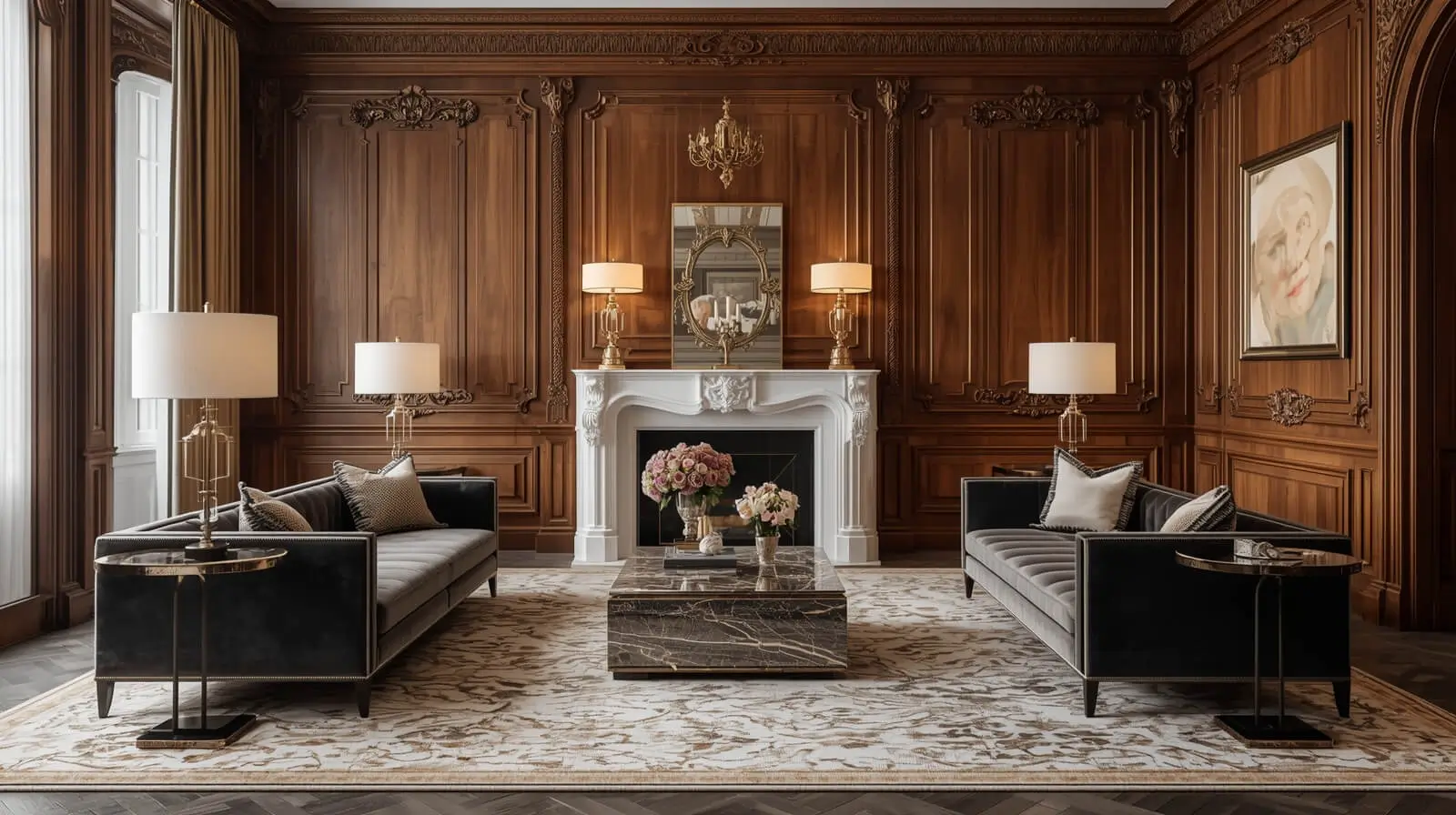
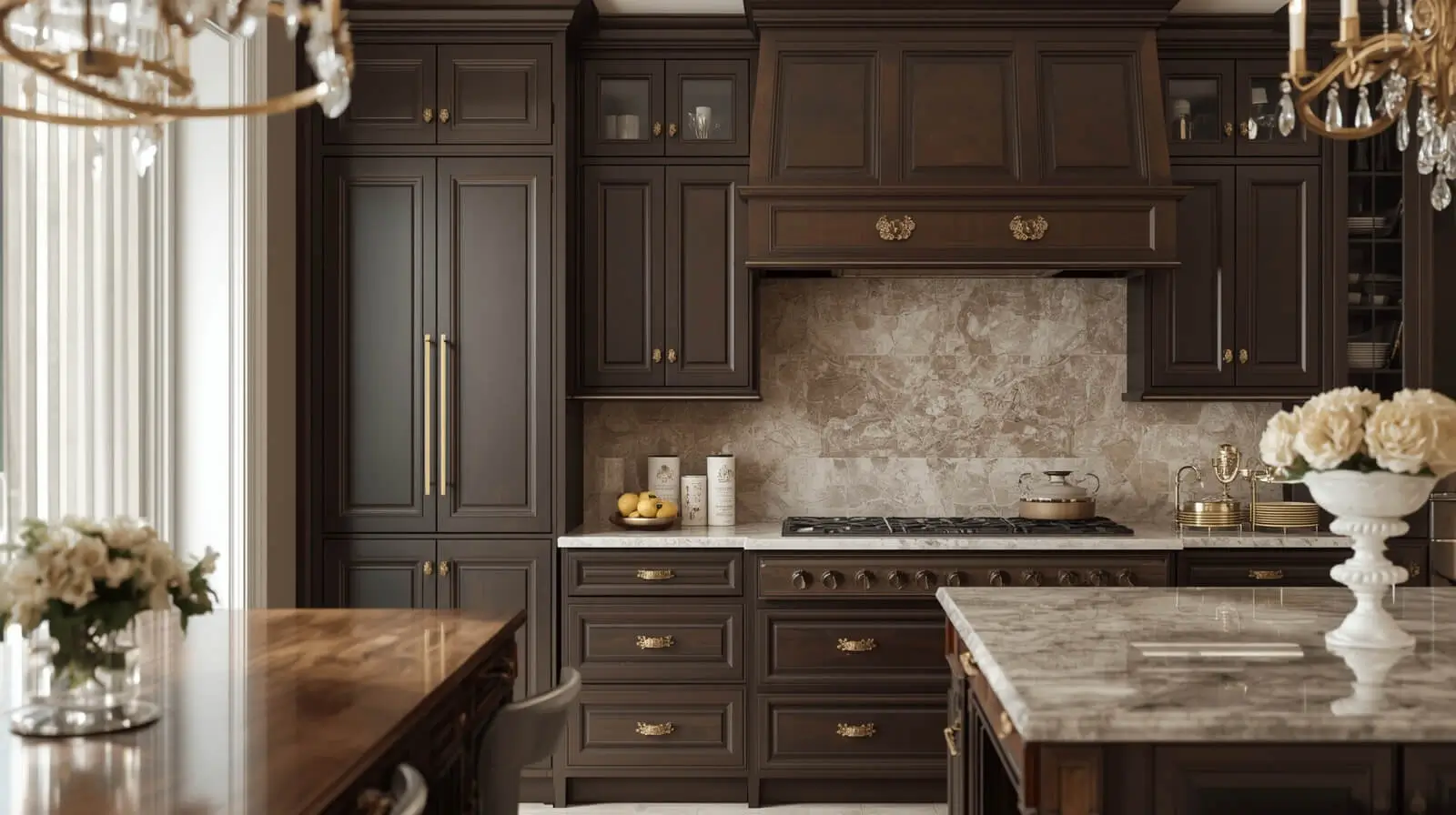
Victorian Modern Kitchen Design
Victorian modern kitchens combine classic cabinetry profiles with modern appliances, stone countertops, and practical layouts for daily living.
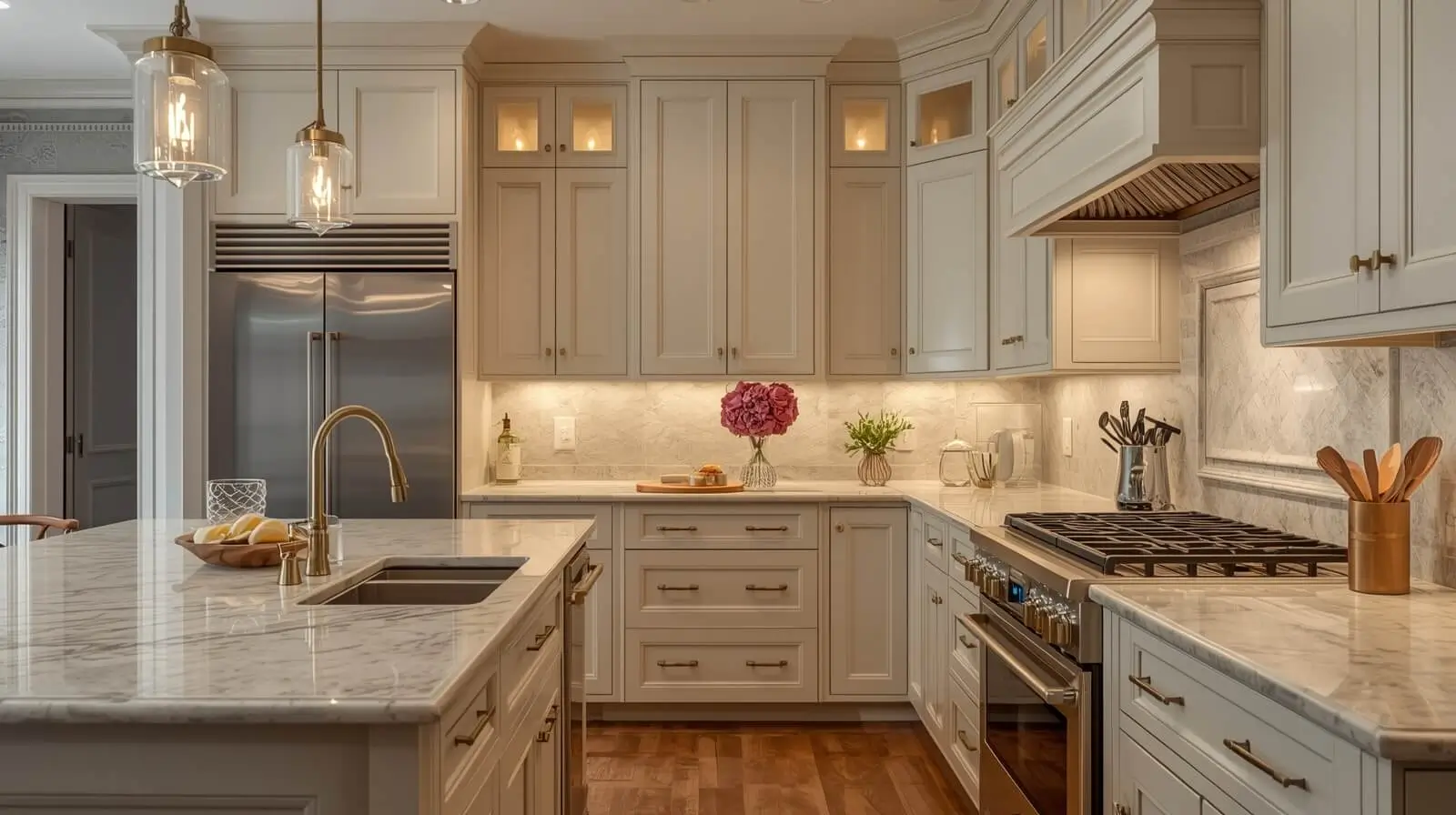
Victorian Kitchen Designs with Contemporary Materials
Traditional layouts are refreshed using quartz, matte finishes, and modern lighting while keeping decorative detailing intact.
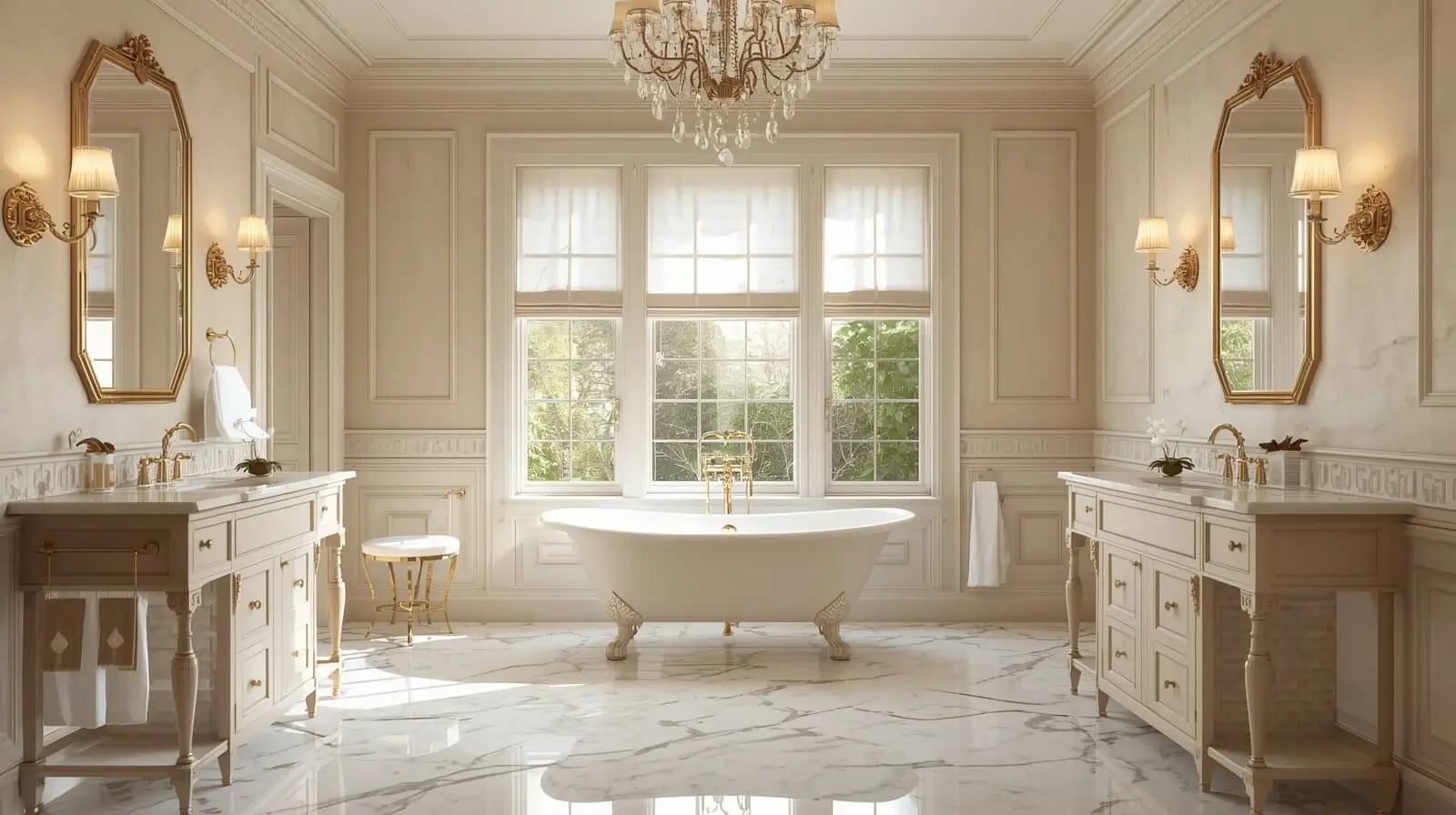
Modern Victorian Bathroom Interiors
Modern Victorian bathrooms feature freestanding tubs, classic tile patterns, and contemporary fixtures for spa-like comfort.
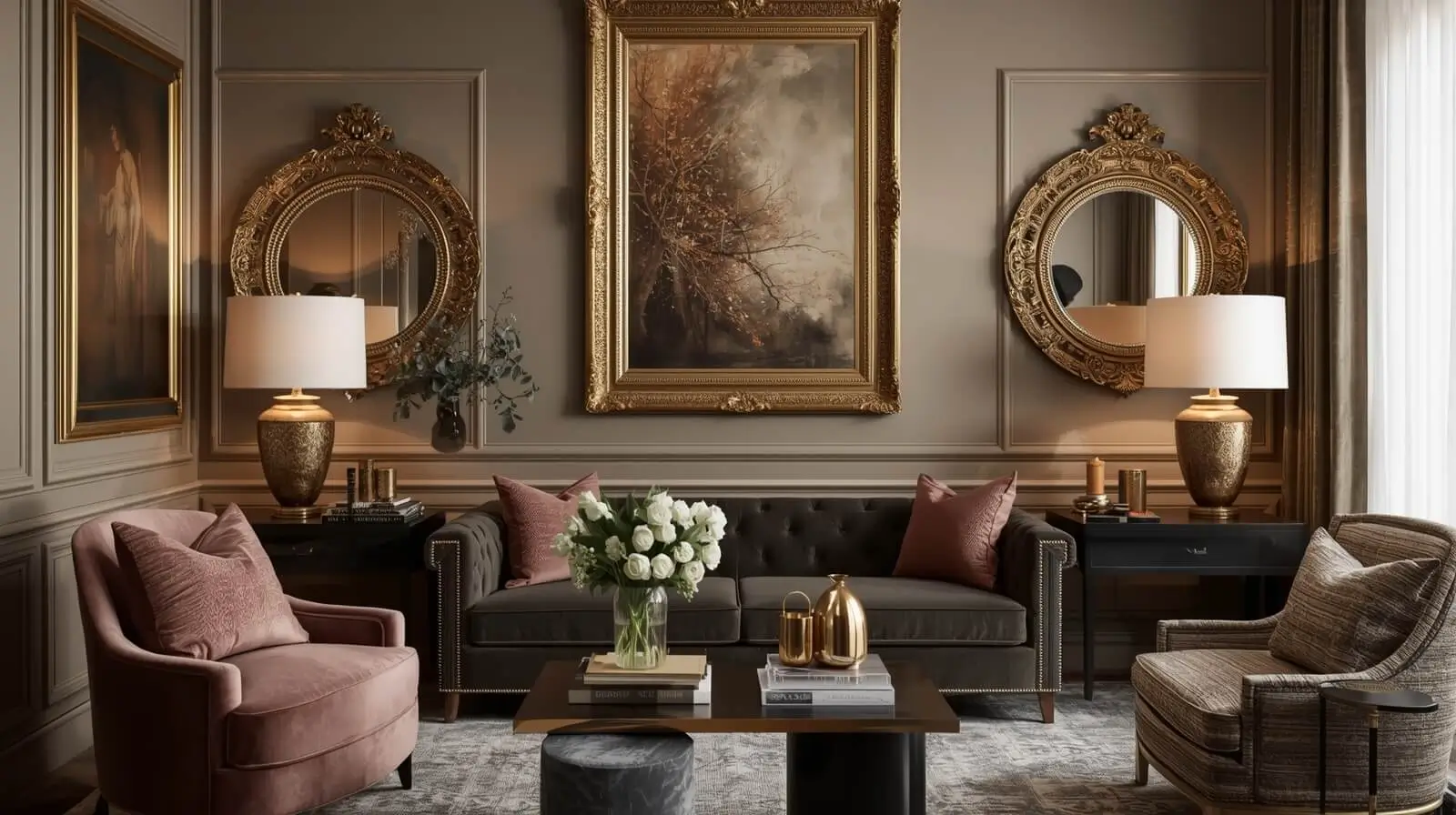
Victorian Interior Decoration with a Modern Eye
Accessories are curated, not crowded. Mirrors, artwork, and sculptural pieces replace heavy ornamentation.
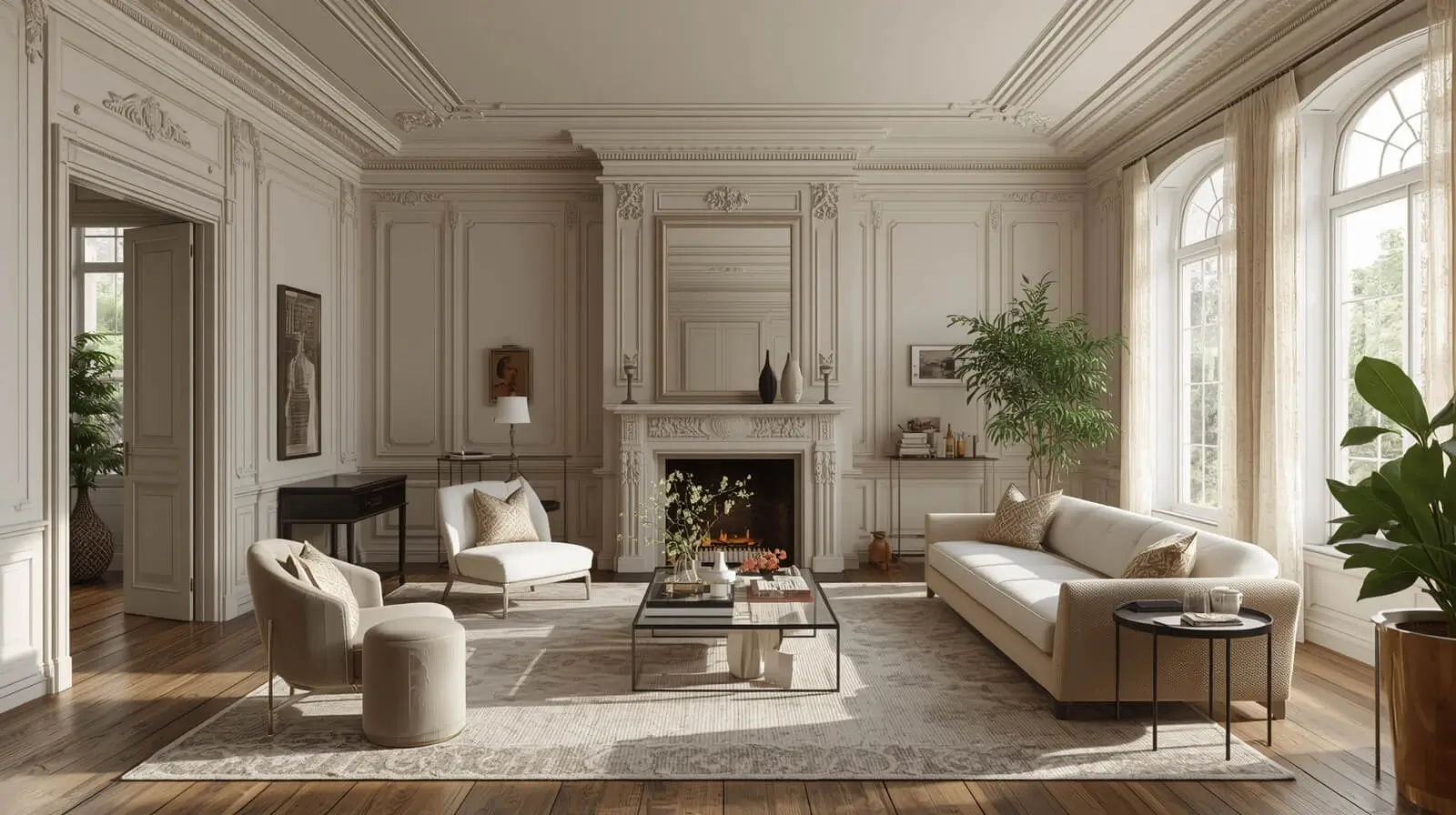
Victorian Era Interior Design Reimagined
Historical elements like arches and cornices are preserved, while finishes and layouts are updated for modern living.
Modern Victorian House Interior Flow
Open-plan adaptations work best when spaces are visually connected through consistent materials and repeated classic details.
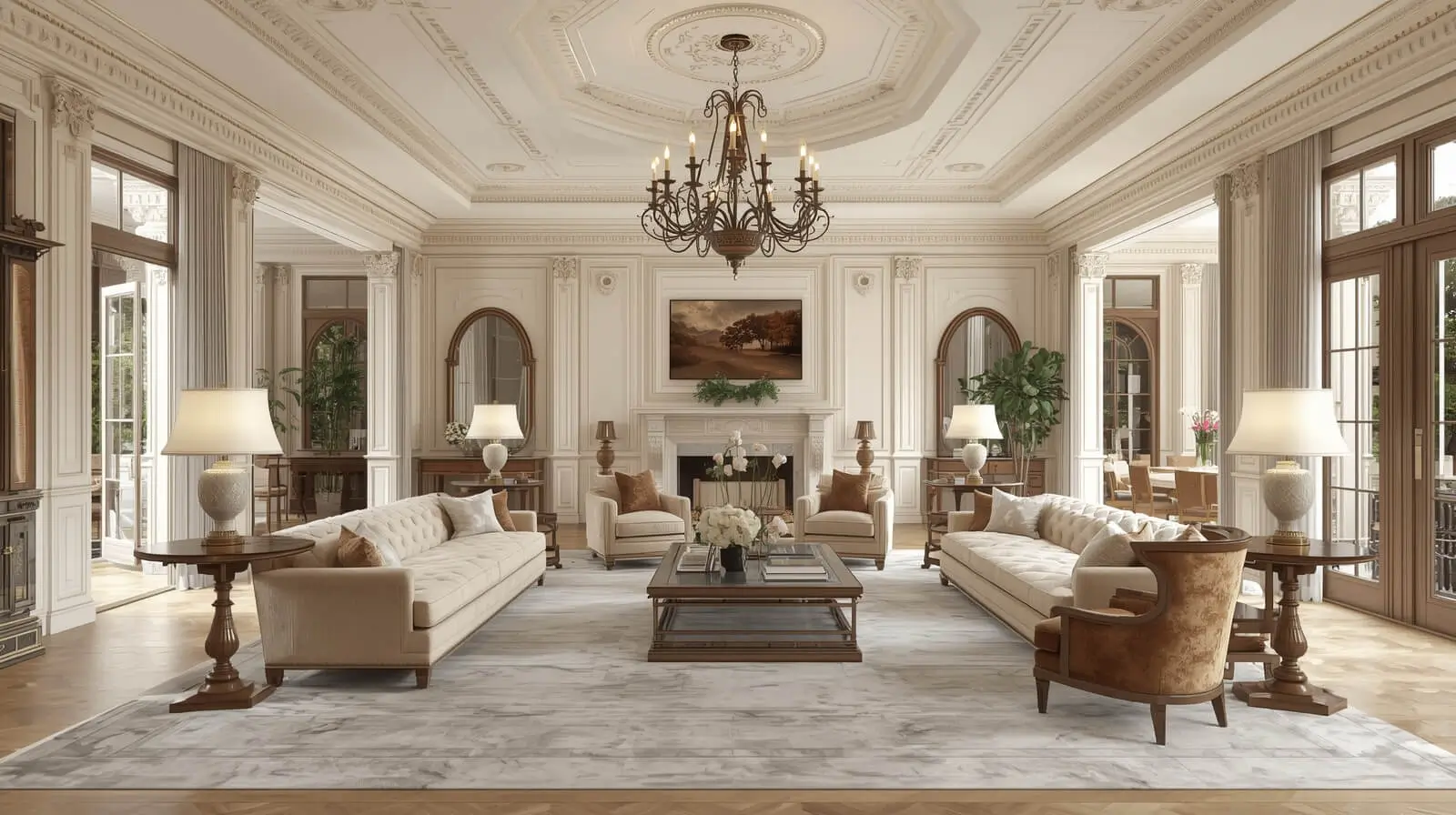
Victorian Bedrooms with Contemporary Styling
Victorian bedrooms become lighter and fresher with modern lighting, restrained patterns, and thoughtful symmetry.
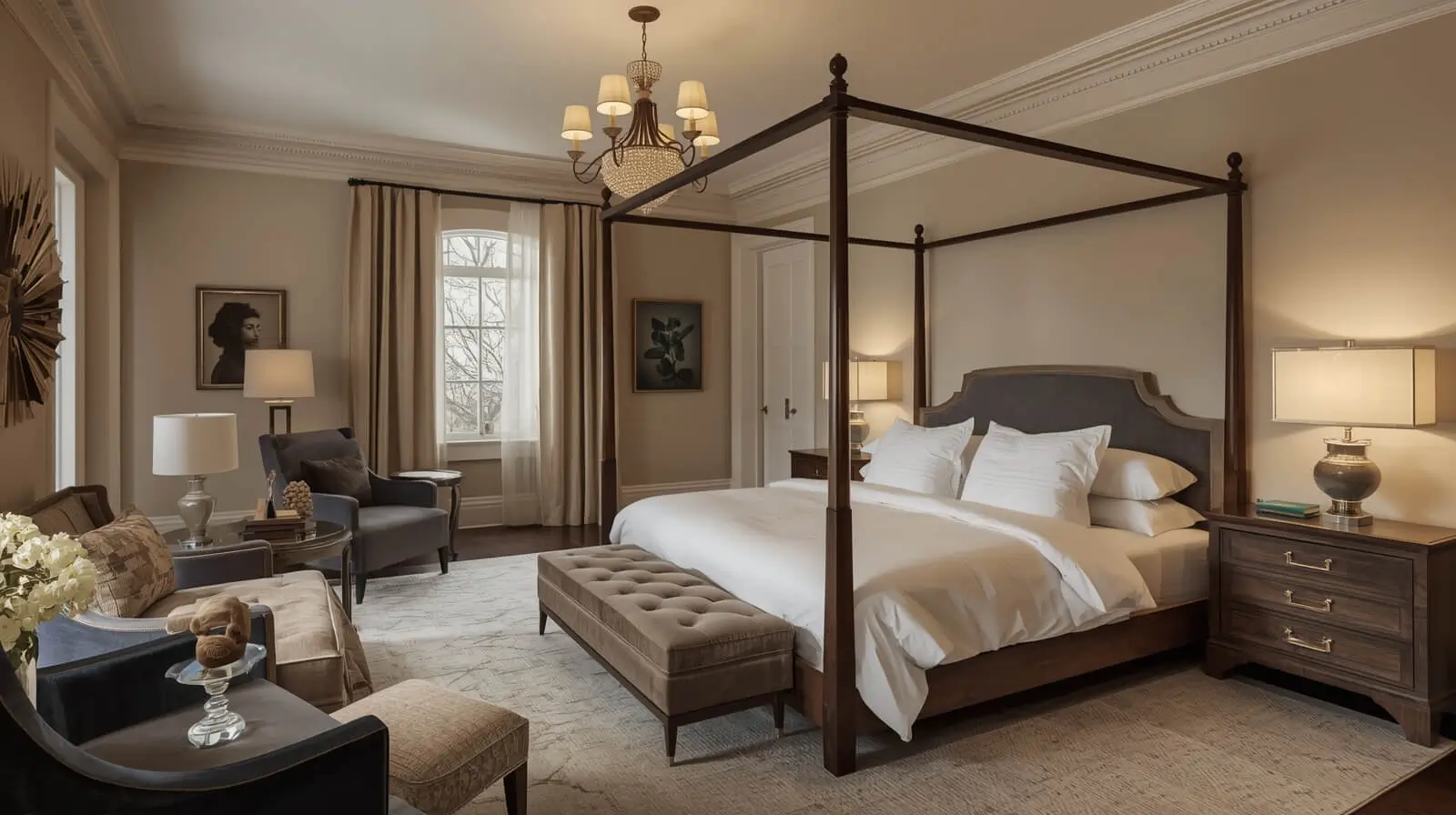
Victorian Modern Style Dining Rooms
Dining rooms embrace drama through lighting and wall details, balanced by modern tables and seating.
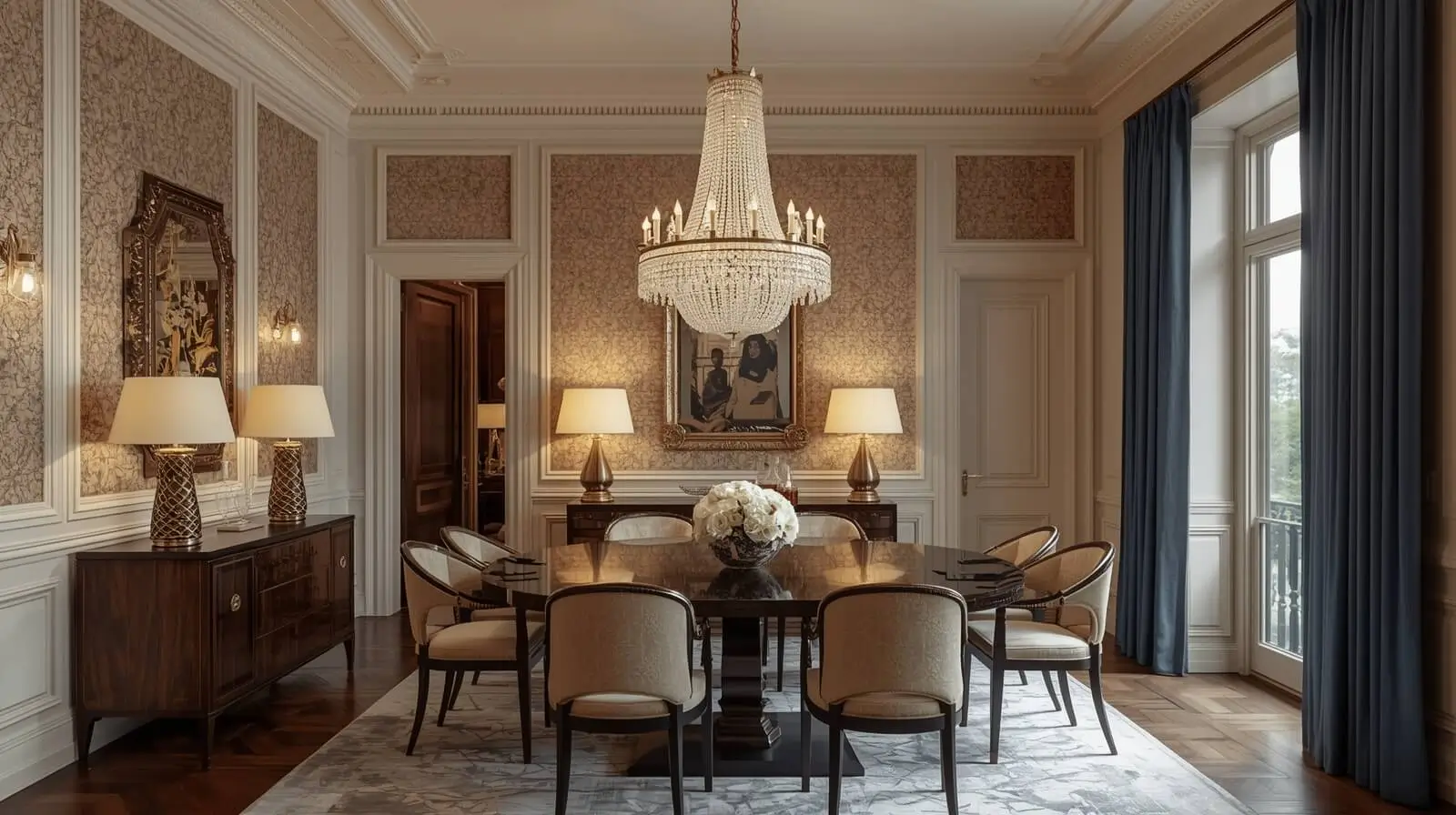
Modern Victorian Interior Design Lighting Strategy
Lighting is layered—statement chandeliers, wall sconces, and discreet modern fixtures—to enhance architectural beauty without overpowering it.
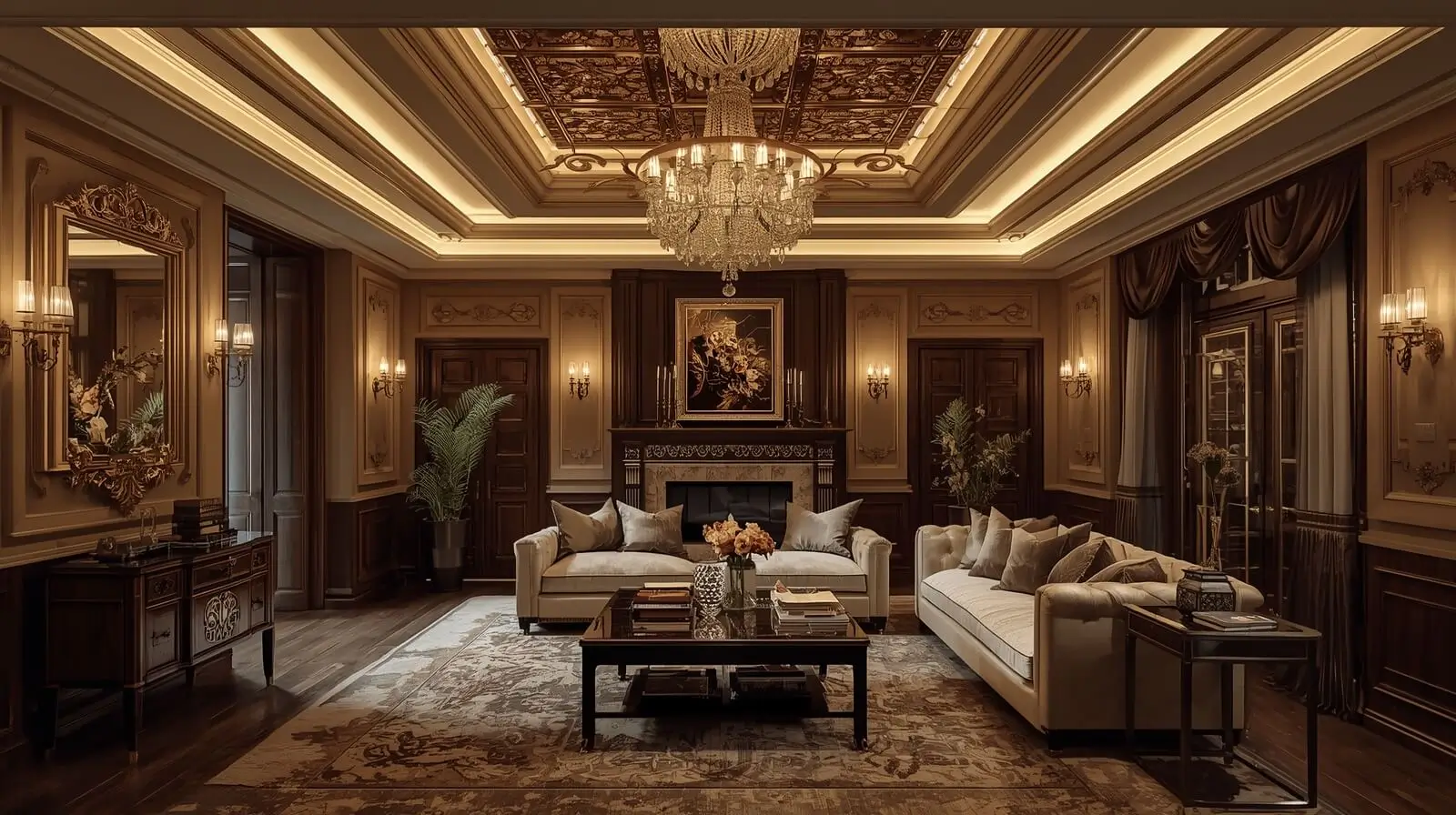
Victorian Style Interior for Modern Homes
Even non-Victorian homes can adopt the style through moldings, classic proportions, and carefully chosen vintage-inspired elements.
Conclusion: Designing with History, Living for Today
Modern Victorian interior design works because it respects where spaces come from while fully embracing how we live now. It’s not about recreating a museum or stripping character in the name of modernity—it’s about thoughtful balance. When classic proportions, craftsmanship, and decorative detail are paired with contemporary layouts, materials, and lighting, interiors gain depth without feeling heavy or outdated.
From real-world projects, this approach consistently benefits homeowners who value longevity, comfort, and identity in their spaces. It allows rooms to feel elegant yet practical, expressive yet calm. Victorian elements bring warmth, storytelling, and architectural richness; modern design ensures ease, clarity, and adaptability. Together, they create interiors that age gracefully rather than chase trends.
Moving forward with confidence means editing with intention. Preserve what gives a space its soul, modernize what supports daily life, and let contrast feel considered rather than forced. Whether you’re renovating a period home or introducing character into a newer space, modern Victorian interior design offers a flexible, timeless framework that supports both beauty and real living.
Learn more: 12+ Brilliant Ways to Maximize Space in Interior Design
Frequently Asked Questions
- Is modern Victorian interior design suitable for small or contemporary homes?
Yes. The key is scale and restraint. Even in smaller or newer homes, subtle Victorian elements—like paneling, classic lighting, or traditional color palettes—can add depth without overwhelming the space.
- How do I avoid making the space feel too dark or heavy?
Balance is essential. Use lighter wall colors, modern lighting, and uncluttered layouts to offset ornate details. Victorian character doesn’t require dark rooms—it benefits from light and breathing space.
- Can modern furniture work in a Victorian-style interior?
Absolutely. Clean-lined furniture often enhances Victorian architecture by providing contrast. When proportions are respected, modern pieces help the space feel current and intentional rather than themed.
- What materials best support this blended style?
Natural materials such as wood, stone, brass, marble, and quality textiles work beautifully. They echo Victorian craftsmanship while aligning with modern expectations of durability and comfort.
- Is this style expensive to achieve?
Not necessarily. The impact comes from thoughtful choices, not excess. Restoring existing details, investing in a few key pieces, and simplifying elsewhere often delivers better results than full-scale ornamentation.
- How do I know which Victorian elements to keep or introduce?
Focus on elements that contribute structure and atmosphere—moldings, ceiling height, fireplaces, or symmetry. Decorative additions should support the architecture, not compete with it.
- Does modern Victorian interior design follow trends?
It’s less about trends and more about principles. Because it’s rooted in proportion, craftsmanship, and function, the style remains relevant over time and adapts easily as lifestyles evolve.


One Response