
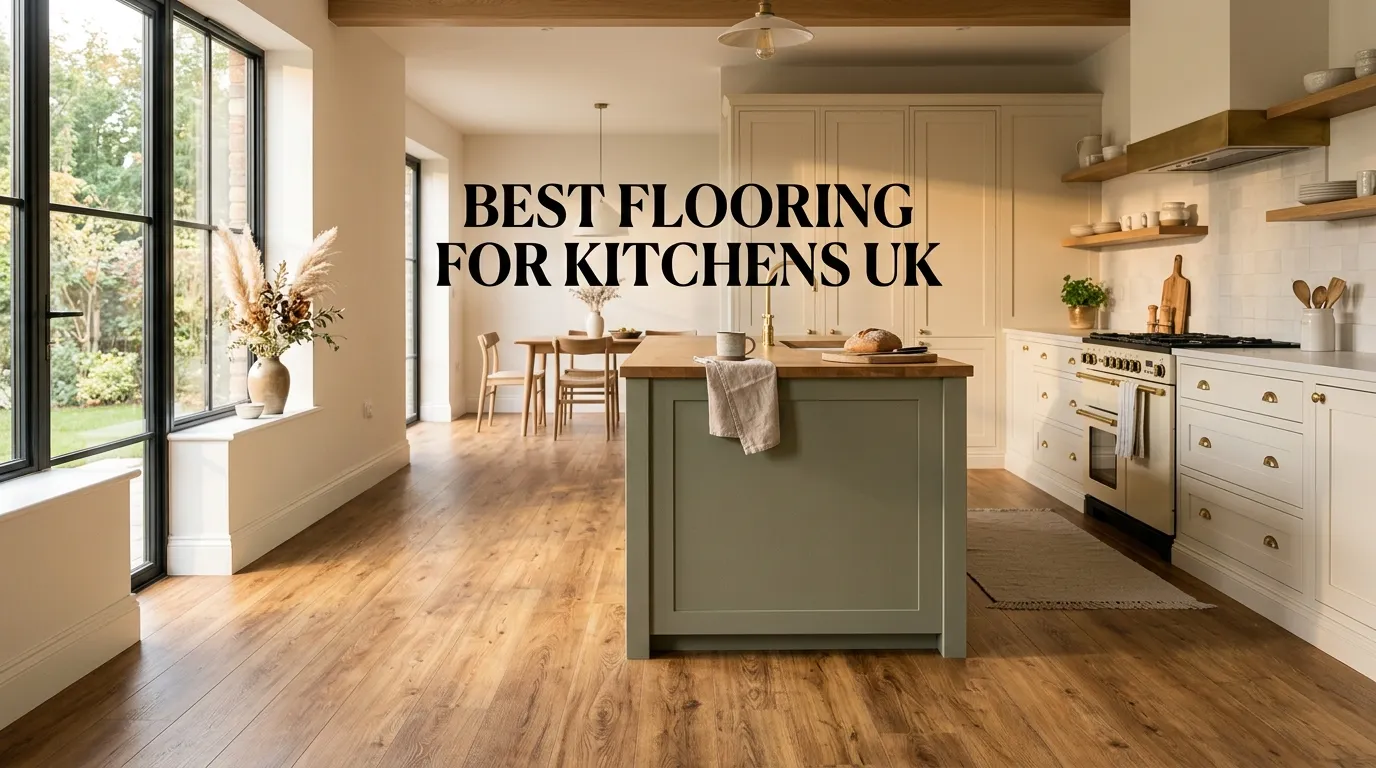
Introduction
Choosing the best flooring for kitchens UK homeowners can rely on day after day is rarely as simple as picking a colour you like. A kitchen floor has to survive spilled water, dropped pans, dragging chairs, muddy paw prints, and years of foot traffic, all while still looking warm and welcoming. Having worked through dozens of kitchen renovations across British homes — from Victorian terraces with uneven subfloors to new-build open-plan extensions — the same lesson comes up repeatedly: the right flooring decision is about balancing resilience, comfort underfoot, and visual character, not just trend-chasing.
In the UK specifically, kitchens face a slightly different set of demands than in drier climates. Frequent rain means more moisture is tracked in from outside, underfloor heating is increasingly common in extensions, and many kitchens now flow directly into dining or living areas, so the floor has to read as one continuous, considered surface. That’s why so many homeowners are moving away from traditional tile and toward materials like luxury vinyl, which combine water resistance with realistic wood and stone visuals.
This guide breaks down the most relevant flooring options for British kitchens, explains where each performs best, and pairs every category with a clear visual direction so you can picture exactly how it would look in your own space.
Understanding the Best Flooring for Kitchen Spaces
Before comparing materials, it helps to define what actually makes a floor “good” for a kitchen. The best flooring for kitchen environments needs to resist water, withstand impact, stay comfortable underfoot for long periods of standing, and clean easily without specialist products. Looks matter too, but durability is what determines whether a floor still looks good in five years.
Best Waterproof Flooring for Kitchen Areas
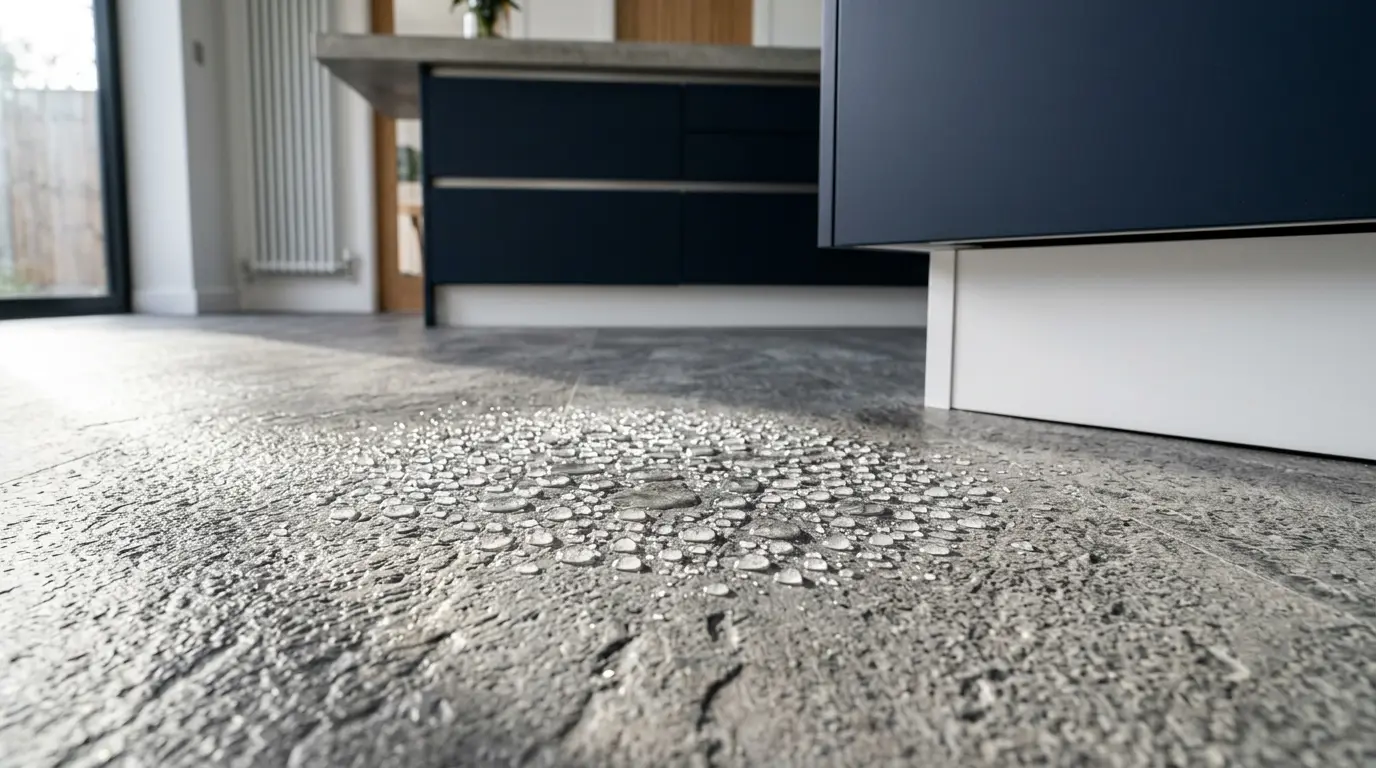
Water resistance is the single most important factor for any kitchen floor, since sinks, dishwashers, and kettles all create regular spill risk. The best waterproof flooring for kitchen use forms a sealed surface that prevents moisture from reaching the subfloor, protecting against swelling, warping, and mould. Fully waterproof options also tend to be the easiest to maintain long-term.
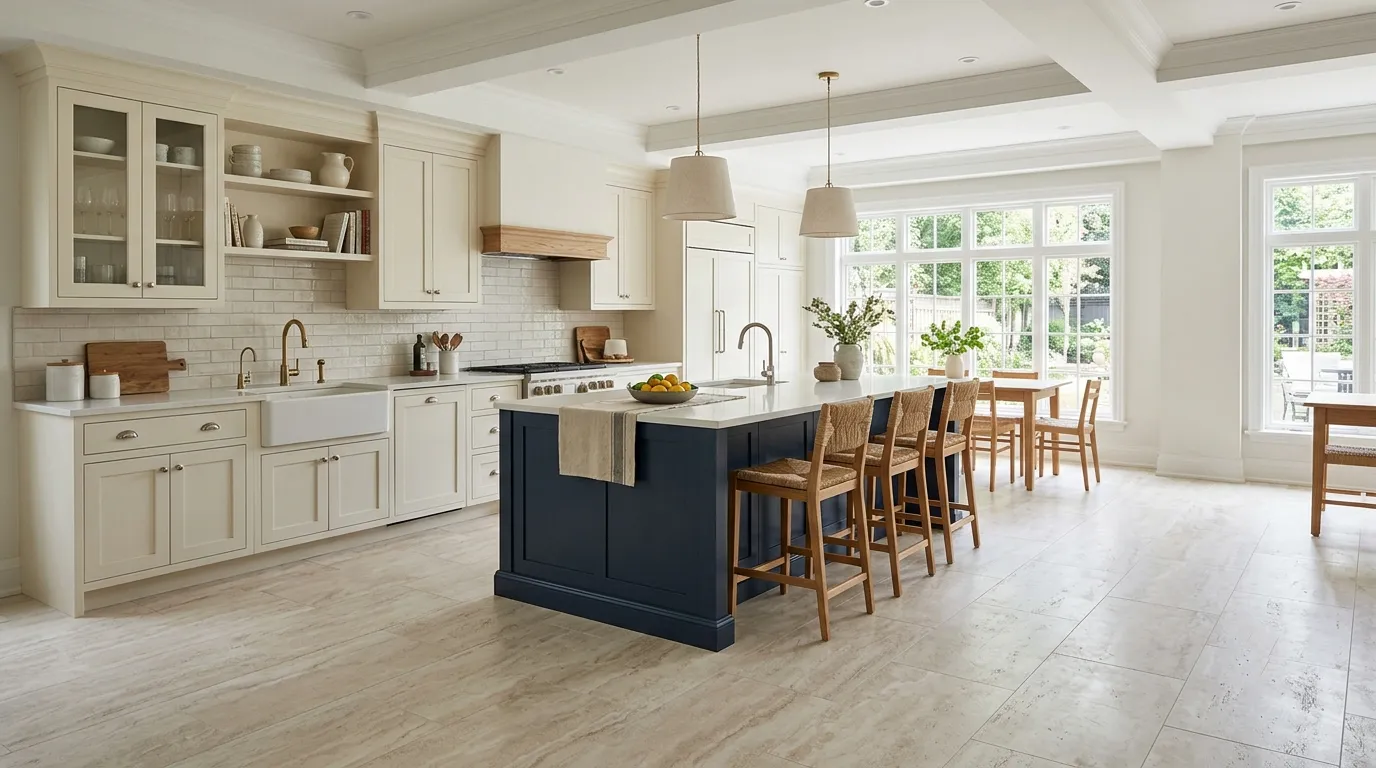
LVT (Luxury Vinyl Tile) Kitchen Flooring Explained
LVT kitchen flooring has become one of the most popular choices in the UK because it replicates the look of natural stone or ceramic tile while remaining completely waterproof and far more comfortable underfoot. Unlike real tile, LVT stays warmer in winter and is far less likely to crack if something heavy is dropped on it.
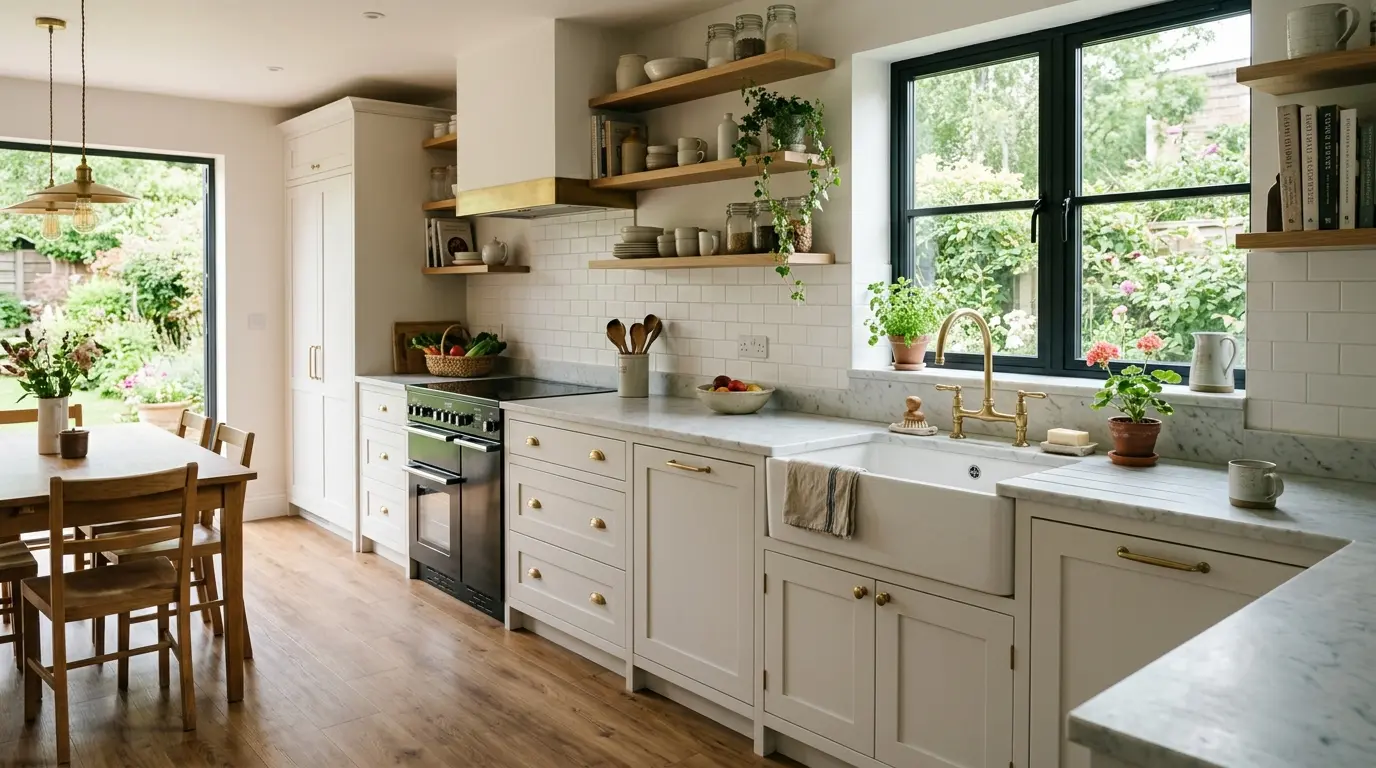
LVP (Luxury Vinyl Plank) Flooring for a Wood-Look Kitchen
LVP flooring brings the warmth of timber planks without the vulnerability of real wood to water damage. For homeowners who love the appearance of natural floorboards but need a kitchen-safe alternative, LVP delivers convincing wood grain texture, bevelled edges, and a realistic finish that pairs beautifully with both modern and period interiors.
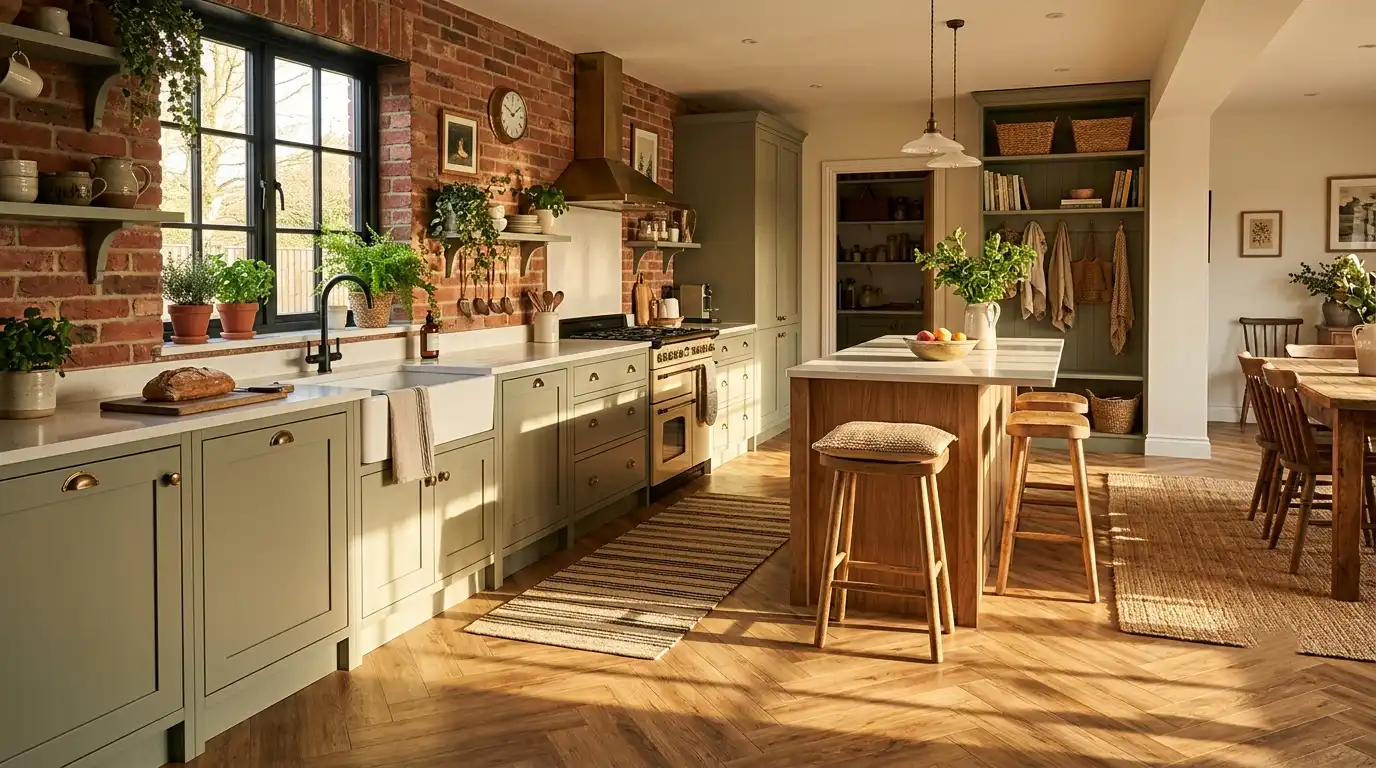
Vinyl Flooring for Kitchens: Why It Remains a Top Choice
Vinyl flooring for kitchens continues to dominate the UK market because it offers genuine value: it’s water-resistant, soft underfoot, available in sheet or plank form, and significantly cheaper to install than stone or hardwood. Modern printing technology means today’s vinyl no longer looks “fake,” with realistic grain and texture layers built into the surface.
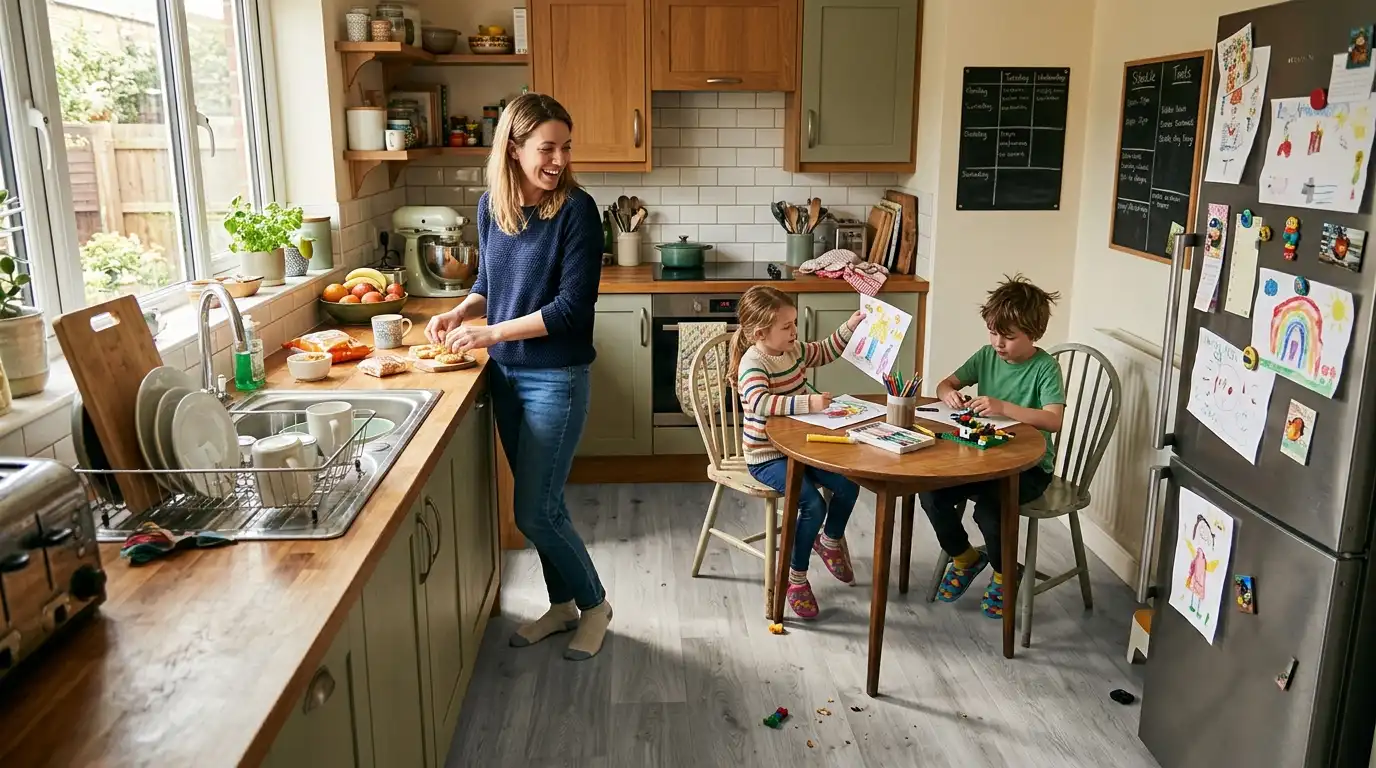
Vinyl Plank Flooring: Style Meets Practicality
Vinyl plank flooring takes the durability of standard vinyl and presents it in long, narrow boards that mimic hardwood far more convincingly than older vinyl sheet products. The plank format also makes it easier to create visual flow between a kitchen and an adjoining dining or living space.
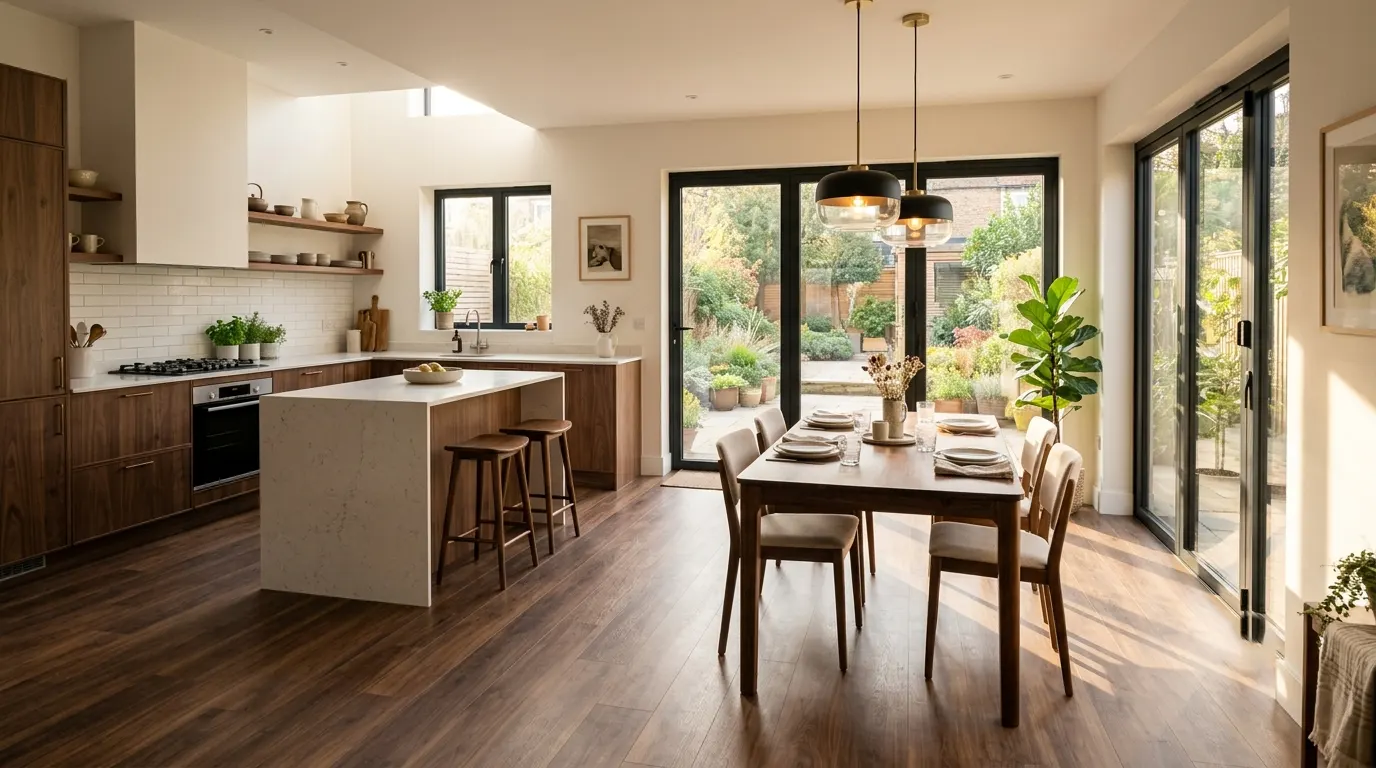
Laminate Flooring for Kitchen: Affordable Elegance
Laminate flooring for kitchen use offers an attractive middle ground between price and appearance, replicating wood or stone through a printed top layer protected by a tough wear coating. While not fully waterproof like vinyl, modern water-resistant laminate ranges can cope well with everyday kitchen splashes when properly sealed at the edges.
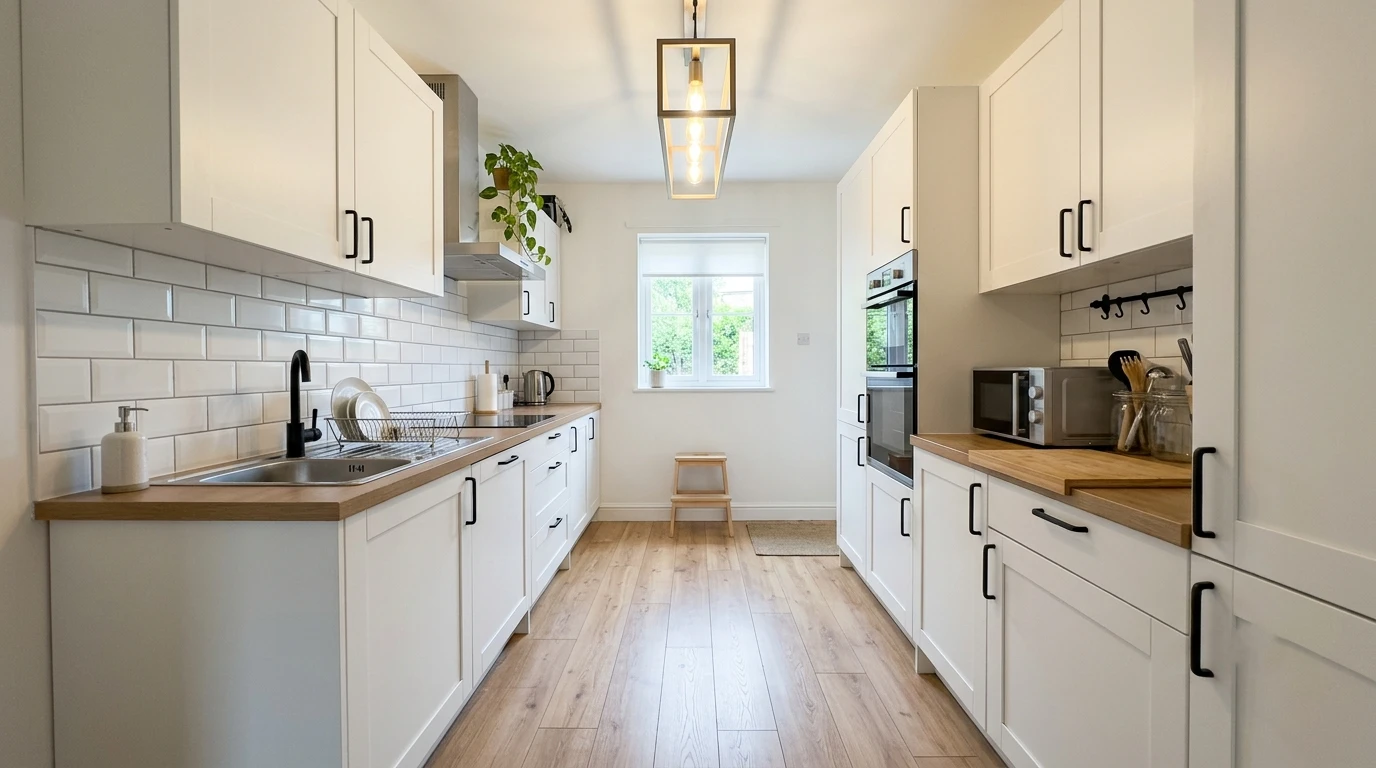
Laminate Wood Flooring Kitchen: Achieving a Natural Look
For those who want the character of real timber without committing to solid wood in a moisture-prone room, laminate wood flooring kitchen options replicate grain patterns, knots, and colour variation convincingly. It’s an especially good fit for kitchens that connect to hallways already finished in a similar wood-look laminate.
Most Durable Kitchen Flooring for High-Traffic Homes
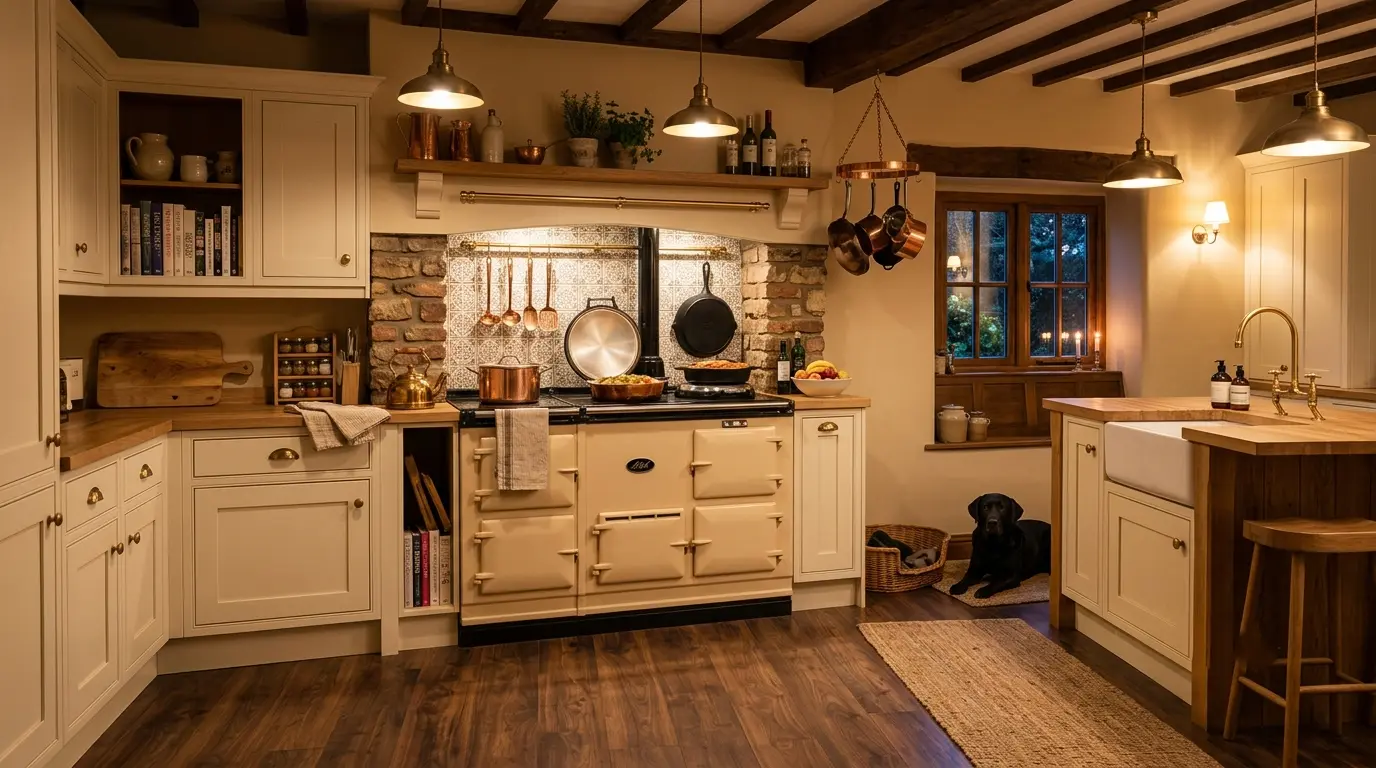
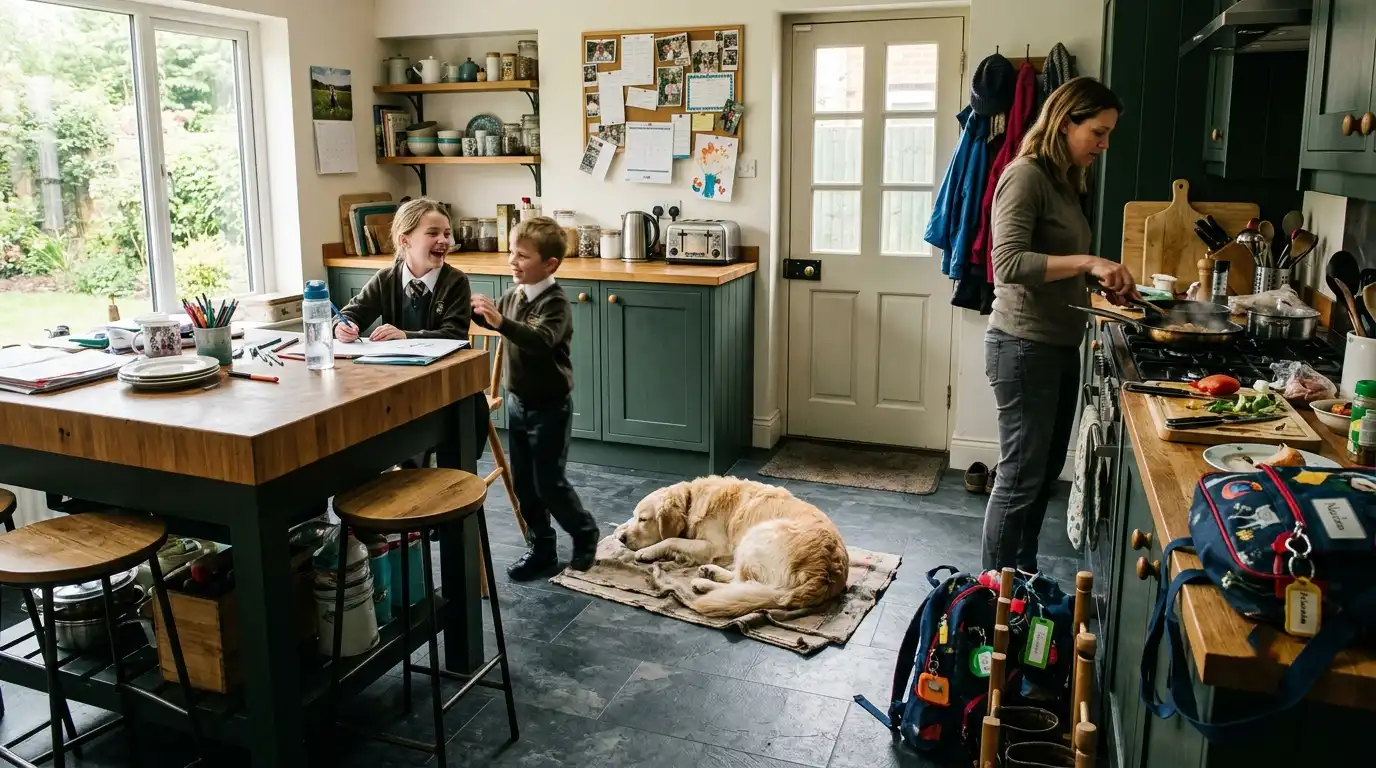
For households with children, pets, or frequent entertaining, the most durable kitchen flooring needs to resist scratches, dents, and stains without constant upkeep. Thicker-wear-layer LVT and rigid-core vinyl plank consistently perform best in independent durability testing, often outlasting laminate and standard ceramic tile in busy family kitchens.
Luxury Vinyl Flooring: The Premium Choice for Modern Kitchens
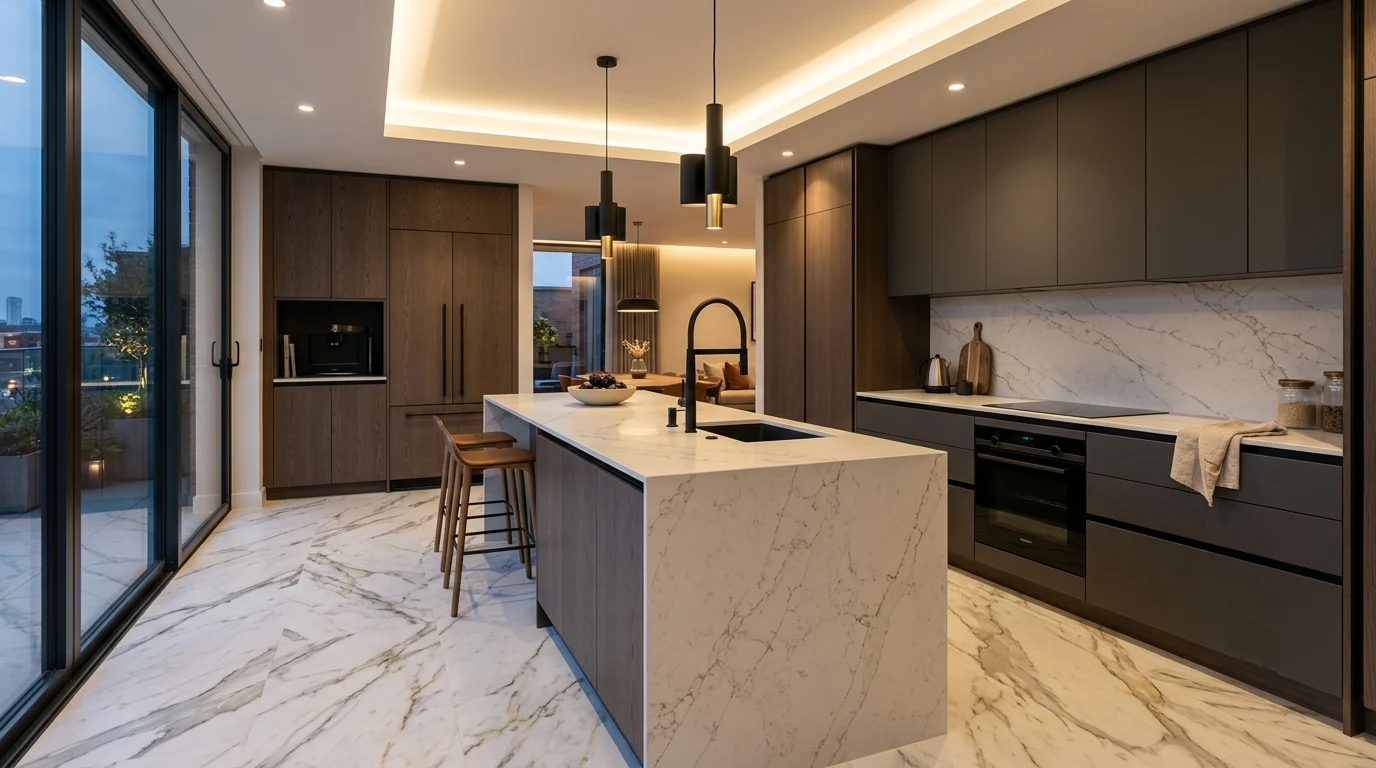
Luxury vinyl flooring sits at the top end of the vinyl category, using multi-layer construction with a thicker wear layer, embossed texture, and sharper visual realism than entry-level products. It’s frequently chosen for high-spec kitchen renovations where homeowners want a stone or wood look without the maintenance demands of the real material.
Kitchen Flooring Options: Comparing Materials Side by Side
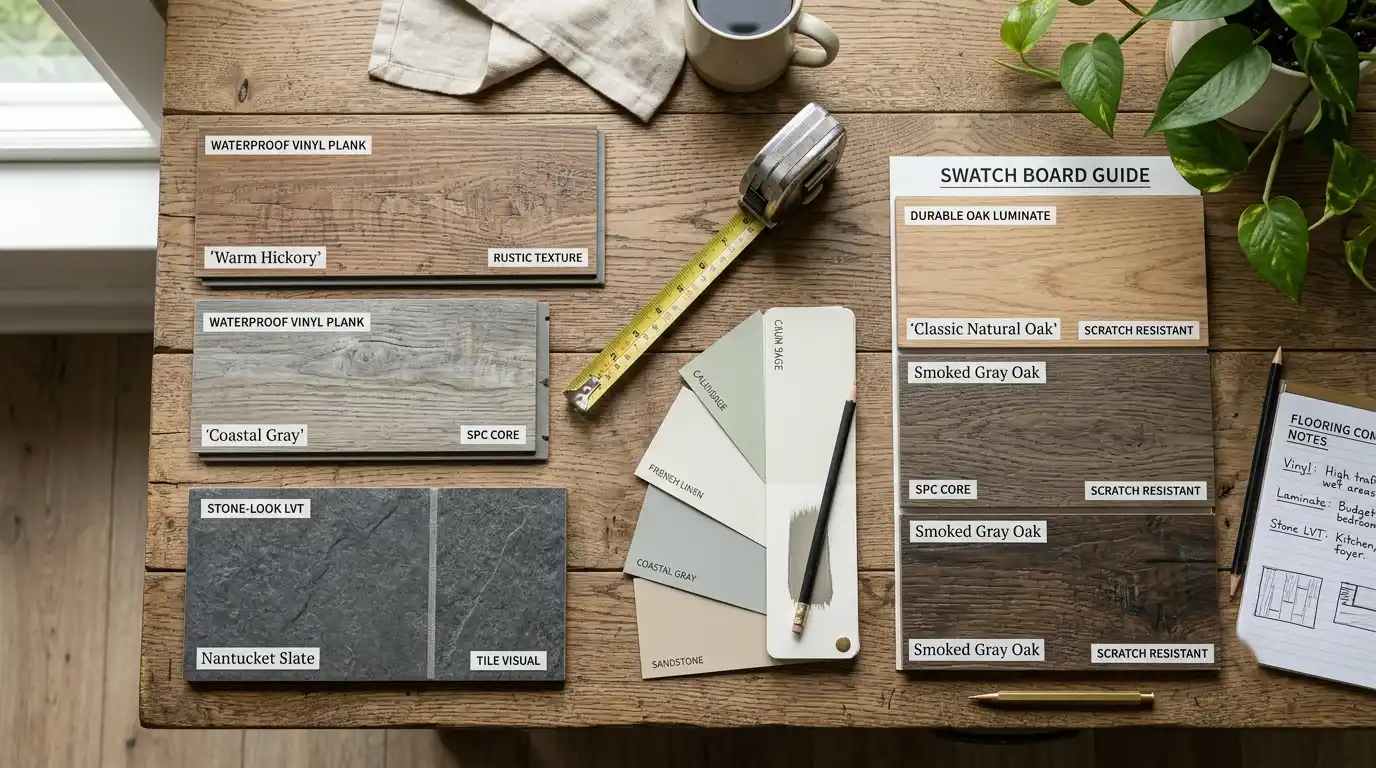
When weighing kitchen flooring options, it helps to think in terms of priorities: vinyl and LVT lead on water resistance and comfort, laminate offers strong value and a natural wood appearance, and engineered stone or porcelain tile suit those prioritising maximum hardness over warmth underfoot. The right choice depends on household lifestyle as much as aesthetic preference.
LVT vs Laminate: Which Suits Your Kitchen Best
The LVT versus laminate decision usually comes down to moisture exposure and budget. LVT is fully waterproof and better suited to kitchens with sinks, dishwashers, or direct access to a garden, while laminate can suit drier kitchens or those where cost is the deciding factor, provided spills are wiped up promptly.
Vinyl Tile Kitchen Designs: Patterns and Layouts
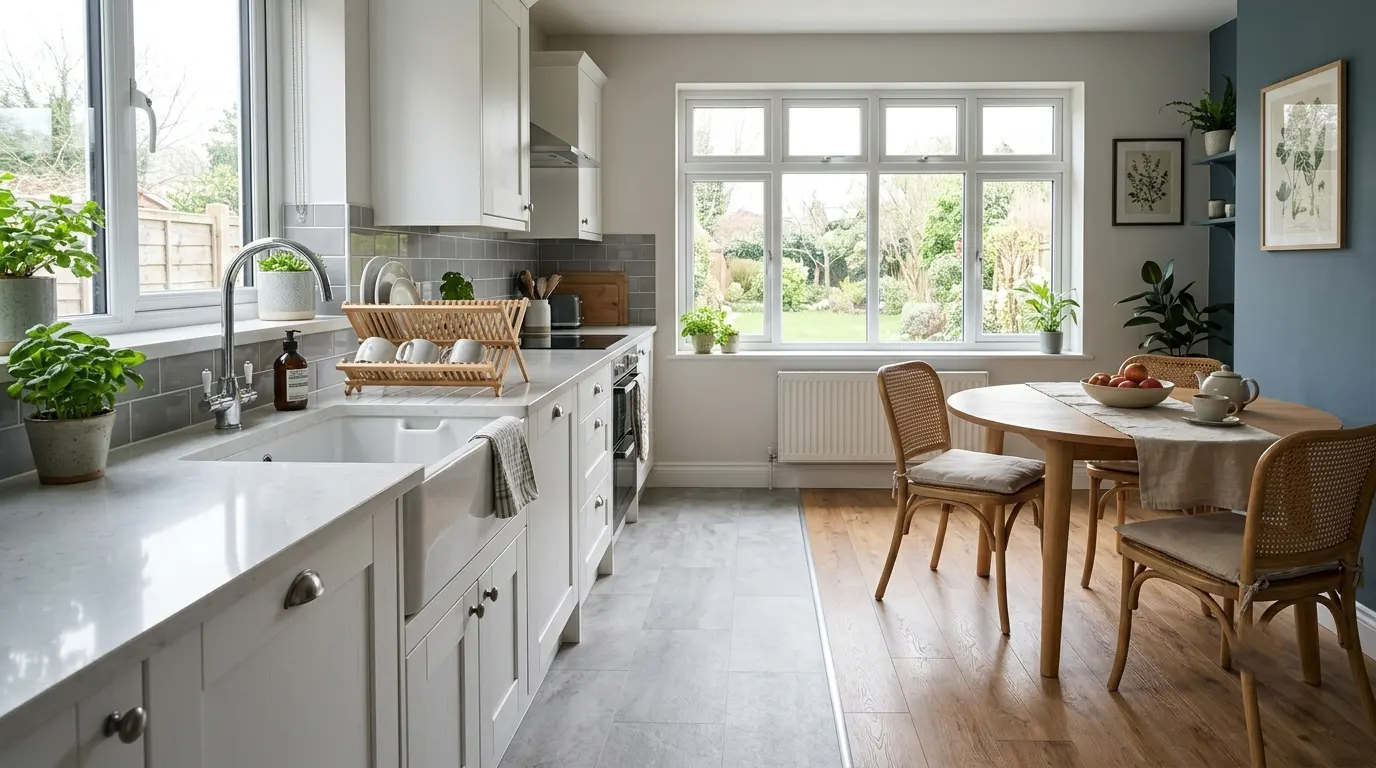
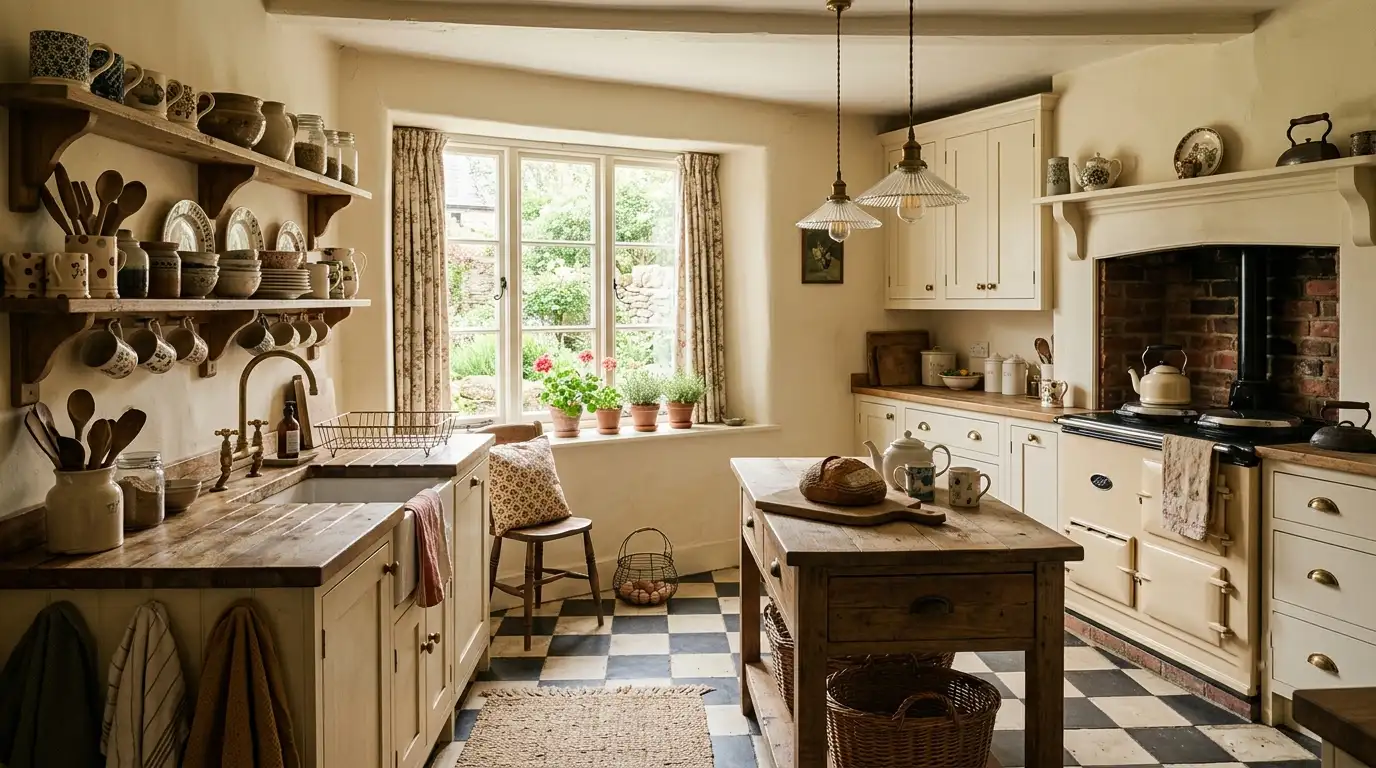
A vinyl tile kitchen doesn’t have to look uniform — patterned layouts such as herringbone, checkerboard, or large-format diagonal tiling can elevate vinyl into a genuine design statement. These layouts work particularly well in period-style British kitchens looking to reference traditional encaustic or Victorian tile patterns without the cost or fragility of the original material.
Flooring That Flows from Kitchen to Bathroom and Beyond
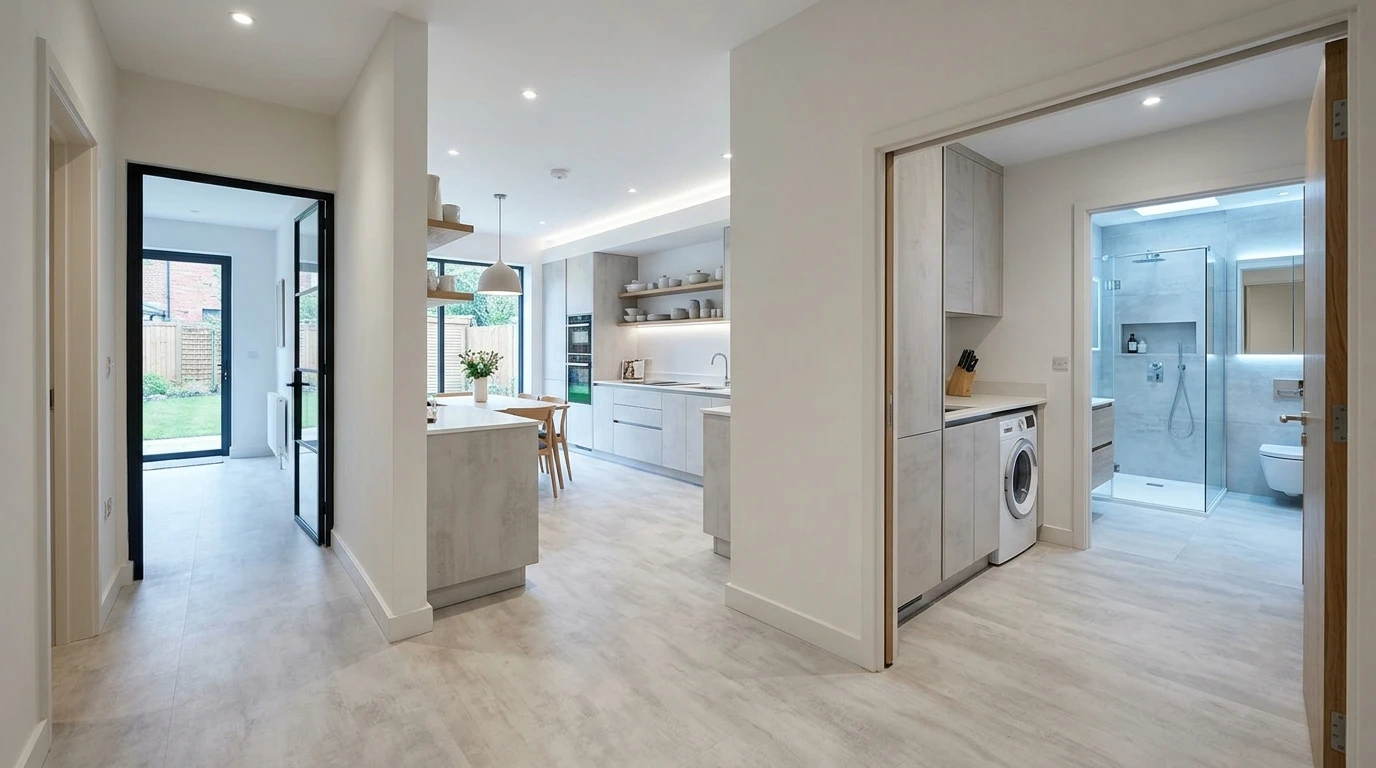
Many UK homes now favour continuity between wet rooms, choosing the same luxury vinyl tile across kitchens, utility rooms, and bathrooms for a cohesive look and consistent water resistance. This approach simplifies maintenance and creates a seamless visual transition between adjoining functional spaces.
Choosing Kitchen Flooring for Pets, Kids, and Busy Households
For homes with pets and young children, scratch resistance, slip resistance, and ease of cleaning take priority over subtle design preferences. Textured, low-sheen vinyl and LVT finishes hide everyday wear far better than glossy laminate, and their water-tight seams prevent accidents from seeping beneath the surface.

Maintaining LVT and Vinyl Kitchen Flooring for Longevity
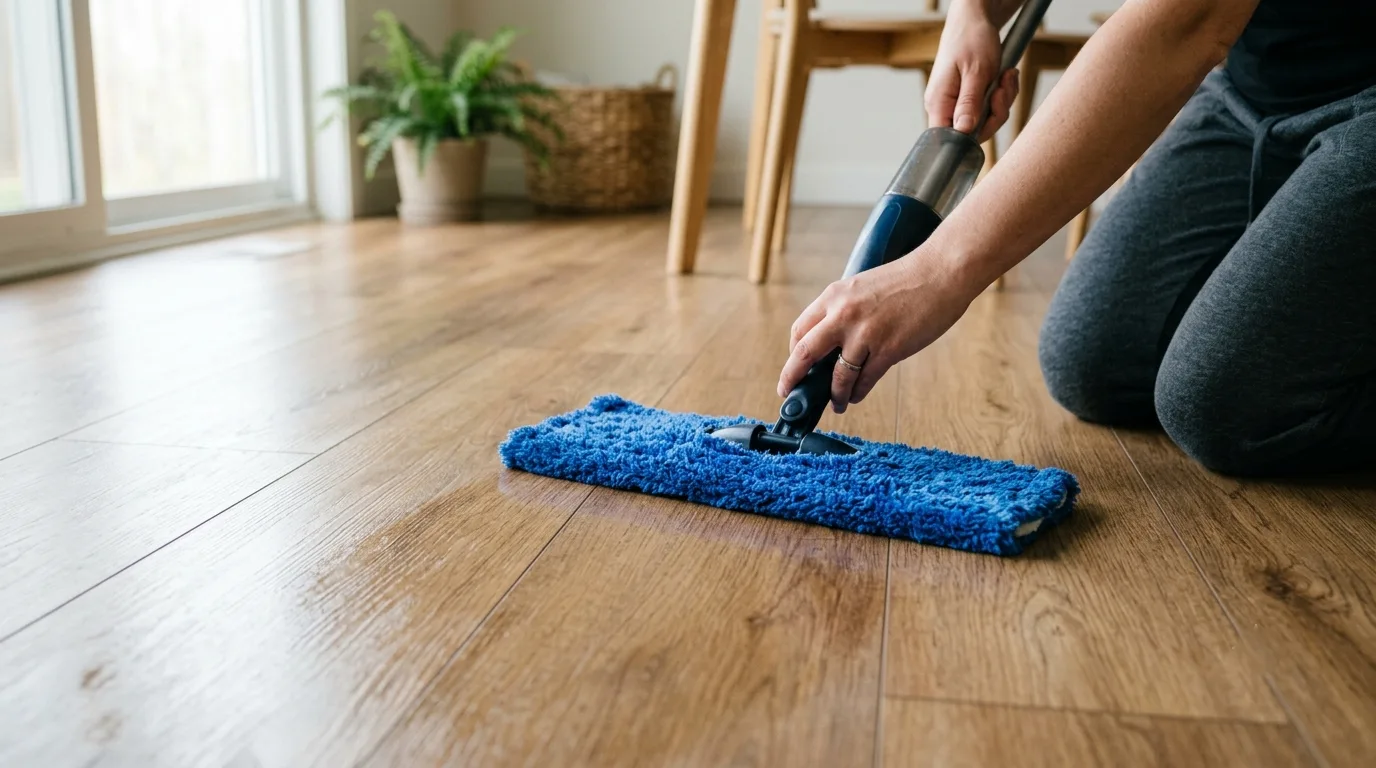
Even the most durable kitchen flooring benefits from simple, consistent care: regular sweeping to prevent grit abrasion, pH-neutral cleaning products instead of harsh chemicals, and felt pads under furniture legs to avoid surface indentation. Following these habits is often the difference between a vinyl floor lasting eight years or twenty.
Final Thoughts
After walking through the full range of options, one truth becomes clear: choosing the best flooring for kitchens UK homes can depend on isn’t really about chasing a trend — it’s about matching a material to the way a household actually lives. A young family dealing with spilled juice and muddy paw prints has different priorities to a couple renovating a period cottage who want period-appropriate charm with modern resilience. Both deserve a floor that holds up without demanding constant attention.
What we’ve seen time and again, across renovations of every budget and style, is that the homeowners happiest with their kitchen floor years later are the ones who prioritised water resistance and durability before aesthetics. Luxury vinyl and LVT continue to earn their popularity because they remove the guesswork — they handle spills, withstand heavy footfall, and still deliver the warmth of wood or the elegance of stone without the upkeep those natural materials demand. Laminate remains a smart, honest option for those who want a similar look at a gentler price point, as long as expectations around moisture are realistic.
The real takeaway is this: a kitchen floor is one of the few design decisions in a home that has to perform every single day, often unnoticed, for over a decade. Getting it right means fewer regrets, fewer replacements, and a space that continues to feel considered long after the renovation dust has settled. Whichever material you lean toward, choosing with both lifestyle and longevity in mind will give you a kitchen floor that quietly does its job — and looks good doing it.
Learn more : Old House Renovation Ideas: Restore Character, Add Comfort
Frequently Asked Questions
- Is LVT or laminate better for a UK kitchen? LVT is generally the stronger choice for kitchens because it’s fully waterproof, whereas laminate is only water-resistant at best. If your kitchen sees regular spills, has a sink near flooring edges, or opens onto a garden where moisture gets tracked in, LVT will hold up with far less risk of swelling or edge damage over time.
- Can vinyl flooring really withstand heavy daily use in a busy kitchen? Yes, provided you choose a product with an adequate wear layer thickness for residential use. Rigid-core vinyl plank and LVT with a thicker top layer resist scratches, dents, and stains well, which is why they’re so often recommended for households with children, pets, or frequent entertaining.
- Does kitchen flooring need to match the rest of the ground floor? It doesn’t have to, but many homeowners choose to extend the same vinyl or LVT into hallways, utility rooms, or open-plan living areas for a more seamless, cohesive look. If your kitchen is closed off as its own room, you have more freedom to treat the flooring as a standalone design choice.
- Is underfloor heating compatible with vinyl and laminate flooring? Most luxury vinyl and LVT products are compatible with underfloor heating, though it’s worth checking the manufacturer’s maximum temperature guidance before installation. Laminate can also work with underfloor heating in many cases, but rapid temperature changes are best avoided to prevent warping over time.
- How long does good quality kitchen flooring typically last? With proper installation and routine care, luxury vinyl and LVT can comfortably last fifteen to twenty years, while laminate generally performs well for around ten to fifteen years depending on traffic levels. Longevity comes down less to the material’s price point and more to consistent maintenance and avoiding standing water.
- What’s the most practical flooring choice for a kitchen with pets? Textured, matte-finish vinyl or LVT tends to perform best with pets, since it hides scratches and light wear far more effectively than glossy laminate or polished tile. A slightly textured surface also offers better grip, which matters for both pets and people moving quickly around a busy kitchen.
- Is it worth paying more for luxury vinyl over standard vinyl flooring? In most cases, yes. Luxury vinyl typically has a thicker, more durable wear layer and sharper visual detailing, which means it resists damage better and looks convincing for longer. For a room that sees as much daily activity as a kitchen, the extra investment usually pays off in both appearance and lifespan.




One Response